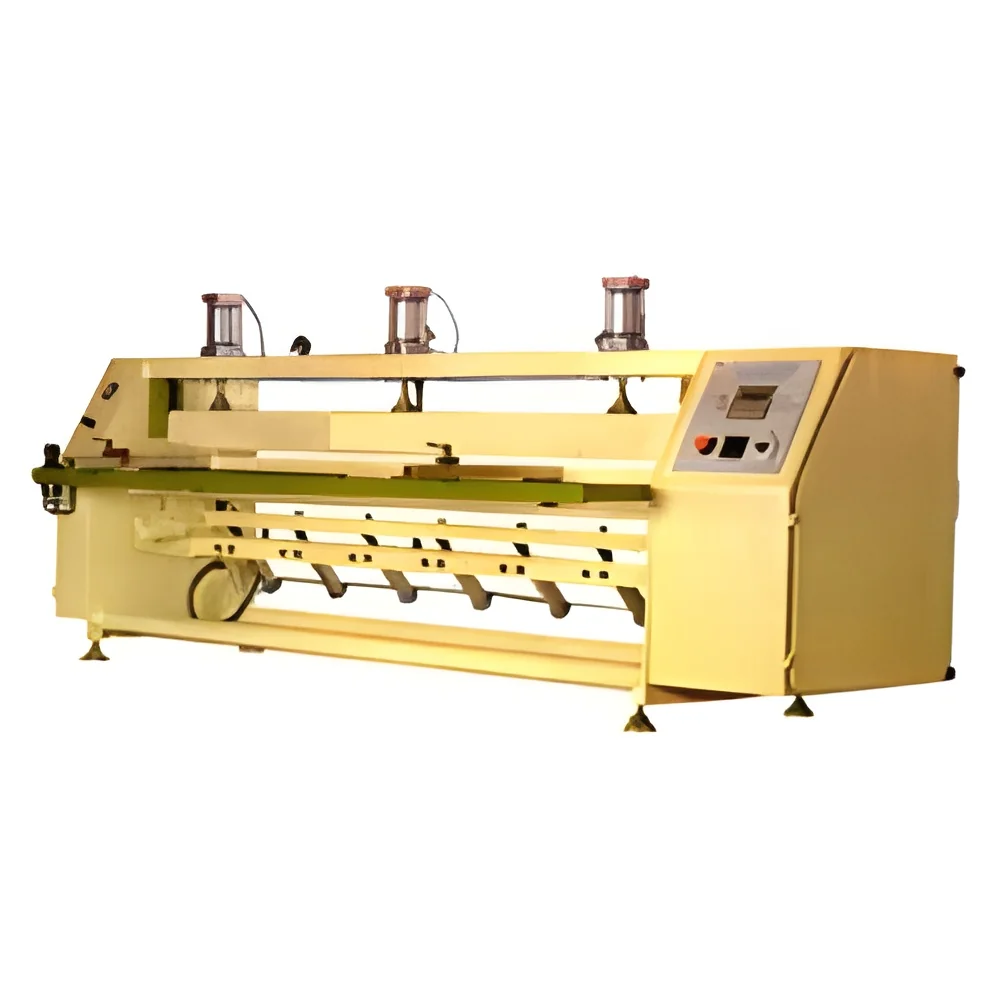
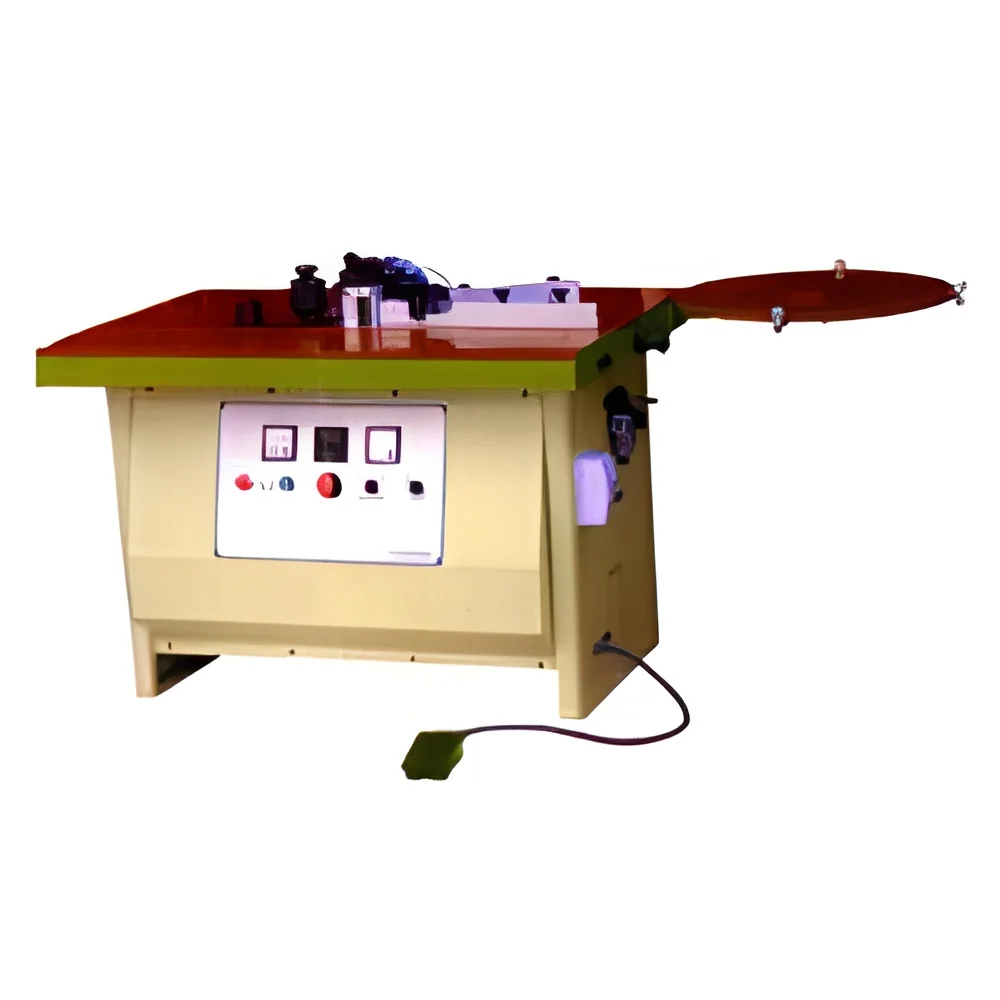
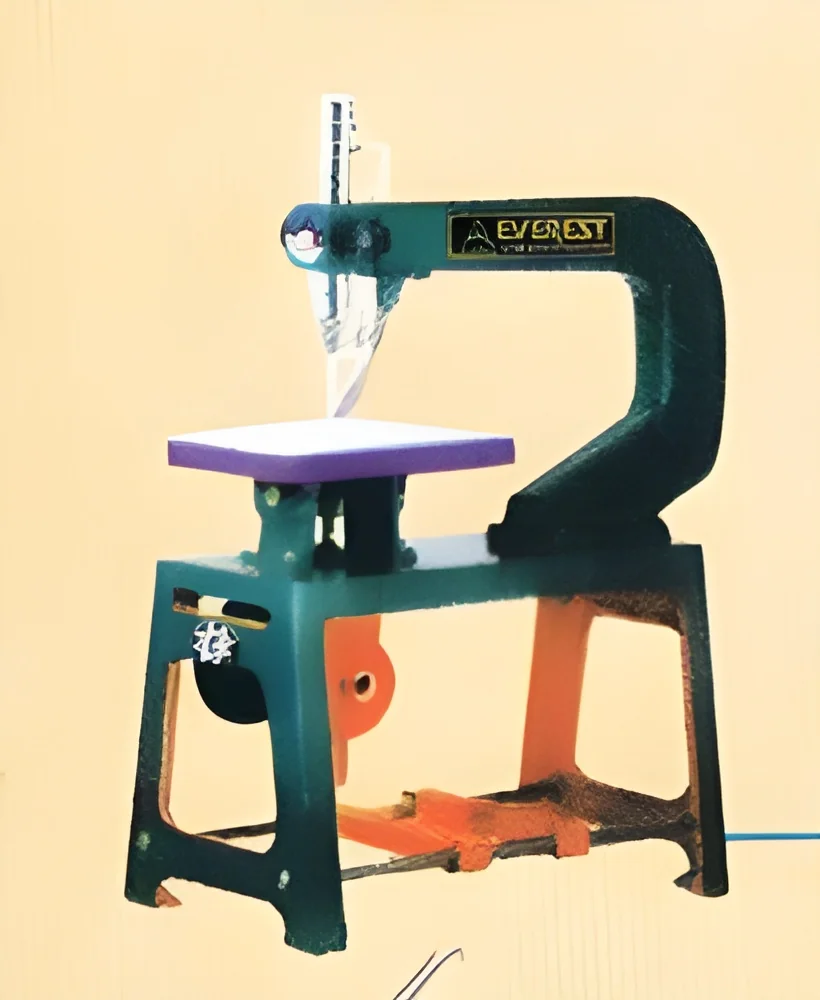
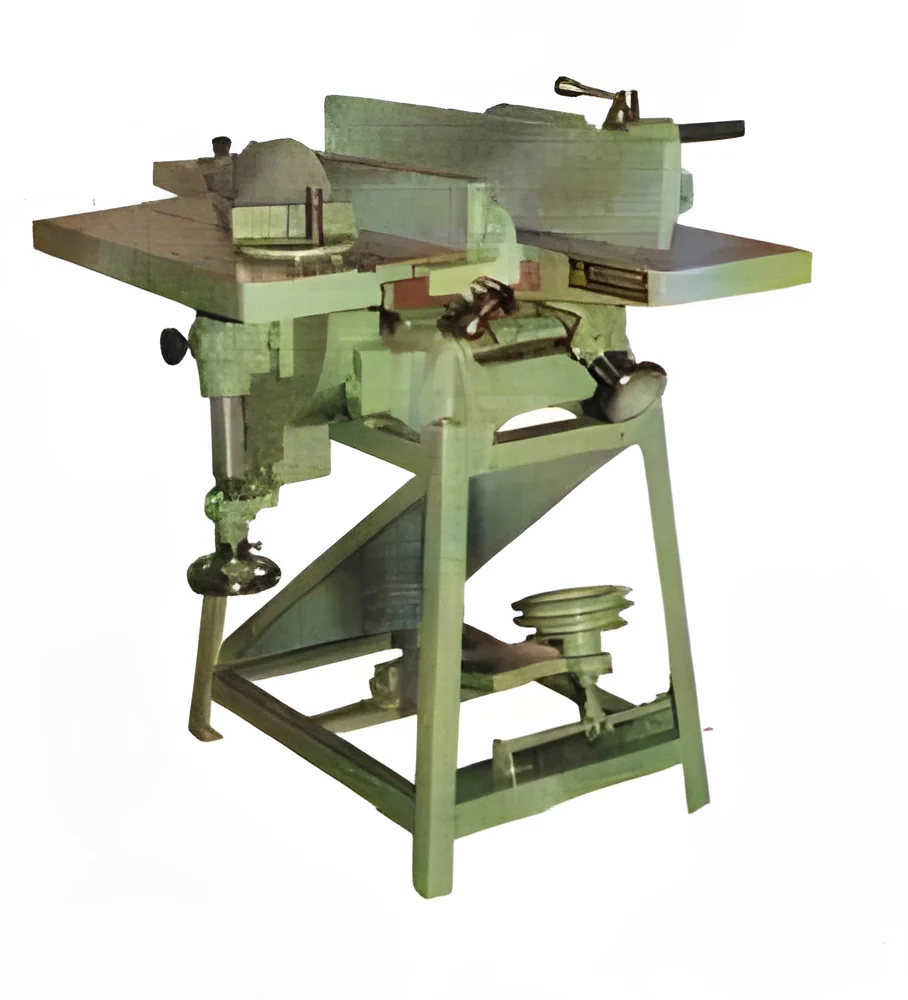
What are Other Woodworking Machinery?
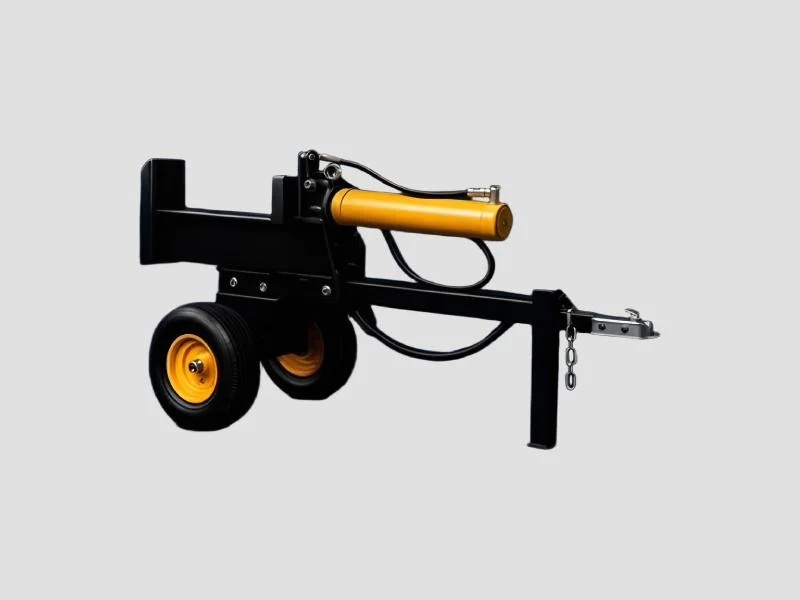
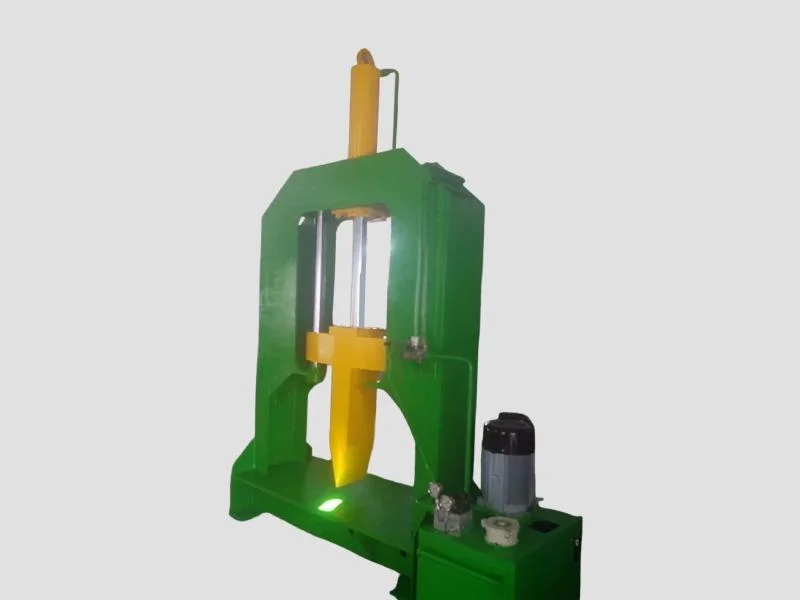
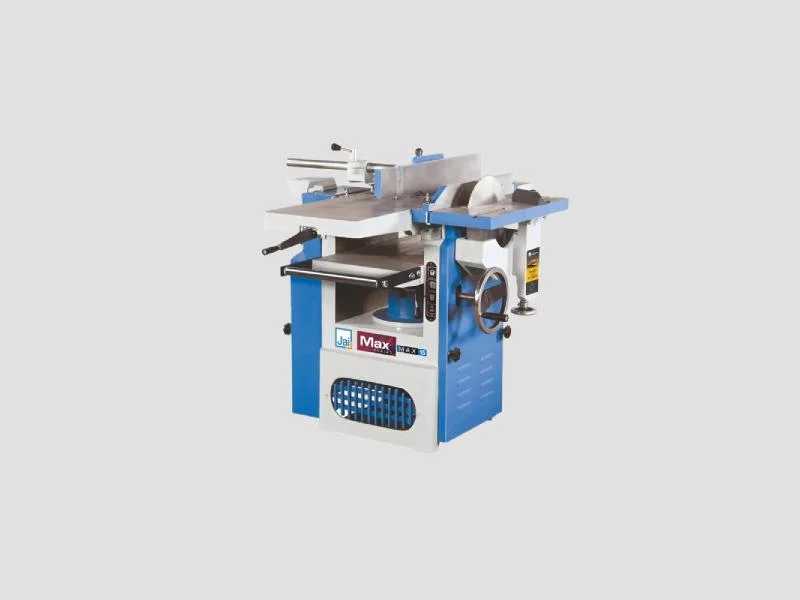
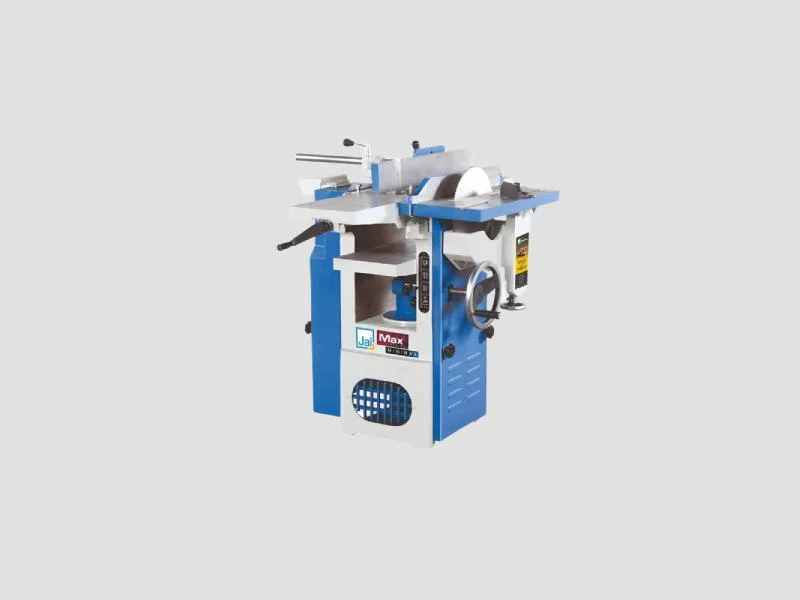
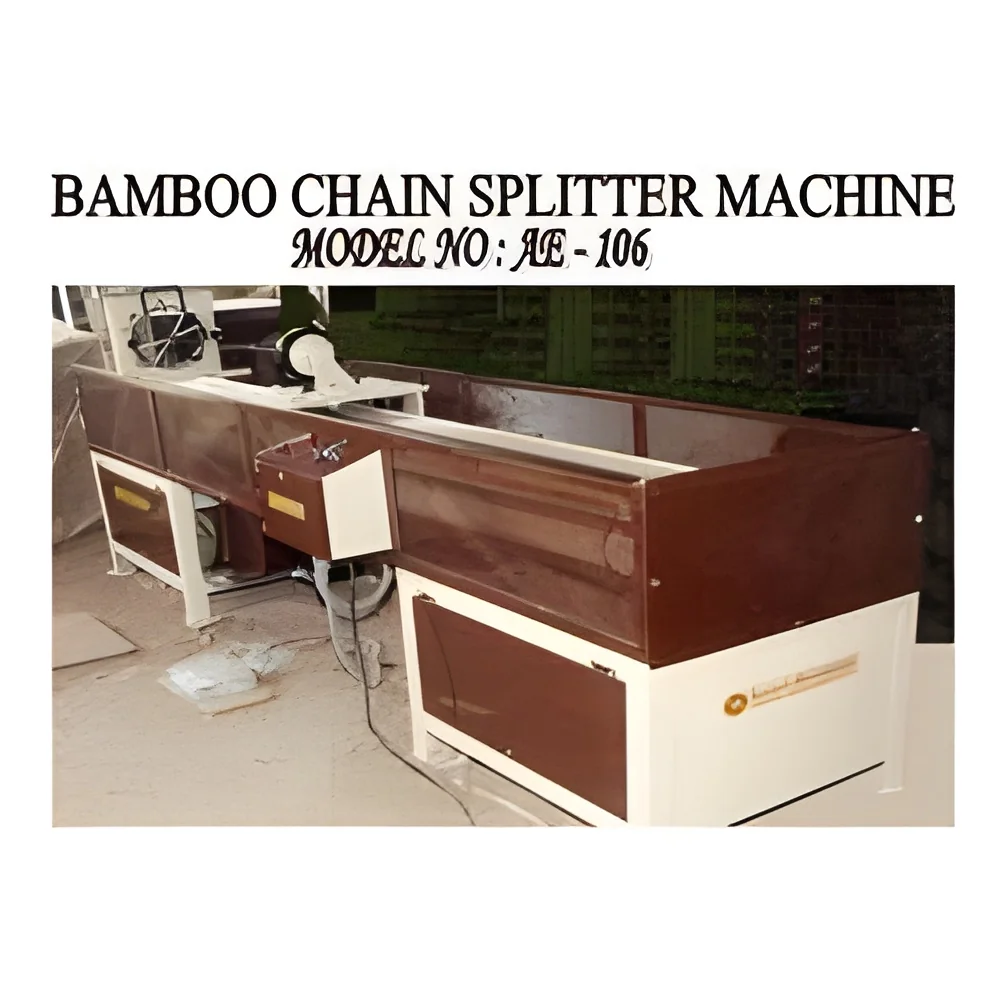
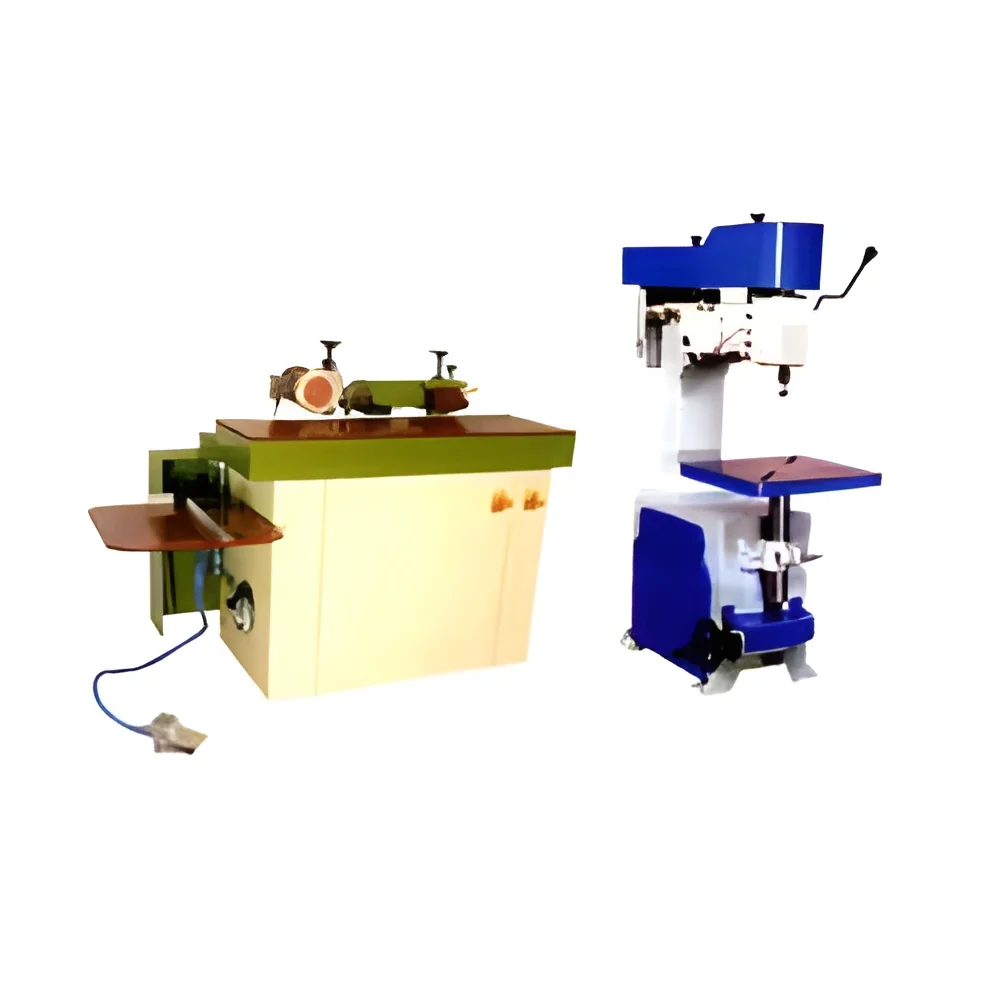
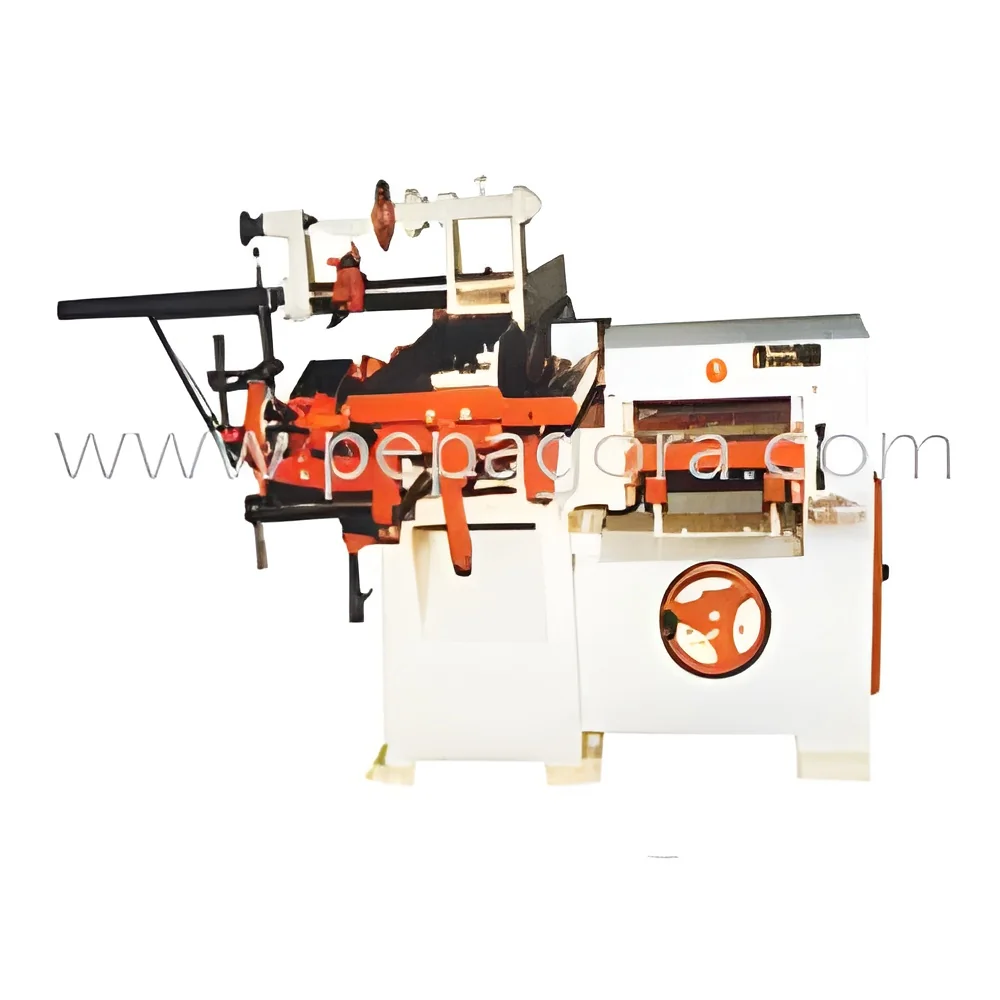
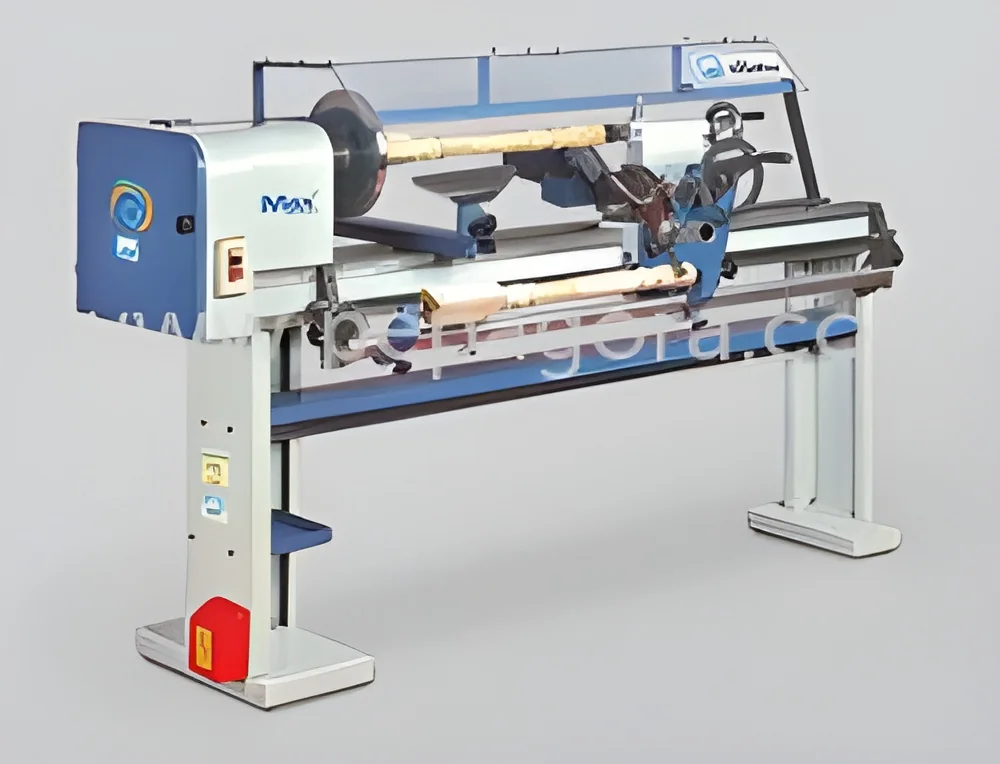
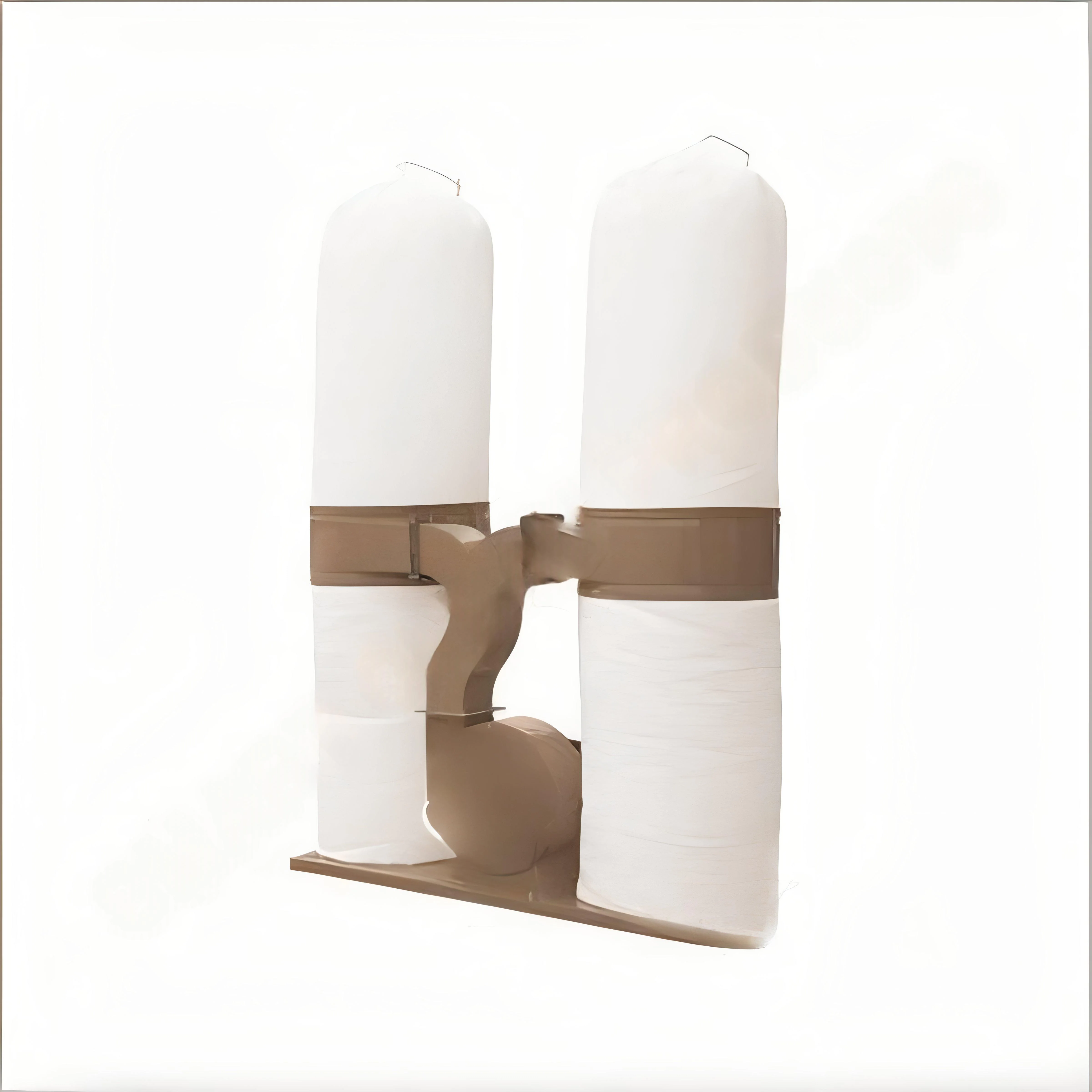
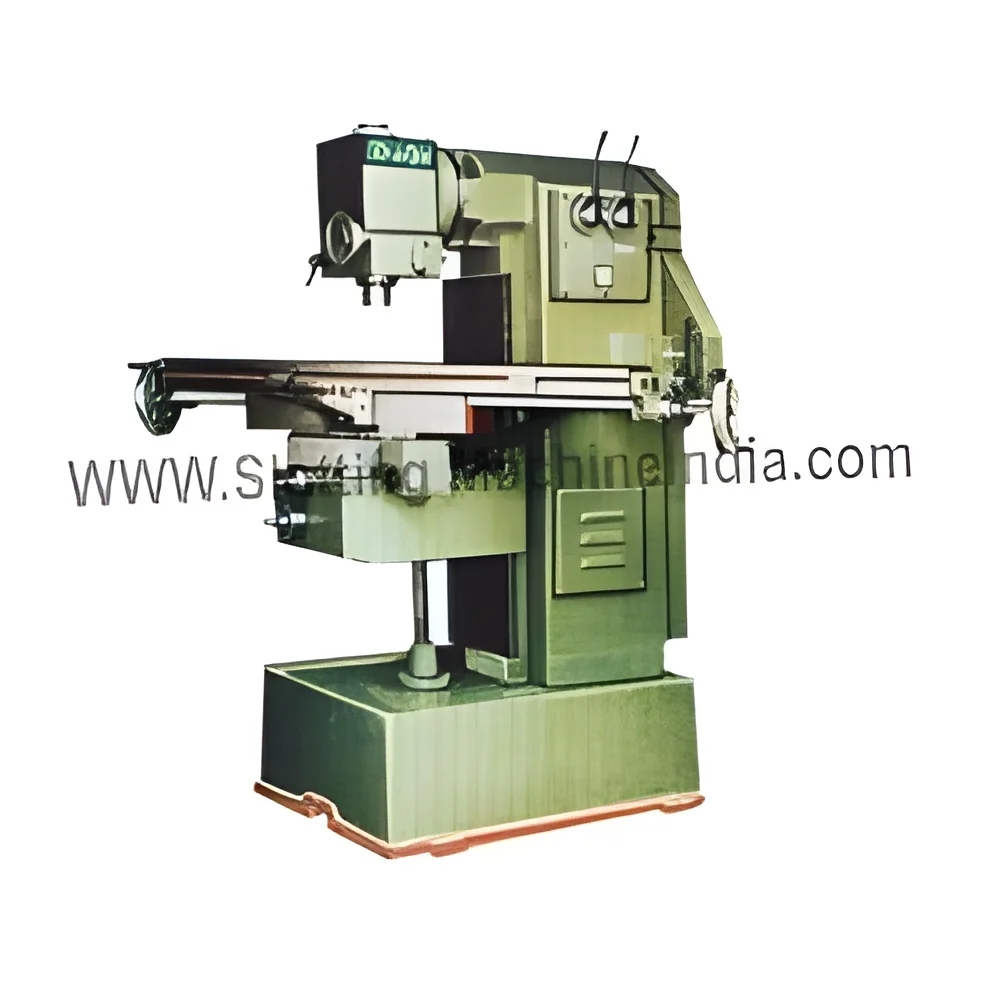
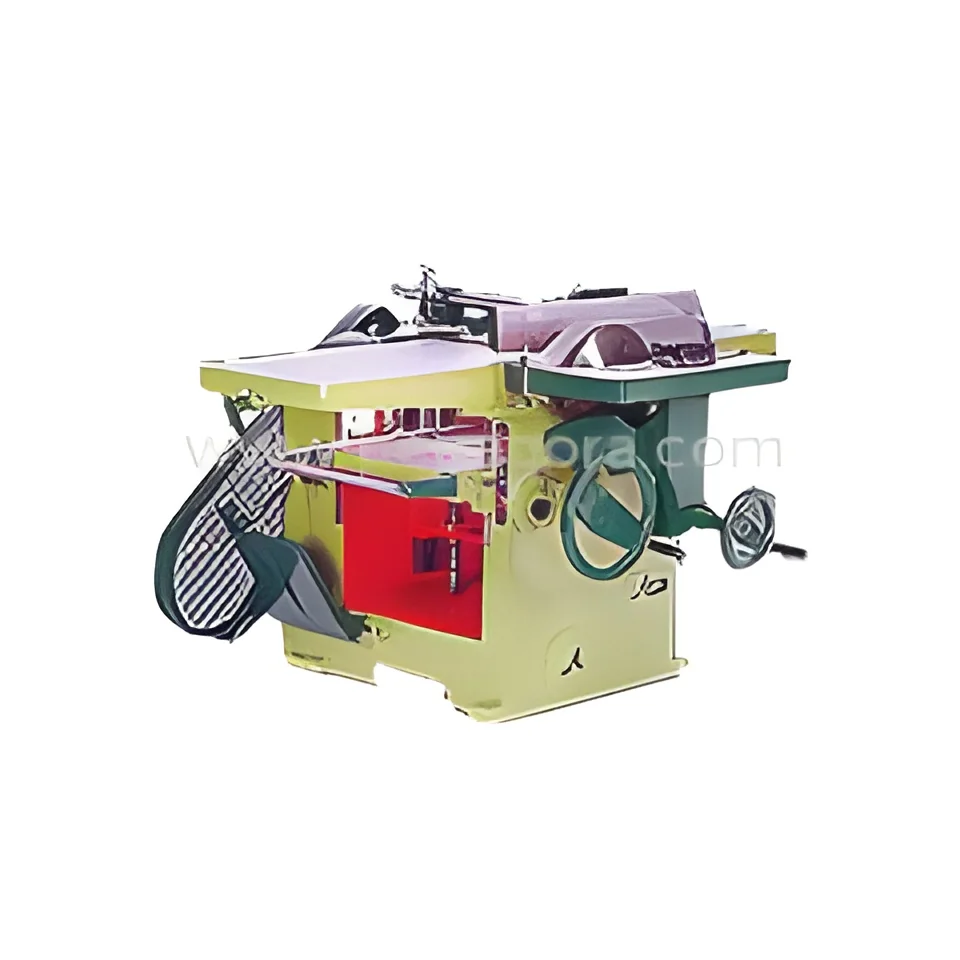
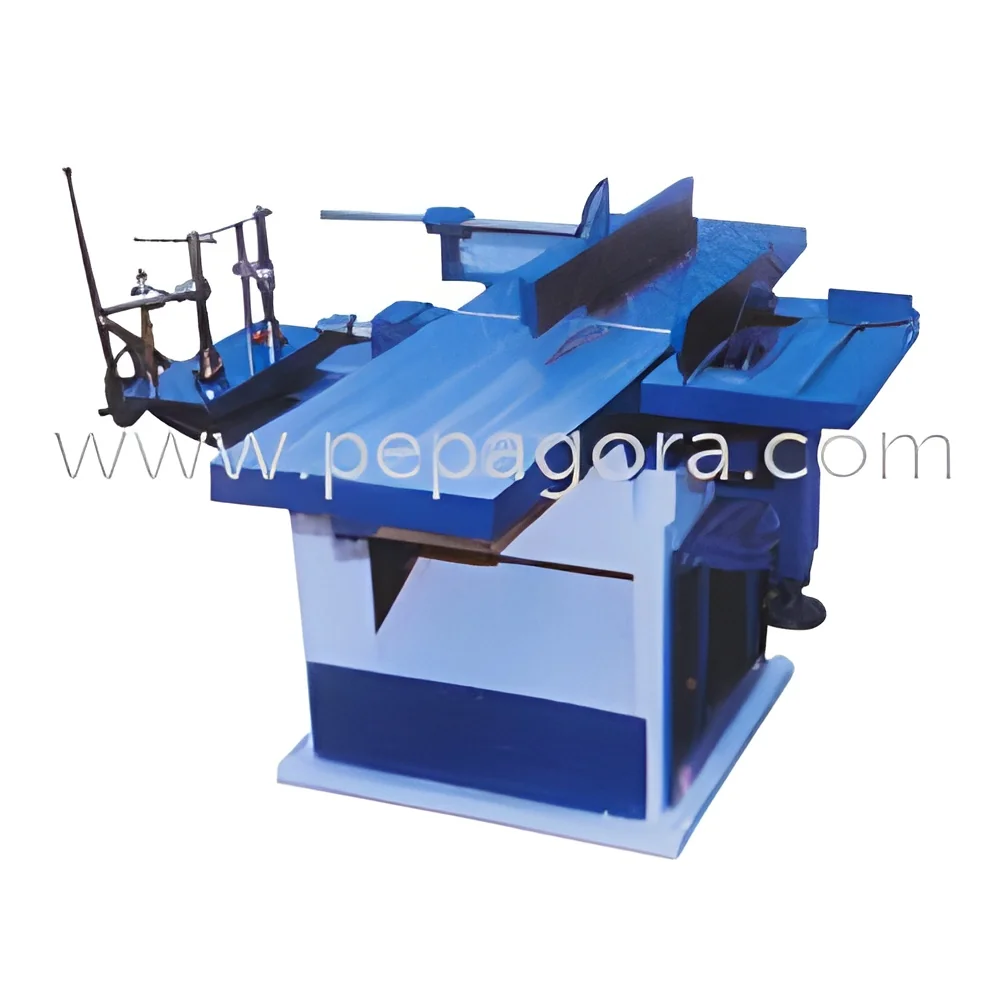
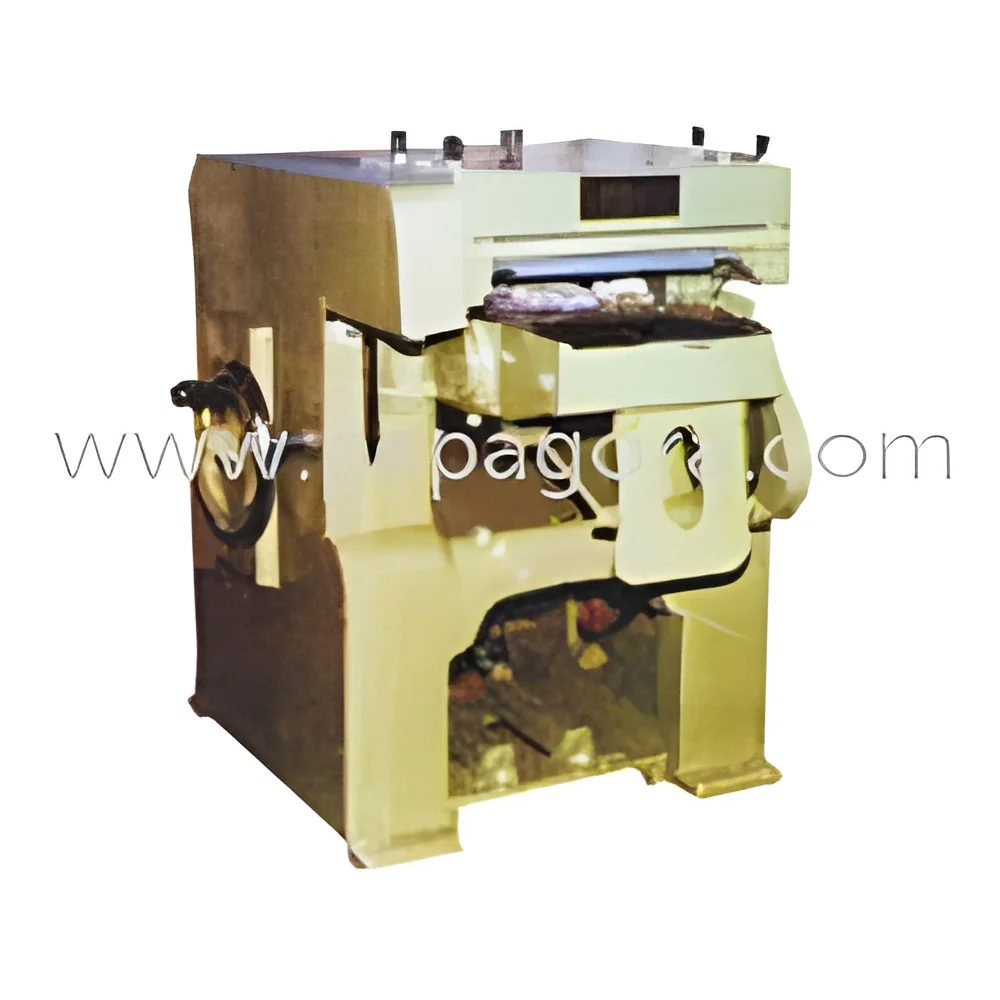
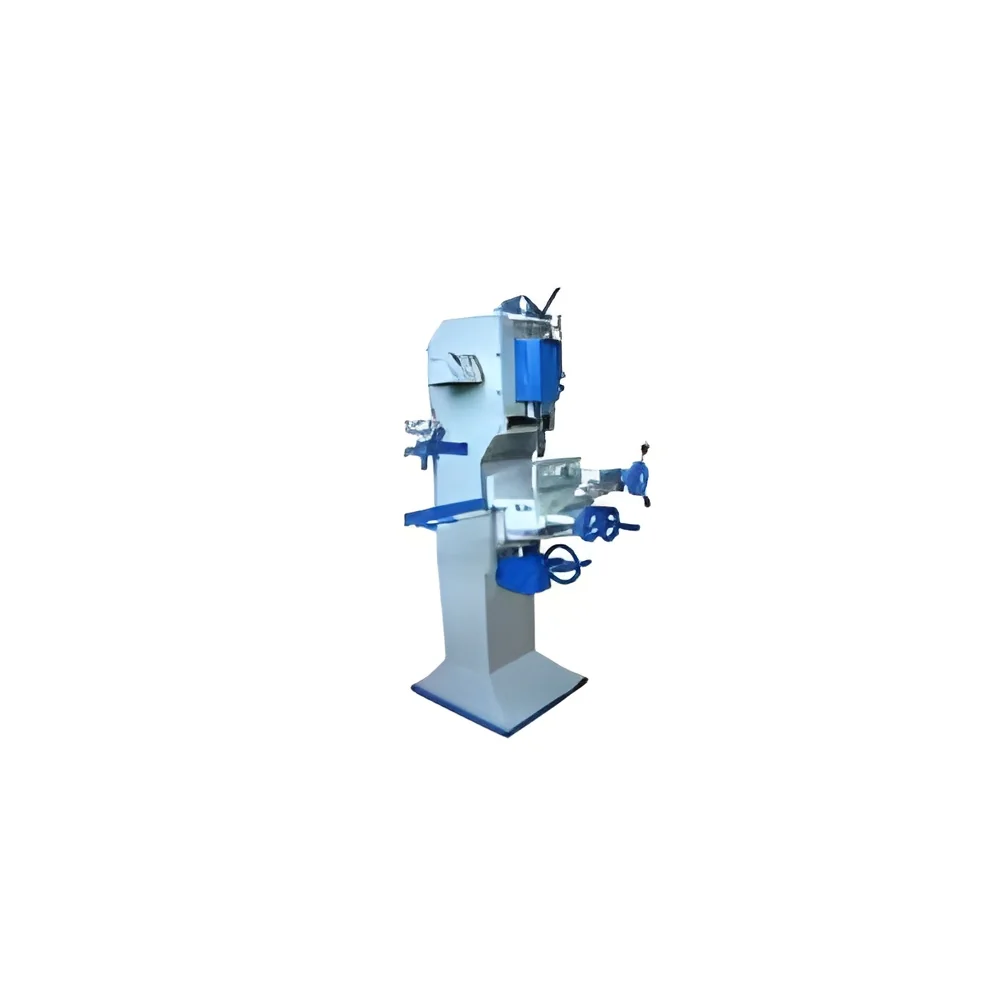
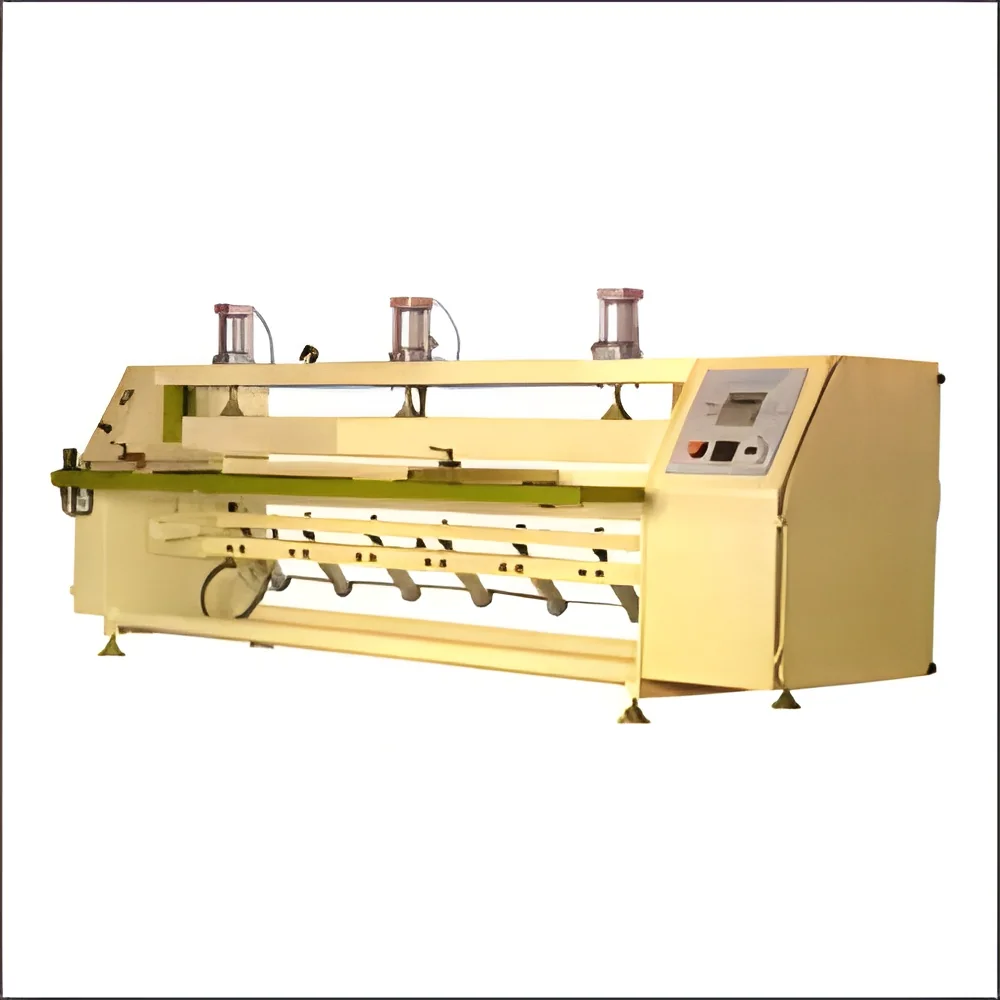
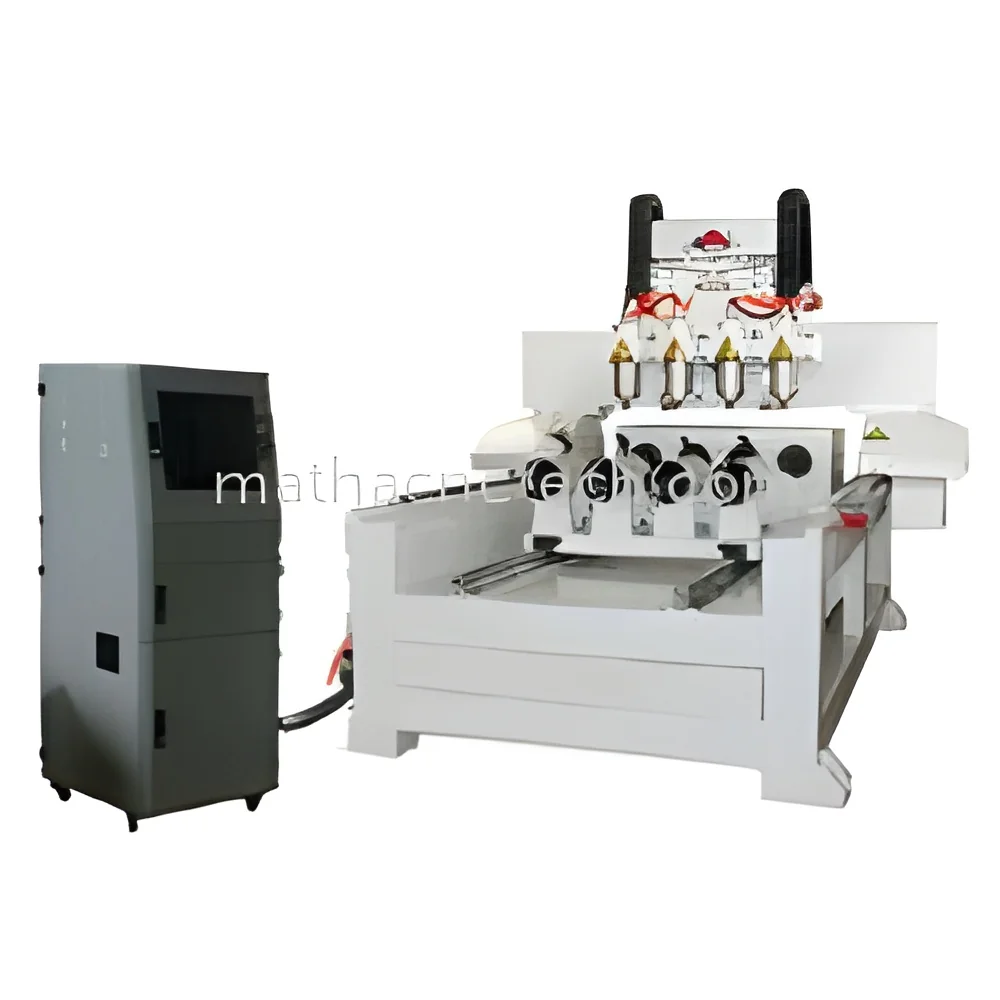
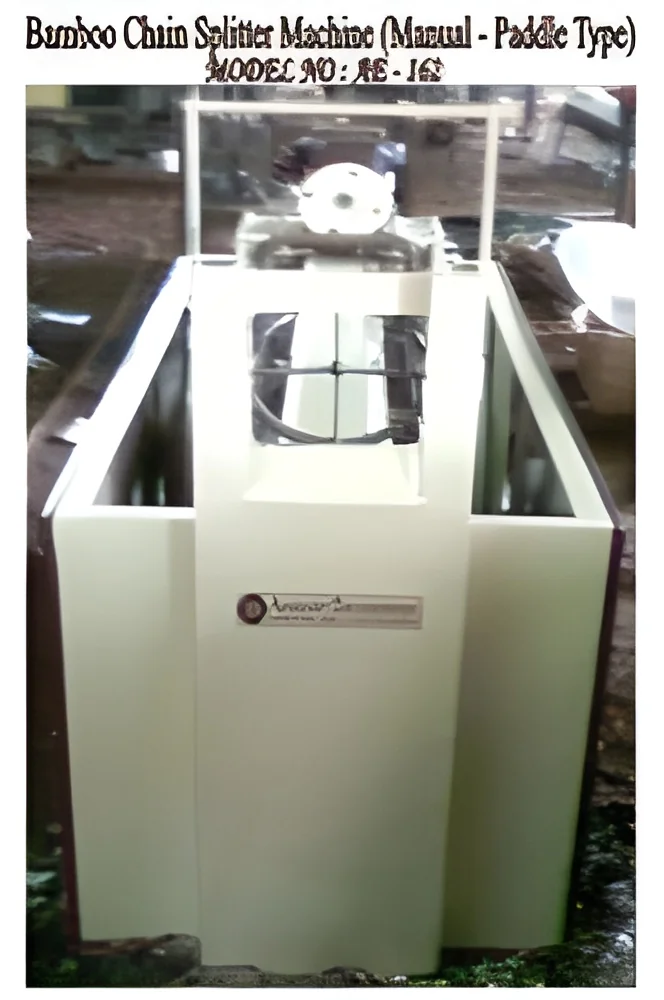
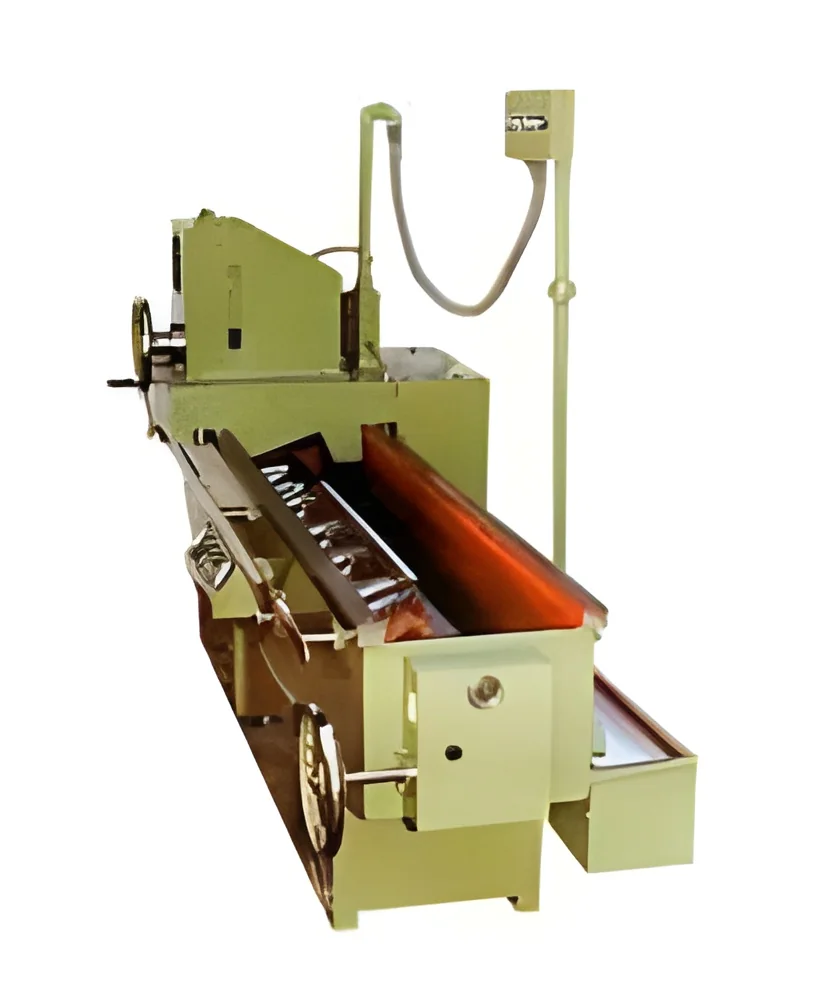
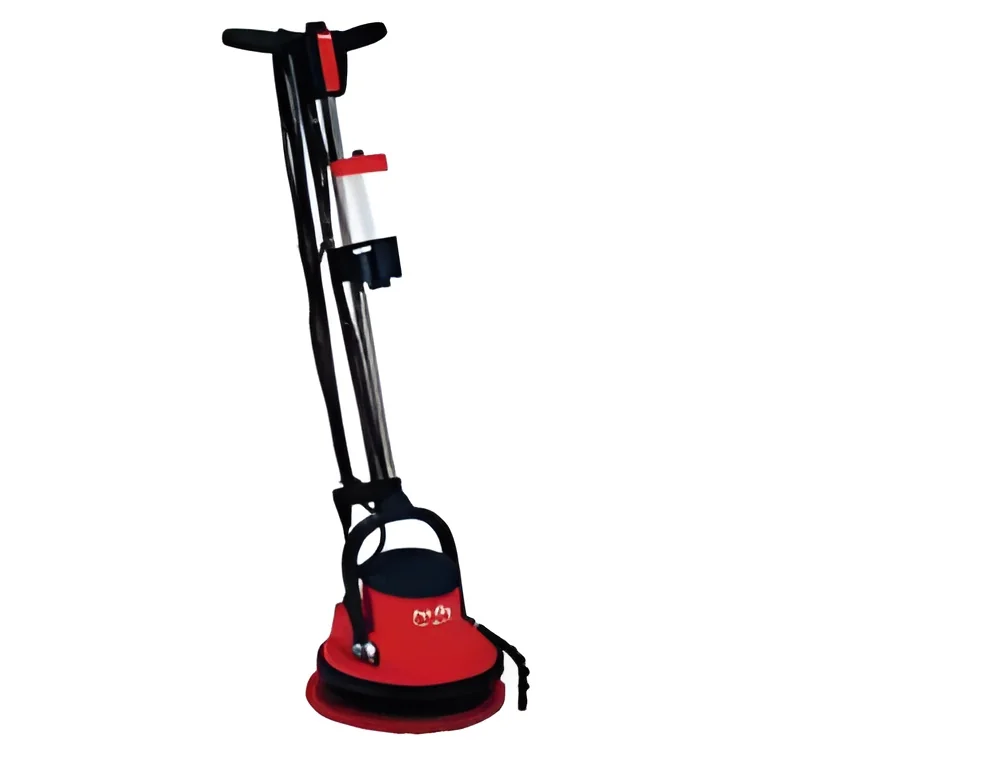
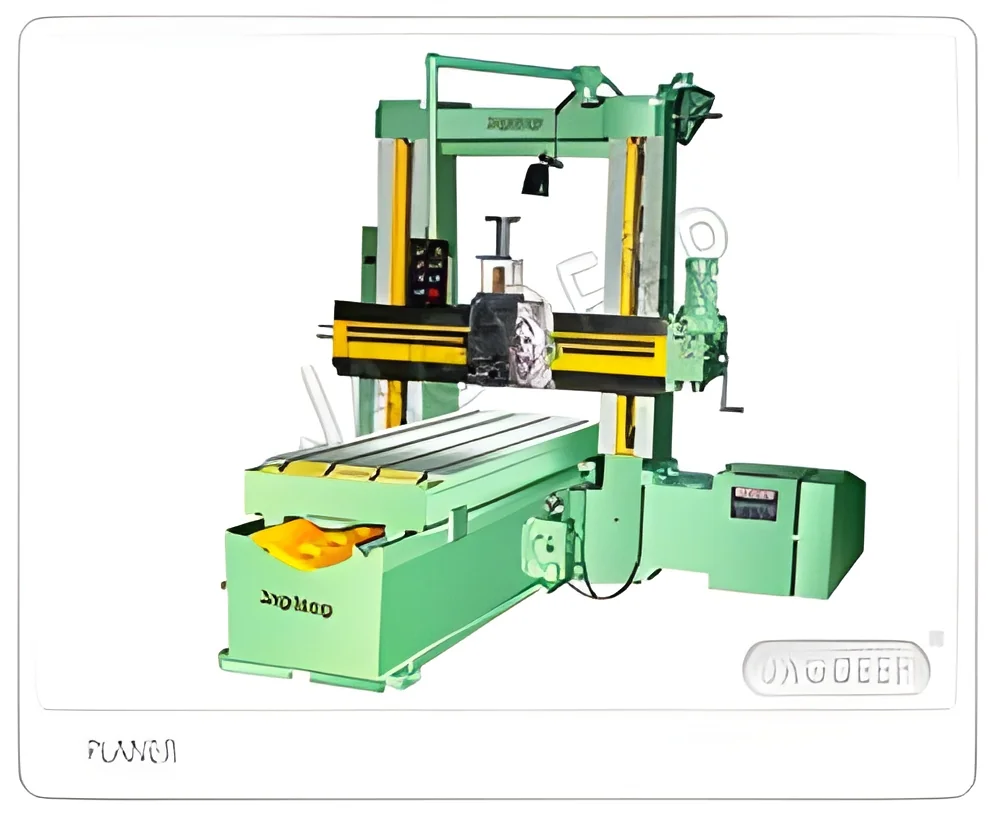
Other woodworking machinery encompasses a variety of equipment and tools utilized in the woodworking industry for processes such as cutting, shaping, sanding, and finishing wood products. This category includes machines that do not fall under the main classifications of saws, planers, or routers but are essential for specific tasks, enhancing the efficiency and quality of woodworking operations. These machines are designed to handle a wide range of materials and are often used in conjunction with traditional woodworking tools.
Businesses leverage other woodworking machinery to improve productivity and precision in various applications, including furniture manufacturing, cabinetry, and custom woodworking projects. The machinery can be utilized to automate processes, reduce manual labor, and ensure consistent results. Industries that depend on these machines require reliable and durable solutions to meet their operational needs, driving innovation in design and functionality.
As the woodworking industry evolves, the demand for advanced machinery continues to grow. These machines play a crucial role in meeting the increasing requirements for efficiency, adaptability, and quality in production. Moreover, with the rise of custom woodworking and small-scale operations, there is a notable market for specialized equipment that can cater to diverse requirements, ensuring relevance in an ever-changing landscape.
Key Features and Specifications
Other woodworking machinery is characterized by several key features and specifications that enhance its performance and versatility. Understanding these specifications is vital for buyers aiming to select the right equipment for their operations.
Key specifications include:
1. Power Source
- Electric or pneumatic
- Varies by machine type and application
2. Operating Capacity
- Maximum feed size and cutting depth
- Typically ranges based on machine model
3. Speed Settings
- Adjustable RPM for different tasks
- Allows for precision in various applications
4. Safety Features
- Emergency stop buttons and guards
- Critical for operator safety
5. Build Quality
- Materials used in construction
- Ensures durability and longevity
6. Automation Level
- Manual vs. automated controls
- Impacts efficiency in production lines
7. Weight and Dimensions
- Influences mobility and installation requirements
- Varies significantly across different machines
8. Maintenance Requirements
- Frequency of servicing and ease of access
- Important for long-term operation
In summary, understanding these key features and specifications ensures buyers can make informed decisions tailored to their specific needs.
Common Applications and Use Cases
Other woodworking machinery serves a wide range of industries, each with unique applications and requirements.
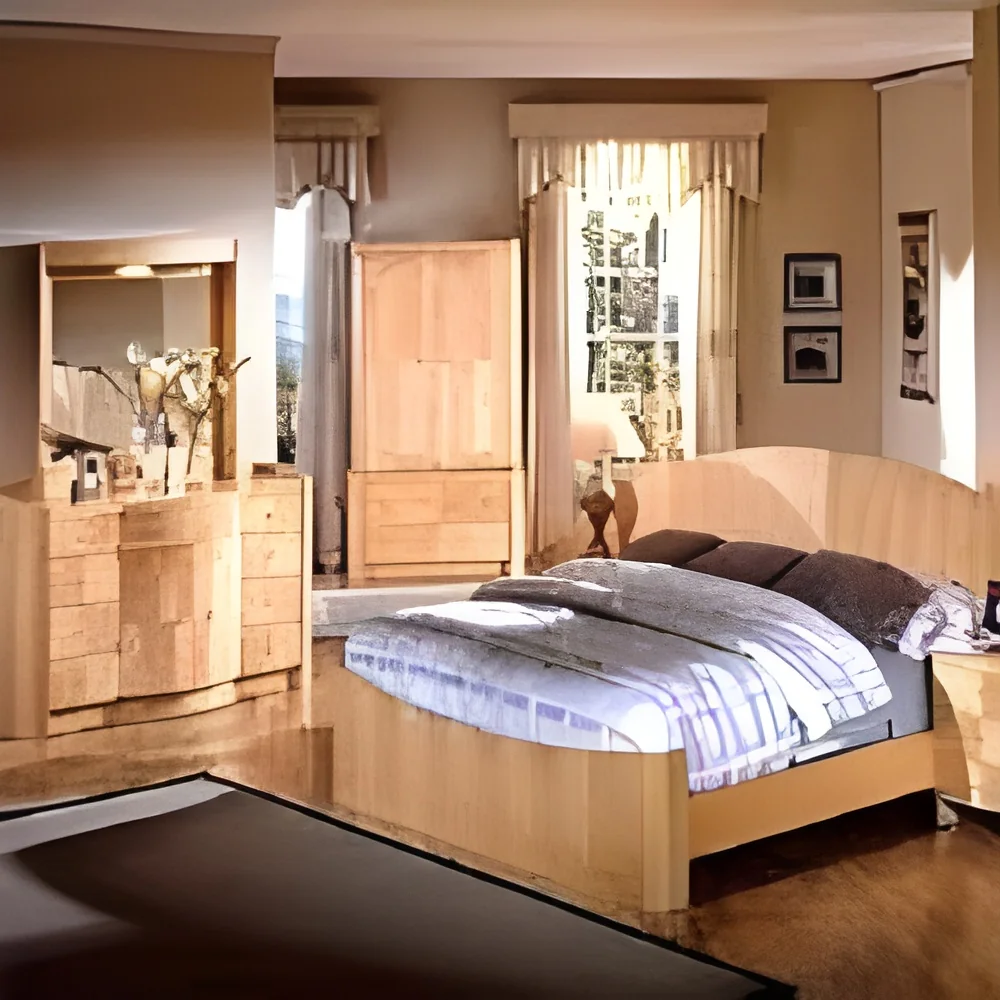
1. Furniture Manufacturing: These machines are instrumental in producing various furniture items, including chairs, tables, and cabinets. They help in shaping and finishing wood components to achieve desired aesthetic and functional qualities.
2. Cabinetry: In cabinetry, other woodworking machinery is used for precise cutting, joining, and assembling cabinet parts. This machinery ensures consistency and high-quality finishes in custom cabinets.
3. Flooring: Wood flooring manufacturers utilize specialized machines for sanding, milling, and finishing hardwood or engineered flooring. This equipment is vital for achieving uniform surface quality.
4. Musical Instrument Production: Crafting instruments such as pianos and guitars requires high precision in wood shaping and finishing. Other woodworking machinery aids in achieving the intricate designs and high-quality finishes these products demand.
5. Architectural Millwork: This industry benefits from machinery that can create decorative wood elements such as moldings, trims, and custom designs used in buildings. Precision and customization are key.
6. Wood Crafts: Artisans and small-scale woodworkers use these machines for crafting unique items, allowing for creativity and custom designs in their projects.
7. Packaging: Wood packaging manufacturers employ specific machines to create pallets, crates, and boxes, focusing on durability and reliability in shipping solutions.
Product Variants and Subcategories
The diversity of other woodworking machinery allows for various product variants tailored to specific needs and applications.
Panel Saw
A panel saw is designed for cutting large sheets of wood or paneling. It features a vertical or horizontal cutting mechanism and is ideal for high-volume cutting tasks, ensuring clean edges and accurate dimensions.
Jointers
Jointers are used to create flat surfaces on wood pieces, ensuring they are perfectly straight and square. This machine is essential in preparing wood for further processing and joining.
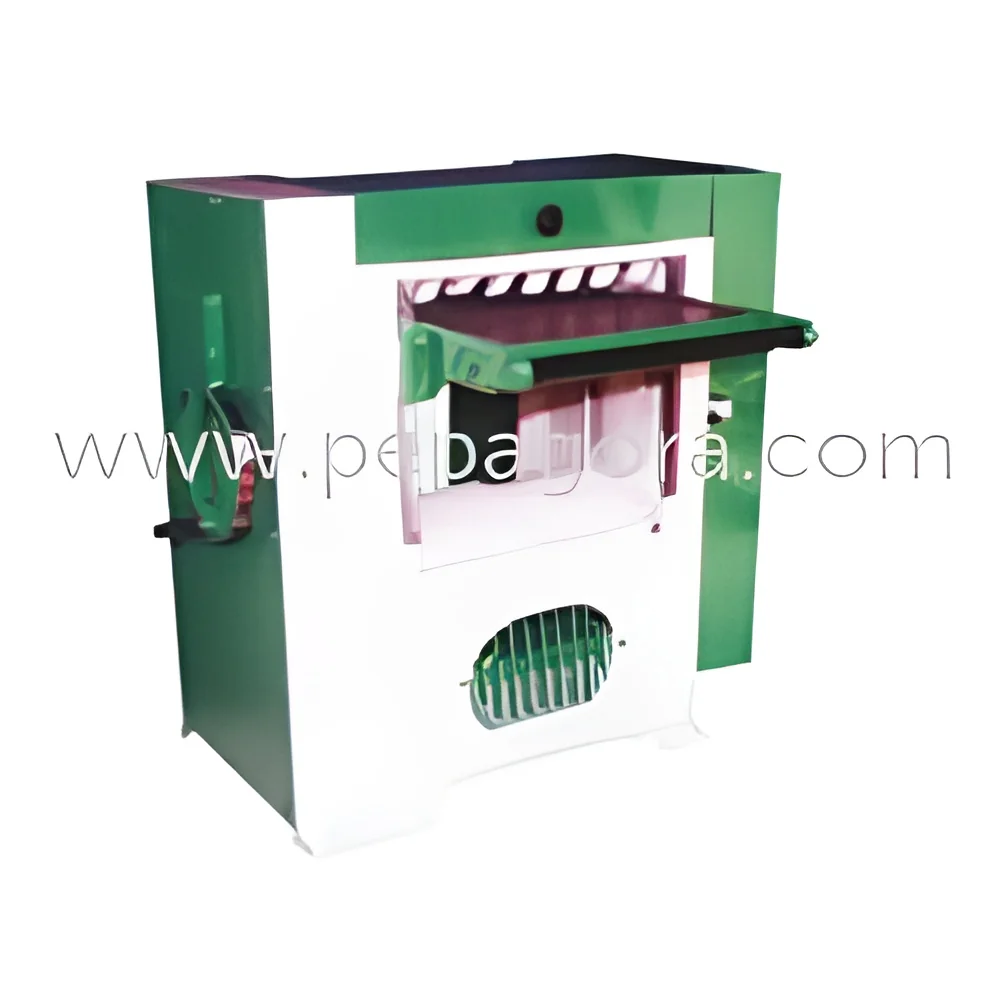
Thickness Planers
Thickness planers are designed to reduce the thickness of wood boards while ensuring a smooth surface. This equipment is crucial in achieving uniform board thickness for woodworking projects.
Drum Sanders
Drum sanders are utilized for sanding large surfaces of wood, ensuring a fine finish. They are particularly beneficial for large-scale woodworking operations requiring consistent surface quality.
Wide Belt Sanders
These machines are used for sanding wider surfaces efficiently, suitable for furniture and cabinetry applications. They provide a high-quality finish and are often used in production settings.
Benefits and Advantages
Investing in other woodworking machinery comes with numerous benefits that enhance operational efficiency and product quality.
1. Increased Productivity: Automation and specialized machinery significantly speed up woodworking processes, allowing businesses to complete projects in less time.
2. Enhanced Precision: Advanced machinery provides accurate cutting and shaping, leading to higher quality finished products and reduced waste.
3. Cost-Effectiveness: While the initial investment may be substantial, these machines reduce labor costs and increase output, resulting in long-term savings.
4. Versatility: Many machines can handle different tasks, making them suitable for various applications and accommodating changes in production requirements.
5. Improved Safety: Modern woodworking machinery is equipped with safety features that protect operators and reduce the risk of workplace accidents.
6. Quality Consistency: Machinery ensures uniformity across production runs, helping businesses meet customer expectations for quality and reliability.
Buying Guide for B2B Buyers
When sourcing other woodworking machinery, B2B buyers should consider several critical factors to ensure they make informed purchasing decisions.
1. Quality Assessment: Evaluate the build quality and reliability of the machinery. Look for manufacturers that adhere to industry standards and have a proven track record in the market.
2. Supplier Verification: Conduct thorough background checks on potential suppliers. This includes reviewing their certifications, customer feedback, and overall reputation in the woodworking industry.
3. Pricing and MOQ: Understand the pricing structure and any minimum order quantities (MOQs) that may apply. Compare different suppliers to find the best value for your investment.
4. Delivery and Lead Times: Consider logistics when placing orders. Ensure that suppliers can meet your delivery requirements and provide clear timelines for order fulfillment.
5. Compliance Requirements: Be aware of any regulatory compliance standards that apply to the machinery you intend to purchase. This includes safety standards and environmental regulations.
Compliance and Certifications
Compliance and certifications are vital considerations in the woodworking machinery manufacturing sector. Relevant quality standards include ISO 9001, which focuses on ensuring consistent quality management systems, and CE certification, which indicates that products meet European safety and health requirements.
Manufacturers often undergo rigorous testing to comply with safety standards, ensuring that their machinery operates safely and efficiently. This may involve evaluating performance in various conditions and ensuring that safety features are functional.
Regional compliance considerations also play a significant role, as different regions may have unique requirements. Buyers should ensure that the machinery they purchase is compliant with the regulations applicable in their location to avoid complications.
Why Source Other Woodworking Machinery from Pepagora?
Pepagora provides a trusted platform for sourcing other woodworking machinery, offering several key advantages to B2B buyers.
Verified Supplier Network: Pepagora connects buyers with a carefully vetted network of suppliers. This verification process ensures that businesses can trust the quality and reliability of the machinery they purchase.
Streamlined RFQ Process: The platform simplifies the request for quotation (RFQ) process, allowing buyers to easily compare offers from multiple suppliers. This efficiency helps inform better purchasing decisions.
Trade Assurance and Support: Pepagora prioritizes buyer protection through trade assurance policies. This ensures that businesses can source products with confidence, knowing they have support in case of any issues.
Regional Coverage: With a focus on major markets such as India, GCC, and Southeast Asia, Pepagora offers extensive regional coverage. This allows buyers to access a wide array of products and suppliers tailored to their local needs.

 IN
IN