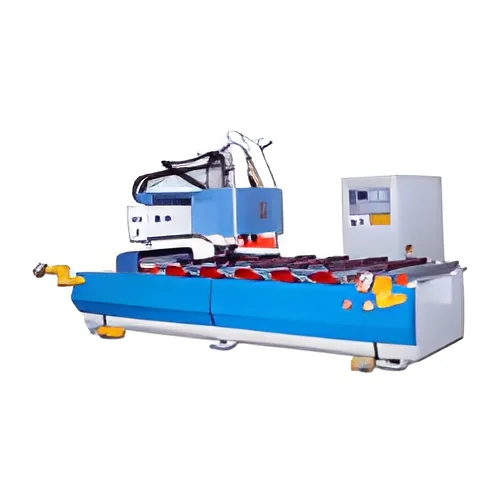
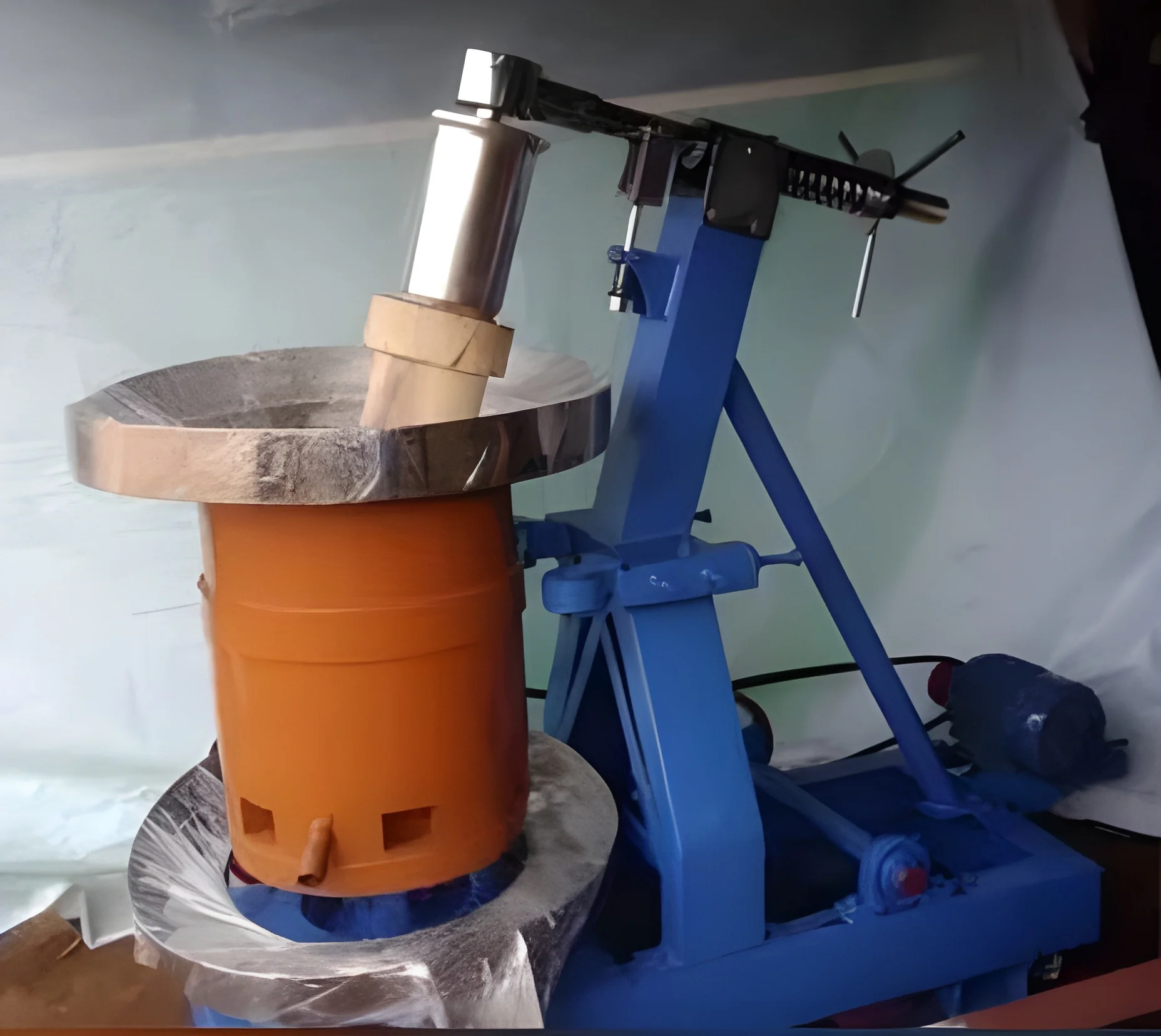
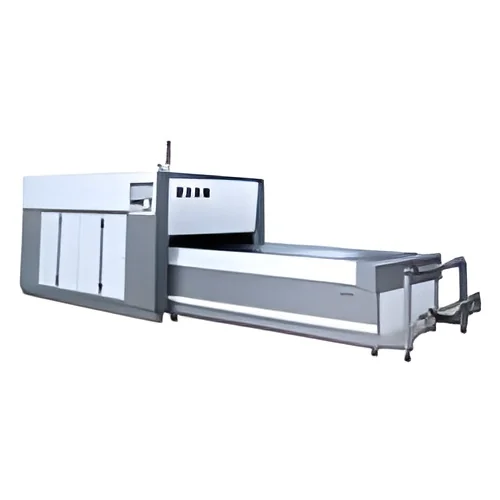
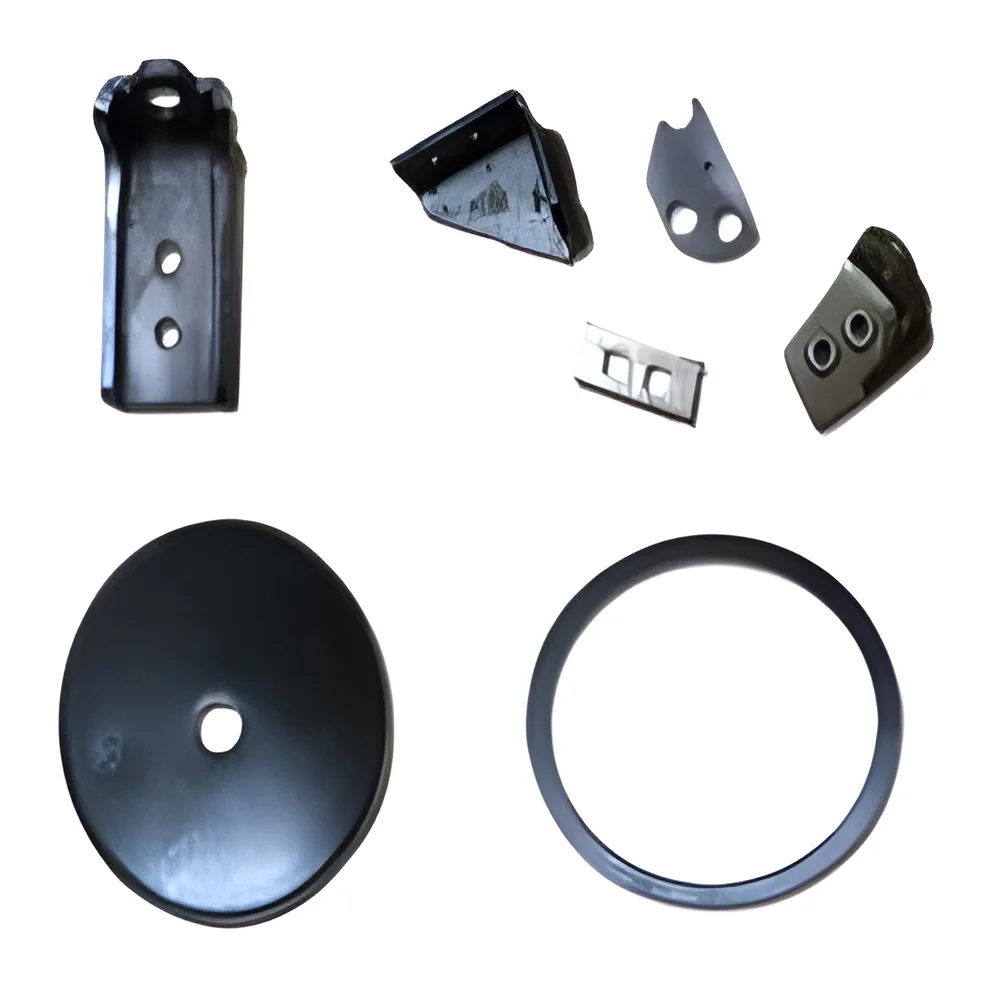
What are Cold Press Machines?
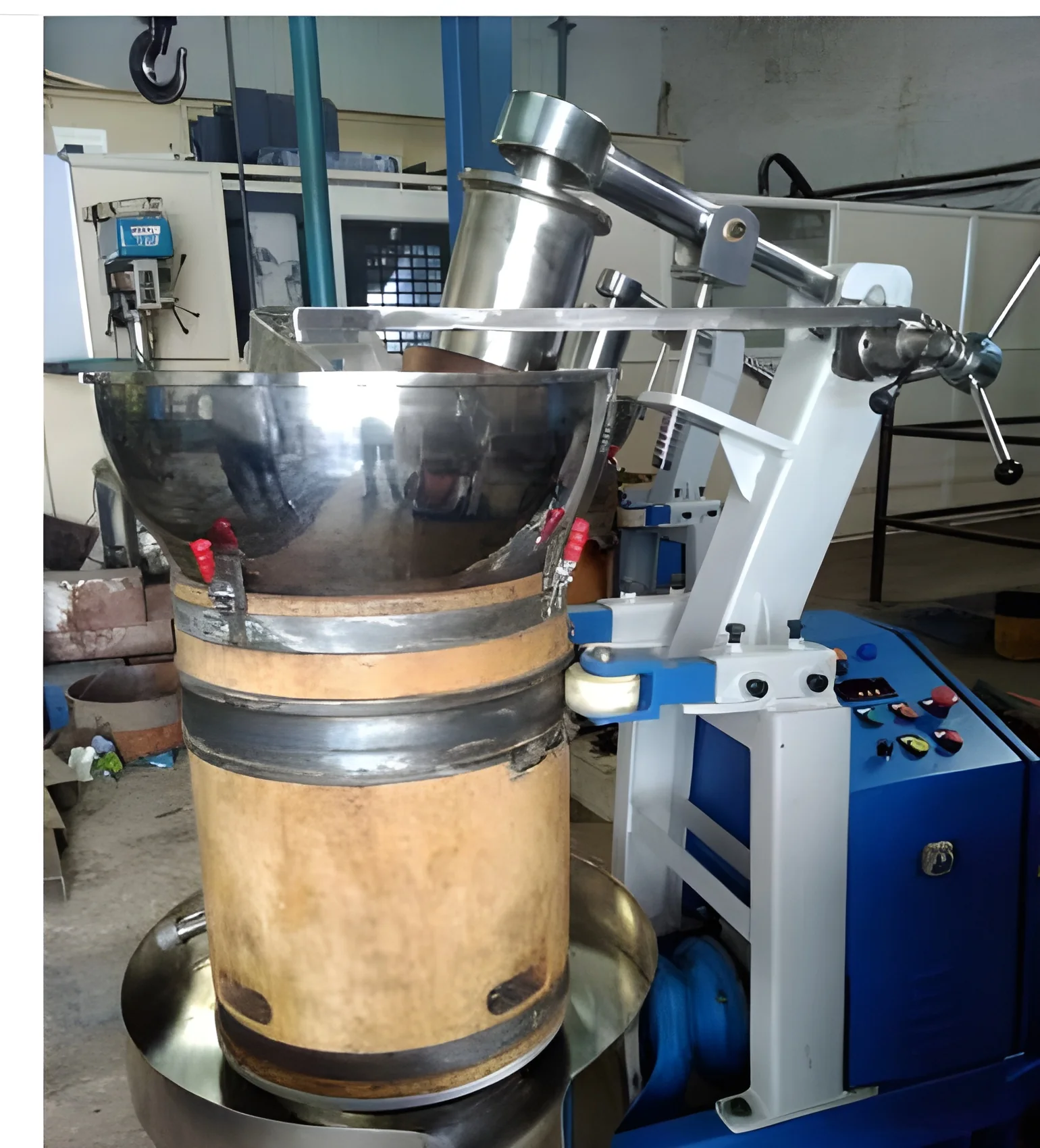
Cold press machines are specialized devices used to extract oils and juices from various raw materials without the application of heat. This method preserves the natural flavors, nutrients, and enzymes of the product, ensuring a higher quality output compared to traditional methods that use heat. By utilizing hydraulic pressure, these machines process seeds, nuts, fruits, and vegetables efficiently and effectively.
The primary uses of cold press machines are found in food processing, cosmetics, and pharmaceuticals. In the food industry, they are commonly employed to extract oils from seeds such as sunflower, canola, and sesame, as well as juices from fruits and vegetables. In cosmetics, they are used to produce high-quality oils for skin and hair care products. The relevance of cold press machines in today’s market is significant, particularly as consumers increasingly demand natural and organic products. This trend has led to a growing demand for cold-pressed oils and juices, positioning these machines as essential tools for businesses aiming to meet consumer preferences.
Key Features and Specifications
Cold press machines come with several features and specifications that enhance their performance and efficiency. Understanding these specifications is vital for businesses looking to invest in reliable equipment.
Key specifications include:
1. Production Capacity
- This specification indicates the amount of raw material the machine can process per hour.
- Capacity can range from small-scale models processing a few kilograms to larger industrial machines processing hundreds of kilograms.
2. Pressure Rating
- This detail refers to the maximum hydraulic pressure the machine can generate during extraction.
- Typical ratings range from 20 to 100 MPa, depending on the model and intended application.
3. Material Construction
- Cold press machines are often constructed from stainless steel for durability and ease of cleaning.
- High-quality machines utilize food-grade materials to ensure safety in food processing.
4. Energy Consumption
- Efficient machines are designed to minimize energy usage while maintaining high performance.
- Energy consumption can vary significantly based on the model and its operational requirements.
5. Size and Footprint
- The dimensions of the machine are crucial for determining the space required for installation.
- Compact models are available for smaller operations, while larger machines are suited for industrial settings.
6. Ease of Maintenance
- Machines designed for easy disassembly facilitate cleaning and maintenance, reducing downtime.
- Look for features such as removable parts and self-lubricating systems.
7. Safety Features
- Safety mechanisms, such as emergency stop buttons and protective guards, are important for operator safety.
- Compliance with safety standards should be a consideration when selecting equipment.
8. Certifications
- Look for machines with relevant certifications, such as CE, indicating compliance with European safety standards.
In summary, selecting the right cold press machine involves understanding its features and specifications. Businesses should evaluate their production needs and operational requirements to choose an appropriate model.
Common Applications and Use Cases
Cold press machines find applications across various industries, serving a range of purposes.
1. Food and Beverage Industry: In this sector, cold press machines are used for extracting oils from seeds and nuts, as well as juices from fruits and vegetables. They provide high-quality products that retain essential nutrients.
2. Cosmetics Industry: These machines are utilized to extract natural oils for skincare and haircare products. Cold-pressed oils are favored for their purity and beneficial properties.
3. Pharmaceutical Industry: Cold press machines are employed in the extraction of medicinal oils and compounds from plants. The preservation of active ingredients is crucial for the efficacy of pharmaceutical products.
4. Nutraceuticals: The extraction of oils and supplements using cold press technology ensures that the beneficial properties of the raw materials are retained, making them a preferred choice for health products.
5. Pet Food Production: Cold press machines are increasingly used in the production of high-quality pet food, where natural ingredients and oils are essential for pet health.
6. Biodiesel Production: These machines are also used in the extraction of oils for biodiesel, contributing to sustainable energy solutions.
7. Organic Farming: Farmers utilize cold press technology to produce organic oils and juices, catering to the rising demand for organic products.
Product Variants and Subcategories
Cold press machines come in various designs and configurations to suit different operational needs. Each variant offers unique features and benefits to cater to specific applications.
Small-Scale Cold Press Machines
These machines are ideal for home users or small businesses. They are compact, easy to operate, and perfect for extracting oils or juices in limited quantities. Small-scale machines typically feature straightforward controls and lower production capacities.
Industrial Cold Press Machines
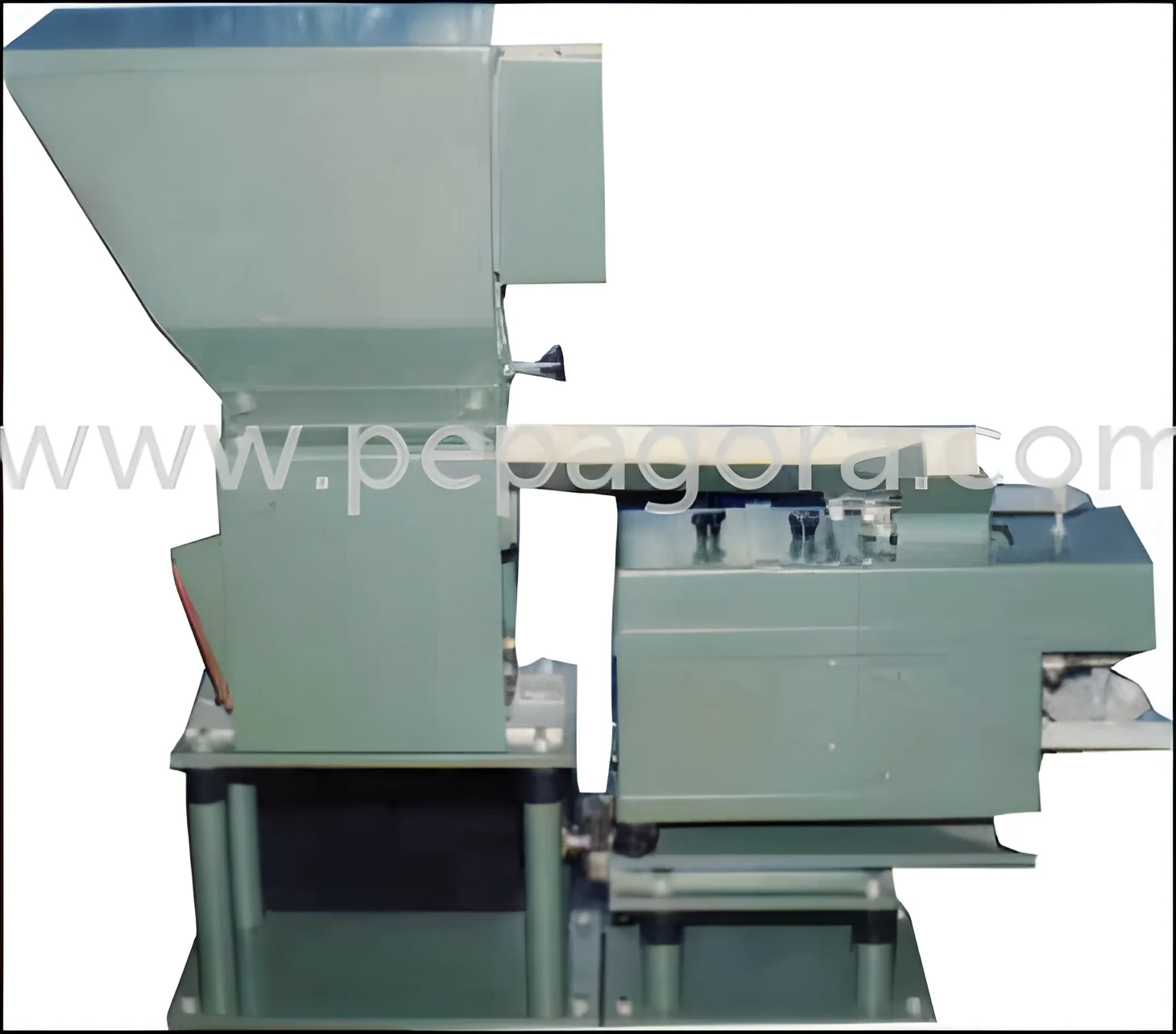
Designed for high-volume production, industrial cold press machines are robust and capable of processing large quantities of raw materials. They often come with advanced technology for efficiency and may include automated systems for ease of use.
Continuous Cold Press Systems
These systems are designed for uninterrupted operation, making them suitable for large manufacturing processes. They allow for continuous feeding of raw materials and extraction, maximizing productivity and reducing downtime.
Automatic Cold Press Machines
These machines feature automated functions that simplify the extraction process. They often include programmable settings, making them ideal for businesses looking to minimize labor costs while maintaining quality control.
Benefits and Advantages
Investing in cold press machines offers numerous benefits for businesses in various sectors.
1. Enhanced Product Quality: Cold press extraction preserves nutrients, flavors, and aromas, resulting in higher quality oils and juices.
2. Health Benefits: Products made from cold-pressed methods retain their natural properties, appealing to health-conscious consumers.
3. Versatility: Cold press machines can process a wide range of raw materials, making them suitable for various applications across multiple industries.
4. Eco-Friendly Operation: The cold press method does not require heat, reducing energy consumption and minimizing environmental impact.
5. Increased Shelf Life: Cold-pressed oils tend to have a longer shelf life due to the absence of heat-related degradation.
6. Cost Efficiency: While initial investment may be higher, the long-term savings from reduced energy consumption and higher-quality outputs can be significant.
Buying Guide for B2B Buyers
When sourcing cold press machines, it is essential to consider several factors to ensure a successful purchase.
1. Quality Assessment: Evaluate the quality of the machine by reviewing specifications, customer feedback, and manufacturer reputation. High-quality machines often come with warranties and certifications.
2. Supplier Verification: Vet potential suppliers by checking their credentials, references, and compliance with industry standards. A reliable supplier should have a proven track record in providing quality equipment.
3. Pricing and MOQ: Understand the pricing structure and minimum order quantities required by suppliers. Look for competitive pricing while ensuring that quality is not compromised.
4. Delivery and Lead Times: Assess the supplier's ability to deliver on time. Consider lead times for production and shipping to avoid disruptions in your operations.
5. Compliance Requirements: Ensure that the machine complies with relevant regulations and industry standards. This may include safety certifications, quality assurance protocols, and environmental regulations.
Compliance and Certifications
Cold press machines must adhere to various quality standards and certifications to ensure safety and performance. One of the key standards is ISO 9001, which focuses on quality management systems and ensures that manufacturers meet customer and regulatory requirements.
Additionally, compliance with HACCP (Hazard Analysis Critical Control Point) guidelines is crucial in the food industry. This standard ensures that food products are safe for consumption and that processes meet health regulations.
CE certification is another important consideration, particularly for machines sold in Europe. This certification indicates that the equipment meets the necessary safety and health requirements.
Safety and testing requirements for cold press machines include regular inspections and performance evaluations to verify their efficiency and safety in operation. Businesses must also consider regional compliance, as regulations may vary by country or region.
Why Source Cold Press Machines from Pepagora?
Pepagora offers a trusted platform for sourcing cold press machines, providing several key advantages for B2B buyers.
Verified Supplier Network: Pepagora connects buyers with verified suppliers who have undergone a rigorous vetting process. This ensures that businesses can source quality machines from reputable manufacturers.
Streamlined RFQ Process: The Request for Quotation (RFQ) system simplifies the procurement process. Buyers can easily request quotes from multiple suppliers, comparing options to find the best fit for their needs.
Trade Assurance and Support: Pepagora provides trade assurance to protect buyers, ensuring that their transactions are secure. The platform also offers customer support to assist with any inquiries or issues that may arise.
Regional Coverage: With a focus on markets in India, the GCC, and Southeast Asia, Pepagora offers extensive regional coverage. This allows businesses to access a broad network of suppliers and manufacturers, facilitating easier sourcing of cold press machines.

 IN
IN