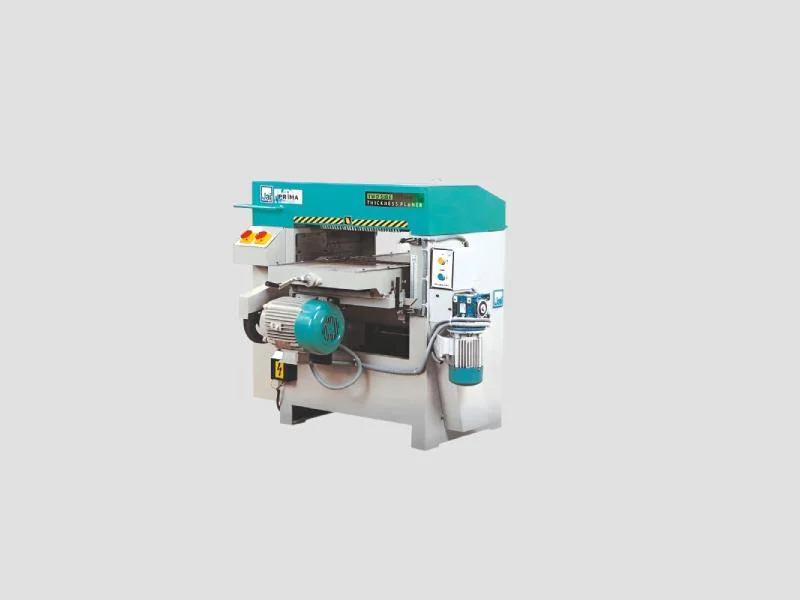
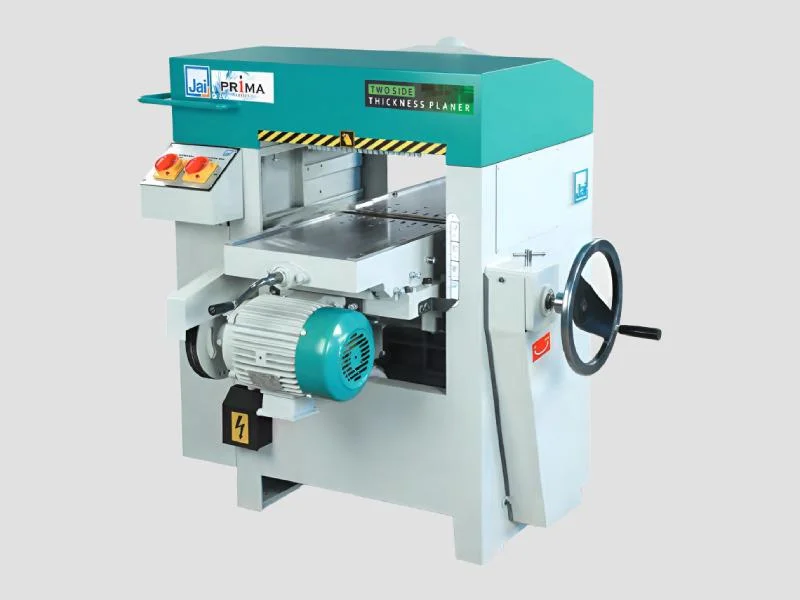
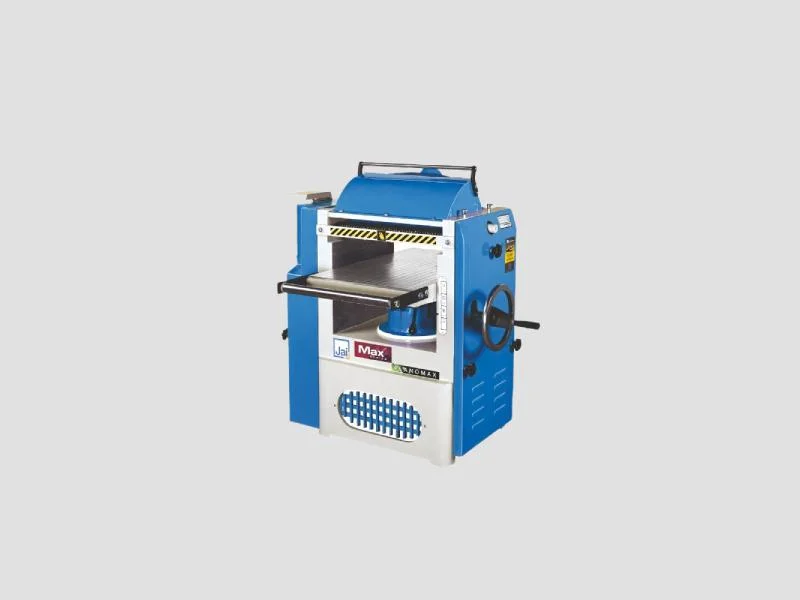
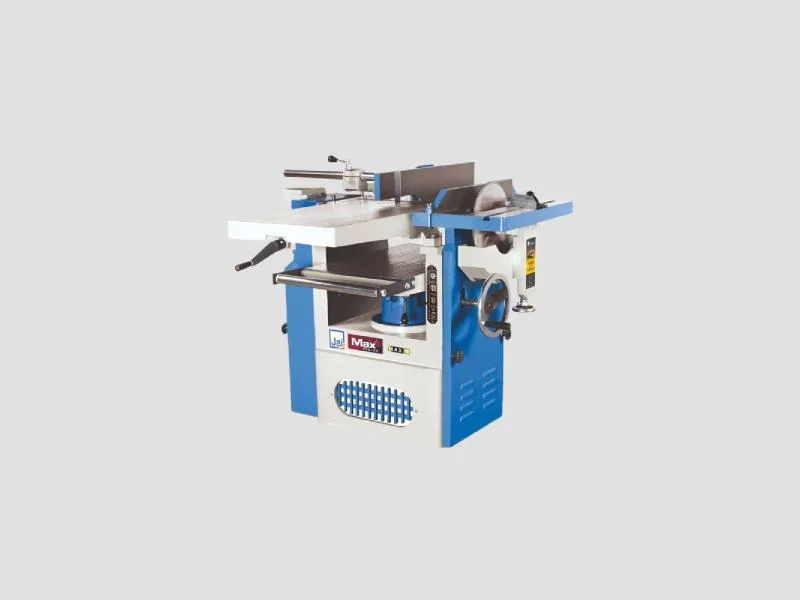
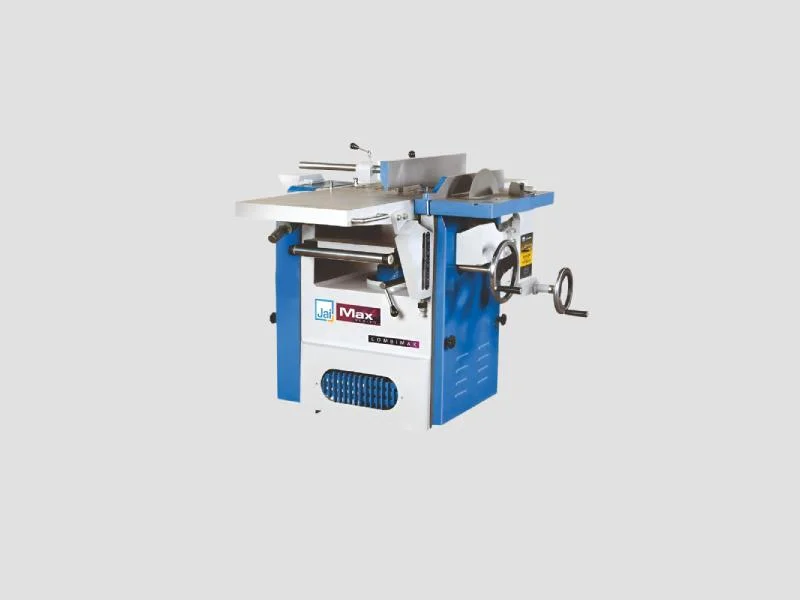
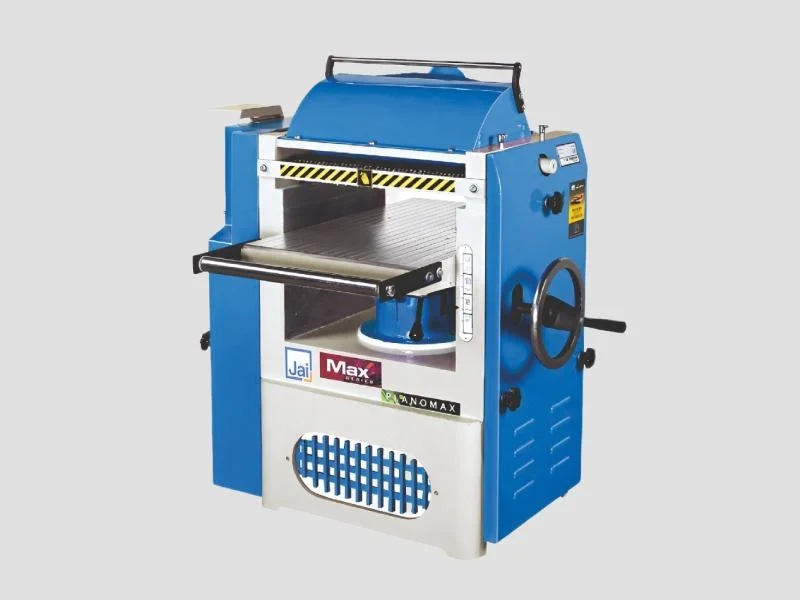
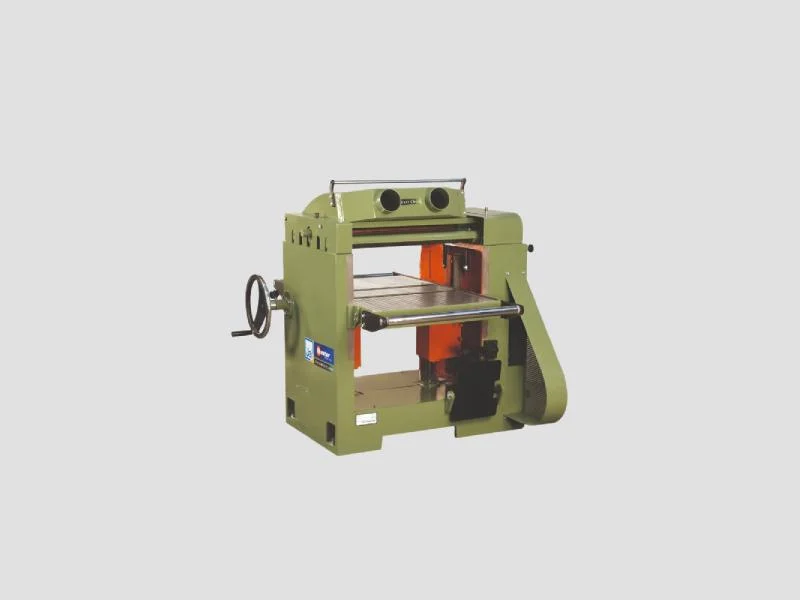
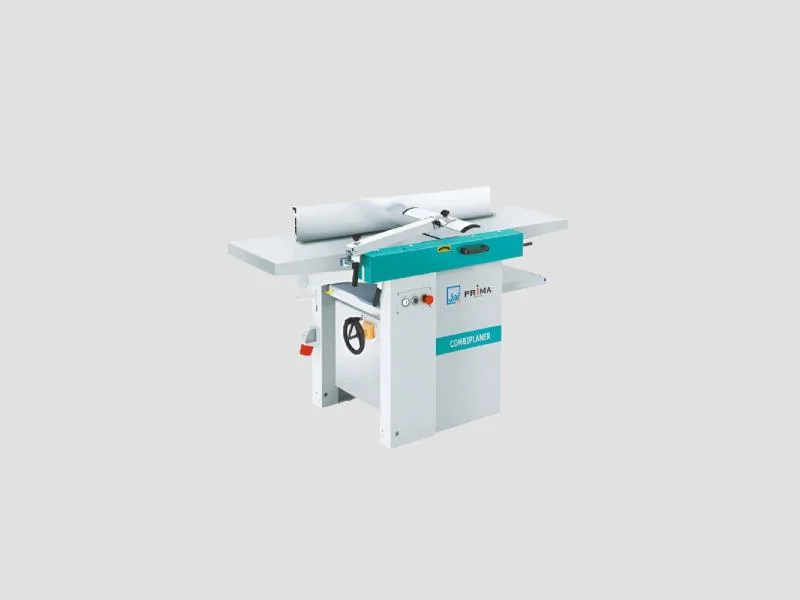
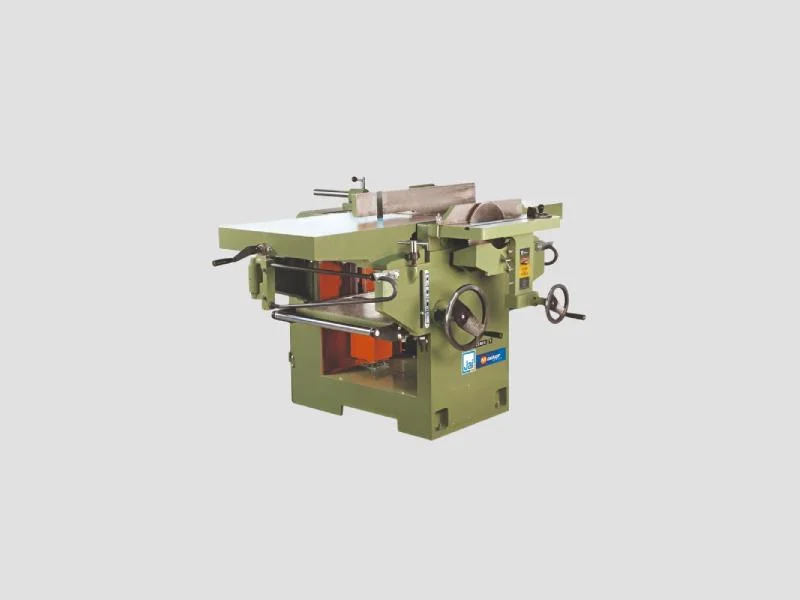
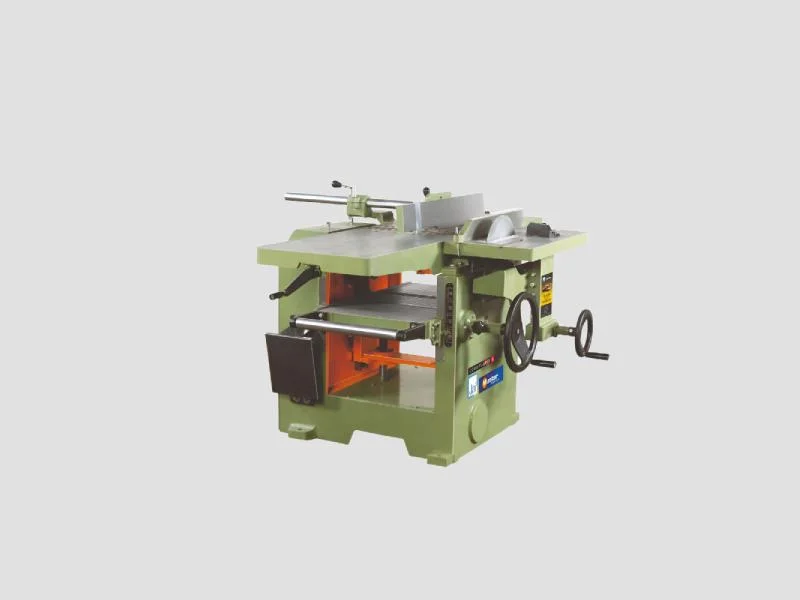
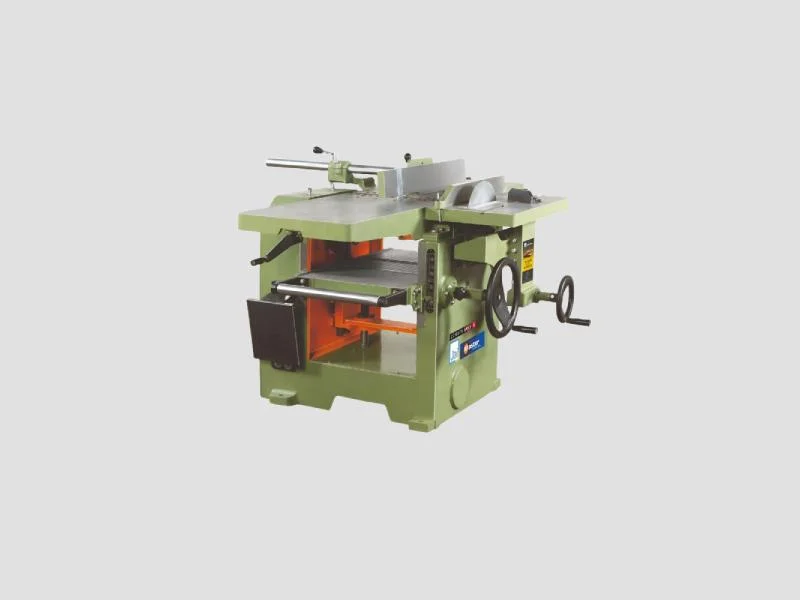
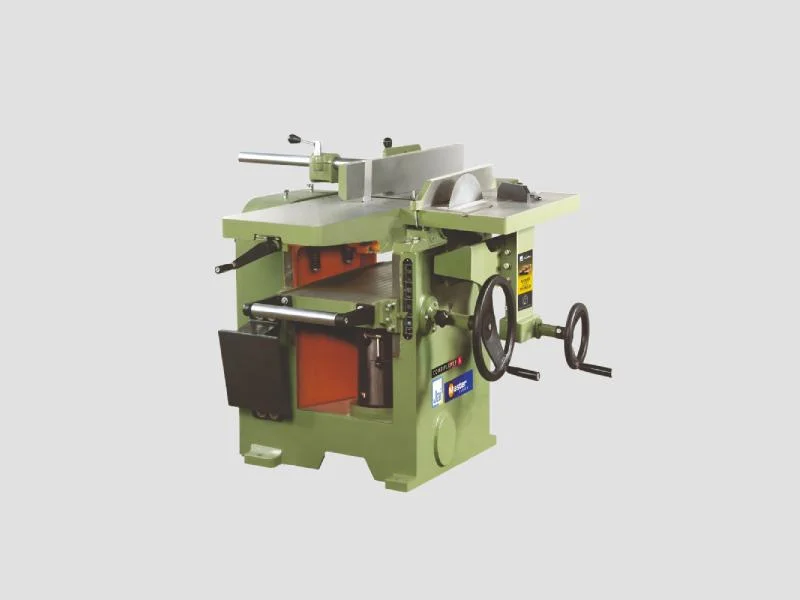
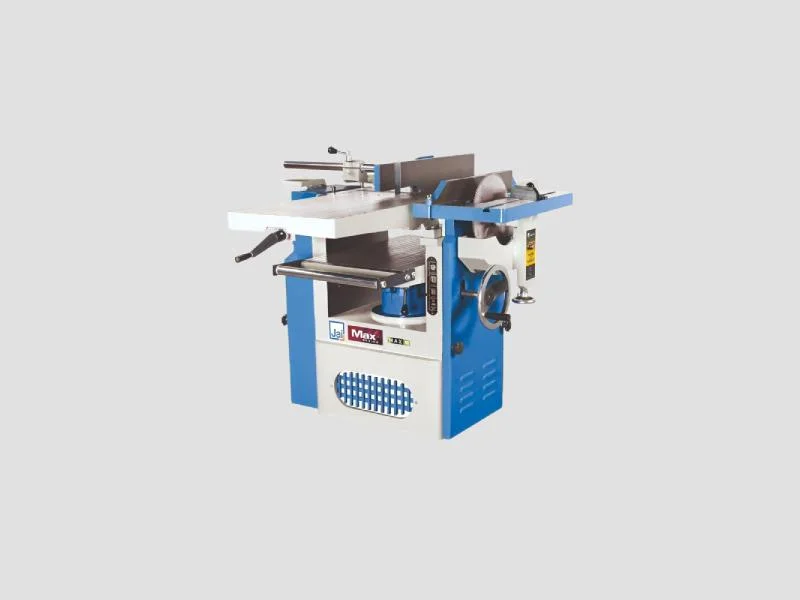
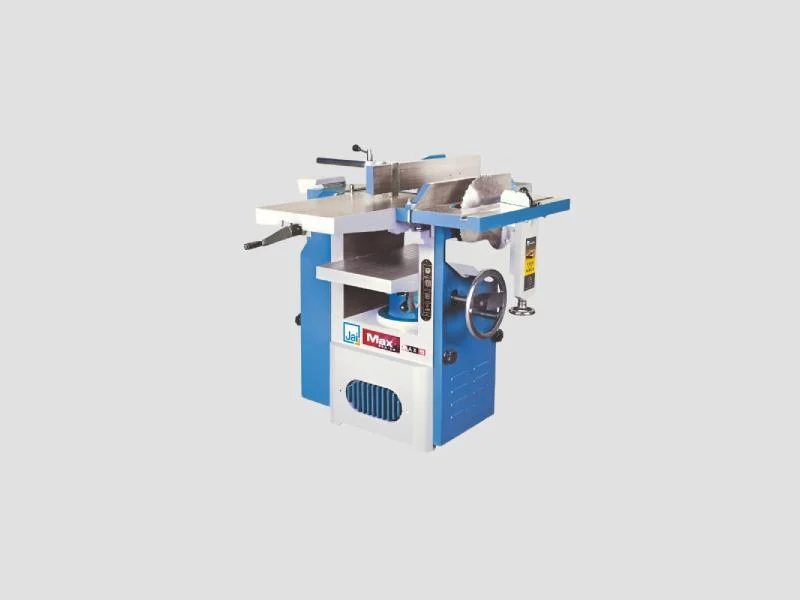
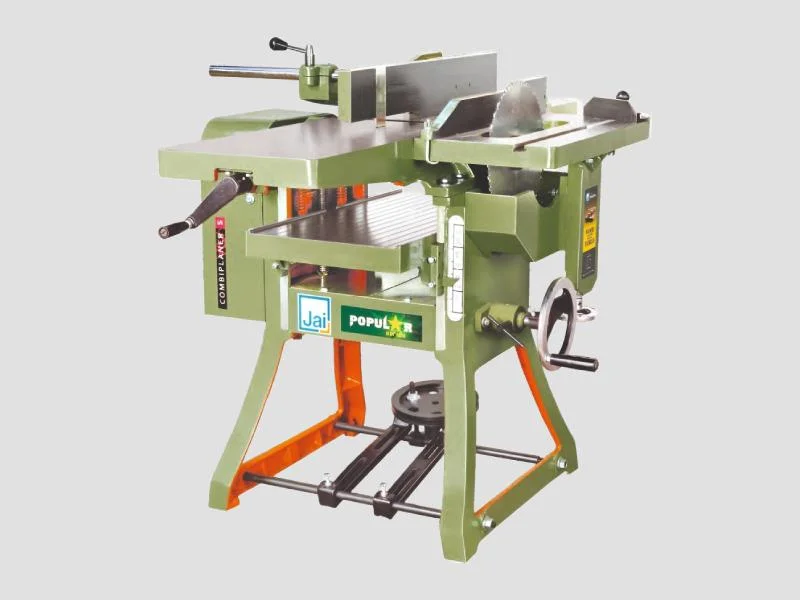
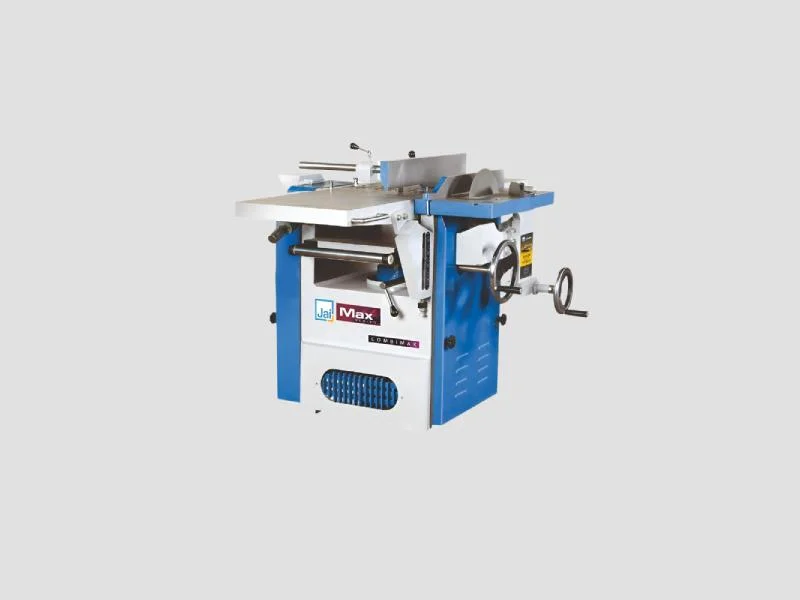
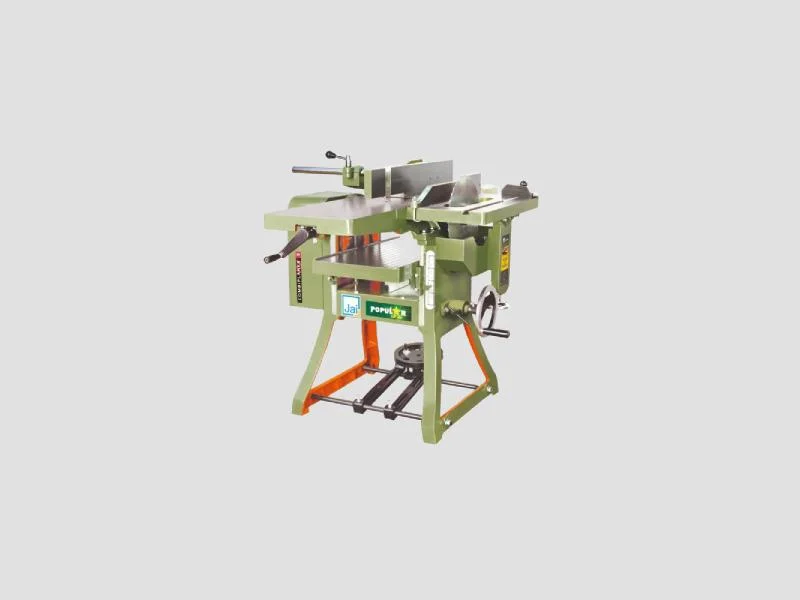
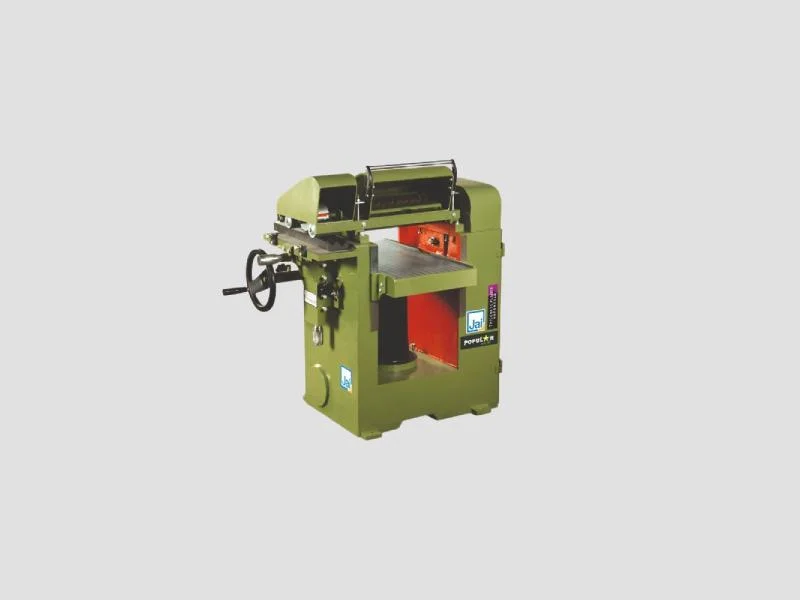
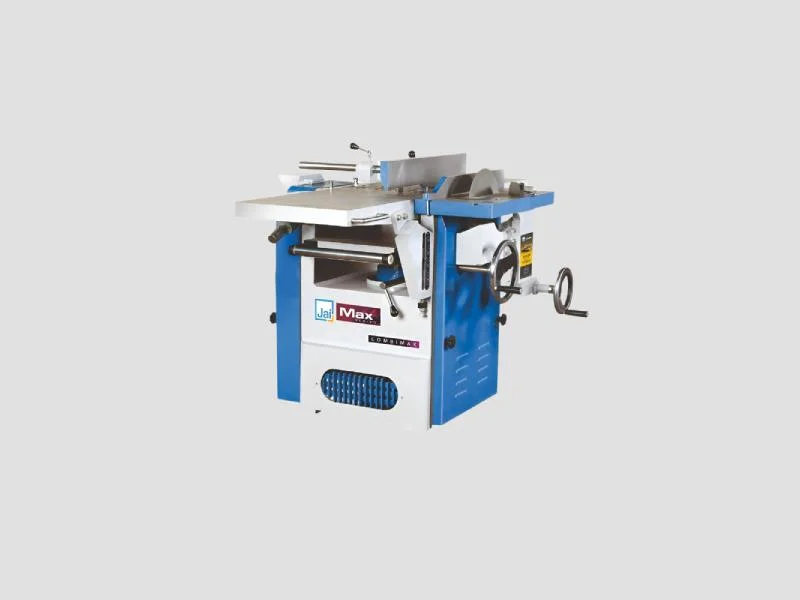
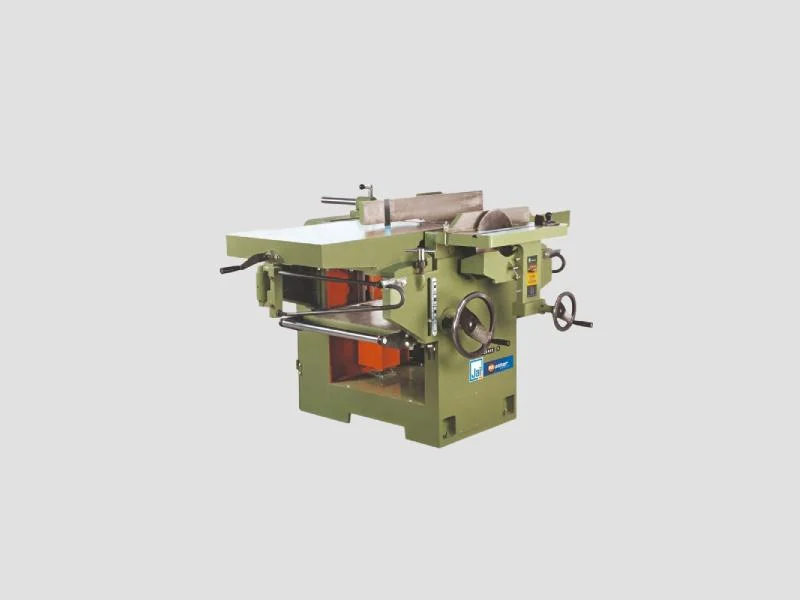
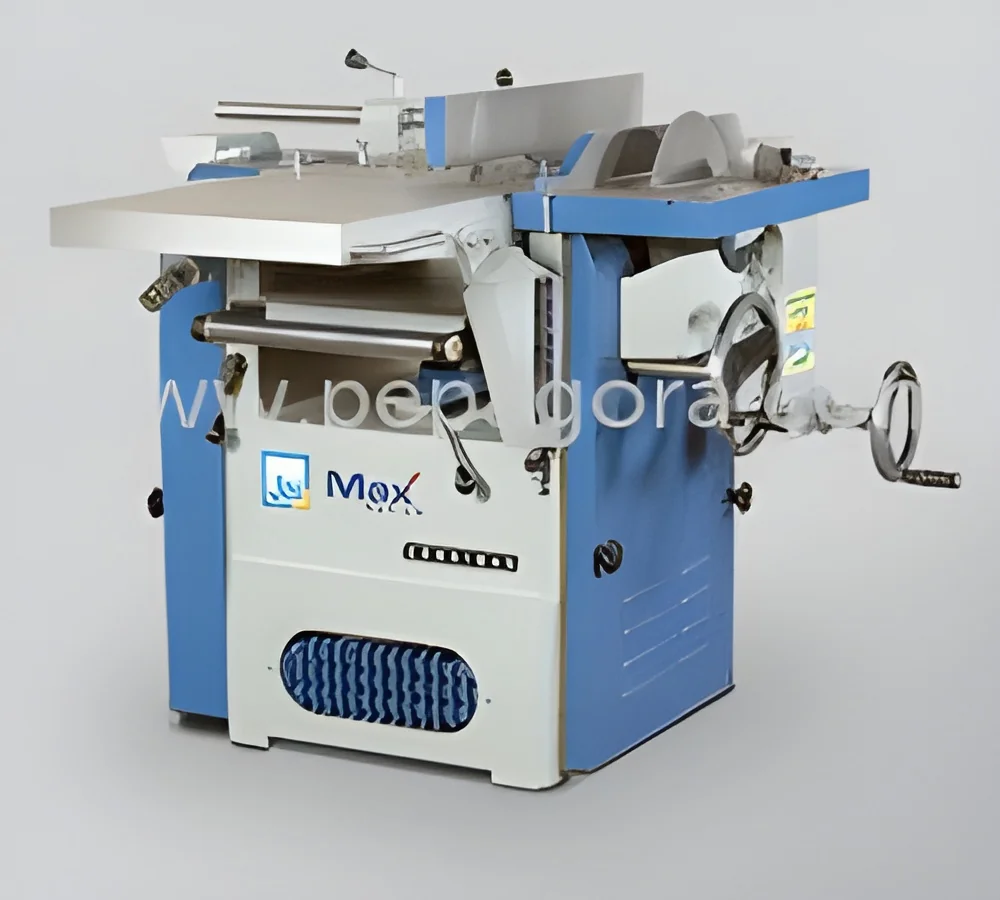
What are Combined Planer Thicknessers?
Combined Planer Thicknessers are versatile woodworking machines that integrate two essential functions: planing and thicknessing. The planing function is used to flatten and smooth the surface of timber, while the thicknessing function ensures that the wood is cut to a uniform thickness. This dual capability makes Combined Planer Thicknessers a critical tool in woodworking shops, allowing for efficient processing of timber with a single machine.
These machines are primarily used in industries that require precision woodwork, such as furniture manufacturing, cabinetry, and construction. By combining these two processes, businesses can save time and reduce the need for multiple machines, thereby increasing productivity. Combined Planer Thicknessers are ideal for both large-scale operations and smaller workshops, providing flexibility in woodworking tasks.
In the current market, the relevance of Combined Planer Thicknessers has grown due to the increasing demand for precision and efficiency in woodworking. As industries evolve, the need for reliable and high-quality wood products has led to the adoption of advanced machinery. This trend highlights the importance of investing in Combined Planer Thicknessers to maintain competitiveness in the woodworking sector.
Key Features and Specifications
Combined Planer Thicknessers come with several key features that enhance their functionality and user experience. They are designed to provide high precision and ease of use, making them suitable for various woodworking applications. The specifications of these machines can vary significantly based on the model and manufacturer.
Key specifications include:
1. Cutting Width
- The maximum width of wood that can be processed, typically ranging from 10 inches to 16 inches.
2. Cutting Height
- The maximum height of material that can be thicknessed, usually between 5 inches to 8 inches.
3. Motor Power
- The power of the motor, which can range from 1.5 HP to 5 HP, affecting the machine’s performance and efficiency.
4. Feed Rate
- The speed at which the material is fed through the machine, often measured in feet per minute and ranging from 16 to 20 feet per minute.
5. Table Size
- The dimensions of the infeed and outfeed tables, which can vary to accommodate different sizes of wood.
6. Dust Collection
- Features that facilitate dust removal, contributing to a cleaner workspace.
7. Adjustable Settings
- Options for adjusting the thickness and depth of cuts for enhanced precision.
8. Safety Features
- Built-in safety mechanisms such as blade guards and emergency shut-off switches to protect users.
In summary, the specifications of Combined Planer Thicknessers are designed to meet the diverse needs of woodworking professionals, ensuring reliable performance and superior quality of finished products.
Common Applications and Use Cases
Combined Planer Thicknessers find applications across various industries, catering to the specific needs of wood processing and production.
1. Furniture Manufacturing: In this sector, Combined Planer Thicknessers are used to prepare wood for furniture pieces, ensuring smooth surfaces and consistent thickness for assembly.
2. Cabinetry: Cabinet makers utilize these machines to create precise cuts and finishes for cabinets, optimizing both aesthetics and functionality.
3. Construction: In the construction industry, these machines help in preparing timber for framing and other structural applications, ensuring high-quality materials are used.
4. Flooring: Wood flooring manufacturers use Combined Planer Thicknessers to achieve the desired thickness and finish, enhancing the overall quality of the flooring products.
5. Joinery: Joiners rely on these machines to prepare various joints and components, ensuring that pieces fit together perfectly.
6. Woodworking Hobbyists: Small-scale workshops and hobbyists benefit from the versatility and efficiency of Combined Planer Thicknessers for personal projects.
7. Millwork: Millwork businesses utilize these machines to produce moldings, trims, and other decorative wood components with precision.
Product Variants and Subcategories
Combined Planer Thicknessers can vary significantly in terms of features and capabilities, allowing businesses to select models that best suit their needs.
Standard Model: This variant typically includes basic features for planing and thicknessing, ideal for small to medium-sized workshops.
Professional Model: Designed for heavy-duty use, this variant often comes with advanced features such as digital displays and enhanced motor power, catering to larger operations.
Compact Model: Suitable for smaller workspaces, this type offers the essential functions of a Combined Planer Thicknesser in a more space-efficient design.
Portable Model: Ideal for job sites or mobile workshops, portable models provide the necessary functionality while being easy to transport.
Benefits and Advantages
Investing in Combined Planer Thicknessers offers numerous advantages for businesses in woodworking.
1. Space Efficiency: By combining two machines into one, these tools save valuable floor space in workshops.
2. Cost-Effectiveness: Reduced need for multiple machines leads to lower overall equipment costs and maintenance expenses.
3. Increased Productivity: The ability to perform multiple tasks in one pass enhances workflow efficiency, allowing for faster project completion.
4. Precision and Consistency: These machines ensure uniform thickness and smooth finishes, improving the quality of the final wood products.
5. Versatility: Combined Planer Thicknessers can handle a variety of wood types and sizes, making them suitable for diverse woodworking applications.
6. User-Friendly: Many models feature adjustable settings and easy-to-use controls, making them accessible for both experienced operators and beginners.
Buying Guide for B2B Buyers
When sourcing Combined Planer Thicknessers, it is essential for B2B buyers to consider several key factors to ensure they select the right equipment for their needs.
1. Quality Assessment: Evaluate the quality of materials used in construction, as well as the durability and reliability of the machine. Look for models with high-performance ratings and positive user reviews.
2. Supplier Verification: Vet suppliers to ensure they have a good reputation in the industry. Check for certifications and testimonials from other clients to gauge reliability.
3. Pricing and MOQ: Understand the price range for different models and consider minimum order quantities. Compare prices across various suppliers to identify the best deals.
4. Delivery and Lead Times: Inquire about delivery schedules and lead times to ensure timely acquisition of the machine. Consider suppliers who can meet your deadlines.
5. Compliance Requirements: Ensure that the Combined Planer Thicknesser meets any relevant industry standards and regulations to avoid compliance issues.
Compliance and Certifications
Compliance and certification are essential components for Combined Planer Thicknessers to ensure safety and quality.
Manufacturers of Combined Planer Thicknessers typically adhere to relevant quality standards such as ISO 9001, which ensures consistent product quality and operational efficiency. Additionally, compliance with safety standards is crucial to protect users from potential hazards.
The CE certification signifies that the machines meet European safety, health, and environmental protection standards. This certification is important for ensuring that equipment is safe to use in various industrial settings.
Testing requirements may include evaluations of noise levels, dust emissions, and overall performance. Buyers should also be aware of regional compliance considerations, as standards may vary based on geographic location.
Why Source Combined Planer Thicknessers from Pepagora?
Pepagora offers a reliable platform for sourcing Combined Planer Thicknessers, providing numerous advantages to businesses.
Verified Supplier Network: Pepagora features a network of verified suppliers, ensuring that buyers can trust the quality and reliability of the products they purchase. This verification process helps in mitigating risks associated with sourcing equipment.
Streamlined RFQ Process: The platform simplifies the request for quotation (RFQ) process, allowing buyers to easily compare offers from multiple suppliers. This efficiency saves time and helps in making informed purchasing decisions.
Trade Assurance and Support: Pepagora provides trade assurance, offering buyers protection during transactions. Their dedicated support team assists with any queries or issues that may arise, ensuring a smooth purchasing experience.
Regional Coverage: With a strong presence in markets like India, GCC, and Southeast Asia, Pepagora facilitates access to a wide range of Combined Planer Thicknessers. This regional focus enables buyers to connect with local suppliers and manufacturers effectively.

 IN
IN