IN
IN₹
Apparel & Fashion
Description
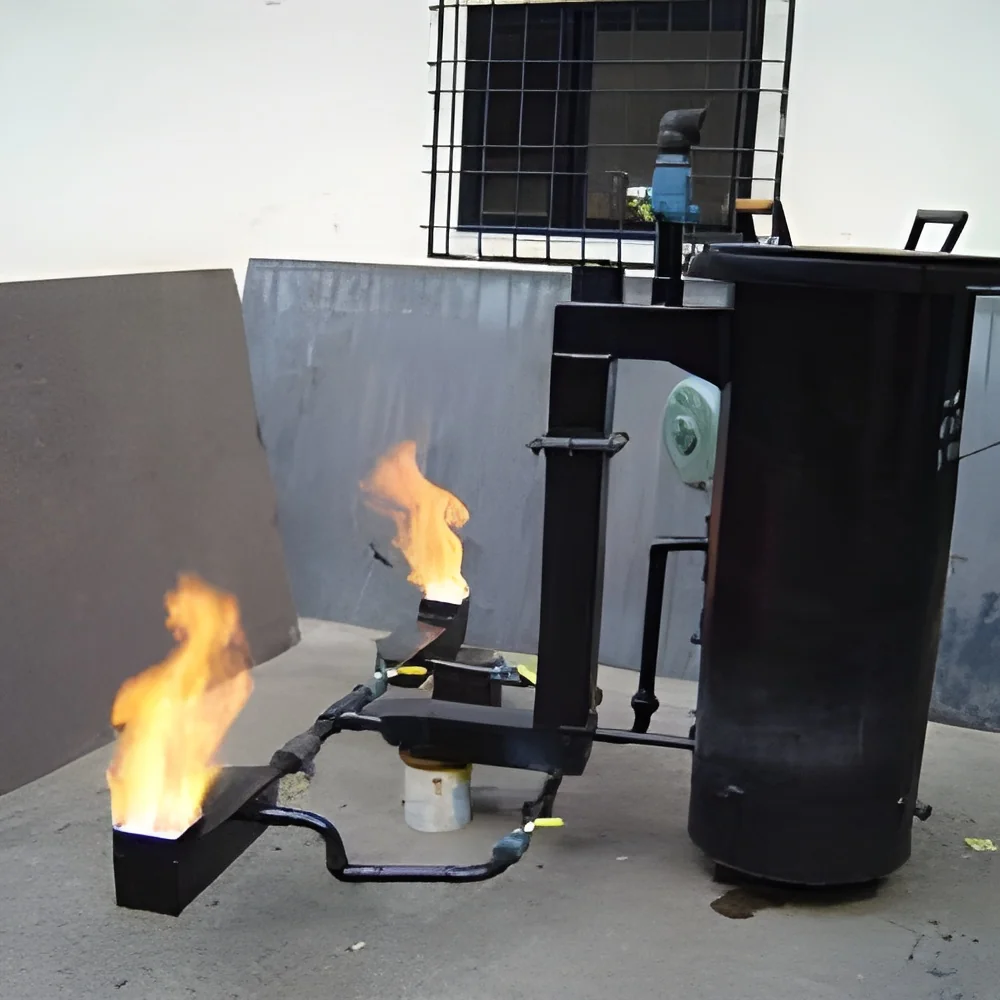
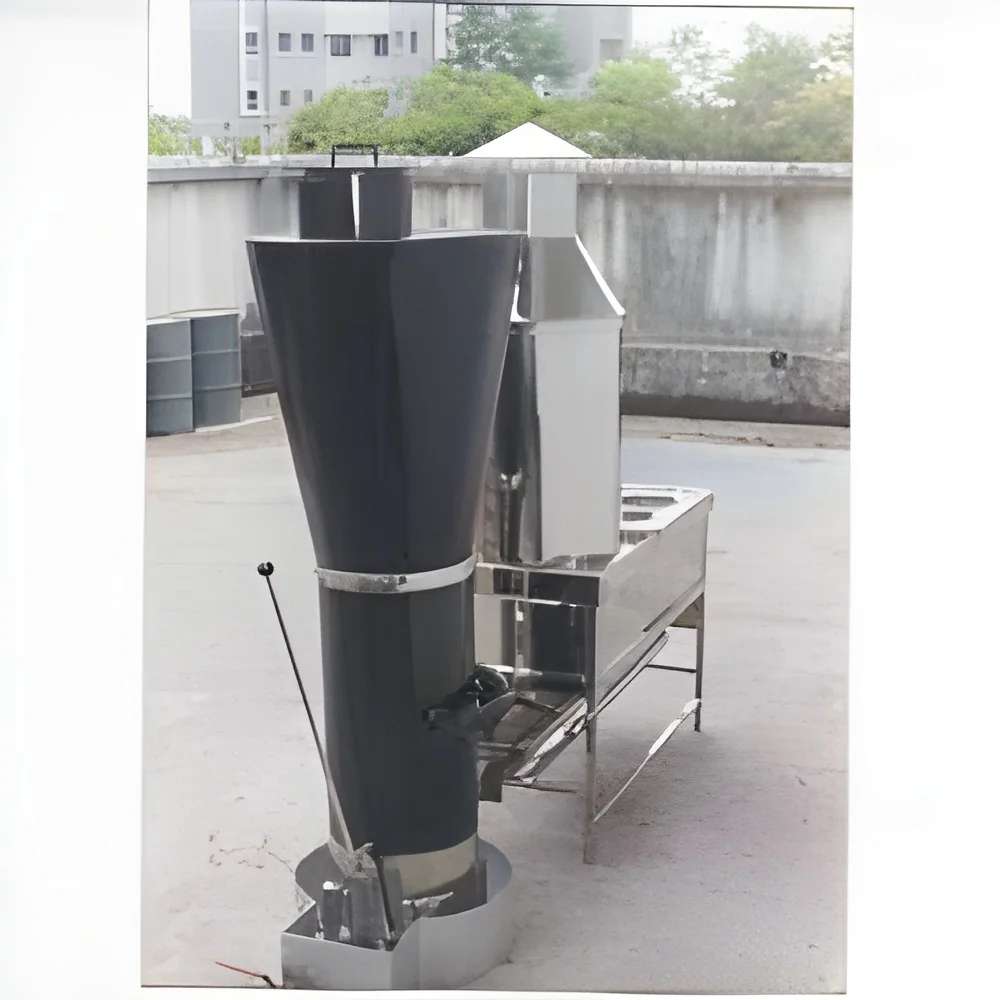
The Gasifier-Silk represents a significant advancement in biomass energy technology, specifically designed to address the energy challenges faced by rural and off-grid commercial operations. While electricity and LPG offer clean energy solutions, they remain inaccessible or unaffordable in many remote locations. Traditional biomass burning methods using firewood, dry leaves, and crop residues typically produce inefficient combustion with substantial smoke emissions. This innovative gasification system transforms loose biomass materials into clean-burning gas through advanced thermal conversion processes, providing a sustainable and practical alternative for heating, cooking, and industrial thermal applications. Engineered for reliability and operational simplicity, this system meets the needs of operations prioritizing both cost efficiency and environmental responsibility.

This biomass gasification technology finds application across diverse commercial sectors including agriculture, f...
The Gasifier-Silk represents a significant advancement in biomass energy technology, specifically designed to address the energy challenges faced by rural and off-grid commercial operations. While electricity and LPG offer clean energy solutions, they remain inaccessible or unaffordable in many remote locations. Traditional biomass burning methods using firewood, dry leaves, and crop residues typically produce inefficient combustion with substantial smoke emissions. This innovative gasification system transforms loose biomass materials into clean-burning gas through advanced thermal conversion processes, providing a sustainable and practical alternative for heating, cooking, and industrial thermal applications. Engineered for reliability and operational simplicity, this system meets the needs of operations prioritizing both cost efficiency and environmental responsibility.

This biomass gasification technology finds application across diverse commercial sectors including agriculture, food processing, hospitality, and small-scale manufacturing. Agricultural operations utilize the system for crop drying and processing activities, while rural hospitality establishments rely on it for smokeless cooking operations. Manufacturing units operating in off-grid locations employ the Gasifier-Silk to power equipment and generate process heat without dependence on unstable electrical supplies. The technology also serves community facilities including educational institutions, healthcare centers, and emergency response operations where consistent energy availability is essential for service delivery. The system supports circular economy principles by converting agricultural waste into valuable thermal energy, simultaneously addressing waste management challenges and reducing operational expenses.

The Gasifier-Silk delivers substantial business value through reduced fuel expenditures, minimized environmental impact, and enhanced operational reliability. By utilizing locally sourced biomass materials, commercial operations can achieve energy cost reductions up to 50% compared to LPG or diesel alternatives. The gasification process produces minimal smoke and particulate emissions, improving workplace safety conditions and supporting compliance with environmental standards. The system's robust construction and engineering ensure long-term durability and performance consistency across various commercial applications. This reliability makes the technology a strategic investment for operations pursuing energy independence and sustainable growth objectives while maintaining operational cost control.

Key Features:
- Advanced gasification technology converts biomass into clean-burning gas
- Efficient operation with various biomass materials including firewood and briquettes
- Durable construction using high-quality materials for long service life
- User-friendly operation with minimal maintenance requirements
- Produces smokeless flame reducing indoor air pollution

Benefits:
- Significant reduction in fuel costs compared to conventional energy sources
- Utilizes locally available biomass materials reducing supply chain dependencies
- Improved workplace safety through reduced smoke and emissions
- Reliable performance in off-grid and remote locations
- Supports environmental sustainability through clean biomass utilization
Specifications
| Additional Information | |
|---|---|
| Country of Origin | India |
Application
The Gasifier-Silk biomass cooker serves as an essential energy solution for rural and off-grid operations where conventional fuels are unavailable or cost-prohibitive. This system efficiently transforms locally available biomass materials including firewood, agricultural residues, and briquettes into clean-burning gas. This conversion process enables reliable cooking, heating, and small-scale industrial applications without dependence on unstable energy grids or expensive fuel imports, making it particularly valuable for remote locations and developing regions.
Multiple sectors benefit from this technology's versatility and cost-efficiency. Agriculture, food processing, hospitality, and small manufacturing operations find particular value in its consistent performance. The system supports sustainable practices by utilizing waste materials as fuel sources while maintaining operational continuity in areas with limited infrastructure. Community facilities, educational institutions, and emergency response teams also rely on this technology for essential energy needs during critical situations.
- Providing clean cooking fuel for rural restaurants, hotels, and community kitchens
- Supporting agricultural processing operations including crop drying and food production
- Enabling off-grid manufacturing and workshops to operate without expensive fuel imports
- Offering emergency energy solutions for disaster relief camps and remote healthcare facilities
- Converting agricultural residue like straw and husk into useful energy for various applications
Trade Details
| Available Stock | In Stock |
| Sample Availability | No |
Payment Terms
| Payment Terms |
|
Company Profile

2M Industries, Maharashtra
 Maharashtra, India
Maharashtra, IndiaElectronics & Electrical•Manufacturer•Importer / Exporter
Factory Details
Factory SizeBelow 1000 sqm
Annual Production Capacity0
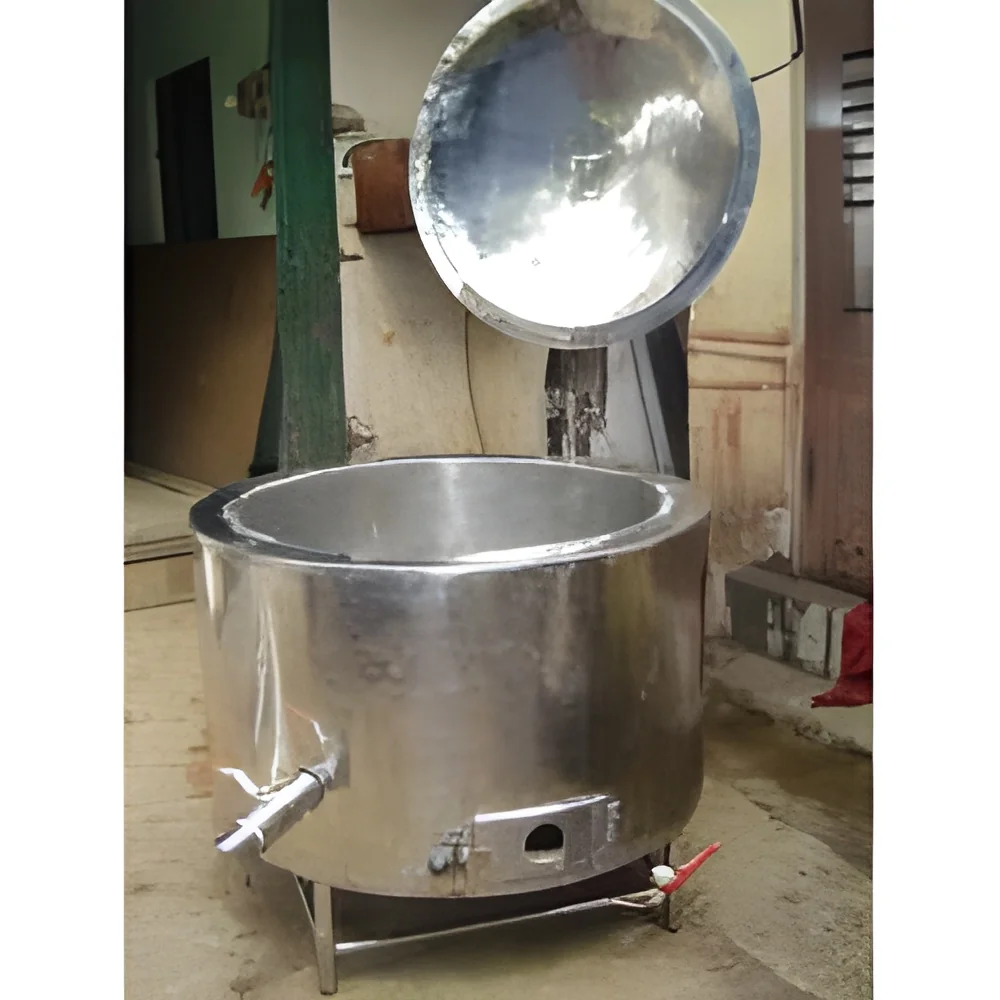
Gasifier Silk Biomass Cooker Smokeless Heating Rural Business
Gasifier-Silk biomass cooker converts firewood and briquettes into clean smokeless gas for cooking and heating. Ideal for rural businesses and villages lacking reliable electricity or LPG. Cost-effective and reliable solution for various industries.
Min. Order Quantity: 1 unit
Shipping
Shipping fee and delivery date to be negotiated. Contact supplier now for more details.
2M Industries
 Maharashtra, India
Maharashtra, IndiaElectronics & ElectricalManufacturer