What are Cutting Blades & Saws?
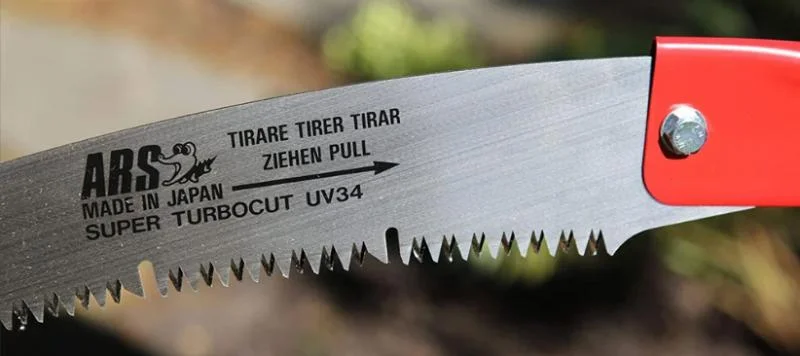
Cutting blades and saws are essential tools used in various industrial applications for precise and efficient cutting of materials. They are designed to perform tasks such as slicing, trimming, and shaping a wide range of materials including wood, metal, plastic, and composites. These tools come in different shapes and sizes, each tailored to meet specific cutting needs and operational demands.
In the industrial sector, cutting blades and saws find applications in manufacturing, construction, woodworking, and metalworking. They enable businesses to enhance productivity by allowing for quick, accurate cuts that improve overall workflow. The relevance of cutting blades and saws in the market is underscored by their continuous evolution, with advancements in materials and technology leading to increased efficiency and durability.
Key Features and Specifications
Cutting blades and saws are characterized by a variety of features and specifications that distinguish their performance and suitability for different tasks. Understanding these specifications is crucial for selecting the right tools for specific applications.
Key specifications include:
1. Blade Material
- Typically made from high-speed steel, carbide, or bi-metal
- Materials influence cutting efficiency and durability
2. Tooth Design
- Variants include alternate top bevel (ATB), flat top grind (FTG), and triple chip grind (TCG)
- Each design affects the quality of the cut and material compatibility
3. Blade Diameter
- Common sizes range from 4 inches to over 12 inches
- Diameter affects the type of cutting saws can perform
4. Thickness
- Blade thickness varies, impacting strength and cutting speed
- Thinner blades are generally used for finer cuts
5. Arbor Size
- Standard arbor sizes include 1 inch, 5/8 inch, and others
- Correct arbor size is essential for compatibility with saws
6. RPM Rating
- Blades are rated for specific revolutions per minute
- Higher RPM ratings indicate suitability for faster cutting
7. Coating
- Some blades feature coatings such as Teflon or titanium
- Coatings reduce friction and improve lifespan
8. Application Type
- Designed for specific applications such as crosscutting, ripping, or specialty cuts
- Ensures optimal performance based on intended use
In summary, selecting the right cutting blades and saws involves understanding these key features and specifications to ensure optimal performance in various applications.
Common Applications and Use Cases
Cutting blades and saws serve a broad spectrum of industries, each with unique requirements.
1. Woodworking: In woodworking, these tools are essential for shaping and finishing wooden products, allowing for precise cuts in furniture making and cabinetry.
2. Metalworking: In the metal industry, cutting blades and saws are used to cut, shape, and assemble metal components, crucial for manufacturing machinery and structural elements.
3. Construction: These tools play a vital role in construction projects, enabling contractors to cut through various materials like drywall, concrete, and steel.
4. Plastics: In the plastics industry, specialized cutting blades are used to achieve clean cuts and finishes on plastic components for packaging and consumer products.
5. Automotive: Cutting blades are used in the automotive sector for manufacturing parts, ensuring high precision in assembly and repair tasks.
6. Aerospace: In aerospace manufacturing, cutting saws are essential for shaping lightweight yet strong materials, critical for aircraft components.
7. Electronics: These tools are used to cut circuit boards and other electronic components, ensuring accuracy and minimizing waste.
Product Variants and Subcategories
The diversity in cutting blades and saws allows businesses to select tools tailored to their specific cutting needs.
Circular Saw Blades: These blades are designed for use with circular saws and are available in various tooth configurations for different cutting tasks, such as ripping or crosscutting.
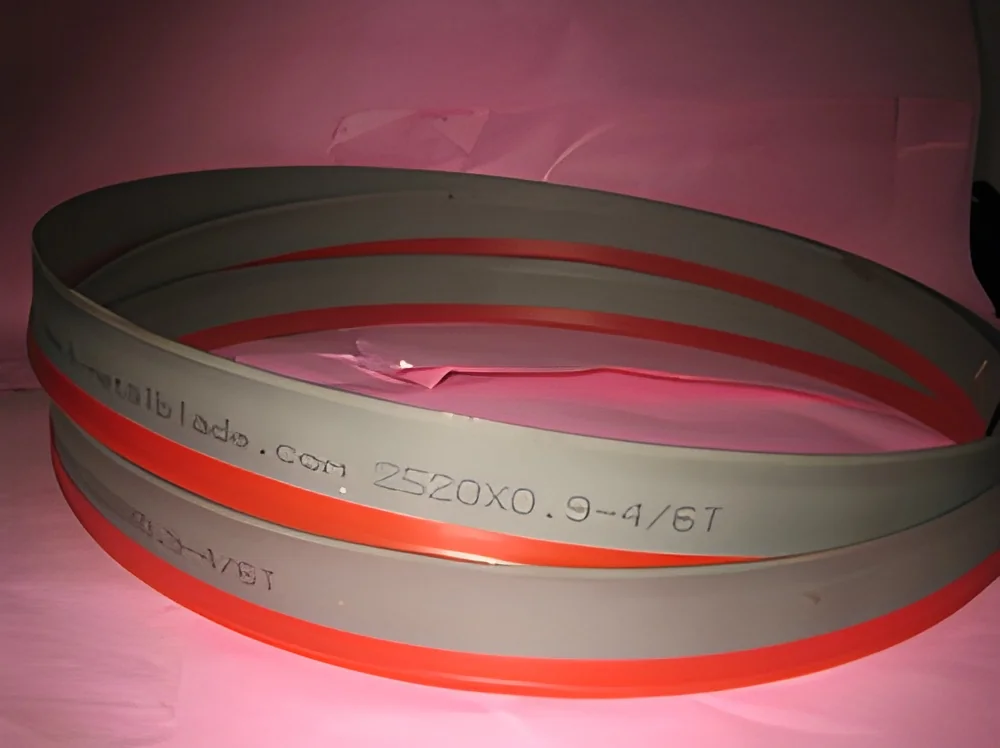
Band Saws: This type of saw features a continuous loop of blade material, making it ideal for cutting curves and irregular shapes in wood and metal.
Jigsaw Blades: Designed for jigsaws, these blades are typically used for intricate cuts and fine detailing in various materials, including wood and plastics.
Reciprocating Saw Blades: These blades are used in reciprocating saws for demolition work and cutting through tough materials, making them ideal for construction and renovation tasks.
Benefits and Advantages
Cutting blades and saws offer numerous advantages that can enhance operational efficiency and productivity.
1. Precision Cutting: These tools provide high levels of accuracy, ensuring quality finishes in various applications.
2. Versatility: With a wide range of blade types and sizes, they can be used on multiple materials, catering to diverse industry needs.
3. Durability: High-quality materials and coatings enhance the longevity of cutting blades, reducing the frequency of replacements.
4. Improved Efficiency: The right cutting blade or saw can significantly reduce cutting time, leading to faster production cycles.
5. Safety Features: Modern blades often include design considerations for safety, reducing the risk of accidents during operation.
6. Cost-Effectiveness: Investing in quality cutting blades can lead to lower operational costs due to reduced wastage and longer service life.
Buying Guide for B2B Buyers
When sourcing cutting blades and saws, there are several key factors to consider to ensure a successful purchase.
1. Quality Assessment: Evaluate the quality of materials and manufacturing processes. Look for specifications that meet industry standards to ensure reliability and performance.
2. Supplier Verification: It is essential to vet suppliers thoroughly. Check for credentials, reviews, and past performance to ensure you are sourcing from reputable manufacturers.
3. Pricing and MOQ: Understand the pricing structure and minimum order quantities required by suppliers. This ensures that your budget aligns with your procurement needs.
4. Delivery and Lead Times: Consider the logistics involved in sourcing. Assess delivery times and lead times to ensure that your projects remain on schedule.
5. Compliance Requirements: Be aware of any regulatory and compliance standards applicable to your industry. Ensure that the products you choose meet these requirements to avoid issues down the line.
Compliance and Certifications
Compliance and certifications are critical aspects of sourcing cutting blades and saws. Quality standards such as ISO 9001 ensure that manufacturers adhere to strict quality management systems, leading to improved product consistency and reliability.
Industry certifications like CE indicate that products meet European safety and environmental protection standards. This is particularly important for businesses operating in regulated markets, as compliance minimizes risks associated with product liability.
Additionally, safety and testing requirements must be prioritized. Cutting blades and saws should undergo rigorous testing to ensure they meet safety standards, preventing accidents during use. Regional compliance considerations also play a significant role, as different markets may have varying regulations and standards that products must meet.
Why Source Cutting Blades & Saws from Pepagora?
Pepagora provides a trusted platform for sourcing cutting blades and saws with several key advantages.
Verified Supplier Network: Pepagora connects buyers with a verified network of suppliers. This ensures that you are dealing with reputable manufacturers known for their quality products and reliability.
Streamlined RFQ Process: The request for quotation process at Pepagora is designed for efficiency. This allows buyers to receive competitive quotes quickly, facilitating informed decision-making.
Trade Assurance and Support: Buyers benefit from trade assurance measures that protect their purchases. This includes support throughout the sourcing process, ensuring a smooth transaction.
Regional Coverage: Pepagora's geographic reach extends across India, the GCC, and Southeast Asia. This makes it easier for businesses to source cutting blades and saws tailored to their regional market needs.

 IN
IN