𝗪𝗵𝗮𝘁 𝗮𝗿𝗲 𝗜𝗿𝗿𝗶𝗴𝗮𝘁𝗶𝗼𝗻 𝗦𝘆𝘀𝘁𝗲𝗺𝘀 & 𝗘𝗾𝘂𝗶𝗽𝗺𝗲𝗻𝘁?
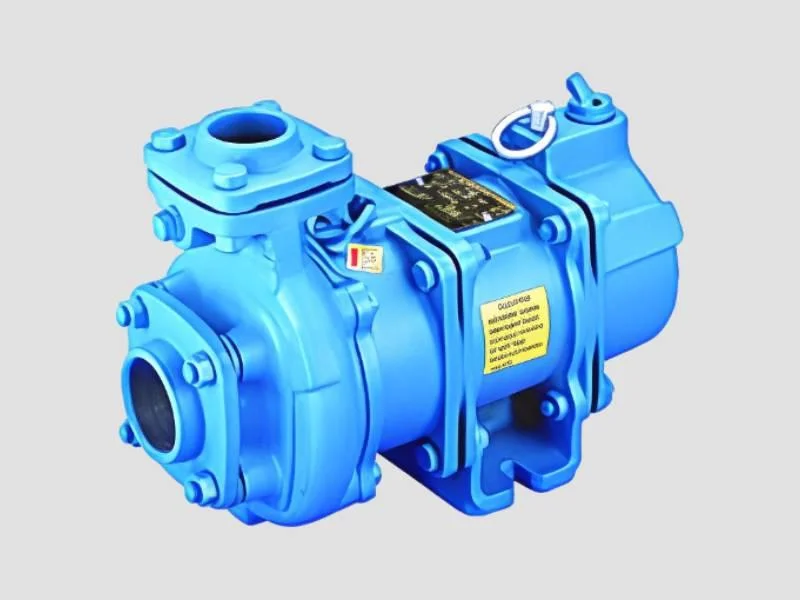
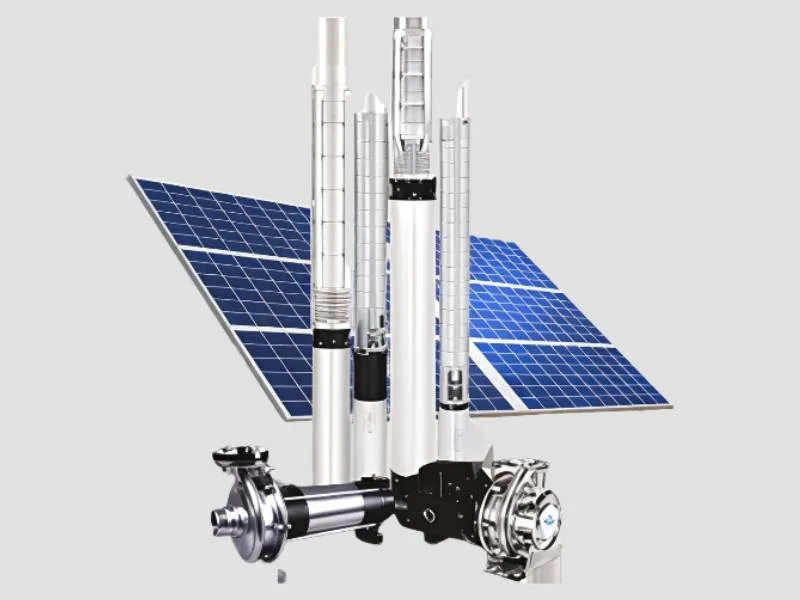
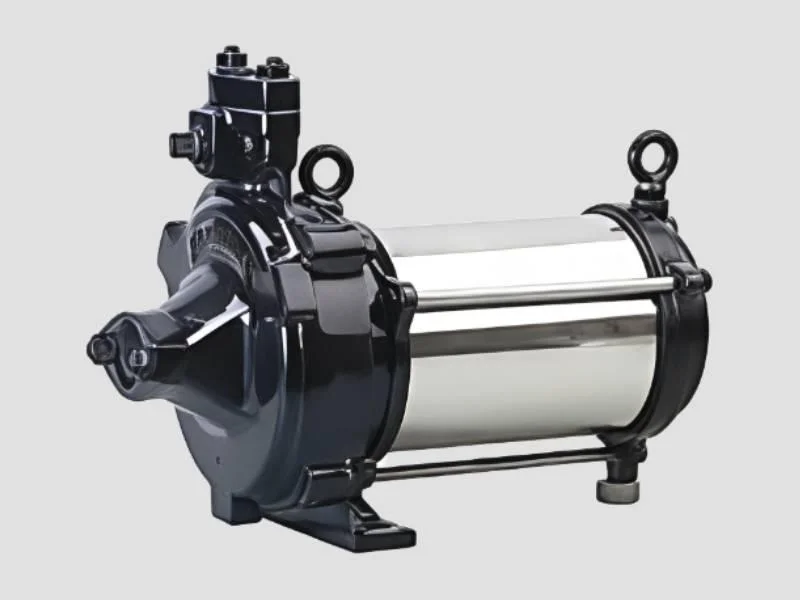
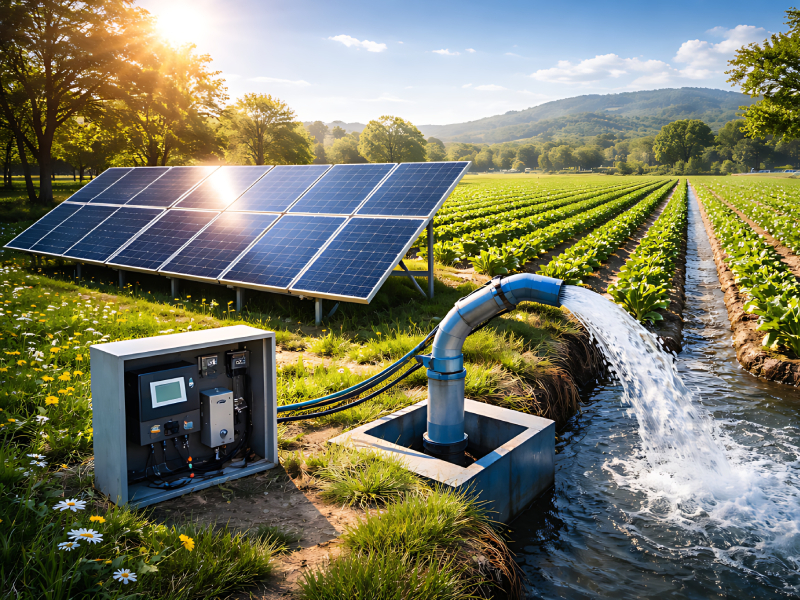
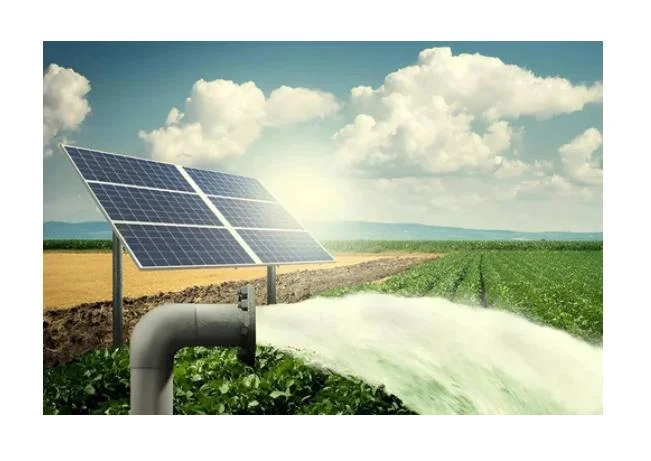
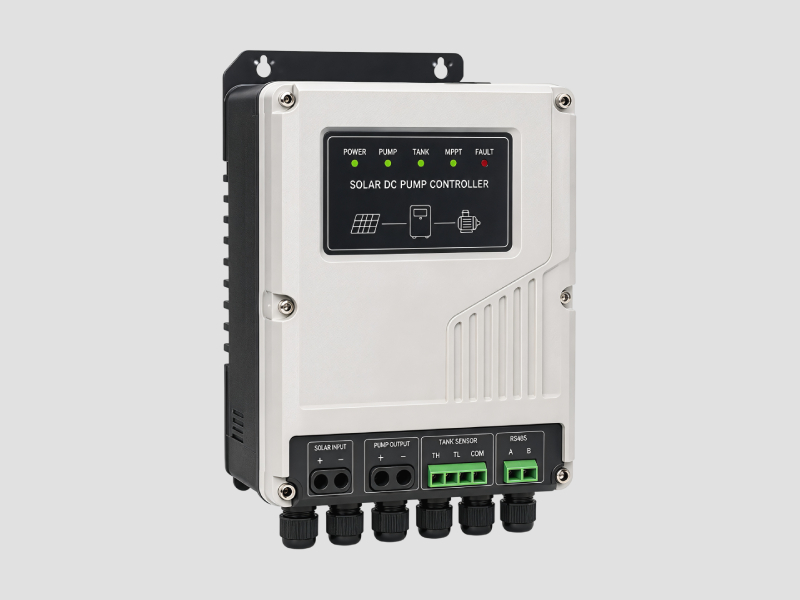
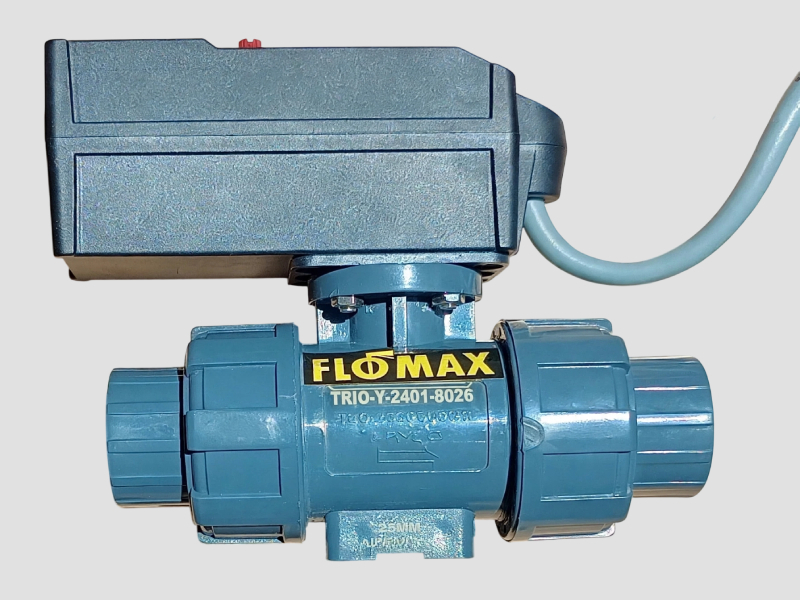
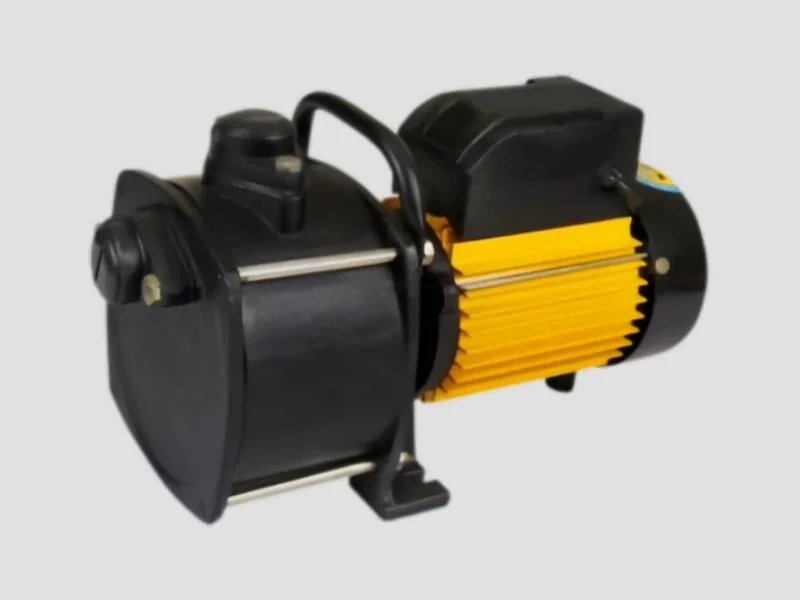
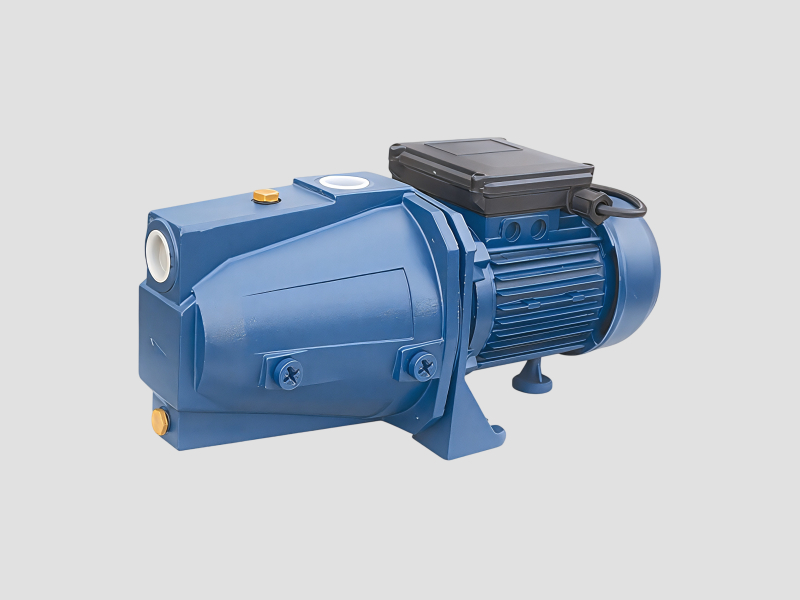
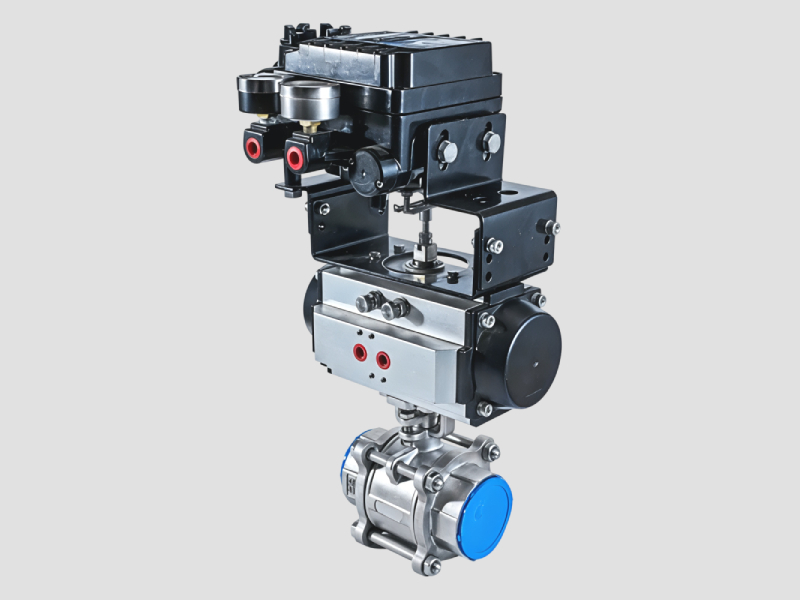
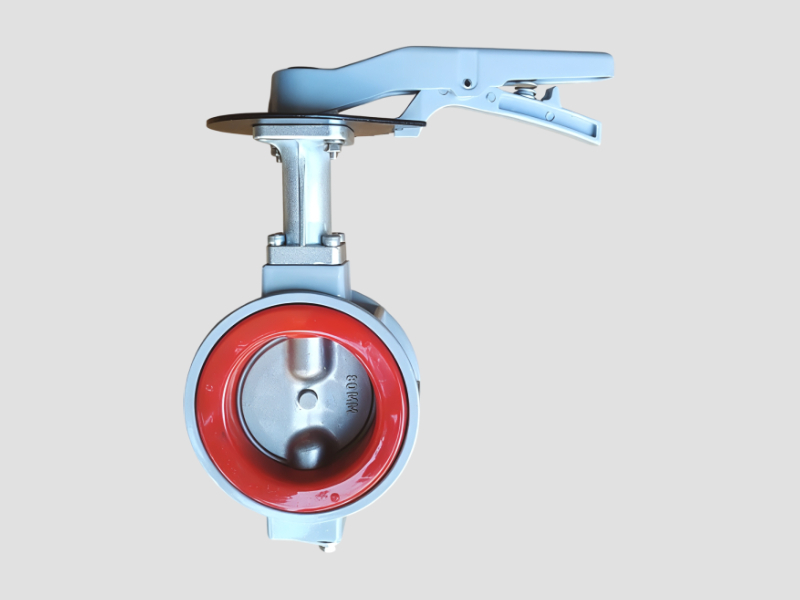
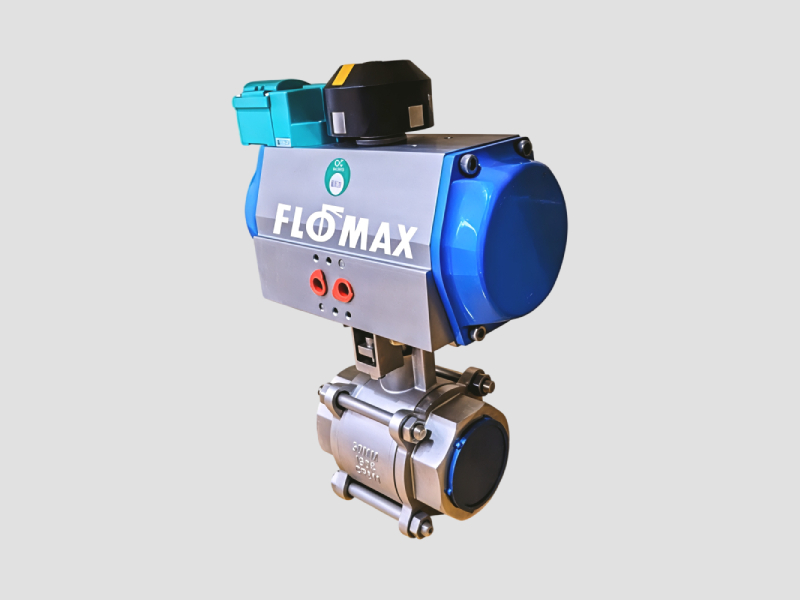
Irrigation systems and equipment are essential tools designed to distribute water efficiently across agricultural fields, landscapes, and gardens. These systems can range from simple drip irrigation setups to complex pivot irrigation systems. They are engineered to provide a controlled supply of water, ensuring that plants receive the necessary moisture while minimizing waste. The technology behind these systems has evolved significantly, integrating automation and monitoring features to enhance efficiency.
The primary applications of irrigation systems span various sectors, including agriculture, landscaping, and horticulture. In agriculture, these systems help optimize crop yields by ensuring that water reaches the roots of plants effectively. In landscaping, they maintain the health of gardens and lawns, while in horticulture, they provide precision watering for delicate plants. As water scarcity becomes a pressing global issue, the demand for efficient irrigation systems continues to grow, making them increasingly relevant in today's market.
𝗞𝗲𝘆 𝗙𝗲𝗮𝘁𝘂𝗿𝗲𝘀 𝗮𝗻𝗱 𝗦𝗽𝗲𝗰𝗶𝗳𝗶𝗰𝗮𝘁𝗶𝗼𝗻𝘀
Irrigation systems and equipment are characterized by a variety of features that cater to specific needs. Understanding these specifications is crucial for selecting the right system for a given application.
Key specifications include:
1. System Type
- Various types include drip, surface, and sprinkler systems.
- Each type serves different environments and crops.
2. Water Flow Rate
- Measured in liters per hour or gallons per minute.
- Determines the efficiency of water distribution.
3. Pressure Requirements
- Specific pressure levels needed for operation.
- Ensures optimal performance of the system.
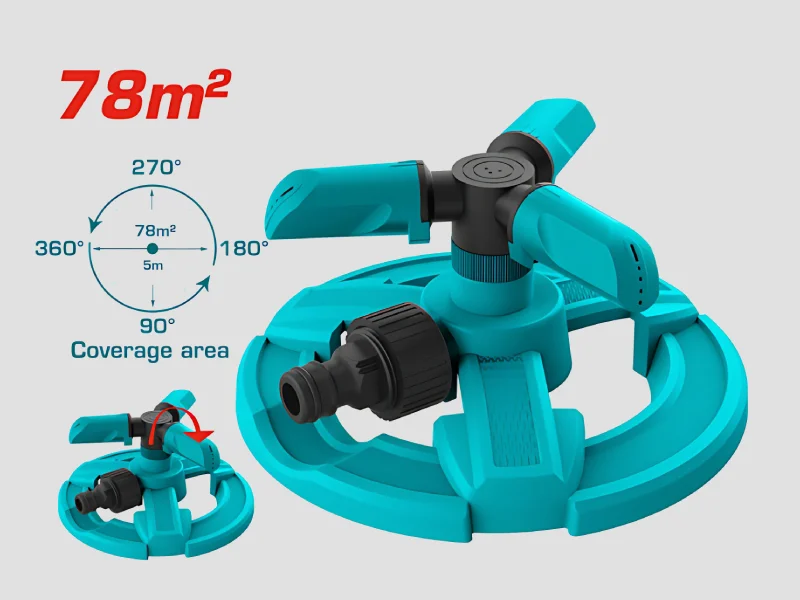
4. Coverage Area
- The area that can be effectively irrigated by the system.
- Varies based on system design and capacity.
5. Automation Features
- Options for electronic timers and sensors.
- Enhance convenience and water management.
6. Material Durability
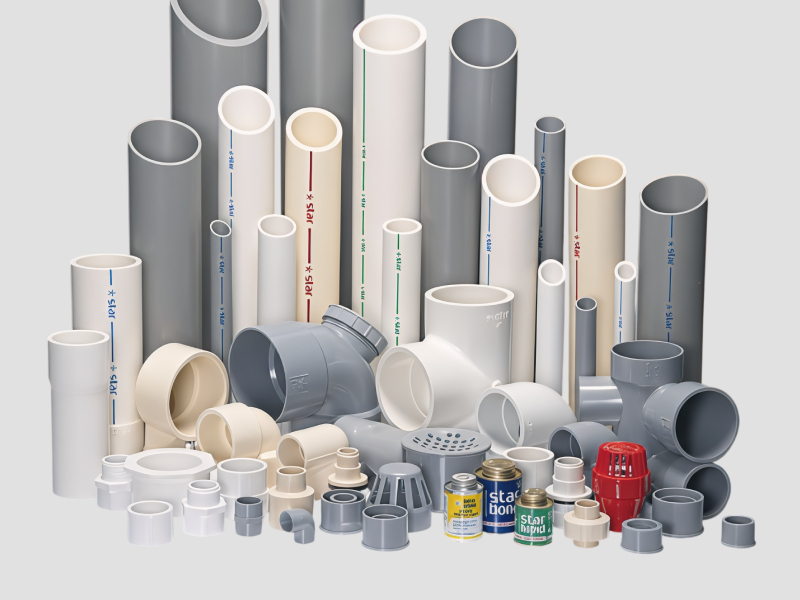
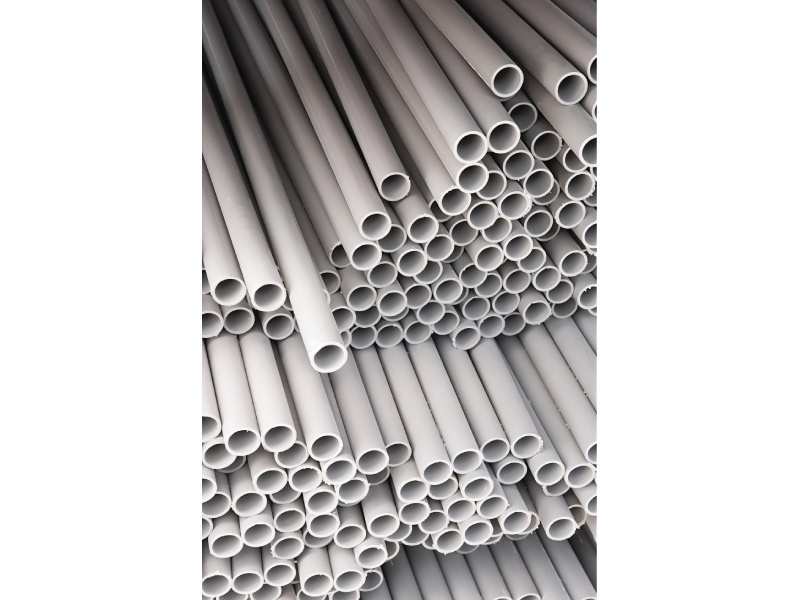
- Common materials include PVC, polyethylene, and metal.
- Quality impacts the longevity and maintenance needs.
7. Installation Flexibility
- Systems can be custom designed for various landscapes.
- Facilitates ease of installation and adaptability.
8. Maintenance Requirements
- Information on cleaning, repairs, and seasonal checks.
- Essential for long-term efficiency and performance.
These specifications guide businesses in selecting the most suitable irrigation solutions for their needs.
𝗖𝗼𝗺𝗺𝗼𝗻 𝗔𝗽𝗽𝗹𝗶𝗰𝗮𝘁𝗶𝗼𝗻𝘀 𝗮𝗻𝗱 𝗨𝘀𝗲 𝗖𝗮𝘀𝗲𝘀
Irrigation systems are used across multiple industries, reflecting their versatility and importance.
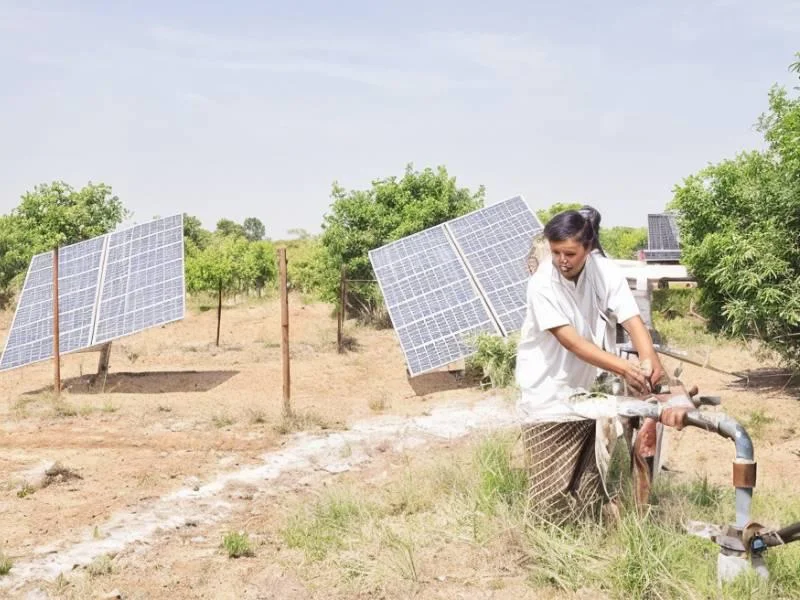
1. Agriculture: Farmers utilize irrigation systems to ensure consistent water supply, improving crop yield and quality. Techniques such as drip irrigation are prominent for water conservation.
2. Landscaping: Landscape professionals employ these systems to maintain aesthetic appeal and plant health in residential and commercial properties, ensuring gardens thrive.
3. Horticulture: Greenhouses and nurseries rely on precise irrigation systems to provide optimal moisture levels for various plant species, enhancing growth and flowering.
4. Sports Fields: Athletic facilities use irrigation systems to maintain grass health and appearance, ensuring safe playing conditions year-round.
5. Golf Courses: Golf course management uses sophisticated irrigation systems to maintain lush fairways and greens, balancing water efficiency with aesthetic demands.
6. Municipal Parks: City planners incorporate irrigation systems in public parks to ensure green spaces remain vibrant and enjoyable for the community.
7. Research Institutions: Agricultural research facilities utilize advanced irrigation technology to study crop responses and improve farming practices.
𝗣𝗿𝗼𝗱𝘂𝗰𝘁 𝗩𝗮𝗿𝗶𝗮𝗻𝘁𝘀 𝗮𝗻𝗱 𝗦𝘂𝗯𝗰𝗮𝘁𝗲𝗴𝗼𝗿𝗶𝗲𝘀
Irrigation systems and equipment offer a diverse range of products to suit different applications and requirements.
Drip Irrigation Systems: This variant delivers water directly to the plant roots through a network of tubing and emitters. It minimizes water waste and is ideal for row crops and gardens.
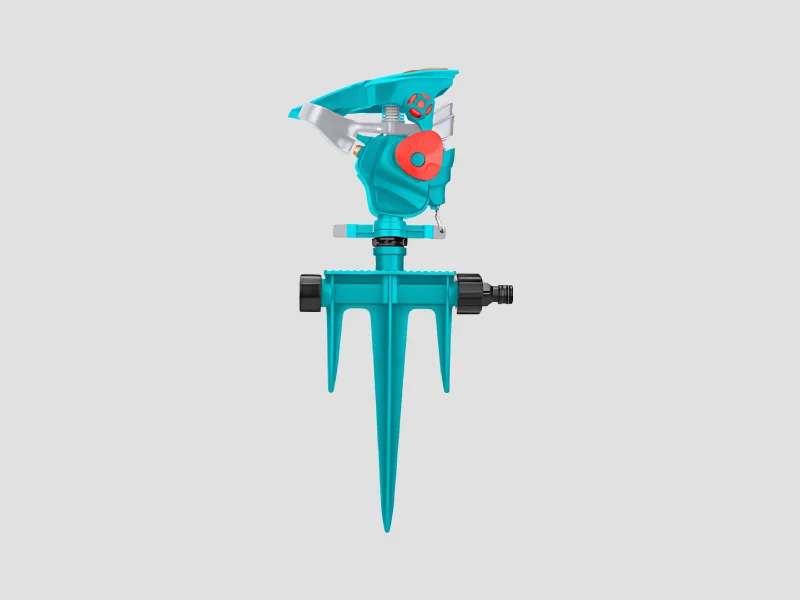
Sprinkler Irrigation Systems: These systems spray water across a designated area, making them suitable for larger fields and lawns. They can be stationary or mobile, depending on the specific needs.
Surface Irrigation Systems: Often used in agriculture, this method involves flooding fields with water. It is simple and cost-effective for certain crops and terrains.
Subsurface Irrigation Systems: This innovative approach buries pipes beneath the soil surface, allowing for direct watering of roots while reducing evaporation and runoff.
𝗕𝗲𝗻𝗲𝗳𝗶𝘁𝘀 𝗮𝗻𝗱 𝗔𝗱𝘃𝗮𝗻𝘁𝗮𝗴𝗲𝘀
Investing in quality irrigation systems brings numerous advantages to businesses and agricultural operations.
1. Water Efficiency: Advanced irrigation systems significantly reduce water usage, ensuring sustainable practices and lowering utility costs.
2. Increased Crop Yields: By providing consistent moisture, these systems enhance plant growth and productivity, leading to better harvests.
3. Labor Savings: Automated systems can reduce the need for manual watering, freeing up labor for other essential tasks.
4. Customization: Various systems can be tailored to specific crop types and landscapes, optimizing performance and results.
5. Reduced Soil Erosion: By controlling water application, irrigation systems minimize soil disturbance and erosion, protecting land quality.
6. Improved Plant Health: Consistent and adequate watering helps prevent plant stresses, diseases, and nutrient deficiencies.
𝗕𝘂𝘆𝗶𝗻𝗴 𝗚𝘂𝗶𝗱𝗲 𝗳𝗼𝗿 𝗕𝟮𝗕 𝗕𝘂𝘆𝗲𝗿𝘀
When sourcing irrigation systems and equipment, businesses should evaluate several critical factors to ensure the right choice.
1. Quality Assessment: Look for products that meet industry standards and have a proven track record. Assess materials and construction to ensure durability and effectiveness.
2. Supplier Verification: Vet potential suppliers by checking their credentials, customer reviews, and reliability in delivering quality products.
3. Pricing and MOQ: Understand the pricing structure and minimum order quantities. Compare offers to find cost-effective solutions that meet budget constraints.
4. Delivery and Lead Times: Consider logistics and delivery schedules to ensure timely availability of equipment, especially during planting seasons.
5. Compliance Requirements: Stay informed about applicable regulations and certifications, such as CE marking, to ensure that products meet safety and quality standards.
𝗖𝗼𝗺𝗽𝗹𝗶𝗮𝗻𝗰𝗲 𝗮𝗻𝗱 𝗖𝗲𝗿𝘁𝗶𝗳𝗶𝗰𝗮𝘁𝗶𝗼𝗻𝘀
Irrigation systems and equipment must adhere to various quality standards to ensure reliability and safety. Commonly recognized standards include ISO 9001, which emphasizes quality management systems, and HACCP for food safety management, particularly relevant for agricultural applications.
Industry certifications such as CE mark indicate compliance with European safety standards, ensuring that products meet necessary requirements for performance and safety. Additionally, testing requirements focus on verifying the durability and functionality of irrigation equipment under various conditions.
Regional compliance considerations may vary based on local regulations and agricultural practices. It is crucial for businesses to be aware of these requirements to ensure that their irrigation systems are compliant and effective.
𝗪𝗵𝘆 𝗦𝗼𝘂𝗿𝗰𝗲 𝗜𝗿𝗿𝗶𝗴𝗮𝘁𝗶𝗼𝗻 𝗦𝘆𝘀𝘁𝗲𝗺𝘀 & 𝗘𝗾𝘂𝗶𝗽𝗺𝗲𝗻𝘁 𝗳𝗿𝗼𝗺 𝗣𝗲𝗽𝗮𝗴𝗼𝗿𝗮?
Pepagora provides a trusted platform for sourcing irrigation systems and equipment, offering several key advantages to businesses.
Verified Supplier Network: Pepagora connects buyers with a network of verified suppliers, ensuring that each vendor meets specific quality and reliability standards.
Streamlined RFQ Process: The platform simplifies the request for quotation process, allowing buyers to easily compare options and make informed decisions based on their needs.
Trade Assurance and Support: Buyers are protected through trade assurance measures, providing confidence in transactions and support throughout the purchasing process.
Regional Coverage: With a strong presence in India, the GCC, and Southeast Asia, Pepagora offers extensive geographic reach, making it easier for businesses to access quality irrigation solutions tailored to their specific markets.

 IN
IN