𝗪𝗵𝗮𝘁 𝗮𝗿𝗲 𝗥𝗮𝗶𝗻 𝗚𝘂𝗻𝘀?
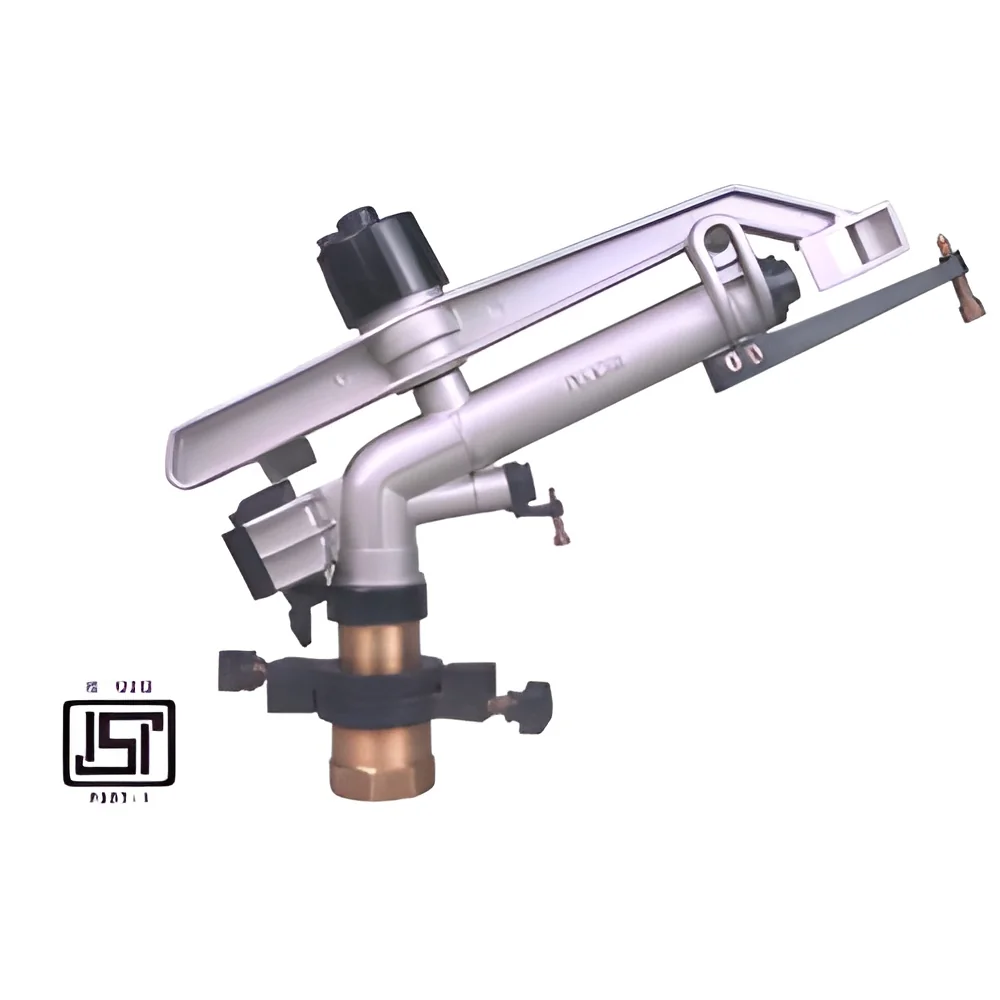
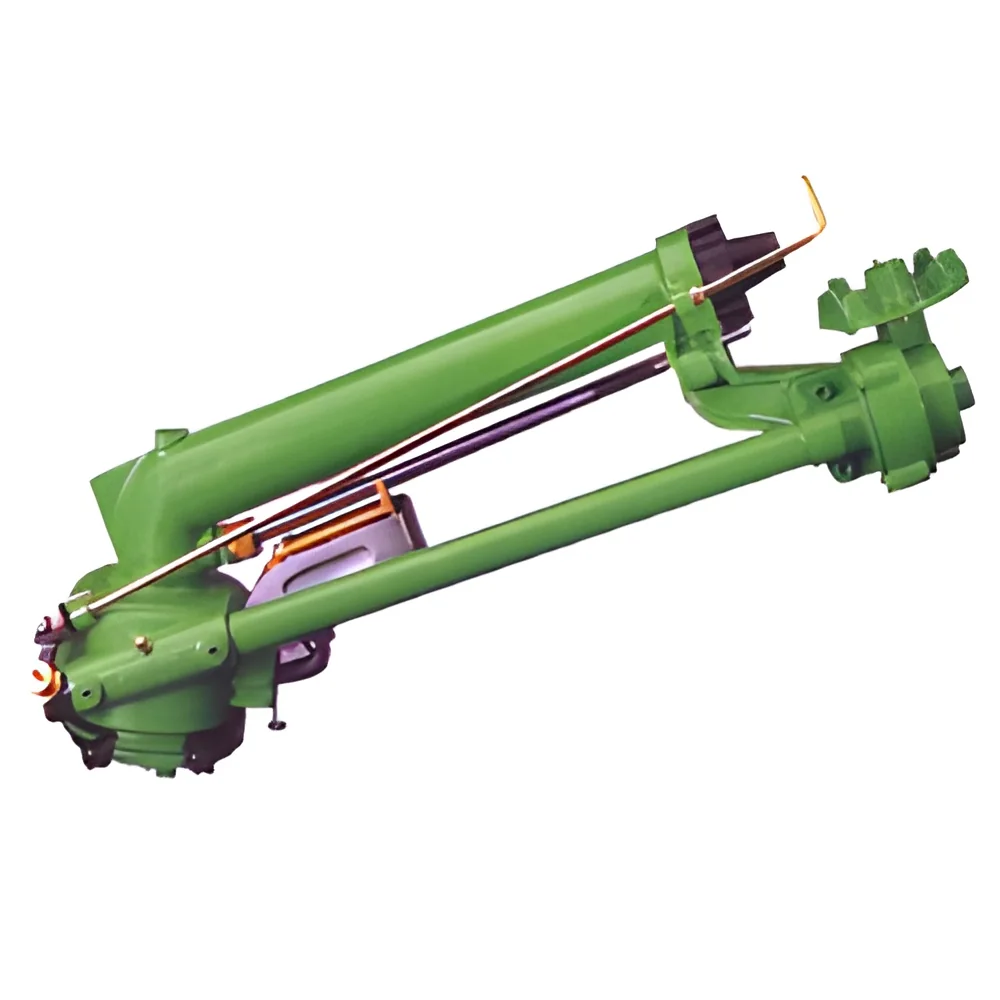
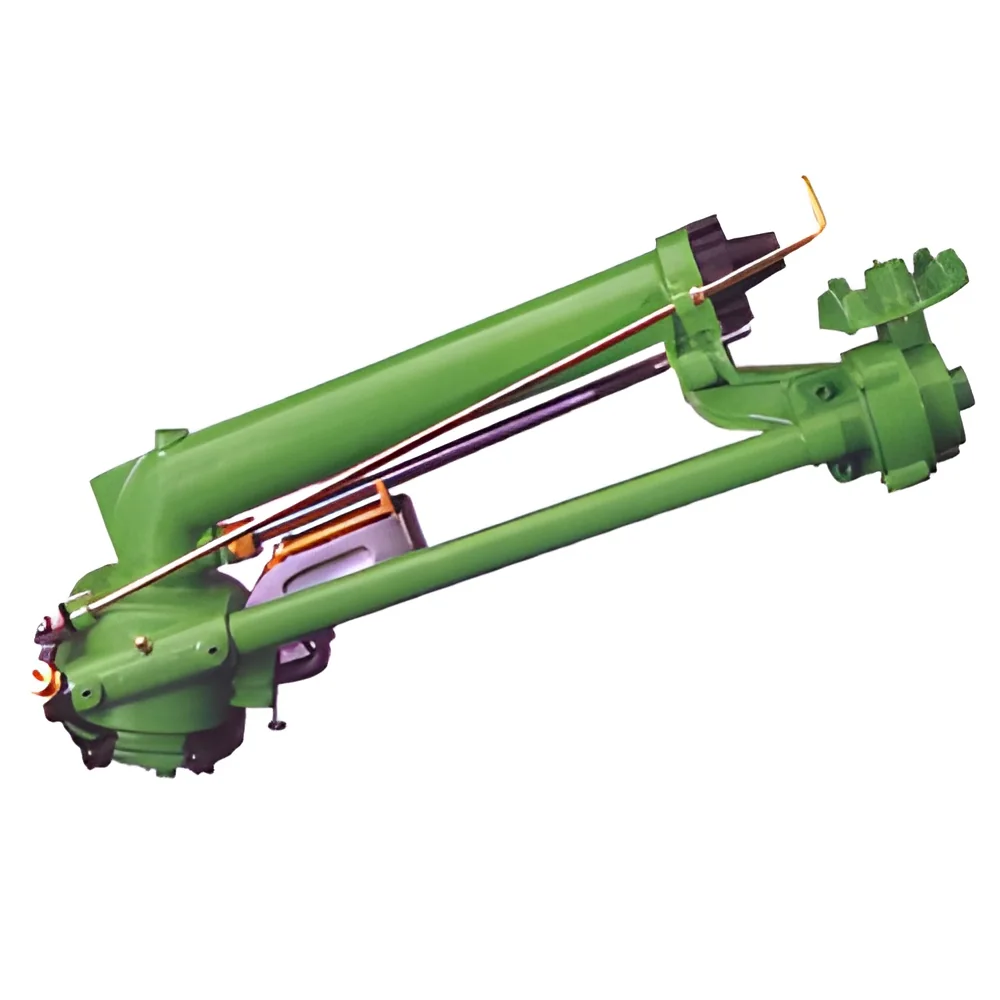
Rain guns are specialized irrigation devices designed to simulate rainfall, delivering water over large areas in a controlled manner. They utilize a rotating mechanism that distributes water evenly, making them ideal for agricultural and horticultural applications. The design ensures that crops receive adequate hydration while minimizing water wastage. Rain guns are typically mounted on a stand or wheeled chassis, allowing for flexibility in movement across fields.
These devices are primarily used in agriculture for irrigation purposes, particularly in regions where water resources are limited. They are effective for watering various crops, including vegetables, fruits, and grains. Additionally, rain guns are increasingly being adopted in landscaping, golf courses, and sports fields for effective turf management. Their ability to cover large areas efficiently makes them a valuable asset to farmers and landscapers alike, emphasizing their importance in enhancing crop yield and maintaining green spaces.
As global demand for food production rises, the relevance of rain guns in the agricultural market continues to grow. With advancements in technology, these devices are becoming more efficient and eco-friendly, aligning with sustainable agricultural practices. The increasing focus on water conservation is driving innovation in rain gun designs, making them a crucial component in modern irrigation systems.
𝗞𝗲𝘆 𝗙𝗲𝗮𝘁𝘂𝗿𝗲𝘀 𝗮𝗻𝗱 𝗦𝗽𝗲𝗰𝗶𝗳𝗶𝗰𝗮𝘁𝗶𝗼𝗻𝘀
Rain guns come equipped with several key features that enhance their performance and usability. These specifications ensure that users can select the right model based on their irrigation needs.
Key specifications include:
1. Coverage Radius
- The distance the rain gun can effectively cover.
- Ranges typically from 20 to 45 meters, depending on the model.
2. Flow Rate
- The amount of water the rain gun delivers per hour.
- Usually varies from 3,000 to 10,000 liters per hour.
3. Nozzle Size
- The diameter of the nozzle affects the spray pattern.
- Common sizes range from 20 mm to 30 mm.
4. Rotation Speed
- The speed at which the rain gun rotates for even water distribution.
- Can vary from 4 to 10 RPM.
5. Pressure Requirement
- Minimum pressure needed for optimal operation.
- Typically between 2 to 5 bars.
6. Material Construction
- Most rain guns are made of durable materials like PVC or aluminum for longevity.
7. Adjustment Features
- Models may include adjustable nozzles for customized spray patterns.
8. Portability
- Many rain guns are designed with wheels for easy relocation across fields.
In summary, rain guns are versatile irrigation tools with a variety of specifications that cater to different agricultural needs. Choosing the right model is crucial for maximizing efficiency and water conservation.
𝗖𝗼𝗺𝗺𝗼𝗻 𝗔𝗽𝗽𝗹𝗶𝗰𝗮𝘁𝗶𝗼𝗻𝘀 𝗮𝗻𝗱 𝗨𝘀𝗲 𝗖𝗮𝘀𝗲𝘀
Rain guns serve a wide range of industries by providing effective irrigation solutions.
1. Agriculture: Rain guns are extensively used in farming to irrigate crops, ensuring optimal moisture levels for healthy growth. They are particularly beneficial in large fields where traditional watering methods may be inefficient.
2. Landscaping: In landscaping projects, rain guns help maintain lush gardens and lawns by providing even water distribution. They are ideal for both residential and commercial landscaping applications.
3. Sports Fields: Rain guns are used to keep sports fields in prime condition, ensuring the grass remains healthy and playable. Their ability to cover large areas quickly makes them essential for groundskeepers.
4. Golf Courses: Golf course management relies on rain guns for precise irrigation, helping to maintain the aesthetic and functional quality of the greens.
5. Horticulture: In horticulture, rain guns assist in growing flowers and ornamental plants by delivering the right amount of water without causing soil erosion.
6. Nurseries: Plant nurseries utilize rain guns to ensure young plants receive consistent moisture, promoting healthy root development.
7. Greenhouses: In greenhouse operations, rain guns can be employed to manage humidity levels and provide adequate watering for diverse plant species.
𝗣𝗿𝗼𝗱𝘂𝗰𝘁 𝗩𝗮𝗿𝗶𝗮𝗻𝘁𝘀 𝗮𝗻𝗱 𝗦𝘂𝗯𝗰𝗮𝘁𝗲𝗴𝗼𝗿𝗶𝗲𝘀
Rain guns come in various designs and models to cater to different user needs and applications.
Standard Rain Gun
This model is designed for general agricultural use and features a robust construction for durability. It provides efficient coverage for large fields and is often used in crop irrigation.
High-Efficiency Rain Gun
This variant is engineered for maximum water conservation. It utilizes advanced nozzle designs to reduce water wastage while maintaining effective coverage and is ideal for sustainable farming practices.
Portable Rain Gun
This version is lightweight and easy to transport, making it suitable for smaller farms or landscaping tasks. Its compact design allows for flexibility in movement and repositioning.
Electric Rain Gun
This model operates on electricity for automated irrigation systems. It is ideal for users looking for convenience and precision in their irrigation processes.
𝗕𝗲𝗻𝗲𝗳𝗶𝘁𝘀 𝗮𝗻𝗱 𝗔𝗱𝘃𝗮𝗻𝘁𝗮𝗴𝗲𝘀
Rain guns offer several benefits that make them a preferred choice for irrigation.
1. Efficient Water Usage: Rain guns deliver water directly to the crops, reducing wastage and promoting conservation.
2. Uniform Coverage: With adjustable spray patterns, rain guns ensure even water distribution across large areas.
3. Time-Saving: Their ability to cover extensive fields quickly allows users to save time during irrigation.
4. Versatility: Rain guns can be used in various applications, from agriculture to landscaping, making them highly adaptable.
5. Durability: Constructed from high-quality materials, rain guns are built to withstand harsh environmental conditions.
6. Cost-Effective: By optimizing water usage and reducing labor costs, rain guns can lead to significant savings in operational expenses.
𝗕𝘂𝘆𝗶𝗻𝗴 𝗚𝘂𝗶𝗱𝗲 𝗳𝗼𝗿 𝗕𝟮𝗕 𝗕𝘂𝘆𝗲𝗿𝘀
When sourcing rain guns, buyers should consider several important factors to ensure they make informed decisions.
1. Quality Assessment: Look for rain guns that meet industry standards for durability and performance. High-quality materials and reputable brands often indicate superior performance.
2. Supplier Verification: Vet potential suppliers to ensure they are credible and have a good track record. Check for customer reviews and ask for references when necessary.
3. Pricing and MOQ: Understand the pricing structure and minimum order quantities (MOQ) before making a purchase. Compare prices across different suppliers to get the best deal.
4. Delivery and Lead Times: Inquire about delivery schedules and lead times to ensure that the rain guns can be delivered when needed without delays.
5. Compliance Requirements: Ensure that the products align with local regulations and industry standards, such as CE certifications, to avoid compliance issues.
𝗖𝗼𝗺𝗽𝗹𝗶𝗮𝗻𝗰𝗲 𝗮𝗻𝗱 𝗖𝗲𝗿𝘁𝗶𝗳𝗶𝗰𝗮𝘁𝗶𝗼𝗻𝘀
Rain guns are subject to various quality standards and certifications that ensure their safety and performance. ISO 9001 is a recognized standard that focuses on quality management systems, which can be relevant for manufacturers of rain guns. Compliance with HACCP and GDP may also be important for specific applications in food production and distribution.
Additionally, CE certification is crucial for rain guns sold in European markets, indicating compliance with health, safety, and environmental protection standards.
Manufacturers should also adhere to safety and testing requirements to guarantee that their products operate efficiently and safely. Finally, regional compliance considerations should be taken into account, as regulations may differ from one location to another.
𝗪𝗵𝘆 𝗦𝗼𝘂𝗿𝗰𝗲 𝗥𝗮𝗶𝗻 𝗚𝘂𝗻𝘀 𝗳𝗿𝗼𝗺 𝗣𝗲𝗽𝗮𝗴𝗼𝗿𝗮?
Pepagora offers a trusted platform for sourcing rain guns, providing several key advantages for B2B buyers.
Verified Supplier Network: Pepagora connects you with a network of verified suppliers, ensuring that you work with reputable manufacturers. This reduces the risk of purchasing low-quality products.
Streamlined RFQ Process: The platform features a user-friendly Request for Quotation (RFQ) process, allowing buyers to easily compare offers from different suppliers. This helps in making informed purchasing decisions.
Trade Assurance and Support: Pepagora provides trade assurance, protecting buyers against potential issues with orders. Their support team is available to assist buyers throughout the sourcing process.
Regional Coverage: With a strong presence in India, the GCC, and Southeast Asia, Pepagora ensures that buyers can access a wide range of rain guns tailored to their specific regional needs. This geographical reach enhances convenience and reliability for all sourcing activities.

 IN
IN