What are Bulk Drip Components Suppliers?
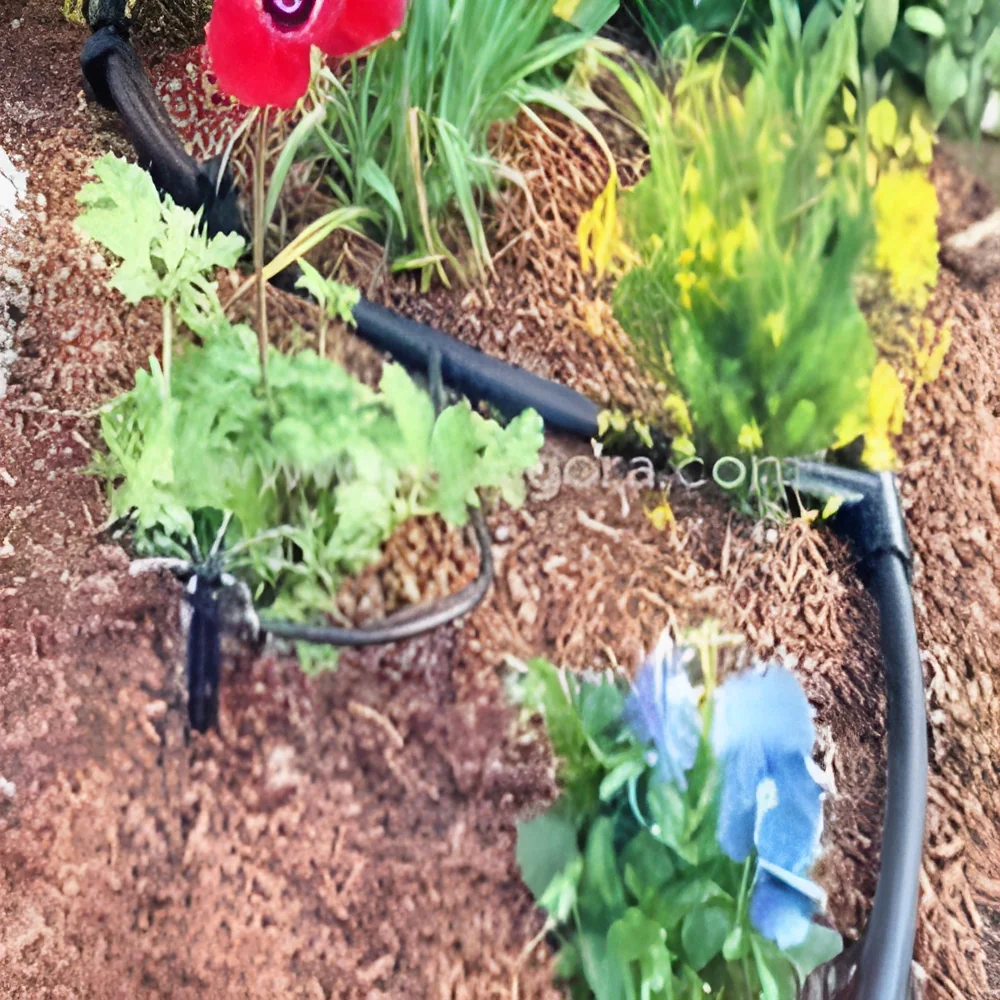
Bulk drip components suppliers provide essential products that facilitate the irrigation process in agricultural and horticultural applications. These suppliers specialize in a wide range of components such as drip emitters, connectors, tubing, and filters, which are critical for efficient water management. By offering these components in bulk, suppliers enable businesses to streamline their purchasing processes and reduce costs.
The primary applications of bulk drip components are found in agriculture, landscaping, and greenhouse operations. These components help in delivering precise amounts of water directly to the plant roots, thereby promoting healthier growth and conserving water. This targeted irrigation method is vital for optimizing crop yield, especially in areas where water resources are limited. The industry relevance of bulk drip components suppliers is underscored by the increasing demand for sustainable farming practices and the growing emphasis on water conservation in agricultural practices.
Key Features and Specifications
Bulk drip components come with a variety of features and specifications designed to enhance performance and reliability. Understanding these specifications is crucial for businesses looking to optimize their irrigation systems.
Key specifications include:
1. Drip Emitter Flow Rate
- Flow rates typically range from 0.5 to 4.0 gallons per hour (GPH)
- This range allows for flexibility depending on crop requirements
2. Tubing Diameter
- Common diameters include ½ inch and ¾ inch
- These sizes ensure compatibility with various emitters and connectors
3. UV Resistance
- Components are often treated for UV resistance to prolong lifespan
- This feature is essential for outdoor applications to prevent degradation
4. Filtration System
- Integrated filtration options help prevent clogging from debris
- Filters are available in various micron sizes for different applications
5. Material Composition
- Common materials include polyethylene and PVC
- These materials provide durability and resistance to environmental factors
6. Operating Pressure
- Operating pressures typically range from 10 to 30 psi
- Proper pressure ensures optimal emitter performance and water distribution
7. Compatibility with Timers
- Many systems can be integrated with irrigation timers
- Automation enhances efficiency and convenience in water management
8. Customization Options
- Suppliers often provide customization for specific irrigation needs
- This includes tailored sizes, flow rates, and additional features
In summary, understanding the key features and specifications of bulk drip components is essential for selecting the appropriate products that meet specific irrigation needs.
Common Applications and Use Cases
Bulk drip components are integral to a variety of industries, each benefiting from efficient irrigation practices.
1. Agriculture: In farming, bulk drip components are used to deliver water directly to crops, improving yield while conserving water. They are especially valuable in arid regions where every drop counts.
2. Landscaping: For landscape maintenance, these components help in the efficient watering of gardens, parks, and public spaces, ensuring plants receive adequate moisture without waste.
3. Greenhouses: In controlled environments like greenhouses, drip systems allow for precise water delivery, which is crucial for maintaining optimal growing conditions for various plant species.
4. Nurseries: Bulk drip components enable nurseries to manage water distribution effectively, supporting healthy plant growth and reducing labor costs associated with manual watering.
5. Sports Turf: Athletic fields and golf courses benefit from drip irrigation systems, which provide consistent moisture levels, enhancing turf quality and durability.
6. Orchards: In fruit production, drip irrigation helps ensure that trees receive the right amount of water, contributing to fruit quality and reducing water usage.
7. Hydroponics: In hydroponic systems, bulk drip components facilitate nutrient delivery alongside water, promoting faster plant growth and resource efficiency.
Product Variants and Subcategories
Bulk drip components come in various forms, allowing businesses to select products that best fit their specific needs.
Drip Emitters
These are designed for precise water delivery to plants. They can come in various flow rates and configurations, allowing for tailored irrigation solutions. Drip emitters are essential for maximizing water efficiency in both agricultural and landscaping applications.
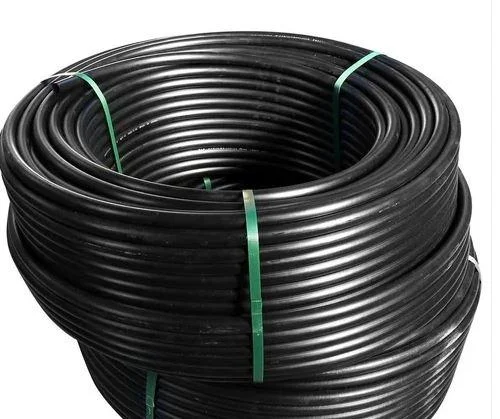
Drip Tubing
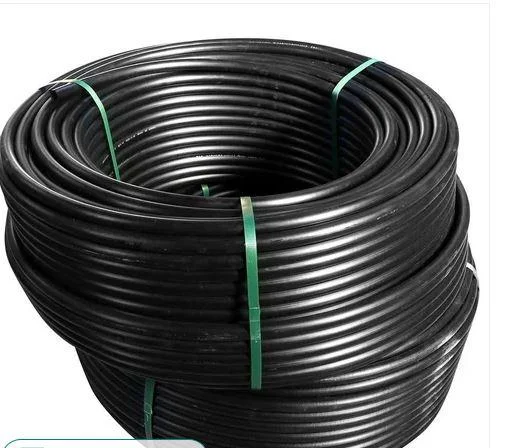
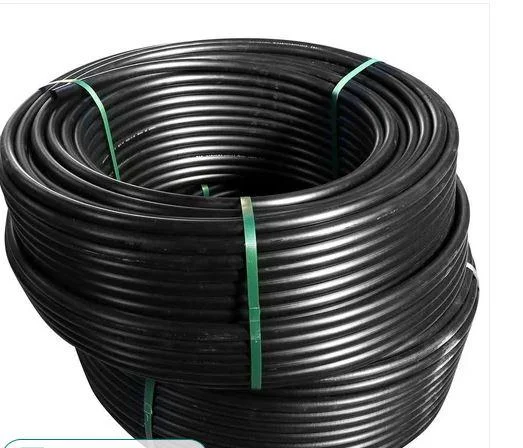
This flexible tubing serves as the main conduit for delivering water to the emitters. Available in different diameters, it can be customized in length to fit specific layouts. Drip tubing is durable and resistant to environmental factors, ensuring a long-lasting irrigation solution.
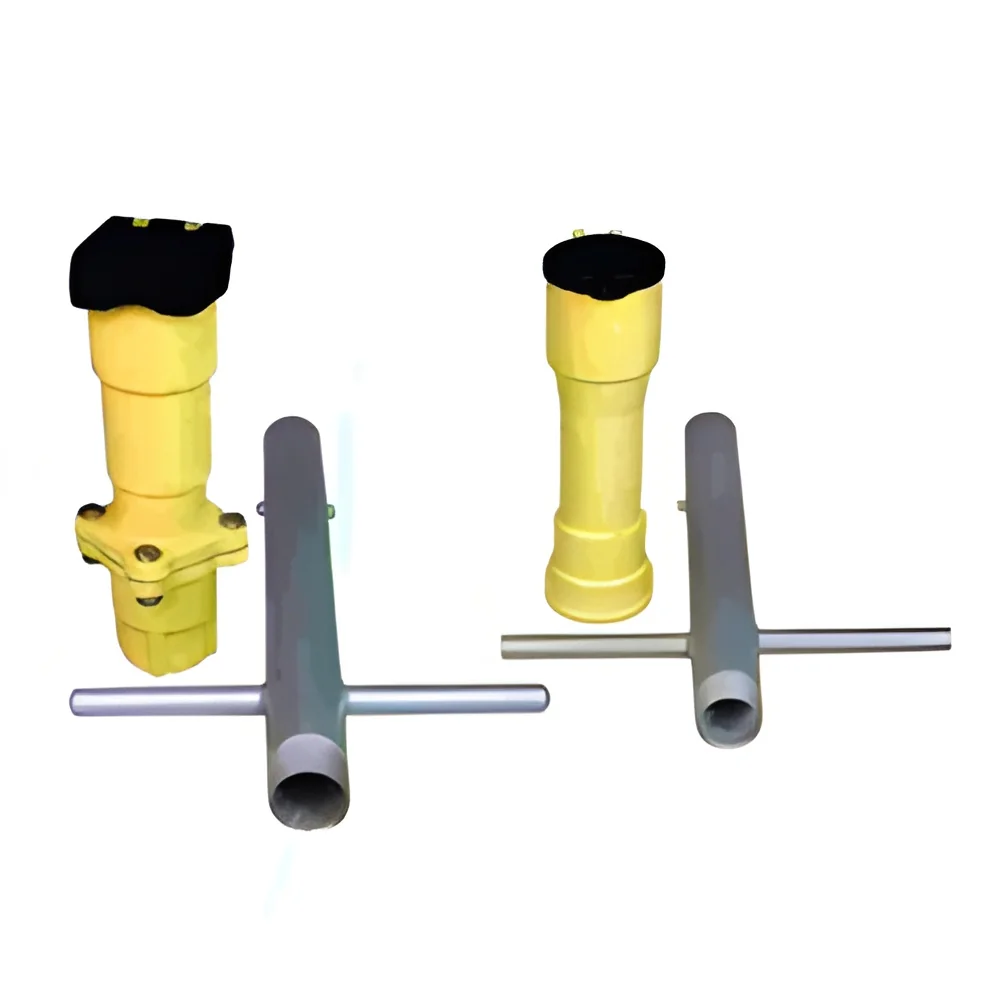
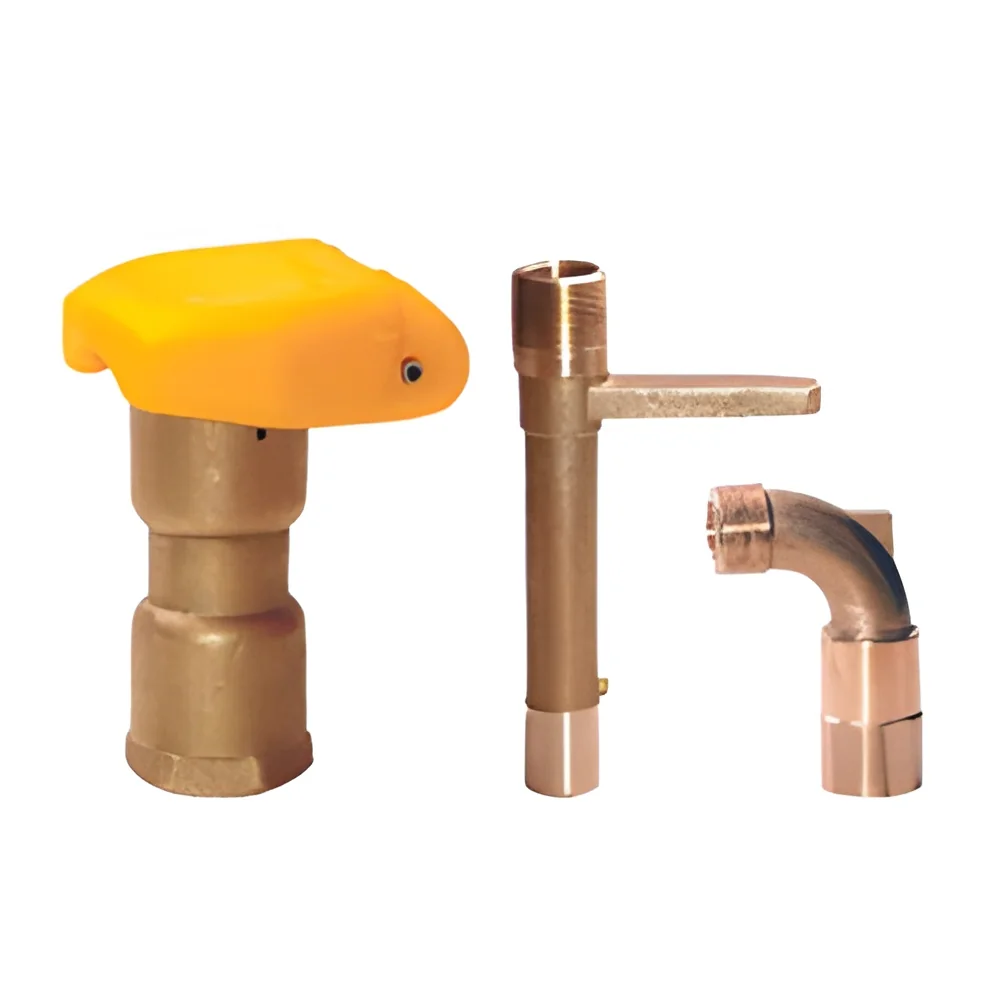
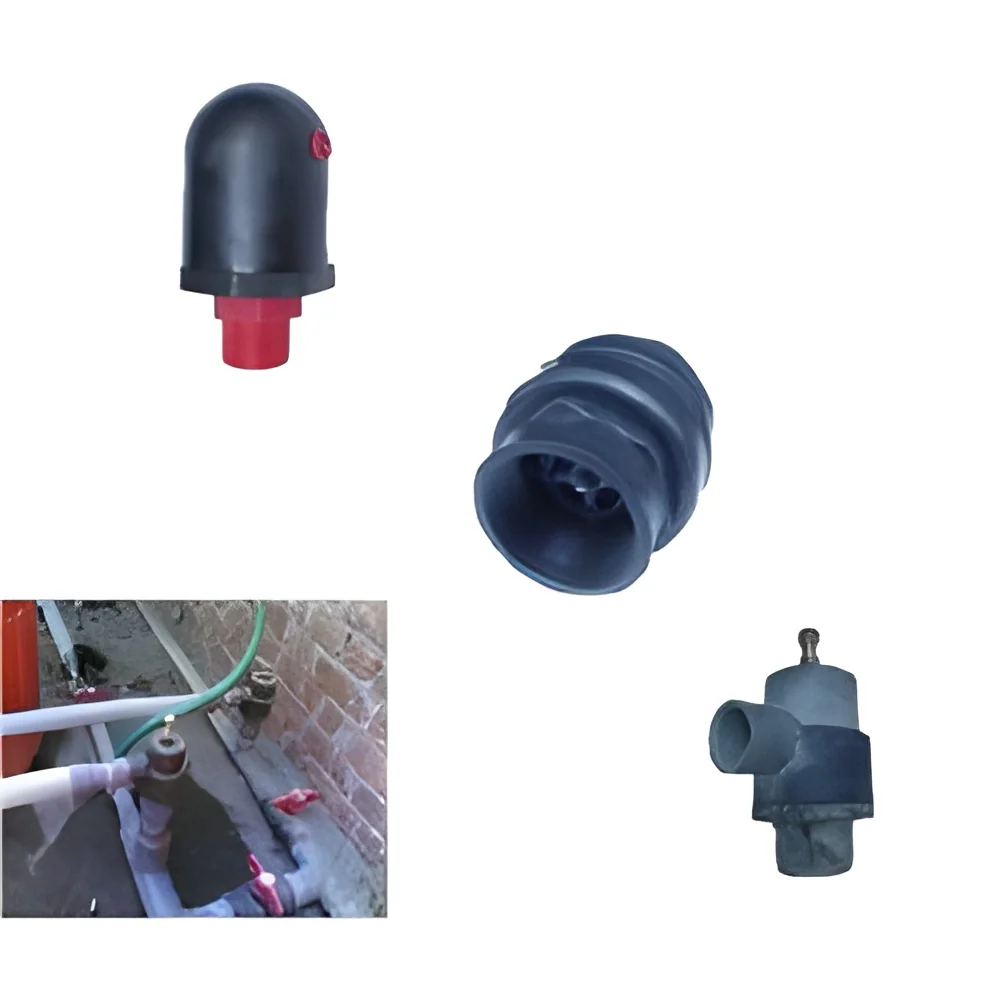
Connectors and Fittings
These components link various parts of the irrigation system, ensuring seamless water flow. They come in multiple sizes and types to accommodate different tubing and emitter configurations. Reliable connectors and fittings are crucial for preventing leaks and maintaining system integrity.
Filters
Essential for preventing clogging in drip systems, filters come in various micron sizes to cater to different water sources. They help maintain system efficiency by ensuring clean water reaches the emitters.
Benefits and Advantages
Choosing bulk drip components offers numerous advantages for businesses looking to enhance their irrigation systems.
1. Water Conservation: Bulk drip systems significantly reduce water wastage by delivering water directly to the plant roots, optimizing usage.
2. Increased Crop Yield: Precise water delivery promotes healthier plants, leading to improved growth and higher yields in agricultural applications.
3. Cost Efficiency: Purchasing components in bulk reduces overall costs for businesses, enabling them to save on both materials and labor.
4. Flexibility and Customization: Suppliers often offer customizable options to meet specific irrigation requirements, enhancing system effectiveness.
5. Reduced Labor Costs: Automated irrigation systems lower the need for manual watering, saving time and labor resources.
6. Enhanced Plant Health: Consistent moisture levels contribute to better plant health and resistance to disease, ensuring long-term productivity.
Buying Guide for B2B Buyers
When sourcing bulk drip components suppliers, various factors should be considered to ensure optimal selection.
1. Quality Assessment: It's crucial to evaluate the quality of materials and components. Look for suppliers who meet industry standards and offer durable products that withstand environmental conditions.
2. Supplier Verification: Vetting suppliers is essential for ensuring reliability. Check references, certifications, and customer reviews to establish trustworthiness and product quality.
3. Pricing and MOQ: Understand the pricing structure and minimum order quantities (MOQ) required by suppliers. This will help in budgeting and ensuring that the quantities meet your operational needs.
4. Delivery and Lead Times: Assess the supplier's logistics capabilities, including delivery schedules and lead times. Timely delivery is critical to maintaining operational flow and meeting project deadlines.
5. Compliance Requirements: Be aware of regulatory compliance and standards applicable to bulk drip components. Ensure that suppliers meet these requirements to avoid potential issues in procurement.
Compliance and Certifications
Compliance with industry standards is vital for bulk drip components suppliers. Adhering to quality standards such as ISO 9001 ensures consistent product quality and management practices. Additionally, certifications like CE and UL indicate that the products meet specific safety and performance standards, providing assurance to buyers.
Safety and testing requirements are essential to guarantee that components perform reliably under various conditions. Suppliers should provide documentation to confirm compliance with these standards. Moreover, regional compliance considerations may vary, and suppliers must be aware of local regulations to avoid legal complications.
Why Source Bulk Drip Components Suppliers from Pepagora?
Pepagora stands out as a trusted platform for sourcing bulk drip components suppliers, offering several key advantages to B2B buyers.
Verified Supplier Network: Pepagora ensures that all suppliers within its network undergo a thorough verification process. This guarantees that buyers have access to reliable suppliers who provide high-quality components.
Streamlined RFQ Process: The platform simplifies the request for quotation (RFQ) process, enabling buyers to easily communicate their needs and receive competitive quotes from multiple suppliers. This efficiency enhances the decision-making process.
Trade Assurance and Support: Pepagora offers trade assurance, providing buyers with protection in transactions. This support minimizes risks and fosters a secure purchasing environment.
Regional Coverage: With a broad geographic reach, including India, the Gulf Cooperation Council (GCC), and Southeast Asia, Pepagora connects buyers with suppliers in these regions. This coverage enhances accessibility and facilitates smoother procurement processes.

 IN
IN