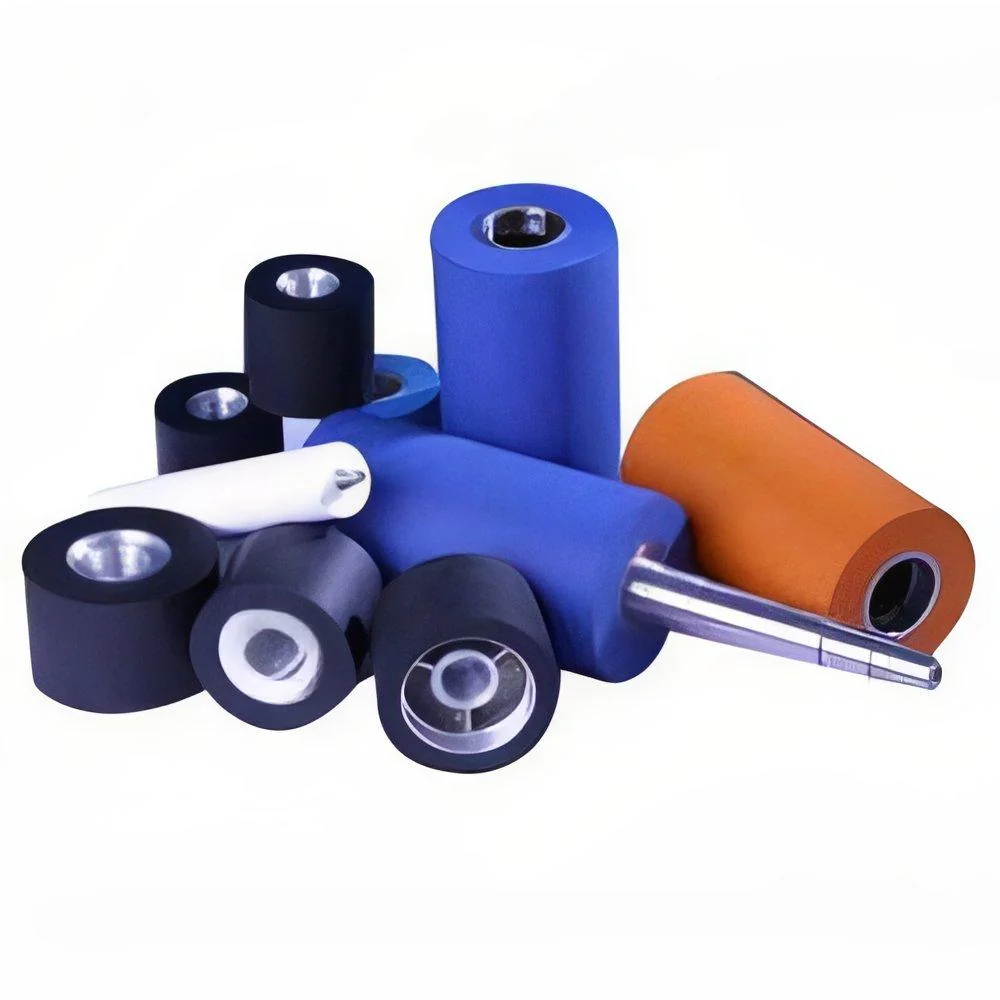
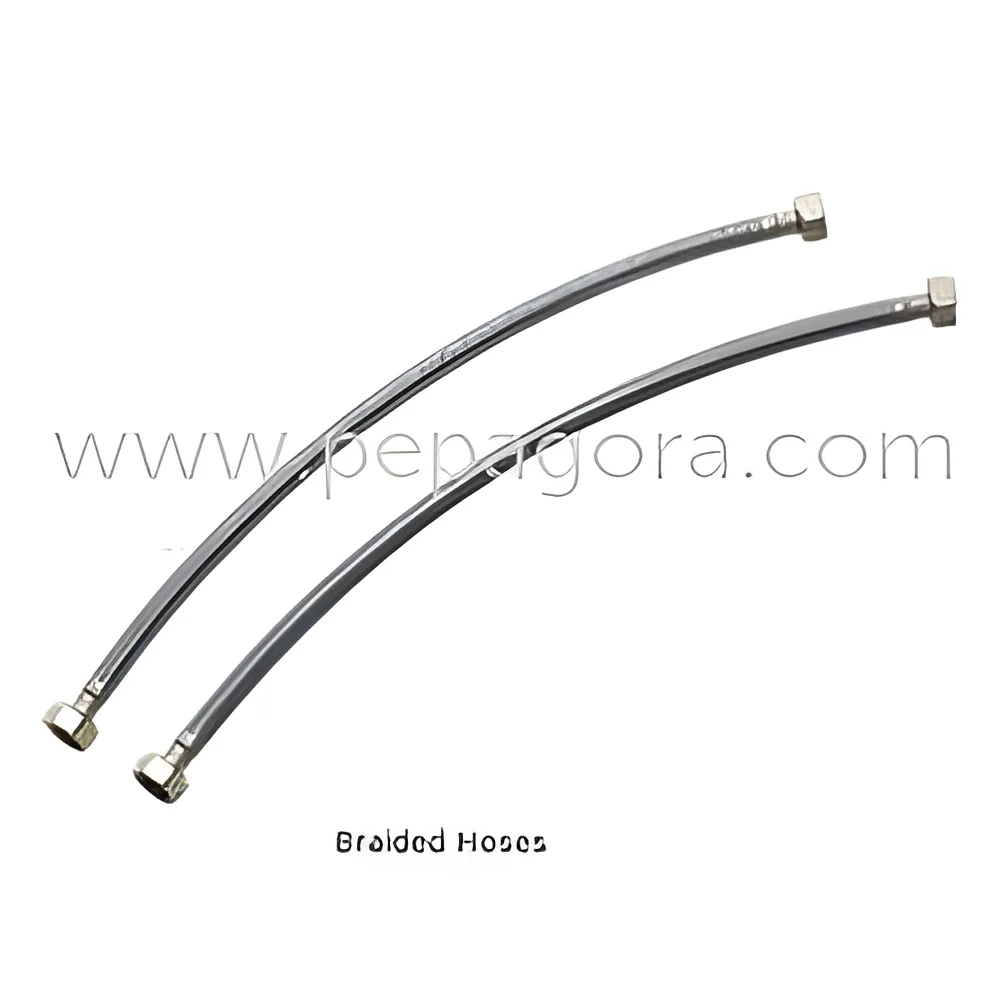
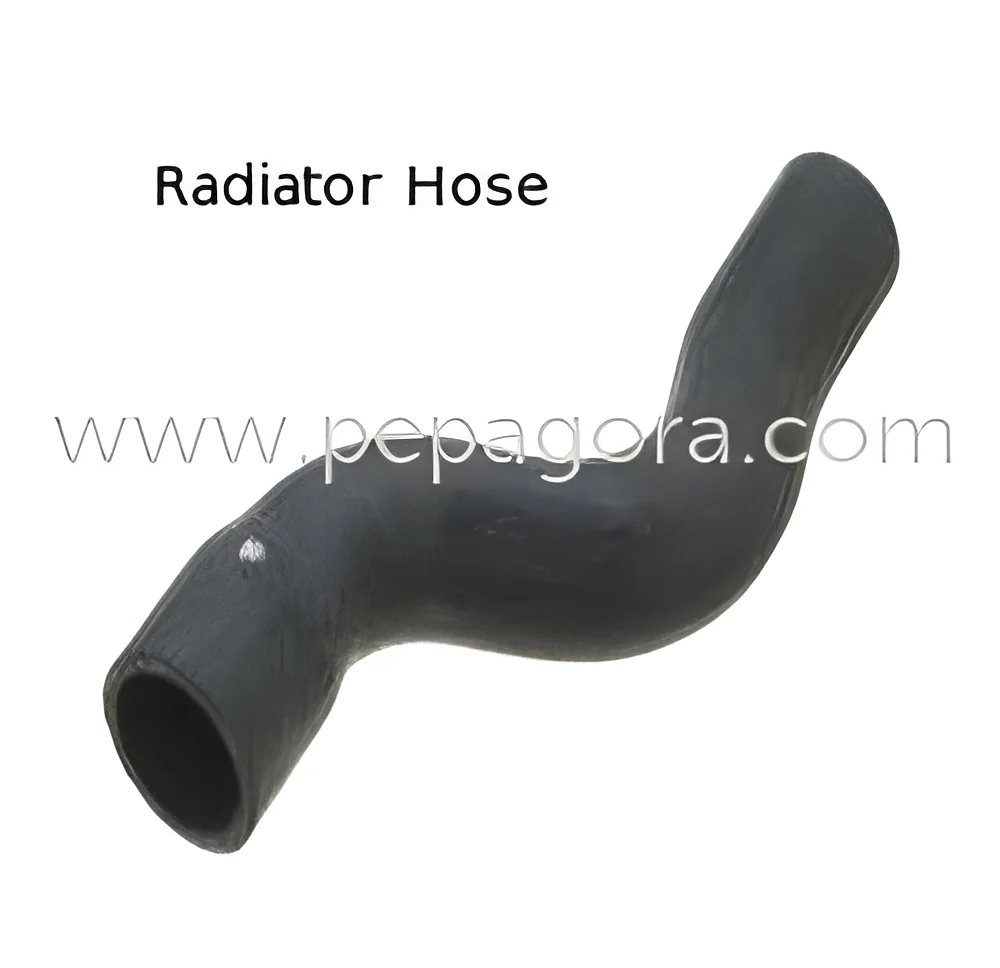
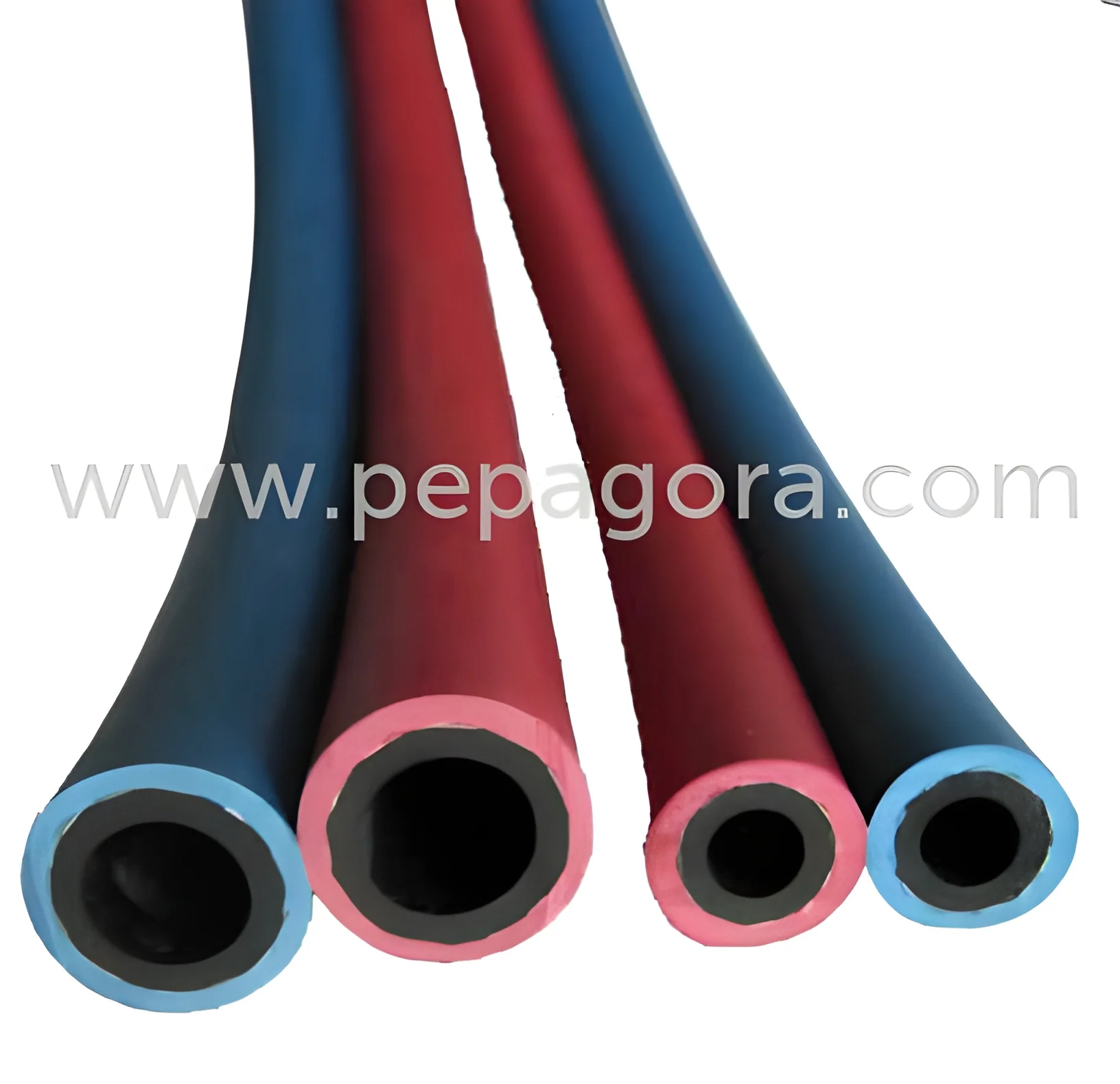
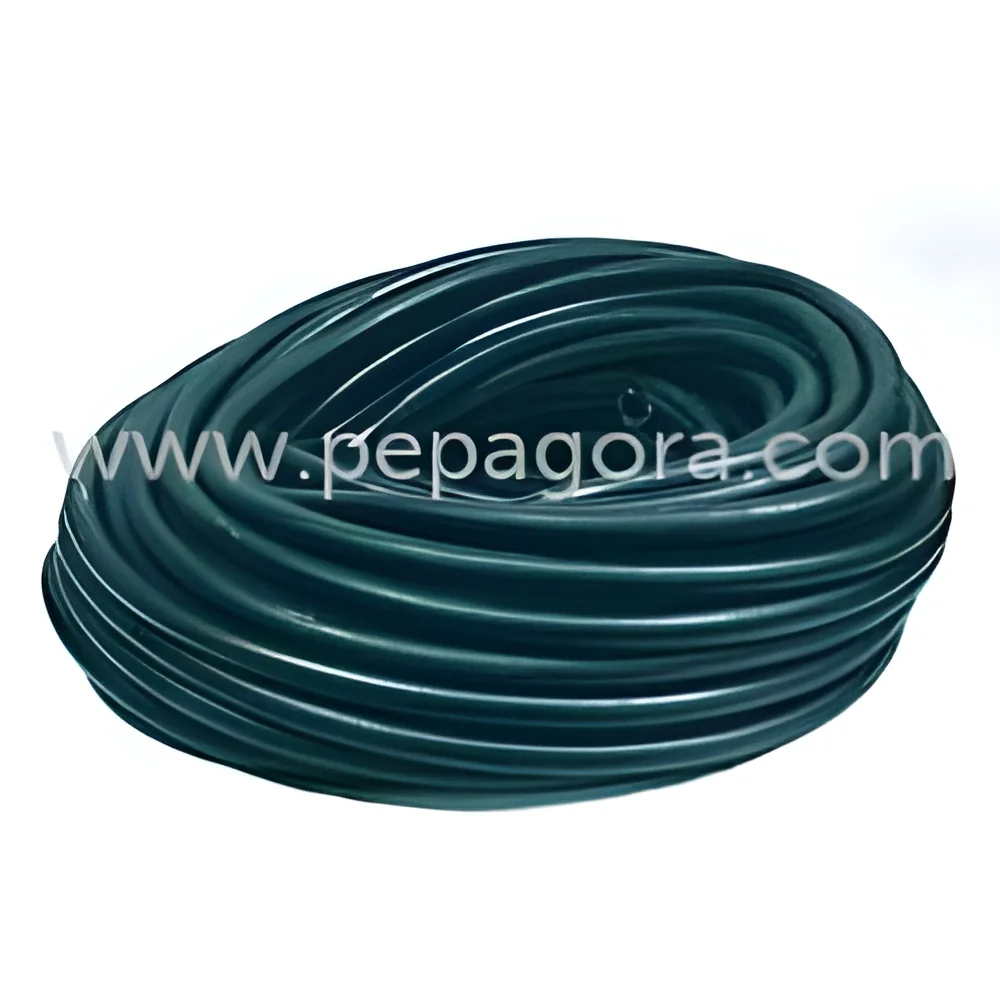
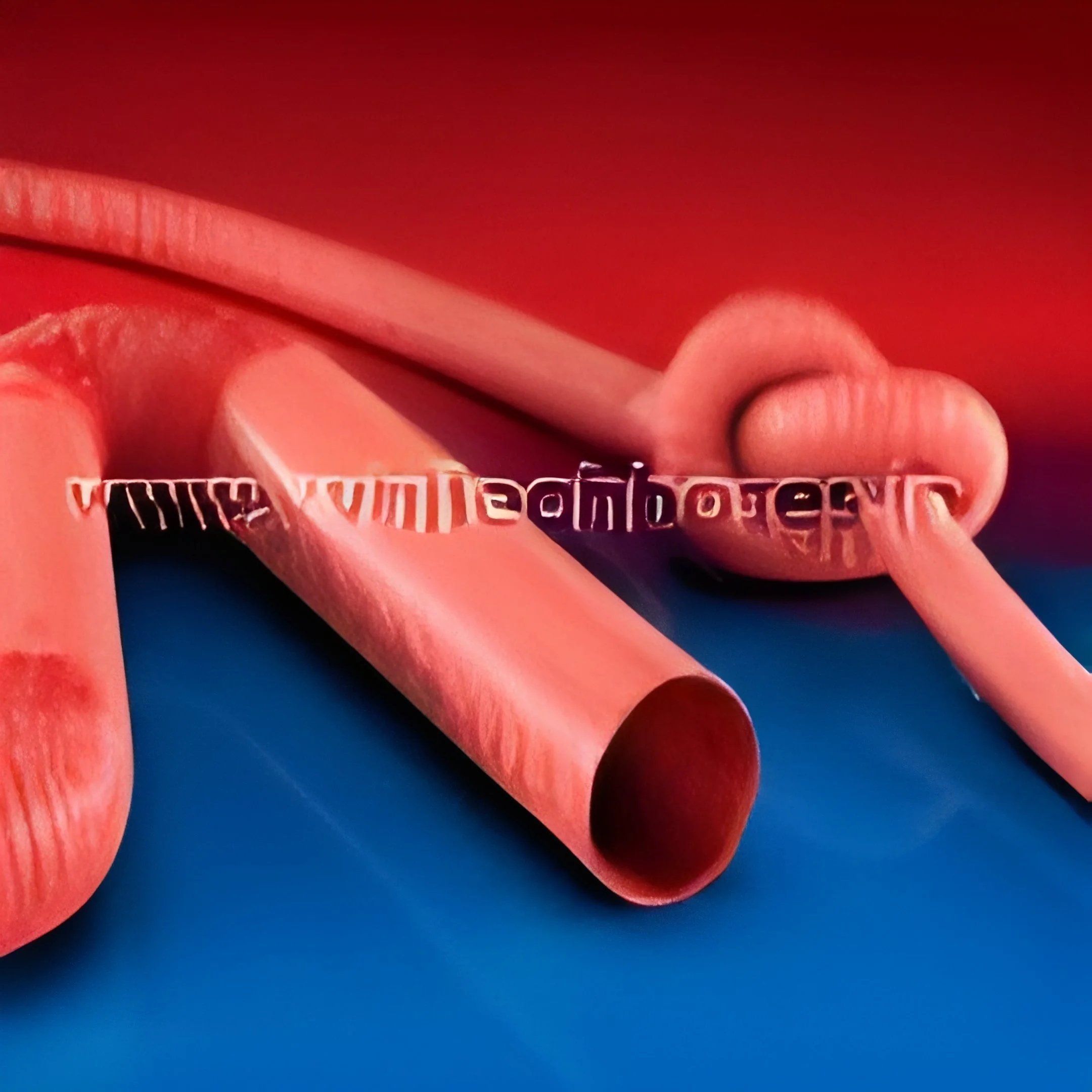
What are Rubber Hoses?
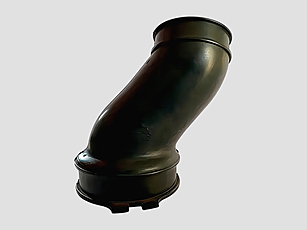
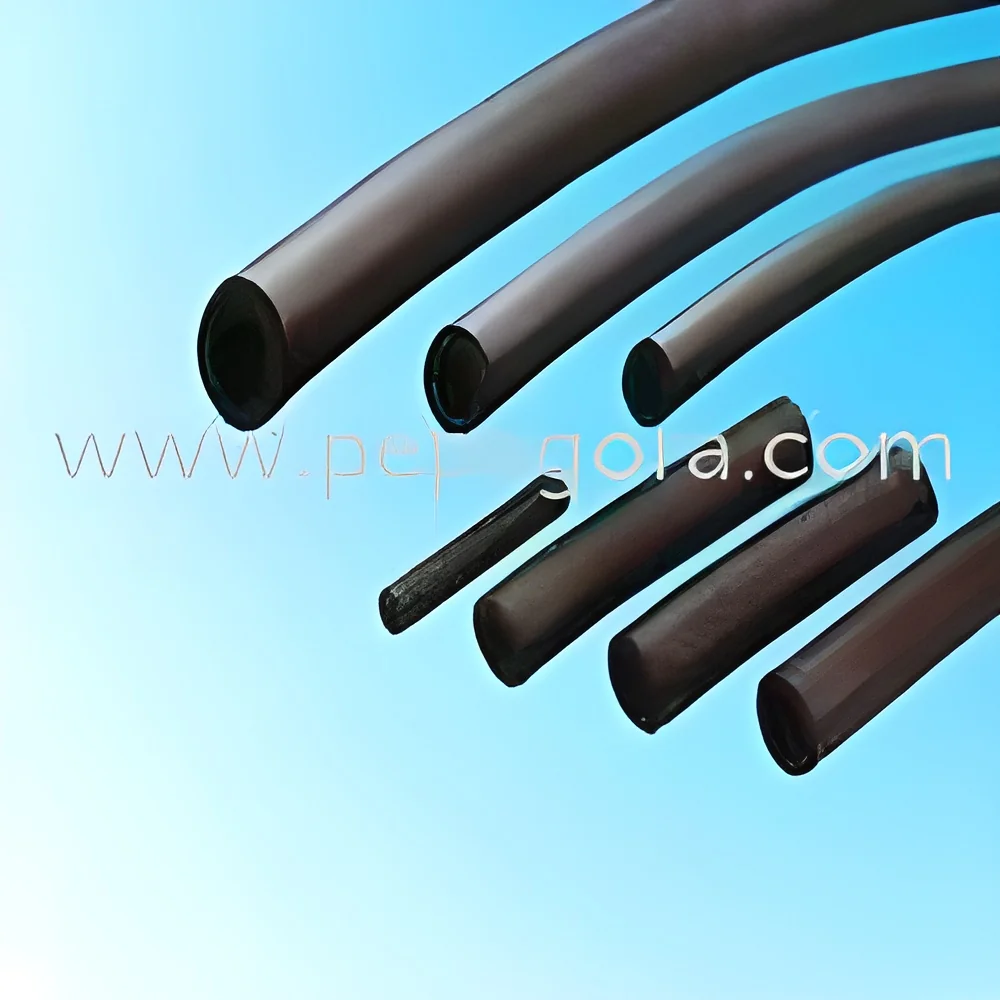
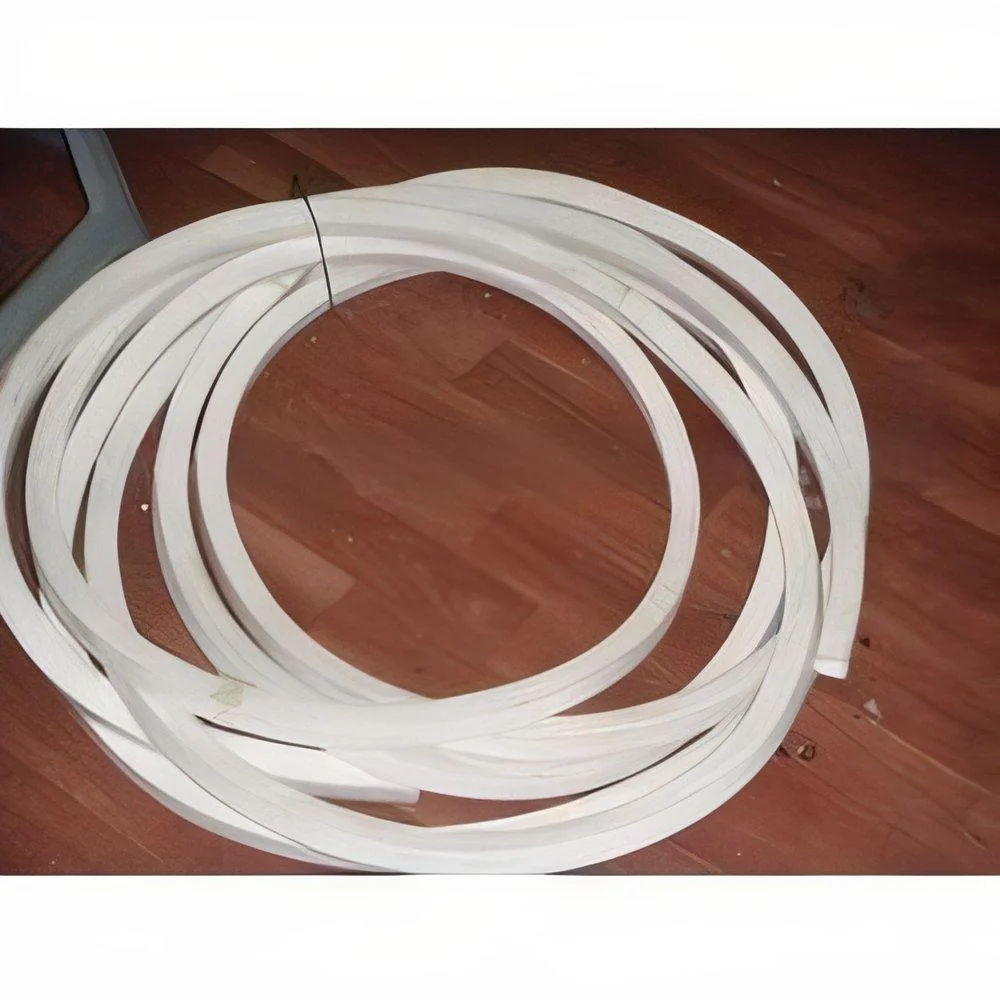
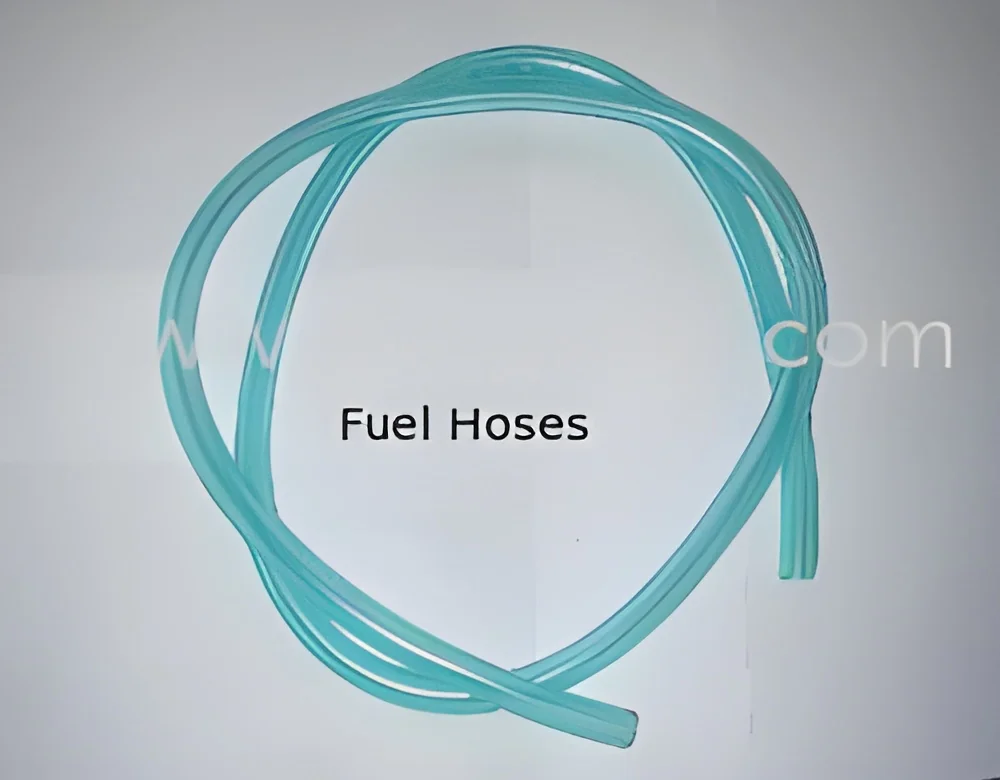
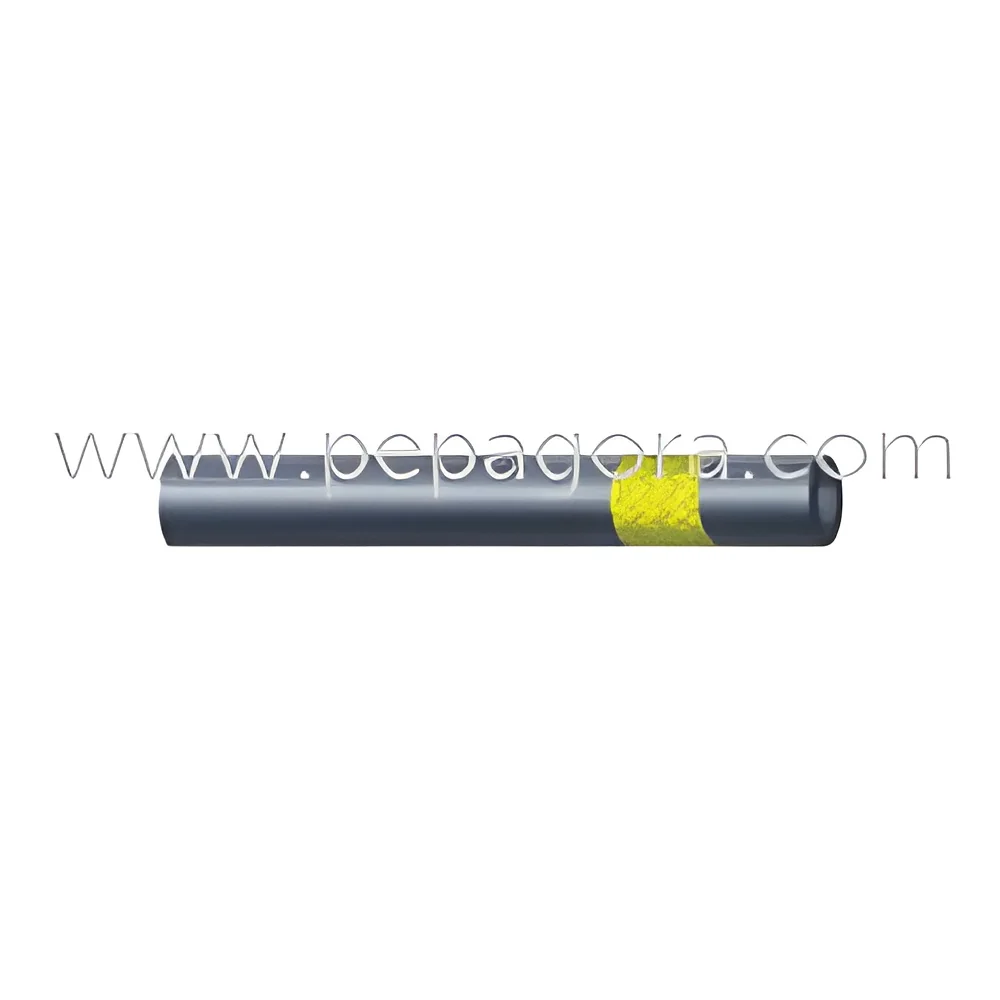
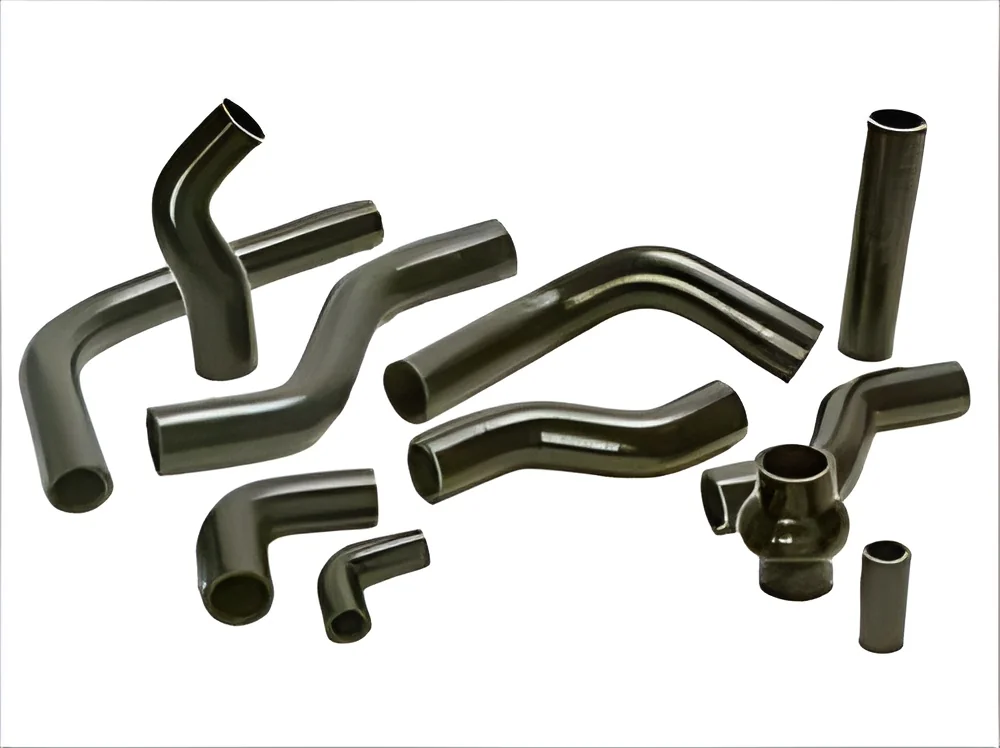
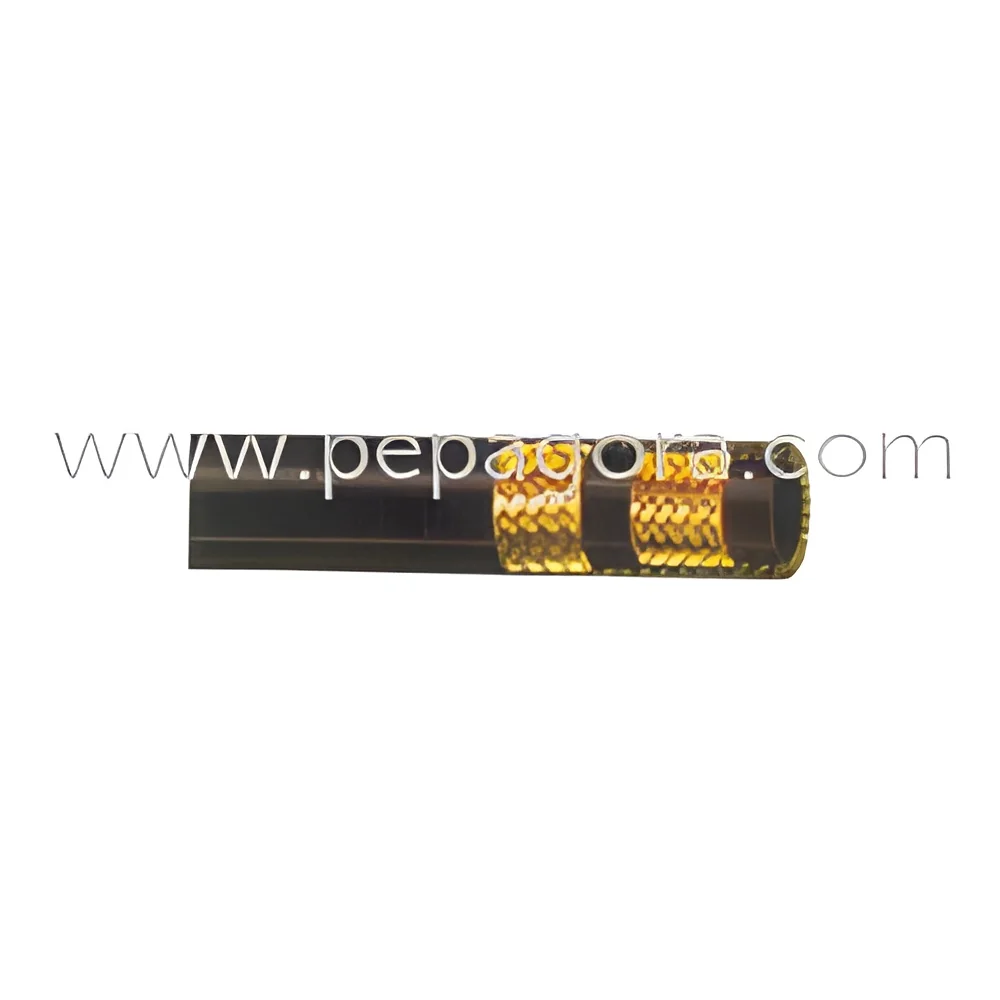
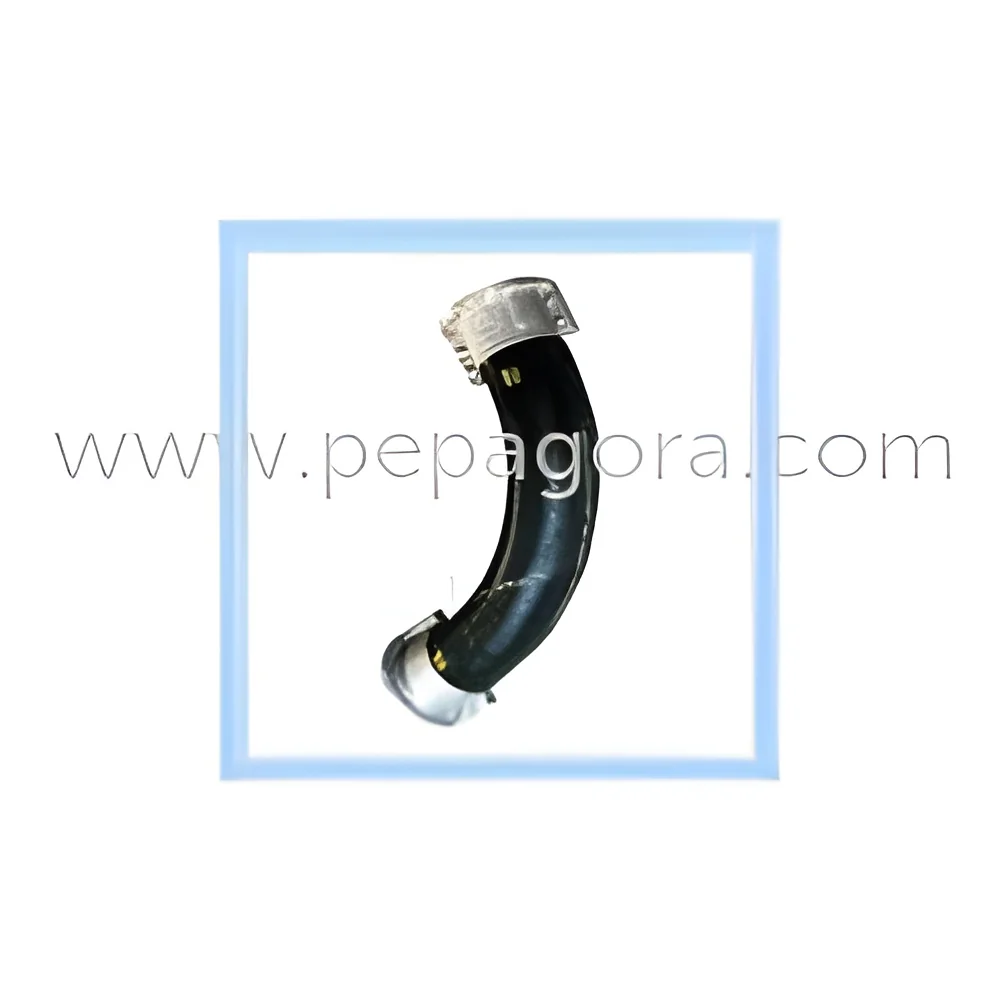
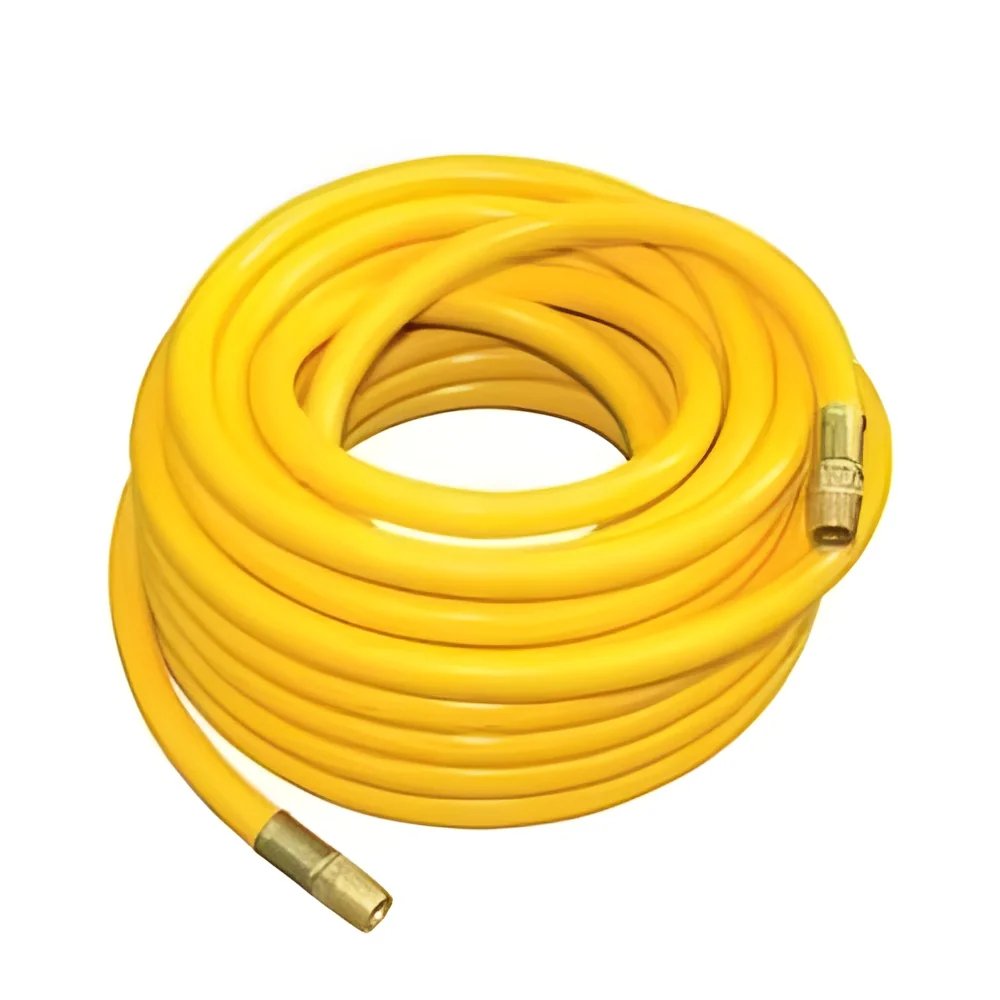
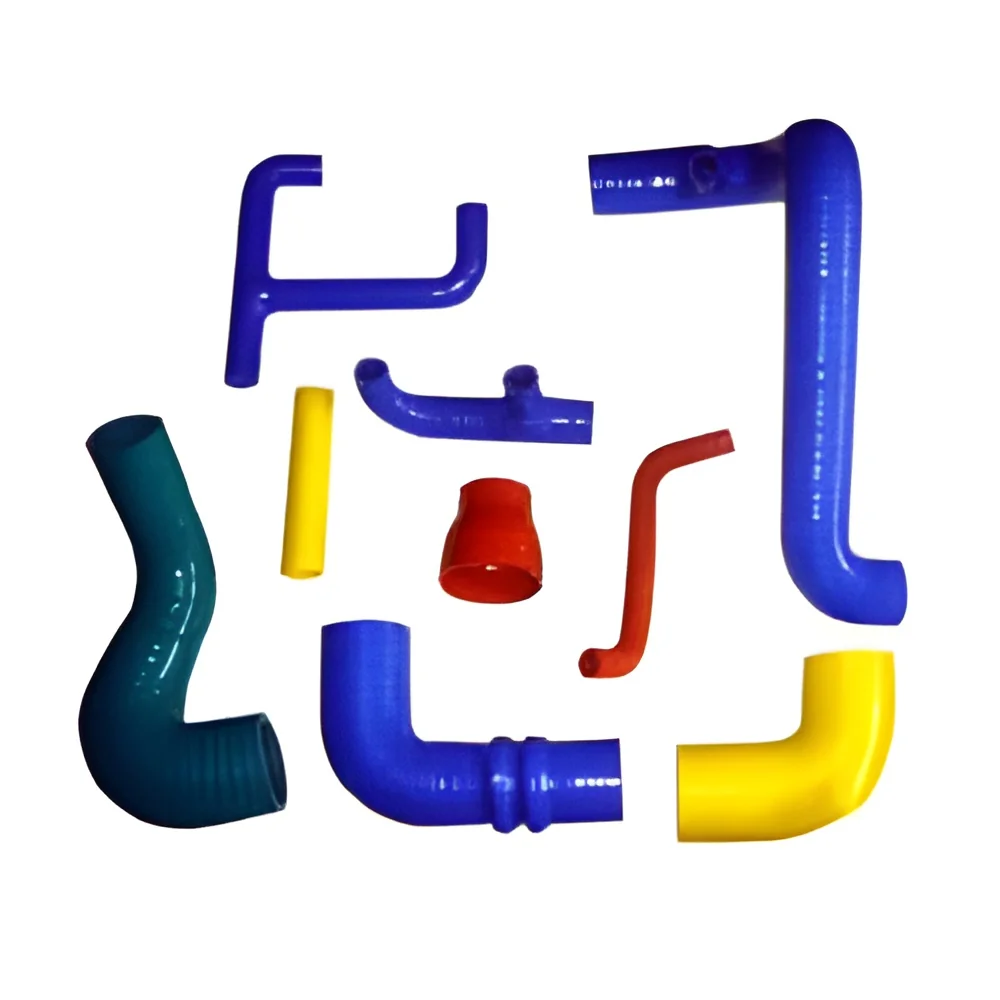
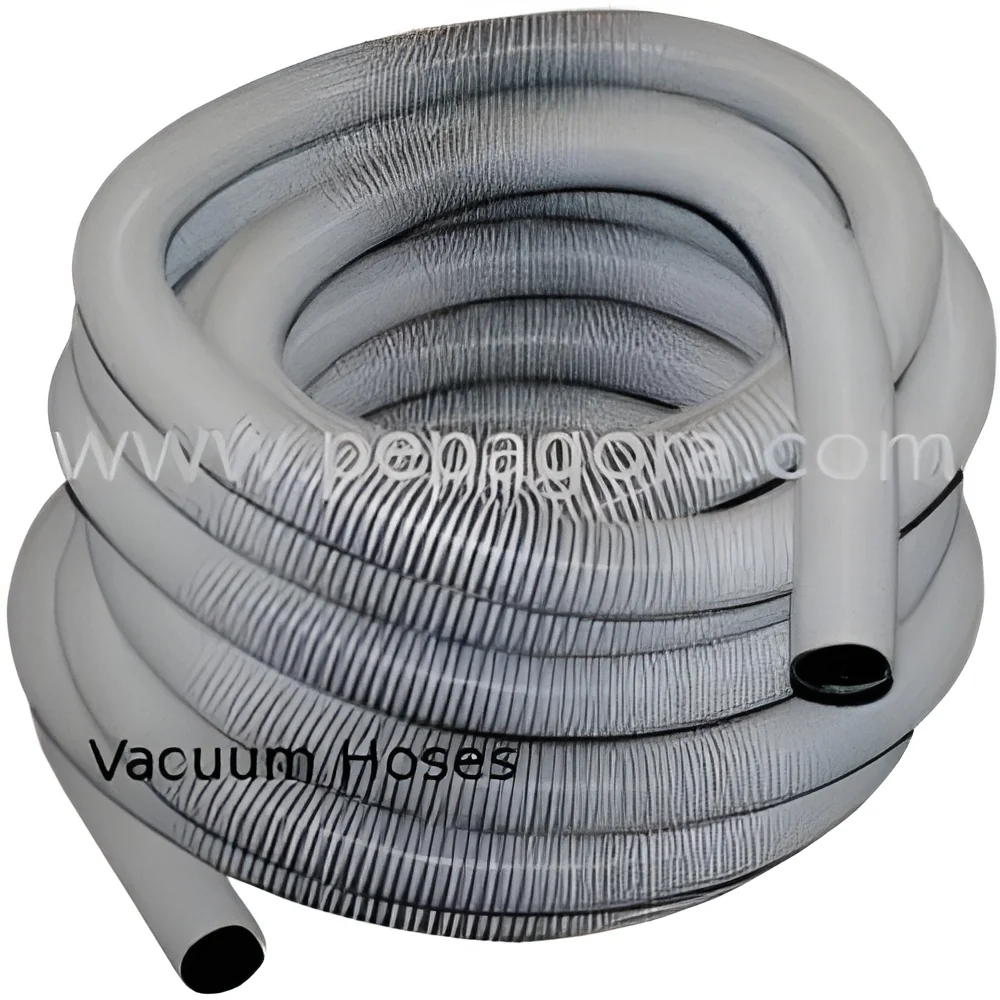
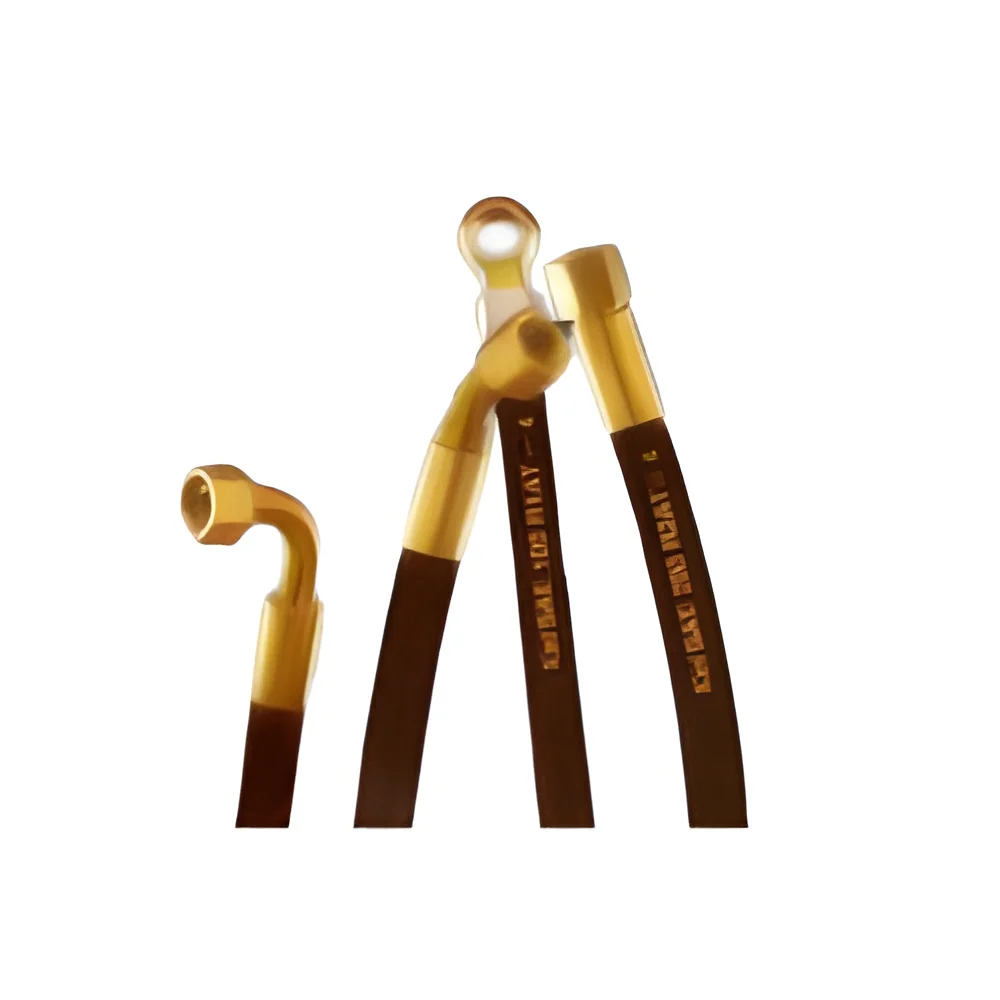
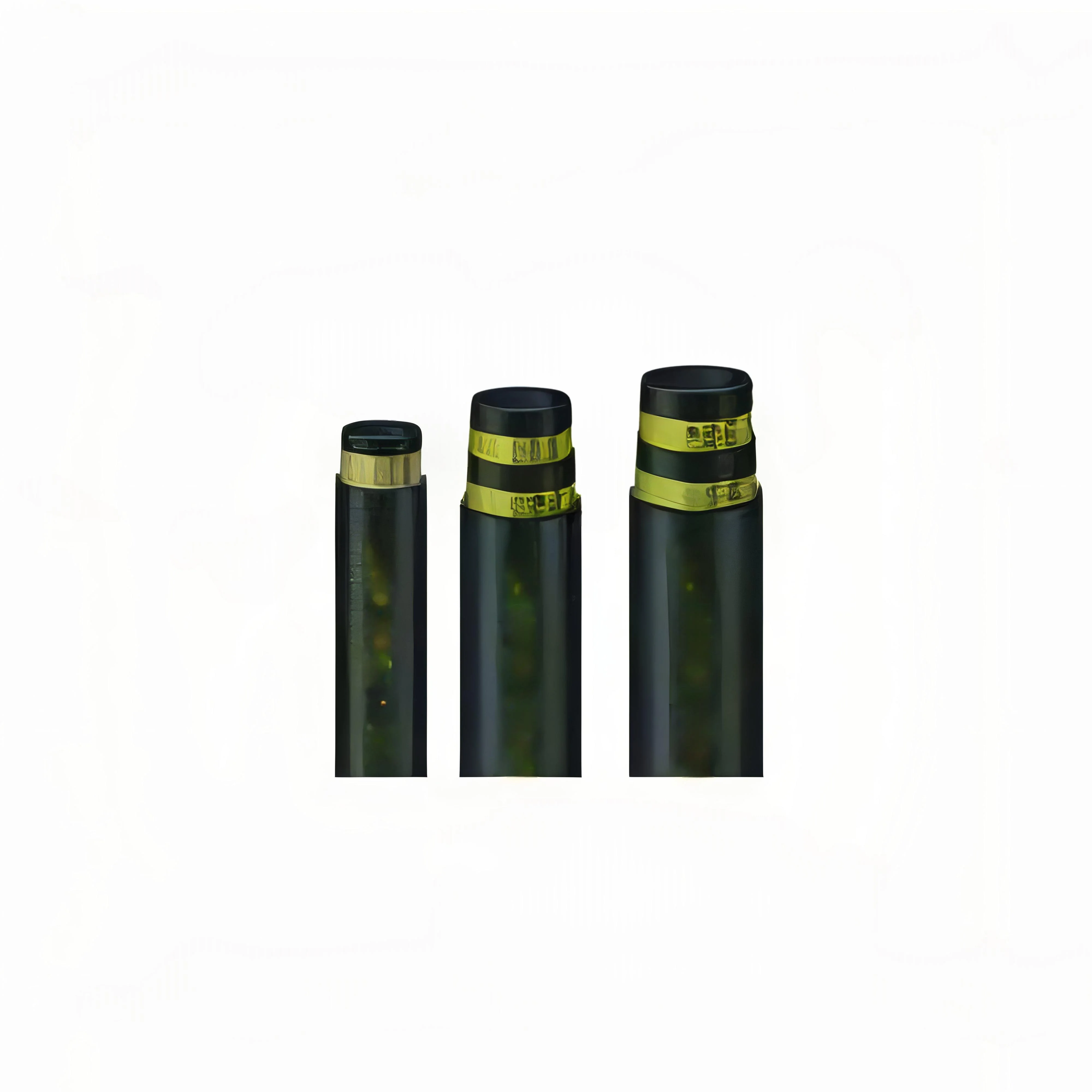
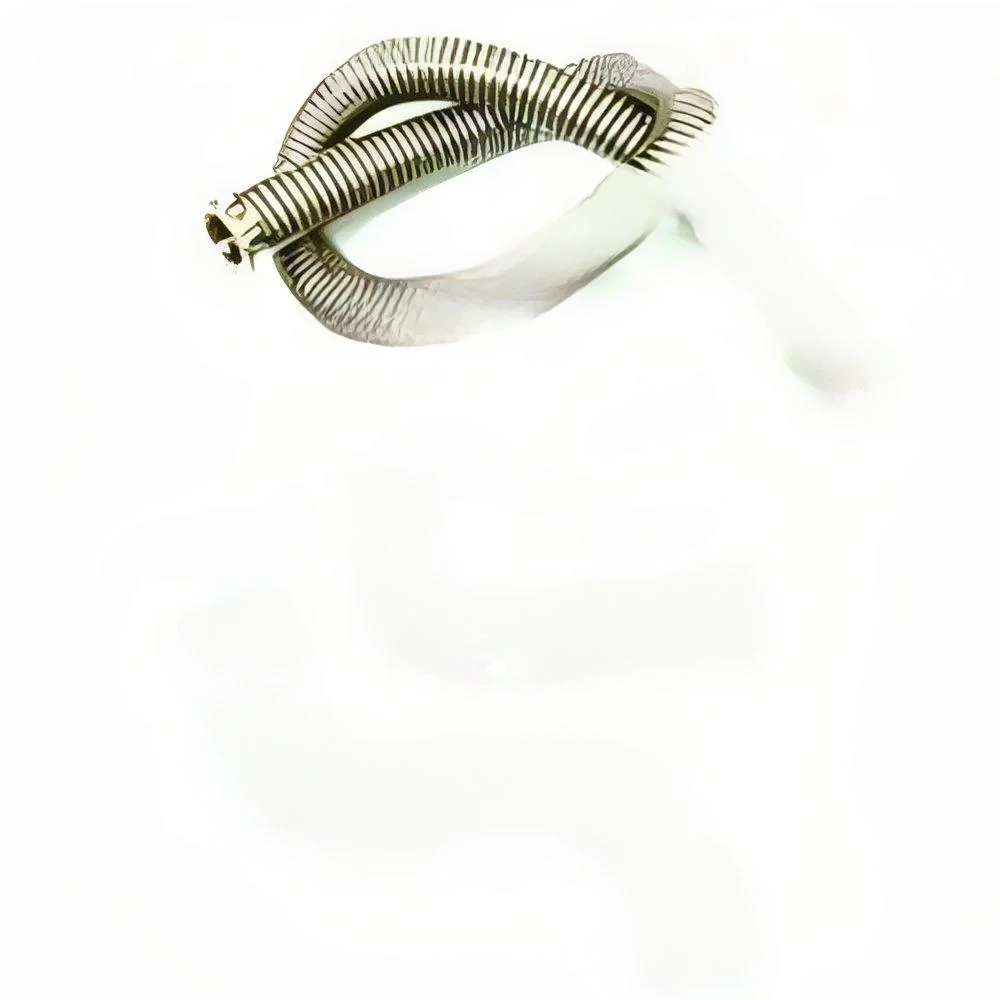
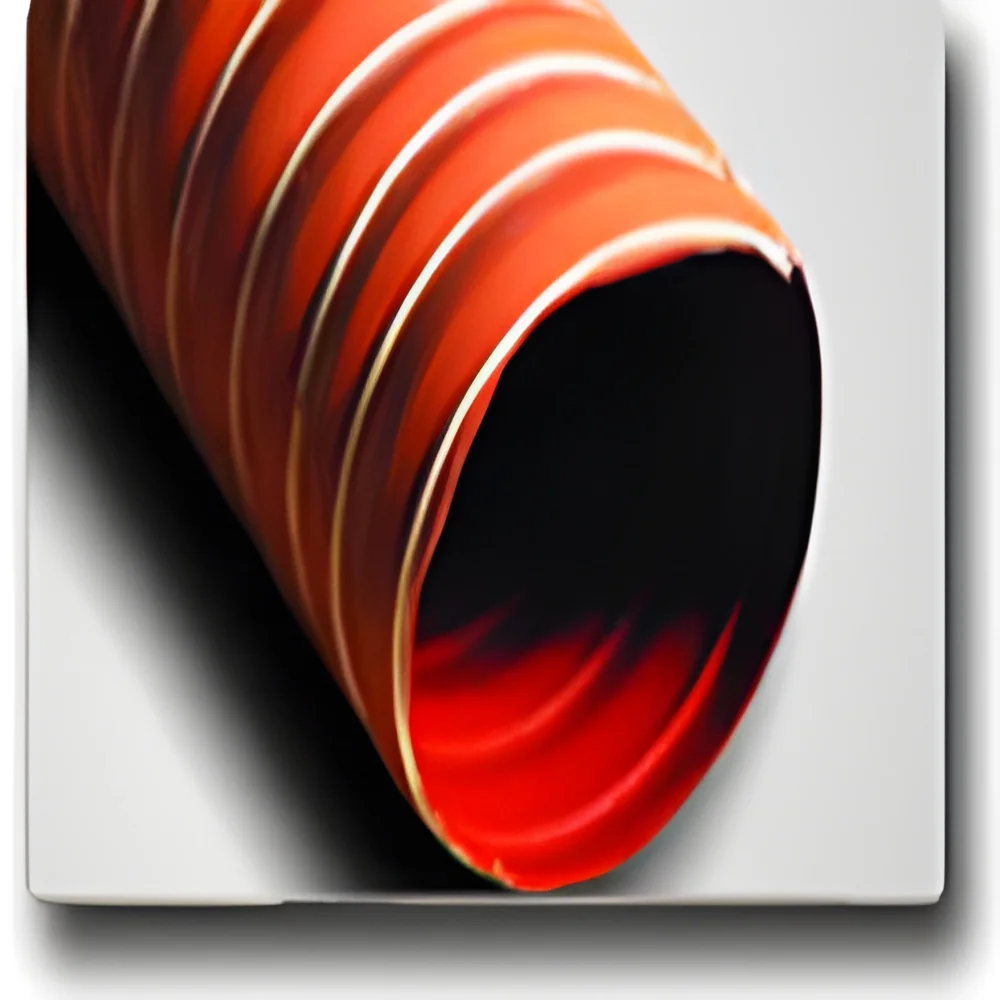
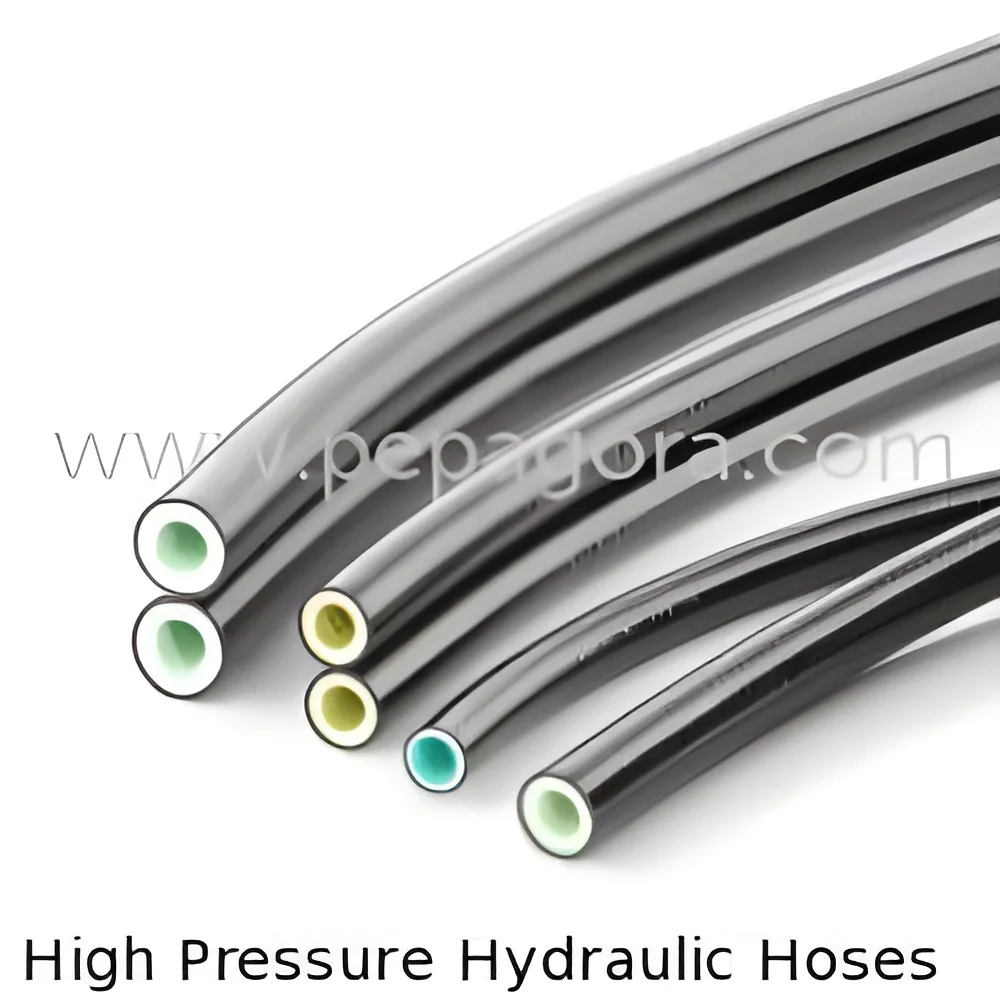
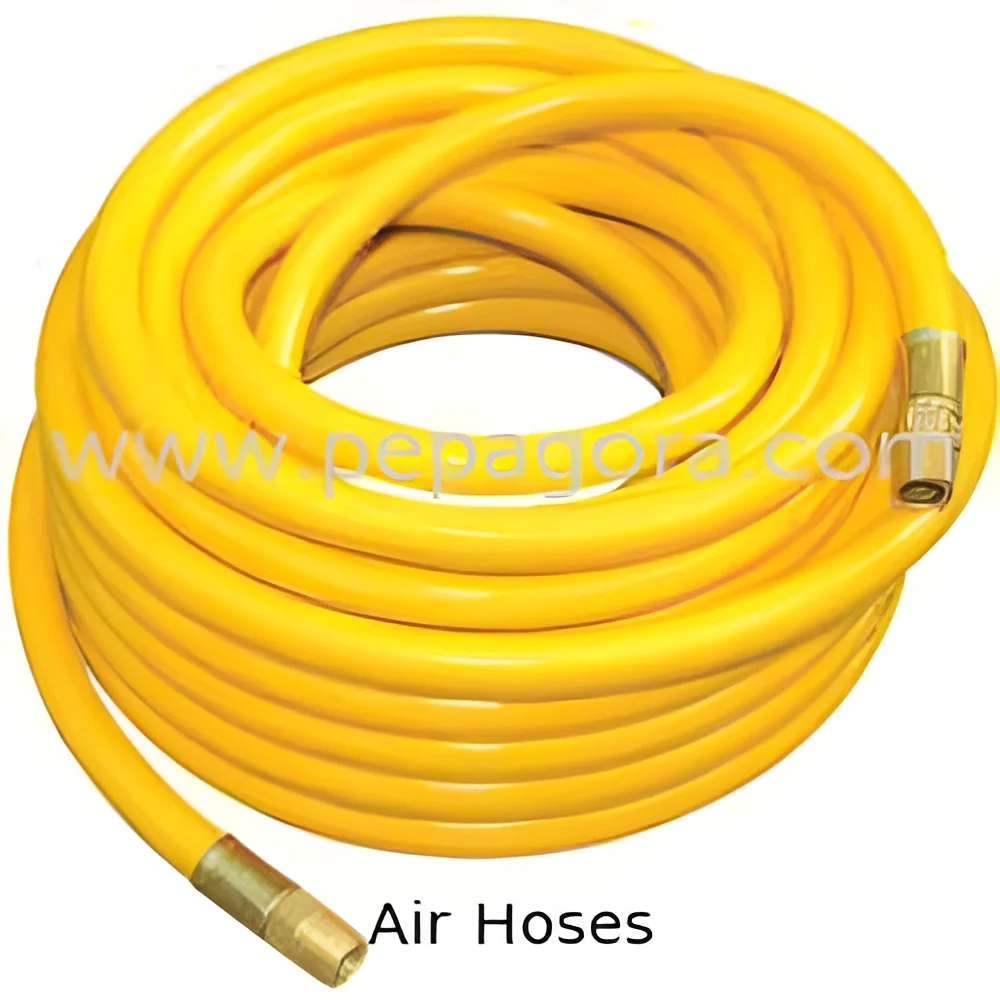
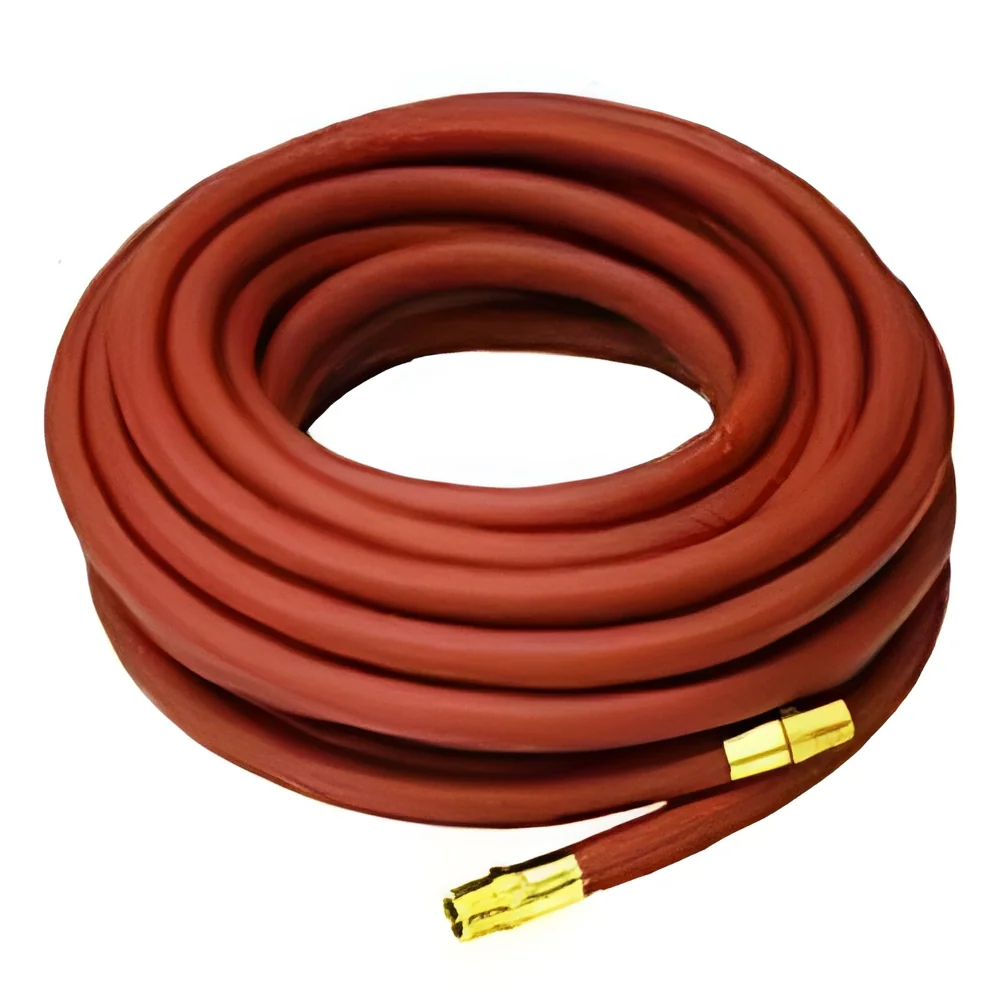
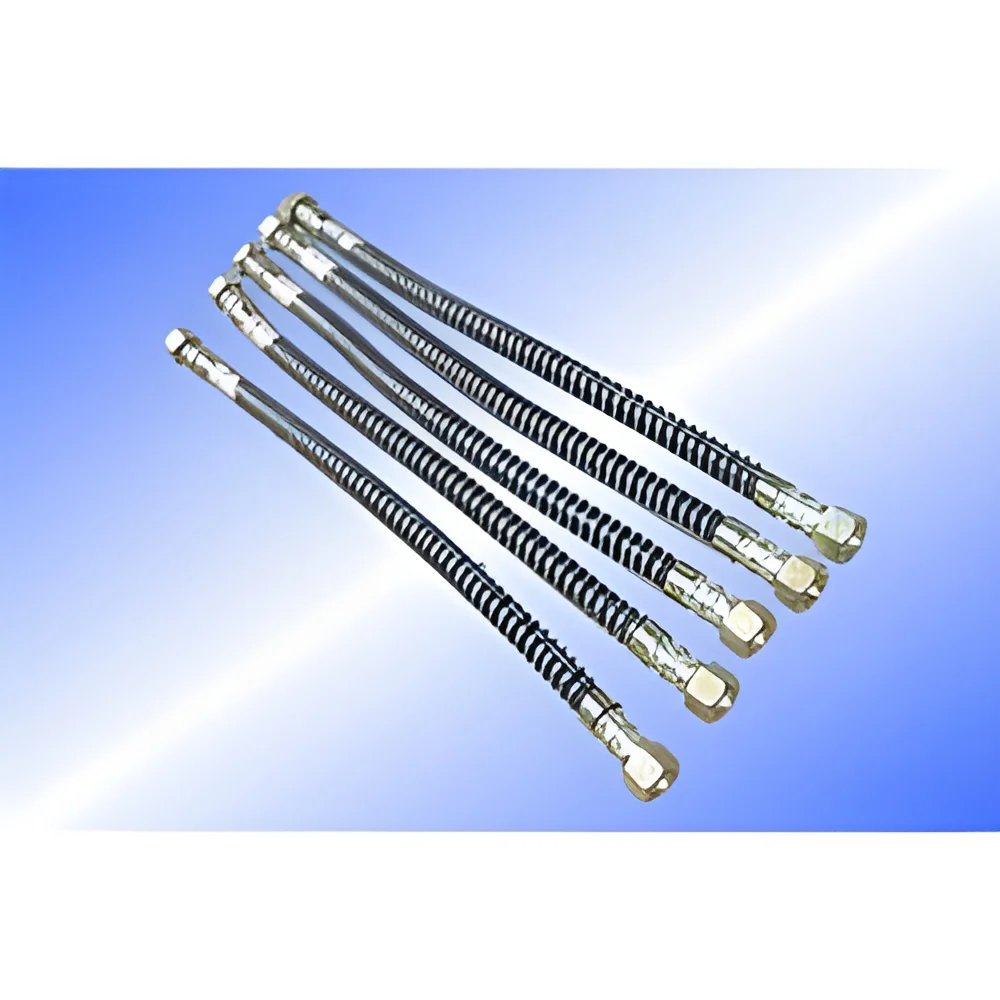
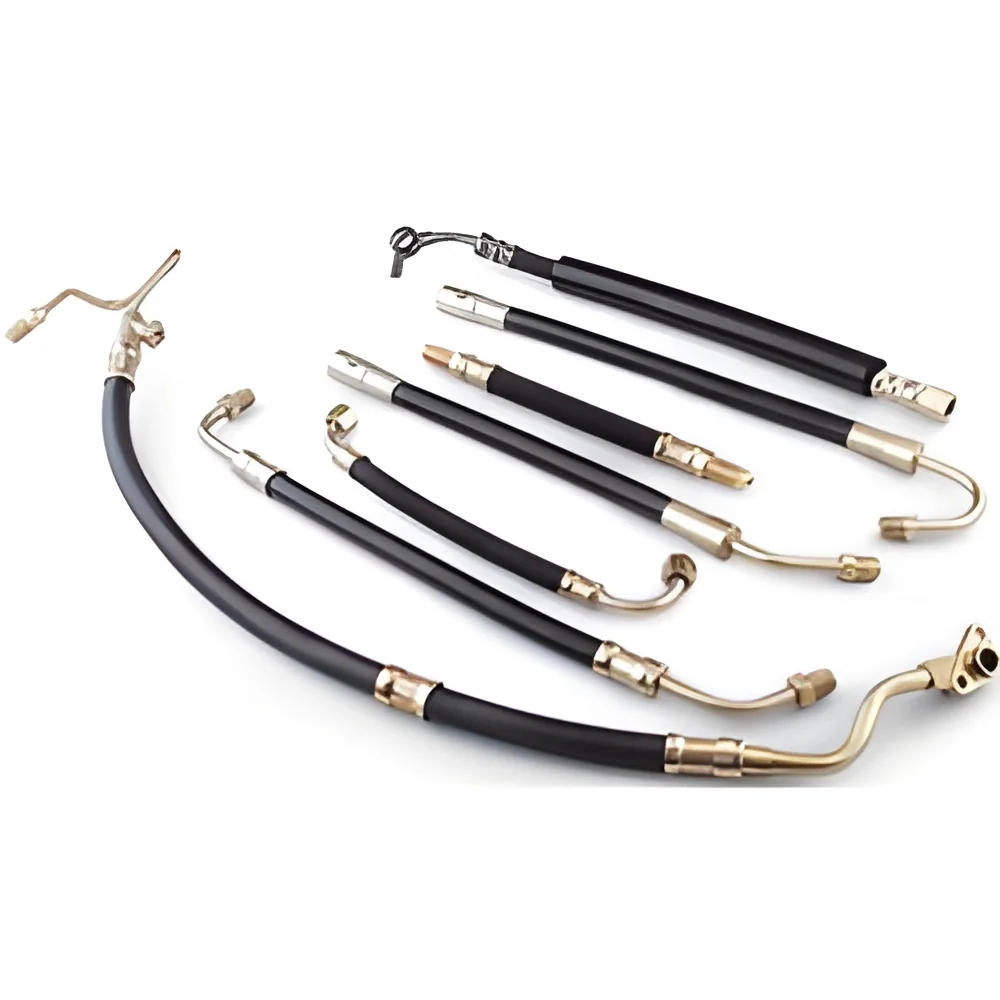
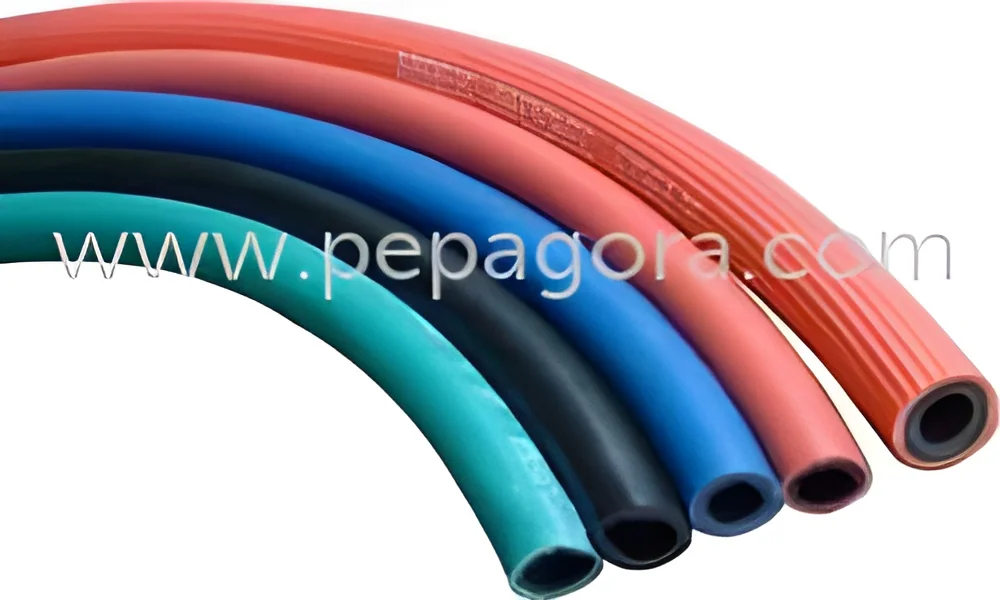
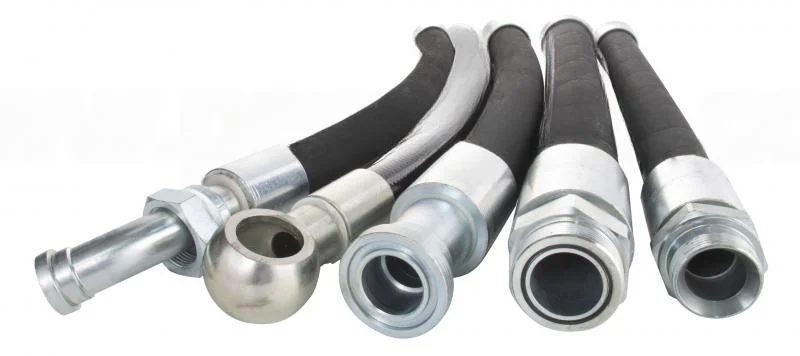
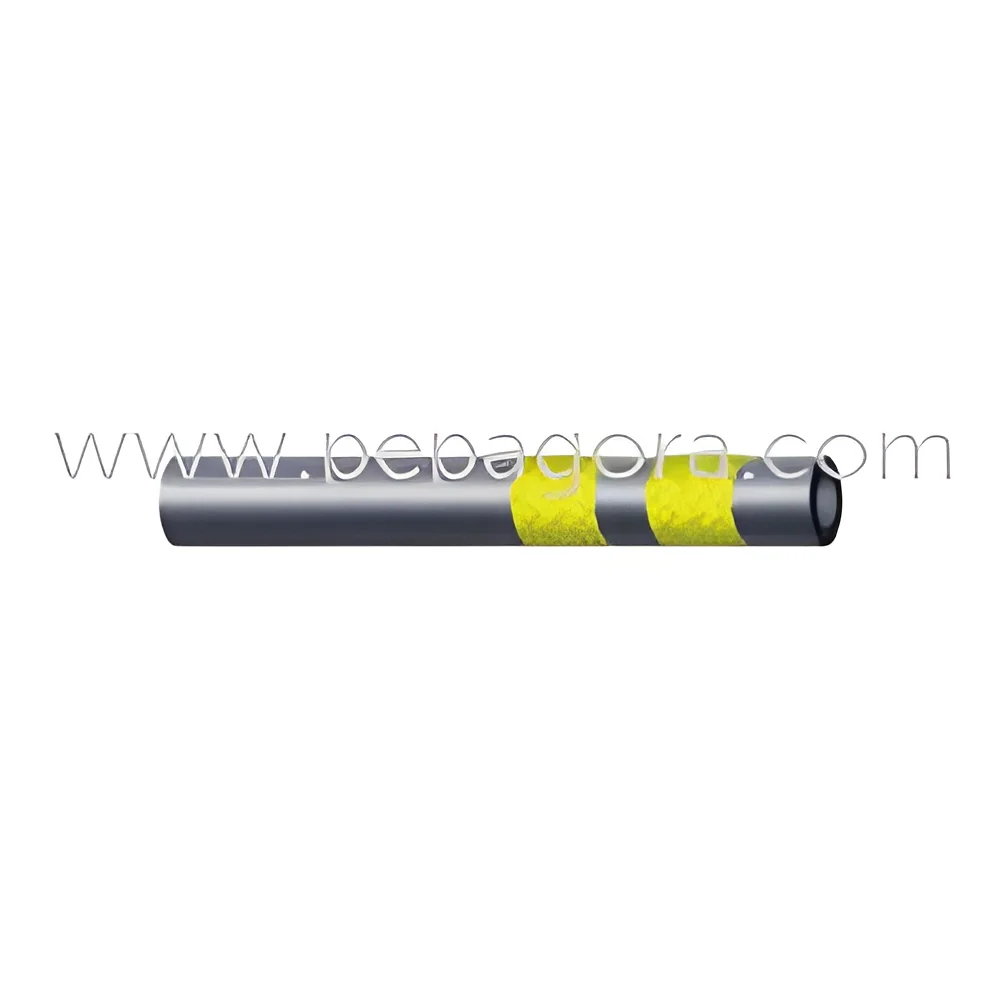
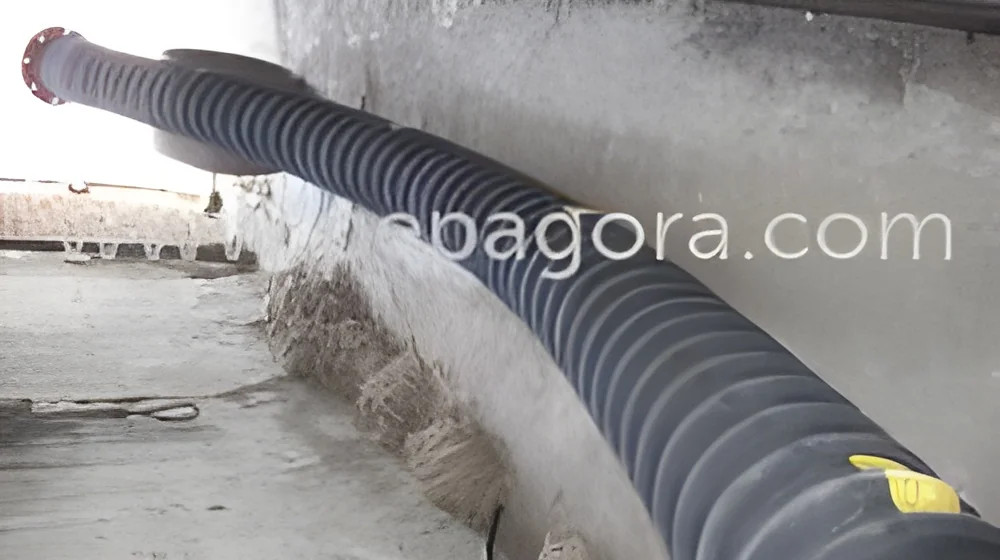
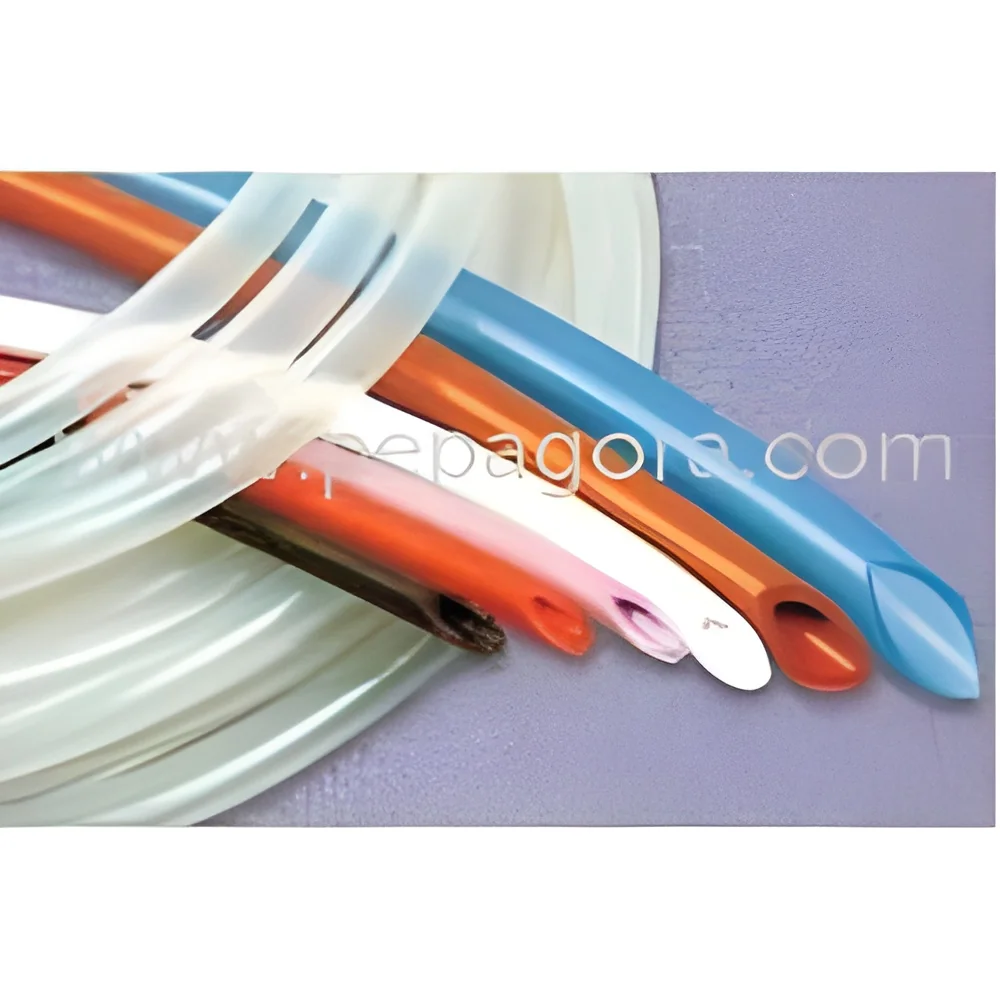
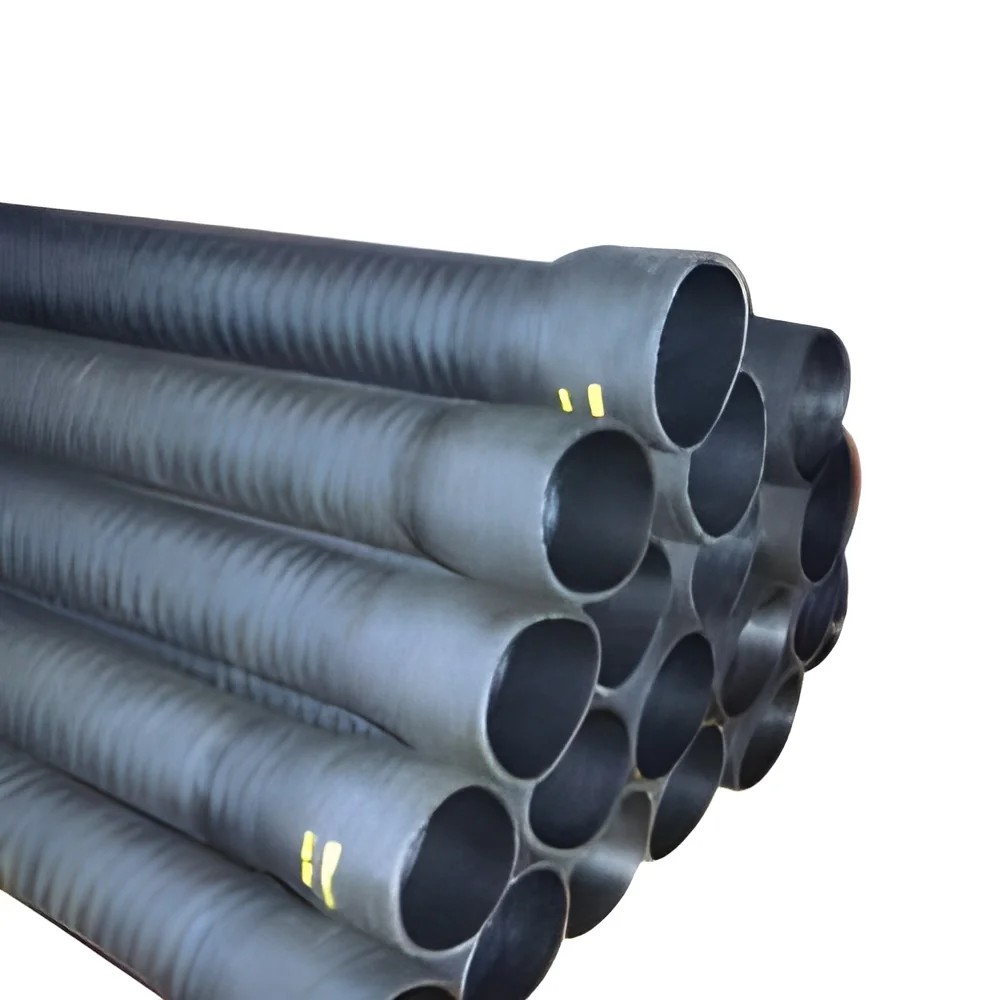
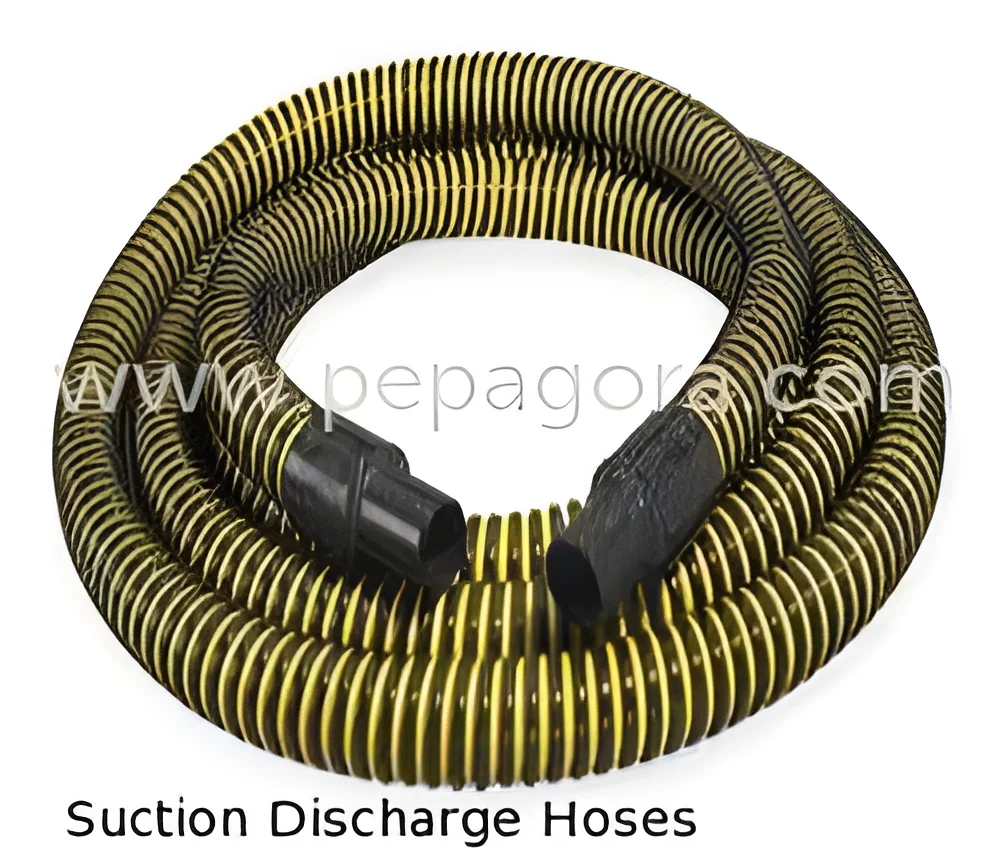
Rubber hoses are flexible tubes made from a variety of rubber compounds designed to transport fluids, gases, and other materials. They are an essential component in many industrial applications due to their durability and resistance to wear and tear. Rubber hoses can withstand various pressures and temperatures, making them suitable for a wide range of tasks, from transferring water to handling chemicals.
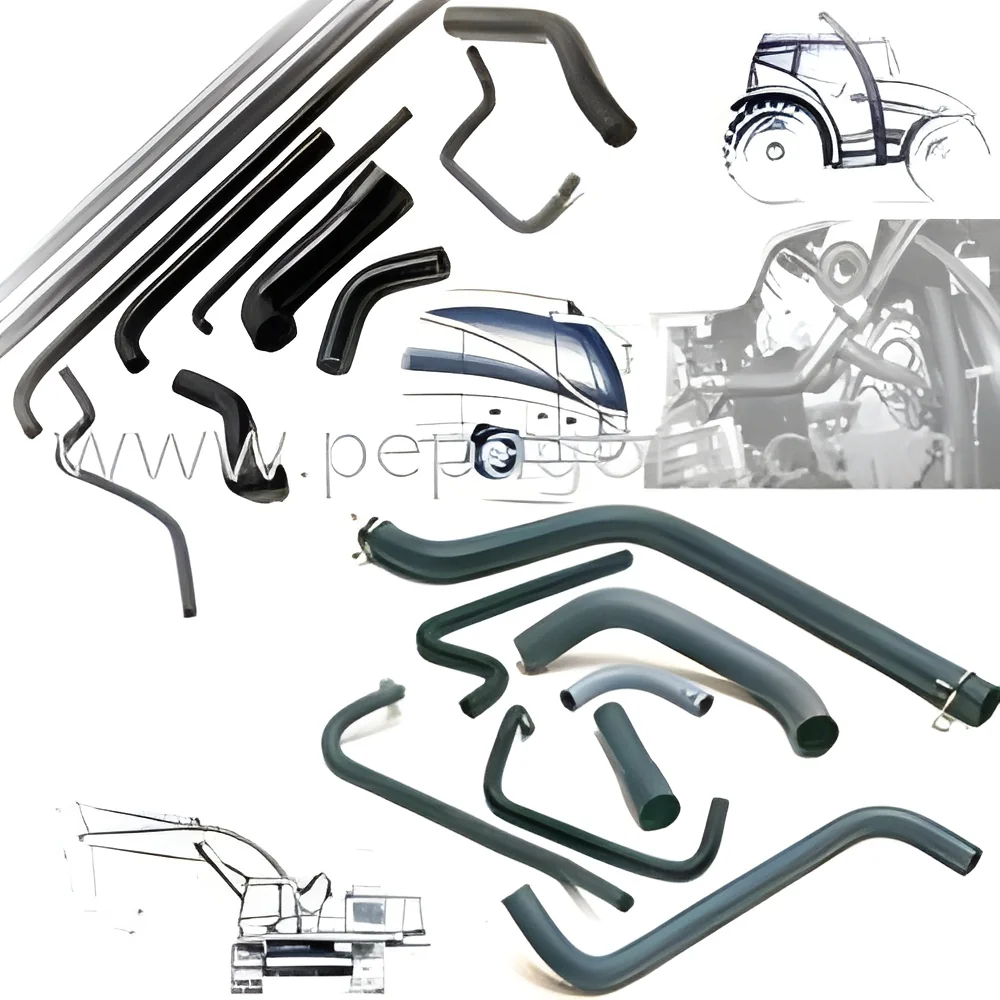
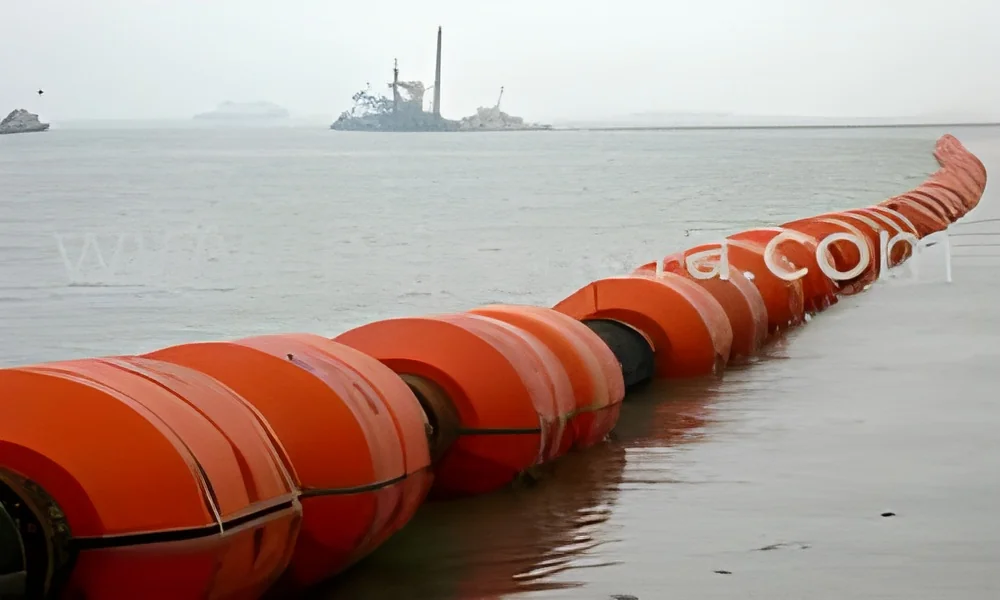
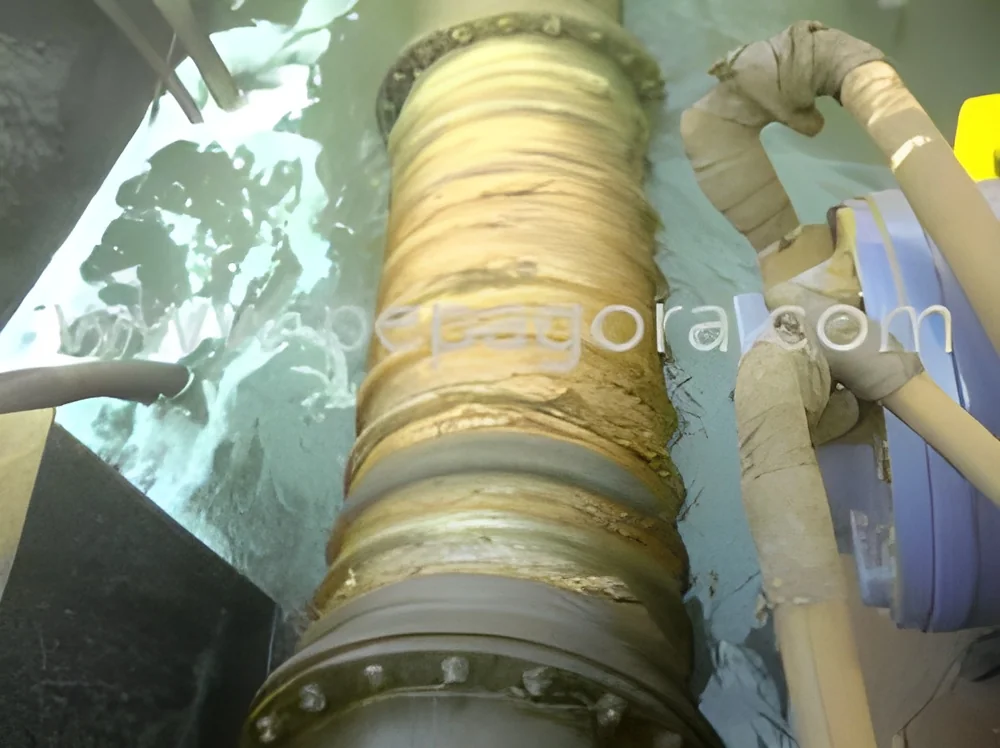
These hoses are commonly used in industries such as agriculture, construction, manufacturing, and automotive. In agriculture, they facilitate irrigation and chemical application. In construction, they are vital for transporting water and other fluids. Manufacturing processes often require rubber hoses to convey materials between different stages. Their versatility in both indoor and outdoor applications makes them indispensable in many business operations.
The market for rubber hoses is significant, driven by the growing demand for efficient fluid management solutions across multiple sectors. As industries continue to evolve and expand, the need for high-quality rubber hoses remains critical for ensuring operational efficiency and safety.
Key Features and Specifications
Rubber hoses come with various features and specifications that make them suitable for specific applications. Understanding these features is crucial for selecting the right hose for your needs.
Key specifications include:
1. Diameter
- Available in various diameters to accommodate different flow rates.
- Common sizes range from 1/4 inch to several inches.
2. Pressure Rating
- Rated for varying pressure levels, essential for safety and efficiency.
- Typical ratings can range from 150 psi to over 500 psi, depending on the application.
3. Temperature Resistance
- Designed to withstand a range of temperatures.
- Can operate effectively in temperatures as low as -40 degrees Fahrenheit to as high as 200 degrees Fahrenheit.
4. Material Composition
- Made from various rubber compounds including synthetic and natural rubber.
- Chemical resistance varies based on the compound used.
5. Bend Radius
- Minimum bend radius is a critical factor for flexibility and installation.
- Common bend radii range from 2 to 10 times the hose diameter.
6. Length
- Available in standard lengths and can be customized for specific applications.
- Lengths typically range from 25 to 100 feet.
7. Reinforcement
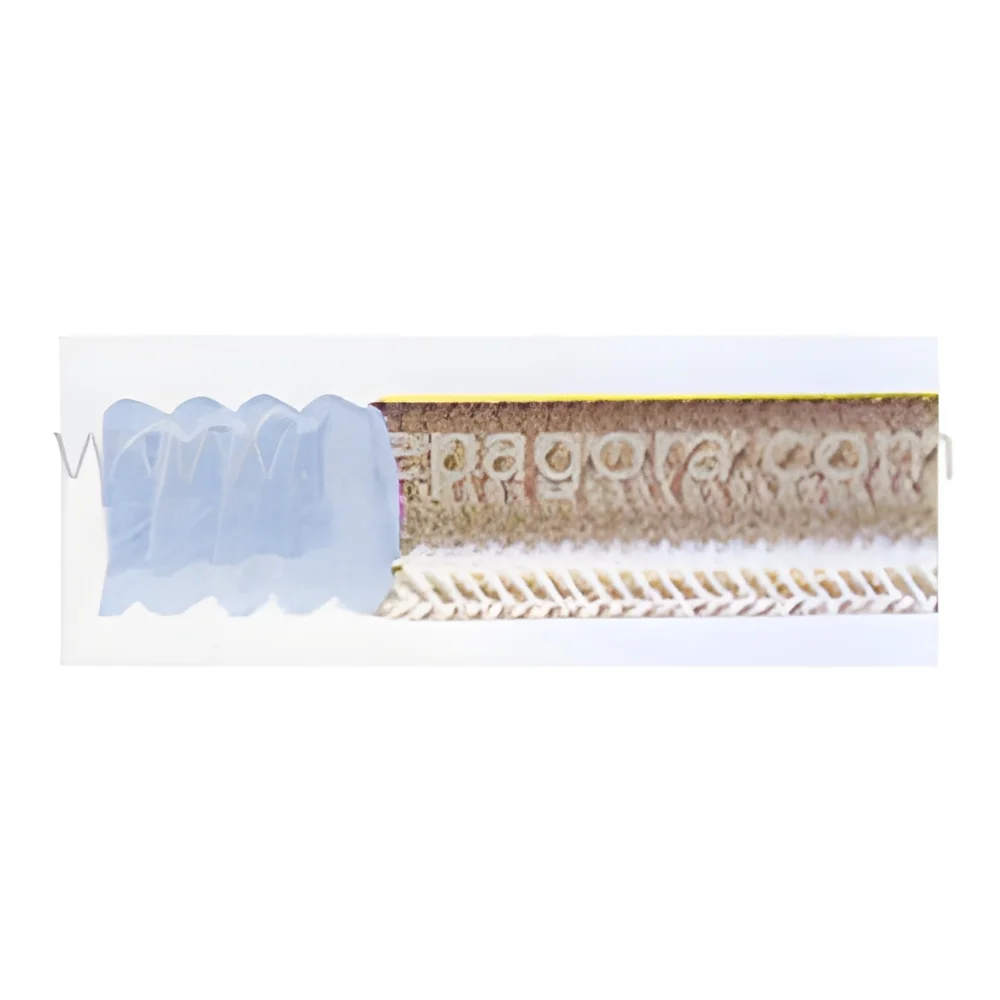
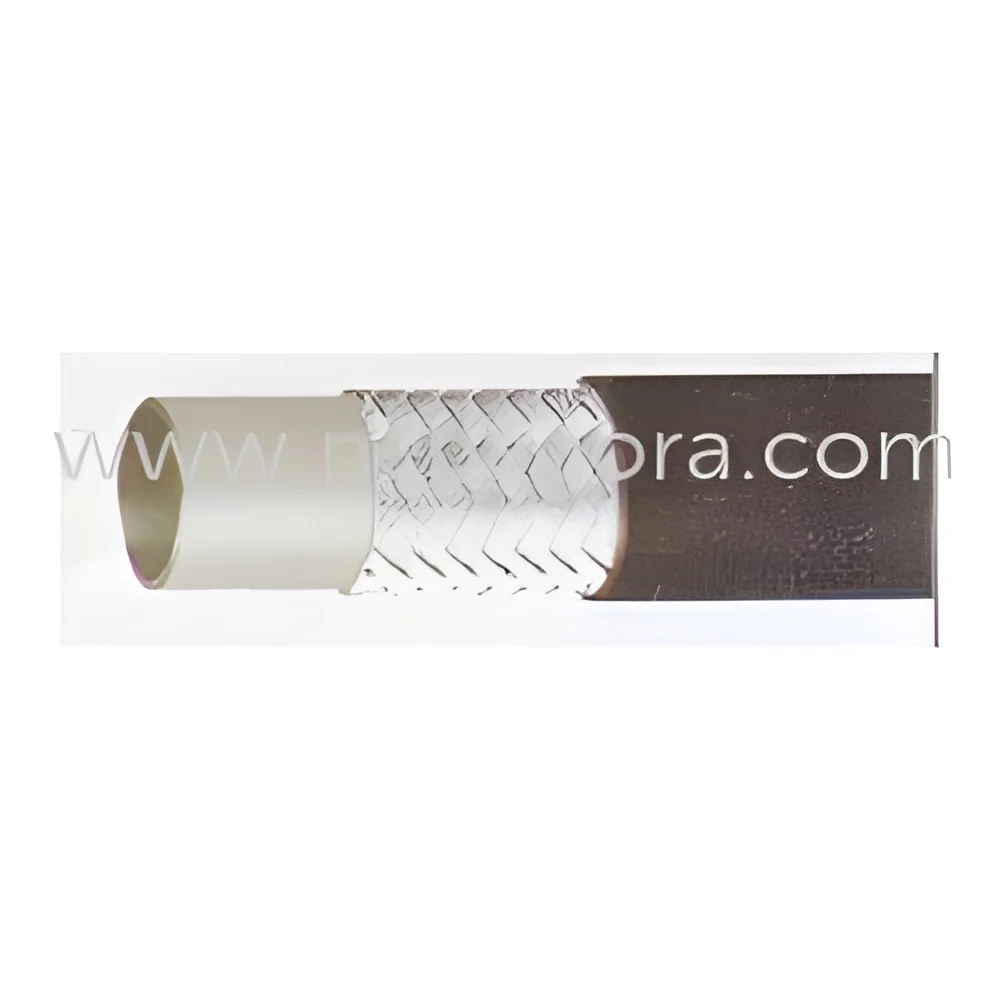
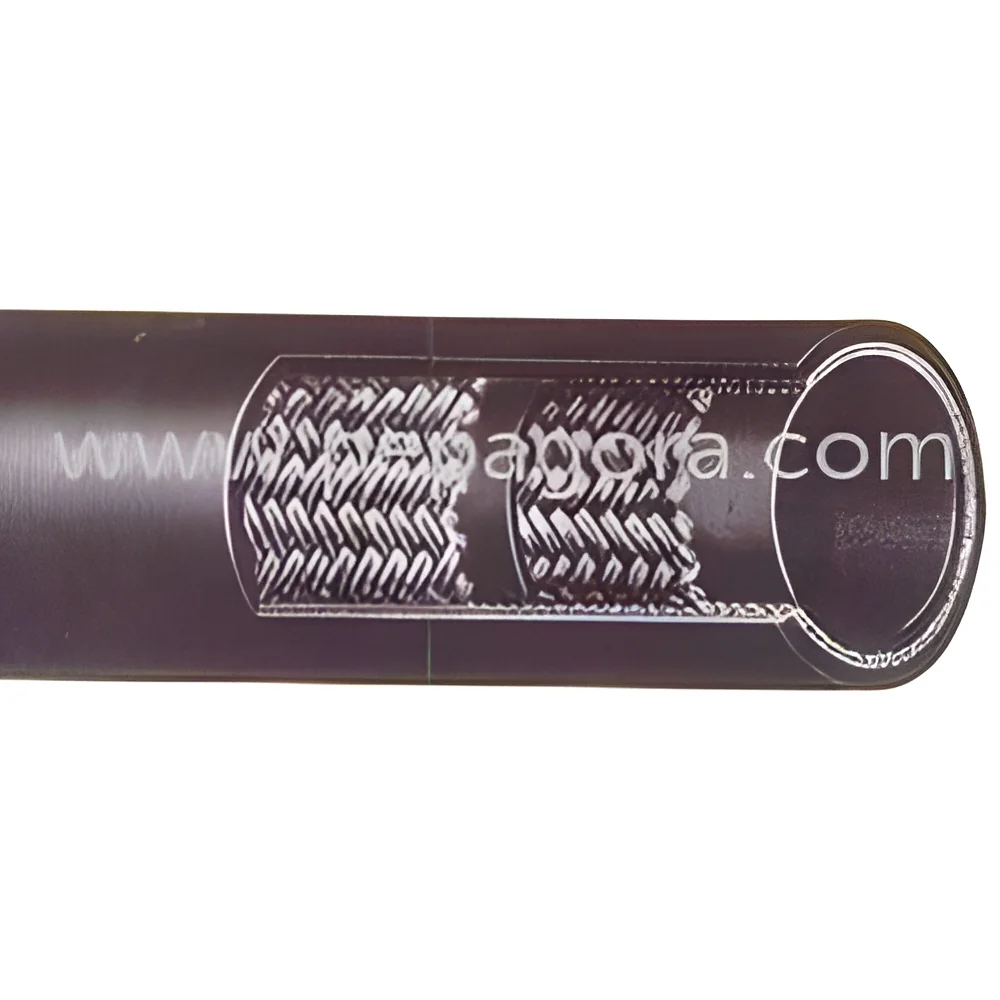
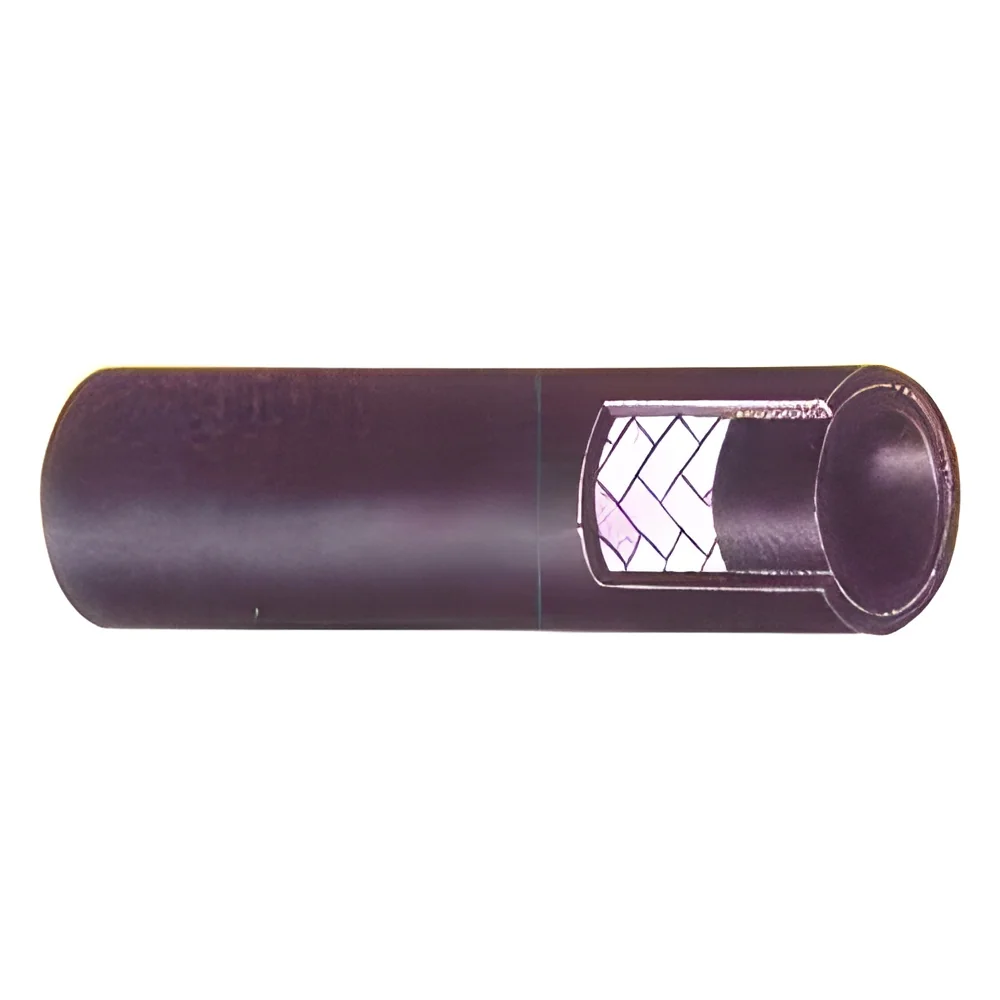
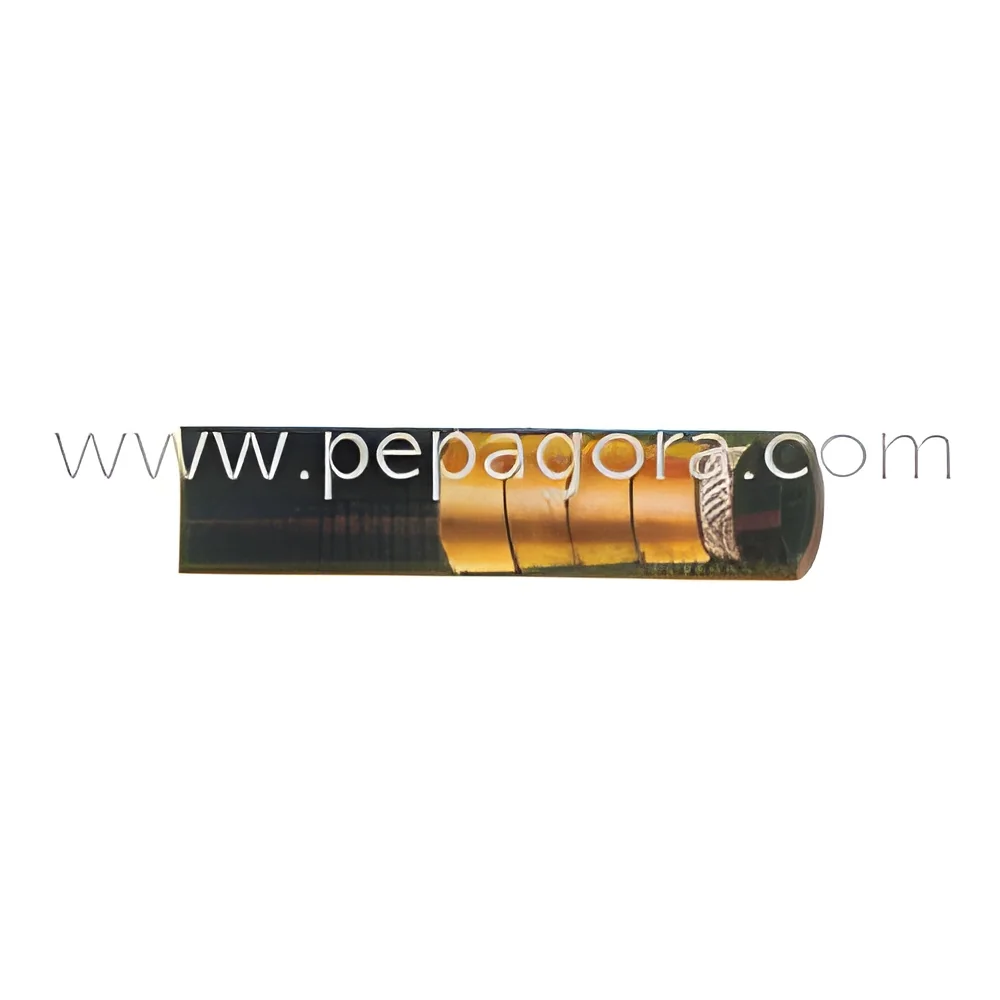
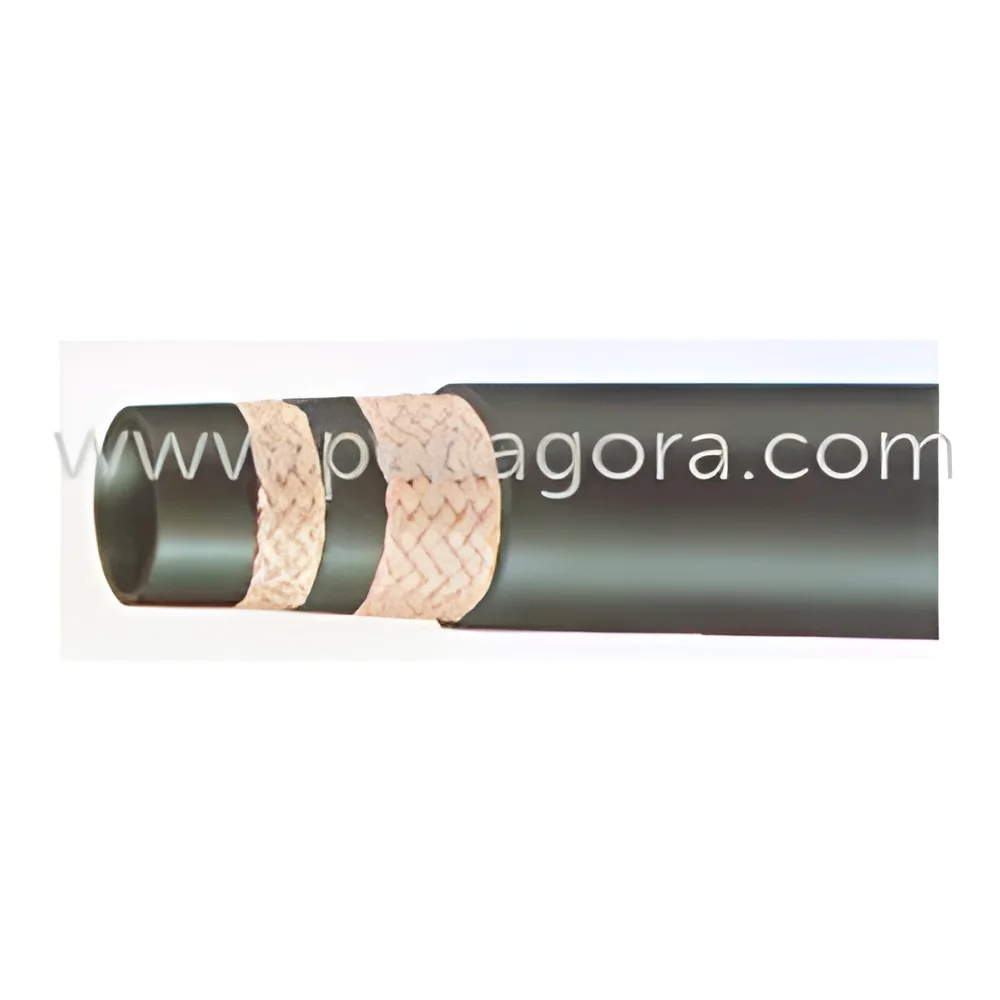
- Reinforced with fibers or steel to enhance durability and pressure resistance.
- Reinforcement types include textile braiding and steel wire.
8. Compliance Standards
- Must meet specific industry standards for safety and quality.
- Certifications include CE marking for compliance within the European Union.
These specifications help ensure that rubber hoses meet the demands of various applications, making them reliable components in industrial operations.
Common Applications and Use Cases
Rubber hoses are utilized in a variety of industries, highlighting their versatility and essential role in operations.
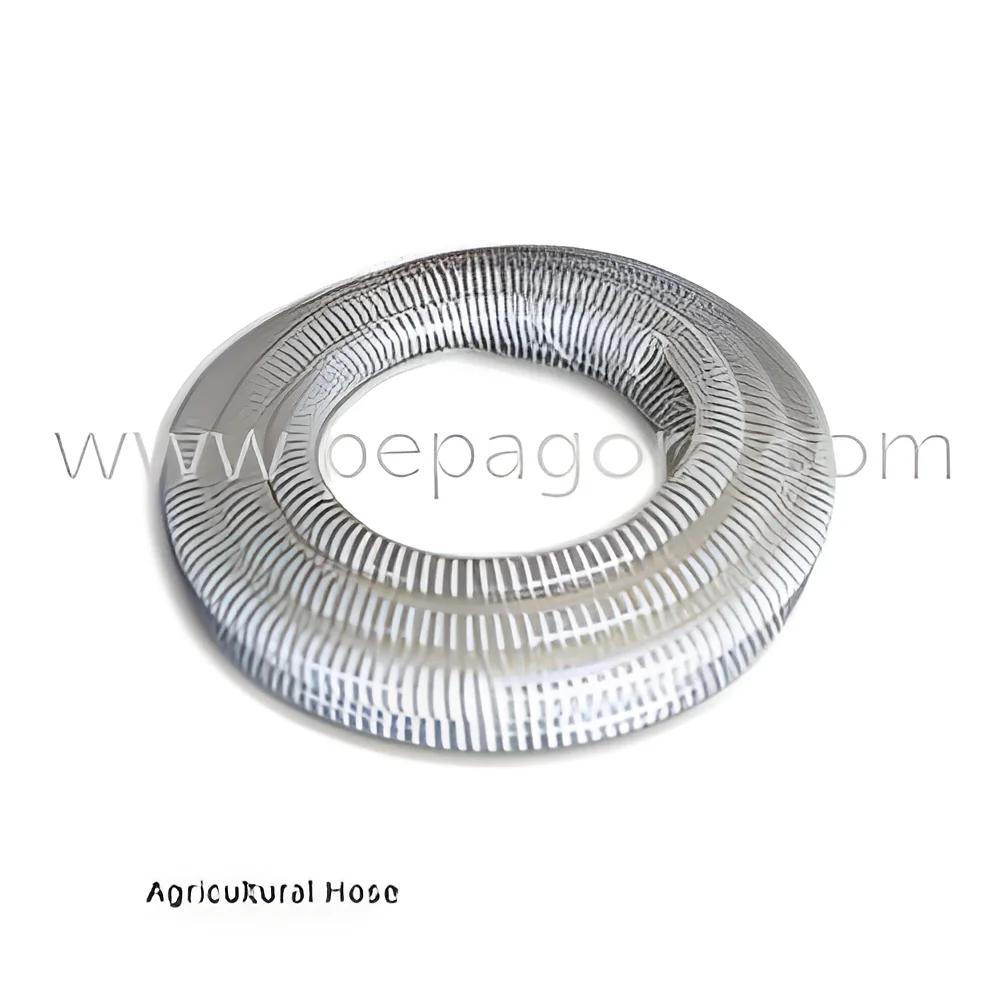
1. Agriculture: Rubber hoses are used for irrigation systems and chemical spraying, allowing farmers to efficiently manage water and nutrients in crop production.
2. Construction: In construction sites, these hoses are essential for transferring water, concrete, and other materials, ensuring smooth workflow and productivity.
3. Manufacturing: Rubber hoses are utilized in manufacturing processes for material handling, cooling systems, and hydraulic applications, contributing to operational effectiveness.
4. Automotive: They are commonly used in vehicles for fuel delivery, coolant systems, and brake lines, ensuring safe and efficient vehicle operation.
5. Mining: In the mining sector, rubber hoses are crucial for transporting slurry, water, and other materials, facilitating essential processes.
6. Food and Beverage: Specialized rubber hoses are designed for food-grade applications, allowing for the safe transfer of liquids in food processing.
7. Oil and Gas: These hoses are used in various applications for transporting crude oil, natural gas, and other petroleum products, adhering to rigorous safety standards.
8. Chemical Processing: Rubber hoses are vital in handling various chemicals, with specific compounds designed to resist chemical corrosion and degradation.
Product Variants and Subcategories
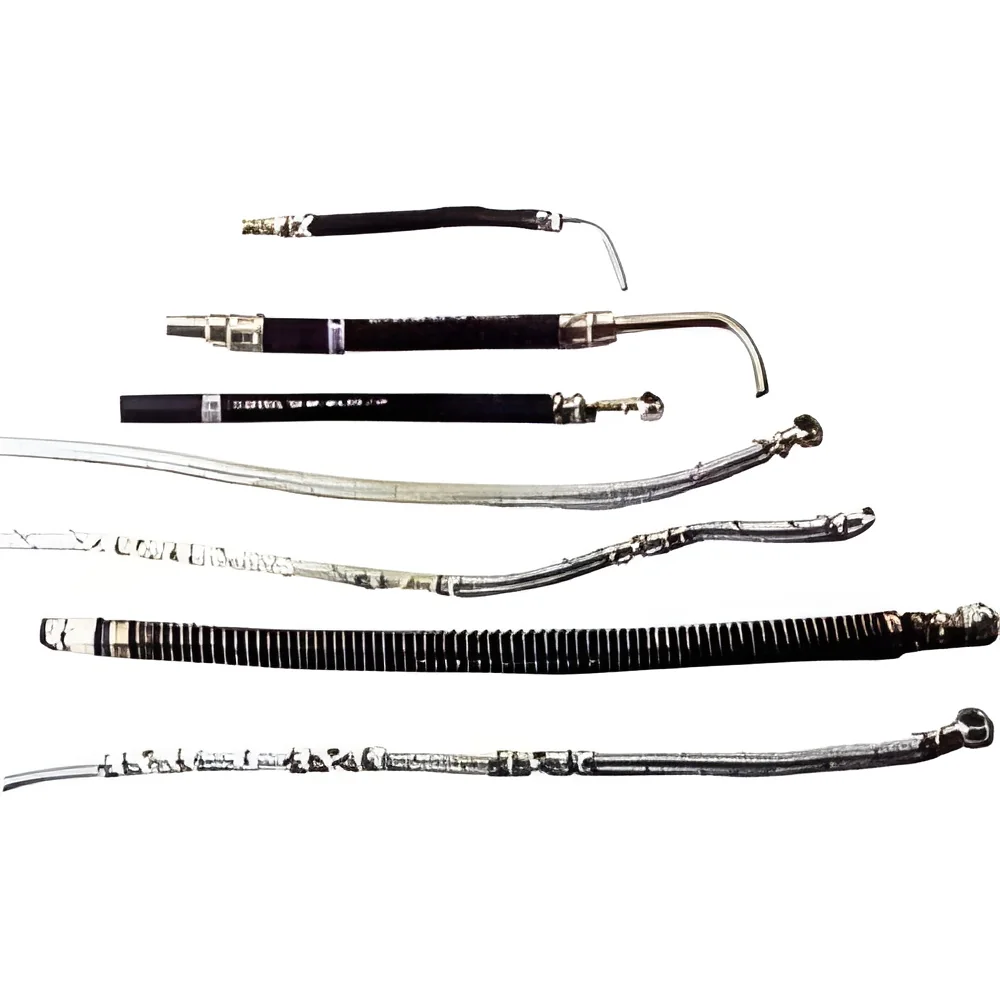
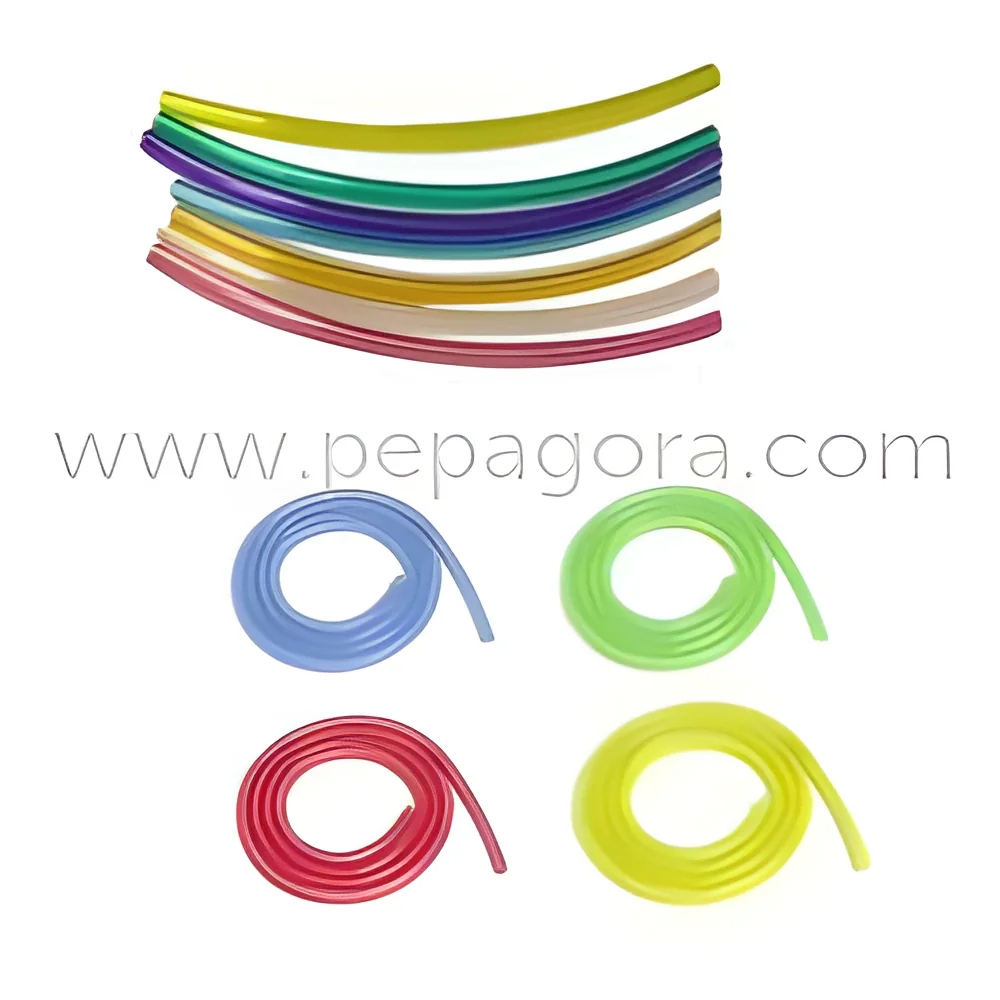
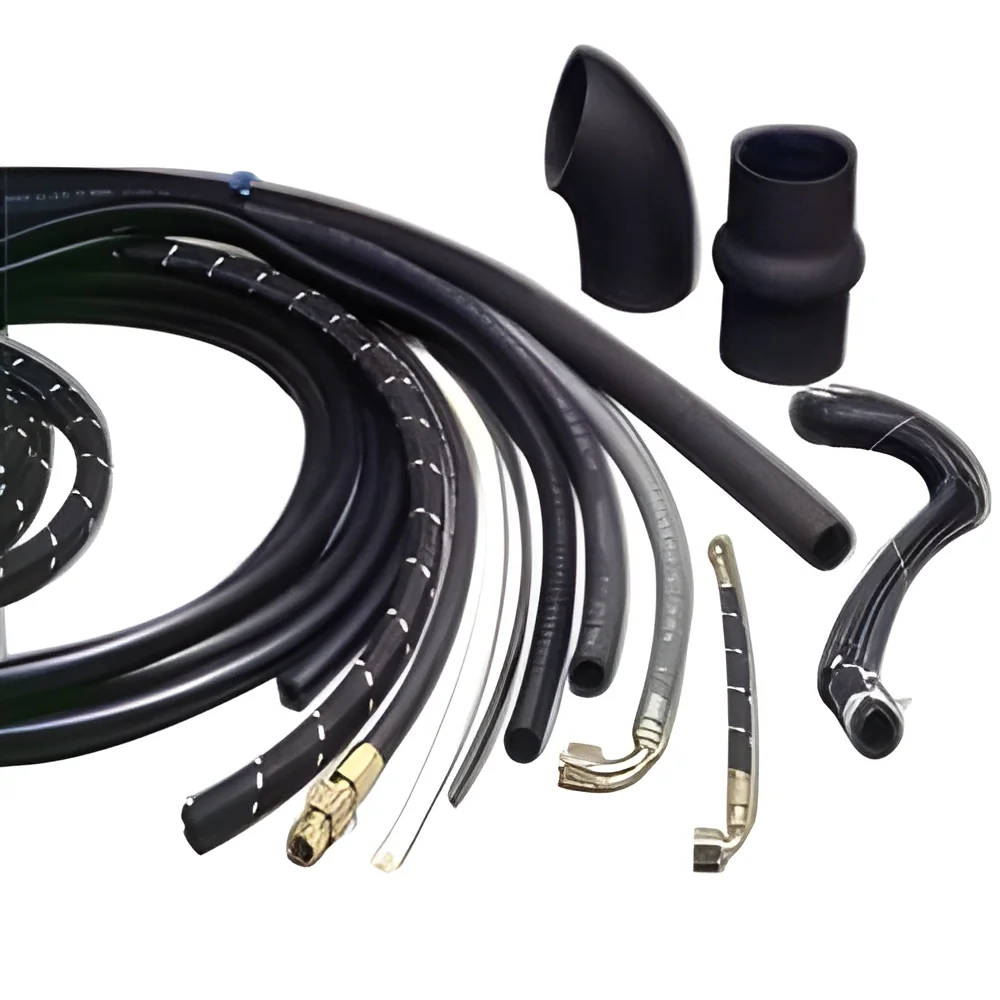
Rubber hoses come in various forms to meet specific industry needs. The diversity of these products allows businesses to choose the most suitable option for their application.
General Purpose Rubber Hoses
These hoses are designed for a wide range of applications, including water transfer and light chemical handling. They are flexible and durable, making them ideal for general use.
Heavy-Duty Rubber Hoses
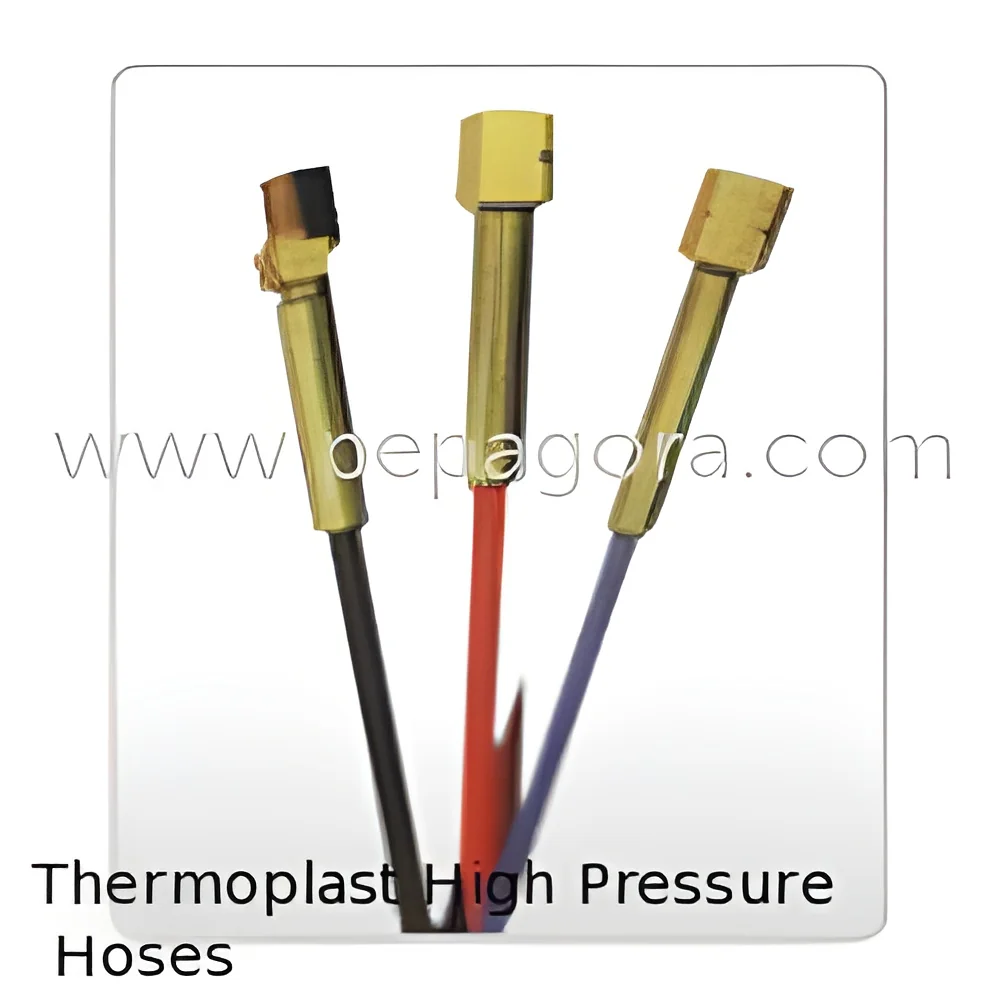
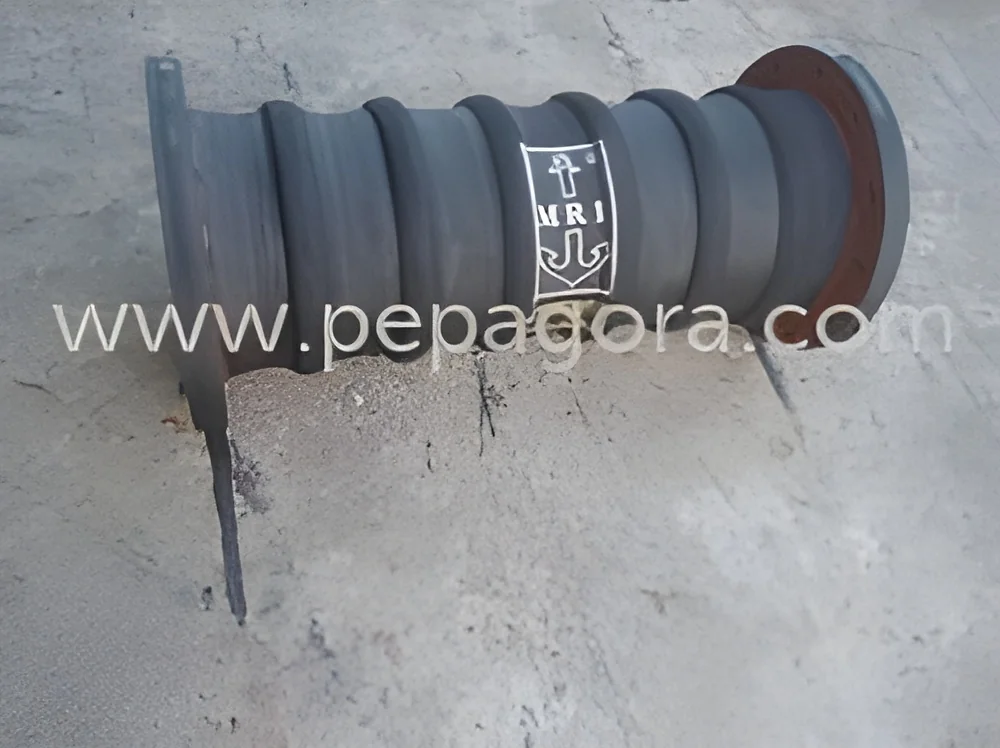
Constructed for high-pressure applications, these hoses are reinforced to handle demanding tasks in industries such as construction and manufacturing. They offer excellent durability and resistance to wear.
Food-Grade Rubber Hoses
Specifically designed for food and beverage applications, these hoses comply with health regulations and are made from materials safe for contact with consumables. They are easy to clean and maintain.
Chemical-Resistant Rubber Hoses
These hoses are formulated to withstand various chemicals, making them suitable for use in chemical processing and handling. They provide a reliable solution for transporting hazardous materials.
Benefits and Advantages
Rubber hoses offer numerous benefits that make them a preferred choice in various industrial applications.
1. Flexibility: Rubber hoses are highly flexible, allowing for easy maneuverability in tight spaces and complex installations.
2. Durability: They are resistant to wear, abrasion, and environmental factors, providing a long service life even in harsh conditions.
3. Temperature Resistance: Rubber hoses can operate effectively across a wide temperature range, making them suitable for diverse applications.
4. Chemical Resistance: Many rubber hoses are designed specifically to resist a variety of chemicals, ensuring safety and longevity in chemical handling.
5. Cost-Effectiveness: Their durability and low maintenance requirements translate into cost savings over time, making them a financially sound choice.
6. Easy to Install: Rubber hoses are often lightweight and easy to install, reducing labor time and costs during setup.
Buying Guide for B2B Buyers
When sourcing rubber hoses, it is essential to consider several key factors to ensure the best purchase decision.
1. Quality Assessment: Evaluate the quality of rubber hoses by checking for relevant certifications and standards. Look for hoses that have undergone rigorous testing to ensure they meet industry requirements.
2. Supplier Verification: Vet suppliers thoroughly to ensure they have a solid reputation for reliability and quality. Check customer reviews and request references to assess their credibility.
3. Pricing and MOQ: Understand the pricing structure and minimum order quantities (MOQ) required by suppliers. Compare prices among different vendors to find a competitive offer that meets your budget.
4. Delivery and Lead Times: Discuss delivery schedules and lead times with suppliers. Ensure they can meet your project timelines to avoid disruptions in your operations.
5. Compliance Requirements: Be aware of any regulatory compliance needs relevant to your industry. Ensure that the rubber hoses you select meet all necessary safety and quality standards.
Compliance and Certifications
Rubber hoses must adhere to specific quality standards and certifications to ensure safety and reliability in their applications.
ISO 9001 is a widely recognized standard that outlines quality management systems. Compliance with this standard indicates that the manufacturer adheres to consistent quality processes.
HACCP (Hazard Analysis and Critical Control Points) is critical in food and beverage applications. This certification ensures that rubber hoses used in these industries are safe for contact with consumables.
CE marking is essential for products sold within the European Union. It indicates that the hoses meet EU safety, health, and environmental protection requirements.
Safety and testing requirements are crucial for ensuring that rubber hoses can withstand the rigors of their intended use. Regular testing for pressure, temperature resistance, and chemical compatibility is essential.
Regional compliance considerations may vary depending on the area of operation. Buyers should be familiar with local regulations to ensure that their rubber hoses meet all necessary guidelines.
Why Source Rubber Hoses from Pepagora?
Pepagora provides a trusted platform for sourcing rubber hoses, offering numerous advantages to businesses.
Verified Supplier Network: Pepagora features a network of verified suppliers, ensuring that buyers can connect with reputable manufacturers. This verification process helps mitigate risks associated with sourcing.
Streamlined RFQ Process: The platform facilitates a streamlined request for quotation (RFQ) process, allowing buyers to easily obtain competitive quotes from multiple suppliers. This efficiency saves time and enhances decision-making.
Trade Assurance and Support: Pepagora offers trade assurance to protect buyers throughout the sourcing process. This includes support for logistical challenges and quality assurance, ensuring a smooth transaction.
Regional Coverage: With a broad geographic reach, Pepagora connects buyers in India, the GCC, and Southeast Asia to a diverse range of suppliers. This regional coverage helps businesses find the right products tailored to their local needs.

 IN
IN