What are Fertigation Units?
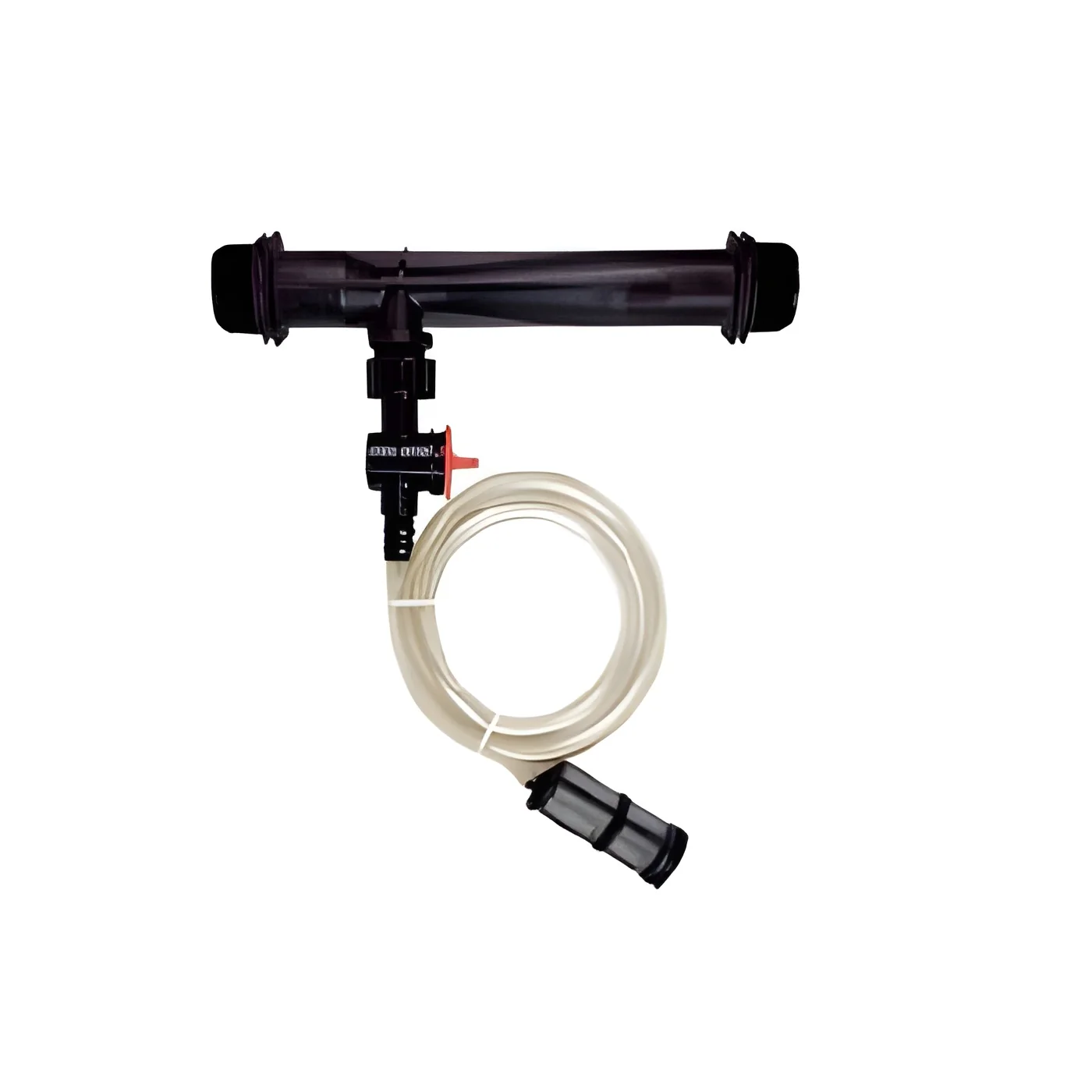
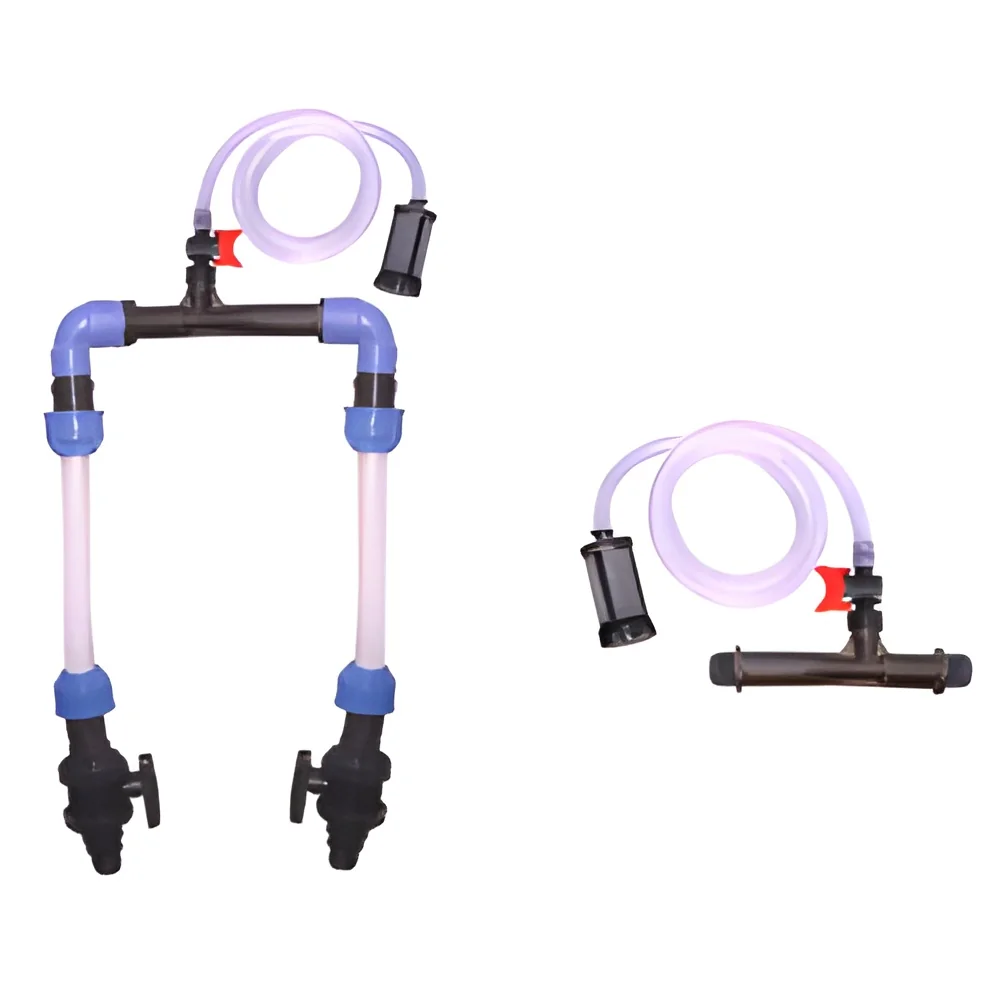
Fertigation units are advanced agricultural systems that integrate fertilization with irrigation. This technology allows for the precise application of nutrients directly to the plants through the irrigation water. By combining these two processes, fertigation units enhance nutrient uptake, improve crop yields, and optimize water usage.
These units are primarily used in agricultural settings, including large-scale farms, greenhouses, and horticultural operations. They are particularly beneficial for crops that have specific nutrient requirements at different growth stages. By automating the fertigation process, growers can save time and resources, while ensuring that plants receive the correct balance of nutrients at the right time.
The relevance of fertigation units in the agricultural market has grown significantly due to the increasing demand for sustainable farming practices. As the global population continues to rise, the pressure to produce more food using fewer resources has led to the adoption of technologies like fertigation. This method not only supports higher productivity but also contributes to environmental sustainability by reducing nutrient runoff and water wastage.
Key Features and Specifications
Fertigation units come with a range of features and specifications designed to meet the needs of modern agriculture. These specifications ensure accurate nutrient delivery and efficient operation.
Key specifications include:
1. Precision Delivery System
- Ensures accurate measurement and mixing of fertilizers with irrigation water.
- Typically operates within a range of 1 to 50 liters per hour.
2. Control Panel
- User-friendly interface for monitoring and adjusting settings.
- Often equipped with digital displays for real-time data.
3. Compatibility with Irrigation Systems
- Designed to integrate seamlessly with various irrigation systems, including drip and sprinkler setups.
- Can handle different water pressures and flow rates.
4. Fertilizer Type Compatibility
- Suitable for a variety of fertilizers, including liquid and soluble types.
- Able to accommodate multiple nutrient solutions.
5. Automated Scheduling
- Features programmable timers for automatic nutrient delivery.
- Allows for customizable fertigation schedules based on crop needs.
6. Safety Features
- Equipped with alarms or shut-off systems to prevent over-application.
- Ensures safe operation with built-in fail-safes.
7. Monitoring Capabilities
- Some units may include sensors to monitor soil moisture and nutrient levels.
- Enables more precise fertigation adjustments.
8. CE Certification
- Adheres to European safety and quality standards, ensuring reliable performance.
In summary, fertigation units are essential for modern agriculture due to their advanced features and specifications that enhance efficiency and productivity.
Common Applications and Use Cases
Fertigation units serve a wide range of industries, providing tailored solutions for various agricultural needs.
1. Horticulture: Fertigation units are extensively used in horticulture to ensure that flowering plants receive the necessary nutrients for optimal growth and bloom. This leads to healthier plants and increased yields.
2. Row Crops: In row crop farming, fertigation units facilitate the timely application of fertilizers to crops like corn and soybeans. This method supports growth during critical development phases.
3. Greenhouse Cultivation: Greenhouses benefit from fertigation units as they allow for precise nutrient management in a controlled environment. This maximizes plant health and reduces waste.
4. Landscape and Turf Management: Fertigation is also used in landscaping and turf management to provide consistent nutrient delivery, promoting lush lawns and healthy ornamental plants.
5. Vineyards: In viticulture, fertigation units help ensure that grapevines receive balanced nutrition, which is crucial for fruit set and quality.
6. Orchards: Fertigation units support fruit trees by delivering nutrients directly to the root zone, enhancing fruit quality and size.
7. Hydroponics: In hydroponic systems, fertigation units are essential for managing nutrient solutions, promoting rapid growth and higher yields in controlled settings.
Product Variants and Subcategories
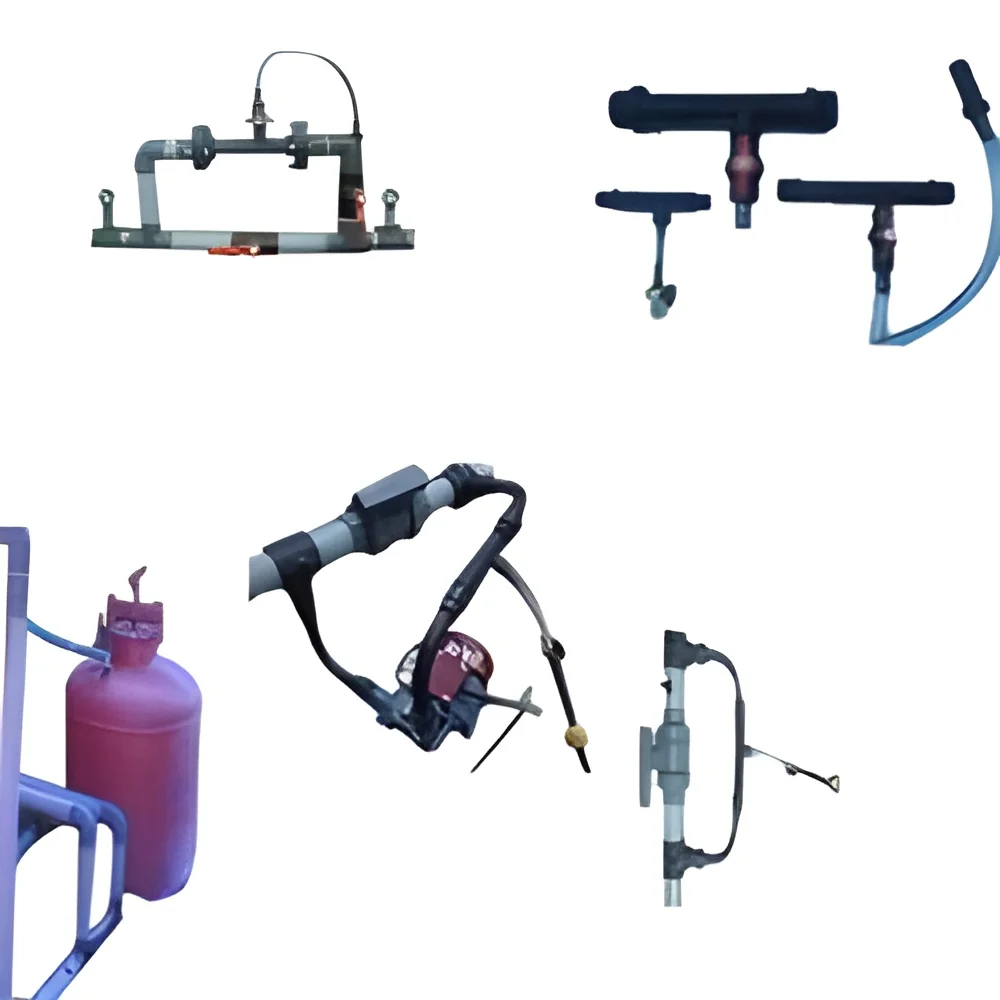
Fertigation units come in diverse configurations to cater to different agricultural needs and scales. Each variant is designed with specific features to enhance functionality.
Standard Fertigation Unit
This type is suited for medium to large-scale agricultural operations. It typically includes a robust control panel, automated scheduling, and compatibility with various irrigation systems, making it ideal for diverse crops.
Compact Fertigation Unit
Designed for smaller farms or greenhouse applications, this variant offers essential features in a more compact form. It provides efficient nutrient delivery while maintaining ease of use and affordability.
High-Volume Fertigation Unit
Tailored for large agricultural enterprises, this unit can handle high flow rates and larger volumes of fertilizer. It is perfect for extensive crop fields where rapid nutrient application is crucial.
Mobile Fertigation Unit
This variant is designed for flexibility and can be easily transported between different fields or locations. It is particularly beneficial for farms that manage multiple plots or seasonal crops.
Benefits and Advantages
Fertigation units offer numerous benefits that enhance agricultural productivity and sustainability.
1. Increased Efficiency: By automating the nutrient delivery process, fertigation units save time and reduce labor costs, allowing farmers to focus on other important tasks.
2. Enhanced Nutrient Uptake: Fertigation ensures that nutrients are delivered directly to the root zone, improving absorption and minimizing waste.
3. Water Conservation: Combining fertilization with irrigation optimizes water usage, making it an environmentally friendly solution.
4. Customized Nutrition: Growers can adjust nutrient mixtures and delivery schedules based on specific crop requirements, leading to healthier plants and better yields.
5. Reduced Environmental Impact: Fertigation minimizes nutrient runoff, protecting local waterways and promoting sustainable farming practices.
6. Scalability: Fertigation systems can be easily scaled to meet the needs of different farm sizes, from small operations to large agricultural enterprises.
Buying Guide for B2B Buyers
When sourcing fertigation units, B2B buyers should consider several critical factors to ensure they select the right system for their needs.
1. Quality Assessment: Buyers should evaluate the quality of the fertigation units by looking for certifications, such as CE, and checking reviews or testimonials from previous customers.
2. Supplier Verification: It is essential to vet suppliers carefully. Buyers should look for reputable manufacturers with a proven track record in the industry and reliable customer service.
3. Pricing and MOQ: Understanding the pricing structure and minimum order quantities is crucial. Buyers should compare quotes from multiple suppliers to ensure competitive pricing.
4. Delivery and Lead Times: Logistics can significantly impact operations. Buyers should inquire about delivery schedules and lead times to prevent disruptions in their projects.
5. Compliance Requirements: Buyers must understand the regulatory compliance needs in their region. Ensuring that the fertigation units meet local standards is vital for safe and effective operation.
Compliance and Certifications
Fertigation units must adhere to various quality standards and regulations to ensure safe and effective operation within agricultural settings.
Relevant quality standards include ISO 9001, which focuses on quality management systems, ensuring that manufacturers produce reliable and high-quality products consistently.
Industry certifications such as CE indicate that the fertigation units meet European safety, health, and environmental protection standards, promoting trust in their safety and efficacy.
Additionally, safety and testing requirements are crucial to ensure that fertigation units function correctly without posing risks to users or crops.
Regional compliance considerations may vary. It is essential for buyers to be aware of local agricultural regulations and standards to ensure that the units they purchase comply with necessary guidelines.
Why Source Fertigation Units from Pepagora?
Pepagora provides a trusted platform for sourcing fertigation units, offering several key advantages for B2B buyers.
Verified Supplier Network: Pepagora features a carefully vetted network of suppliers, ensuring that buyers have access to high-quality fertigation units. This verification process helps mitigate risks associated with purchasing equipment.
Streamlined RFQ Process: The platform simplifies the quotation process, allowing buyers to submit requests for quotes easily. This feature saves time and ensures that buyers can quickly compare options from multiple suppliers.
Trade Assurance and Support: Pepagora offers trade assurance, providing buyers with protection during their transactions. This assurance fosters confidence in purchasing decisions and enhances the overall buying experience.
Regional Coverage: With a presence in regions like India, the GCC, and Southeast Asia, Pepagora enables buyers to source fertigation units that meet their specific regional needs. This broad coverage enhances accessibility and supports local agricultural practices.

 IN
IN