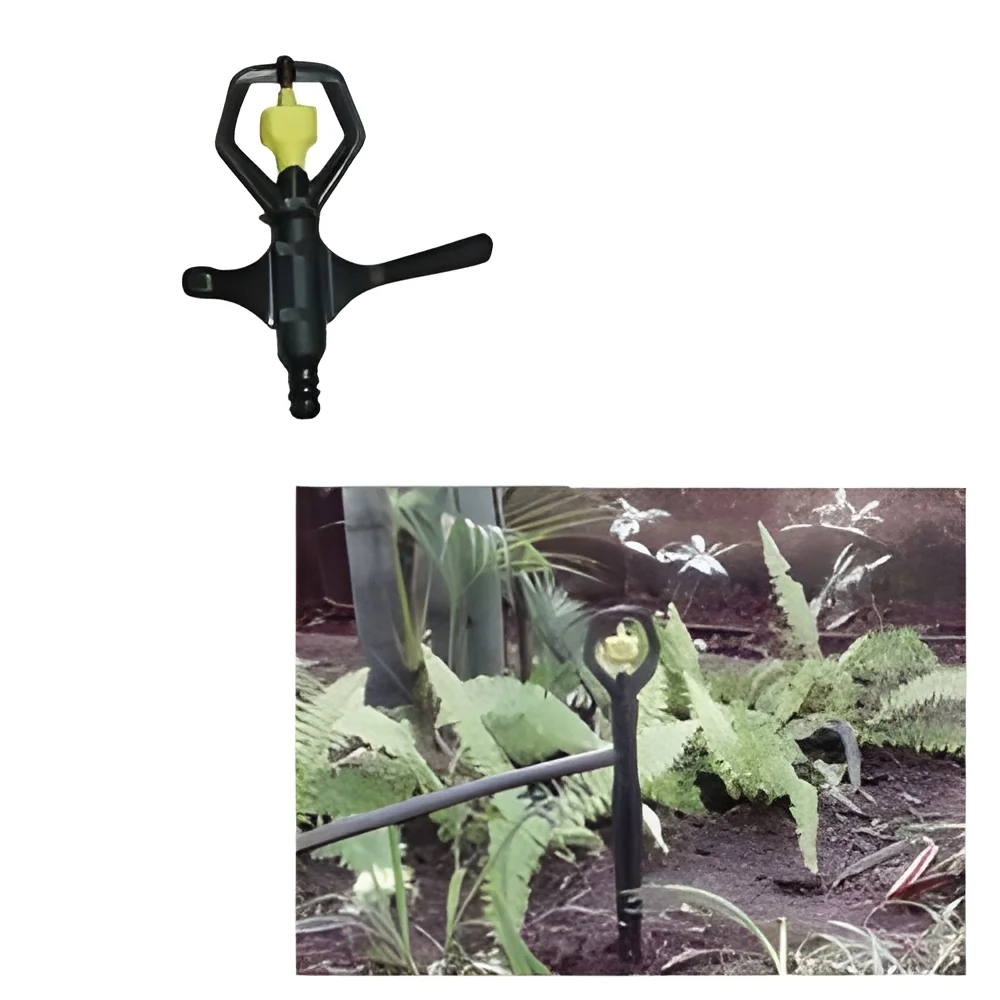
What are Rotating Sprinklers?
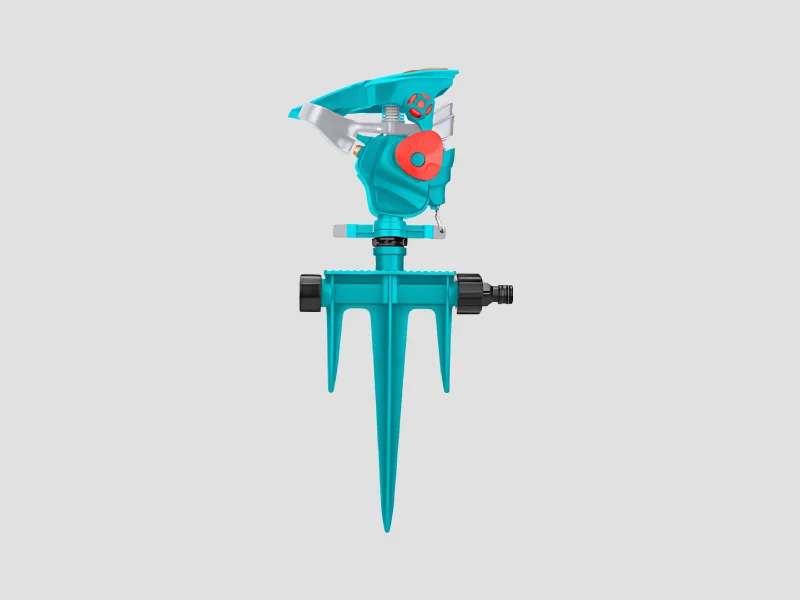
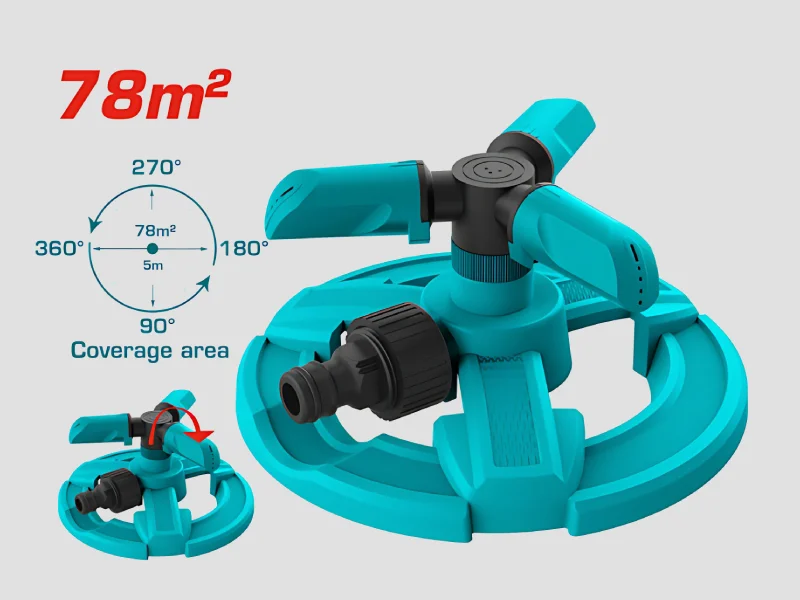
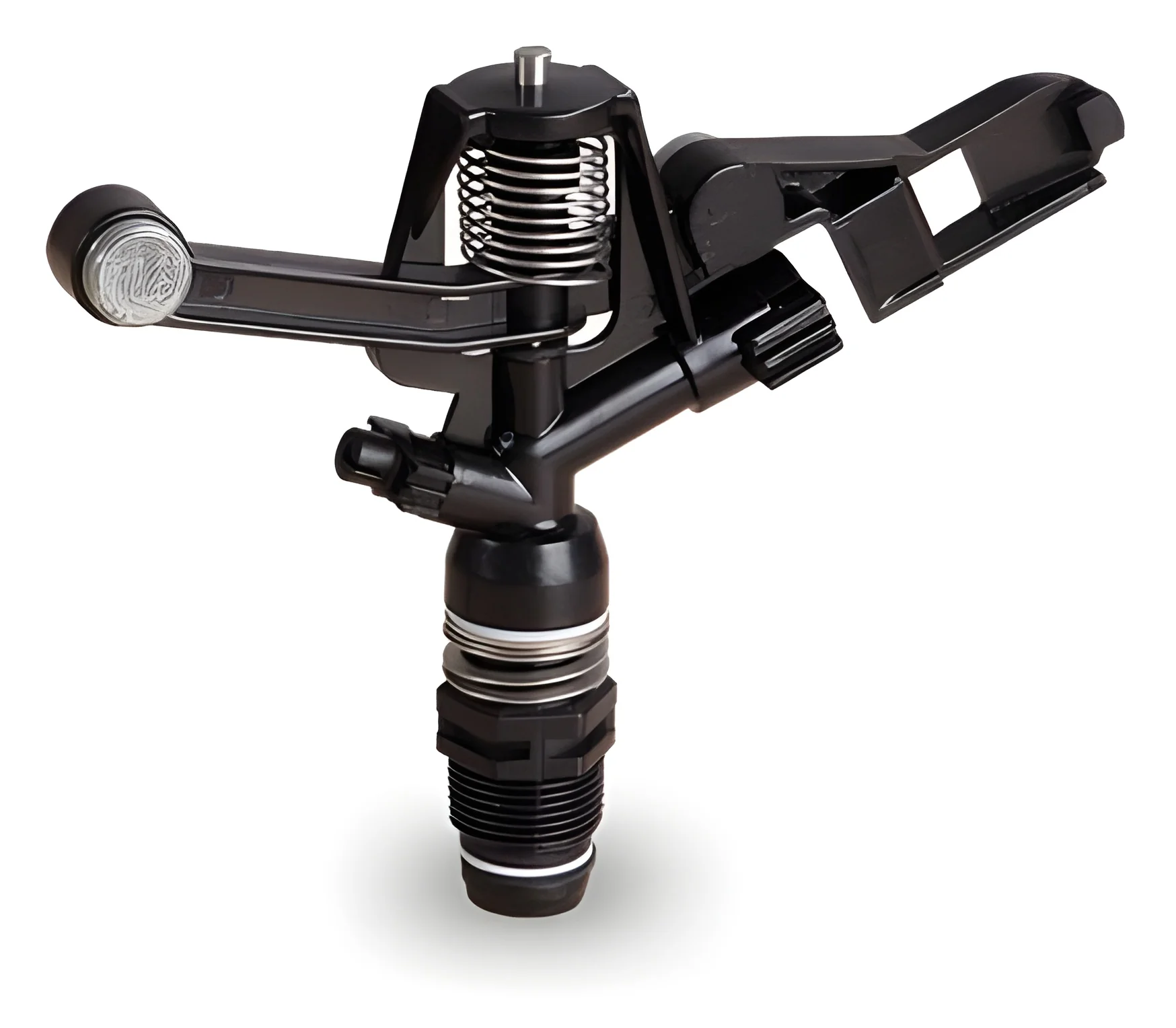
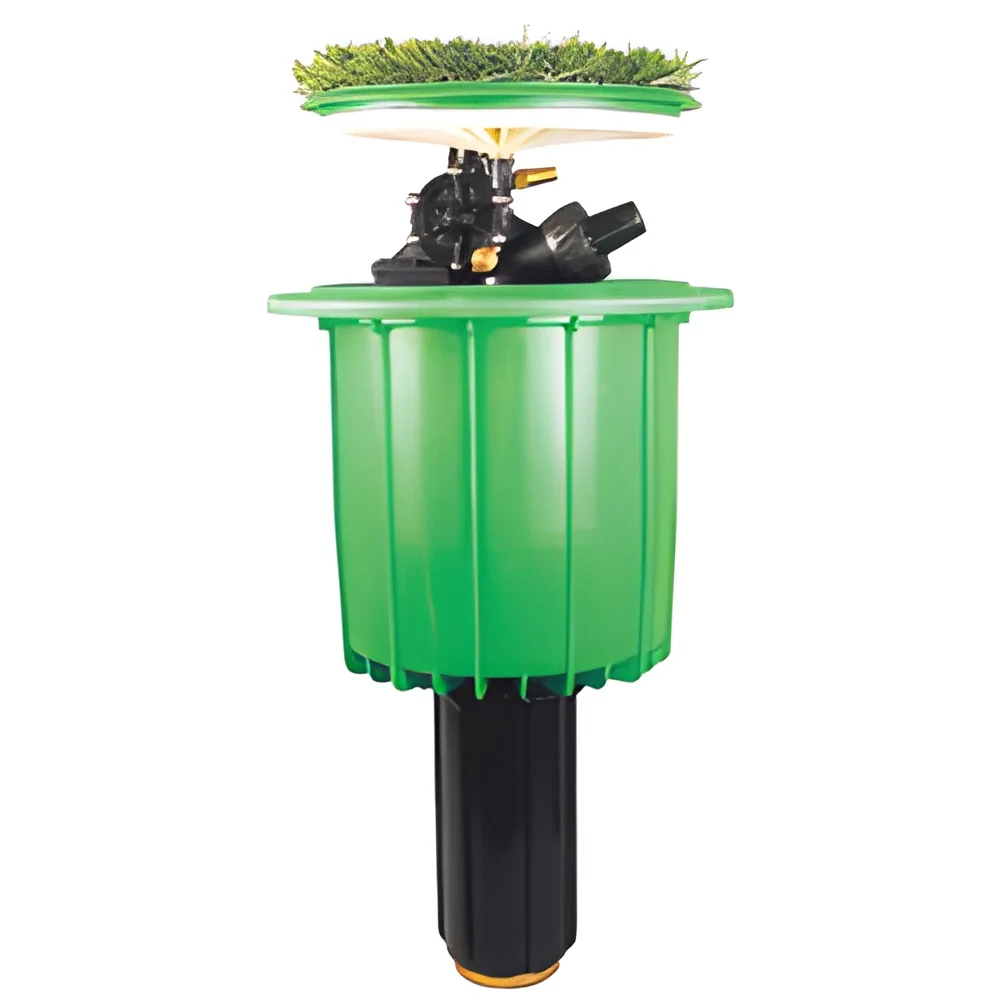
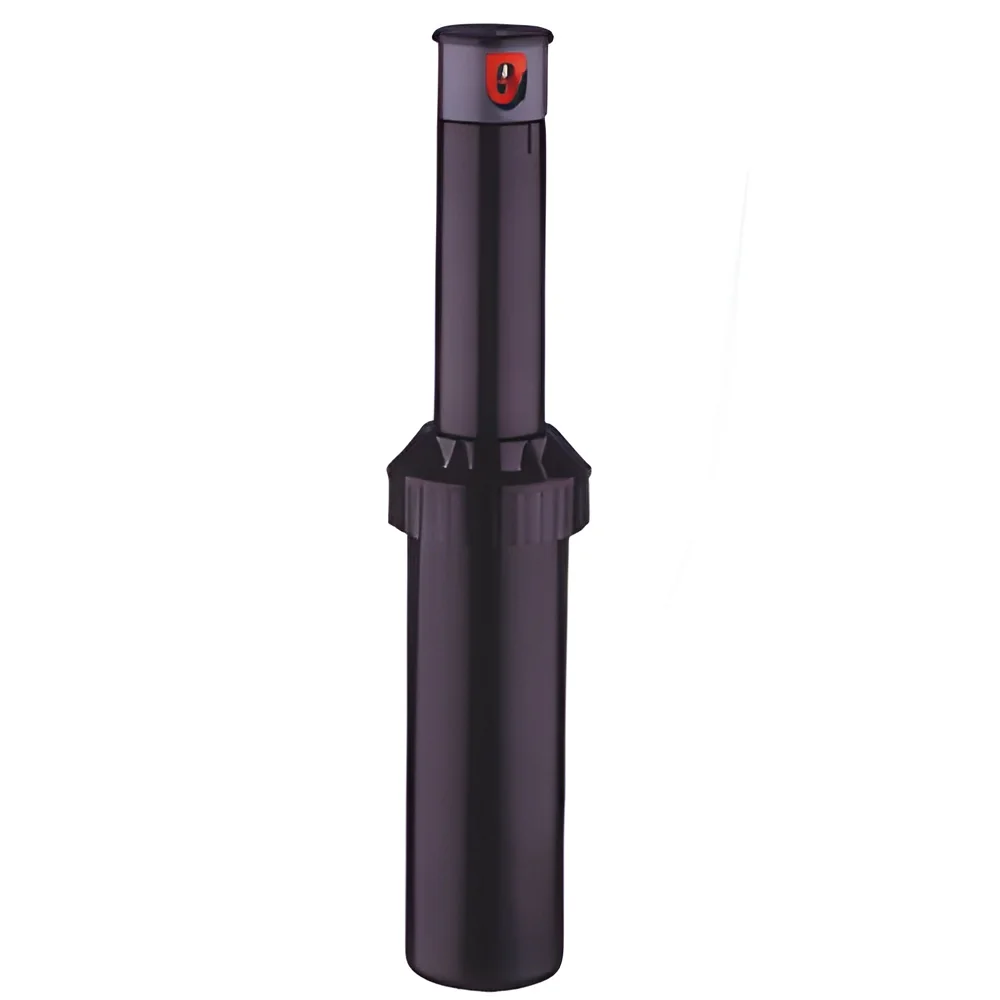
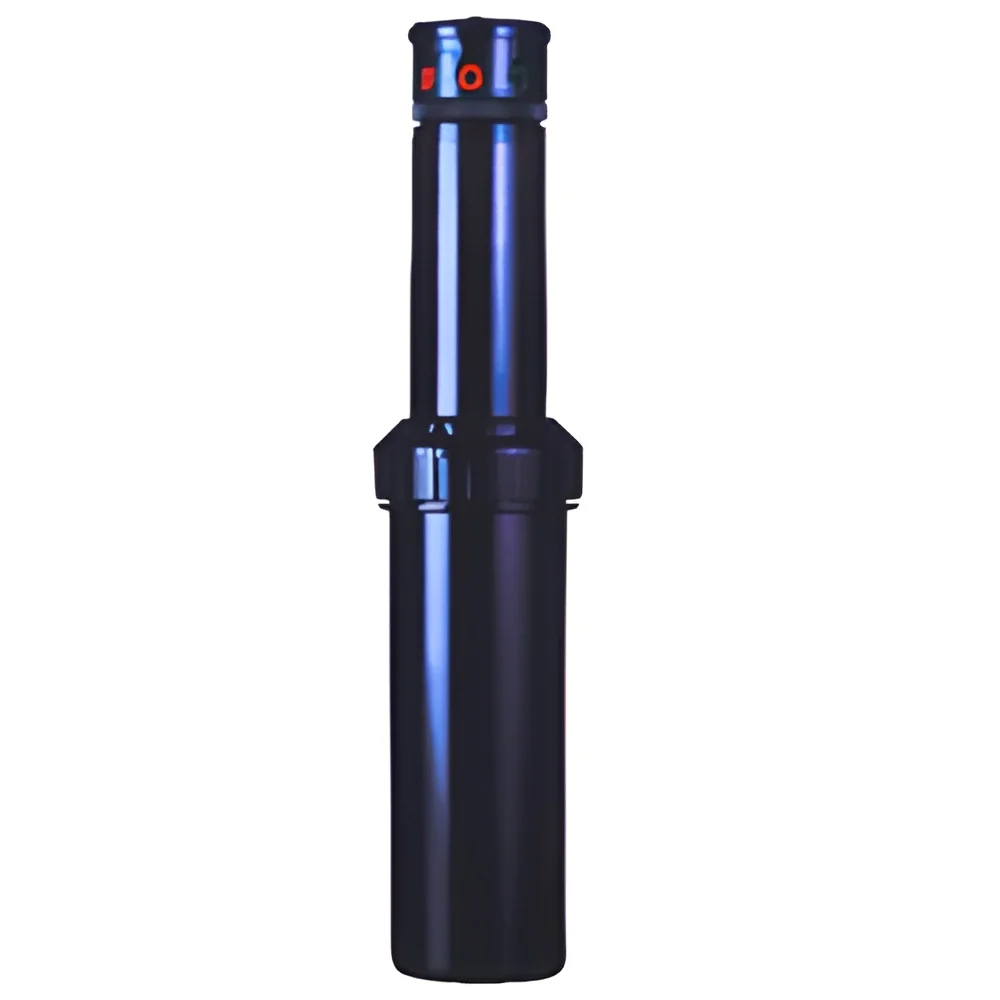
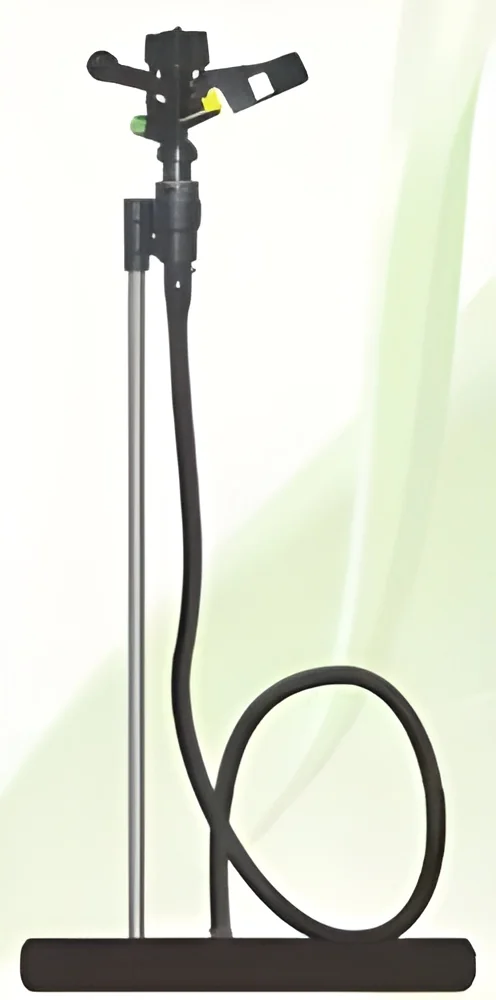
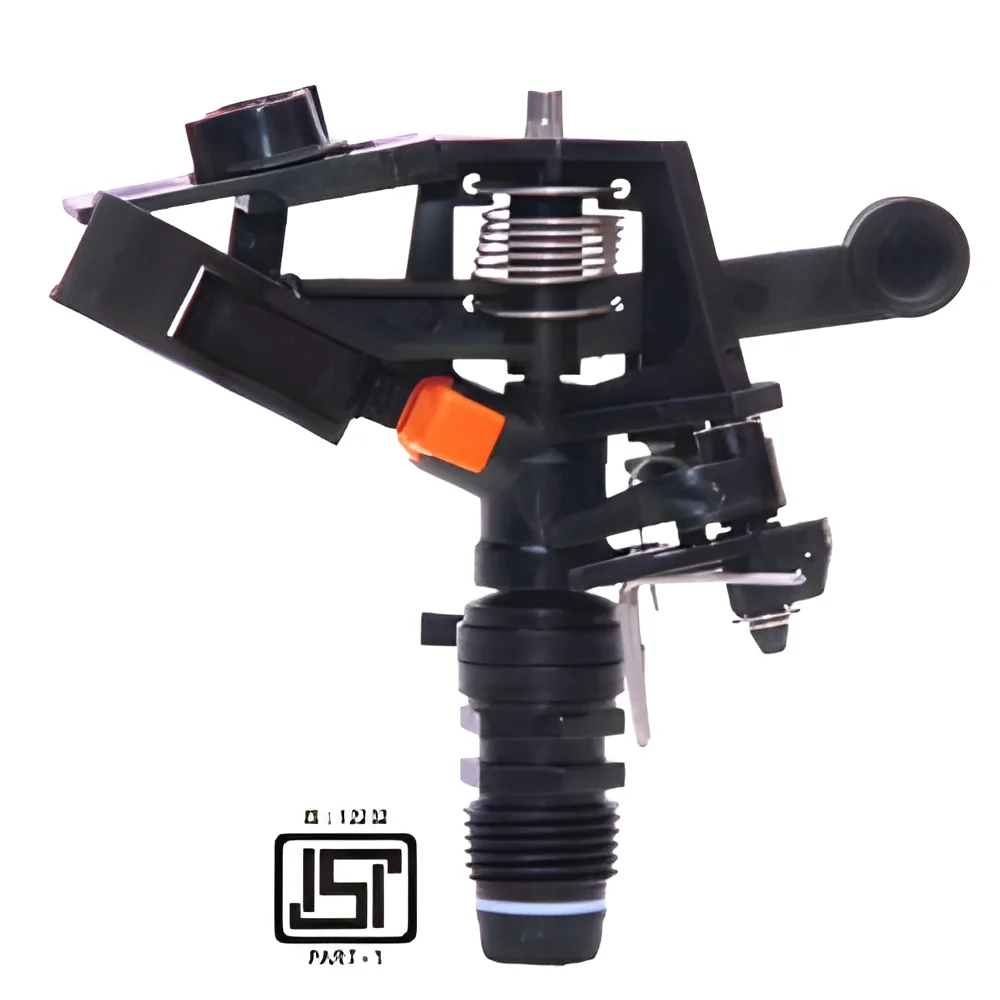
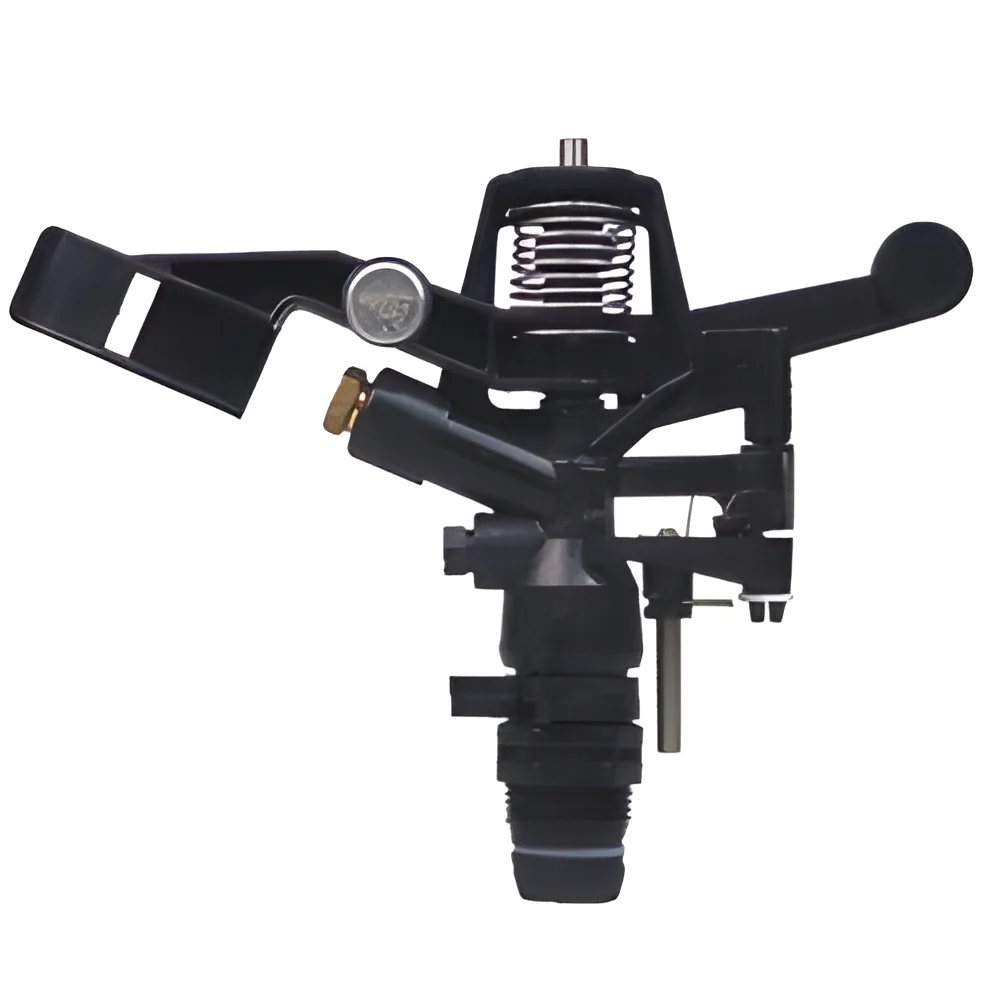
Rotating sprinklers are irrigation devices designed to distribute water evenly over a designated area. They utilize a rotating mechanism that allows water to be sprayed in a circular pattern, providing efficient coverage for gardens, lawns, and agricultural fields. These sprinklers can be powered by various water pressures and are often adjustable to control the radius and flow of water.
The primary applications of rotating sprinklers include landscaping, agricultural irrigation, and residential gardens. They are particularly beneficial for large areas where consistent watering is necessary. By ensuring even water distribution, rotating sprinklers help maintain plant health and promote growth. In the context of the agricultural sector, they are essential tools for optimizing water usage and improving crop yields.
In today's market, rotating sprinklers are relevant across multiple industries, including agriculture, horticulture, and landscape management. Their efficiency and versatility make them a popular choice among businesses looking to enhance their irrigation systems. With increasing concerns about water conservation, the demand for these devices continues to grow, highlighting their importance in sustainable practices.
Key Features and Specifications
Rotating sprinklers come with a variety of features and specifications that cater to different irrigation needs. Choosing the right sprinkler involves understanding these specifications to ensure optimal performance.
Key specifications include:
1. Spray Radius
- The distance the sprinkler can cover while rotating.
- Typically ranges from 10 to 30 feet depending on the model.
2. Flow Rate
- The volume of water the sprinkler can discharge.
- Measured in gallons per minute (GPM), usually ranging from 1 to 10 GPM.
3. Operating Pressure
- The water pressure required for optimal operation.
- Commonly between 30 to 60 PSI.
4. Construction Material
- Material used for durability and resistance to environmental factors.
- Options include plastic, brass, and stainless steel.
5. Adjustability
- Ability to modify spray pattern and radius.
- Features often include adjustable nozzles or rotation speed settings.
6. Installation Type
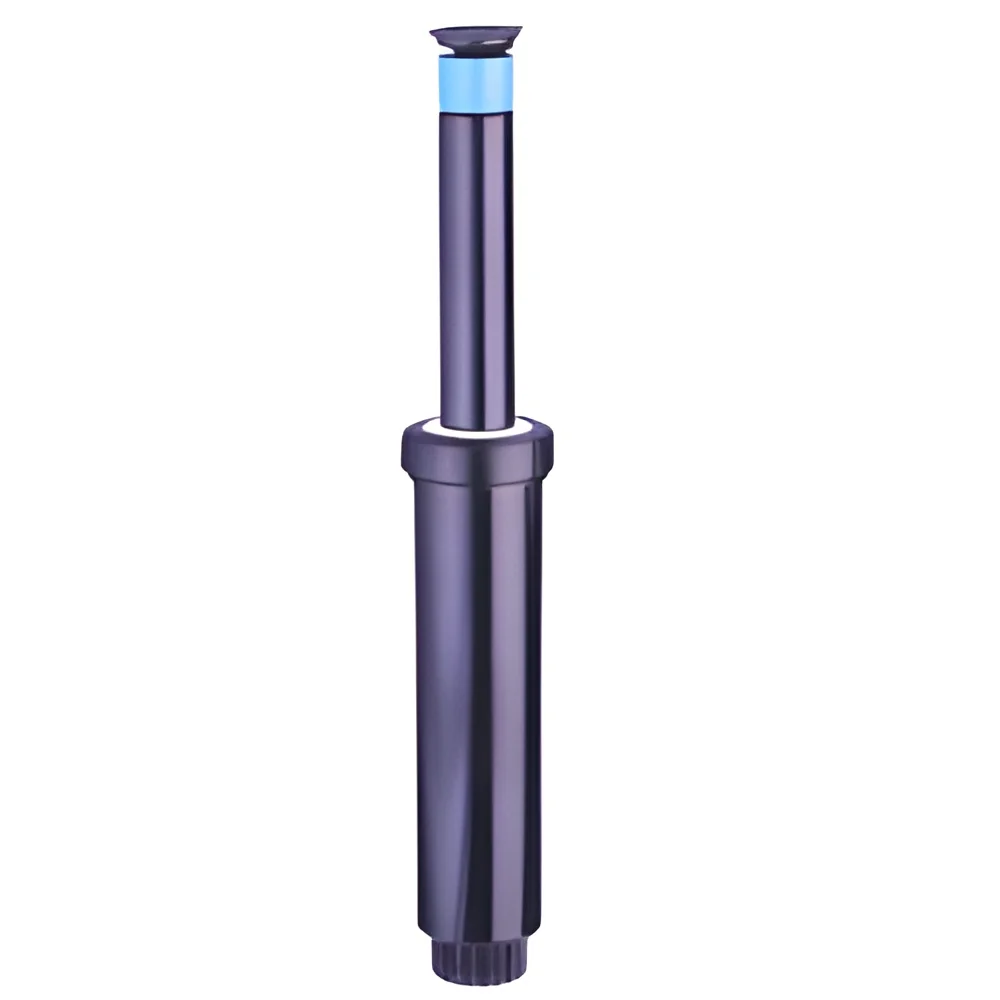
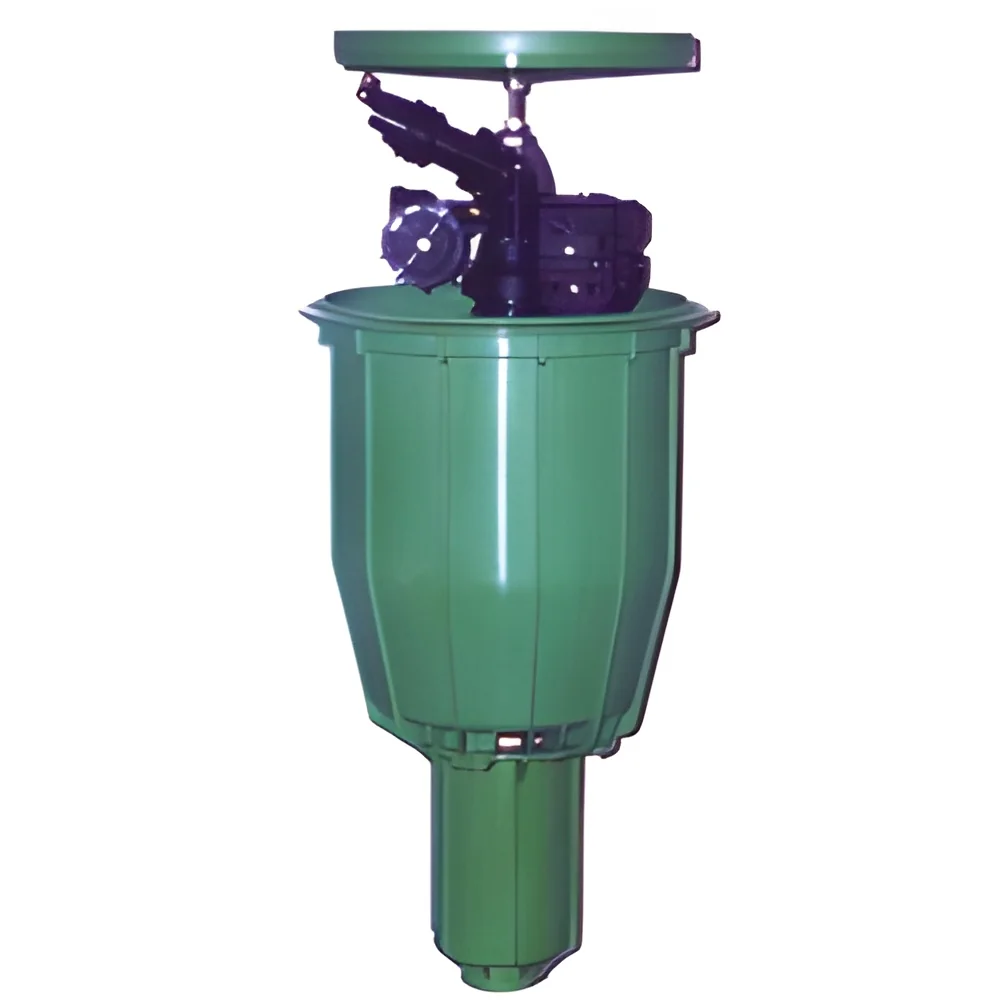
- Options for surface-mounted or underground installations.
- Surface-mounted is suitable for temporary applications, while underground is used for permanent systems.
7. Maintenance Requirements
- Ease of maintenance and cleaning.
- Some models feature self-cleaning mechanisms to reduce upkeep.
In summary, understanding the specifications of rotating sprinklers helps businesses select the right product for their unique irrigation needs.
Common Applications and Use Cases
Rotating sprinklers are utilized across various industries, showcasing their versatility in irrigation.
1. Agriculture: Farmers use rotating sprinklers for efficient crop irrigation, ensuring that water reaches plants uniformly. This method reduces water waste and promotes healthy crop growth.
2. Landscaping: Landscape professionals rely on rotating sprinklers to maintain lawns, gardens, and public parks. Their adjustable features allow for tailored watering solutions.
3. Sports Fields: Many sports facilities employ rotating sprinklers to keep playing fields hydrated. Consistent watering helps maintain optimal playing conditions.
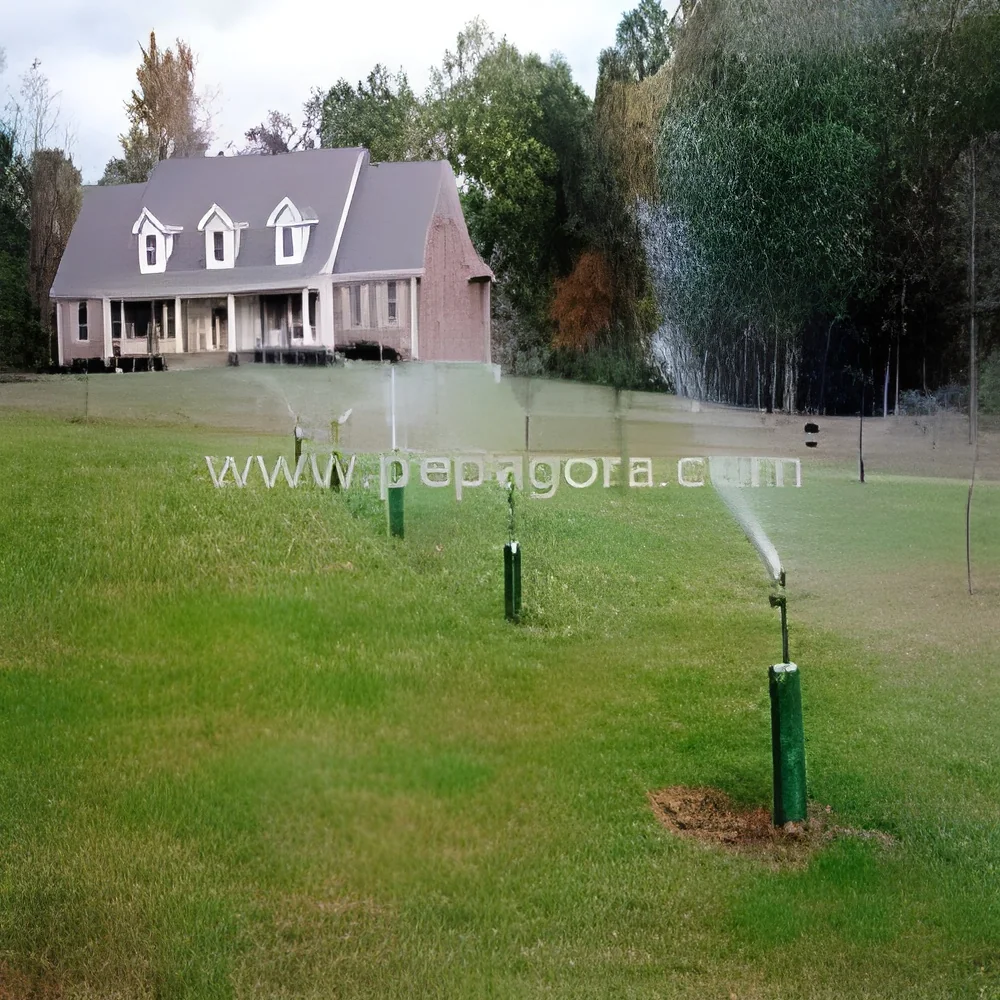
4. Residential Gardens: Homeowners use rotating sprinklers for efficient watering of their gardens and lawns, making it easier to maintain greenery with minimal effort.
5. Golf Courses: Golf course managers utilize these sprinklers to ensure fairways and greens remain lush and playable throughout the season.
6. Nurseries: Plant nurseries depend on rotating sprinklers to provide adequate moisture for seedlings and potted plants, supporting healthy growth.
7. Greenhouses: In controlled environments, rotating sprinklers help maintain humidity and moisture levels, essential for plant development.
Product Variants and Subcategories
Rotating sprinklers come in various designs and functionalities to meet specific needs.
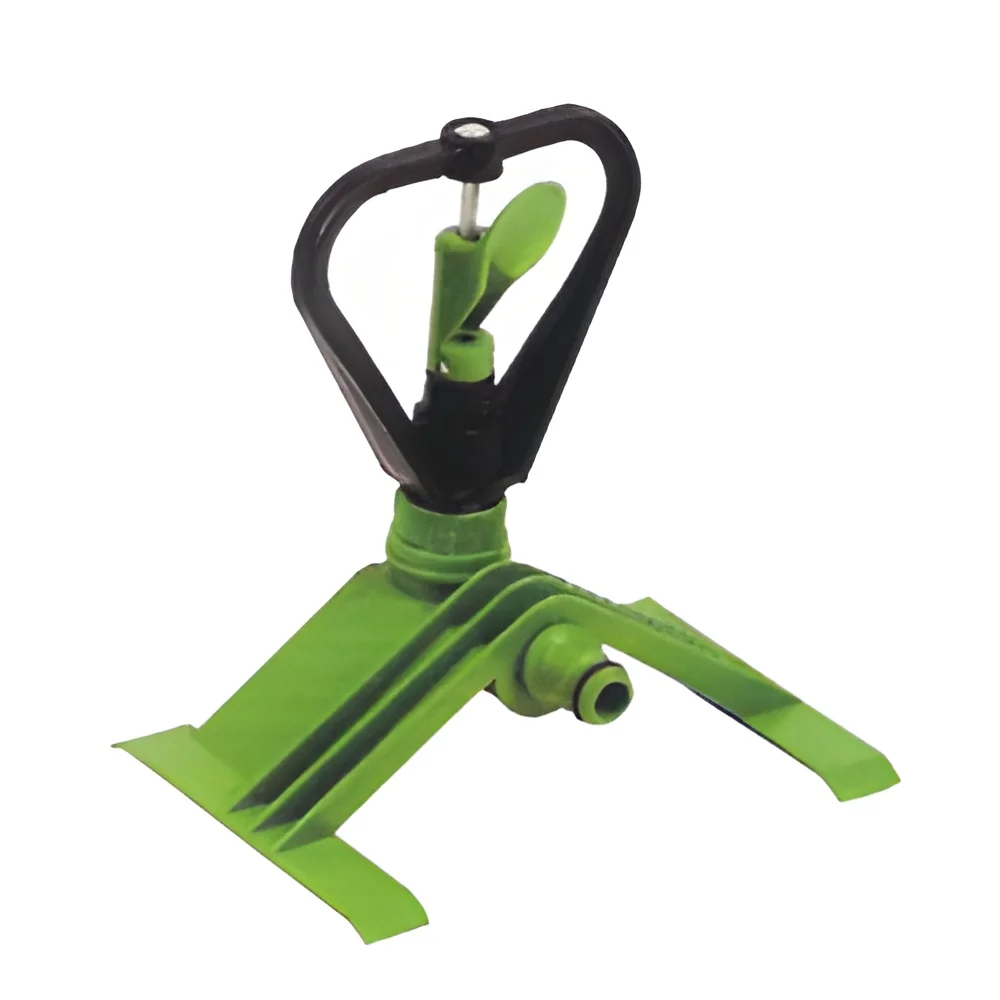
Plastic Rotating Sprinklers: These lightweight and cost-effective options are ideal for residential gardens and small landscaping projects. They provide adjustable spray patterns for optimal coverage.
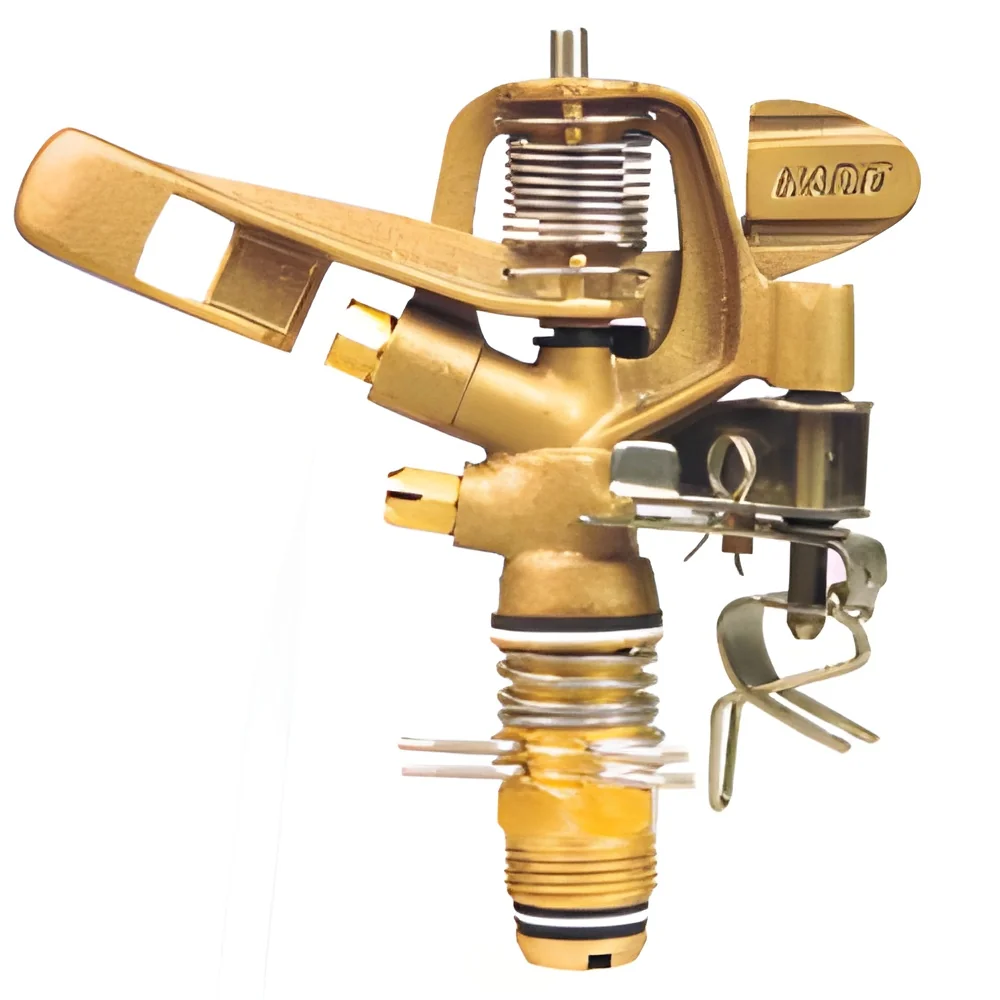
Brass Rotating Sprinklers: Known for their durability, brass models are suitable for commercial and agricultural applications. They can withstand harsher conditions and offer a longer lifespan.
Stainless Steel Rotating Sprinklers: These are designed for high-end applications where corrosion resistance is crucial. They are often used in industrial settings and large-scale landscaping.
Benefits and Advantages
Rotating sprinklers offer numerous advantages that make them a valuable addition to any irrigation system.
1. Efficient Water Usage: Rotating sprinklers provide even coverage, reducing water waste and ensuring that all areas receive adequate moisture.
2. Adjustable Coverage: Many models allow users to customize their spray patterns, making them versatile for different landscapes and plant types.
3. Reduced Labor Costs: Automation and ease of use minimize the need for manual watering, saving time and labor costs.
4. Environmental Benefits: By optimizing water use, these sprinklers contribute to water conservation efforts, aligning with sustainable practices.
5. Enhanced Plant Health: Consistent and uniform watering promotes healthier plants, reducing the risk of disease and promoting growth.
6. Versatile Applications: Rotating sprinklers can be adapted to various environments, from residential gardens to large agricultural fields.
Buying Guide for B2B Buyers
When sourcing rotating sprinklers, businesses should consider several key factors to ensure they select the right products.
1. Quality Assessment: Evaluate the quality of the materials and construction. Look for durable options that can withstand environmental stressors and offer longevity.
2. Supplier Verification: Vet suppliers thoroughly by checking references, reviews, and certifications. A reliable supplier ensures consistent product quality and support.
3. Pricing and MOQ: Understand the pricing structure and minimum order quantities (MOQ) offered by suppliers. Compare costs to find the best value while meeting your needs.
4. Delivery and Lead Times: Inquire about delivery schedules and lead times, which can affect project timelines. Ensure suppliers can meet your demands in a timely manner.
5. Compliance Requirements: Be aware of any industry regulations or standards that apply to the products you are purchasing. Ensure that the sprinklers meet necessary compliance criteria.
Compliance and Certifications
Compliance and certifications are crucial aspects of rotating sprinklers that ensure quality and safety in various applications.
Many rotating sprinklers adhere to quality management standards such as ISO 9001, which focuses on consistent quality control and customer satisfaction. This standard assures buyers of the product's reliability and performance.
Industry certifications like CE indicate that products meet European safety and environmental standards. This certification is important for buyers in regions where compliance with such regulations is mandatory.
Additionally, safety and testing requirements must be met to verify the performance and durability of rotating sprinklers. This includes testing for pressure tolerance, flow rates, and functionality under different conditions.
Finally, regional compliance considerations may vary. Buyers should ensure that the products they acquire meet local regulations, which can differ significantly between countries and regions.
Why Source Rotating Sprinklers from Pepagora?
Pepagora offers a trusted platform for sourcing rotating sprinklers, providing several key advantages for businesses.
Verified Supplier Network: The platform features a network of verified suppliers, ensuring that buyers can source high-quality products from reputable sources. This verification process helps reduce the risks associated with procurement.
Streamlined RFQ Process: Pepagora's request for quotation (RFQ) system simplifies the procurement process. Buyers can easily request quotes from multiple suppliers, allowing for informed decision-making based on pricing and specifications.
Trade Assurance and Support: With trade assurance, Pepagora provides buyer protection, ensuring that transactions are secure and that buyers receive the products they expect. Support services are also available to assist with any inquiries or issues.
Regional Coverage: Pepagora boasts a broad geographic reach, serving buyers across India, the GCC, and Southeast Asia. This extensive coverage ensures that businesses can access the products they need, regardless of their location.

 IN
IN