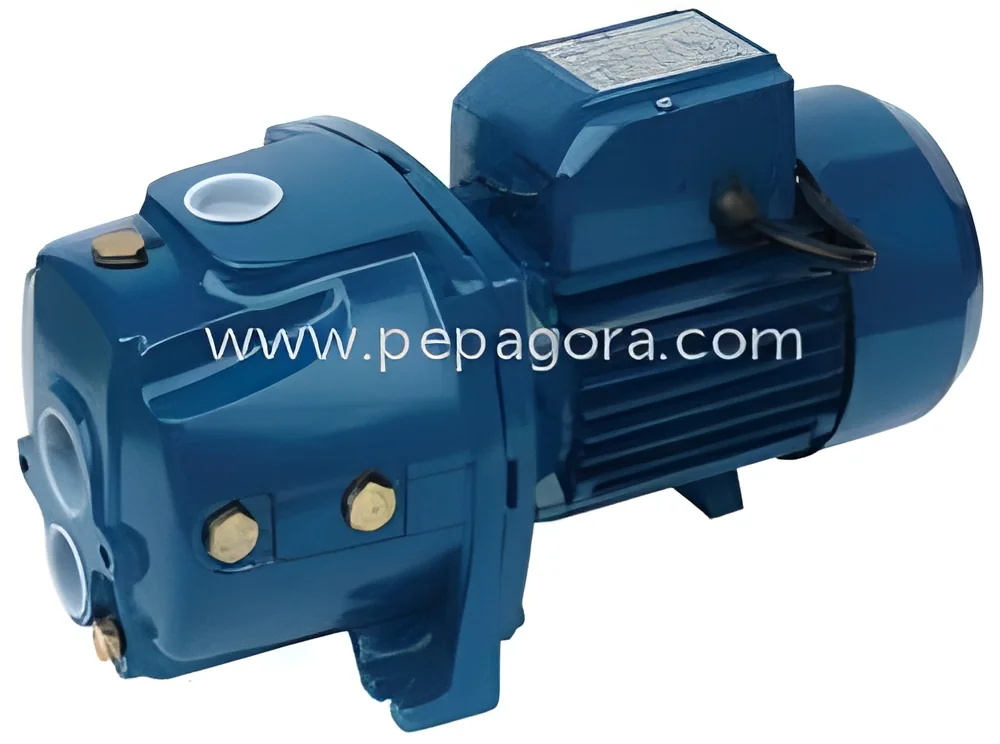
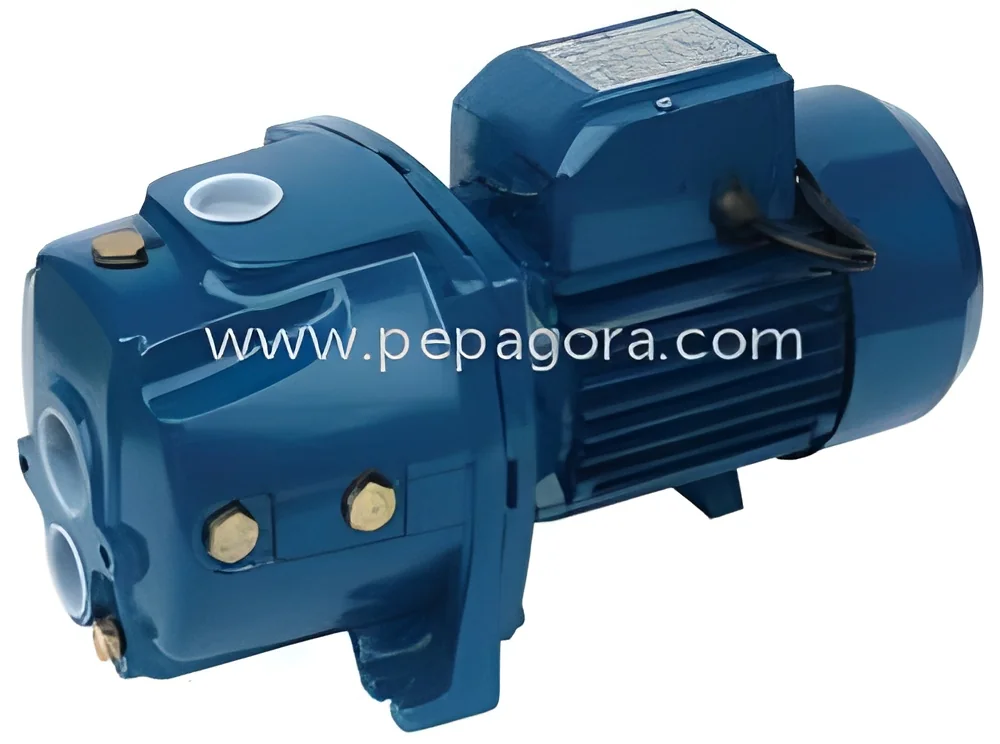
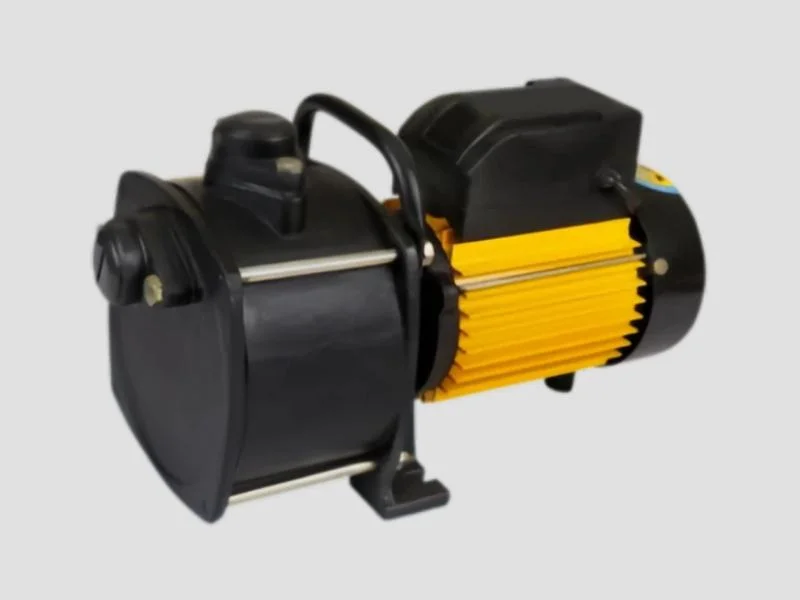
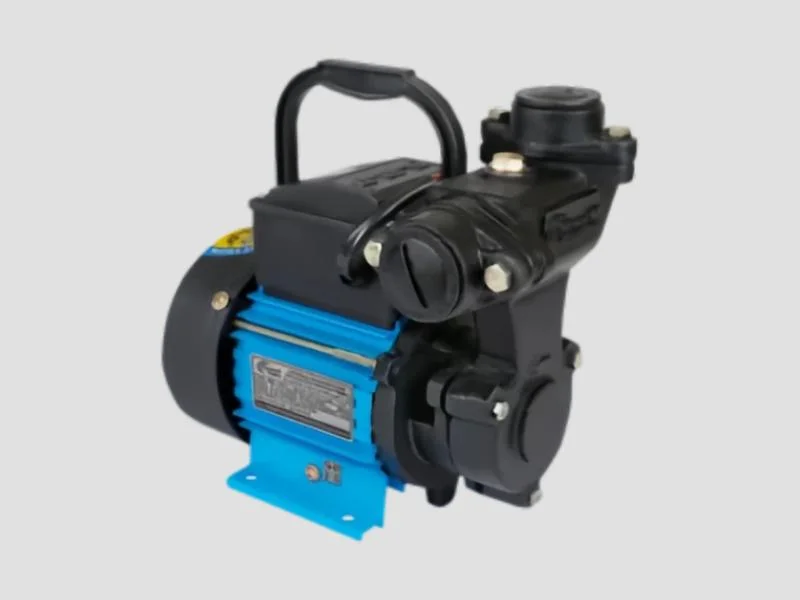
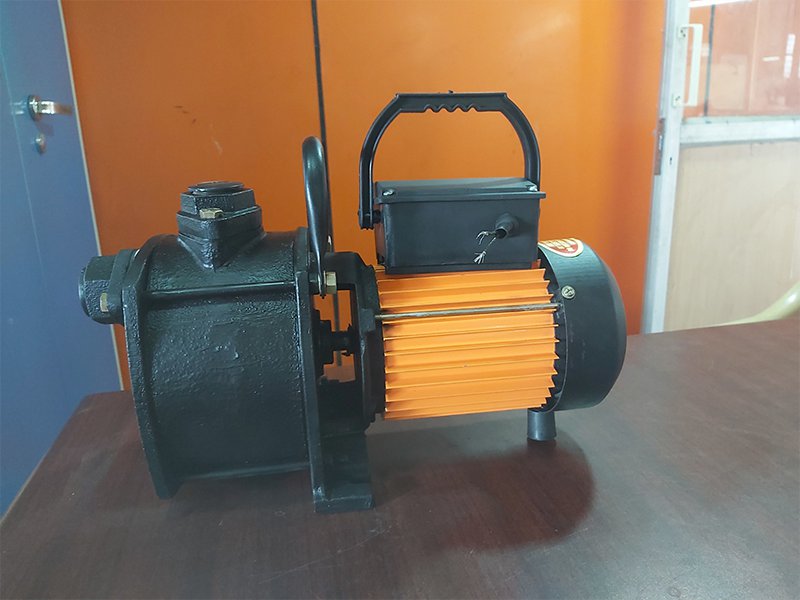
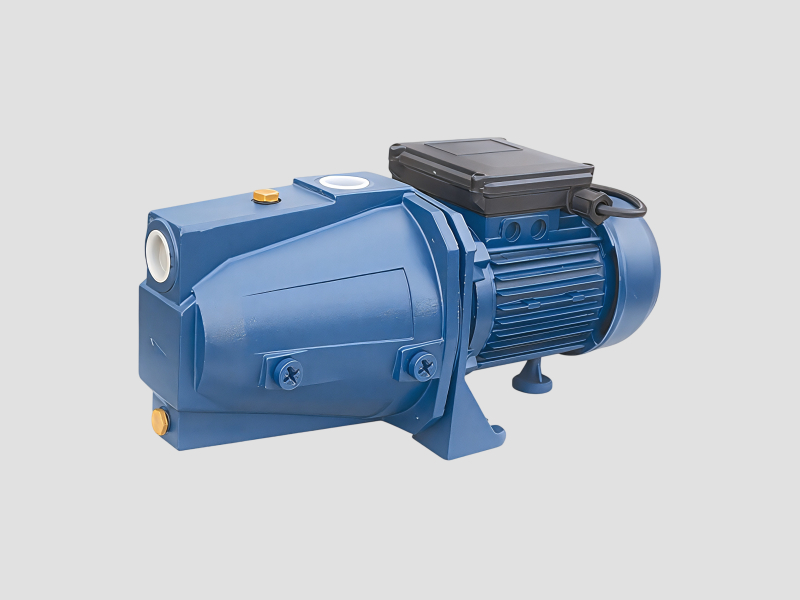
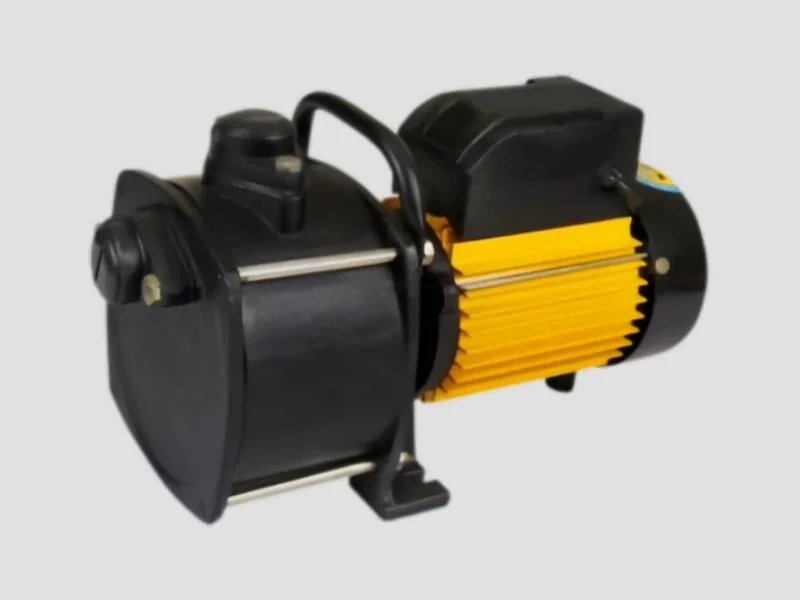
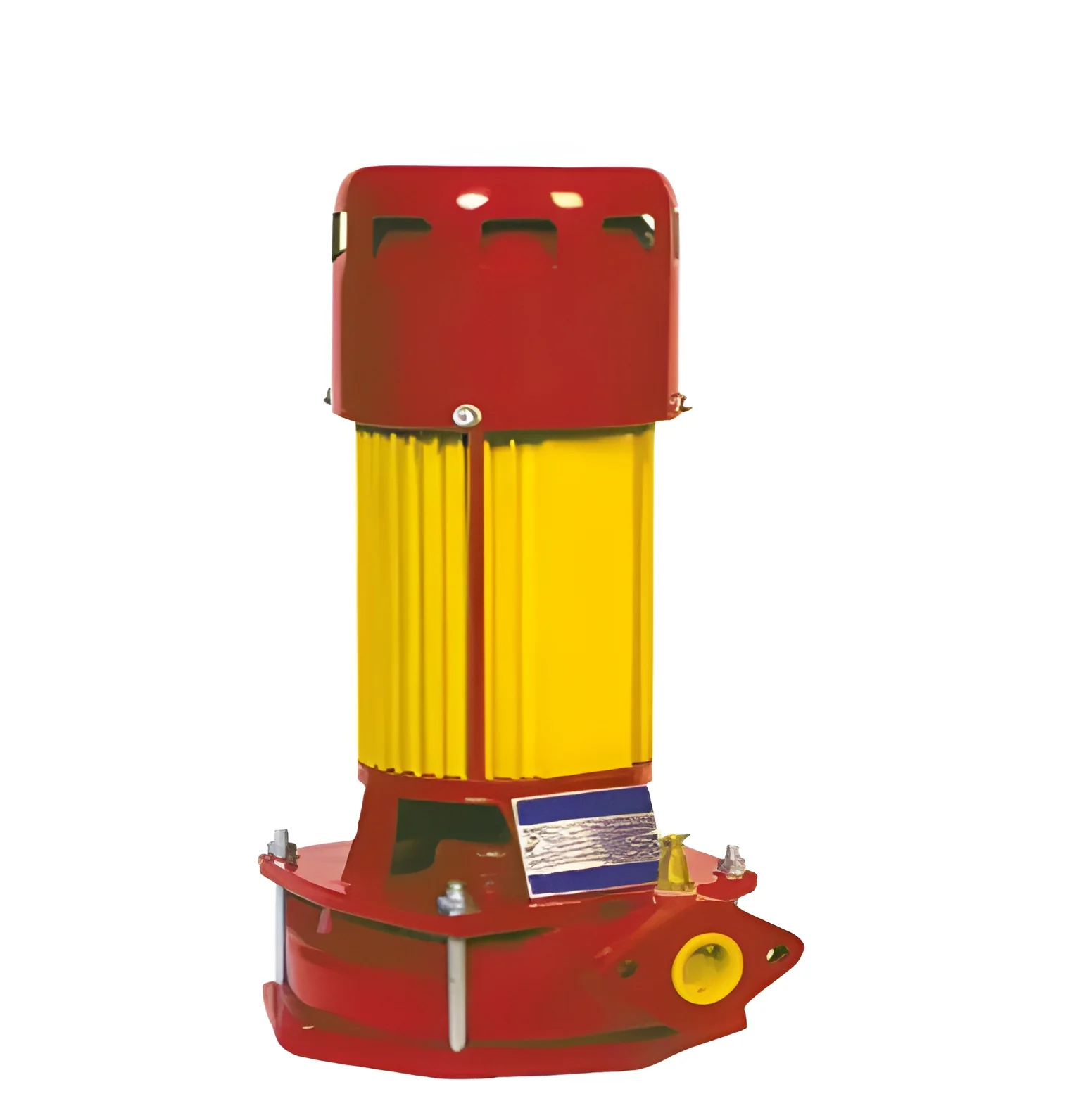
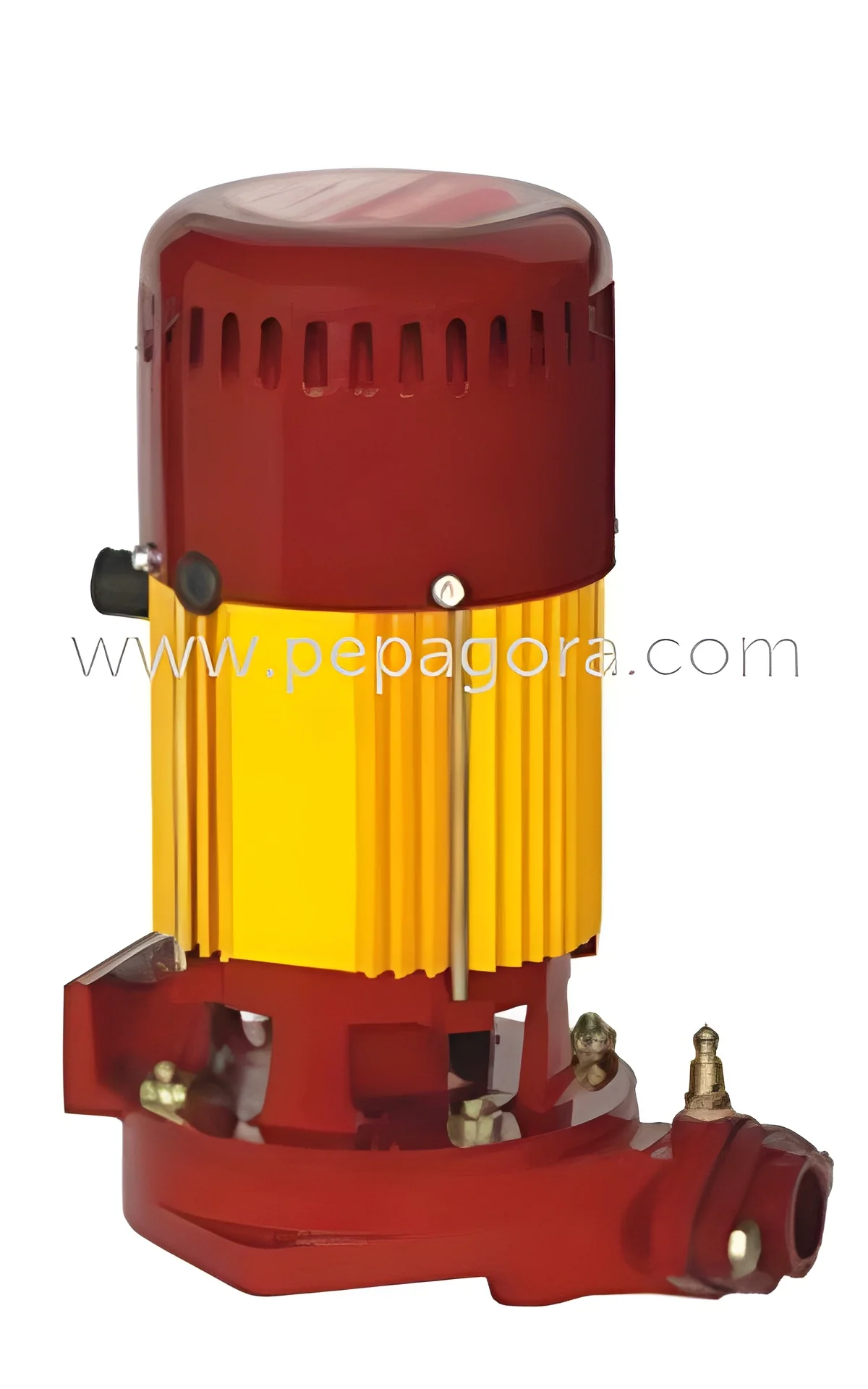
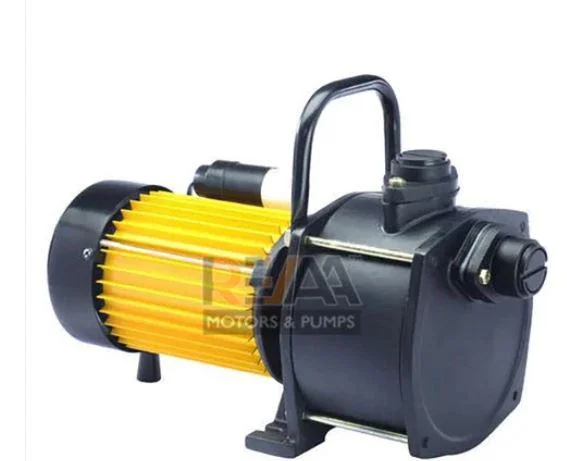
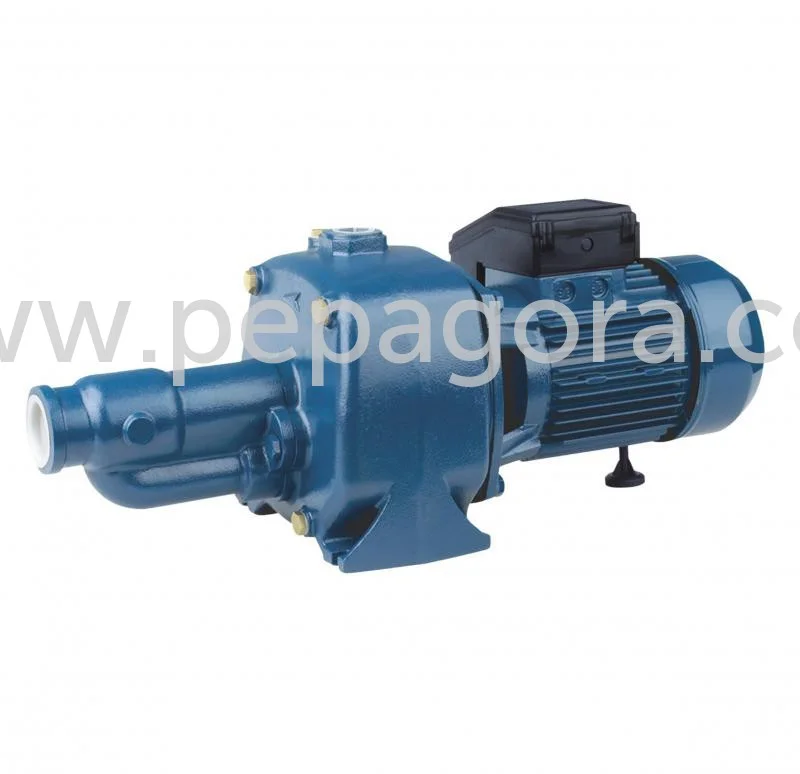
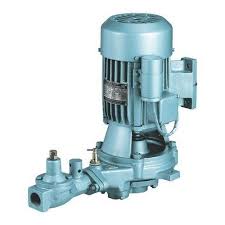
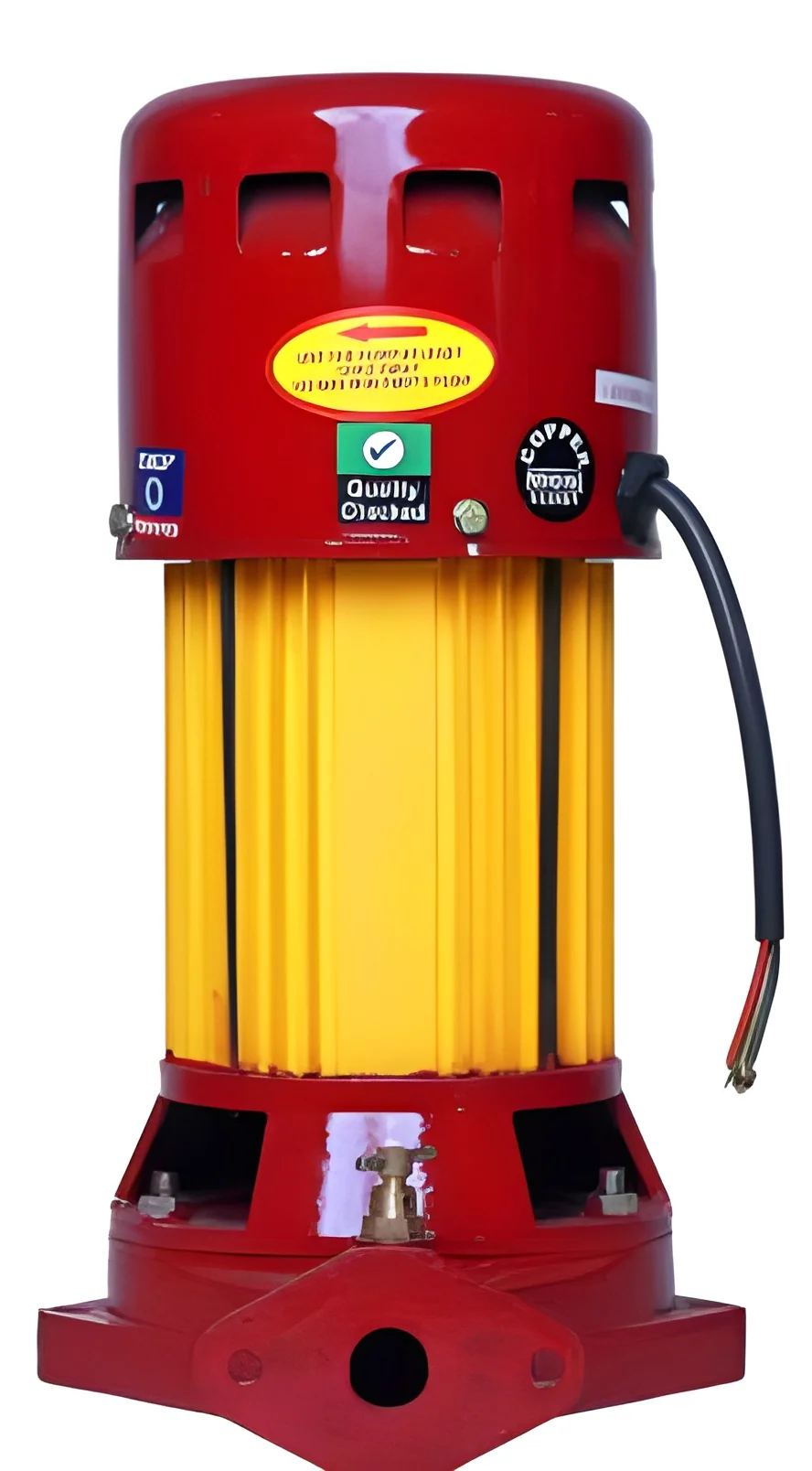
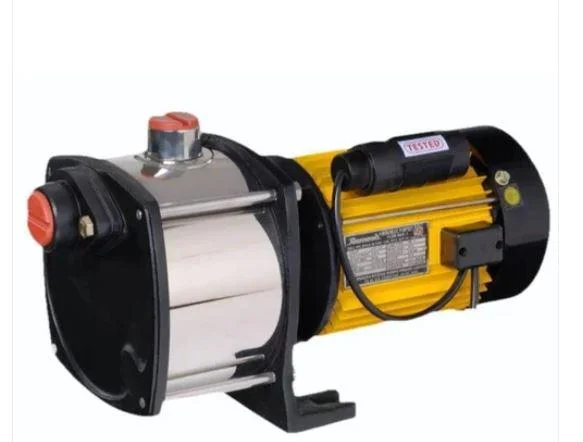
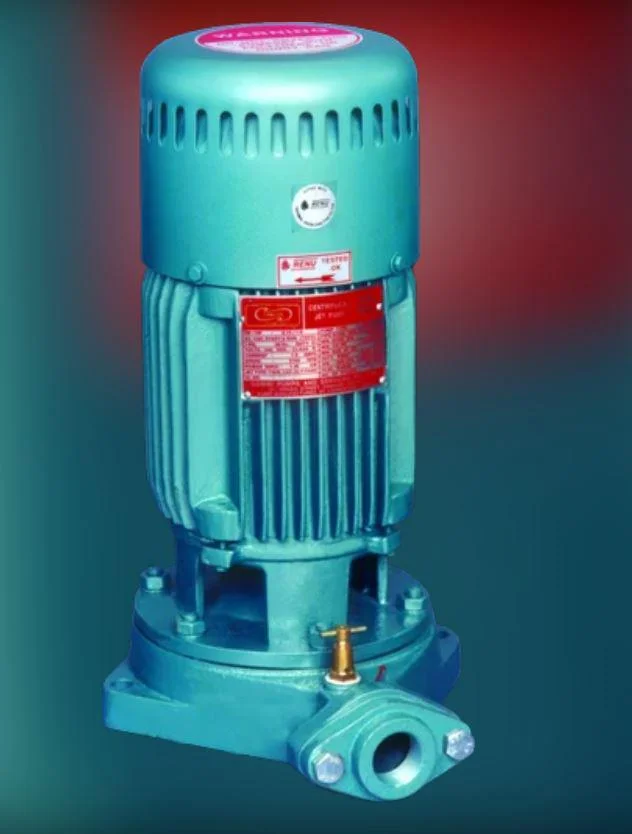
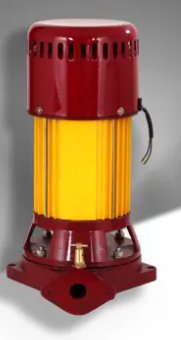
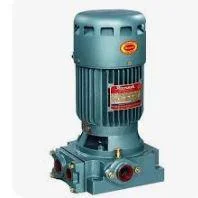
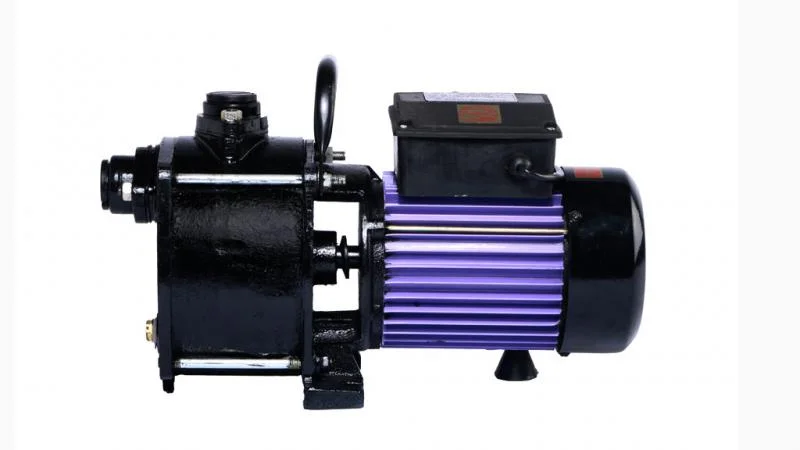
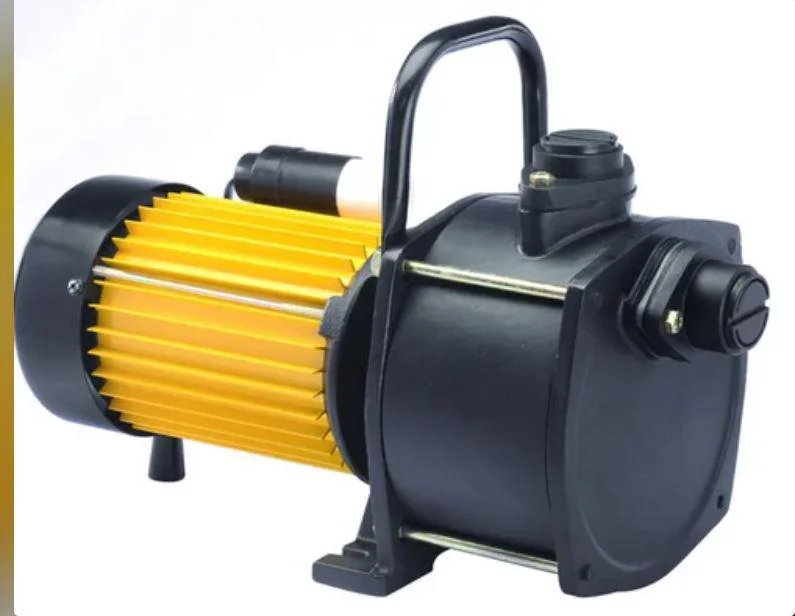
What are Jet Pumps?
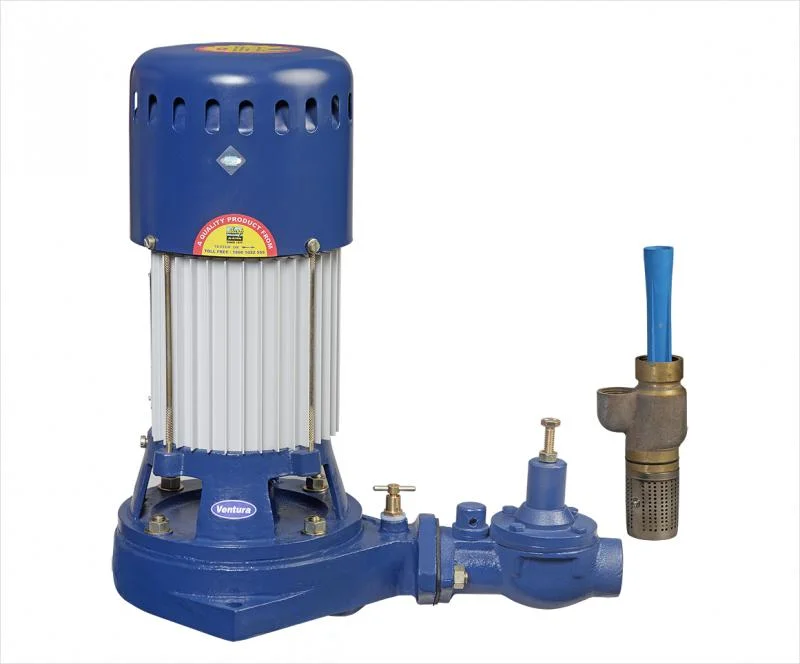
Jet pumps are mechanical devices that use a jet of fluid to create a vacuum or low-pressure area, enabling the movement of liquids from one location to another. They operate by utilizing a combination of suction and pressure to draw fluid into the system and propel it through a pipeline. This technology is particularly effective for applications requiring the transportation of water, chemicals, and other fluids in various industrial settings.
The primary applications of jet pumps include water supply systems, irrigation, and chemical processing. They are widely used in both residential and commercial environments for groundwater extraction, as well as in agricultural sectors for irrigation purposes. Jet pumps are also essential in industries like oil and gas, where they facilitate the movement of various fluids. The demand for efficient and reliable fluid transfer solutions continues to drive the growth of jet pump technologies in the global market.
Key Features and Specifications
Jet pumps are characterized by their efficiency, versatility, and reliability. These features make them suitable for a wide range of applications across different industries. Understanding the specifications of jet pumps can help businesses make informed decisions when selecting the right product for their needs.
Key specifications include:
1. Power Source
- Typically powered by electricity or diesel engines
- Varies based on the application requirements
2. Flow Rate
- Measured in gallons per minute (GPM) or liters per minute (LPM)
- Generally ranges from 5 to 200 GPM, depending on the model
3. Maximum Head
- Refers to the maximum vertical distance a pump can lift water
- Common ranges are between 50 and 300 feet
4. Material Construction
- Constructed from durable materials such as stainless steel or thermoplastic
- Ensures longevity and resistance to corrosion
5. Suction Lift
- Indicates how far the pump can draw water from the source
- Typical ranges are up to 25 feet for standard models
6. Operating Temperature
- Designed to handle various temperature ranges
- Specific data not available for all models
7. Motor Type
- Can be single-phase or three-phase motors
- Selection depends on power availability and application needs
8. Certification
- Many models are certified compliant with CE standards
- Ensures adherence to safety and quality regulations
Jet pumps are designed to meet specific performance criteria, making them suitable for a variety of industrial applications.
Common Applications and Use Cases
Jet pumps are utilized in numerous industries, showcasing their versatility and effectiveness.
1. Agriculture: Jet pumps are extensively used for irrigation, providing a reliable source of water for crops. They help farmers manage water resources efficiently.
2. Construction: In construction sites, jet pumps are used for dewatering applications, ensuring that excavations remain dry and safe for work.
3. Oil and Gas: Jet pumps facilitate the transportation of crude oil and other fluids in extraction processes, enhancing operational efficiency.
4. Municipal Water Supply: Many municipalities rely on jet pumps to extract groundwater and supply clean water to residents, ensuring consistent access to this vital resource.
5. Industrial Processes: In manufacturing, jet pumps are employed to transfer chemicals and other liquids, playing a crucial role in various production processes.
6. Mining: Jet pumps are used in the mining industry for dewatering and slurry transport, assisting in the extraction of minerals.
7. HVAC Systems: Jet pumps are sometimes utilized in heating and cooling systems to circulate fluids, ensuring efficient temperature control.
Product Variants and Subcategories
Jet pumps come in various configurations to meet diverse industrial needs. While specific subcategories are not available, several common variants exist.
Standard Jet Pump
This variant is designed for general applications, including residential and agricultural use. It offers reliable performance and is easy to install and maintain.
Deep Well Jet Pump
Specifically engineered for deep well applications, this pump can lift water from significant depths. It is ideal for areas with low groundwater levels.
Self-Priming Jet Pump
This variant is capable of priming itself, eliminating the need for manual priming. It is suitable for situations where the water source is not at a consistent level.
Benefits and Advantages
Jet pumps provide several advantages that make them a preferred choice in various industries.
1. High Efficiency: Jet pumps are designed to deliver high flow rates, ensuring efficient fluid transfer in a timely manner.
2. Versatility: They can handle a wide range of fluids, including water, chemicals, and other liquids, making them suitable for multiple applications.
3. Cost-Effective: The operational efficiency of jet pumps can lead to lower energy costs, contributing to overall savings for businesses.
4. Easy Installation: Many jet pumps are straightforward to install, reducing setup time and labor costs.
5. Minimal Maintenance: With durable construction and reliable performance, jet pumps require less frequent maintenance compared to other pump types.
6. Robust Design: Their sturdy materials and engineering ensure long service life, even in demanding conditions.
Buying Guide for B2B Buyers
When sourcing jet pumps, businesses should consider several critical factors to ensure they select the right product for their needs.
1. Quality Assessment: Evaluate the quality of the pump based on manufacturer reputation and customer reviews. Look for certifications like CE to ensure compliance with industry standards.
2. Supplier Verification: Vet potential suppliers by checking their credentials, production capabilities, and customer service history. A reliable supplier should have a proven track record.
3. Pricing and MOQ: Understand the pricing structure and minimum order quantities. This will help in budgeting and ensuring that the purchase aligns with business needs.
4. Delivery and Lead Times: Inquire about delivery schedules and lead times to ensure timely availability of the product. This is crucial for maintaining operational efficiency.
5. Compliance Requirements: Be aware of any regional regulations that the jet pumps must meet. Compliance ensures safety and reliability in operations.
Compliance and Certifications
Jet pumps must adhere to various compliance standards to ensure quality and safety in their operation.
Many jet pumps are manufactured according to ISO 9001 quality management standards. This certification indicates that the manufacturing processes meet international quality benchmarks.
Additionally, CE certification is crucial for products sold in European markets. This certification assures buyers of compliance with health, safety, and environmental protection standards.
Safety and testing requirements are essential for ensuring that jet pumps function effectively without posing risks to operators or the environment. Testing protocols can vary by region, so it is vital for manufacturers to adhere to local regulations.
Understanding regional compliance considerations is also necessary, as different markets may have specific requirements that affect the design and functionality of jet pumps.
Why Source Jet Pumps from Pepagora?
Pepagora offers a trusted platform for sourcing jet pumps, providing businesses with several key advantages.
The verified supplier network ensures that buyers have access to reputable manufacturers who meet quality standards. This reduces the risk associated with sourcing products from unknown suppliers.
The streamlined RFQ process simplifies the quotation system, allowing buyers to receive competitive pricing quickly and efficiently. This feature enhances the purchasing experience and enables informed decision-making.
Trade assurance and support are integral to the Pepagora platform, providing buyers with protection during transactions. This includes guarantees related to product quality and delivery.
Finally, Pepagora's regional coverage extends across India, the GCC, and Southeast Asia. This broad reach allows businesses to connect with suppliers that can meet their specific needs, regardless of location.

 IN
IN