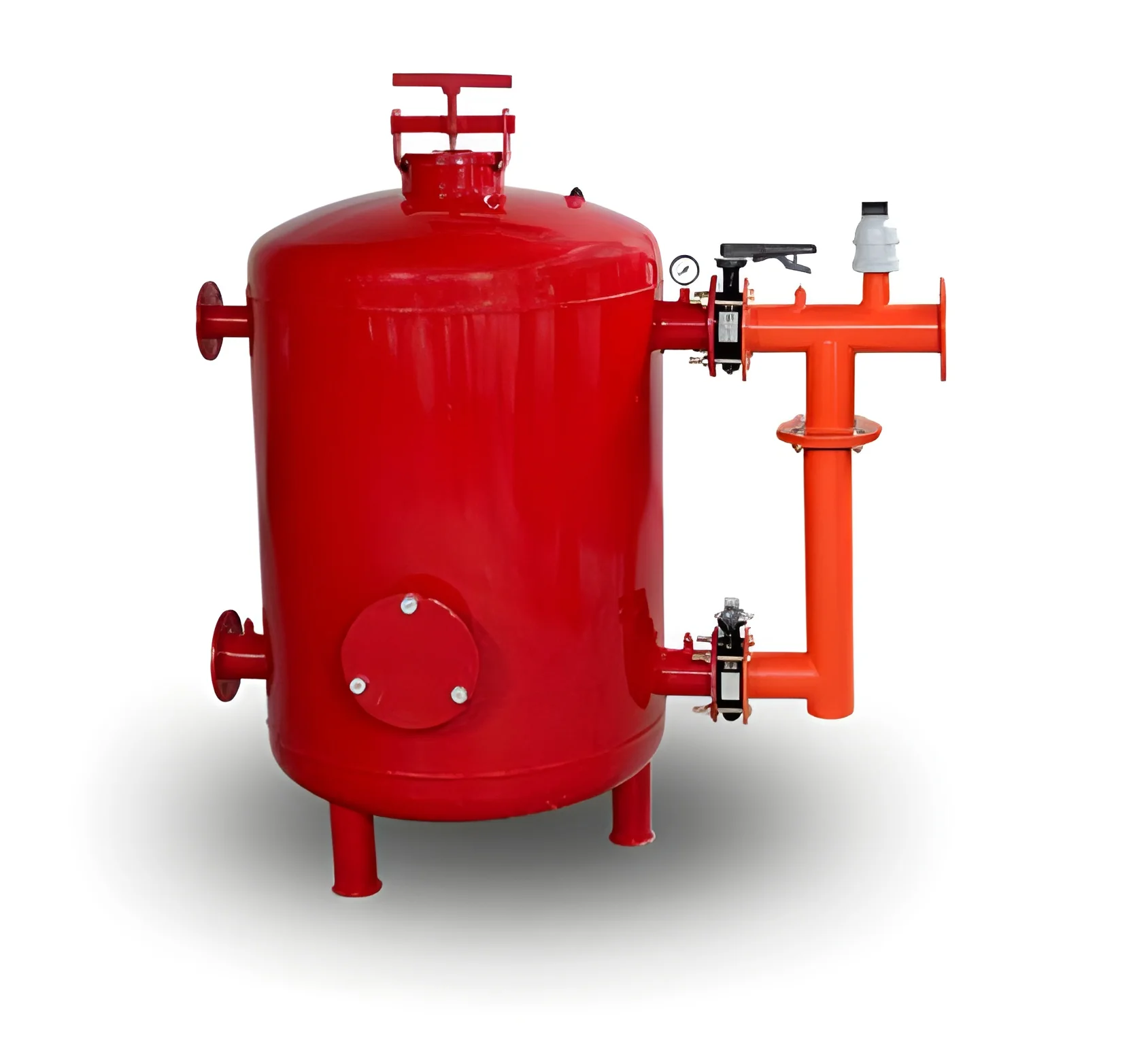
What are Sand Filters?
Sand filters are a type of water filtration system that utilizes sand as the primary medium for removing impurities and particles from water. They operate on the principle of gravity, where water flows through a bed of sand, effectively trapping dirt, debris, and other contaminants. This method is widely recognized for its efficiency and effectiveness in both residential and industrial applications.
These filters are primarily used in various sectors, including wastewater treatment, swimming pool maintenance, and aquaculture. In industrial settings, they play a crucial role in ensuring the quality of water used in manufacturing processes and cooling systems. The use of sand filters is significant in industries that require clean water for operational efficiency and compliance with environmental regulations. As the demand for clean water continues to rise globally, sand filters have become increasingly relevant in the marketplace.
Key Features and Specifications
Sand filters are designed with several key features that enhance their performance and reliability. Understanding these specifications is vital for selecting the appropriate filter for specific applications.
Key specifications include:
1. Filtration Rate
- This indicates the volume of water that can be filtered in a given time period.
- Rates can vary based on the design and size of the filter.
2. Sand Type
- Different types of sand can be used depending on the application.
- The grain size and distribution can impact filtration efficiency.
3. Tank Material
- Sand filters can be made from various materials, including fiberglass, stainless steel, or polyethylene.
- The choice of material affects durability and resistance to corrosion.
4. Backwash Capability
- Many sand filters include a backwashing feature to clean the sand bed.
- This process is essential for maintaining optimal performance and longevity.
5. Size and Dimensions
- Filters come in various sizes to accommodate different flow rates and space requirements.
- Proper sizing is crucial for effective filtration.
6. Operating Pressure
- This specification indicates the pressure range within which the filter operates.
- It is important to match the filter to the system's pressure requirements.
7. Connection Size
- Sand filters are available with different inlet and outlet sizes to suit various piping systems.
- Proper connection sizing ensures efficient flow.
8. Maintenance Requirements
- Filters may have different maintenance needs, from routine backwashing to sand replacement.
- Understanding maintenance helps in planning operational costs.
In summary, sand filters provide a robust solution for water filtration needs across various industries. Their specifications cater to diverse applications, ensuring users can find a suitable filter for their requirements.
Common Applications and Use Cases
Sand filters are versatile and find applications in multiple industries.
1. Wastewater Treatment: Sand filters are commonly used to remove suspended solids from municipal and industrial wastewater, enhancing the treatment process.
2. Swimming Pools: They are essential in maintaining clear and clean water in swimming pools, effectively trapping debris and contaminants.
3. Aquaculture: In fish farming, sand filters help maintain water quality by removing harmful particles and ensuring a healthy environment for aquatic life.
4. Agriculture: They are used in irrigation systems to filter water, preventing clogging and ensuring efficient water delivery to crops.
5. Industrial Processes: Various manufacturing processes utilize sand filters to ensure the water used is free from impurities that could affect product quality.
6. Drinking Water Treatment: Sand filters play a role in potable water treatment, providing an effective means of removing particulates before disinfection.
7. Fire Protection Systems: They can be part of fire suppression systems, ensuring that water supply is free from contaminants that could obstruct firefighting efforts.
Product Variants and Subcategories
Sand filters come in various configurations to meet different needs and applications.
Pressure Sand Filter: This variant uses pressurized vessels to filter water, allowing for a more compact design and higher filtration rates. They are ideal for systems where space is limited.
Gravity Sand Filter: These filters rely on gravity to facilitate water flow through the sand bed. They are often used in simpler applications where high pressure is not required.
Multi-Media Filter: This variant combines different filtration media, including sand, gravel, and anthracite, to enhance filtration efficiency. They are suitable for treating water with varying contaminant levels.
Benefits and Advantages
Sand filters offer numerous advantages for users across different industries.
1. Cost-Effective: Sand filters have a low initial cost and require minimal maintenance compared to other filtration systems, making them economically viable.
2. High Efficiency: They effectively remove a wide range of contaminants, providing clean water for various applications.
3. Long Lifespan: With proper maintenance, sand filters can last for many years, reducing the need for frequent replacements.
4. Simple Operation: Sand filters are easy to operate and require limited training for personnel.
5. Environmentally Friendly: They use natural materials and processes, contributing to sustainable water management practices.
6. Versatile Applications: Their adaptability makes them suitable for a broad spectrum of industries and uses.
Buying Guide for B2B Buyers
When sourcing sand filters, several factors should be considered to ensure the right choice for your needs.
1. Quality Assessment: Evaluate the quality of materials and construction used in the filters. Look for certifications that indicate compliance with industry standards.
2. Supplier Verification: Vet potential suppliers to ensure they have a proven track record of reliability and customer satisfaction. Research their reputation in the market.
3. Pricing and MOQ: Understand the pricing structure and minimum order quantities. Compare costs across suppliers to find the best value for your investment.
4. Delivery and Lead Times: Inquire about delivery timelines to ensure that the filters can be supplied when needed. Consider logistics and transportation options.
5. Compliance Requirements: Be aware of any regulatory compliance needed for your industry. Ensure that the filters meet local and international standards.
Compliance and Certifications
Sand filters must adhere to specific quality standards and certifications to ensure performance and safety. Key standards include ISO 9001, which focuses on quality management systems, ensuring consistent quality in products and services.
Additionally, certifications like CE are critical for ensuring compliance with European safety and health standards. These certifications confirm that the products meet required safety and performance criteria.
Safety and testing requirements are also vital, as they guarantee that the filters can operate effectively without posing risks to users or the environment. Regional compliance considerations may vary, so it is important to stay informed about local regulations affecting sand filter use.
Why Source Sand Filters from Pepagora?
Pepagora offers a reliable platform for sourcing sand filters, featuring several advantages for B2B buyers.
Verified Supplier Network: Pepagora connects buyers with a network of verified suppliers, ensuring that each has undergone strict vetting processes. This helps in finding trustworthy partners for procurement.
Streamlined RFQ Process: The platform simplifies the request for quotation process, allowing buyers to easily compare options and make informed decisions. This efficiency saves time and resources for businesses.
Trade Assurance and Support: Pepagora provides trade assurance, protecting buyers with support throughout the procurement process. This includes assistance with negotiations and dispute resolution, fostering a secure purchasing environment.
Regional Coverage: With a strong presence in India, GCC, and Southeast Asia, Pepagora facilitates access to a wide range of suppliers, making it easier for businesses to find the right sand filters for their specific applications.

 IN
IN