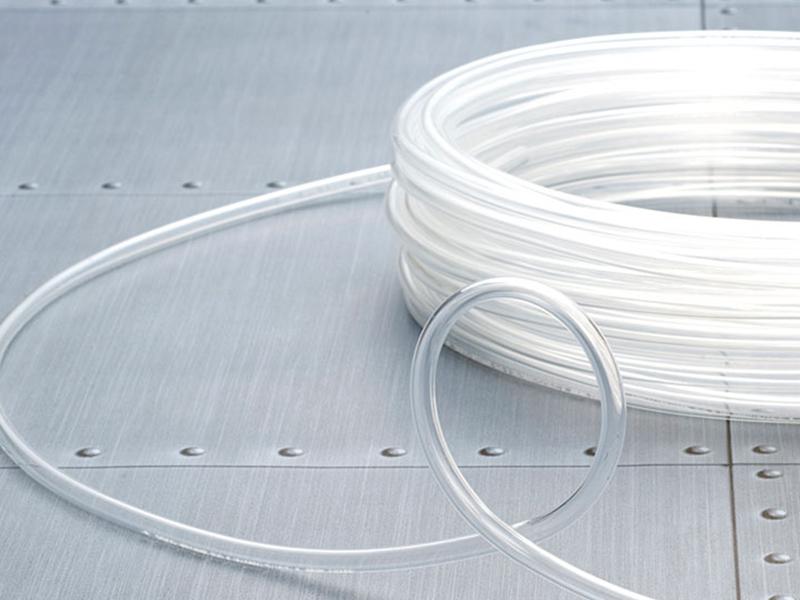
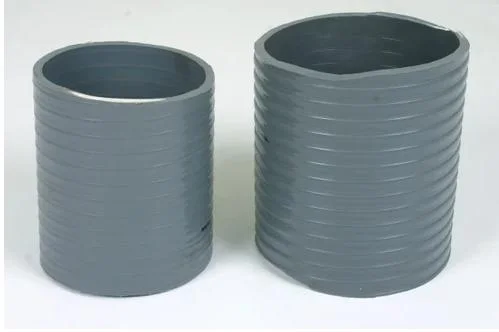
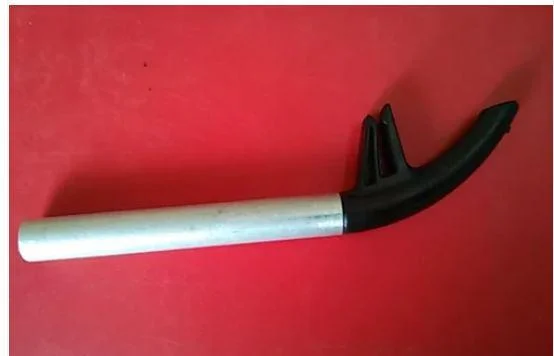
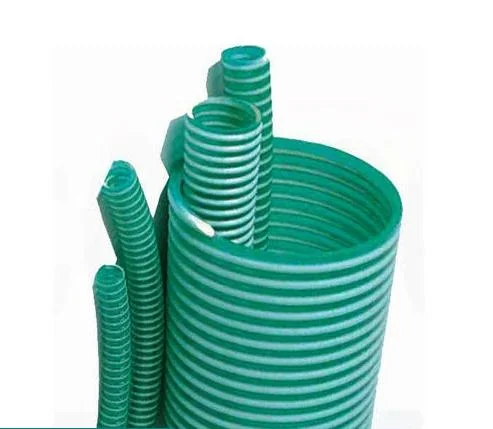
What are Suction & Delivery Pipes?
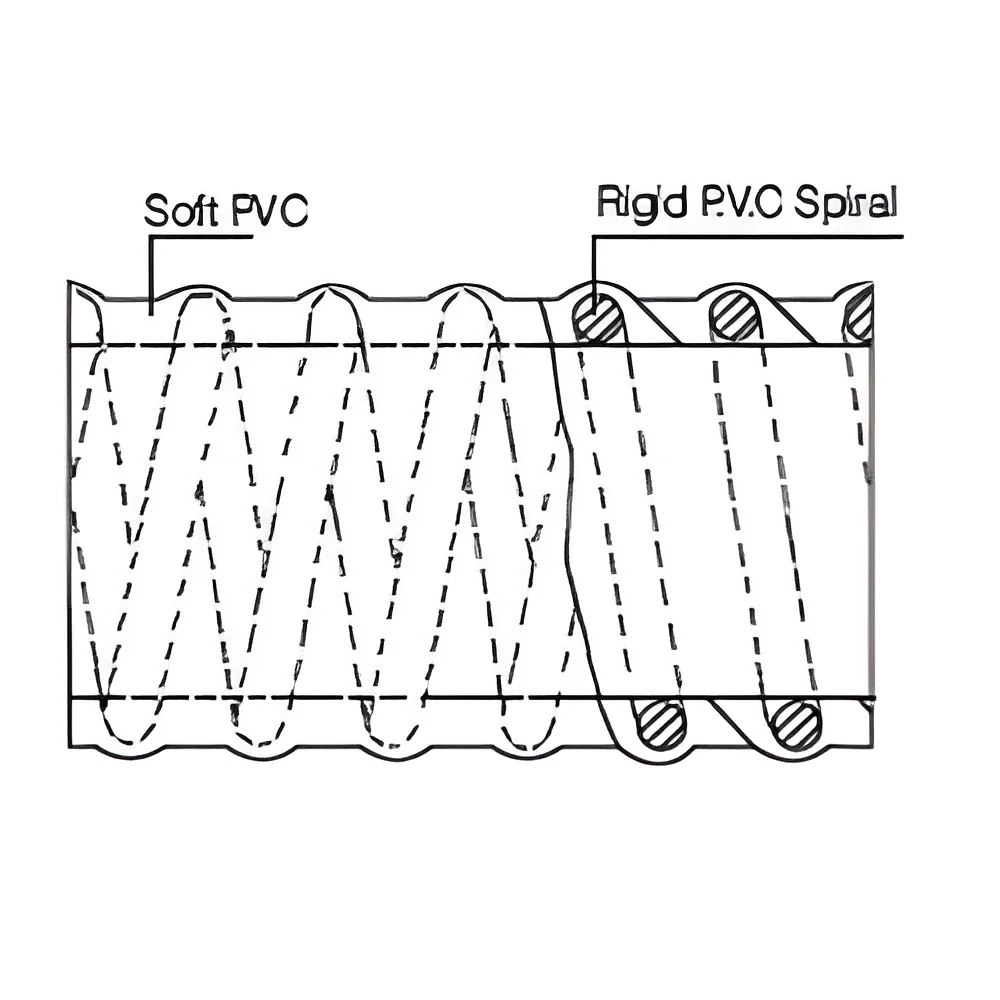
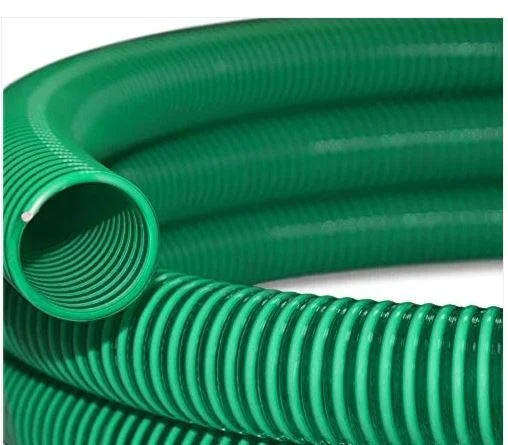
Suction and delivery pipes are essential components in various industrial applications. They are designed to transport fluids, including liquids and slurries, from one location to another. Suction pipes are responsible for drawing fluids into systems, while delivery pipes facilitate the discharge of fluids to their desired destination. These pipes are typically made from durable materials that can withstand pressure and resist corrosion, ensuring efficiency and longevity in their performance.
These pipes are widely used across multiple sectors, including agriculture, construction, and manufacturing. In agriculture, they are employed for irrigation systems, allowing water to be efficiently distributed across fields. In construction, suction and delivery pipes are critical for dewatering applications and the transfer of concrete. Their versatility makes them a vital component in many industrial processes, reflecting their importance in maintaining operational efficiency.
The demand for suction and delivery pipes continues to grow as industries seek reliable solutions for fluid transport. As businesses expand and modernize, the need for high-quality piping solutions becomes increasingly relevant. This creates a competitive market where manufacturers strive to innovate and improve the efficiency of suction and delivery pipes.
Key Features and Specifications
Suction and delivery pipes come with a variety of features and specifications that enhance their performance and suitability for different applications. Understanding these specifications is crucial for selecting the right pipes for specific needs.
Key specifications include:
1. Material Composition
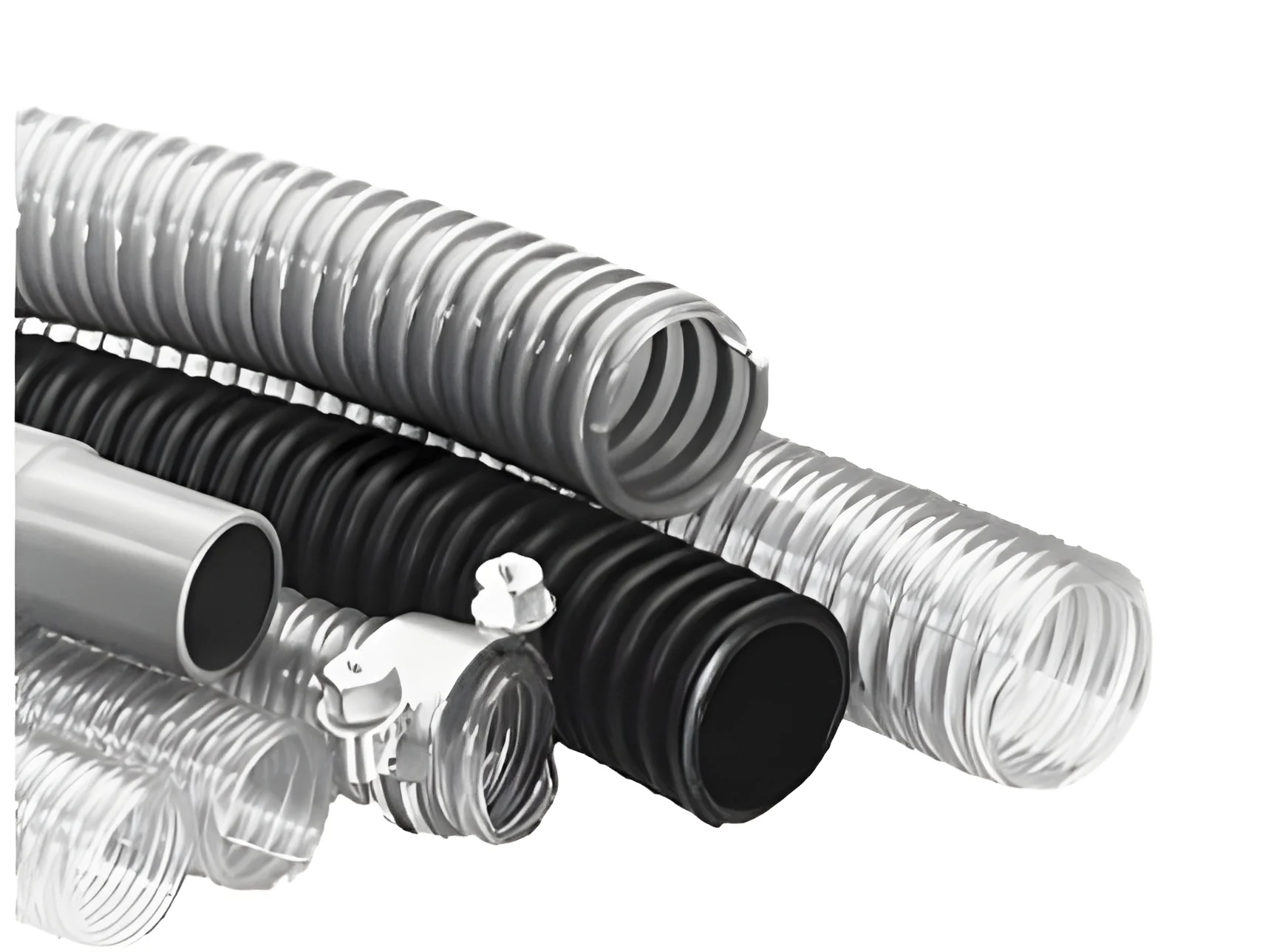
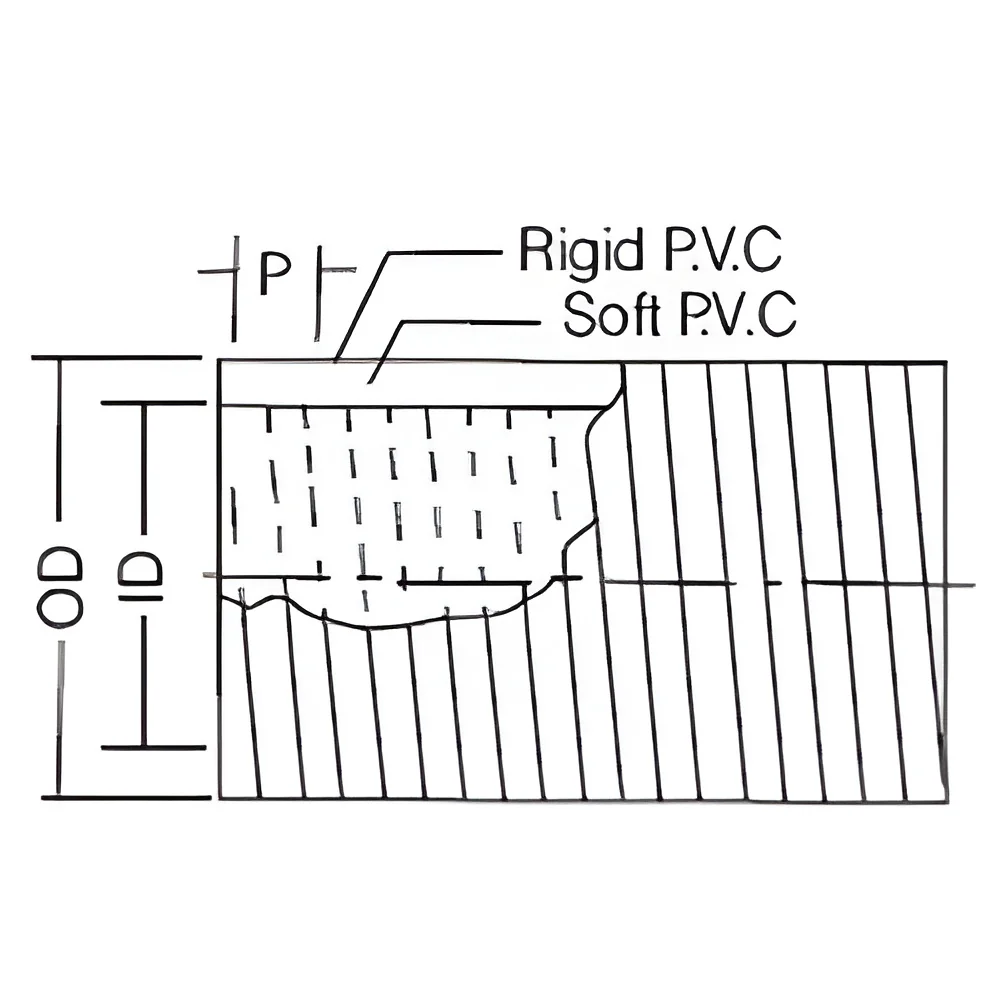
- Commonly made from PVC, rubber, or stainless steel
- Each material offers distinct advantages such as flexibility, strength, or corrosion resistance
2. Diameter Options
- Available in various diameters ranging from small to large sizes
- Selection depends on the application and flow requirements
3. Pressure Rating
- Rated for different pressure levels to ensure safe operation
- Common ratings include low, medium, and high-pressure options
4. Length Variability
- Offered in standard lengths with options for customization
- Allows for flexibility in installation and application
5. Temperature Resistance
- Designed to handle a range of temperatures
- Important for applications involving hot or cold fluids
6. Compliance Standards
- Often conform to industry standards such as CE certification
- Ensures quality and safety in operation
7. Flexibility
- Some variants provide enhanced flexibility for easy installation
- Useful in situations requiring complex layouts
8. Reinforcement Options
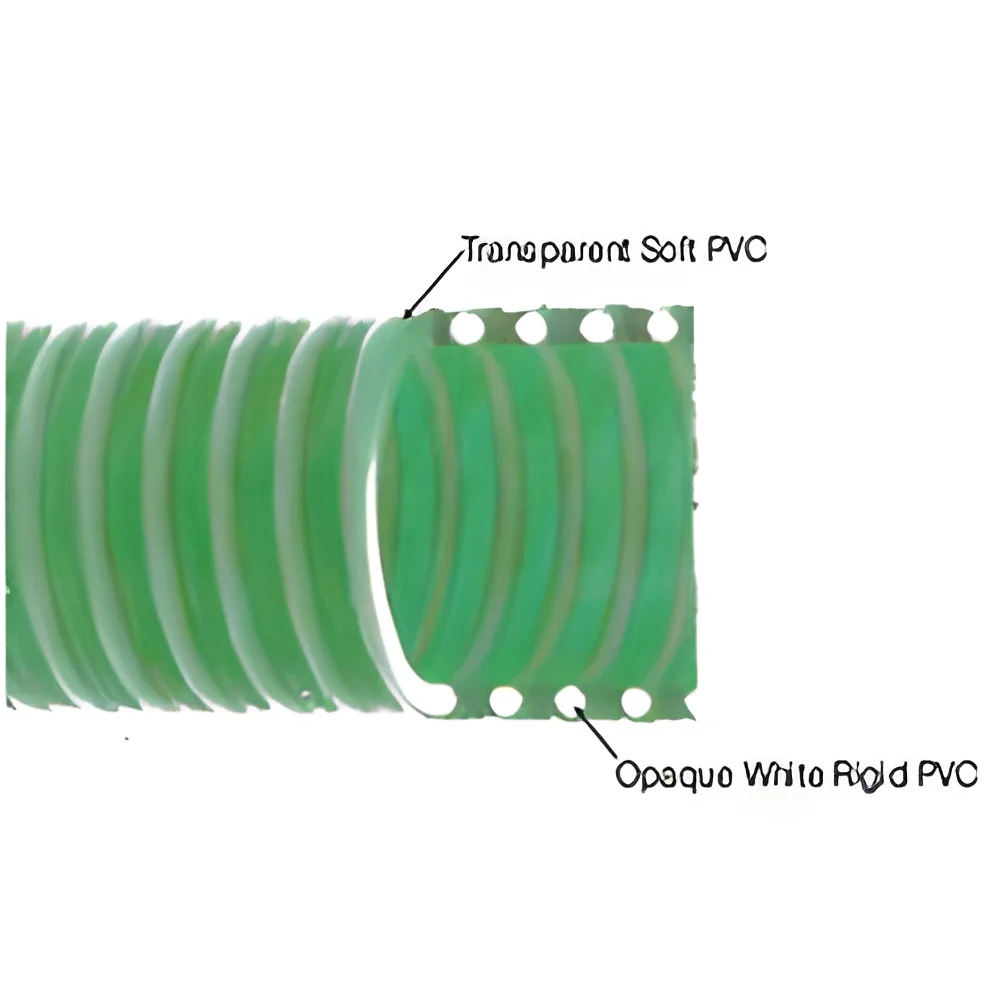
- Pipes may feature reinforcement for added durability
- Essential for high-stress applications
In summary, the diverse specifications of suction and delivery pipes cater to a wide range of industrial needs. This allows businesses to select the most appropriate pipes based on their specific application requirements.
Common Applications and Use Cases
Suction and delivery pipes serve various industries, showcasing their versatility and essential role in fluid transport.
1. Agriculture: Used for irrigation systems to draw water from sources and distribute it across fields, ensuring crops receive adequate hydration.
2. Construction: Critical for dewatering processes, these pipes help manage groundwater and facilitate the movement of concrete and other materials.
3. Manufacturing: Employed in production processes for transporting chemicals and other fluids, ensuring efficient operations in factories.
4. Mining: Utilized for slurry transport and dewatering applications, helping manage water in mining operations.
5. Oil and Gas: Essential for transporting crude oil and natural gas, suction and delivery pipes are designed to handle high pressures and corrosive materials.
6. Waste Management: Used in sewage and wastewater treatment plants for efficient fluid transfer, ensuring proper waste management processes.
7. Food and Beverage: Compliant pipes are used for transporting liquids in the food industry, adhering to stringent hygiene standards.
Product Variants and Subcategories
Suction and delivery pipes come in various variants, each designed for specific applications and environments.
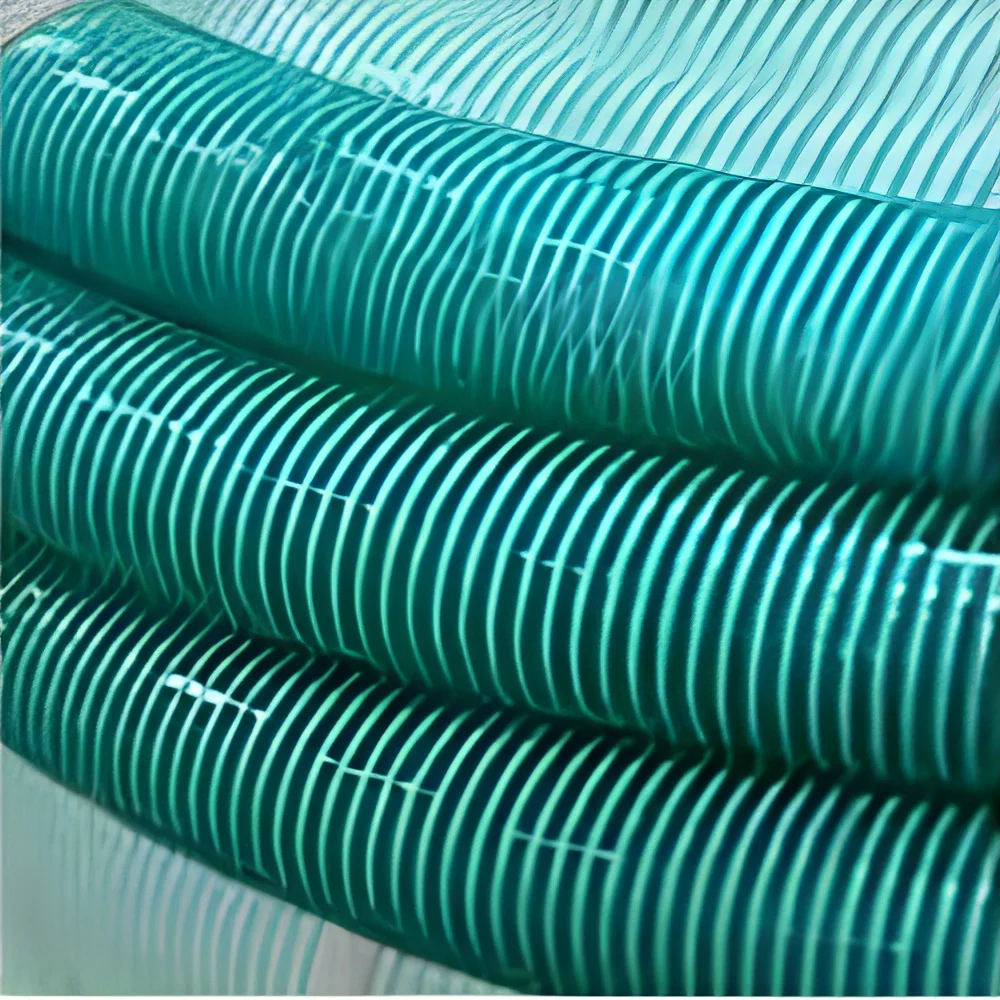
PVC Suction and Delivery Pipes
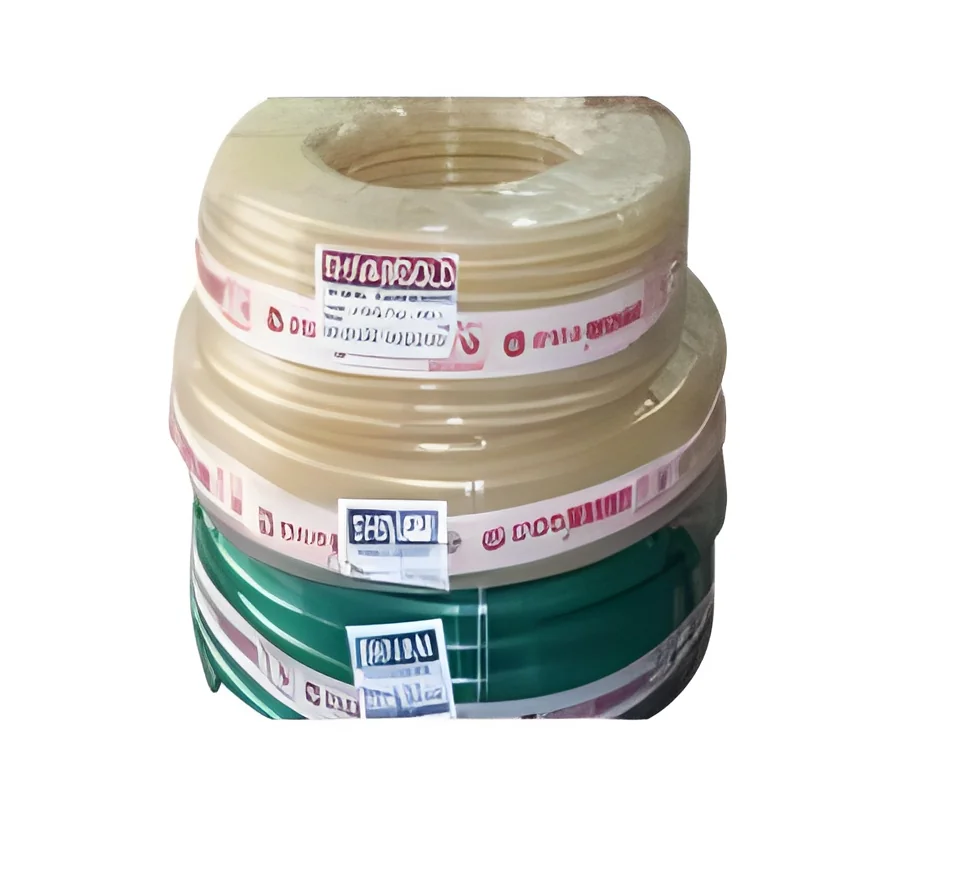
These pipes are lightweight and flexible, making them ideal for agricultural and light construction applications. They are resistant to corrosion and are easy to install.
Rubber Suction and Delivery Pipes
Known for their flexibility and durability, rubber pipes are suitable for applications that require bending and movement. They are commonly used in construction and industrial settings.
Stainless Steel Suction and Delivery Pipes
These pipes offer exceptional strength and resistance to corrosion. They are ideal for transporting aggressive chemicals in manufacturing and processing environments.
Benefits and Advantages
Sourcing suction and delivery pipes provides numerous benefits to businesses across various sectors.
1. Durability: Built to withstand harsh conditions, these pipes offer long-lasting performance, reducing the need for frequent replacements.
2. Versatility: Suitable for a wide range of applications, suction and delivery pipes can adapt to different needs and industries.
3. Efficiency: Designed for optimal fluid transport, these pipes improve operational efficiency in various applications.
4. Cost-Effectiveness: Investing in high-quality pipes can lead to savings in maintenance costs and downtime.
5. Compliance: Many suction and delivery pipes meet industry standards, ensuring they are safe and reliable for use.
6. Customization: Options for customization allow businesses to tailor pipes to their specific requirements, enhancing functionality.
Buying Guide for B2B Buyers
When sourcing suction and delivery pipes, there are several key factors to consider to ensure the best fit for your needs.
1. Quality Assessment: Evaluate the material quality and manufacturing processes. Look for pipes that comply with industry standards for durability and safety.
2. Supplier Verification: Research potential suppliers to ensure they have a solid reputation and experience in providing suction and delivery pipes.
3. Pricing and MOQ: Compare pricing across suppliers while considering the minimum order quantities. Ensure that the pricing aligns with your budget and project requirements.
4. Delivery and Lead Times: Confirm the expected delivery times and logistics to ensure that the pipes will arrive when needed to avoid project delays.
5. Compliance Requirements: Understand any regulatory compliance needed for your specific industry to ensure that the pipes meet all necessary standards.
Compliance and Certifications
Suction and delivery pipes must adhere to various quality standards and certification requirements to ensure safety and reliability. Common certifications include CE, which indicates that the products meet the necessary EU safety, health, and environmental protection requirements.
In addition to CE certification, manufacturers may comply with ISO standards, such as ISO 9001, which focuses on quality management systems. Adherence to these standards ensures that the manufacturing process meets high-quality benchmarks.
Safety and testing requirements are also paramount, as pipes must be tested for pressure handling, durability, and resistance to environmental factors.
Regional compliance considerations may vary, so it's essential for buyers to understand local regulations and standards that apply to suction and delivery pipes in their specific markets.
Why Source Suction & Delivery Pipes from Pepagora?
Pepagora provides a trusted platform for sourcing suction and delivery pipes, offering several key advantages to B2B buyers.
Verified Supplier Network: Pepagora connects buyers with a network of verified suppliers. This ensures that businesses can source high-quality products from reputable manufacturers.
Streamlined RFQ Process: The request for quotation (RFQ) process is designed to be simple and efficient, allowing buyers to receive multiple quotes quickly and make informed decisions.
Trade Assurance and Support: Pepagora offers trade assurance to protect buyers throughout the procurement process. This support ensures that transactions are secure and satisfactory.
Regional Coverage: With a wide reach across India, the GCC, and Southeast Asia, Pepagora helps buyers find suppliers that can meet their needs, no matter their location.
By choosing Pepagora, businesses can ensure they are sourcing the best suction and delivery pipes to meet their operational demands.

 IN
IN