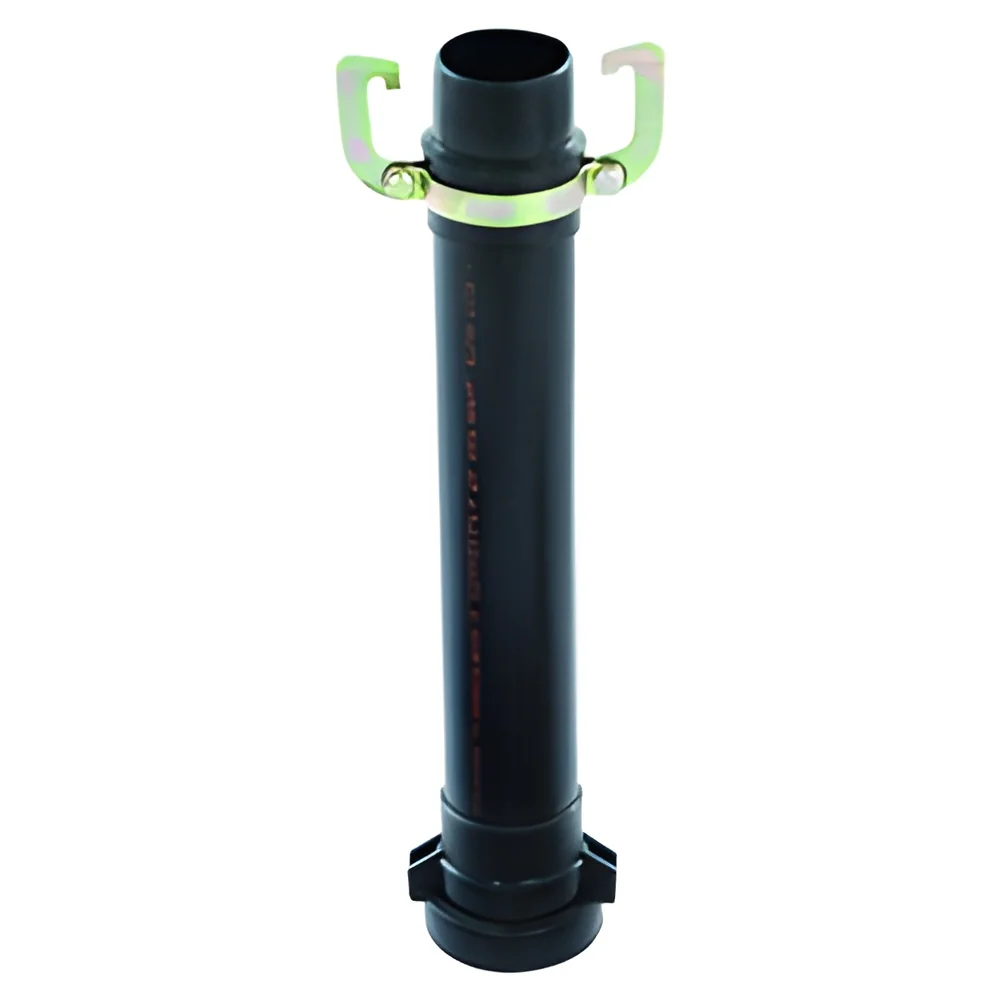
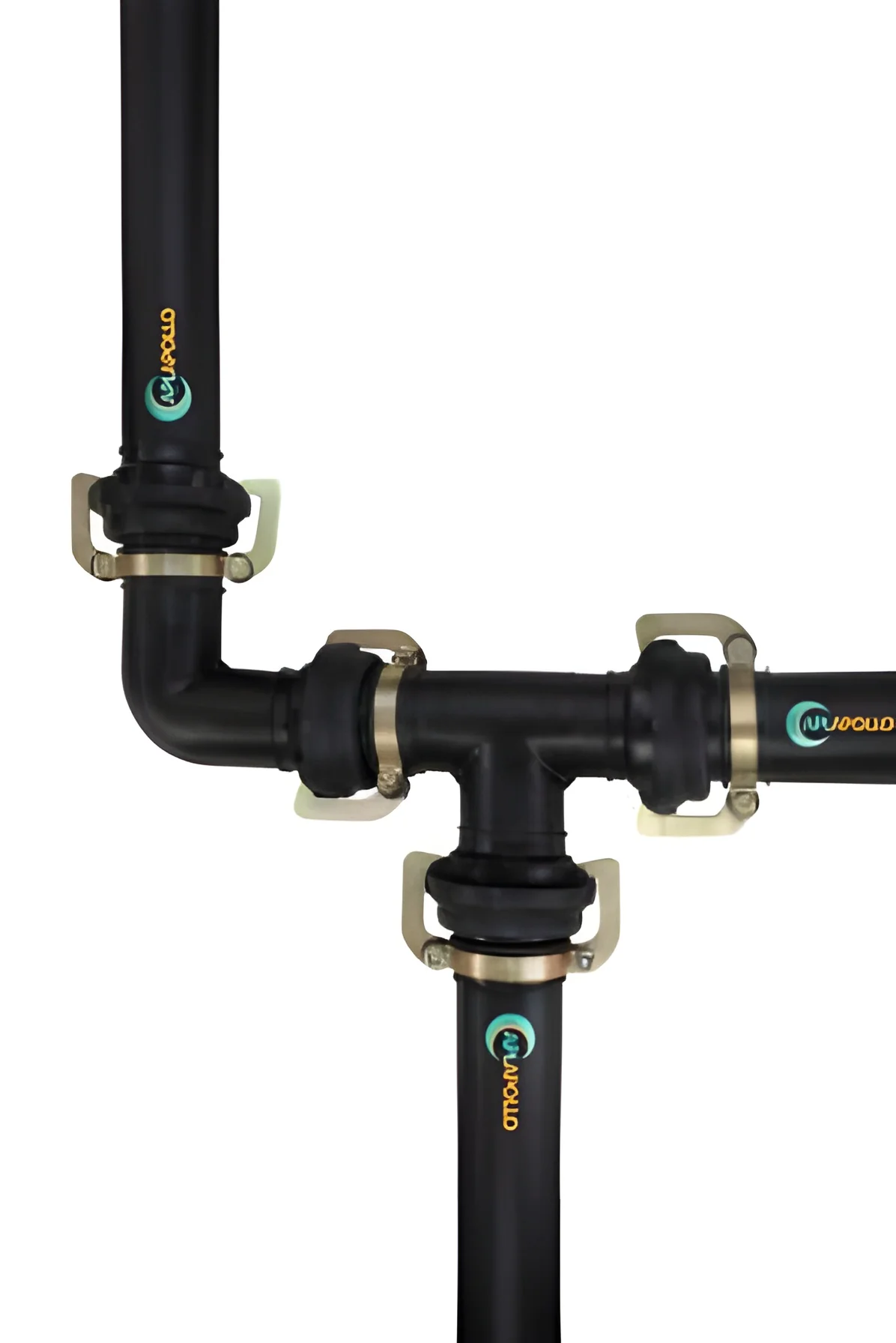
𝗪𝗵𝗮𝘁 𝗮𝗿𝗲 𝗘𝘅𝗽𝗼𝗿𝘁-𝗚𝗿𝗮𝗱𝗲 𝗜𝗿𝗿𝗶𝗴𝗮𝘁𝗶𝗼𝗻 𝗖𝗼𝗺𝗽𝗼𝗻𝗲𝗻𝘁𝘀?
Export-Grade Irrigation Components are high-quality parts and systems designed for effective water management in agricultural settings. These components are engineered to withstand rigorous environmental conditions while providing reliable performance in irrigation systems. They play a crucial role in ensuring efficient water distribution, which is vital for crop health and yield.
These components find primary use in commercial agriculture, landscaping, and horticulture. They facilitate precise water application, helping businesses maximize resource efficiency and minimize wastage. Export-grade parts are especially relevant in regions where water scarcity is a concern, making them essential for sustainable farming practices. The demand for such products is growing globally, as industries seek solutions that combine durability with high performance.
In the context of the market, Export-Grade Irrigation Components are increasingly important as the agriculture sector embraces advanced technology and sustainable practices. With the rise of precision agriculture, these components are integral in optimizing irrigation processes, reducing costs, and enhancing productivity.
𝗞𝗲𝘆 𝗙𝗲𝗮𝘁𝘂𝗿𝗲𝘀 𝗮𝗻𝗱 𝗦𝗽𝗲𝗰𝗶𝗳𝗶𝗰𝗮𝘁𝗶𝗼𝗻𝘀
Export-Grade Irrigation Components feature several specifications that ensure they meet industry standards and performance requirements. These components are designed for durability, efficiency, and ease of installation.
Key specifications include:
1. Material Quality
- Components are typically made from high-grade plastics or metals.
- Designed to resist corrosion, UV degradation, and extreme temperatures.
2. Pressure Ratings
- Components are available with varying pressure tolerances.
- Standard ratings can range from low to high pressure, accommodating different irrigation needs.
3. Connection Types
- Available in various connection types, including threaded, socket, and flanged.
- Ensures compatibility with existing systems and ease of installation.
4. Flow Rate
- Flow rate specifications vary based on component type.
- Designed to provide optimal water delivery for different irrigation systems.
5. Size Options
- Offered in multiple sizes to suit various applications.
- Sizes are selected based on system requirements and field conditions.
6. Temperature Resistance
- Components designed to function effectively within specific temperature ranges.
- Ensures longevity and reliable performance in diverse climates.
7. Compliance Standards
- Many components meet international quality standards including CE certification.
- Ensures safety and reliability for users.
8. Customization Options
- Some manufacturers offer customizable components based on specific needs.
- Tailored solutions are available for unique irrigation challenges.
In summary, the key features and specifications of Export-Grade Irrigation Components ensure they are robust, efficient, and suitable for a wide range of agricultural applications.
𝗖𝗼𝗺𝗺𝗼𝗻 𝗔𝗽𝗽𝗹𝗶𝗰𝗮𝘁𝗶𝗼𝗻𝘀 𝗮𝗻𝗱 𝗨𝘀𝗲 𝗖𝗮𝘀𝗲𝘀
Export-Grade Irrigation Components are versatile and used across various industries.
1. Agriculture: These components are essential for large-scale farming operations. They enable precise irrigation systems that maximize crop yields while conserving water.
2. Landscaping: In commercial landscaping projects, these components help maintain plant health through efficient water management, supporting aesthetic and functional landscape designs.
3. Horticulture: Horticultural businesses utilize these components for greenhouse irrigation systems, ensuring optimal growing conditions for plants.
4. Golf Courses: Golf courses implement Export-Grade components to maintain lush greens and fairways, balancing aesthetics with sustainability.
5. Nurseries: Plant nurseries rely on these components for consistent irrigation, supporting the growth of young plants until they are ready for market.
6. Green Roofs: In urban settings, these components are used in green roof systems to manage water efficiently and support plant health.
7. Sports Fields: Sports facilities use Export-Grade components to ensure that grass fields remain healthy and playable, even under heavy use.
𝗣𝗿𝗼𝗱𝘂𝗰𝘁 𝗩𝗮𝗿𝗶𝗮𝗻𝘁𝘀 𝗮𝗻𝗱 𝗦𝘂𝗯𝗰𝗮𝘁𝗲𝗴𝗼𝗿𝗶𝗲𝘀
Export-Grade Irrigation Components come in various forms to cater to different irrigation needs. This diversity allows businesses to select the right components for their specific applications.
Irrigation Valves
Irrigation valves control water flow in systems, allowing for on-demand irrigation. They are designed for durability and can handle varying pressure levels, making them suitable for different agricultural setups.
Drippers and Emitters
These components deliver water directly to the plant roots, ensuring efficient water use. They are available in various flow rates and can be customized for specific crop requirements.
Sprinklers
Sprinklers provide coverage for larger areas and come in different designs, including stationary and rotating types. They are essential for both agricultural fields and landscaping applications.
Pipes and Tubing
These components are critical for transporting water throughout the irrigation system. Available in various diameters and materials, they are designed for easy installation and long-term reliability.
𝗕𝗲𝗻𝗲𝗳𝗶𝘁𝘀 𝗮𝗻𝗱 𝗔𝗱𝘃𝗮𝗻𝘁𝗮𝗴𝗲𝘀
Export-Grade Irrigation Components provide numerous benefits for businesses.
1. Enhanced Efficiency: These components optimize water usage, ensuring that crops receive the right amount of water without waste.
2. Cost Savings: By reducing water consumption and improving irrigation practices, businesses can lower operational costs over time.
3. Durability: Made from high-quality materials, these components are designed to withstand harsh environmental conditions, ensuring longevity and reliability.
4. Versatility: The wide range of components allows businesses to customize their irrigation systems to specific needs, enhancing overall efficiency.
5. Improved Crop Yield: With precise irrigation control, farmers can achieve better crop yields, contributing to higher profitability.
6. Sustainability: These components support water conservation efforts, aligning with sustainable agricultural practices.
𝗕𝘂𝘆𝗶𝗻𝗴 𝗚𝘂𝗶𝗱𝗲 𝗳𝗼𝗿 𝗕𝟮𝗕 𝗕𝘂𝘆𝗲𝗿𝘀
When sourcing Export-Grade Irrigation Components, buyers should consider several key factors to ensure they make informed purchasing decisions.
1. Quality Assessment: Evaluate the materials and construction of components to ensure they meet industry standards. Look for certifications that indicate quality and reliability.
2. Supplier Verification: Vet suppliers thoroughly to confirm their reputation and reliability. Check for references and prior customer feedback to gauge their track record.
3. Pricing and MOQ: Understand the pricing structure and minimum order quantities. This will help in budgeting and ensuring that the purchasing decision aligns with financial considerations.
4. Delivery and Lead Times: Confirm logistics and delivery timelines to ensure that components can be sourced and delivered when needed. Timely delivery is crucial for maintaining operational efficiency.
5. Compliance Requirements: Ensure that components adhere to local and international regulatory standards. This includes checking for certifications and safety requirements relevant to the intended market.
𝗖𝗼𝗺𝗽𝗹𝗶𝗮𝗻𝗰𝗲 𝗮𝗻𝗱 𝗖𝗲𝗿𝘁𝗶𝗳𝗶𝗰𝗮𝘁𝗶𝗼𝗻𝘀
Export-Grade Irrigation Components must adhere to several quality and safety standards. Compliance is crucial for ensuring product reliability and market acceptance.
Relevant quality standards include ISO 9001, which ensures a consistent level of quality in manufacturing processes. This standard is important for maintaining high production quality across all components.
Additionally, many components have certifications such as CE, which indicates that they meet European safety and environmental requirements. This certification is crucial for businesses looking to expand their market reach in Europe.
Safety and testing requirements are essential for ensuring that the components function as intended without posing risks to users or the environment. Regular testing and quality control measures should be in place to validate performance.
Regional compliance considerations may vary depending on the market. Businesses should be aware of specific regulations that apply to their operational regions, ensuring full compliance to avoid any legal or operational issues.
𝗪𝗵𝘆 𝗦𝗼𝘂𝗿𝗰𝗲 𝗘𝘅𝗽𝗼𝗿𝘁-𝗚𝗿𝗮𝗱𝗲 𝗜𝗿𝗿𝗶𝗴𝗮𝘁𝗶𝗼𝗻 𝗖𝗼𝗺𝗽𝗼𝗻𝗲𝗻𝘁𝘀 𝗳𝗿𝗼𝗺 𝗣𝗲𝗽𝗮𝗴𝗼𝗿𝗮?
Pepagora provides a trusted platform for sourcing Export-Grade Irrigation Components, offering several key advantages to B2B buyers.
Verified Supplier Network: Pepagora connects buyers with a network of verified suppliers. Each supplier undergoes a thorough vetting process, ensuring that buyers are linked with reputable manufacturers.
Streamlined RFQ Process: The platform features a streamlined Request for Quotation (RFQ) process. This allows buyers to easily request quotes from multiple suppliers, facilitating better pricing and options for their specific needs.
Trade Assurance and Support: Pepagora offers trade assurance, providing buyers with protection throughout the purchasing process. This support includes assistance with logistics and dispute resolution, ensuring a smooth transaction.
Regional Coverage: With a strong presence in India, the GCC, and Southeast Asia, Pepagora provides extensive regional coverage. This geographic reach ensures that businesses can source components locally while benefiting from international quality standards.

 IN
IN