What are Soil Moisture Sensors?
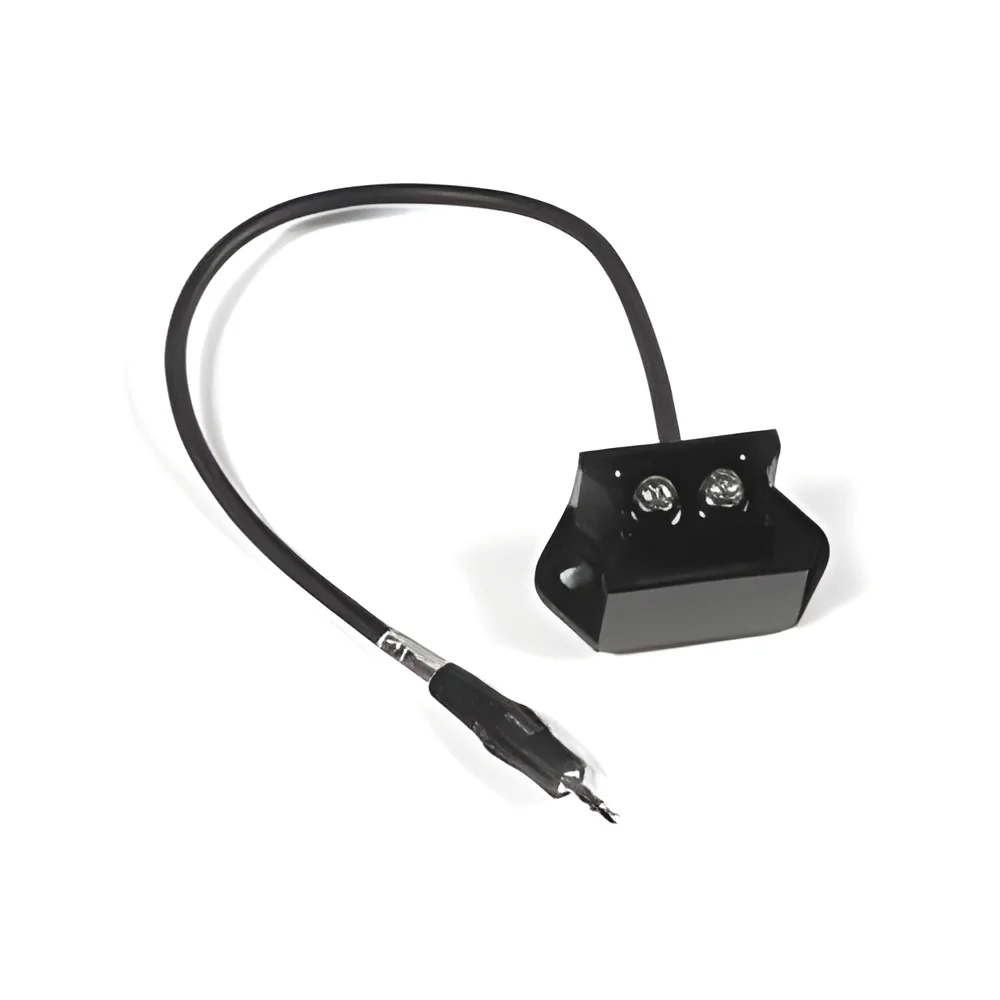
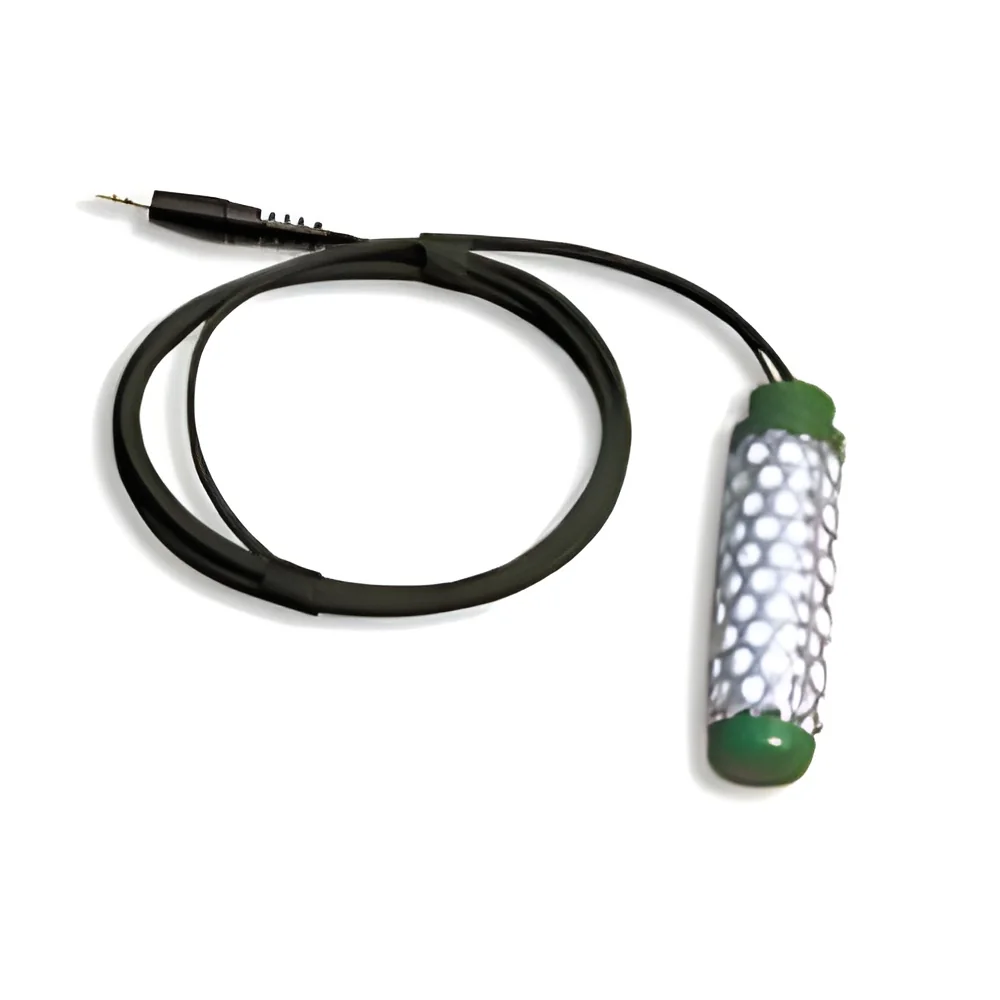
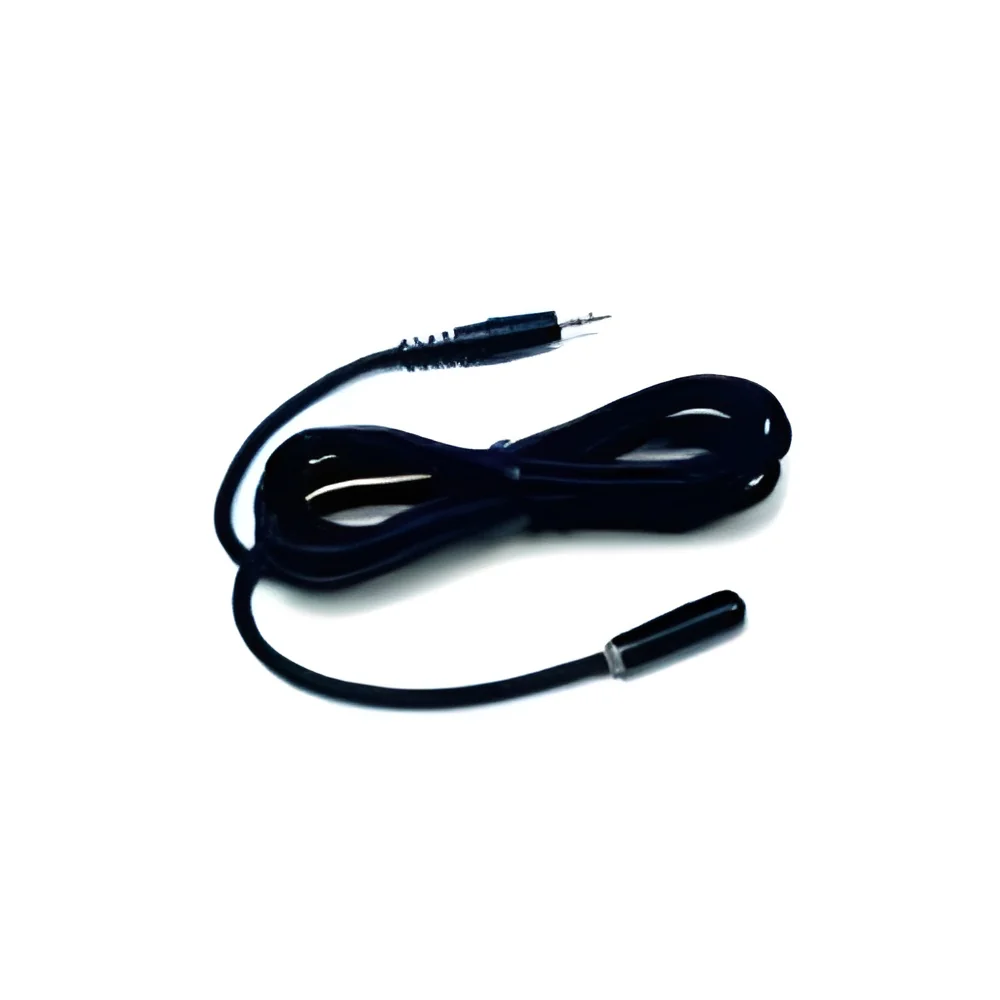
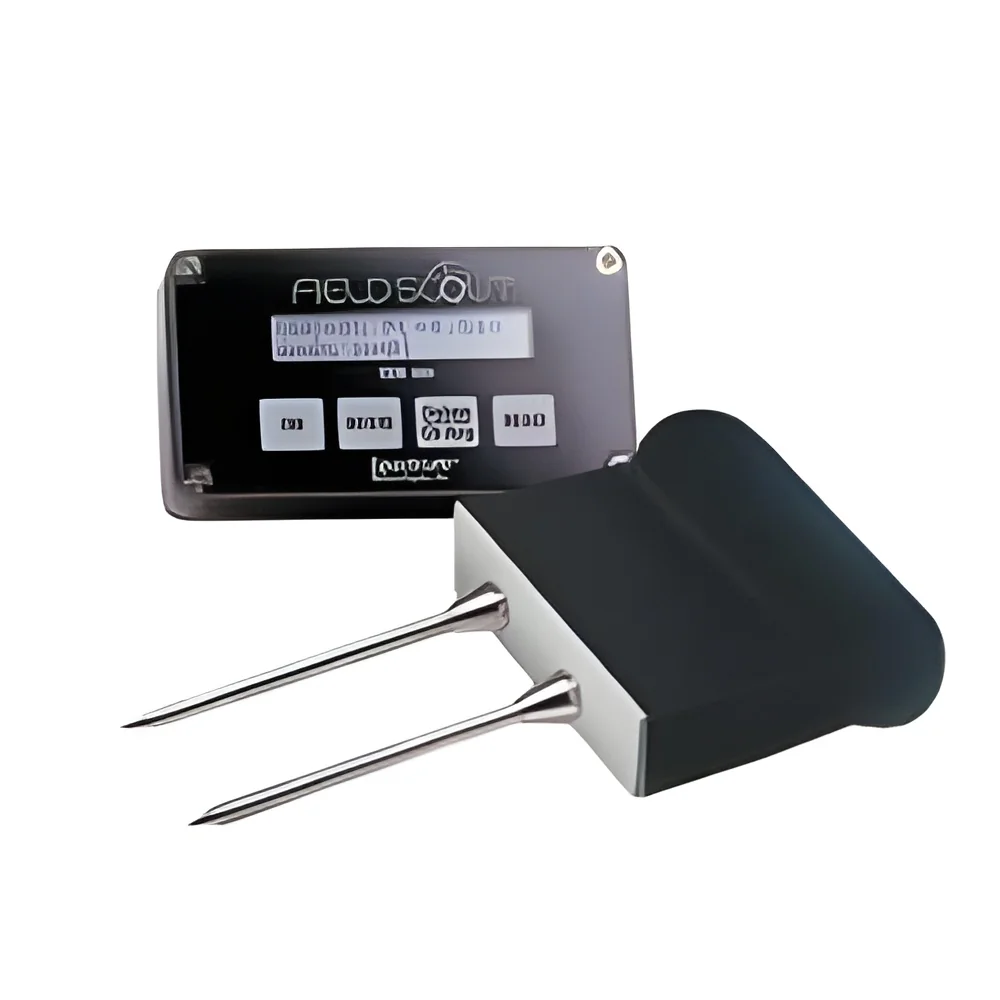
Soil moisture sensors are devices designed to measure the volumetric water content in soil. They provide critical data concerning the moisture levels, which is essential for optimizing irrigation and ensuring healthy crop growth. These sensors operate by detecting the moisture level in the soil through different methods, such as resistive, capacitive, or tensiometric techniques. This information can be transmitted to a central system for monitoring and analysis.
The primary uses of soil moisture sensors span various applications, including agriculture, landscaping, and environmental monitoring. In agriculture, these sensors help farmers manage irrigation systems more effectively, ensuring crops receive adequate water without waste. Additionally, they are used in residential garden systems to automate watering processes, thus conserving water. The relevance of soil moisture sensors in today's market is growing, driven by the increasing emphasis on sustainable farming practices and water conservation in response to climate change.
Key Features and Specifications
Soil moisture sensors come equipped with several features that enhance their functionality and usability. Understanding these specifications is essential for making informed purchasing decisions.
Key specifications include:
1. Measurement Range
- Typically from 0% to 100% volumetric water content.
- Suitable for different soil types and conditions.
2. Accuracy
- Usually within ±2% of the measured value.
- Ensures reliable data for irrigation management.
3. Operating Temperature
- Commonly rated between -20°C to 60°C.
- Suitable for various environmental conditions.
4. Power Supply
- Can operate on battery or direct power.
- Some models may include solar power options.
5. Communication Protocol
- Options include Wi-Fi, Bluetooth, or wired connections.
- Facilitates integration with existing agricultural management systems.
6. Sensor Type
- Includes capacitive, resistive, and tensiometric sensors.
- Each type offers different advantages based on application needs.
7. Installation Method
- Some sensors are designed for surface installation while others are buried.
- Choose based on specific soil and crop requirements.
8. Durability
- Waterproof and corrosion-resistant designs.
- Ensures long-term reliability in outdoor conditions.
In summary, selecting the right soil moisture sensor involves understanding these key features and specifications, which impact performance and application suitability.
Common Applications and Use Cases
Soil moisture sensors are widely employed across various industries, making them versatile tools for moisture management.
1. Agriculture: Farmers utilize soil moisture sensors to optimize irrigation schedules, ensuring crops receive the right amount of water at the right time.
2. Landscaping: Landscape professionals use these sensors to maintain healthy lawns and gardens while conserving water resources.
3. Environmental Monitoring: Researchers and environmentalists monitor soil moisture levels to study ecological impacts and inform conservation efforts.
4. Sports Turf Management: Groundskeepers use soil moisture sensors to maintain optimal conditions for athletic fields, promoting healthy grass growth.
5. Greenhouses: Operators use these devices to manage irrigation in controlled environments, maximizing yield while minimizing water use.
6. Residential Gardening: Homeowners implement soil moisture sensors to automate garden watering systems, enhancing plant health and reducing water waste.
7. Construction: Engineers monitor soil moisture levels during construction projects to ensure structural integrity and prevent issues related to soil saturation.
Product Variants and Subcategories
Soil moisture sensors come in various designs to cater to diverse needs. Each variant offers unique features that can enhance specific applications.
Capacitive Soil Moisture Sensors
These sensors measure moisture by detecting changes in capacitance within the soil. They are often used in agricultural settings for their accuracy and reliability. They provide real-time data and can be easily integrated with irrigation systems.
Tensiometric Soil Moisture Sensors
Tensiometric sensors operate based on the tension or suction of water in the soil. They are particularly useful in understanding soil water availability for crop management. Their design allows for precise measurements, making them ideal for specialized agricultural applications.
Resistive Soil Moisture Sensors
Using electrical resistance to gauge moisture levels, these sensors are commonly found in both agricultural and landscaping applications. They are cost-effective and suitable for various soil types.
Benefits and Advantages
Implementing soil moisture sensors offers numerous advantages that enhance farming and water management practices.
1. Improved Water Efficiency: By providing precise moisture data, these sensors help reduce water waste, promoting sustainable practices.
2. Enhanced Crop Health: Timely irrigation based on accurate soil moisture readings leads to stronger, healthier plants.
3. Cost Savings: Automated irrigation systems driven by soil moisture data can significantly lower water bills and operational costs for farmers and landscapers.
4. Data-Driven Decisions: The insights gained from these sensors enable better planning and management of irrigation schedules.
5. Environmental Protection: Reduced water usage not only conserves resources but also minimizes runoff and soil erosion.
6. Increased Yields: Healthy crops lead to higher productivity and profitability for agricultural operations.
Buying Guide for B2B Buyers
When sourcing soil moisture sensors, B2B buyers should consider several critical factors to ensure they choose the right product for their needs.
1. Quality Assessment: Evaluate the quality of sensors by reviewing manufacturer specifications, user reviews, and performance tests. High-quality products typically offer better accuracy and durability.
2. Supplier Verification: Vet potential suppliers by checking their reputation, certifications, and customer service capabilities. Reliable suppliers provide assurance of product quality and support.
3. Pricing and MOQ: Understand the cost structure and minimum order quantities (MOQ) required by suppliers. Compare prices across different vendors to find competitive options.
4. Delivery and Lead Times: Inquire about delivery schedules and lead times to ensure timely project execution. Quick turnaround is often crucial in agricultural settings.
5. Compliance Requirements: Be aware of industry regulations and standards that may apply to soil moisture sensors. Ensure that products meet necessary compliance for safety and performance.
Compliance and Certifications
Compliance and certification play a vital role in ensuring the quality and reliability of soil moisture sensors. Relevant quality standards such as ISO 9001 guarantee that manufacturers maintain consistent quality in their processes. Additionally, certifications like CE signify that products meet European health, safety, and environmental protection standards.
Manufacturers may also adhere to safety and testing requirements to ensure their products function properly in various conditions. Regional compliance considerations can vary, so buyers should verify that the products they select meet local regulations. Understanding these aspects helps B2B buyers make informed decisions regarding the sourcing of soil moisture sensors.
Why Source Soil Moisture Sensors from Pepagora?
Pepagora provides a trusted platform for sourcing soil moisture sensors, ensuring buyers benefit from a range of key advantages.
Verified Supplier Network: Pepagora offers access to a network of verified suppliers, allowing buyers to select from reputable manufacturers who meet industry standards.
Streamlined RFQ Process: The request for quotation (RFQ) system simplifies the procurement process. Buyers can easily request quotes from multiple suppliers, saving time and effort.
Trade Assurance and Support: Pepagora emphasizes buyer protection through trade assurance programs, offering peace of mind when making purchases. Dedicated support teams assist with any inquiries or issues that may arise.
Regional Coverage: With a broad geographical reach across India, the GCC, and Southeast Asia, Pepagora connects buyers with suppliers from various regions, ensuring access to diverse products and competitive options.

 IN
IN