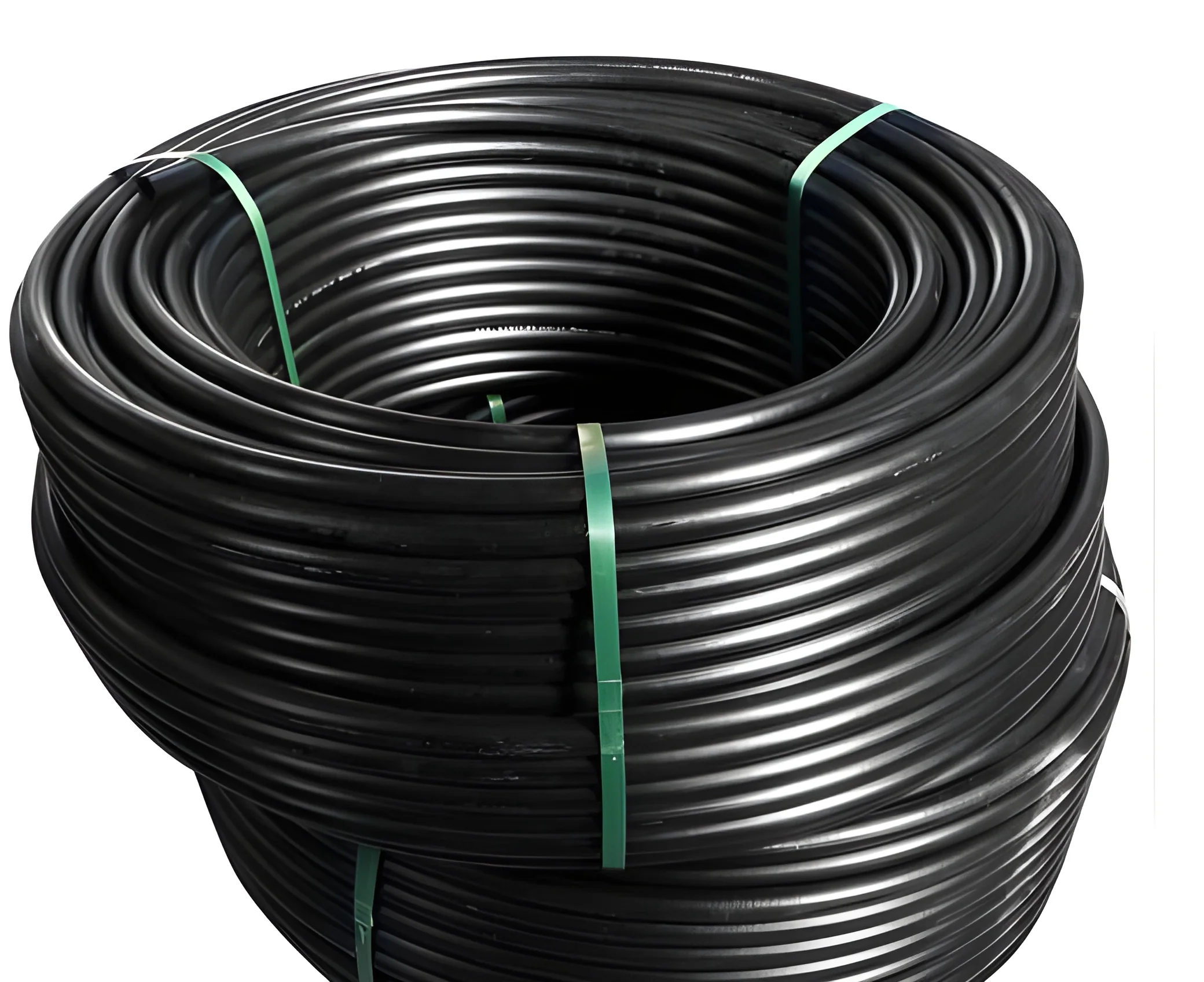
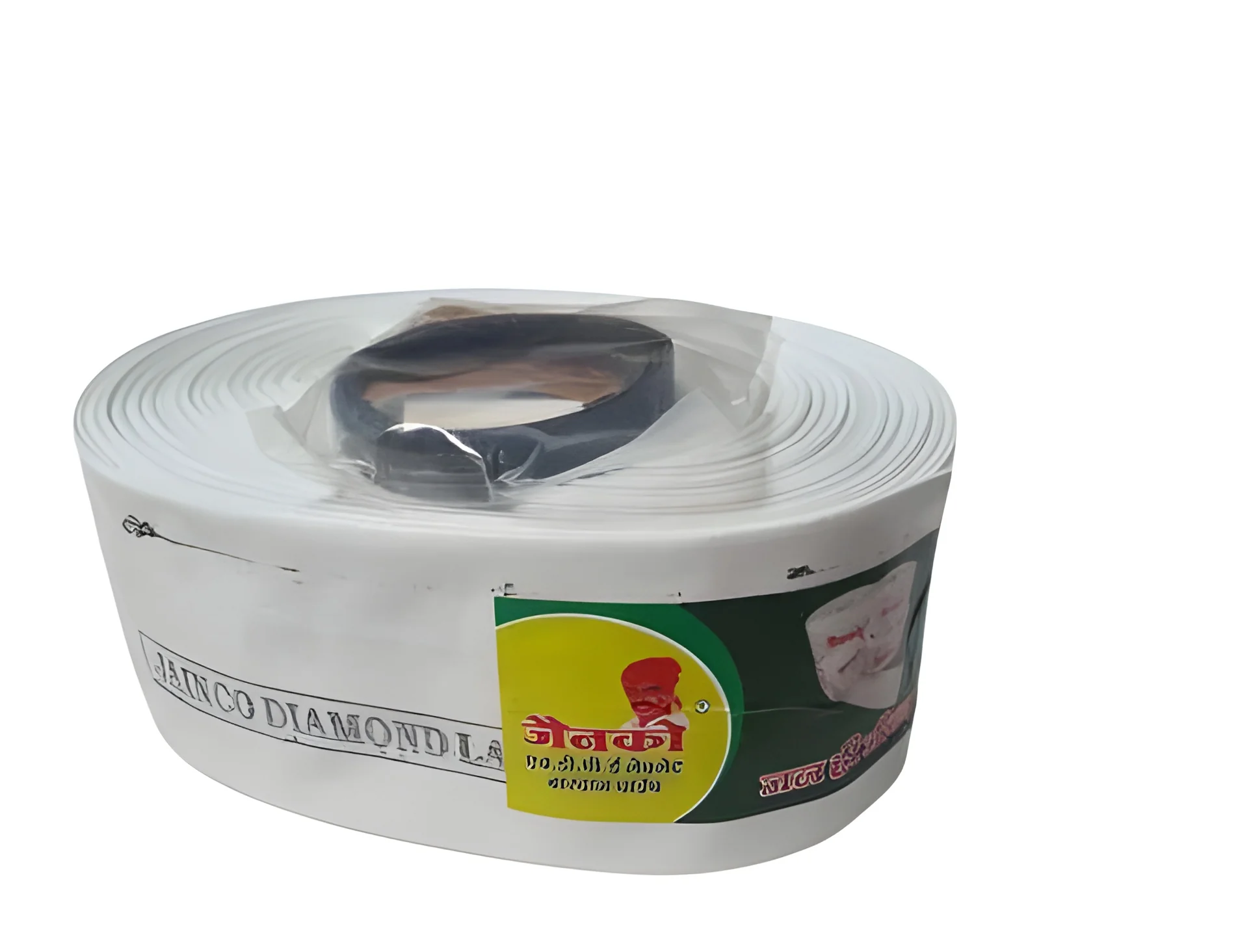
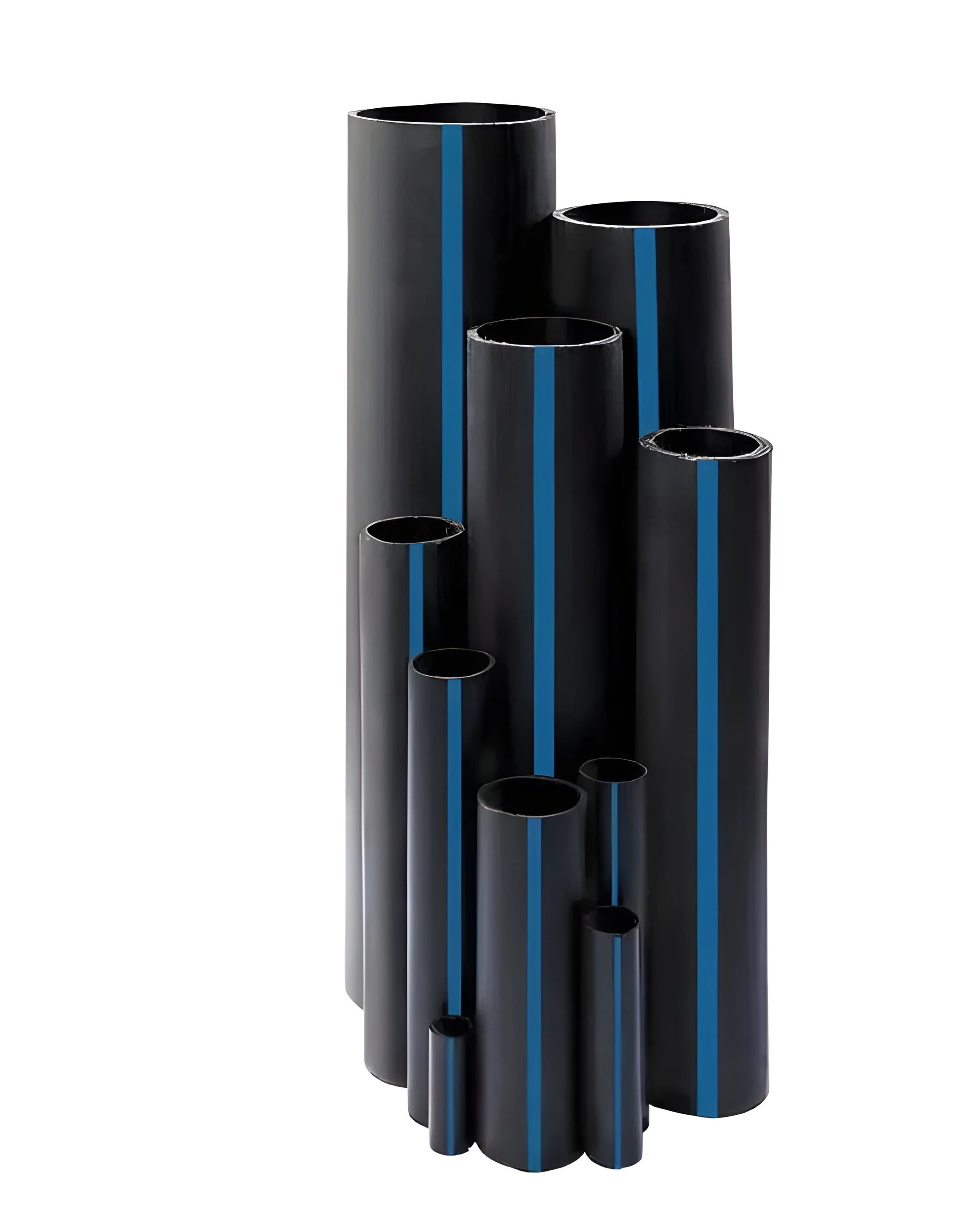
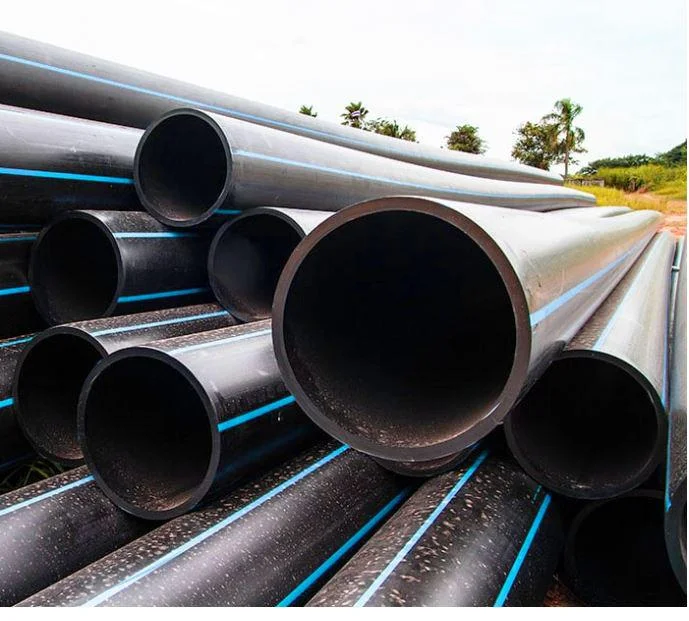
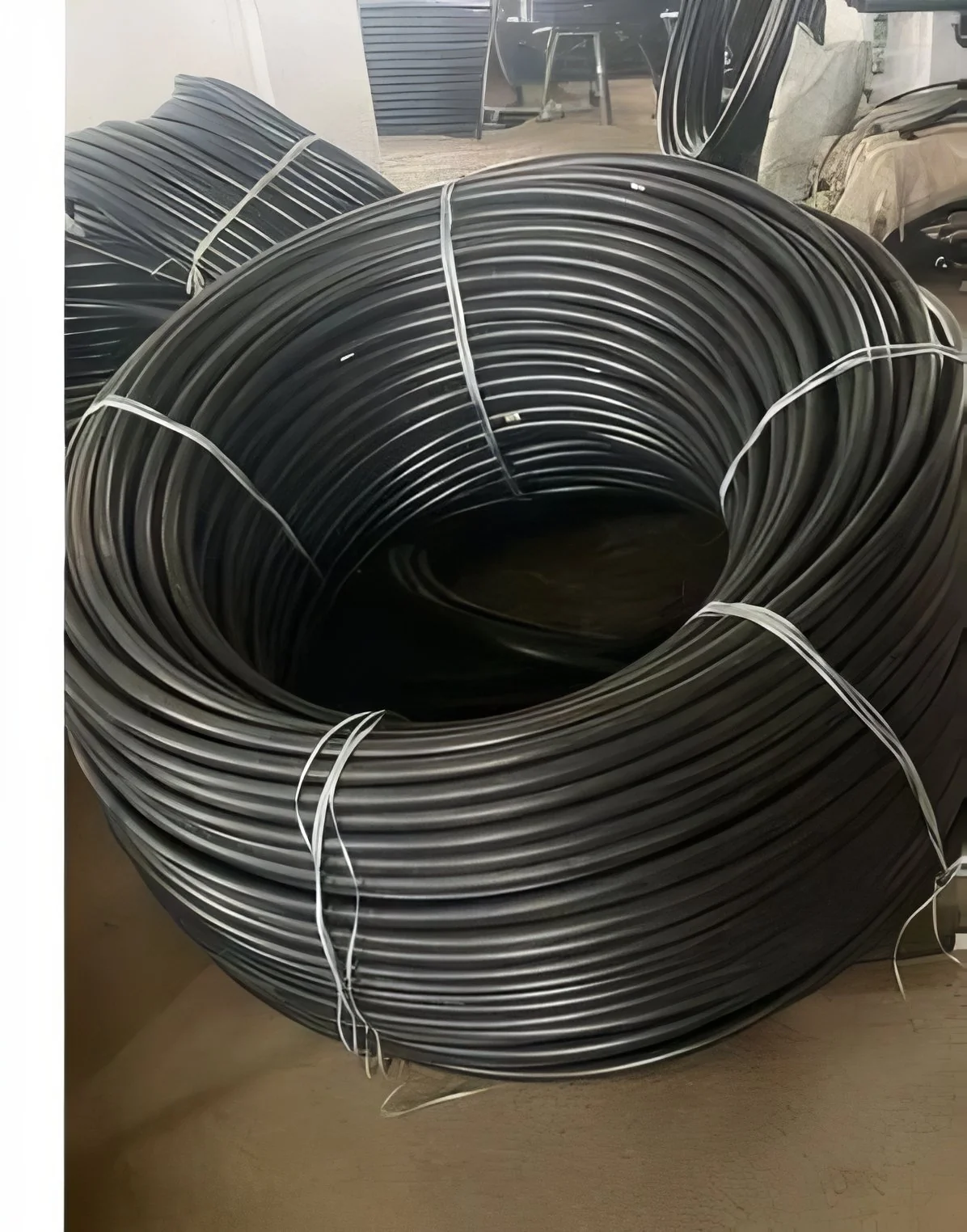
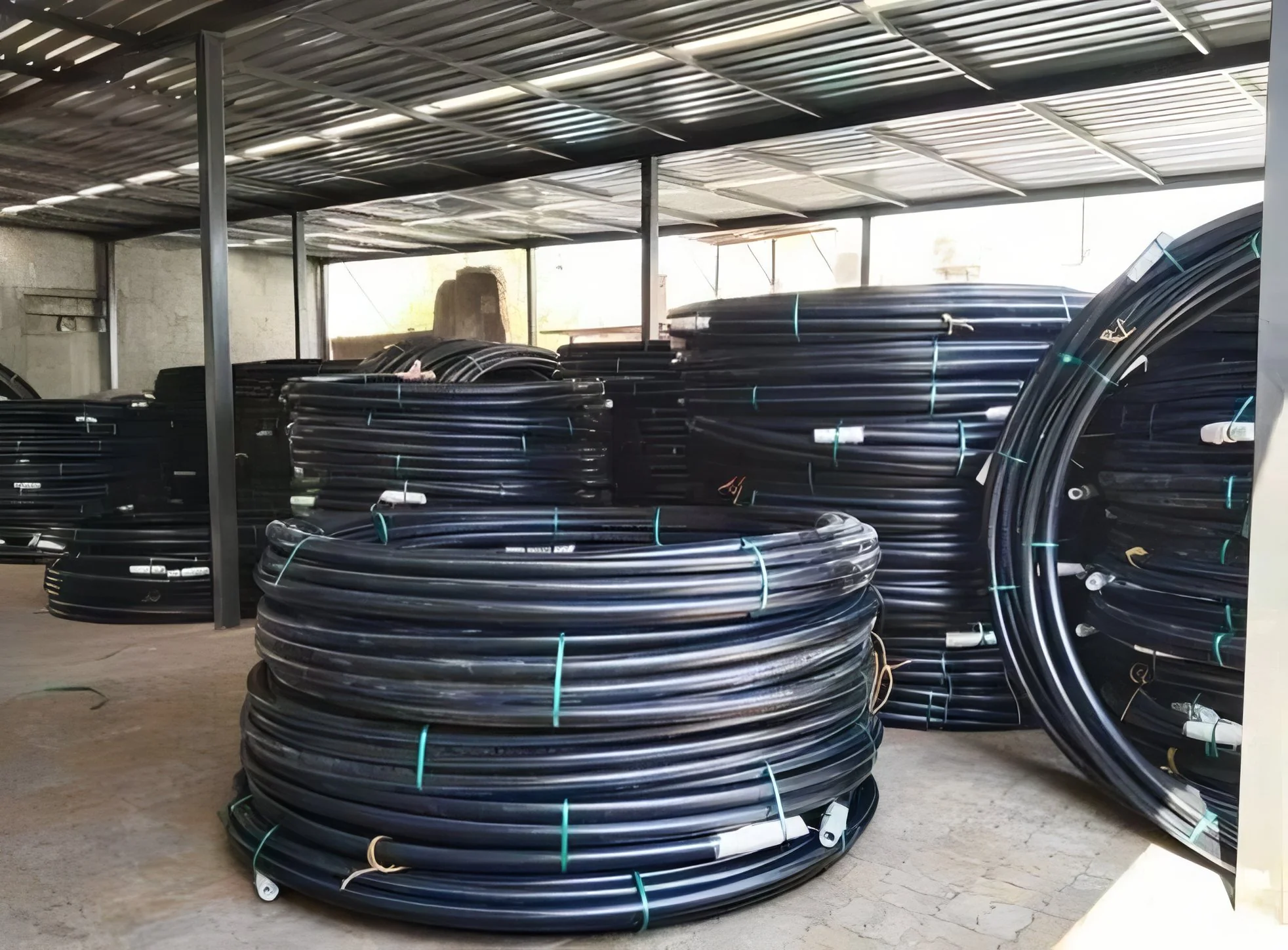
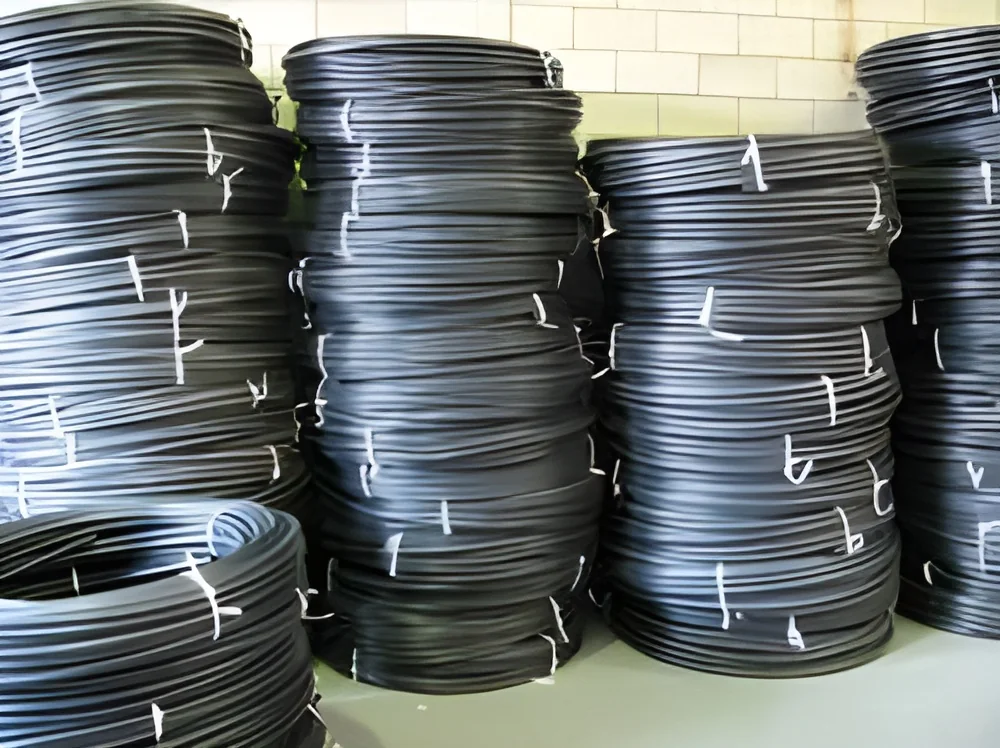
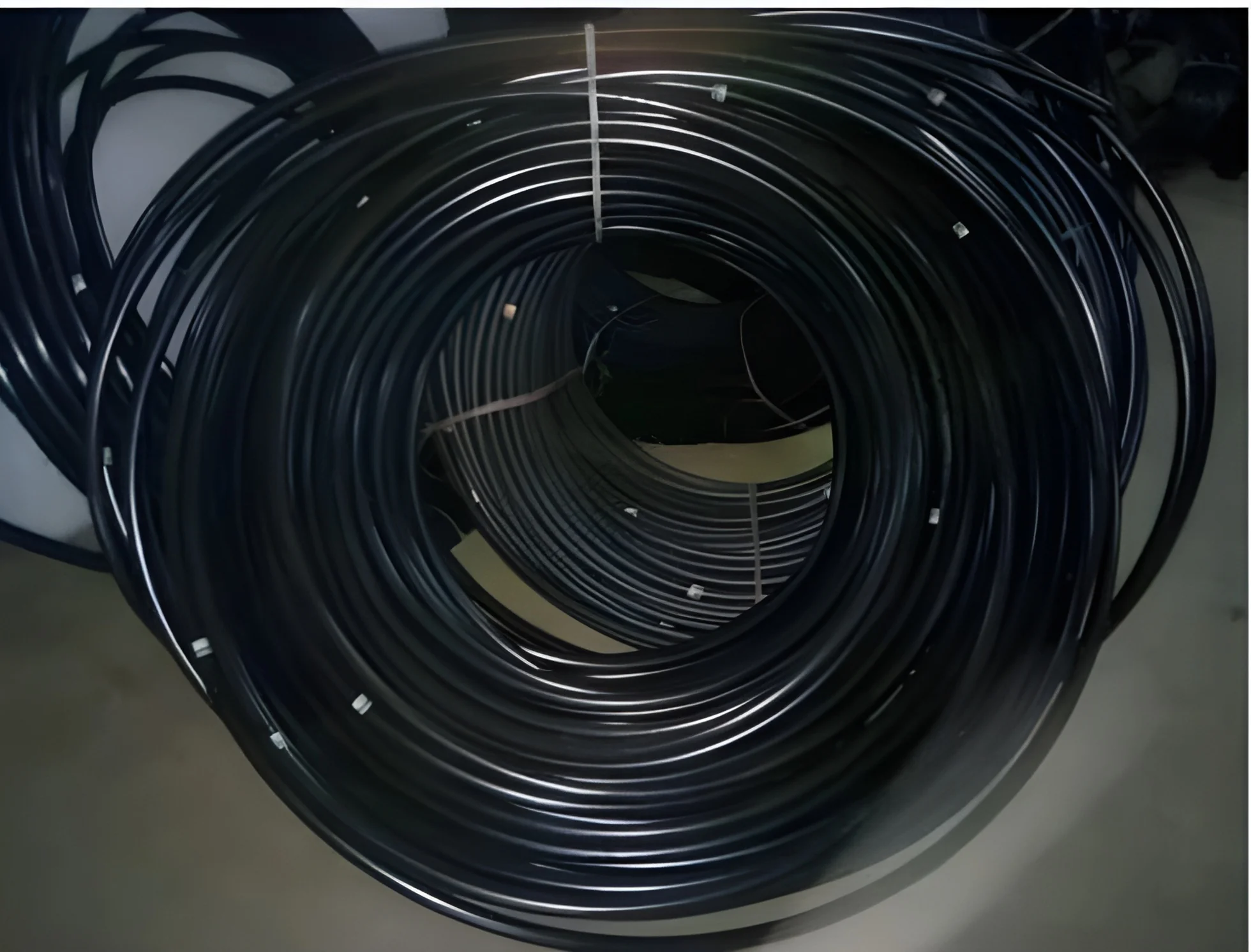
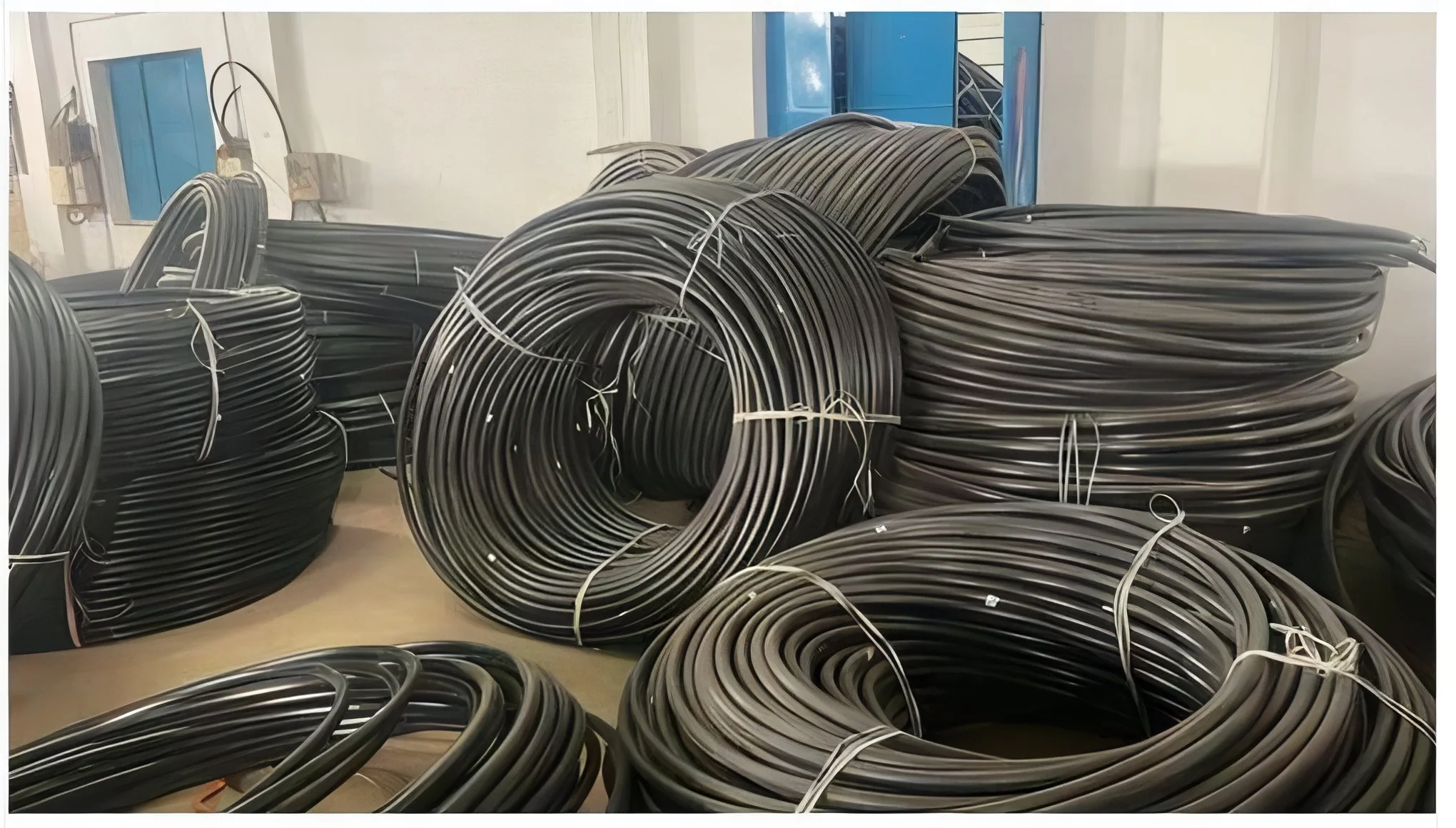
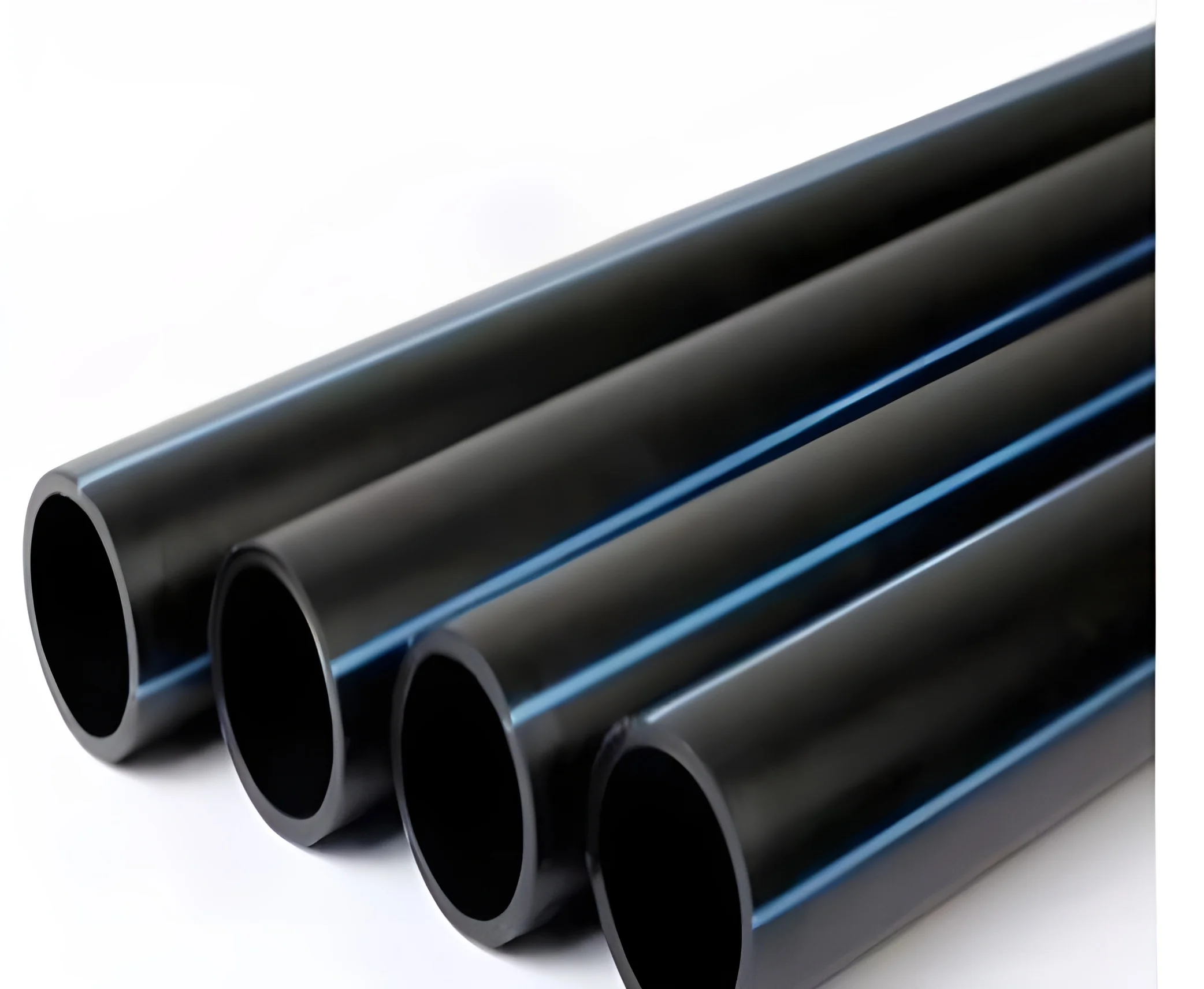
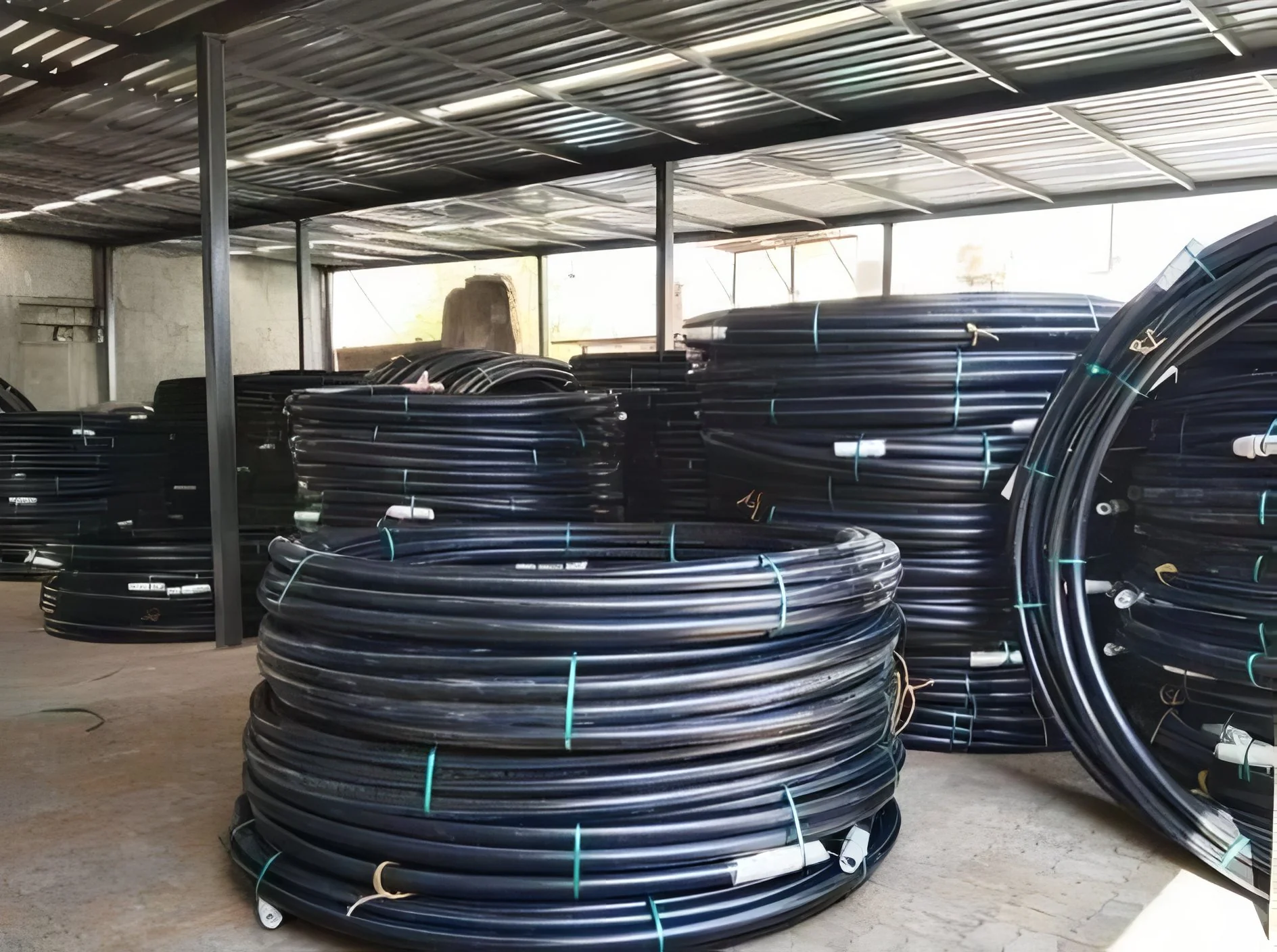
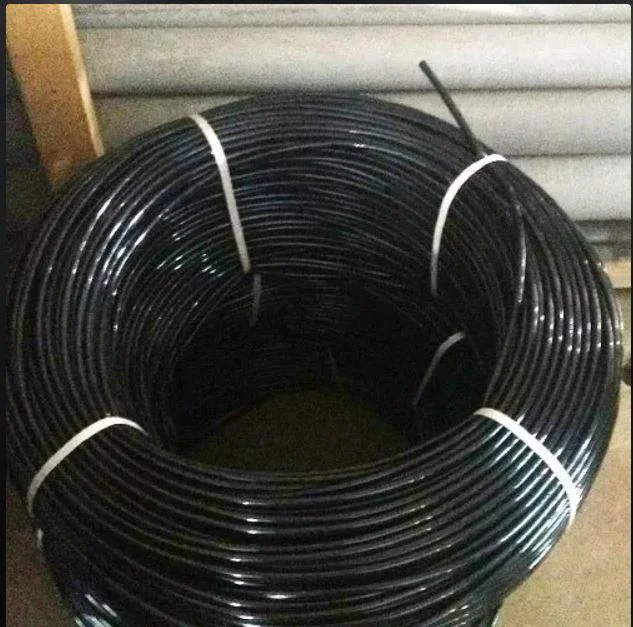
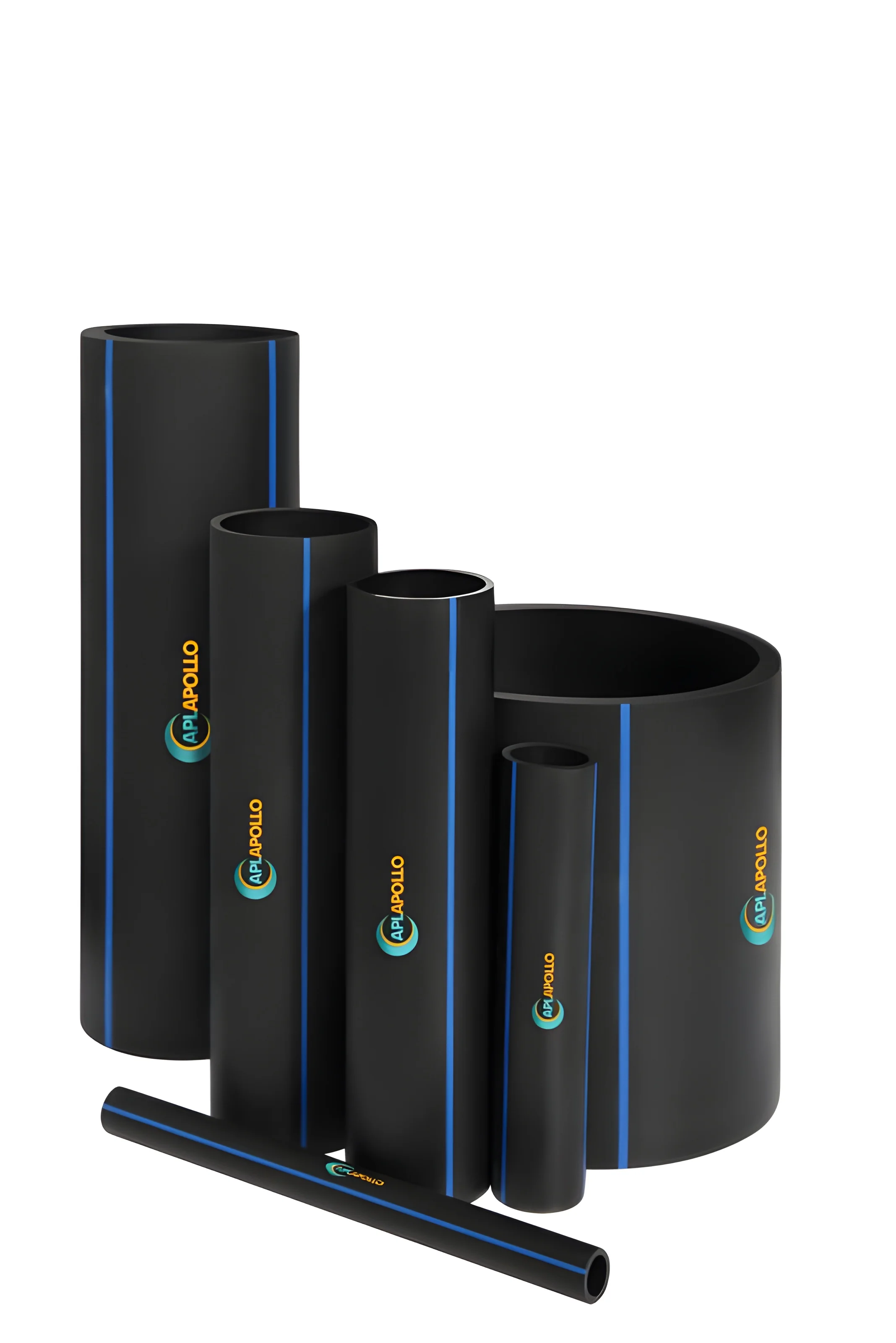
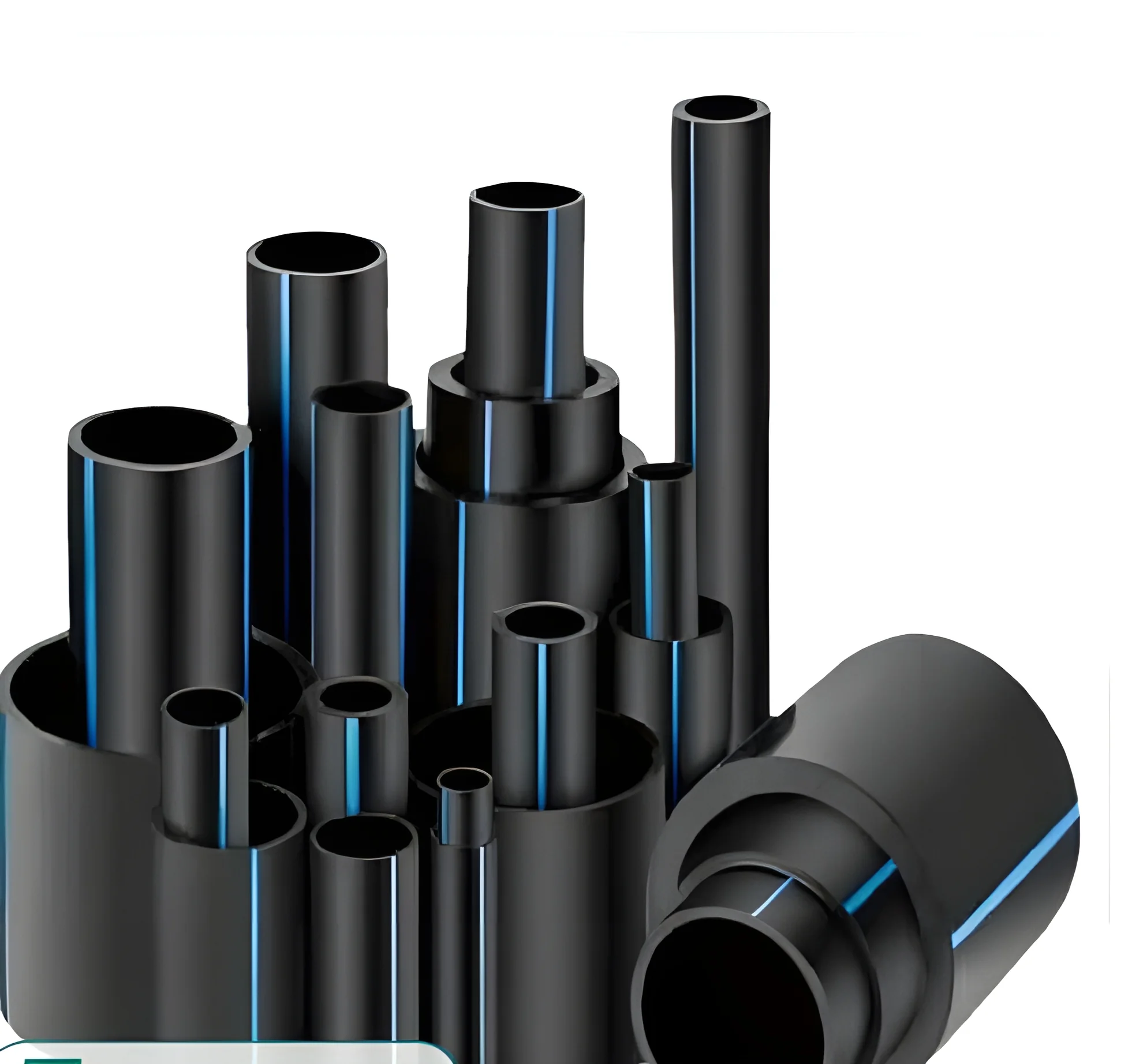
What are HDPE Pipes?
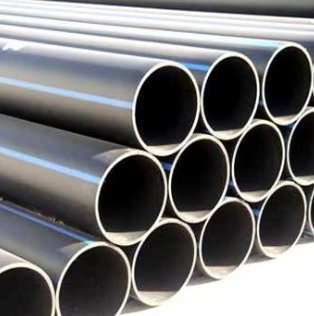
HDPE pipes, or High-Density Polyethylene pipes, are a type of plastic piping made from high-density polyethylene material. They are known for their strength, flexibility, and resistance to corrosion and chemicals. HDPE pipes are produced using an extrusion process that allows for a seamless construction, contributing to their durability and longevity. These pipes are lightweight and easy to handle, making them a preferred choice for a wide range of applications.
HDPE pipes are primarily used in various industries such as water supply, sewage and drainage systems, gas distribution, and telecommunications. Their ability to handle high pressure and temperature variations makes them suitable for both underground and above-ground installations. Additionally, the versatility of HDPE pipes allows them to be used in both residential and commercial projects, thus broadening their market relevance and applications in infrastructure development.
In the current market context, the demand for HDPE pipes is on the rise due to the increasing need for efficient and sustainable piping solutions. Their recyclability and lower environmental impact compared to traditional materials like metal and concrete further enhance their appeal. As industries focus on sustainability, HDPE pipes are becoming a critical component of modern infrastructure.
Key Features and Specifications
HDPE pipes come with several key features that make them suitable for a variety of applications. They are designed to meet specific industry standards and requirements, ensuring reliability and performance.
Key specifications include:
1. Material Composition
- Made from high-density polyethylene
- Resistant to chemicals and corrosion
2. Pressure Rating
- Available in various pressure ratings (e.g., SDR 11, SDR 17)
- Suitable for both high and low-pressure applications
3. Temperature Range
- Capable of withstanding temperature variations
- Typically used in environments ranging from -40°C to 60°C
4. Diameter Sizes
- Available in multiple diameters from 20 mm to 1000 mm and beyond
- Options for custom sizes based on project specifications
5. Lengths
- Standard lengths typically range from 6 meters to 12 meters
- Custom lengths can be provided depending on requirements
6. Jointing Methods
- Compatible with various jointing techniques including butt fusion and electrofusion
- Ensures leak-free connections
7. Density
- High-density polyethylene provides increased strength
- Lightweight nature aids in easy installation
8. Recyclability
- Fully recyclable material
- Contributes to reduced environmental impact
In summary, HDPE pipes combine strength, flexibility, and versatility, making them an excellent choice for numerous industrial applications.
Common Applications and Use Cases
HDPE pipes find extensive use across multiple industries due to their unique properties and reliable performance.
1. Water Supply: HDPE pipes are widely used in municipal water supply networks. Their resistance to corrosion ensures safe drinking water distribution without contamination.
2. Sewage and Drainage: These pipes are ideal for sewage systems, offering excellent flow characteristics and durability against harsh wastewater conditions.
3. Gas Distribution: HDPE pipes are utilized for natural gas distribution. Their strength and flexibility allow for safe transport of gas over long distances.
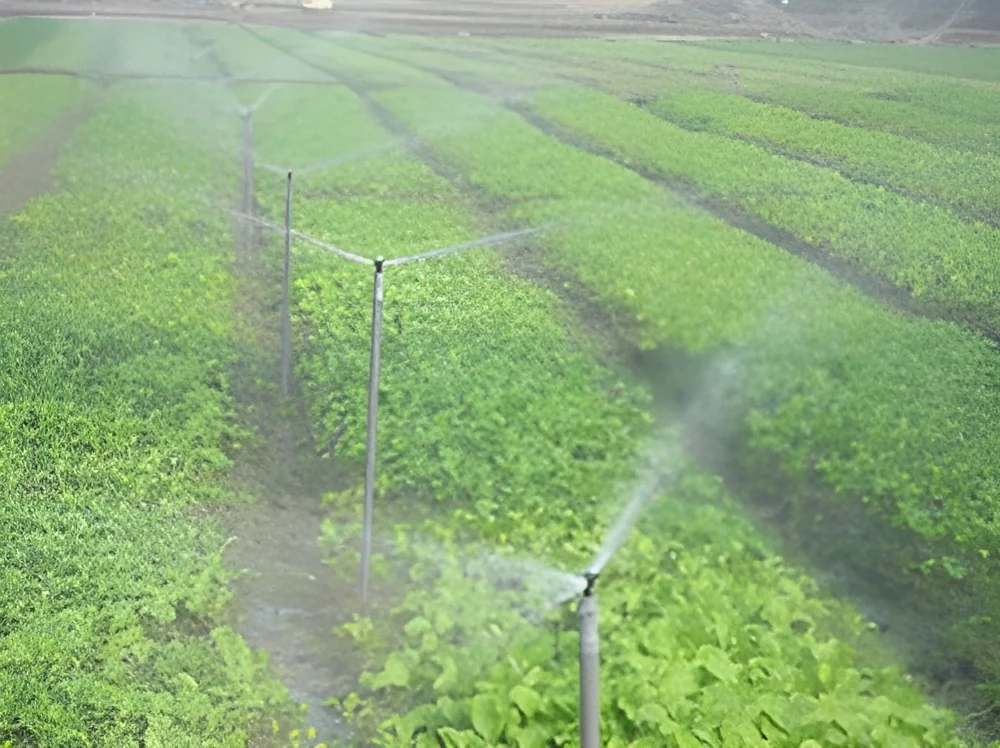
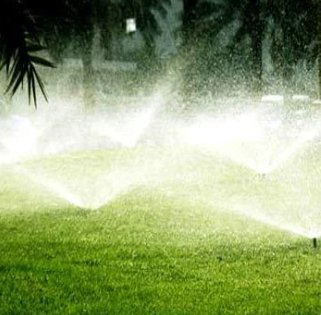
4. Agriculture: In agriculture, HDPE pipes are employed for irrigation systems. They can handle varying pressures and are resistant to chemicals used in fertilizers.
5. Telecommunications: HDPE pipes are used as conduits for fiber optic cables. Their lightweight nature facilitates installation over extensive networks.
6. Industrial Applications: Industries use HDPE pipes for transporting chemicals and other fluids. Their chemical resistance makes them suitable for various industrial processes.
7. Mining: HDPE pipes are also used in mining operations for slurry transport and dewatering applications.
Product Variants and Subcategories
HDPE pipes offer a diverse range of variants that cater to specific application needs.
Standard HDPE Pipes
These are the most commonly used pipes for general applications. They are available in various sizes and pressure ratings, making them versatile for different projects.
HDPE Double-Wall Pipes
These pipes feature an inner and outer wall, offering enhanced strength and insulation. They are typically used in drainage and sewage systems where durability is critical.
HDPE Corrugated Pipes
Ideal for underground drainage and sewer systems, these pipes provide flexibility and are resistant to crush loads. Their corrugated design enhances structural integrity.
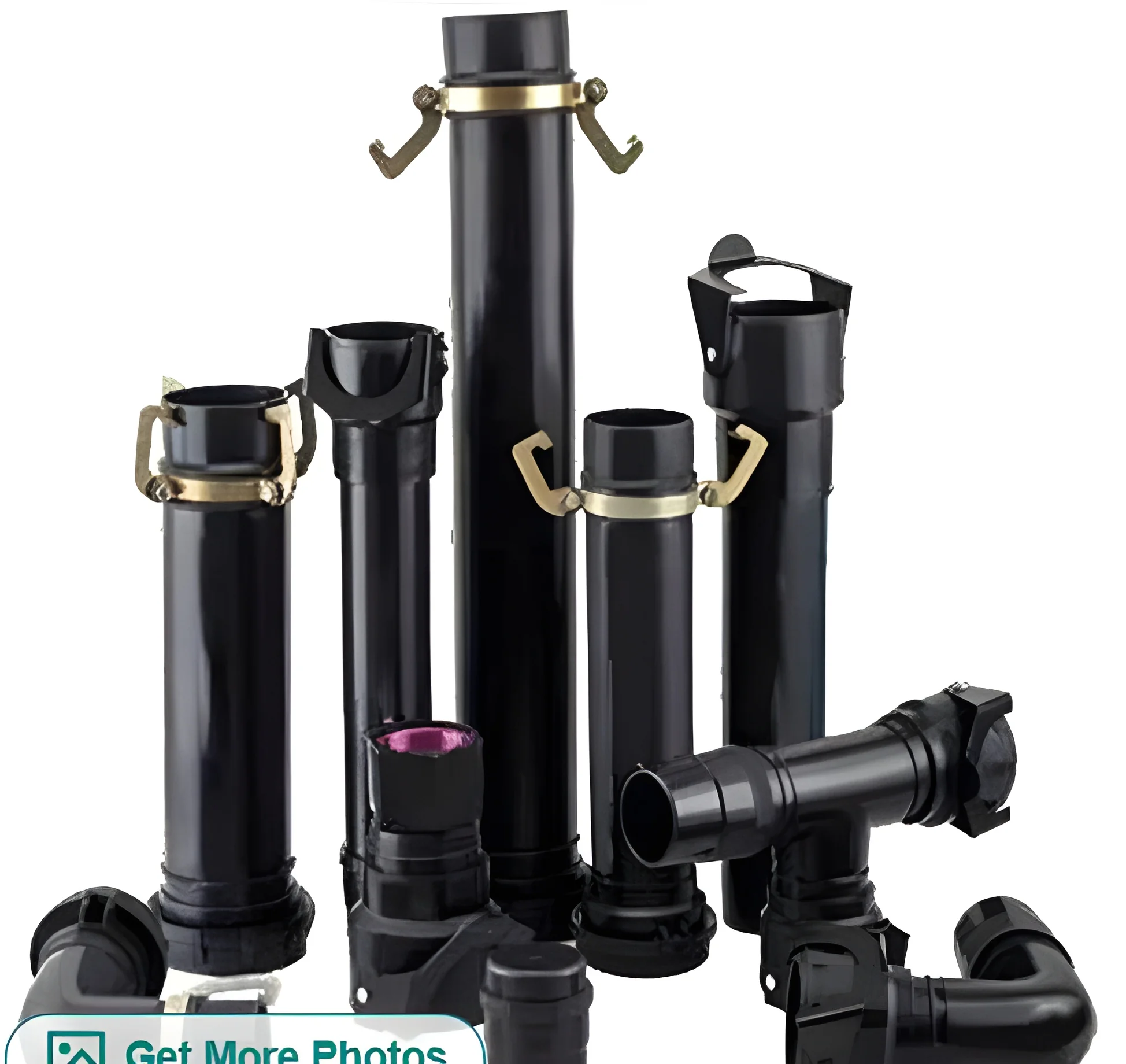
HDPE Pipe Fittings
These fittings complement HDPE pipes, ensuring seamless connections and transitions between different pipe sizes and configurations.
Benefits and Advantages
The advantages of using HDPE pipes are significant, making them a preferred choice in many industries.
1. Durability: HDPE pipes are resistant to corrosion, chemicals, and UV radiation, which ensures a long service life.
2. Lightweight: Their lightweight nature makes them easy to transport and install, reducing labor costs.
3. Flexibility: HDPE pipes can bend around obstacles, allowing for easy installation in challenging environments.
4. Cost-Effectiveness: The longevity and low maintenance requirements of HDPE pipes translate to cost savings over time.
5. Environmentally Friendly: Being recyclable, HDPE pipes have a lower environmental impact compared to traditional piping materials.
6. Leak-Free Joints: The jointing methods available for HDPE pipes provide reliable, leak-free connections, reducing the risk of water loss.
Buying Guide for B2B Buyers
When sourcing HDPE pipes for your business needs, several factors should be considered to ensure quality and reliability.
1. Quality Assessment: It is crucial to evaluate the quality of the HDPE pipes. Look for certifications and compliance with industry standards to ensure durability and safety.
2. Supplier Verification: Vetting suppliers is essential to ensure they have a good reputation and can deliver quality products consistently. Check for customer reviews and past project references.
3. Pricing and MOQ: Understand the pricing structure and minimum order quantities. Comparing quotes from different suppliers can help secure the best deal.
4. Delivery and Lead Times: Consider logistics and lead times for delivery. Timely delivery is essential to keep projects on schedule.
5. Compliance Requirements: Be aware of any regulatory or compliance requirements relevant to your industry. Ensure that the products meet these standards.
Compliance and Certifications
HDPE pipes must meet various quality standards to ensure their reliability and safety. Key standards include ISO 9001, which ensures consistent quality management systems, and CE certification, which indicates compliance with European standards.
Safety and testing requirements are also critical. Manufacturers must conduct rigorous testing to confirm that HDPE pipes can withstand the necessary pressures and conditions for their intended applications.
Additionally, regional compliance considerations may apply, depending on the market. Different countries may have specific regulations regarding the materials used in piping systems, and it is important for manufacturers and suppliers to adhere to these standards.
Why Source HDPE Pipes from Pepagora?
Pepagora is a trusted platform for sourcing HDPE pipes, offering several advantages to buyers.
Verified Supplier Network: Pepagora connects you with a network of verified suppliers, ensuring that you can find reliable sources for high-quality HDPE pipes. Each supplier undergoes a thorough vetting process to guarantee trustworthiness.
Streamlined RFQ Process: The Request for Quotation (RFQ) process at Pepagora is designed to be simple and efficient. Buyers can easily submit their requirements and receive competitive quotes from multiple suppliers.
Trade Assurance and Support: Pepagora provides trade assurance, protecting buyers during transactions. Support services are also available to assist you with any queries or issues related to your procurement process.
Regional Coverage: Pepagora has a wide geographic reach, servicing markets in India, the GCC, and Southeast Asia. This regional coverage allows buyers to access local suppliers and potentially reduce shipping times and costs.
Overall, Pepagora is an ideal choice for businesses looking to source HDPE pipes efficiently and effectively, ensuring quality and reliability in their procurement processes.

 IN
IN