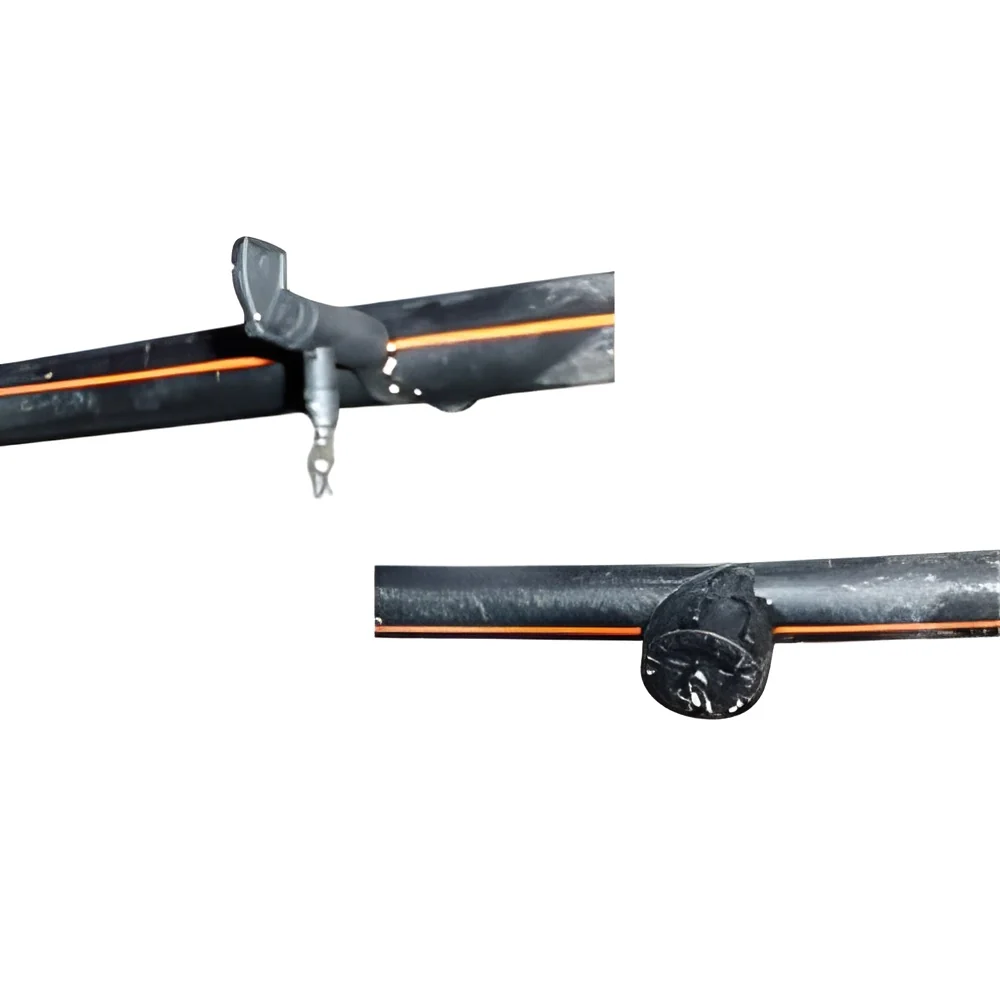
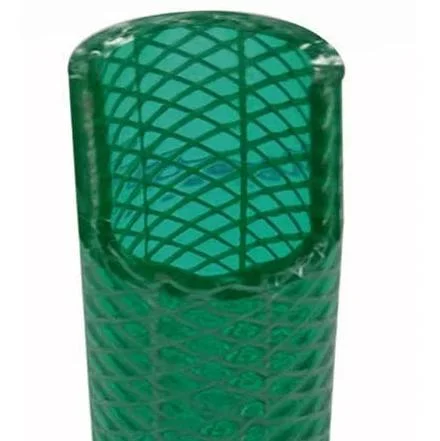
What are Drip Emitters & Nozzles?
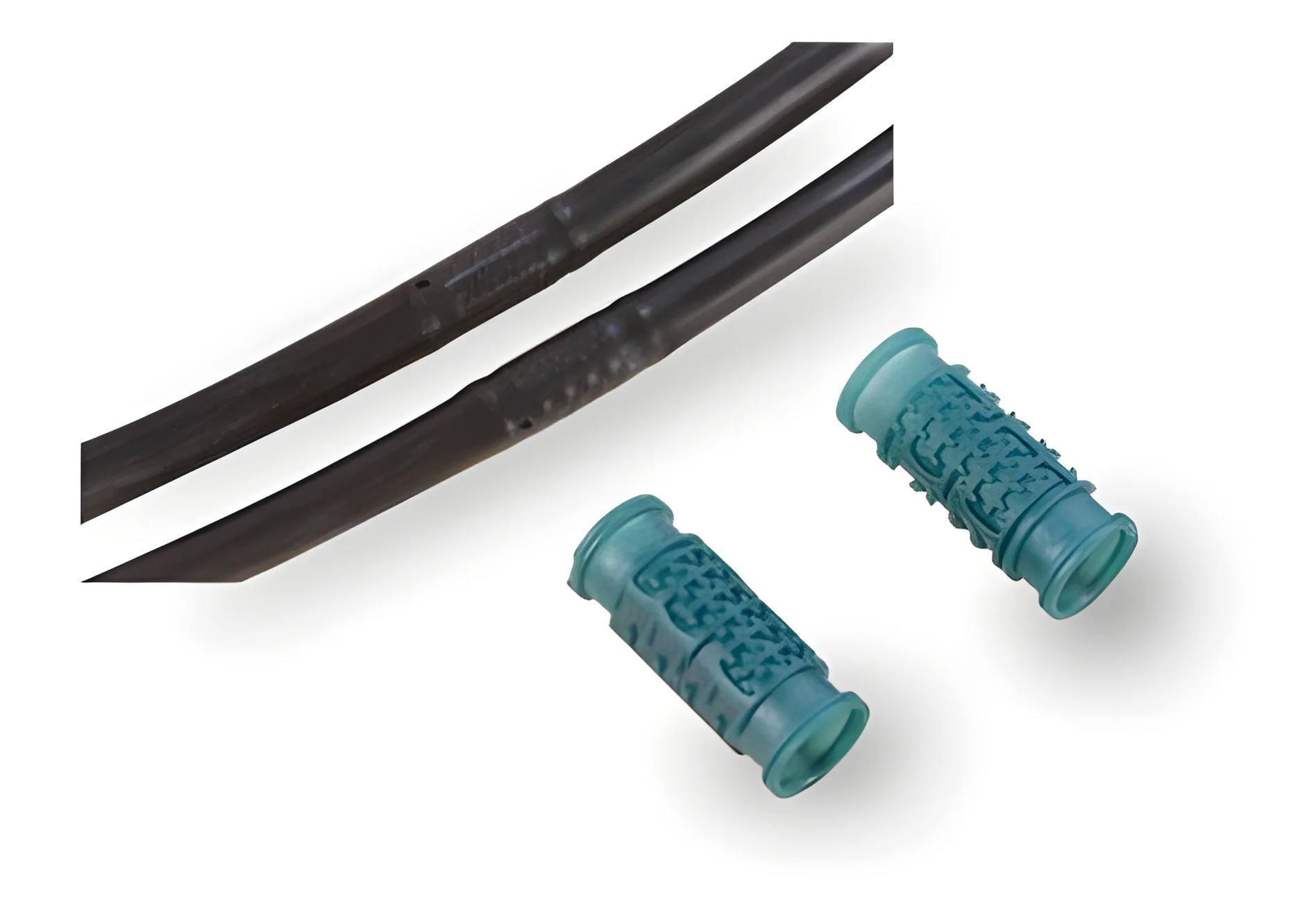
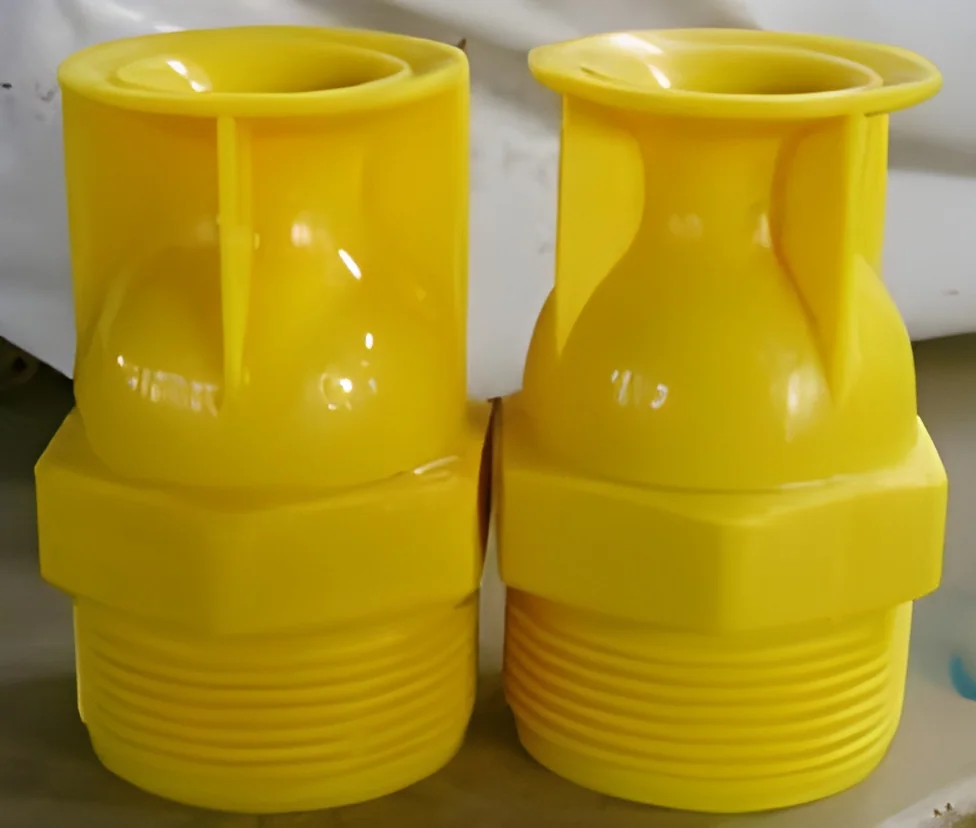
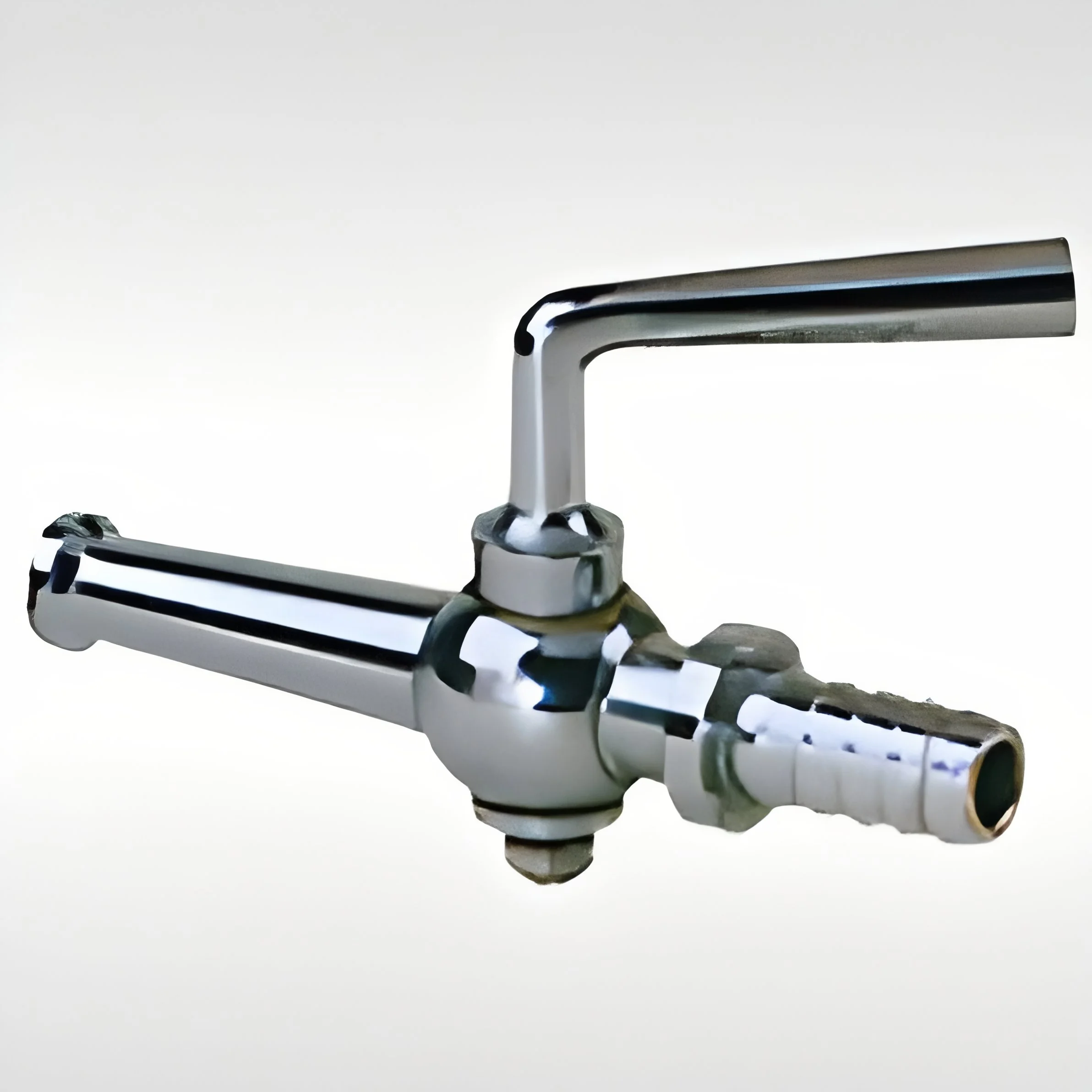
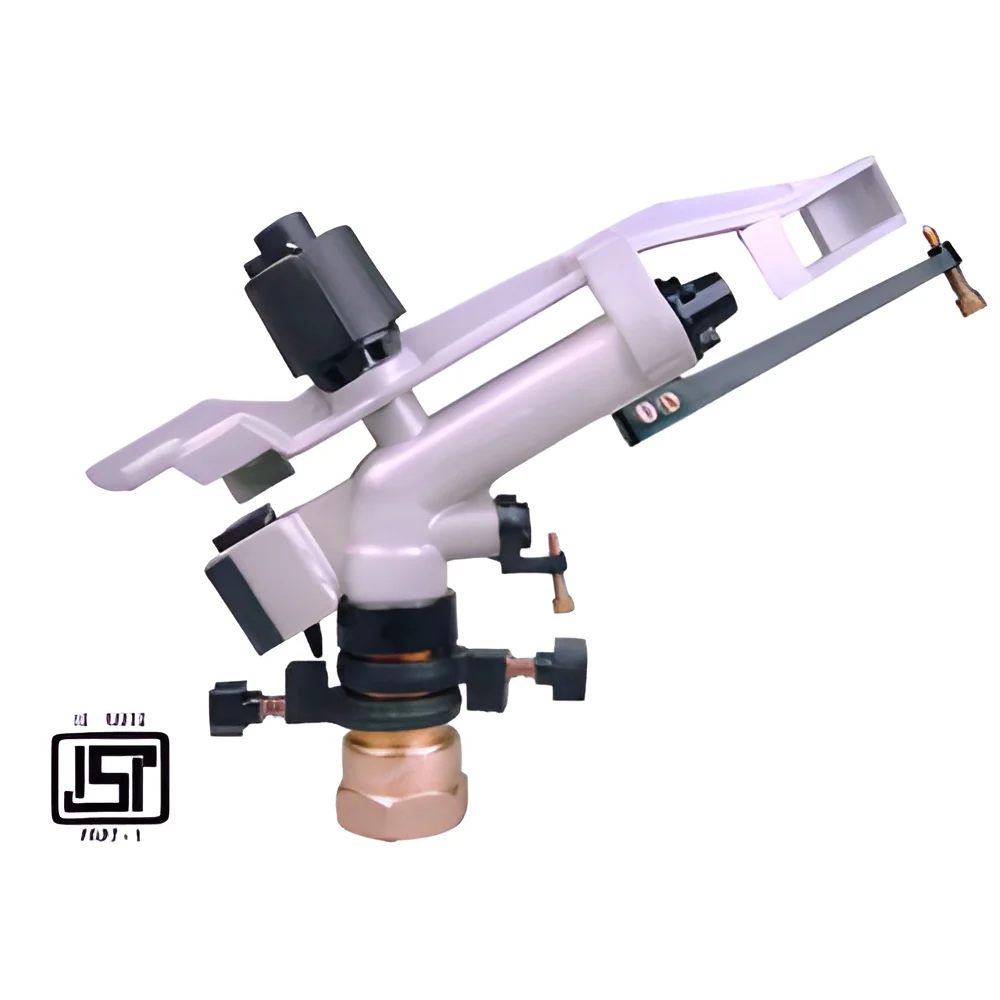
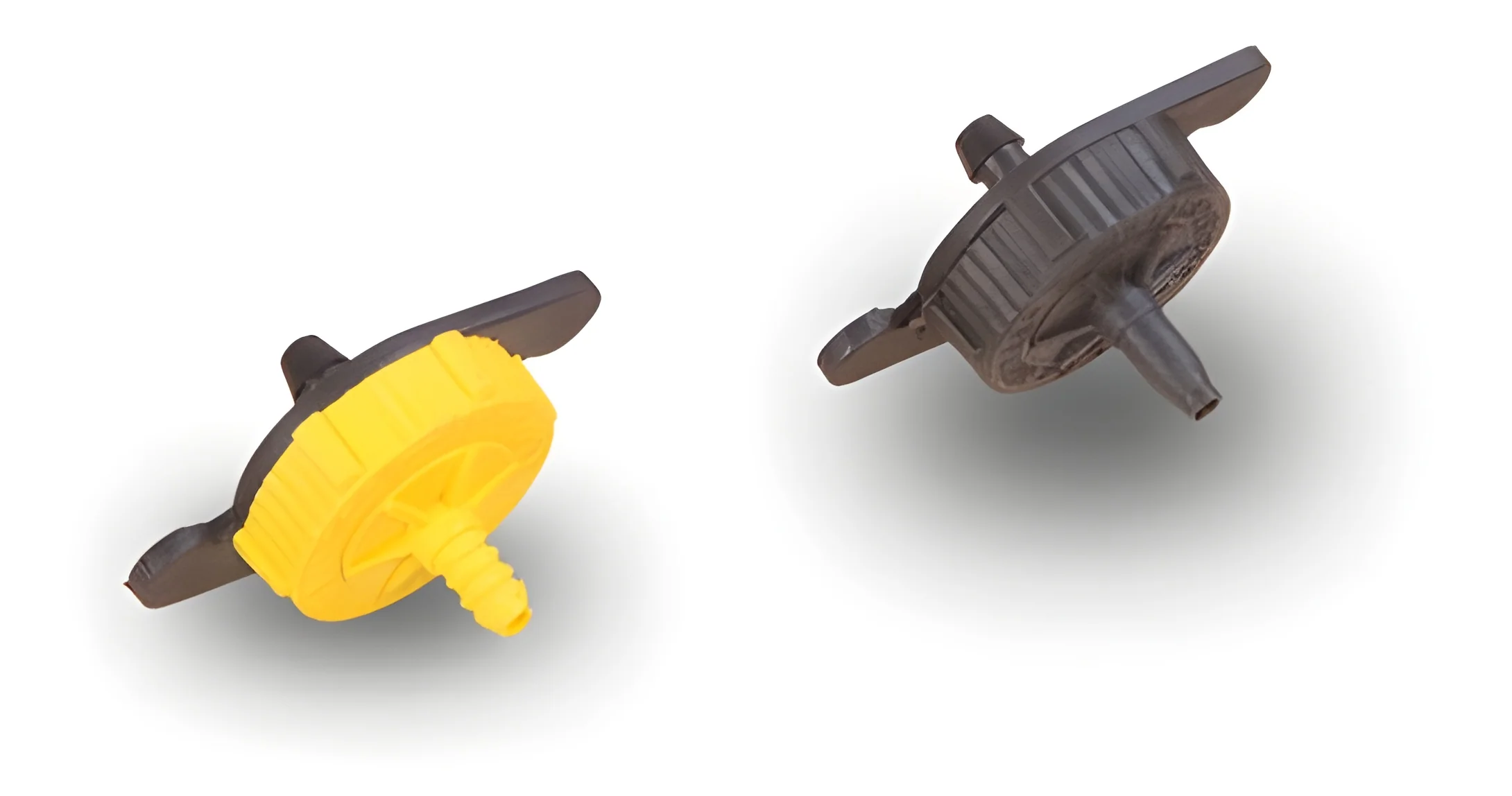
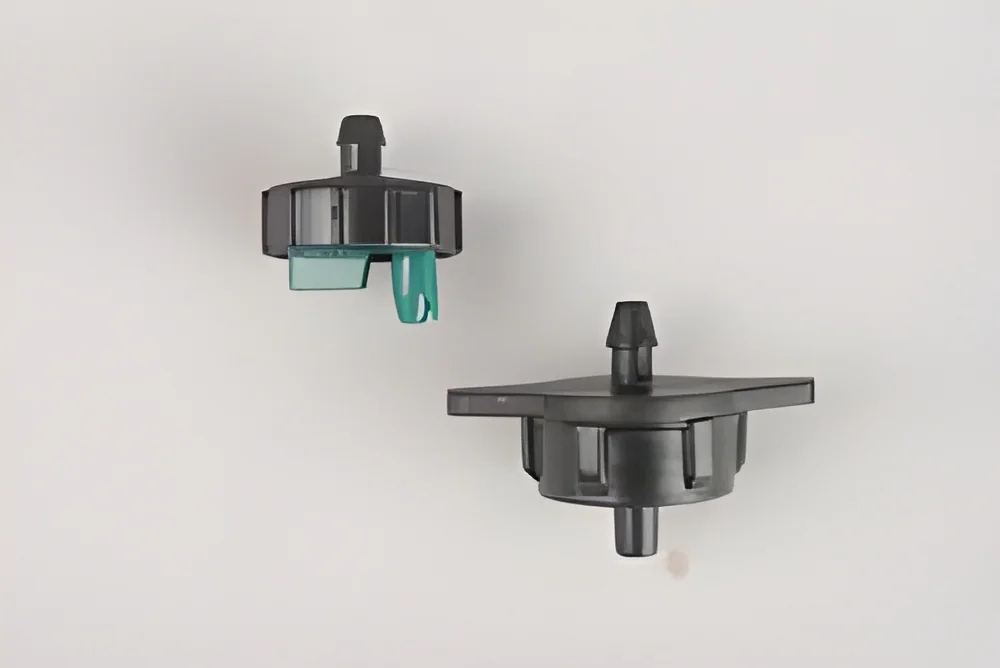
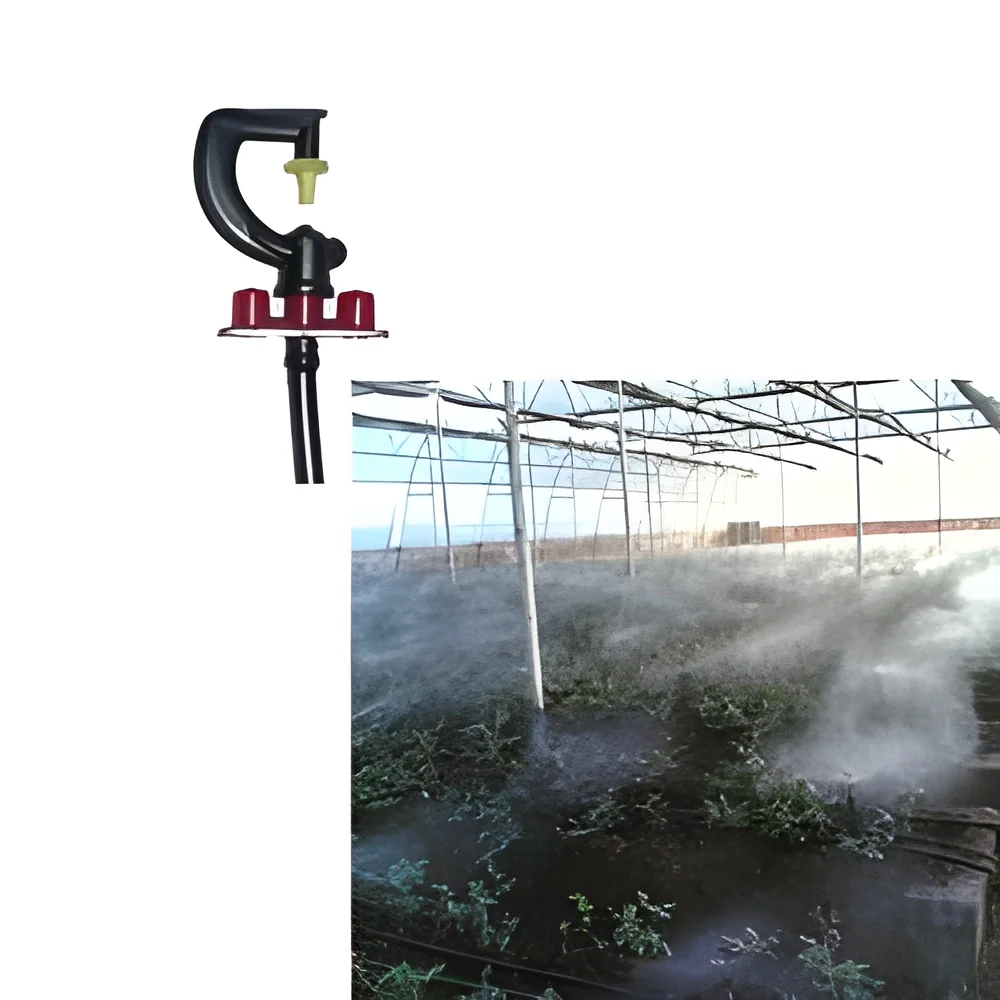
Drip emitters and nozzles are essential components of modern irrigation systems, designed to deliver precise amounts of water directly to the root zone of plants. Drip emitters function by releasing water in a steady flow, while nozzles distribute water in a spray pattern. Both devices are crucial in optimizing water usage, minimizing waste, and ensuring healthy plant growth.
These products are widely used in agriculture, horticulture, and landscaping applications. They allow farmers and gardeners to manage their water resources more effectively, especially in arid regions. By using drip emitters and nozzles, businesses can enhance crop yields and improve plant health while reducing operational costs associated with excessive water use.
In today's market, the demand for efficient irrigation solutions is growing due to increasing concerns about water scarcity and sustainability. Industries are looking for ways to implement more effective irrigation methods, making drip emitters and nozzles integral to agricultural practices and environmental management.
Key Features and Specifications
Drip emitters and nozzles come with various features that enhance their performance and usability. Understanding these specifications is critical for selecting the right products for specific applications.
Key specifications include:
1. Flow Rate
- The amount of water delivered per hour, typically measured in liters per hour (LPH).
- Common ranges vary from 1 to 8 LPH depending on the emitter type.
2. Pressure Range
- The optimal water pressure for effective operation, usually measured in psi.
- Typical ranges are between 10 to 40 psi.
3. Material
- Common materials include plastic and stainless steel, chosen for durability and resistance to corrosion.
4. Diameter
- Sizes range from 1/4 inch to 1 inch, depending on the irrigation system design.
5. Operating Temperature
- Designed to function within a temperature range, typically around 5 to 50 degrees Celsius.
6. Emitters Type
- Options include pressure compensating, non-pressure compensating, and adjustable flow emitters.
7. Spray Pattern
- Varies from standard to fan-shaped, allowing for different coverage areas.
8. Installation Type
- Options for on-surface, subsurface, or integrated into hoses.
In summary, understanding these specifications helps businesses select the most appropriate drip emitters and nozzles for their irrigation needs, ensuring efficiency and functionality.
Common Applications and Use Cases
Drip emitters and nozzles are versatile tools used across numerous industries. Their ability to provide targeted irrigation makes them invaluable in various settings.
1. Agriculture: Farmers use drip emitters to provide consistent moisture to crops, enhancing growth and yield while conserving water.
2. Horticulture: Nurseries utilize nozzles for watering plants, ensuring sufficient hydration without waterlogging the soil.
3. Landscaping: Landscape professionals implement drip systems for efficient irrigation of gardens, lawns, and ornamental plants.
4. Greenhouses: Controlled environments benefit from precise water delivery, promoting optimal plant growth and health.
5. Sports Turf: Athletic fields utilize both emitters and nozzles to maintain grass quality and appearance, especially during dry seasons.
6. Orchards: Fruit tree cultivation employs drip irrigation for better fruit quality and reduced water usage.
7. Vineyards: Wine producers rely on drip systems to ensure consistent vineyard hydration, crucial for grape quality.
Product Variants and Subcategories
Drip emitters and nozzles come in various forms to meet diverse irrigation needs. Each variant offers unique features tailored to specific applications.
Pressure Compensating Emitters: These emitters maintain a consistent flow rate regardless of pressure changes, ideal for uneven terrain.
Adjustable Flow Emitters: These allow users to manually adjust the flow rate for different plant needs, offering flexibility in watering.
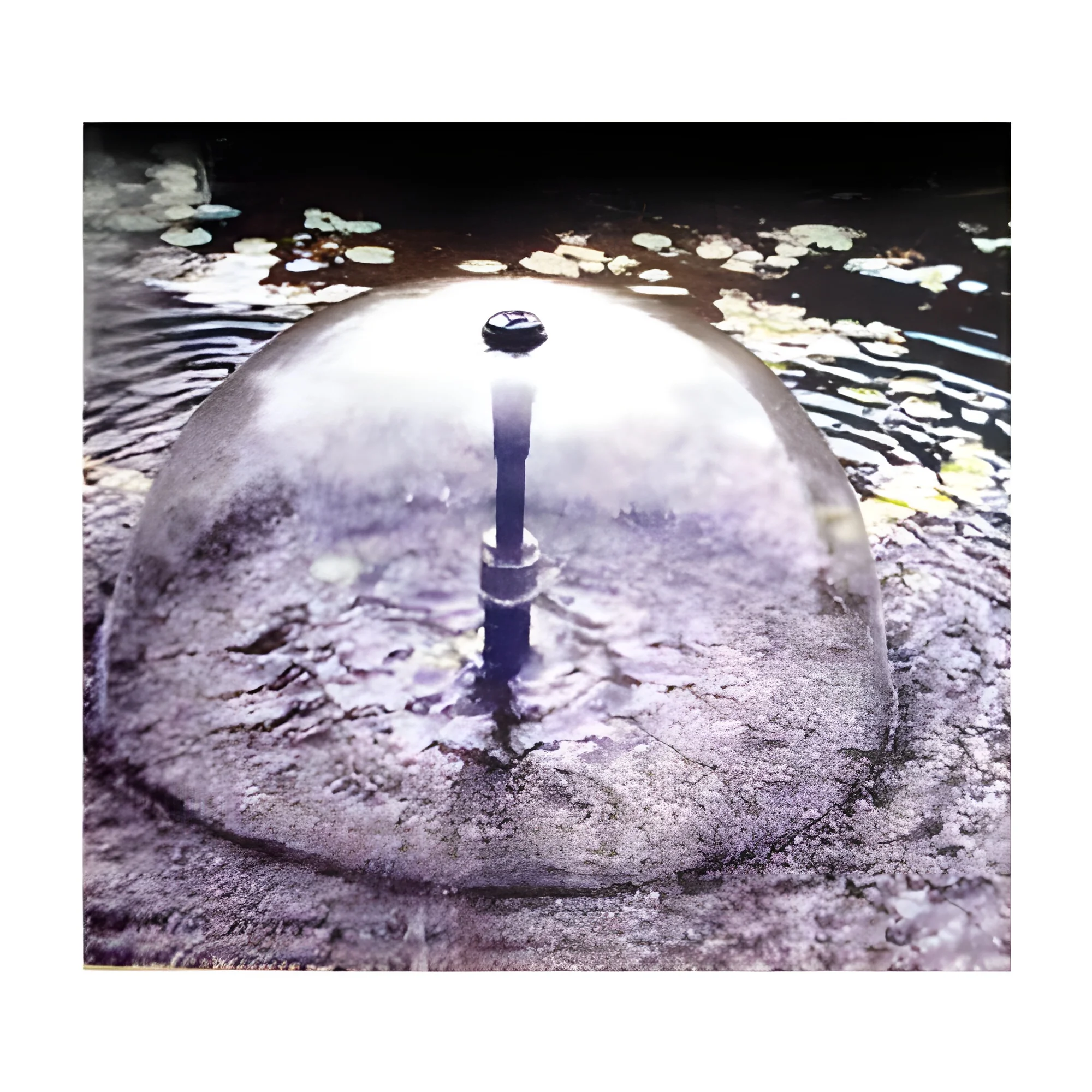
Spray Nozzles: Designed for larger coverage areas, these nozzles provide a wide spray pattern suitable for both small and large gardens.
Micro Sprinklers: Combining the technology of emitters and nozzles, micro sprinklers deliver water over a broad area while conserving resources.
Benefits and Advantages
Investing in drip emitters and nozzles provides numerous advantages for businesses looking to enhance irrigation practices.
1. Water Efficiency: These systems minimize water waste by delivering water directly to plant roots, leading to lower consumption.
2. Cost Savings: Reduced water usage translates to lower utility bills, improving overall operational costs.
3. Improved Plant Health: Precise watering enhances plant growth and health, resulting in higher yields and quality.
4. Labor Reduction: Automated systems require less manual labor, freeing up time for other essential tasks.
5. Flexibility: Various emitter and nozzle designs allow customization for different crop types and landscape requirements.
6. Environmental Sustainability: Efficient water management contributes to conservation efforts, aligning with sustainability goals.
Buying Guide for B2B Buyers
When sourcing drip emitters and nozzles, businesses should consider several key factors to ensure they select the right products.
1. Quality Assessment: Evaluate the durability and reliability of products. Consider materials and design features that enhance longevity.
2. Supplier Verification: Vet suppliers by checking their reputation, certifications, and customer reviews to ensure they meet industry standards.
3. Pricing and MOQ: Understand the pricing structure and minimum order quantities (MOQ) to budget effectively for procurement.
4. Delivery and Lead Times: Confirm the supplier's ability to deliver products promptly, ensuring that schedules are met.
5. Compliance Requirements: Familiarize yourself with any regulatory standards relevant to your industry, ensuring that products meet necessary certifications.
Compliance and Certifications
Drip emitters and nozzles must adhere to various quality standards and certifications to ensure safety and performance.
ISO 9001: This standard ensures that manufacturers maintain quality management systems, providing assurance of product reliability.
CE Certification: Products must meet European safety, health, and environmental protection standards, indicating compliance for market entry.
Safety and Testing Requirements: Manufacturers should conduct rigorous testing to ensure that products are safe for use in agricultural applications.
Regional Compliance Considerations: Depending on the market, different regions may have specific regulations that must be adhered to, impacting product design and usage.
Why Source Drip Emitters & Nozzles from Pepagora?
Pepagora offers a reliable platform for sourcing drip emitters and nozzles, providing several advantages for B2B buyers.
Verified Supplier Network: Pepagora connects businesses with vetted suppliers, ensuring a trustworthy procurement process with quality products.
Streamlined RFQ Process: The request for quotation system simplifies inquiries, allowing buyers to receive competitive pricing and terms efficiently.
Trade Assurance and Support: Buyers benefit from enhanced protection through trade assurance policies that provide peace of mind during transactions.
Regional Coverage: With a broad geographic reach across India, the GCC, and Southeast Asia, Pepagora ensures that businesses can find suitable suppliers that meet their local needs.

 IN
IN