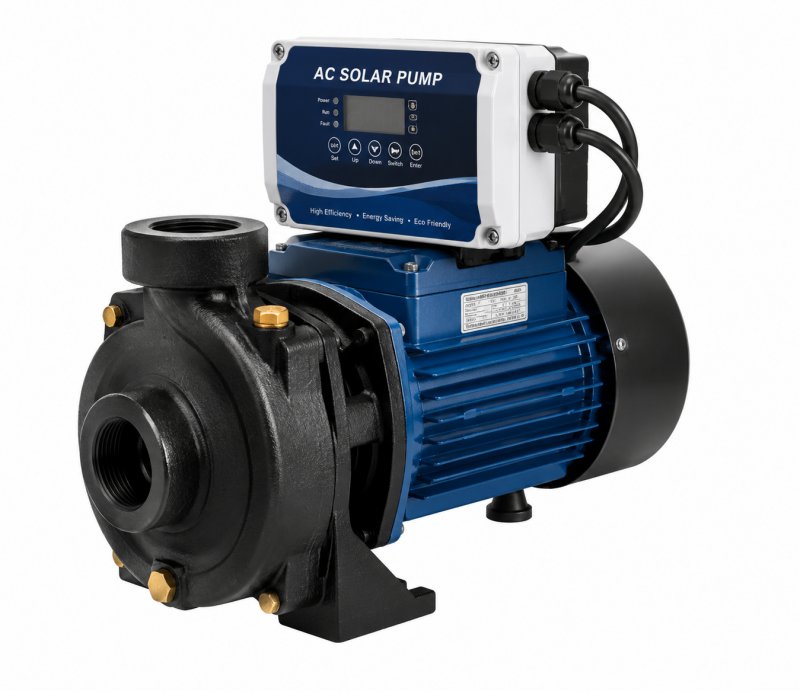
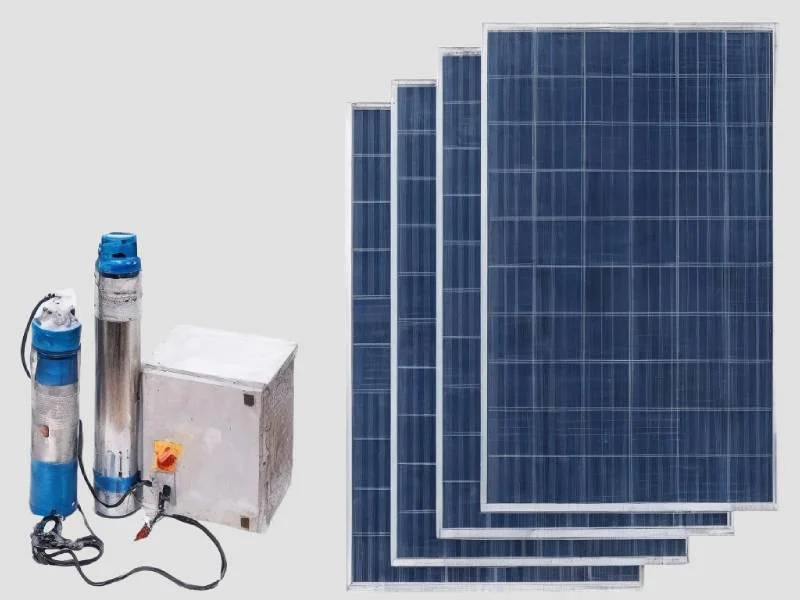
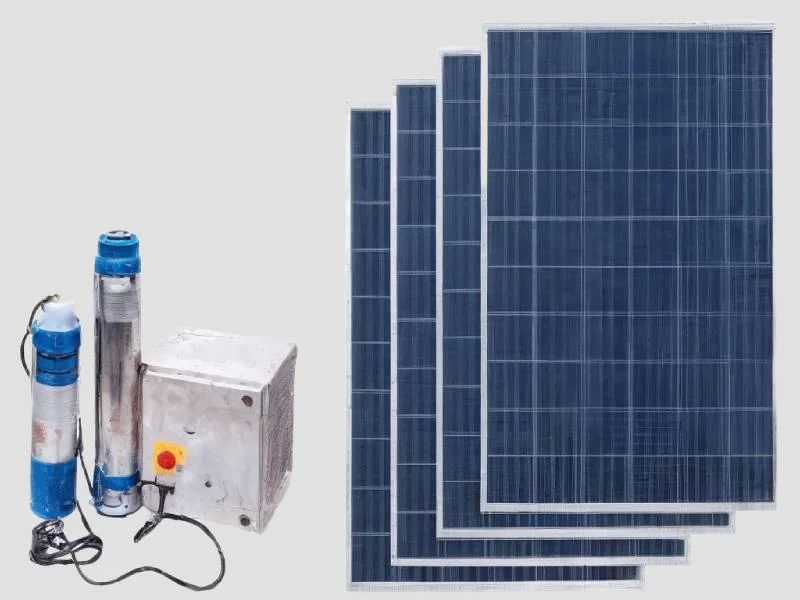
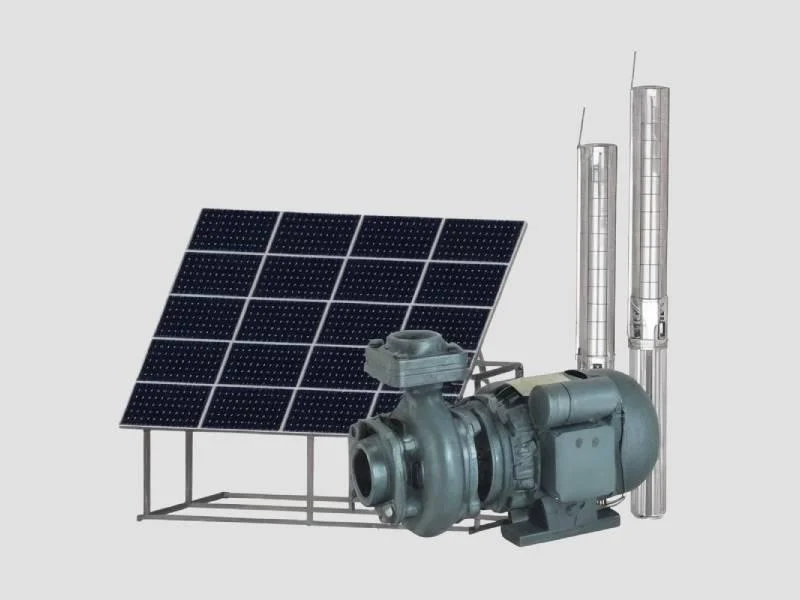
What are Solar Water Pumps?
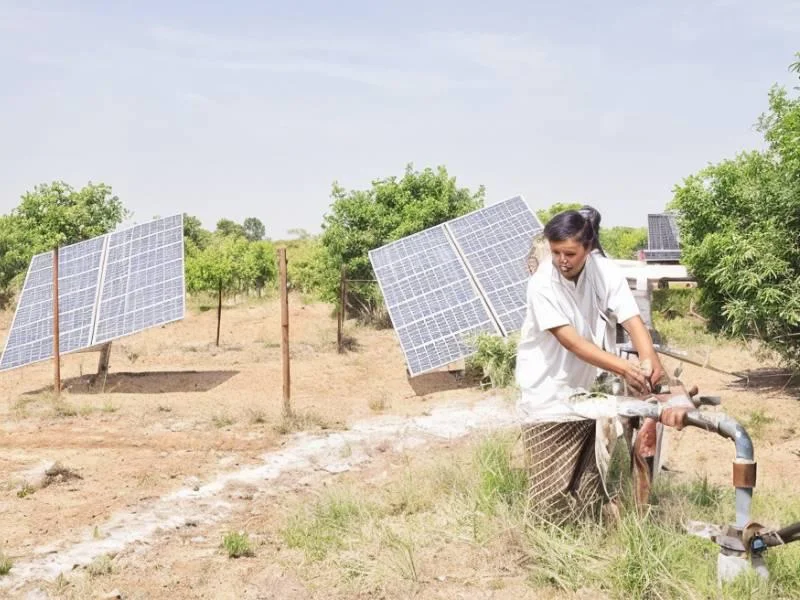
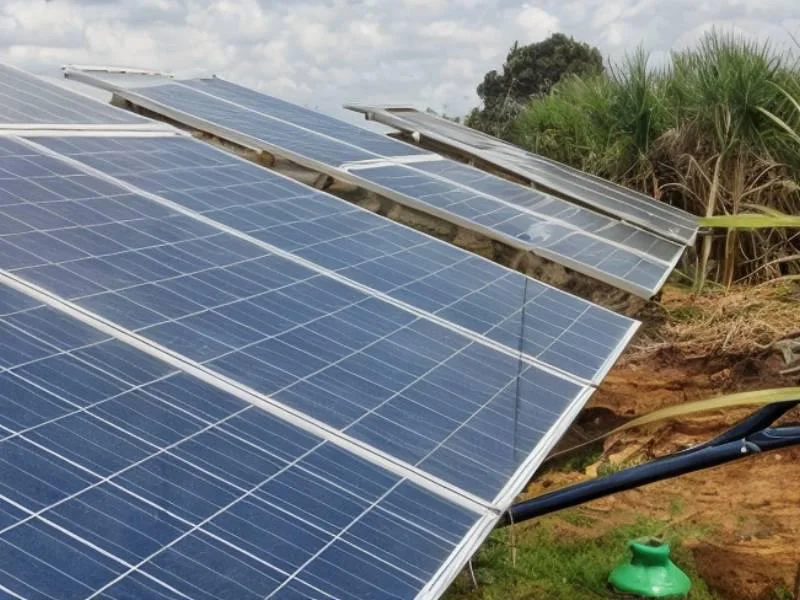
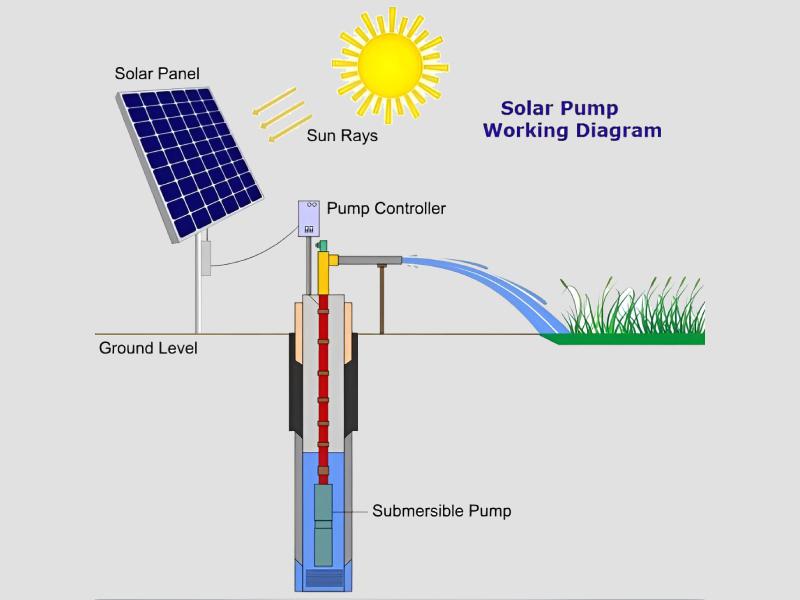
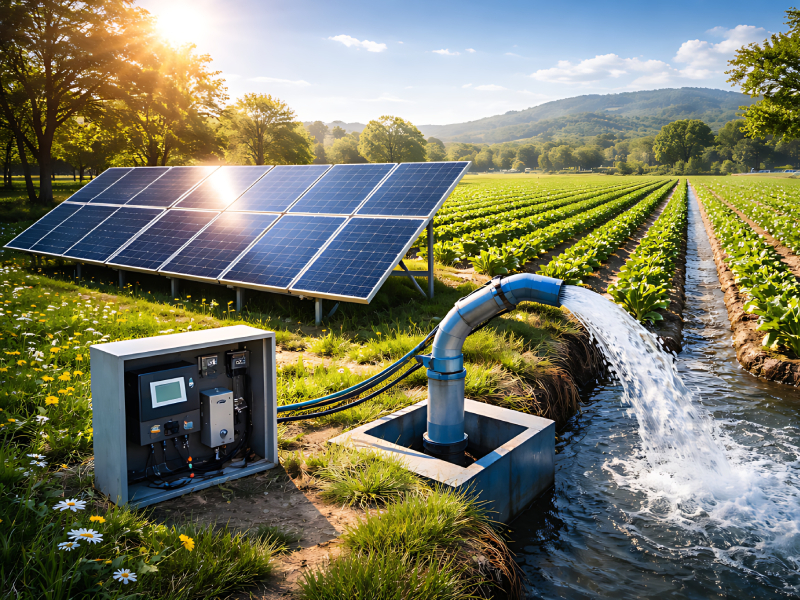
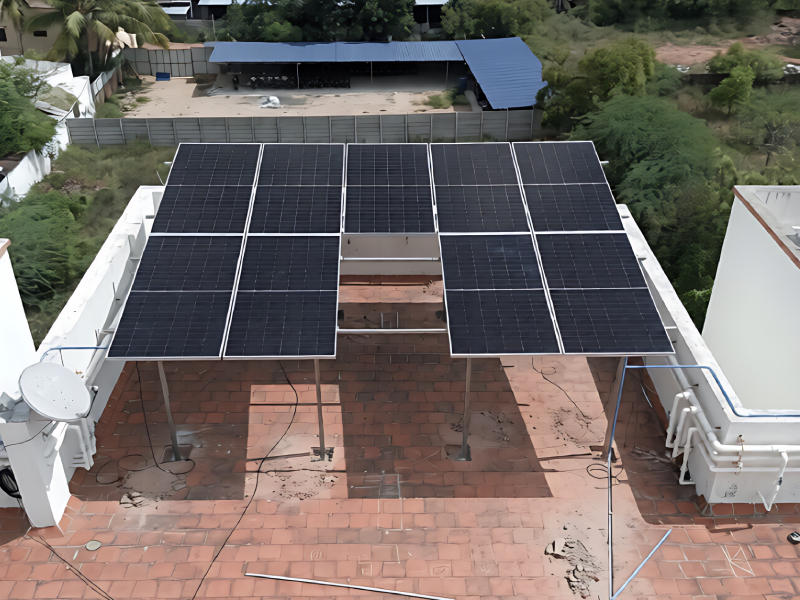
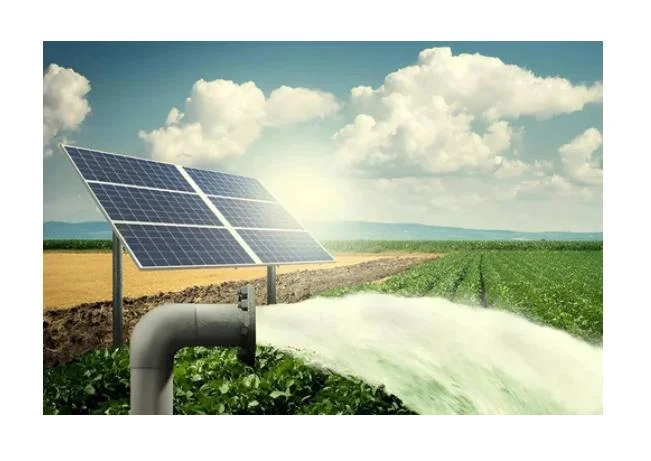
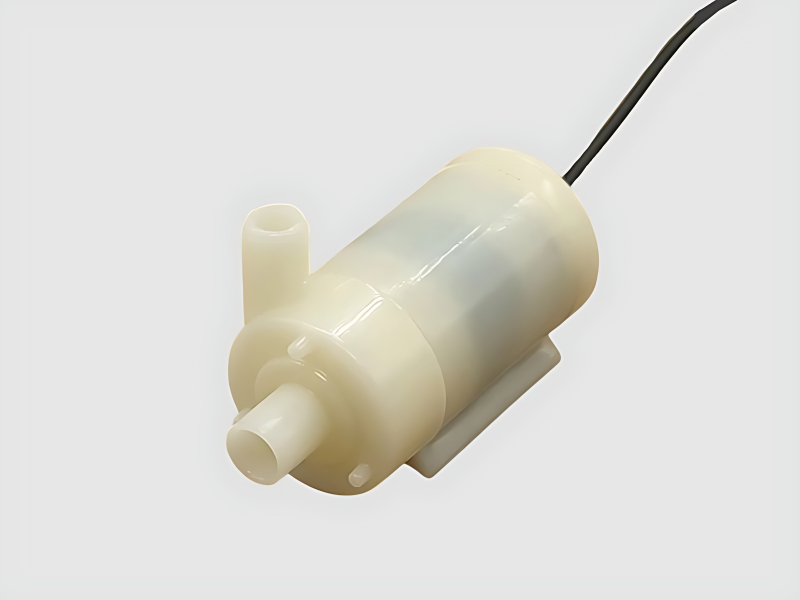
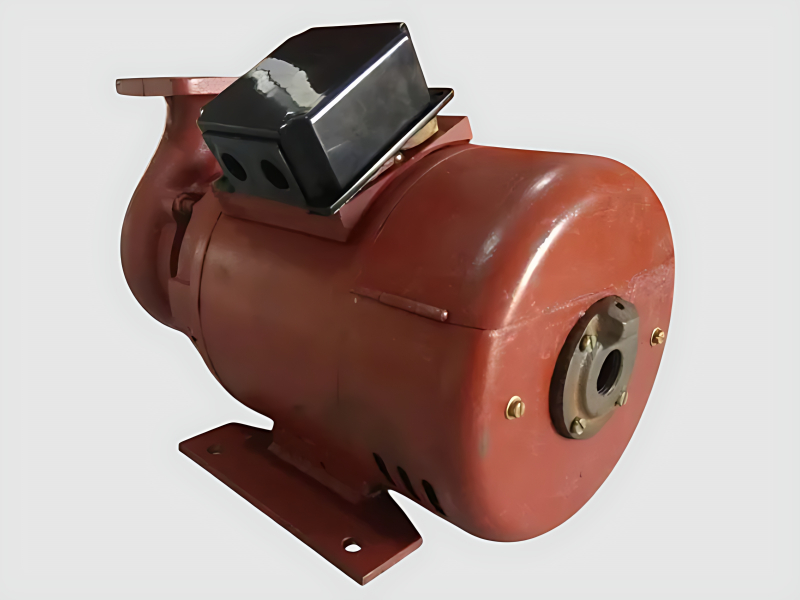
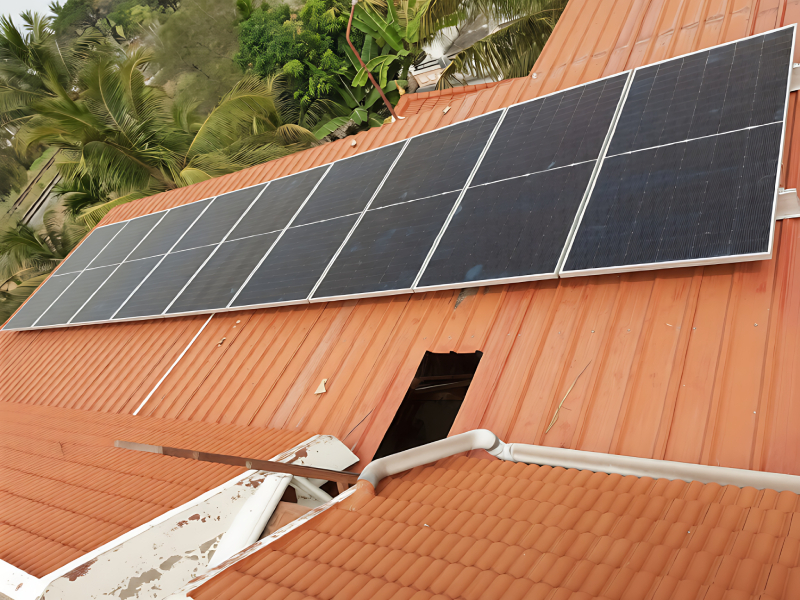
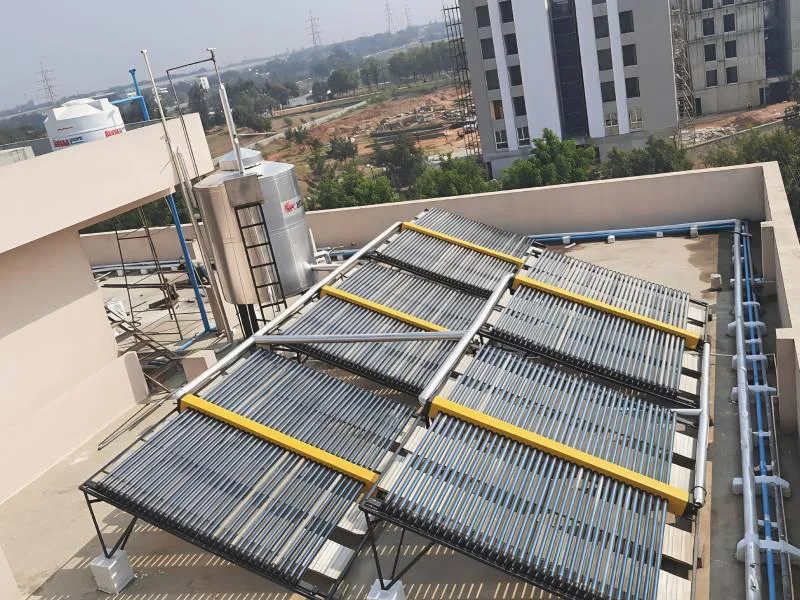
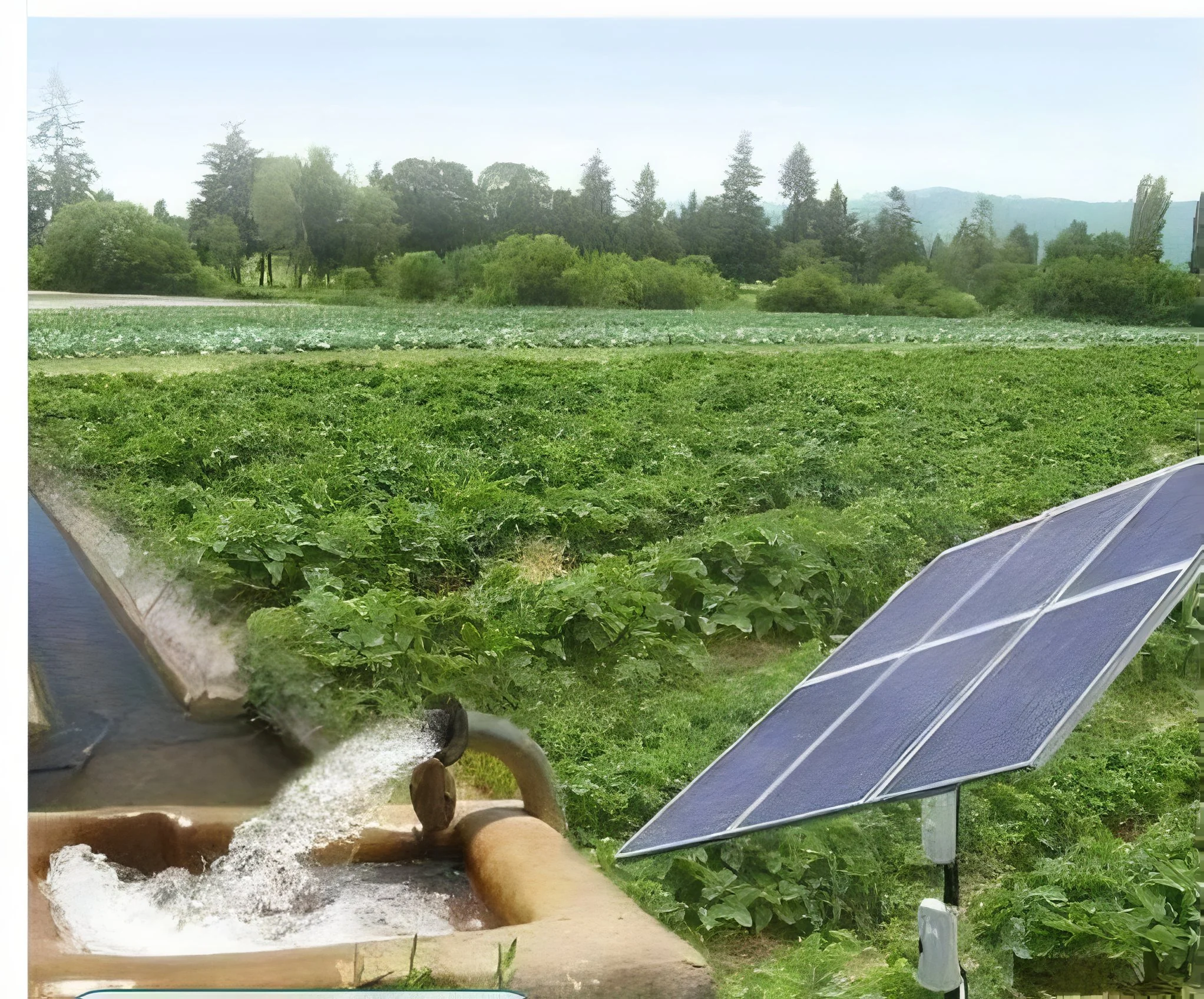
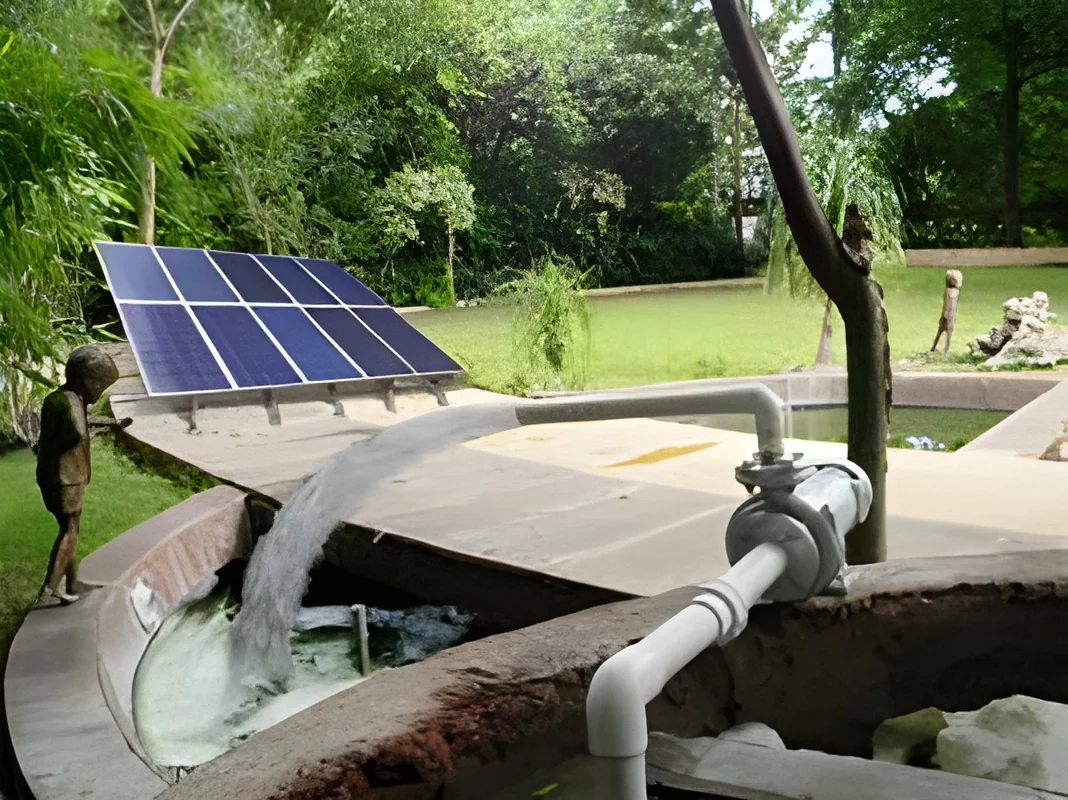
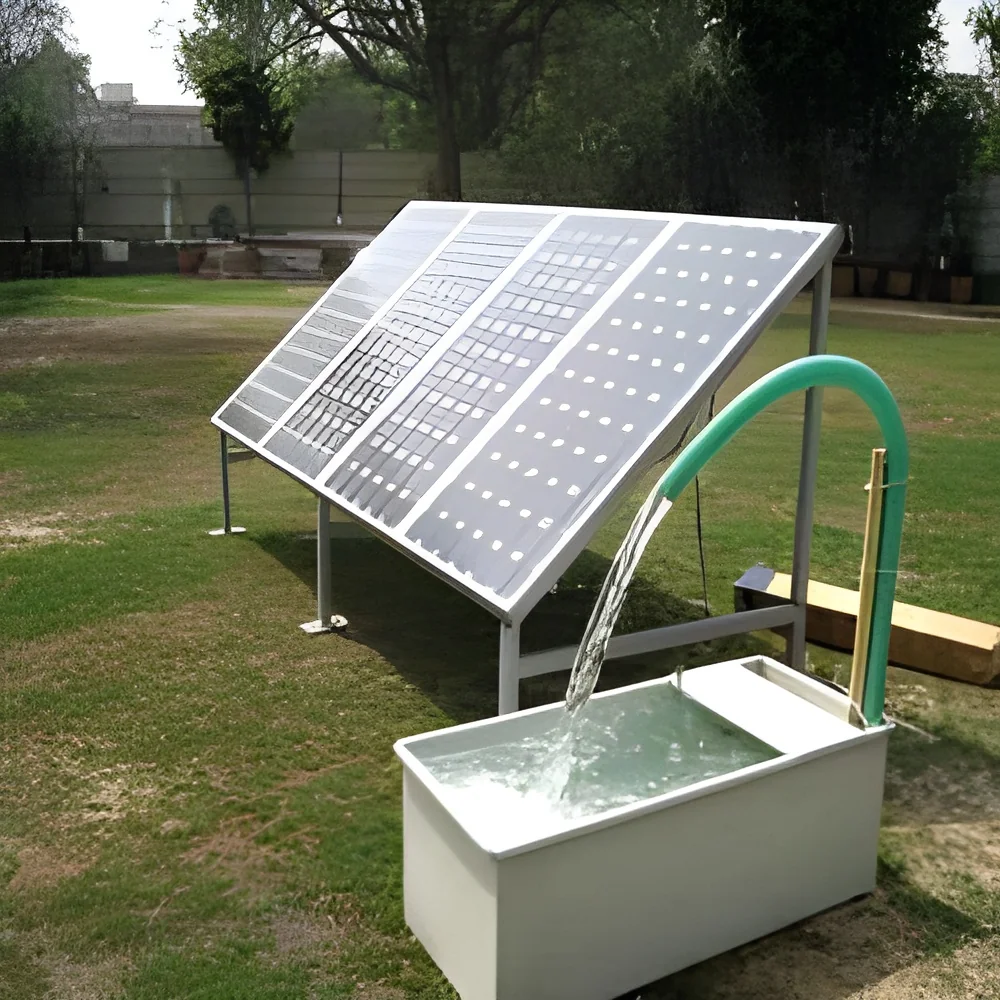
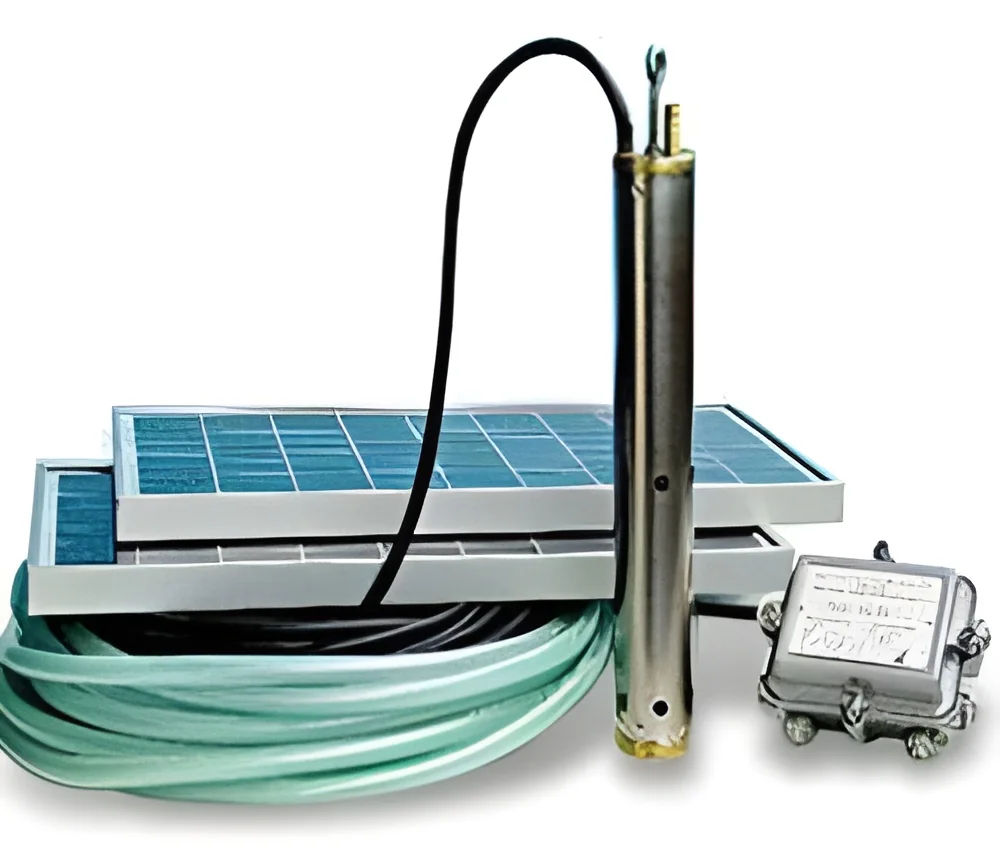
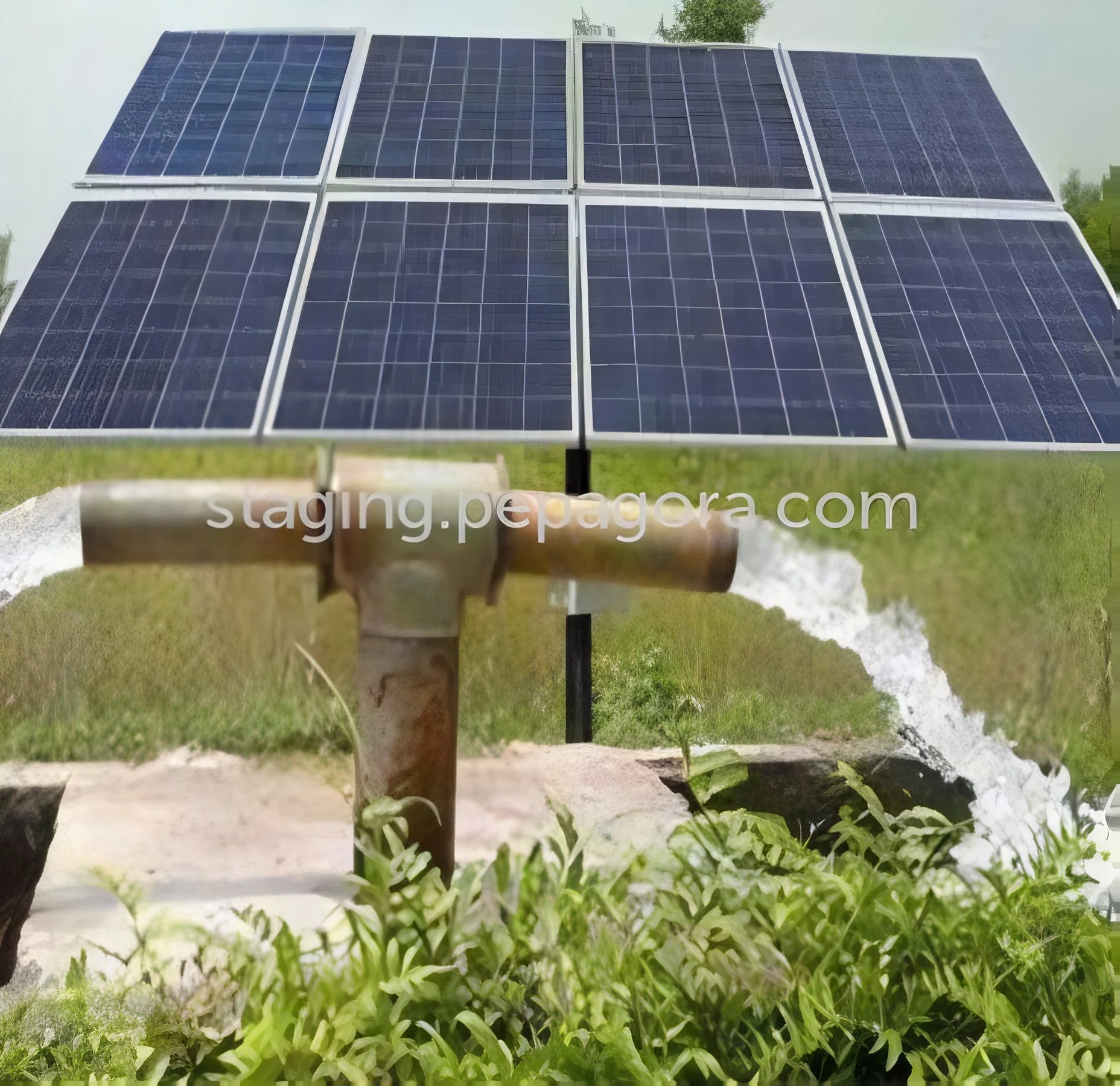
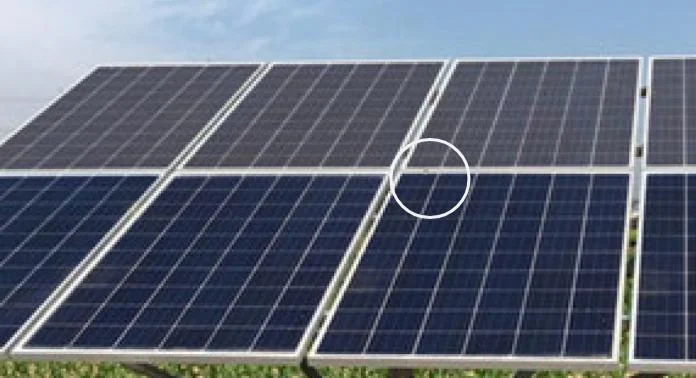
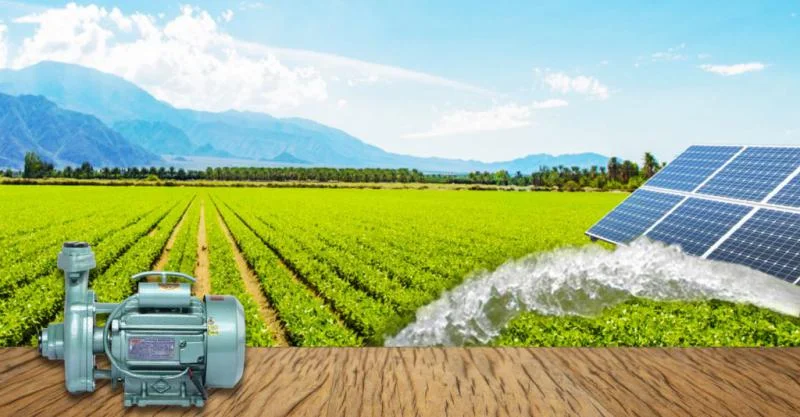
Solar water pumps are devices that use solar energy to extract water from sources such as wells, rivers, or ponds. These pumps are equipped with solar panels that convert sunlight into electricity, powering the pump's motor. As a sustainable and eco-friendly solution, solar water pumps are increasingly being adopted across various sectors due to their ability to operate independently of traditional power sources.
The primary uses of solar water pumps include agricultural irrigation, livestock watering, and supplying water for domestic use in remote areas. They are particularly beneficial in regions with limited access to electricity or where power supply is unreliable. Businesses in agriculture, horticulture, and even mining are turning to solar water pumps to reduce operational costs while promoting sustainable practices. The growing awareness of renewable energy solutions and the increasing demand for efficient water management systems contribute to the relevance of solar water pumps in today's market.
As the global focus shifts towards sustainable energy, solar water pumps stand out as a promising solution in the industrial landscape. Their ability to lower energy costs and minimize carbon footprints aligns with the broader industry trends of embracing eco-friendly technologies. This product category is becoming a crucial part of various industrial strategies aimed at improving resource efficiency and environmental stewardship.
Key Features and Specifications
Solar water pumps come with a range of features designed to enhance their performance and adaptability. These features cater to different operational needs and ensure efficiency in various environments.
Key specifications include:
1. Power Source
- Typically powered by solar panels
- Varies in wattage based on the pump's size and application
2. Flow Rate
- Measurement of the volume of water the pump can move
- Commonly ranges from 1 to 10,000 liters per hour depending on the model
3. Head Height
- The vertical distance the pump can lift water
- Varies from a few meters to over 100 meters for more powerful pumps
4. Material Composition
- Made from durable materials such as stainless steel or reinforced plastics
- Designed to withstand harsh environmental conditions
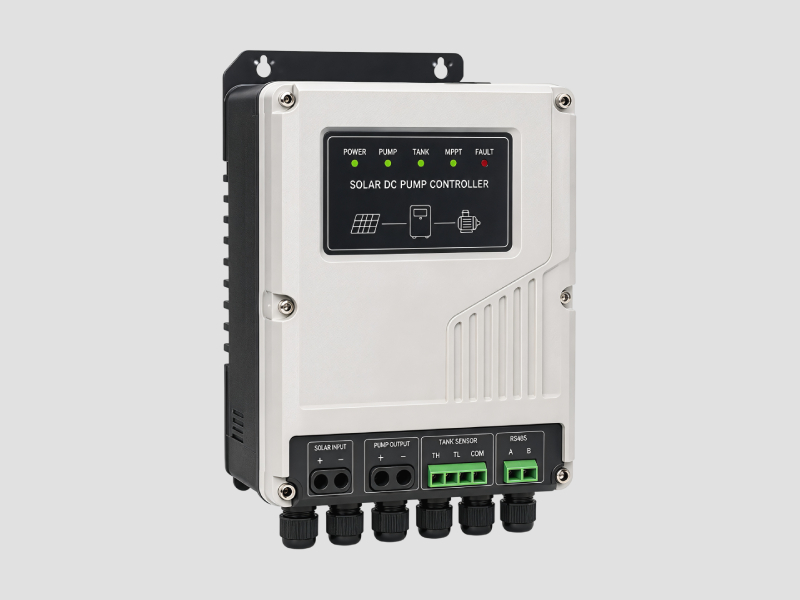
5. Control System
- May include manual or automatic controls for operation
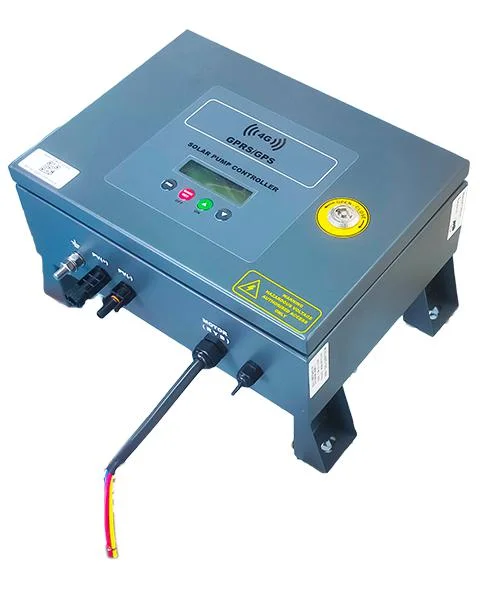
- Some models include smart monitoring features for efficiency tracking
6. Certification
- Usually certified by standards such as CE for safety and efficiency
- Ensures the product meets industry quality requirements
7. Warranty
- Varies by manufacturer, typically ranging from 1 to 5 years
- Indicates the manufacturer's confidence in the product's durability
8. Operating Temperature Range
- Specific temperature tolerance not available
- Generally designed to function optimally in a wide range of climates
In summary, solar water pumps provide a versatile and efficient solution for water management. Their range of features and specifications allows businesses to select the right pump for their specific needs, promoting both sustainability and operational efficiency.
Common Applications and Use Cases
Solar water pumps are utilized across a variety of industries, each benefiting from the unique features of this technology.
1. Agriculture: Farmers use solar water pumps for irrigation, ensuring crops receive adequate water without relying on grid power. This leads to increased yield and reduced energy costs.
2. Livestock: These pumps provide a reliable water source for livestock in remote areas, enhancing animal welfare and farm productivity.
3. Residential: In rural communities without reliable electricity, solar water pumps supply water for drinking, cooking, and sanitation, improving quality of life.
4. Industrial: Industries such as mining and construction use solar water pumps for dewatering and process water supply, minimizing reliance on diesel-powered alternatives.
5. Environmental: Solar pumps are employed in environmental monitoring projects, helping to manage water levels in wetlands and other sensitive ecosystems.
6. Disaster Relief: In areas affected by natural disasters, solar water pumps can be rapidly deployed to provide immediate access to clean water.
7. Aquaculture: Fish farms utilize solar water pumps to circulate water, maintain oxygen levels, and support sustainable fish production.
Product Variants and Subcategories
Solar water pumps come in diverse variants tailored to specific applications and requirements.
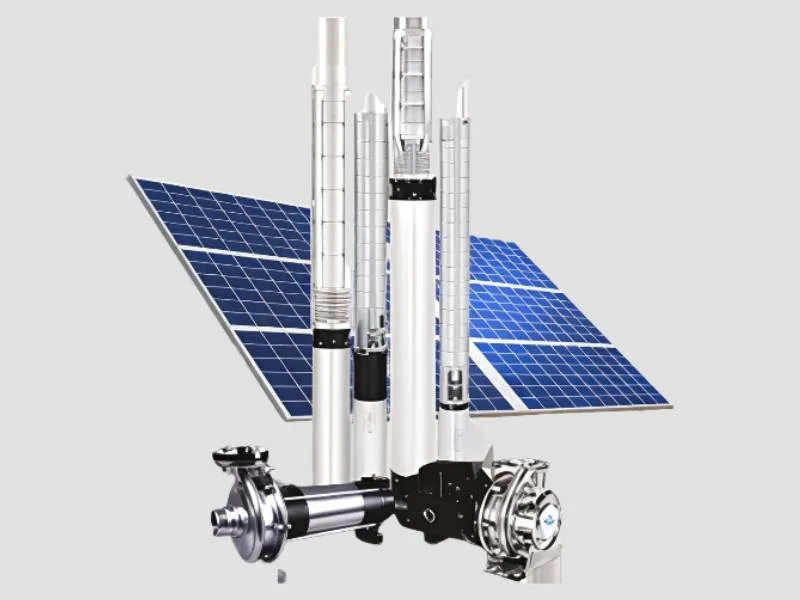
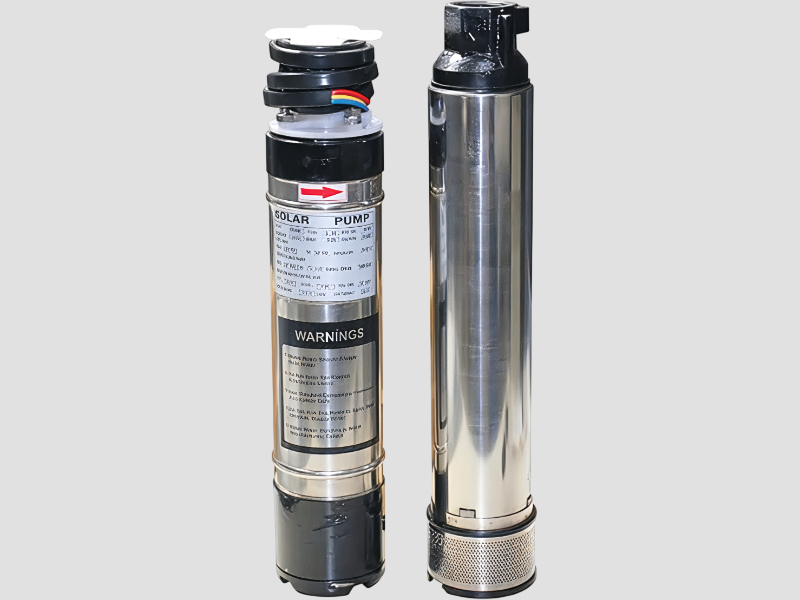
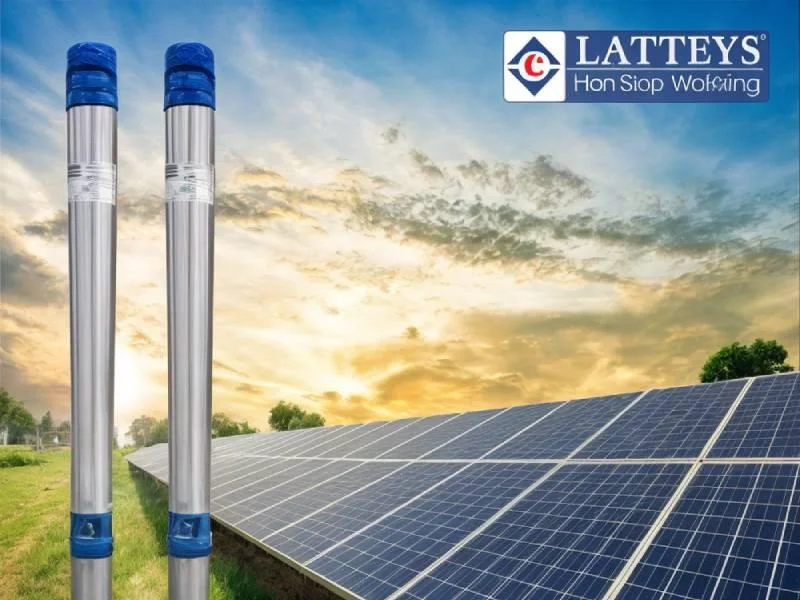
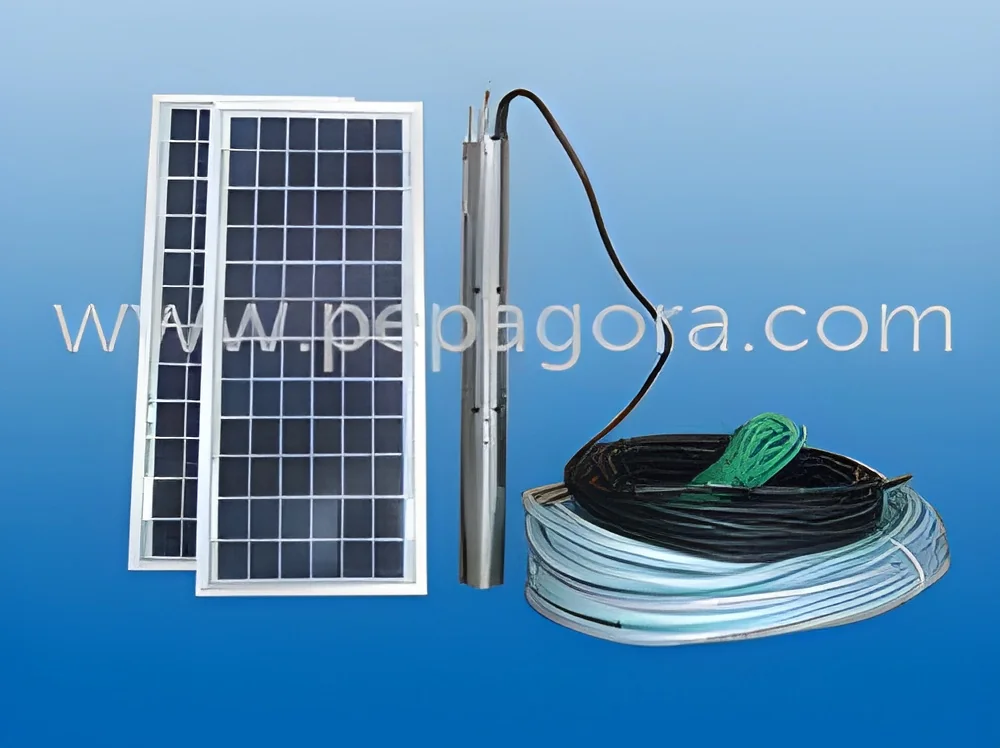
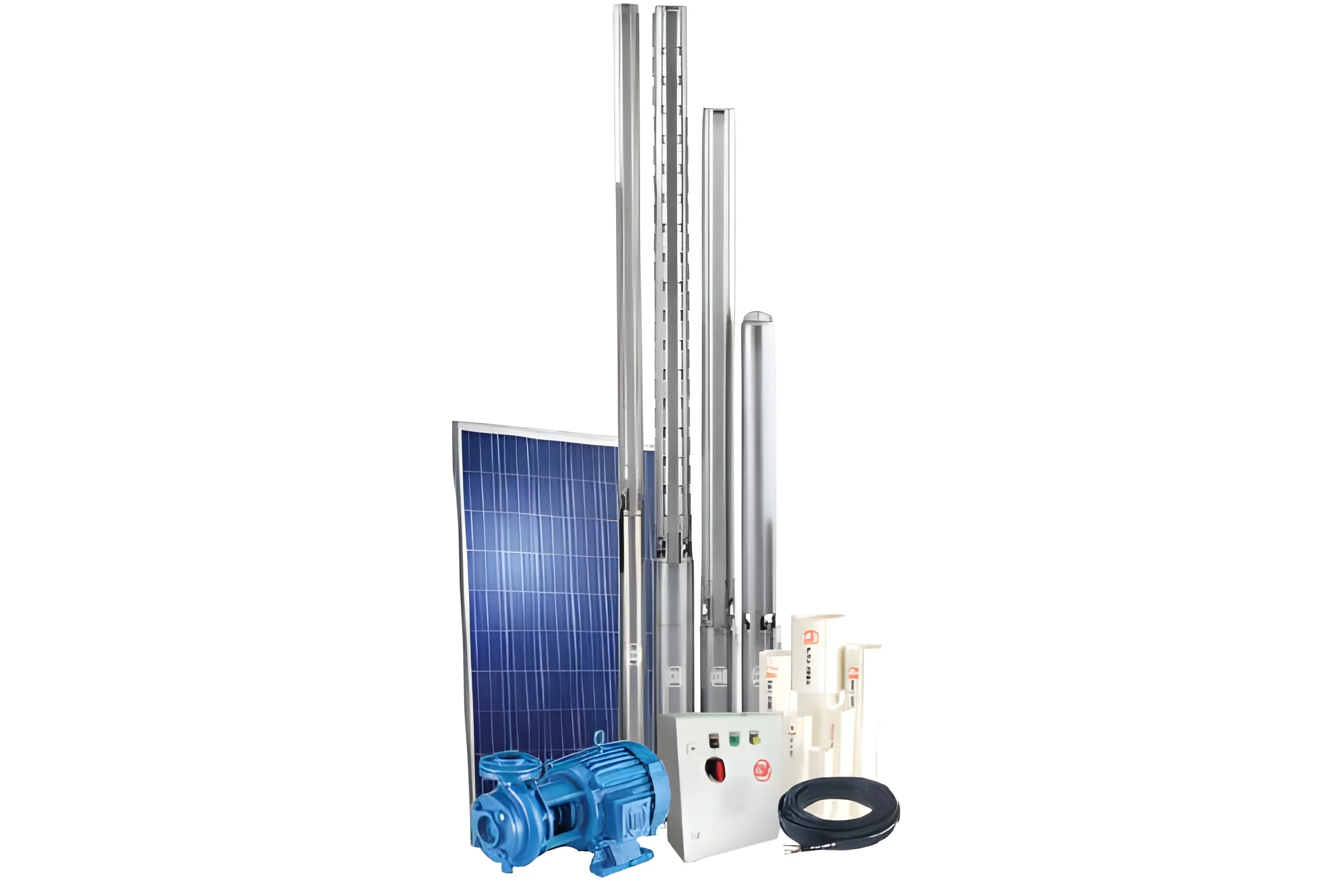
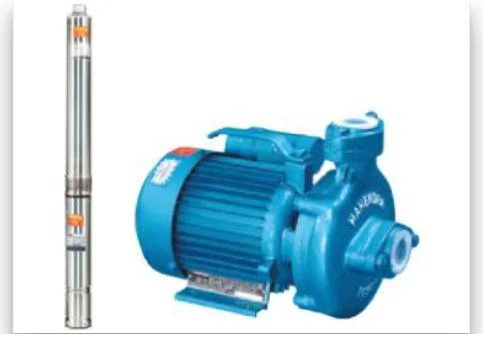
Submersible Solar Pumps: These pumps are designed to operate underwater, making them ideal for deep well applications. They are efficient for extracting groundwater and can handle varying water levels.
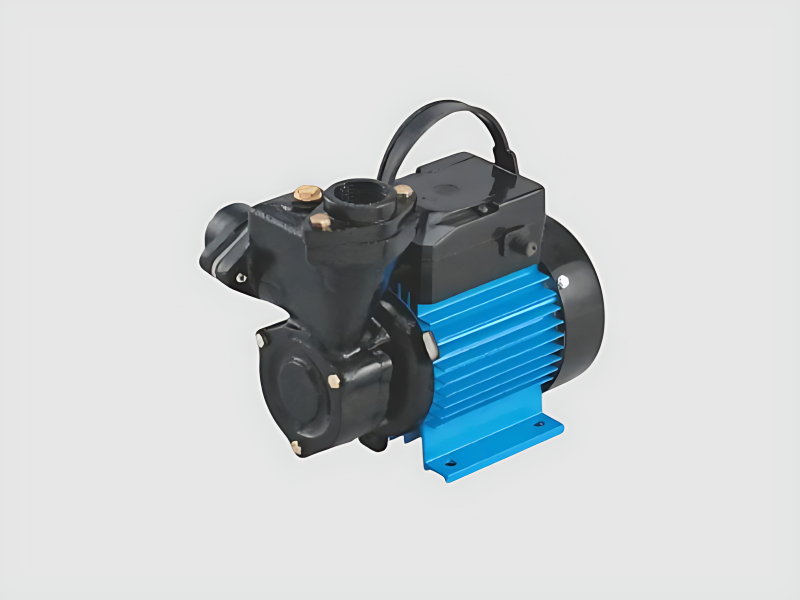
Surface Solar Pumps: Suitable for shallow water sources, these pumps are easy to install and maintain. They are often used in irrigation and livestock watering systems.
Solar Powered DC Pumps: These pumps operate on direct current and are highly efficient, suitable for applications needing consistent power without fluctuations.
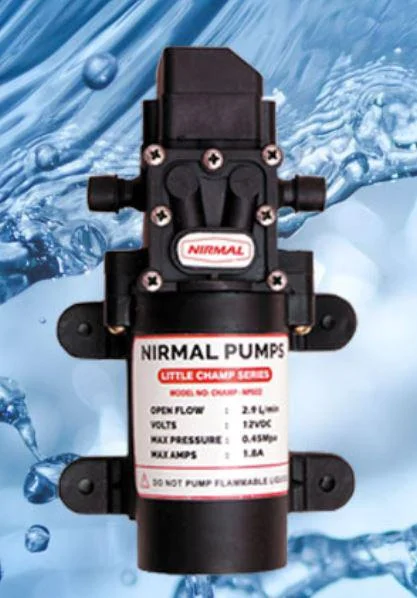
Solar Booster Pumps: Designed to increase water pressure, these pumps are beneficial in systems requiring higher flow rates or when water needs to be distributed over long distances.
Benefits and Advantages
Investing in solar water pumps offers multiple advantages for businesses and organizations.
1. Cost Savings: By using solar energy, businesses can significantly reduce their electricity bills associated with conventional water pumping systems.
2. Environmental Impact: Solar water pumps contribute to reduced carbon emissions, aligning with sustainability goals and enhancing corporate responsibility.
3. Low Maintenance: These pumps typically require less maintenance than traditional electric pumps, leading to lower operational costs and less downtime.
4. Independence: Solar water pumps operate independently from the electrical grid, providing a reliable water source even in remote locations.
5. Scalability: The modular nature of solar systems allows businesses to scale their pumping capacity as needed, making it easy to adapt to changing demands.
6. Increased Resilience: These pumps provide a reliable solution in areas prone to power outages or where traditional water sources are unreliable.
Buying Guide for B2B Buyers
When sourcing solar water pumps, it is essential to consider several key factors to ensure you make an informed decision.
1. Quality Assessment: Evaluate the quality of materials used and the overall construction of the pump. Look for certifications that indicate adherence to industry standards, such as CE certification.
2. Supplier Verification: Research potential suppliers thoroughly. Check for customer reviews, industry reputation, and track record to ensure reliability and quality.
3. Pricing and MOQ: Understand the pricing structure and minimum order quantities (MOQ) that suppliers may require. Compare offers from multiple suppliers to find the best value.
4. Delivery and Lead Times: Inquire about expected delivery times and logistics. Ensure that the supplier can meet your project timelines without delays.
5. Compliance Requirements: Verify that the pumps meet relevant regulatory and safety standards in your region. This is crucial for avoiding future compliance issues.
Compliance and Certifications
Solar water pumps are subject to various compliance and certification requirements to ensure safety and efficiency.
One of the key standards is ISO 9001, which pertains to quality management systems. This certification ensures that manufacturers maintain consistent quality in their products and services.
In addition, the CE certification indicates that a product meets European safety, health, and environmental protection standards. This is particularly important for buyers in regions where CE certification is a regulatory requirement.
Safety testing requirements often include evaluation of electrical components, waterproofing, and overall pump performance under different operating conditions. Manufacturers must ensure their products can withstand the environments in which they will be used.
Regional compliance considerations vary by location. Buyers should be aware of specific regulations that may apply in their country or region, ensuring that the products sourced are compliant with local laws.
Why Source Solar Water Pumps from Pepagora?
Pepagora offers a reliable platform for sourcing solar water pumps, providing several key advantages for B2B buyers.
Verified Supplier Network: Pepagora ensures that all suppliers are thoroughly vetted for quality and reliability, giving buyers confidence in their purchases.
Streamlined RFQ Process: The Request for Quotation (RFQ) system simplifies the procurement process, allowing buyers to efficiently request quotes from multiple suppliers.
Trade Assurance and Support: Pepagora provides trade assurance, protecting buyers against potential risks in the procurement process, ensuring a secure transaction.
Regional Coverage: With a strong presence in India, the GCC, and Southeast Asia, Pepagora offers extensive regional coverage, connecting buyers with suppliers across diverse markets.
By choosing Pepagora, businesses can benefit from a trusted sourcing experience, enhancing their operational efficiency while fostering sustainable practices.

 IN
IN