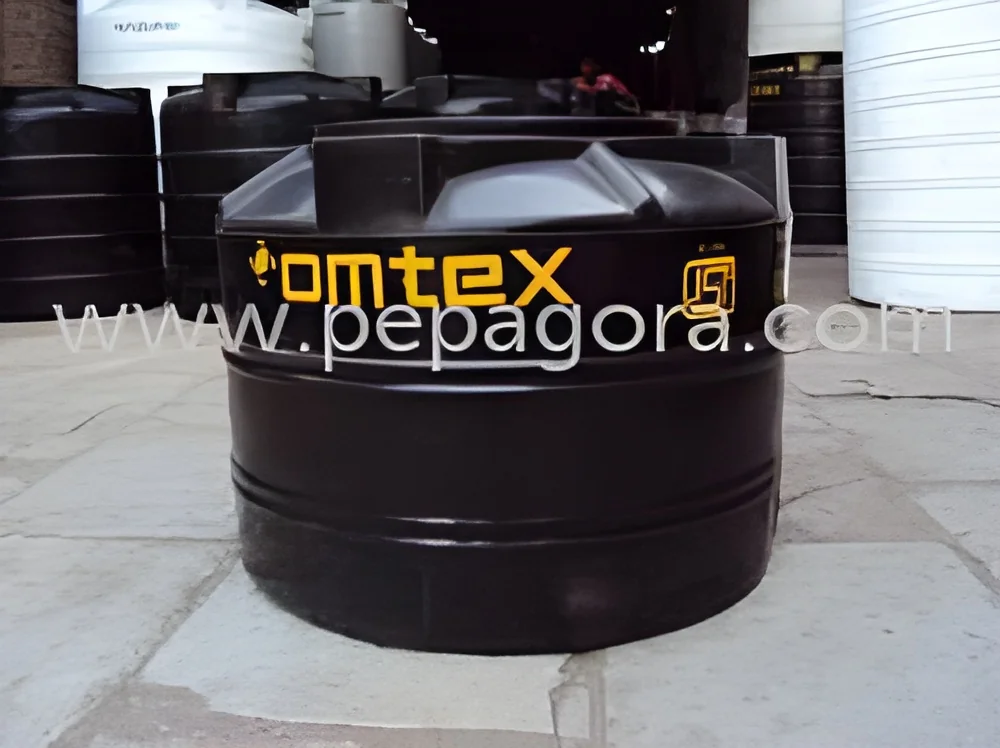
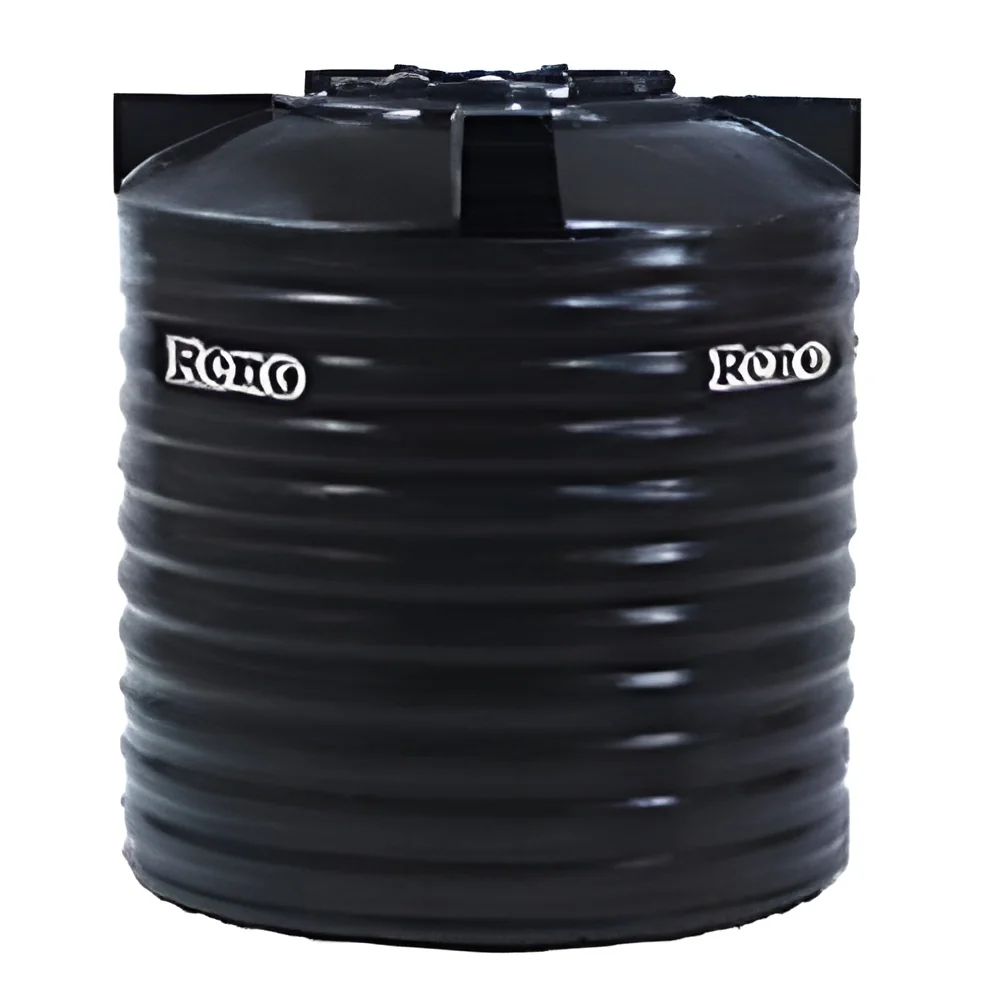
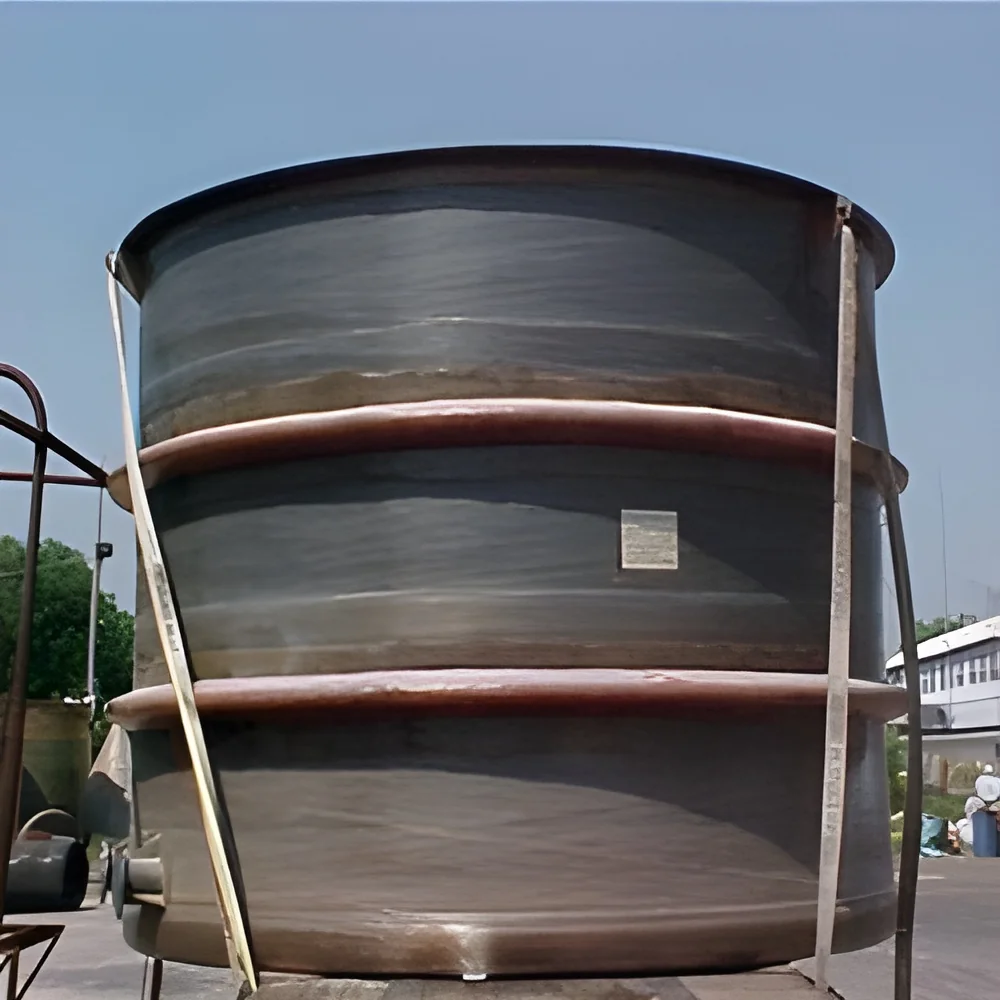
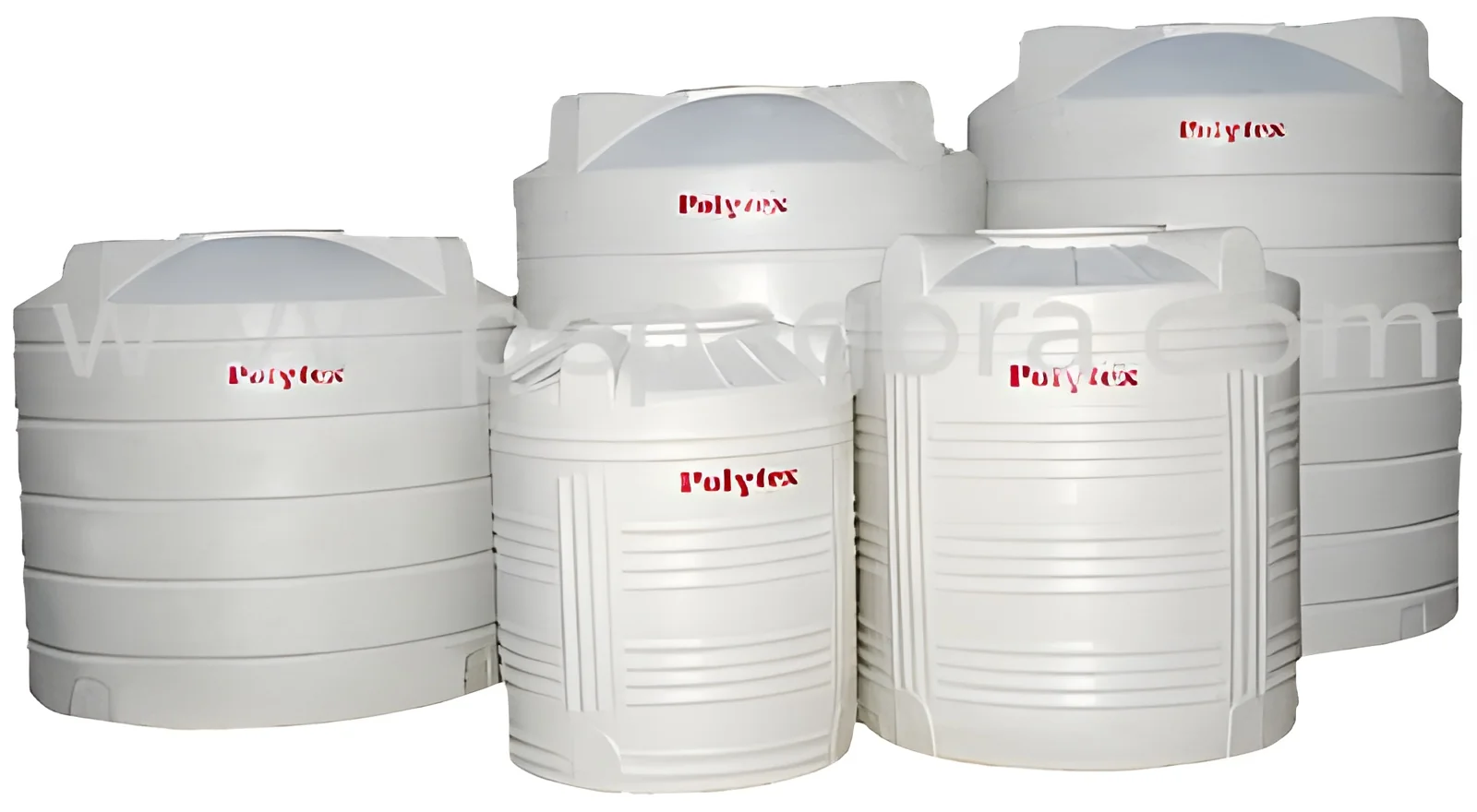
What are Rainwater Storage Tanks?
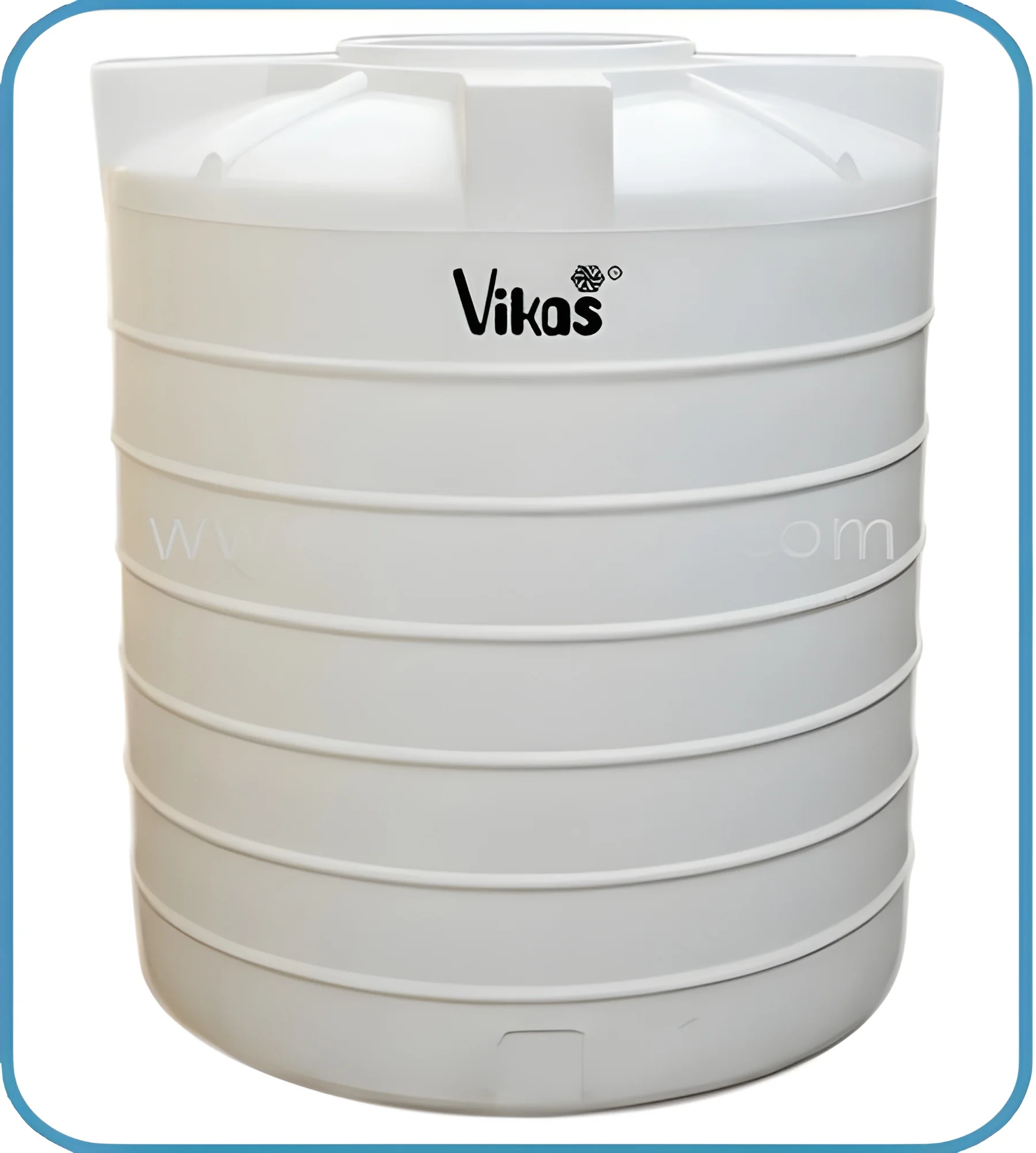
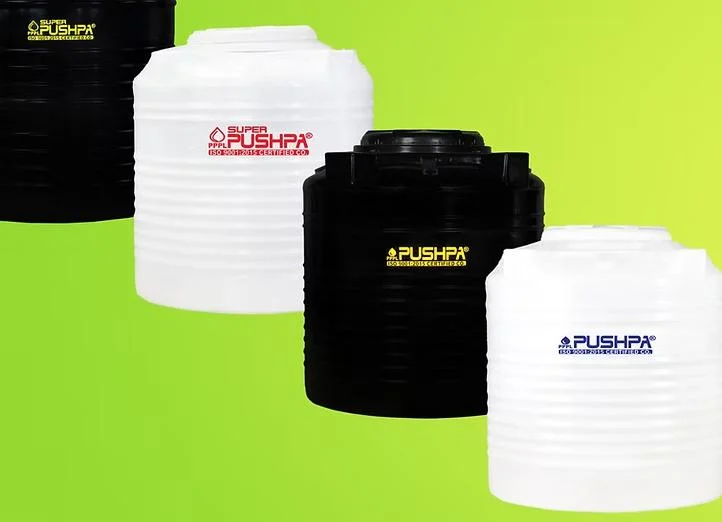
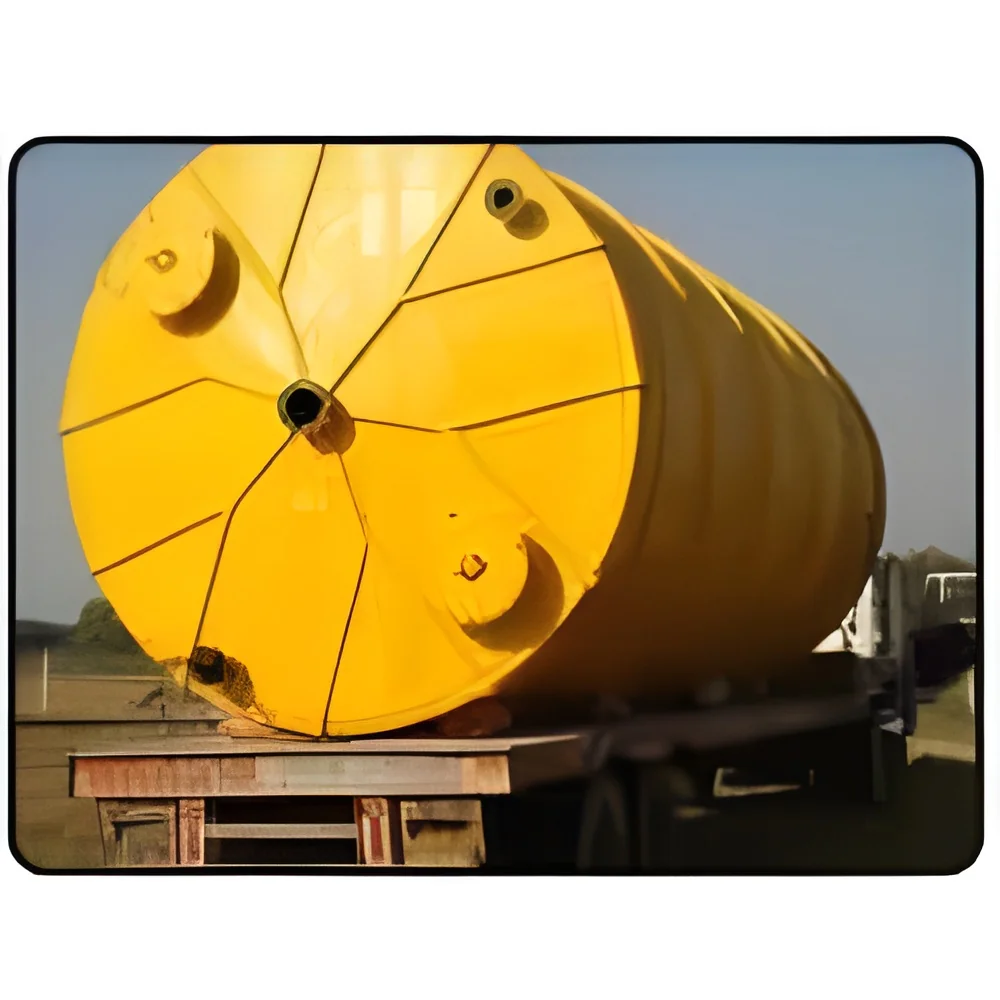
Rainwater storage tanks are specialized containers designed to collect and store rainwater for various uses. These tanks capture runoff from roofs and other surfaces, providing a sustainable water source for different applications. They are often made from durable materials like polyethylene, fiberglass, or concrete, which ensure longevity and resistance to environmental conditions.
The primary uses of rainwater storage tanks include irrigation, landscaping, and non-potable water applications such as toilet flushing and washing vehicles. Businesses and institutions utilize these tanks to reduce water costs, promote sustainability, and comply with water conservation regulations. The relevance of rainwater storage tanks in the market is increasing as industries look for eco-friendly solutions to manage water resources effectively, especially in regions facing water scarcity.
Key Features and Specifications
Rainwater storage tanks come with a variety of features and specifications that cater to different needs. These tanks not only provide a reliable water source but are also designed for easy maintenance and installation. The specifications can vary based on the intended application, size, and material.
Key specifications include:
1. Capacity
- Available in various sizes ranging from 200 liters to over 10,000 liters, allowing customization based on user requirements.
2. Material
- Common materials include polyethylene, fiberglass, and steel, each with unique benefits in terms of durability and weight.
3. Design
- Options include above-ground and underground tanks, catering to space and aesthetic preferences.
4. Inlet and Outlet Fittings
- Equipped with standard fittings for easy connection to downspouts and plumbing systems.
5. Filtration System
- Integrated or optional filtration systems help maintain water quality by removing debris and contaminants.
6. UV Protection
- UV-stabilized materials prevent degradation from sunlight, extending the tank's lifespan.
7. Maintenance Access
- Designed with access points for easy cleaning and inspection.
8. Compliance
- Many tanks meet industry standards and regulations, ensuring safety and reliability.
These features contribute to the tanks’ functionality and efficiency, making them suitable for various environments.
Common Applications and Use Cases
Rainwater storage tanks serve a diverse range of industries and applications.
1. Agriculture: Farmers use these tanks to irrigate crops, reducing reliance on municipal water sources and conserving groundwater.
2. Construction: Construction sites often utilize rainwater tanks to manage stormwater runoff and provide water for dust control and site sanitation.
3. Commercial Buildings: Businesses implement rainwater harvesting systems to reduce water costs and enhance sustainability initiatives.
4. Residential Properties: Homeowners install rainwater tanks for garden irrigation and other non-potable uses, promoting eco-friendly practices.
5. Municipalities: Local governments adopt rainwater storage solutions for public parks and facilities to manage water resources effectively.
6. Industrial Facilities: Factories and processing plants use harvested rainwater for cooling processes and equipment washing, optimizing water use.
7. Educational Institutions: Schools and universities incorporate rainwater harvesting in their sustainability programs, teaching students about conservation.
Product Variants and Subcategories
Rainwater storage tanks come in various types to meet different needs and preferences.
Above-Ground Tanks: These tanks are easy to install and are ideal for locations with space constraints. They are often made from durable plastic or metal and can be placed in visible areas as part of landscaping.
Underground Tanks: Designed for discreet installation, underground tanks save space and are less susceptible to environmental damage. They are usually made from robust materials to withstand soil pressure.
Modular Tanks: These tanks can be combined to increase storage capacity as needed. They are often used in commercial applications where demand fluctuates.
Collapsible Tanks: Made from flexible materials, these tanks can be easily transported and set up. They are suitable for temporary installations or emergency water storage.
Benefits and Advantages
Rainwater storage tanks offer numerous benefits that can enhance sustainability and reduce costs.
1. Cost Savings: Utilizing rainwater can significantly lower water bills for businesses and homeowners, providing immediate financial relief.
2. Environmental Impact: Harvesting rainwater reduces the demand on municipal water supplies, contributing to environmental conservation efforts.
3. Resource Management: These tanks allow for better management of stormwater runoff, reducing flooding and erosion.
4. Water Quality: Properly maintained rainwater systems can provide clean water for non-potable uses, minimizing reliance on treated water.
5. Drought Resilience: By collecting rainwater, users can mitigate the effects of drought and water shortages, ensuring a reliable water source.
6. Regulatory Compliance: Many regions encourage or mandate the use of rainwater harvesting systems, helping organizations meet sustainability goals and regulations.
Buying Guide for B2B Buyers
When sourcing rainwater storage tanks, there are several factors to consider to ensure the best choice for your needs.
1. Quality Assessment: Evaluate the materials and construction of the tanks, ensuring they meet industry standards for durability and safety.
2. Supplier Verification: Research potential suppliers to confirm their reputation and reliability. Check for customer reviews and certifications.
3. Pricing and MOQ: Understand the pricing structure and minimum order quantities. Compare several suppliers to find the best value.
4. Delivery and Lead Times: Inquire about logistics, including delivery times and shipping options, to ensure timely installation.
5. Compliance Requirements: Ensure that the tanks meet local regulatory standards for rainwater harvesting and installation.
Compliance and Certifications
Rainwater storage tanks must adhere to various quality standards and certifications to ensure safety and performance.
ISO 9001 is an internationally recognized standard for quality management systems. Compliance with this standard indicates that the manufacturer follows consistent procedures for quality assurance.
CE certification ensures that products meet safety and environmental protection standards set by the European Union. This certification is particularly relevant for products sold in European markets.
Safety and testing requirements may include assessments for structural integrity, material durability, and leak testing. These evaluations provide assurance that the tanks will perform as intended under various conditions.
Regional compliance considerations vary by location, with some areas having specific regulations on rainwater harvesting systems. Buyers should familiarize themselves with local laws to ensure compliance.
Why Source Rainwater Storage Tanks from Pepagora?
Pepagora provides a trusted platform for sourcing rainwater storage tanks, offering several key advantages to B2B buyers.
Verified Supplier Network: Pepagora collaborates with a network of verified suppliers, ensuring that buyers can access high-quality products with confidence.
Streamlined RFQ Process: The platform simplifies the request for quotation process, enabling buyers to compare offers quickly and efficiently.
Trade Assurance and Support: Pepagora offers trade assurance, protecting buyers' investments and ensuring that suppliers meet their commitments.
Regional Coverage: With a strong presence in India, the GCC, and Southeast Asia, Pepagora connects buyers with suppliers across these regions, facilitating access to a diverse range of rainwater storage tanks.

 IN
IN