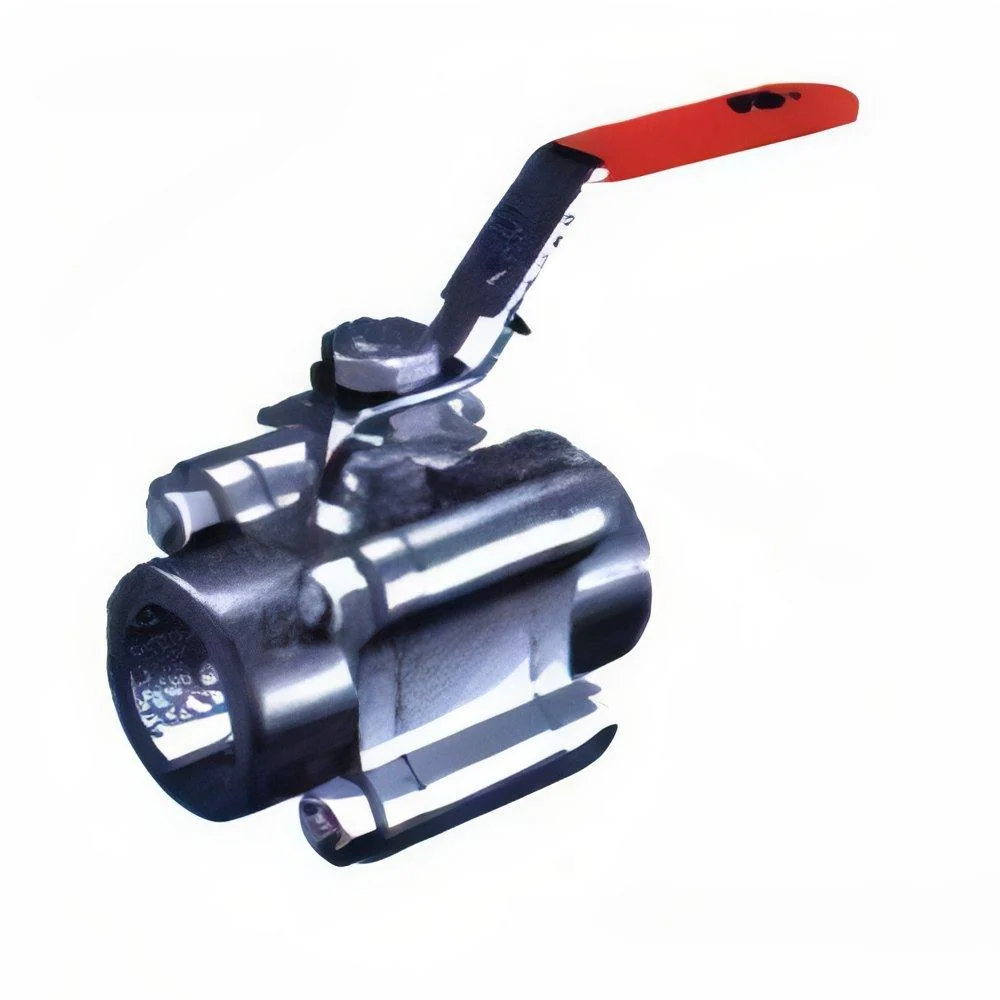
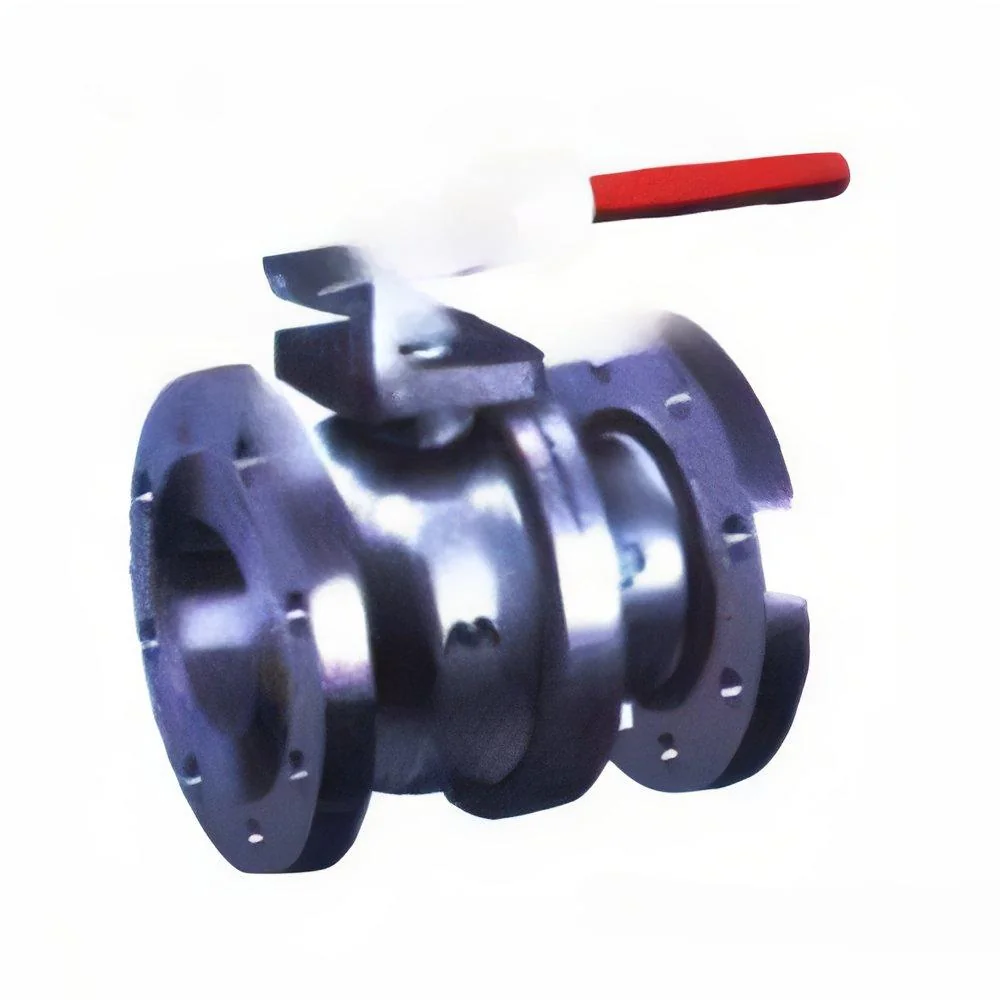
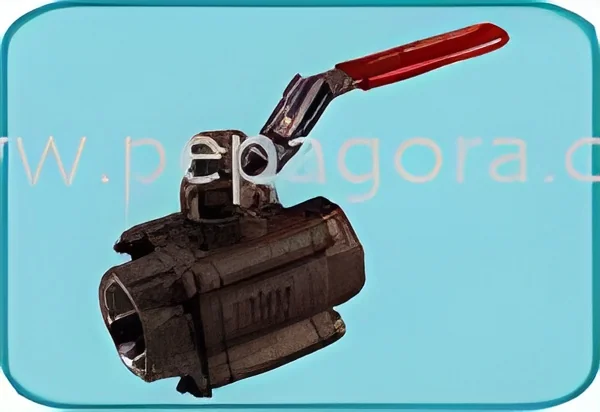
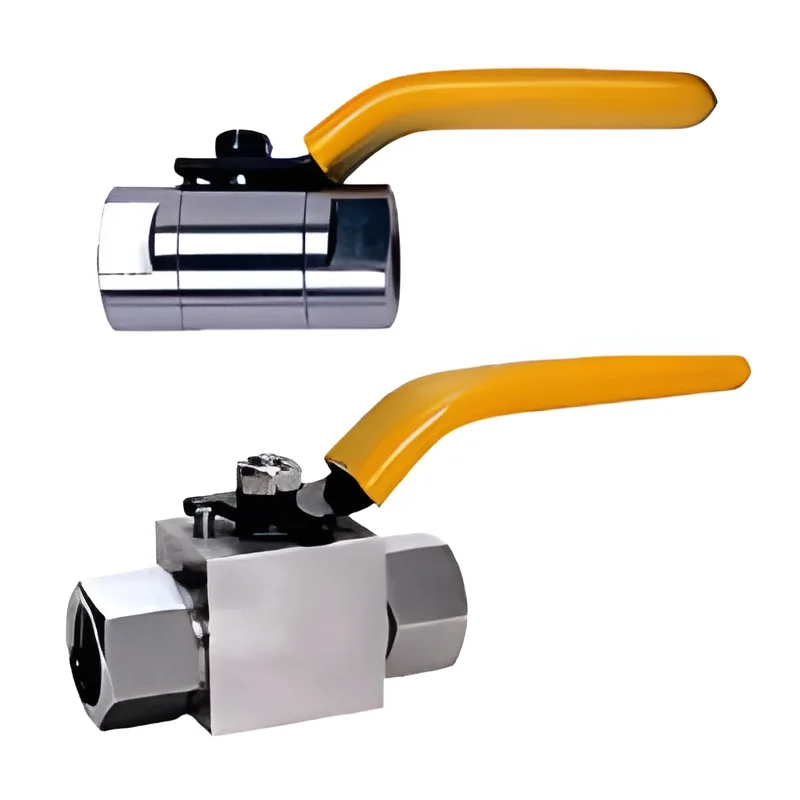
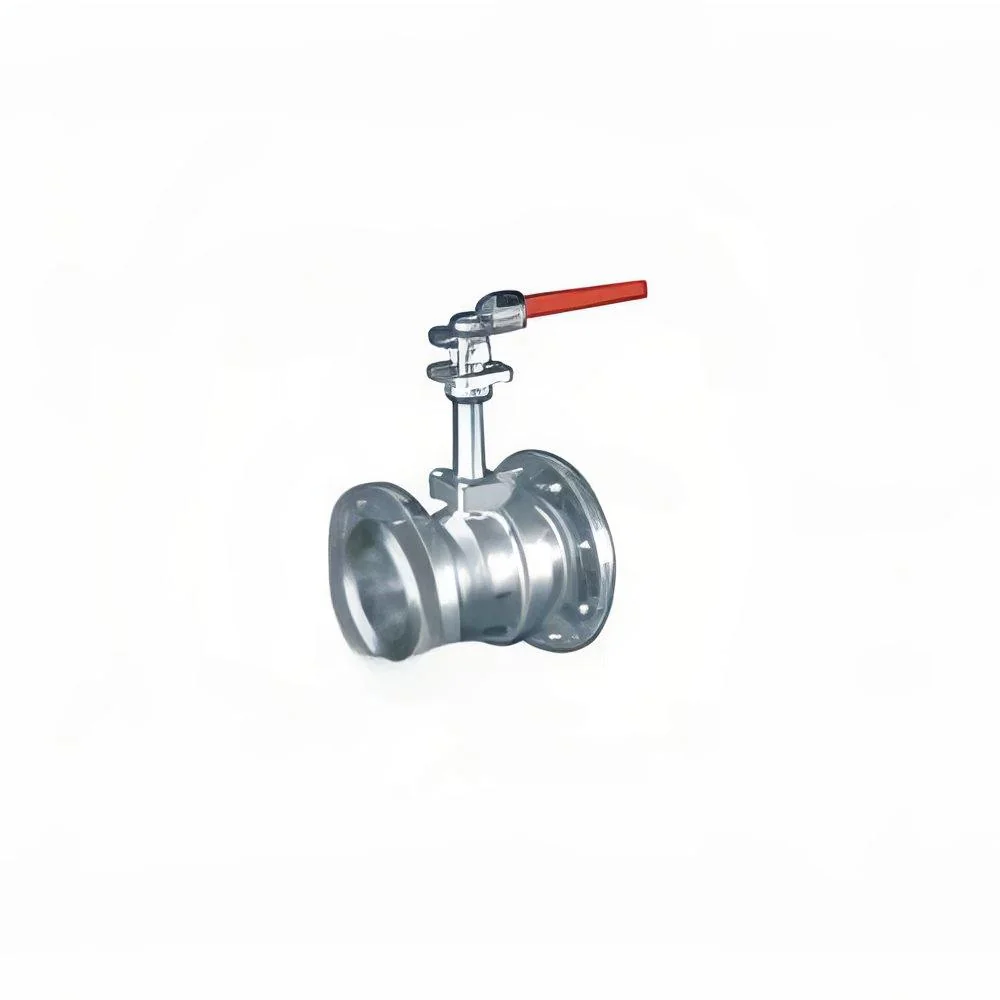
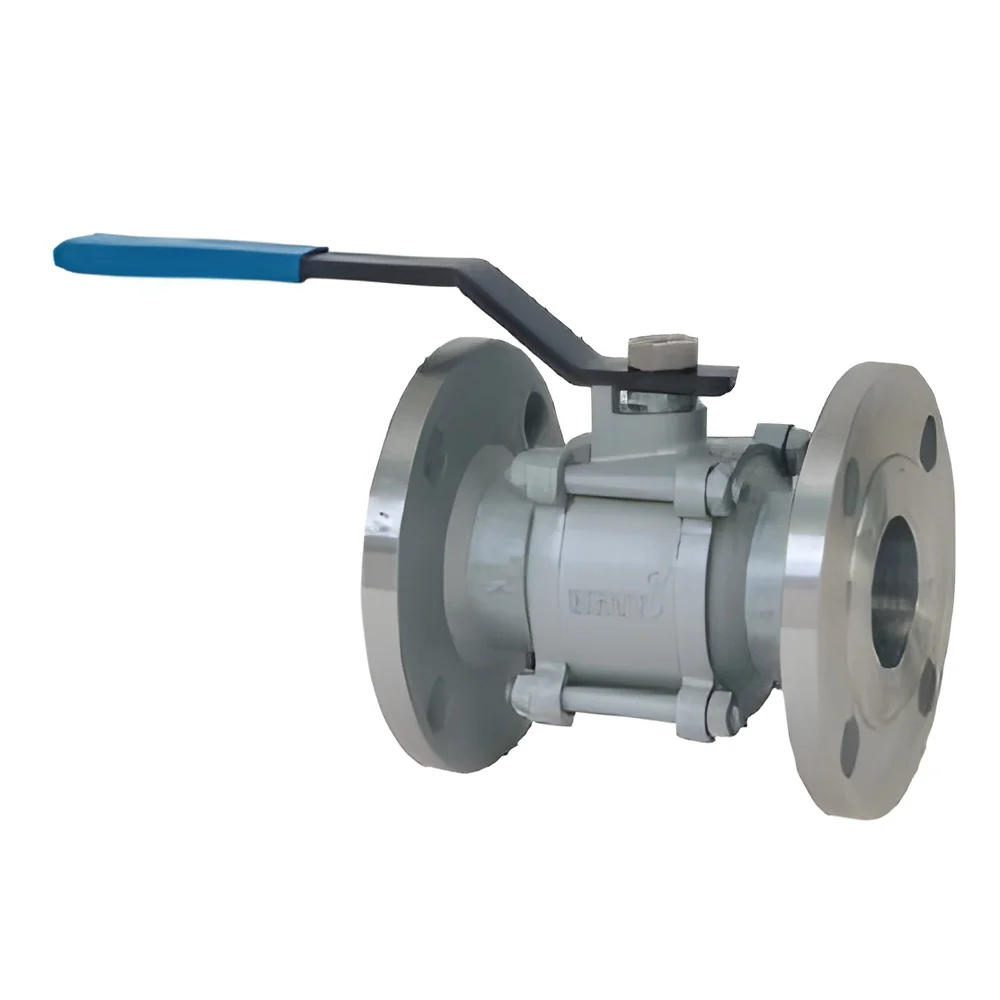
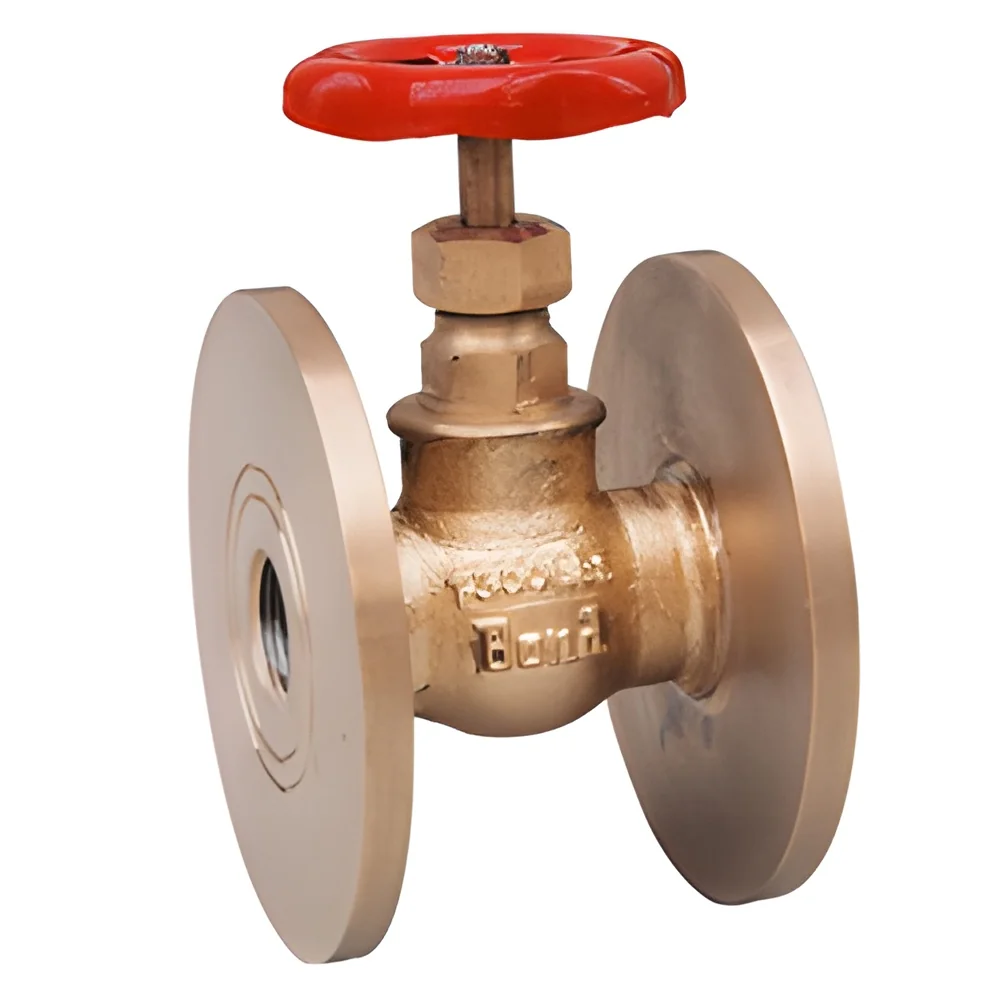
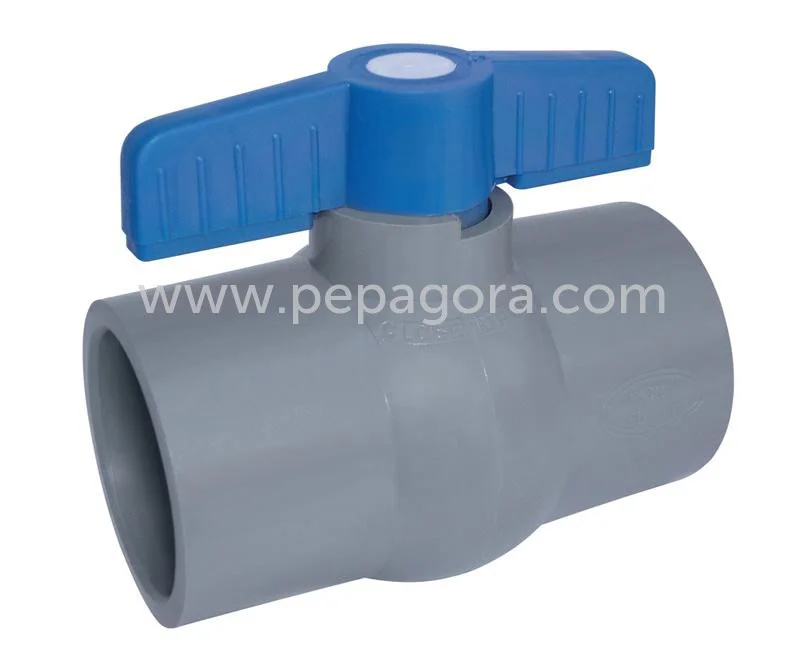
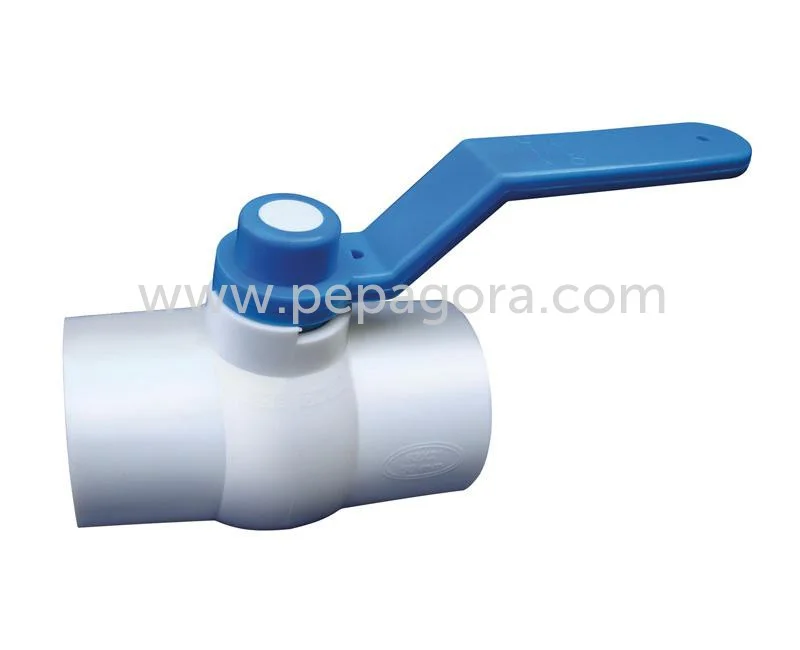
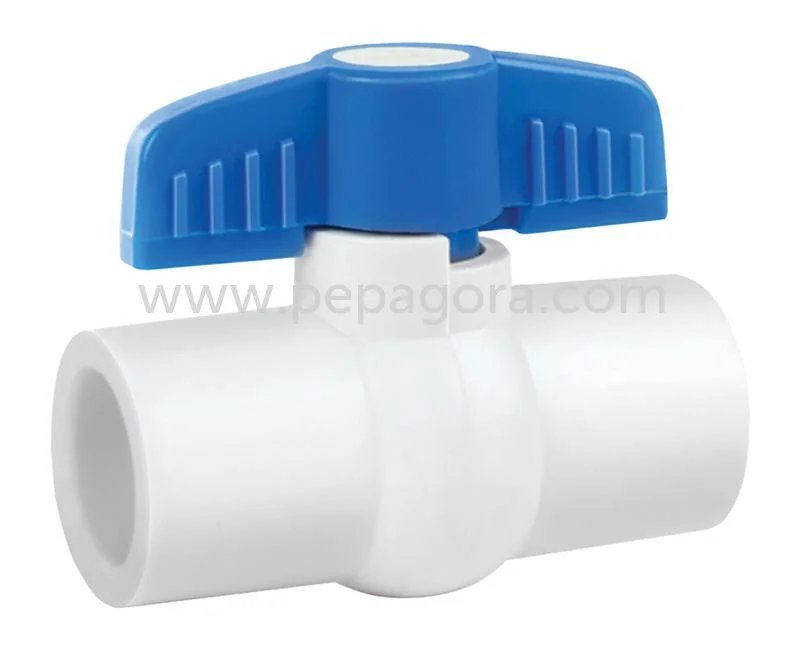
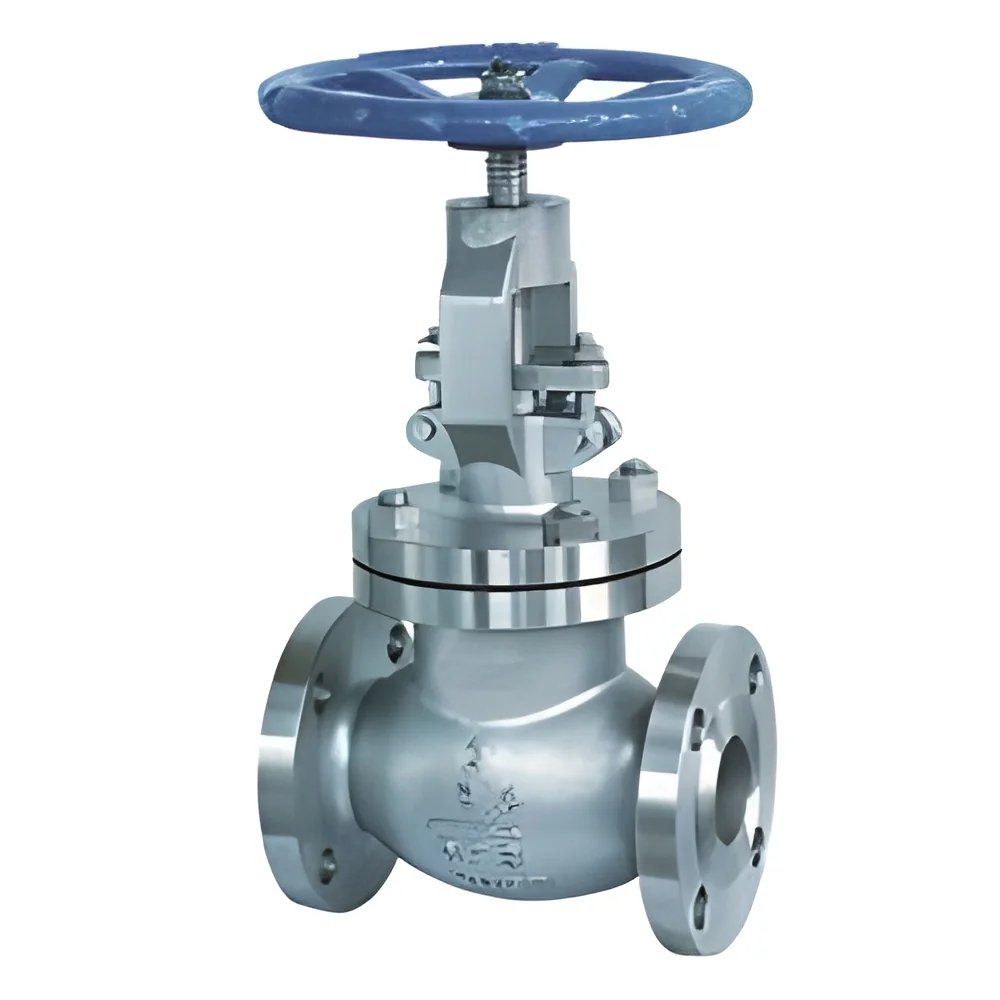
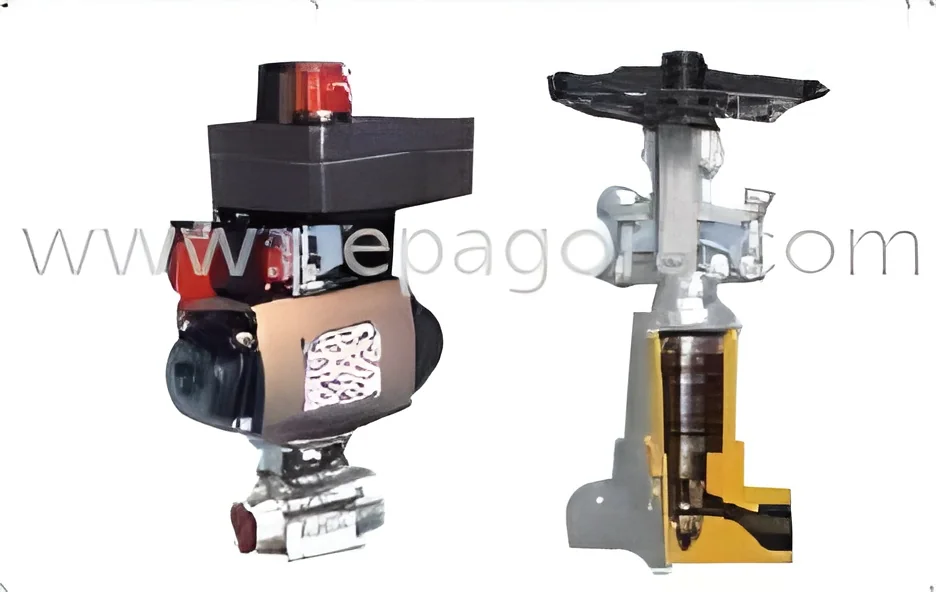
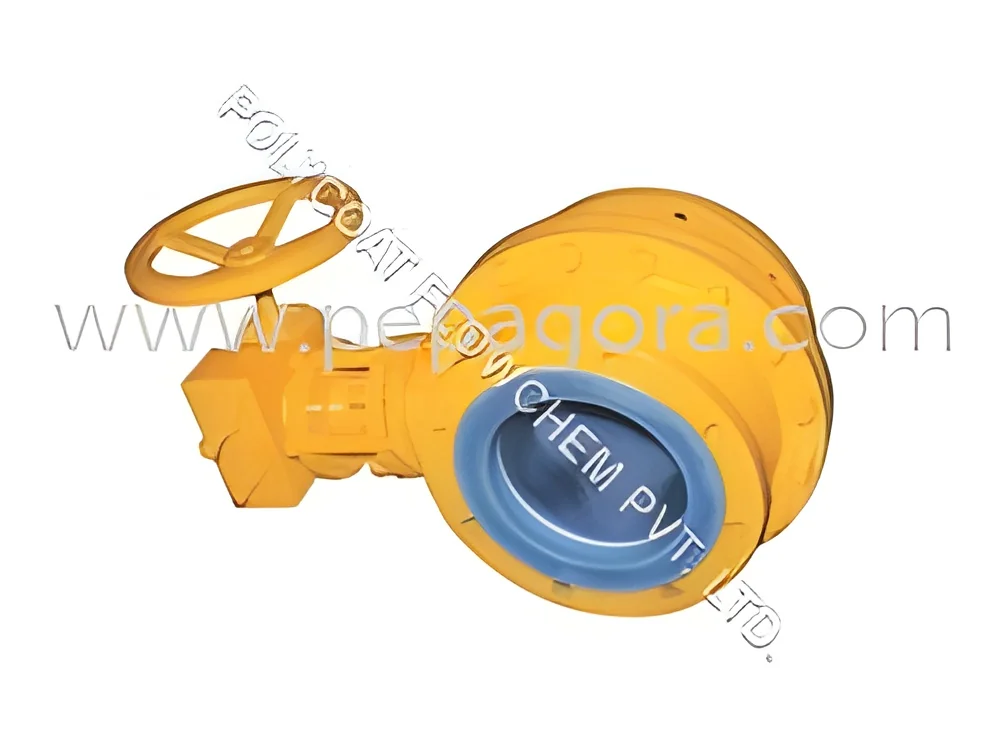
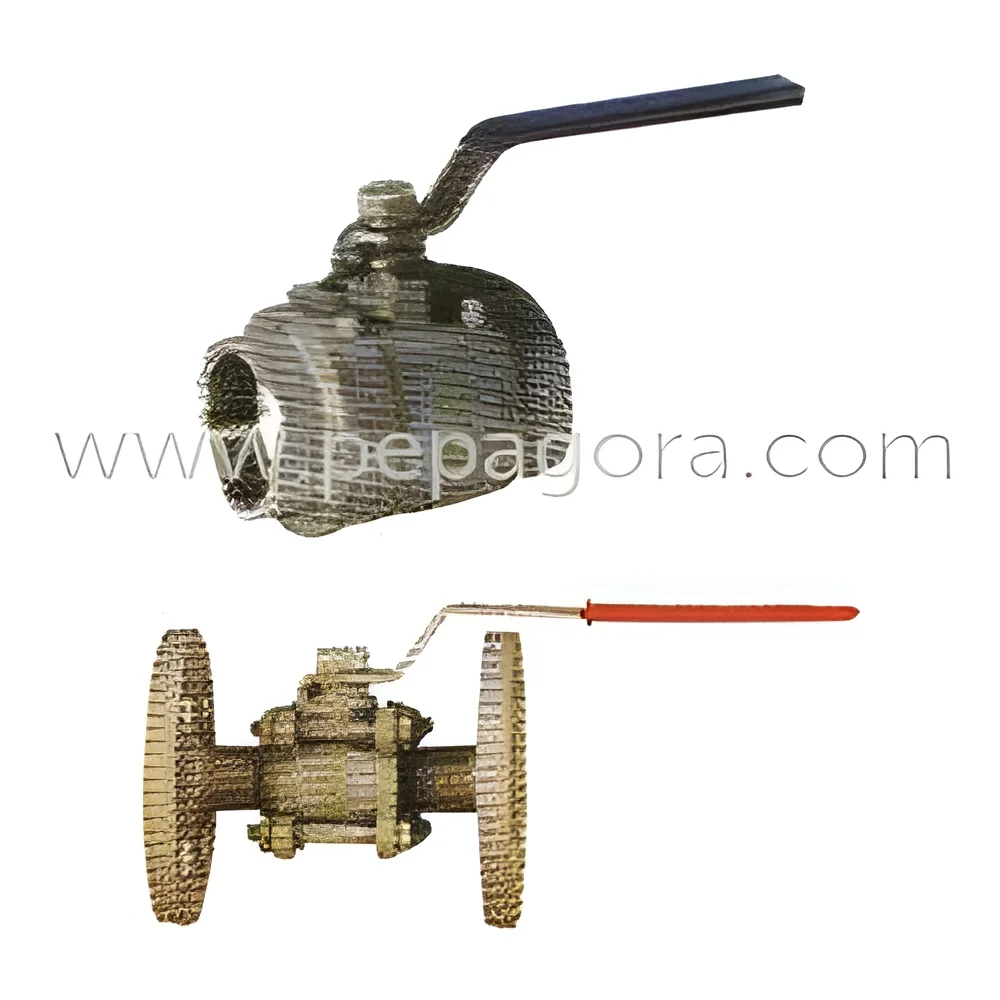
What are Ball Valves?
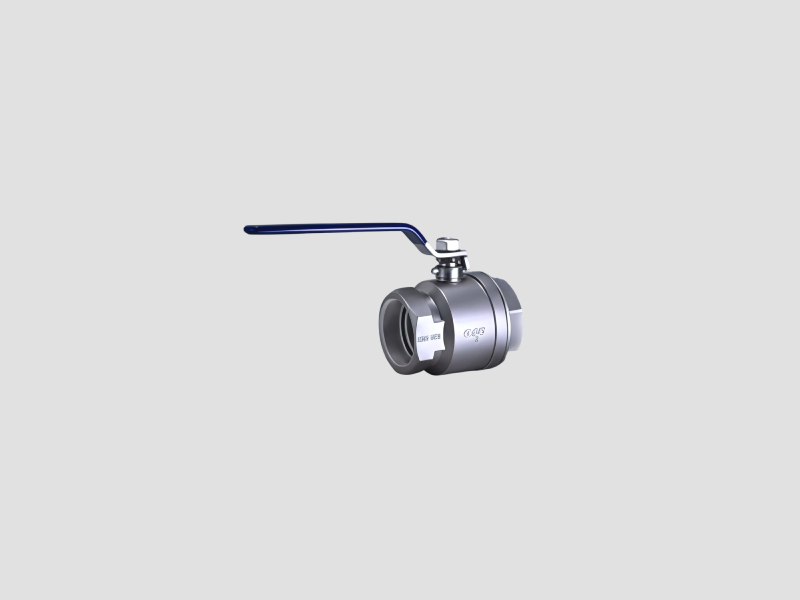
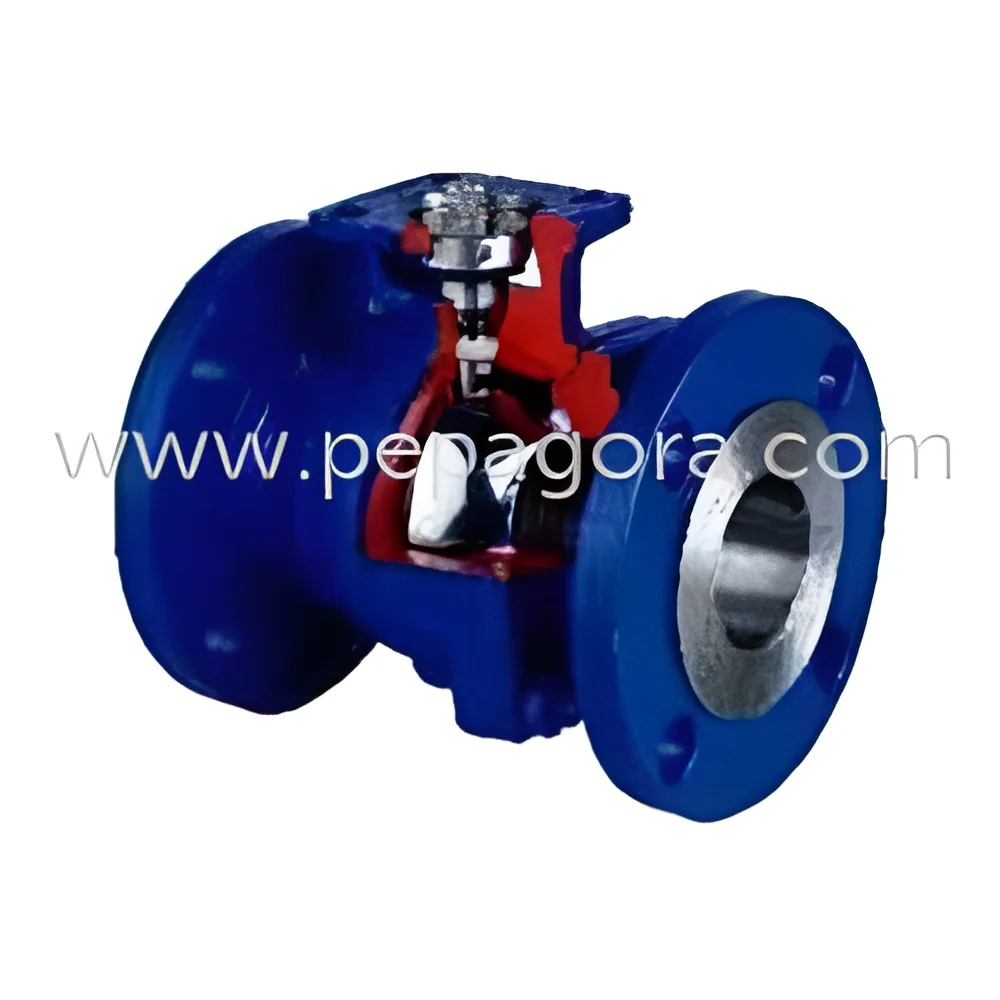
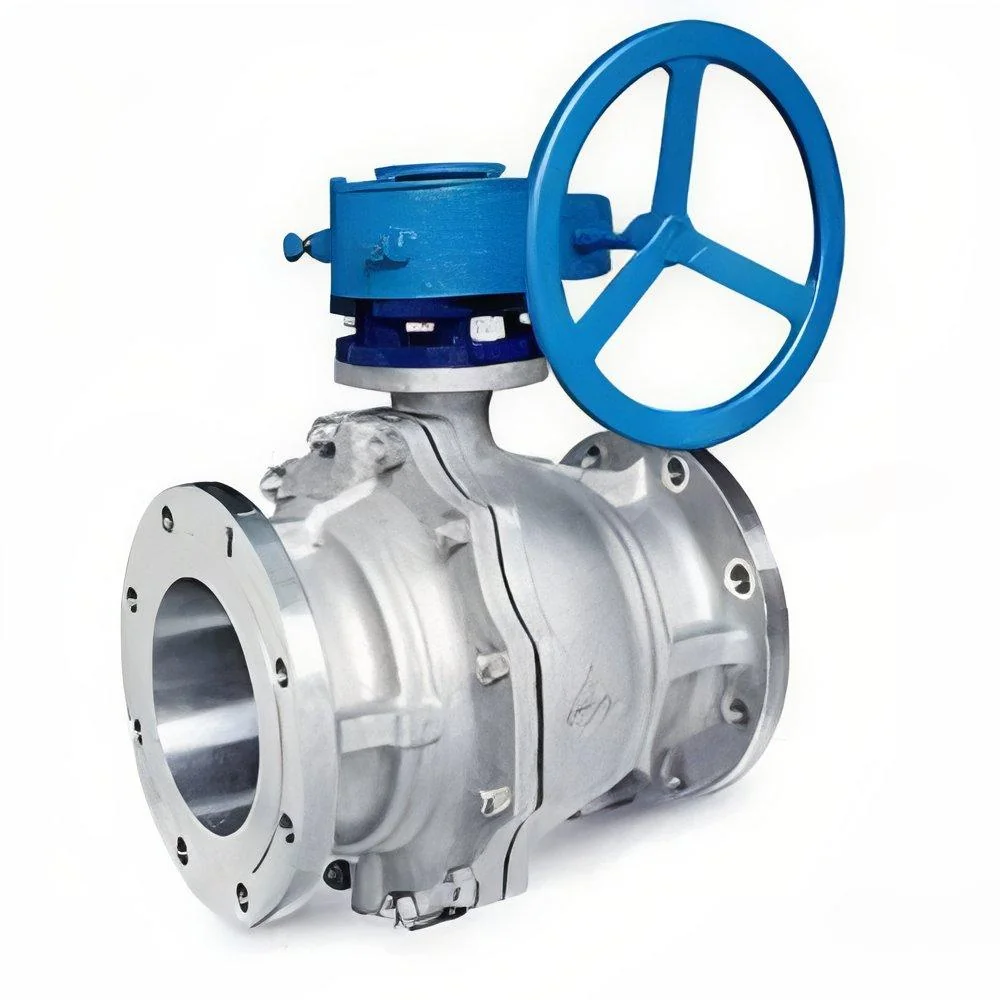
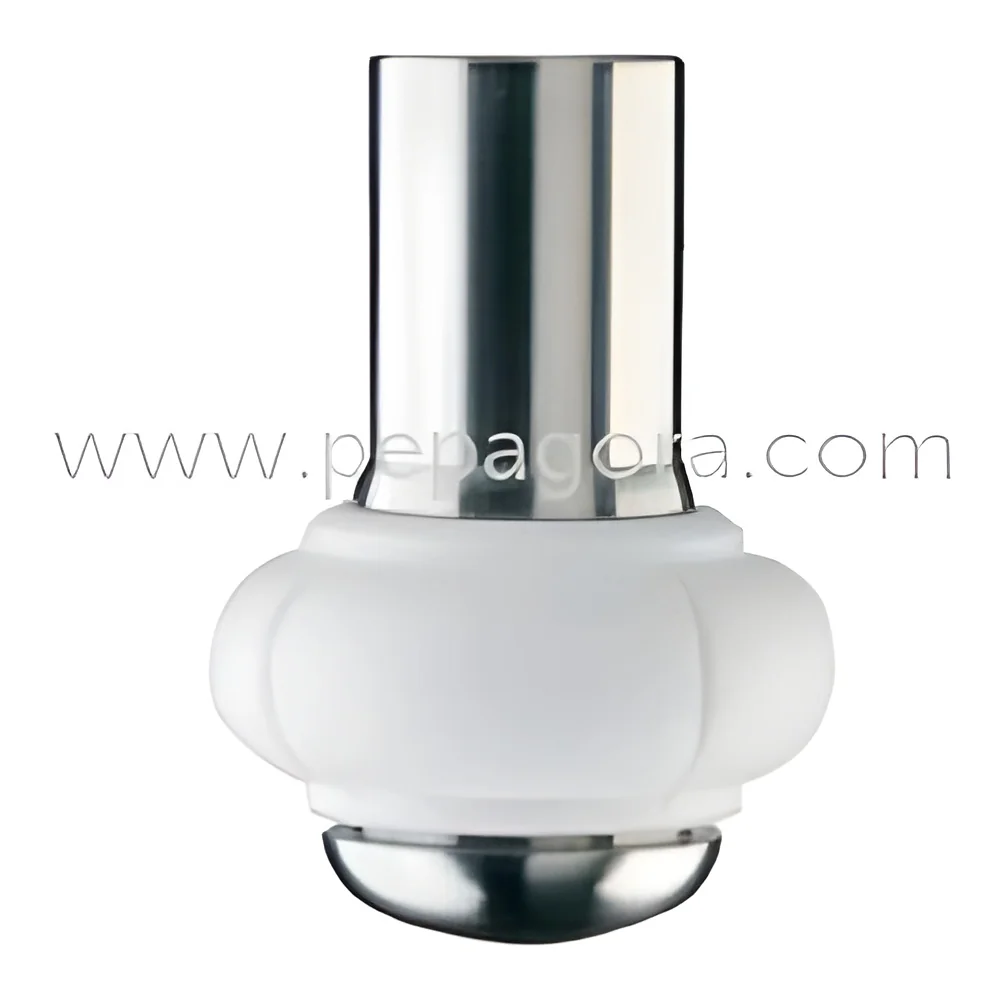
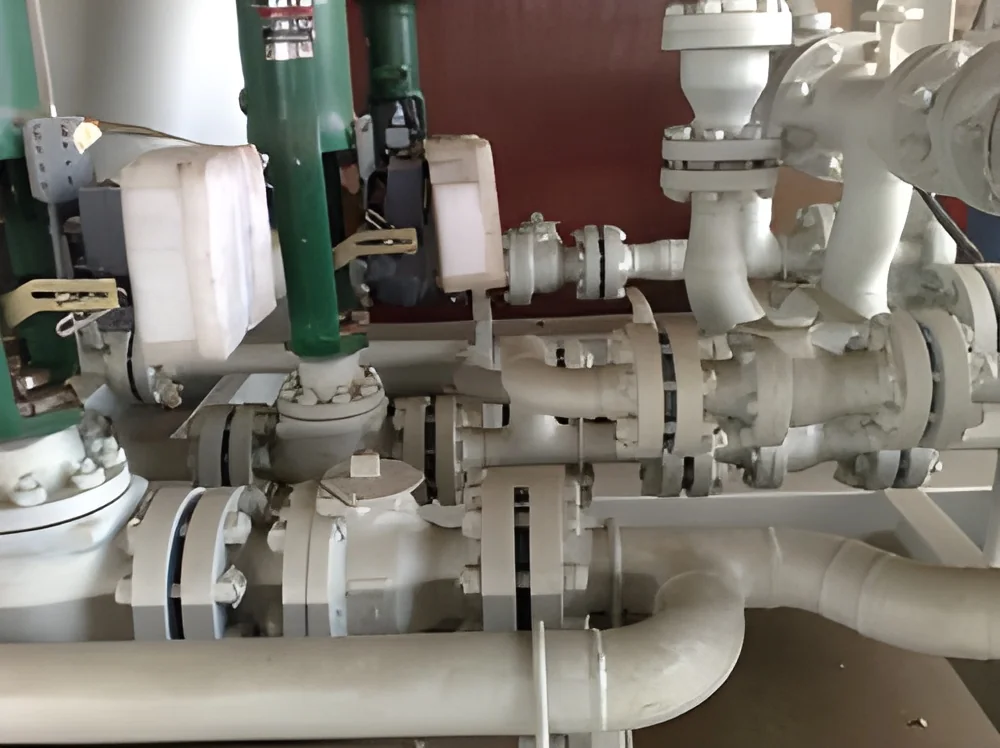
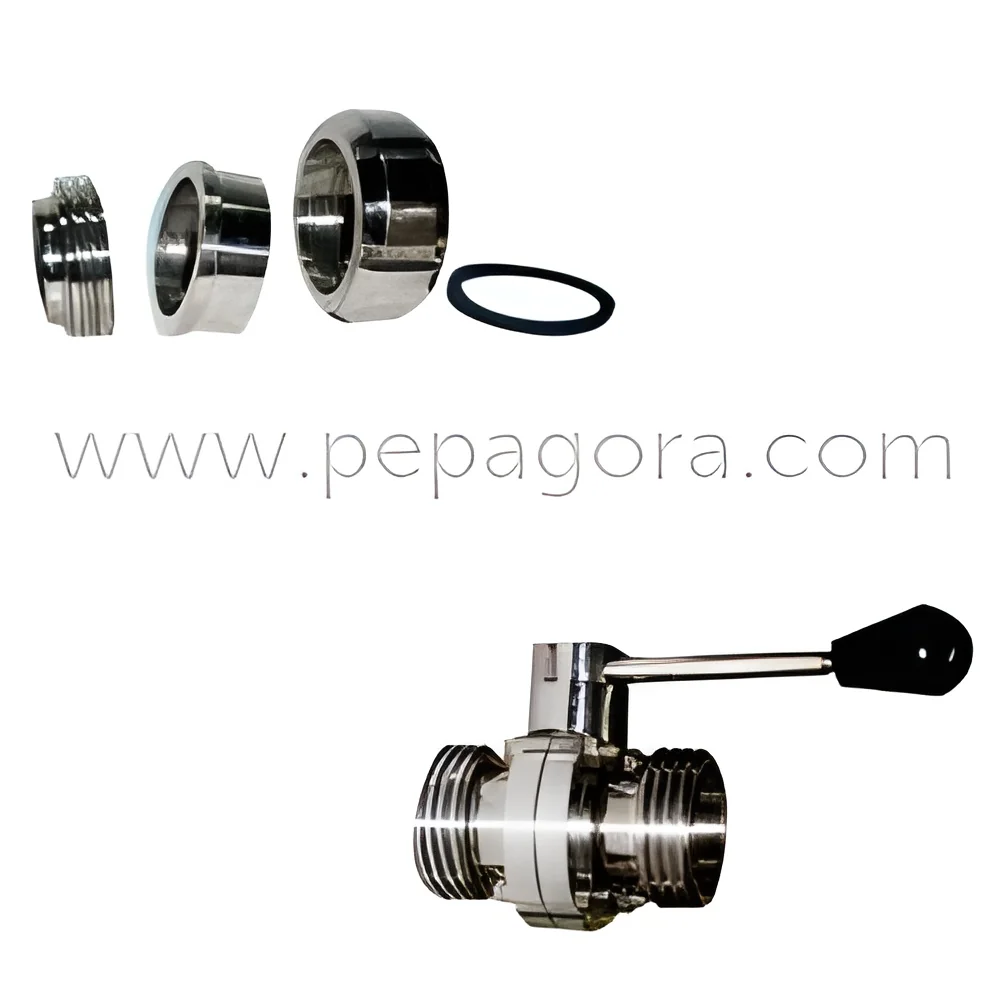
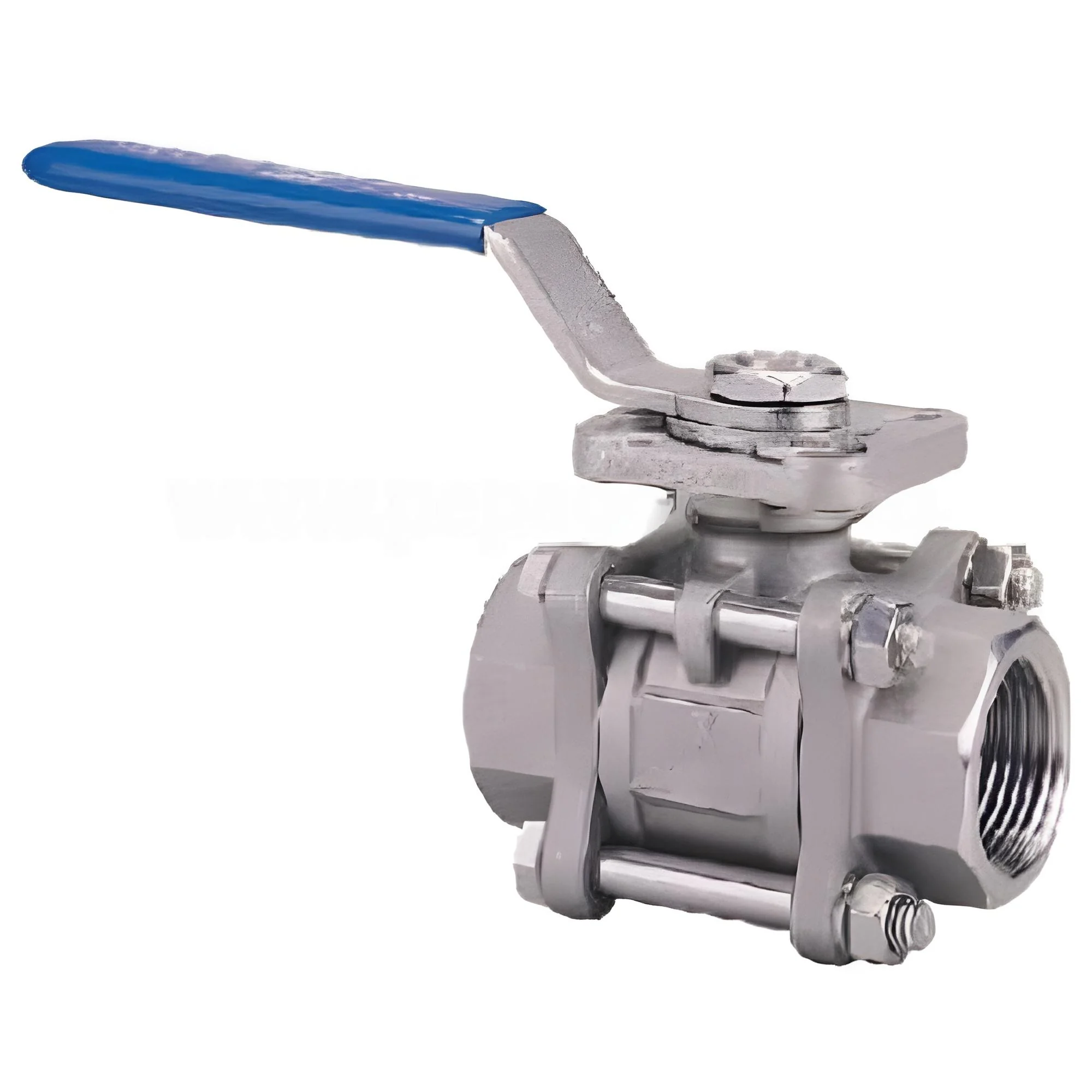
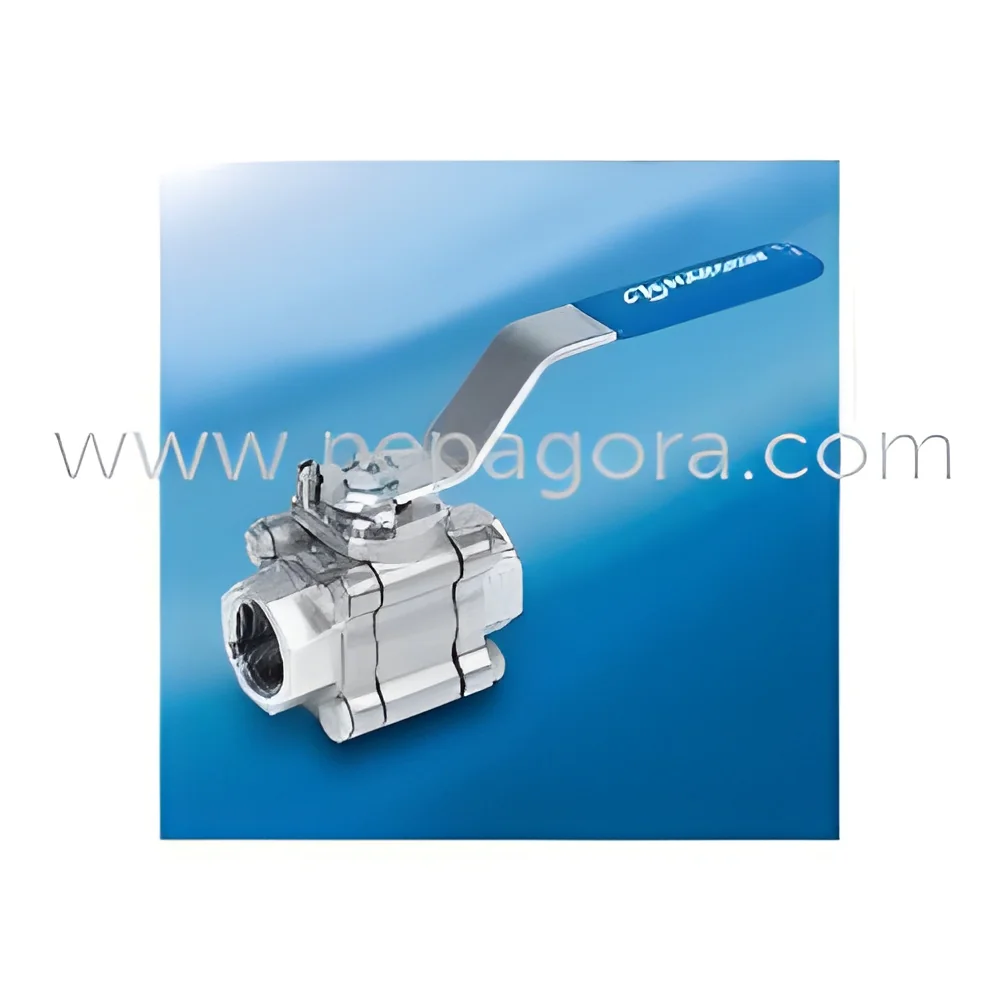
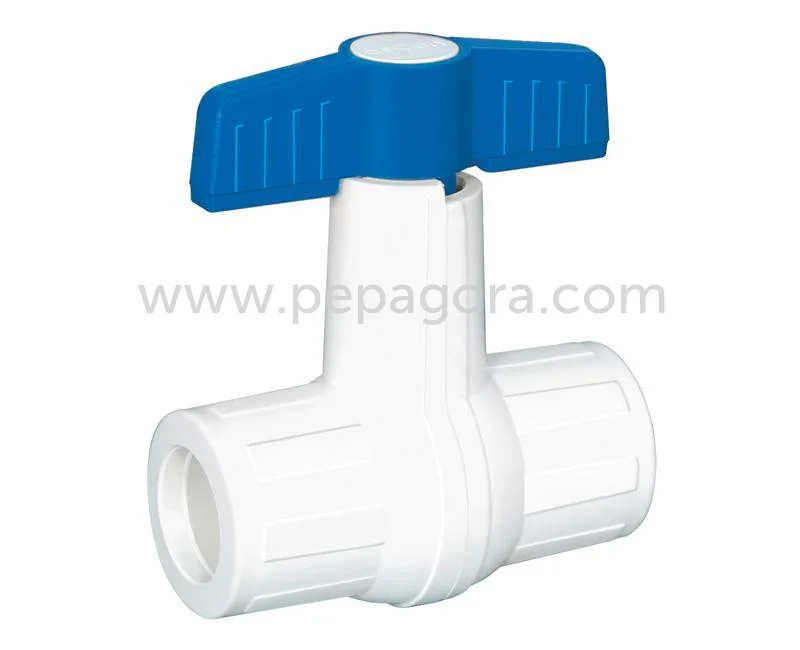
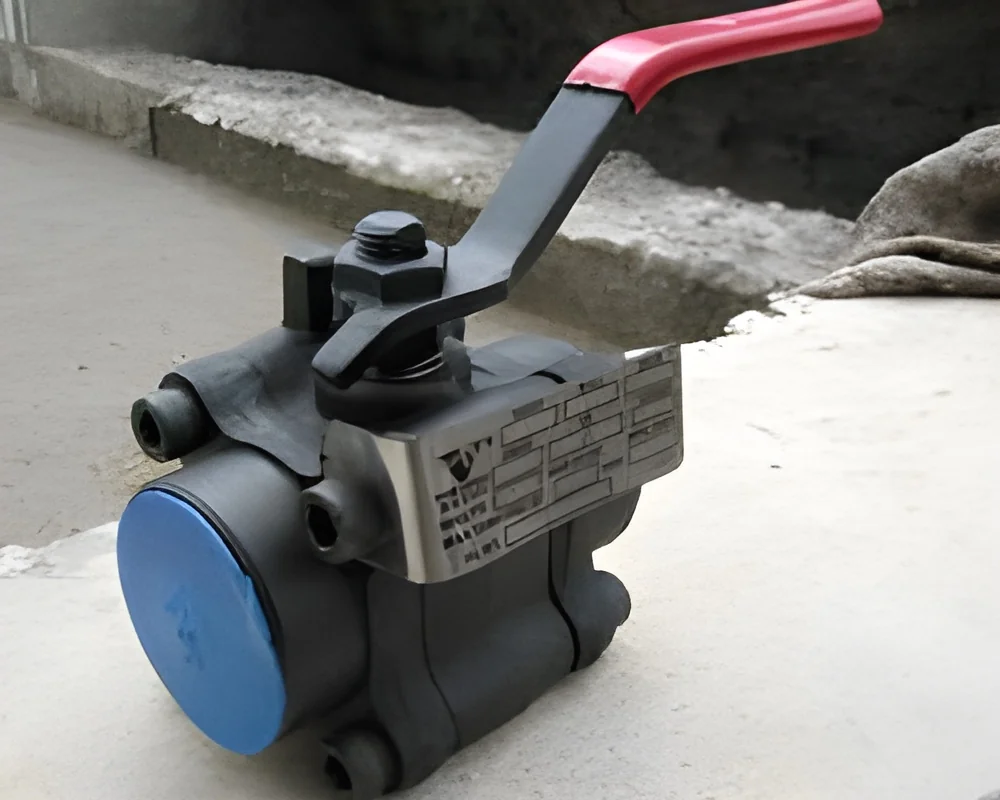
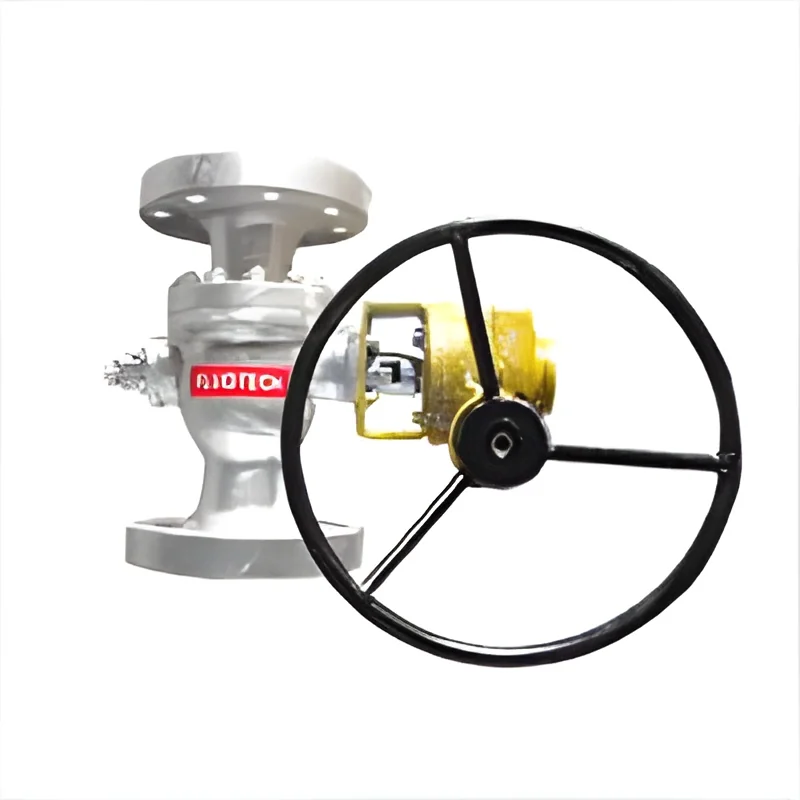
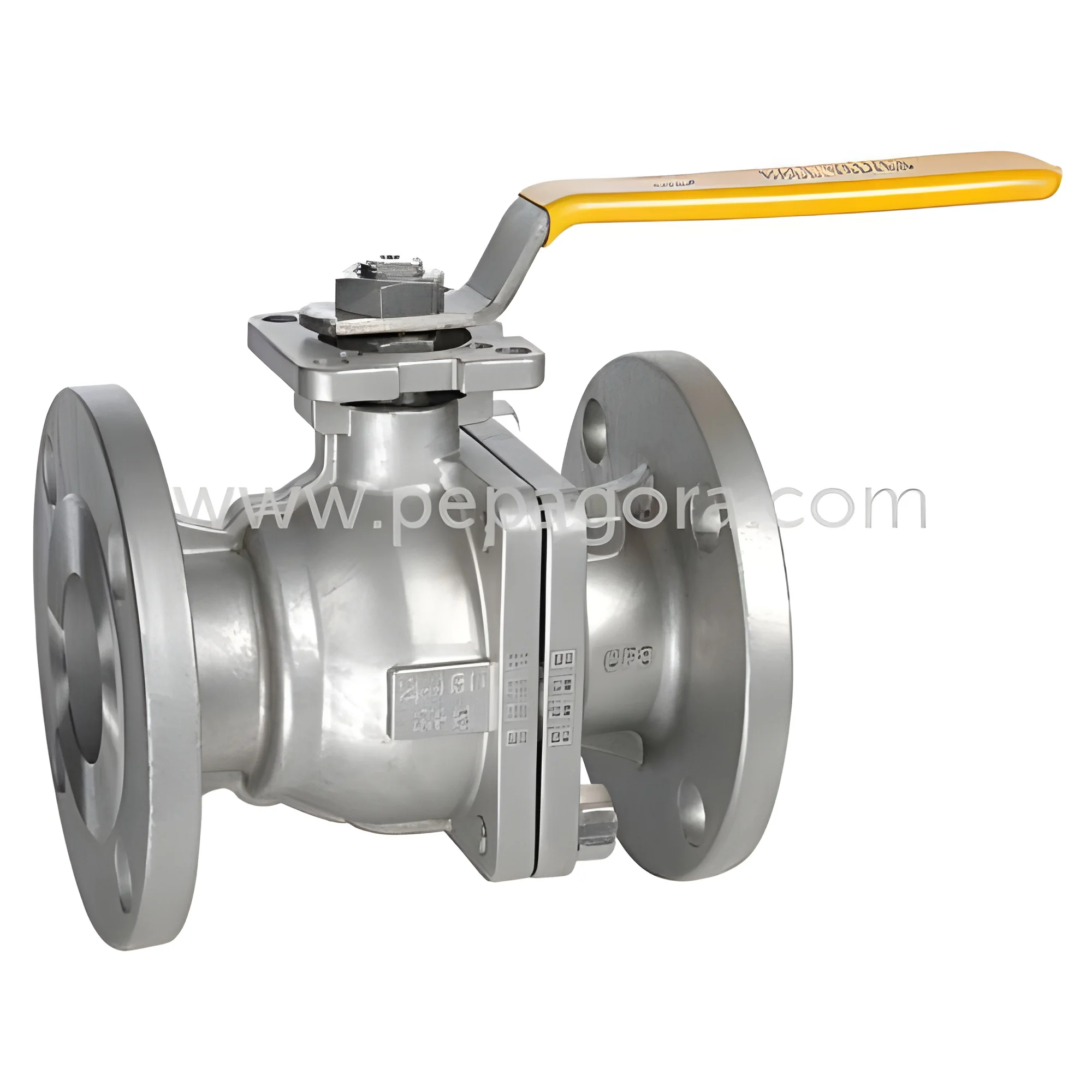
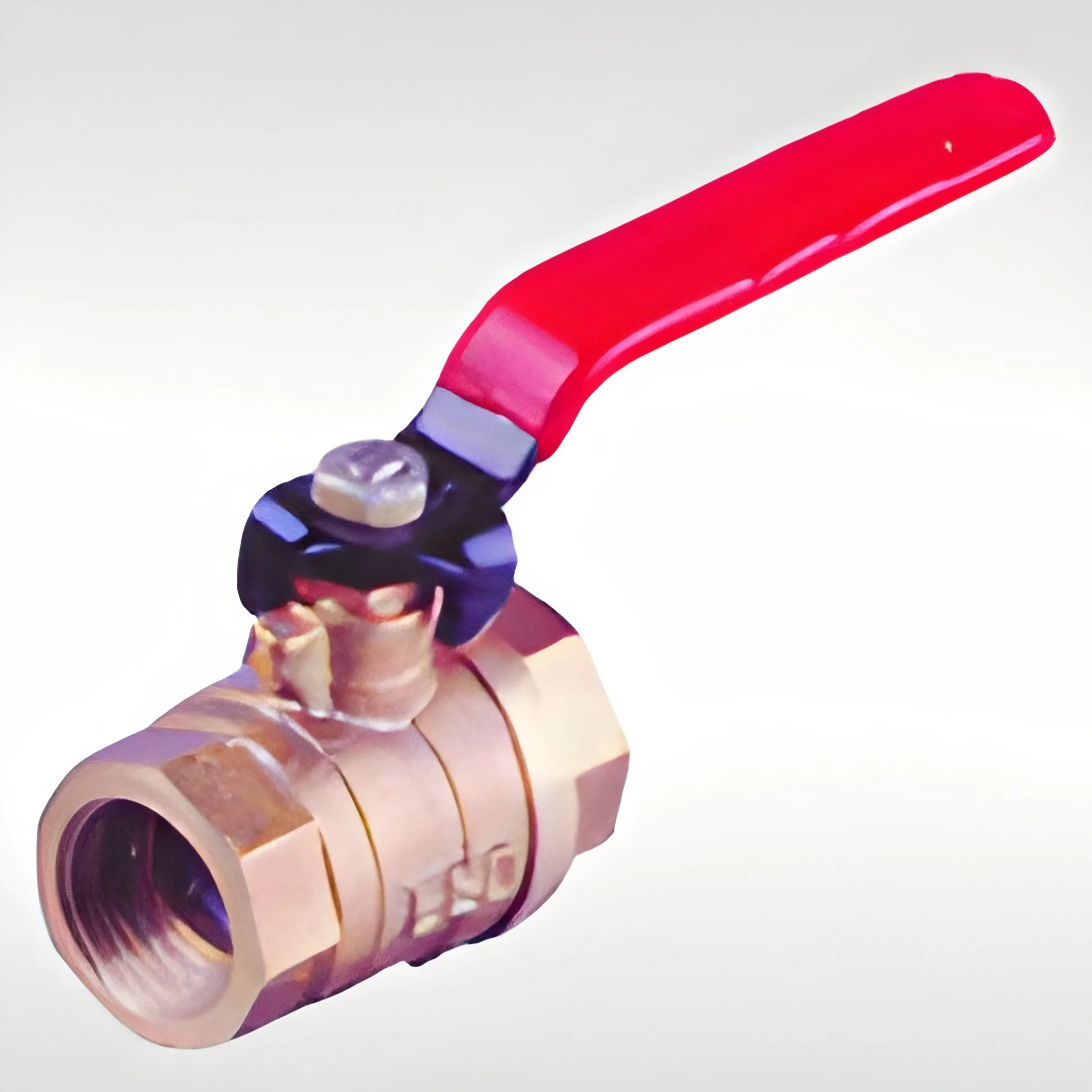
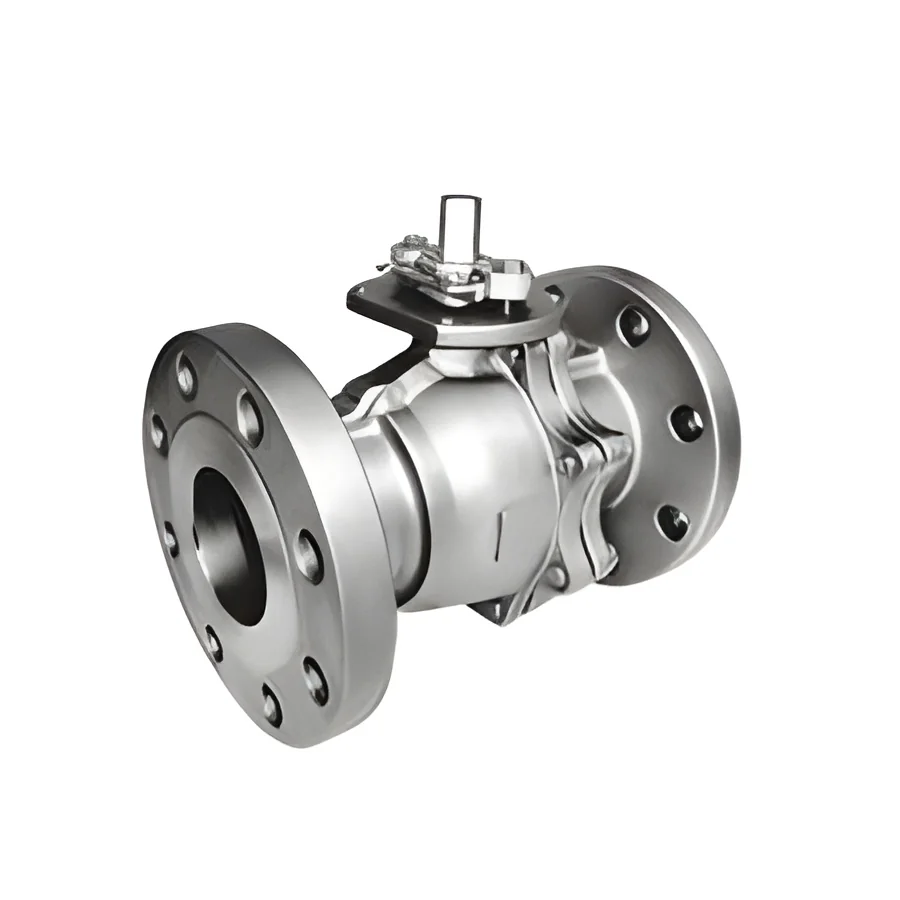
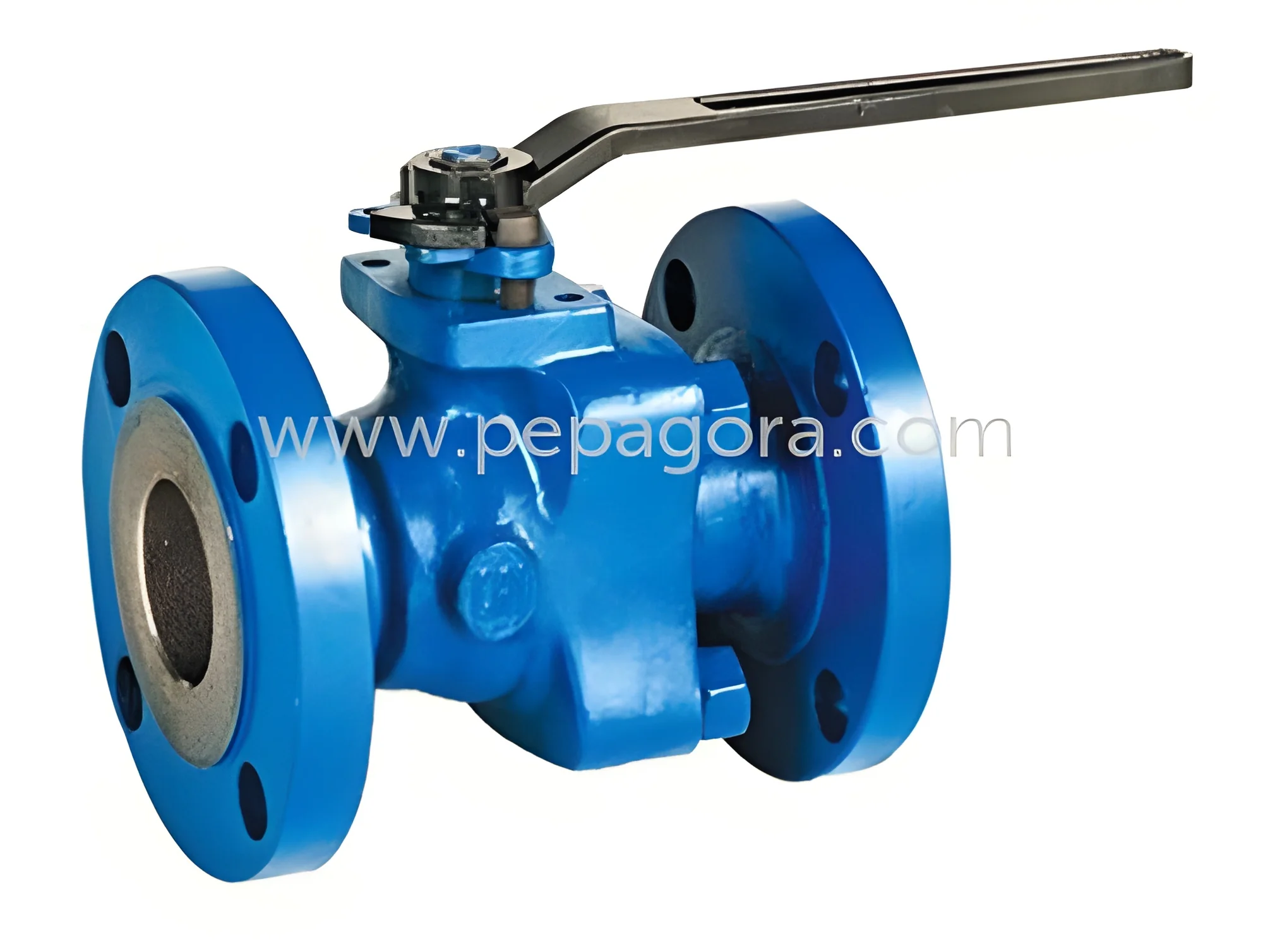
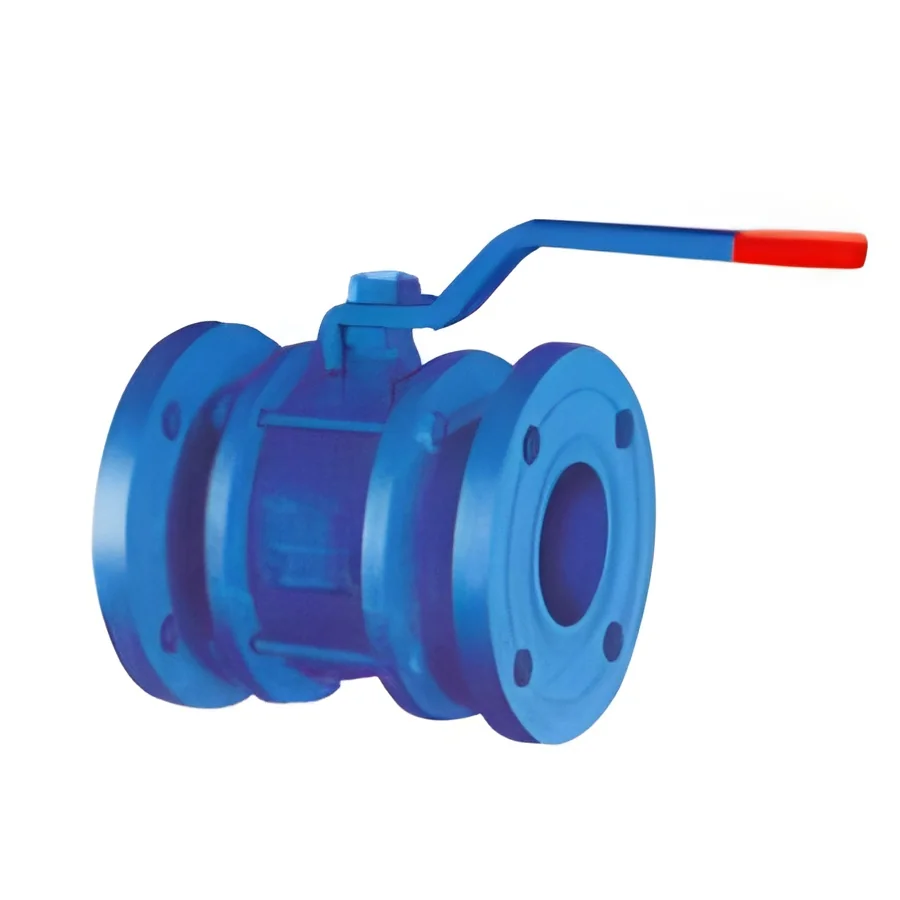
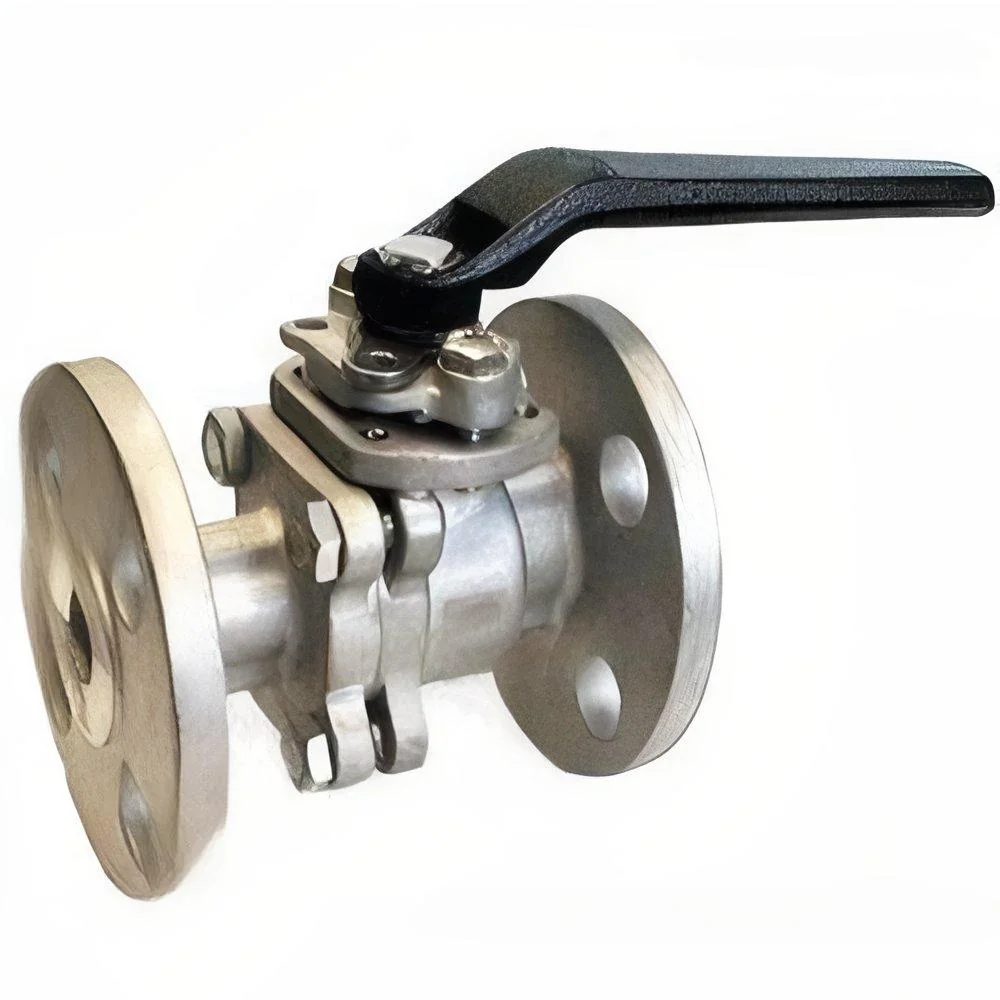
Ball valves are a type of valve that uses a spherical obstruction to control the flow of fluids. The sphere, or ball, has a hole through its center that allows fluid to pass when aligned with the flow direction. When the ball is rotated 90 degrees, the hole is perpendicular to the flow, effectively blocking it. This design offers a reliable and efficient means of controlling flow, making ball valves a popular choice across various industries.
Ball valves are commonly used in applications requiring quick shut-off, such as in water supply systems, gas pipelines, and industrial machinery. They are favored for their durability and ability to maintain a tight seal, which minimizes leaks. In the context of business applications, ball valves play a crucial role in maintaining operational efficiency and safety. Given their importance, the market for ball valves continues to grow, driven by advancements in manufacturing techniques and increasing demand for reliable fluid control solutions.
Key Features and Specifications
Ball valves offer a range of features that cater to diverse industrial needs. They are designed for easy operation, reliability, and durability, which are essential in high-pressure and high-temperature applications.
Key specifications include:
1. Material Construction
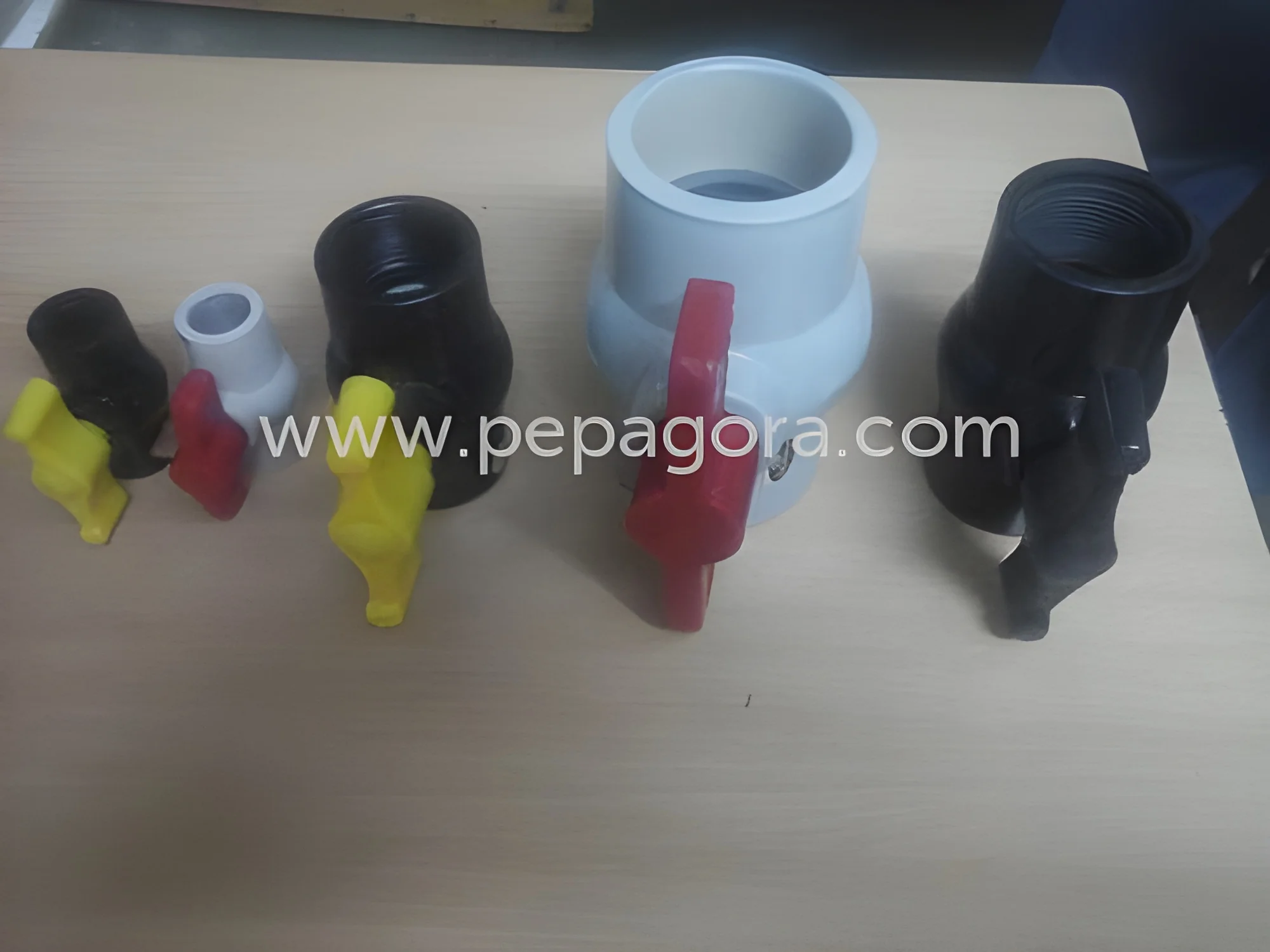
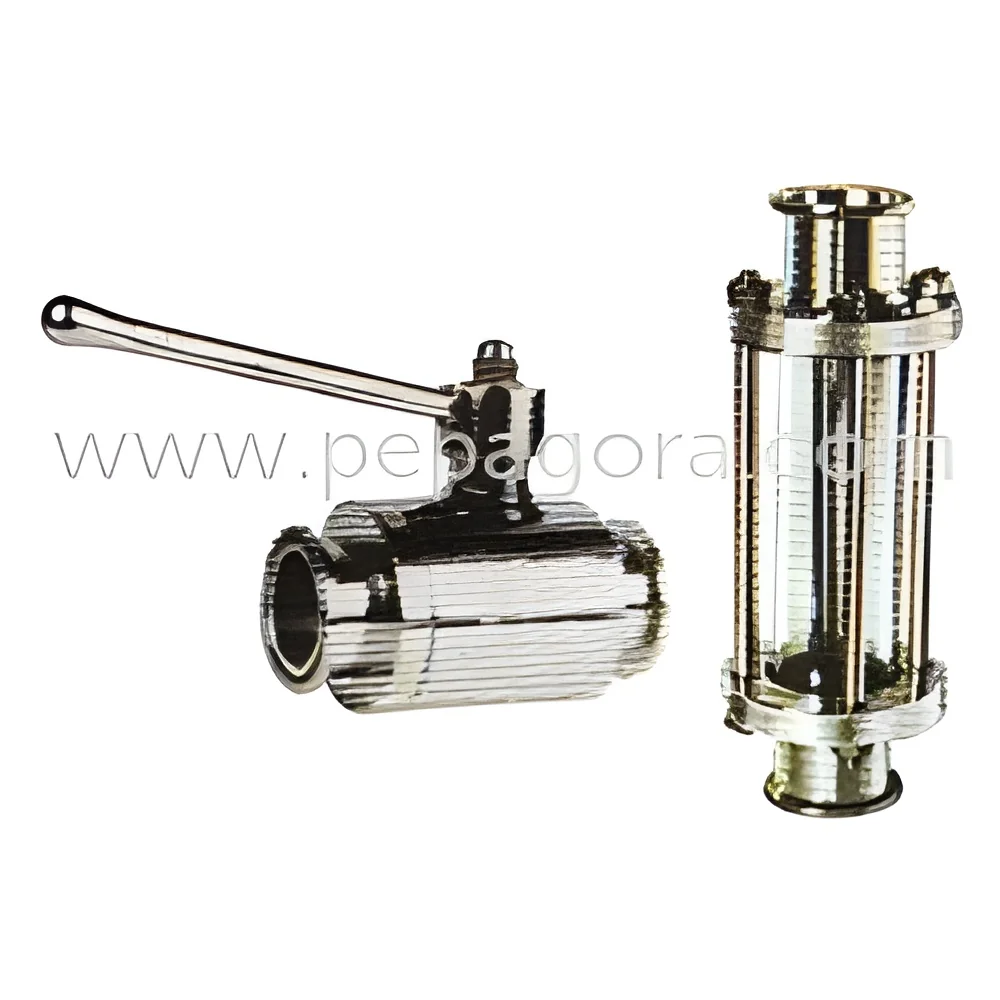
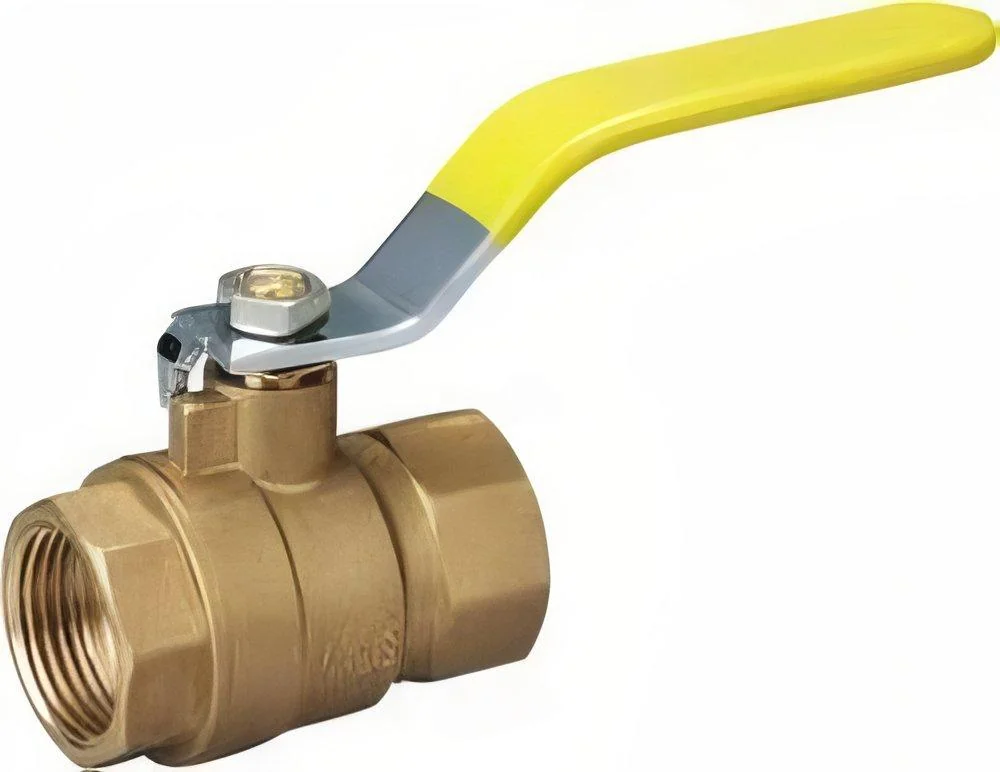
- Common materials include brass, stainless steel, and PVC
- Selection depends on the application environment and fluid type
2. Size and Diameter
- Available in various sizes from small (1/4 inch) to large (up to 48 inches)
- Size impacts flow rate and pressure handling
3. Pressure Rating
- Typically rated for pressures ranging from 150 PSI to 5000 PSI
- Higher ratings for more demanding applications
4. Temperature Range
- Suitable for temperatures from -20°F to 400°F
- Compatibility with specific fluids and conditions is crucial
5. End Connections
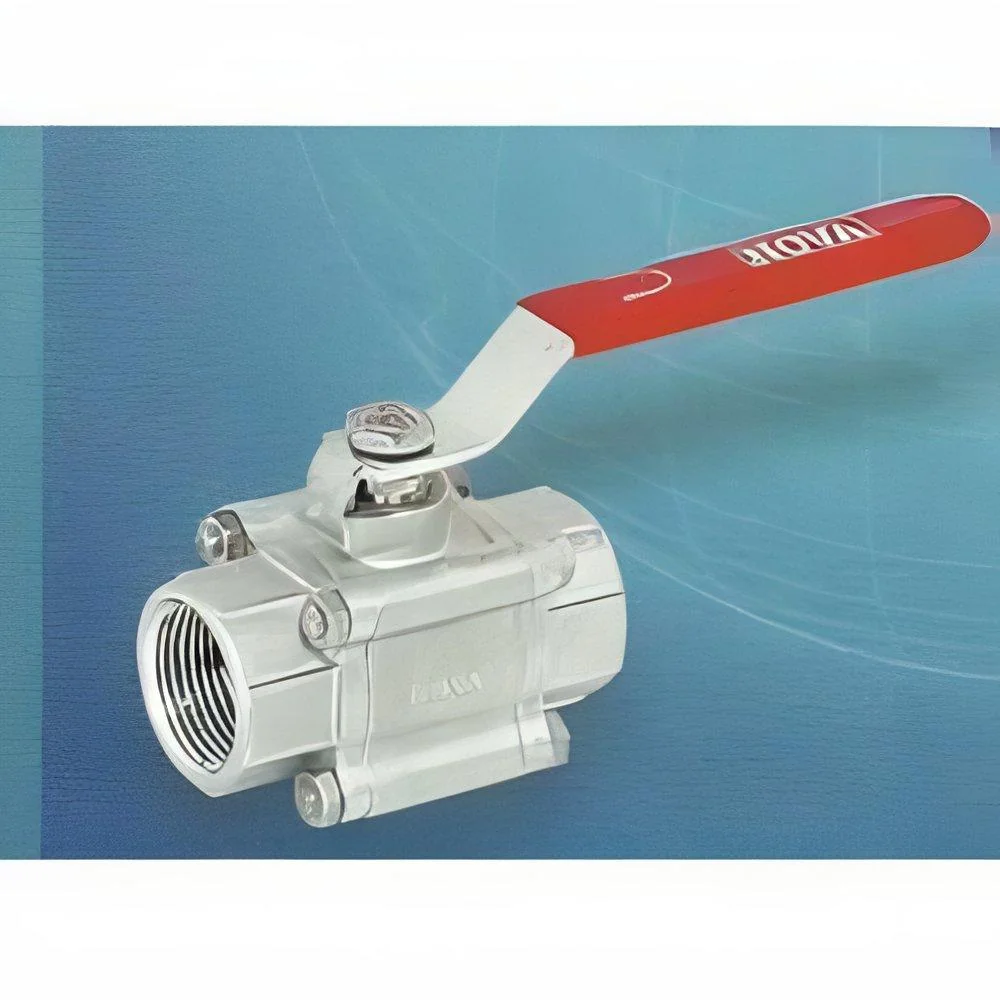
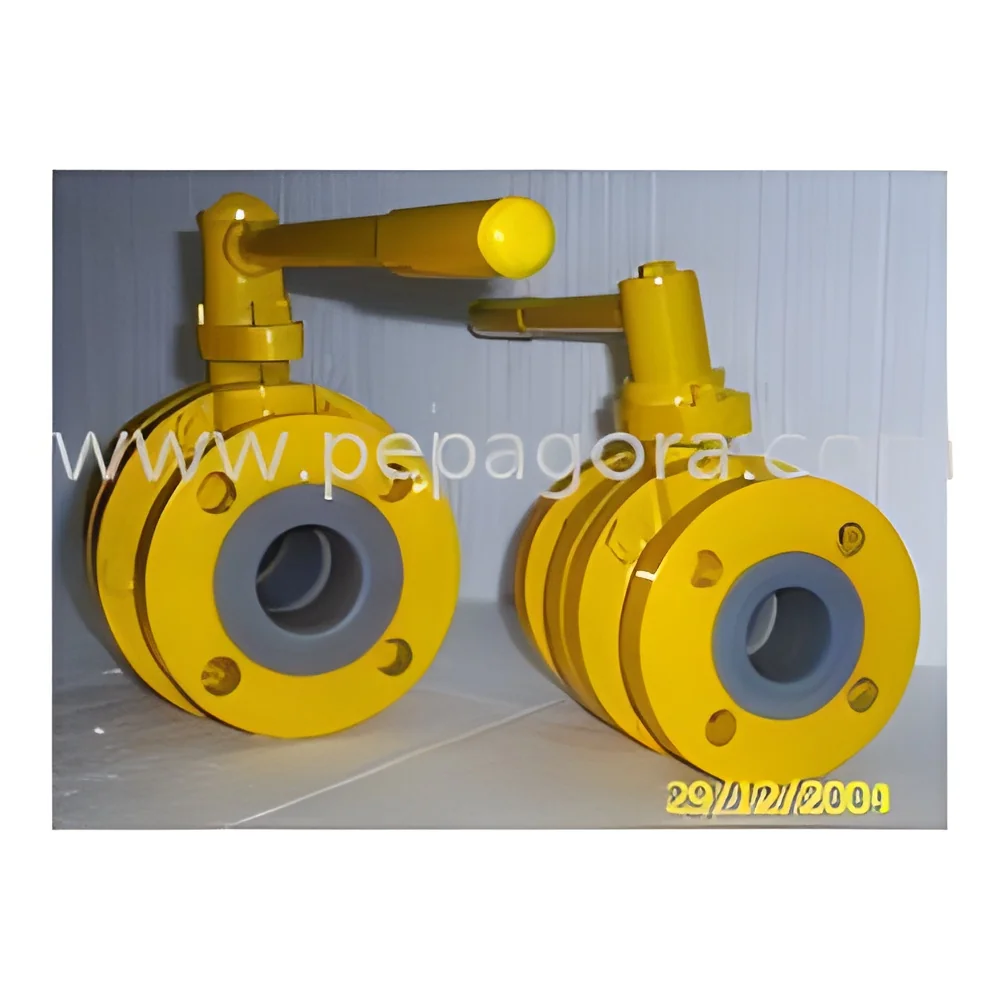
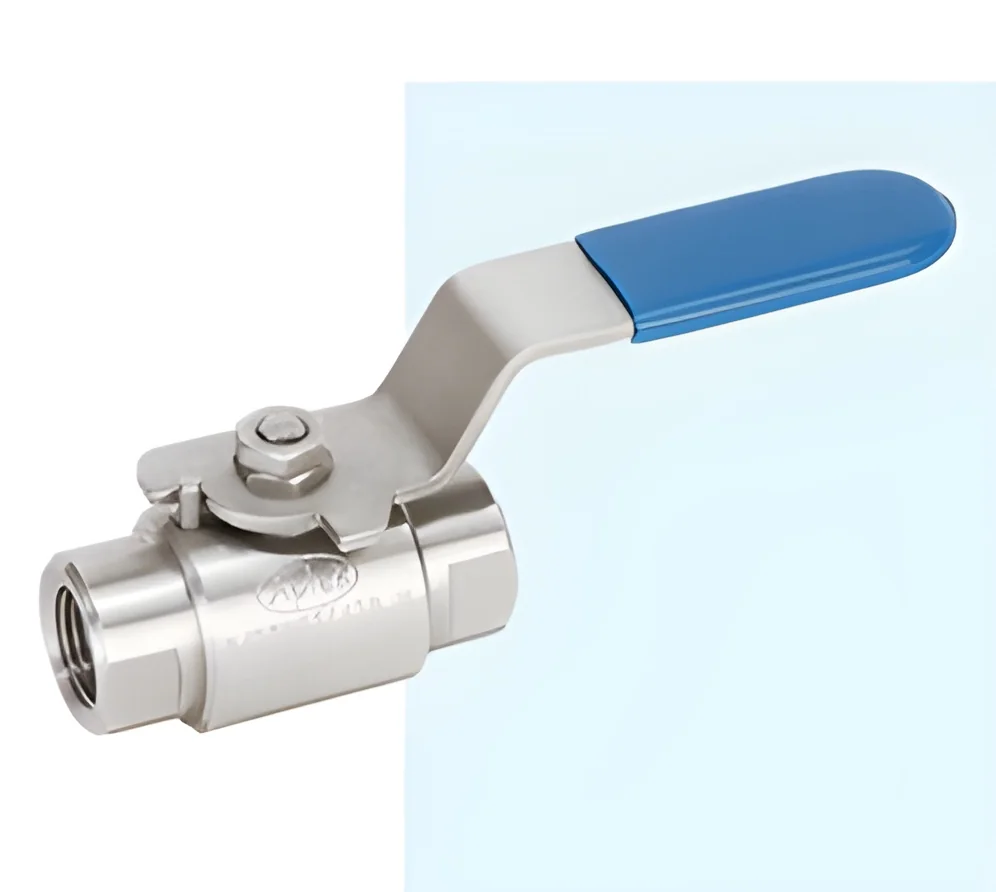
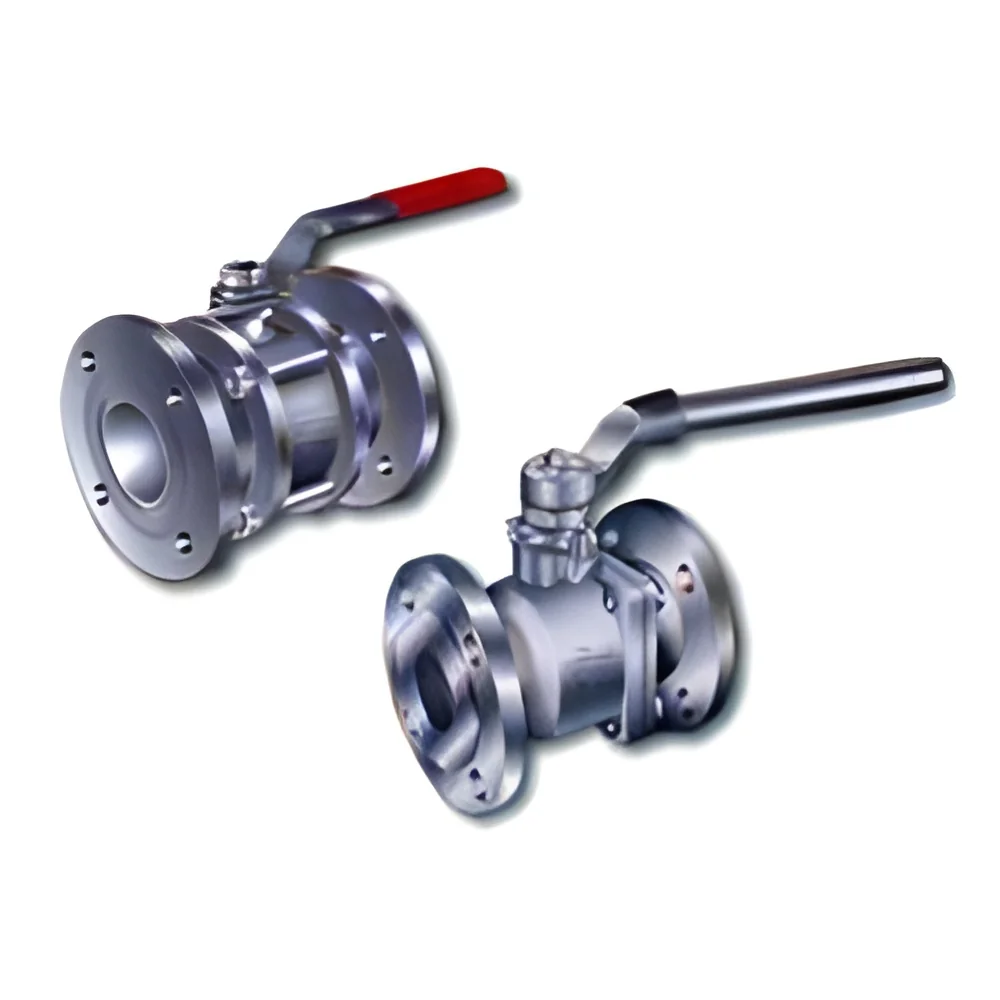
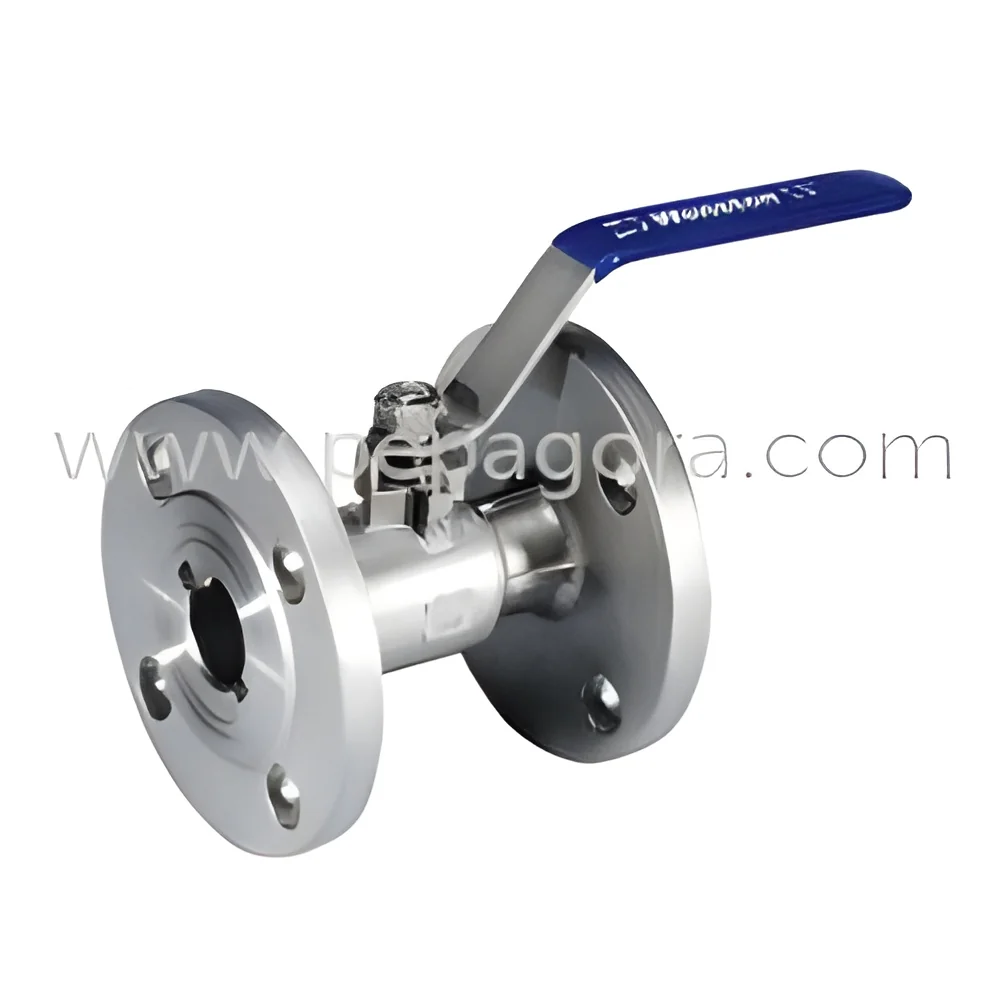
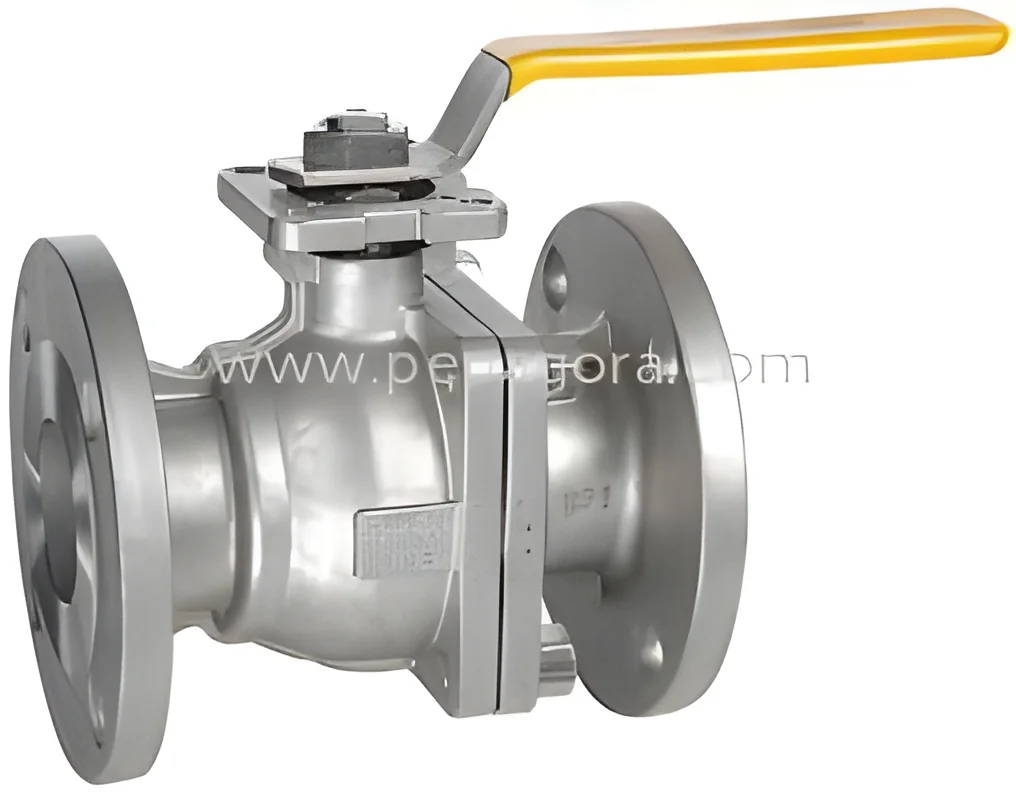
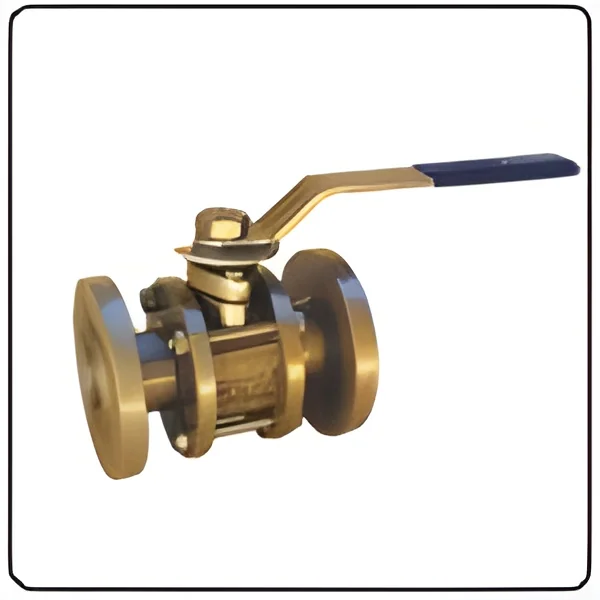
- Options include threaded, flanged, and welded connections
- Selection based on installation requirements
6. Actuation Type
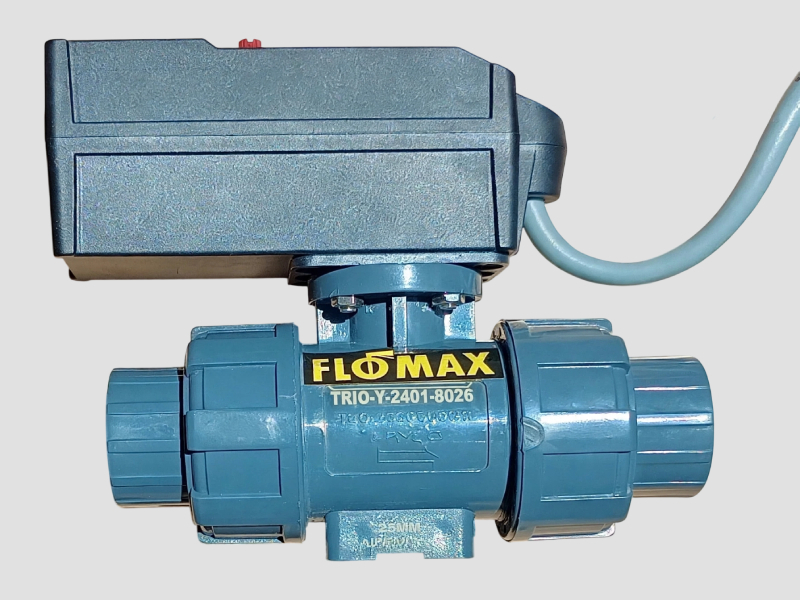
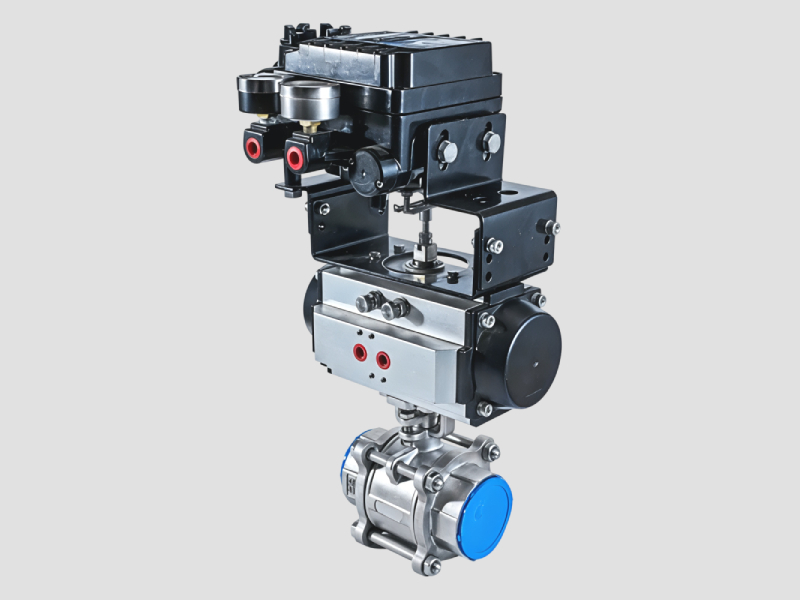
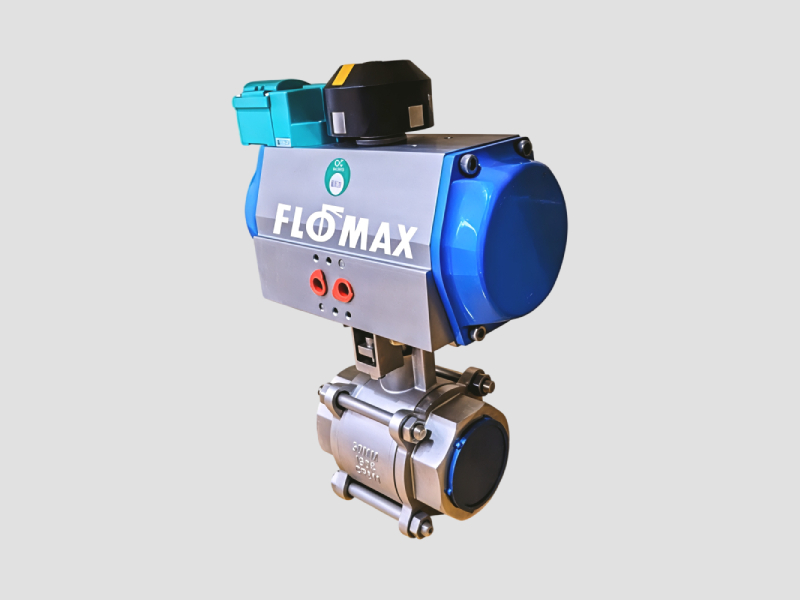
- Manual, electric, and pneumatic actuation options available
- Choice affects ease of use and automation capabilities
7. Seal Type
- Common seals include PTFE and rubber for leak prevention
- Seal selection impacts durability and compatibility
8. Compliance Standards
- Many ball valves meet industry standards such as CE certification
- Ensures safety and reliability in operation
In summary, the features and specifications of ball valves are essential for ensuring optimal performance and reliability in various applications.
Common Applications and Use Cases
Ball valves are widely utilized across different sectors due to their versatility and reliability.
1. Oil and Gas Industry: Ball valves are integral in controlling the flow of crude oil and natural gas, ensuring safe and efficient operations in pipelines and refineries.
2. Water Treatment Facilities: Used to regulate flow in water treatment processes, ball valves help in managing the distribution and control of potable water.
3. Chemical Processing: In this industry, ball valves are essential for handling corrosive substances, providing safe isolation and flow control.
4. HVAC Systems: Ball valves are employed to control the heating and cooling fluids, ensuring efficient climate management in commercial buildings.
5. Food and Beverage Industry: These valves are used in processing plants to maintain hygiene and prevent contamination while controlling product flow.
6. Pharmaceutical Manufacturing: Ball valves are crucial in maintaining sterile conditions, controlling the flow of liquids in production lines.
7. Power Generation: Used in steam and cooling systems, ball valves help manage fluid flow, contributing to overall energy efficiency.
Product Variants and Subcategories
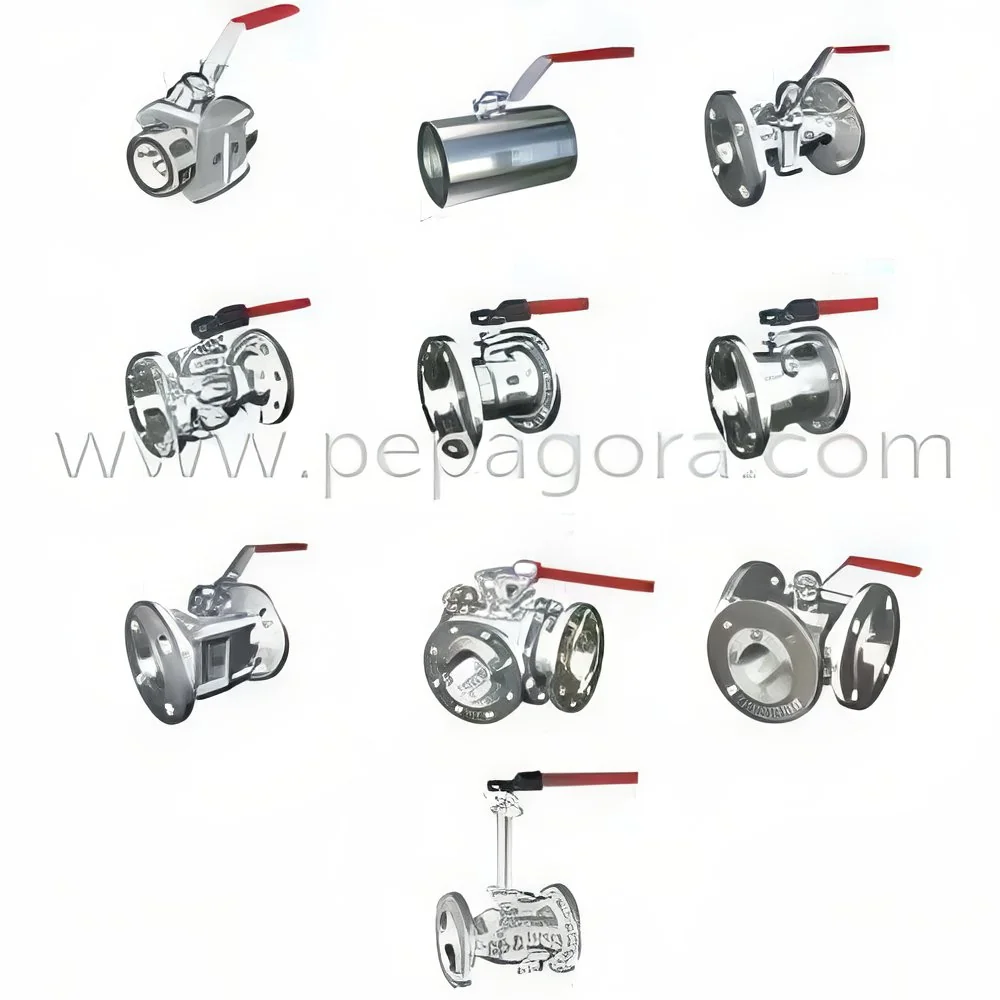
Ball valves come in various designs to meet specific operational needs and preferences.
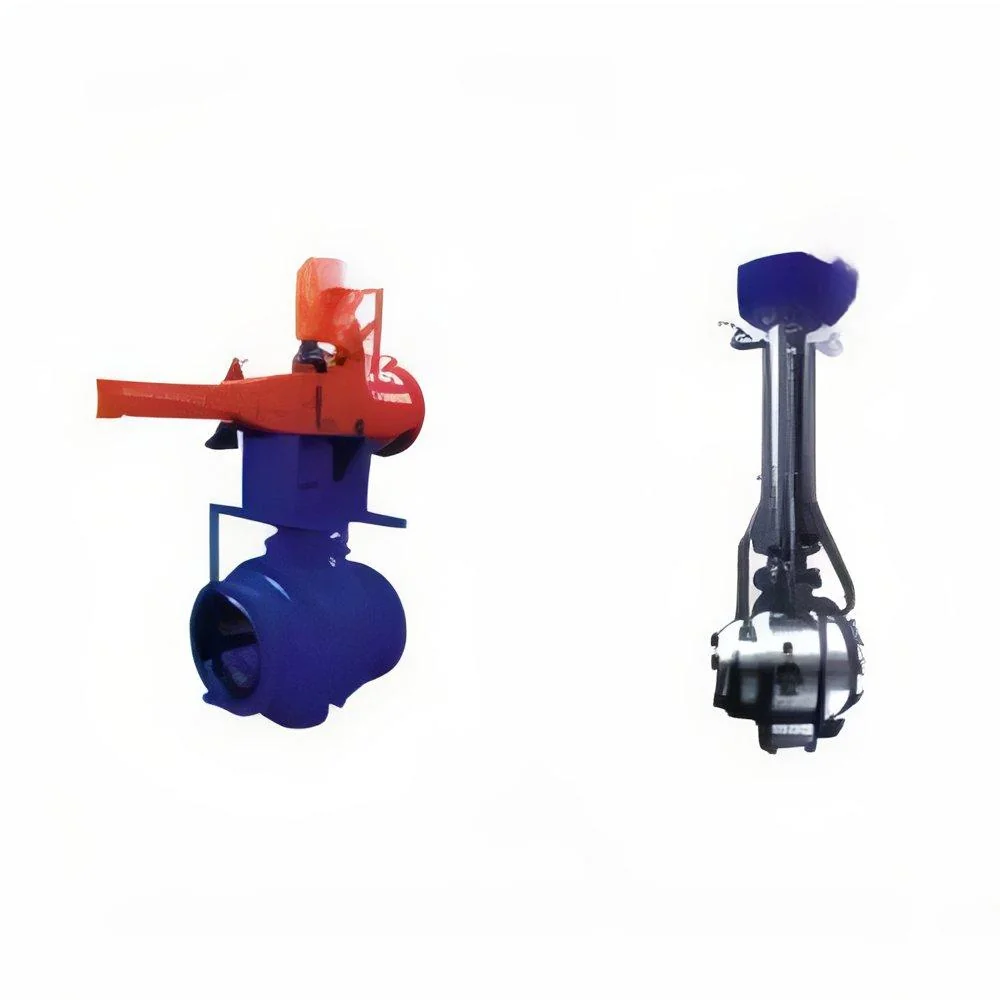
Trunnion Mounted Ball Valves
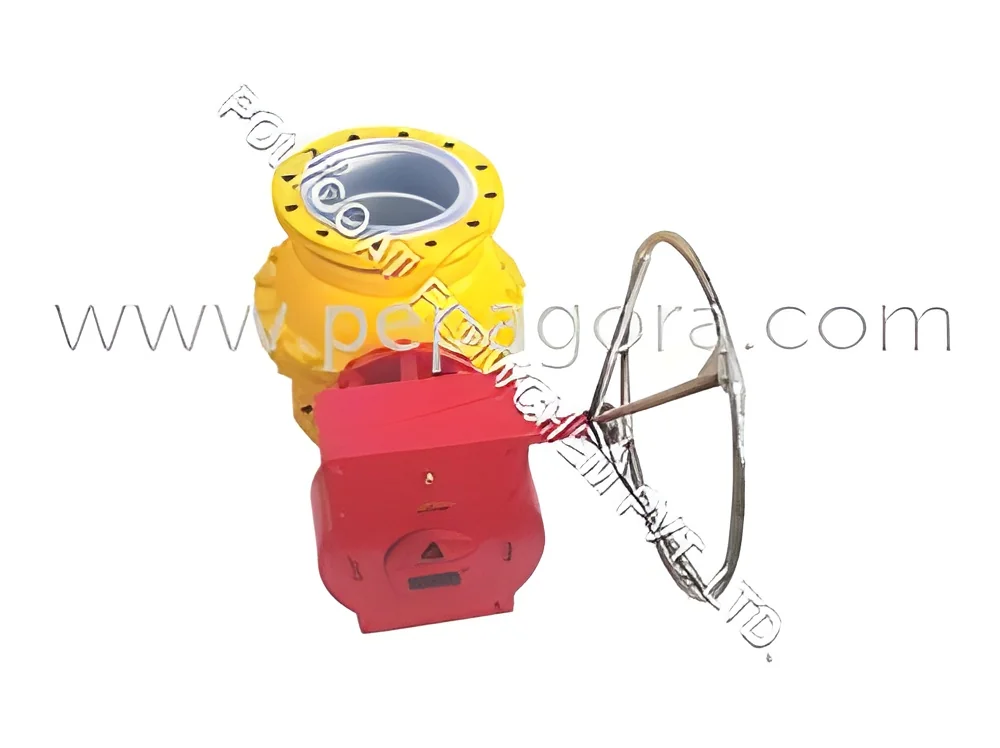
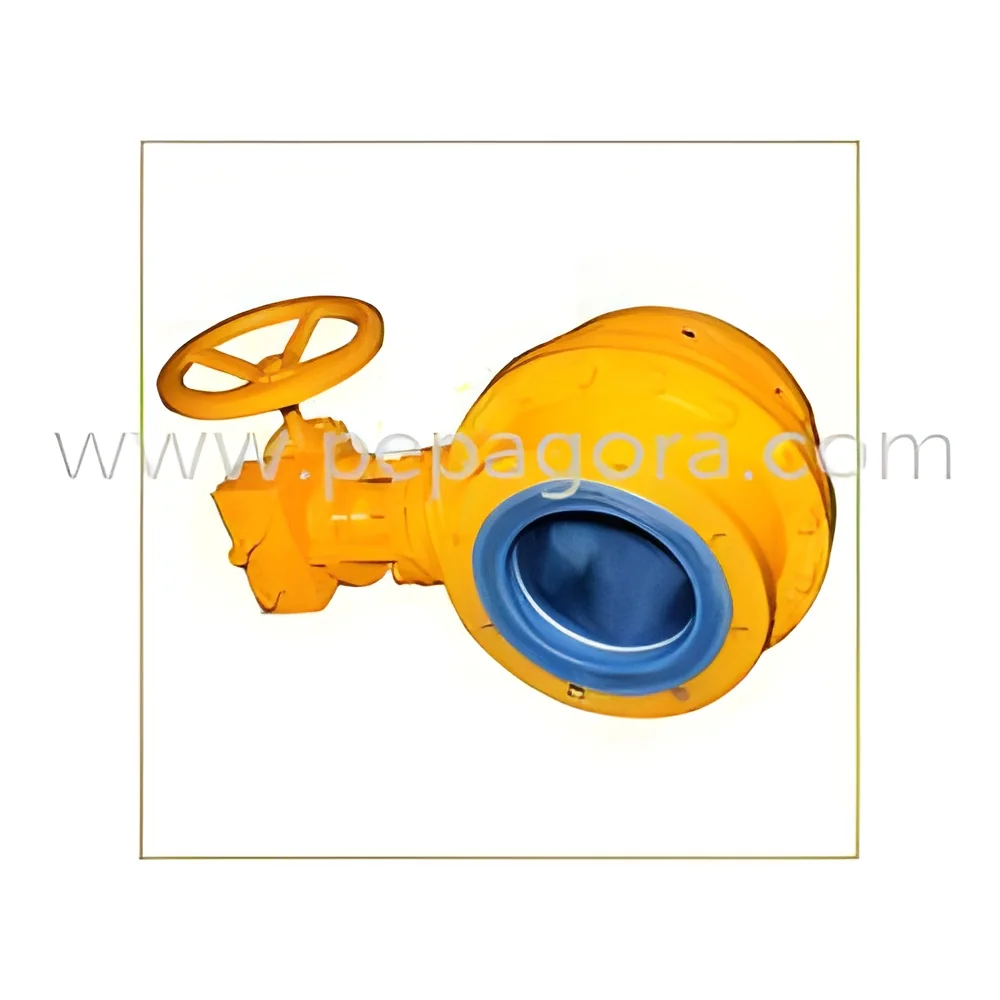
These valves feature a support system that holds the ball in place, allowing for larger sizes and higher pressure ratings. They are ideal for high-pressure applications in oil and gas industries.
Floating Ball Valves
Designed with a ball that "floats" and seals against the seat, these valves provide excellent sealing capabilities at lower pressures. They are commonly used in water supply and wastewater management.
Full Port Ball Valves
These variants have a larger diameter than the pipe, allowing for maximum flow with minimal pressure drop. They are widely used in applications where fluid dynamics are critical.
Reduced Port Ball Valves
These valves have a smaller diameter, which reduces overall flow but is suitable for specific applications where space and cost are factors.
Benefits and Advantages
Ball valves provide numerous advantages in industrial applications.
1. Quick Operation: Ball valves can be opened or closed with just a quarter turn, allowing for rapid control of fluid flow.
2. Tight Sealing: They offer excellent sealing capabilities, which reduces the risk of leaks and enhances safety.
3. Durability: Constructed from robust materials, ball valves are designed to withstand harsh conditions and have a long service life.
4. Low Maintenance: Their simple design requires less maintenance compared to other valve types, minimizing operational downtime.
5. Versatile Applications: Ball valves can be used in various industries, from oil and gas to food and pharmaceuticals, making them highly adaptable.
6. Cost-Effectiveness: The long-lasting nature and low maintenance requirements of ball valves contribute to reduced overall costs for businesses.
Buying Guide for B2B Buyers
When sourcing ball valves, several critical factors should be considered to ensure the right choice for your business needs.
1. Quality Assessment: Evaluate the quality of the valves by reviewing the materials used, manufacturing processes, and adherence to industry standards. High-quality valves will provide better performance and longevity.
2. Supplier Verification: Vet suppliers by checking their credentials, customer reviews, and past performance. A reliable supplier ensures access to quality products and supports.
3. Pricing and MOQ: Analyze the pricing structure and minimum order quantities (MOQ) to find a balance between cost and your operational needs. Ensure that you are getting competitive pricing for the quality offered.
4. Delivery and Lead Times: Consider logistics implications, including delivery timelines. Timely delivery is crucial for maintaining project schedules and operational efficiency.
5. Compliance Requirements: Ensure that the valves meet all relevant regulatory standards and certifications, such as CE marking, to guarantee safety and reliability in your application.
Compliance and Certifications
Compliance and certifications play a vital role in ensuring the safety and reliability of ball valves in various applications.
Relevant quality standards such as ISO 9001 help ensure consistent quality management throughout the manufacturing process. This standard emphasizes continuous improvement and customer satisfaction.
Industry certifications, including CE marking, signify that the product meets European safety, health, and environmental protection standards. Such certifications are essential for market acceptance and regulatory compliance.
Safety and testing requirements are critical for ball valves, especially in high-pressure or hazardous applications. Regular testing ensures that the valves perform reliably under specified conditions.
Regional compliance considerations may vary, so it's important to understand local regulations and standards that apply to your industry and geographical location.
Why Source Ball Valves from Pepagora?
Pepagora provides a trusted platform for sourcing ball valves, offering several key advantages to B2B buyers.
Verified Supplier Network: The platform connects buyers with a network of verified suppliers, ensuring access to high-quality products and reliable service. This vetting process helps mitigate risks associated with sourcing.
Streamlined RFQ Process: Pepagora simplifies the request for quotation (RFQ) process, making it easy for buyers to compare options and select the best fit for their needs. This efficiency can save time and enhance decision-making.
Trade Assurance and Support: With trade assurance policies in place, Pepagora protects buyers against potential issues, providing peace of mind throughout the purchasing process. This support fosters a secure trading environment.
Regional Coverage: Pepagora's geographic reach spans India, the Gulf Cooperation Council (GCC) countries, and Southeast Asia. This broad coverage facilitates access to local suppliers and markets, enhancing sourcing flexibility for businesses across the region.

 IN
IN