What are Pressure Regulators?
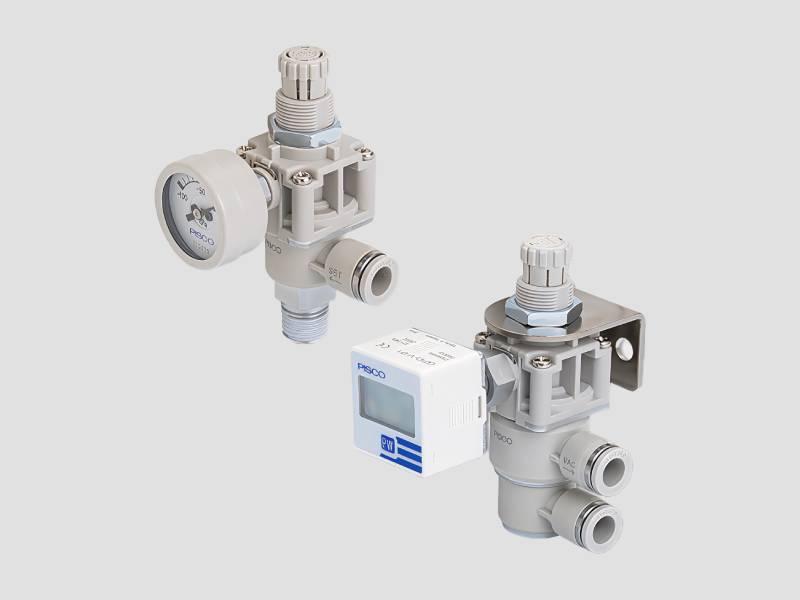
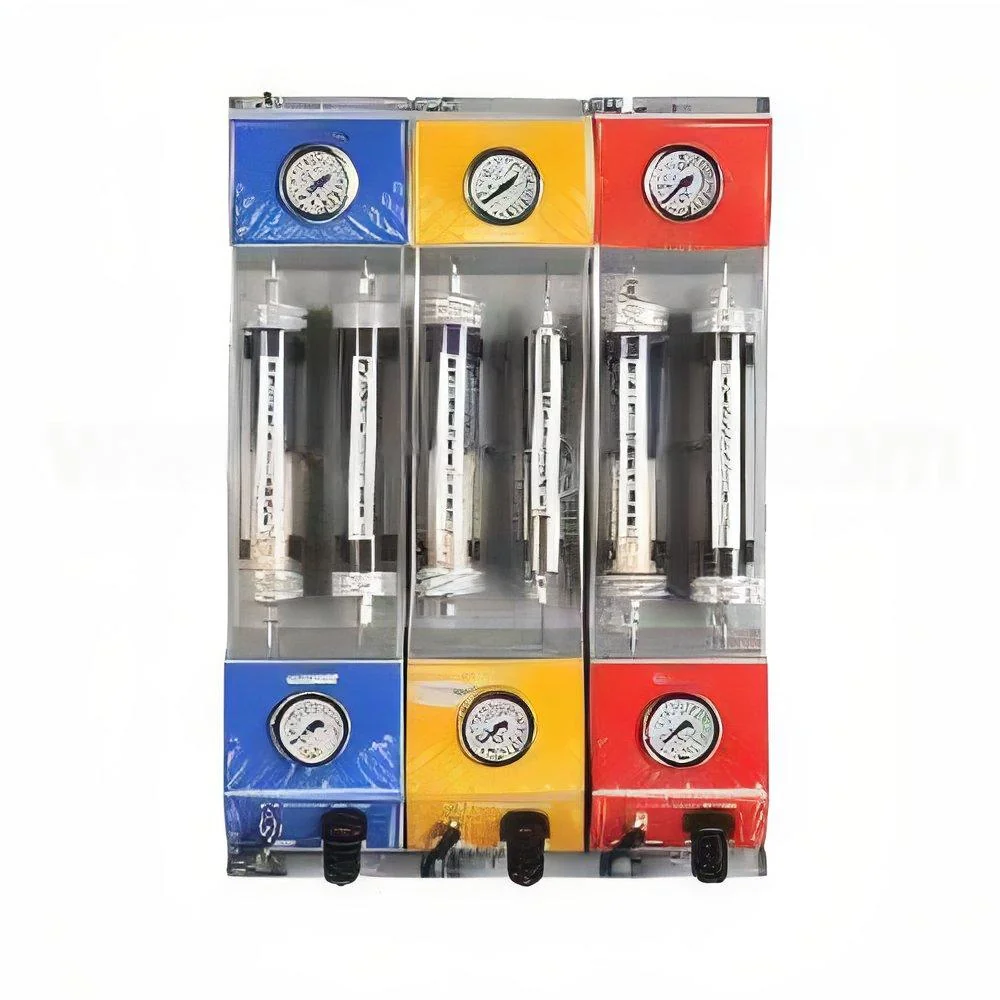
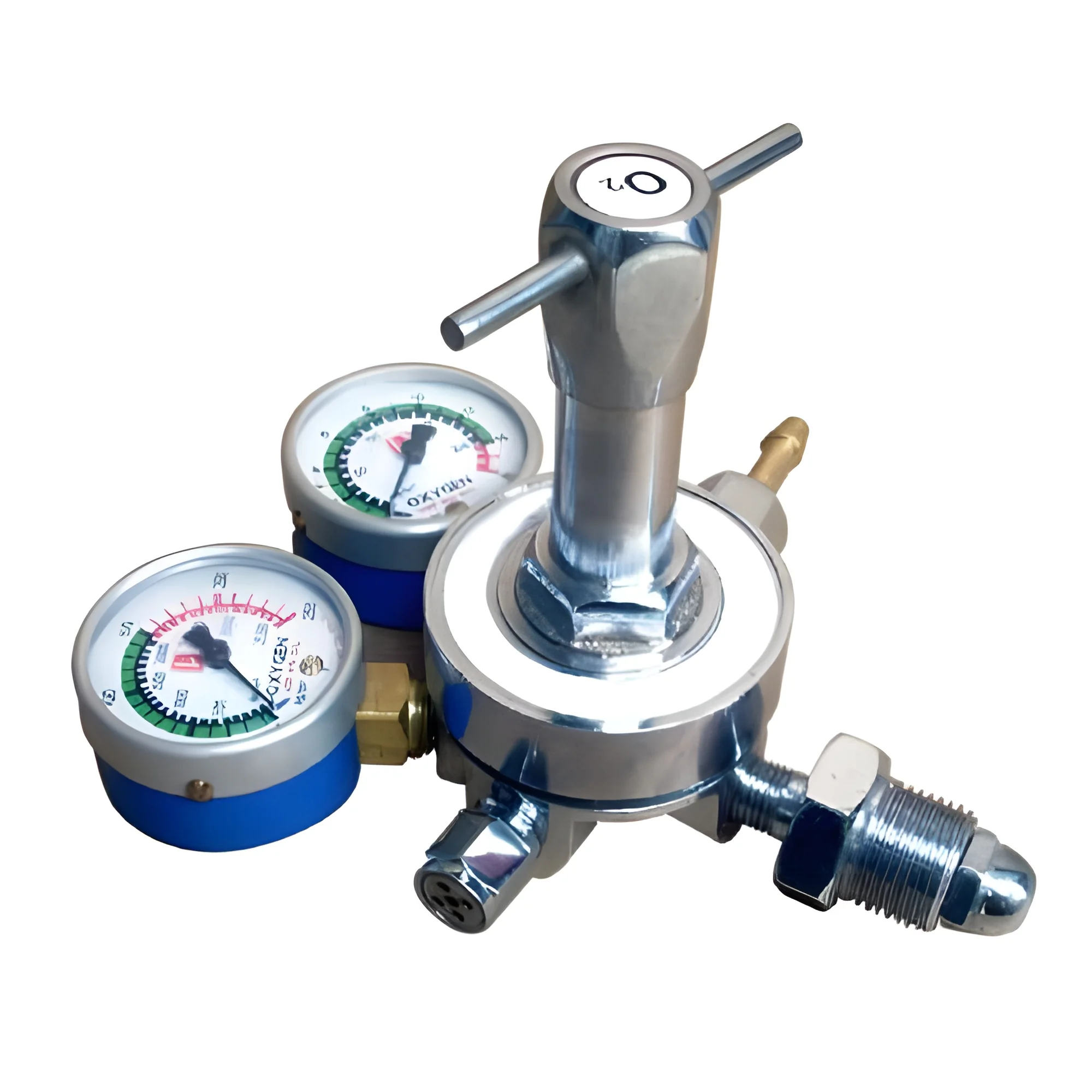
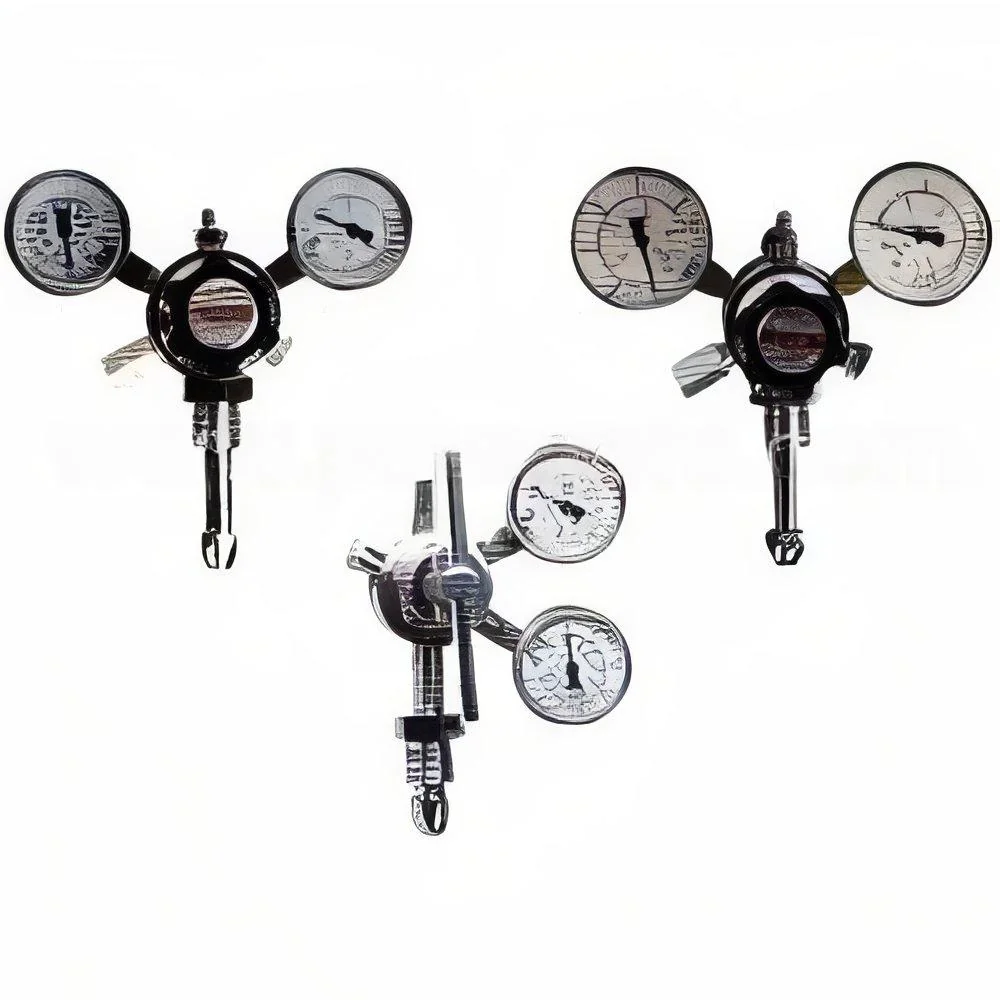
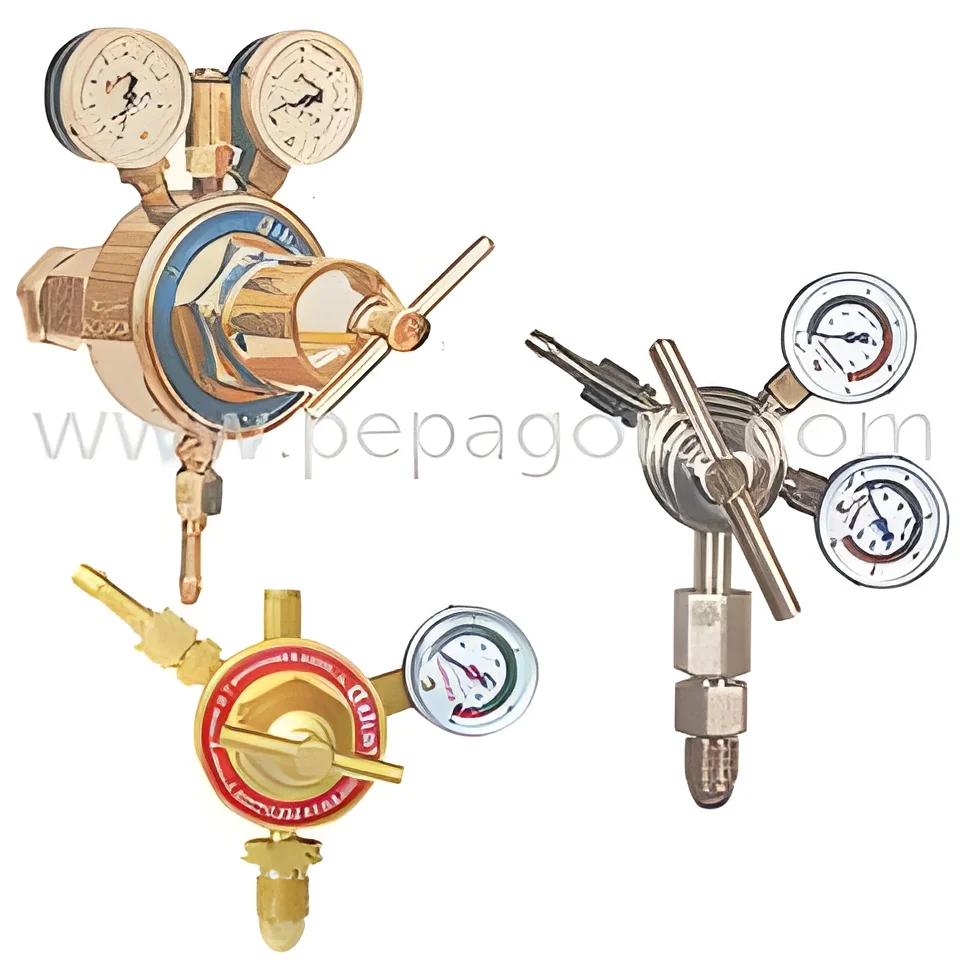
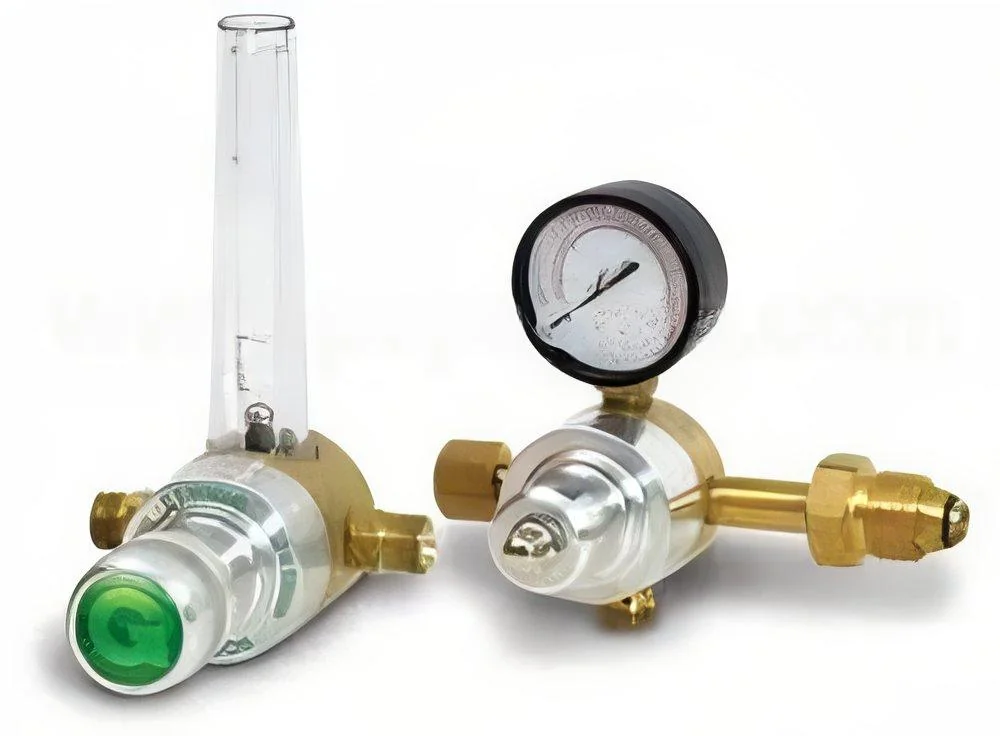
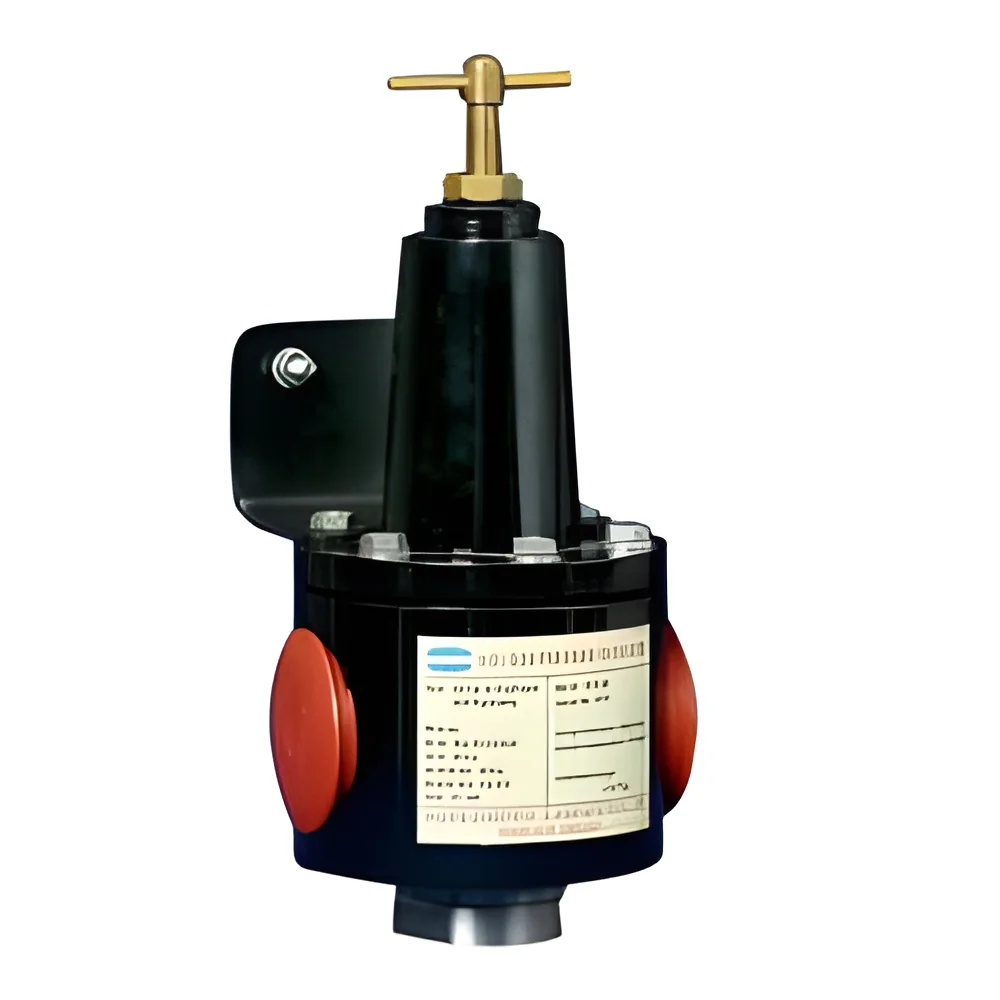
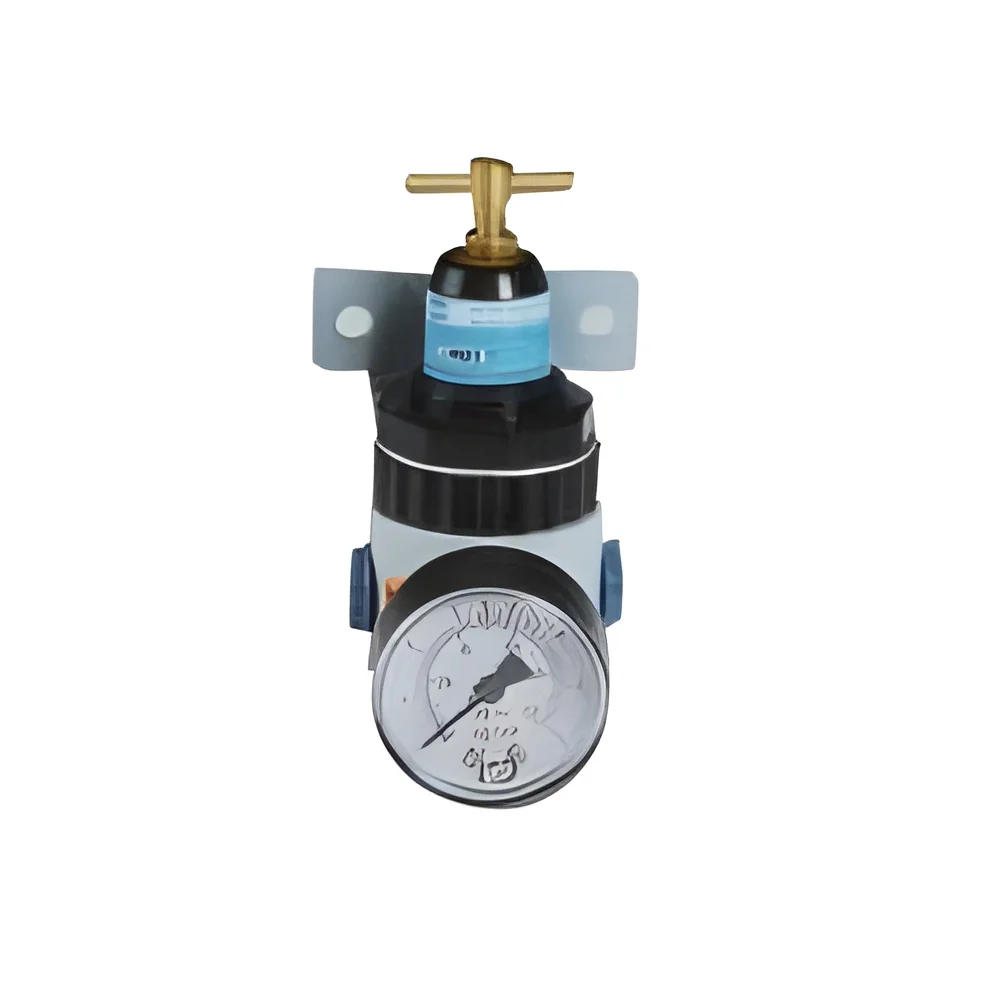
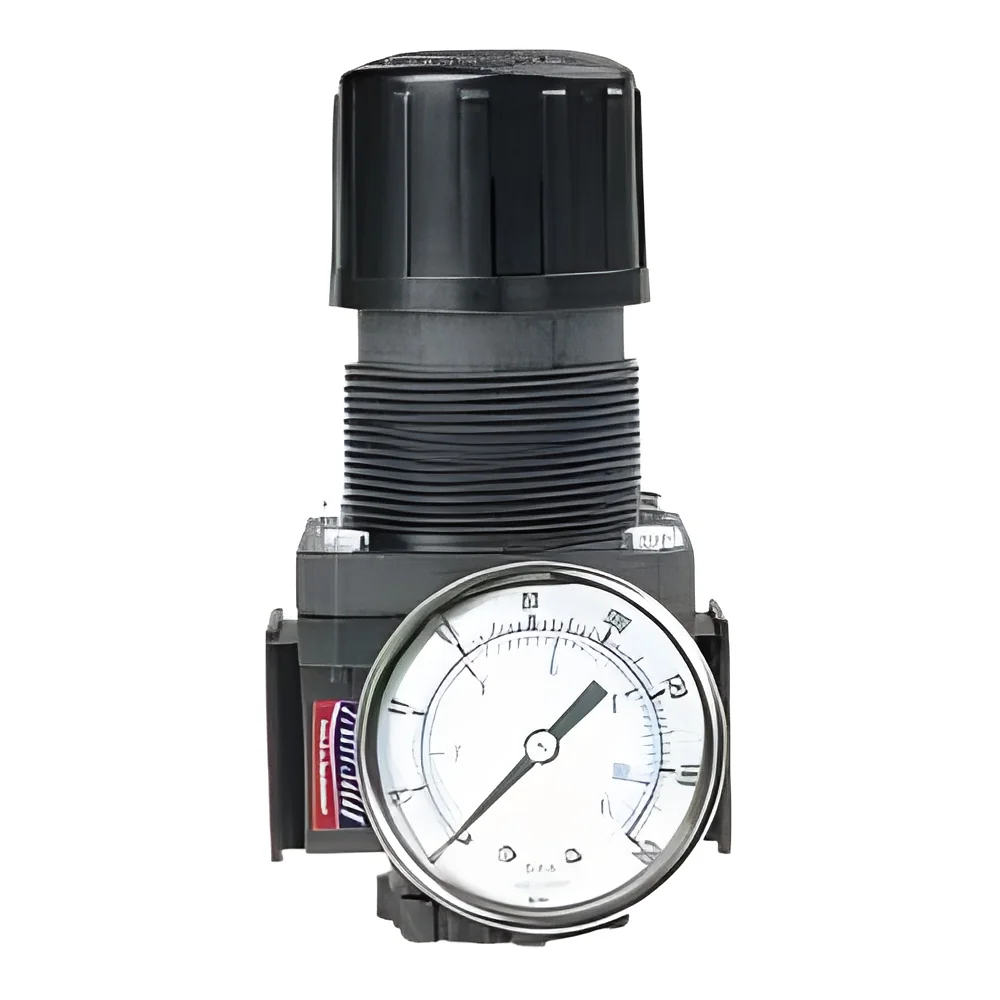
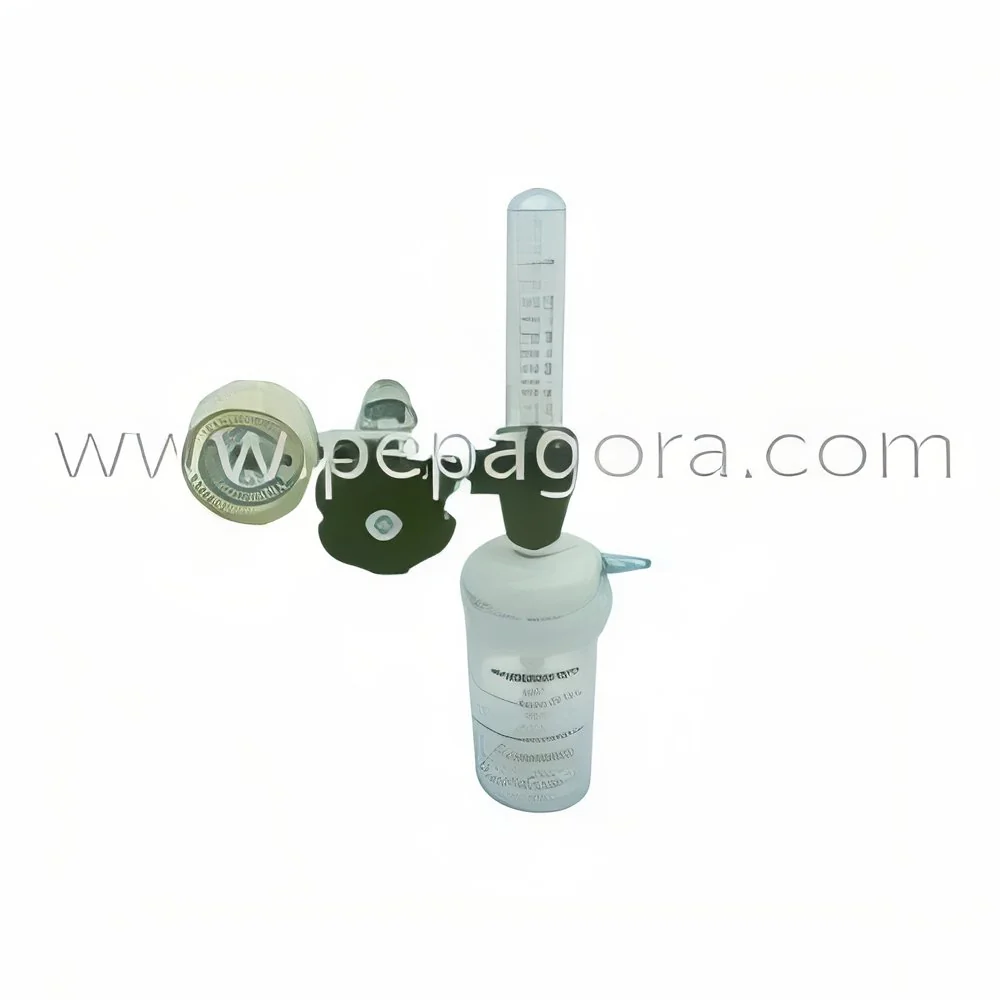
Pressure regulators are devices designed to control and reduce the pressure of gases or liquids in various systems. They ensure the outlet pressure remains constant, regardless of fluctuations in the inlet pressure. This consistency is critical for safe and efficient operation in many industrial applications. Pressure regulators can be mechanical or electronic, with varying levels of complexity and precision.
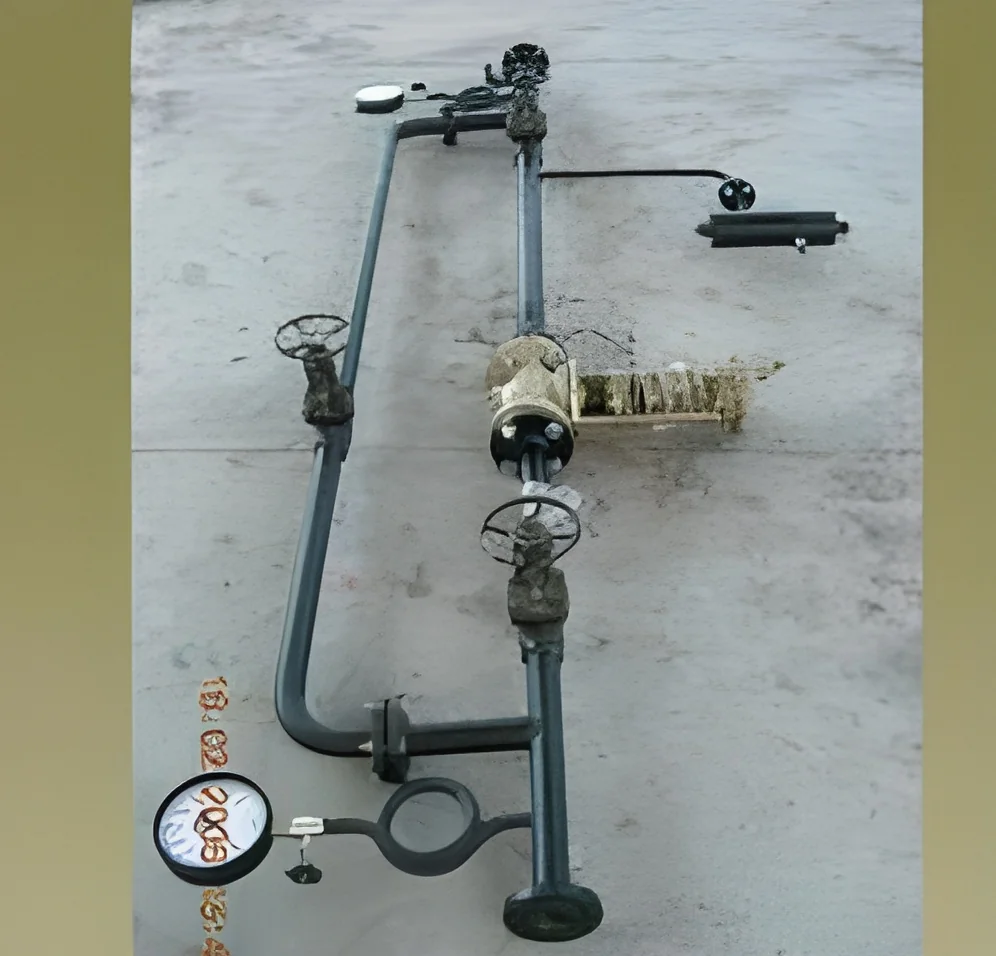
These devices have a wide range of applications across numerous industries. They are commonly used in gas distribution systems, hydraulic systems, and pneumatic equipment. By maintaining the desired pressure levels, pressure regulators help prevent equipment damage and ensure optimal performance. Industries such as manufacturing, oil and gas, and food processing rely on these components to manage pressure-sensitive processes effectively.
The relevance of pressure regulators in today's market is significant. As industries strive for efficiency and safety, the demand for reliable pressure regulation grows. With advancements in technology, modern pressure regulators offer enhanced features like remote monitoring and automatic adjustments. This evolution positions them as essential tools in maintaining operational standards across various sectors.
Key Features and Specifications
Pressure regulators come equipped with several critical features that enhance their performance and reliability. Understanding these specifications is vital for selecting the right regulator for your needs.
Key specifications include:
1. Inlet Pressure Range
- Typically ranges from a few psi to several hundred psi, depending on the application.
2. Outlet Pressure Range
- Can be adjusted to maintain specific pressures, often from 0 psi to 100 psi or more.
3. Flow Capacity
- Measured in standard cubic feet per minute (scfm) or liters per minute (lpm), indicating the volume of gas or liquid the regulator can handle.
4. Temperature Range
- Operating temperatures can vary widely; however, specific ranges are not universally specified.
5. Material Construction
- Common materials include brass, stainless steel, and plastic, which affect durability and compatibility with various fluids.
6. Connection Types
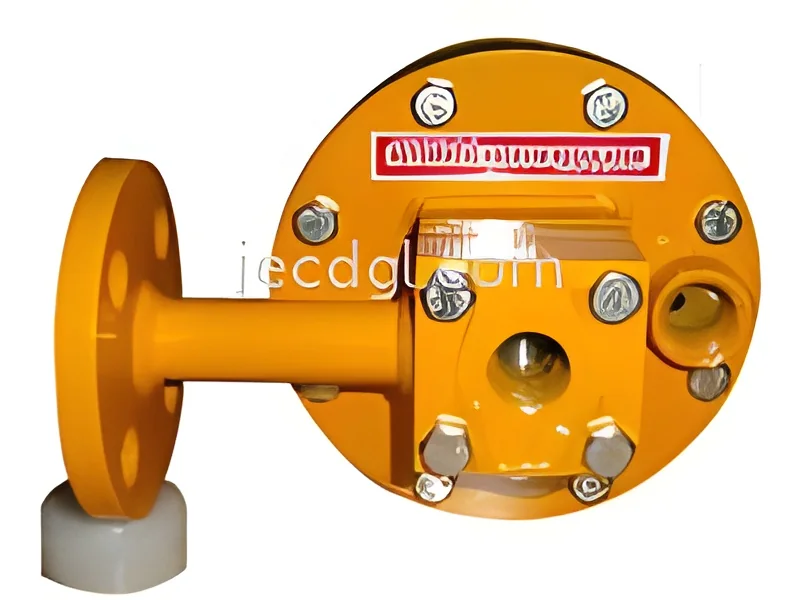
- Available in multiple connection styles, such as threaded, flanged, or quick-connect fittings.
7. Safety Features
- May include relief valves or pressure gauges to monitor and ensure safe operation.
8. Compliance Standards
- Many regulators meet industry standards such as CE or UL for safety and performance.
In summary, selecting a pressure regulator requires careful consideration of these specifications to meet specific operational needs and ensure safety in applications.
Common Applications and Use Cases
Pressure regulators find utility across a broad spectrum of industries, each with distinct applications.
1. Oil and Gas: Used in pipeline systems to manage gas pressure and prevent system overloads, ensuring safe transport of fuels.
2. Manufacturing: Applied in pneumatic tools and machinery to maintain consistent pressure for efficient operation and product quality.
3. Food and Beverage: Regulate pressure in processing and packaging systems to comply with health standards and ensure product safety.
4. Pharmaceutical: Essential in maintaining sterile environments and precise dosing in drug production processes.
5. Water Treatment: Control pressure in filtration systems to optimize performance and extend equipment lifespan.
6. HVAC Systems: Utilized to manage refrigerant pressure, ensuring efficient operation of heating and cooling units.
7. Automotive: Applied in fuel systems to maintain proper pressure for optimal engine performance.
Product Variants and Subcategories
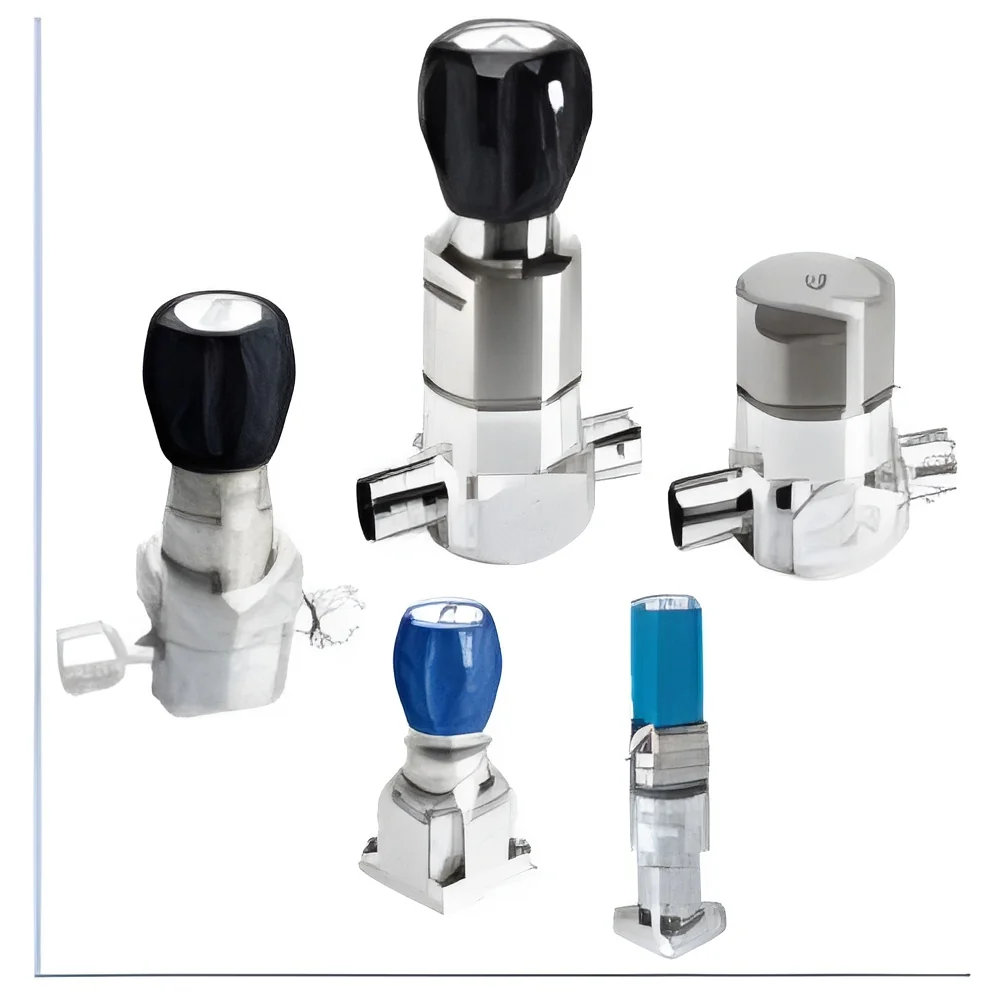
Pressure regulators are available in various configurations to meet diverse operational demands.
Diaphragm Pressure Regulators
These regulators utilize a flexible diaphragm to control pressure. They are known for their accuracy and are widely used in laboratory and industrial applications.
Pneumatic Pressure Regulators
Designed specifically for gas applications, these regulators control air pressure in pneumatic systems, ensuring reliability and efficiency in tools and machinery.
Electric Pressure Regulators
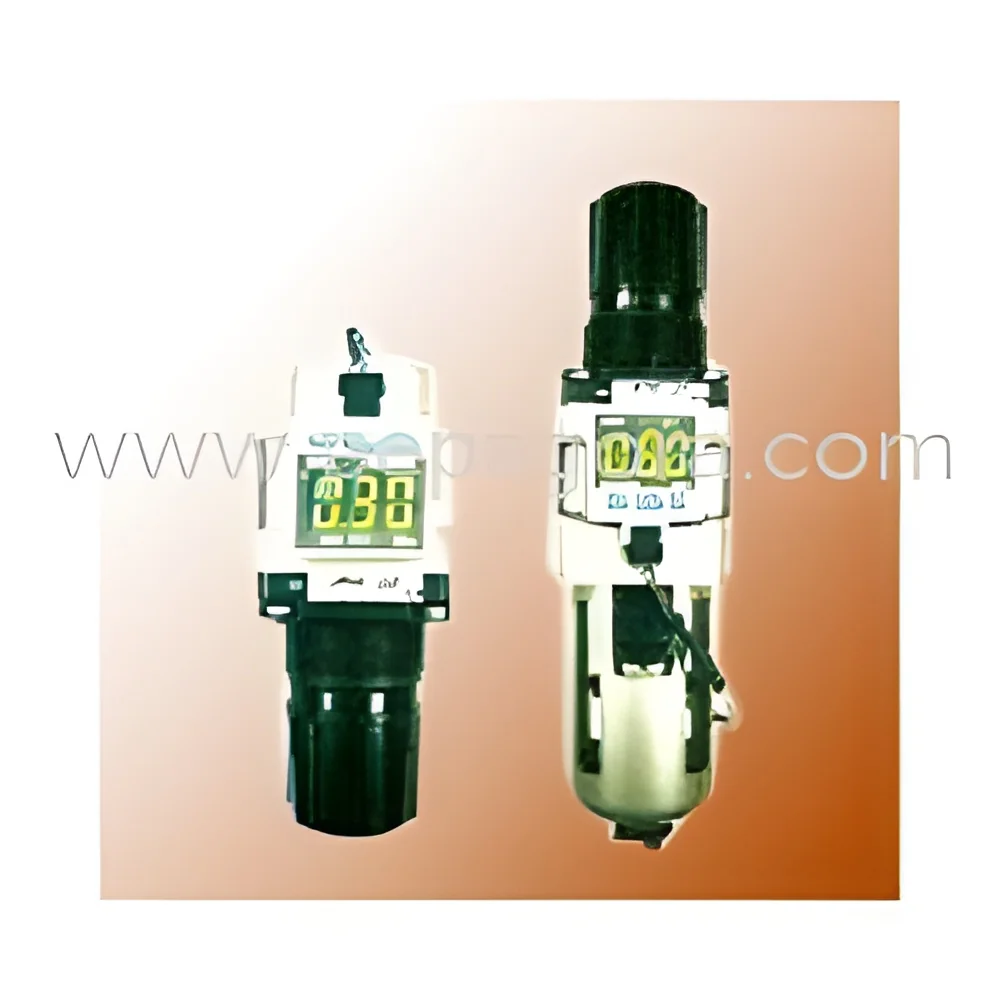
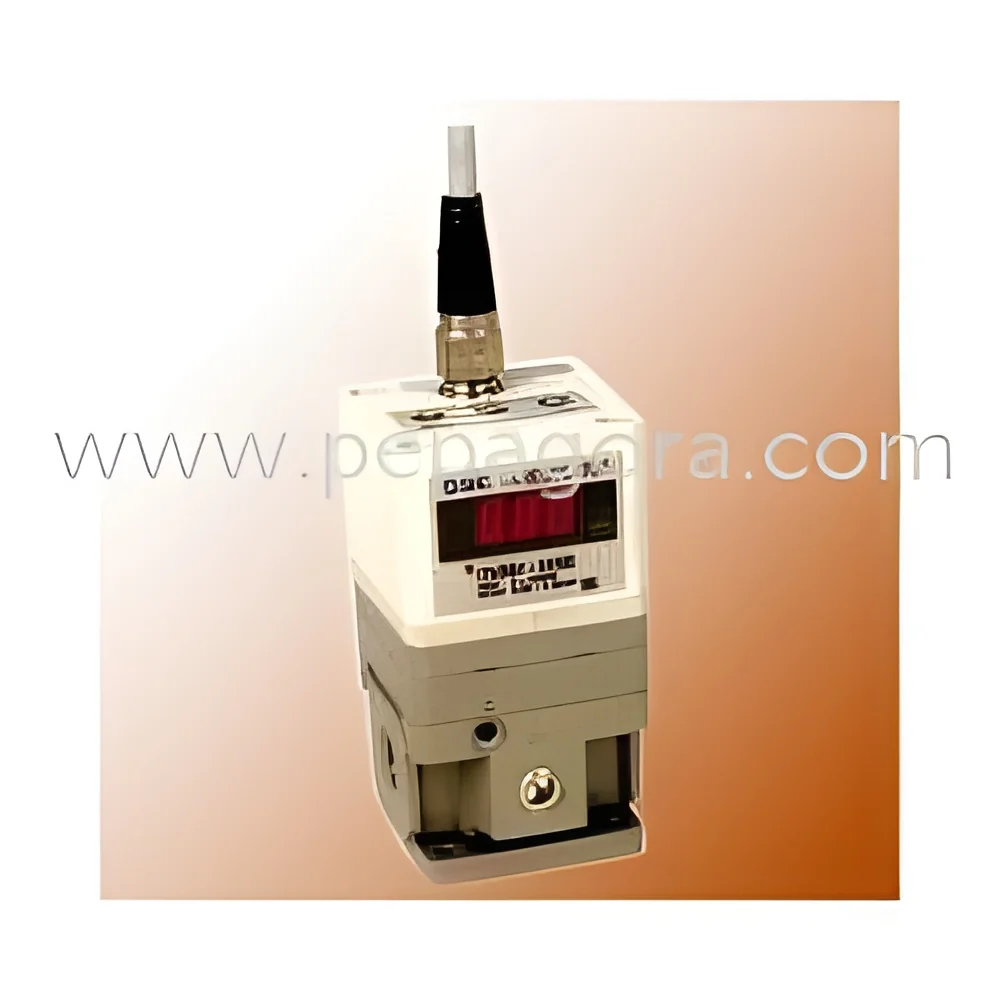
These advanced regulators offer automated pressure control through electronic systems, allowing for precise adjustments and monitoring in sophisticated applications.
Spring-Loaded Pressure Regulators
Using a spring mechanism, these regulators provide a straightforward method of pressure regulation, often used in basic applications across various industries.
Benefits and Advantages
Choosing the right pressure regulator offers several benefits that enhance operational efficiency.
1. Improved Safety: By maintaining consistent pressure, these regulators help prevent dangerous overpressure situations.
2. Equipment Protection: They safeguard machinery and systems from damage caused by pressure surges or fluctuations.
3. Enhanced Efficiency: Regulating pressure optimally allows for better performance and energy savings in industrial processes.
4. Quality Control: Consistent pressure is essential for maintaining product quality in manufacturing and processing applications.
5. Lower Maintenance Costs: Reliable pressure regulation reduces wear and tear on equipment, leading to lower repair and replacement costs.
6. Compliance Assurance: Many regulators meet industry standards, helping businesses adhere to regulatory requirements.
Buying Guide for B2B Buyers
When sourcing pressure regulators, several key factors should be considered to ensure you select the best product for your needs.
1. Quality Assessment: Evaluate the quality of materials and construction. Look for certifications that indicate compliance with industry standards.
2. Supplier Verification: Vet suppliers by checking their reputation, reviews, and experience in the industry to ensure reliability.
3. Pricing and MOQ: Understand the cost structure and minimum order quantities to align with your budget and purchasing strategy.
4. Delivery and Lead Times: Consider logistics and supplier capabilities to ensure timely delivery of products to meet your operational deadlines.
5. Compliance Requirements: Be aware of regulatory needs specific to your industry, ensuring that the selected pressure regulators meet all necessary standards.
Compliance and Certifications
Pressure regulators must adhere to various quality standards to ensure their safety and reliability. Commonly recognized standards include ISO 9001, which focuses on quality management systems, and HACCP for food safety.
Industry certifications such as CE and UL indicate that the products meet specific safety and performance criteria, providing assurance to users. Manufacturers must also comply with rigorous safety and testing requirements to verify their products' functionality under specified conditions.
Regional compliance considerations are crucial as well. Different regions may have unique regulations governing pressure devices, necessitating thorough knowledge of local requirements to avoid compliance issues.
Why Source Pressure Regulators from Pepagora?
Pepagora offers a reliable platform for sourcing pressure regulators, ensuring that buyers have access to high-quality products.
Verified Supplier Network: Pepagora connects buyers with a network of trusted suppliers, all of whom undergo stringent verification processes to ensure product quality and reliability.
Streamlined RFQ Process: The platform simplifies the request for quotation process, enabling buyers to receive competitive quotes efficiently and compare options easily.
Trade Assurance and Support: Pepagora provides trade assurance, protecting buyers' interests and ensuring that transactions are secure and transparent.
Regional Coverage: With a broad geographic reach including India, GCC, and Southeast Asia, Pepagora supports buyers in sourcing pressure regulators tailored to their specific regional needs.

 IN
IN