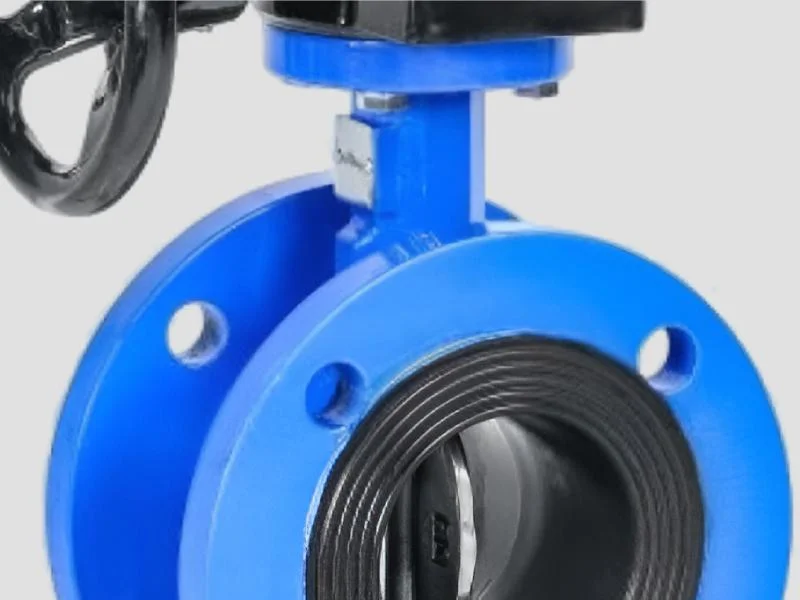
What are Butterfly Valves?
Butterfly valves are a type of quarter-turn valve used to regulate flow in various systems. They consist of a circular disc that rotates around a central axis to either open or close the flow of fluid. When the disc is parallel to the flow, the valve is open, allowing fluid to pass through. Conversely, when the disc is perpendicular to the flow, the valve is closed, preventing any fluid from passing.
These valves are commonly used in a range of applications, including water and wastewater management, chemical processing, and HVAC systems. Their simplicity and effectiveness make them suitable for both on-off and throttling applications. Butterfly valves are particularly valued for their compact design, which saves space in piping systems. The versatility and efficiency of butterfly valves contribute to their widespread use across numerous industries.
The relevance of butterfly valves in the market is significant, as they are essential in systems requiring efficient flow control. With advancements in manufacturing and materials, these valves continue to evolve, addressing the demands of modern industrial applications.
Key Features and Specifications
Butterfly valves are characterized by several key features that enhance their performance and reliability. Buyers should consider these specifications when selecting the appropriate valve for their needs.
Key specifications include:
1. Size Range
- Butterfly valves are available in various sizes, typically ranging from 2 inches to 48 inches in diameter.
- Custom sizes may be available based on specific applications.
2. Pressure Rating
- These valves can handle different pressure levels, commonly rated from 150 psi to 300 psi.
- Higher pressure ratings may be available for specialized applications.
3. Temperature Range
- Butterfly valves operate effectively within a temperature range of -20°F to 250°F.
- Specific temperature ratings depend on the material used in construction.
4. Body Material
- Common materials include cast iron, stainless steel, and PVC, each offering different durability and corrosion resistance.
- Material choice affects the suitability for various fluids and environmental conditions.
5. Seat Material
- The seat can vary, including options like EPDM, NBR, or PTFE for enhanced sealing and compatibility with different media.
- The choice of seat material impacts the valve's longevity and performance.
6. Actuation Options
- Butterfly valves can be operated manually, pneumatically, or electrically, providing flexibility based on the application.
- Actuation method should be selected based on operational requirements.
7. End Connection Types
- Available connection types include wafer, lug, and flanged, allowing compatibility with various piping systems.
- Proper connection type ensures installation ease and leak prevention.
8. Certification
- Butterfly valves may carry certifications such as CE, indicating compliance with European safety and performance standards.
- Certification ensures product reliability and safety within regulated industries.
In summary, understanding these features and specifications is crucial for selecting the right butterfly valve that meets operational requirements and industry standards.
Common Applications and Use Cases
Butterfly valves serve a broad range of industries, making them versatile components in various applications.
1. Water and Wastewater Management: Butterfly valves are extensively used in water treatment plants and sewage systems for flow regulation and isolation.
2. Chemical Processing: In the chemical industry, these valves control the flow of corrosive and non-corrosive fluids, contributing to safety and efficiency.
3. HVAC Systems: Butterfly valves are employed in heating, ventilation, and air conditioning systems to manage airflow and temperature control.
4. Oil and Gas: These valves facilitate flow control in pipelines and processing facilities, ensuring safe and efficient operations.
5. Food and Beverage: In the food industry, butterfly valves are used for their sanitary design, allowing for easy cleaning and maintenance.
6. Pharmaceutical: Butterfly valves are utilized in pharmaceutical manufacturing processes, where hygiene and precision are paramount.
7. Power Generation: In power plants, these valves manage water and steam flows, critical for operational efficiency and safety.
Product Variants and Subcategories
Butterfly valves come in various types, each designed for specific applications and conditions.
Manual Butterfly Valves: These valves are operated by a handle, allowing for simple manual control of fluid flow. They are ideal for applications where automated control is not necessary.
Electric Butterfly Valves: Equipped with electric actuators, these valves provide automated control, making them suitable for systems requiring remote operation and precise flow management.
Pneumatic Butterfly Valves: These valves utilize pneumatic actuators for fast and efficient operation. They are commonly used in applications where rapid flow control is needed.
Benefits and Advantages
Choosing butterfly valves offers numerous advantages for industrial applications.
1. Space Efficiency: Their compact design allows for installation in tight spaces, making them ideal for various piping configurations.
2. Low Maintenance: Butterfly valves typically require minimal maintenance, contributing to lower operational costs over time.
3. Quick Operation: The quarter-turn design enables fast opening and closing, enhancing system responsiveness.
4. Versatile Applications: The ability to handle different media and operating conditions makes butterfly valves suitable for a wide range of industries.
5. Cost-Effective: Butterfly valves are generally more affordable compared to other valve types, providing excellent value for businesses.
6. Reliable Sealing: With a range of seat materials available, butterfly valves ensure a tight seal, preventing leaks and improving efficiency.
Buying Guide for B2B Buyers
When sourcing butterfly valves for industrial applications, it is essential to consider several key factors to ensure the right selection.
1. Quality Assessment: Evaluate the quality of the valves based on materials, construction, and performance ratings. Look for certifications that indicate compliance with industry standards.
2. Supplier Verification: Vet suppliers thoroughly by checking their reputation, experience in the industry, and customer reviews. A reliable supplier ensures product quality and timely delivery.
3. Pricing and MOQ: Understand the pricing structure and minimum order quantities (MOQ) set by suppliers. This information helps in budgeting and planning purchases effectively.
4. Delivery and Lead Times: Discuss delivery times with suppliers to ensure that the valves arrive when needed. Timely delivery is crucial for project timelines and operational efficiency.
5. Compliance Requirements: Ensure that the butterfly valves meet regulatory and safety standards relevant to your industry. Compliance is essential for maintaining operational integrity and safety.
Compliance and Certifications
Compliance with industry standards is a critical aspect of butterfly valves. Many manufacturers adhere to ISO 9001, which ensures a quality management system that meets customer and regulatory requirements. Additionally, certifications like CE confirm that products comply with European safety and performance standards.
Safety and testing requirements also play a significant role in the manufacturing process. Valves must undergo rigorous testing to ensure their performance under various conditions. Regional compliance considerations are important for international sourcing, as different regions may have specific regulations that need to be followed.
Why Source Butterfly Valves from Pepagora?
Pepagora offers a trusted platform for sourcing butterfly valves, providing several key advantages to buyers.
Verified Supplier Network: Pepagora connects buyers with a network of verified suppliers, ensuring quality and reliability in sourcing. Each supplier undergoes a thorough vetting process to maintain high standards.
Streamlined RFQ Process: The request for quotation (RFQ) system simplifies the procurement process, allowing buyers to receive competitive quotes from multiple suppliers, thus facilitating informed decision-making.
Trade Assurance and Support: Buyers benefit from trade assurance, which offers protection during transactions. Pepagora also provides support throughout the purchasing process, ensuring a smooth experience.
Regional Coverage: With a geographic reach that includes India, the GCC, and Southeast Asia, Pepagora provides access to a diverse range of suppliers, enhancing the options available for sourcing butterfly valves.

 IN
IN