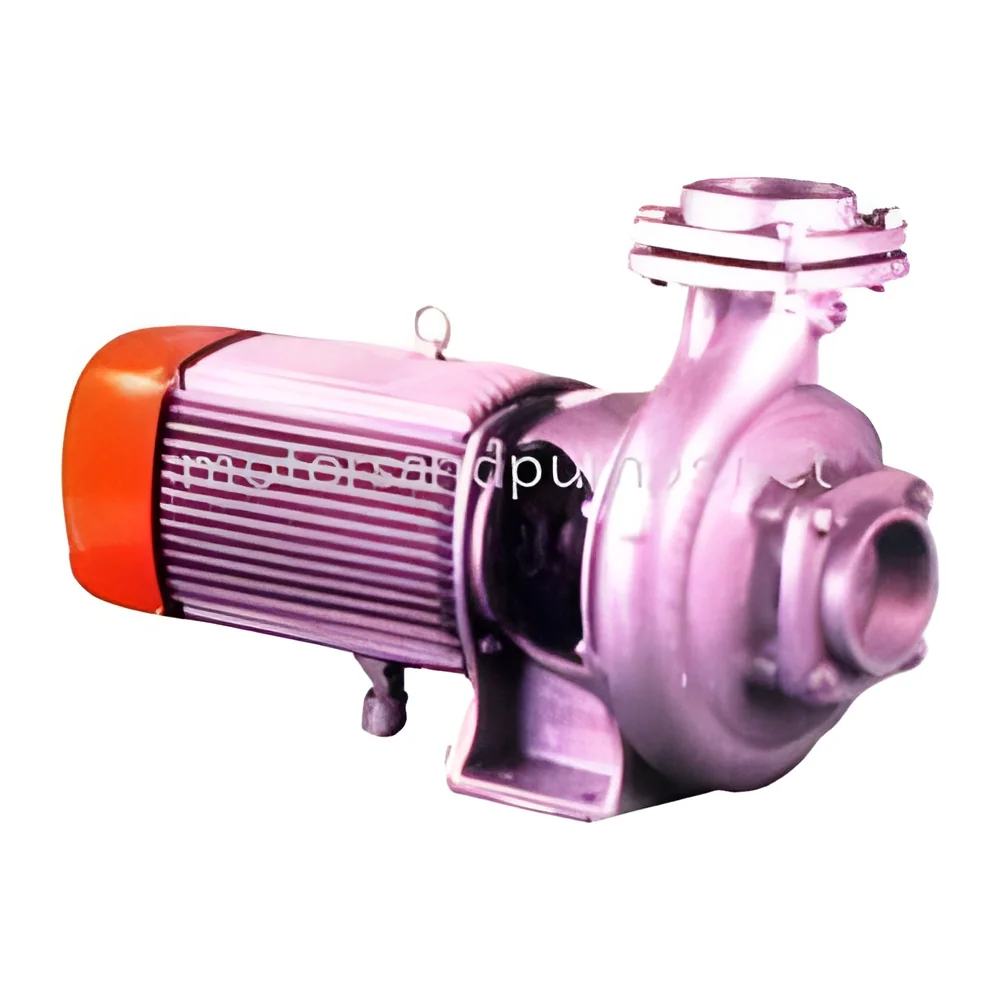
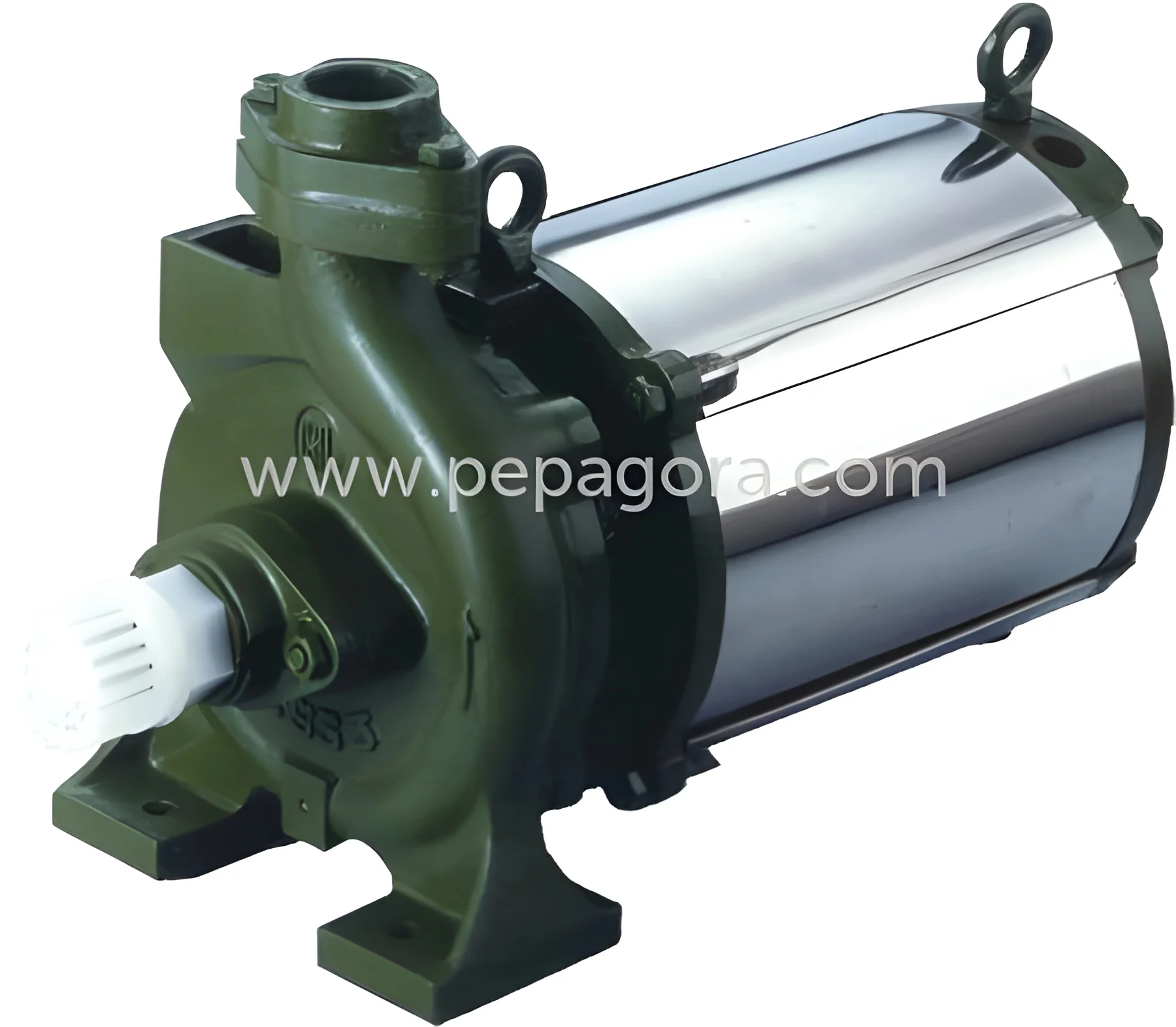
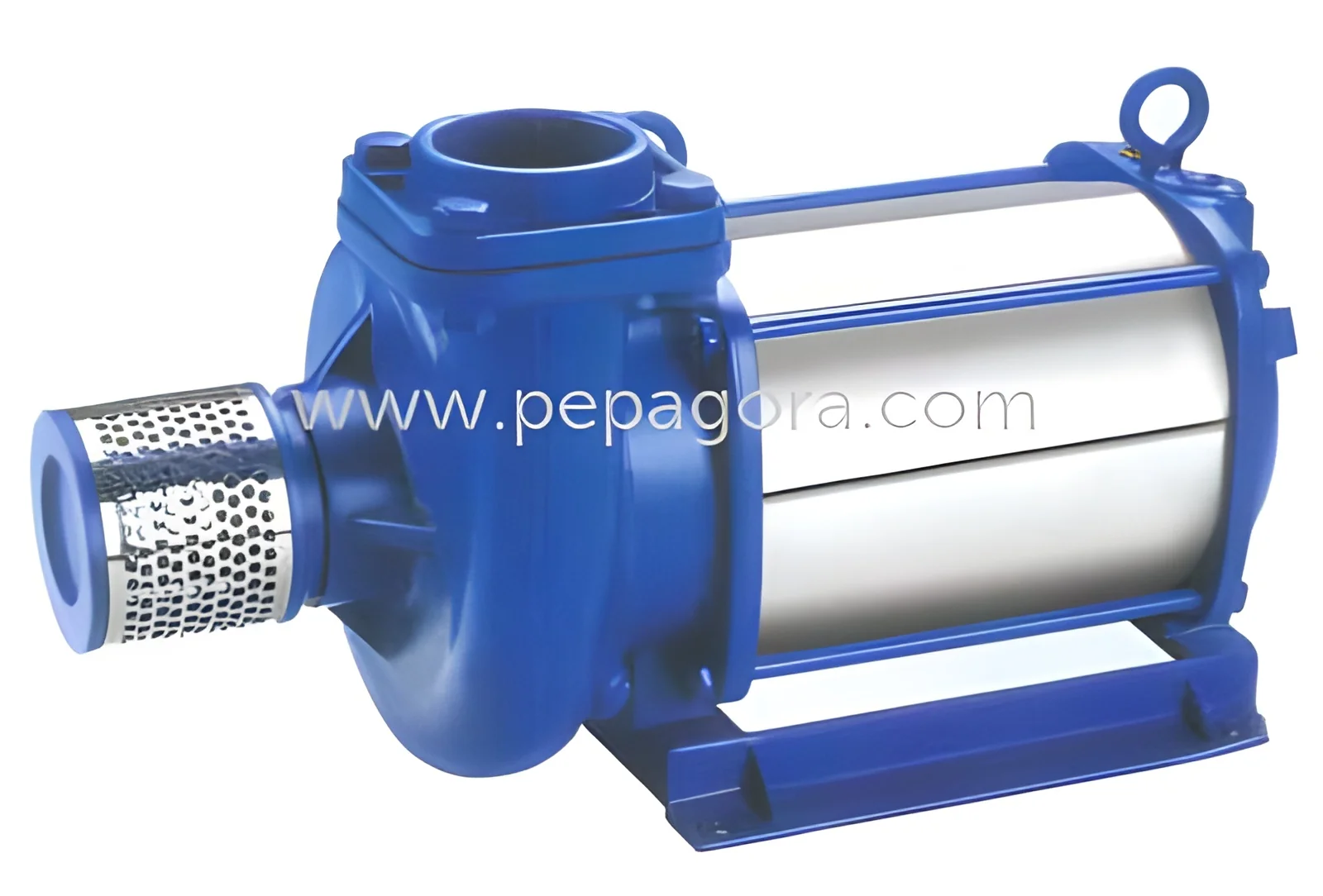
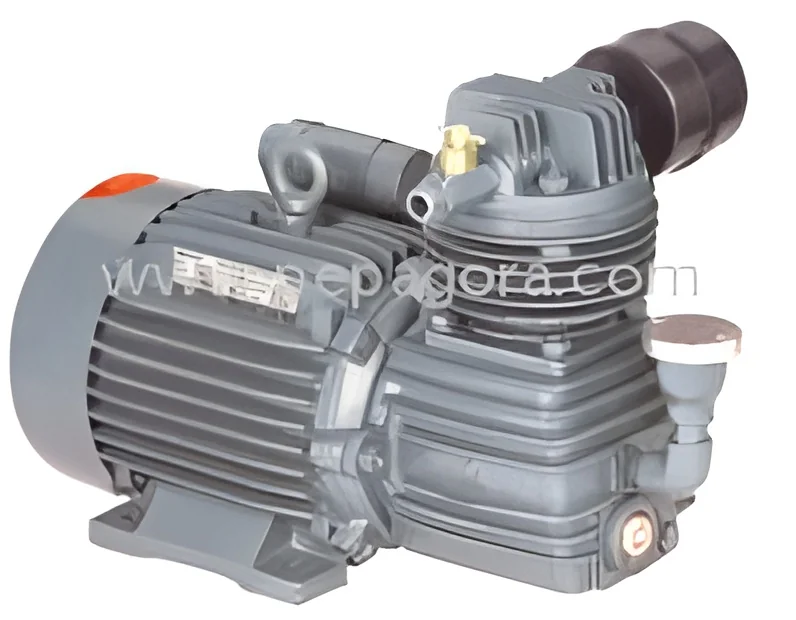
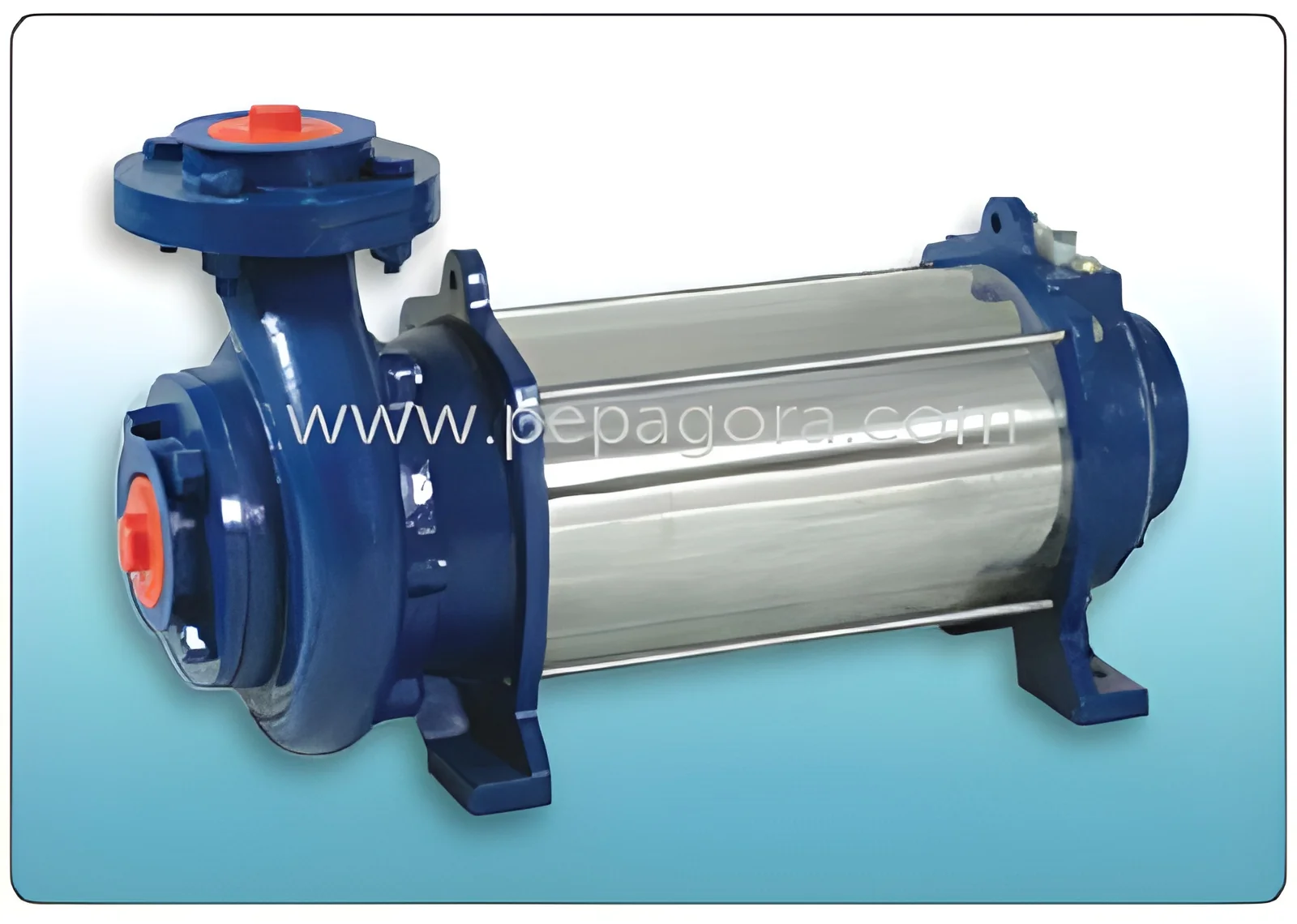
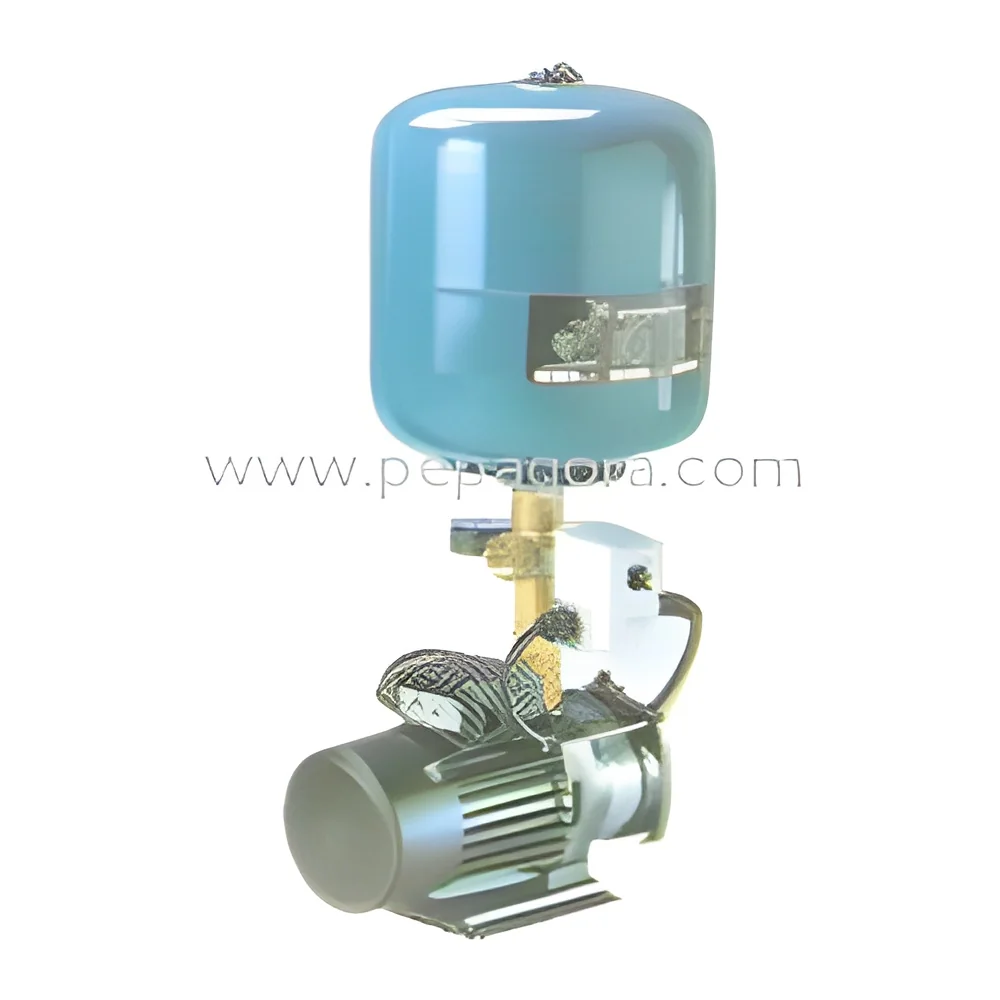
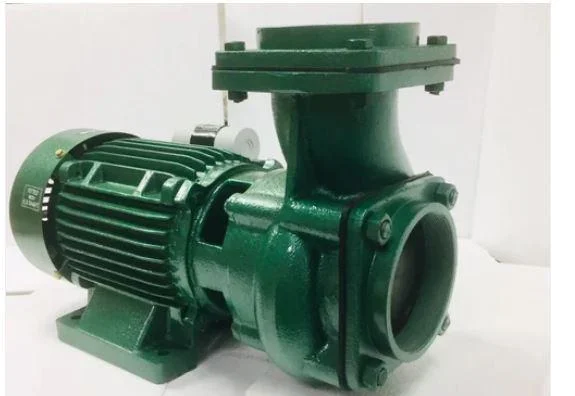
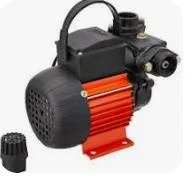
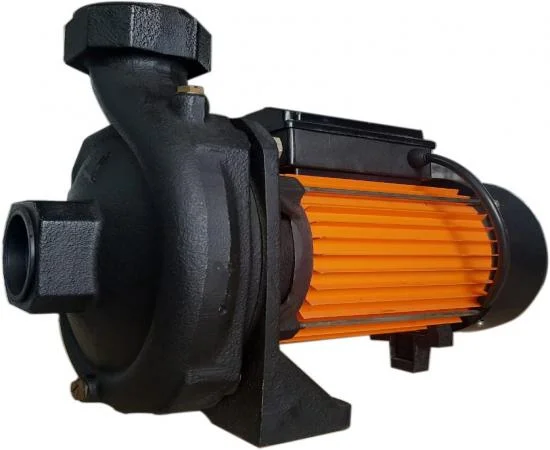
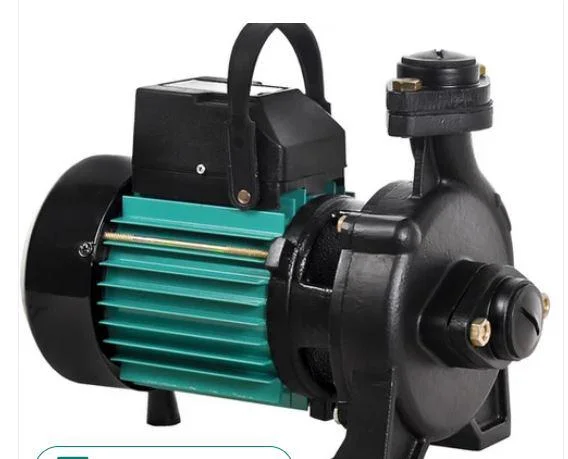
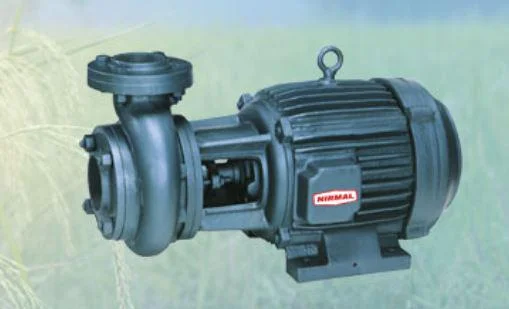
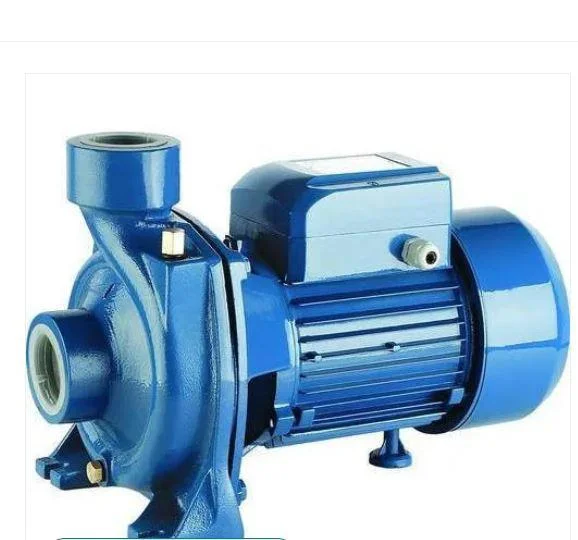
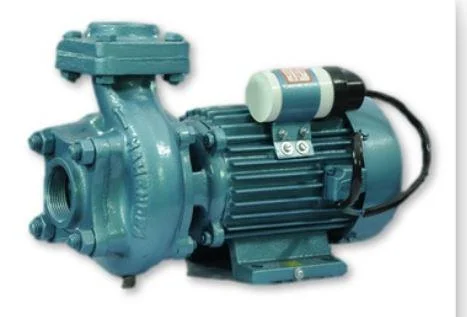
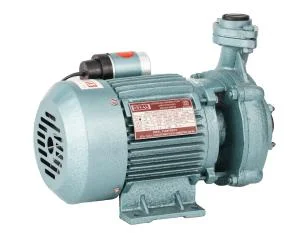
What are Centrifugal Water Pumps?
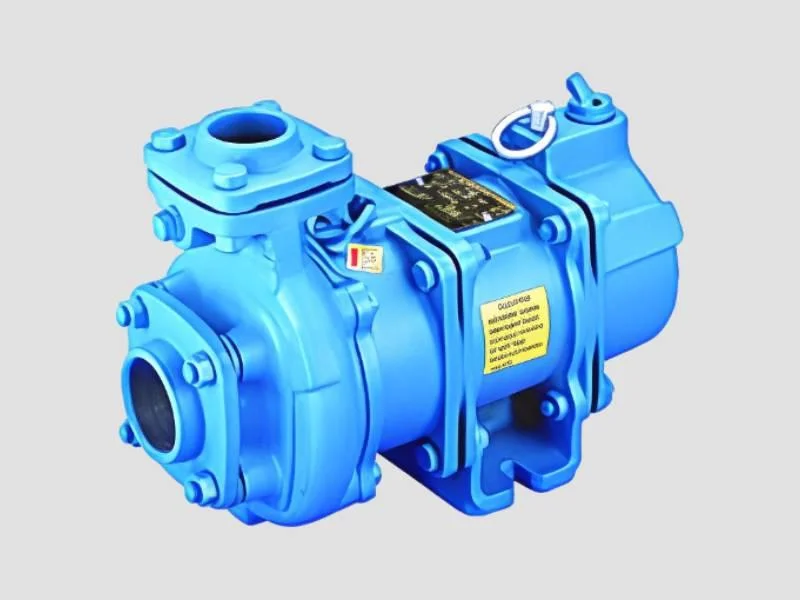
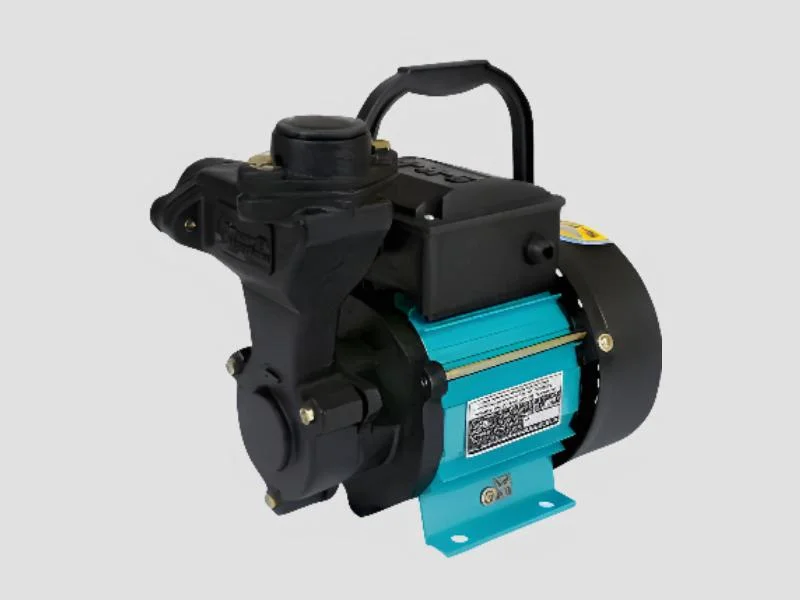
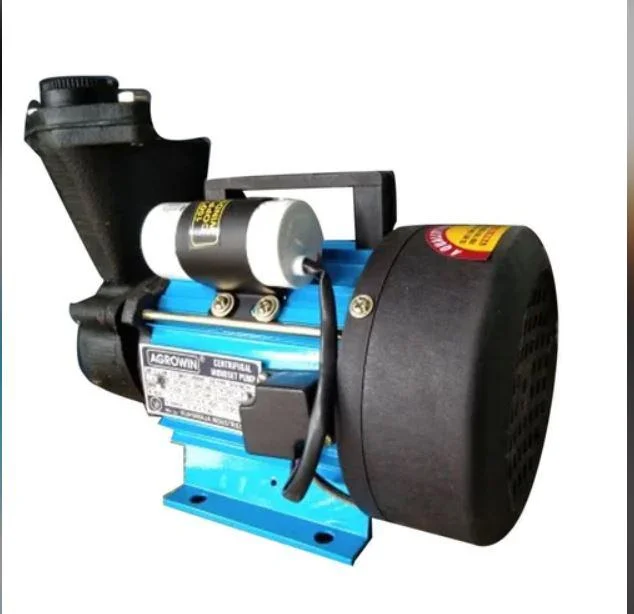
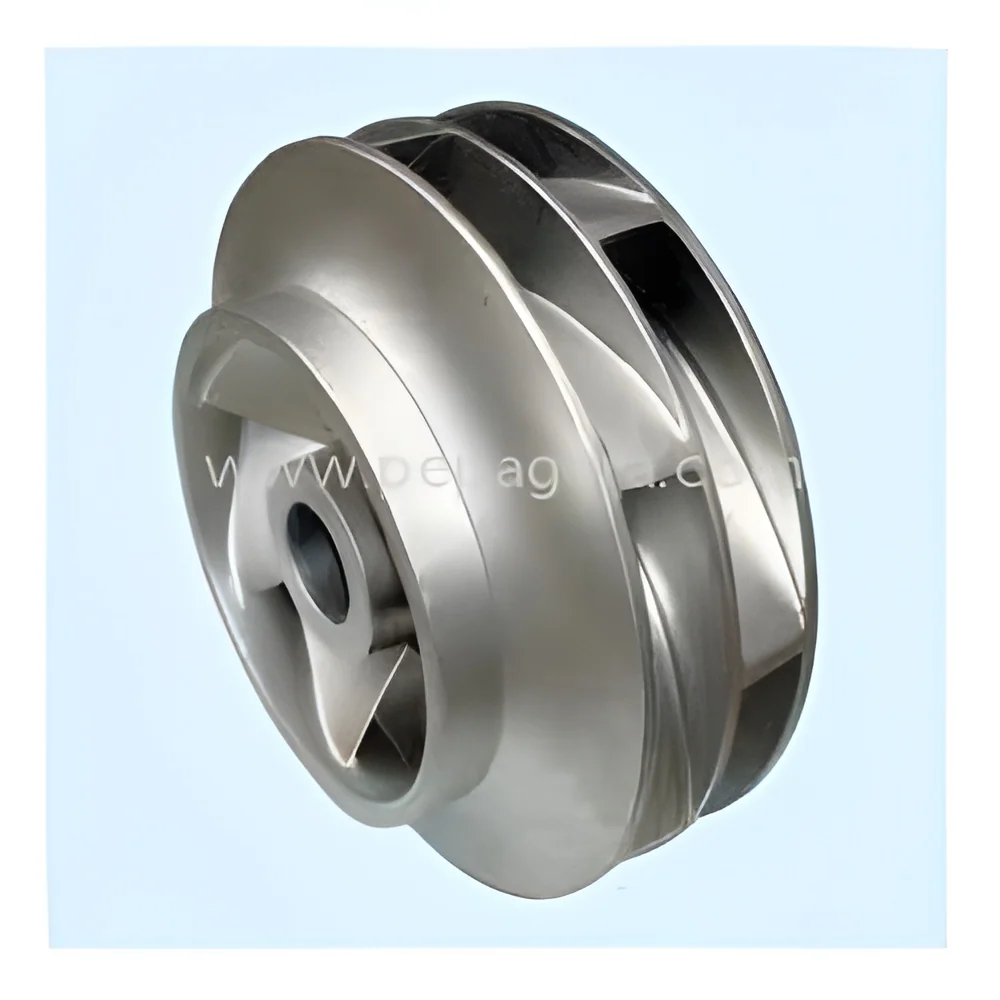
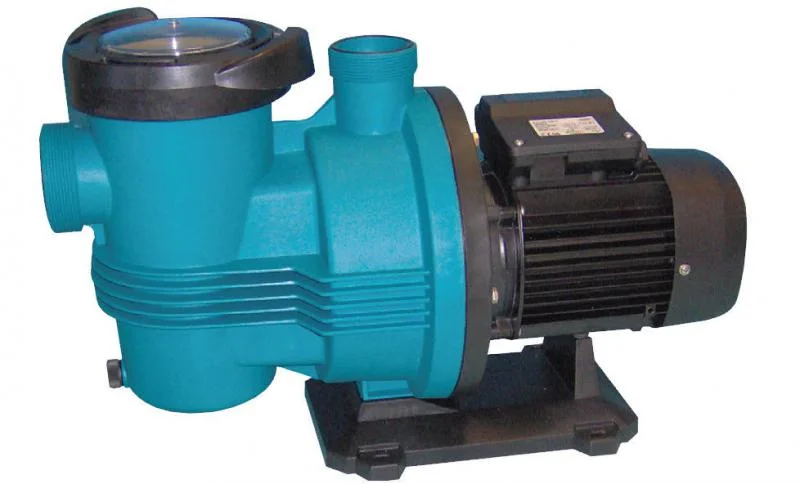
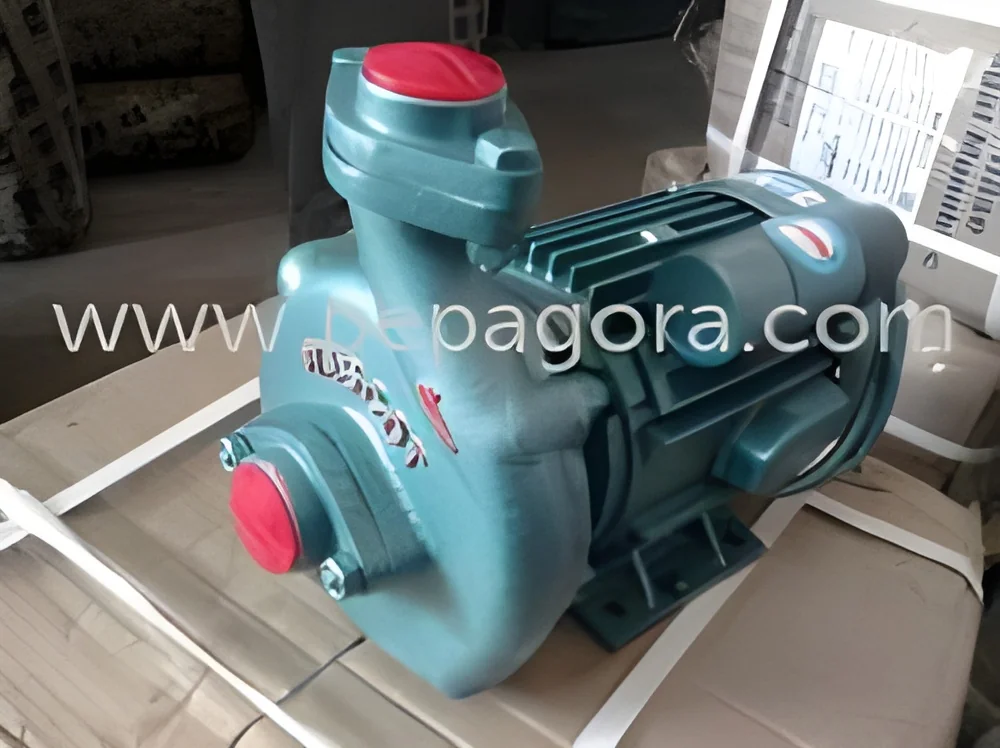
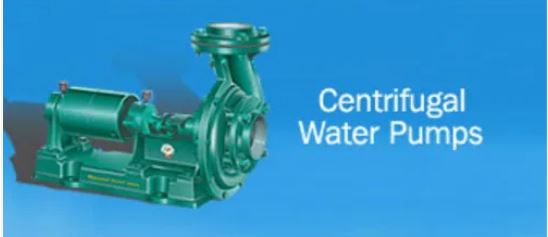
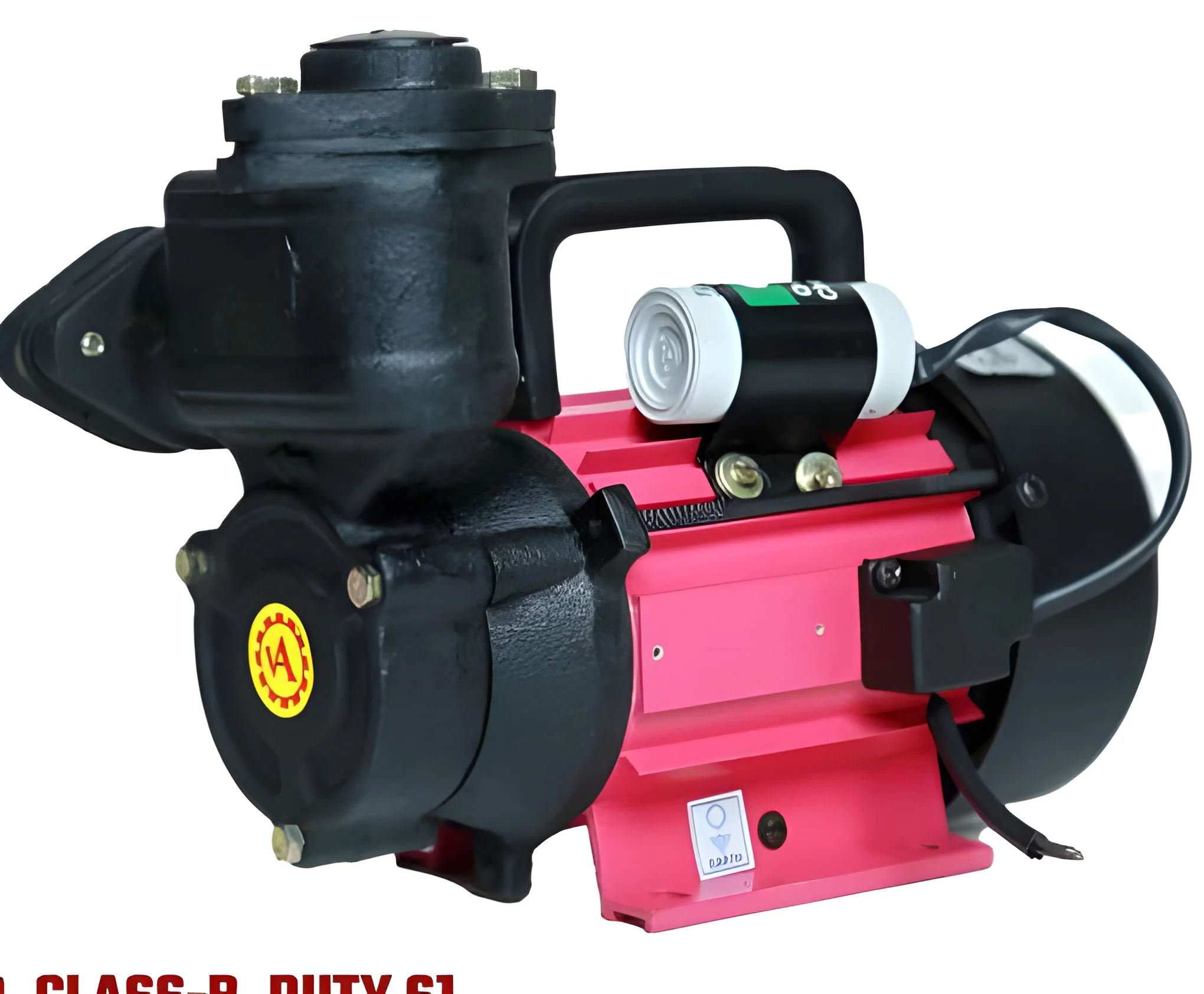
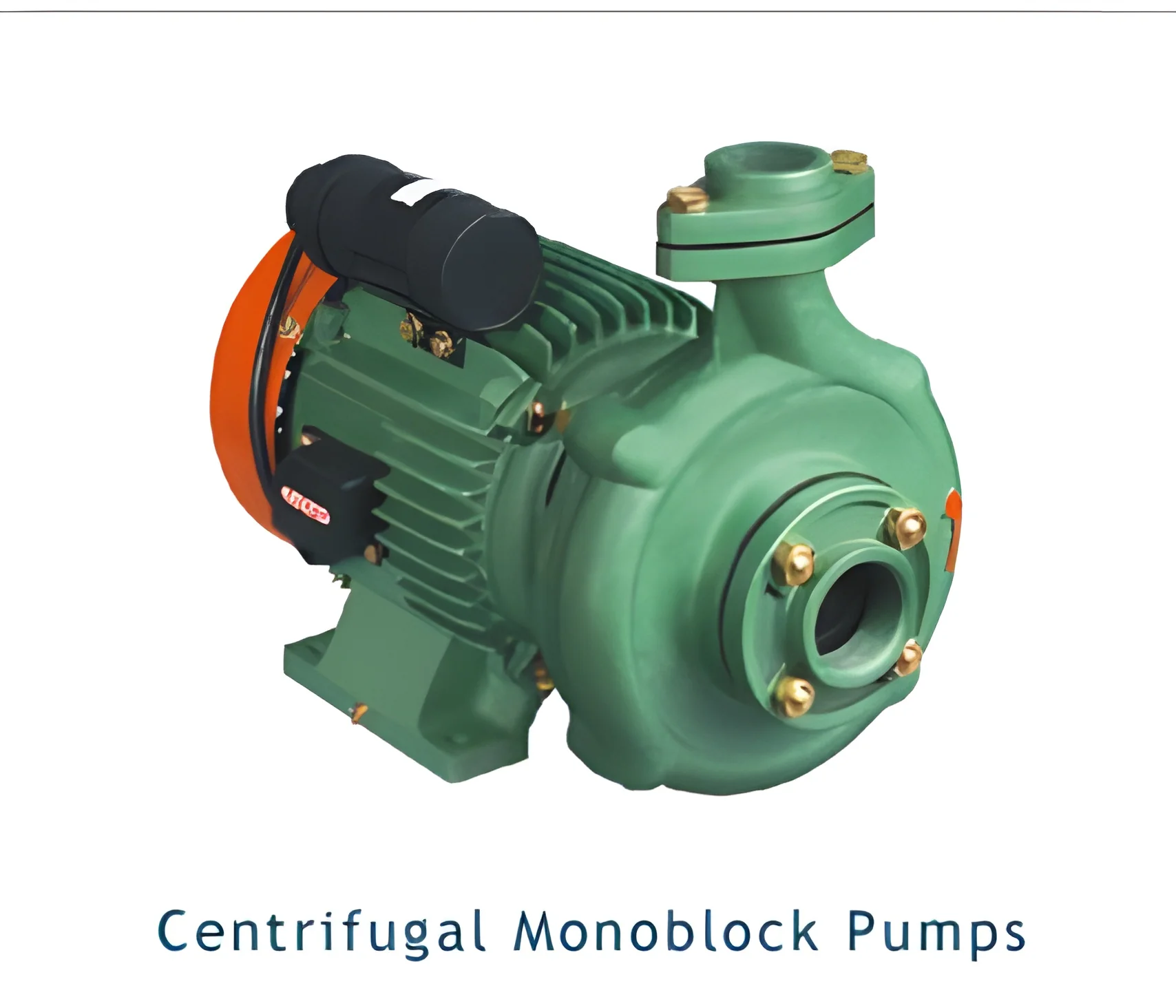
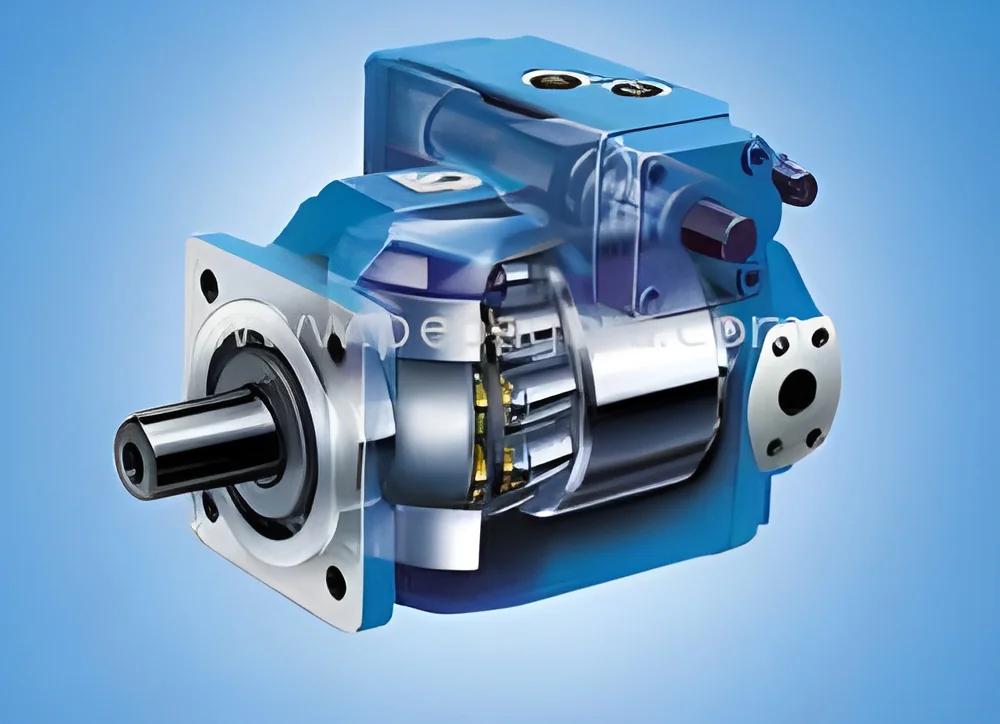
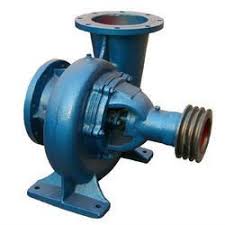
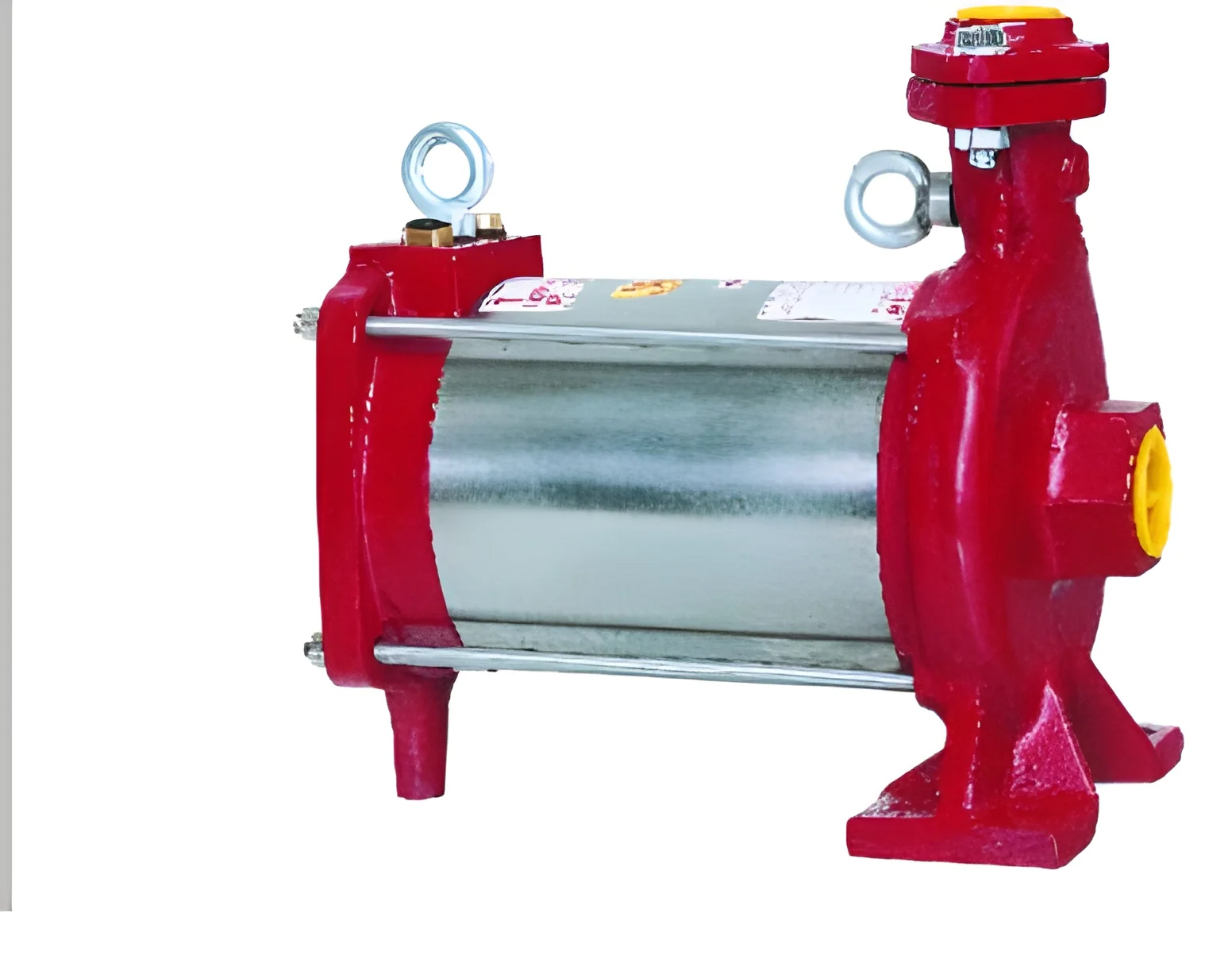
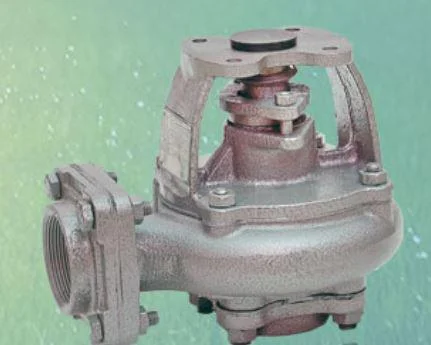
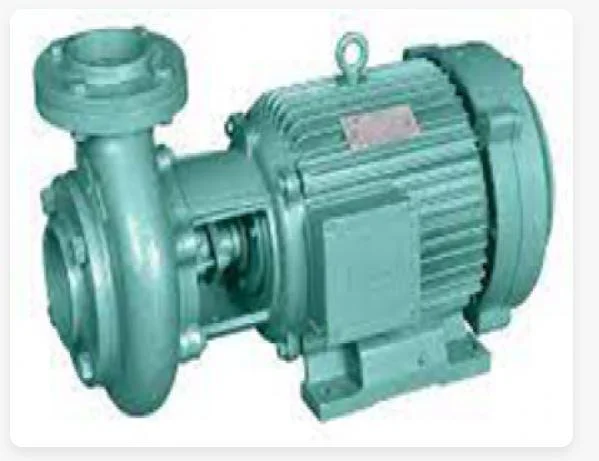
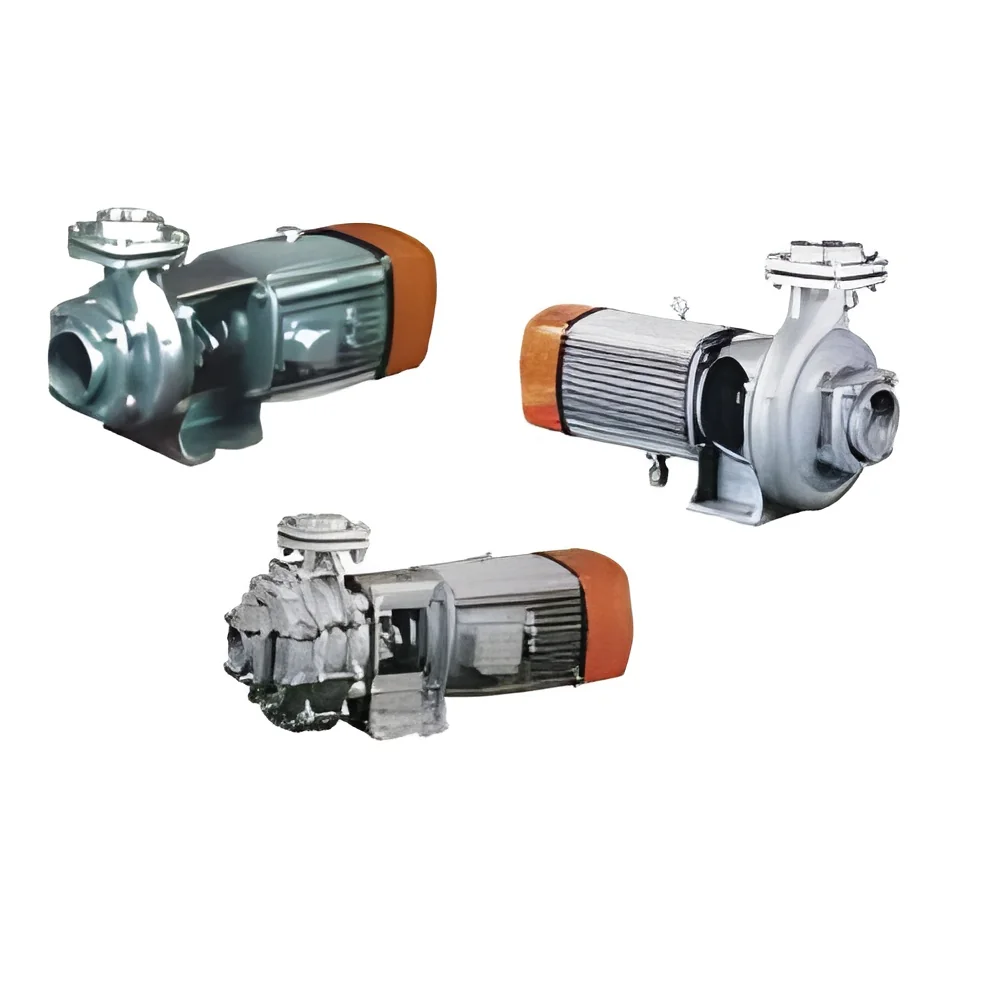
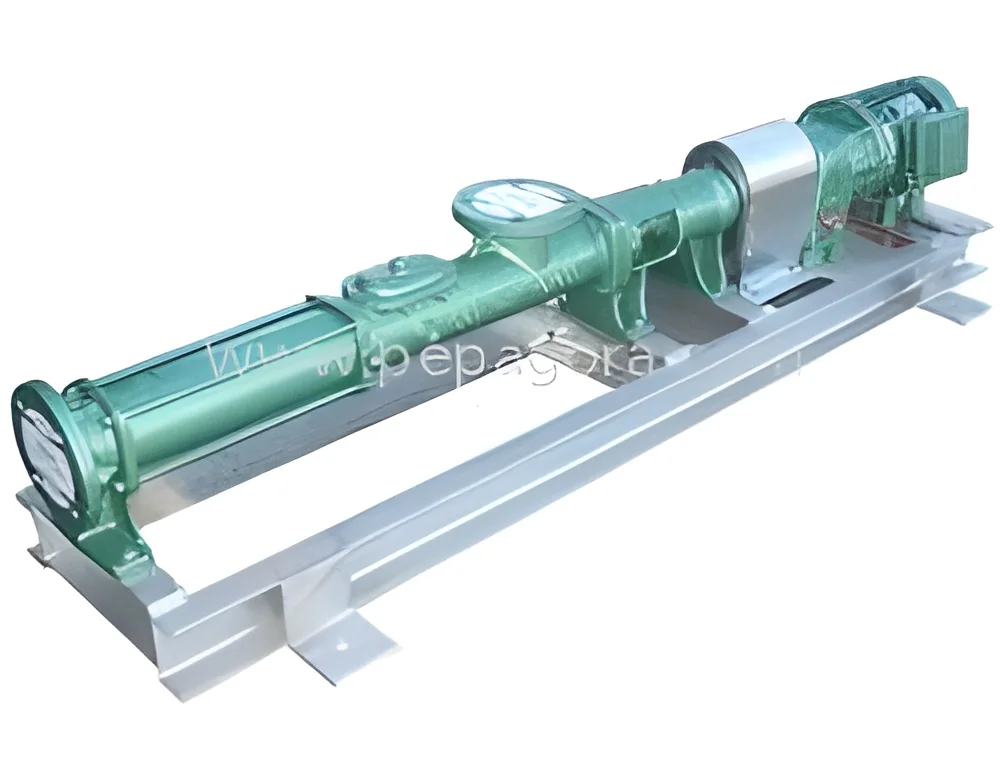
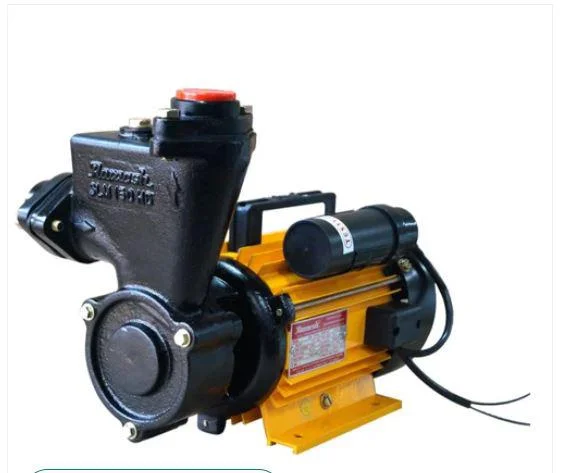
Centrifugal water pumps are mechanical devices that utilize rotational energy to move water or other fluids through a system. The operation of these pumps is based on the centrifugal force generated by a rotating impeller, which draws fluid into the pump and pushes it out through a discharge pipe. This type of pump is widely recognized for its efficiency and reliability in transporting fluids over various distances and elevations.
These pumps have a broad range of applications in various industries, including agriculture, manufacturing, and municipal services. They are commonly used for irrigation, water supply, and wastewater management, as well as in HVAC systems for circulation purposes. As industries continue to evolve, the demand for efficient and durable pumps has grown, positioning centrifugal water pumps as critical components in modern infrastructure.
In the current market, there is a significant emphasis on energy efficiency and sustainability, which has led to advancements in pump technology. The centrifugal water pump market is competitive, with numerous manufacturers offering diverse products tailored to specific industry needs. Understanding the features and specifications of these pumps is essential for businesses looking to optimize their operations.
Key Features and Specifications
Centrifugal water pumps boast several key features that enhance their performance and usability. These features include energy efficiency, ease of maintenance, and adaptability for different applications. The specifications of these pumps vary significantly, depending on the design and intended use.
Key specifications include:
1. Flow Rate
- The volume of fluid that the pump can move, typically measured in gallons per minute (GPM) or liters per second (L/s).
2. Head Pressure
- The height to which the pump can elevate water, measured in feet or meters, often determined by the impeller design and speed.
3. Power Rating
- The required energy input for the pump, usually expressed in horsepower (HP) or kilowatts (kW).
4. Material Construction
- Common materials include cast iron, stainless steel, and thermoplastics, which affect durability and corrosion resistance.
5. Impeller Type
- Can be open, closed, or semi-open, influencing the pump's efficiency and suitability for various types of fluids.
6. Inlet and Outlet Sizes
- The diameter of the inlet and outlet pipes, impacting flow dynamics and compatibility with existing systems.
7. Operating Temperature
- The range of temperatures the pump can handle, which is crucial for applications involving hot or cold fluids.
8. Certification
- Compliance with industry standards, such as CE certification, ensuring safety and reliability.
These specifications play a vital role in selecting the right centrifugal water pump for a specific application, helping businesses to enhance productivity and operational efficiency.
Common Applications and Use Cases
Centrifugal water pumps are versatile tools utilized across multiple industries for various applications.
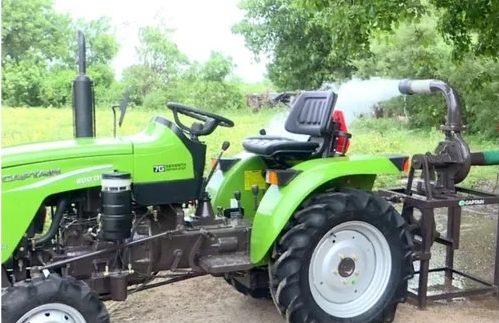
1. Agriculture: These pumps are essential for irrigation systems, enabling efficient water distribution to crops and livestock.
2. Manufacturing: In factories, centrifugal pumps facilitate the movement of fluids in processes, including cooling, mixing, and cleaning.
3. Municipal Services: Water treatment plants rely on these pumps for distributing potable water and managing wastewater effectively.
4. HVAC: In heating, ventilation, and air conditioning systems, centrifugal pumps circulate water or coolant to maintain optimal temperatures.
5. Construction: They are used on construction sites for dewatering and ensuring proper water management during building projects.
6. Fire Protection: Centrifugal pumps are crucial in fire suppression systems, providing the necessary water pressure for firefighting efforts.
7. Mining: In mining operations, these pumps assist in dewatering mines and transporting slurry materials.
Product Variants and Subcategories
Centrifugal water pumps come in several variants to cater to specific industrial needs. Each variant is designed with unique features that enhance performance in designated applications.
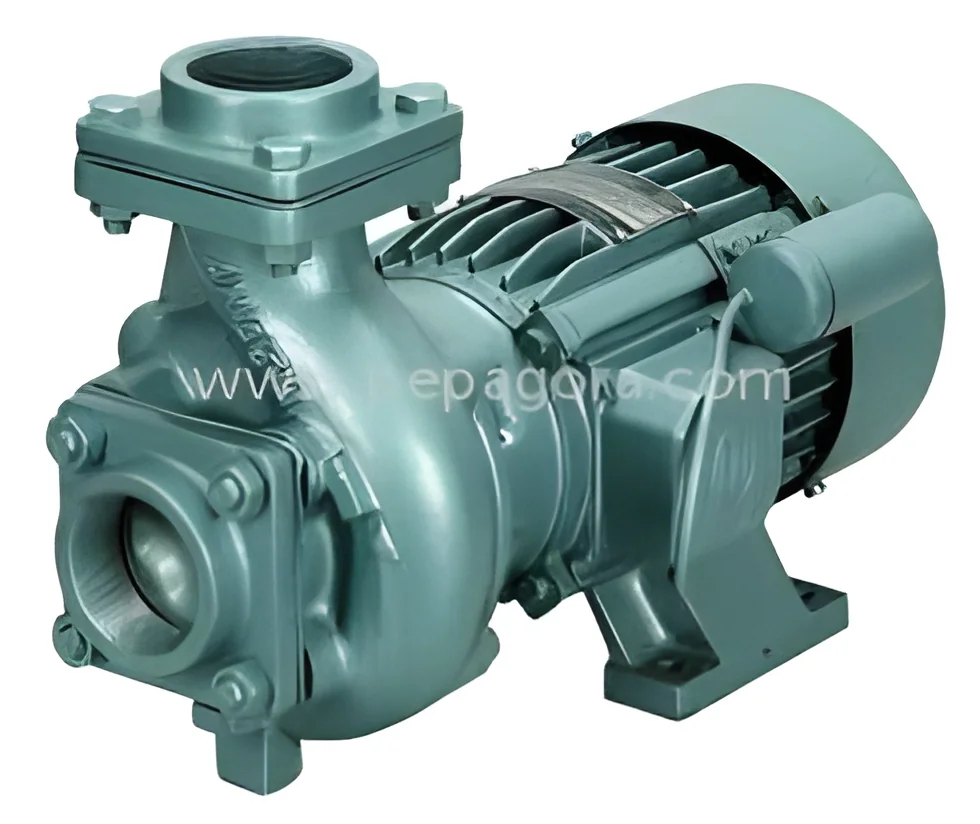
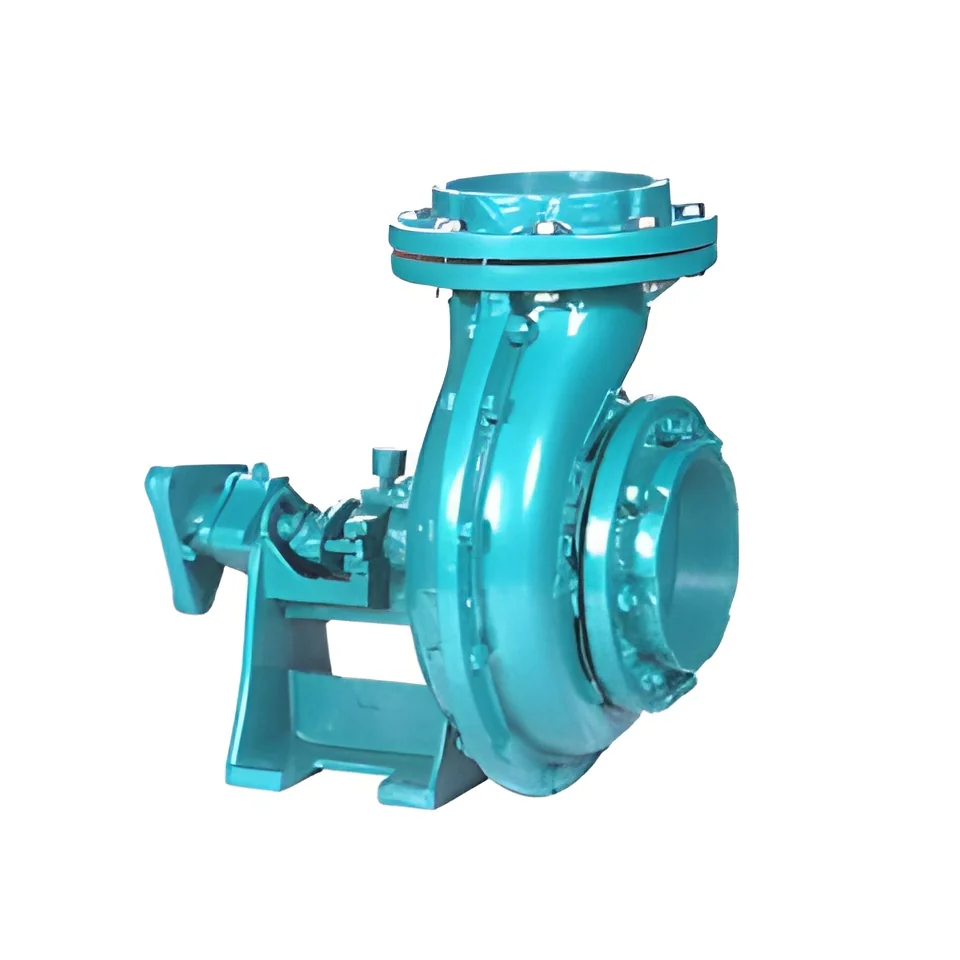
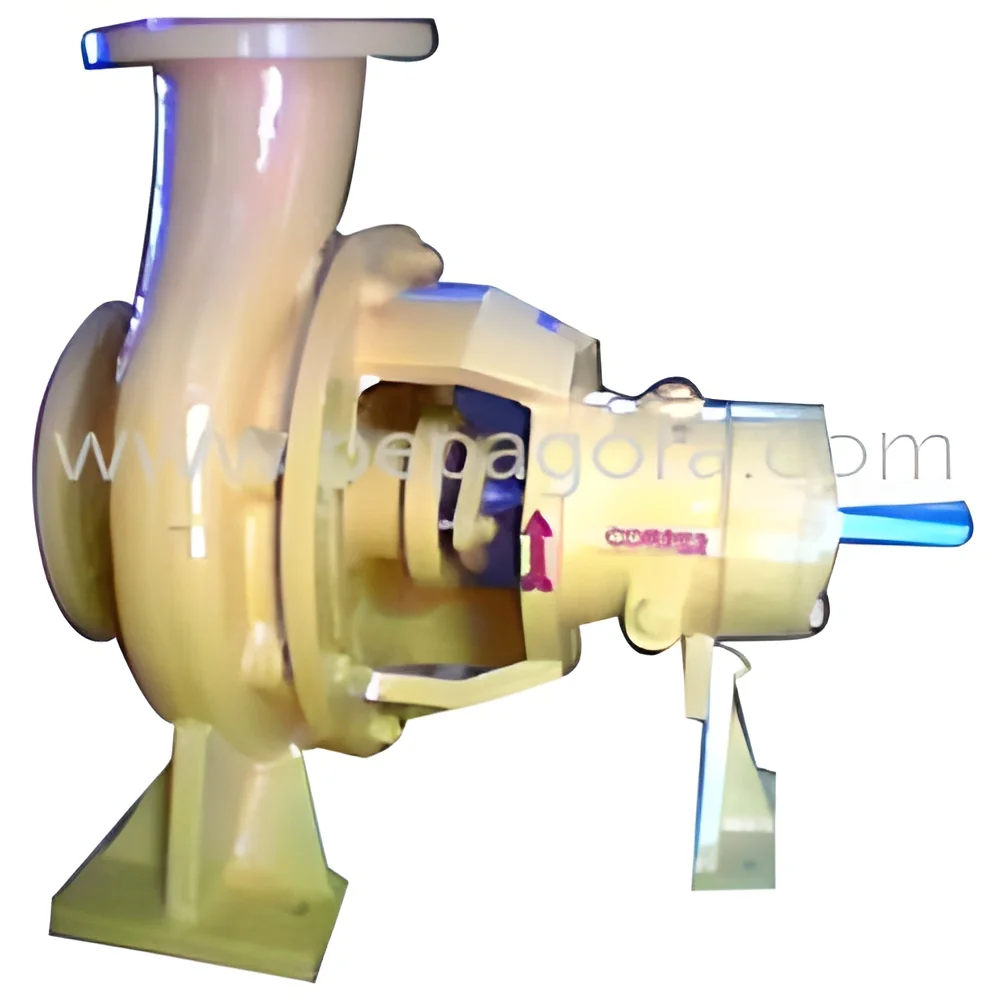
End Suction Pumps: These pumps are designed for simple installation and maintenance, making them ideal for various commercial and industrial applications. They are known for their efficiency and compact design.
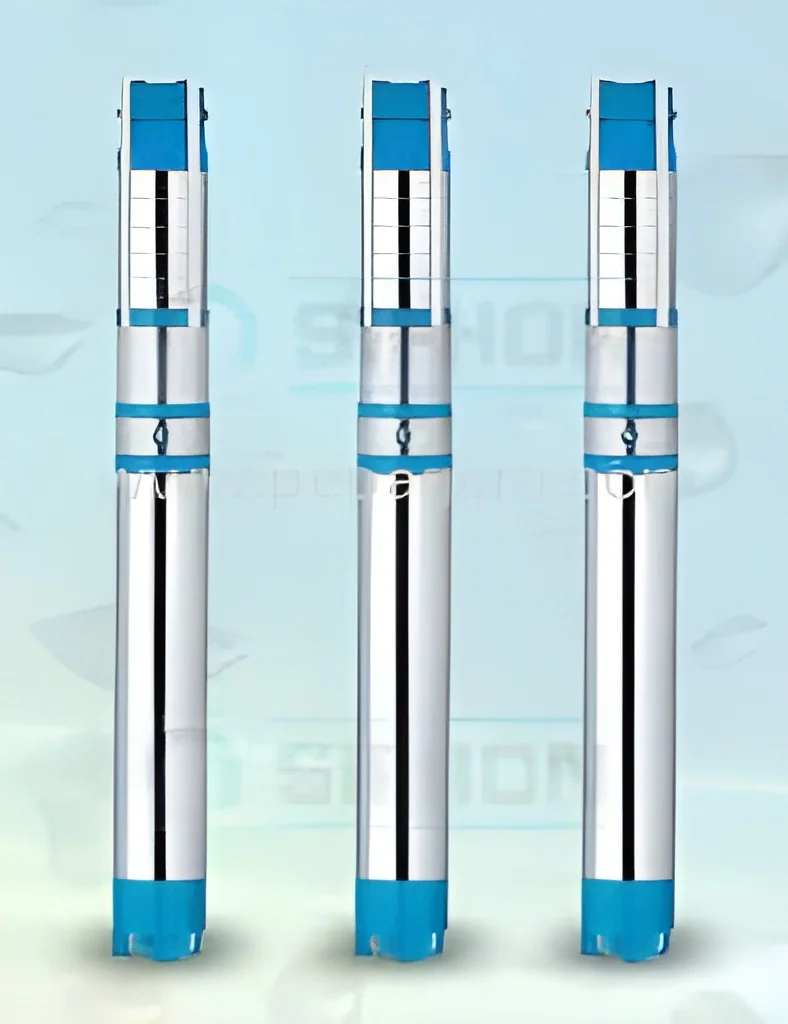
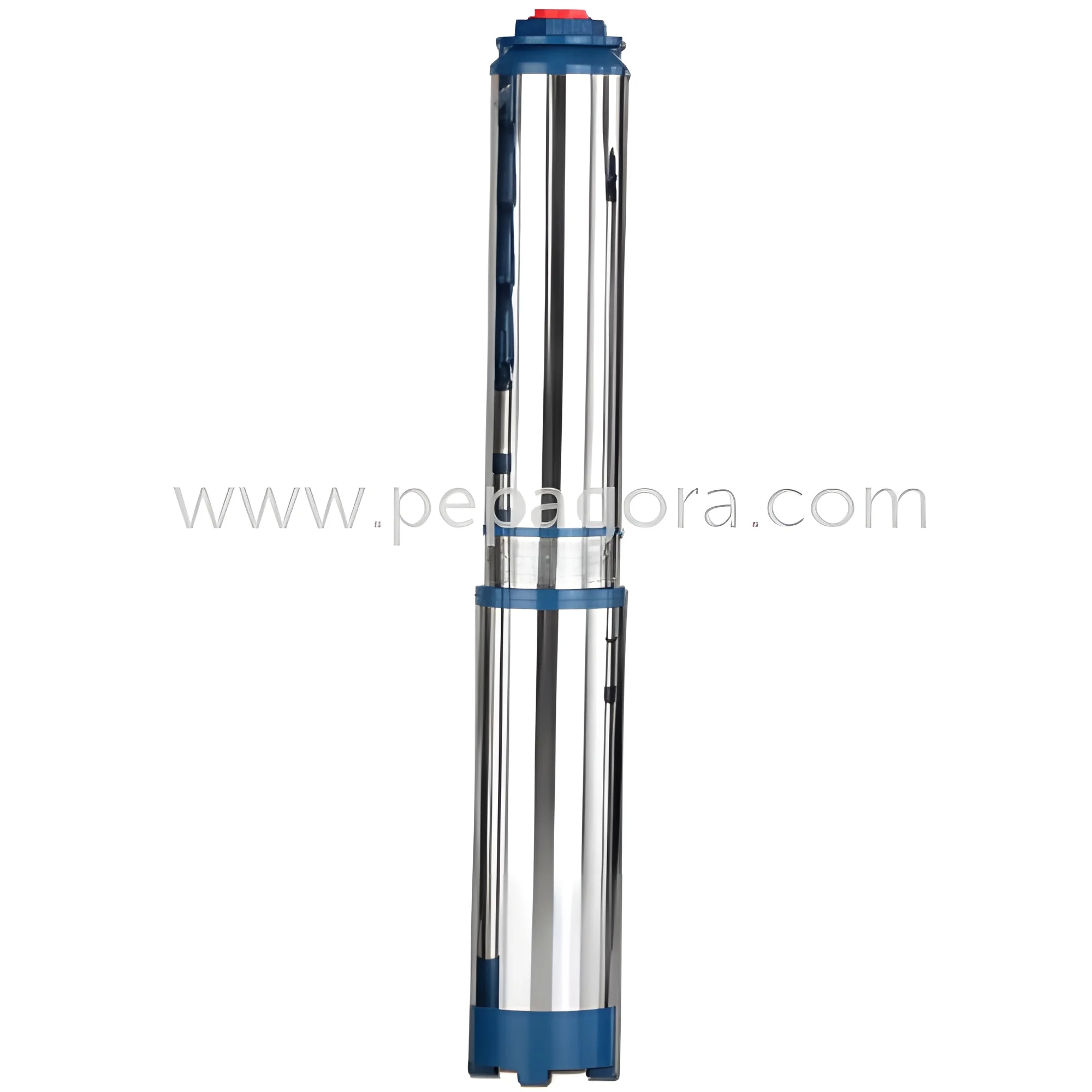
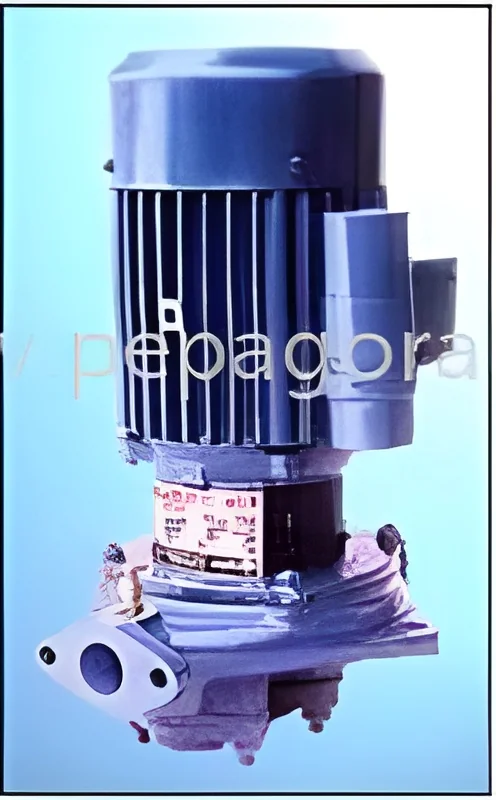
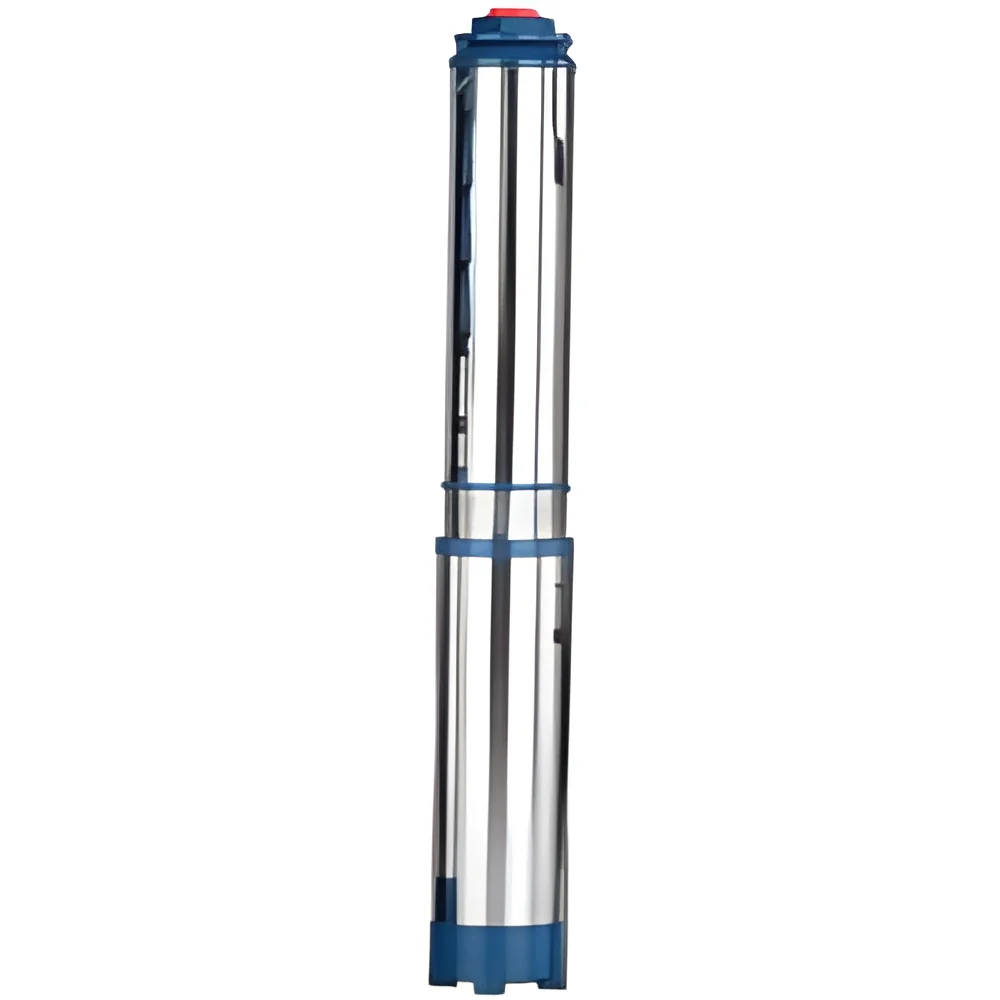
Vertical Turbine Pumps: These pumps are used for deep well applications and can handle high flow rates. They are particularly effective in agricultural irrigation and municipal water supply.
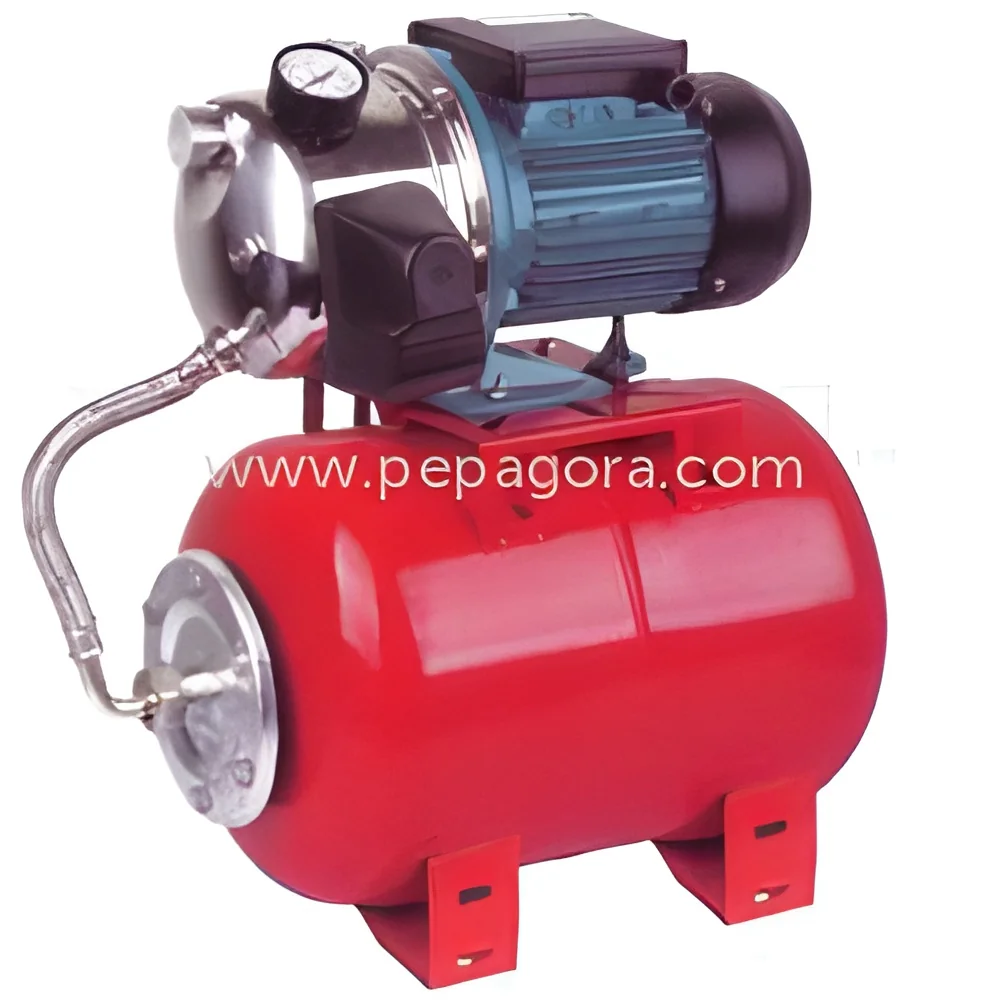
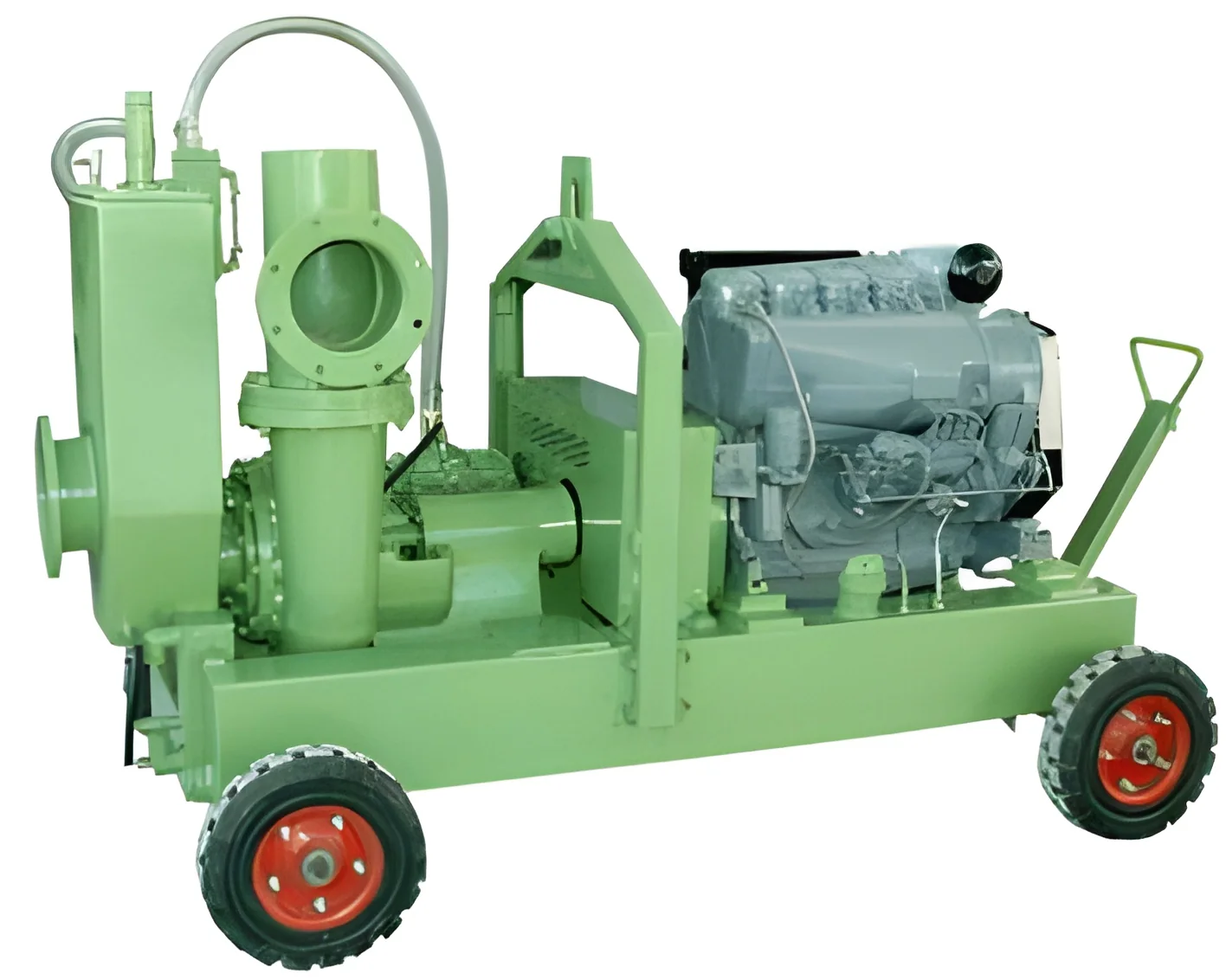
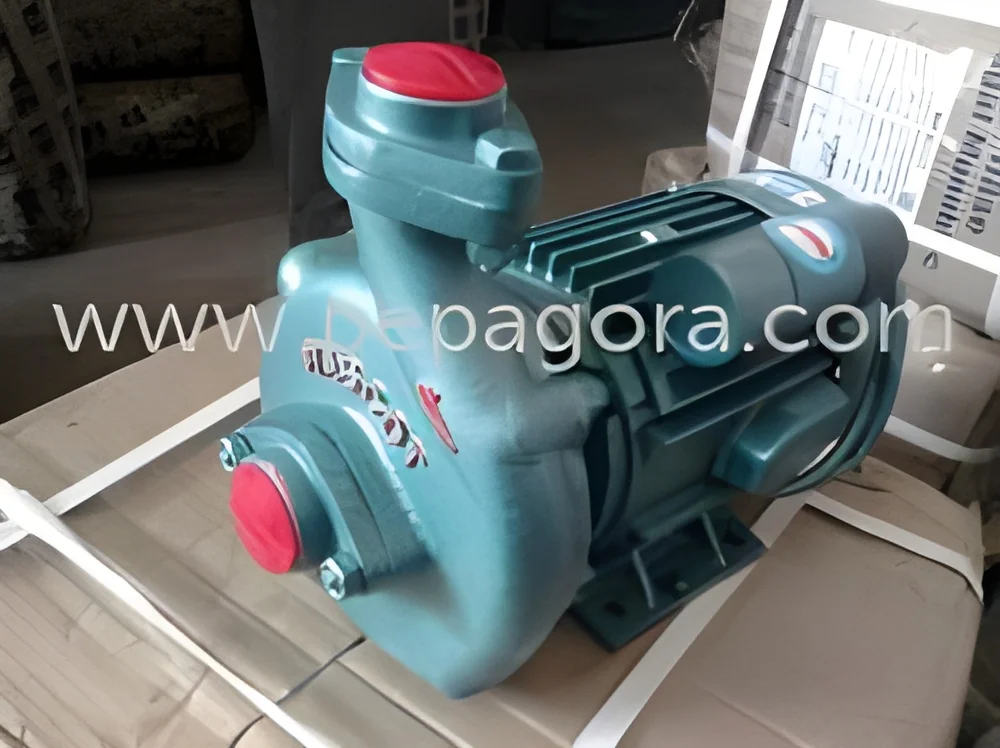
Self-Priming Pumps: Designed to eliminate the need for manual priming, these pumps are ideal for applications where the water source is below the pump level. They are commonly used in wastewater management.
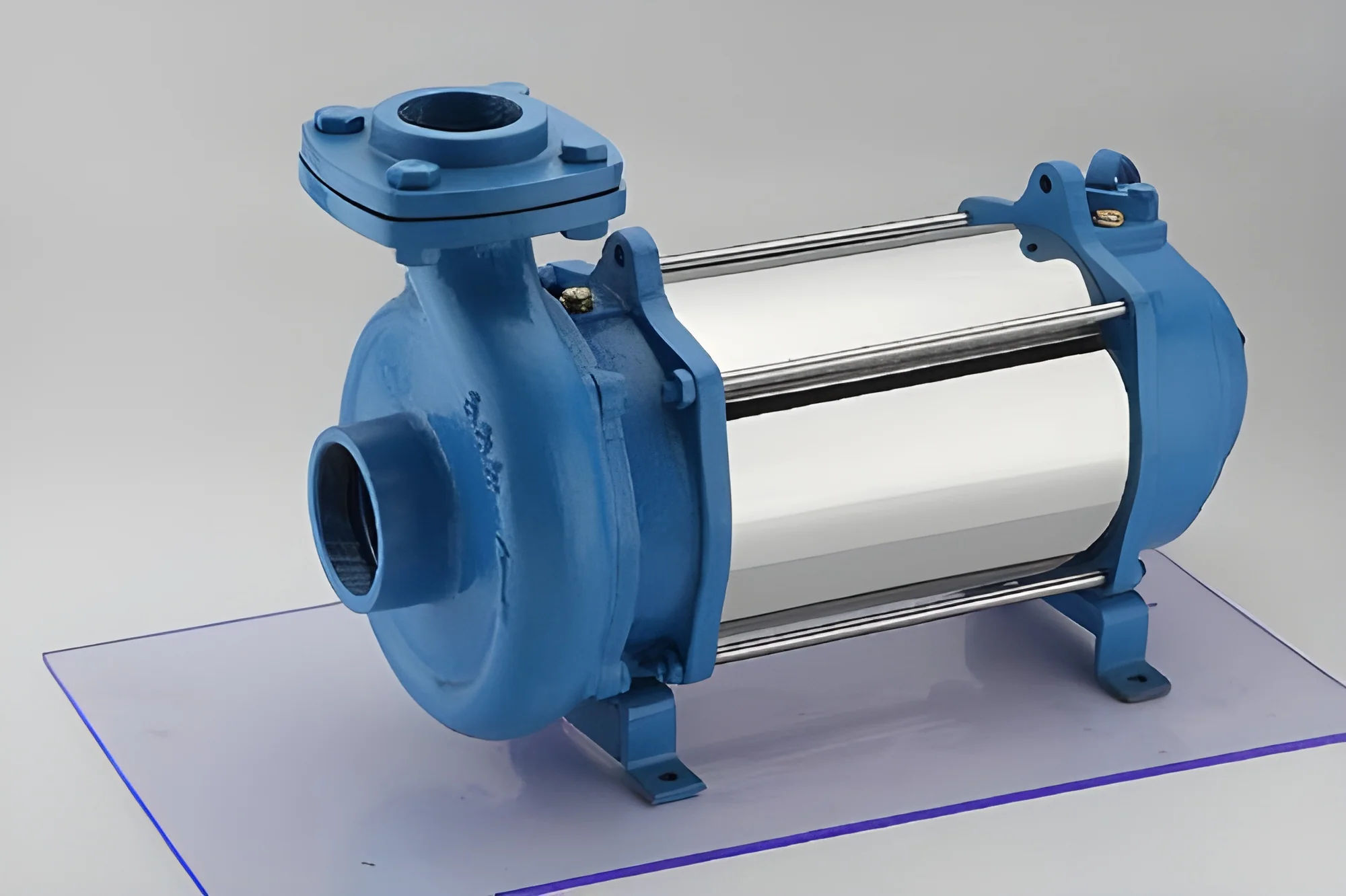
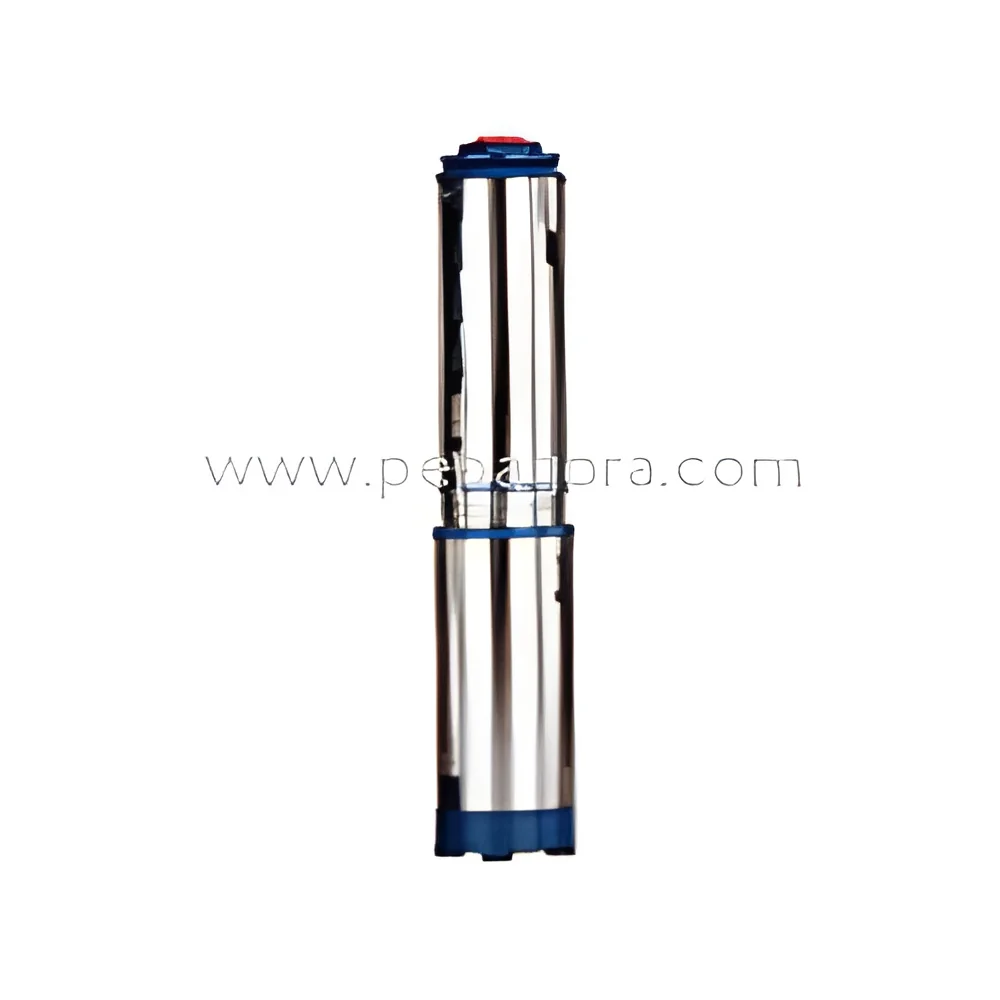
Submersible Pumps: These pumps are designed to operate underwater, making them suitable for dewatering and sewage applications. They offer high efficiency and reliability in challenging environments.
Benefits and Advantages
Centrifugal water pumps offer numerous benefits that make them a preferred choice for many businesses.
1. High Efficiency: These pumps provide consistent flow rates with minimal energy consumption, allowing for cost savings over time.
2. Low Maintenance: With fewer moving parts, centrifugal pumps are easier to maintain, reducing downtime and repair costs.
3. Versatility: They can handle various fluids, including clean water, chemicals, and slurries, making them suitable for different applications.
4. Scalability: Businesses can easily scale operations by using multiple pumps or larger models as needed.
5. Reliability: Known for their durability, centrifugal pumps are less prone to failure, ensuring continuous operation in critical processes.
6. Energy Savings: Advanced designs and materials contribute to lower energy costs, promoting sustainable operations.
Buying Guide for B2B Buyers
When sourcing centrifugal water pumps, it is essential to consider several factors to ensure the best fit for your business needs.
1. Quality Assessment: Evaluate the quality of the pumps based on manufacturer reputation, material specifications, and performance metrics. Look for pumps that meet or exceed industry standards.
2. Supplier Verification: Vet suppliers by checking their certifications, customer reviews, and track record in the industry. Reliable suppliers should provide transparency regarding their manufacturing processes.
3. Pricing and MOQ: Understand the pricing structures and minimum order quantities (MOQ) set by suppliers. This will help you assess budget requirements and negotiate better terms.
4. Delivery and Lead Times: Inquire about the supplier's delivery capabilities and lead times to ensure timely availability of pumps for your projects.
5. Compliance Requirements: Ensure that the pumps comply with relevant industry regulations and certifications, such as CE marking, to avoid legal complications and ensure safety.
Compliance and Certifications
Centrifugal water pumps must adhere to various quality standards and certifications to ensure their reliability and safety in industrial applications. Common standards include ISO 9001, which focuses on quality management systems, ensuring that manufacturers meet consistent quality benchmarks.
Additionally, industry certifications such as CE indicate compliance with European health, safety, and environmental protection standards. This certification is crucial for businesses operating in regions that mandate compliance with such regulations.
Safety and testing requirements play a significant role in the manufacturing process, as pumps must undergo rigorous testing to ensure they can handle specified pressures and temperatures.
Regional compliance considerations may vary based on local regulations, emphasizing the importance of sourcing pumps from suppliers familiar with specific regional standards. This ensures that businesses can operate without legal issues while maintaining safety and quality in their operations.
Why Source Centrifugal Water Pumps from Pepagora?
Pepagora offers a reliable platform for sourcing centrifugal water pumps, providing several advantages for B2B buyers.
Verified Supplier Network: Pepagora maintains a network of verified suppliers, ensuring that buyers have access to reputable manufacturers. This reduces the risk of quality issues and enhances trust in the procurement process.
Streamlined RFQ Process: The Request for Quotation (RFQ) system simplifies the process of obtaining competitive quotes from multiple suppliers, allowing buyers to make informed decisions based on pricing and specifications.
Trade Assurance and Support: Pepagora provides trade assurance, protecting buyers from potential risks associated with transactions. This includes support throughout the purchase process, ensuring a smooth experience.
Regional Coverage: With a strong presence in India, the GCC, and Southeast Asia, Pepagora offers extensive geographic reach. This allows buyers to access a diverse range of centrifugal water pumps suited to various industrial needs.

 IN
IN