
 IN
INSubmersible Pumps
129 products available
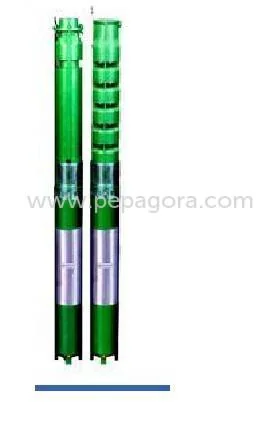
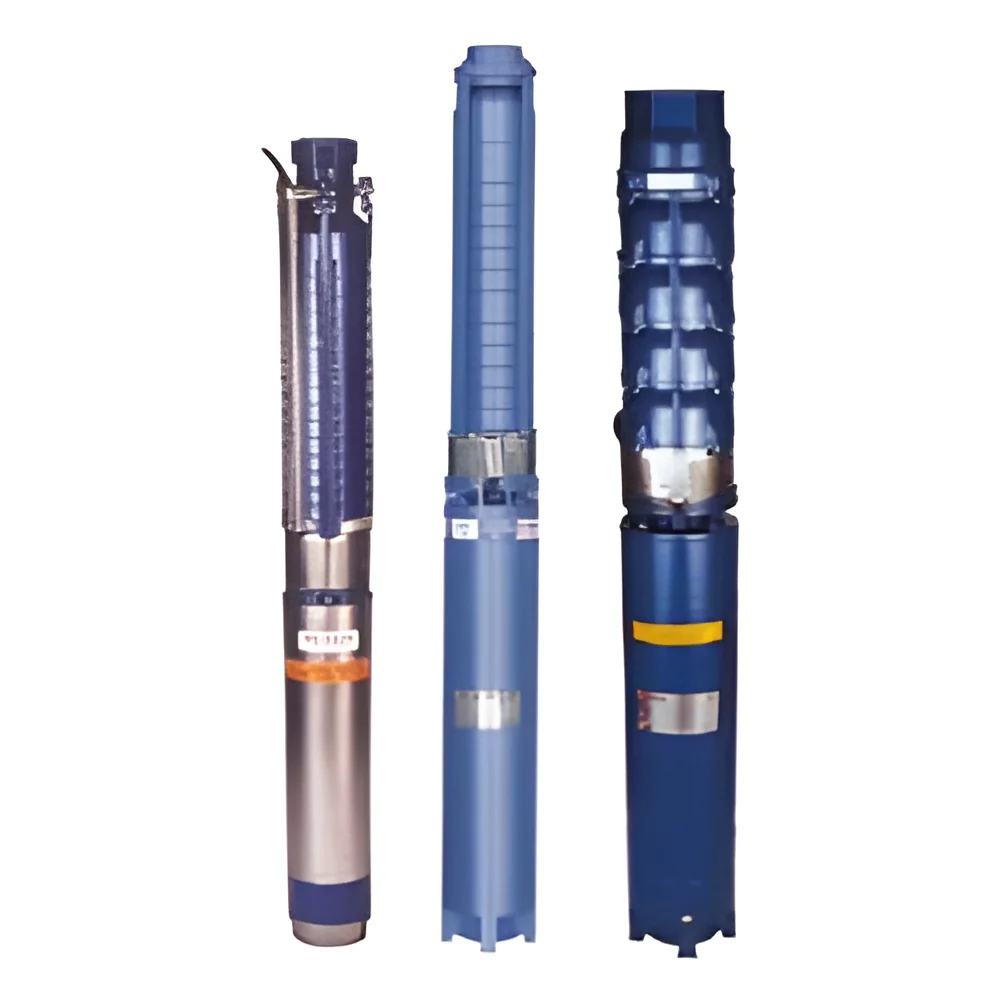
What are Submersible Pumps?
Key Features and Specifications
Common Applications and Use Cases
Product Variants and Subcategories
Benefits and Advantages
Buying Guide for B2B Buyers
Compliance and Certifications
Why Source Submersible Pumps from Pepagora?
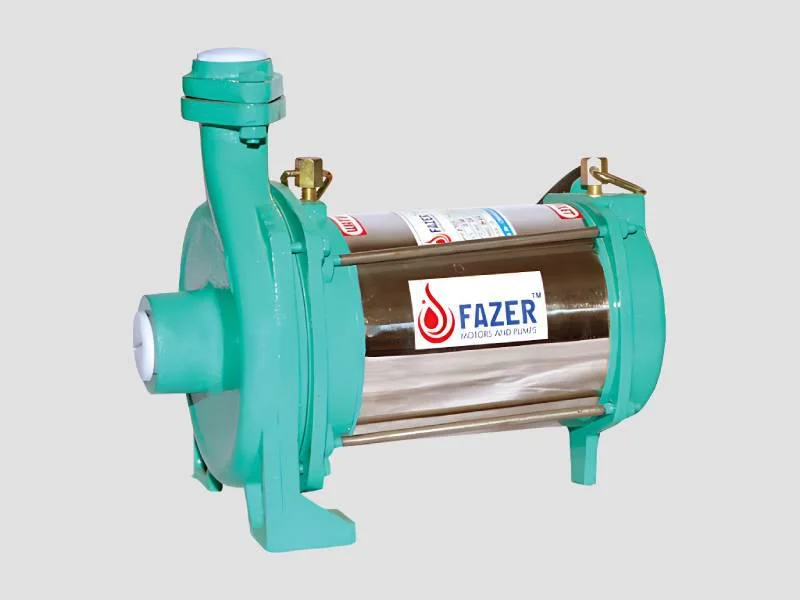
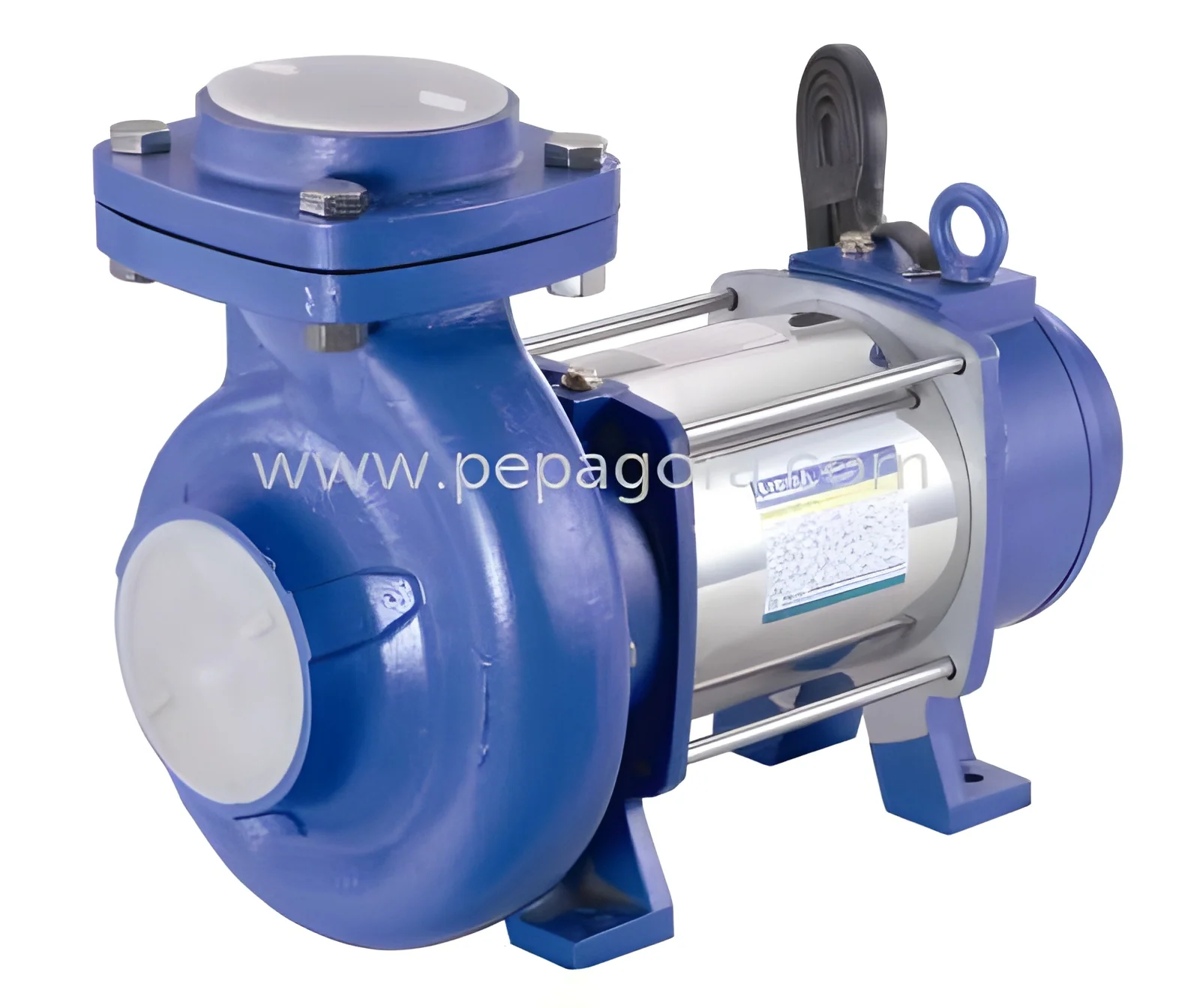
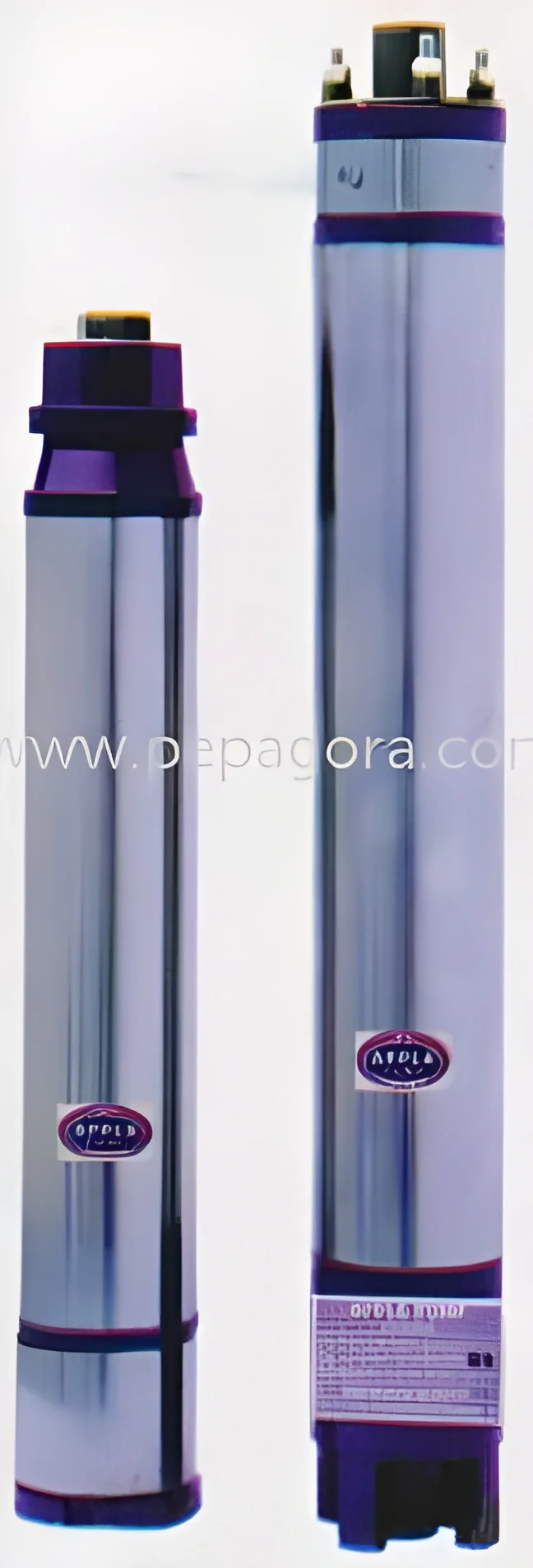
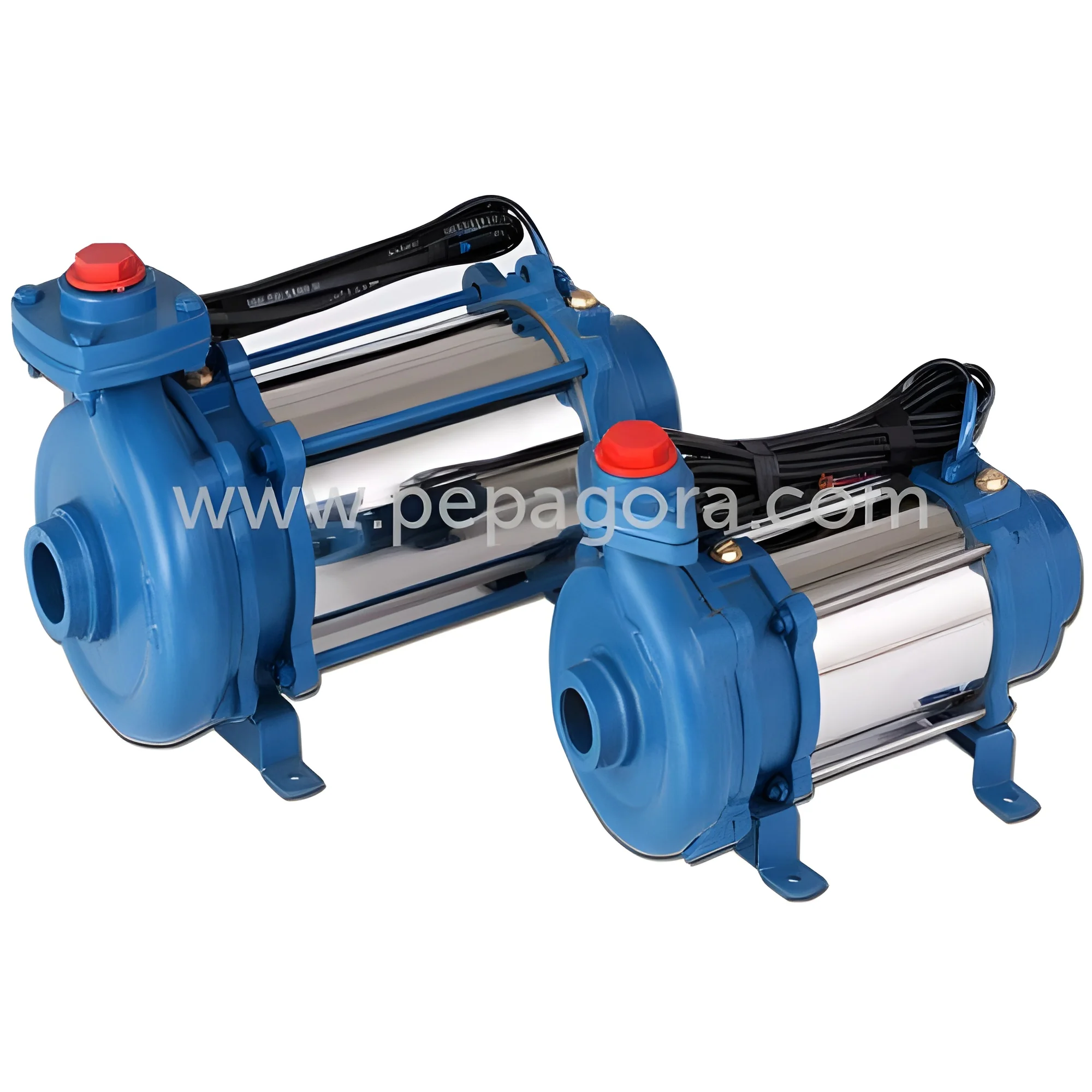
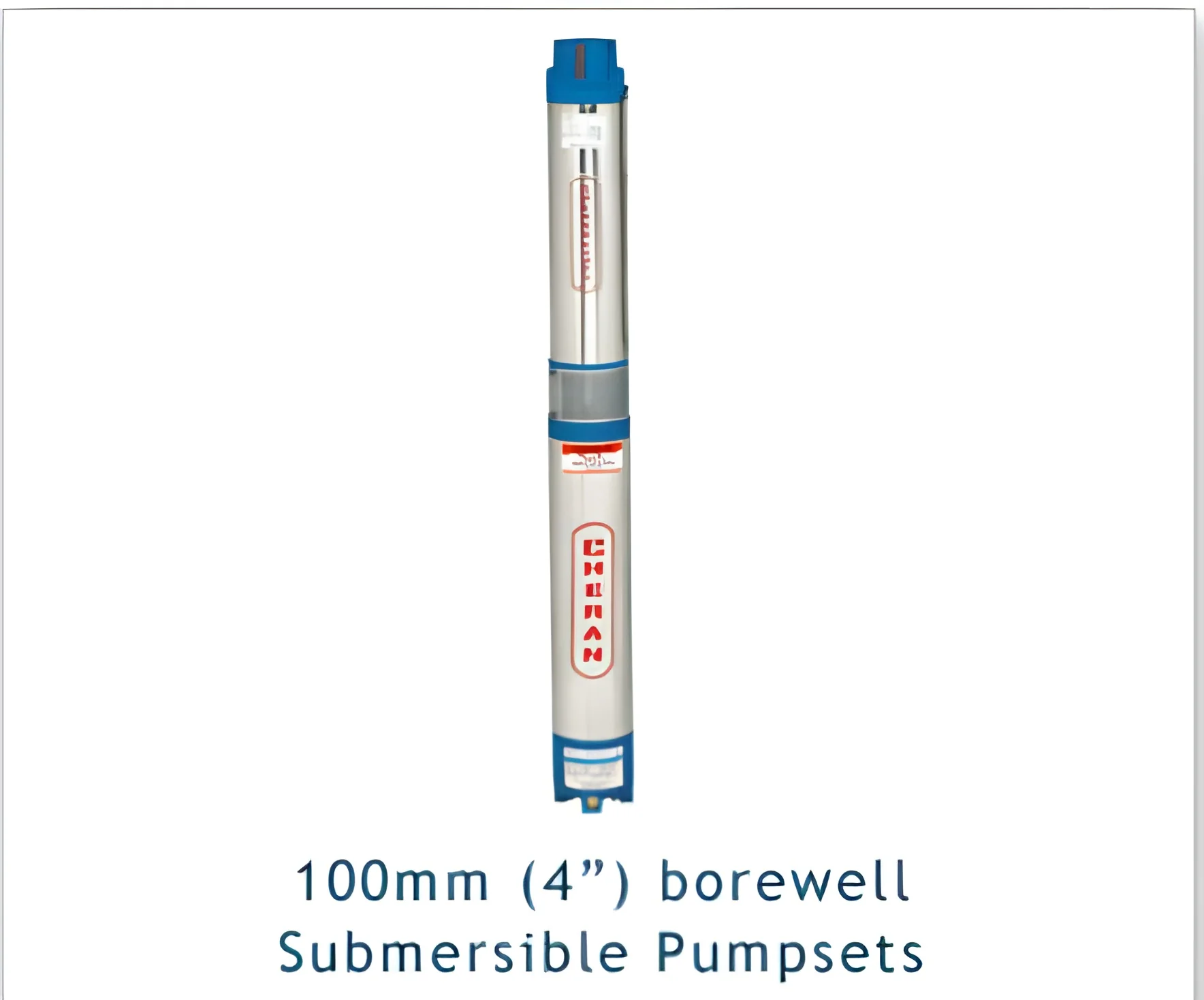
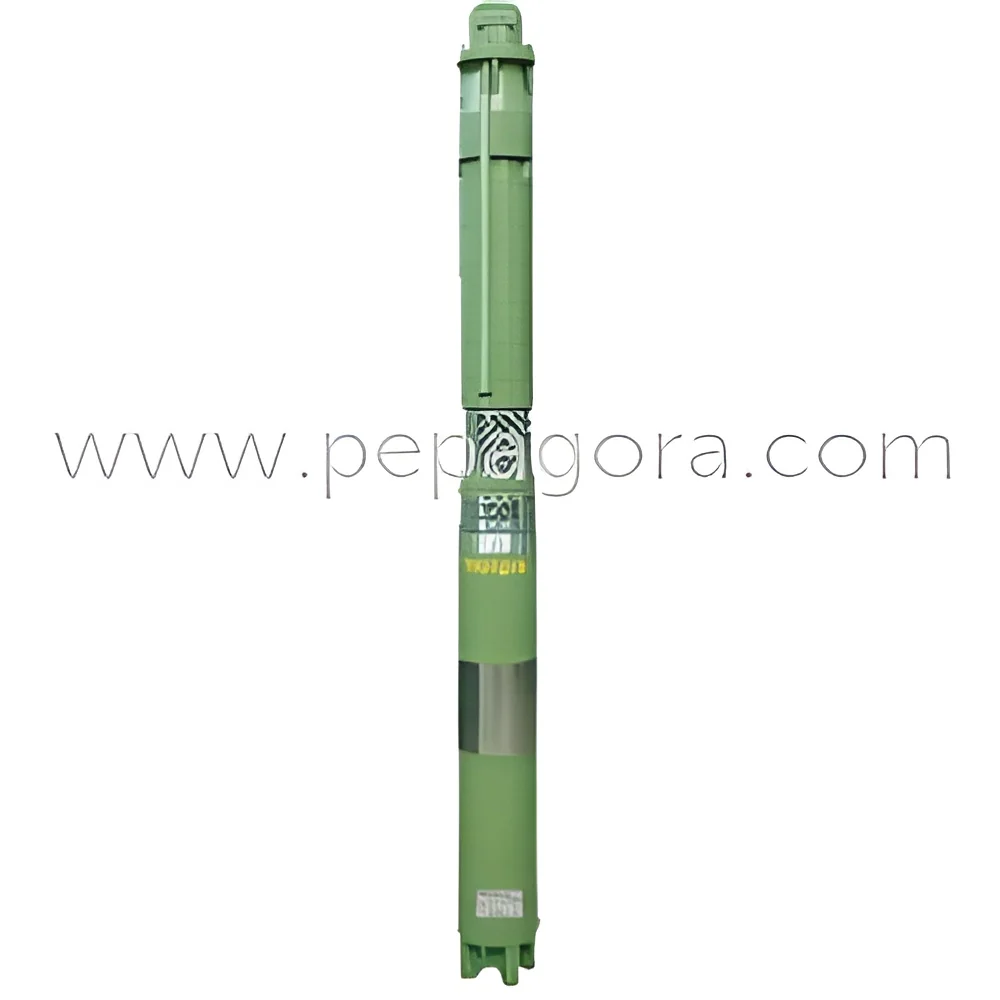
Domestic Agricultural Single Phase Submersible Pump 1 20 m/h Flow
In Stock

Aqua Sky Pumps
India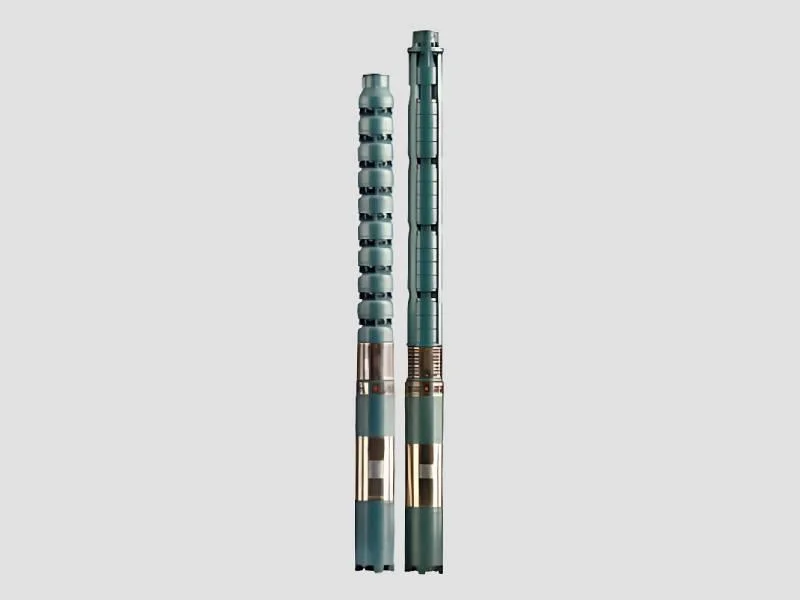
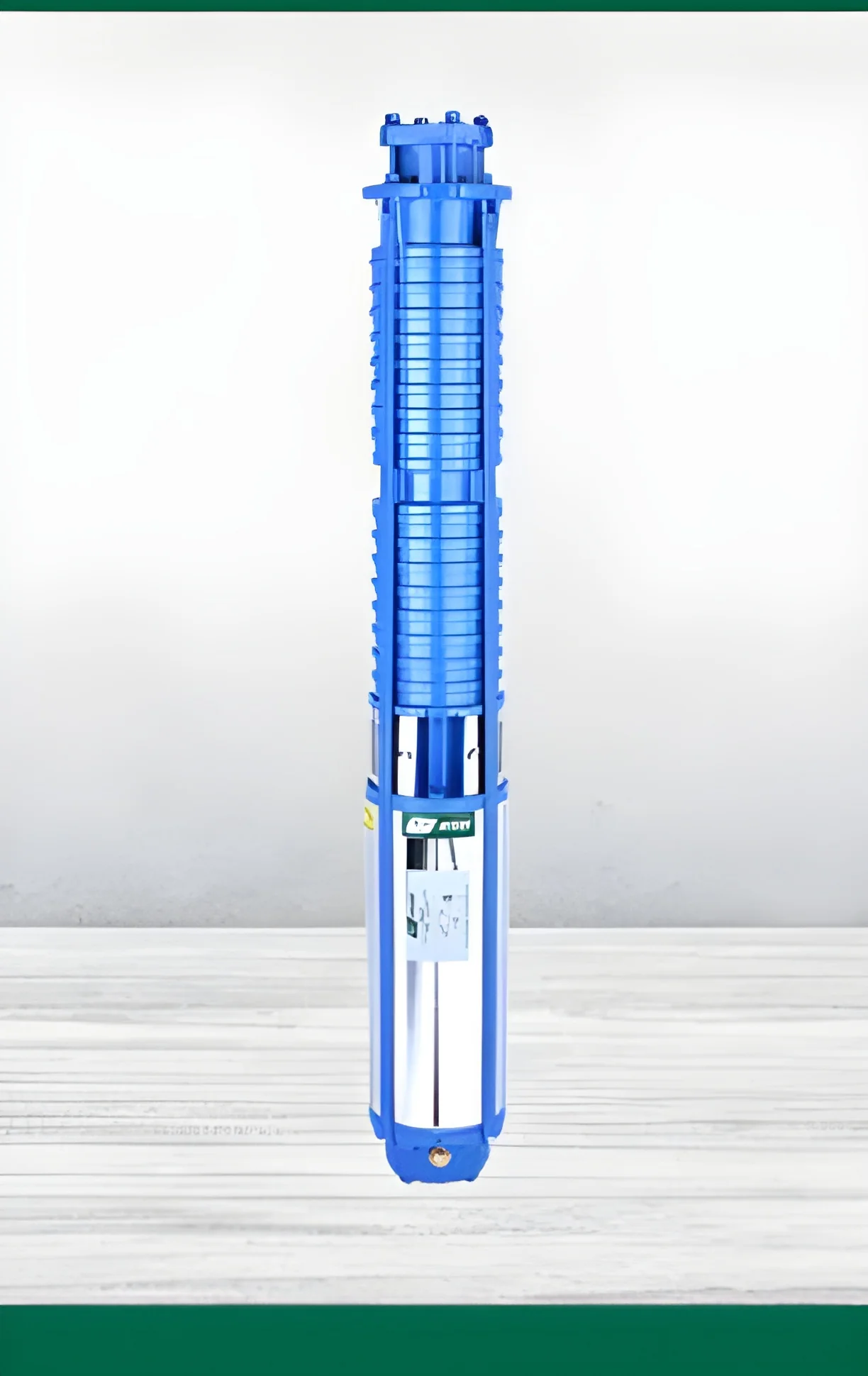
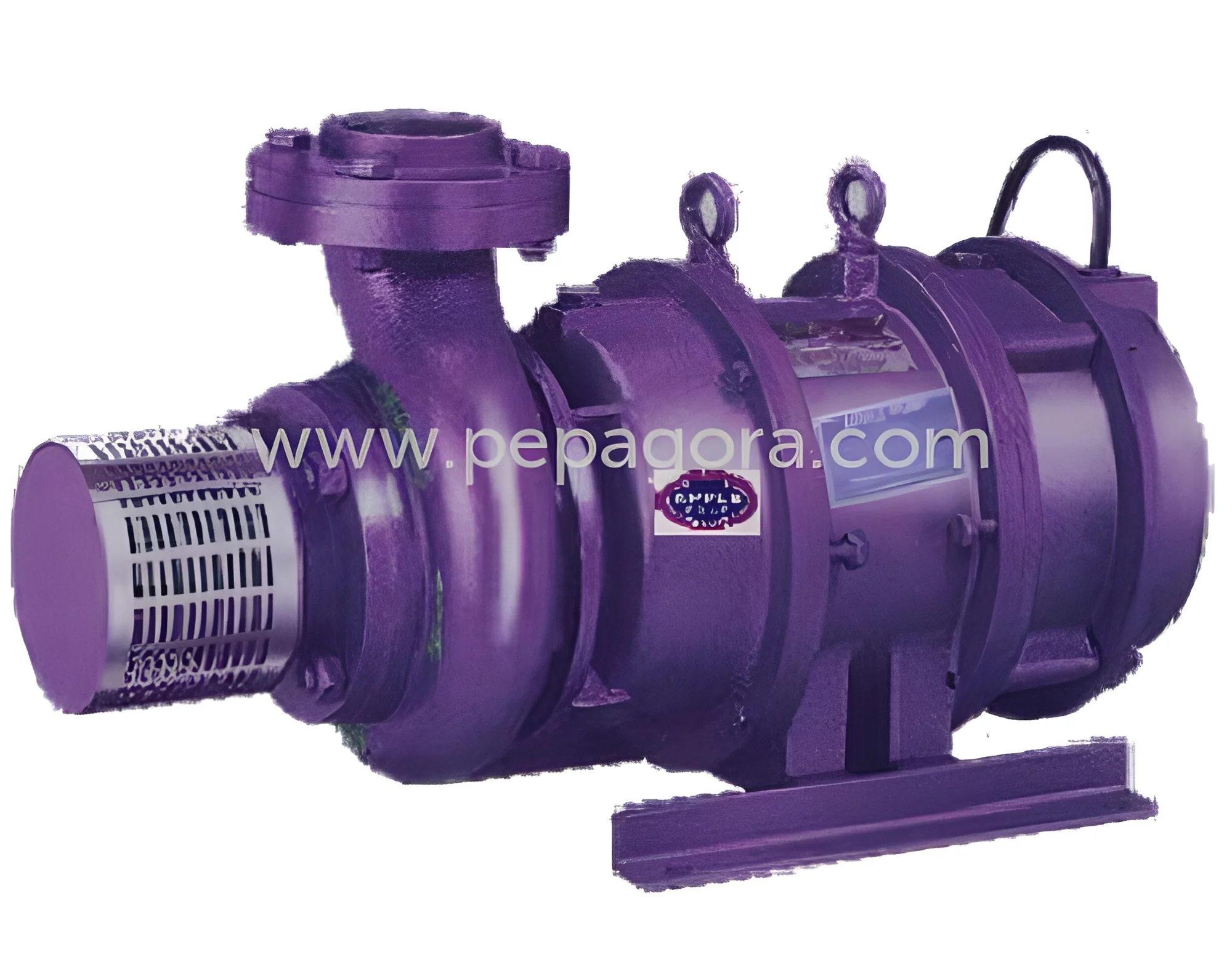
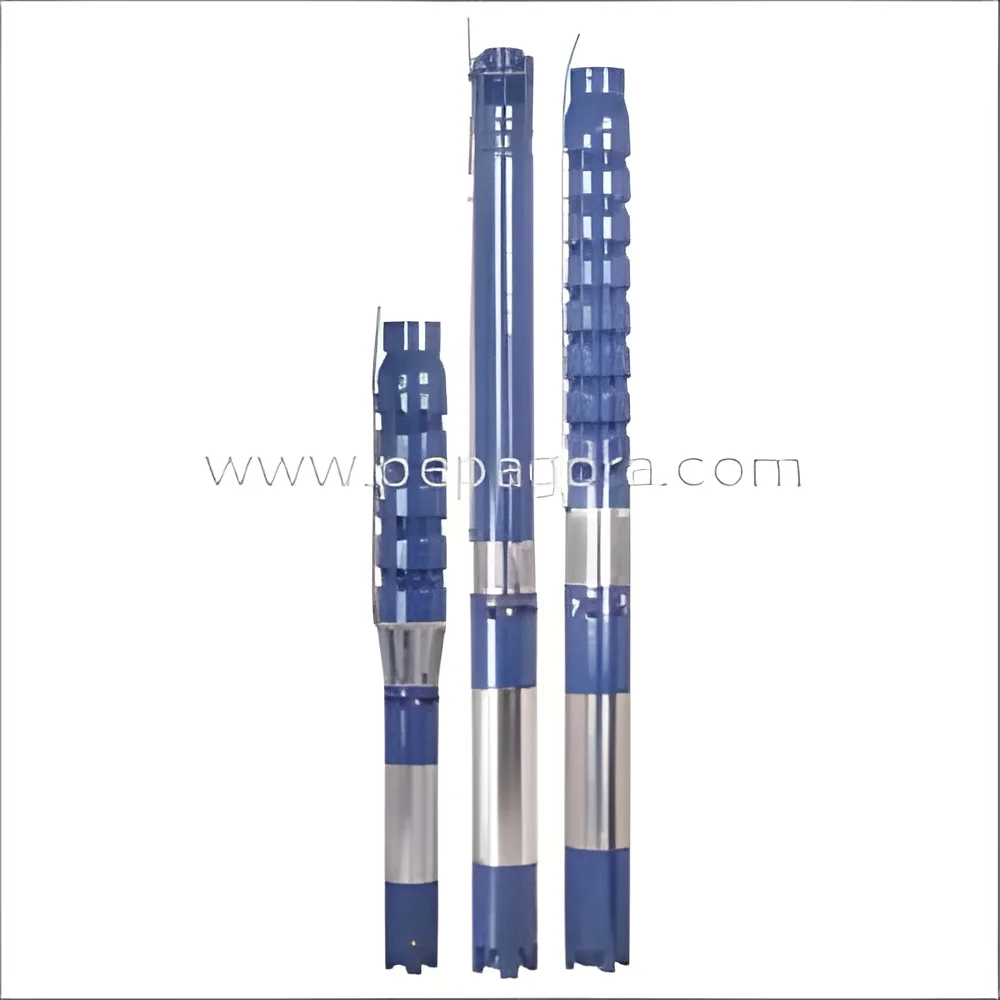
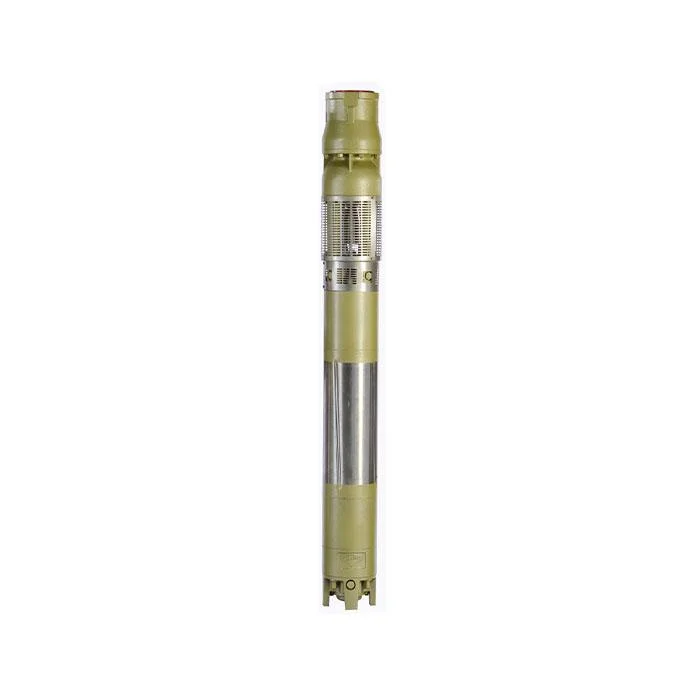
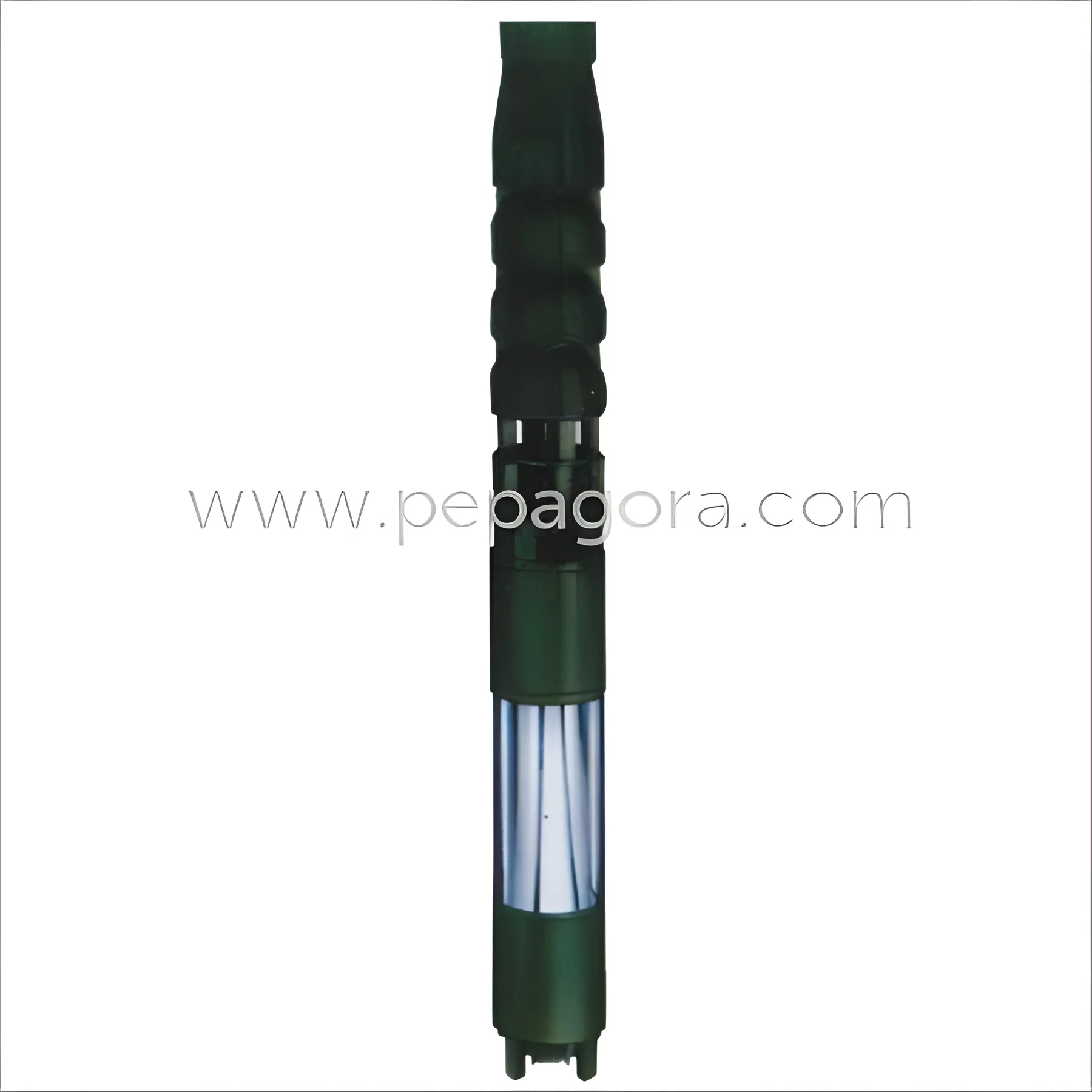
Industrial 6 Inch Submersible Pump For Deep Well Water Extraction
In Stock
Aqua Sky Pumps
India
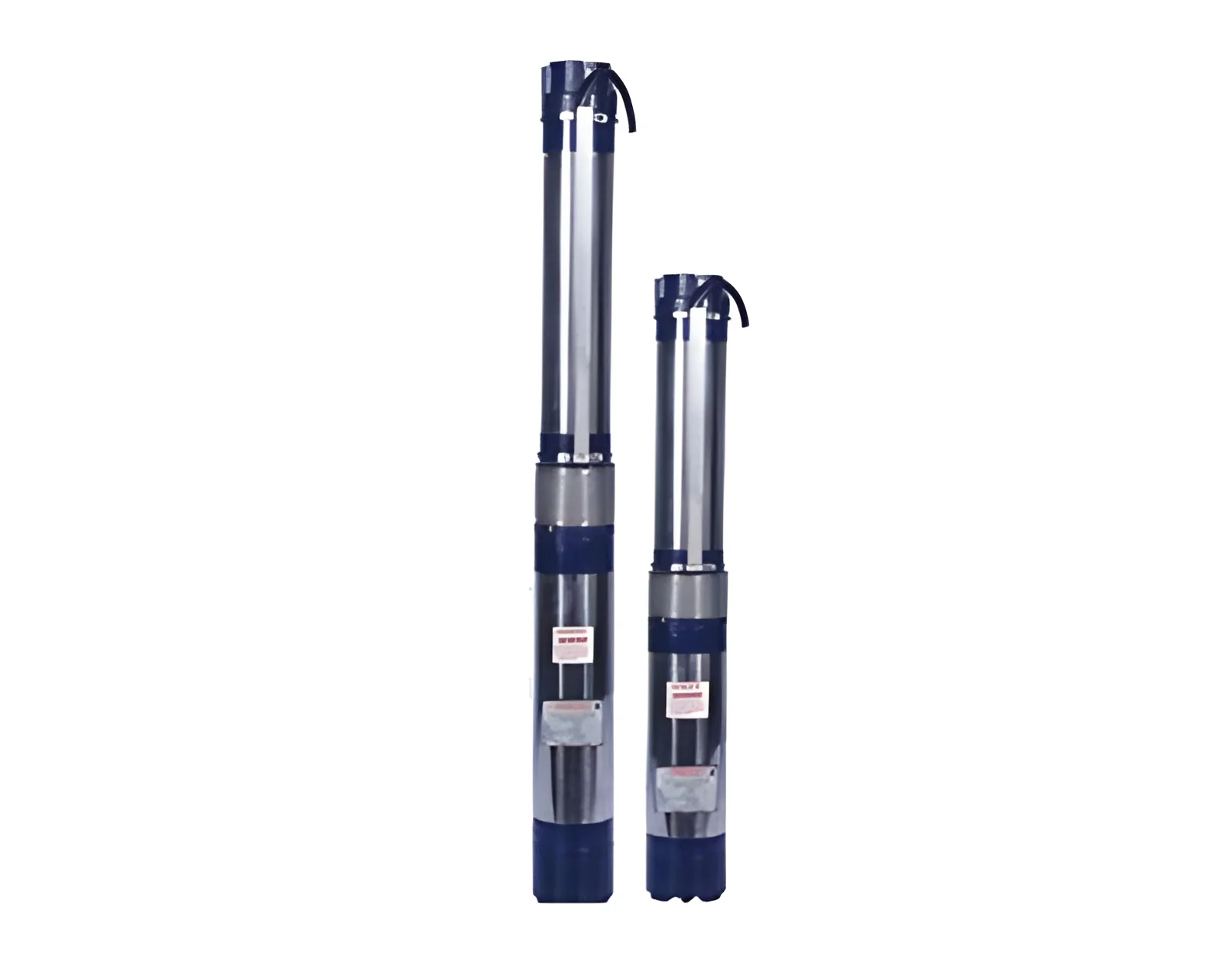
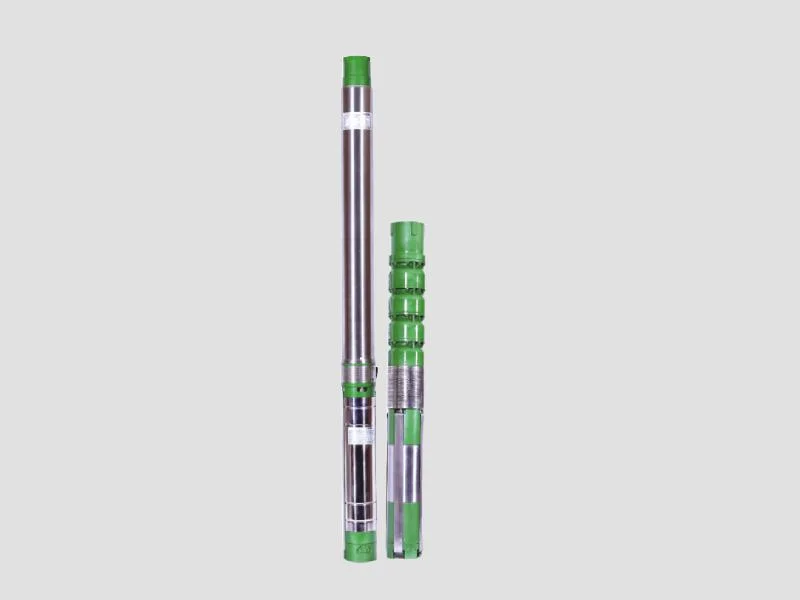
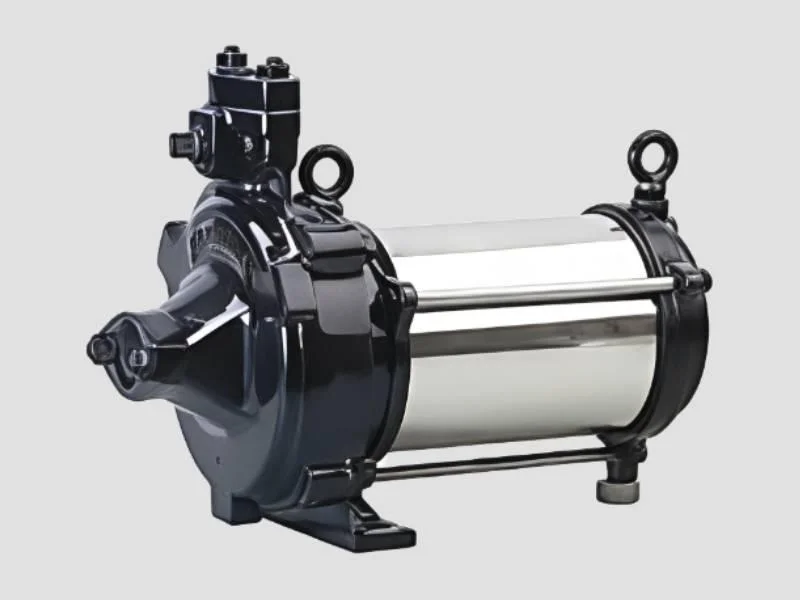
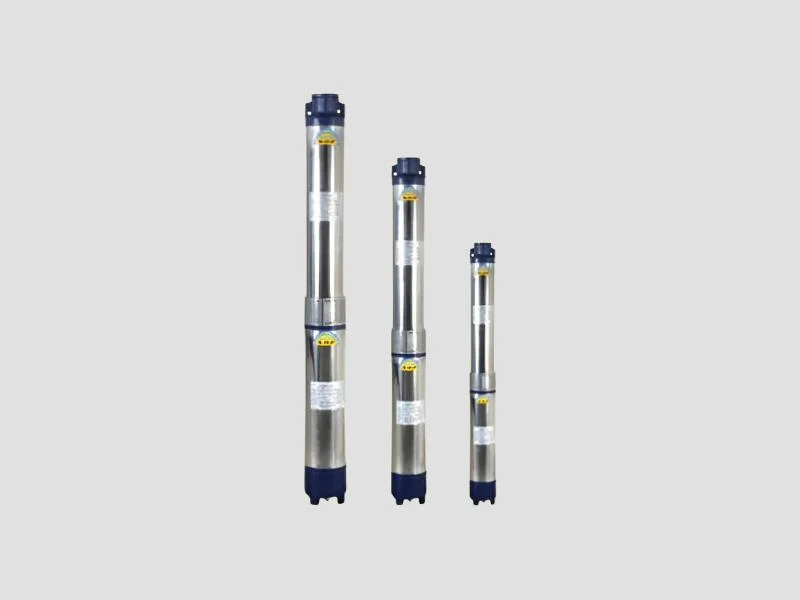
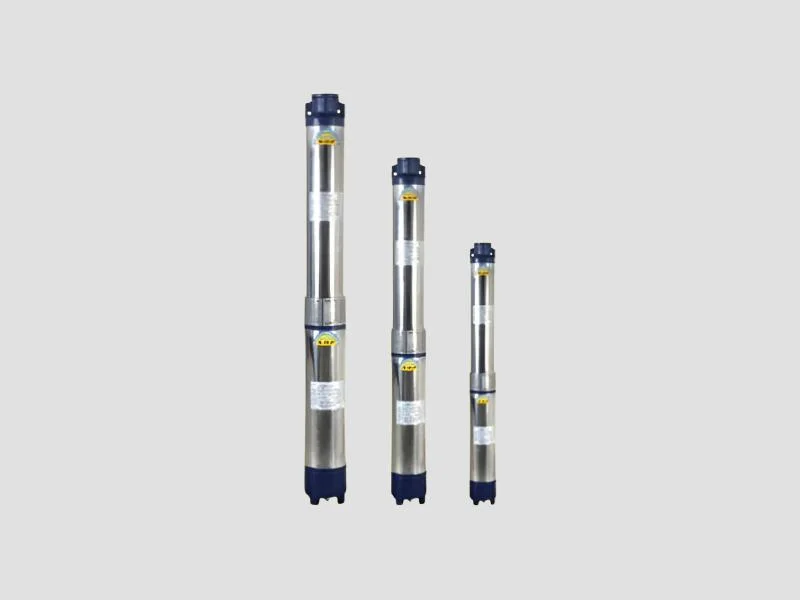
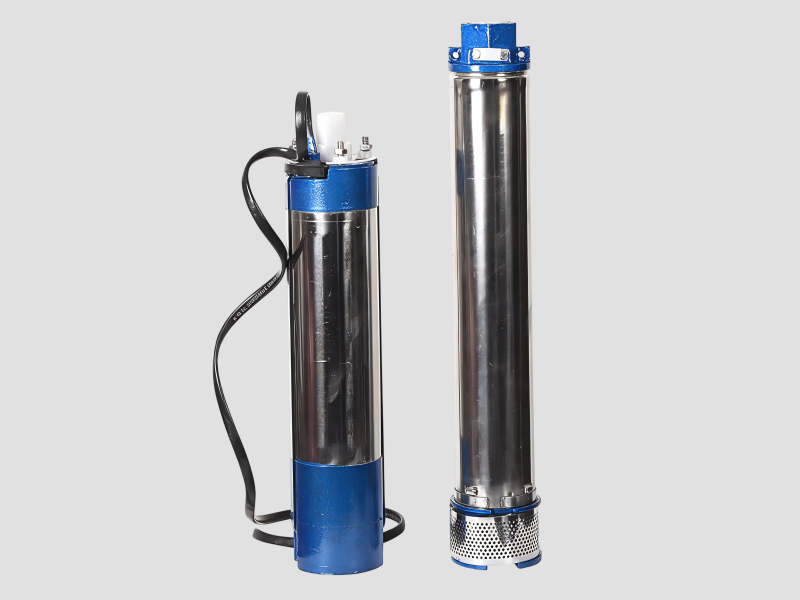
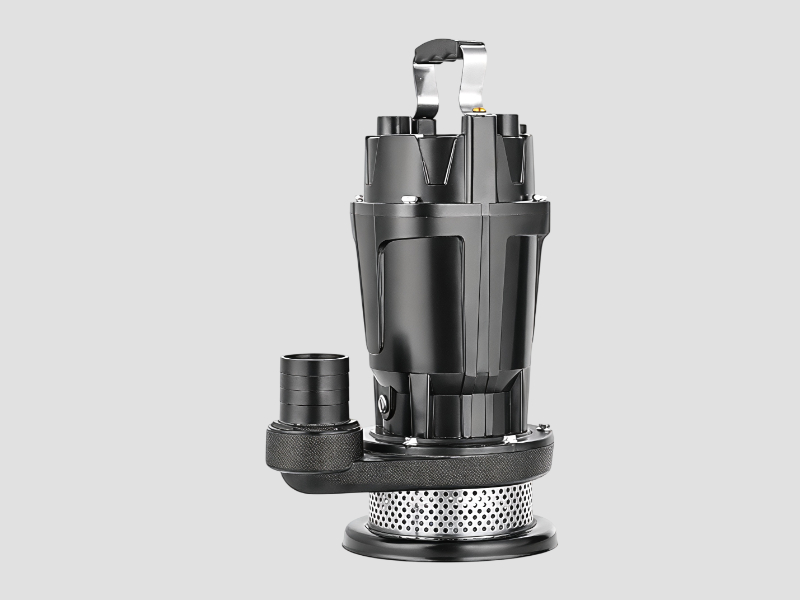
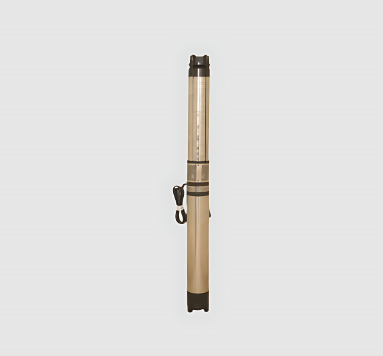
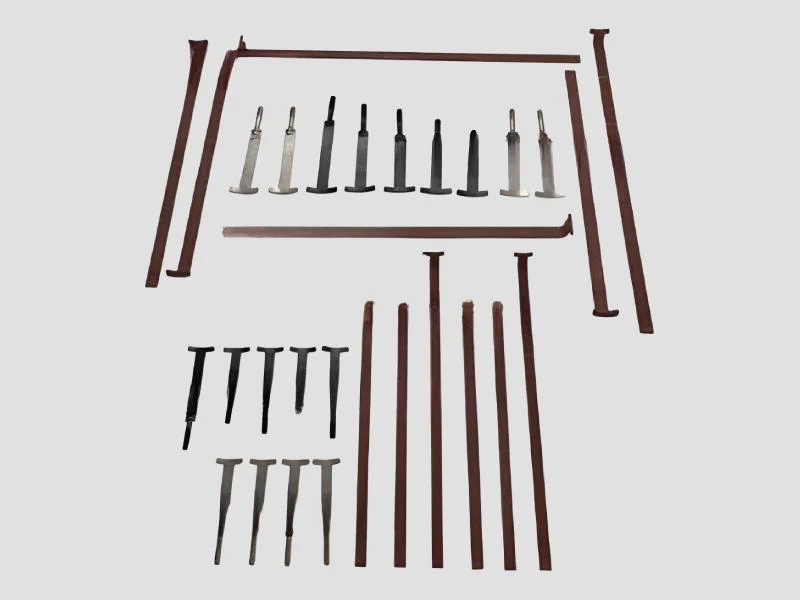
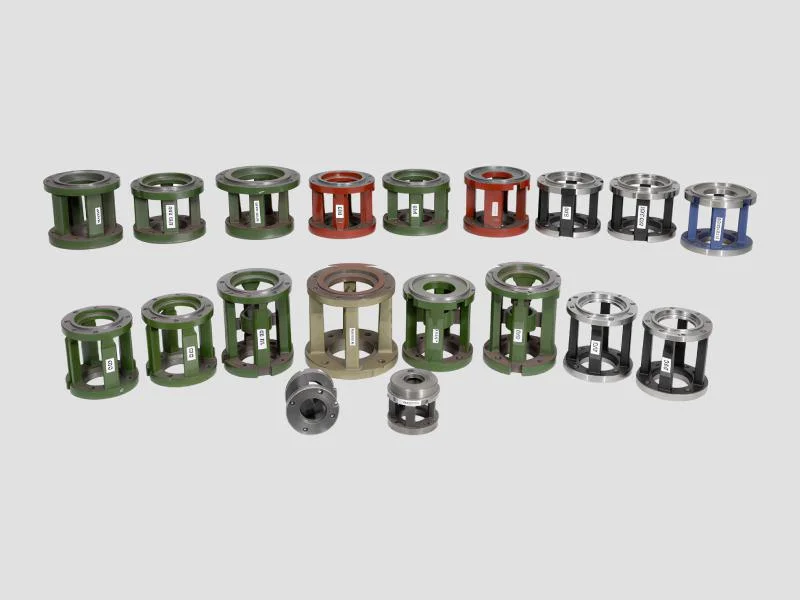
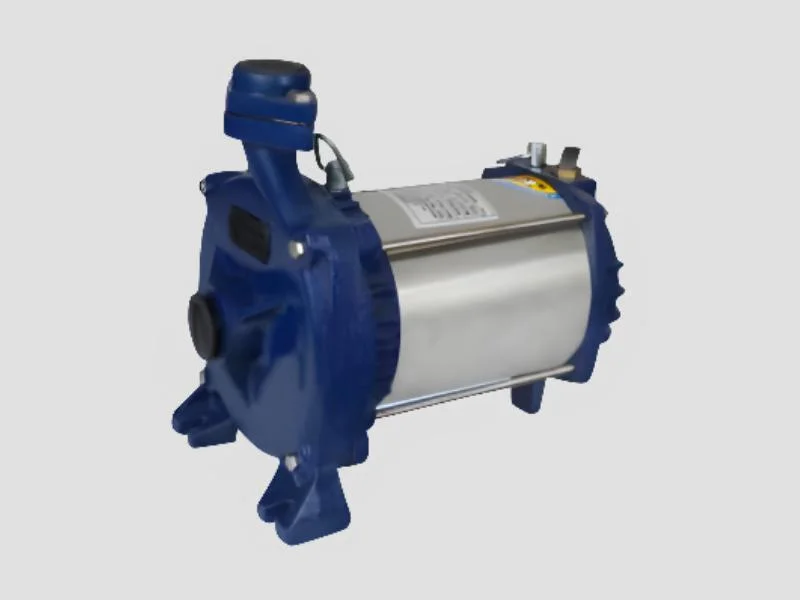
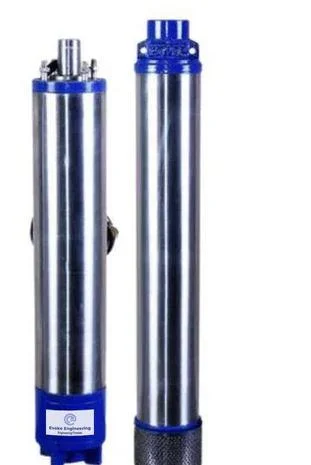
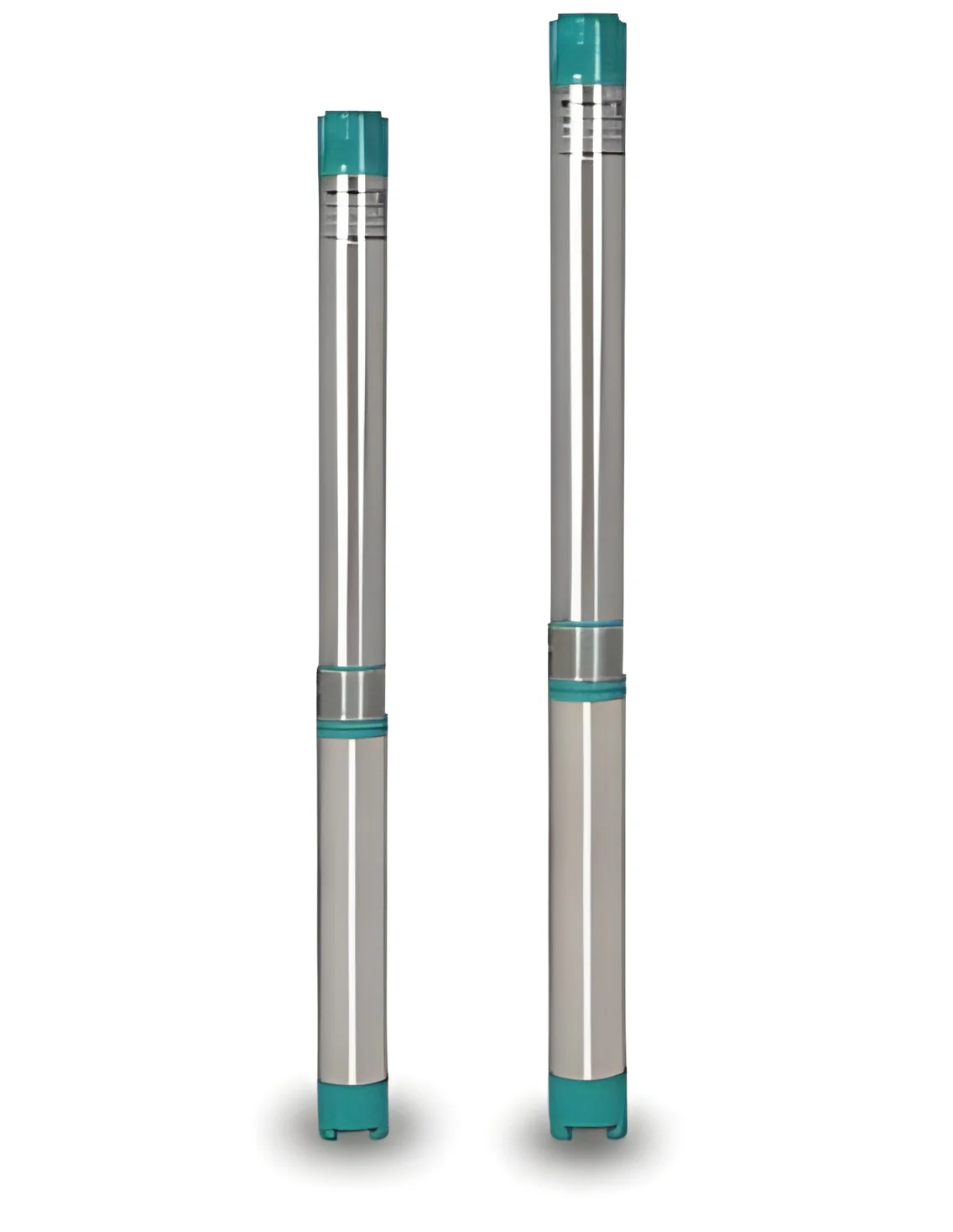
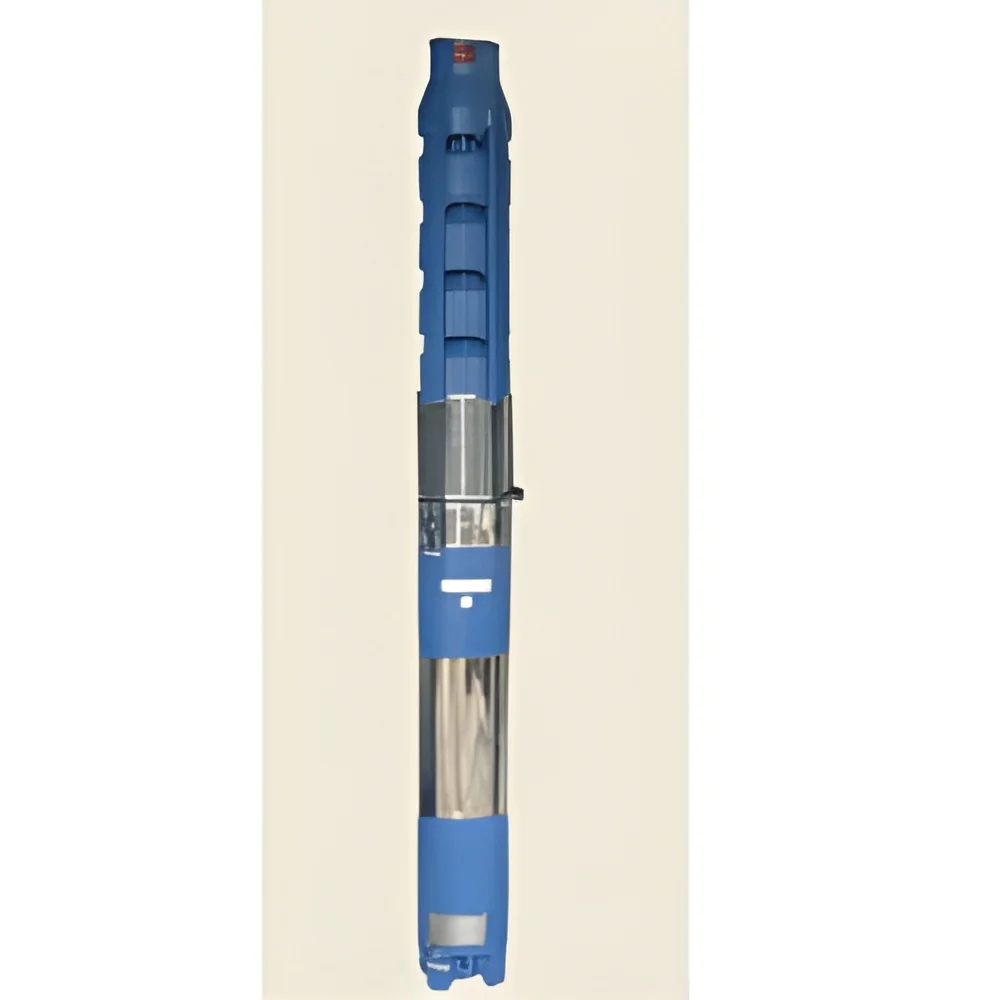
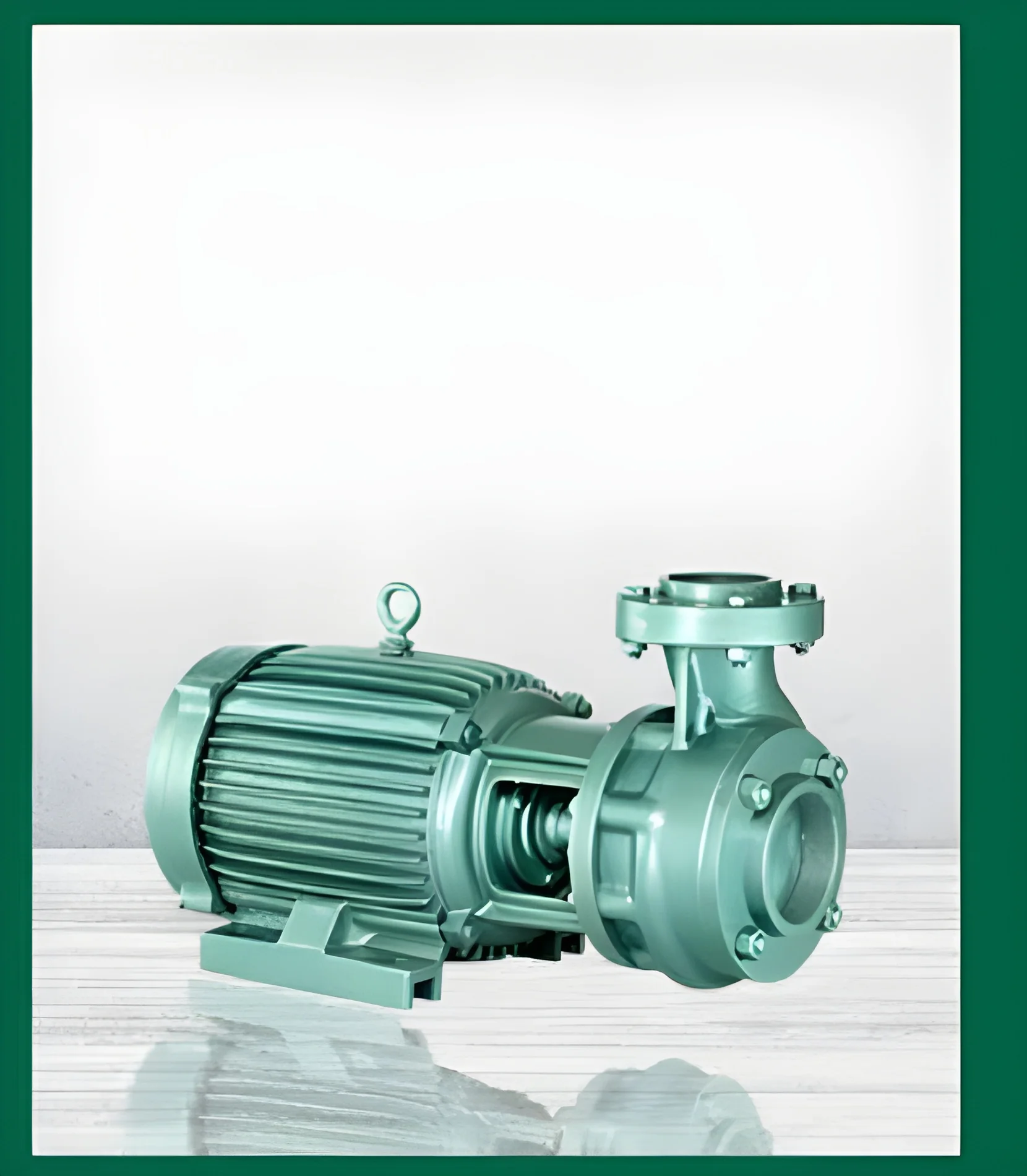
Stainless Steel Submersible Pump 1.0 3.0 HP For Borewells & Tanks
In Stock

Deccan Pumps Pvt Ltd
India
Frequently Asked Questions
What are Submersible Pumps?
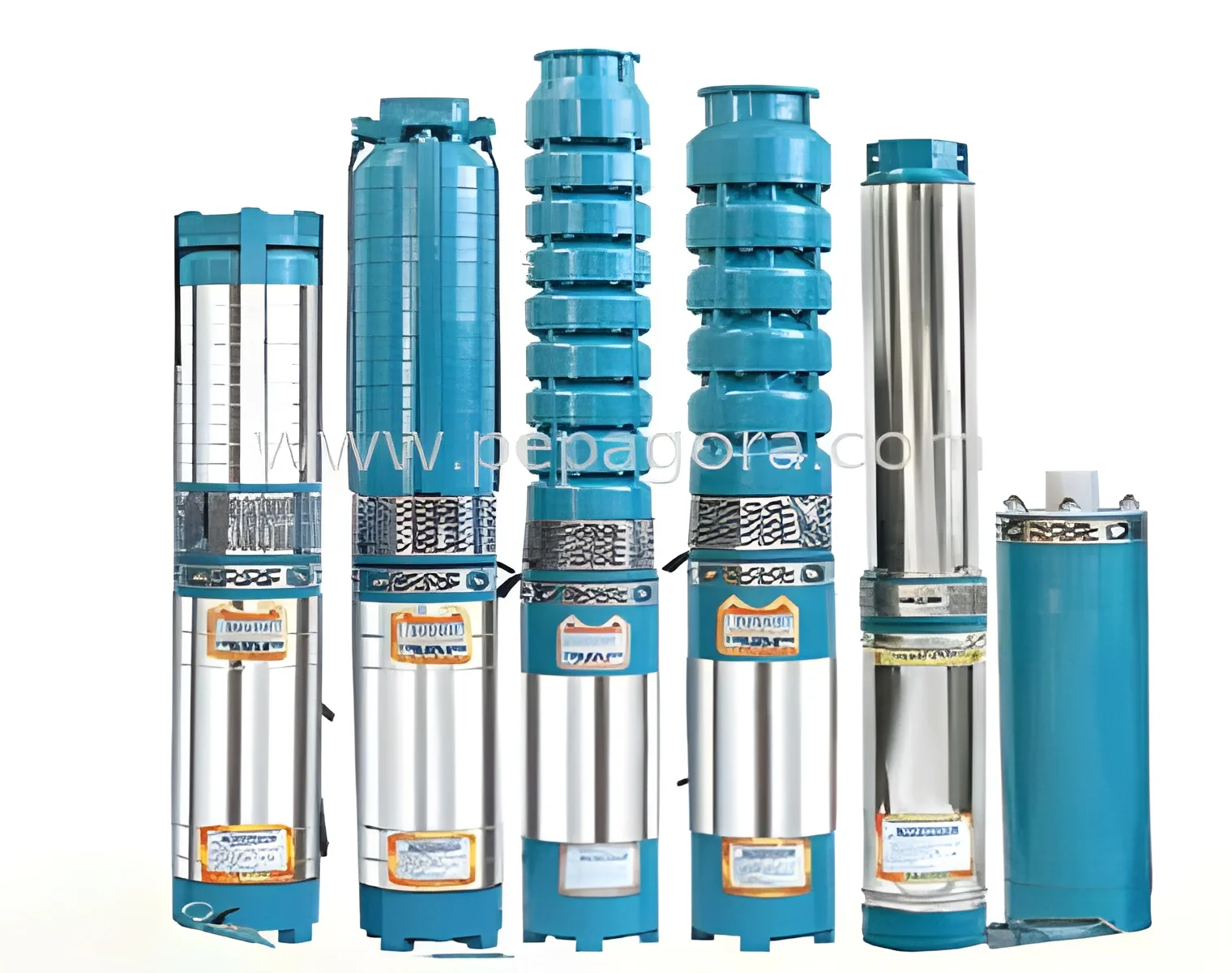
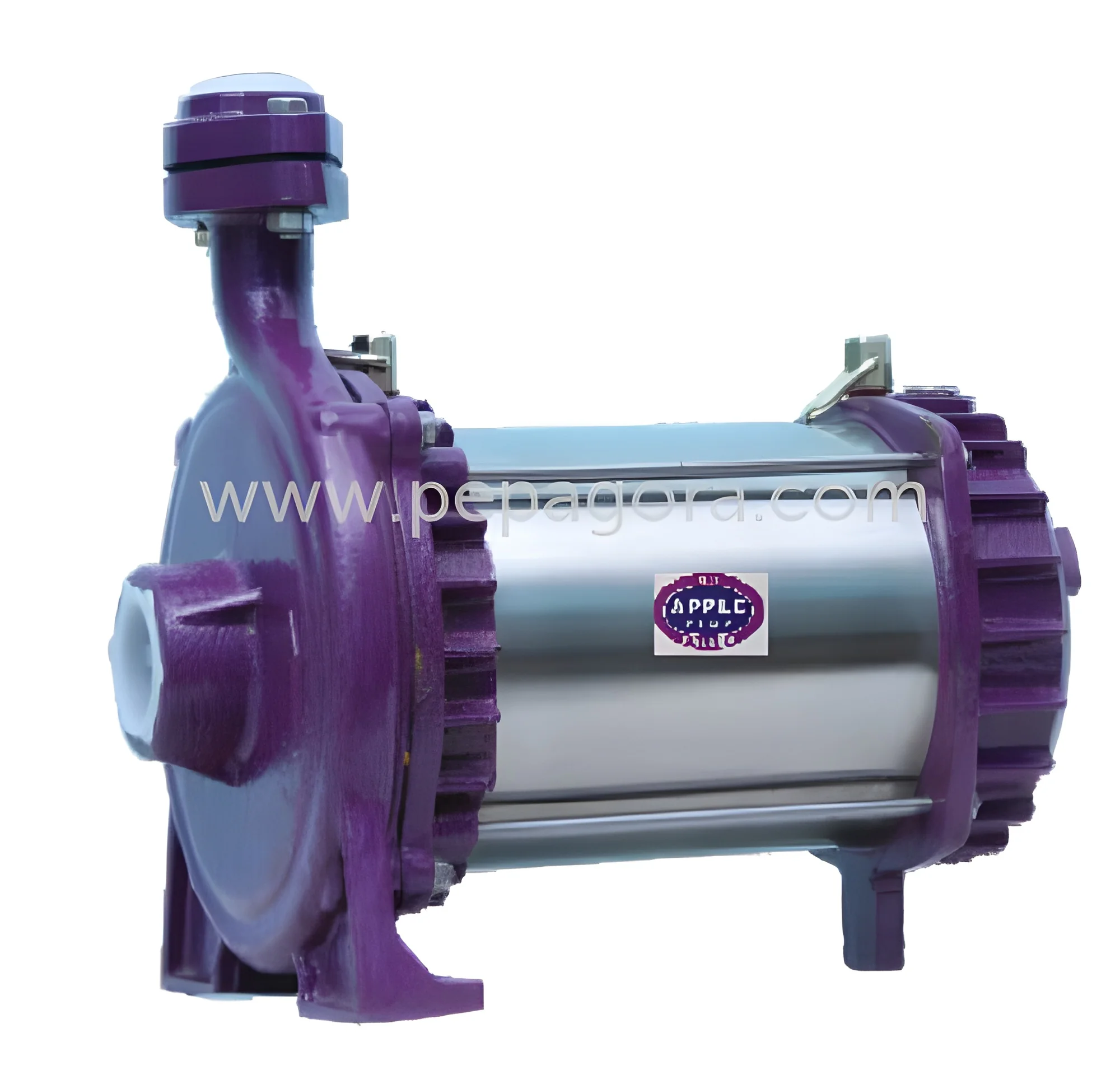
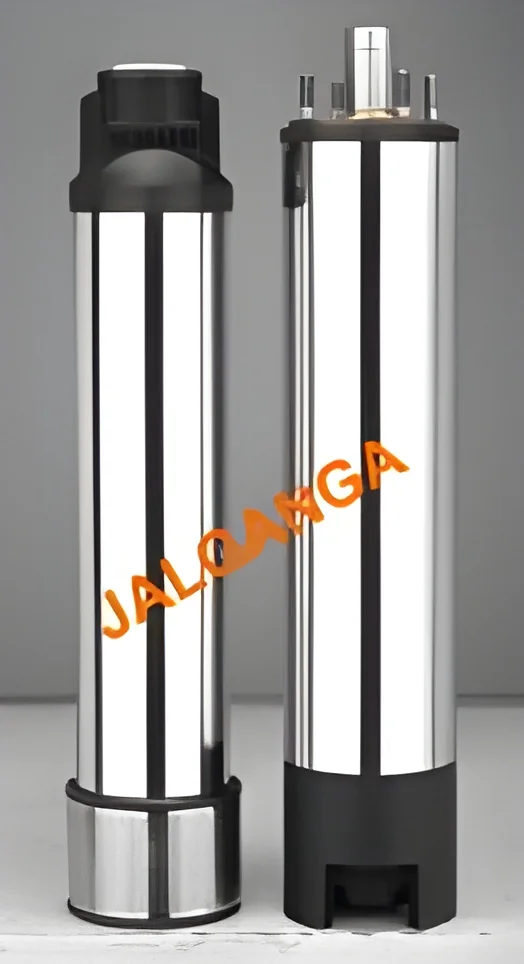
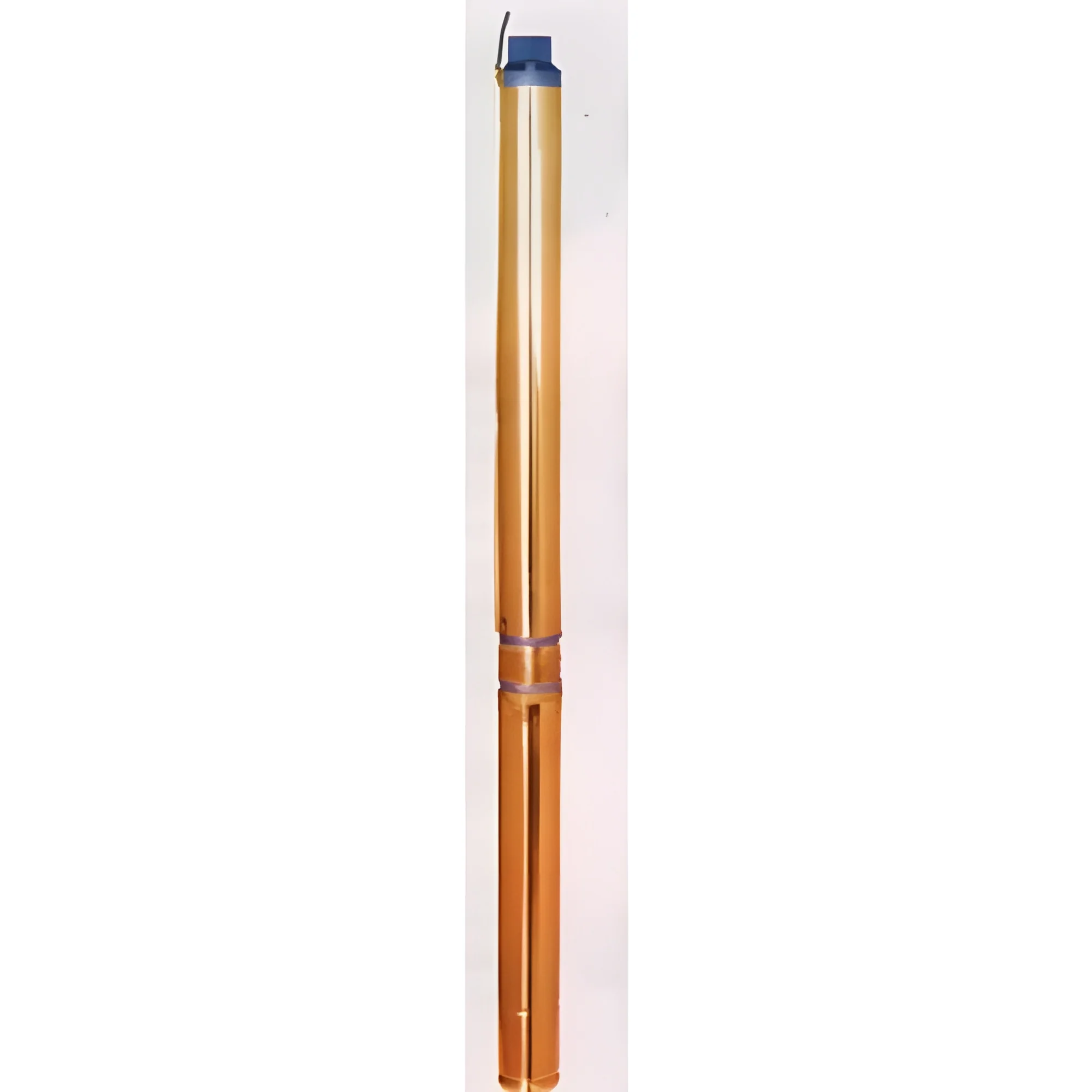
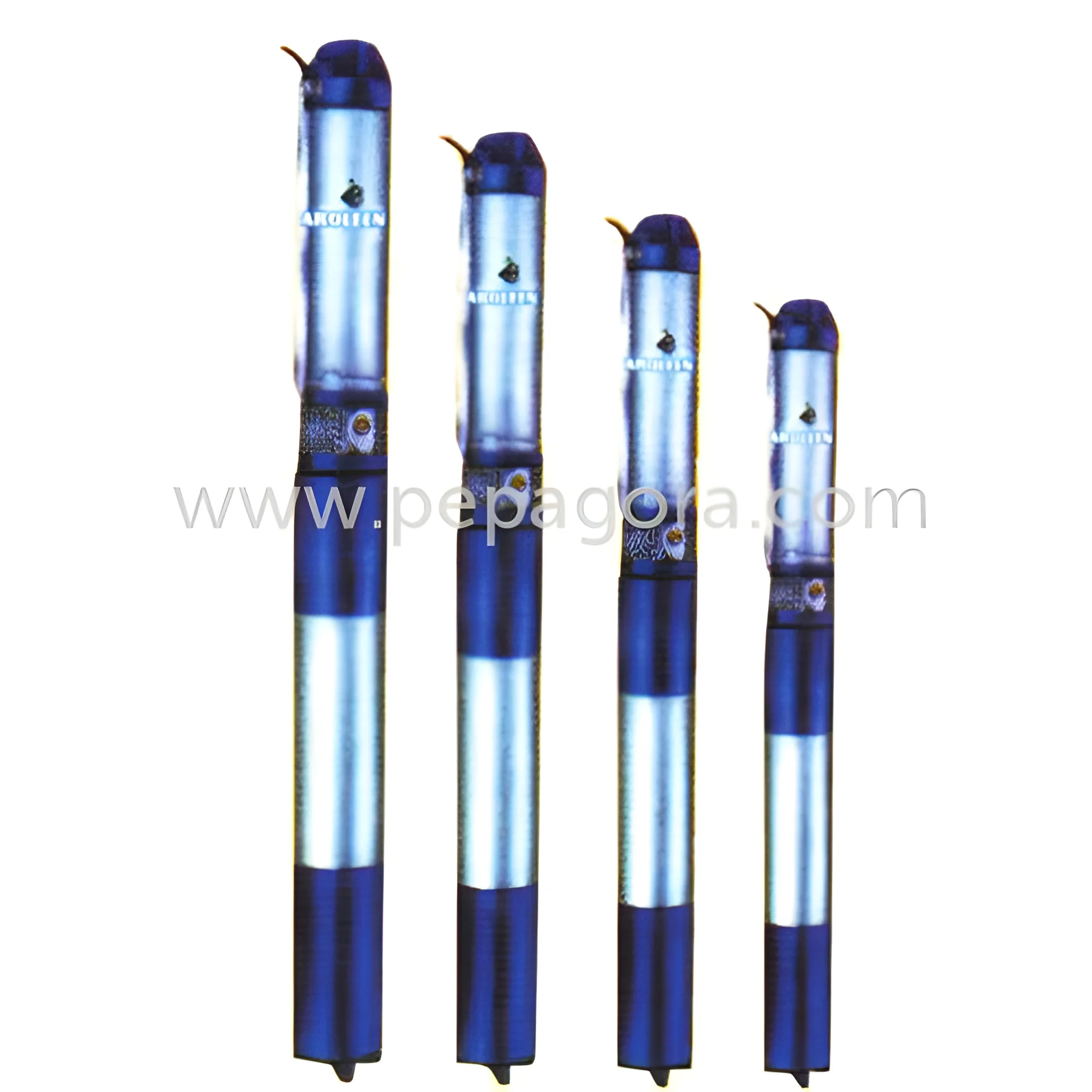
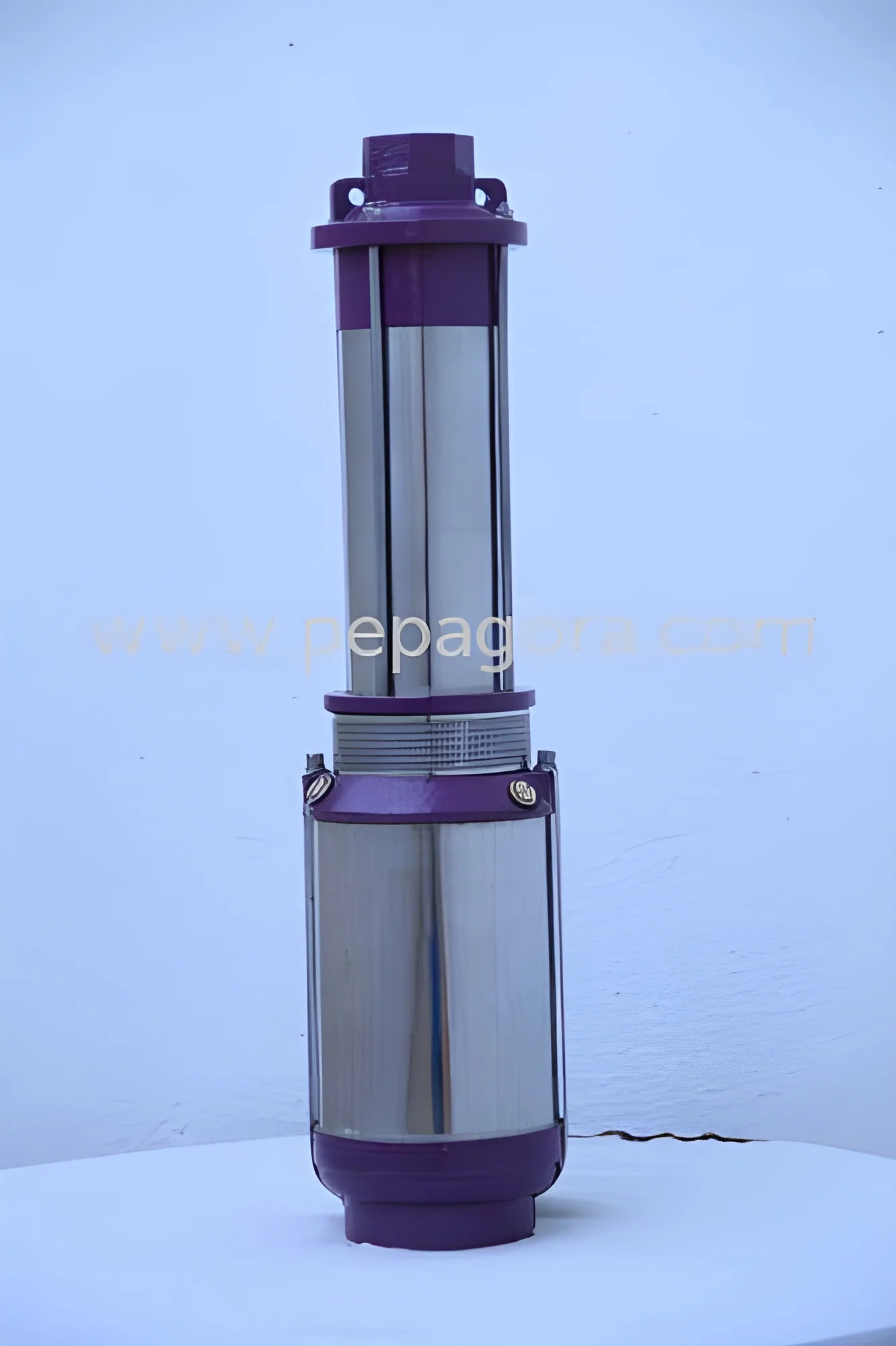
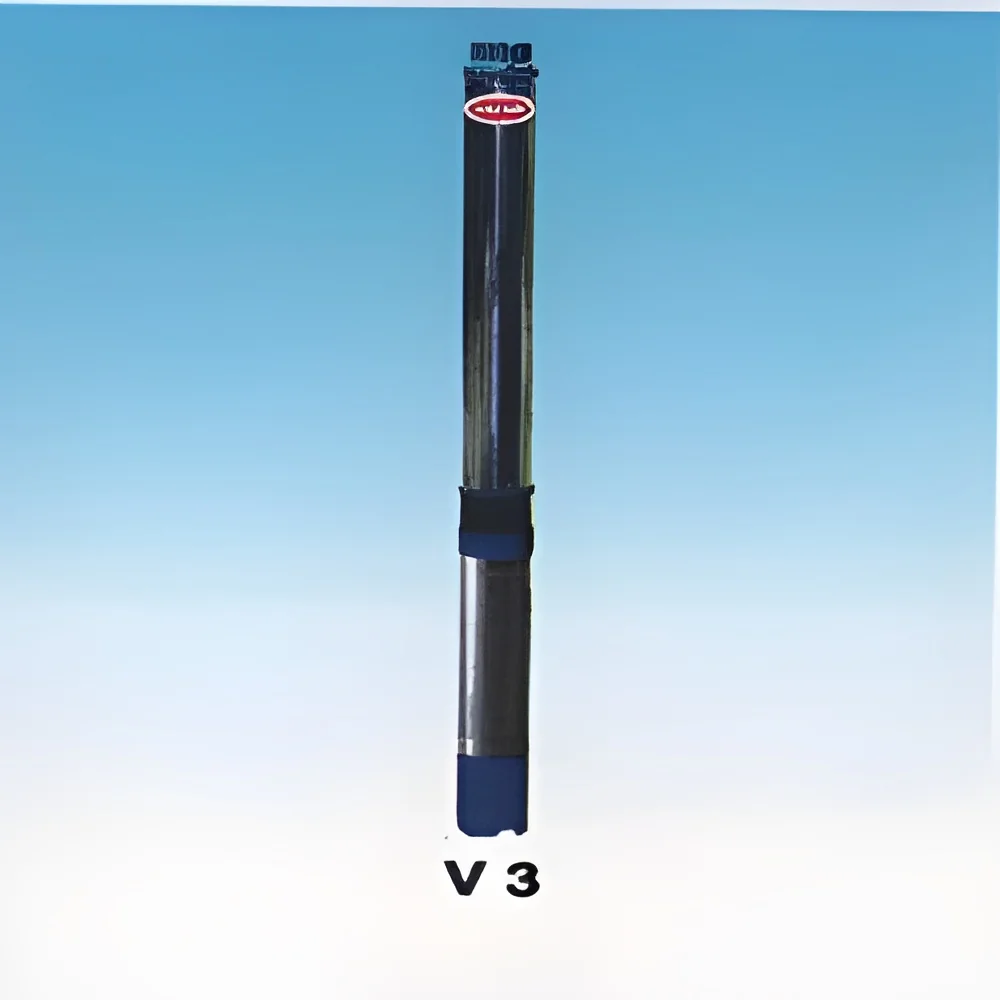
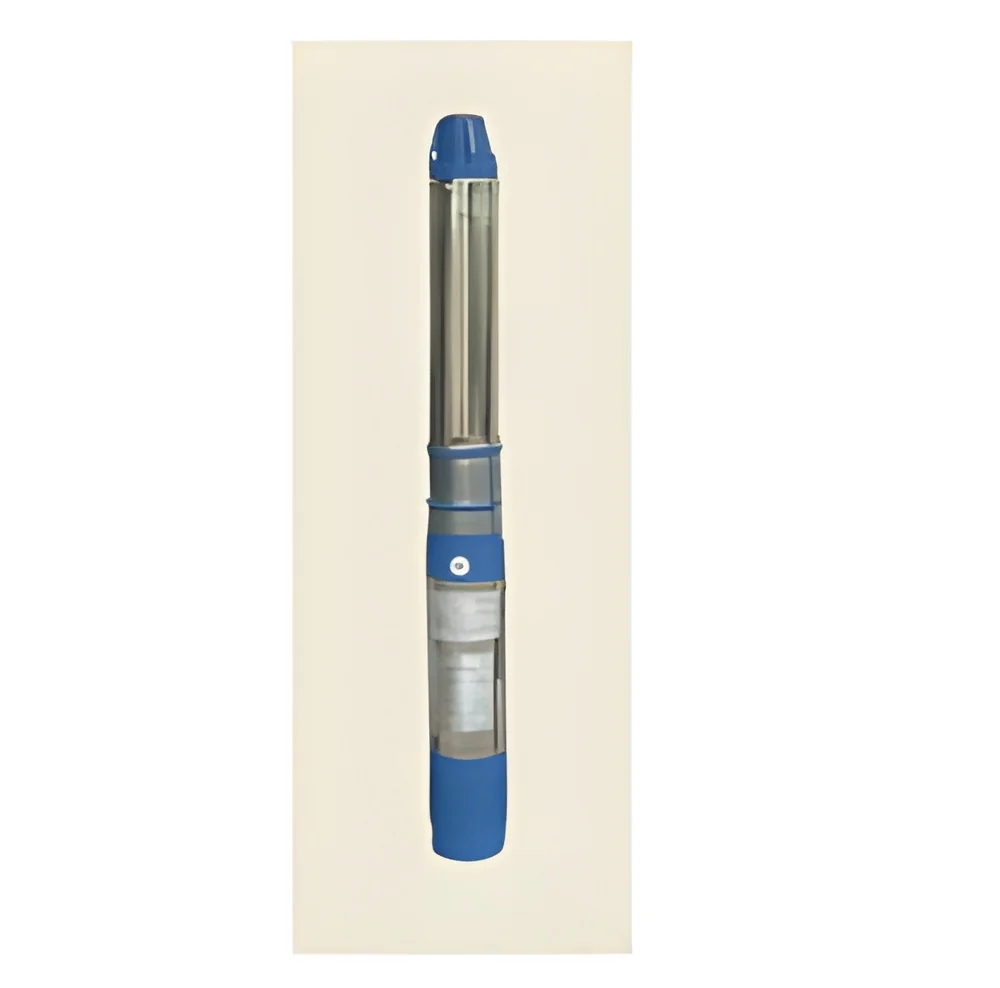
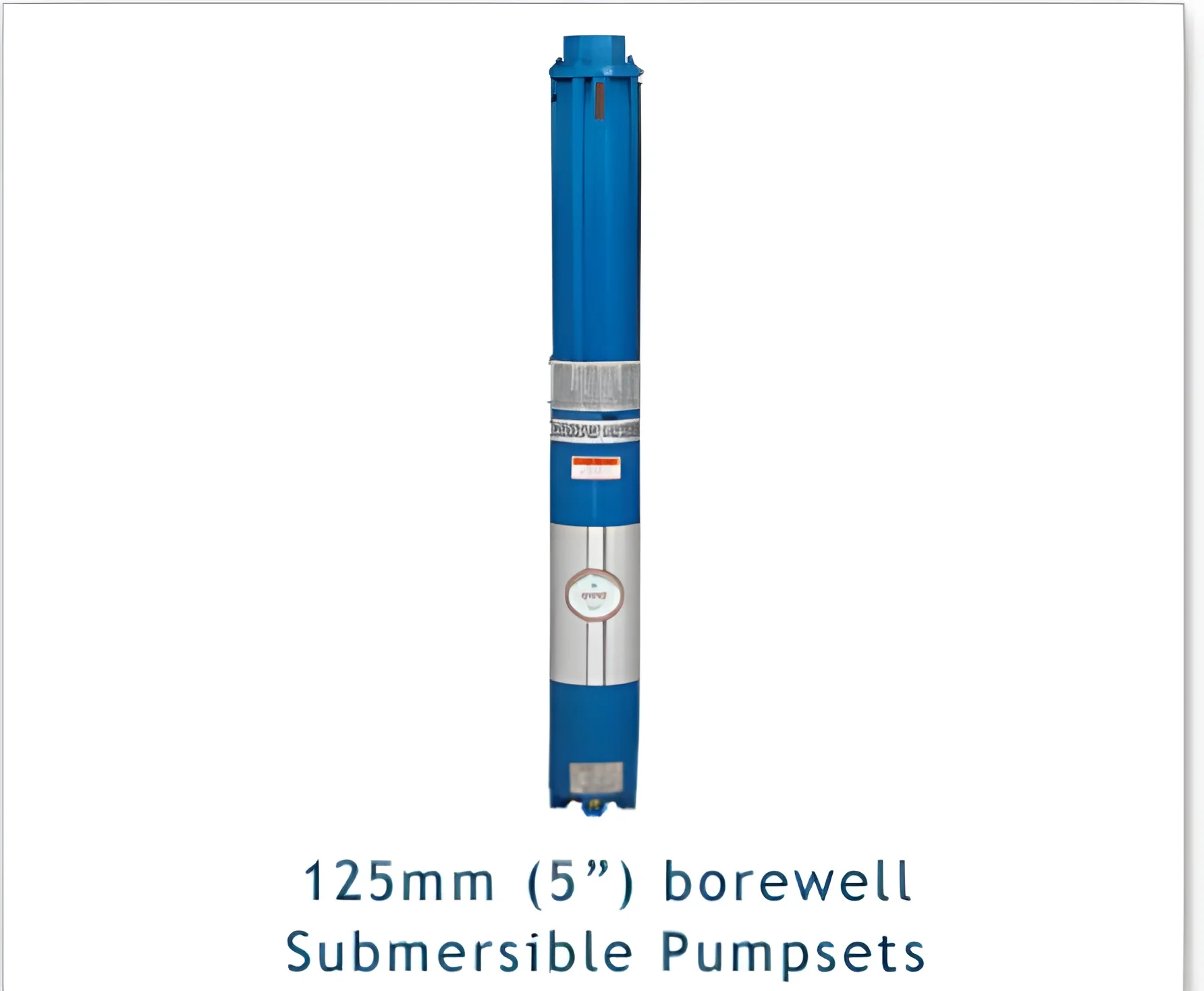
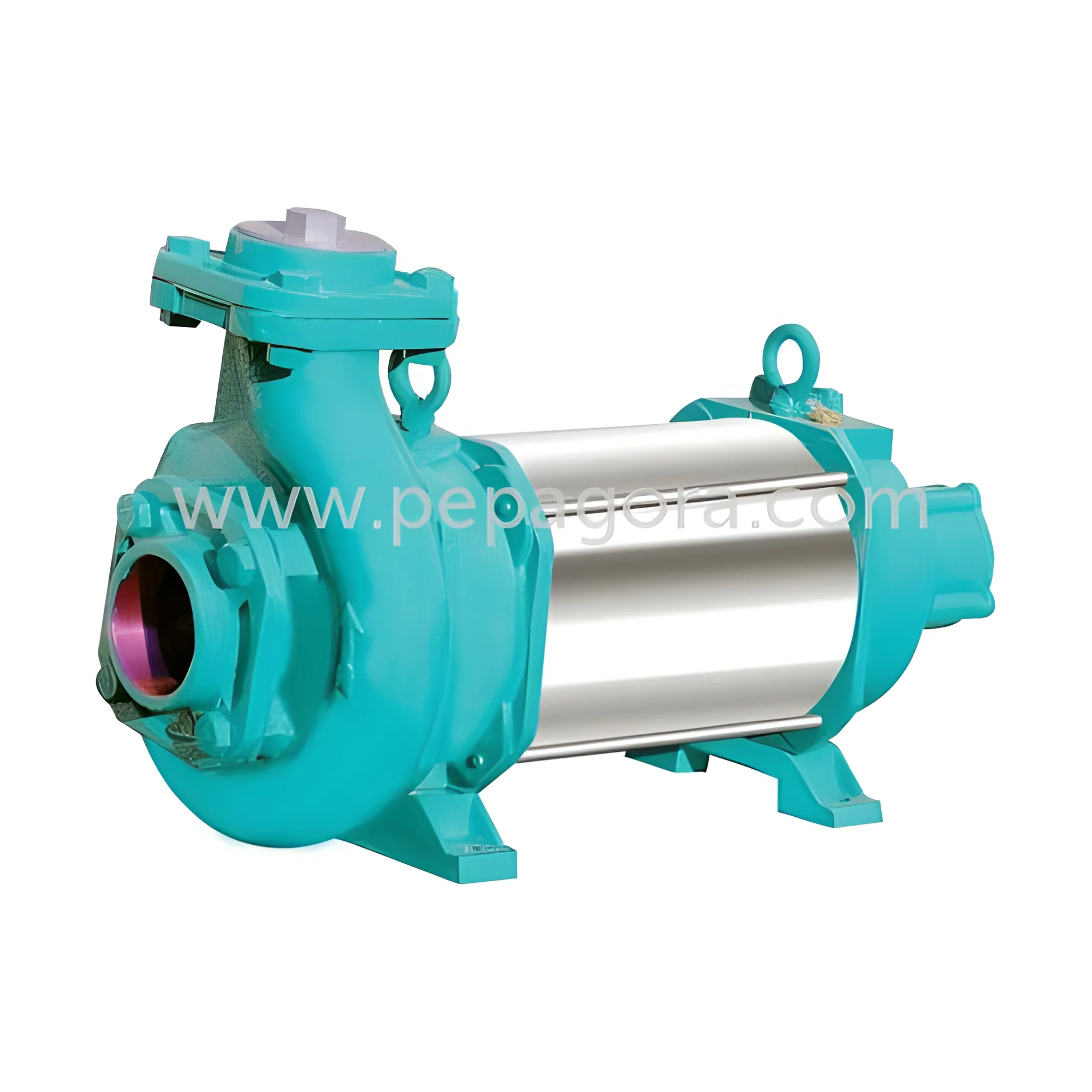
<p>Submersible Pumps are a type of pump designed to be submerged in the fluid they are meant to pump. They are used in various applications, including water extraction from wells, sewage pumping, and industrial applications. The design allows for efficient operation by pushing fluid to the surface rather than pulling it, which makes them suitable for deep well pumping.</p>
What are the different types of Submersible Pumps?
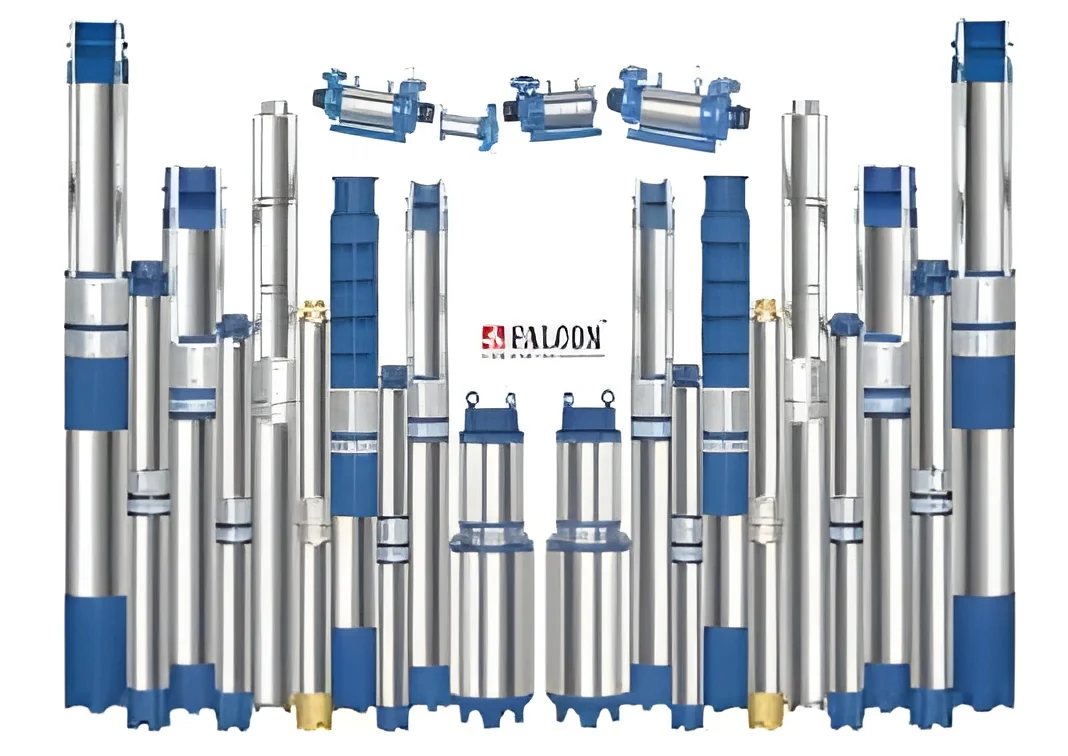
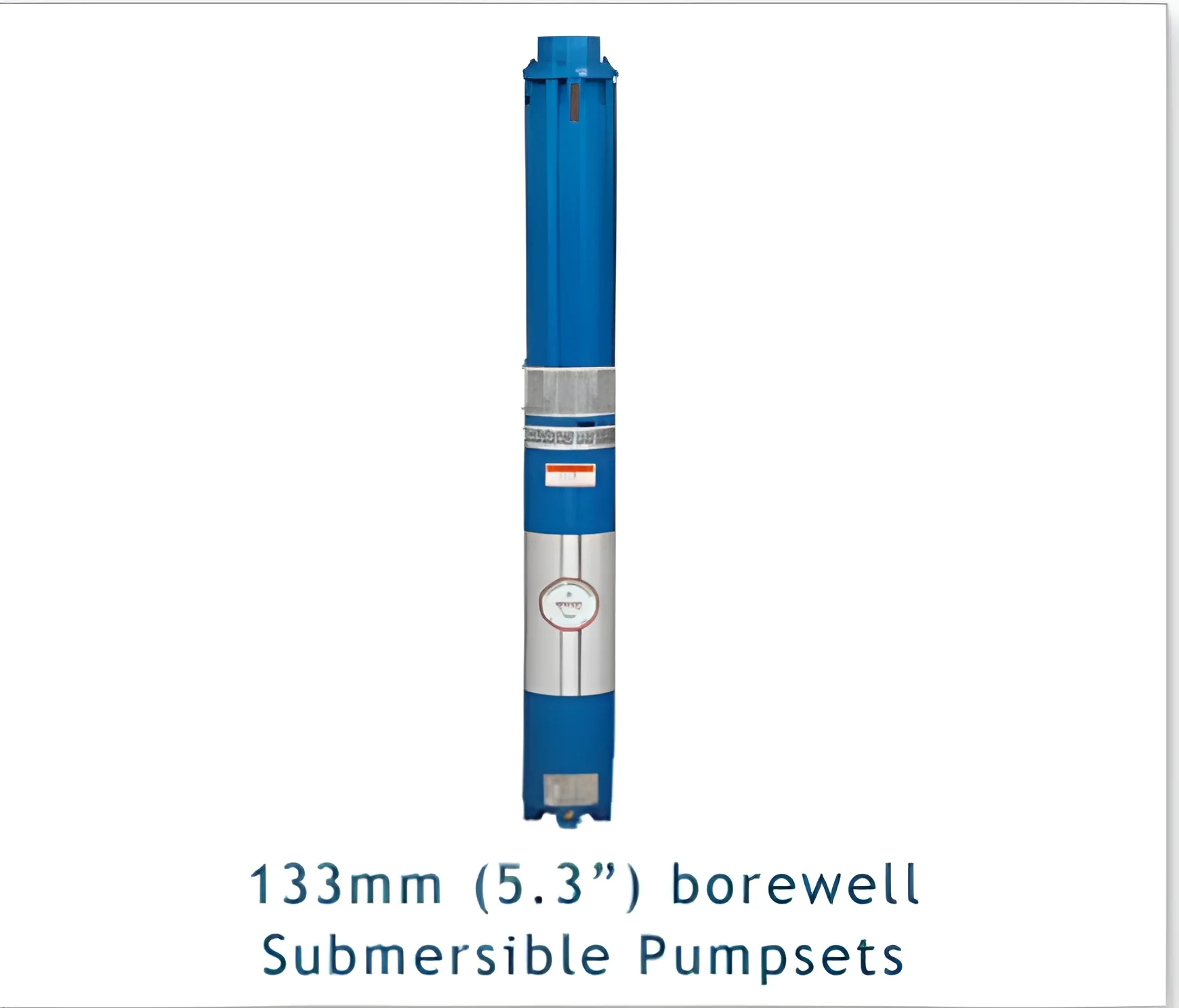
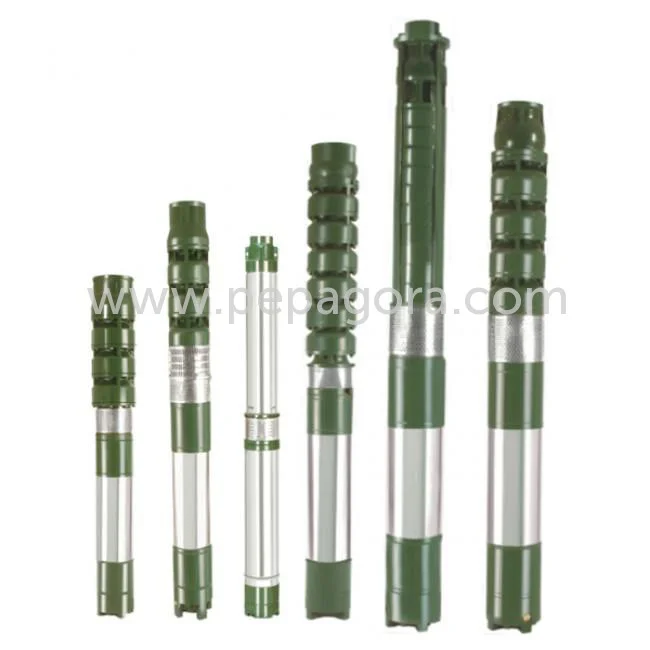
<p>There are several types of Submersible Pumps, including borewell pumps, sewage pumps, and drainage pumps. Borewell pumps are used for deep water extraction, while sewage pumps are designed for handling wastewater. Each type is specialized for specific applications and environments.</p>
How do I choose the right Submersible Pumps?
<p>Choosing the right Submersible Pump involves considering factors such as the fluid type, required flow rate, head height, and application. It is also important to evaluate the pump's durability and efficiency. Consulting with a supplier can help you identify the most suitable pump for your specific needs.</p>
What are the standard specifications for Submersible Pumps?
<p>Standard specifications for Submersible Pumps typically include parameters such as power rating, flow rate, head height, and material construction. Other important specifications may include voltage, phase, and impeller type. It's essential to review these specifications to ensure compatibility with your application.</p>
What is the price range for Submersible Pumps?
<p>The price range for Submersible Pumps can vary widely based on factors such as type, size, and brand. Basic models may start around INR 5,000, while more advanced or larger pumps can exceed INR 50,000. It is advisable to compare options from various suppliers to find the best fit for your budget.</p>
What quality standards apply to Submersible Pumps?
<p>Submersible Pumps must adhere to various quality standards, including ISI, ISO, and other industry-specific certifications. These standards ensure the pumps are safe, reliable, and efficient. Manufacturers are often required to meet these standards to guarantee product quality and performance.</p>
Where can I find Submersible Pumps suppliers in India?
<p>You can find Submersible Pumps suppliers in India through online marketplaces like Pepagora, trade shows, and industry directories. Additionally, contacting local distributors or manufacturers directly can provide further options. Researching and comparing suppliers can help ensure quality and competitive pricing.</p>
Can Submersible Pumps be customized?
<p>Yes, Submersible Pumps can often be customized to meet specific requirements, such as size, power rating, and material. Customization may involve adjustments in design or additional features tailored to particular applications. Discussing your needs with a manufacturer can provide insights into available customization options.</p>
What is the typical minimum order quantity for Submersible Pumps?
<p>The typical minimum order quantity (MOQ) for Submersible Pumps varies among manufacturers but often ranges from 5 to 10 units. Some suppliers may have flexible MOQs based on the customer's needs. It is advisable to check with the supplier for their specific MOQ requirements.</p>
What is the typical lead time for Submersible Pumps?
<p>The typical lead time for Submersible Pumps can range from 2 to 6 weeks, depending on the supplier and the complexity of the order. Custom orders may take longer due to additional manufacturing processes. It is recommended to confirm lead times when placing an order to ensure timely delivery.</p>
Why Businesses Trust Pepagora
Thousands of companies trust Pepagora to source smarter and sell faster
Expand Your Sales Globally

Source Smarter,Grow Faster
