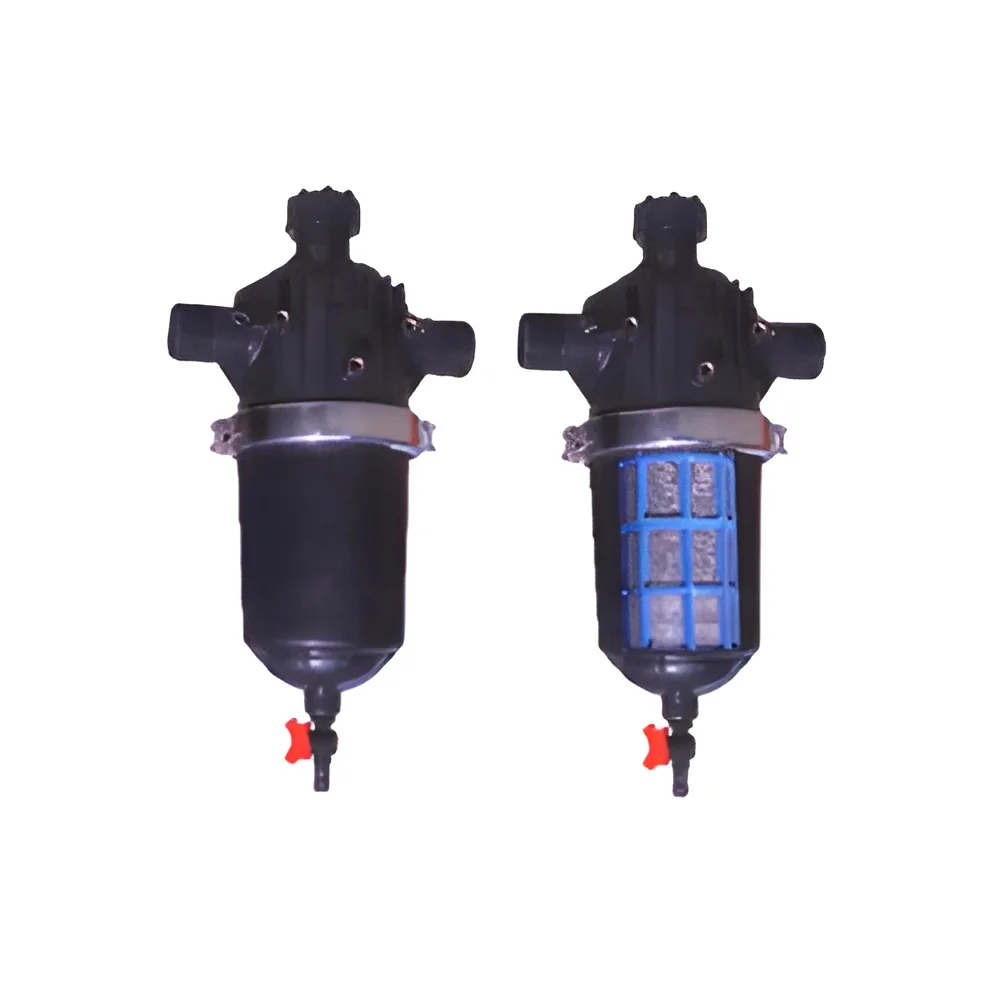
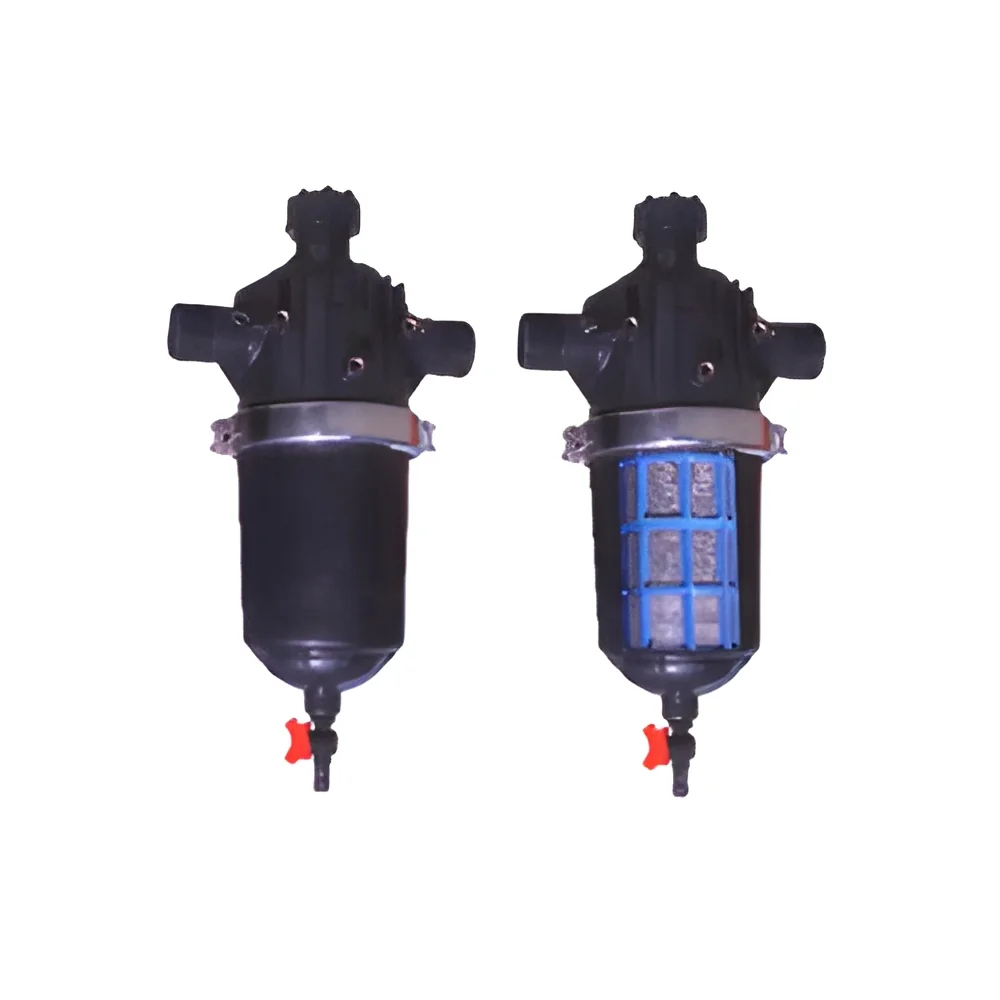
What are Drip Irrigation Filters?
Drip irrigation filters are essential components in drip irrigation systems, designed to remove impurities and contaminants from water before it reaches the plants. These filters ensure that the water delivered through the drip lines is clean, which is crucial for maintaining the efficiency and longevity of the irrigation system. By preventing clogging of emitters and maintaining optimal water flow, drip irrigation filters play a vital role in the overall effectiveness of irrigation systems.
The primary use of drip irrigation filters is in agricultural settings, where they are employed to support the efficient use of water in crop production. They are particularly valuable in regions where water quality may be compromised due to sediment or organic matter. Beyond agriculture, these filters find applications in landscaping and horticulture, offering reliable solutions for maintaining healthy plants. As the demand for sustainable farming practices grows, the relevance of drip irrigation filters continues to expand within the agricultural and landscaping markets.
In the current industry context, the adoption of drip irrigation filters aligns with the global emphasis on water conservation and efficient resource management. As businesses seek to optimize their irrigation practices, the market for these filters is projected to grow. Understanding the critical role that these filters play can help businesses make informed decisions regarding their irrigation systems.
Key Features and Specifications
Drip irrigation filters offer a variety of features that enhance their performance and usability. These specifications are crucial for ensuring that the filters meet the specific needs of different agricultural and landscaping applications.
Key specifications include:
1. Filtration Type
- Common types include screen, disc, and sand filters.
- Each type has varying levels of filtration efficiency.
2. Filtration Rating
- Typically ranges from 100 to 200 mesh.
- Determines the size of particles that the filter can effectively remove.
3. Flow Rate
- Varies based on the filter size and type.
- Important for matching the filter to the irrigation system's requirements.
4. Operating Pressure
- Standard operating pressure is generally between 1 to 5 bar.
- Ensures optimal performance and durability.
5. Material Construction
- Common materials include plastic and stainless steel.
- Affects the longevity and resistance of the filter to chemicals and weather.
6. Size Options
- Available in various sizes to suit different irrigation systems.
- Facilitates integration into existing setups.
7. Maintenance Frequency
- Recommended maintenance intervals may vary based on usage.
- Regular maintenance ensures consistent performance.
8. Ease of Installation
- Designed for straightforward installation in existing irrigation systems.
- Minimizes downtime during setup.
In summary, the key features and specifications of drip irrigation filters are essential considerations for optimizing irrigation systems and ensuring long-term efficiency.
Common Applications and Use Cases
Drip irrigation filters are versatile and have applications across various industries, enhancing their importance in modern irrigation practices.
1. Agriculture: In crop production, these filters prevent clogging of emitters caused by soil particles and organic matter, ensuring consistent water delivery to plants.
2. Horticulture: Used in nurseries and greenhouses, drip irrigation filters help maintain optimal moisture levels for delicate plants and seedlings.
3. Landscape Irrigation: They are employed in residential and commercial landscaping projects to ensure that water reaches the root zones of trees and shrubs without interruption.
4. Turf Management: In sports fields and golf courses, filters help maintain healthy grass by providing clean water for irrigation systems.
5. Green Roofs: In urban settings, drip irrigation filters support the irrigation of green roofs, promoting biodiversity and reducing urban heat.
6. Hydroponics: These filters are crucial in hydroponic systems where water quality directly impacts plant growth.
7. Aquaculture: In fish farming, drip irrigation filters help maintain water quality by filtering out debris and contaminants.
Product Variants and Subcategories
Drip irrigation filters come in various forms, each designed to meet specific needs and applications.
Screen Filters
Screen filters are designed with a mesh that captures particulates and debris. They are easy to maintain and are suitable for most agricultural applications where water quality is a concern.
Disc Filters
Disc filters consist of multiple discs stacked together, creating a larger surface area for filtration. They are effective in removing fine particles and are often used in systems with high sediment levels.
Sand Filters
Sand filters use layers of sand to filter out larger debris and are ideal for applications with significant particle loads. They require more maintenance but provide thorough filtration.
Benefits and Advantages
Drip irrigation filters offer numerous advantages that can significantly enhance irrigation efficiency and plant health.
1. Improved Water Quality: By removing contaminants, these filters ensure that plants receive clean water, which is crucial for their growth and development.
2. Reduced Clogging: Filters prevent clogging of emitters, leading to a more consistent and efficient irrigation process.
3. Cost Savings: By maintaining system efficiency and reducing maintenance needs, drip irrigation filters can lower overall operational costs.
4. Enhanced Crop Yield: With reliable water delivery, plants can thrive, potentially resulting in higher yields and better-quality produce.
5. Adaptability: Available in various types and sizes, these filters can be easily integrated into existing irrigation systems.
6. Sustainable Practices: Using drip irrigation filters supports water conservation efforts, aligning with global sustainability goals.
Buying Guide for B2B Buyers
When sourcing drip irrigation filters, it is essential to consider several key factors to ensure that you select the right products for your needs.
1. Quality Assessment: Evaluate the quality of materials and construction. Look for filters that meet industry standards for durability and performance.
2. Supplier Verification: Vet suppliers carefully to ensure they have a solid reputation and provide reliable products. Check for customer reviews and industry certifications.
3. Pricing and MOQ: Understand the price range for the filters and inquire about the minimum order quantity. This will help you budget effectively for your purchase.
4. Delivery and Lead Times: Discuss logistics with suppliers to understand delivery times. Timely delivery is crucial for maintaining your irrigation schedules.
5. Compliance Requirements: Ensure that the filters comply with relevant industry standards and regulations. This may include certifications such as CE for product safety.
Compliance and Certifications
Drip irrigation filters must meet various quality standards and certifications to ensure their reliability and safety in agricultural applications.
ISO 9001 is a widely recognized standard that ensures quality management systems are in place, which can affect the manufacturing process of drip irrigation filters.
HACCP (Hazard Analysis Critical Control Point) is another standard that may apply, particularly in food production, to ensure that irrigation systems do not introduce contaminants into the food supply.
CE certification indicates that the product meets European health, safety, and environmental protection standards, which is crucial for products used in agricultural practices.
Safety and testing requirements vary by region, and compliance with local regulations is essential for ensuring product effectiveness and consumer protection.
Regional considerations may include specific guidelines related to water quality and environmental impact, making it critical for manufacturers and suppliers to stay informed about compliance mandates.
Why Source Drip Irrigation Filters from Pepagora?
Pepagora provides a trusted platform for sourcing drip irrigation filters, offering several key advantages to B2B buyers.
Verified Supplier Network: Pepagora connects buyers with verified suppliers, ensuring that you receive high-quality products from reputable manufacturers. This reduces the risk associated with sourcing and helps maintain confidence in your procurement decisions.
Streamlined RFQ Process: The Request for Quotation (RFQ) process is designed to be straightforward, allowing buyers to easily request quotes from multiple suppliers and compare options. This saves time and enables informed decision-making.
Trade Assurance and Support: Pepagora offers trade assurance and support to protect buyers throughout the procurement process. This includes assistance with disputes and guarantees for product quality.
Regional Coverage: With a strong presence in India, the GCC, and Southeast Asia, Pepagora provides extensive geographic reach. This allows buyers to access a wide range of products and suppliers tailored to their specific regional needs.
In summary, sourcing drip irrigation filters from Pepagora presents an efficient and reliable option for businesses looking to enhance their irrigation systems.

 IN
IN