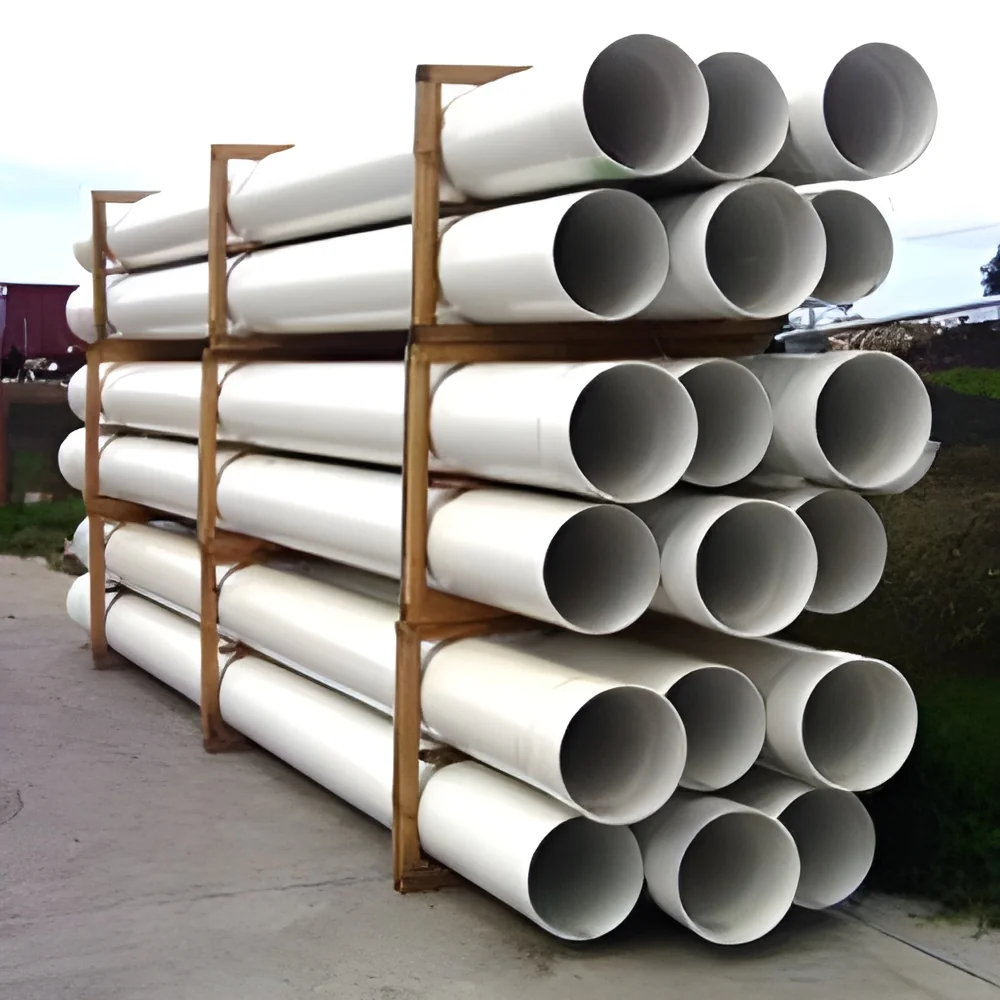
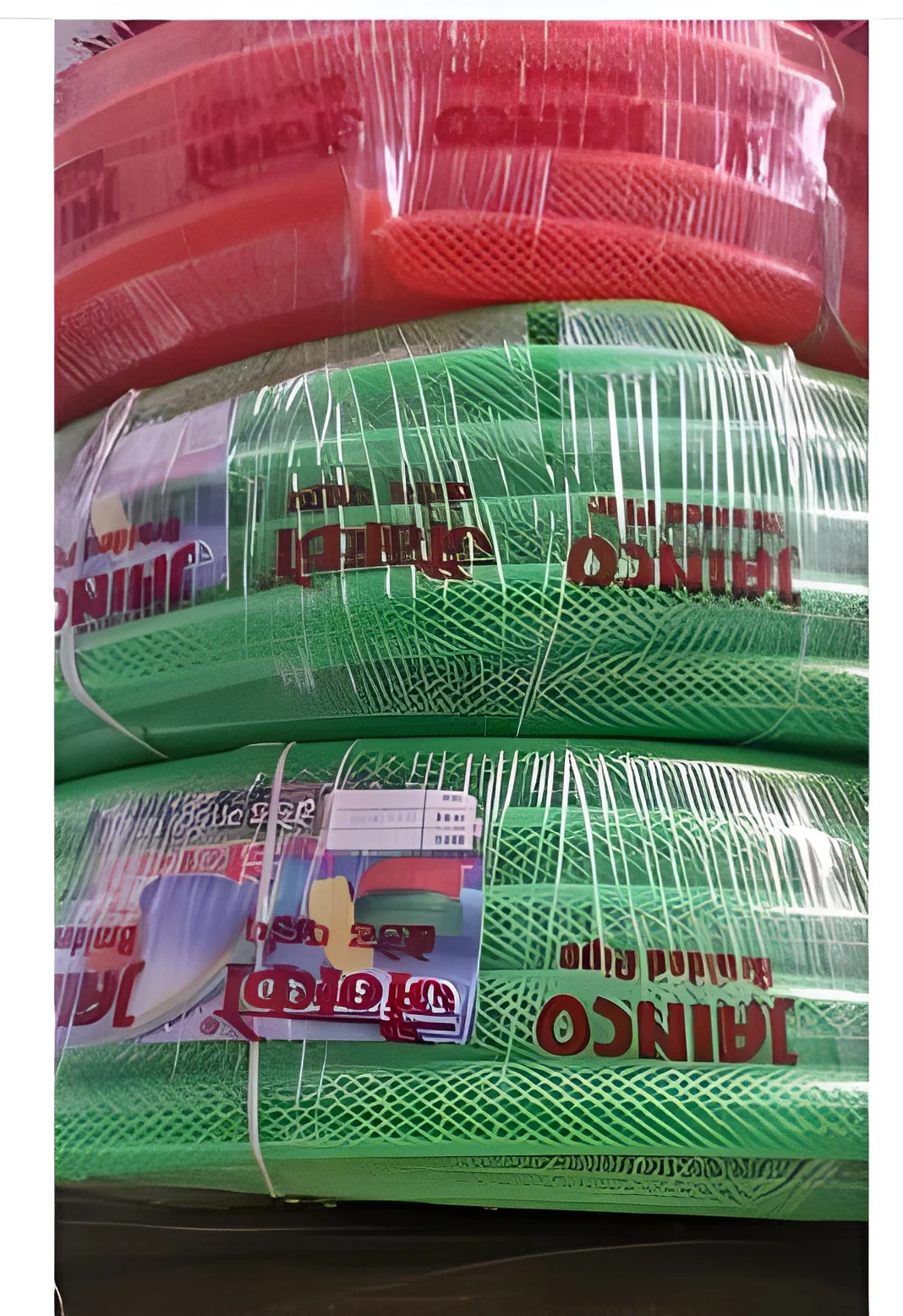
What are PVC Pipes for Irrigation?
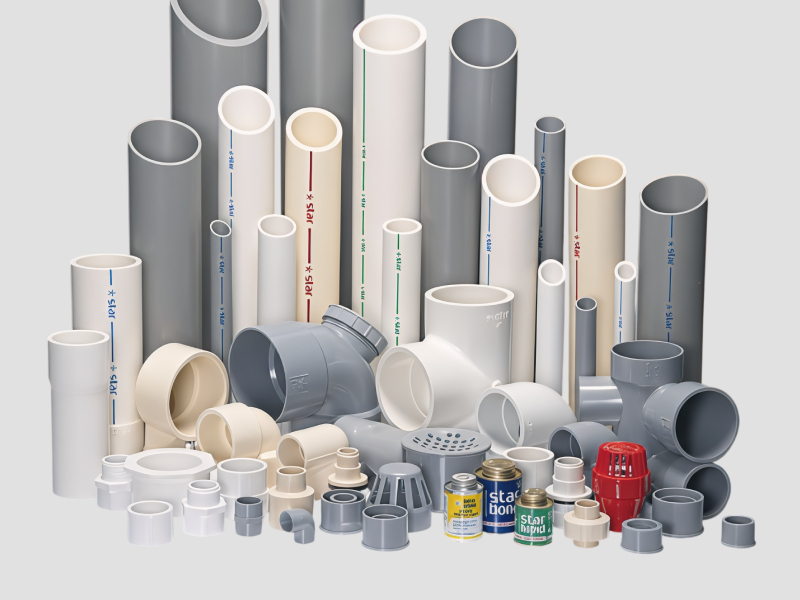
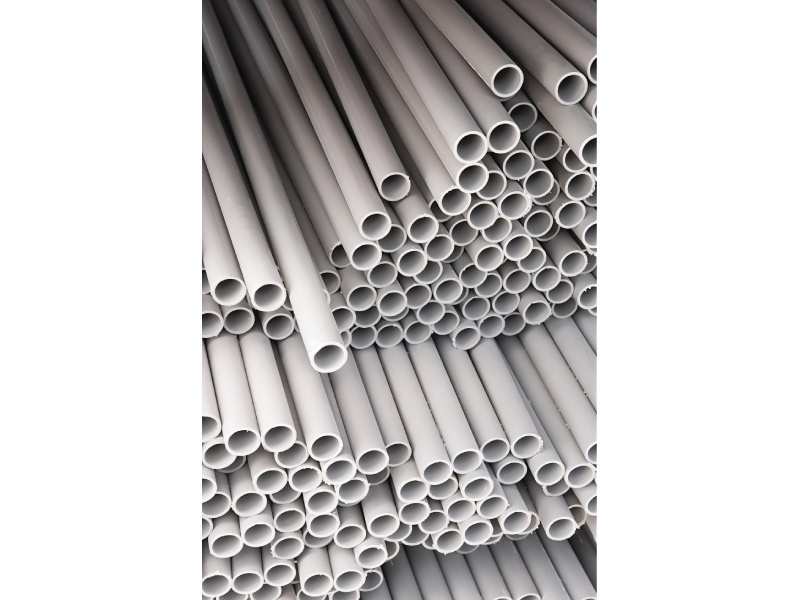
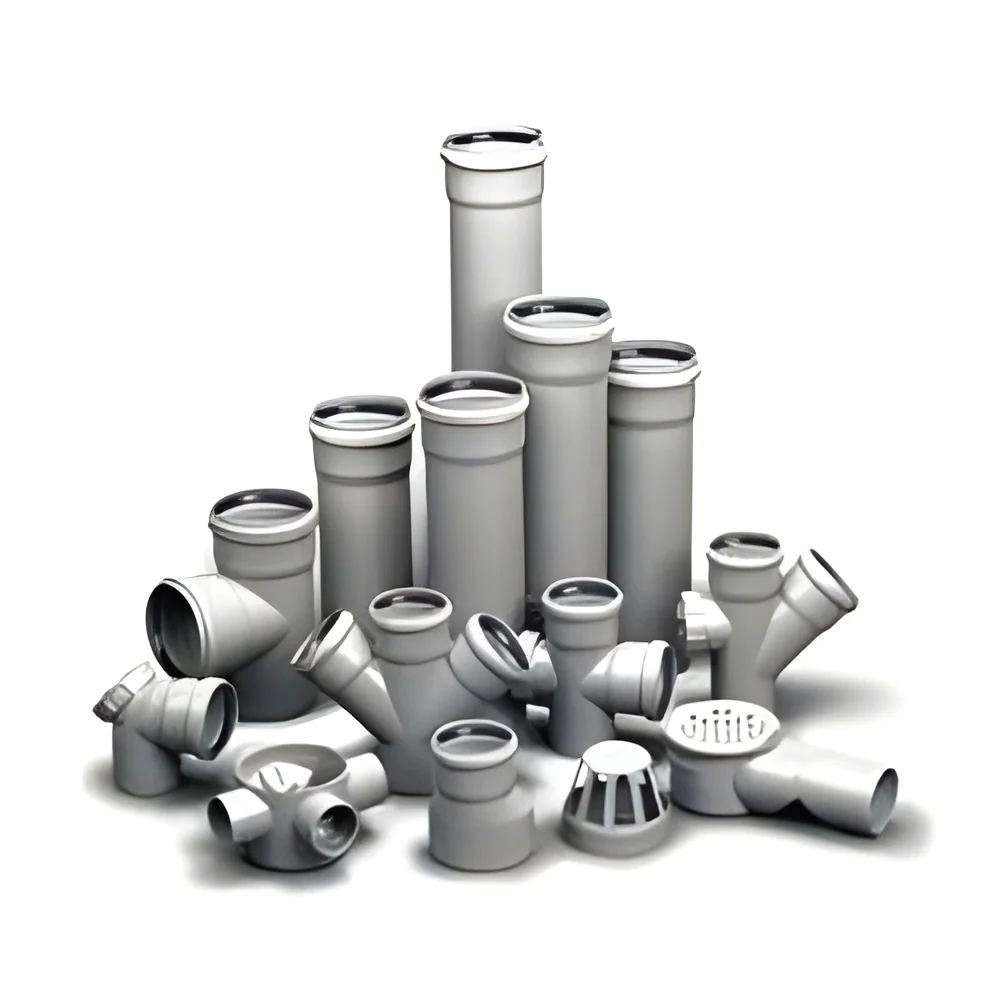
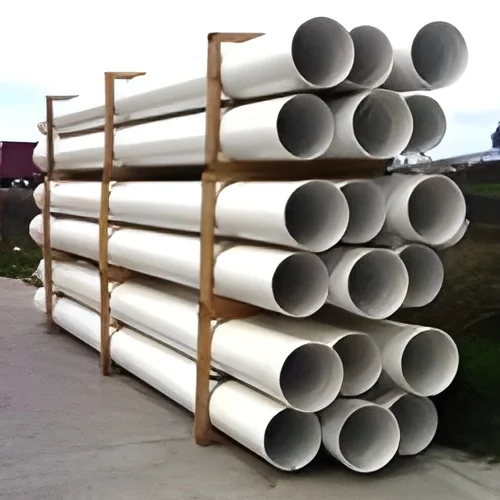
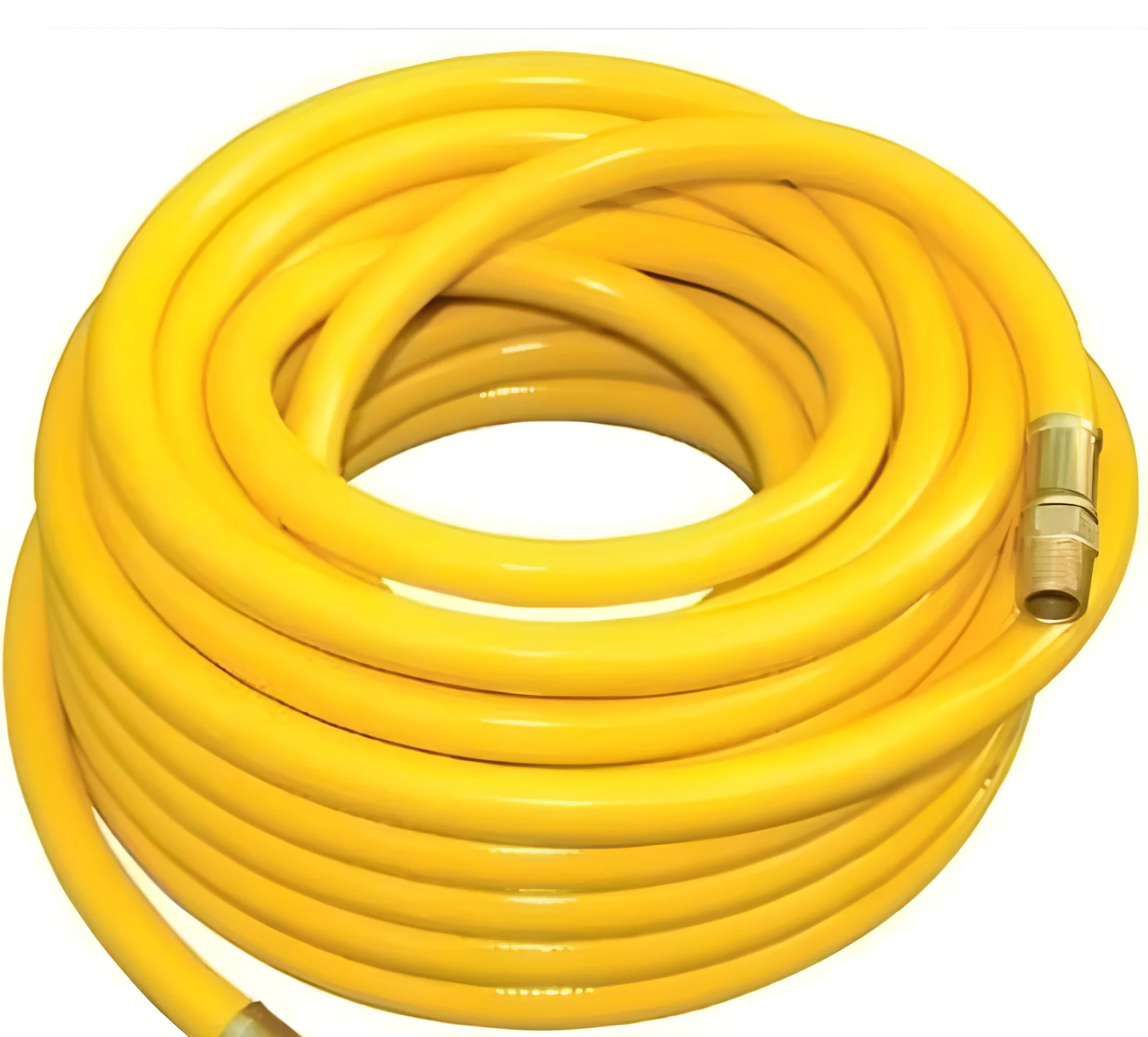
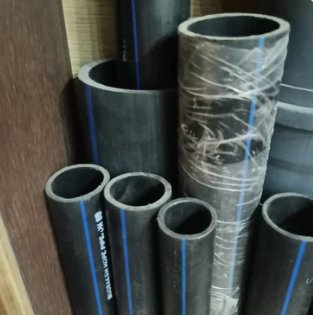
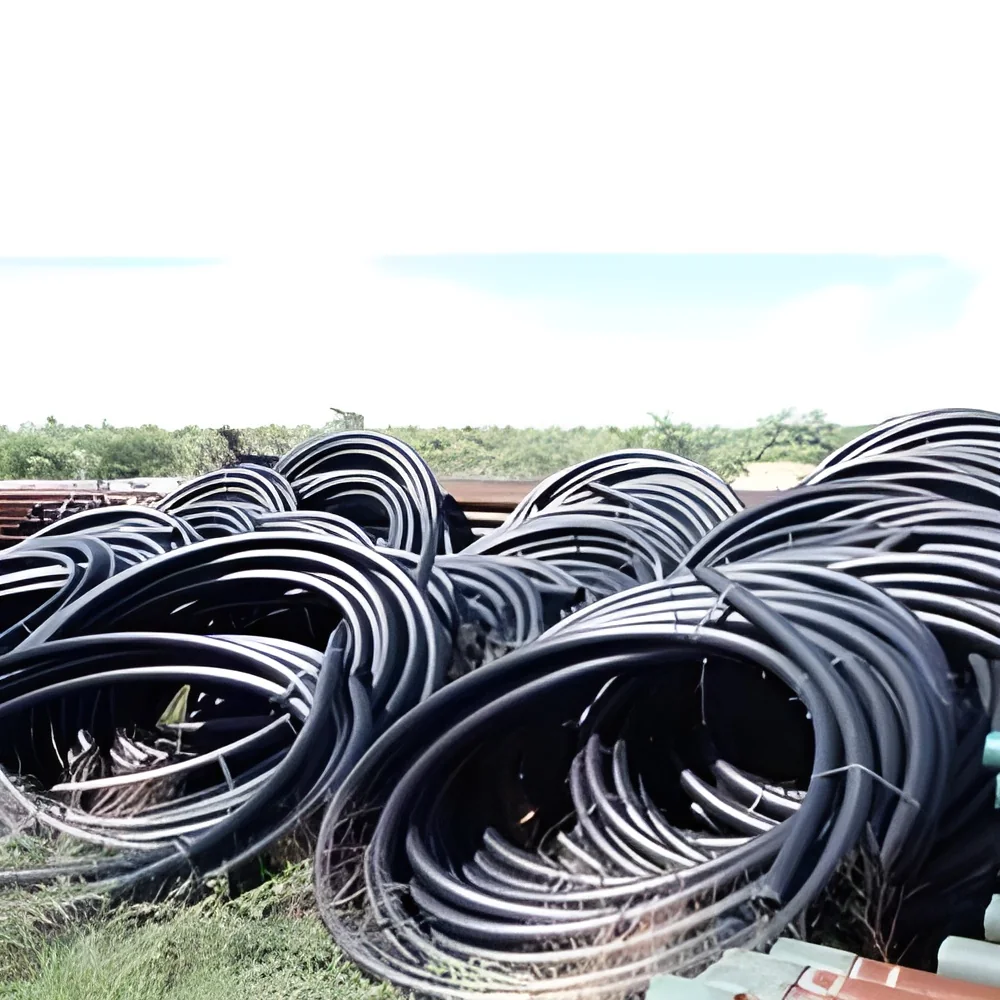
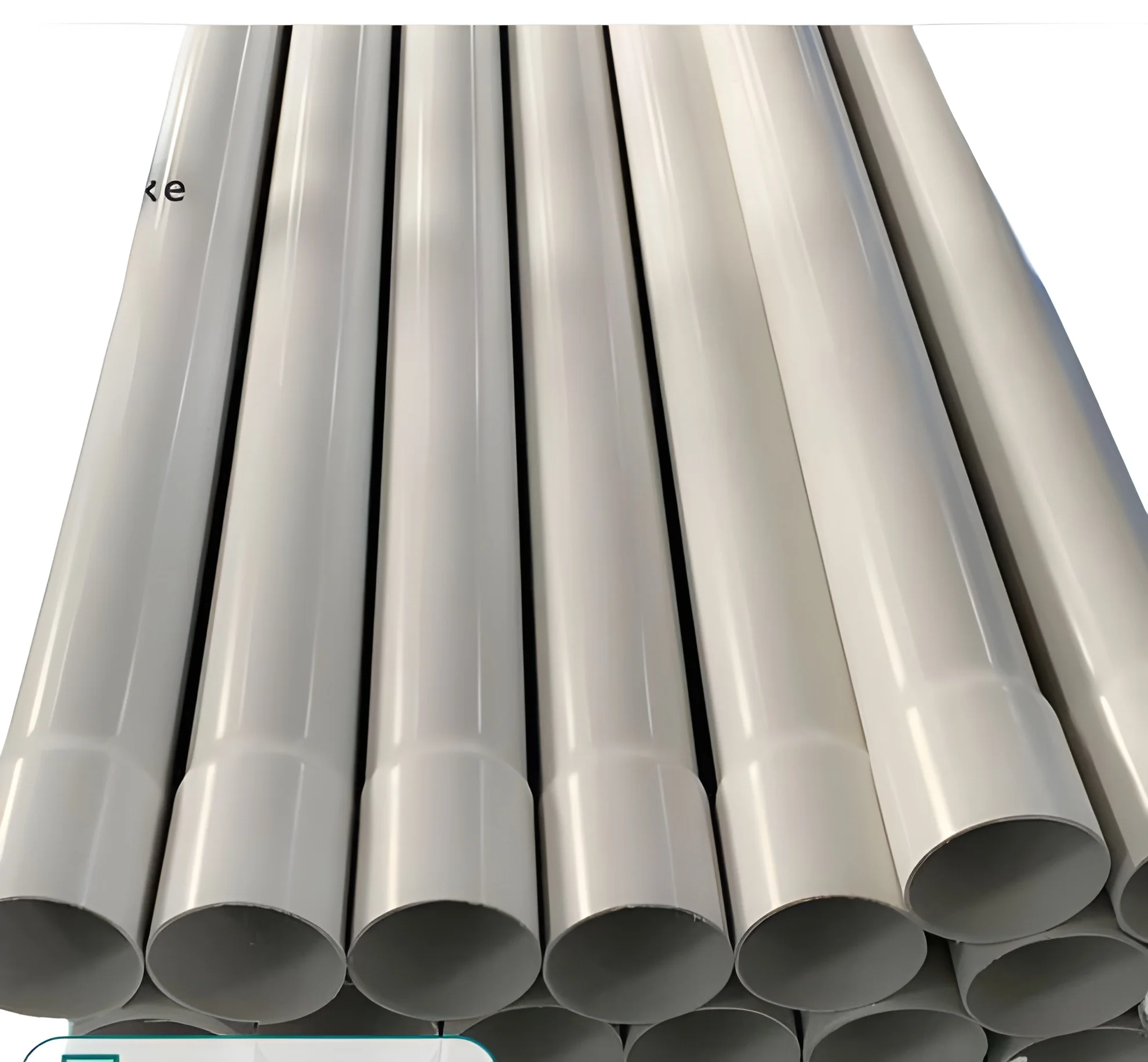
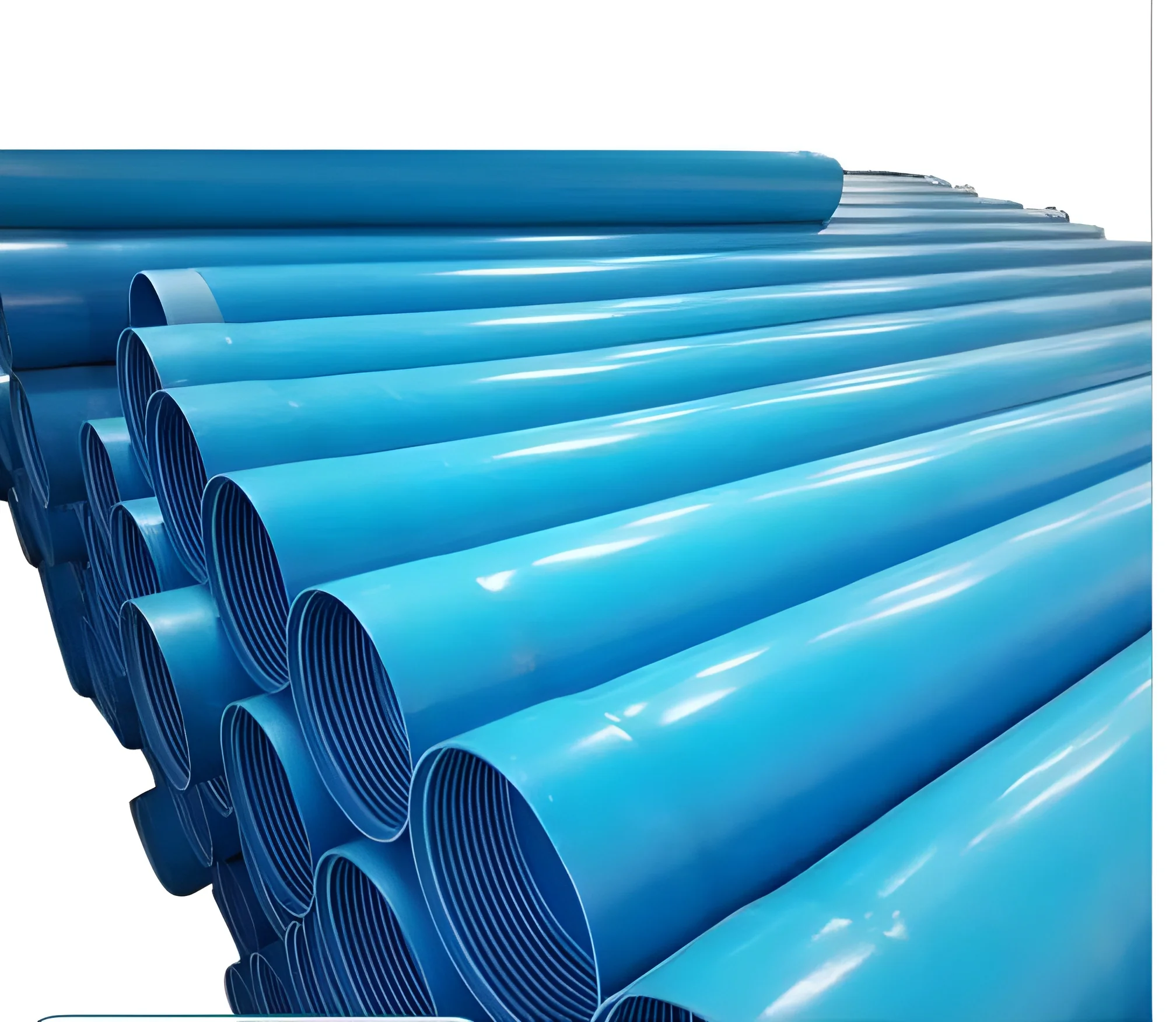
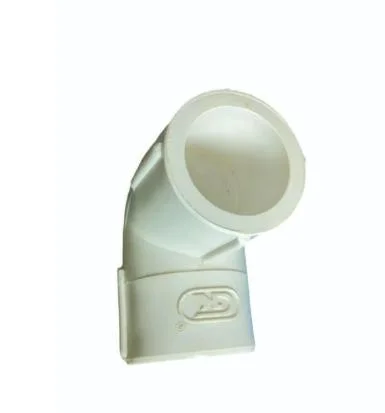
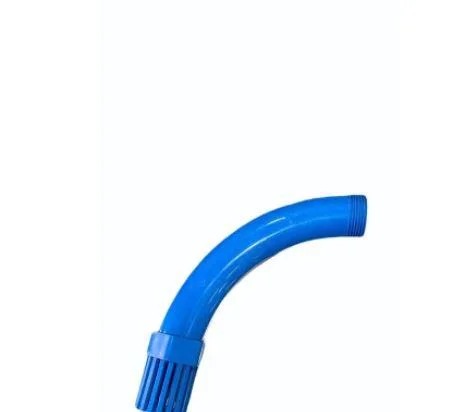
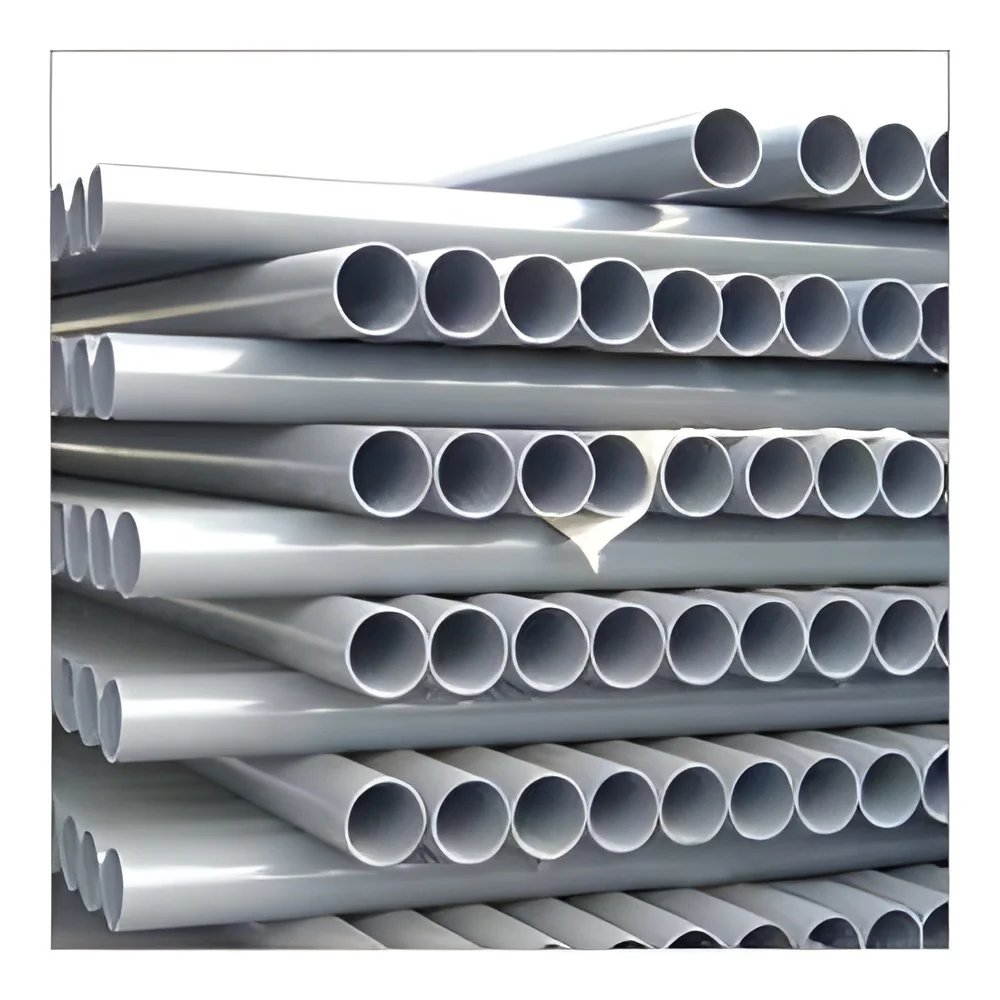
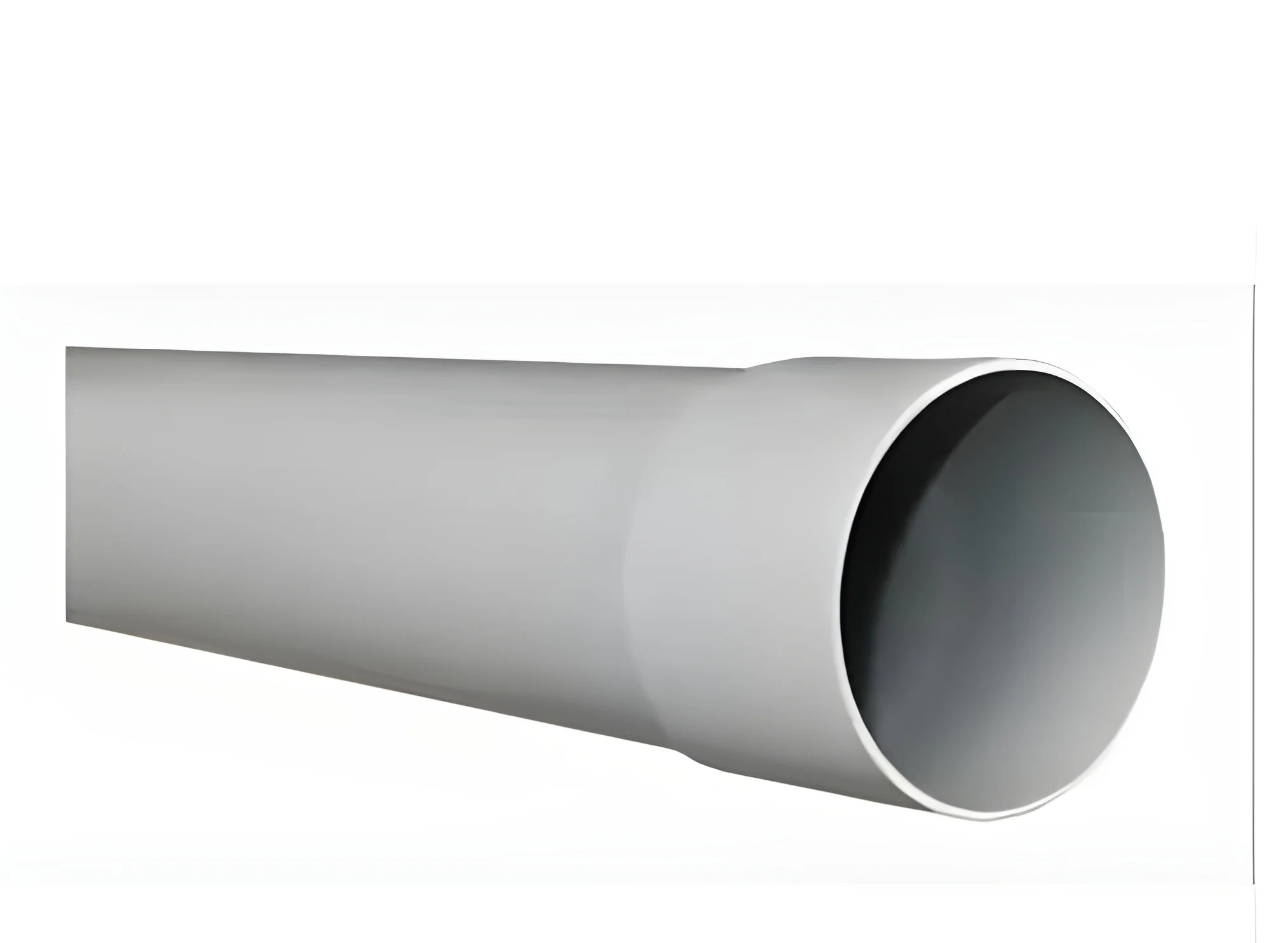
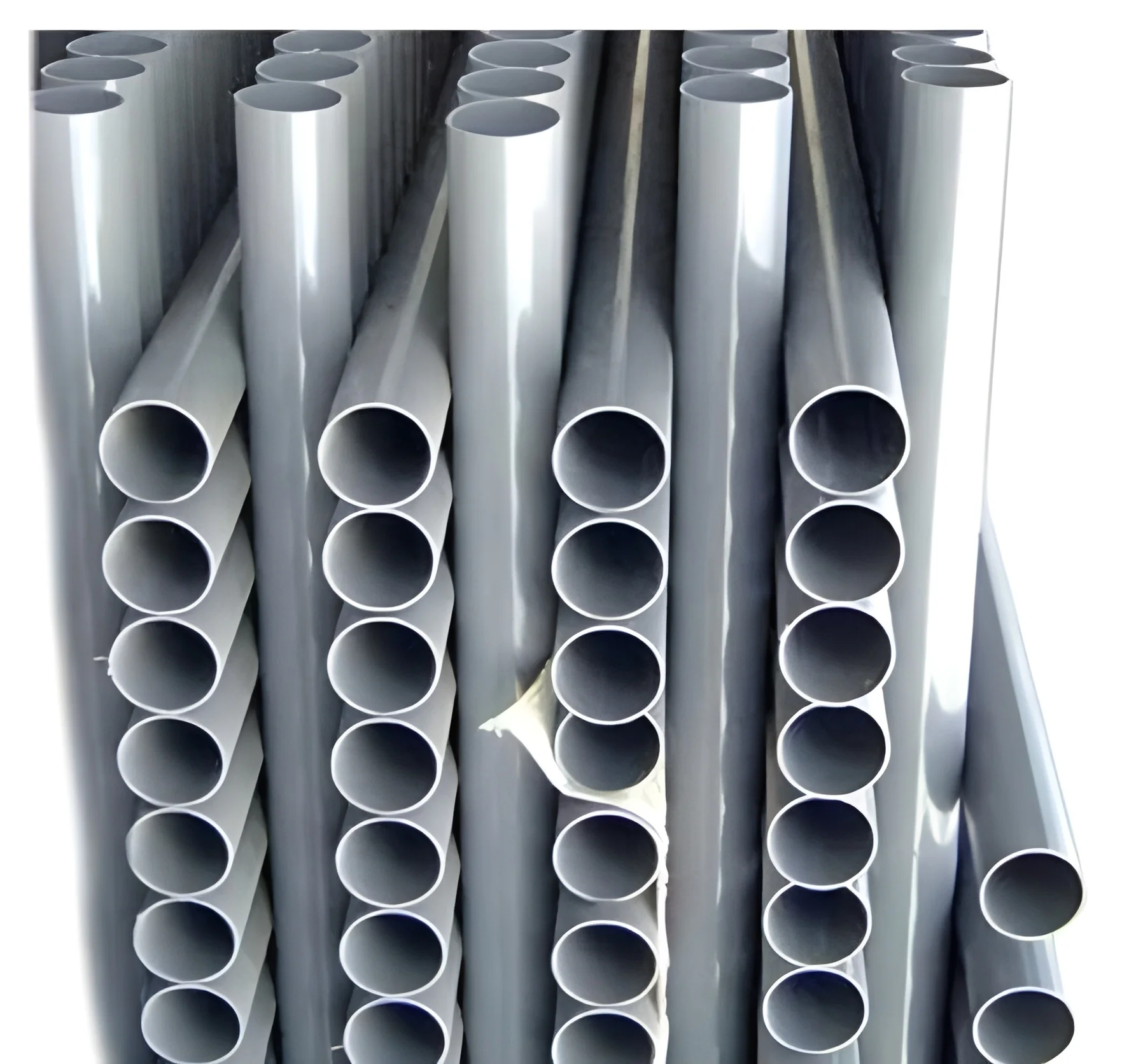
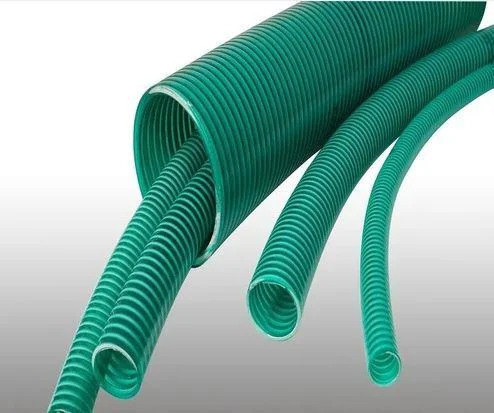
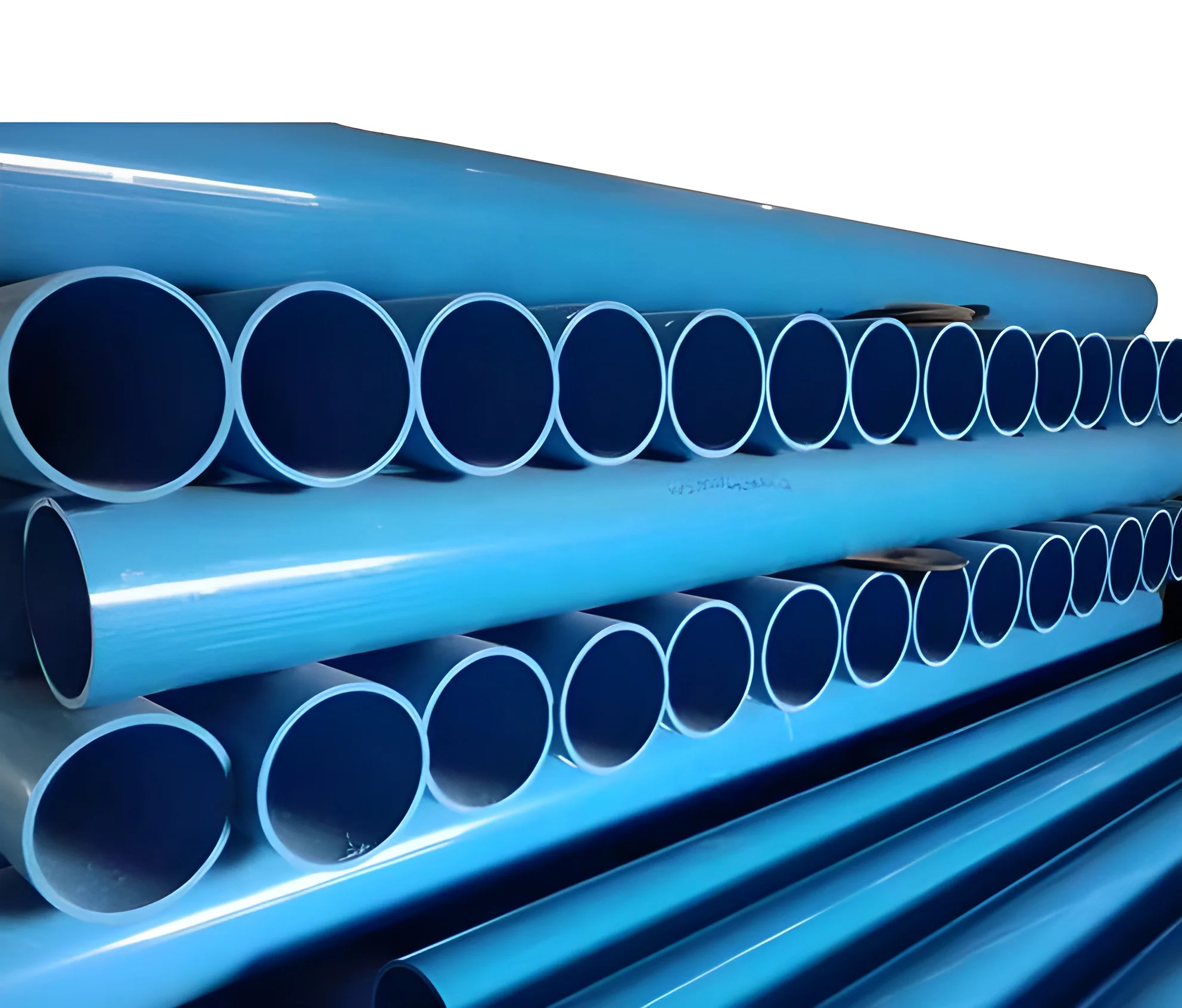
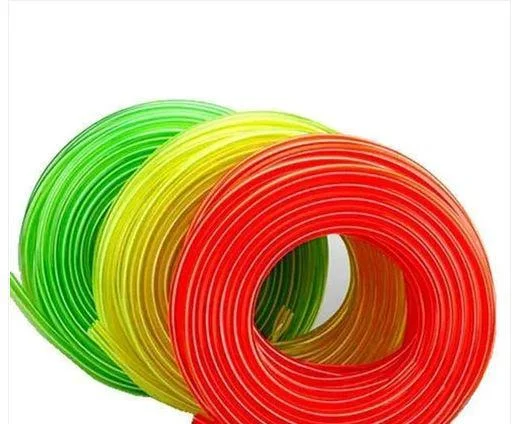
PVC pipes for irrigation are essential components used in agricultural and landscape irrigation systems. Made from polyvinyl chloride, these pipes are known for their durability, resistance to corrosion, and lightweight nature. They provide an efficient means of transporting water from a source to fields or gardens, making them a popular choice among farmers and landscapers.
These pipes are primarily used to distribute water in various irrigation systems, such as drip, sprinkler, and surface irrigation. Businesses in agriculture, landscaping, and horticulture frequently use PVC pipes to ensure optimal water delivery to crops and plants. As water scarcity becomes a growing concern globally, the demand for efficient irrigation systems, including PVC pipes, is on the rise. The market for these products continues to expand as more businesses recognize the importance of effective water management.
Key Features and Specifications
PVC pipes for irrigation come with several features that make them suitable for various applications. Their specifications ensure they can withstand the demands of agricultural environments.
Key specifications include:
1. Material Composition
- Made from high-quality polyvinyl chloride (PVC)
- Ensures durability and resistance to chemicals
2. Diameter Range
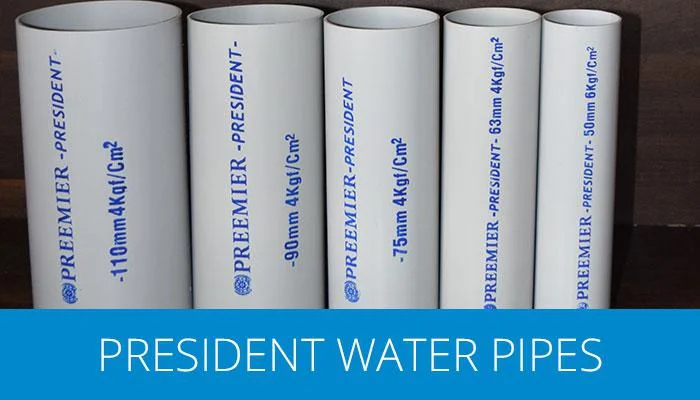
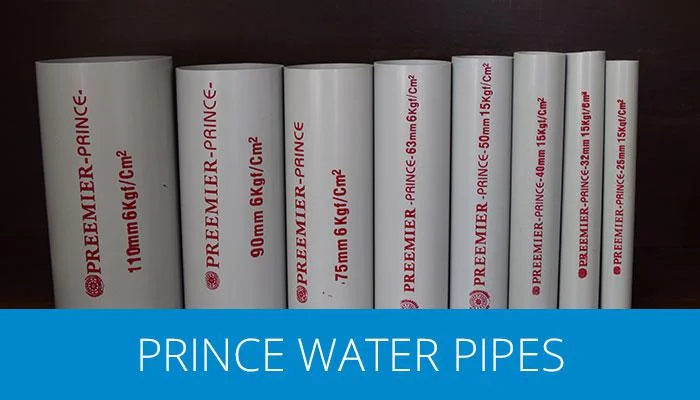
- Available in various diameters, typically from 1 inch to 12 inches
- Allows flexibility to accommodate different irrigation needs
3. Pressure Ratings
- Commonly rated for pressure ranging from 100 to 400 PSI
- Ensures safe operation under high-pressure conditions
4. Length Options
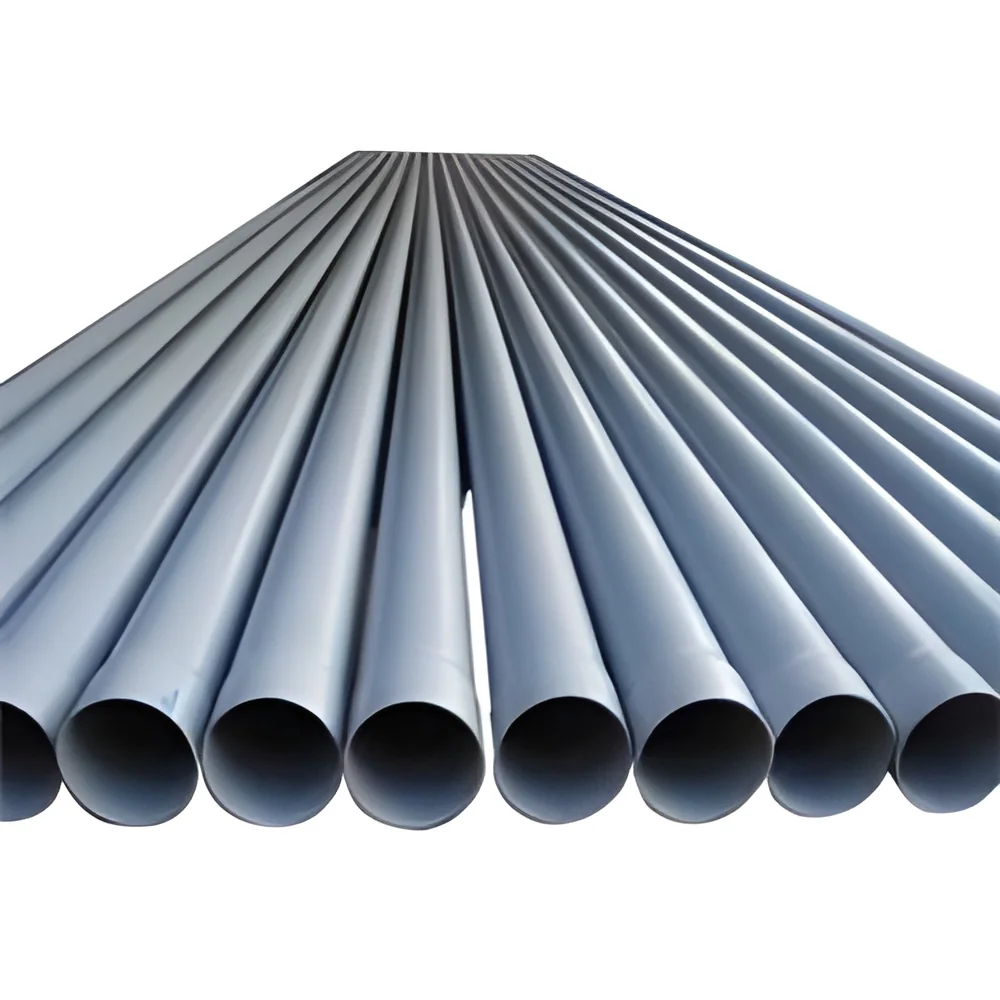
- Standard lengths often range from 10 to 20 feet
- Facilitates easy installation and transportation
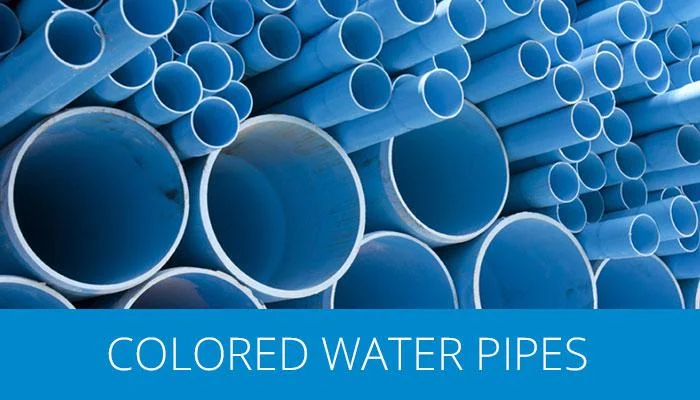
5. Color Coding
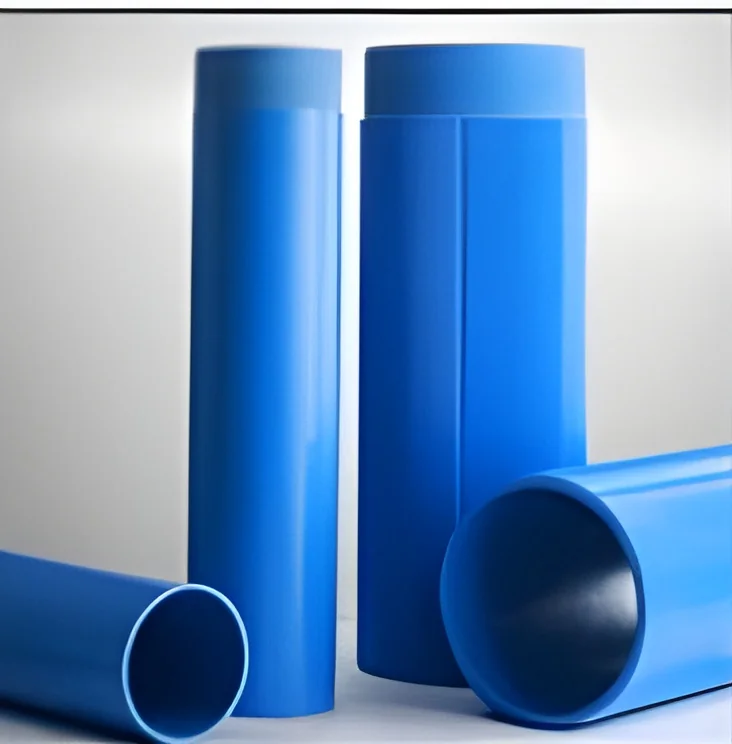
- Usually color-coded for easy identification of pressure ratings
- Enhances user convenience during installation
6. Jointing Methods
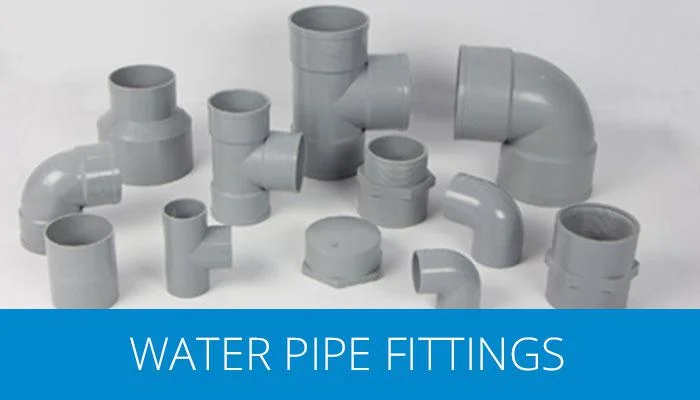
- Compatible with solvent cement and mechanical fittings
- Allows for secure and leak-proof connections
7. UV Resistance
- Designed to withstand exposure to sunlight
- Prevents degradation over time
8. Lightweight Design
- Easy to handle and transport
- Reduces labor costs during installation
In summary, PVC pipes offer a blend of durability, flexibility, and efficiency, making them the go-to choice for irrigation systems.
Common Applications and Use Cases
PVC pipes for irrigation find use across various industries, highlighting their versatility.
1. Agriculture: Farmers use PVC pipes to establish efficient irrigation systems, ensuring uniform water distribution across large fields.
2. Landscaping: Landscape professionals utilize these pipes for efficient watering of gardens, lawns, and parks, promoting healthy plant growth.
3. Horticulture: In greenhouses, PVC pipes are employed to create drip irrigation systems that deliver precise amounts of water to plants.
4. Golf Courses: Golf course maintenance teams use PVC pipes to irrigate fairways and greens, maintaining optimal playing conditions.
5. Nurseries: Plant nurseries utilize these pipes to ensure consistent moisture levels for young plants, enhancing growth and development.
6. Sports Fields: Turf managers use PVC pipes for irrigation systems to maintain the health of athletic fields, ensuring they remain playable year-round.
7. Municipal Applications: Cities use PVC pipes for irrigation of public parks and green spaces, contributing to urban beautification efforts.
Product Variants and Subcategories
PVC pipes for irrigation come in various types to cater to specific needs.
Standard PVC Pipes
These are the most commonly used pipes, known for their strength and flexibility. They are suitable for general irrigation purposes in agriculture and landscaping.
Schedule 40 PVC Pipes
These pipes provide increased thickness and durability, making them ideal for high-pressure applications. They are commonly used in commercial irrigation systems.
Schedule 80 PVC Pipes
These pipes are designed for heavy-duty applications and are suitable for high-pressure uses. They are often employed in industrial irrigation systems.
Benefits and Advantages
PVC pipes for irrigation offer numerous benefits that make them a preferred choice for many businesses.
1. Durability: PVC pipes resist corrosion and chemical damage, ensuring longevity in diverse environments.
2. Cost-Effectiveness: They provide a low-cost solution for irrigation needs, reducing overall expenses for agricultural operations.
3. Lightweight: Their lightweight design allows for easy handling and installation, minimizing labor costs.
4. Low Maintenance: PVC pipes require minimal maintenance, reducing the need for frequent repairs or replacements.
5. Efficiency: These pipes facilitate efficient water distribution, promoting optimal plant growth and water conservation.
6. Versatility: PVC pipes can be customized for various applications, making them suitable for different irrigation systems.
Buying Guide for B2B Buyers
When sourcing PVC pipes for irrigation, it is essential to consider various factors to ensure you make informed purchasing decisions.
1. Quality Assessment: Evaluate the quality of PVC materials used in the pipes. Look for suppliers that adhere to industry standards to ensure product reliability.
2. Supplier Verification: Vet potential suppliers by checking their background, customer reviews, and certifications. This ensures you are dealing with reputable companies.
3. Pricing and MOQ: Understand the pricing structures and minimum order quantities (MOQ) to find options that fit your budget and needs.
4. Delivery and Lead Times: Inquire about delivery schedules and lead times to ensure timely procurement of materials for your projects.
5. Compliance Requirements: Ensure that the pipes meet relevant regulatory standards and certifications necessary for your industry, including CE certifications.
Compliance and Certifications
Compliance with industry standards is crucial for ensuring the reliability and safety of PVC pipes for irrigation. Relevant quality standards include ISO 9001, which focuses on quality management systems, ensuring that manufacturers maintain high-quality production processes.
Additionally, the CE marking certifies that the pipes meet European safety, health, and environmental protection standards. Compliance with these standards assures buyers of the product's durability and safety for use in irrigation systems.
Safety and testing requirements must also be adhered to, ensuring that the pipes can withstand environmental stresses and do not leach harmful substances. Regional compliance considerations may vary, so it is vital to consult local regulations to ensure full compliance for specific markets.
Why Source PVC Pipes for Irrigation from Pepagora?
Pepagora provides an excellent platform for sourcing PVC pipes for irrigation, offering several key advantages for B2B buyers.
Verified Supplier Network: Pepagora ensures that all listed suppliers go through a thorough verification process. This gives buyers confidence in the quality of products they are purchasing and the reliability of the suppliers.
Streamlined RFQ Process: The Request for Quotation (RFQ) system simplifies the procurement process. Buyers can easily request quotes from multiple suppliers, allowing for quick comparisons and informed decision-making.
Trade Assurance and Support: Pepagora offers trade assurance, providing buyers with protection against potential issues in transactions. This support enhances buyer confidence and promotes smoother transactions.
Regional Coverage: Pepagora has a wide geographic reach, covering key markets in India, the GCC, and Southeast Asia. This extensive network ensures that buyers can access a variety of suppliers and products tailored to their specific irrigation needs.

 IN
IN