
 IN
Weather-Based Auto Irrigation Systems
7 products available
What are Weather-Based Auto Irrigation Systems?
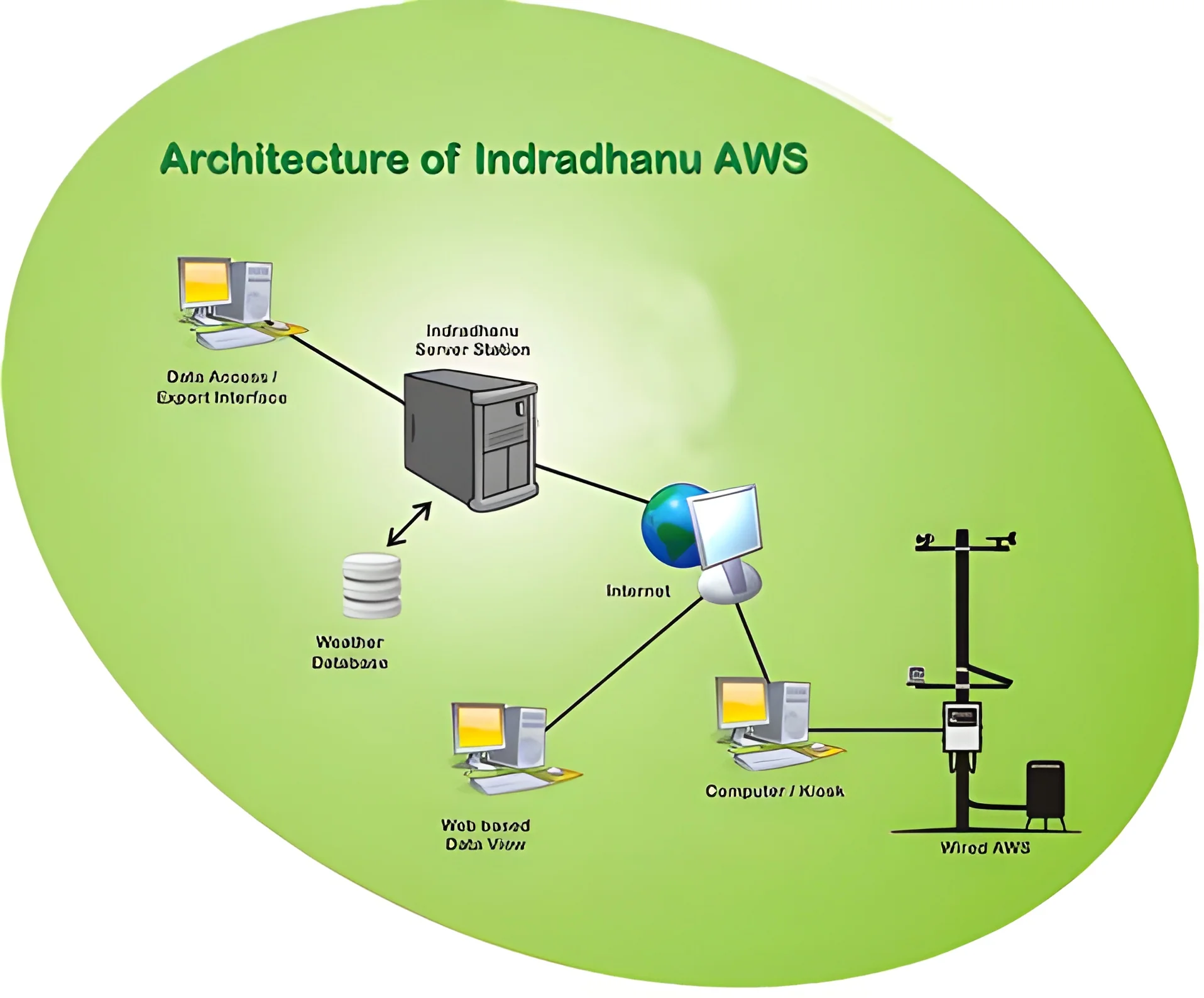
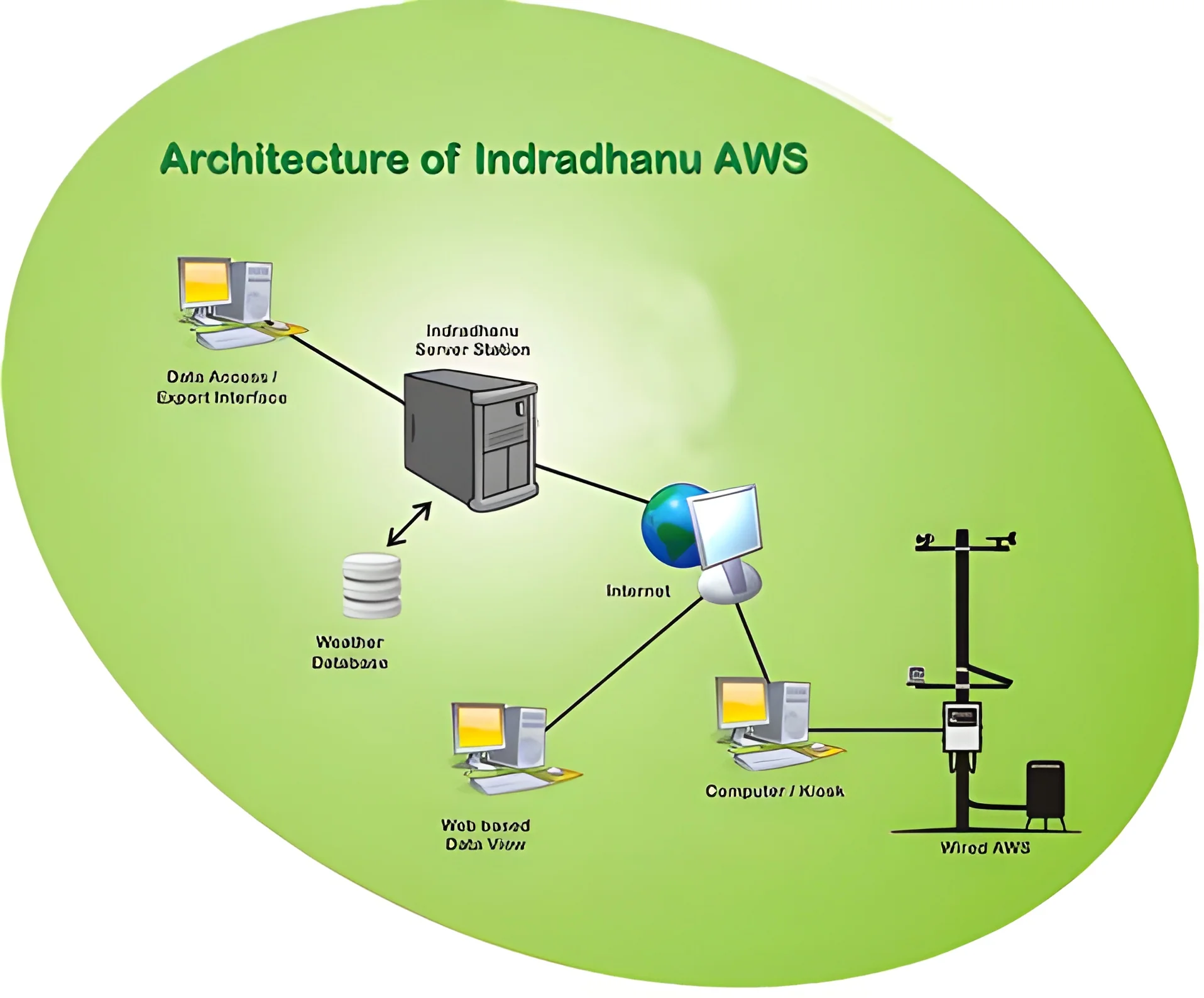
Weather-Based Auto Irrigation Systems are advanced agricultural tools designed to optimize water usage for irrigation based on real-time weather conditions. These systems use data from local weather stations or sensors to assess factors such as rainfall, temperature, and humidity. By integrating this data, the systems automatically adjust irrigation schedules, ensuring crops receive the right amount of water at the right time.
These systems find their primary application in agriculture, horticulture, and landscape management. Businesses utilize them to enhance crop yield, conserve water resources, and reduce irrigation costs. The importance of these systems is underscored by increasing water scarcity and the need for efficient agricultural practices. As sustainable farming gains momentum, weather-based irrigation systems are becoming essential tools for modern farming operations.
The market for Weather-Based Auto Irrigation Systems continues to grow, driven by the agricultural sectors' need for efficiency and sustainability. As farmers and growers seek to leverage technology for better resource management, these systems are increasingly relevant across various industries.
Key Features and Specifications
Weather-Based Auto Irrigation Systems come equipped with several key features that enhance their functionality and effectiveness. These features ensure that irrigation is not only efficient but also adaptable to changing weather patterns.
Key specifications include:
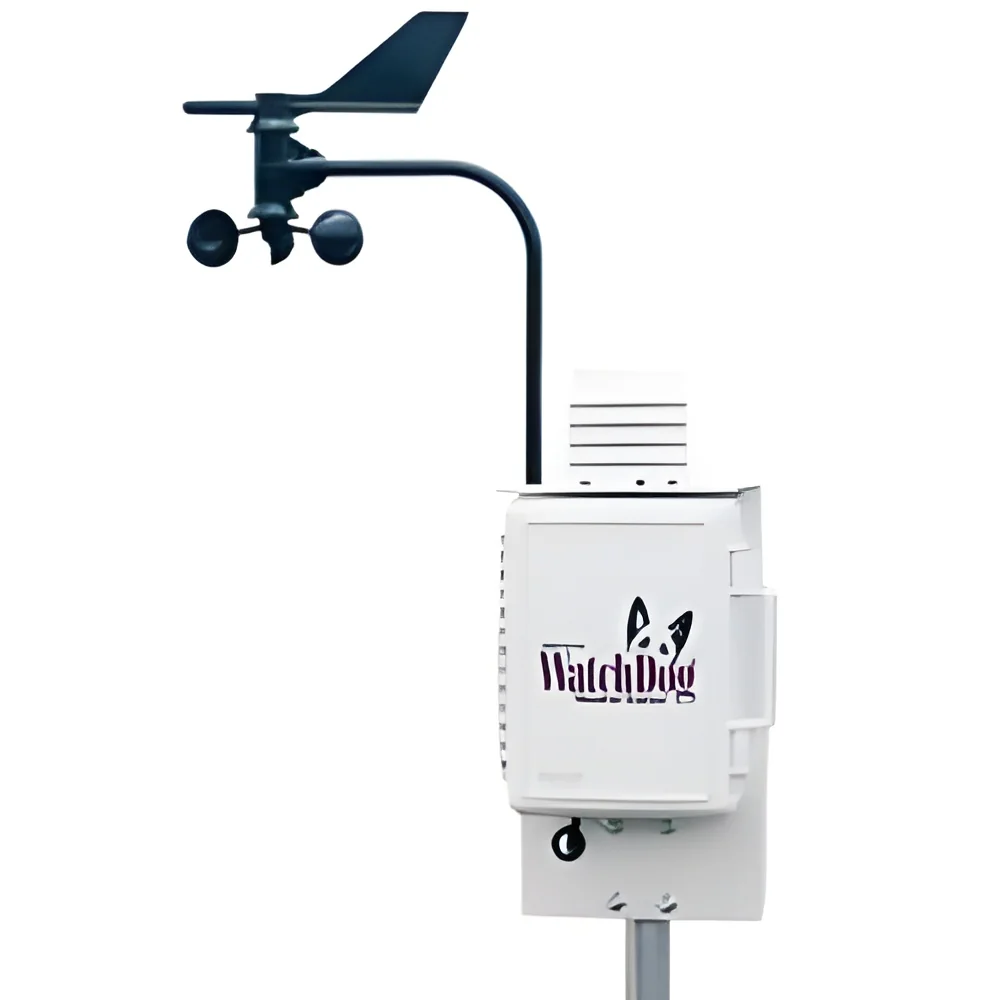
1. Automatic Weather Monitoring
- Continuously tracks temperature, humidity, and precipitation.
- Provides real-time data to adjust irrigation schedules.
2. Remote Control and Management
- Allows users to manage settings via mobile apps or web interfaces.
- Facilitates real-time monitoring from anywhere.
3. Soil Moisture Sensors
- Measures moisture levels in the soil to prevent over or under-watering.
- Ensures crops receive optimal water levels.
4. Integration with Existing Irrigation Systems
- Can be easily integrated with drip or sprinkler irrigation systems.
- Enhances existing systems with smart capabilities.
5. Notifications and Alerts
- Sends alerts for maintenance, system faults, or significant weather changes.
- Keeps users informed and responsive.
6. Energy Efficiency
- Designed to minimize energy consumption while maximizing output.
- Reduces operational costs.
7. Data Analytics
- Provides insights on water usage and crop health over time.
- Helps in making informed decisions for future irrigation practices.
8. User-Friendly Interface
- Simple setup and operation for users of all technical levels.
- Offers training resources to help users maximize system potential.
In summary, these systems are equipped with advanced technology that supports efficient water management, essential for modern agricultural practices.
Common Applications and Use Cases
Weather-Based Auto Irrigation Systems are versatile and serve various industries effectively.
1. Agriculture: Farmers use these systems for crops like vegetables, fruits, and grains to optimize water usage, leading to higher yields and reduced waste.
2. Horticulture: Nurseries and greenhouses implement these systems to maintain ideal growing conditions for plants, ensuring consistent moisture levels.
3. Landscape Management: Parks and recreational areas utilize these systems to maintain healthy greenery while conserving water.
4. Golf Courses: These systems are crucial in managing irrigation for golf courses, helping maintain lush landscapes while controlling water costs.
5. Residential Gardening: Homeowners can benefit from automated irrigation that adjusts based on local weather conditions, promoting healthier gardens.
6. Commercial Greenhouses: Businesses use these systems to enhance productivity and reduce costs by ensuring optimal water delivery.
7. Vineyard Management: Winemakers utilize weather-based irrigation to manage water precisely, impacting grape quality and yield.
Product Variants and Subcategories
Weather-Based Auto Irrigation Systems come in various forms to suit different needs and applications.
Smart Controller Systems: These units connect with weather stations to provide real-time adjustments to irrigation schedules. They often feature mobile app integration for user convenience.
Soil Moisture-Based Systems: These systems focus on soil moisture levels, using sensors to determine when irrigation is necessary, ensuring optimal water use.
Drip Irrigation Systems: Specifically designed for efficient water delivery, these systems can be integrated with weather-based controls for maximum efficiency.
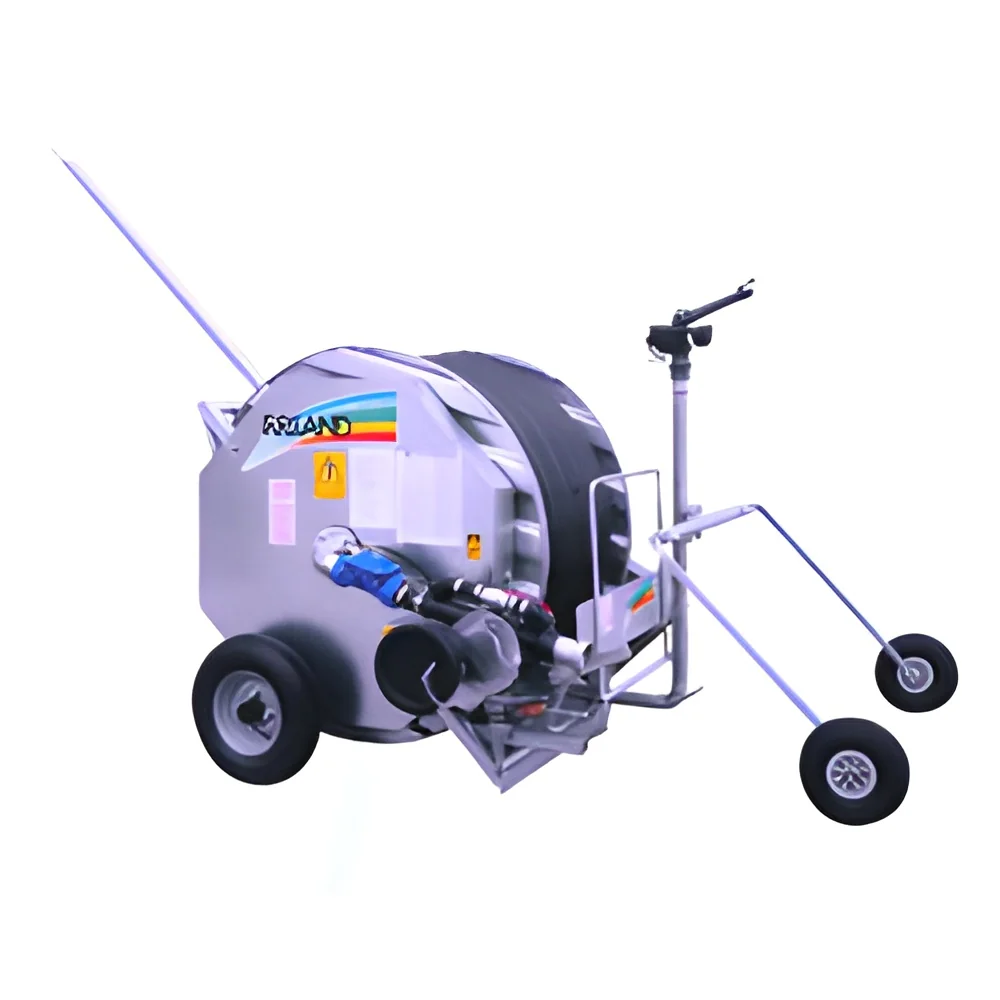
Sprinkler Systems: These weather-based sprinkler systems automatically adjust based on environmental data, ensuring even coverage and reduced water waste.
Benefits and Advantages
Weather-Based Auto Irrigation Systems offer numerous advantages that enhance agricultural practices.
1. Water Conservation: These systems significantly reduce water usage by delivering precise amounts based on weather data.
2. Cost Savings: By optimizing irrigation schedules, businesses can lower water bills and reduce energy costs associated with pumping.
3. Increased Crop Yield: Ensuring optimal watering conditions leads to healthier plants and higher yields.
4. Labor Efficiency: Automating irrigation reduces the need for manual labor, allowing staff to focus on other important tasks.
5. Environmental Sustainability: These systems promote responsible water usage, aligning with sustainable farming practices.
6. Better Crop Management: Data analytics provide insights that help farmers make informed decisions to improve crop health and productivity.
Buying Guide for B2B Buyers
When sourcing Weather-Based Auto Irrigation Systems, businesses should consider several critical factors to ensure they select the right solution for their needs.
1. Quality Assessment: Evaluate systems based on durability, performance, and user reviews. Look for products that meet industry standards for reliability.
2. Supplier Verification: Vet suppliers by checking their credentials, customer feedback, and industry reputation to ensure they provide high-quality products.
3. Pricing and MOQ: Consider the overall cost, including installation and maintenance, and inquire about minimum order quantities to align with business needs.
4. Delivery and Lead Times: Assess logistics and delivery timelines to ensure the product is available when needed, avoiding delays in project implementation.
5. Compliance Requirements: Ensure that systems comply with local regulations and standards, including safety and environmental considerations, to avoid legal issues.
Compliance and Certifications
Weather-Based Auto Irrigation Systems must adhere to various quality standards and regulations to ensure safety and reliability.
Relevant quality standards include ISO 9001, which ensures consistent quality management processes, and HACCP guidelines to ensure food safety in agricultural applications.
Industry certifications like CE indicate compliance with European safety standards, assuring buyers of the product's reliability and safety in use.
Additionally, manufacturers should meet safety and testing requirements to guarantee that the systems operate effectively under various environmental conditions.
Regional compliance considerations are also vital, as specific areas may have unique regulations governing irrigation practices, environmental impact, and water usage.
Why Source Weather-Based Auto Irrigation Systems from Pepagora?
Pepagora stands out as a trusted platform for sourcing Weather-Based Auto Irrigation Systems, offering several key advantages to B2B buyers.
Verified Supplier Network: Pepagora connects buyers with a network of verified suppliers, ensuring that businesses receive high-quality products backed by reliable service.
Streamlined RFQ Process: The platform simplifies the request for quotation process, allowing businesses to quickly compare options and select the best solutions for their needs.
Trade Assurance and Support: Buyers benefit from trade assurance measures that protect their investments, along with dedicated support to assist with any inquiries or issues.
Regional Coverage: Pepagora operates across multiple regions, including India, the GCC, and Southeast Asia, providing broad access to suppliers and products tailored to local needs.
By choosing Pepagora, businesses can confidently invest in Weather-Based Auto Irrigation Systems that enhance their operational efficiency and sustainability.


Frequently Asked Questions
What are Weather-Based Auto Irrigation Systems?
Weather-Based Auto Irrigation Systems are advanced irrigation solutions that automatically adjust water delivery based on real-time weather conditions. These systems utilize sensors and data analytics to optimize water usage, ensuring plants receive the right amount of moisture while conserving water resources.
What are the different types of Weather-Based Auto Irrigation Systems?
The different types of Weather-Based Auto Irrigation Systems include drip irrigation systems, sprinkler systems, and smart irrigation controllers. Each type has unique features and capabilities, allowing users to choose based on their specific agricultural needs and environmental conditions.
How do I choose the right Weather-Based Auto Irrigation Systems?
Choosing the right Weather-Based Auto Irrigation System involves assessing your specific irrigation needs, crop types, and local climate conditions. It is also essential to consider factors such as system compatibility with existing infrastructure, budget, and ease of maintenance.
What are the standard specifications for Weather-Based Auto Irrigation Systems?
Standard specifications for Weather-Based Auto Irrigation Systems typically include sensor accuracy, water flow rates, power requirements, and connectivity options. Additionally, systems should be evaluated based on their programming capabilities and ease of integration with other farm management tools.
What is the price range for Weather-Based Auto Irrigation Systems?
The price range for Weather-Based Auto Irrigation Systems can vary significantly based on the system type, complexity, and features. Generally, prices can start from a few thousand rupees for basic systems and can go up to several lakhs for advanced, fully automated solutions.
What quality standards apply to Weather-Based Auto Irrigation Systems?
Quality standards for Weather-Based Auto Irrigation Systems may include compliance with ISO certifications, agricultural industry standards, and local regulatory guidelines. Ensuring systems meet these standards is crucial for reliability, durability, and effective performance.
Where can I find Weather-Based Auto Irrigation Systems suppliers in India?
You can find Weather-Based Auto Irrigation Systems suppliers in India through online B2B marketplaces such as Pepagora, industry trade shows, and agricultural equipment expos. Additionally, networking with local agricultural cooperatives and associations can provide leads on reputable suppliers.
Can Weather-Based Auto Irrigation Systems be customized?
Yes, Weather-Based Auto Irrigation Systems can often be customized to meet specific agricultural needs and operational preferences. Customization may include adjustments in system capacity, sensor types, and integration with existing farm management software.
What is the typical minimum order quantity for Weather-Based Auto Irrigation Systems?
The typical minimum order quantity (MOQ) for Weather-Based Auto Irrigation Systems can vary by supplier and system type. Generally, MOQs can range from one complete system for small-scale farms to larger quantities for commercial applications.
What is the typical lead time for Weather-Based Auto Irrigation Systems?
The typical lead time for Weather-Based Auto Irrigation Systems depends on the supplier and system specifications, usually ranging from a few weeks to several months. Factors influencing lead time include manufacturing schedules, customization requirements, and shipping logistics.
Why Businesses Trust Pepagora
Thousands of companies trust Pepagora to source smarter and sell faster
Expand Your Sales Globally

Source Smarter,Grow Faster
