
 IN
Waterjet Cutting Machines
6 products available
What are Waterjet Cutting Machines?
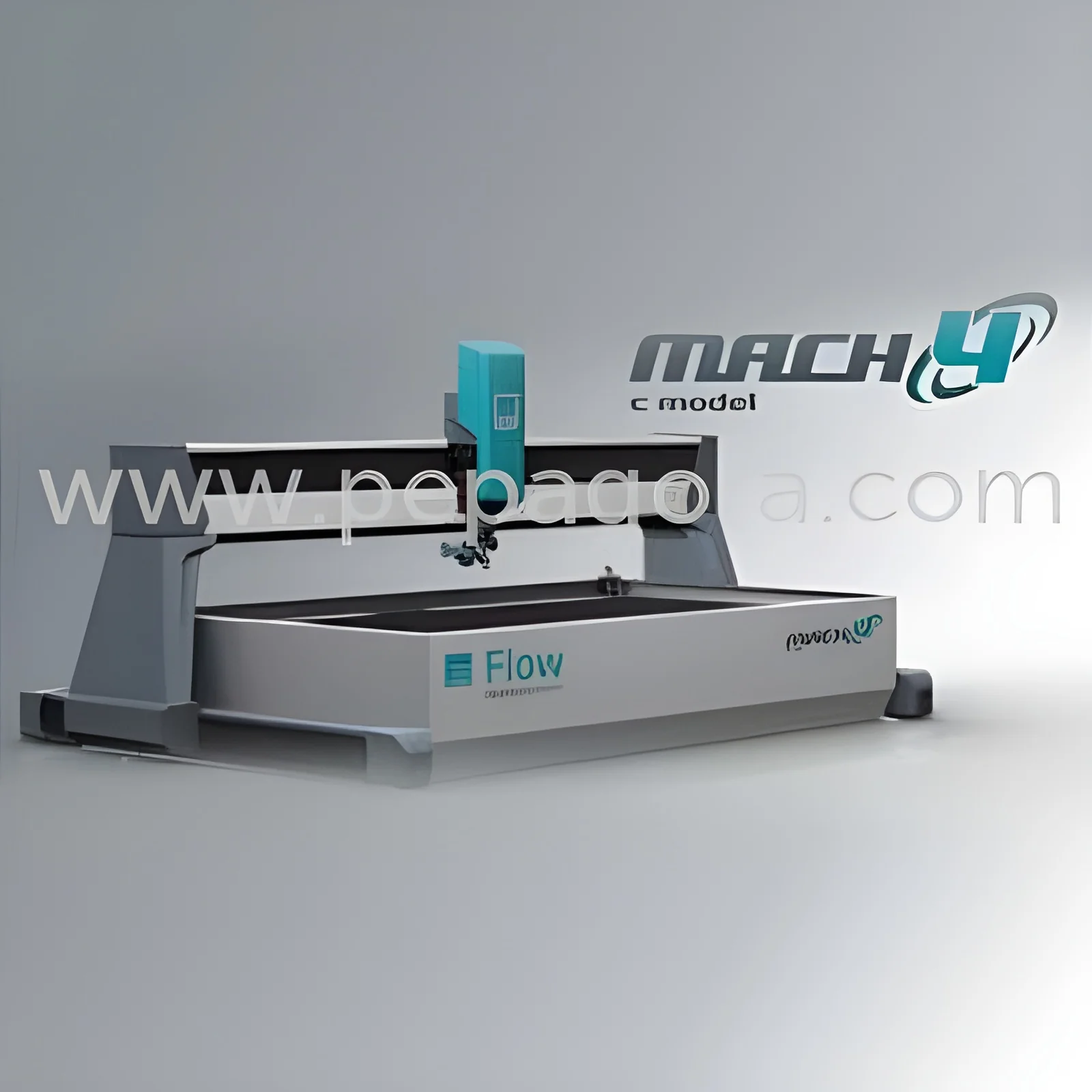
Waterjet cutting machines are advanced industrial tools that utilize high-pressure water jets to cut through various materials with precision. The technology relies on a mixture of water and abrasive substances, allowing for the cutting of materials that range from metals and ceramics to glass and composites. This method of cutting is known for its ability to produce clean edges without generating heat, thus preventing warping or altering the properties of the material being cut.
These machines find extensive applications across multiple industries, including manufacturing, aerospace, automotive, and architecture. Waterjet cutting is particularly valuable for its versatility, as it can handle intricate designs and thick materials alike. Businesses leverage this technology to enhance production efficiency and reduce waste, making it a vital component in modern fabrication processes. With the growing emphasis on precision engineering and sustainability, waterjet cutting machines hold significant relevance in today’s market landscape.
Key Features and Specifications
Waterjet cutting machines come equipped with a variety of features that enhance their performance and versatility. Understanding these specifications is crucial for businesses looking to invest in this technology.
Key specifications include:
1. Cutting Pressure
- Typically ranges from 30,000 to 90,000 psi
- Higher pressures allow for cutting through thicker materials
2. Cutting Speed
- Varies depending on the material and thickness
- Can range from 1 to 30 inches per minute
3. Table Size
- Common sizes include 4x4 feet and 6x12 feet
- Larger tables accommodate bigger workpieces
4. Abrasive Delivery System
- Delivers garnet or other abrasives for cutting
- May include automated systems for efficiency
5. Control System
- Modern machines feature CNC (Computer Numerical Control)
- Provides precision and repeatability in cuts
6. Water Filtration System
- Essential for maintaining water quality
- Prevents contamination and extends machine life
7. Software Compatibility
- Many machines are compatible with various CAD software
- Facilitates design implementation directly into the cutting process
8. Safety Features
- Includes emergency shut-off systems
- May also involve protective enclosures and sensors
In summary, selecting the right waterjet cutting machine involves careful consideration of these specifications, as they directly influence the machine's performance and suitability for specific applications.
Common Applications and Use Cases
Waterjet cutting machines are utilized in a wide array of industries due to their versatility and precision.
1. Aerospace: Waterjet cutting is used for manufacturing components such as brackets and housings, where precision and material integrity are critical.
2. Automotive: In the automotive sector, these machines are employed to cut complex parts and components, including panels and engine components.
3. Architecture: Waterjet technology allows architects to create intricate designs in materials like stone and glass, enhancing aesthetic appeal.
4. Metal Fabrication: Fabricators use waterjet cutting for high-precision metal parts, catering to various applications from prototyping to production runs.
5. Signage: Custom signs made from a variety of materials can be efficiently produced using waterjet cutting, allowing for detailed designs.
6. Tile and Flooring: The ability to cut tiles and flooring materials into precise shapes and sizes makes waterjet cutting ideal for interior design projects.
7. Food Industry: Specialized waterjet systems are used for cutting food products with minimal waste and contamination.
Product Variants and Subcategories
Waterjet cutting machines come in various forms designed to meet diverse needs across industries.
Standard Waterjet Cutting Machine
These machines are designed for general cutting tasks and can handle a wide range of materials. They are suitable for both small workshops and large manufacturing facilities.
Robotic Waterjet Cutting Systems
These advanced systems integrate robotics for automated cutting processes. They are ideal for large-scale operations requiring high throughput and precision.
Portable Waterjet Cutting Equipment
This variant offers flexibility for on-site cutting projects. It is particularly useful in construction and repair applications where mobility is essential.
Benefits and Advantages
Investing in waterjet cutting machines presents numerous advantages for businesses seeking efficiency and precision.
Key benefits include:
1. Precision Cutting: Waterjet cutting machines provide exceptional accuracy, allowing for intricate designs without compromising material integrity.
2. Material Versatility: These machines can cut through a wide range of materials, including metals, plastics, and ceramics, making them suitable for various applications.
3. No Heat Affected Zone: The cutting process does not generate significant heat, reducing the risk of warping or changing material properties.
4. Environmental Considerations: Waterjet cutting produces minimal waste and can often utilize recycled materials, aligning with sustainable practices.
5. Reduced Secondary Operations: The clean cuts produced often eliminate the need for additional finishing processes, saving time and costs.
6. Safety: Waterjet cutting systems are designed with safety features that protect operators and reduce the risk of accidents.
Buying Guide for B2B Buyers
When sourcing waterjet cutting machines, businesses should carefully evaluate several factors to ensure they make informed decisions.
1. Quality Assessment: Consider the machine's build quality, performance history, and the reputation of the manufacturer. Look for customer reviews and case studies.
2. Supplier Verification: Vet suppliers by checking their certifications, customer service record, and industry experience. A reliable supplier can provide ongoing support.
3. Pricing and MOQ: Understand the pricing structure and minimum order quantities. Compare quotes from multiple suppliers to ensure competitive pricing.
4. Delivery and Lead Times: Inquire about delivery options and lead times. Efficient logistics are crucial for maintaining production schedules.
5. Compliance Requirements: Ensure that the machines meet relevant industry standards and regulations for safety and environmental impact.
Compliance and Certifications
Compliance with industry standards and certifications is crucial for the reliable operation of waterjet cutting machines. Adhering to quality standards such as ISO 9001 ensures that products meet stringent quality management requirements. This certification reflects a commitment to quality and continuous improvement.
Additionally, industry certifications like CE indicate that the machines meet European safety, health, and environmental protection standards. This is particularly important for companies operating in multiple regions, as it ensures compliance with local regulations.
Safety and testing requirements are also paramount, as machines must undergo rigorous testing to confirm their operational safety. Furthermore, regional compliance considerations may vary, necessitating that businesses be aware of local regulations that affect waterjet cutting operations.
Why Source Waterjet Cutting Machines from Pepagora?
Pepagora provides a trusted platform for sourcing waterjet cutting machines, offering several key advantages for businesses.
Verified Supplier Network: Pepagora has established a network of verified suppliers, ensuring that businesses can connect with reputable manufacturers. This network helps mitigate risks associated with sourcing machinery.
Streamlined RFQ Process: The Request for Quotation (RFQ) system simplifies the procurement process. Buyers can easily submit their requirements and receive competitive quotes from multiple suppliers, saving time and effort.
Trade Assurance and Support: Pepagora offers trade assurance programs that protect buyers from potential risks during transactions. This support enhances buyer confidence and fosters long-term relationships.
Regional Coverage: With a strong presence in India, the Gulf Cooperation Council (GCC), and Southeast Asia, Pepagora facilitates access to waterjet cutting machines across diverse markets. This regional coverage ensures that businesses can find suitable solutions tailored to their specific needs.


 India
 India

 India
 India


Frequently Asked Questions
What are Waterjet Cutting Machines?
Waterjet Cutting Machines are advanced tools that utilize high-pressure water jets to cut through various materials, including metal, glass, and stone. These machines are known for their precision and ability to create intricate designs without generating heat, which can affect the material properties.
What are the different types of Waterjet Cutting Machines?
There are primarily two types of Waterjet Cutting Machines: pure waterjet and abrasive waterjet. Pure waterjet machines use only high-pressure water for cutting softer materials, while abrasive waterjet machines add an abrasive substance to cut through harder materials.
How do I choose the right Waterjet Cutting Machines?
Choosing the right Waterjet Cutting Machine depends on factors such as the materials you intend to cut, the thickness of those materials, and the precision required for your projects. Additionally, consider the machine's operational cost, maintenance requirements, and available features to ensure it meets your specific needs.
What are the standard specifications for Waterjet Cutting Machines?
Standard specifications for Waterjet Cutting Machines typically include the maximum cutting thickness, cutting speed, and accuracy levels. Other important specifications may include the power of the pump, the size of the cutting table, and the type of control system used.
What is the price range for Waterjet Cutting Machines?
The price range for Waterjet Cutting Machines varies significantly based on the machine's size, type, and features, usually starting from a few lakhs to several crores in Indian Rupees. It's advisable to compare various models and suppliers to get the best value for your investment.
What quality standards apply to Waterjet Cutting Machines?
Waterjet Cutting Machines should comply with international quality standards such as ISO 9001 for quality management systems. Additionally, safety standards like CE certification are important to ensure the machines meet operational safety requirements.
Where can I find Waterjet Cutting Machines suppliers in India?
You can find Waterjet Cutting Machines suppliers in India through various online B2B marketplaces like Pepagora.com. Additionally, industry trade shows and exhibitions are excellent venues to meet manufacturers and suppliers directly.
Can Waterjet Cutting Machines be customized?
Yes, many manufacturers offer customization options for Waterjet Cutting Machines to meet specific operational requirements. Customizations may include modifications in size, cutting capacity, and additional features tailored to your industry needs.
What is the typical minimum order quantity for Waterjet Cutting Machines?
The typical minimum order quantity (MOQ) for Waterjet Cutting Machines can vary by supplier but usually starts at one unit for standard machines. However, bulk orders may offer better pricing and availability.
What is the typical lead time for Waterjet Cutting Machines?
The typical lead time for Waterjet Cutting Machines can range from a few weeks to several months, depending on the manufacturer's production schedule and the complexity of the order. It is advisable to confirm the lead time with the supplier before placing an order.
Why Businesses Trust Pepagora
Thousands of companies trust Pepagora to source smarter and sell faster
Expand Your Sales Globally

Source Smarter,Grow Faster
