
 IN
Shearing Machines (Hydraulic, Mechanical)
12 products available
Key Features and Specifications
Shearing machines come equipped with numerous features that enhance their performance and usability. Understanding these specifications is crucial for selecting the right machine for specific applications.
Key specifications include:
1. Cutting Capacity
- Refers to the maximum thickness of material that can be cut.
- Typically ranges from 1mm to over 25mm depending on the machine type.
2. Cutting Speed
- Indicates how quickly the shearing machine can perform cuts.
- Varies from 10 to 40 strokes per minute based on machine design.
3. Blade Material
- Blades are often made from high-speed steel or carbon steel.
- Influences durability and cutting efficiency.
4. Stroke Length
- The distance the blade travels during each cut.
- Common lengths are between 20mm and 100mm.
5. Power Supply
- Hydraulic machines use hydraulic oil for power, while mechanical machines use electric motors.
- Power ratings can range from 2HP to over 20HP.
6. Dimensions
- Overall size of the machine which affects workspace requirements.
- Varies widely based on the model and intended use.
7. Safety Features
- Includes guards, emergency stops, and overload protection.
- Essential for ensuring operator safety during operation.
8. Control System
- May include manual controls, CNC interfaces, or automated systems.
- Enhances precision and ease of use.
In summary, understanding the specifications and features of shearing machines is vital for businesses to select the right equipment for their needs. The right machine can lead to improved productivity and operational efficiency.
Common Applications and Use Cases
Shearing machines play a critical role across various industries, providing essential cutting solutions.
1. Metal Fabrication: In this industry, shearing machines are used to cut sheets and plates into specific sizes for further processing. They are crucial for producing parts for machinery and structures.
2. Automotive: Shearing machines are employed to manufacture components such as brackets and frames. Their precision ensures that parts fit correctly during assembly.
3. Construction: In construction, these machines cut metal reinforcement bars and sheets, which are necessary for building structures. They help streamline the preparation of materials on-site.
4. Aerospace: Shearing machines are used to create lightweight components from advanced materials. Precision cutting is essential for safety and performance in this sector.
5. Shipbuilding: In shipbuilding, shearing machines cut large steel plates into manageable sizes for hull fabrication.
6. HVAC: The heating, ventilation, and air conditioning industry uses shearing machines to cut ductwork materials, ensuring proper fitting and installation.
7. Electrical: These machines are also used to create electrical components, such as enclosures from metal sheets.
Product Variants and Subcategories
Shearing machines come in various configurations to meet specific cutting requirements.
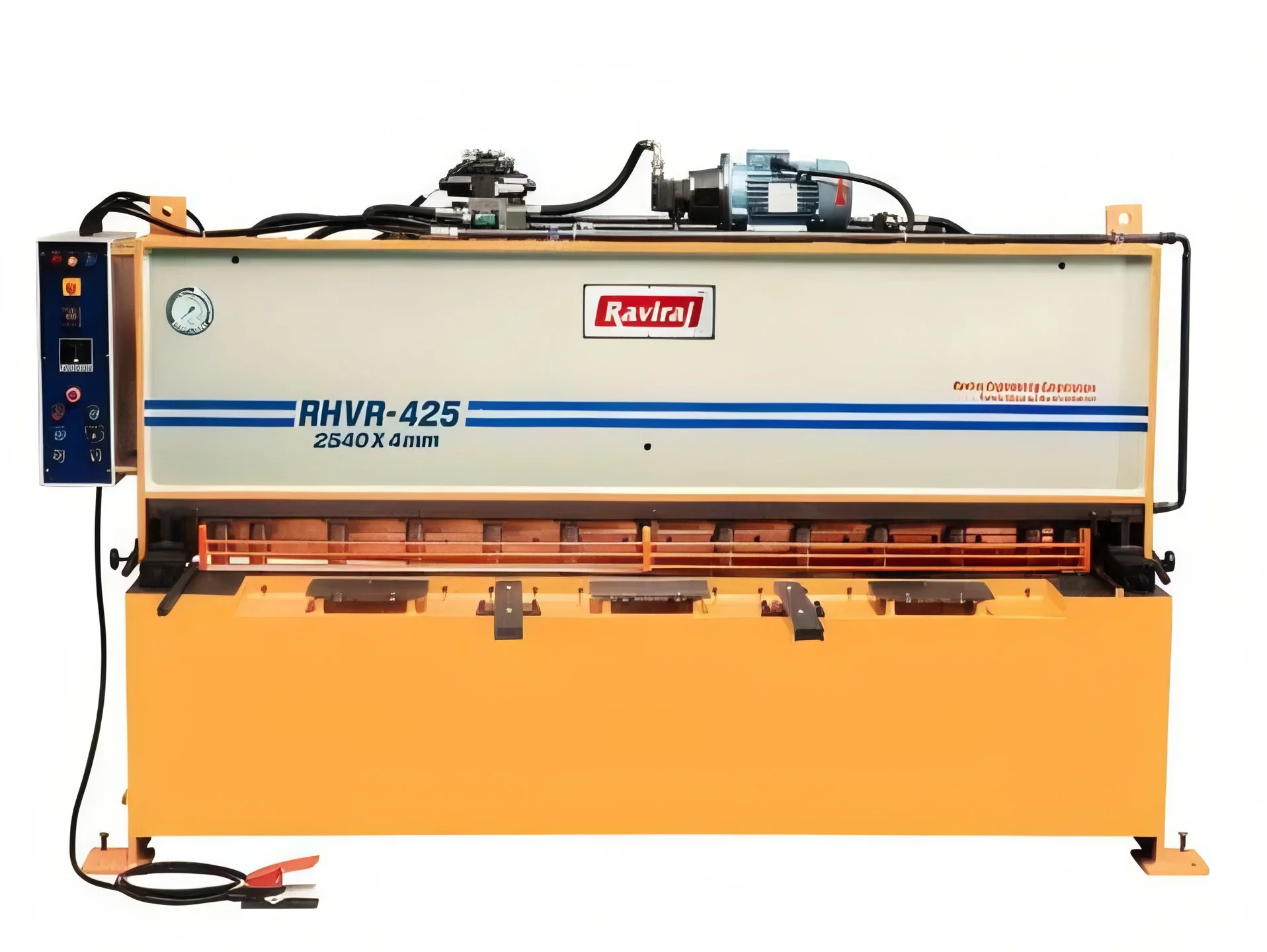
Hydraulic Shearing Machines: These machines use hydraulic pressure to achieve higher cutting forces, making them suitable for thicker materials. They offer enhanced precision and are often equipped with advanced control systems.
Mechanical Shearing Machines: Utilizing mechanical linkages, these machines are typically faster and more economical for lighter materials. They are ideal for high-volume production runs and often feature simpler operational controls.
Benefits and Advantages
Investing in shearing machines brings numerous benefits to businesses.
1. Enhanced Precision: These machines provide accurate and consistent cuts, reducing material waste and ensuring product quality.
2. Improved Efficiency: High cutting speeds and capabilities allow for faster production cycles, increasing throughput.
3. Versatility: Shearing machines can handle a variety of materials and thicknesses, making them suitable for multiple applications across industries.
4. Cost-Effectiveness: By minimizing material waste and optimizing cutting processes, businesses can reduce overall operational costs.
5. Safety Features: Modern shearing machines come equipped with safety mechanisms, protecting operators and reducing the risk of accidents.
6. Easy Maintenance: Many models are designed for simple maintenance, ensuring longevity and reliability, which is critical for continuous operations.
Buying Guide for B2B Buyers
When sourcing shearing machines, several factors must be considered to ensure the right choice.
1. Quality Assessment: Evaluate the machine's build quality and reliability. Look for models with high durability and minimal downtime.
2. Supplier Verification: Vet suppliers carefully to ensure they have a good reputation and provide quality products. Look for reviews and case studies from other customers.
3. Pricing and MOQ: Understand the price range for different models and inquire about minimum order quantities. This helps in budgeting and planning purchases.
4. Delivery and Lead Times: Consider logistics and lead times for delivery. Ensure that suppliers can meet your timelines to avoid production delays.
5. Compliance Requirements: Ensure that the machines meet industry standards and regulations. Compliance with safety and quality standards is essential for operational success.
Compliance and Certifications
Shearing machines must adhere to various quality and safety standards to ensure reliability and performance.
Relevant quality standards such as ISO 9001 ensure that manufacturers maintain consistent quality in their production processes. Compliance with these standards indicates that the machines are manufactured with precision and care.
Industry certifications like CE and UL verify that the machines meet specific safety and performance criteria. These certifications are crucial for operating in regulated environments and for ensuring operator safety.
Safety and testing requirements must be met to protect users during operation. Machines should undergo rigorous testing to verify their performance and safety features.
Regional compliance considerations are also important, as different regions may have specific regulations that must be followed. Understanding these requirements is essential for businesses operating in multiple markets.
Why Source Shearing Machines (Hydraulic, Mechanical) from Pepagora?
Pepagora offers a reliable platform for sourcing shearing machines, ensuring businesses have access to quality equipment.
Verified Supplier Network: Pepagora connects buyers with a network of verified suppliers. This ensures that businesses can trust the quality and reliability of the machines.
Streamlined RFQ Process: The request for quotation process is simplified on Pepagora. This allows buyers to receive competitive quotes quickly, helping them make informed purchasing decisions.
Trade Assurance and Support: Buyers benefit from trade assurance, providing protection in transactions. Pepagora supports buyers throughout the purchasing process, enhancing confidence.
Regional Coverage: With a strong presence in India, the GCC, and Southeast Asia, Pepagora facilitates access to shearing machines across these regions. This broad coverage ensures that businesses can find the right solutions for their needs, regardless of location.

 India
 India
 India

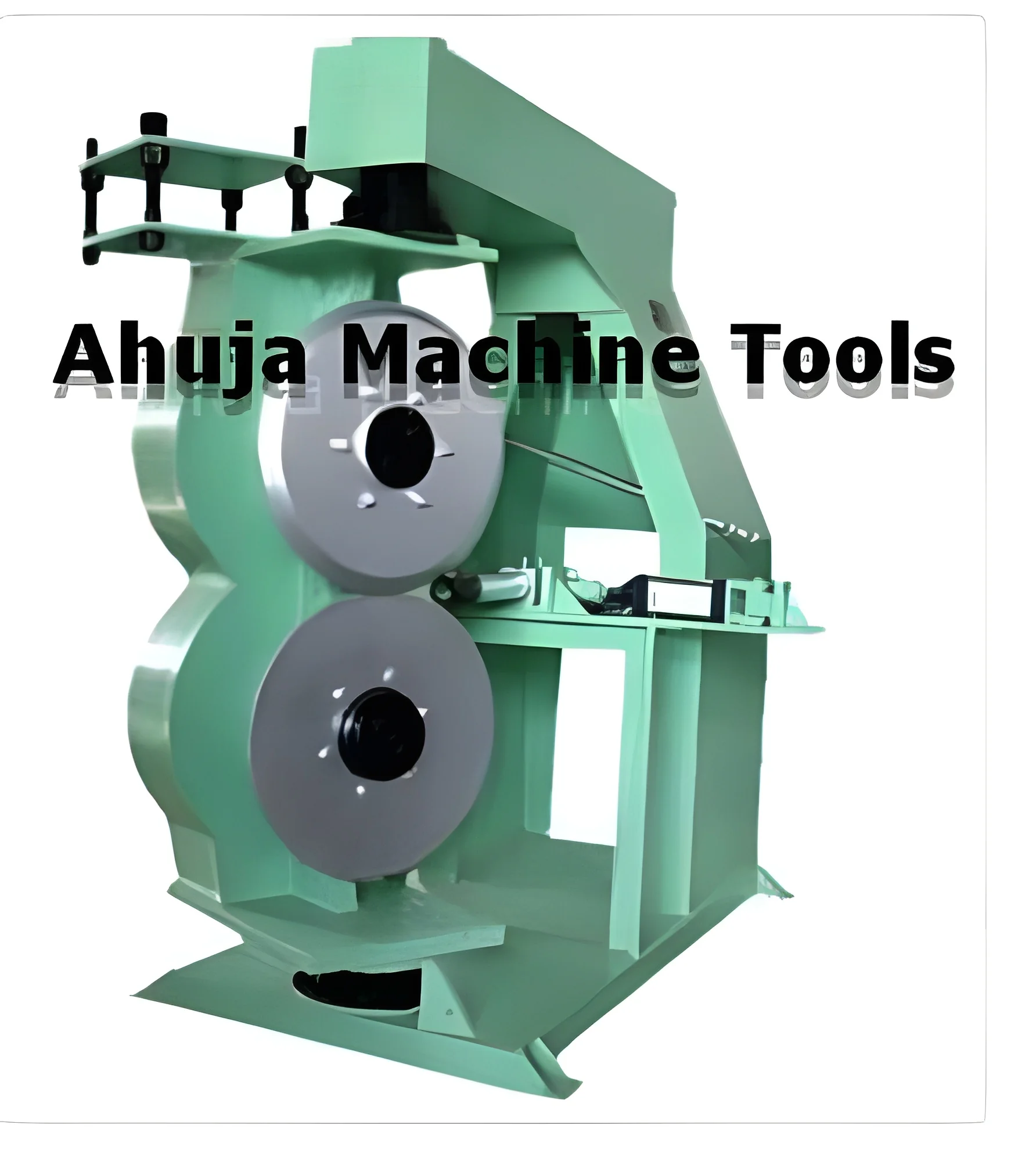
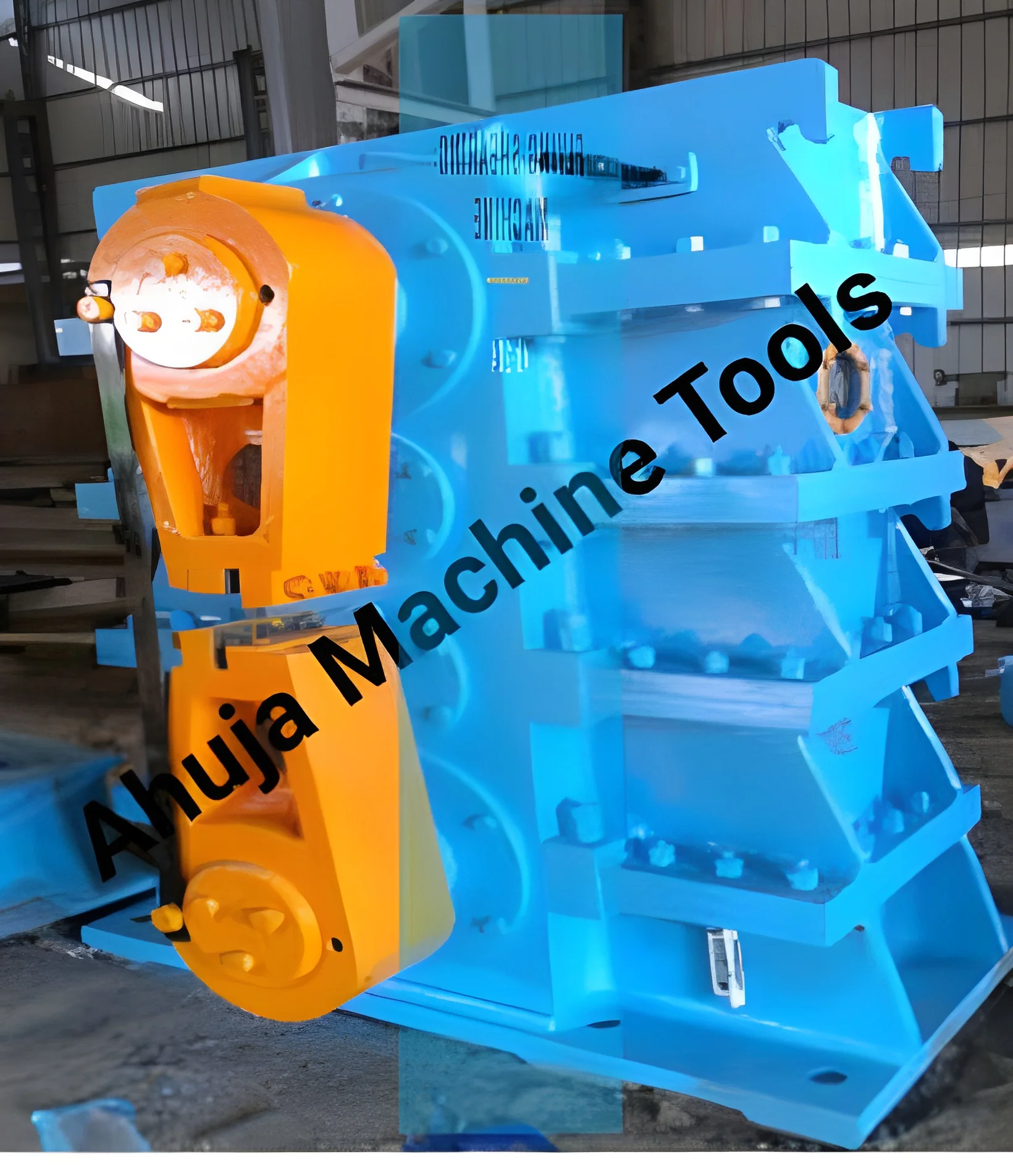 India
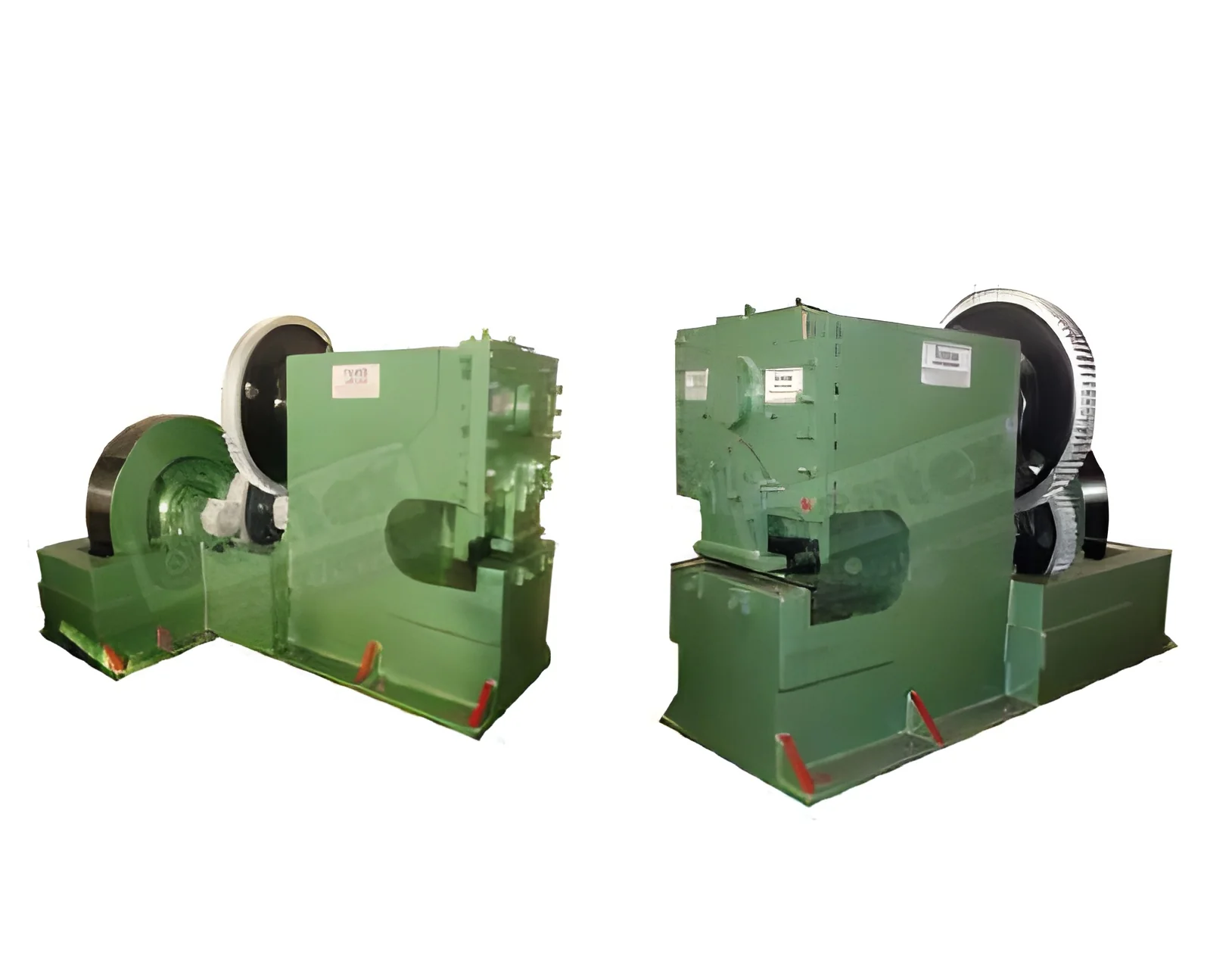
 India

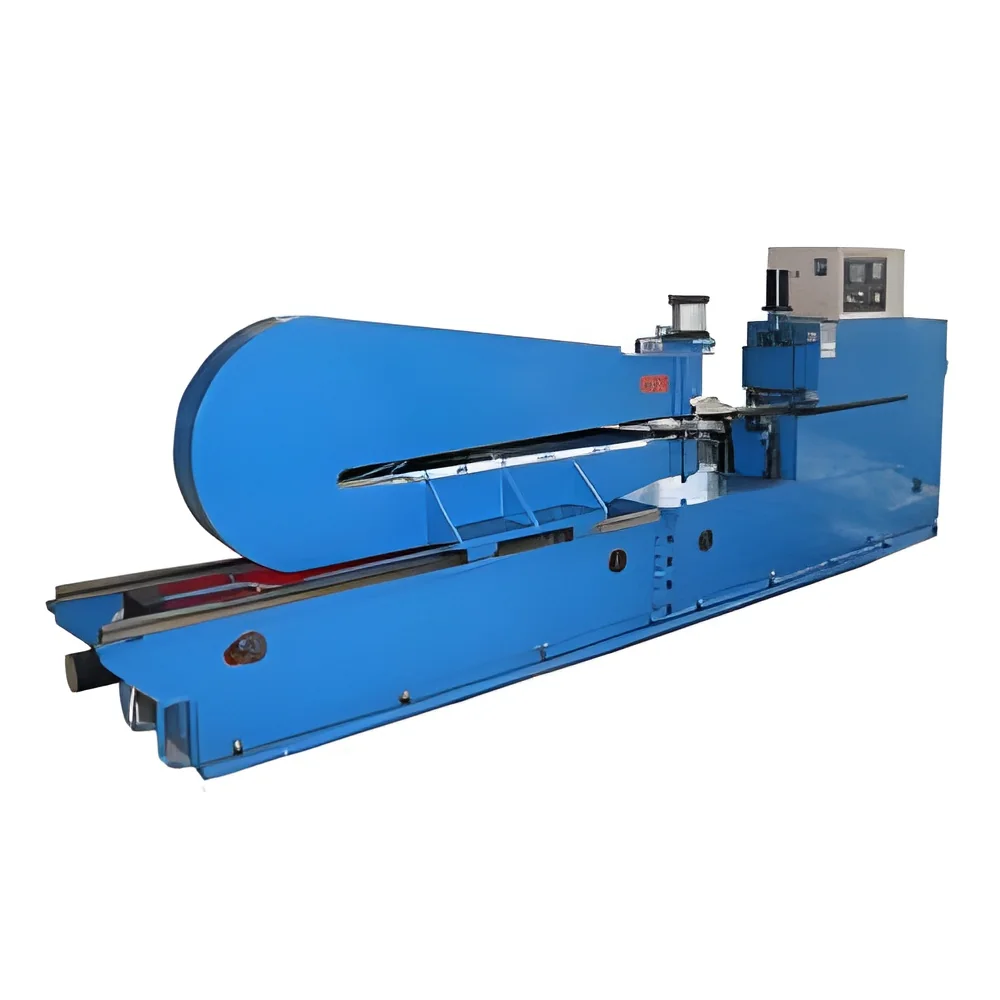
 India
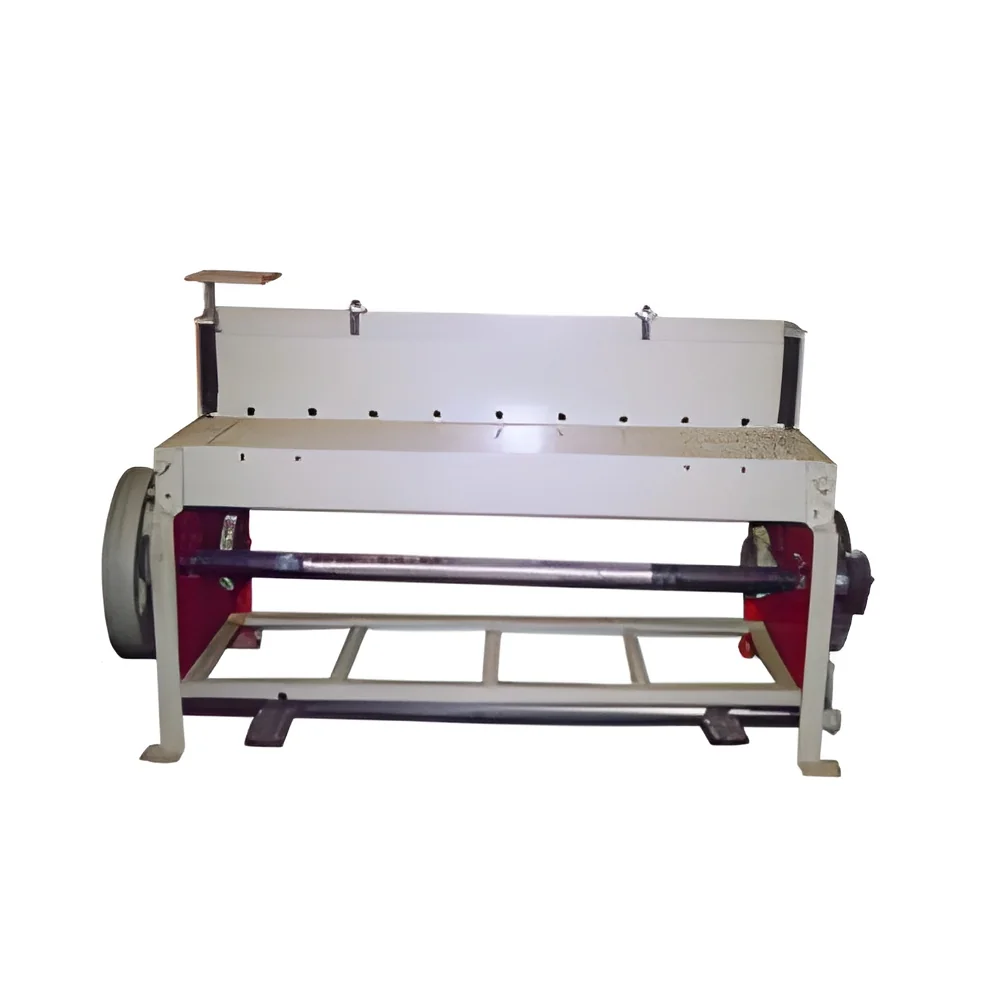
 India

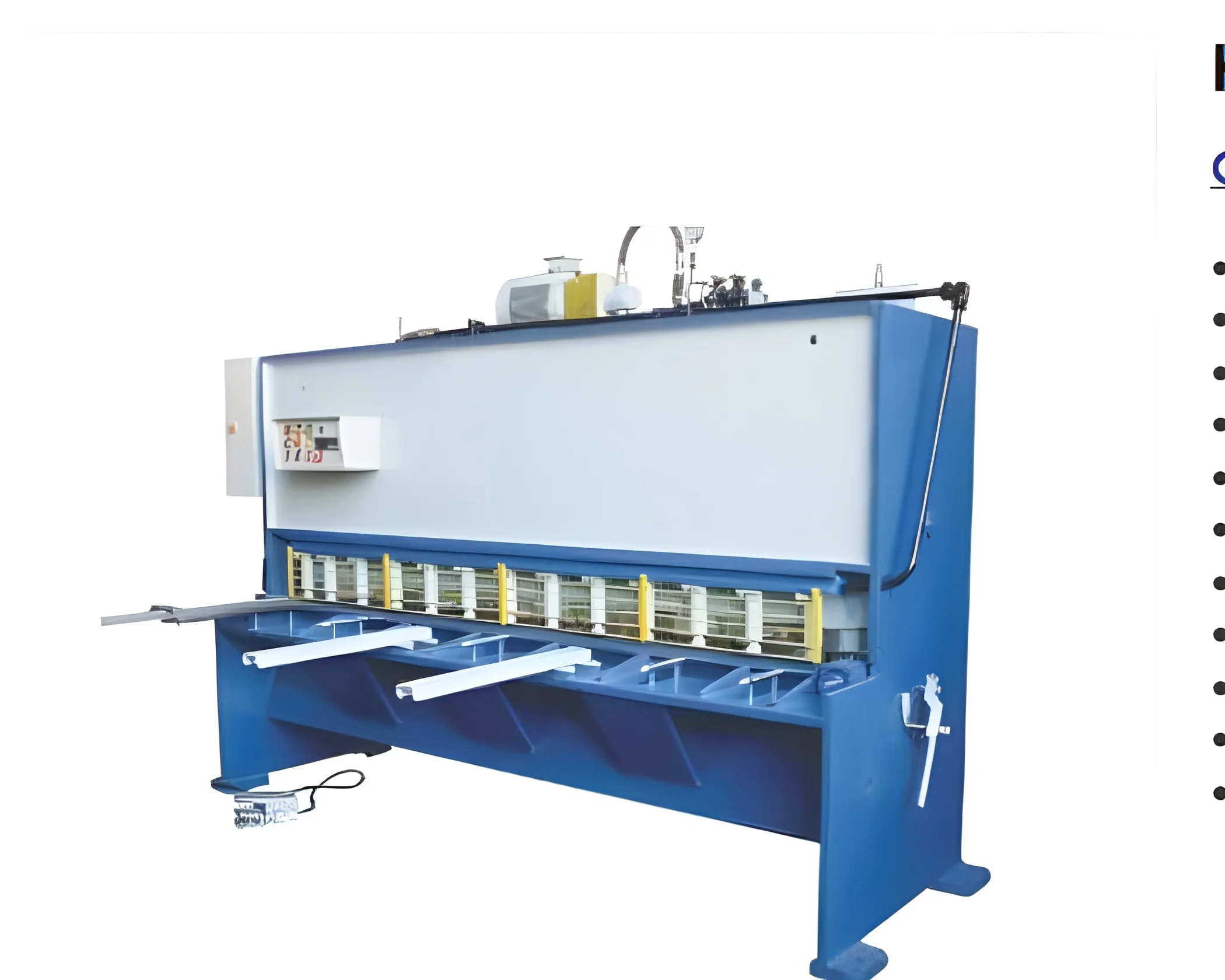
 India
Frequently Asked Questions
What are Shearing Machines (Hydraulic, Mechanical)?
Shearing Machines (Hydraulic, Mechanical) are industrial equipment used for cutting materials such as metal sheets, plates, and other materials with precision. These machines operate by applying a shearing force, either through hydraulic or mechanical means, to achieve clean cuts without generating significant waste.
What are the different types of Shearing Machines (Hydraulic, Mechanical)?
The main types of Shearing Machines include hydraulic shearing machines and mechanical shearing machines. Hydraulic shearing machines utilize hydraulic pressure to perform cuts, while mechanical shearing machines use mechanical mechanisms such as gears and levers to achieve the cutting action.
How do I choose the right Shearing Machines (Hydraulic, Mechanical)?
Choosing the right Shearing Machine involves considering factors such as the thickness and type of material to be cut, the desired cutting speed, and the machine's capacity. Additionally, it's important to evaluate the machine's features, such as blade quality and safety mechanisms, to ensure it meets your production needs.
What are the standard specifications for Shearing Machines (Hydraulic, Mechanical)?
Standard specifications for Shearing Machines typically include cutting capacity, blade length, stroke length, and the maximum material thickness. Other critical specifications may involve the machine's power requirements, dimensions, and weight, which influence its operational efficiency and suitability for specific applications.
What is the price range for Shearing Machines (Hydraulic, Mechanical)?
The price range for Shearing Machines can vary widely based on factors such as type, capacity, and manufacturer. Generally, hydraulic shearing machines may range from INR 1,50,000 to INR 20,00,000, while mechanical machines can be available from INR 1,00,000 to INR 15,00,000.
What quality standards apply to Shearing Machines (Hydraulic, Mechanical)?
Quality standards for Shearing Machines include adherence to ISO certifications for manufacturing processes and safety standards. Machines should also comply with specific industry standards, such as ISI or CE marking, depending on the market and application.
Where can I find Shearing Machines (Hydraulic, Mechanical) suppliers in India?
You can find Shearing Machines suppliers in India through online B2B marketplaces like Pepagora.com, industry trade shows, and local machine tool exhibitions. Additionally, directories and trade associations related to manufacturing and machinery can provide valuable contacts.
Can Shearing Machines (Hydraulic, Mechanical) be customized?
Yes, many manufacturers offer customization options for Shearing Machines to meet specific operational requirements. Customizations can include changes in cutting capacity, blade types, and additional features such as automatic feeding systems or advanced control systems.
What is the typical minimum order quantity for Shearing Machines (Hydraulic, Mechanical)?
The typical minimum order quantity (MOQ) for Shearing Machines varies by manufacturer and can range from one unit for standard models to multiple units for customized machines. It is advisable to check with specific suppliers for their MOQ policies.
What is the typical lead time for Shearing Machines (Hydraulic, Mechanical)?
The typical lead time for Shearing Machines can range from 4 to 12 weeks, depending on the type of machine and the complexity of any customizations. Factors such as supplier location and production schedules also influence the overall delivery time.
Why Businesses Trust Pepagora
Thousands of companies trust Pepagora to source smarter and sell faster
Expand Your Sales Globally

Source Smarter,Grow Faster
