
 IN
Seed Graders & Cleaners
5 products available
What are Seed Graders & Cleaners?
Seed graders and cleaners are specialized machines designed to sort, clean, and prepare seeds for planting and storage. They play a critical role in ensuring that seeds meet the quality standards required for agricultural productivity. These machines utilize various methods, such as air screening, gravity separation, and mechanical sorting, to remove impurities like dirt, chaff, and damaged seeds from the seed batch.
The primary uses of seed graders and cleaners are found in agricultural seed production and processing businesses. They are essential for seed companies, farms, and agricultural cooperatives that aim to enhance seed quality and viability. By ensuring cleaner and more uniform seed batches, these machines contribute to higher germination rates and better crop yields. The relevance of seed graders and cleaners is underscored by the growing demand for quality seeds in a competitive agricultural market, where efficiency and productivity are paramount.
Key Features and Specifications
Seed graders and cleaners are equipped with advanced technologies to enhance their efficiency and reliability. They come with various features that make them suitable for different types of seeds and operational requirements.
Key specifications include:
1. Cleaning Method
- Utilizes air flow, vibration, and gravity separation techniques
- Ensures thorough removal of impurities
2. Capacity
- Varies based on model; typically ranges from 100 to 2000 kg per hour
- Suitable for small to large scale operations
3. Size and Dimensions
- Compact designs for easy integration into existing workflows
- Dimensions can vary; standard sizes available
4. Power Consumption
- Typically ranges from 1 kW to 10 kW
- Energy-efficient models available
5. Material Construction
- Built with durable materials such as stainless steel and heavy-duty plastics
- Resistant to corrosion and wear
6. User Interface
- Equipped with touch panels or manual controls
- Allows for easy operation and adjustments
7. Portability
- Some models are designed for mobile use
- Features wheels or lifting mechanisms
8. Safety Features
- Includes emergency stop buttons and safety guards
- Ensures compliance with industry safety standards
In summary, seed graders and cleaners are versatile machines that significantly enhance the efficiency of seed processing through advanced technological features and specifications.
Common Applications and Use Cases
Seed graders and cleaners are utilized across various industries to meet specific processing needs.
1. Agriculture: Seed companies use these machines to ensure that the seeds they sell are free from impurities, thus enhancing the quality offered to farmers.
2. Research Institutions: Agricultural research organizations utilize seed graders for testing and preserving different seed varieties, ensuring that they maintain genetic integrity.
3. Horticulture: Nurseries and horticulturists rely on seed cleaners to prepare seeds for planting in controlled environments, ensuring optimal growth conditions.
4. Food Production: Certain food processing companies use seed cleaners to prepare seeds for edible products, ensuring that only high-quality seeds are used.
5. Organic Farming: Organic seed producers utilize these machines to maintain the purity of their seeds, ensuring adherence to organic farming regulations.
6. Seed Banks: Institutions that conserve seeds for future use rely on graders and cleaners to maintain seed viability over long periods.
7. Export Markets: Companies involved in the export of seeds need to use cleaners to meet international quality standards and regulations.
Product Variants and Subcategories
Seed graders and cleaners come in various models to cater to different processing requirements.
Standard Seed Graders
These machines are designed for general seed processing and are suitable for a variety of seed types. They feature adjustable settings for different seed sizes and cleaning requirements.
Advanced Seed Cleaners
These models incorporate advanced technologies such as electronic sorting and monitoring systems. They are ideal for high-volume operations and provide enhanced cleaning efficiency.
Mobile Seed Graders
These portable units are designed for on-site seed processing. They are typically lightweight and easy to transport, making them ideal for small farms or remote locations.
Benefits and Advantages
Investing in seed graders and cleaners brings numerous benefits to businesses engaged in seed production and processing.
1. Enhanced Seed Quality: These machines ensure that only high-quality seeds are selected for planting, leading to better crop yields.
2. Increased Efficiency: Automated processes reduce the time and labor needed for seed cleaning, allowing for quicker turnaround times.
3. Cost Savings: By improving seed purity and reducing wastage, businesses can save money in the long term.
4. Consistency: Seed graders ensure uniformity in seed size and quality, which is essential for optimal planting and growth.
5. Compliance Assurance: Using these machines helps businesses meet industry standards and regulations, particularly in export markets.
6. Improved Marketability: High-quality seeds attract more buyers, enhancing the market position of seed producers.
Buying Guide for B2B Buyers
When sourcing seed graders and cleaners, it is crucial for businesses to consider several key factors.
1. Quality Assessment: Look for machines that meet recognized quality standards. Consider the durability and performance metrics of the equipment.
2. Supplier Verification: Vet suppliers by checking their industry reputation, customer reviews, and certifications to ensure reliability.
3. Pricing and MOQ: Understand the pricing structure and minimum order quantities to negotiate effectively and ensure that the investment aligns with budget constraints.
4. Delivery and Lead Times: Factor in logistics and delivery times when planning for equipment procurement to avoid operational delays.
5. Compliance Requirements: Ensure that the equipment complies with relevant industry regulations and quality standards to facilitate seamless operations.
Compliance and Certifications
Seed graders and cleaners must adhere to various quality standards and certifications to ensure safety and reliability. One of the key standards is ISO 9001, which focuses on quality management systems, ensuring that equipment meets customer and regulatory requirements.
Additionally, HACCP (Hazard Analysis Critical Control Point) standards may be relevant, especially for companies involved in food production. This ensures that the equipment is capable of maintaining safety throughout the seed processing stages.
CE certification is also significant, particularly for machines sold in the European market, indicating compliance with health, safety, and environmental protection standards.
Businesses should also remain aware of regional compliance considerations that may differ based on local regulations, ensuring that their seed graders and cleaners meet all required standards.
Why Source Seed Graders & Cleaners from Pepagora?
Pepagora provides a trusted platform for sourcing seed graders and cleaners, offering several key advantages to buyers.
Verified Supplier Network: Pepagora has established a comprehensive network of verified suppliers, ensuring that buyers have access to high-quality machines from reputable manufacturers.
Streamlined RFQ Process: The request for quotation (RFQ) system simplifies the process of obtaining quotes, allowing buyers to compare options efficiently and make informed decisions.
Trade Assurance and Support: Pepagora offers trade assurance, providing buyers with protection against potential disputes and ensuring a secure purchasing experience.
Regional Coverage: With a strong presence in India, the GCC, and Southeast Asia, Pepagora provides extensive regional support, helping businesses find suitable seed grading and cleaning solutions tailored to their market needs.


 India
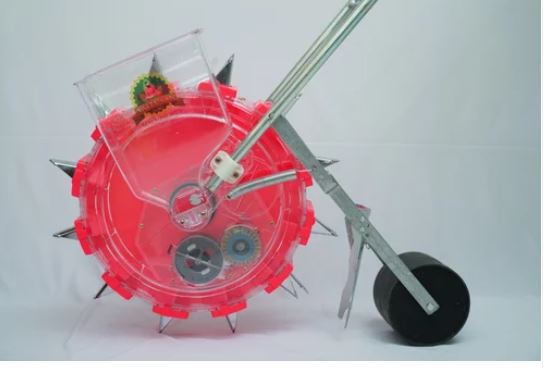

 India
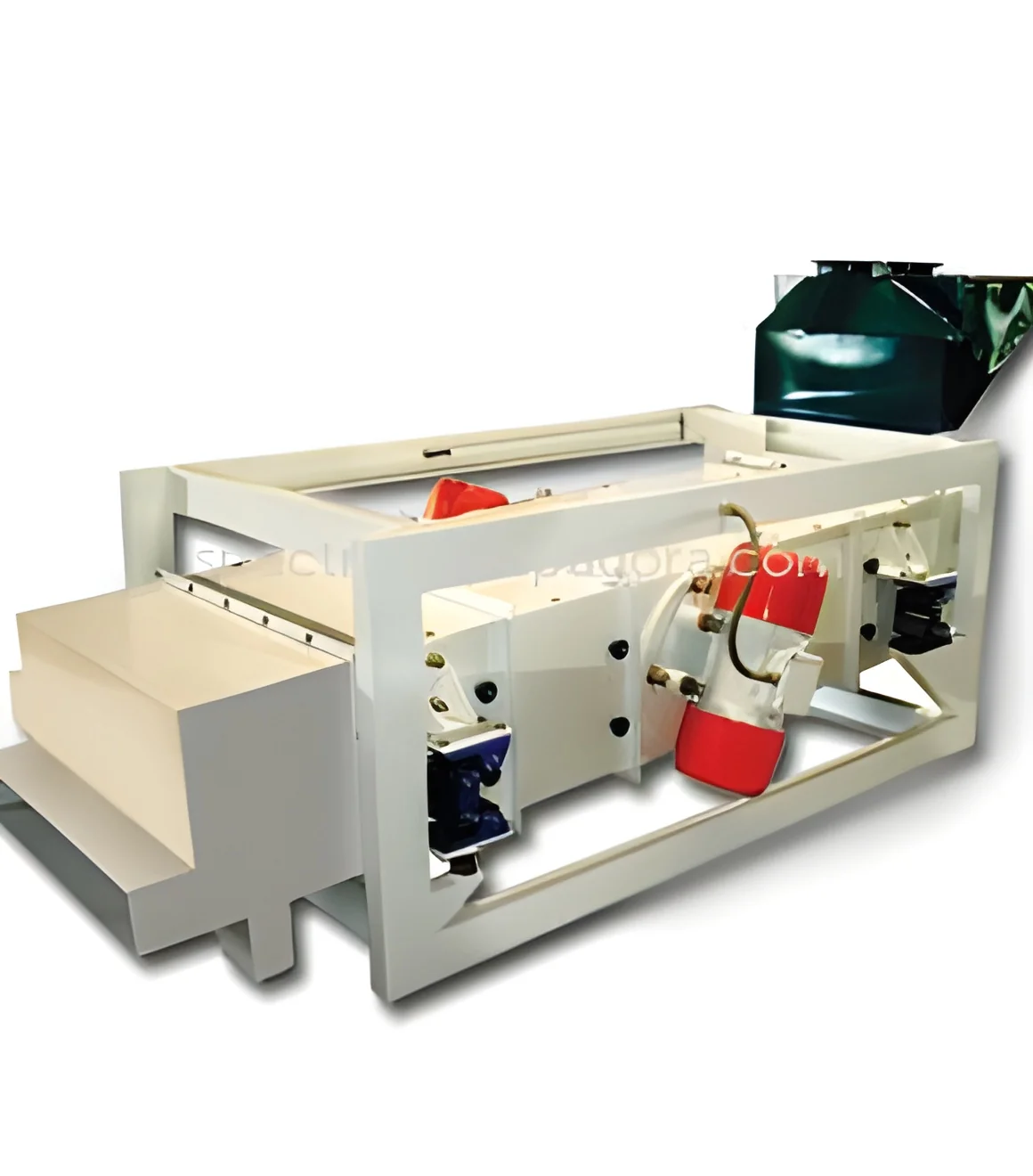
 India
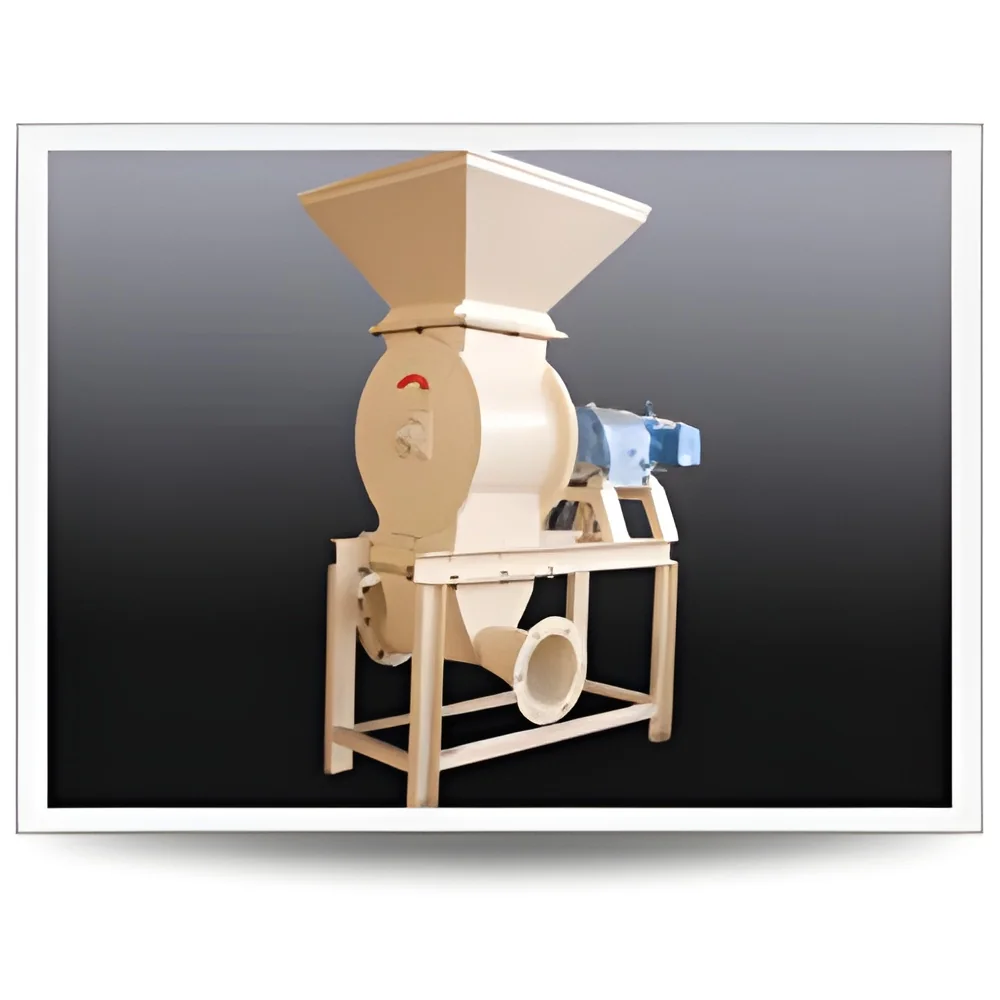 India
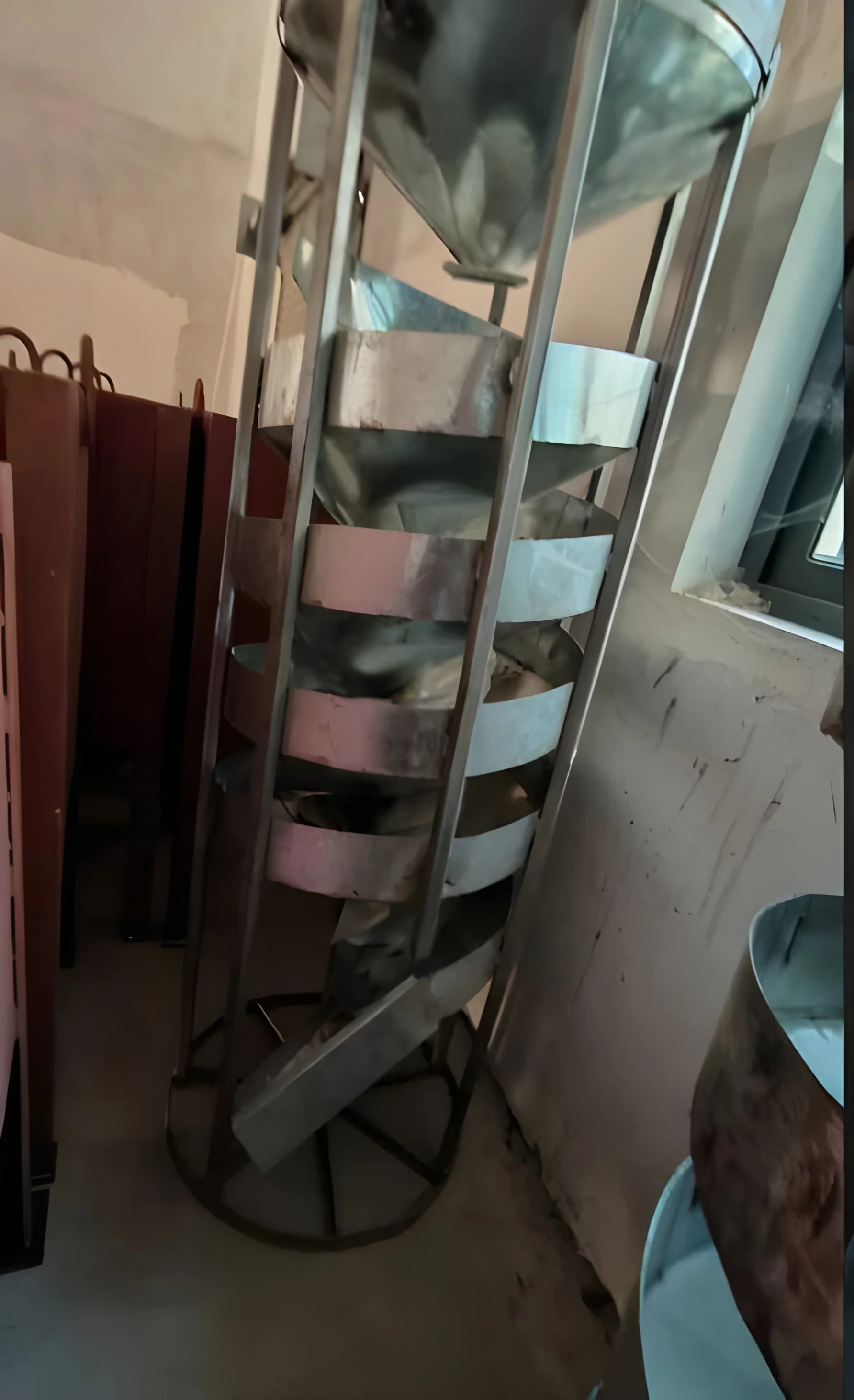

Frequently Asked Questions
What are Seed Graders & Cleaners?
Seed Graders & Cleaners are specialized machines used in agriculture to separate, sort, and clean seeds based on size, weight, and quality. They play a crucial role in ensuring that seeds are free from impurities and are of high quality, which is essential for successful planting and crop yield.
What are the different types of Seed Graders & Cleaners?
There are several types of Seed Graders & Cleaners, including air screen cleaners, gravity separators, and optical sorters. Each type serves a specific purpose, such as removing dust and debris, sorting seeds by size, or detecting and eliminating defective seeds through imaging technology.
How do I choose the right Seed Graders & Cleaners?
Choosing the right Seed Graders & Cleaners involves assessing your specific needs, including the type of seeds you are processing and the desired level of purity. Consider factors such as machine capacity, energy efficiency, and the technology used for cleaning and grading.
What are the standard specifications for Seed Graders & Cleaners?
Standard specifications for Seed Graders & Cleaners typically include dimensions, capacity (in terms of seed volume per hour), power requirements, and the types of seeds they can process. Additionally, features such as adjustable screens, air flow control, and ease of maintenance are important specifications to consider.
What is the price range for Seed Graders & Cleaners?
The price range for Seed Graders & Cleaners can vary significantly based on the type, brand, and features of the machine. Generally, prices can start from a few thousand Indian Rupees for basic models and can go up to several lakhs for advanced, high-capacity machines.
What quality standards apply to Seed Graders & Cleaners?
Quality standards for Seed Graders & Cleaners often include compliance with ISO certifications and adherence to agricultural equipment regulations. These standards ensure that machines are reliable, efficient, and capable of maintaining high seed quality during processing.
Where can I find Seed Graders & Cleaners suppliers in India?
You can find Seed Graders & Cleaners suppliers in India through online B2B marketplaces like Pepagora.com, agricultural trade shows, and industry-specific directories. It is advisable to check supplier credentials, reviews, and product offerings to ensure quality and reliability.
Can Seed Graders & Cleaners be customized?
Yes, many manufacturers offer customization options for Seed Graders & Cleaners to meet specific requirements. Customizations may include adjustments to machine size, processing capacity, and the integration of specialized features tailored to particular seed types.
What is the typical minimum order quantity for Seed Graders & Cleaners?
The typical minimum order quantity (MOQ) for Seed Graders & Cleaners can vary by supplier, ranging from one unit for smaller manufacturers to larger quantities for bulk orders. It is recommended to inquire directly with suppliers for their specific MOQ policies.
What is the typical lead time for Seed Graders & Cleaners?
The typical lead time for Seed Graders & Cleaners can range from a few weeks to several months, depending on the manufacturer's production schedule and the complexity of the order. It is advisable to confirm lead times with suppliers when placing an order.
Why Businesses Trust Pepagora
Thousands of companies trust Pepagora to source smarter and sell faster
Expand Your Sales Globally

Source Smarter,Grow Faster
