
 IN
Plastic Drying Machinery
39 products available
What are Plastic Drying Machinery?
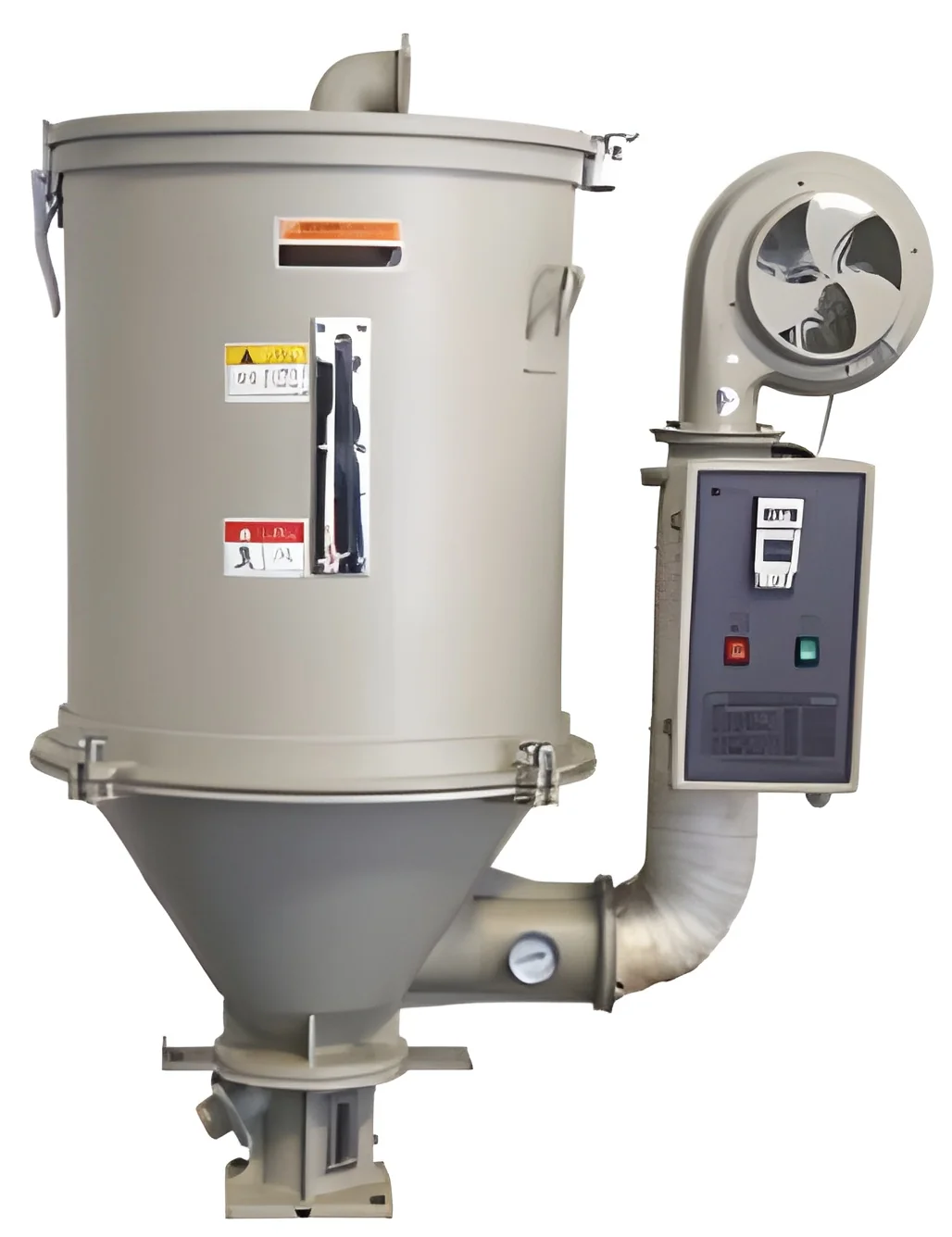
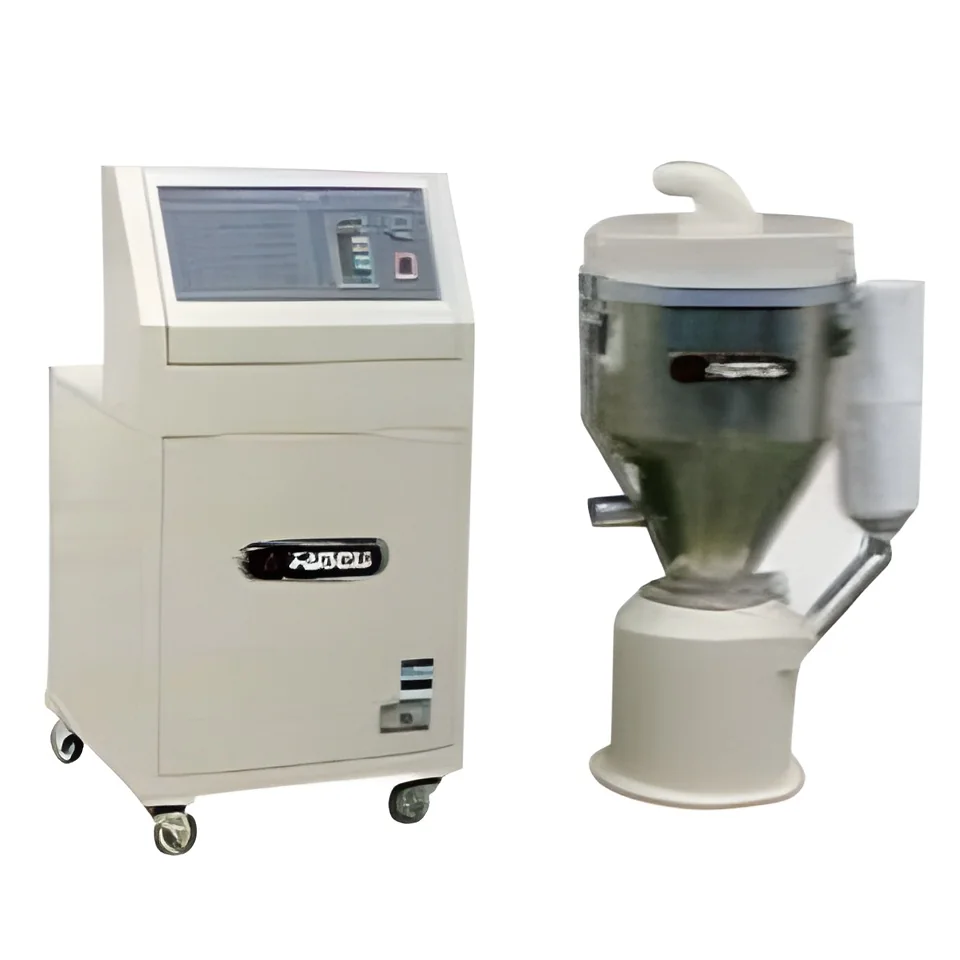
Plastic drying machinery refers to specialized equipment used to remove moisture from plastic materials before processing. This machinery plays a crucial role in ensuring that the plastic is in optimal condition for further manufacturing, such as injection molding or extrusion. Efficient drying helps to enhance the quality and performance of the final products by preventing defects caused by moisture.
The primary uses of plastic drying machinery span various sectors, including automotive, packaging, and consumer goods. In these industries, the machinery is essential for processing materials like polyethylene, polypropylene, and polycarbonate. By removing moisture, the machinery helps to avoid issues such as bubbling, poor surface finish, and dimensional instability in the final products. As demand for high-quality plastic products continues to grow, the relevance of plastic drying machinery in the manufacturing process has become increasingly significant.
In the current market context, the plastic drying machinery industry is evolving with advancements in technology. Manufacturers are focusing on energy-efficient and cost-effective solutions to meet the rising demands. The integration of automation and monitoring features in drying systems is becoming common, aligning with the industry's trend towards smart manufacturing practices.
Key Features and Specifications
Plastic drying machinery comes equipped with various features that enhance its efficiency and effectiveness. These features are critical for ensuring optimal moisture removal from plastic materials. Below are some key specifications to consider when evaluating plastic drying machinery.
Key specifications include:
1. Temperature Control
- Adjustable temperature settings for precise drying
- Typical ranges are not specified
2. Humidity Control
- Mechanisms to monitor and regulate humidity levels
- Specific controls are not detailed
3. Drying Capacity
- Varies based on machine size and design
- Generally ranges from 50 kg to several tons per hour
4. Energy Efficiency
- Designed to minimize energy consumption during operation
- Specific ratings or efficiency metrics are not available
5. Automation Features
- Integration of advanced control systems for automated operations
- Monitoring features for real-time adjustments are not specified
6. Material Compatibility
- Suitable for a wide range of plastic materials
- Includes thermoplastics like ABS, PET, and PA
7. Safety Features
- Includes overload protection and emergency stop functions
- Compliance with basic safety standards is common
8. Maintenance Requirements
- Designed for easy access to components for cleaning and maintenance
- Specific maintenance frequency is not mentioned
In summary, understanding these specifications can help businesses choose the right plastic drying machinery tailored to their manufacturing needs.
Common Applications and Use Cases
Plastic drying machinery serves various industries, optimizing the manufacturing process by ensuring that raw materials are dry and ready for production.
1. Automotive: In the automotive industry, plastic drying machinery is used to process materials like polypropylene for dashboards and interior components, ensuring a perfect finish and durability.
2. Packaging: Packaging manufacturers utilize drying systems for materials such as polyethylene and PET, which are essential for producing high-quality films and containers that resist moisture.
3. Consumer Goods: Companies producing consumer goods rely on drying machinery to prepare plastics for household items, ensuring that the products are free of moisture that could lead to defects.
4. Electronics: In electronics manufacturing, drying machinery is critical for materials such as polycarbonate, used in housings and components, which require precise moisture levels.
5. Medical Devices: The medical industry utilizes plastic drying equipment to ensure that components for devices are free from moisture, maintaining the integrity and safety of the products.
6. Construction: In construction, plastics used in fittings and fixtures undergo drying to prevent moisture-related issues during installation and use.
7. Textiles: The textile sector uses plastic drying machinery for synthetic fibers that require moisture removal before further processing.
Product Variants and Subcategories
Plastic drying machinery comes in several variants to meet diverse industrial needs. Each variant offers unique features suited for specific applications.
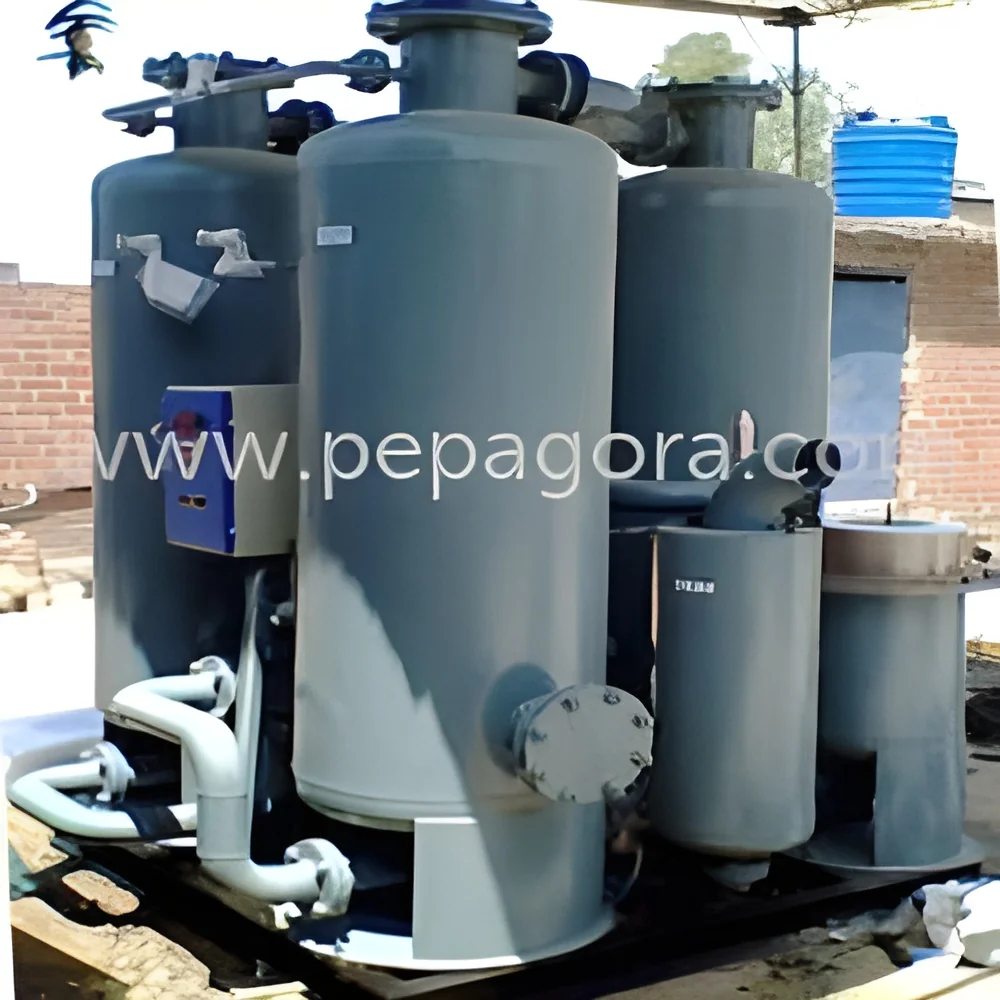
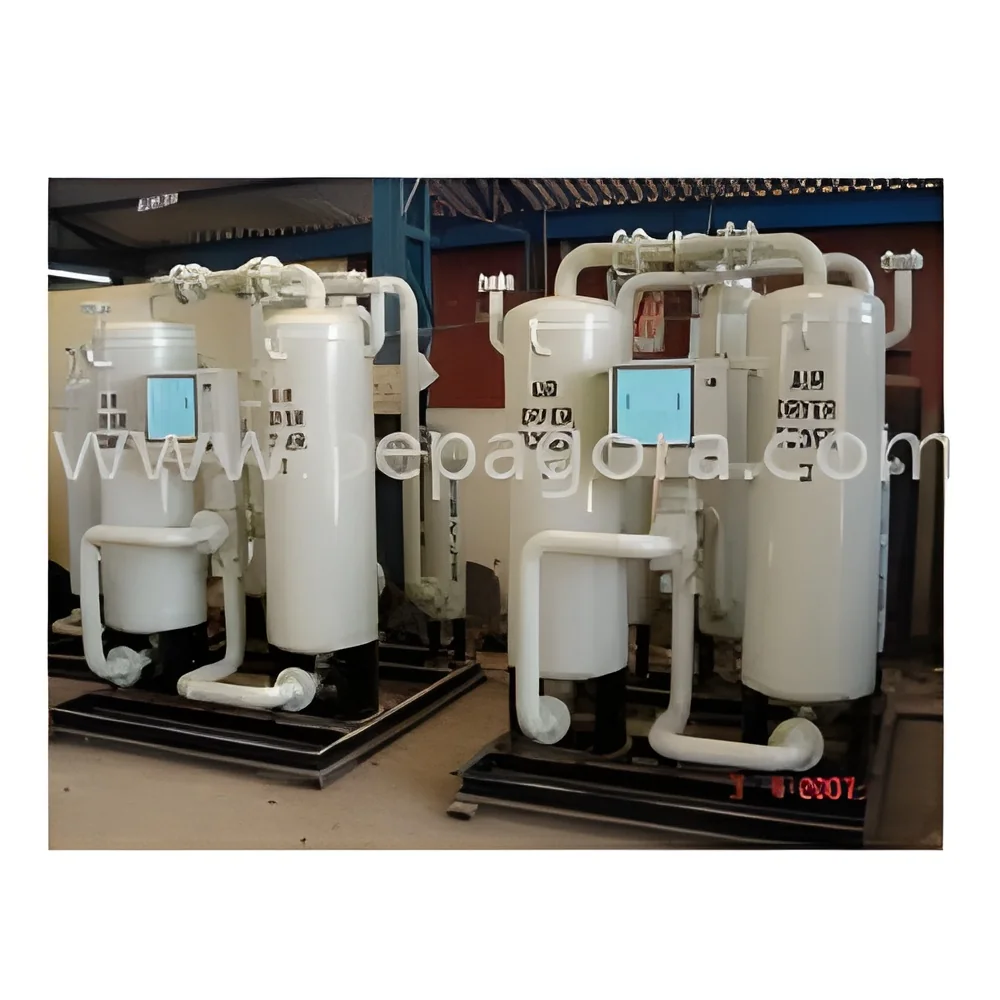
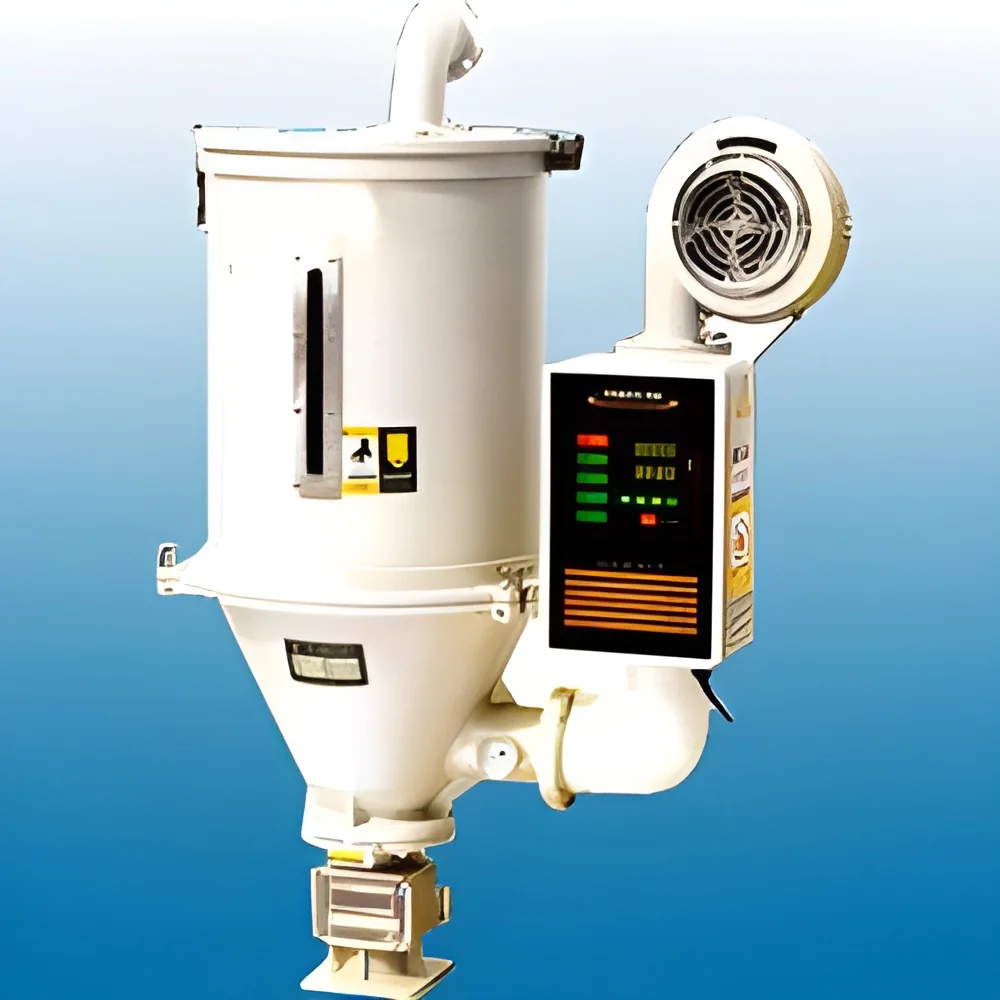
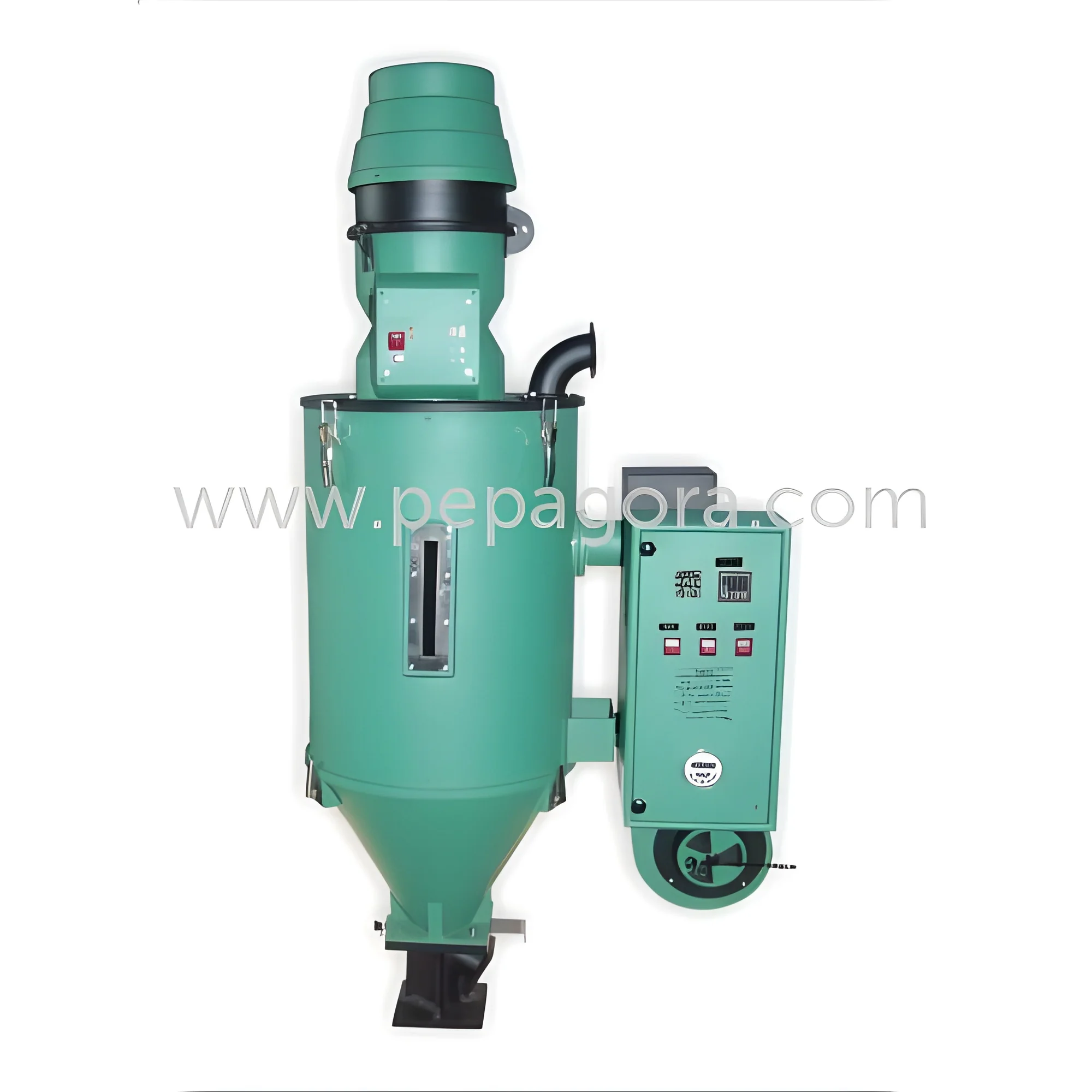
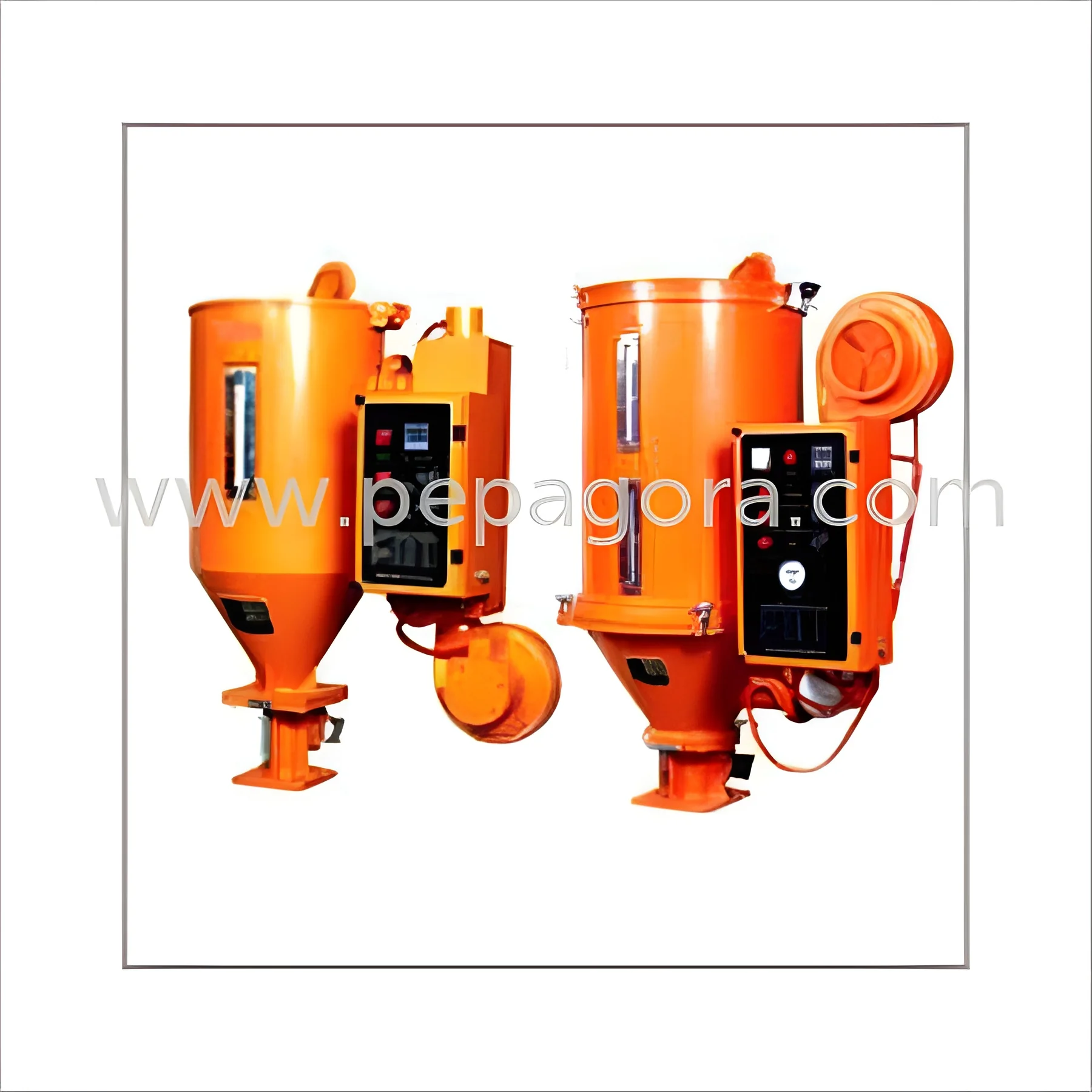
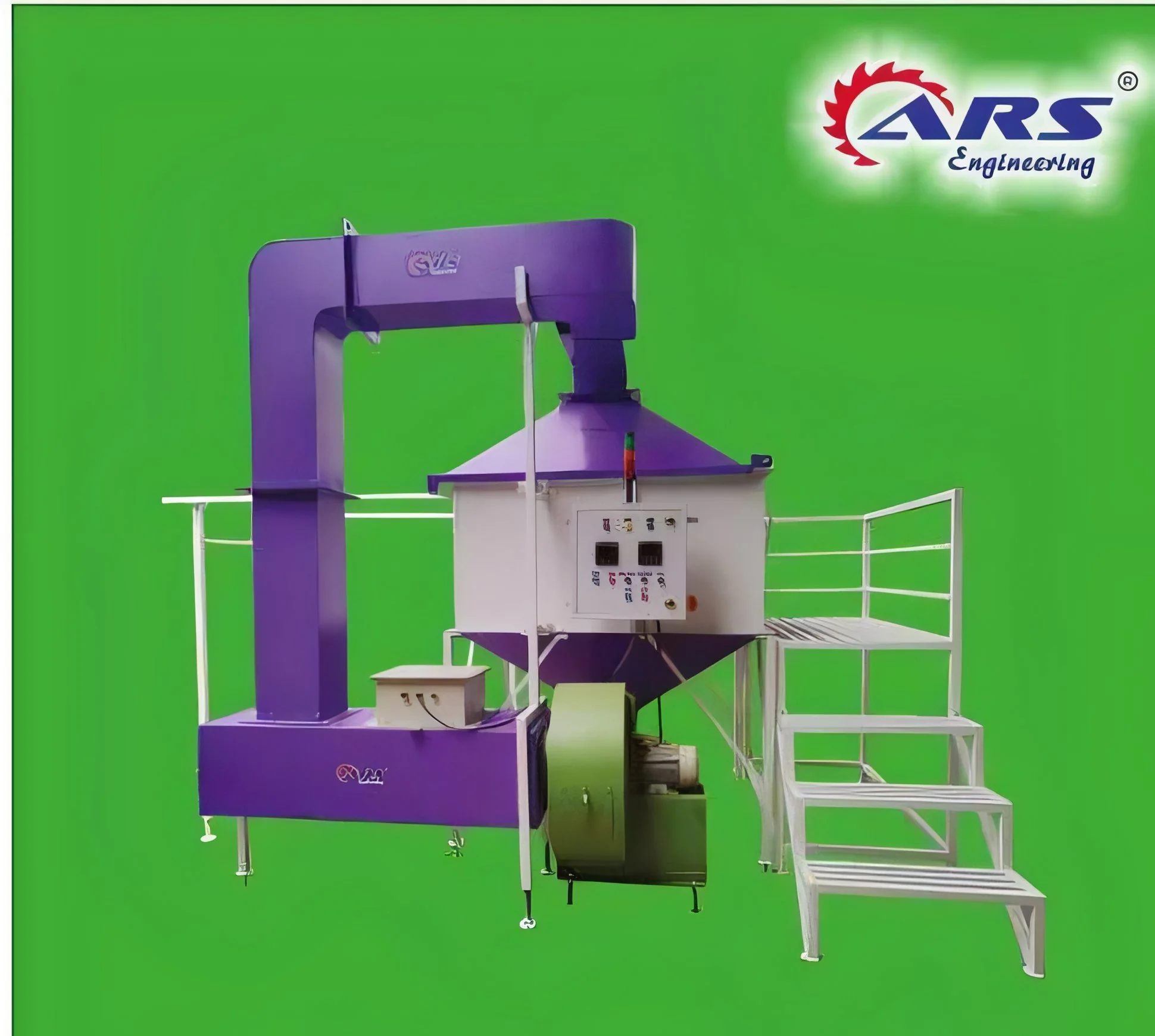
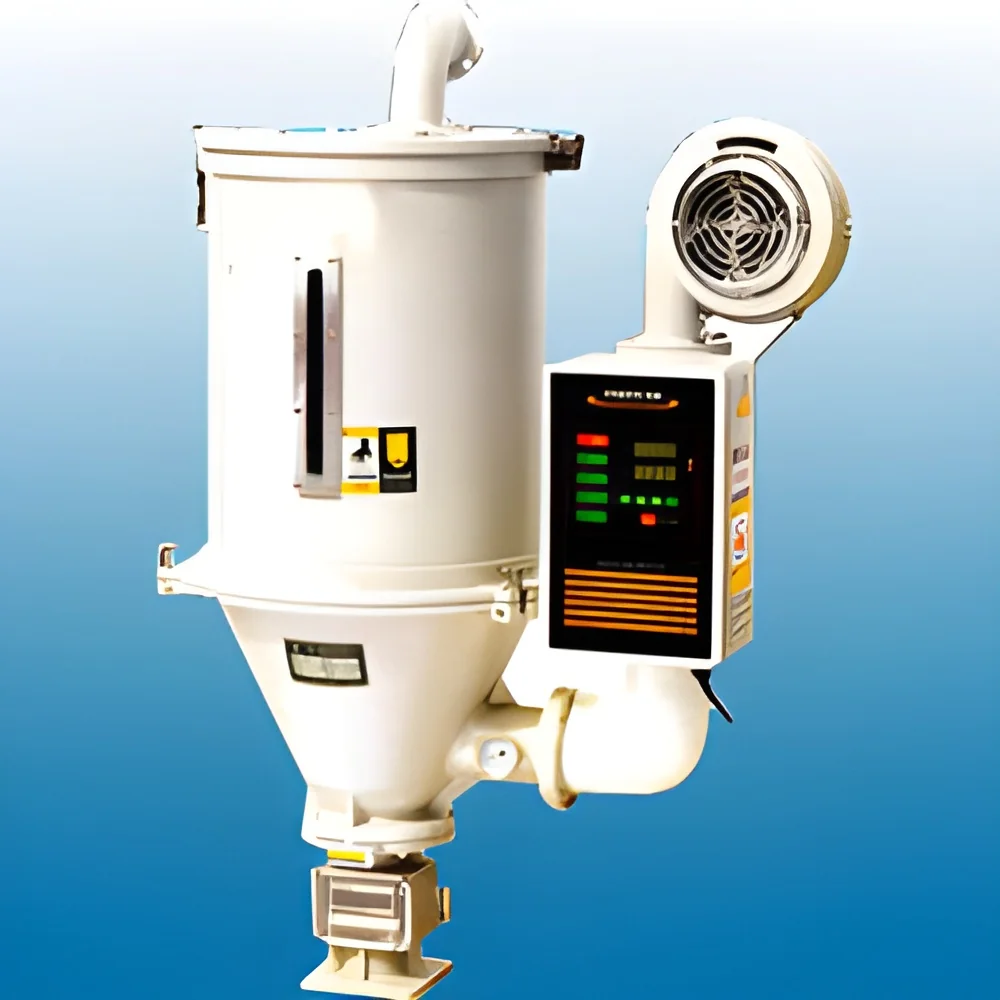
Desiccant Dryers: Desiccant dryers use hygroscopic materials to absorb moisture from the air and plastic. They are ideal for processing hygroscopic materials, ensuring a high drying efficiency.
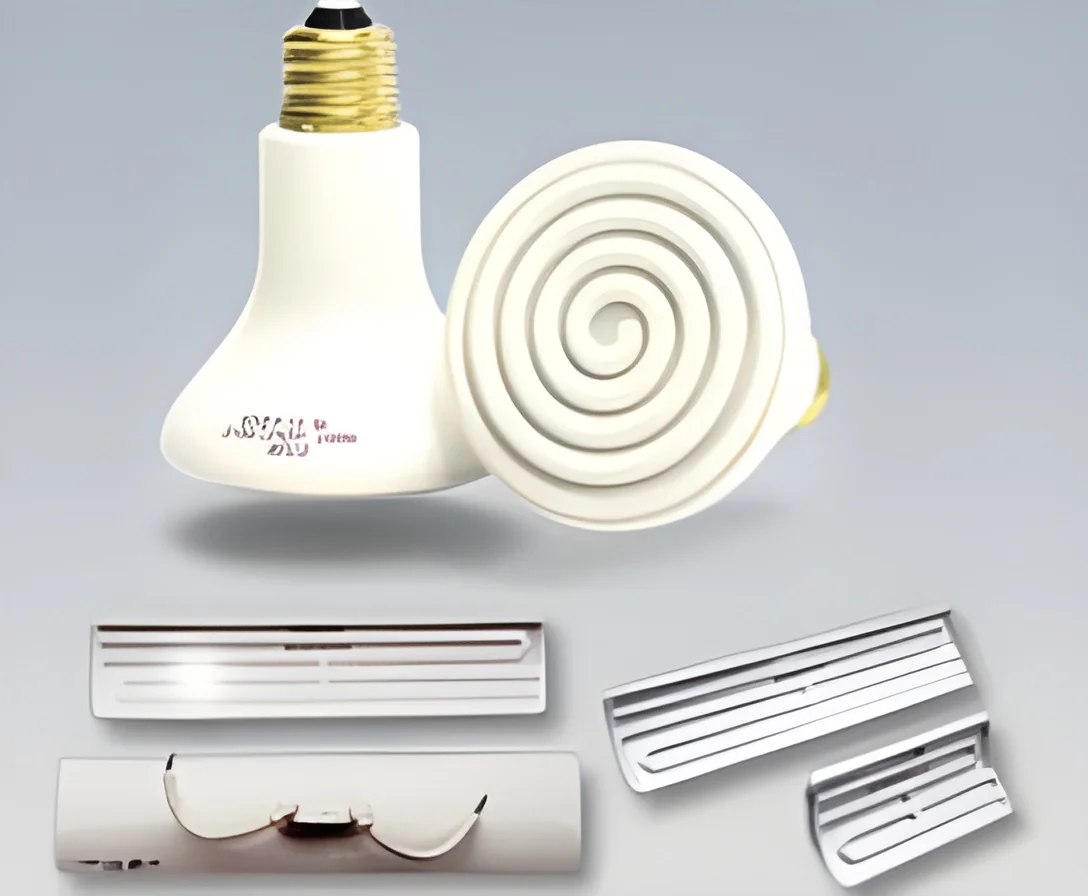
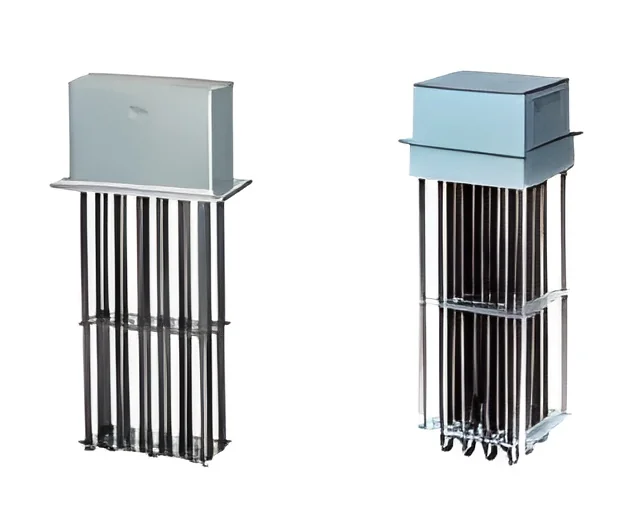
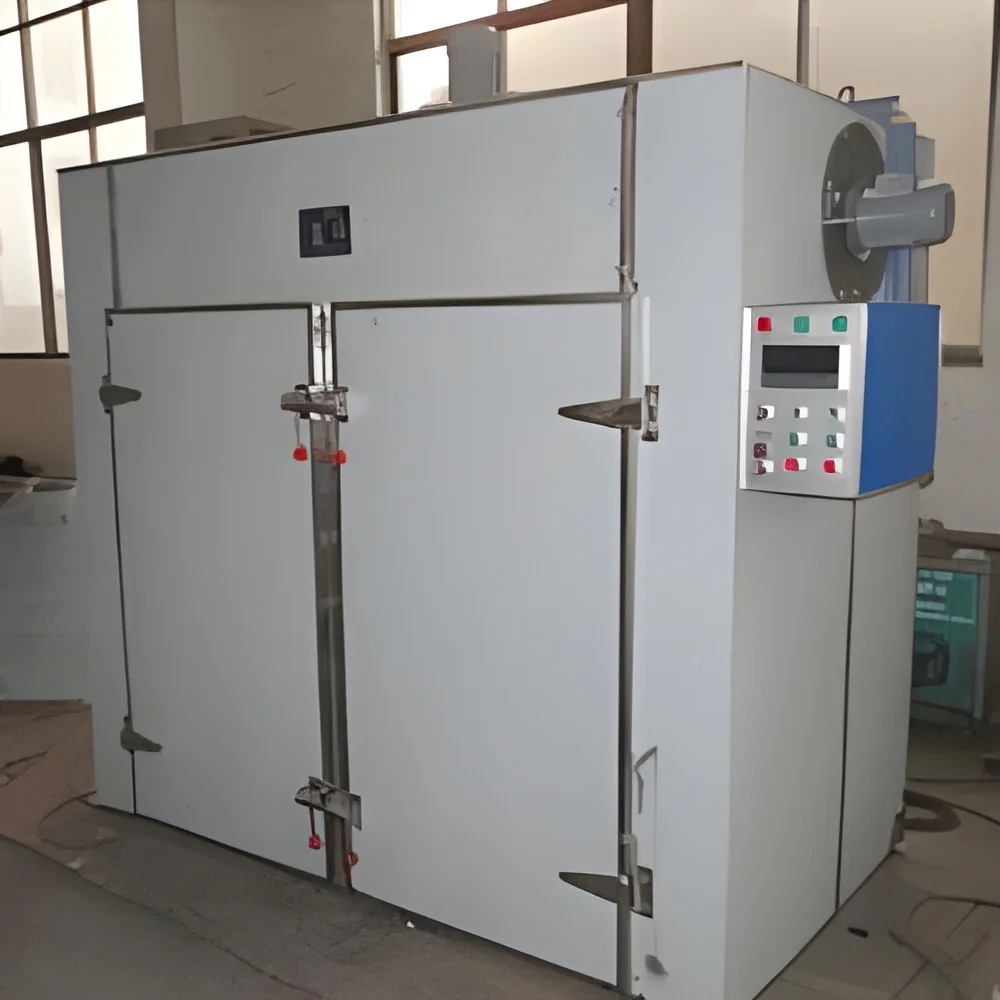
Hot Air Dryers: These systems circulate heated air over plastic materials to remove moisture. They are versatile and suitable for various types of plastics.
Vacuum Dryers: Vacuum drying uses reduced pressure to lower boiling points, allowing for efficient moisture removal. This method is particularly useful for sensitive materials that cannot withstand high temperatures.
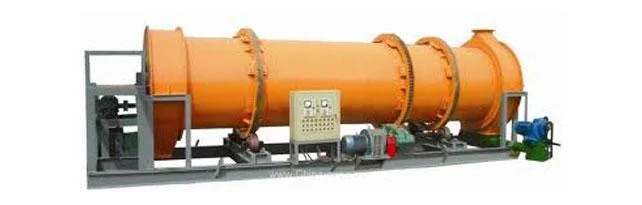
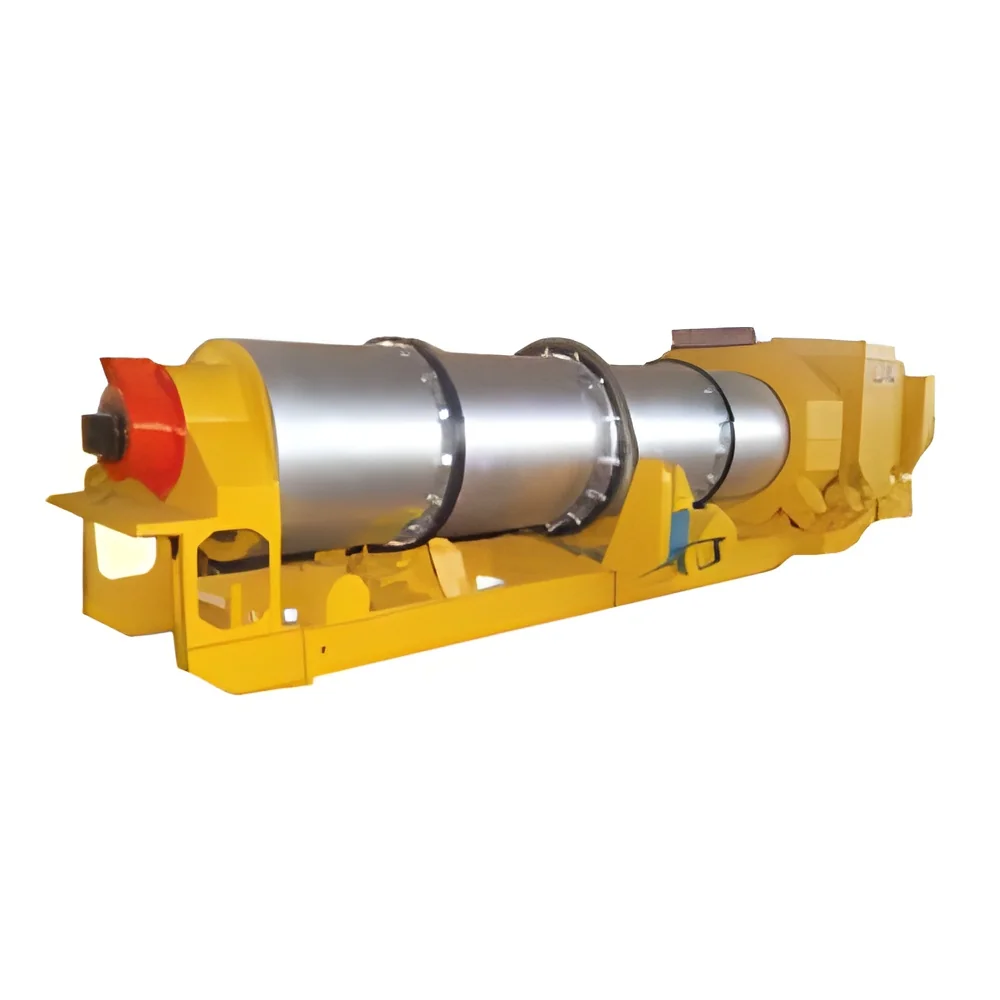
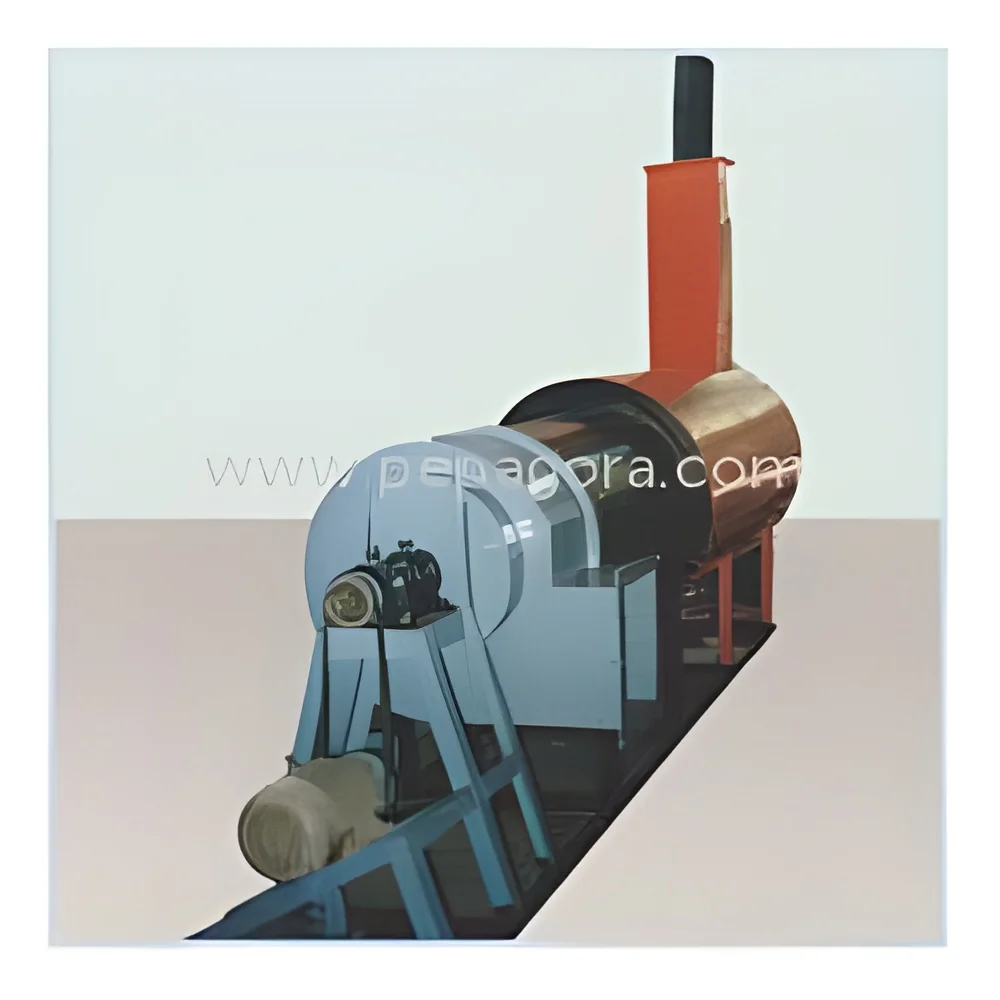
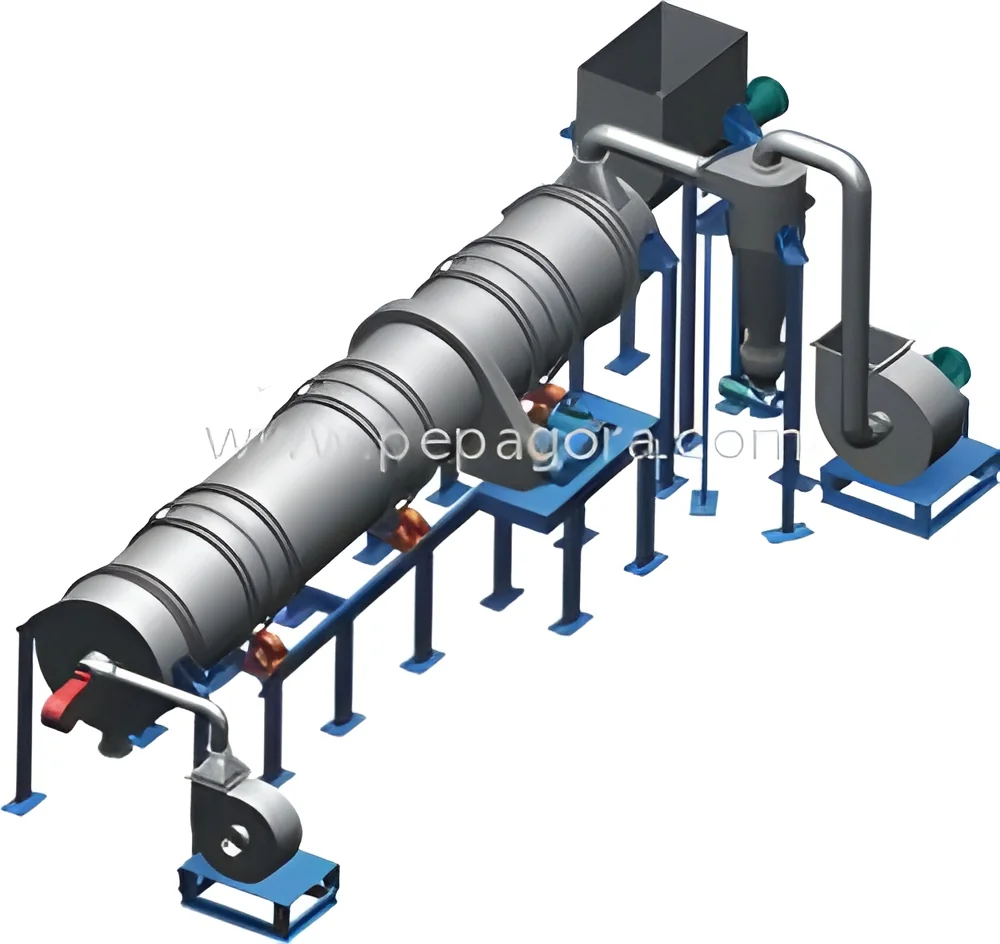
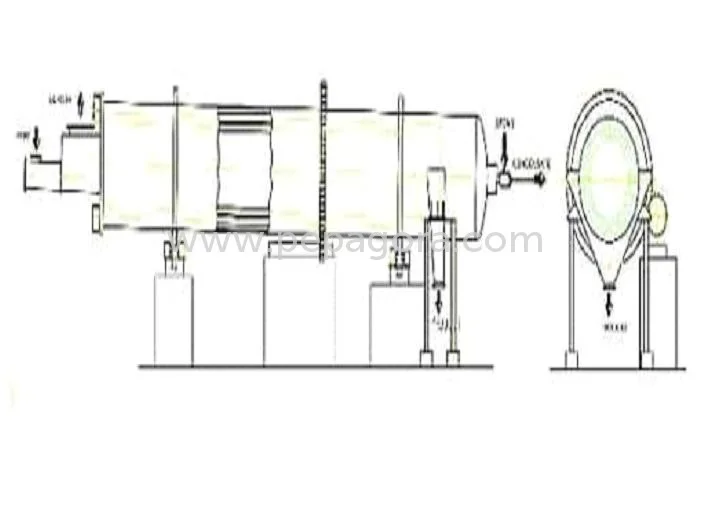
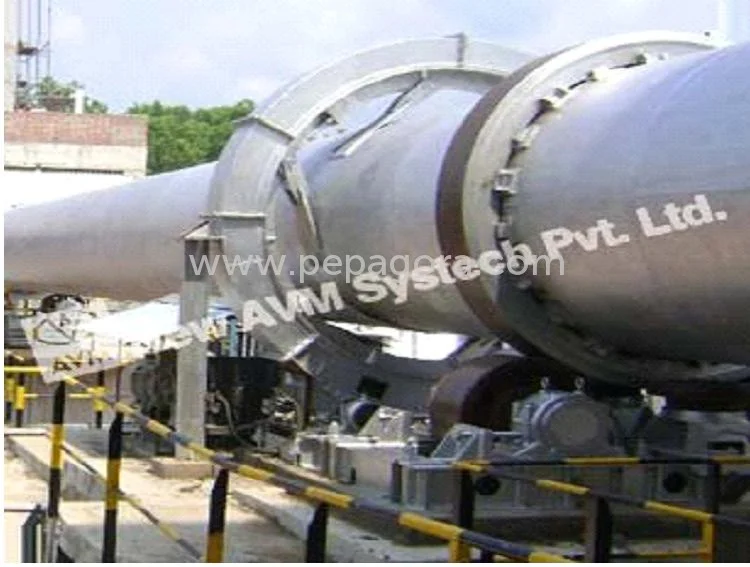
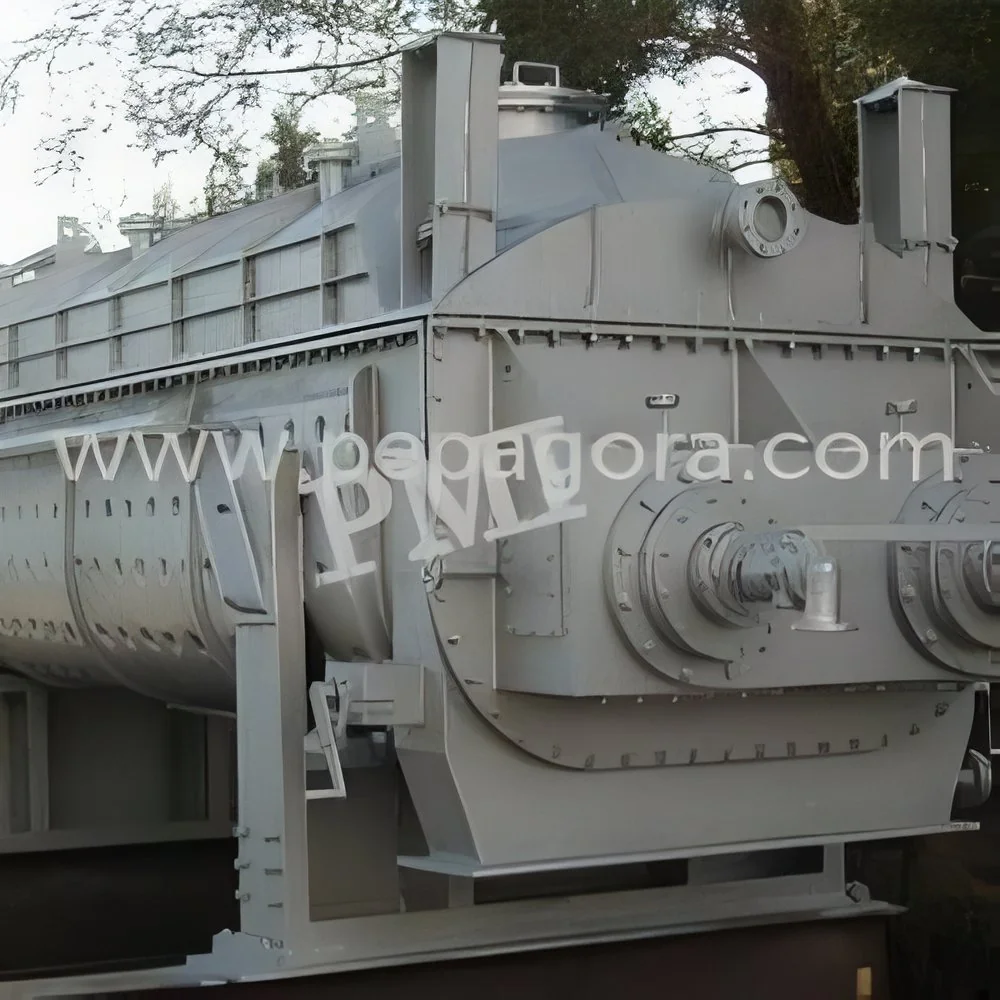
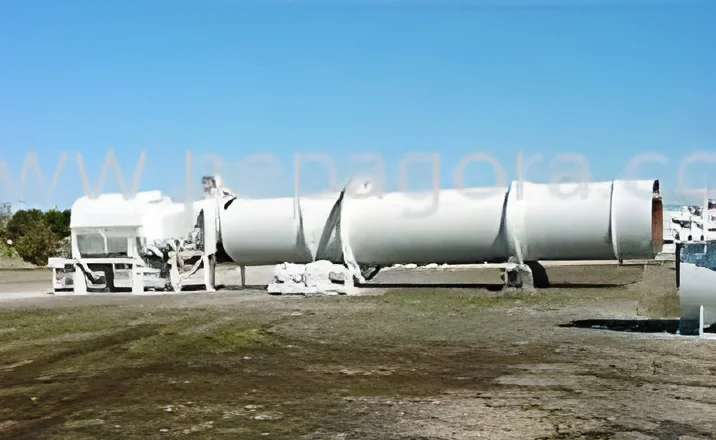
Rotary Dryers: Rotary dryers continuously process materials in a rotating drum, promoting uniform drying. They are effective for bulk drying applications.
Benefits and Advantages
Plastic drying machinery offers numerous benefits that enhance manufacturing processes and product quality.
1. Improved Product Quality: By effectively removing moisture, these machines help to prevent defects in plastic products, ensuring a higher standard of quality.
2. Enhanced Production Efficiency: Efficient drying processes can significantly reduce production time, leading to increased output and profitability.
3. Energy Savings: Advanced drying systems are designed to be energy-efficient, resulting in lower operational costs over time.
4. Consistent Performance: Reliable drying machinery ensures consistent moisture levels, leading to uniformity in the final products.
5. Versatility: These machines can handle a variety of plastic materials, making them adaptable to different manufacturing needs.
6. Reduced Waste: By preventing moisture-related defects, companies can minimize waste and improve overall resource efficiency.
Buying Guide for B2B Buyers
When sourcing plastic drying machinery, there are several important factors to consider to ensure a suitable purchase.
1. Quality Assessment: Evaluate the quality of machinery by reviewing specifications, materials used, and manufacturer reputation. Investigate customer reviews and testimonials for further insights.
2. Supplier Verification: It is crucial to vet suppliers to ensure they provide reliable equipment. Look for certifications and industry experience that demonstrate credibility.
3. Pricing and MOQ: Understand the pricing structure and minimum order quantities (MOQ) that suppliers offer. Compare quotes from multiple sources to find the best value.
4. Delivery and Lead Times: Inquire about delivery schedules and lead times to ensure timely availability of machinery for your production needs.
5. Compliance Requirements: Ensure that the machinery complies with relevant industry regulations and standards, such as CE certification, to avoid legal complications.
Compliance and Certifications
Plastic drying machinery must adhere to various compliance standards to ensure safety and efficiency. Relevant quality standards include ISO 9001, which focuses on quality management systems, ensuring that manufacturers maintain consistent quality in their products.
Industry certifications, such as CE, indicate that the machinery meets European safety, health, and environmental protection standards. These certifications are essential for gaining market access and ensuring compliance with regional laws.
Safety and testing requirements are critical in the manufacturing of plastic drying machinery. Equipment should undergo rigorous testing to ensure that it operates safely and efficiently under various conditions.
Additionally, regional compliance considerations are important for manufacturers looking to export equipment. Understanding local regulations in different markets can aid in avoiding potential compliance issues.
Why Source Plastic Drying Machinery from Pepagora?
Pepagora provides a trusted platform for sourcing plastic drying machinery, offering several key advantages to B2B buyers.
Verified Supplier Network: Pepagora connects buyers with a network of verified suppliers, ensuring that the machinery purchased meets high-quality standards. This network is built on trust and reliability, giving buyers confidence in their choices.
Streamlined RFQ Process: The Request for Quotation (RFQ) process on Pepagora is straightforward and efficient. Buyers can easily submit their requirements and receive competitive quotes from multiple suppliers, allowing for informed decision-making.
Trade Assurance and Support: Pepagora offers trade assurance, providing buyers with protection throughout the transaction process. This support helps to mitigate risks associated with purchasing industrial equipment.
Regional Coverage: With a strong presence in India, the GCC, and Southeast Asia, Pepagora offers extensive regional coverage. This geographical reach ensures that buyers can find suitable suppliers within their local markets, facilitating easier logistics and communication.

 India
 India
 India
 India
 India
 India
 India
 India
 India
 India
 India
 India
 India
 India

 India
 India
 India
 India
 India
 India
 India
 India



Frequently Asked Questions
What are Plastic Drying Machinery?
Plastic Drying Machinery refers to the equipment used to remove moisture from plastic materials before processing. This is crucial in ensuring the quality and consistency of the final product by preventing defects caused by excess moisture.
What are the different types of Plastic Drying Machinery?
There are several types of Plastic Drying Machinery, including dehumidifying dryers, hot air dryers, and vacuum dryers. Each type is designed to cater to specific processing needs and material types, providing efficient moisture removal.
How do I choose the right Plastic Drying Machinery?
Choosing the right Plastic Drying Machinery involves considering factors such as the type of plastic being processed, the required drying capacity, and energy efficiency. It is also important to assess the specific needs of your production line to select the most suitable model.
What are the standard specifications for Plastic Drying Machinery?
Standard specifications for Plastic Drying Machinery may include drying capacity, temperature range, power consumption, and material compatibility. It is essential to review these specifications to ensure the machinery meets the operational requirements.
What is the price range for Plastic Drying Machinery?
The price range for Plastic Drying Machinery can vary significantly based on the type, capacity, and features of the equipment. Generally, prices can start from a few thousand to several lakhs of Indian Rupees, depending on the specifications.
What quality standards apply to Plastic Drying Machinery?
Plastic Drying Machinery should comply with industry quality standards such as ISO certifications and safety regulations. Adhering to these standards ensures the reliability and efficiency of the machinery during operation.
Where can I find Plastic Drying Machinery suppliers in India?
You can find Plastic Drying Machinery suppliers in India through online B2B marketplaces like Pepagora, manufacturer directories, and trade shows. These platforms provide a comprehensive list of manufacturers and suppliers to choose from.
Can Plastic Drying Machinery be customized?
Yes, many manufacturers offer customization options for Plastic Drying Machinery to meet specific production needs. This can include modifications in size, capacity, and additional features based on the requirements of the buyers.
What is the typical minimum order quantity for Plastic Drying Machinery?
The typical minimum order quantity (MOQ) for Plastic Drying Machinery varies by manufacturer but usually ranges from one unit to multiple units depending on the complexity and specifications of the machinery.
What is the typical lead time for Plastic Drying Machinery?
The typical lead time for Plastic Drying Machinery can range from a few weeks to several months, depending on the manufacturer's production schedule and the complexity of the order. It is advisable to confirm the lead time with the supplier during the purchasing process.
Why Businesses Trust Pepagora
Thousands of companies trust Pepagora to source smarter and sell faster
Expand Your Sales Globally

Source Smarter,Grow Faster
