
 IN
Film Blowing Machines
3 products available
What are Film Blowing Machines?
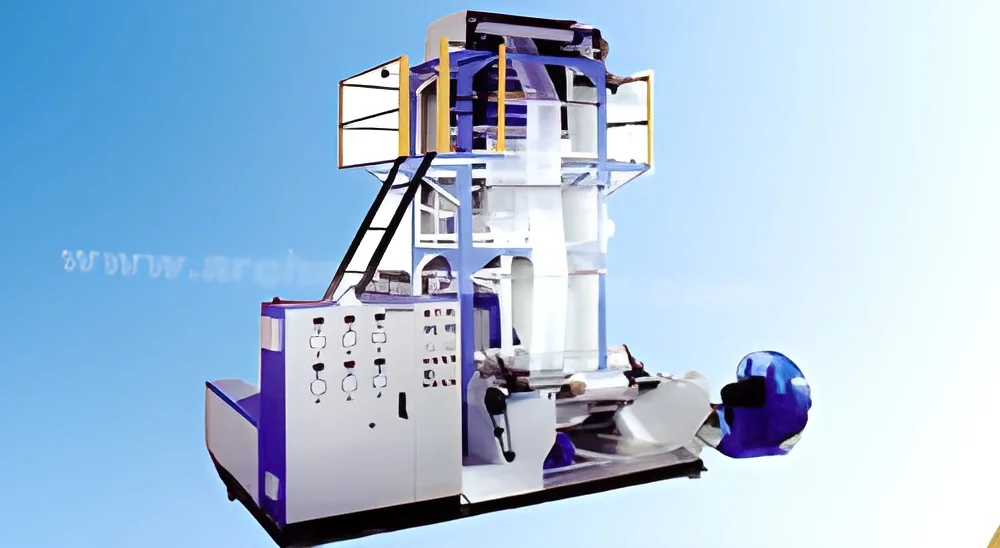
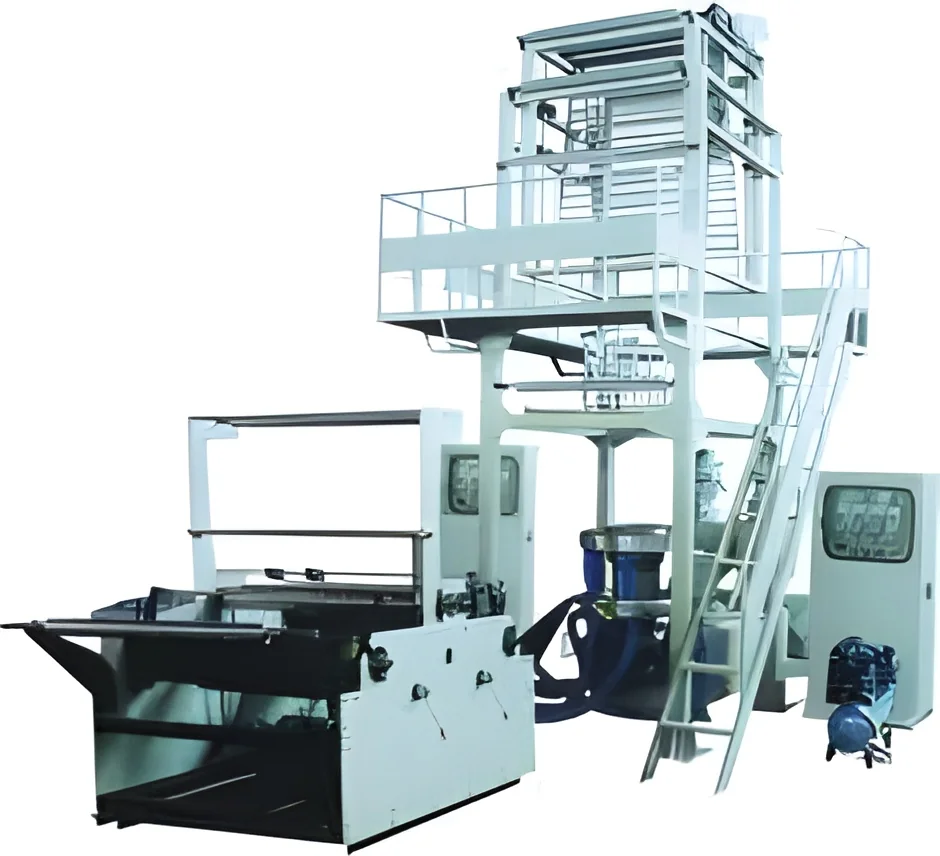
Film blowing machines are specialized industrial equipment designed to produce plastic films by melting and extruding polymer materials. The process involves heating the plastic granules until they become viscous, then forcing this material through a circular die to form a thin tube. As the tube is inflated with air, it expands into a film which is subsequently cooled and wound onto rolls for further processing.
These machines are predominantly used in packaging applications, where lightweight and durable plastic films are necessary. Industries such as food packaging, consumer goods, and agriculture rely on film blowing machines to create products like bags, wraps, and liners. The ability to customize film properties such as thickness and transparency makes these machines invaluable in a competitive market.
The relevance of film blowing machines extends across various sectors as demand for plastic films continues to rise. With the growth of e-commerce and the need for efficient packaging solutions, manufacturers are investing in advanced film blowing technology to enhance production efficiency and meet evolving consumer preferences.
Key Features and Specifications
Film blowing machines come equipped with several notable features that enhance their performance and efficiency. Understanding these specifications is crucial for businesses looking to invest in such machinery.
Key specifications include:
1. Output Capacity
- This refers to the volume of film produced per hour.
- Typical ranges vary based on machine size and design.
2. Film Thickness
- This specification defines the range of film thickness that can be produced.
- Common thicknesses vary from 0.5 to 3.0 millimeters.
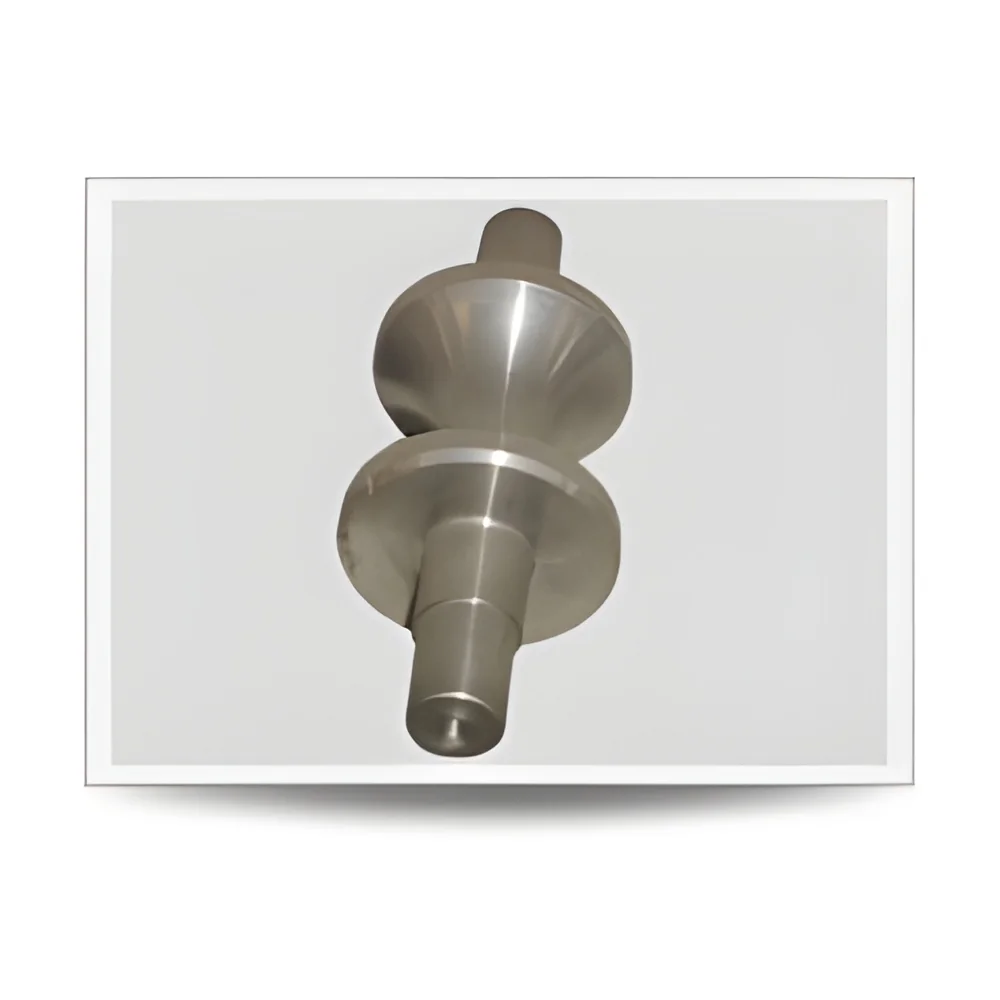
3. Diameter of the Die
- The size of the die affects the width of the film produced.
- Die diameters can range from 30 mm to over 200 mm.
4. Material Compatibility
- Machines can process various polymers, including LDPE, HDPE, and LLDPE.
- Compatibility influences production flexibility.
5. Control System
- Advanced machines may feature PLC (Programmable Logic Controller) systems for automated operations.
- This enhances precision and reduces human error.
6. Cooling System
- Effective cooling systems are essential for maintaining film quality.
- Air-cooled and water-cooled options are available.
7. Energy Efficiency
- Energy consumption can vary based on machine design and operation.
- Modern machines aim for improved energy efficiency.
8. Safety Features
- Safety mechanisms such as emergency stops and guards ensure operator safety.
- Compliance with safety standards is crucial.
In summary, understanding the key features and specifications of film blowing machines can help buyers select the right equipment that meets their production needs while ensuring efficiency and safety.
Common Applications and Use Cases
Film blowing machines are utilized across various industries, each with distinct applications.
1. Food Packaging: These machines produce bags and films that protect food products. Their ability to maintain freshness and extend shelf life is crucial in this sector.
2. Consumer Goods: Film blowing is essential for packaging items like toiletries and household products. The versatility in film design allows for eye-catching branding.
3. Agriculture: Films generated by these machines are used for greenhouse covers and mulch films. They help in improving crop yield and protecting plants.
4. Industrial Packaging: Heavy-duty films are produced for packaging machinery and components. These films ensure durability during transportation.
5. Medical Supplies: Specialized films are used for making sterile packaging in the medical sector. Their reliability is critical in maintaining hygiene.
6. Retail: Shopping bags and carry bags made from blown films support retail operations. They are lightweight yet strong, enhancing consumer convenience.
7. Construction: Films are often utilized as vapor barriers or protective coverings in construction projects. Their resilience aids in moisture control.
Product Variants and Subcategories
Film blowing machines come in various models to suit different production needs. Each variant offers unique features and applications.
Single Layer Film Blowing Machine: This variant is designed for producing standard films. It is ideal for businesses looking to create basic packaging solutions without complex requirements.
Multi-Layer Film Blowing Machine: These machines allow for the production of films with multiple layers. The addition of layers enhances barrier properties and functionality, making them suitable for food packaging.
Heavy-Duty Film Blowing Machine: Built for robust applications, this variant produces thicker and stronger films. It is ideal for industrial packaging needs that require enhanced durability.
Compact Film Blowing Machine: Designed for smaller production facilities, this machine offers space-saving benefits while maintaining efficiency. It is perfect for startups and small businesses.
Benefits and Advantages
Choosing film blowing machines comes with several advantages that can significantly impact production processes.
1. Cost Efficiency: Film blowing machines enable high-volume production, leading to lower costs per unit. This efficiency is crucial for maintaining competitive pricing.
2. Customization: These machines allow for the customization of film properties. Businesses can tailor thickness, clarity, and composition to meet specific application needs.
3. Versatility: Film blowing machines can produce a wide variety of films, making them suitable for multiple industries. This versatility enhances operational flexibility.
4. Reduced Waste: Advanced technology in these machines minimizes material waste during production. This not only saves costs but is also environmentally friendly.
5. High Quality: The ability to control the production process ensures that the finished films meet high quality standards. This is vital for maintaining customer satisfaction.
6. Easy Operation: Many modern machines feature user-friendly interfaces for simplified operation, reducing the need for extensive training.
Buying Guide for B2B Buyers
When sourcing film blowing machines, it is essential for buyers to consider several factors to ensure a suitable investment.
1. Quality Assessment: Evaluate the quality of the machinery by reviewing specifications and operational capabilities. Look for certifications that indicate compliance with industry standards.
2. Supplier Verification: Conduct thorough research on potential suppliers. Check their reputation, customer reviews, and history to ensure reliability.
3. Pricing and MOQ: Understand the pricing structure and minimum order quantities. This information is crucial for budgeting and planning.
4. Delivery and Lead Times: Assess the supplier's ability to meet delivery expectations. Timely delivery is vital for maintaining production schedules.
5. Compliance Requirements: Ensure that the machines meet all relevant regulatory and safety standards. Compliance is essential for operational integrity and avoiding legal issues.
Compliance and Certifications
Film blowing machines must adhere to various compliance and certification standards to ensure quality and safety.
ISO 9001 is a widely recognized quality management standard that emphasizes consistent quality and customer satisfaction. Manufacturers of film blowing machines often seek this certification to demonstrate their commitment to quality production.
The CE marking signifies that the machine complies with European safety and environmental requirements. It is essential for manufacturers looking to market their products in Europe.
Safety and testing requirements are critical in the operation of these machines. Regular testing ensures that they function safely and efficiently, minimizing risks to operators.
Regional compliance considerations may vary based on location. Buyers should be aware of local regulations that may affect machine operation and safety.
Why Source Film Blowing Machines from Pepagora?
Pepagora provides an excellent platform for sourcing film blowing machines, offering various advantages to buyers.
Verified Supplier Network: Pepagora connects buyers with a network of verified suppliers. This network ensures that businesses can source quality machines with confidence.
Streamlined RFQ Process: The request for quotation (RFQ) process on Pepagora is efficient and user-friendly. Buyers can easily compare offers and make informed decisions.
Trade Assurance and Support: Pepagora offers trade assurance, providing buyers with protection during transactions. This support adds an extra layer of security.
Regional Coverage: With a strong presence in India, the GCC, and Southeast Asia, Pepagora enables buyers to access a diverse range of suppliers tailored to their regional needs. This geographic reach enhances sourcing opportunities.

Frequently Asked Questions
What are Film Blowing Machines?
Film Blowing Machines are industrial machines used for producing plastic films from polymer resins. These machines extrude molten plastic through a die, creating a continuous film that can be cooled and wound into rolls for various applications.
What are the different types of Film Blowing Machines?
There are mainly two types of Film Blowing Machines: single-layer and multi-layer machines. Single-layer machines produce a uniform film, while multi-layer machines allow for the creation of films with different properties and improved barrier characteristics.
How do I choose the right Film Blowing Machines?
Choosing the right Film Blowing Machine depends on factors such as production capacity, film thickness, and material type. It is important to assess your specific requirements and consult with manufacturers to ensure the machine meets your production needs.
What are the standard specifications for Film Blowing Machines?
Standard specifications for Film Blowing Machines include parameters such as output capacity (measured in kg/h), film thickness range, and die diameter. Additionally, machines may vary in terms of control systems, heating methods, and cooling capabilities.
What is the price range for Film Blowing Machines?
The price range for Film Blowing Machines can vary significantly based on specifications, features, and manufacturer reputation. Typically, prices can range from several lakhs to crores of Indian Rupees, depending on the complexity and capacity of the machine.
What quality standards apply to Film Blowing Machines?
Film Blowing Machines are generally required to meet industry standards such as ISO 9001 for quality management systems. Compliance with safety and environmental regulations is also essential, ensuring that the machines operate safely and efficiently.
Where can I find Film Blowing Machines suppliers in India?
You can find Film Blowing Machines suppliers in India through various online B2B marketplaces, trade shows, and industry directories. Websites like Pepagora.com can help you connect with reputable manufacturers and suppliers in the film blowing machinery sector.
Can Film Blowing Machines be customized?
Yes, Film Blowing Machines can often be customized to meet specific production requirements and preferences. Many manufacturers offer options for modifications in terms of size, features, and additional functionalities to suit different applications.
What is the typical minimum order quantity for Film Blowing Machines?
The typical minimum order quantity (MOQ) for Film Blowing Machines varies by manufacturer but is generally around 1 to 5 units. It is advisable to check with specific suppliers to understand their MOQ policies and production capabilities.
What is the typical lead time for Film Blowing Machines?
The typical lead time for Film Blowing Machines can range from a few weeks to several months, depending on the complexity of the order and the manufacturer's production schedule. Factors such as customization and order volume can also affect the lead time.
Why Businesses Trust Pepagora
Thousands of companies trust Pepagora to source smarter and sell faster
Expand Your Sales Globally

Source Smarter,Grow Faster
