What are Pipe & Profile Extrusion Machines?
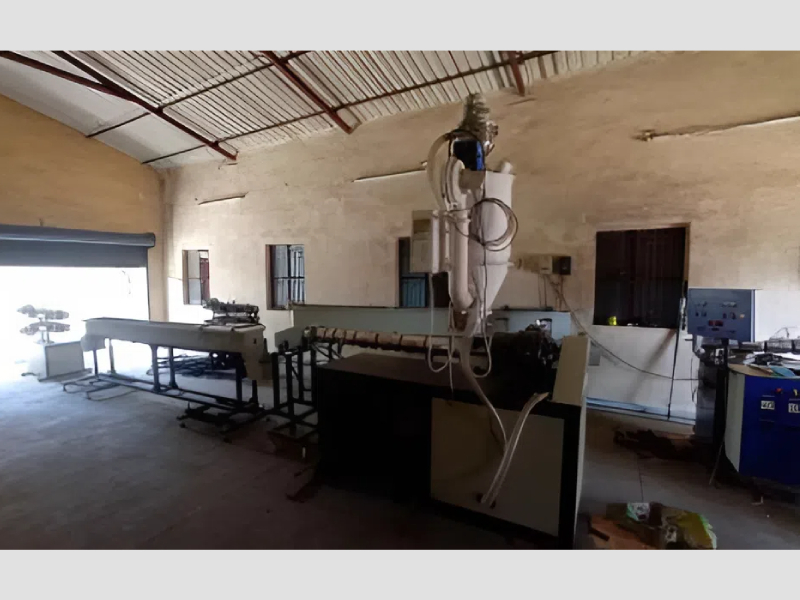
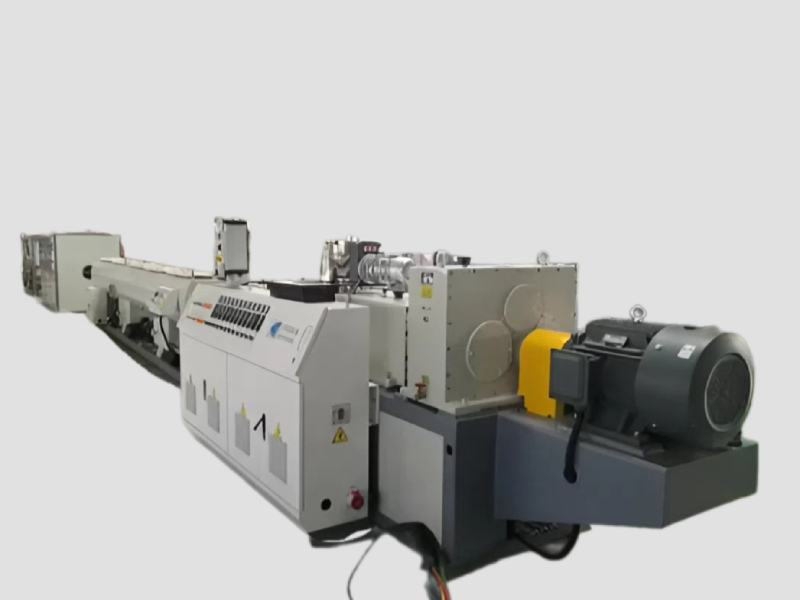
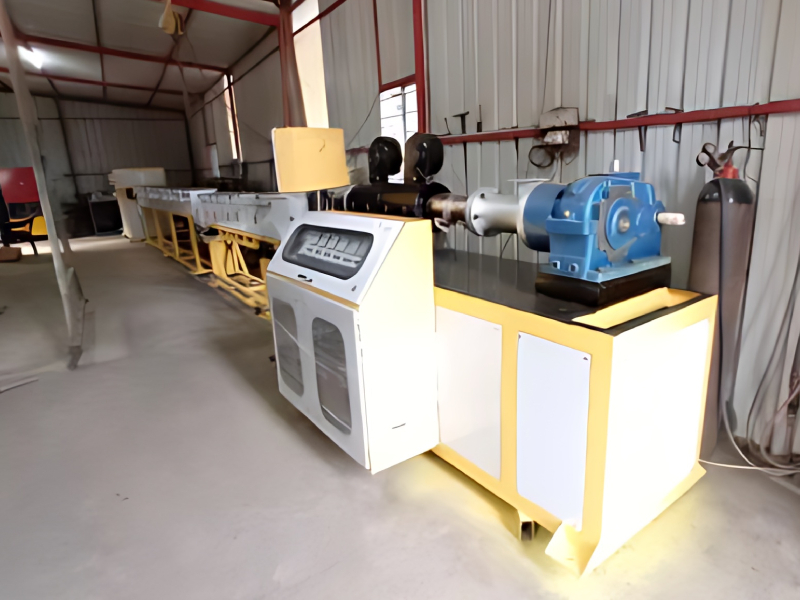
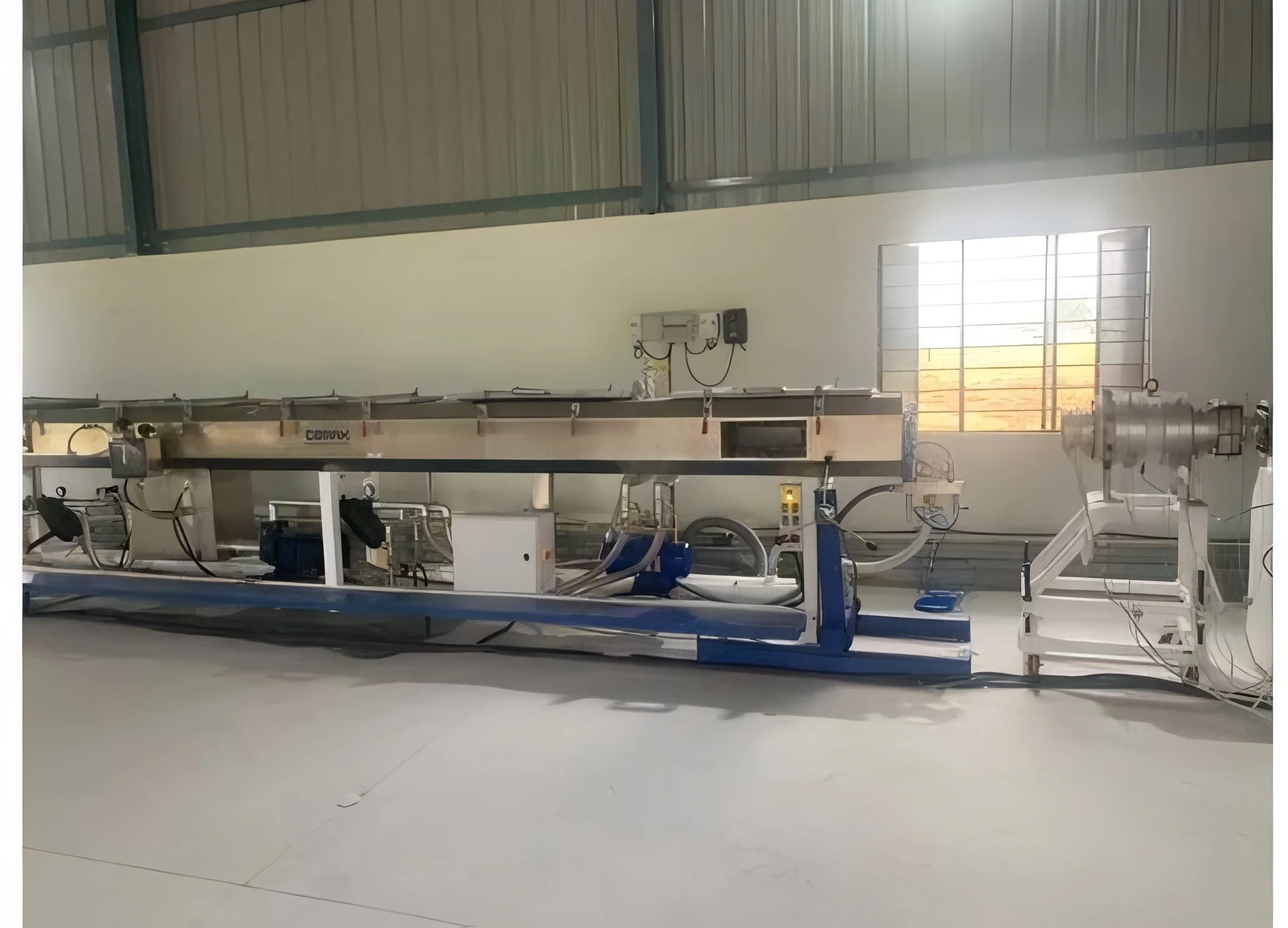
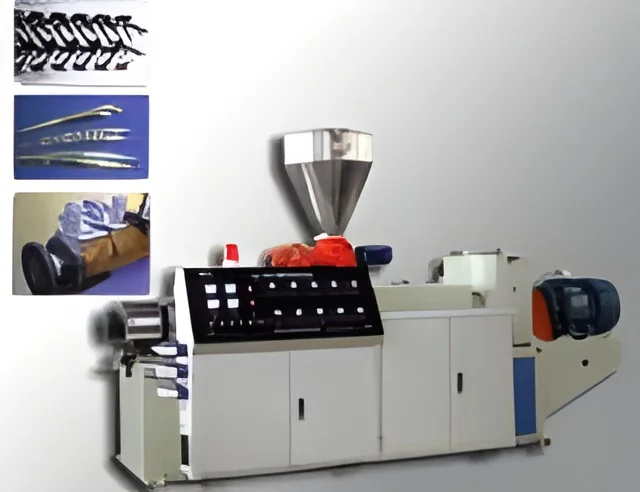
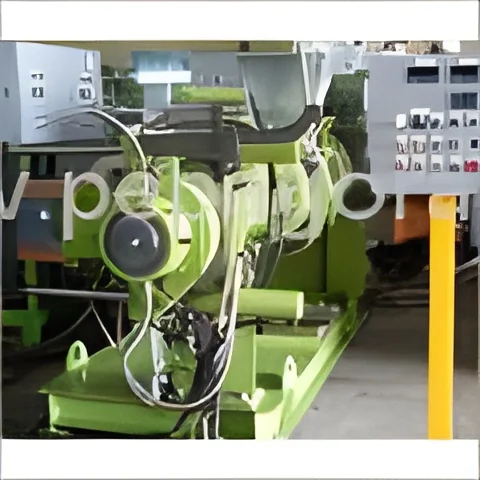
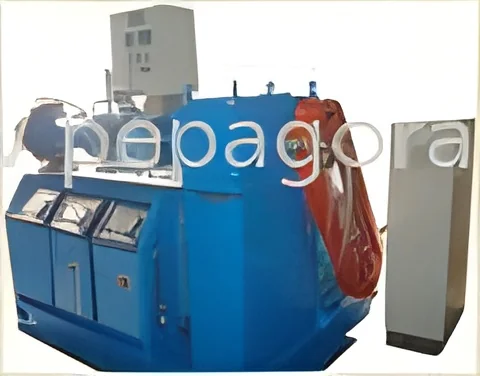
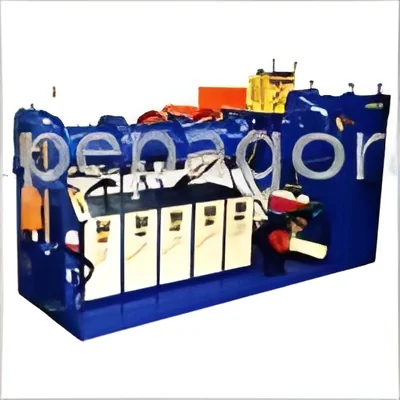
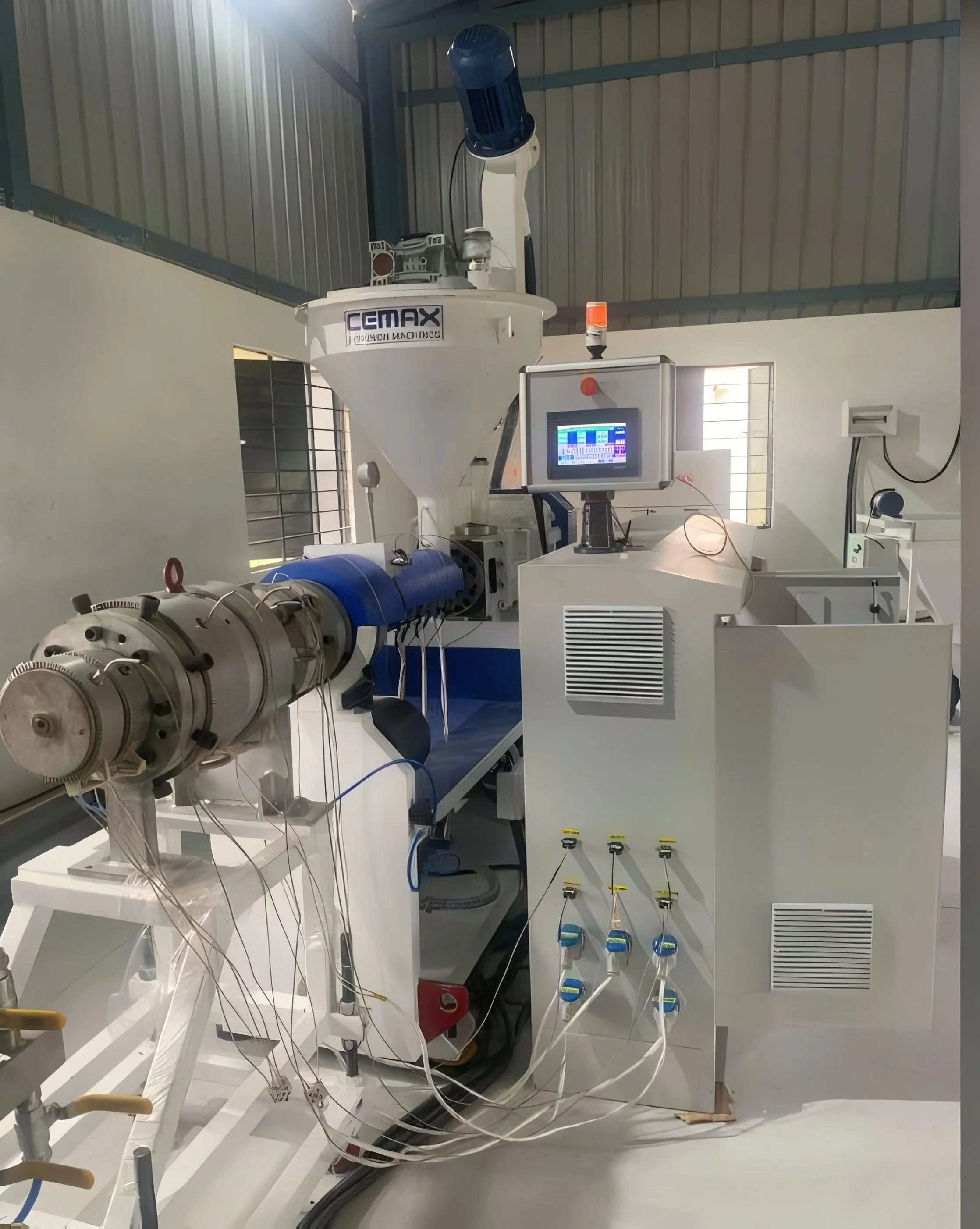
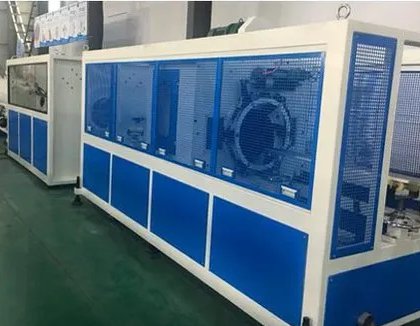
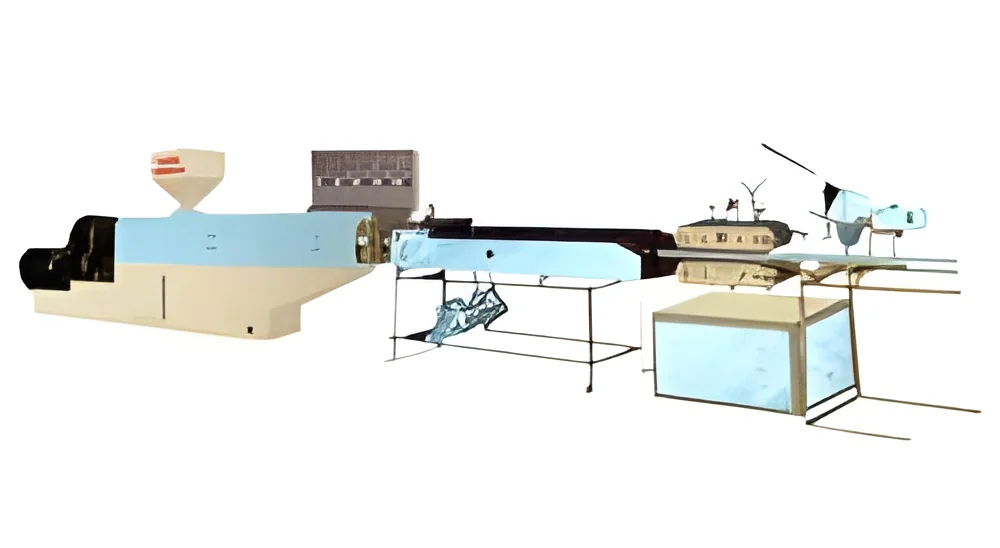
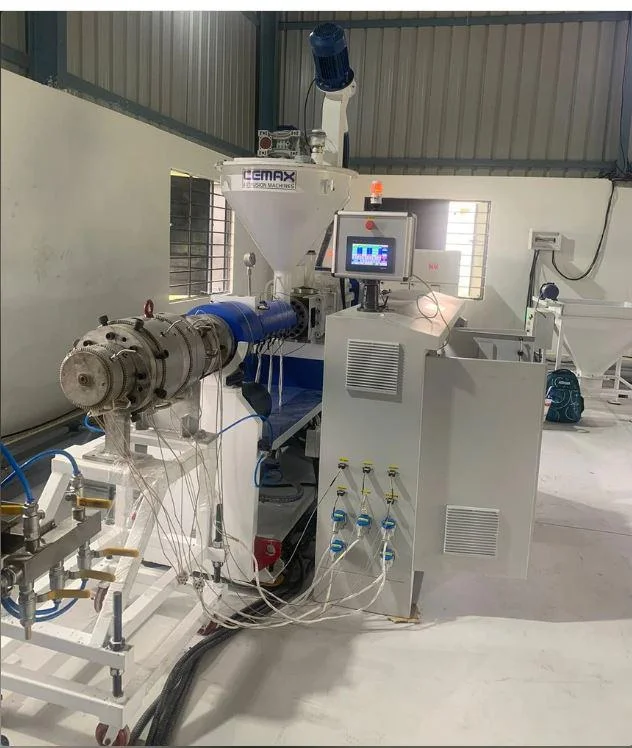
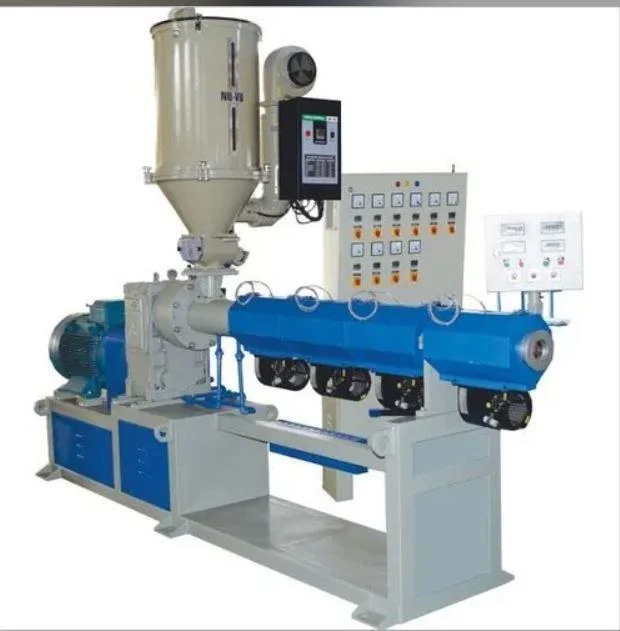
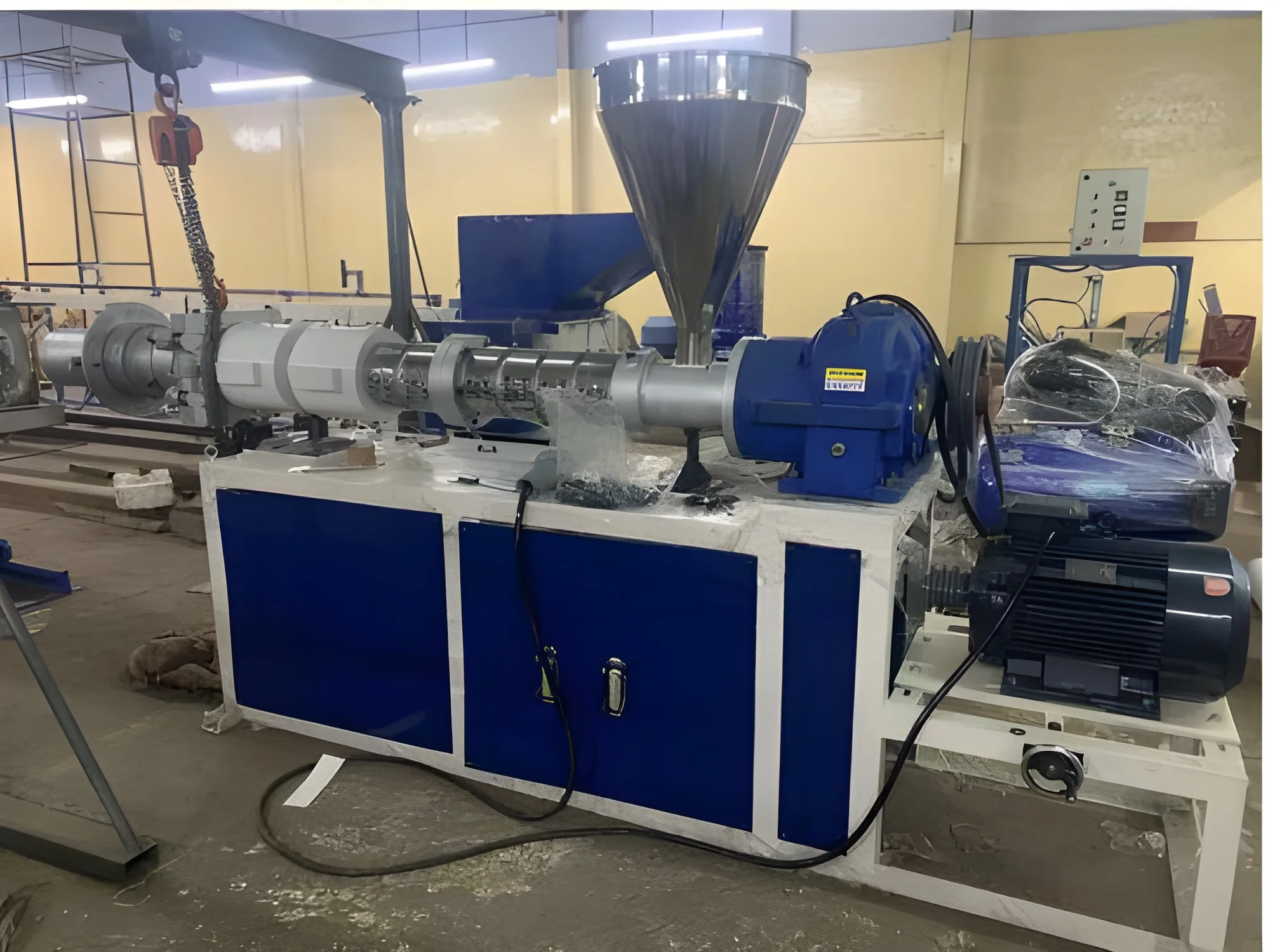
Pipe and profile extrusion machines are specialized industrial equipment used to manufacture various types of plastic pipes and profiles. The extrusion process involves forcing molten plastic through a die to create continuous shapes. These machines are crucial in ensuring consistent product quality and dimensional accuracy during production.
These machines find applications across multiple sectors, including construction, automotive, and consumer goods. They are utilized for producing pipes for plumbing, electrical conduits, and structural profiles for various applications. The versatility of these machines allows manufacturers to meet diverse market demands efficiently.
In today's manufacturing landscape, pipe and profile extrusion machines are essential for companies aiming to maintain competitiveness. With the growing demand for lightweight and durable materials, the relevance of these machines continues to rise in industries focused on innovation and sustainability.
Key Features and Specifications
Pipe and profile extrusion machines are equipped with various features that enhance production efficiency and product quality. Their specifications can vary based on the intended application and the type of materials processed.
Key specifications include:
1. Extrusion Capacity
- Determines the volume of material that can be processed per hour.
- Typical ranges vary based on machine size and application.
2. Temperature Control System
- Maintains optimal melting temperature for various plastic types.
- Features precise heating elements and temperature sensors.
3. Motor Power
- Indicates the strength of the machine's motor.
- Power ratings typically range from 10 kW to over 100 kW.
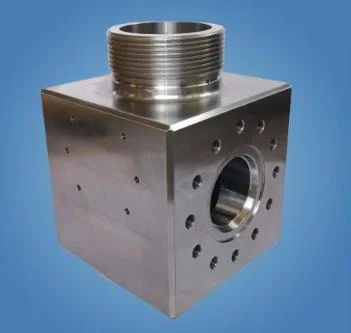
4. Die Configuration
- Tailored for specific pipe or profile shapes.
- Customizable to meet unique production requirements.
5. Cooling System
- Essential for solidifying extruded products.
- Options include water baths or air cooling.
6. Control System
- Allows for automation and real-time monitoring.
- Often includes touchscreen interfaces for user-friendly operation.
7. Material Compatibility
- Compatible with various thermoplastic materials.
- Common materials include PVC, PE, and PP.
8. Safety Features
- Equipped with emergency shut-off and overload protection.
- Ensures safe operation in industrial environments.
In summary, the specifications of pipe and profile extrusion machines play a significant role in determining their efficiency and capability, making it essential for buyers to understand their features when making purchasing decisions.
Common Applications and Use Cases
Pipe and profile extrusion machines serve various industries, reflecting their versatility in different applications.
1. Construction: These machines are widely used to produce PVC and PE pipes for plumbing, drainage, and sewage systems. Their ability to create durable and reliable products makes them essential in the construction sector.
2. Automotive: Extruded profiles are utilized in automotive applications, including weather stripping, seals, and fuel lines. The customization options allow manufacturers to meet specific design and performance requirements.
3. Electrical: In the electrical industry, these machines create conduits and cable insulation. The precision of extrusion ensures that products meet safety and performance standards.
4. Consumer Goods: Pipe and profile extrusion machines are also used to produce items like furniture components and packaging materials. Their adaptability allows for a wide range of consumer products.
5. Agriculture: They are employed to create irrigation pipes and fittings, providing solutions for efficient water management in agricultural applications.
6. Medical: In the medical field, these machines produce tubing and components for various devices. The ability to maintain strict quality standards is crucial in this sector.
7. Furniture: Extruded profiles are often used in the production of furniture frames and components, where design and stability are important.
Product Variants and Subcategories
Pipe and profile extrusion machines come in a variety of models to cater to different production needs. This diversity allows businesses to select machines that align with their specific requirements.
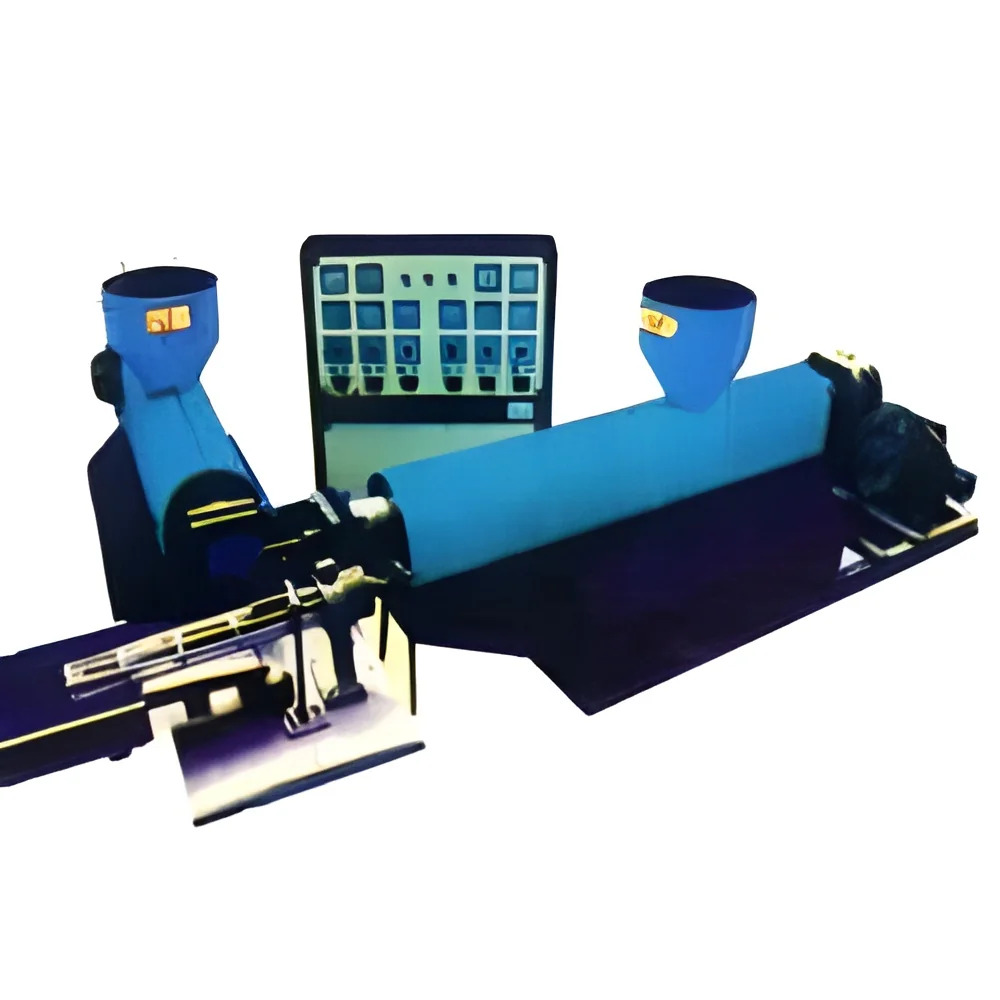
Single Screw Extruder: This variant is commonly used for general-purpose extrusion. It is ideal for processing a wide range of thermoplastics and offers a straightforward design for easy maintenance.
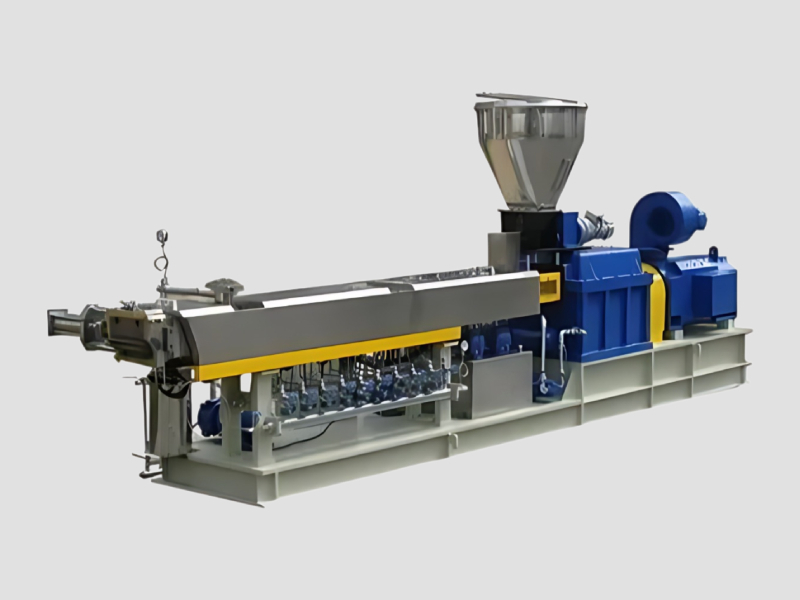
Twin Screw Extruder: Known for its higher output and better mixing capabilities, this machine is suited for processing complex materials. It is often used in applications requiring precise control over material properties.
Co-Extrusion Systems: These systems allow for the simultaneous extrusion of multiple materials. They are particularly useful for producing multi-layer pipes and profiles with enhanced properties.
Benefits and Advantages
Investing in pipe and profile extrusion machines can yield significant advantages for manufacturers.
1. Increased Production Efficiency: These machines streamline the manufacturing process, allowing for higher output and reduced labor costs.
2. Customization Capabilities: Manufacturers can create tailored products to meet specific customer needs, enhancing market competitiveness.
3. Material Versatility: The ability to work with a variety of thermoplastics enables businesses to expand their product offerings.
4. Improved Quality Control: Precision in the extrusion process ensures consistent product quality, reducing waste and rework.
5. Energy Efficiency: Modern machines are designed to optimize energy consumption, leading to lower operational costs.
6. Scalability: These machines can be adapted for small-scale or large-scale production, providing flexibility as business needs change.
Buying Guide for B2B Buyers
When sourcing pipe and profile extrusion machines, it is essential to consider various factors to ensure the right choice.
1. Quality Assessment: Evaluate the machine's build quality and manufacturing standards. Look for features that enhance durability and reliability.
2. Supplier Verification: Conduct thorough research to vet potential suppliers. Check their reputation, experience, and customer feedback to ensure a trustworthy partnership.
3. Pricing and MOQ: Understand the pricing structure and any minimum order quantities. Compare prices from different suppliers to find the best value.
4. Delivery and Lead Times: Inquire about logistics and expected delivery times. Timely delivery is critical for maintaining production schedules.
5. Compliance Requirements: Ensure that the machines meet relevant industry standards and regulations. This includes checking for any necessary certifications.
Compliance and Certifications
Compliance and certifications are vital aspects of pipe and profile extrusion machines. These machines must adhere to various quality standards to ensure safety and reliability.
ISO 9001 is a commonly recognized quality management standard that applies to manufacturing processes, ensuring consistency and quality control throughout production.
CE certification indicates that the machines meet European safety, health, and environmental protection requirements. This is particularly important for suppliers targeting the European market.
Safety and testing requirements are crucial in the manufacturing process. Machines should undergo rigorous testing to meet safety standards and operational guidelines.
Regional compliance considerations may vary, so it is vital for buyers to understand the specific regulations applicable in their geographic area.
Why Source Pipe & Profile Extrusion Machines from Pepagora?
Pepagora provides a trusted platform for sourcing pipe and profile extrusion machines, offering several key advantages to B2B buyers.
Verified Supplier Network: Pepagora connects buyers with a network of verified suppliers, ensuring that partners meet quality and reliability standards. This reduces the risk associated with sourcing from unfamiliar vendors.
Streamlined RFQ Process: The request for quotation (RFQ) system simplifies the procurement process. Buyers can easily compare quotes and specifications from multiple suppliers, facilitating informed decision-making.
Trade Assurance and Support: Pepagora offers trade assurance, providing buyers with protection throughout the purchasing process. This includes support for any issues that may arise, ensuring a smooth transaction.
Regional Coverage: With a strong presence in India, the GCC, and Southeast Asia, Pepagora enables buyers to access a wide range of suppliers across these regions. This geographic reach allows for better sourcing options and competitive pricing.
In conclusion, sourcing pipe and profile extrusion machines through Pepagora offers numerous benefits, making it a preferred option for businesses looking to streamline their procurement process and enhance product quality.

 IN
IN