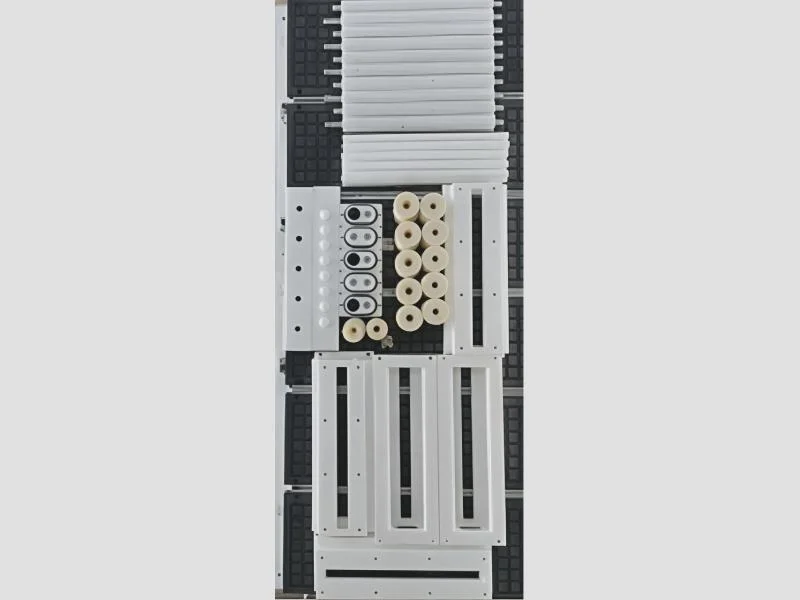
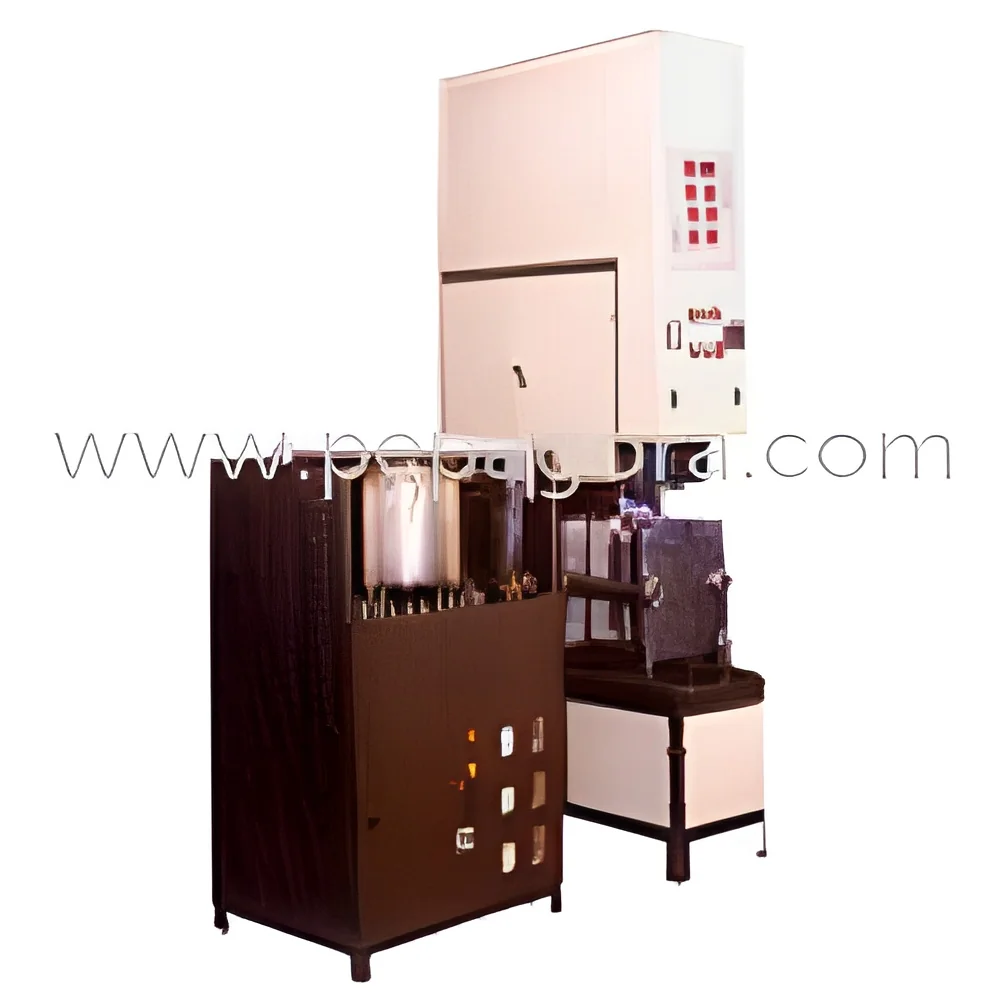
What are Biodegradable Plastic Processing Machines?
Biodegradable Plastic Processing Machines are specialized industrial equipment designed to manufacture, process, and convert biodegradable plastics. These machines facilitate the production of materials that can decompose naturally in the environment, reducing the ecological footprint associated with traditional plastic production. They utilize various technologies to process renewable resources such as starch, cellulose, and polylactic acid (PLA) into usable products.
These machines are primarily used in industries focused on sustainable packaging, disposable cutlery, agricultural films, and other applications where traditional plastics are gradually being replaced with eco-friendly alternatives. Businesses across sectors are increasingly adopting biodegradable materials to meet regulatory standards and consumer demand for sustainable products. The relevance of these machines in the industry is heightened by growing environmental concerns and initiatives aimed at reducing plastic waste, thus creating a robust market context.
Key Features and Specifications
Biodegradable Plastic Processing Machines come equipped with various features that enhance their functionality and efficiency. Understanding these specifications is crucial for businesses looking to invest in these machines.
Key specifications include:
1. Processing Capacity
- The capacity refers to the volume of biodegradable plastic the machine can process per hour.
- Typical range: 100 to 500 kg/hour.
2. Energy Consumption
- Indicates the energy efficiency of the machine during operation.
- Technical parameters: 10 to 50 kWh/ton of material processed.
3. Temperature Control
- Essential for maintaining optimal processing conditions.
- Typical range: 150°C to 250°C.
4. Automation Level
- Refers to the extent of automation in the machine's operations.
- Options vary from semi-automatic to fully automatic systems.
5. Material Compatibility
- Specifies the types of biodegradable plastics that can be processed.
- Common materials: PLA, starch-based plastics, and PHA.
6. Maintenance Requirements
- Outlines the ease of maintenance and service intervals.
- Typical maintenance frequency: Every 500 hours of operation.
7. Safety Features
- Includes mechanisms to prevent accidents during operation.
- Common features: emergency stops, safety guards, and alarms.
8. Size and Footprint
- Describes the physical dimensions of the machine.
- Typical size: 2m x 3m x 2m.
These specifications ensure that businesses can choose machines that align with their production needs and sustainability goals.
Common Applications and Use Cases
Biodegradable Plastic Processing Machines cater to a variety of industries focused on reducing environmental impact.
1. Packaging Industry: These machines produce biodegradable packaging materials, such as bags and containers, that decompose after use, minimizing landfill waste.
2. Food Service Industry: They manufacture disposable cutlery, plates, and cups that are eco-friendly alternatives to traditional plastic utensils, providing sustainable options for restaurants and events.
3. Agriculture: These machines create biodegradable films for agricultural use, such as mulch films that break down in the soil, enriching it instead of polluting it.
4. Medical Field: They are used to produce biodegradable medical supplies, including sutures and drug delivery systems, which can reduce medical waste.
5. Consumer Products: Manufacturers utilize these machines to create eco-friendly consumer goods, such as toys and kitchenware, appealing to environmentally conscious consumers.
6. Textile Industry: They can process biodegradable fibers for clothing, contributing to sustainable fashion initiatives.
7. Construction: These machines are also used to produce biodegradable materials for construction purposes, like insulation and composite materials.
Product Variants and Subcategories
Biodegradable Plastic Processing Machines come in various configurations to suit different production needs.
Extruder Machines
These machines are designed for melting and shaping biodegradable plastics into desired forms. They are ideal for producing films and sheets.
Injection Molding Machines
These machines are used for creating complex shapes and products from biodegradable plastics. They are suitable for manufacturing items like containers and components.
Blow Molding Machines
These machines inflate hot plastic into a mold to create hollow products, such as bottles and tanks. They are significant in the packaging industry.
Compounding Machines
These machines mix different biodegradable materials to enhance properties, making them suitable for specific applications like enhanced durability or flexibility.
Benefits and Advantages
Investing in Biodegradable Plastic Processing Machines offers numerous advantages for businesses committed to sustainability.
Key benefits include:
1. Environmental Impact: These machines help reduce plastic waste, contributing to a cleaner environment and promoting sustainability.
2. Regulatory Compliance: They enable companies to meet stringent regulations regarding plastic usage and waste management.
3. Market Demand: With increasing consumer awareness of environmental issues, businesses can attract customers by offering biodegradable products.
4. Innovation Opportunities: These machines allow for the development of new biodegradable materials, enhancing product offerings and competitive advantage.
5. Cost Efficiency: Although initial investments may be higher, the long-term savings in waste disposal and compliance costs can be significant.
6. Brand Reputation: Companies that adopt eco-friendly practices can enhance their brand image and appeal to environmentally conscious consumers.
Buying Guide for B2B Buyers
When sourcing Biodegradable Plastic Processing Machines, several critical factors should be considered to ensure a successful purchase.
1. Quality Assessment: Evaluate the machine’s build quality and performance through specifications and user reviews. High-quality machines are crucial for consistent production.
2. Supplier Verification: Research potential suppliers to ensure they have a good reputation and can provide reliable support and services. Check for industry certifications and customer testimonials.
3. Pricing and MOQ: Understand the pricing structure and minimum order quantities (MOQ) to ensure that they fit within your budget and production needs.
4. Delivery and Lead Times: Confirm the estimated delivery times and ensure they align with your production schedule to avoid delays.
5. Compliance Requirements: Ensure the machines meet relevant industry compliance standards and certifications, particularly in safety and environmental regulations.
Compliance and Certifications
Biodegradable Plastic Processing Machines are subject to various quality standards and certifications that ensure their reliability and safety.
Relevant quality standards include ISO 9001, which ensures a consistent quality management system, and HACCP for food safety compliance when processing materials intended for food contact.
The CE certification is essential for machines sold in the European market, indicating compliance with health, safety, and environmental protection standards.
Safety and testing requirements involve regular inspections and certifications to guarantee that machines operate safely and efficiently.
Additionally, regional compliance considerations may vary, so it is crucial for businesses to be aware of local regulations regarding biodegradable products and processing equipment.
Why Source Biodegradable Plastic Processing Machines from Pepagora?
Pepagora offers a reliable platform for sourcing Biodegradable Plastic Processing Machines, presenting several key advantages for businesses.
Verified Supplier Network: Pepagora has established a network of verified suppliers, ensuring that buyers can trust the quality and authenticity of the products offered.
Streamlined RFQ Process: The platform simplifies the request for quotation process, enabling buyers to receive competitive bids from multiple suppliers quickly and efficiently.
Trade Assurance and Support: Pepagora provides trade assurance, protecting buyers from potential risks associated with transactions and ensuring a smooth purchasing experience.
Regional Coverage: The platform offers extensive geographic reach, serving businesses in India, the GCC, and Southeast Asia, making it easier for companies to find suitable machinery that meets their specific needs.

 IN
IN