What are Reinforced Plastic Composite Machines?
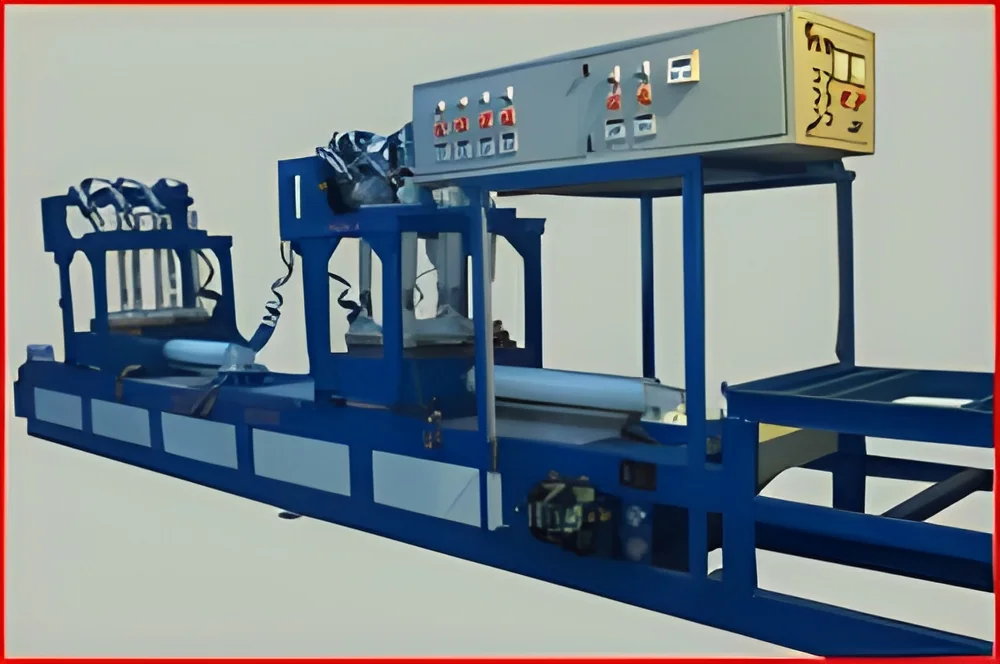
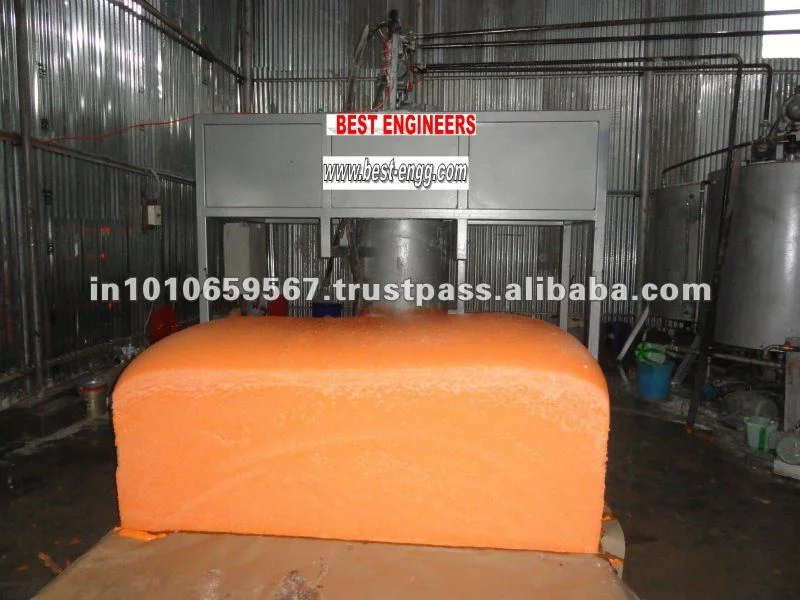
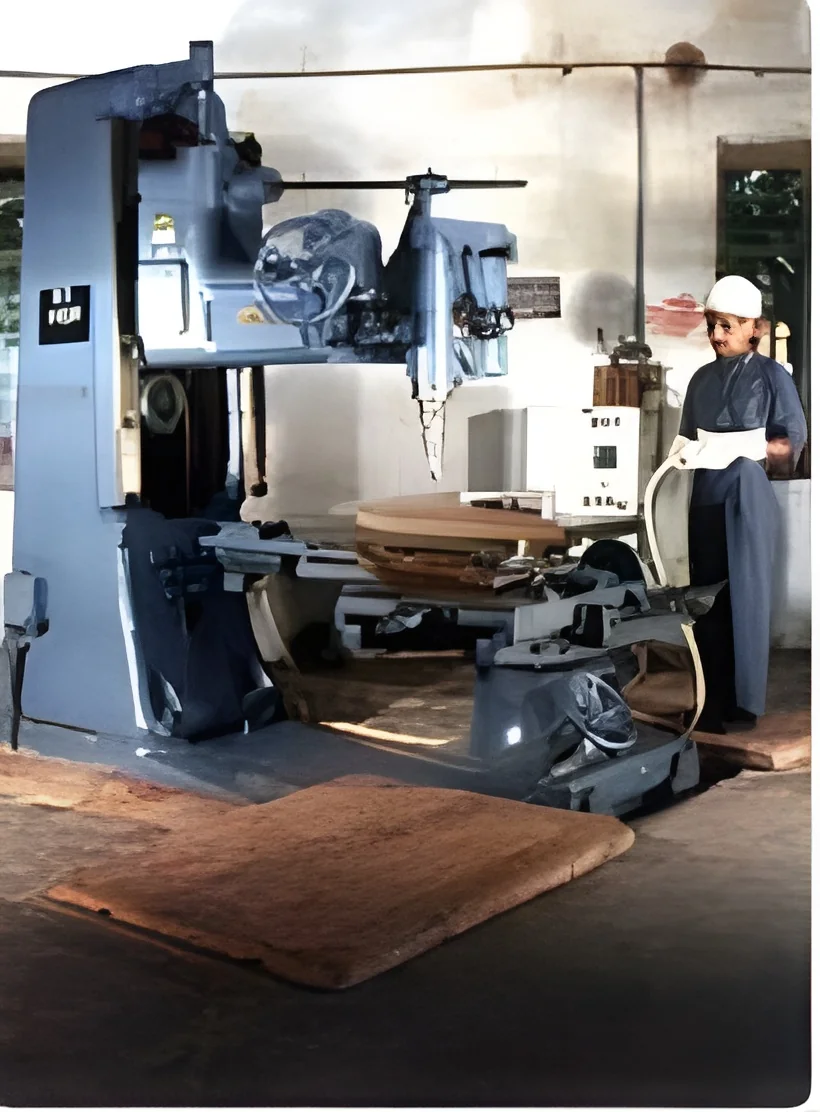
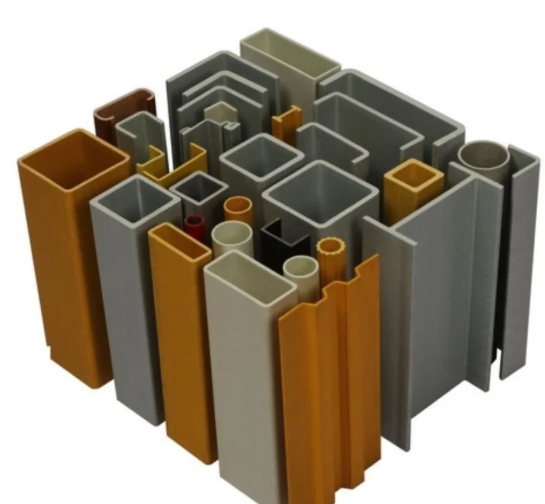
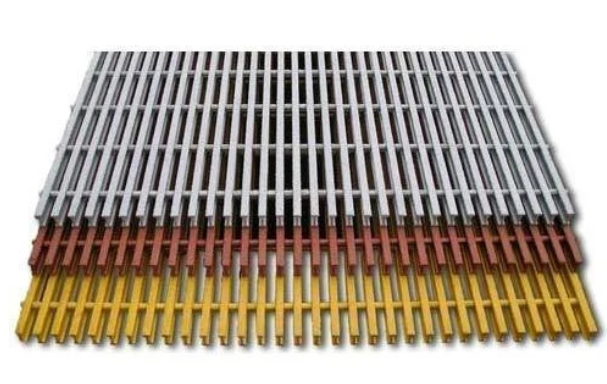
Reinforced Plastic Composite Machines are specialized equipment designed for the production and processing of composite materials that combine plastic with reinforcing fibers such as glass or carbon. These machines play a crucial role in the manufacturing process, offering enhanced strength and durability to the final products. The technology utilized in these machines allows for precise control over the mixing, molding, and curing processes, ensuring high-quality output tailored to specific industry needs.
These machines are primarily used in industries such as automotive, aerospace, construction, and consumer goods, where lightweight yet strong materials are essential. Businesses leverage reinforced plastic composites for applications ranging from automotive parts and sporting goods to building materials and electrical enclosures. The market for these machines is growing as industries seek to improve product performance while reducing weight and production costs, highlighting their relevance in modern manufacturing.
Key Features and Specifications
Reinforced Plastic Composite Machines are equipped with advanced features that enhance their efficiency and effectiveness. Buyers should understand these specifications to make informed purchasing decisions.
Key specifications include:
1. Mixing Capability
- Ability to blend various resin types and fiber materials
- Technical parameters typically range from 10 to 100 kg per batch
2. Molding Pressure
- Support for high-pressure molding processes
- Pressure ranges generally between 50 to 200 bar
3. Temperature Control
- Precise heating systems for optimal curing
- Operating temperatures can vary from 150°C to 250°C
4. Automation Level
- Options for manual, semi-automatic, or fully automatic operations
- Automation can increase production efficiency by up to 30%
5. Production Capacity
- Machines designed for small to large scale production
- Daily output can range from 100 kg to several tons
6. Energy Efficiency
- Incorporation of energy-saving technologies
- Reduction in energy consumption by approximately 20%
7. Safety Features
- Built-in safety mechanisms to protect operators
- Compliance with industry safety standards
In summary, these specifications highlight the capabilities and versatility of Reinforced Plastic Composite Machines, making them suitable for various manufacturing applications.
Common Applications and Use Cases
Reinforced Plastic Composite Machines serve a wide array of industries, providing solutions tailored to specific production needs.
1. Automotive: These machines are used to create lightweight components such as dashboards, body panels, and structural parts that enhance fuel efficiency without compromising safety.
2. Aerospace: Reinforced composites are integral in producing aircraft components, reducing overall weight while maintaining structural integrity and performance.
3. Construction: Applications include creating durable building materials like panels and roofing systems that offer resistance to weather and wear.
4. Consumer Goods: Manufacturers utilize these machines to produce items like sporting equipment and electronic housings, benefiting from the strength and aesthetic appeal of composites.
5. Marine: The machines are employed to manufacture boat hulls and components that require lightweight yet robust materials capable of withstanding harsh marine environments.
6. Electrical: Reinforced composites are also used to create insulative and protective components in electrical equipment, enhancing safety and performance.
7. Healthcare: The machines help produce medical devices and components that require bio-compatible materials, ensuring safety for patients and practitioners.
Product Variants and Subcategories
Reinforced Plastic Composite Machines come in various configurations to meet diverse manufacturing needs.
Standard Model
This model is ideal for general-purpose applications, offering flexibility in production processes and material types. It features user-friendly interfaces and moderate production capacity for small to medium enterprises.
High-Performance Model
Designed for high-demand environments, this variant offers advanced automation and enhanced production rates. It is suited for industries that require rapid turnaround and high-volume output.
Compact Model
Aimed at manufacturers with limited space, this model provides essential features in a smaller footprint. It is perfect for startups or companies transitioning to composite materials without extensive investment.
Benefits and Advantages
Investing in Reinforced Plastic Composite Machines offers numerous advantages for manufacturers.
1. Improved Product Strength: These machines produce composites that are significantly stronger than traditional materials, providing enhanced durability.
2. Weight Reduction: The lightweight nature of reinforced plastics allows for lighter products, which is crucial in sectors like automotive and aerospace.
3. Cost Efficiency: By optimizing material usage and reducing waste, these machines can lower overall production costs.
4. Customization Flexibility: Manufacturers can tailor composites to meet specific performance requirements, enhancing product differentiation.
5. Enhanced Production Speed: Automation features enable faster production cycles, helping businesses meet high demand efficiently.
6. Environmental Benefits: Many reinforced plastic composites are recyclable, contributing to sustainability goals and reducing environmental impact.
Buying Guide for B2B Buyers
When sourcing Reinforced Plastic Composite Machines, buyers should consider several critical factors to ensure a successful purchase.
1. Quality Assessment: It is essential to evaluate the machine’s build quality, materials used, and overall performance. Look for suppliers with a strong reputation for producing reliable machinery.
2. Supplier Verification: Vet potential suppliers by reviewing their certifications, customer testimonials, and industry reputation. This helps ensure that you are partnering with a trustworthy manufacturer.
3. Pricing and MOQ: Understand the pricing structure and minimum order quantity (MOQ) requirements. Consider whether the costs align with your budget and production needs.
4. Delivery and Lead Times: Confirm delivery schedules and lead times to ensure that you can meet your production timelines without delay.
5. Compliance Requirements: Be aware of any regulatory standards that apply to your industry and ensure the machines meet these compliance needs.
Compliance and Certifications
Reinforced Plastic Composite Machines must adhere to various industry standards and certifications to ensure quality and safety in production.
ISO 9001 is a quality management standard that outlines processes for maintaining product quality and customer satisfaction. Compliance with this standard indicates that the manufacturer follows best practices in production.
CE certification signifies that the machines meet European safety standards, ensuring they are safe for usage in various applications. This certification is crucial for companies exporting or operating in European markets.
Safety and testing requirements also play a significant role in compliance. Machines must undergo rigorous testing to verify safe operation and performance under expected conditions.
Additionally, regional compliance considerations should be taken into account, as different markets may have specific regulations governing the use of reinforced plastics and machinery.
Why Source Reinforced Plastic Composite Machines from Pepagora?
Pepagora provides a trusted platform for sourcing Reinforced Plastic Composite Machines, offering several key advantages to buyers.
Verified Supplier Network: Pepagora features a network of verified suppliers who have undergone thorough assessments to ensure reliability and quality. This gives buyers confidence in their sourcing decisions.
Streamlined RFQ Process: The platform simplifies the request for quotation (RFQ) process, enabling buyers to receive multiple quotations from different suppliers efficiently. This saves time and helps in making informed purchasing decisions.
Trade Assurance and Support: Pepagora offers buyer protection through trade assurance programs, ensuring that transactions are secure and that buyers receive the quality products they expect.
Regional Coverage: With a strong presence in India, the GCC, and Southeast Asia, Pepagora connects buyers with suppliers across these regions, facilitating easier access to quality machines and components.
By leveraging these advantages, businesses can confidently invest in Reinforced Plastic Composite Machines that meet their production needs and contribute to their success.

 IN
IN