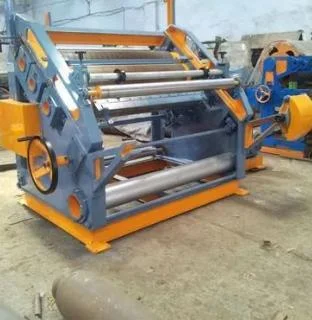
What are Sheet Extrusion Machines?
Sheet extrusion machines are advanced industrial systems designed for the production of flat plastic sheets through a continuous process. These machines melt and extrude raw plastic materials, forming them into sheets of various thicknesses and widths. The process involves feeding plastic pellets into a hopper, where they are heated and melted before being forced through a die that shapes the material into a flat sheet.
These machines find primary use in several industries, including packaging, automotive, and construction. In packaging, for instance, sheet extrusion machines create materials like polyethylene or polypropylene sheets for use in containers and wraps. In the automotive sector, they are employed to produce interior components and panels. The construction industry benefits from sheet extrusion machines by utilizing them to create durable and lightweight materials for building applications. As the demand for versatile and high-performance plastic products increases, sheet extrusion machines play a crucial role in meeting market needs.
Key Features and Specifications
Sheet extrusion machines are characterized by several critical features and specifications that enhance their performance and adaptability. These machines are engineered for efficiency, precision, and versatility, making them suitable for a wide range of applications.
Key specifications include:
1. Extruder Type
- Options typically include single-screw or twin-screw extruders.
- Each type offers different processing capabilities and efficiencies.
2. Sheet Thickness Range
- Capable of producing sheets with thicknesses ranging from 0.1 mm to several millimeters.
- Thickness varies based on application requirements.
3. Production Speed
- Machines can achieve production speeds of up to 1000 kg/hour or more.
- Speed depends on the material being processed and specifications.
4. Width of Sheets
- Available sheet widths can range from 300 mm to over 2000 mm.
- Width selection is based on customer specifications.
5. Temperature Control Systems
- Equipped with advanced heating and cooling systems for precise temperature regulation.
- Vital for maintaining material quality during the extrusion process.
6. Die Design
- Customizable die designs for specific applications.
- Ensures consistent sheet thickness and surface quality.
7. Automation Features
- Many machines include automated controls for enhanced precision and efficiency.
- Automation reduces labor costs and improves operational consistency.
8. Safety Features
- Integrated safety measures such as emergency stop buttons and guards.
- Ensures operator safety during machine operation.
In summary, sheet extrusion machines combine a variety of advanced features and specifications, making them essential for producing high-quality plastic sheets across diverse industries.
Common Applications and Use Cases
Sheet extrusion machines are employed in numerous industries, each benefiting from their unique capabilities.
1. Packaging: Sheet extrusion machines produce flexible plastic sheets for packaging materials, including films, containers, and wraps. These sheets ensure product protection and extend shelf life.
2. Automotive: In the automotive industry, these machines create interior panels, trims, and other components that require lightweight yet durable materials. This contributes to overall vehicle efficiency.
3. Construction: Sheet extrusion machines manufacture sheets used in roofing, insulation, and wall coverings. These materials are crucial for building projects that demand strength and insulation properties.
4. Agriculture: In agriculture, these machines create plastic films used for greenhouse covers and mulch. Such applications contribute to improved crop yields and effective resource management.
5. Consumer Goods: From plastic trays to storage containers, these machines serve various consumer goods applications, producing items that require consistent quality and durability.
6. Electronics: The electronics industry benefits from sheet extrusion machines for creating protective covers and components. These sheets are often tailored for specific electronic devices.
7. Medical: In the medical field, sheet extrusion machines produce components such as trays and packaging for medical devices. The materials used are often required to meet stringent safety standards.
Product Variants and Subcategories
Sheet extrusion machines come in various configurations to meet specific production needs.
Standard Sheet Extrusion Machine
This variant is designed for general-purpose sheet production and is suitable for a range of materials, including PVC, PET, and PS. It is equipped with features that allow for flexibility in thickness and width, making it a versatile choice for many applications.
High-Performance Sheet Extrusion Machine
This variant is engineered for high output and efficiency, ideal for businesses requiring large volumes of sheet production. It often includes advanced automation and monitoring features to optimize performance and reduce waste.
Specialized Sheet Extrusion Machine
These machines are customized for specific materials or applications, such as producing sheets with special properties like UV resistance or enhanced impact strength. They are tailored to meet the unique demands of niche markets.
Benefits and Advantages
Sheet extrusion machines offer numerous advantages for businesses looking to enhance their production capabilities.
1. High Efficiency: These machines enable continuous production, significantly reducing downtime and increasing overall output.
2. Versatility: Capable of processing a wide range of materials and producing various sheet sizes and thicknesses, these machines cater to diverse industry needs.
3. Cost-Effective: By streamlining the production process and reducing material waste, sheet extrusion machines contribute to lower operational costs.
4. Customization: Many machines can be tailored to specific applications, allowing businesses to meet unique customer demands effectively.
5. Quality Consistency: Advanced technology ensures consistent sheet quality, which is crucial for maintaining product standards across different applications.
6. Reduced Labor: Automated features minimize the need for manual intervention, reducing labor costs and improving safety.
Buying Guide for B2B Buyers
When sourcing sheet extrusion machines, it is important to consider several key factors to ensure an informed purchasing decision.
1. Quality Assessment: Ensure that the machines meet industry standards and provide reliable performance. Look for certifications that guarantee quality and durability.
2. Supplier Verification: Vet potential suppliers by checking their reputation, customer reviews, and track record. A reliable supplier can provide ongoing support and service.
3. Pricing and MOQ: Understand the pricing structure and minimum order quantities. Compare costs across different suppliers to find the best deal without compromising quality.
4. Delivery and Lead Times: Inquire about the delivery schedules and lead times to ensure that the machines can be integrated into your production timeline.
5. Compliance Requirements: Confirm that the machines comply with relevant industry regulations and safety standards. This ensures that your operations remain within legal requirements.
Compliance and Certifications
Compliance with industry standards and certifications is crucial for sheet extrusion machines. These machines often adhere to quality standards such as ISO 9001, which ensures consistent quality management practices.
Additionally, industry certifications like CE indicate that the machines meet European safety, health, and environmental protection requirements. This certification is essential for manufacturers looking to export their products to the European market.
Safety and testing requirements are also paramount. Manufacturers must ensure that their machines undergo rigorous testing to guarantee safe operation and compliance with applicable regulations.
Regional compliance considerations may vary, so it is important for buyers to understand local regulations that could impact machine operation and safety.
Why Source Sheet Extrusion Machines from Pepagora?
Pepagora provides a trusted platform for sourcing sheet extrusion machines, offering several key advantages to buyers.
Verified Supplier Network: Pepagora connects buyers with a network of verified suppliers, ensuring that you work with reputable manufacturers who deliver quality machinery.
Streamlined RFQ Process: The platform simplifies the request for quotation process, allowing buyers to easily compare multiple offers and select the best option for their needs.
Trade Assurance and Support: Pepagora offers trade assurance, protecting buyers from potential risks associated with purchasing machinery. Additionally, dedicated support is available to address any queries or concerns.
Regional Coverage: With a strong presence in regions like India, GCC, and Southeast Asia, Pepagora ensures that buyers have access to local suppliers and market insights, facilitating effective sourcing and procurement.

 IN
IN