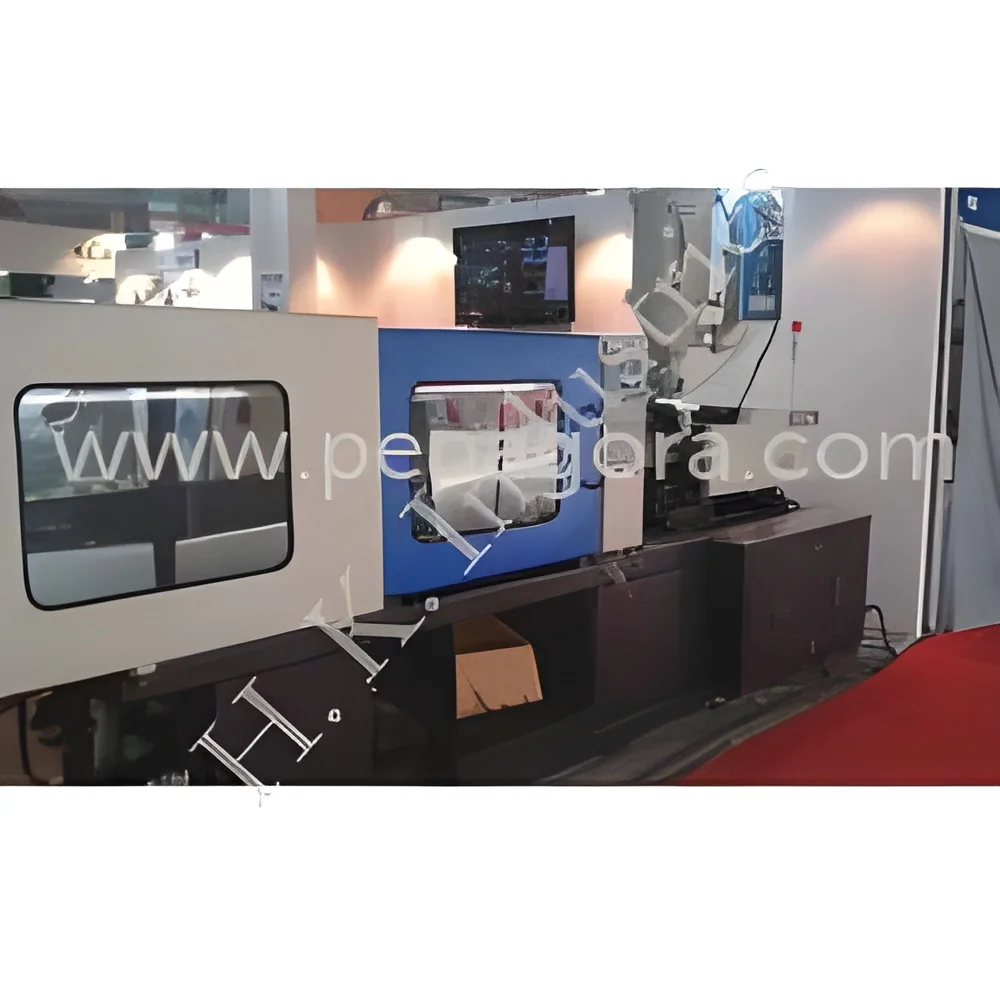
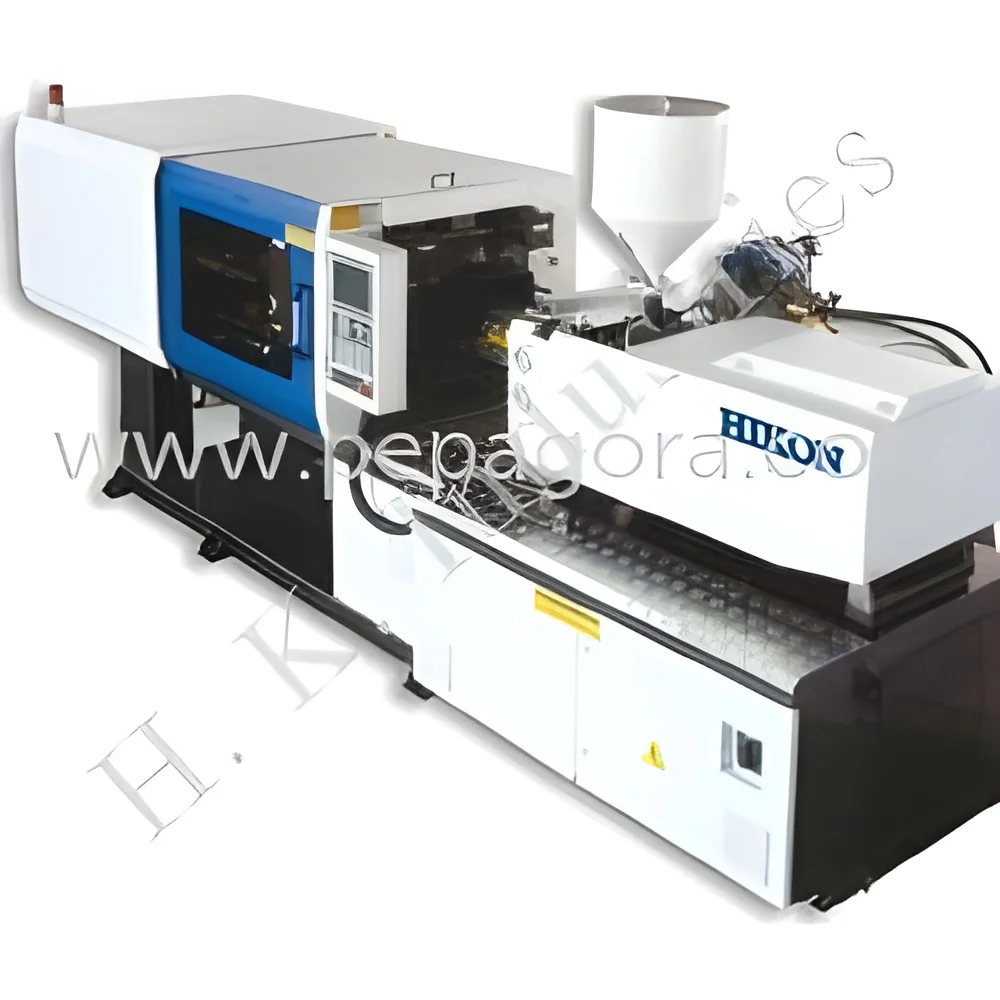
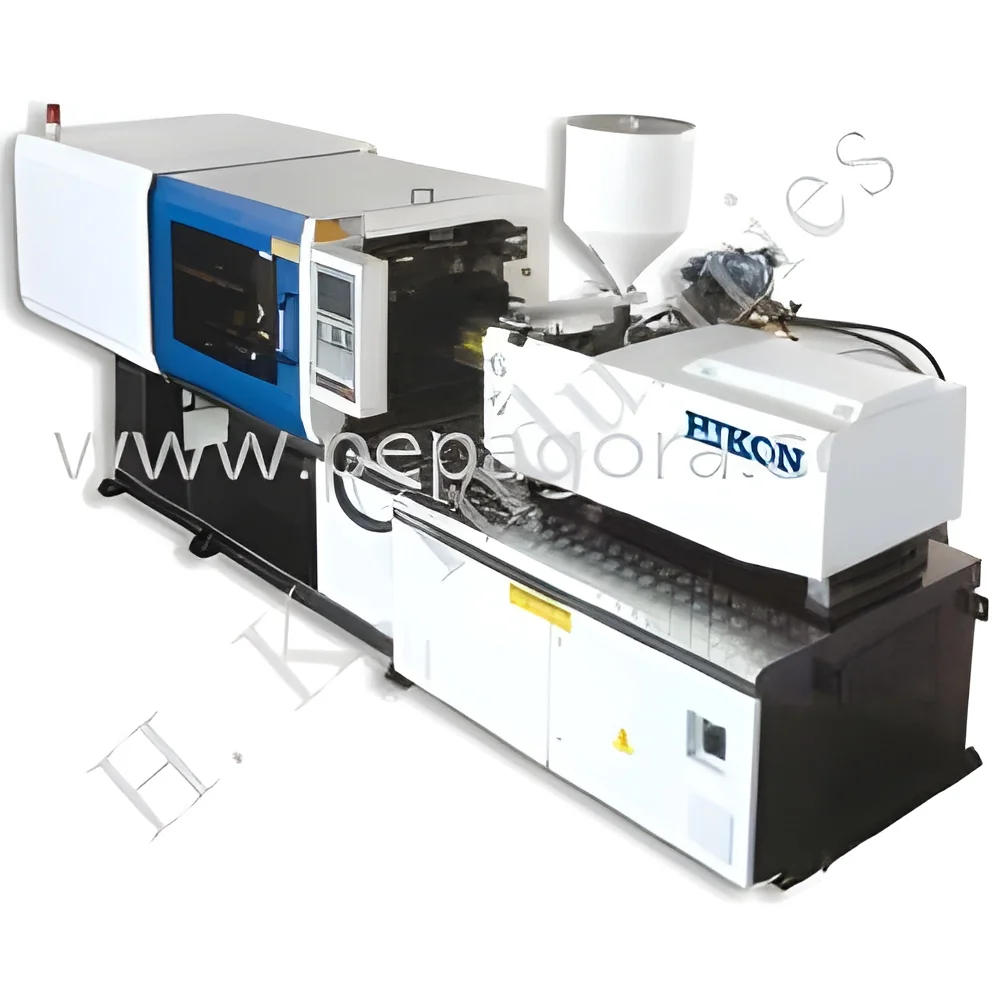
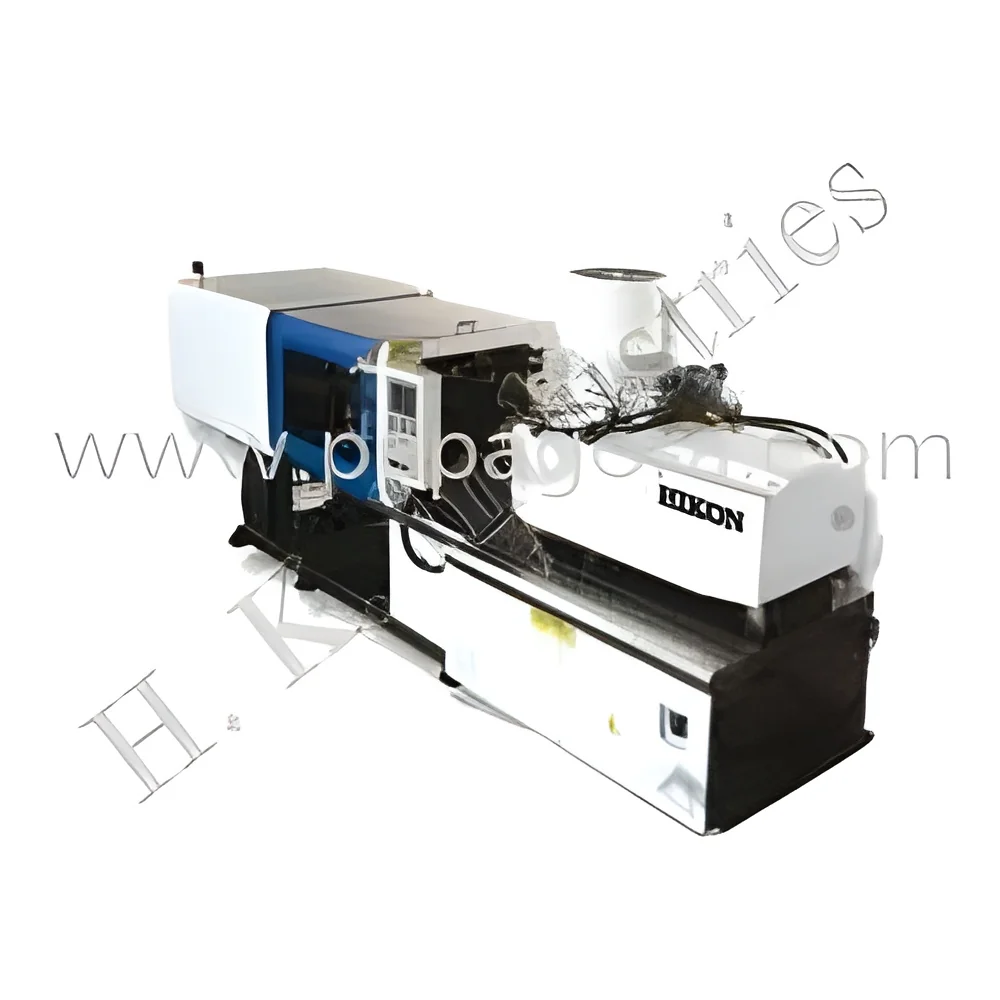
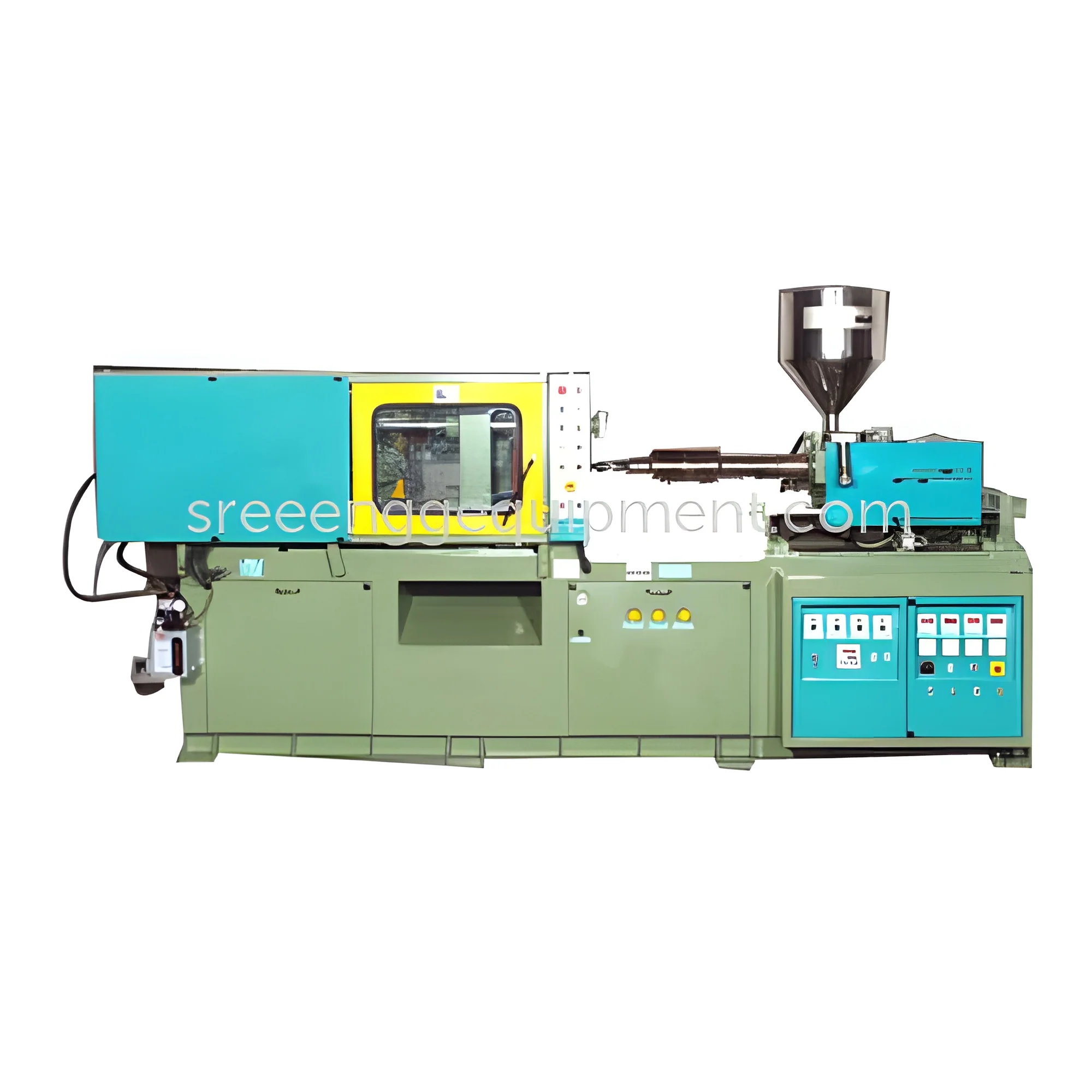
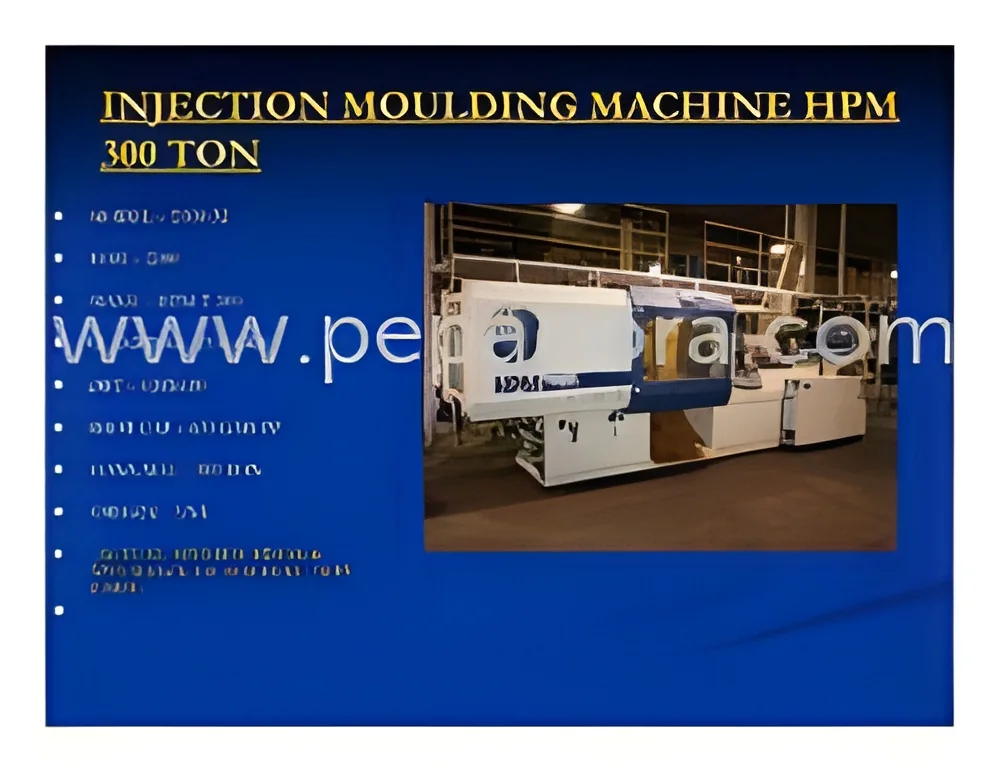
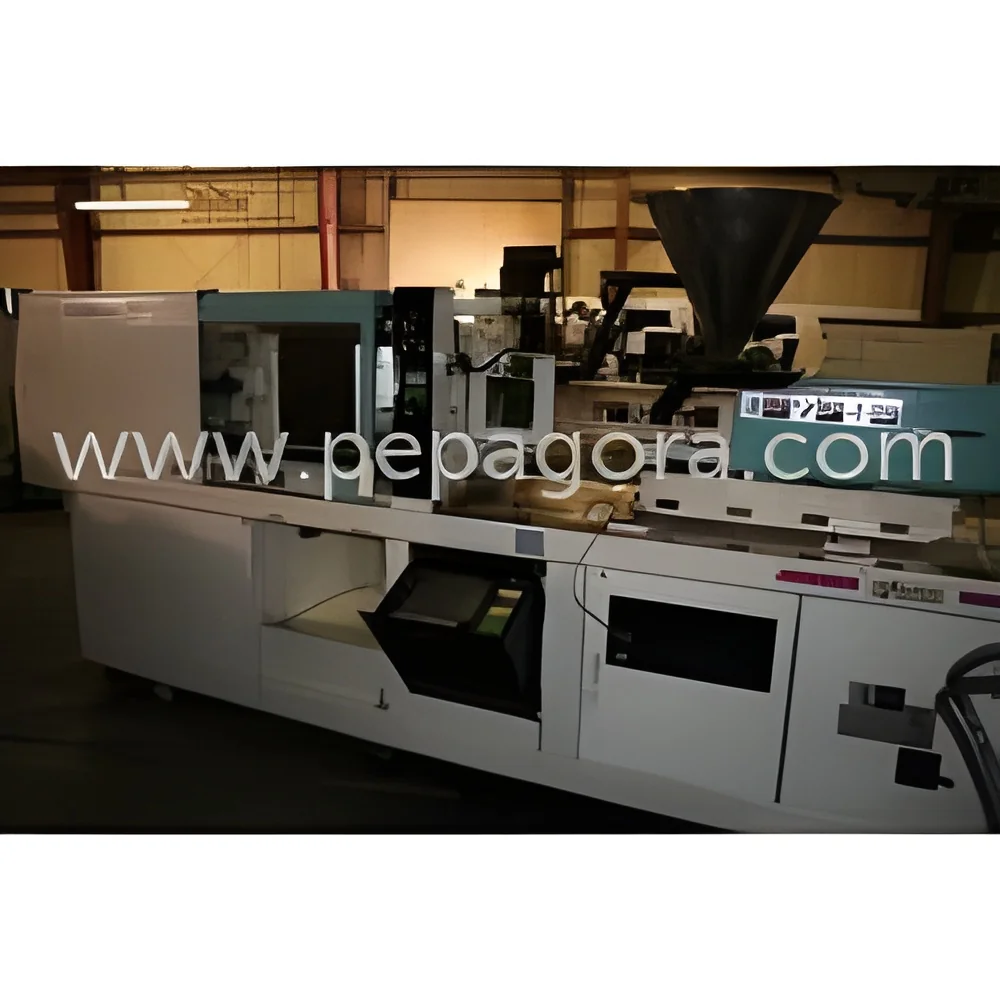
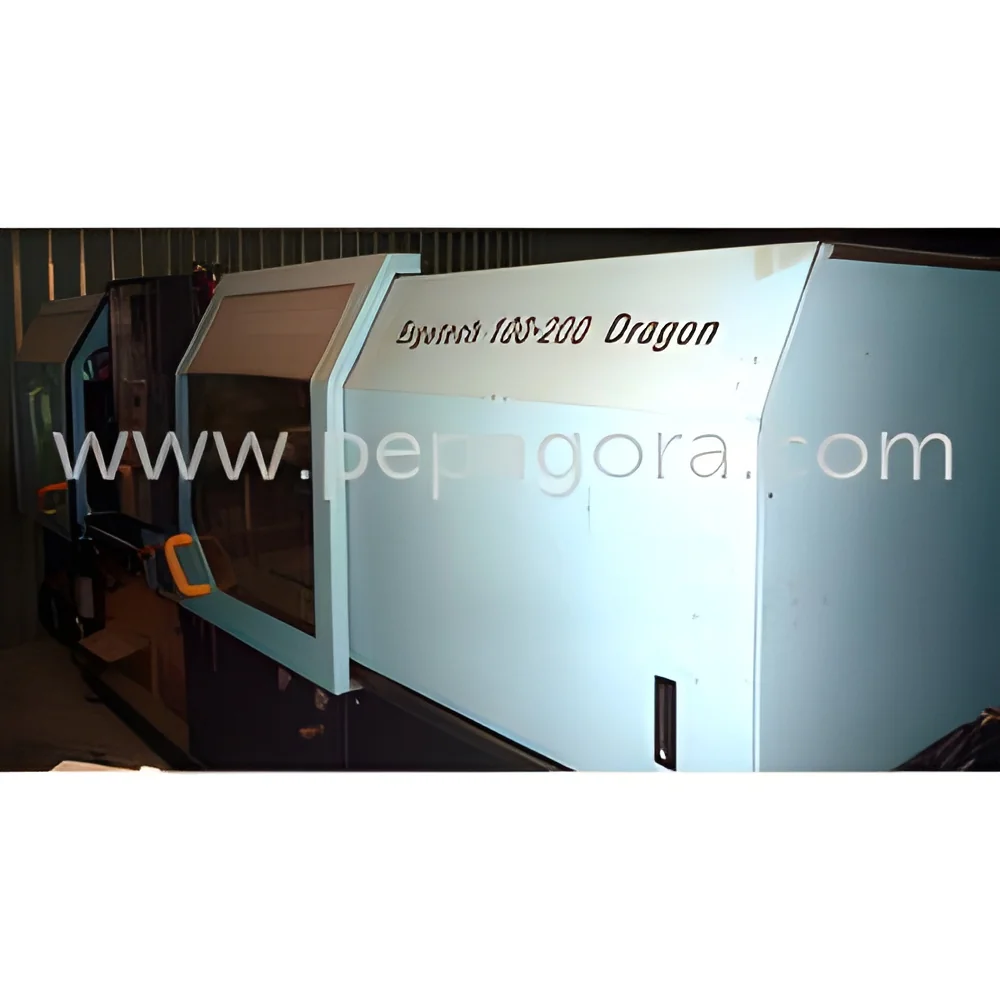
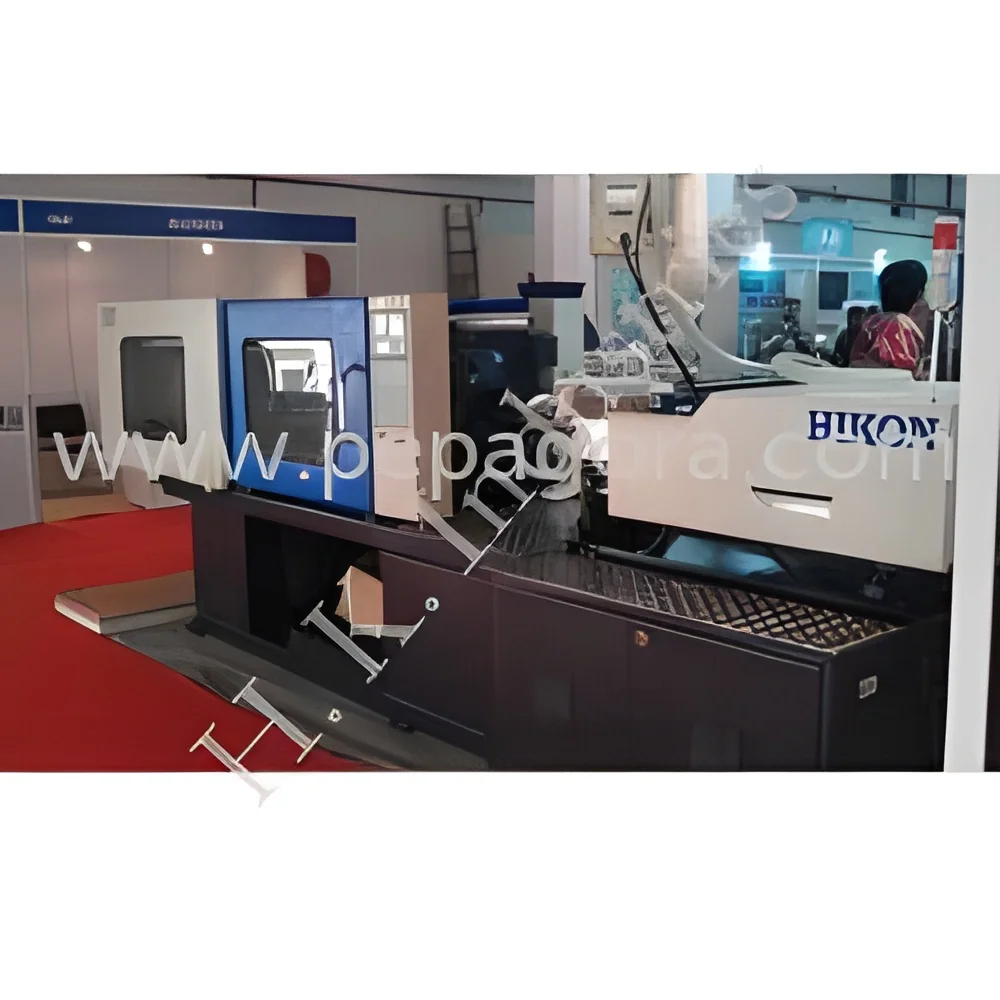
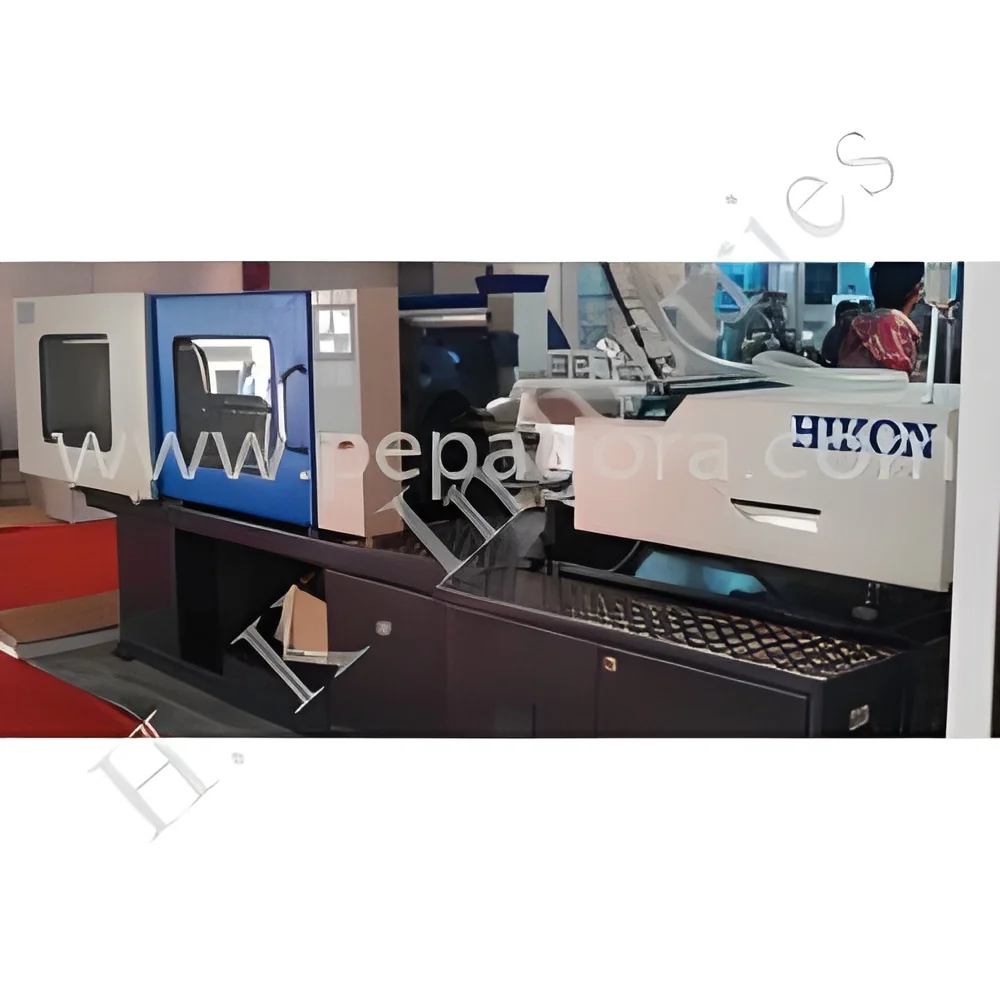
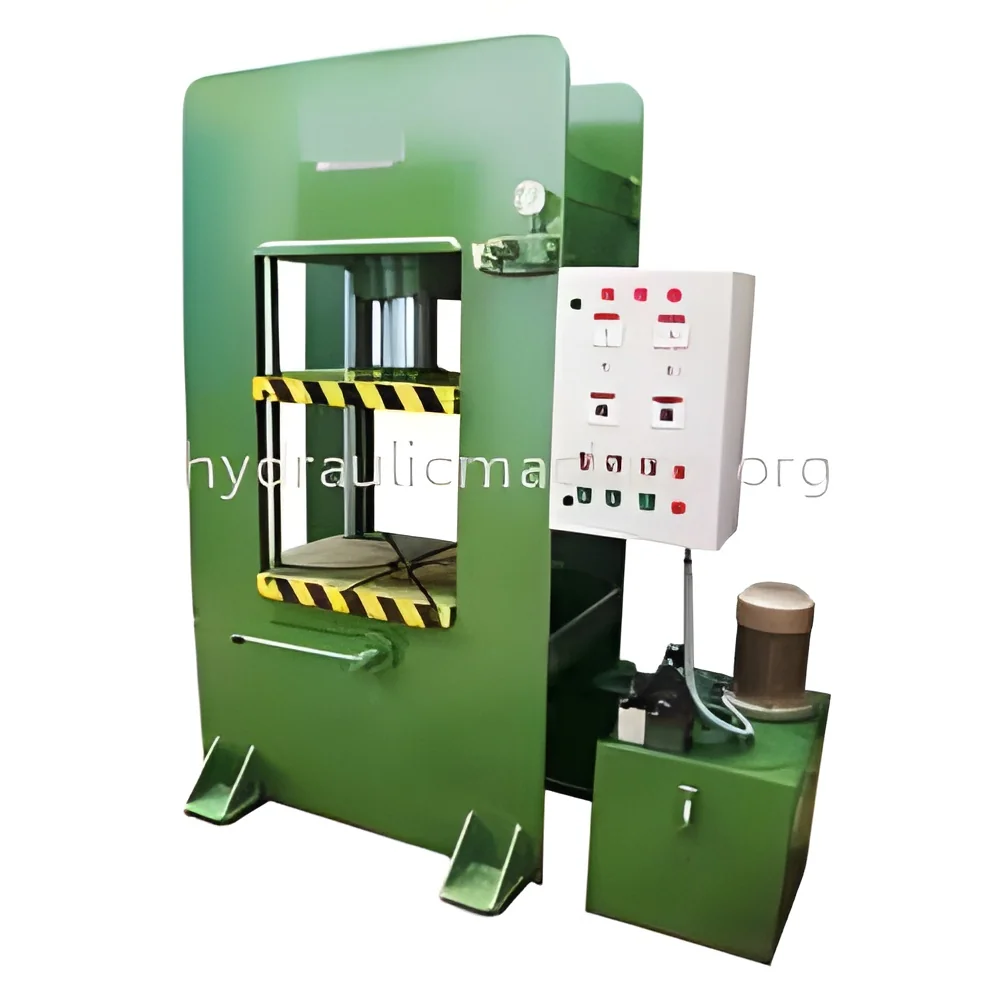
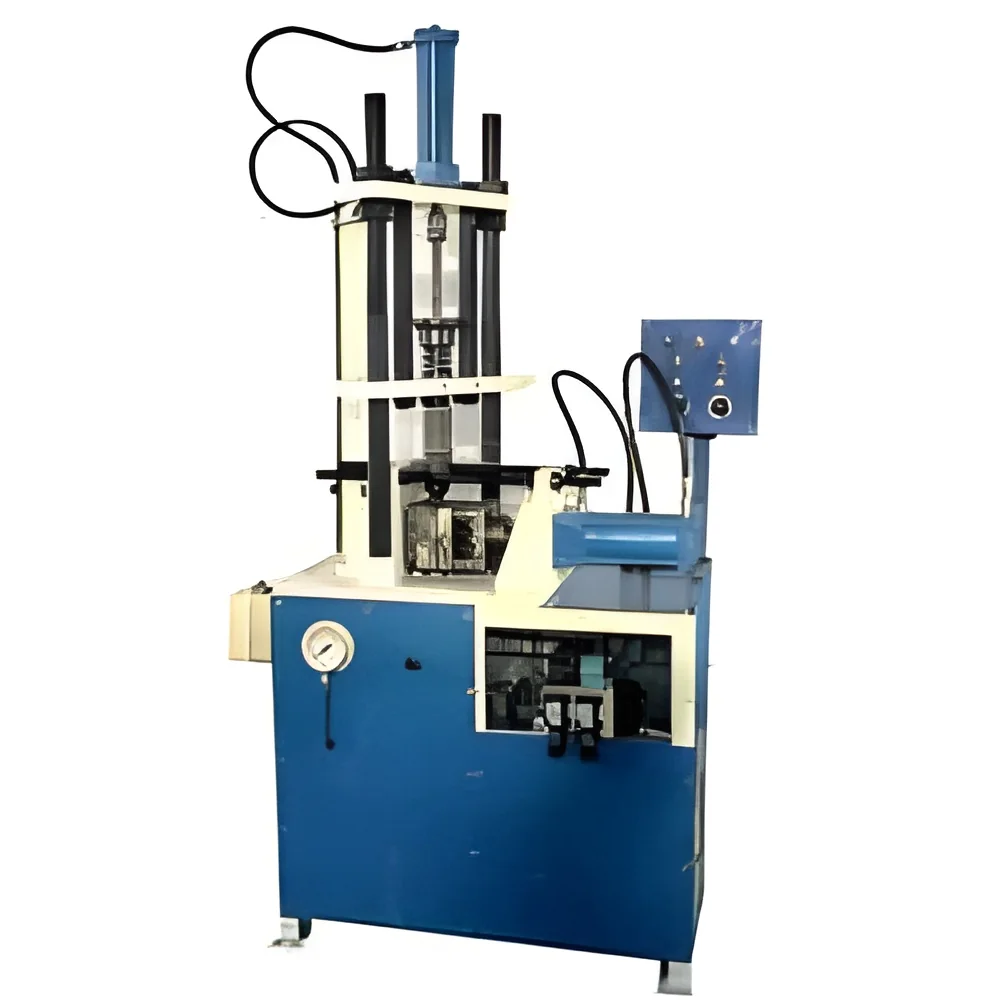
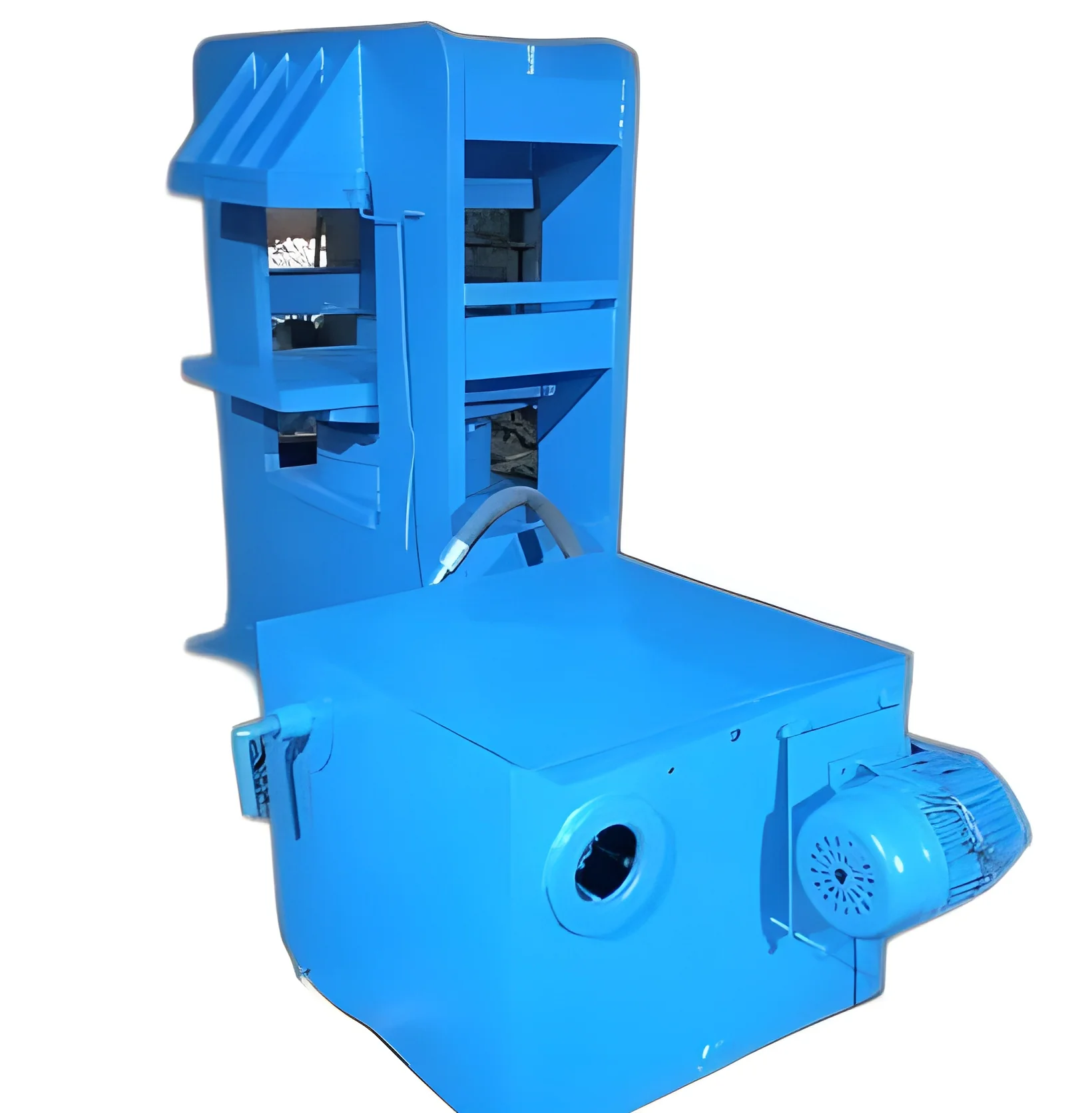
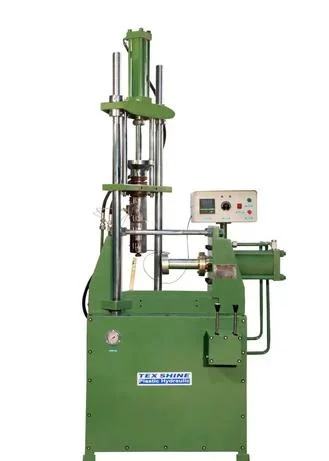
What are Plastic Injection Machinery?
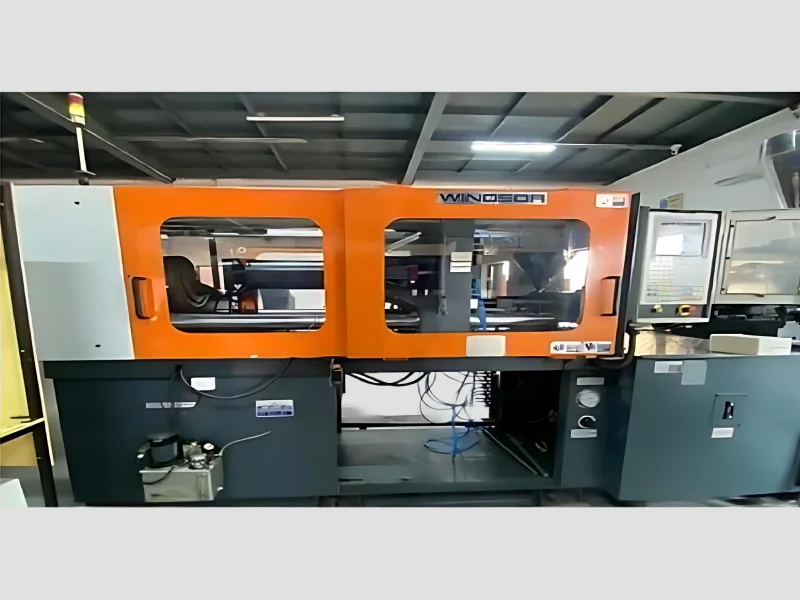
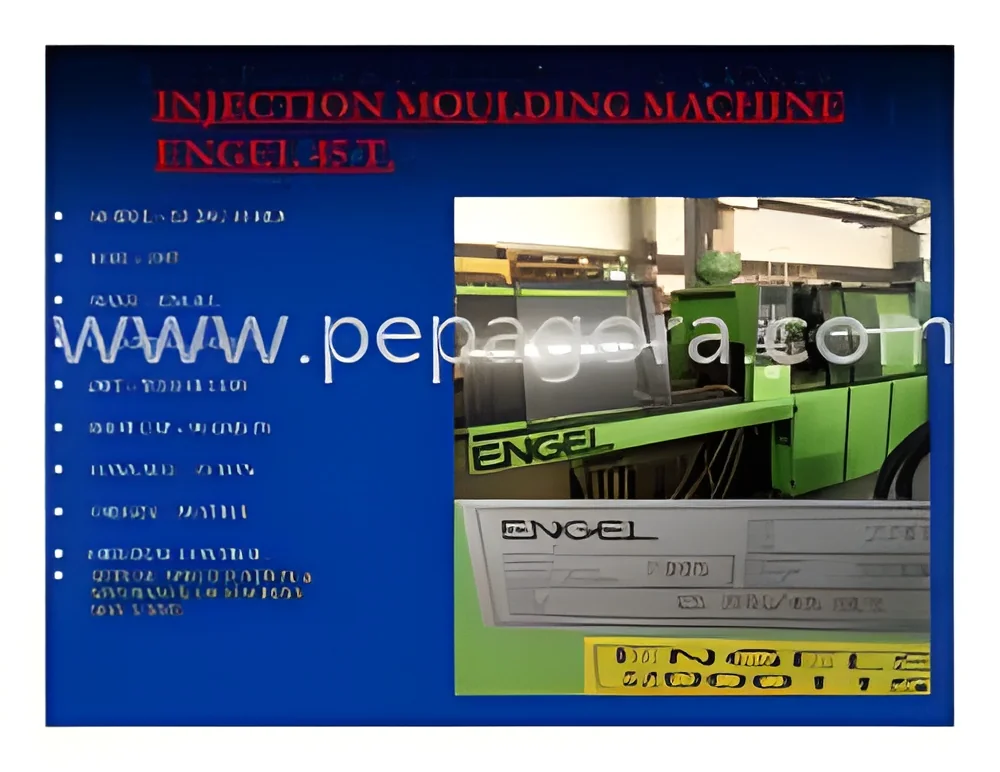
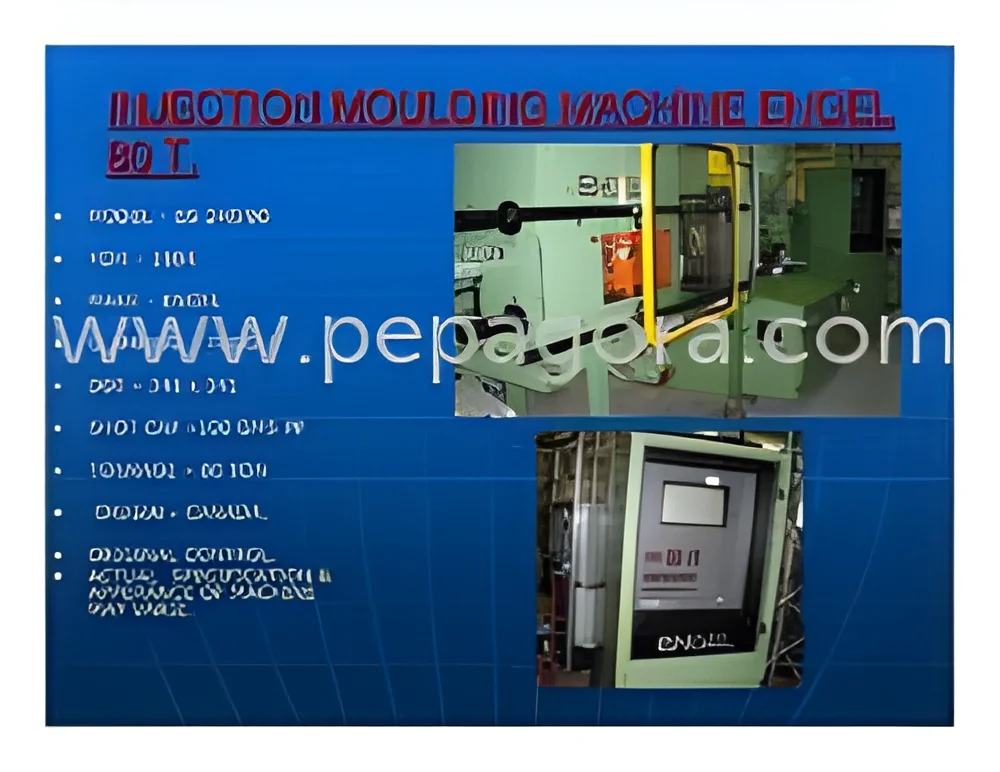
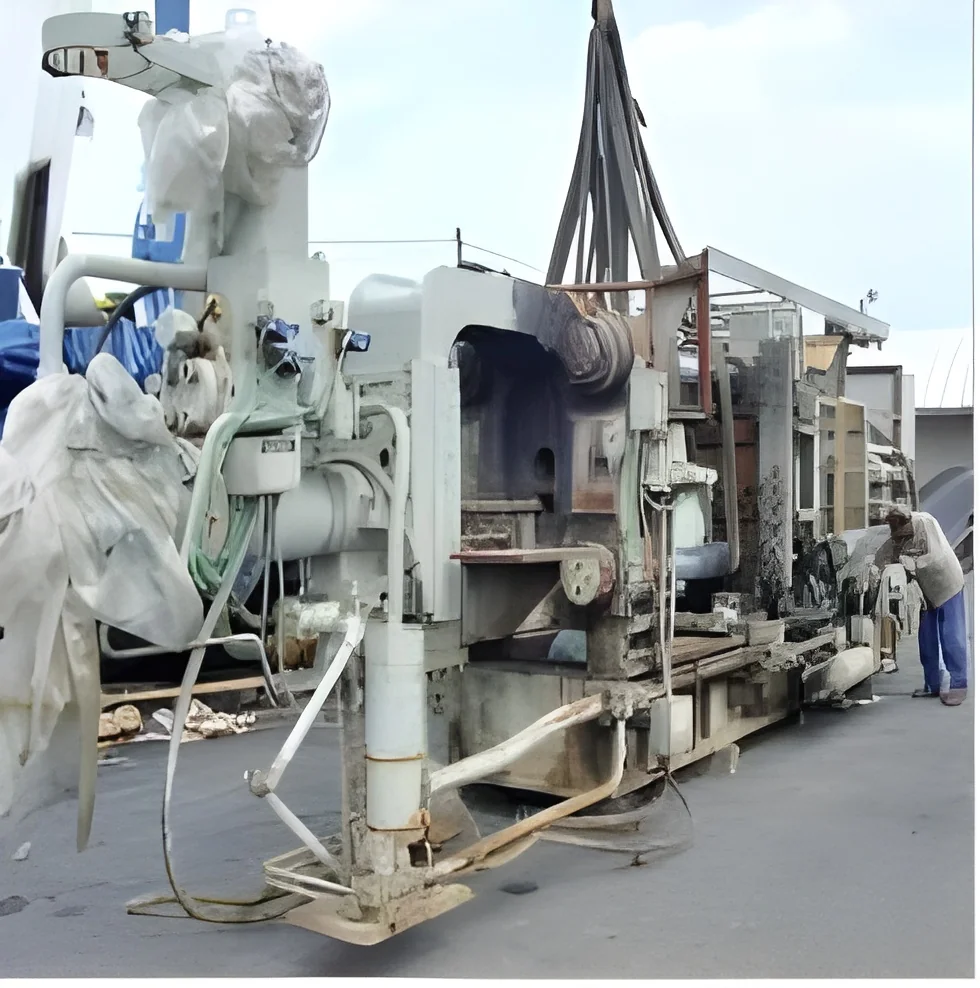
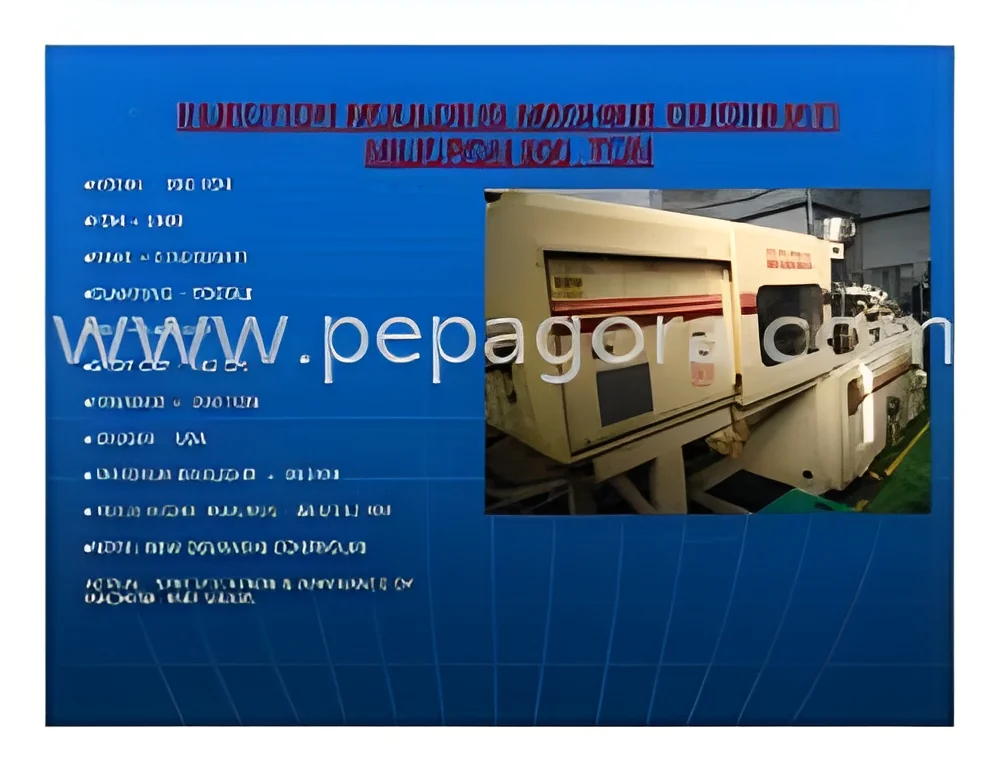
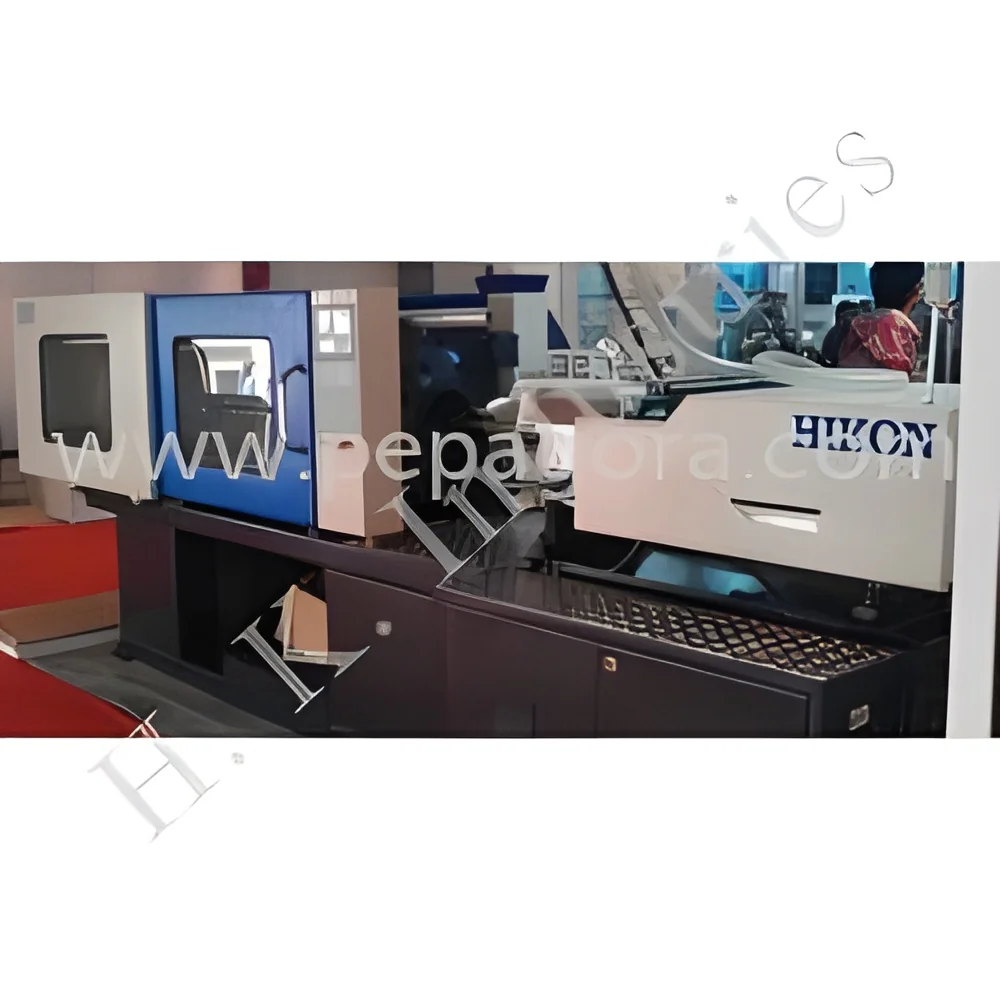
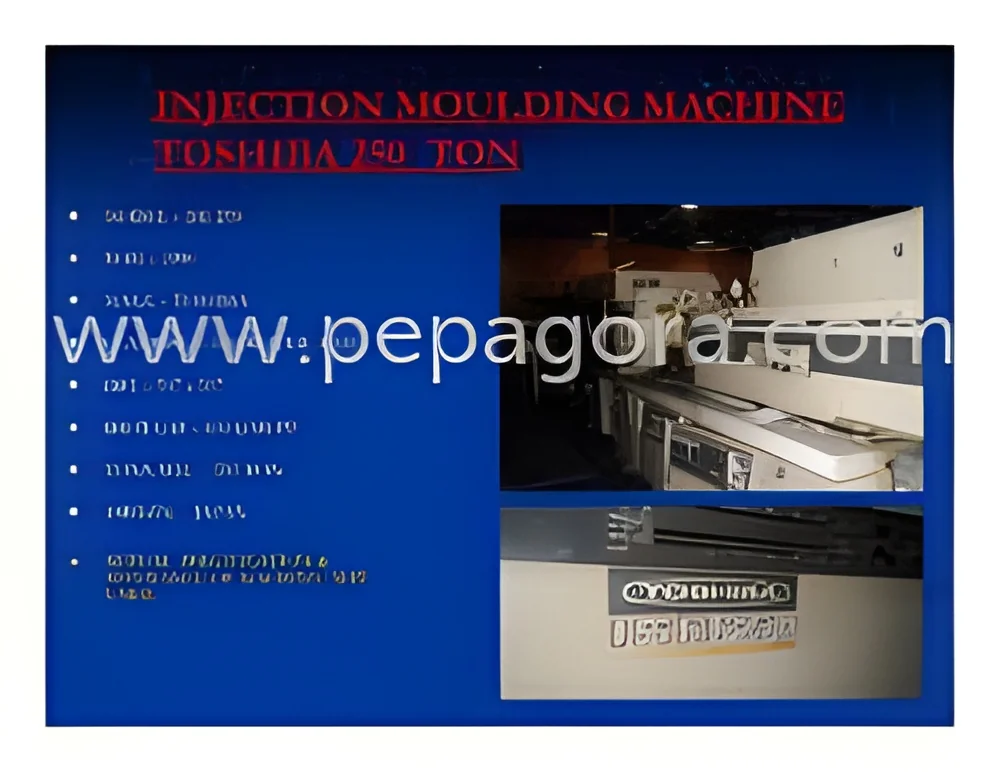
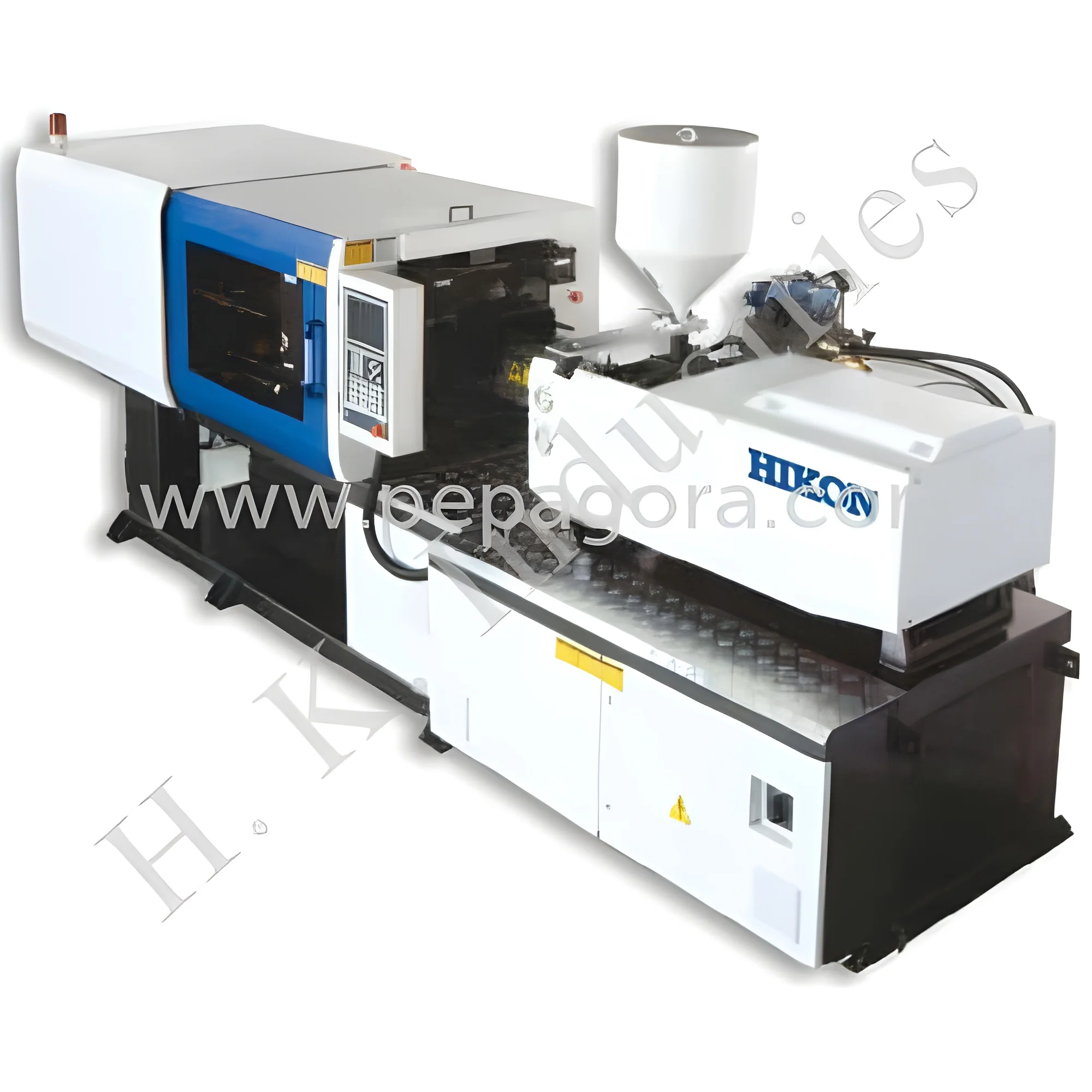
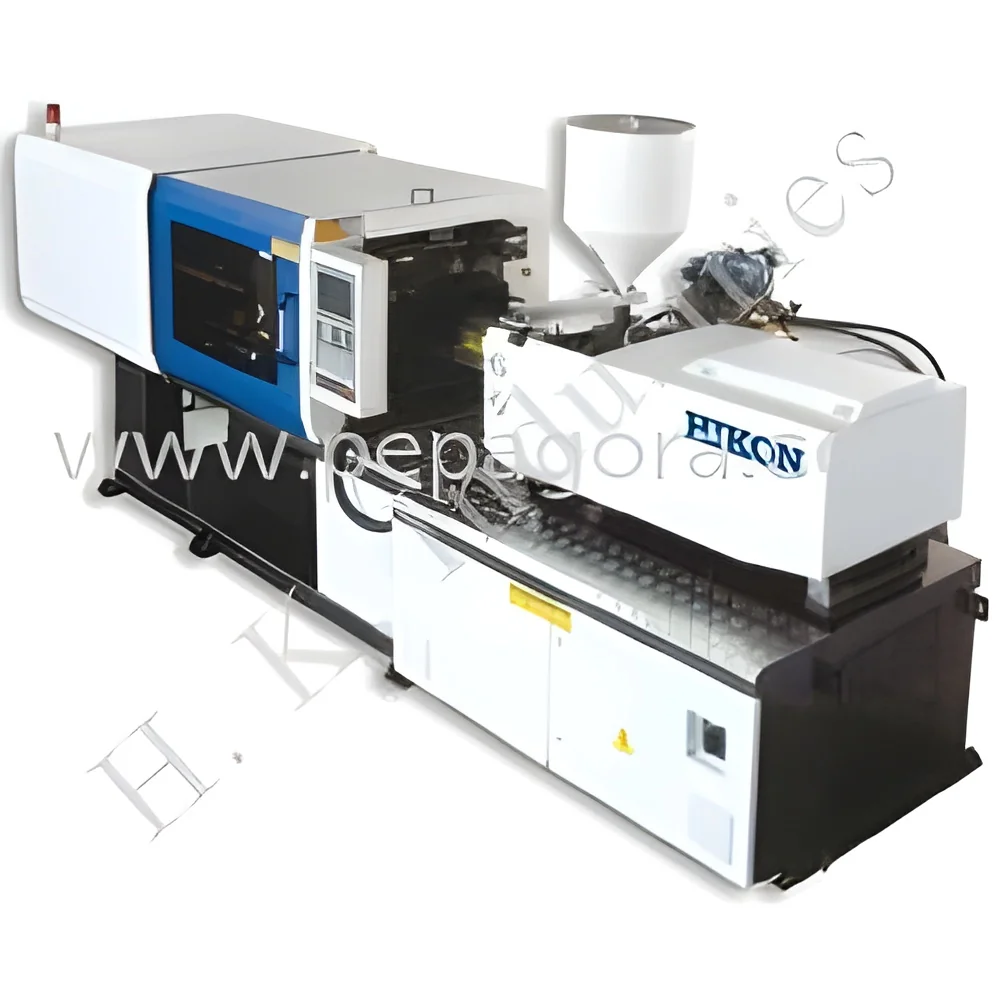
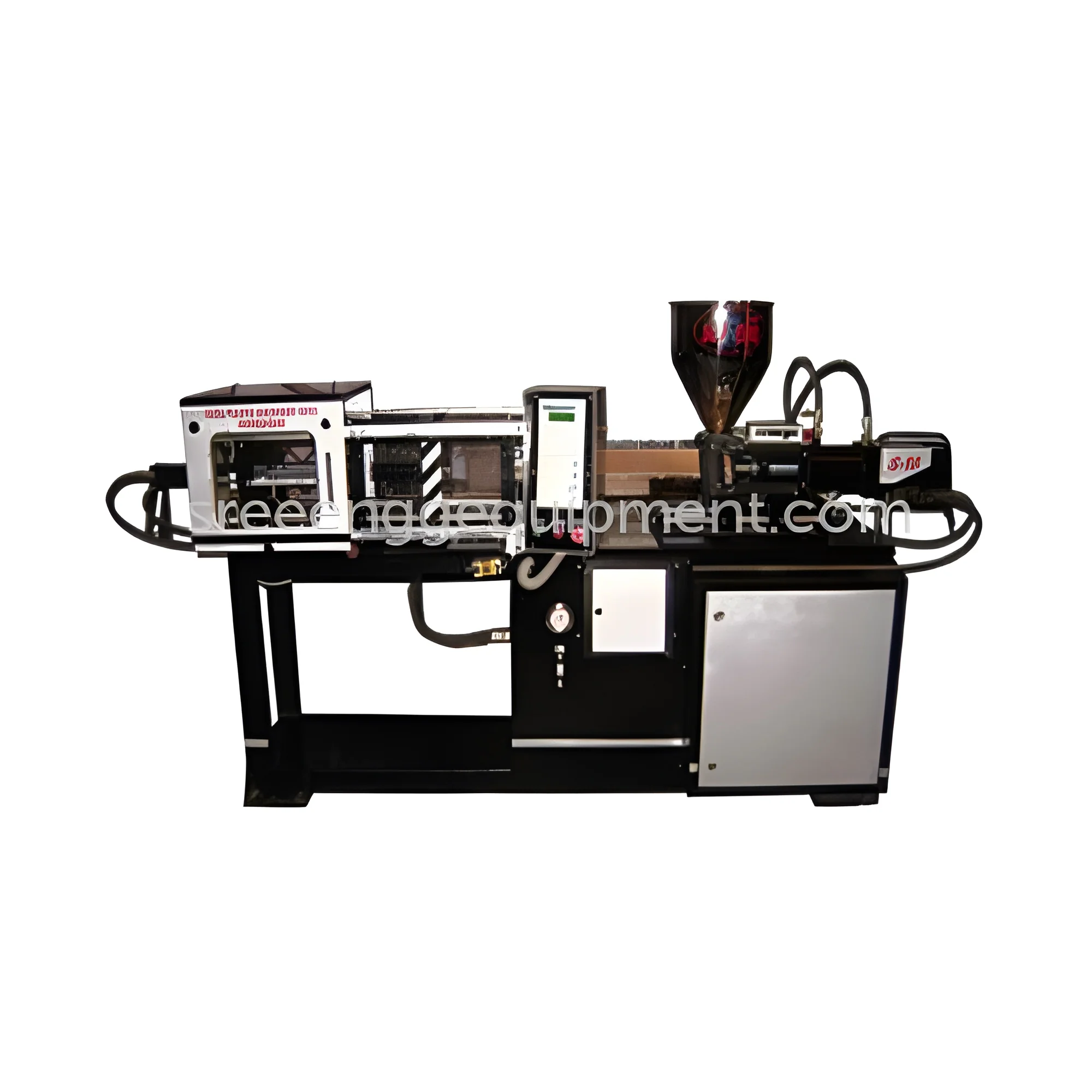
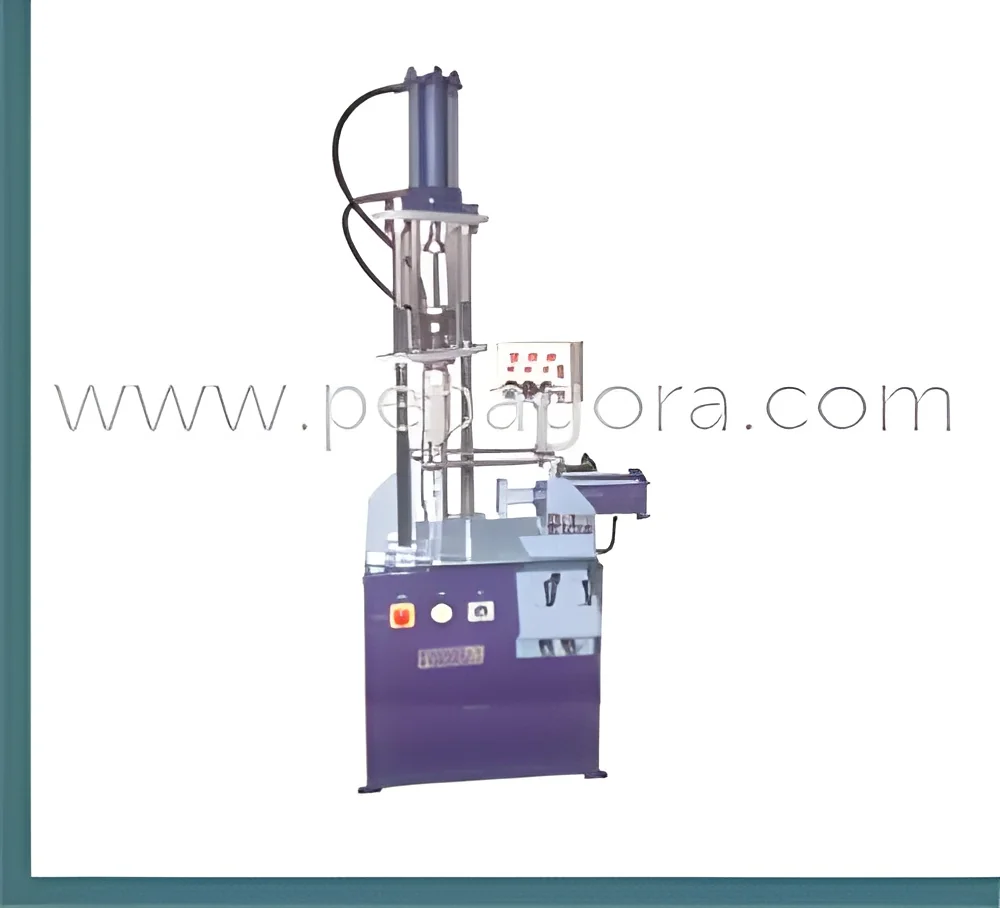
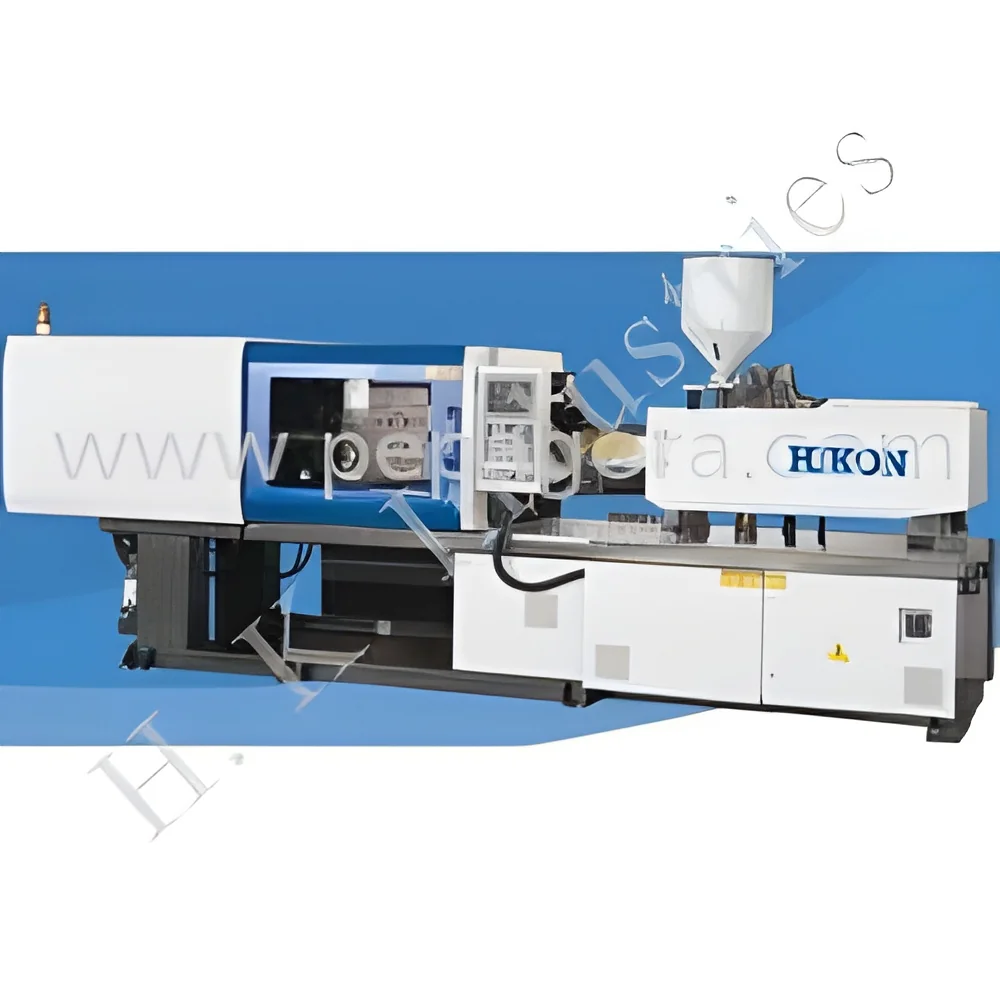
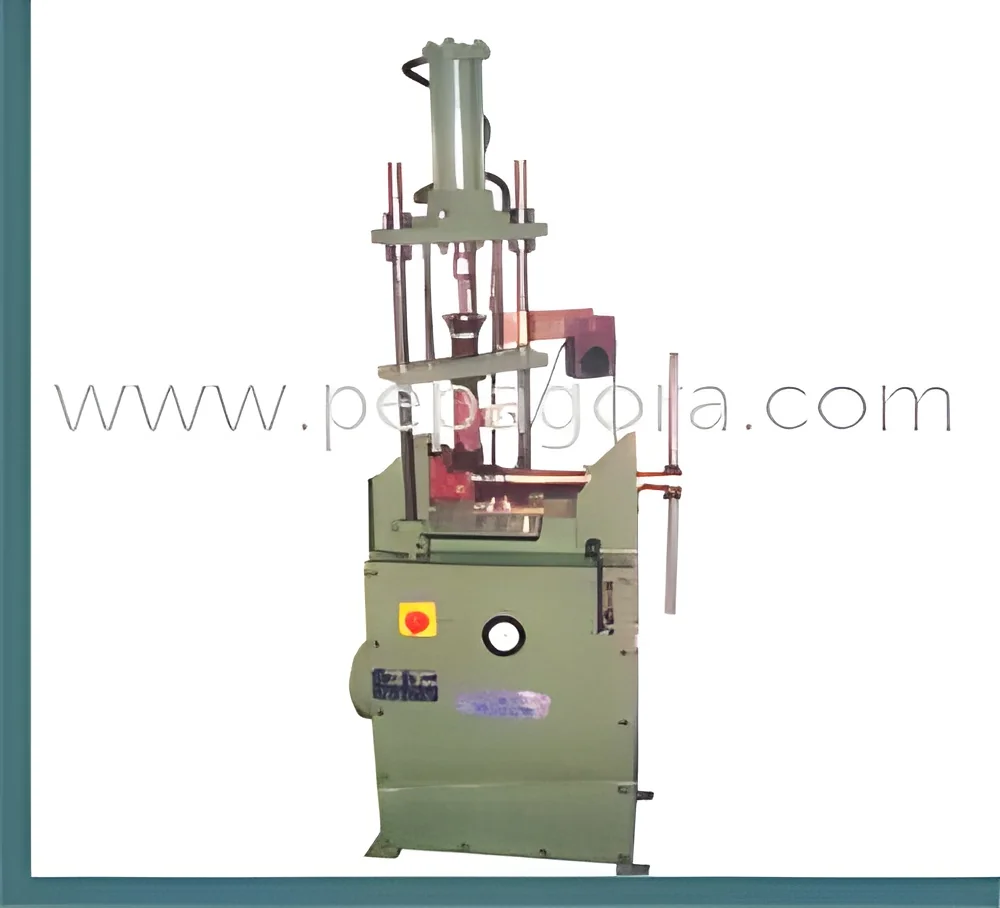
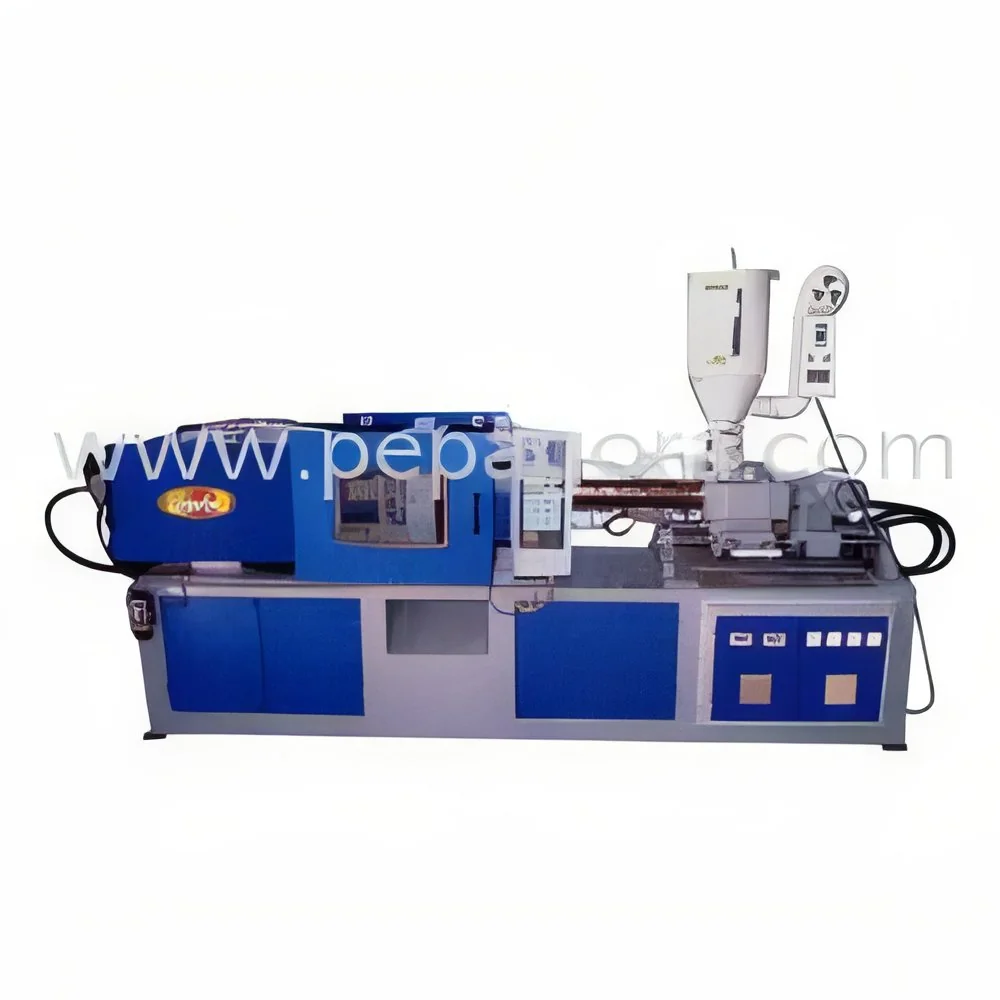
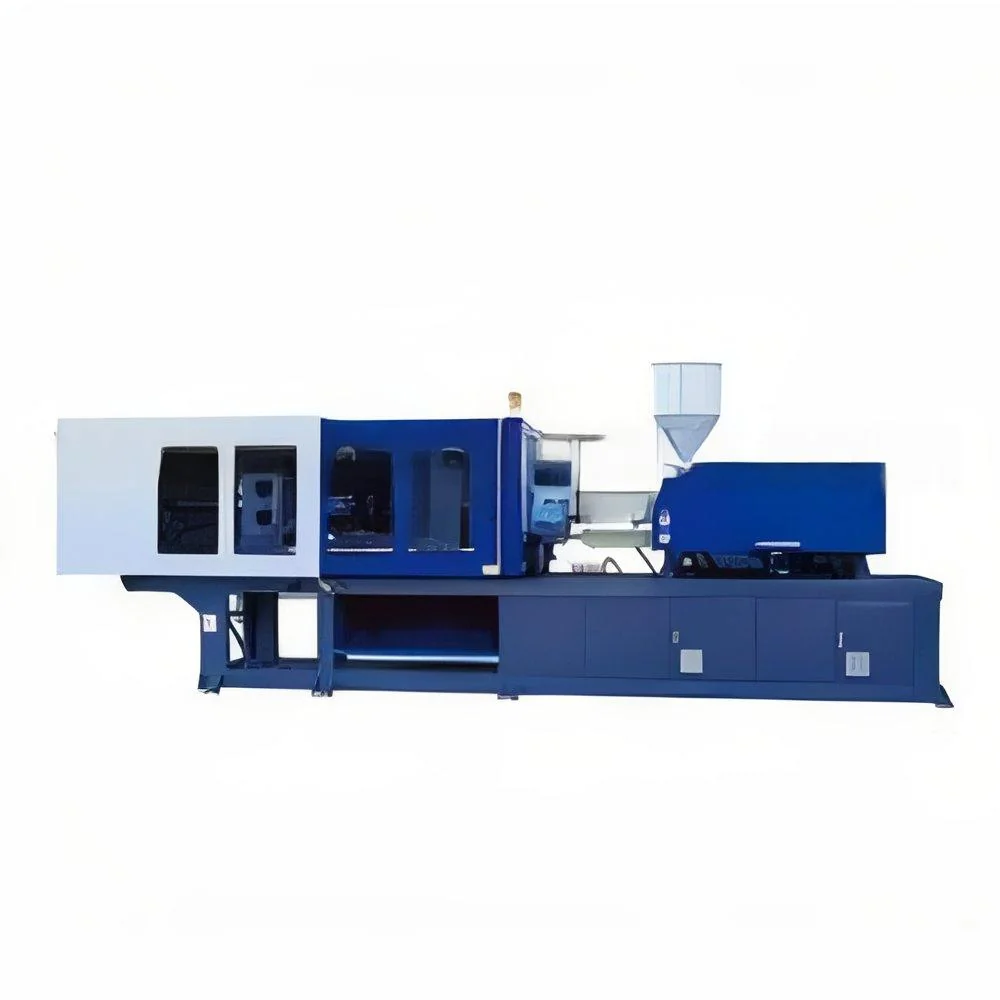
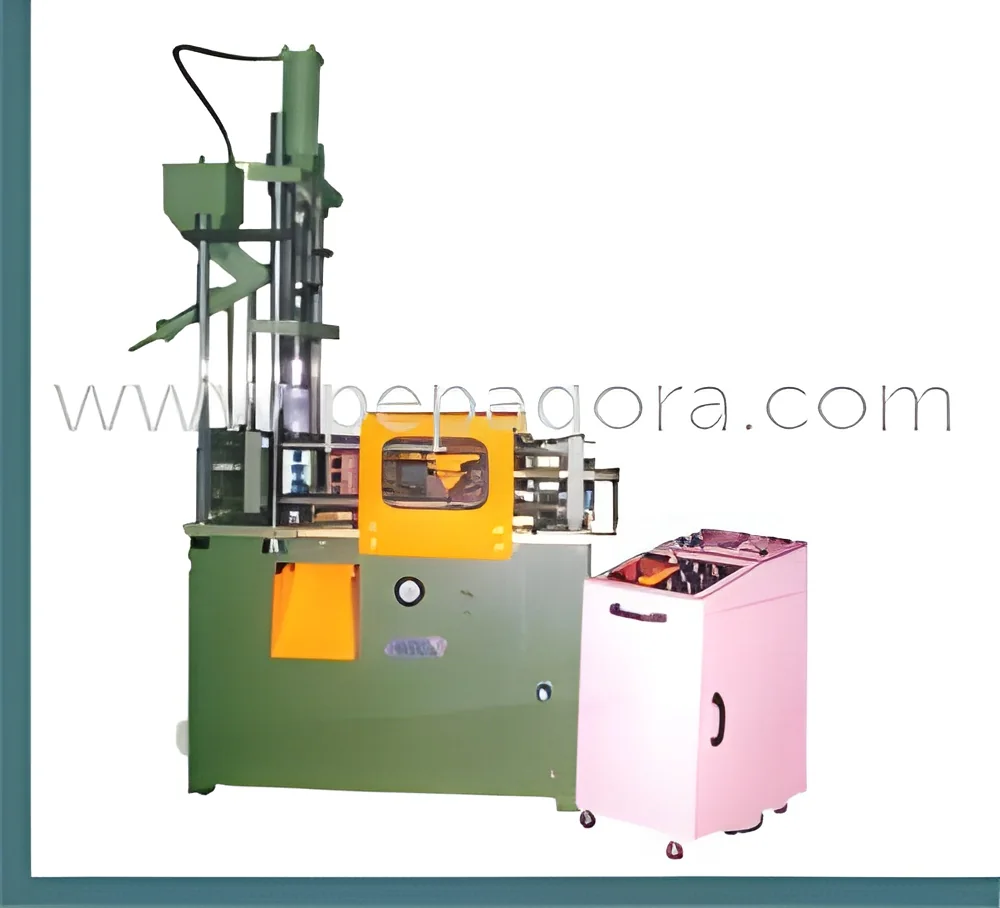
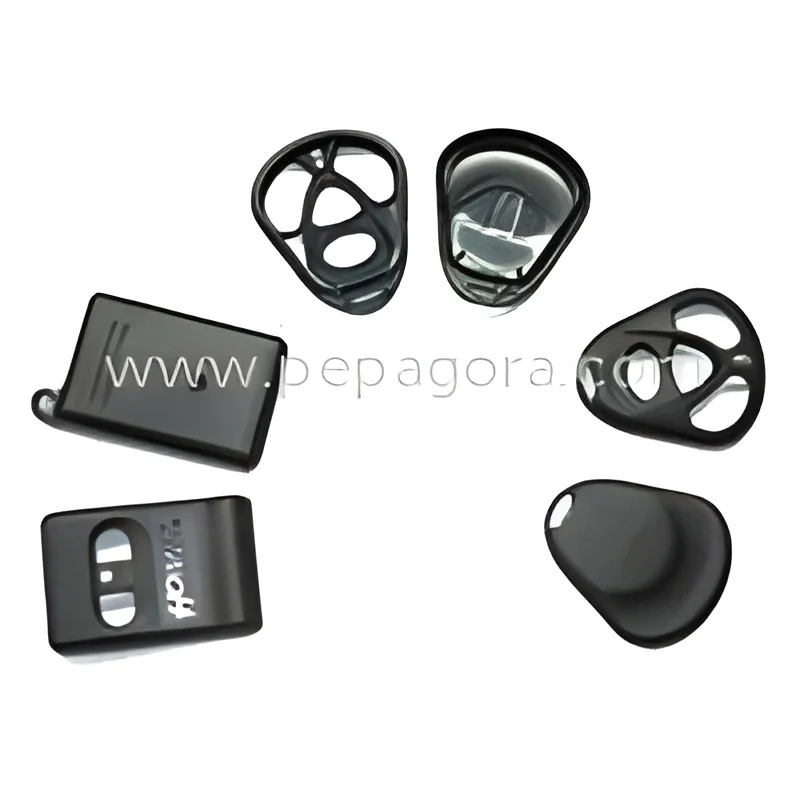
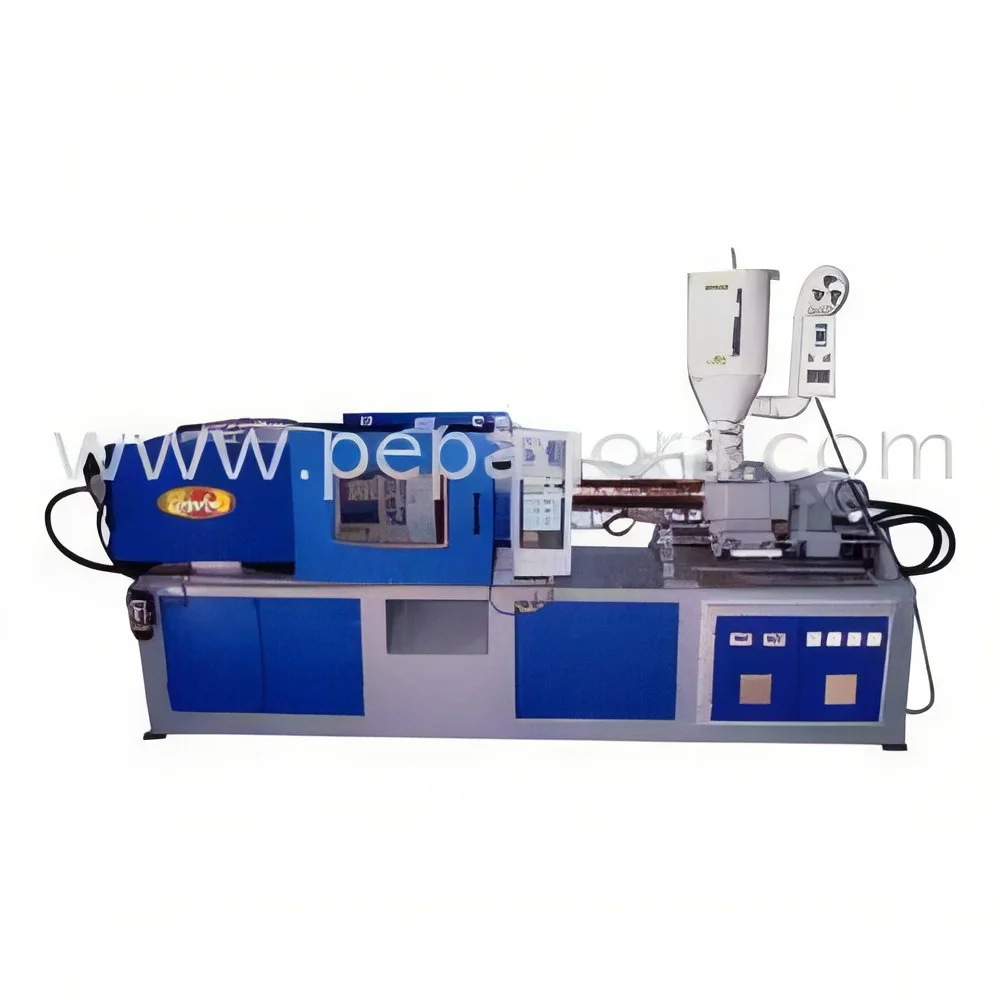
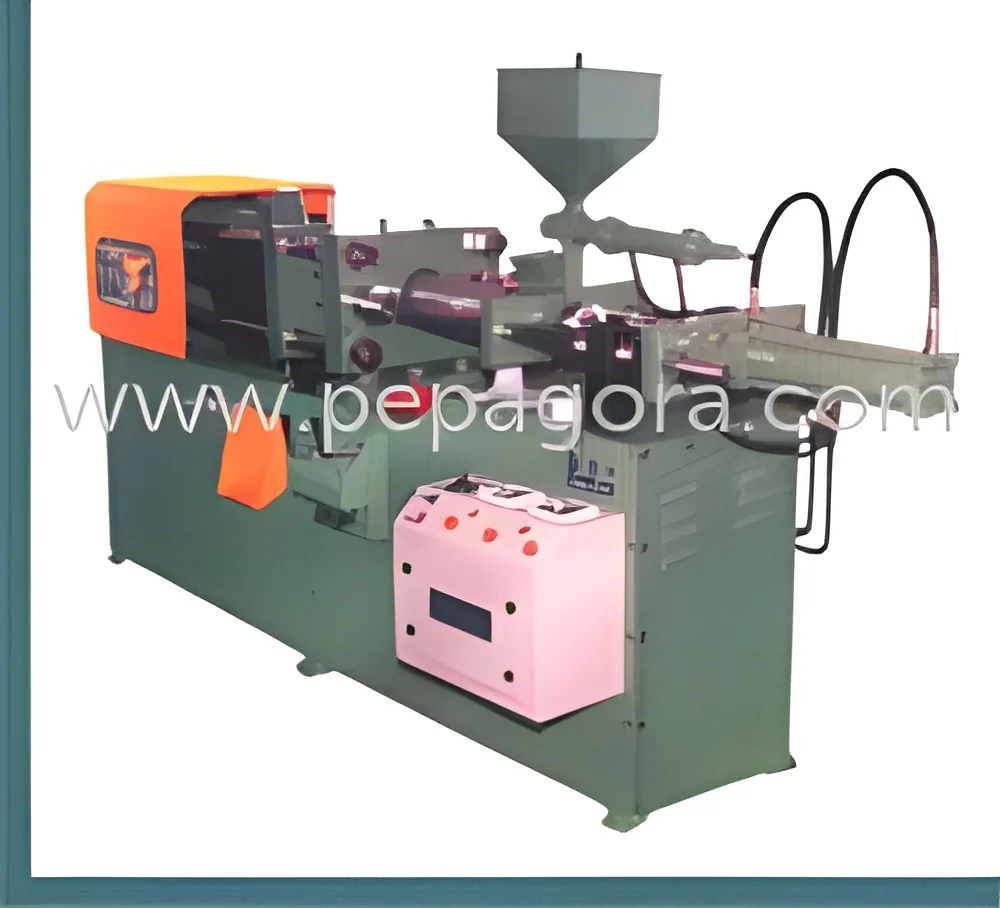
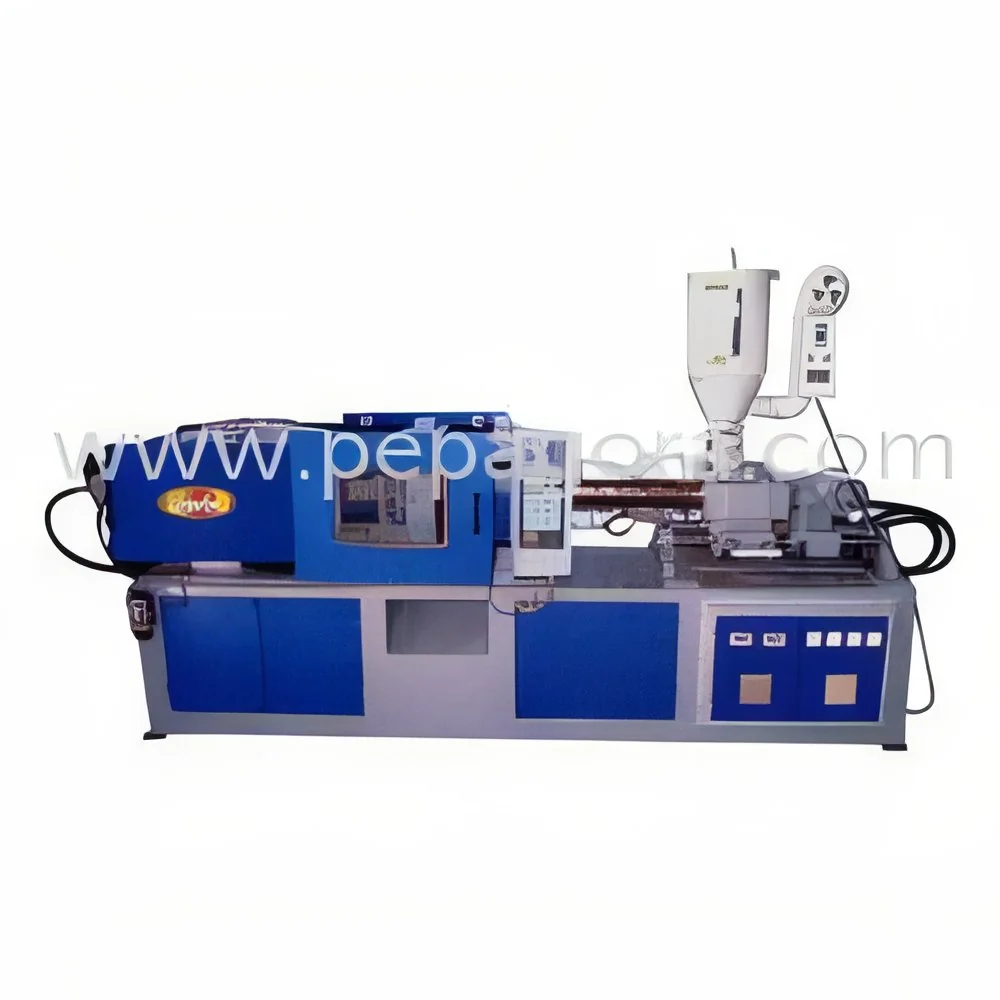
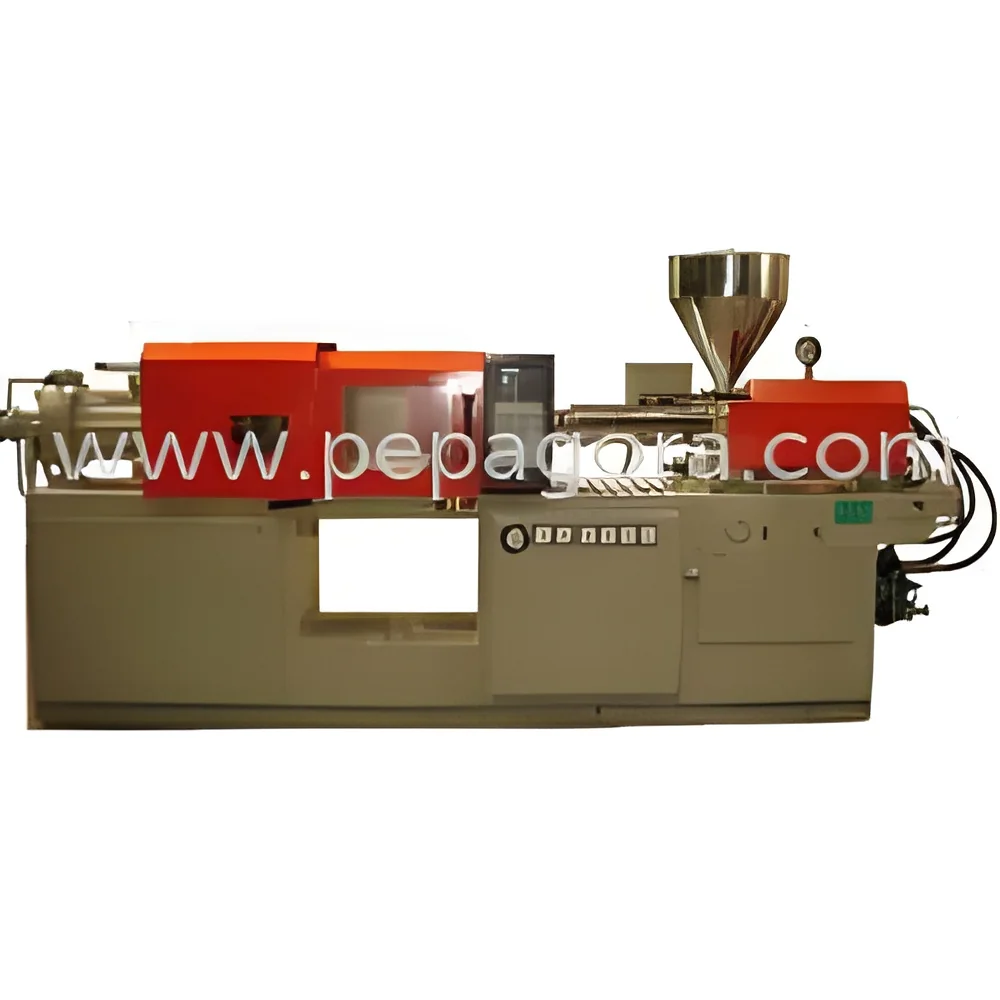
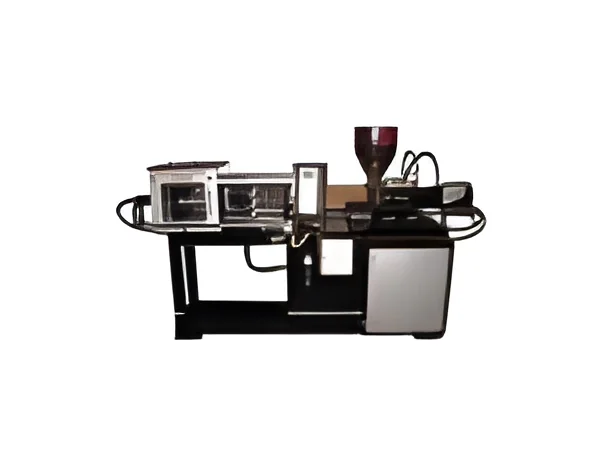
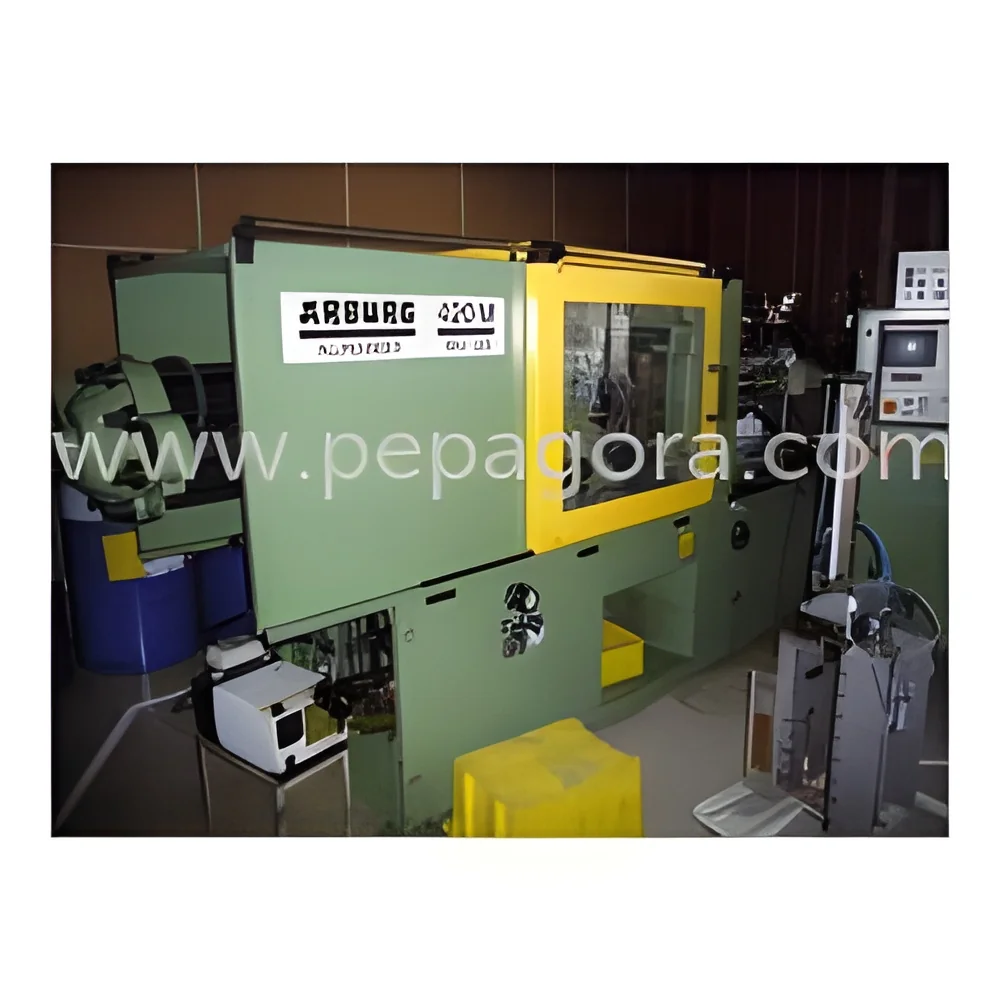
Plastic injection machinery is a manufacturing process that involves the injection of molten plastic into a mold to create various plastic products. This technology facilitates the mass production of complex shapes and intricate designs with high precision. By heating plastic granules until they become liquid and then injecting them into a mold under pressure, manufacturers can produce parts that are consistent in quality and dimensions.
These machines are widely used in industries such as automotive, consumer goods, electronics, and packaging. They are essential for producing components like housings, containers, and appliance parts. The efficiency and speed of plastic injection molding make it a preferred choice for businesses looking to scale production while minimizing waste. As the demand for plastic products continues to grow, the relevance of plastic injection machinery in the manufacturing landscape becomes increasingly significant.
Key Features and Specifications
Plastic injection machinery is designed for efficiency, precision, and versatility in production. These machines come equipped with various features that enhance their functionality and output quality. Understanding the key specifications is crucial for businesses looking to invest in this technology.
Key specifications include:
1. Clamping Force
- This specification refers to the force exerted by the machine to hold the mold together during injection.
- Typical ranges vary based on machine size, from 30 tons to over 2,000 tons.
2. Injection Speed
- This refers to how quickly the molten plastic is injected into the mold.
- High-speed machines can achieve injection speeds of up to 300 mm/s.
3. Shot Weight
- This is the maximum weight of plastic that can be injected in one cycle.
- Ranges can vary widely, typically from a few grams to several kilograms.
4. Mold Size
- This determines the maximum dimensions of the mold that can be accommodated by the machine.
- Various machines support mold sizes from small to large formats.
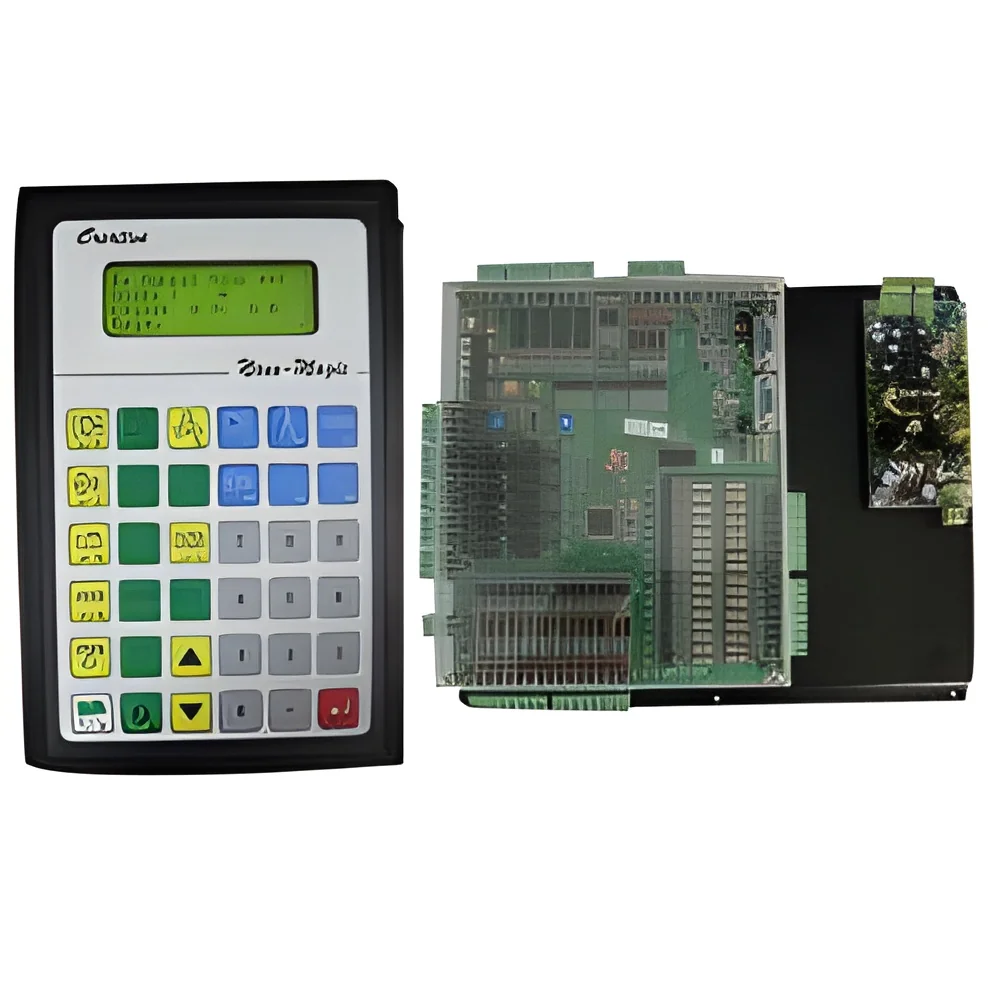
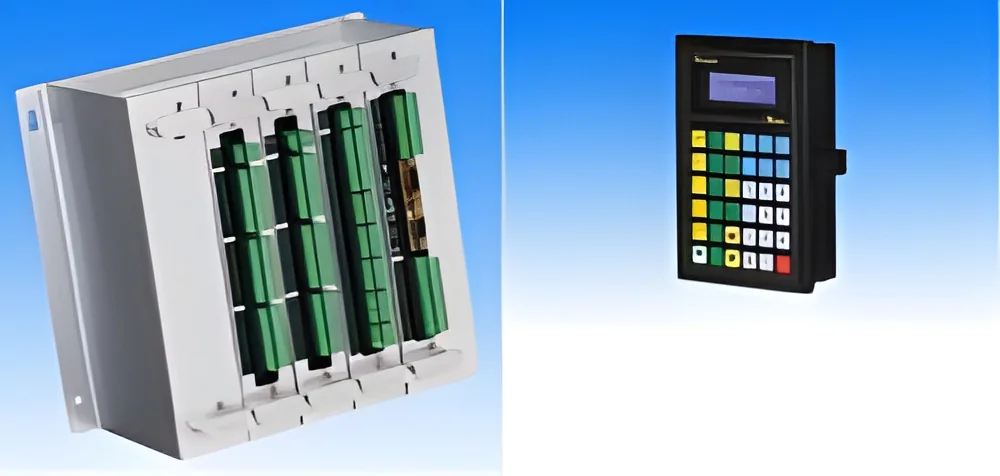
5. Control System
- Modern machines often feature advanced control systems for precision operation.
- These can include PLC (Programmable Logic Controller) or fully automated systems.
6. Energy Consumption
- This specification assesses the machine's energy efficiency.
- Energy-efficient models are designed to reduce operational costs.
7. Cycle Time
- This refers to the time taken to complete one injection cycle.
- Efficient machines can achieve cycle times as short as 15 seconds.
8. Material Compatibility
- This indicates the types of plastic materials that can be processed by the machine.
- Common materials include ABS, PVC, and polyethylene.
In summary, understanding the features and specifications of plastic injection machinery helps businesses select the best equipment for their manufacturing needs.
Common Applications and Use Cases
Plastic injection machinery serves a wide array of industries, providing versatile solutions for various applications. Its adaptability allows businesses to create numerous products with high efficiency.
1. Automotive: In the automotive sector, plastic injection molding is used to manufacture components such as dashboards, bumpers, and interior panels, contributing to lightweight and durable vehicle designs.
2. Consumer Goods: The production of everyday items like containers, toys, and kitchenware often relies on plastic injection machinery to meet the demands of mass production and design complexity.
3. Electronics: This machinery is critical in the electronics industry for producing casings, connectors, and various components that require precise dimensions and high-quality finishes.
4. Packaging: Plastic injection molding is widely used for creating packaging solutions such as bottles, caps, and containers, which require specific design features for functionality and aesthetics.
5. Medical Devices: In the healthcare sector, plastic injection molding is essential for producing medical components like syringes, diagnostic devices, and surgical tools, ensuring compliance with strict quality standards.
6. Industrial Equipment: Machinery parts, housings, and other components can be efficiently manufactured using plastic injection molding, meeting the needs of various industrial applications.
7. Construction: The construction industry utilizes plastic injection machinery for creating fittings, fixtures, and other components that require both strength and durability.
Product Variants and Subcategories
Plastic injection machinery comes in various models and configurations, catering to different production needs and capacities. This diversity allows businesses to select machinery that aligns with their specific requirements.
Standard Electric Injection Molding Machine
This variant offers precise control and energy efficiency, making it suitable for high-volume production of small to medium-sized parts. It features advanced servo motor technology for optimal performance.
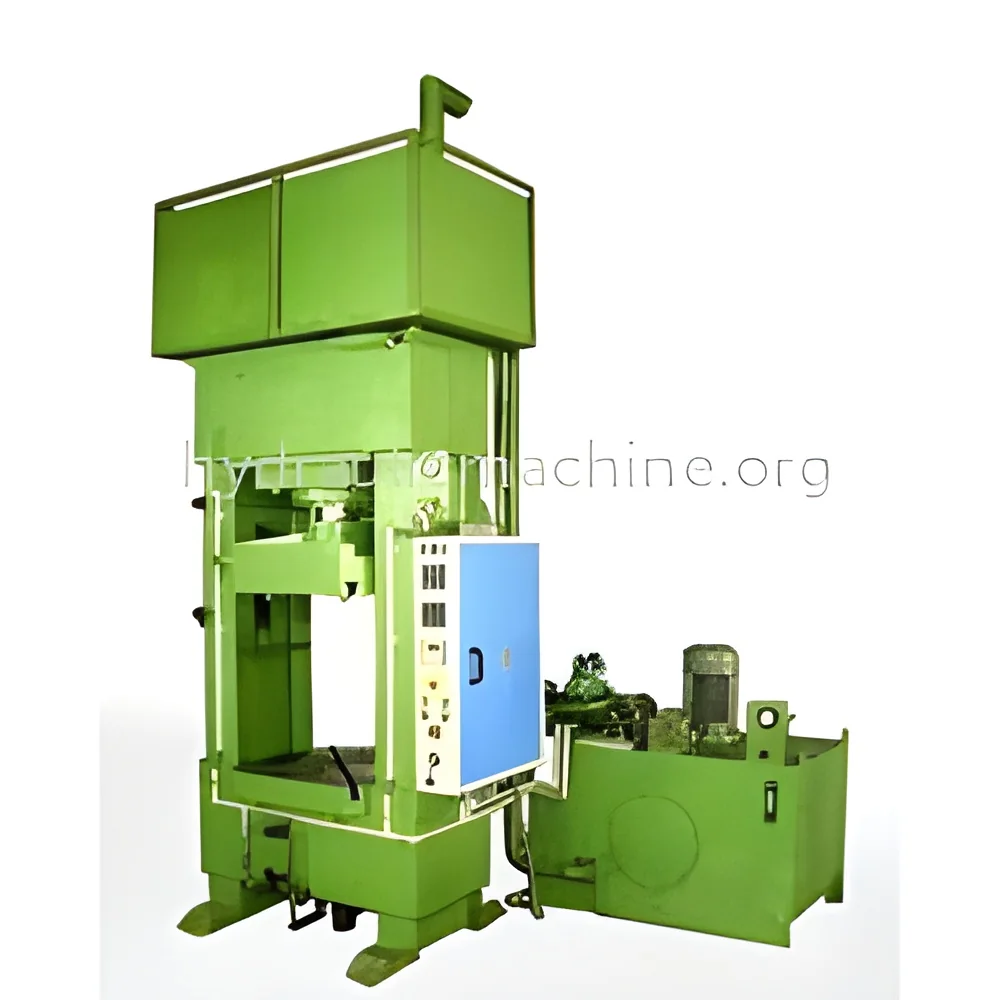
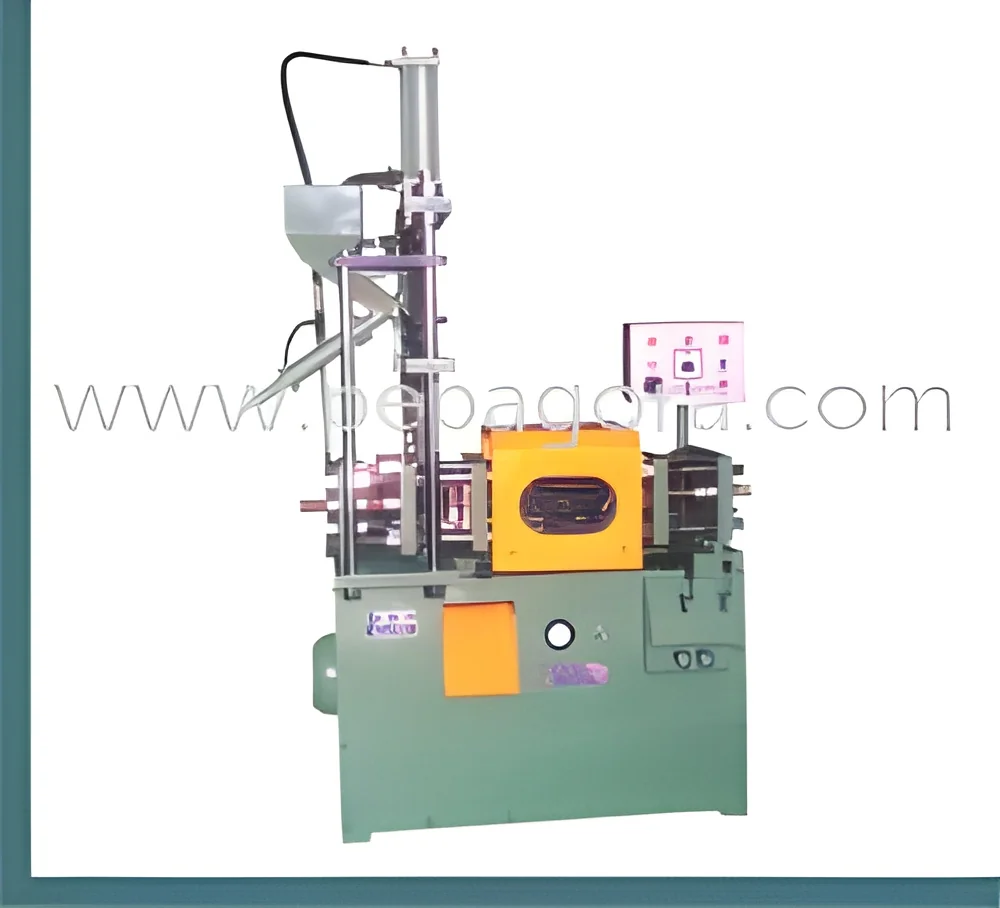
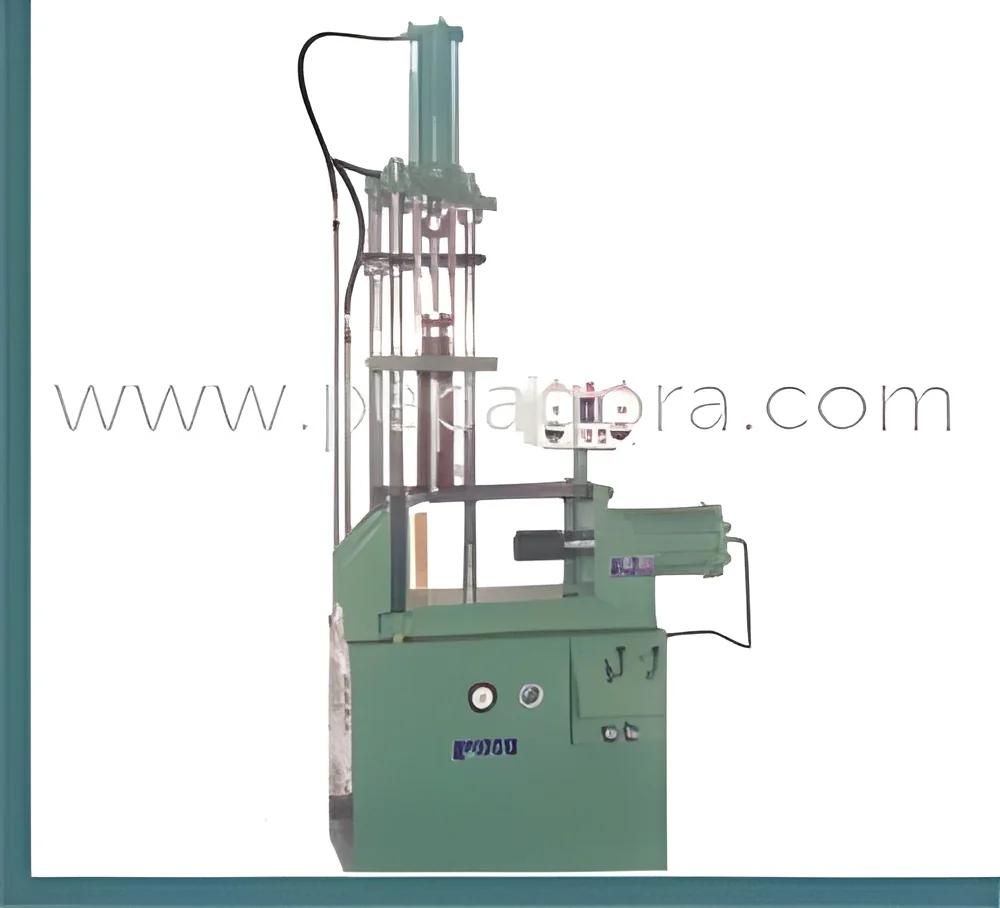
Hydraulic Injection Molding Machine
These machines are known for their robustness and ability to handle larger molds. They are commonly used in industries that require heavy-duty applications and can produce larger parts efficiently.
Hybrid Injection Molding Machine
Combining electric and hydraulic technologies, hybrid machines offer the best of both worlds. They provide energy efficiency while handling larger molds and complex designs, making them versatile for various applications.
Benefits and Advantages
Investing in plastic injection machinery provides numerous advantages for manufacturers seeking to enhance their production capabilities. These benefits contribute to both operational efficiency and product quality.
1. High Efficiency: Plastic injection machines are designed for rapid production, allowing for high output rates and reduced cycle times.
2. Cost-Effectiveness: The ability to produce large volumes of products quickly leads to lower costs per unit, making it an economical choice for manufacturers.
3. Precision and Consistency: These machines deliver high precision and uniformity in product dimensions, ensuring quality control throughout the production process.
4. Versatility: Plastic injection machinery can accommodate various materials and designs, making it suitable for diverse applications across multiple industries.
5. Reduced Waste: The process minimizes material waste by optimizing the use of plastic, contributing to more sustainable manufacturing practices.
6. Automation Capabilities: Many modern machines come with automated features that enhance productivity and reduce manual labor requirements.
Buying Guide for B2B Buyers
When sourcing plastic injection machinery, it is essential for buyers to consider several critical factors to ensure they select the right equipment for their needs.
1. Quality Assessment: Evaluate the build quality and reliability of the machinery. Look for machines that meet industry standards and have a proven track record of performance.
2. Supplier Verification: Vet potential suppliers by checking their credentials, customer reviews, and previous projects to ensure they are reputable and trustworthy.
3. Pricing and MOQ: Understand the pricing structure and minimum order quantities (MOQ) required by suppliers. This information helps in budgeting and planning for production needs.
4. Delivery and Lead Times: Consider the logistics involved in acquiring the machinery. Ensure that suppliers can meet delivery timelines to avoid delays in production.
5. Compliance Requirements: Be aware of any regulatory requirements that the machinery must meet, including safety standards and environmental regulations.
Compliance and Certifications
Compliance and certification are crucial aspects of plastic injection machinery. Adhering to quality standards ensures that the machinery operates safely and efficiently in various manufacturing environments.
Relevant quality standards include ISO 9001, which focuses on quality management systems to ensure consistent production quality. Other standards, such as HACCP (Hazard Analysis Critical Control Point) and GDP (Good Distribution Practice), may apply depending on the industry.
Industry certifications, such as the CE mark, indicate that the machinery meets European safety and environmental requirements. This certification is essential for manufacturers looking to sell products in the European market.
Safety and testing requirements are also critical. Machinery should undergo rigorous testing to ensure it meets safety standards and operates reliably under various conditions.
Regional compliance considerations may vary, so businesses must ensure that their selected machinery aligns with local regulations to avoid legal issues.
Why Source Plastic Injection Machinery from Pepagora?
Pepagora provides a trusted platform for sourcing plastic injection machinery, offering several key advantages to B2B buyers.
Verified Supplier Network: Pepagora connects buyers with a network of verified suppliers who have undergone thorough vetting. This ensures that buyers can trust the quality and reliability of the machinery they purchase.
Streamlined RFQ Process: The platform features a streamlined Request for Quotation (RFQ) process that simplifies the procurement process. Buyers can easily compare quotes from multiple suppliers, facilitating informed decision-making.
Trade Assurance and Support: Pepagora offers trade assurance to protect buyers' investments, ensuring that they receive the products as described. The platform provides customer support to address any concerns throughout the purchasing journey.
Regional Coverage: With a broad geographic reach encompassing India, GCC, and Southeast Asia, Pepagora connects buyers with suppliers across regions, making it easier to find suitable machinery that meets specific production needs.

 IN
IN