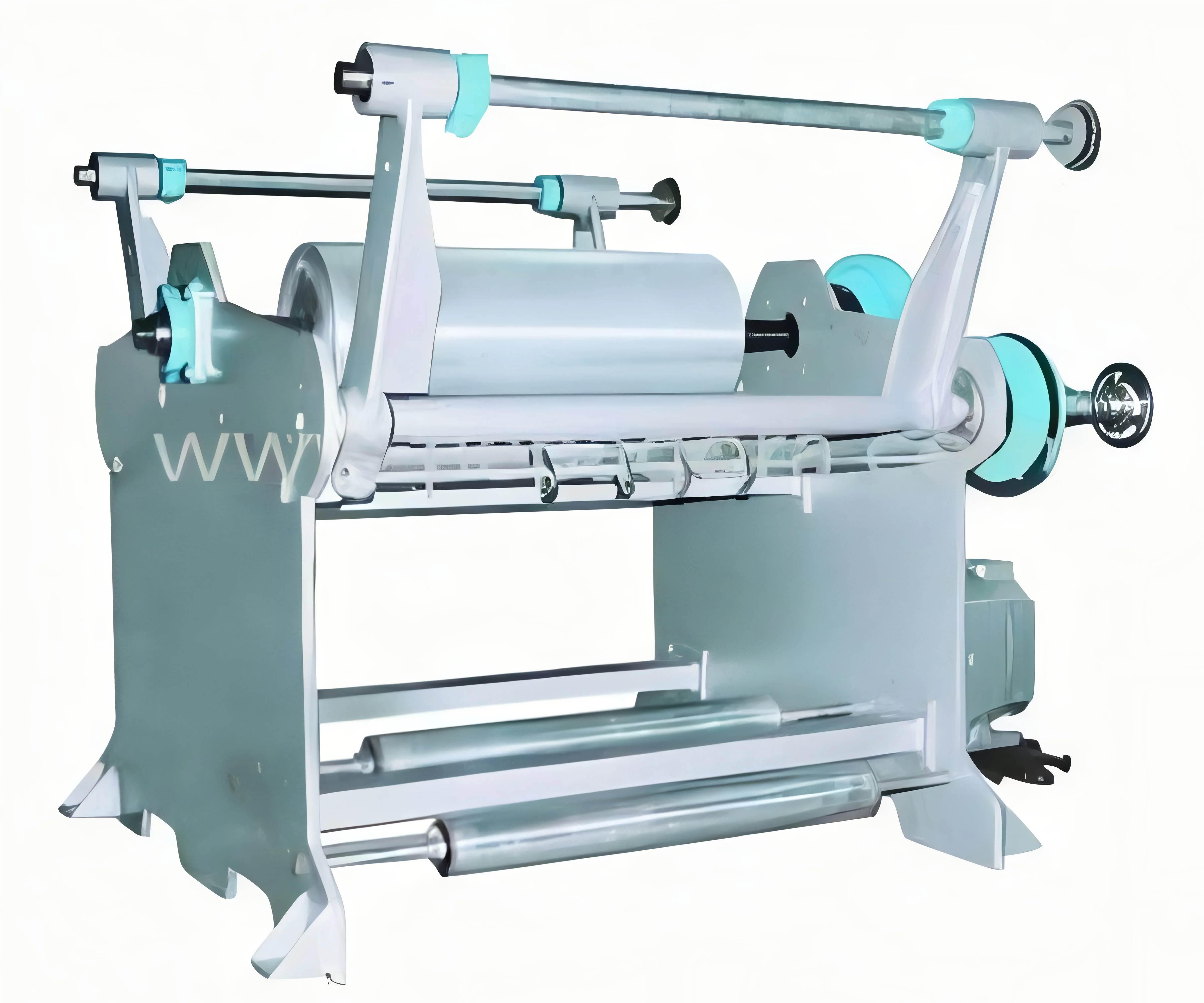
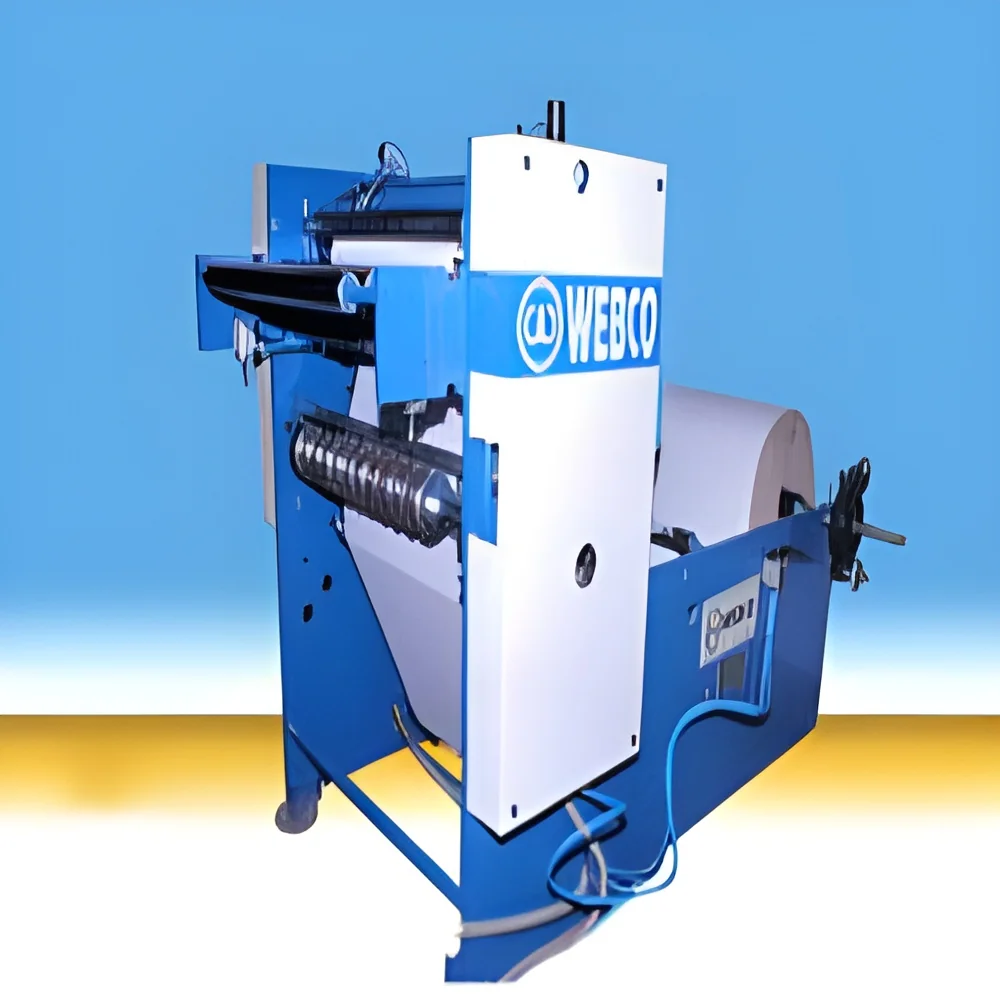
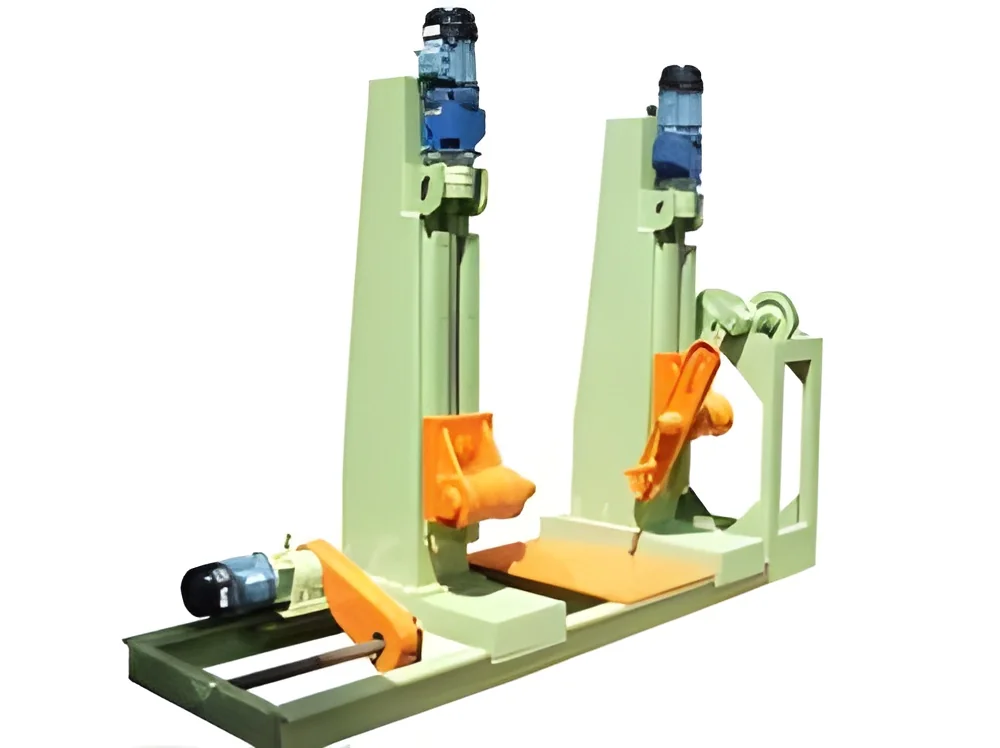
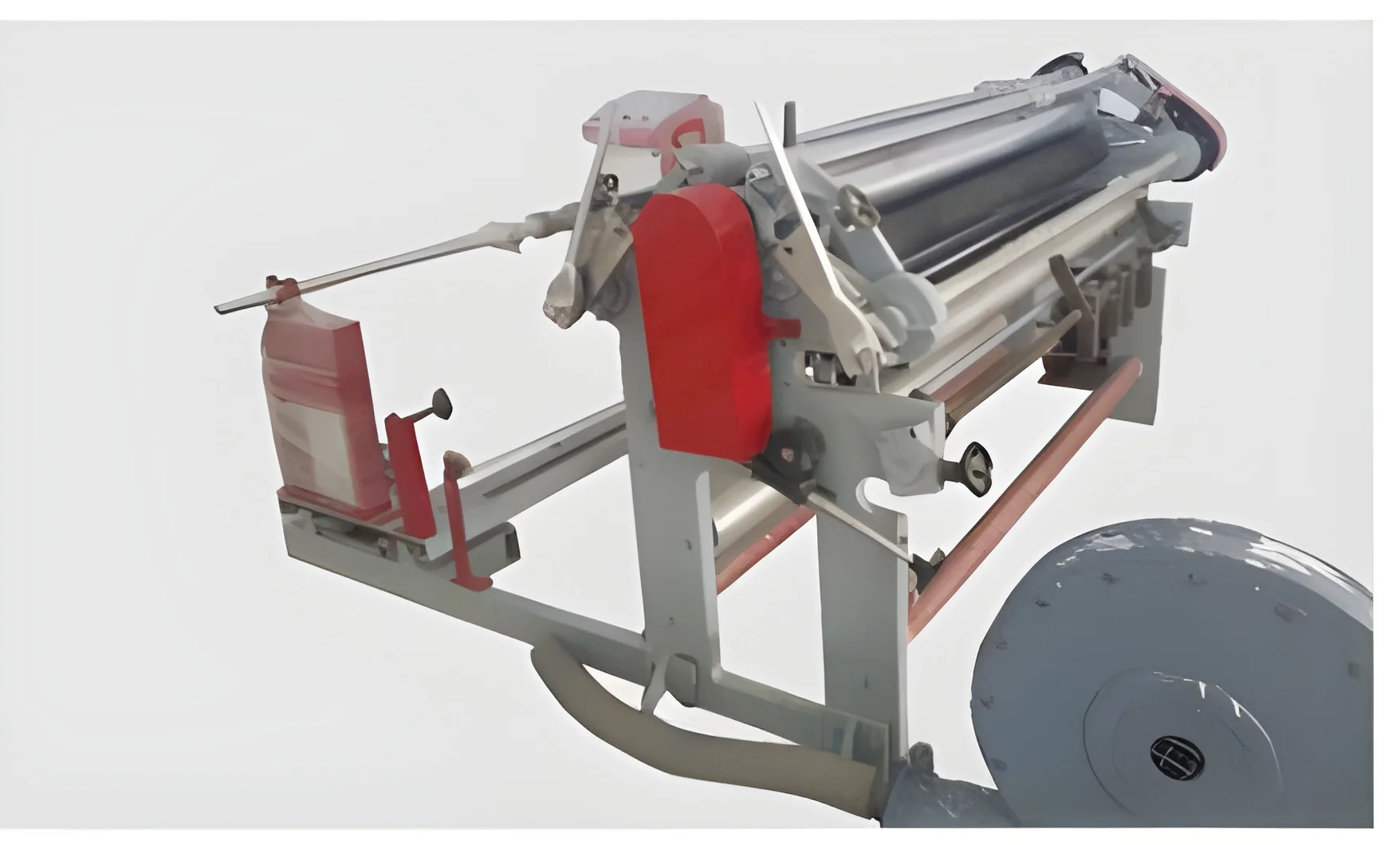
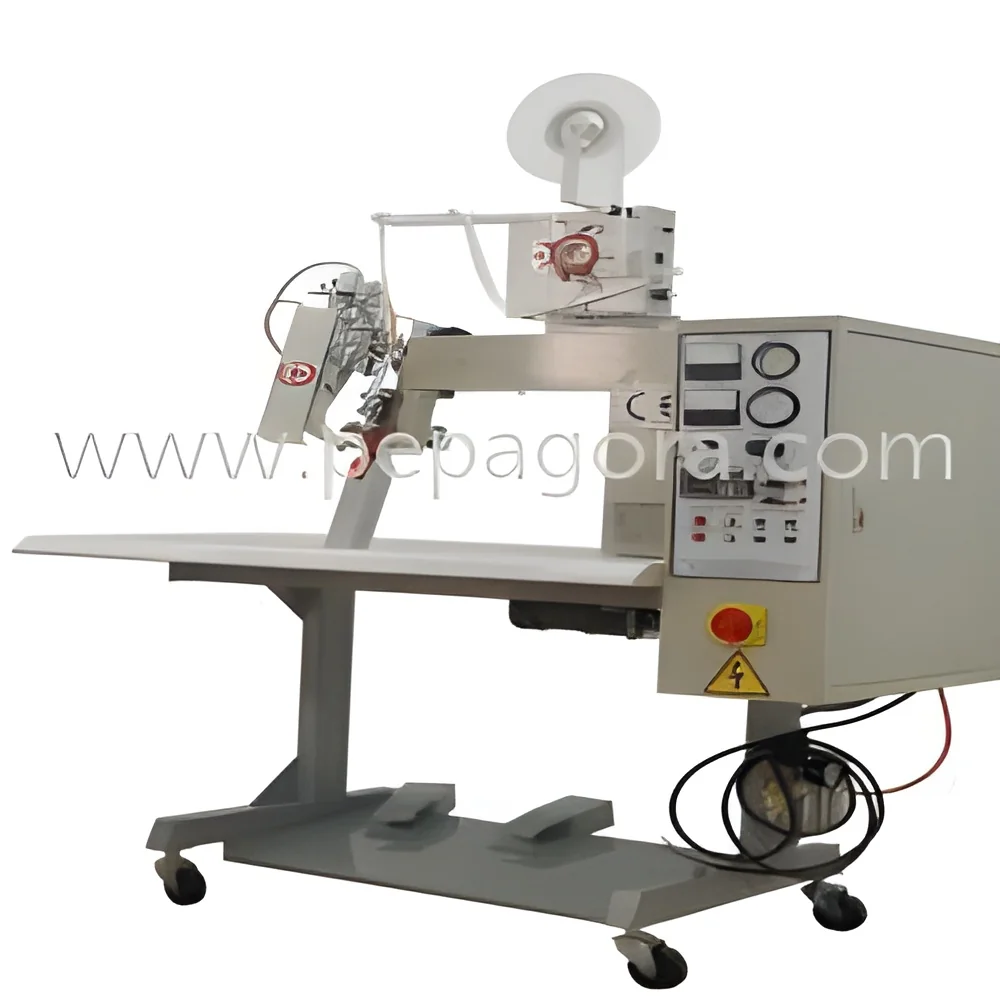
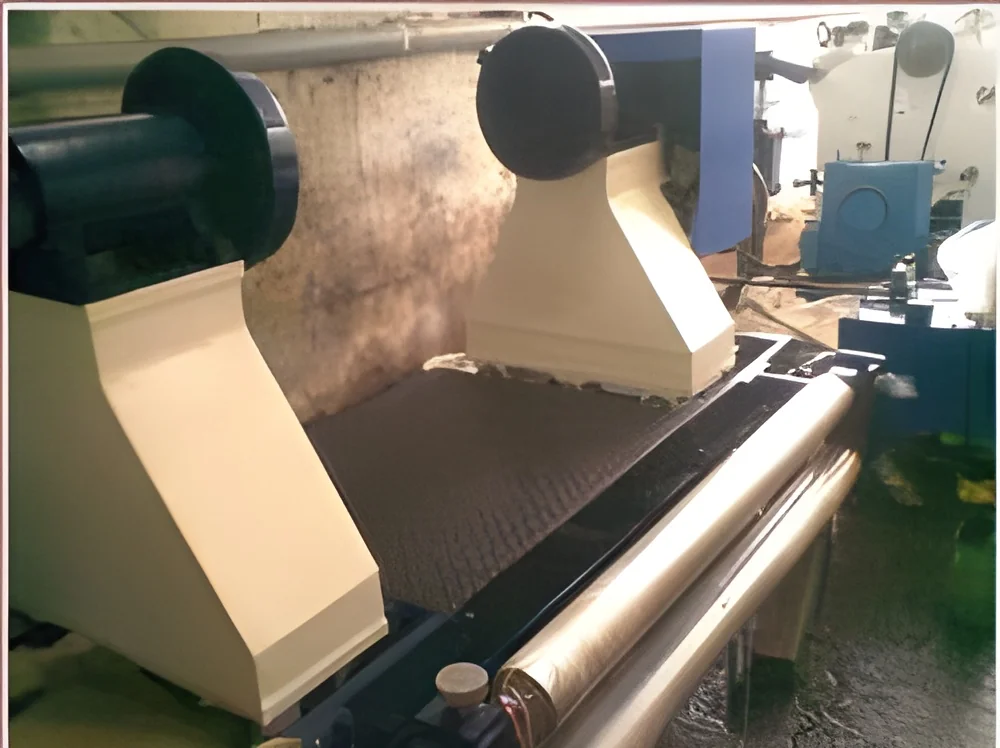
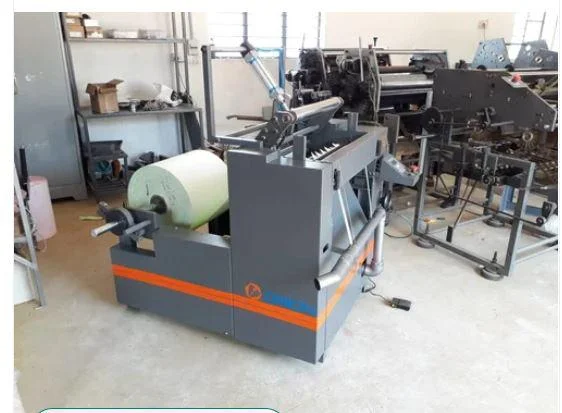
What are Slitting Rewinding Machines?
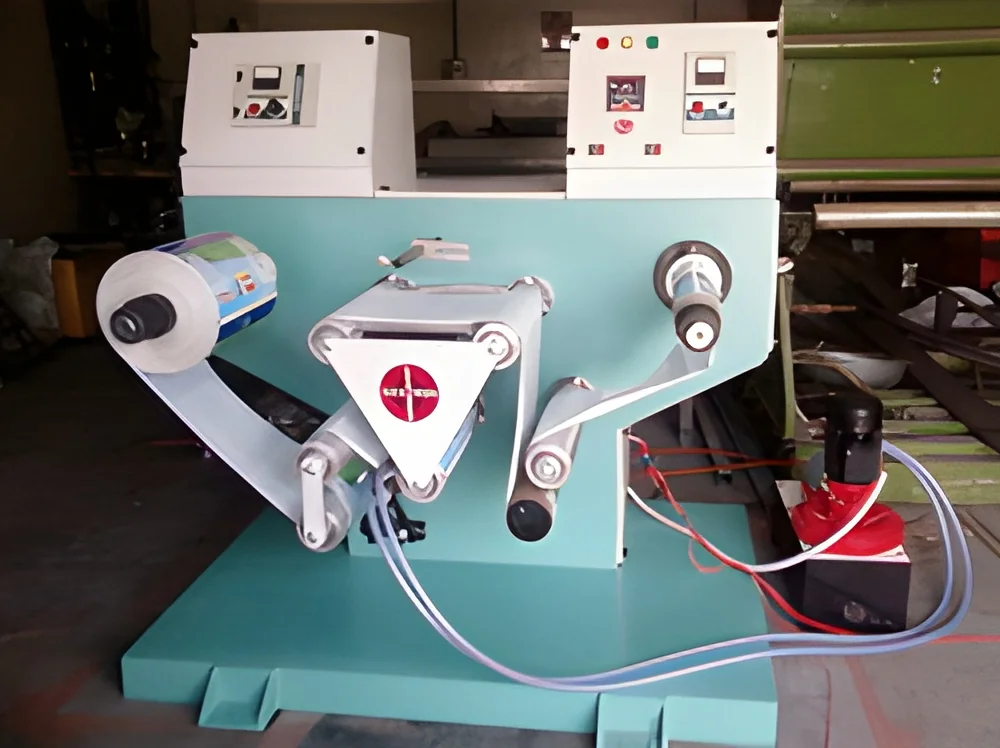
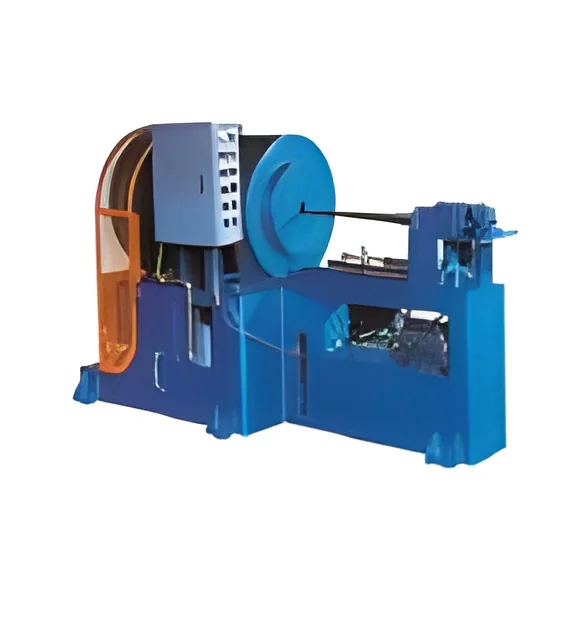
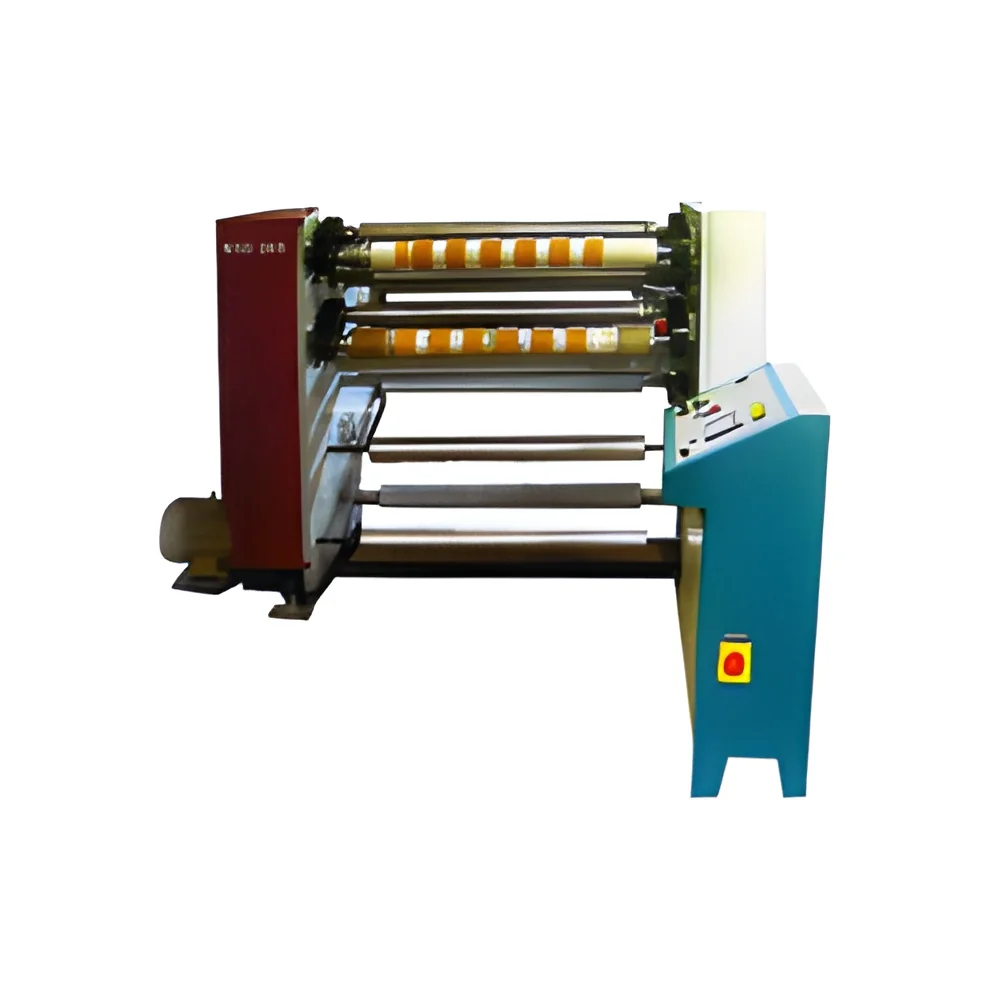
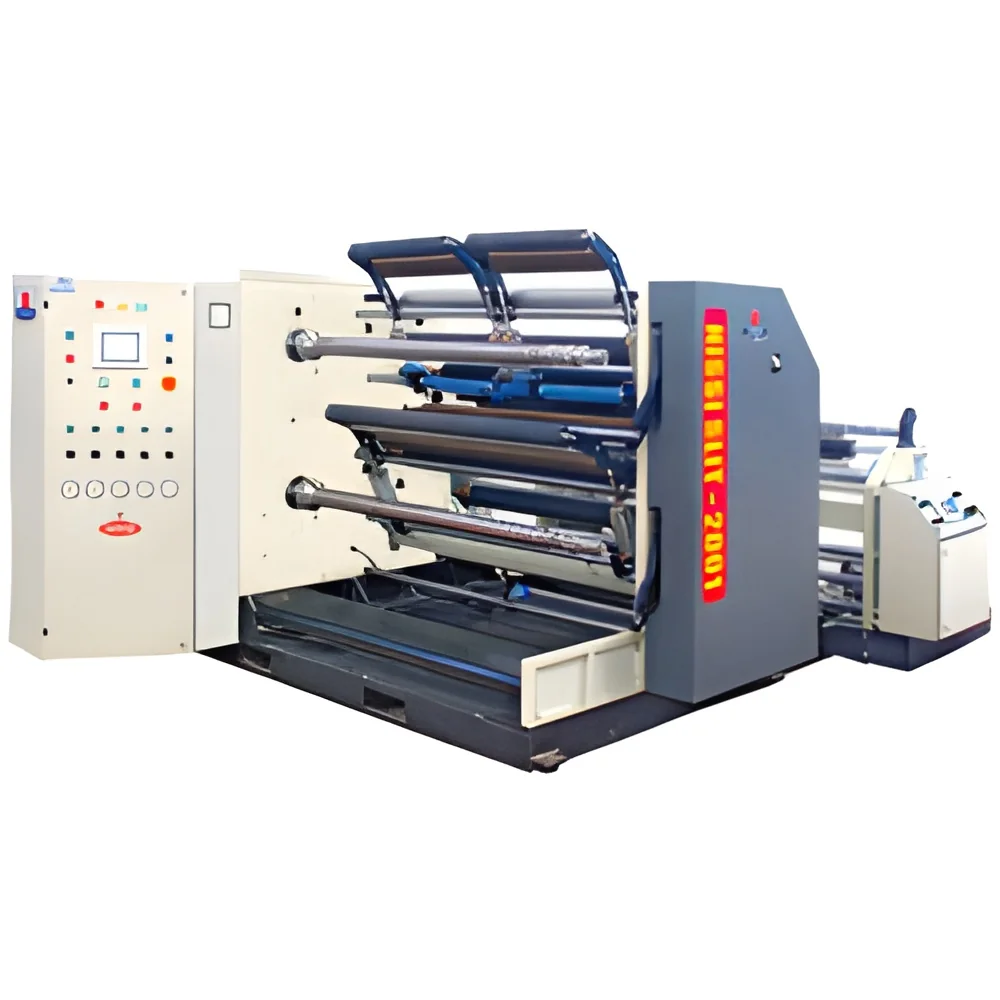
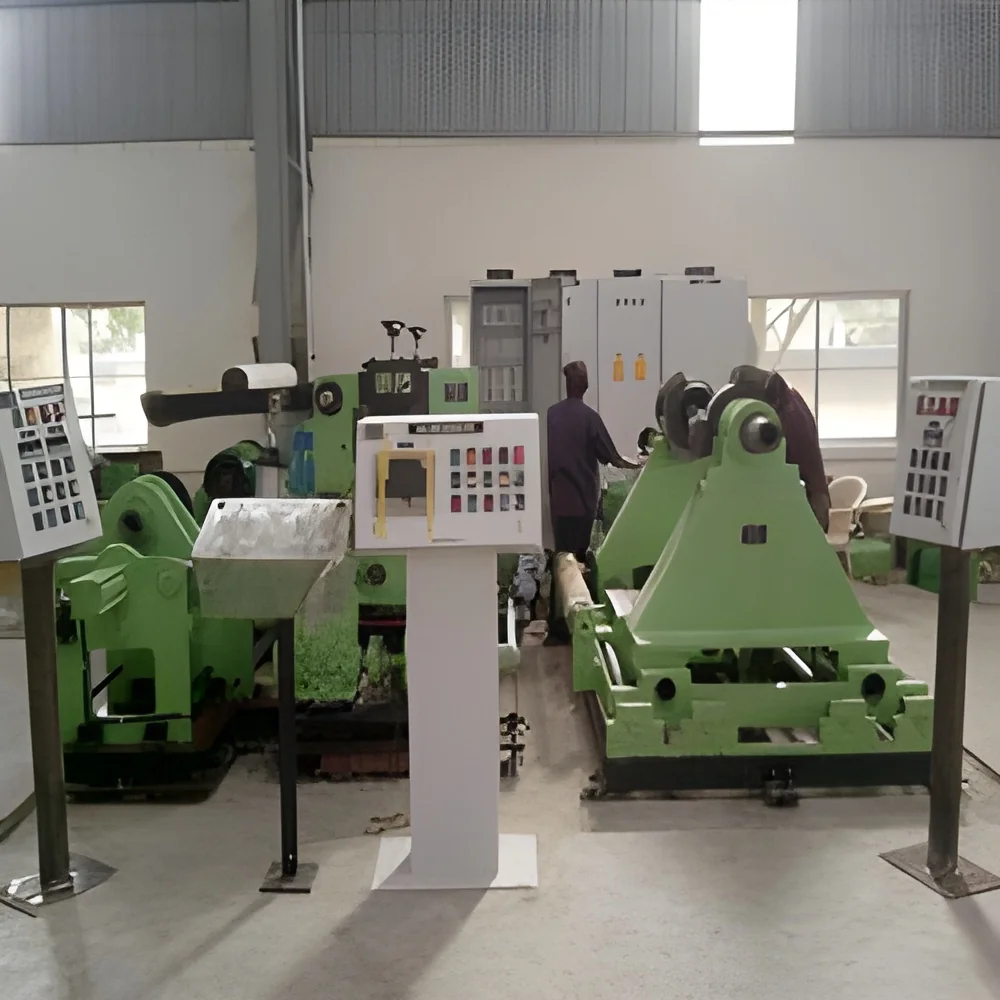
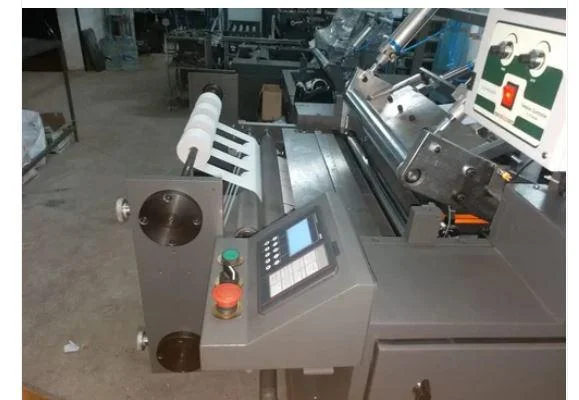
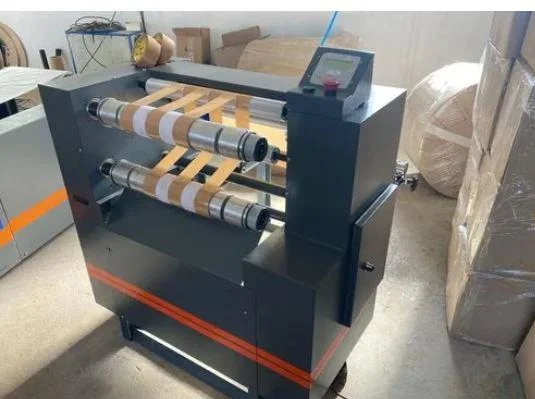
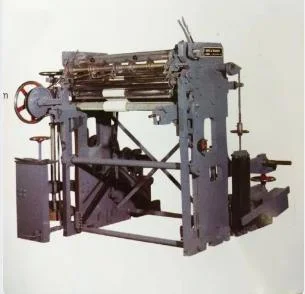
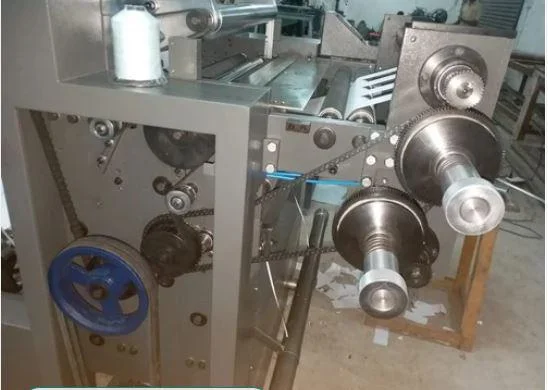
Slitting rewinding machines are specialized industrial equipment used for converting large rolls of material into smaller, more manageable rolls or sheets. These machines play a critical role in the manufacturing process, as they slice wide webs of material into narrower strips while simultaneously rewinding them onto cores. Typically used in various industries, these machines enhance efficiency by ensuring uniformity and precision in the slitting process.
The primary applications of slitting rewinding machines include the production of packaging materials, films, foils, paper products, and textiles. Manufacturers utilize these machines to meet specific product dimensions and improve operational workflows. By allowing for the efficient processing of materials, slitting rewinding machines are essential in sectors such as packaging, printing, and converting, where precise dimensions and quality are paramount.
In the current market context, the demand for slitting rewinding machines is driven by the increasing need for customized and high-quality products. As industries evolve, the requirement for efficient and reliable slitting solutions continues to grow, making these machines indispensable for businesses aiming to stay competitive.
Key Features and Specifications
Slitting rewinding machines come equipped with a range of features designed to enhance functionality and performance. Understanding these specifications is crucial for businesses looking to invest in such machinery.
Key specifications include:
1. Slitting Width
- Range typically from 100 mm to 3000 mm
- Adjustable to accommodate various material widths
2. Rewind Diameter
- Maximum rewind diameter often reaches up to 1000 mm
- Customizable options available for specific requirements
3. Speed
- Operating speeds can range from 100 m/min to over 600 m/min
- High-speed capabilities for efficient production
4. Core Size
- Standard core sizes typically range from 1 inch to 3 inches
- Adaptable to different core specifications
5. Material Compatibility
- Suitable for a variety of materials including paper, plastic films, and textiles
- Versatile for multiple industries
6. Control System
- Equipped with advanced PLC control systems for ease of operation
- User-friendly interface for improved management
7. Safety Features
- Includes emergency stop buttons and safety guards
- Designed to meet industry safety standards
8. Power Consumption
- Energy-efficient models available to reduce operational costs
- Power requirements generally range from 5 kW to 15 kW
In summary, the key specifications of slitting rewinding machines highlight their adaptability, efficiency, and safety, making them suitable for various industrial applications.
Common Applications and Use Cases
Slitting rewinding machines are utilized across multiple industries, each with unique needs and applications.
1. Packaging Industry: These machines are essential for creating packaging materials, such as films and labels, ensuring precise cutting and rewinding for optimal product presentation.
2. Printing Industry: They are used to prepare substrates for printing, allowing for the production of high-quality printed materials on a variety of substrates.
3. Textile Industry: Slitting rewinding machines assist in processing fabrics, enabling manufacturers to create rolls of fabric that meet specific dimensions for further processing.
4. Electronics Industry: They are utilized to slit and rewind insulating materials, ensuring that components are accurately sized for applications in electronic devices.
5. Food Industry: These machines help in producing packaging films that maintain food freshness, ensuring compliance with safety and quality standards.
6. Medical Industry: Slitting rewinding machines are crucial for converting materials used in medical packaging, ensuring sterility and compliance with industry regulations.
7. Automotive Industry: They are employed to process materials used in automotive components, such as insulation and soundproofing materials.
Product Variants and Subcategories
Slitting rewinding machines come in various configurations to meet specific industrial needs, offering diversity in design and functionality.
High-Speed Slitting Rewinding Machines: These machines are designed for maximum efficiency, operating at higher speeds to meet the demands of high-volume production environments. They feature advanced technology for precise slitting and rewinding.
Precision Slitting Rewinding Machines: Engineered for accuracy, these machines focus on delivering exact dimensions and tolerances. They are ideal for applications where precision is critical, such as in the production of printed materials.
Automatic Slitting Rewinding Machines: These models are equipped with automation features to streamline the slitting and rewinding processes. They are particularly beneficial for businesses looking to reduce manual labor while increasing production efficiency.
Manual Slitting Rewinding Machines: Designed for smaller operations, these machines offer a cost-effective solution for businesses with lower production requirements. They provide flexibility and ease of use for various materials.
Benefits and Advantages
Investing in slitting rewinding machines offers several key benefits that can enhance operational efficiency and product quality.
1. Increased Efficiency: These machines significantly reduce the time required for slitting and rewinding, allowing for higher production rates and improved workflow.
2. Cost-Effectiveness: By optimizing material usage and reducing waste, slitting rewinding machines can lower overall operational costs.
3. Customization Options: Many machines come with adjustable settings, enabling businesses to produce customized products that meet specific market demands.
4. Improved Product Quality: The precision offered by slitting rewinding machines ensures consistent product dimensions, leading to higher quality end products.
5. Enhanced Safety: Modern machines are equipped with safety features that protect operators, helping to reduce workplace accidents.
6. Versatility: Slitting rewinding machines can handle a wide variety of materials, making them suitable for multiple industries and applications.
Buying Guide for B2B Buyers
When sourcing slitting rewinding machines, businesses should consider several important factors to ensure they make informed purchasing decisions.
1. Quality Assessment: It is vital to evaluate the quality of the machines by reviewing manufacturer credentials and product reviews. Look for machines that comply with industry standards to ensure reliability.
2. Supplier Verification: Vetting suppliers is crucial to ensure they have a proven track record. Consider visiting their facilities or checking references to confirm their capabilities.
3. Pricing and MOQ: Understanding the pricing structure and minimum order quantities (MOQ) is essential for budgeting. Compare quotes from different suppliers to identify competitive pricing.
4. Delivery and Lead Times: Discuss delivery schedules and lead times with suppliers. Timely delivery is critical to maintaining production schedules and meeting customer demands.
5. Compliance Requirements: Ensure that the machines meet all necessary regulatory and compliance requirements specific to your industry, including safety and quality standards.
Compliance and Certifications
Compliance and certifications play a vital role in the quality and safety of slitting rewinding machines. Relevant quality standards such as ISO 9001 ensure that manufacturers maintain consistent quality management practices. This standard is crucial for businesses seeking reliable and high-quality machinery.
Additionally, industry certifications like CE demonstrate compliance with European safety regulations. These certifications provide assurance that the machines meet rigorous safety and performance criteria, which is particularly important in industries with strict regulatory oversight.
Safety and testing requirements are also essential components of compliance. Manufacturers must adhere to safety guidelines to protect operators and ensure the machines function effectively. Regional compliance considerations may vary, so it is important to evaluate specific regulations applicable to your geographic area.
Why Source Slitting Rewinding Machines from Pepagora?
Pepagora offers a trusted platform for sourcing slitting rewinding machines, providing several key advantages for B2B buyers.
Verified Supplier Network: Pepagora ensures that all suppliers in its network are thoroughly vetted and verified. This process guarantees that buyers are connected with reputable manufacturers who deliver quality products.
Streamlined RFQ Process: The request for quotation (RFQ) system on Pepagora simplifies the procurement process. Buyers can easily submit their requirements and receive competitive quotes from multiple suppliers, saving time and effort.
Trade Assurance and Support: Pepagora provides trade assurance, protecting buyers throughout the purchasing process. This support includes assistance with any issues that may arise, ensuring a smooth transaction experience.
Regional Coverage: With a strong presence in India, the GCC, and Southeast Asia, Pepagora facilitates access to suppliers across these regions. This geographic reach allows buyers to tap into local markets and take advantage of diverse offerings.
In conclusion, slitting rewinding machines are essential tools in various industries, providing efficiency, precision, and versatility. Partnering with a reliable source like Pepagora ensures that businesses can easily find the right equipment to meet their operational needs.

 IN
IN