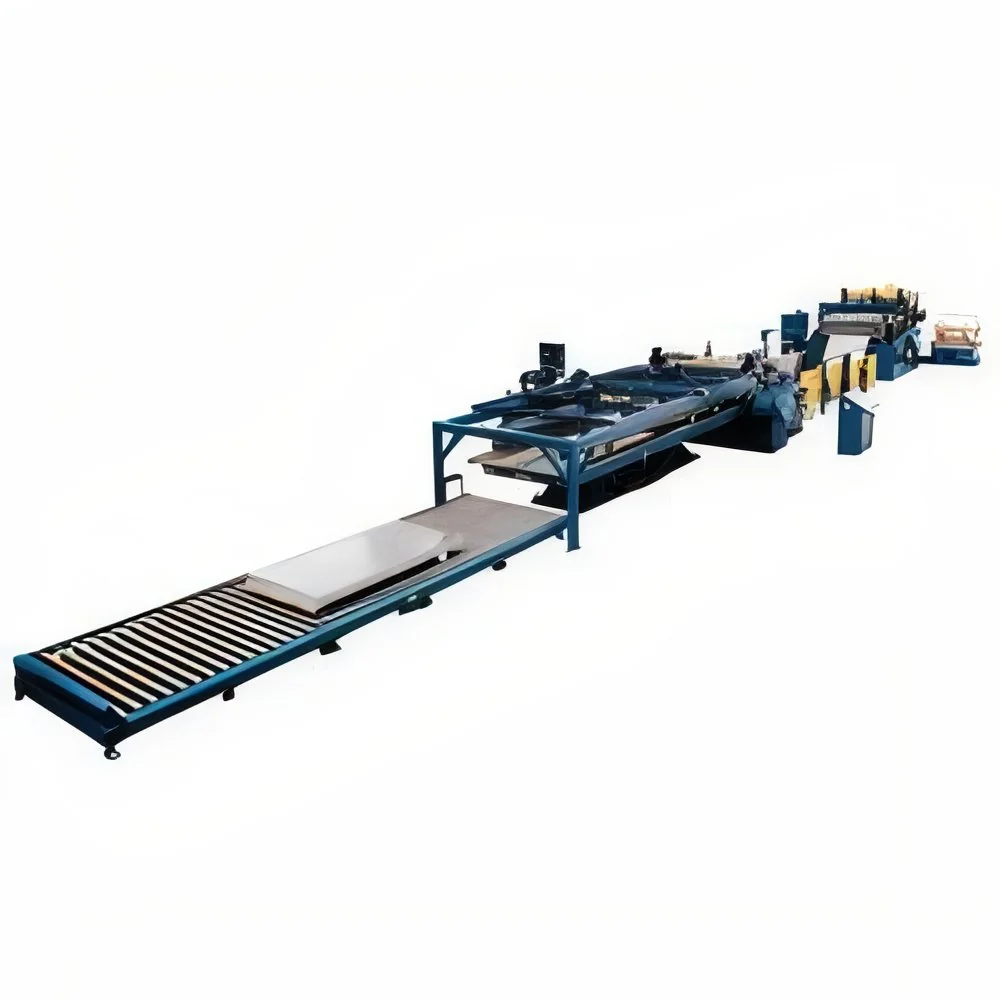
What are Plastic Cutting Machinery?
Plastic cutting machinery refers to a range of industrial equipment designed specifically for cutting various types of plastic materials. These machines utilize different cutting techniques, including mechanical blades, lasers, and water jets, to achieve precise cuts and shapes. They are essential in the manufacturing process of plastic products, ensuring efficiency and accuracy in production lines.
The primary uses of plastic cutting machinery extend across multiple sectors, including packaging, automotive, electronics, and consumer goods. Businesses leverage these machines for tasks such as creating components, prototypes, and final products, significantly enhancing productivity. Their adaptability allows for the processing of various plastic types, catering to specific industry requirements and applications.
In the context of the industrial market, plastic cutting machinery plays a critical role in supporting the increasing demand for plastic products. As industries evolve and innovate, the need for precise and efficient cutting solutions becomes paramount. This machinery not only contributes to improved production rates but also helps maintain quality standards, making it a vital component in the plastic manufacturing landscape.
Key Features and Specifications
Plastic cutting machinery comes equipped with several key features that enhance performance and usability. Understanding these specifications is crucial for selecting the right equipment for specific industrial needs.
Key specifications include:
1. Cutting Method
- Various cutting methods such as blade cutting, laser cutting, and water jet cutting.
- Adaptability for different plastic types and thicknesses.
2. Cutting Speed
- Range of cutting speeds to optimize production rates.
- Typically varies based on the machine type and material being processed.
3. Precision and Tolerance
- High precision levels to ensure accurate cuts.
- Tolerance ranges depending on the specific machinery and application.
4. Control System
- Advanced control systems for user-friendly operation.
- Options for programmable settings to enhance workflow.
5. Maintenance Needs
- Regular maintenance requirements to ensure longevity.
- Easy access to parts for servicing and repairs.
6. Safety Features
- Integrated safety measures to protect operators.
- Compliance with industry safety standards.
7. Power Requirements
- Specific power consumption details for energy efficiency.
- Electrical specifications vary by model and manufacturer.
8. Size and Weight
- Dimensions and weight specifications for installation considerations.
- Suitable for different workspace environments.
In summary, understanding the key features and specifications of plastic cutting machinery is essential for making informed purchasing decisions. Buyers should carefully assess these aspects to ensure compatibility with their production needs.
Common Applications and Use Cases
Plastic cutting machinery serves various industries, reflecting its versatility and importance in manufacturing.
1. Packaging: In the packaging industry, plastic cutting machinery is used to create boxes, containers, and other packaging materials tailored to specific product dimensions.
2. Automotive: The automotive sector utilizes these machines for cutting plastic components used in vehicle interiors and exteriors, enhancing design and functionality.
3. Electronics: In electronics manufacturing, precise cutting of plastic housings and components is crucial for ensuring product integrity and performance.
4. Consumer Goods: Companies producing consumer goods rely on plastic cutting machinery to manufacture various plastic items, from household products to toys.
5. Medical Devices: The medical industry uses these machines for producing plastic parts for devices and packaging, ensuring compliance with stringent quality standards.
6. Aerospace: Aerospace manufacturers employ plastic cutting machinery to create lightweight components, contributing to fuel efficiency and overall performance.
7. Construction: In construction, these machines are used to cut plastics for insulation, piping, and other applications, improving building efficiency.
Product Variants and Subcategories
Plastic cutting machinery comes in various forms, each designed to meet specific cutting needs.
CNC Plastic Cutting Machines
These machines utilize computer numerical control technology for precise and automated cutting. They are ideal for complex designs and high-volume production runs.
Laser Cutting Machines
Laser cutting machinery is well-suited for intricate cuts and shapes in thin plastic materials. This variant offers high precision and minimal waste.
Water Jet Cutting Machines
Using high-pressure water jets, these machines can cut thick plastic materials without generating heat, preserving the integrity of the material.
Benefits and Advantages
Investing in plastic cutting machinery offers numerous benefits to businesses.
1. Enhanced Efficiency: These machines significantly speed up the cutting process, allowing for faster production cycles.
2. Improved Precision: High precision cutting ensures that products meet exact specifications, reducing waste and rework.
3. Versatility: Plastic cutting machinery can handle a variety of plastic types and thicknesses, making it adaptable to different manufacturing needs.
4. Cost-Effectiveness: Automating the cutting process can lead to lower labor costs and higher output, improving overall profitability.
5. Quality Consistency: Machines offer consistent quality in cuts, ensuring uniformity across production batches.
6. Safety Features: Modern plastic cutting machinery includes advanced safety features that protect operators and promote a safer working environment.
Buying Guide for B2B Buyers
When sourcing plastic cutting machinery, several factors should be considered to ensure a suitable and effective purchase.
1. Quality Assessment: Evaluate the quality of machinery through reviews and product certifications. Look for reputable brands known for reliability and performance.
2. Supplier Verification: Vet potential suppliers by checking their credentials, customer feedback, and industry reputation. A reliable supplier ensures product quality and support.
3. Pricing and MOQ: Analyze the pricing structure and minimum order quantities of different suppliers. Compare costs against features to find the best value.
4. Delivery and Lead Times: Understand the logistics involved, including shipping times and delivery methods, to ensure timely availability of machinery for production.
5. Compliance Requirements: Ensure that the machinery meets relevant regulatory standards and certifications, such as CE marking, to avoid compliance issues.
Compliance and Certifications
Plastic cutting machinery must adhere to various quality standards and certifications to ensure safety and performance.
ISO 9001 is a widely recognized quality management standard that ensures manufacturers maintain consistent quality in their products and processes. Compliance with this standard indicates that the manufacturer follows best practices in operational management.
Another important certification is CE marking, which signifies that the machinery meets European health, safety, and environmental protection standards. This certification is crucial for market access in the European Union.
Safety and testing requirements are also paramount in the design and manufacturing of plastic cutting machinery. Regular testing ensures that machines operate safely and efficiently, reducing the risk of accidents.
Regional compliance considerations may vary, so businesses should ensure that their machinery meets local regulations, which can differ significantly across countries and regions.
Why Source Plastic Cutting Machinery from Pepagora?
Pepagora provides a trusted platform for sourcing plastic cutting machinery, offering several key advantages to B2B buyers.
Verified Supplier Network: Pepagora has established a robust network of verified suppliers, ensuring that buyers access high-quality machinery from reputable manufacturers. This network facilitates trust and reliability in sourcing decisions.
Streamlined RFQ Process: The request for quotation process on Pepagora is designed to be efficient and straightforward. Buyers can easily submit their requirements and receive competitive quotes, simplifying the procurement process.
Trade Assurance and Support: Pepagora offers trade assurance to protect buyers throughout the transaction. This support includes assistance with order issues and a commitment to customer satisfaction.
Regional Coverage: With a strong presence in India, the GCC, and Southeast Asia, Pepagora caters to a broad market. This geographic reach ensures that buyers can find suitable suppliers regardless of their location, enhancing accessibility to quality plastic cutting machinery.

 IN
IN