
 IN
PVC Foam Board Machinery
14 products available
What are PVC Foam Board Machinery?
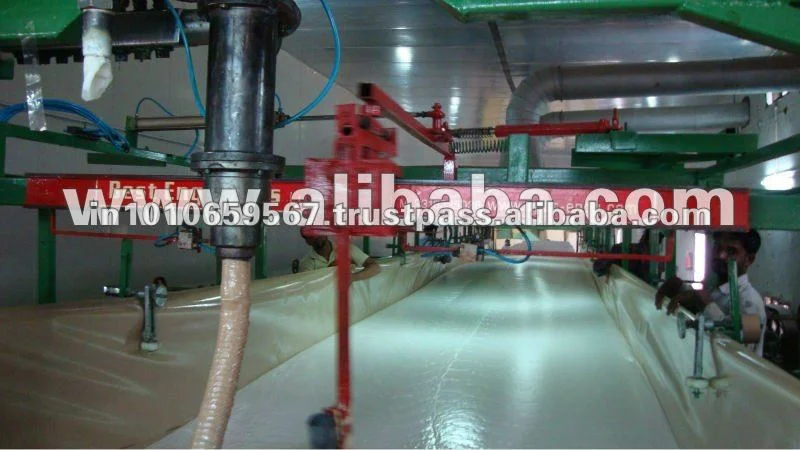
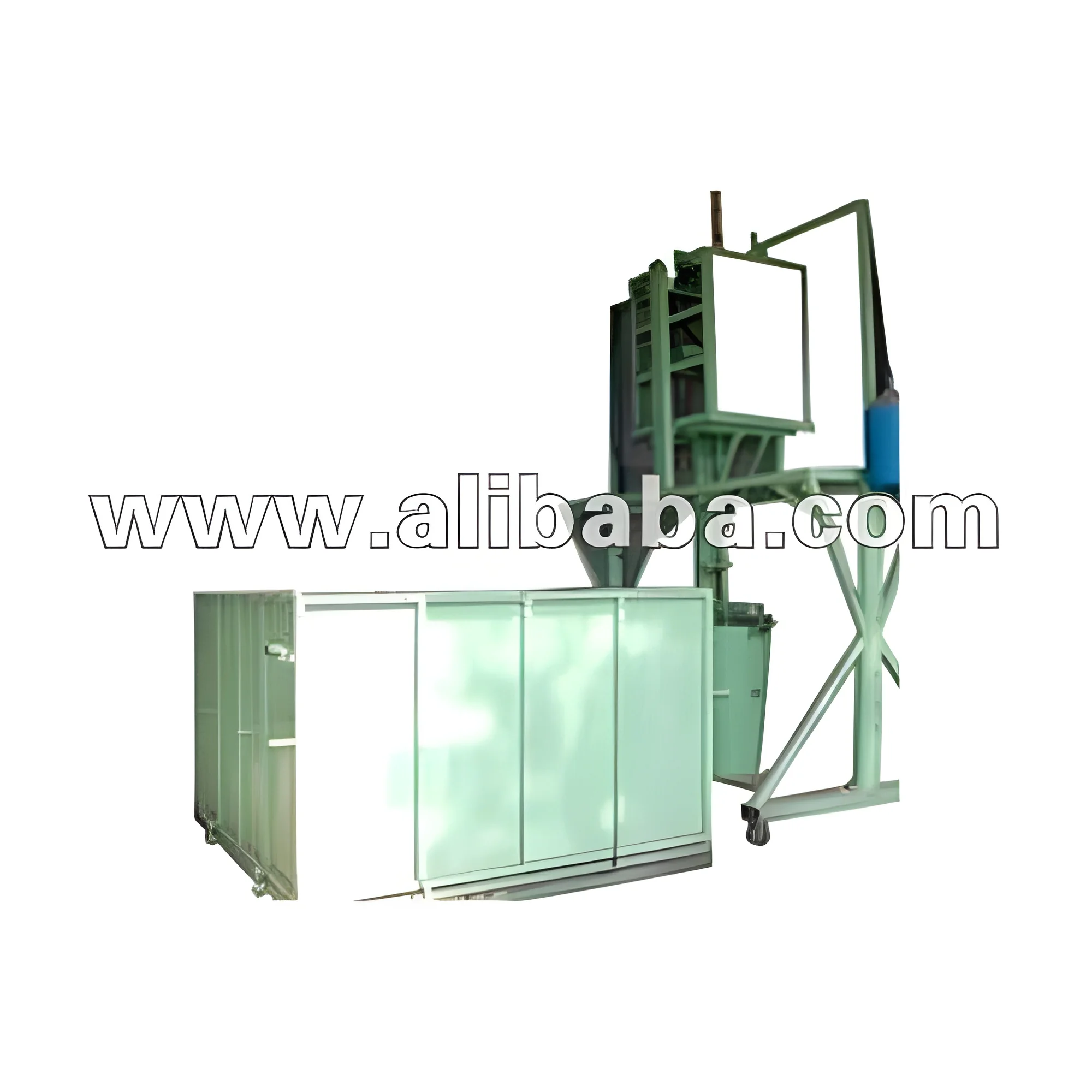
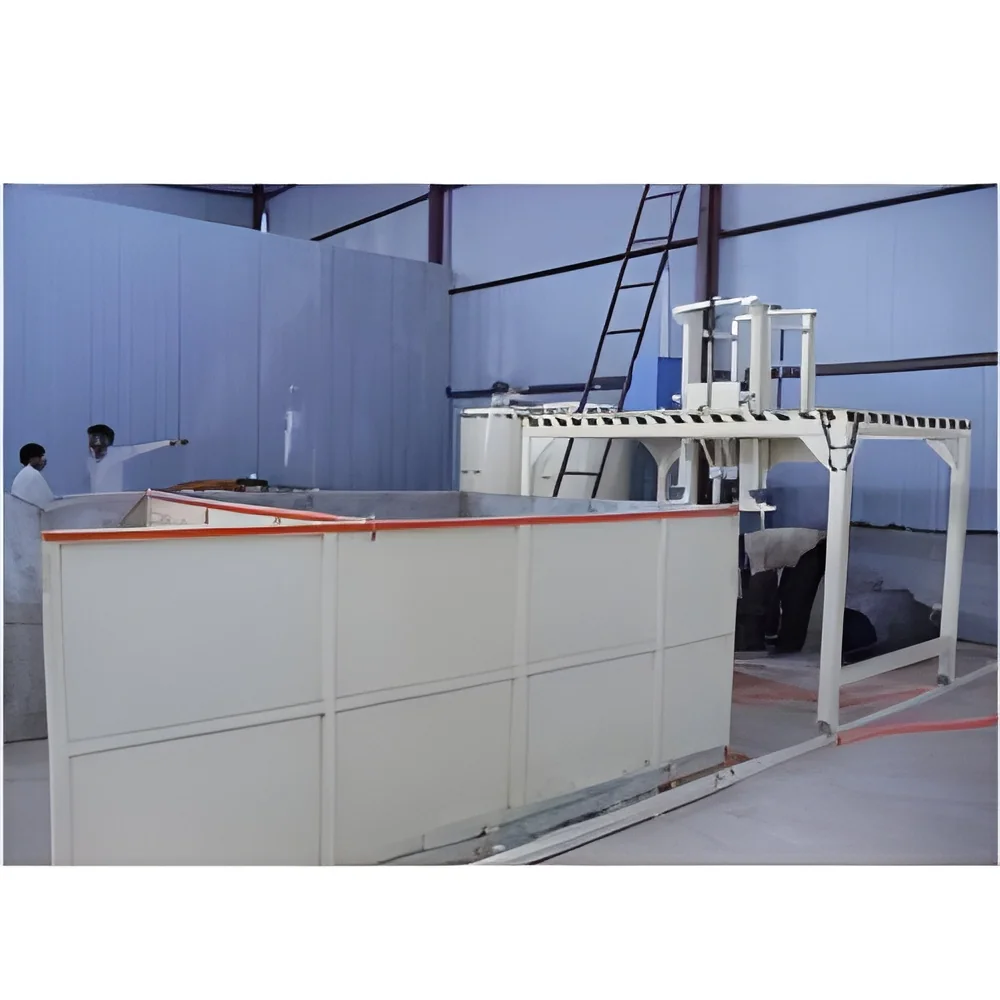
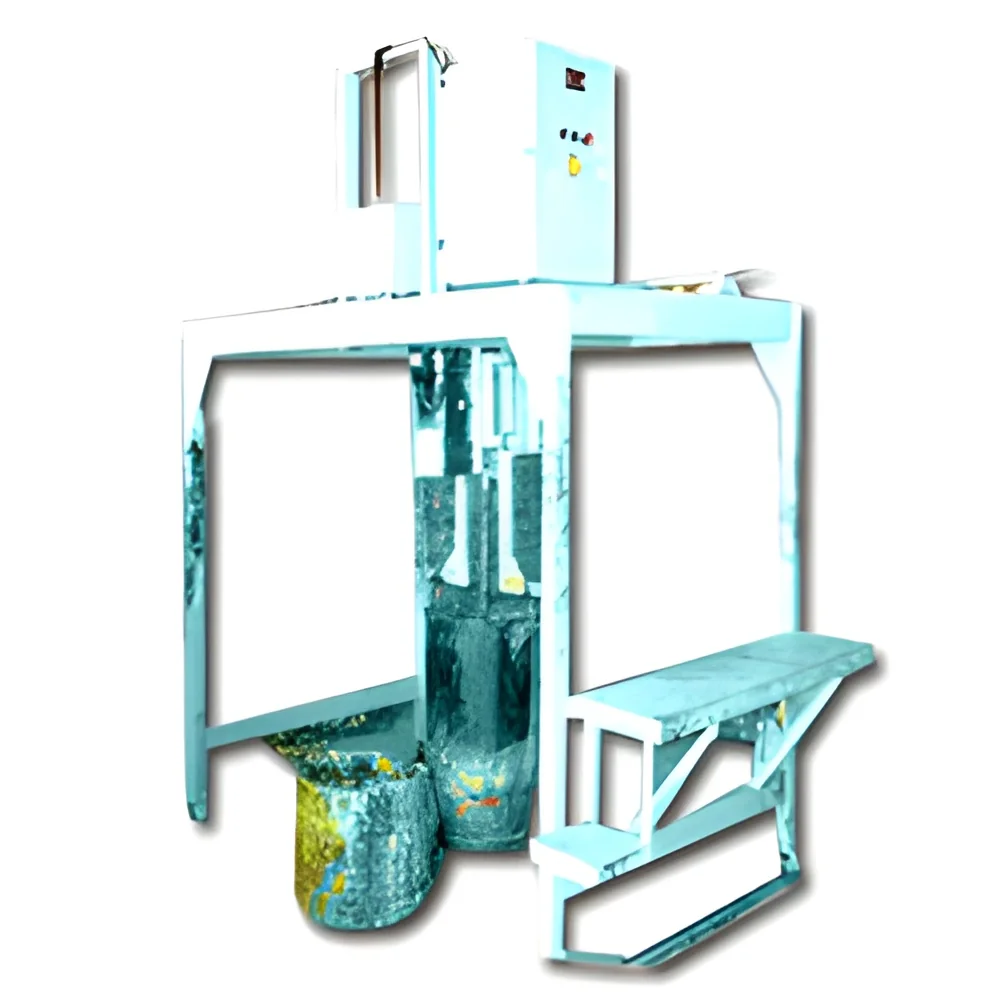
PVC Foam Board Machinery refers to specialized equipment designed for the production of PVC foam boards. These machines facilitate the extrusion, cutting, and shaping of PVC material into lightweight and versatile foam boards. The machinery typically includes components such as extruders, cooling systems, and cutting tools, all engineered to work in harmony to ensure consistent product quality and efficiency.
PVC foam boards are widely used in various applications, including signage, interior decoration, and construction. Their lightweight nature, durability, and resistance to moisture make them ideal for both indoor and outdoor use. Businesses across multiple sectors, including advertising, architecture, and manufacturing, utilize PVC foam boards for their projects. The growing demand for eco-friendly and versatile building materials further enhances the relevance of PVC foam board machinery in today’s market.
The PVC foam board industry has seen significant growth due to the increasing need for lightweight and cost-effective materials. As companies continue to seek innovative solutions for construction and design, PVC foam boards and the machinery that produces them are becoming essential in modern industrial applications.
Key Features and Specifications
PVC Foam Board Machinery is built with several key features that enhance functionality and productivity. These features contribute to the overall efficiency of the manufacturing process and ensure high-quality output.
Key specifications include:
1. Extrusion Capacity
- High throughput rates for continuous production.
- Typical ranges from 200 kg/h to 800 kg/h.
2. Production Width
- Adjustable production widths to accommodate different board sizes.
- Standard widths available from 1220 mm to 2050 mm.
3. Heating System
- Efficient heating elements for uniform material processing.
- Temperature control typically ranges from 160°C to 220°C.
4. Cooling System
- Integrated cooling systems to stabilize board dimensions post-extrusion.
- Water cooling methods are commonly used.
5. Control System
- Advanced PLC control for precise operation and monitoring.
- User-friendly interface for easy adjustments.
6. Cutting Mechanism
- Automated cutting tools for consistent board sizes.
- Capable of cutting thicknesses from 3 mm to 25 mm.
7. Power Consumption
- Energy-efficient designs to lower operational costs.
- Average power consumption ranging from 50 kW to 120 kW.
In summary, PVC Foam Board Machinery features a combination of advanced technology and robust design to meet the demands of modern manufacturing while ensuring energy efficiency and high output quality.
Common Applications and Use Cases
PVC Foam Board Machinery serves a wide range of industries due to its versatility and efficiency in producing high-quality foam boards.
1. Advertising: PVC foam boards are commonly used for signage, displays, and promotional materials. Their ease of printing and durability makes them ideal for outdoor advertising.
2. Interior Design: Many interior designers utilize PVC foam boards for creating decorative panels, wall coverings, and furniture components. Their lightweight nature simplifies installation and design flexibility.
3. Construction: In the construction industry, PVC foam boards are used for insulation, cladding, and partitioning. Their moisture resistance makes them suitable for various construction applications.
4. Automotive: The automotive sector employs PVC foam boards for interior trims and lightweight components, contributing to overall vehicle weight reduction.
5. Packaging: Companies in the packaging industry use PVC foam boards for protective packaging solutions, ensuring products are safe during transport.
6. Craft and Hobby: PVC foam boards are popular among crafters and hobbyists for model making, art projects, and various DIY applications.
7. Education: Educational institutions use PVC foam boards for project displays, bulletin boards, and art projects, benefiting from their versatility and ease of use.
Product Variants and Subcategories
PVC Foam Board Machinery offers diversity to meet the specific needs of different manufacturing processes. While specific subcategories are not available, various configurations can be tailored to suit distinct requirements.
Automatic PVC Foam Board Machinery
This variant features fully automated processes, reducing manual labor and increasing production efficiency. It typically includes advanced control systems and high-capacity output.
Semi-Automatic PVC Foam Board Machinery
Designed for smaller operations, this machinery requires some manual intervention but offers flexibility for custom production runs. It is ideal for businesses looking to scale gradually.
Benefits and Advantages
Investing in PVC Foam Board Machinery presents several advantages that enhance operational efficiency and product quality.
Key benefits include:
1. Cost Efficiency: The machinery enables high-volume production, reducing the per-unit cost of foam boards and enhancing profitability.
2. Versatility: PVC foam boards produced can be used across multiple industries, making them a valuable addition to any manufacturing line.
3. Durability: The machinery ensures the production of high-quality boards that are resistant to moisture, chemicals, and physical impact, increasing the lifespan of the products.
4. Customization: Manufacturers can adapt settings to create various board sizes and thicknesses, providing flexibility for different client needs.
5. Energy Efficiency: Advanced machinery designs consume less power, resulting in lower operational costs and a reduced environmental footprint.
6. Ease of Use: User-friendly control systems simplify operation, reducing training time for staff and improving productivity.
Buying Guide for B2B Buyers
When sourcing PVC Foam Board Machinery, it is essential to consider several critical factors to ensure a successful purchase.
1. Quality Assessment: Evaluate the machinery's build quality, materials, and performance history. Look for equipment that meets industry standards and has positive reviews from other users.
2. Supplier Verification: Vet suppliers thoroughly to ensure they are reputable and capable of delivering high-quality machinery. Check for certifications, customer feedback, and service support.
3. Pricing and MOQ: Compare pricing among different suppliers while considering minimum order quantities. Ensure the pricing aligns with your budget and projected production needs.
4. Delivery and Lead Times: Confirm delivery schedules and lead times to avoid production delays. It is crucial to understand the logistics involved in getting the machinery to your facility.
5. Compliance Requirements: Ensure that the machinery meets all relevant industry regulations and certifications, such as CE marking, to guarantee safety and performance standards.
Compliance and Certifications
Compliance and certifications play a crucial role in the PVC Foam Board Machinery sector. Key quality standards include ISO 9001, which outlines requirements for a quality management system, ensuring products meet customer and regulatory demands.
Industry certifications, such as CE, signify that the machinery complies with European health, safety, and environmental protection standards. This certification is essential for businesses looking to operate in markets that require such compliance.
Safety and testing requirements are also critical. Machinery must undergo rigorous testing to ensure it meets operational safety standards, minimizing risks during production.
Additionally, regional compliance considerations may vary. It is essential for manufacturers to stay informed about local regulations and standards to ensure adherence to all legal requirements.
Why Source PVC Foam Board Machinery from Pepagora?
Pepagora provides a trusted platform for sourcing PVC Foam Board Machinery, offering several key advantages that cater to B2B buyers.
Verified Supplier Network: Pepagora connects buyers with a network of verified suppliers, ensuring that you receive high-quality machinery from reputable manufacturers. This verification process helps mitigate risks associated with sourcing equipment.
Streamlined RFQ Process: The Request for Quotation (RFQ) system simplifies the procurement process, allowing buyers to easily compare quotes from multiple suppliers. This efficiency saves time and ensures competitive pricing.
Trade Assurance and Support: Pepagora offers trade assurance and support, providing buyers with protection throughout the purchasing process. This assurance builds confidence in your investment and ensures accountability from suppliers.
Regional Coverage: With a strong presence in India, GCC, and Southeast Asia, Pepagora facilitates access to PVC Foam Board Machinery across diverse markets. This geographic reach expands sourcing opportunities for businesses looking to enhance their production capabilities.








Frequently Asked Questions
What are PVC Foam Board Machinery?
PVC Foam Board Machinery refers to the equipment used in the production of PVC foam boards, which are lightweight, durable, and versatile materials commonly used in signage, advertising, and construction. These machines are designed to extrude, cut, and finish PVC foam boards in various sizes and thicknesses.
What are the different types of PVC Foam Board Machinery?
There are several types of PVC Foam Board Machinery, including extrusion machines, cutting machines, and laminating machines. Each type serves a specific purpose in the manufacturing process, allowing for the production of high-quality foam boards tailored to various applications.
How do I choose the right PVC Foam Board Machinery?
Choosing the right PVC Foam Board Machinery depends on factors such as production capacity, the specific requirements of your manufacturing process, and budget constraints. It's essential to evaluate the features, specifications, and reliability of various machines before making a decision.
What are the standard specifications for PVC Foam Board Machinery?
Standard specifications for PVC Foam Board Machinery typically include parameters like the output capacity (measured in kg/hour), power consumption, and the range of board thicknesses that can be produced. It's important to consult manufacturer guidelines for specific models to ensure they meet your production needs.
What is the price range for PVC Foam Board Machinery?
The price range for PVC Foam Board Machinery can vary significantly based on the machine's specifications and manufacturer. Generally, the cost can range from a few lakhs to several crores, depending on the complexity and capabilities of the equipment.
What quality standards apply to PVC Foam Board Machinery?
Quality standards for PVC Foam Board Machinery often include ISO certifications and compliance with safety regulations. Manufacturers are expected to adhere to these standards to ensure reliability, safety, and performance of the machinery.
Where can I find PVC Foam Board Machinery suppliers in India?
You can find PVC Foam Board Machinery suppliers in India through various B2B marketplaces, industry trade shows, and direct manufacturer websites. Platforms like Pepagora.com can help connect you with reputable suppliers and manufacturers in the PVC foam board machinery sector.
Can PVC Foam Board Machinery be customized?
Yes, many manufacturers offer customization options for PVC Foam Board Machinery to meet specific production requirements. Custom features may include modifications to machine size, output capacity, or added functionalities tailored to the buyer's needs.
What is the typical minimum order quantity for PVC Foam Board Machinery?
The typical minimum order quantity (MOQ) for PVC Foam Board Machinery varies by supplier and machine type. Generally, it can range from one unit for custom machinery to multiple units for standard production models.
What is the typical lead time for PVC Foam Board Machinery?
The typical lead time for PVC Foam Board Machinery can range from a few weeks to a few months, depending on the manufacturer's production schedule and the complexity of the machinery ordered. It's advisable to confirm lead times with the supplier before placing an order.
Why Businesses Trust Pepagora
Thousands of companies trust Pepagora to source smarter and sell faster
Expand Your Sales Globally

Source Smarter,Grow Faster
