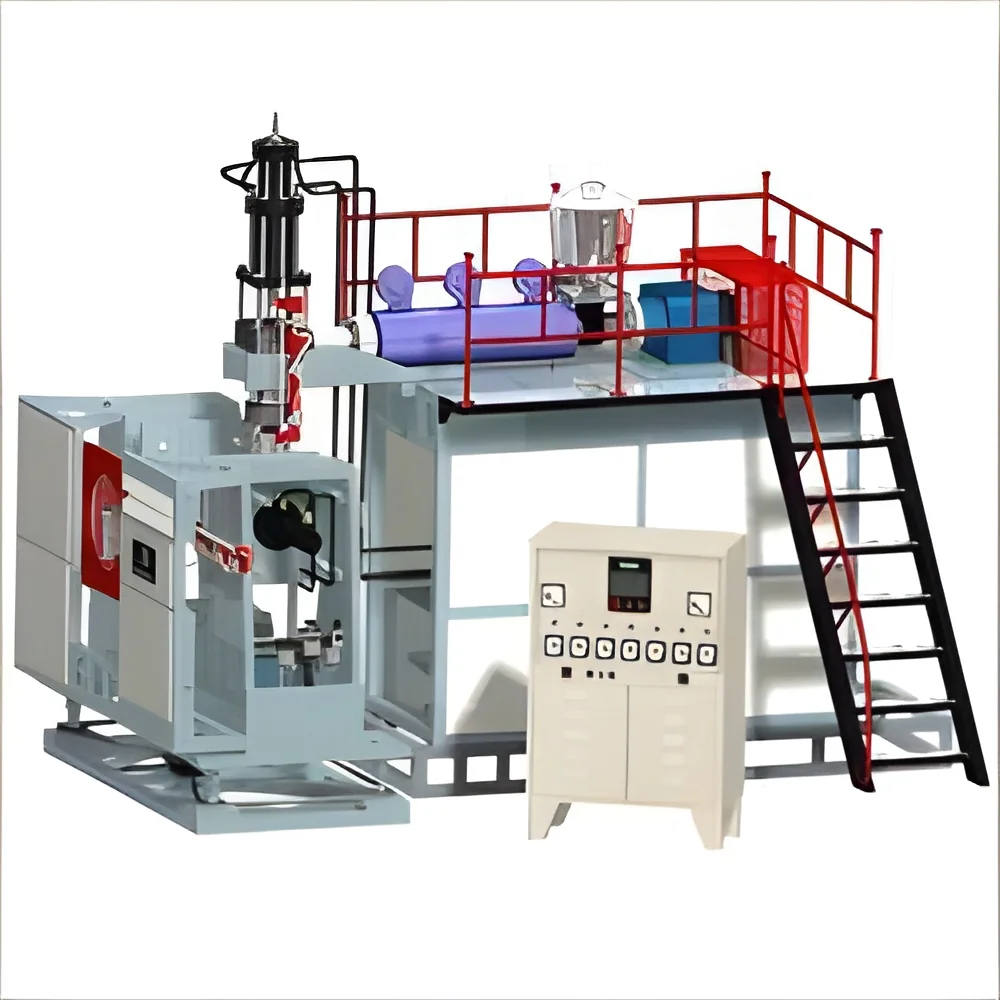
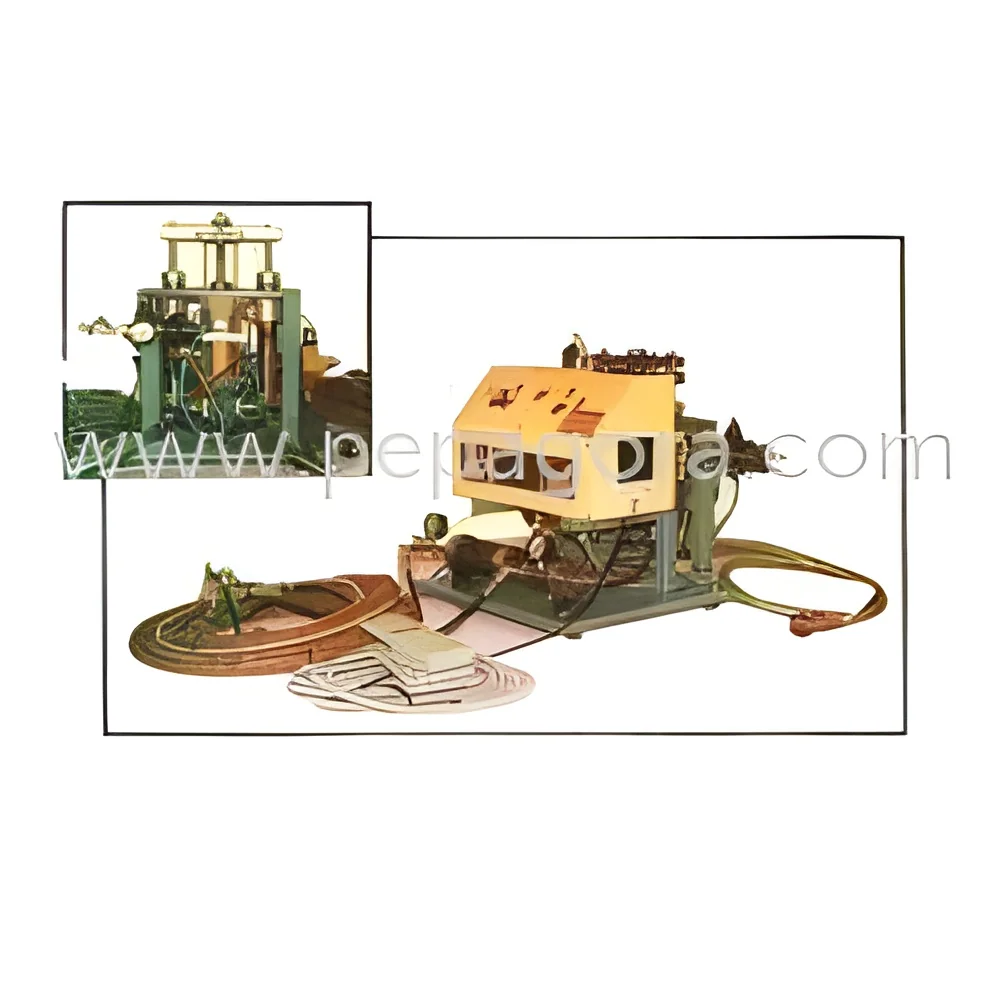
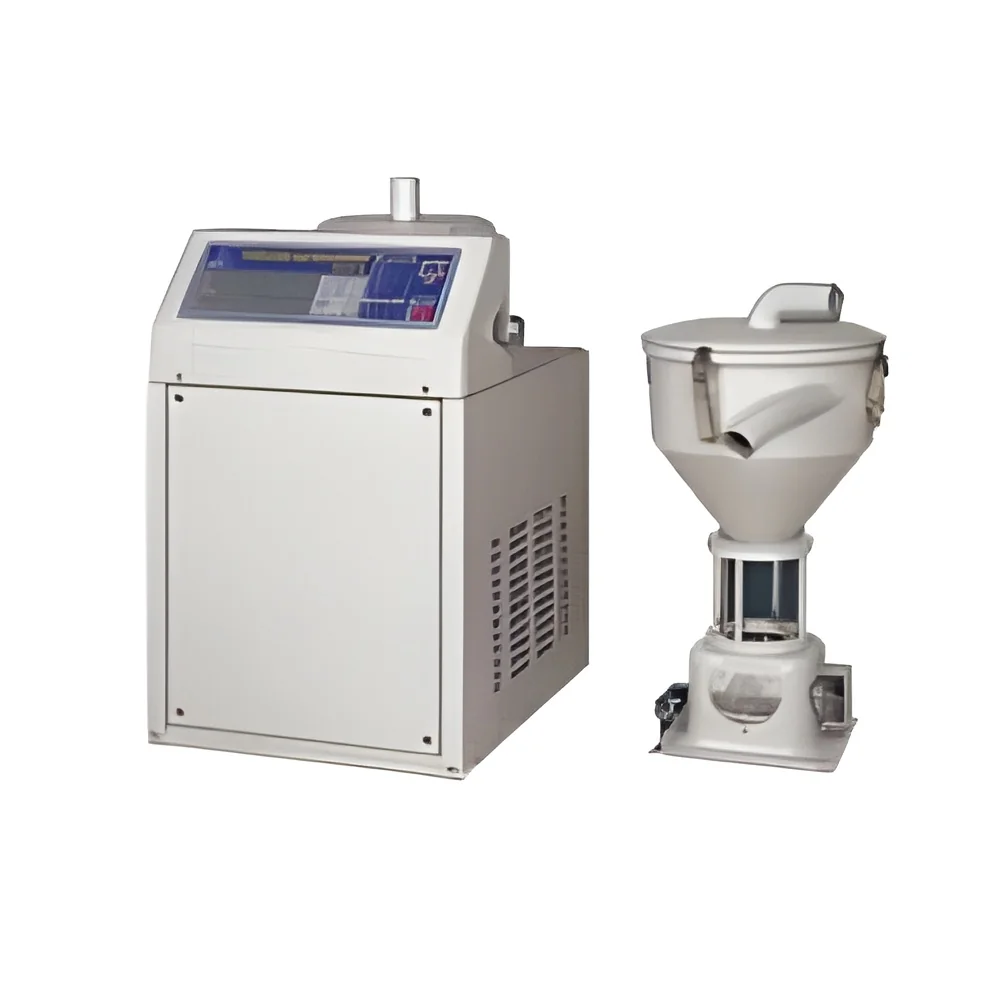
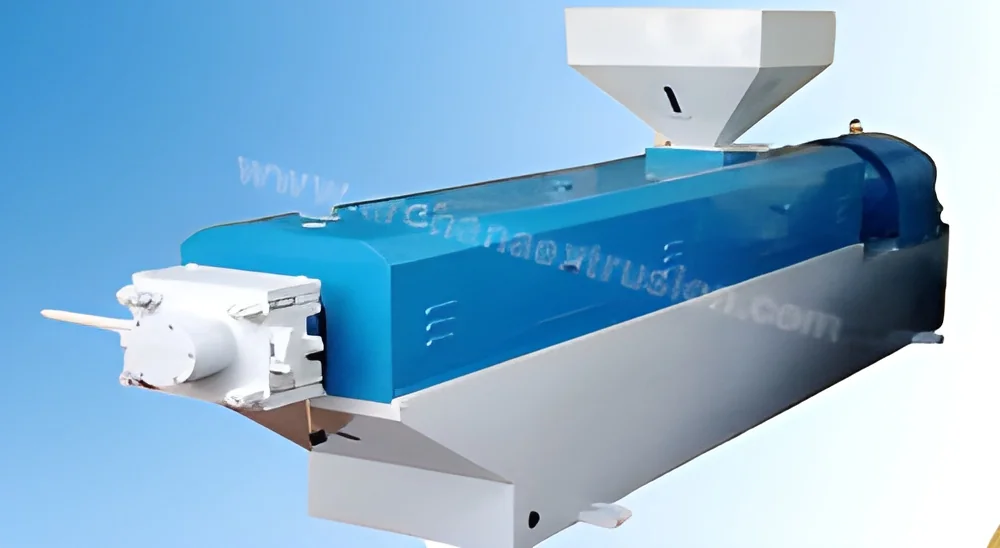
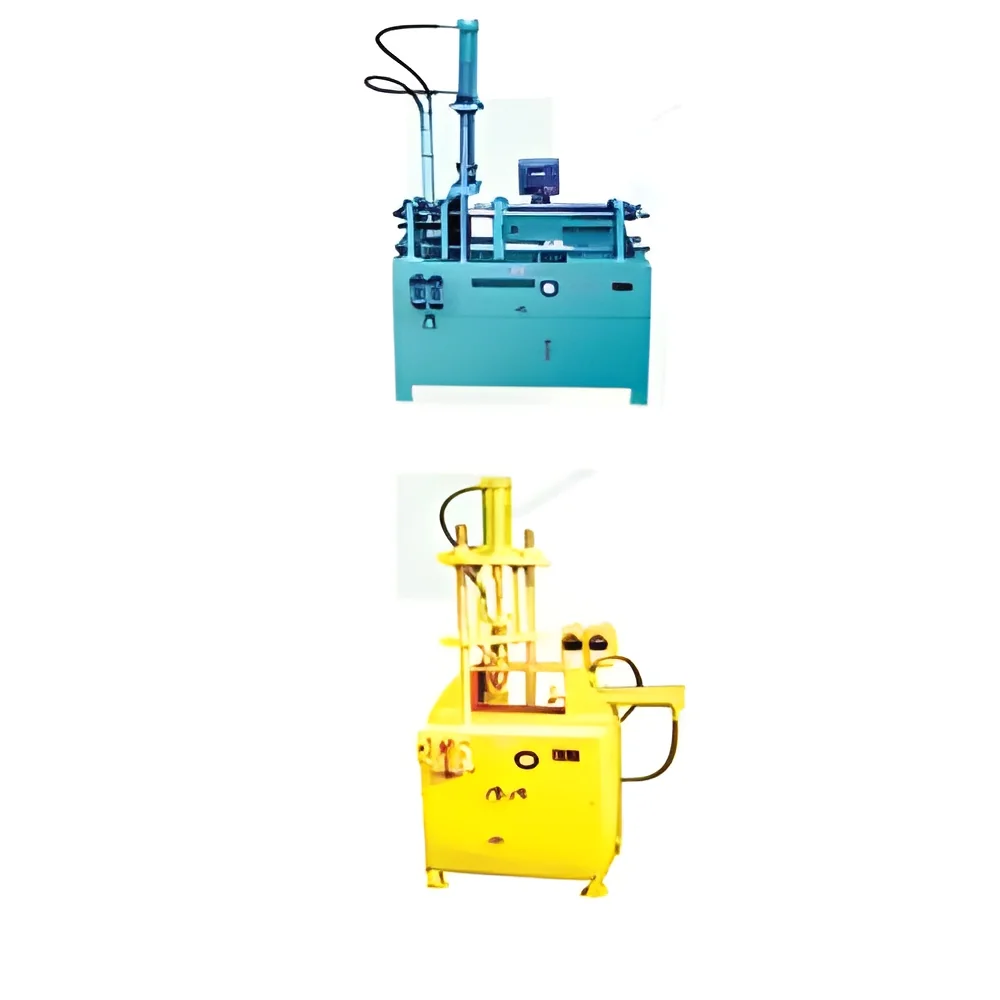
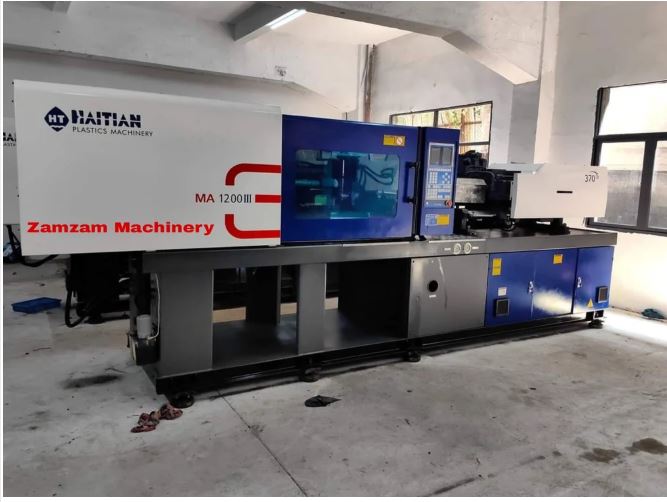
What are Other Plastic Processing Machinery?
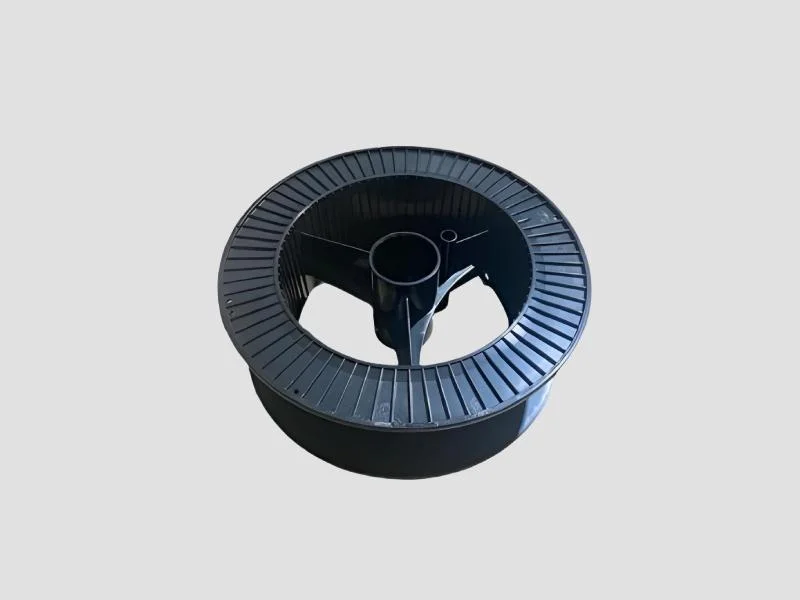
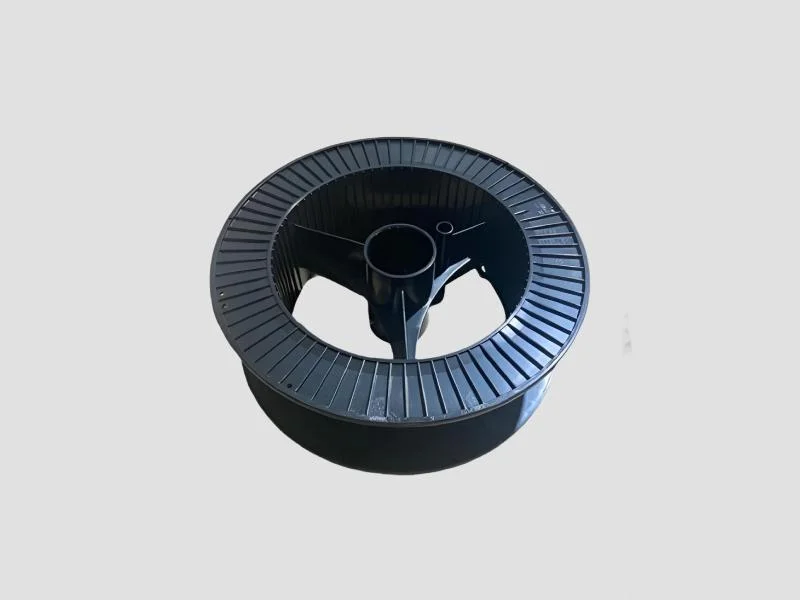
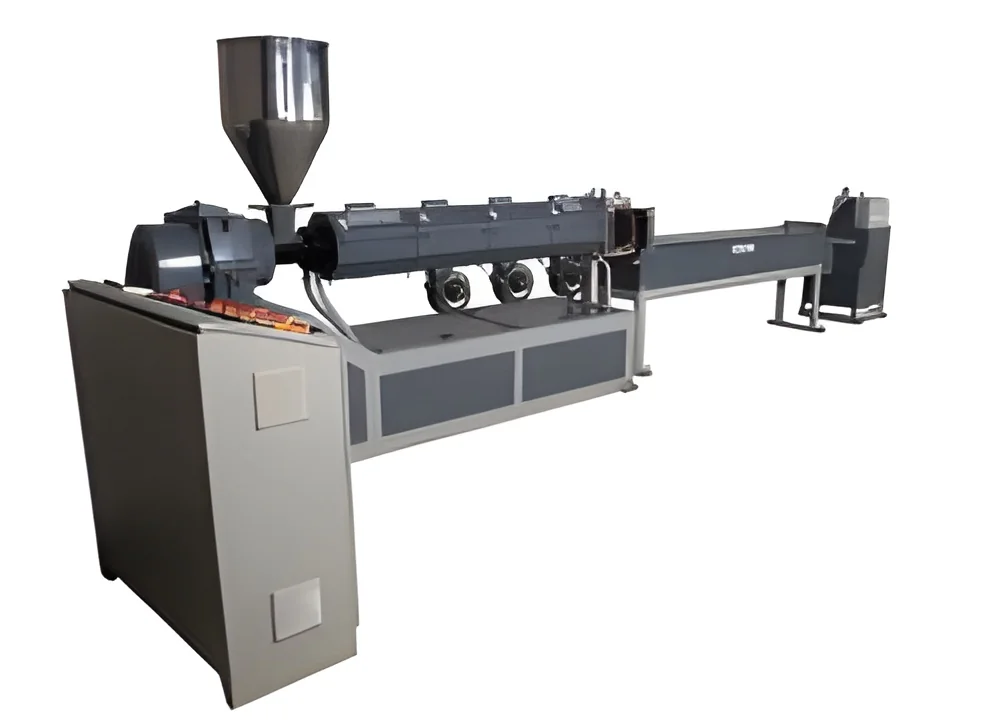
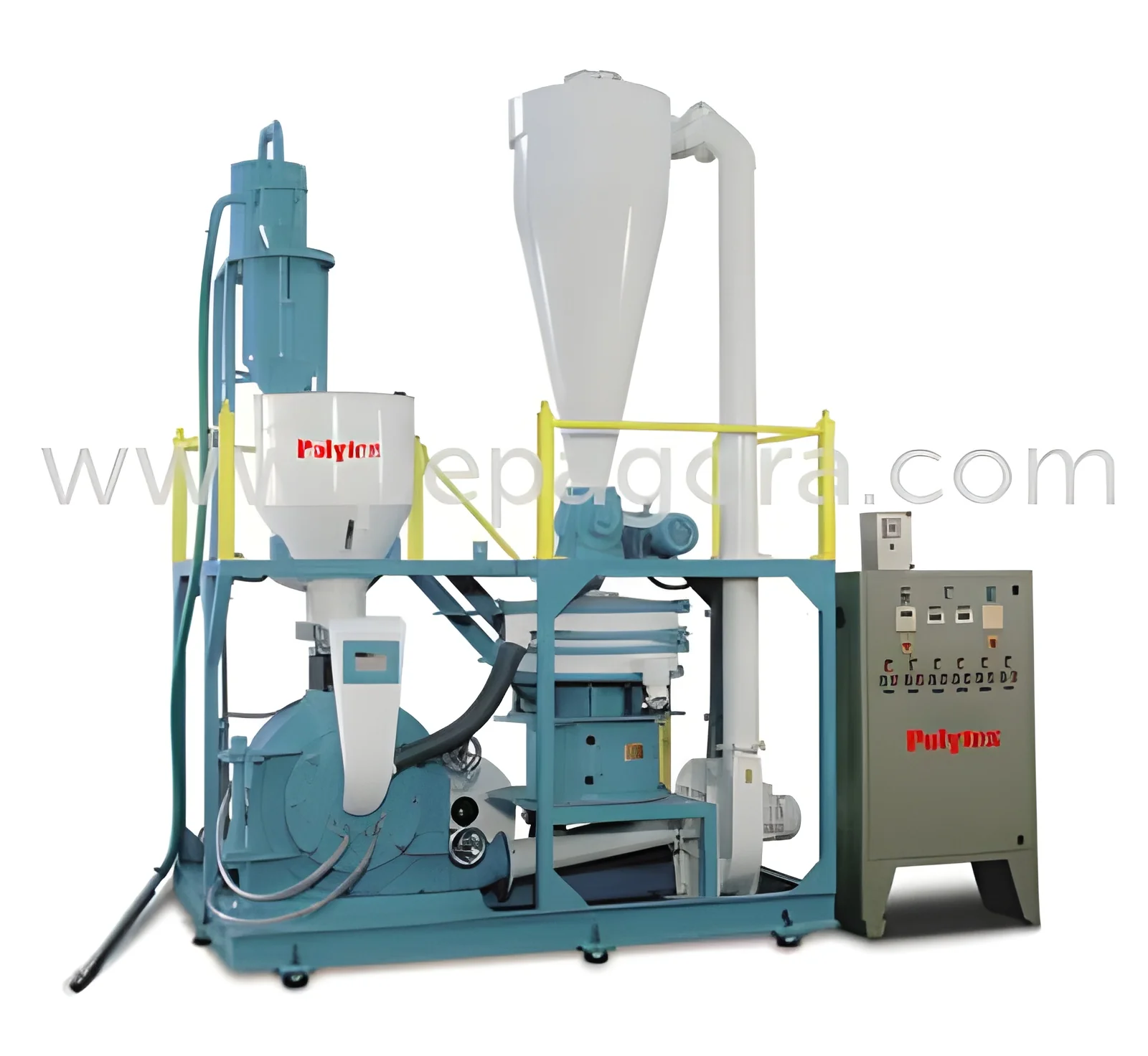
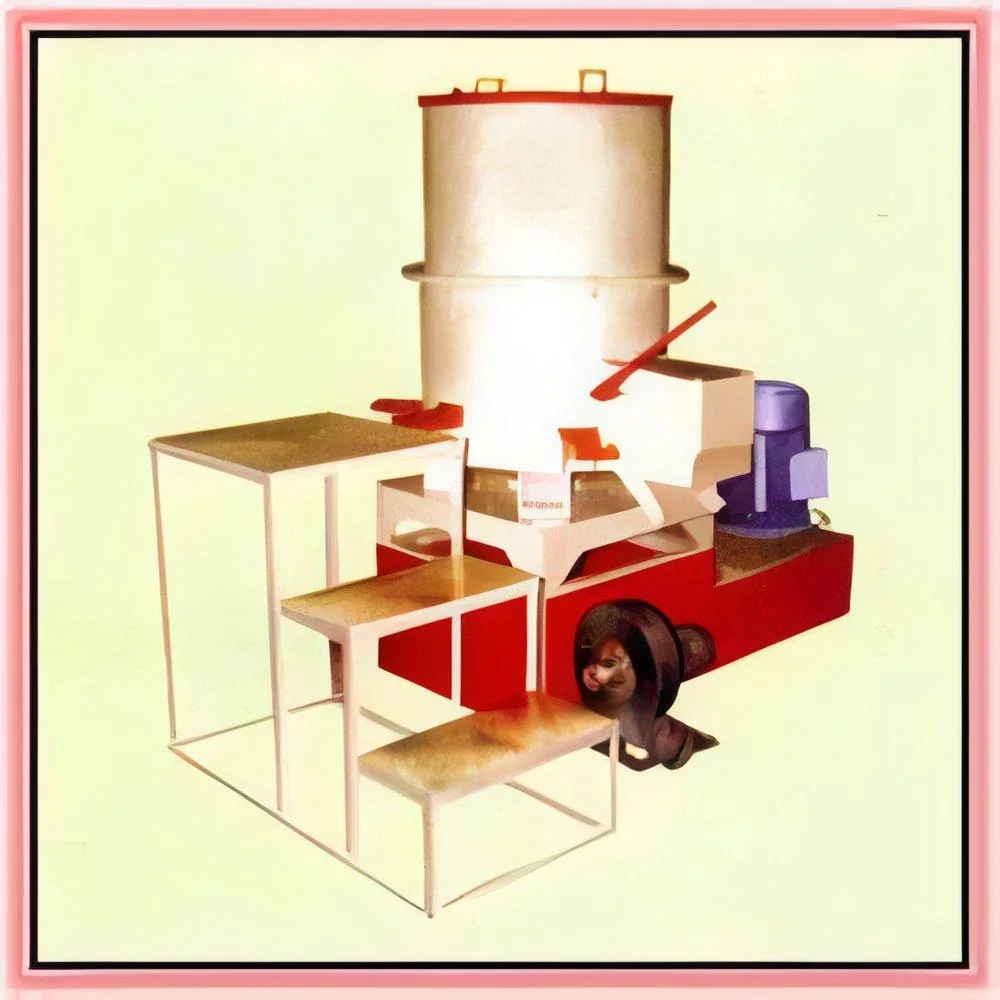
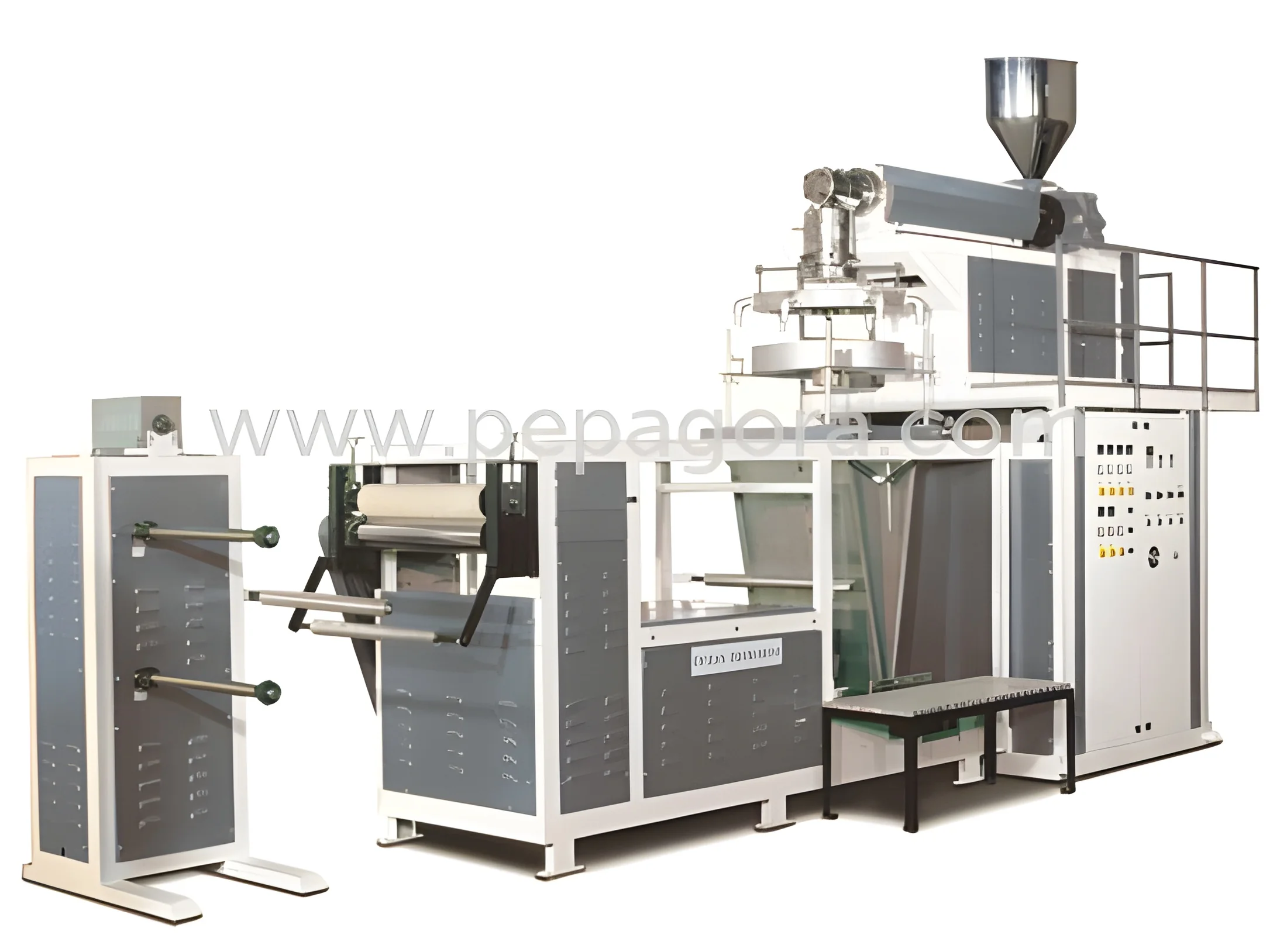
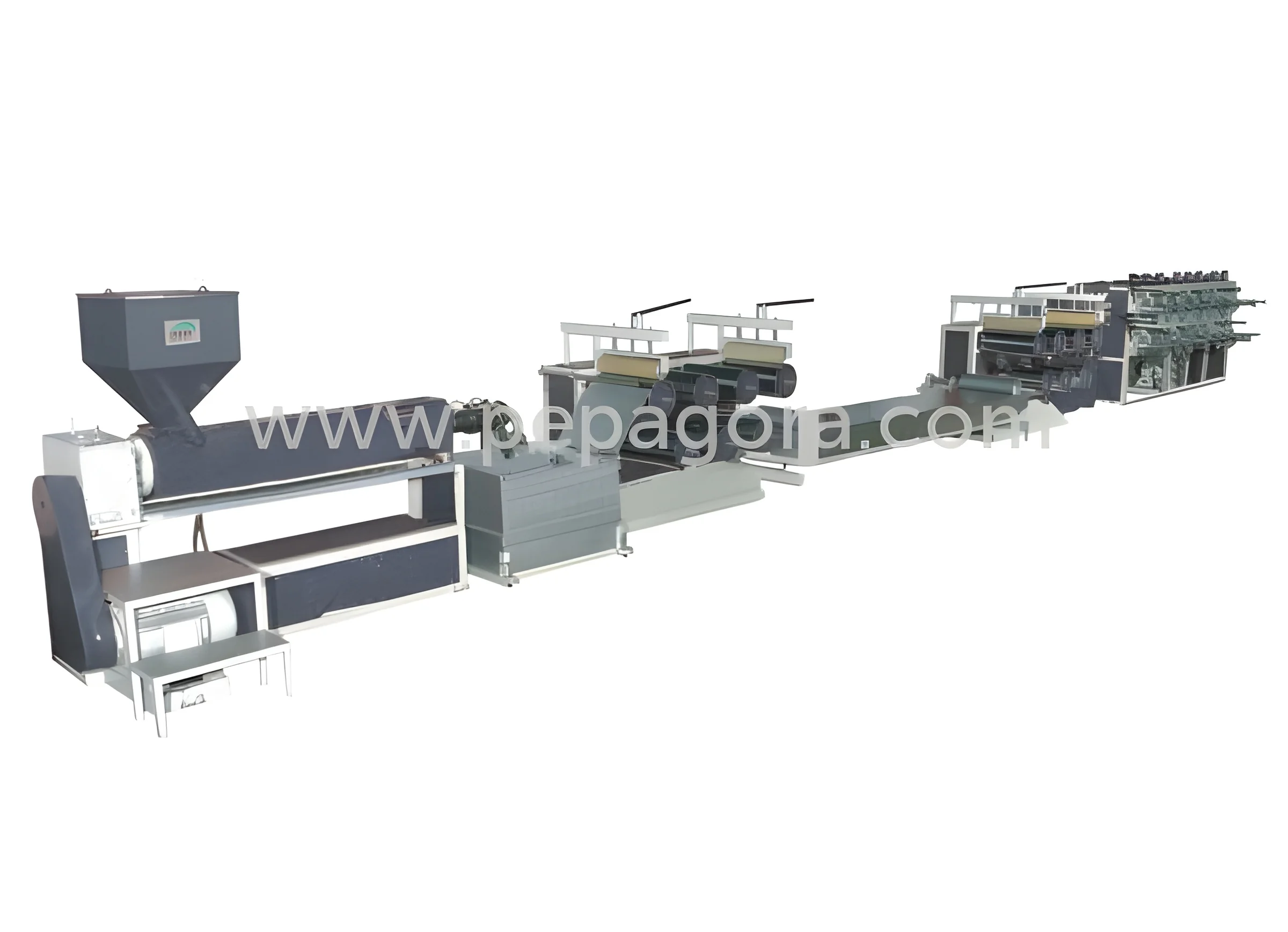
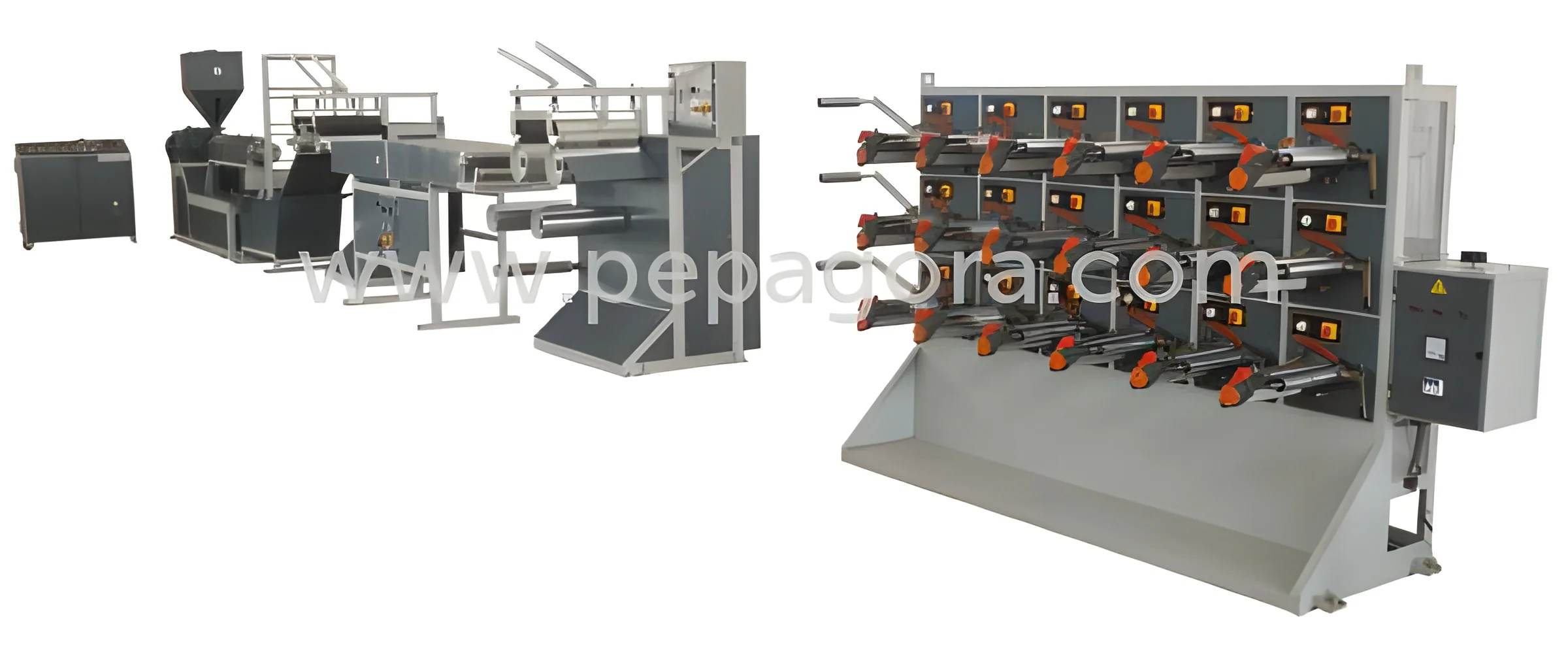
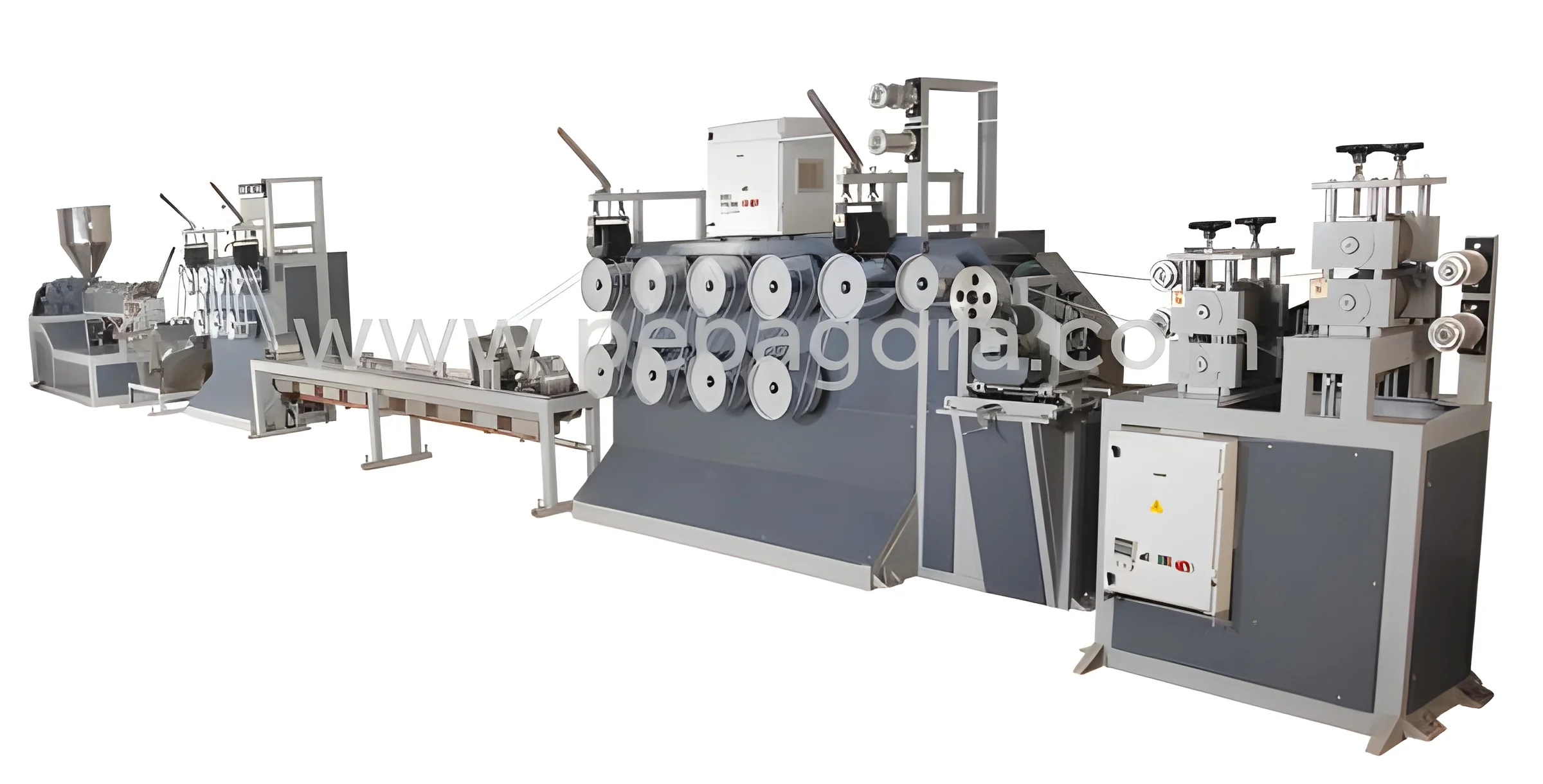
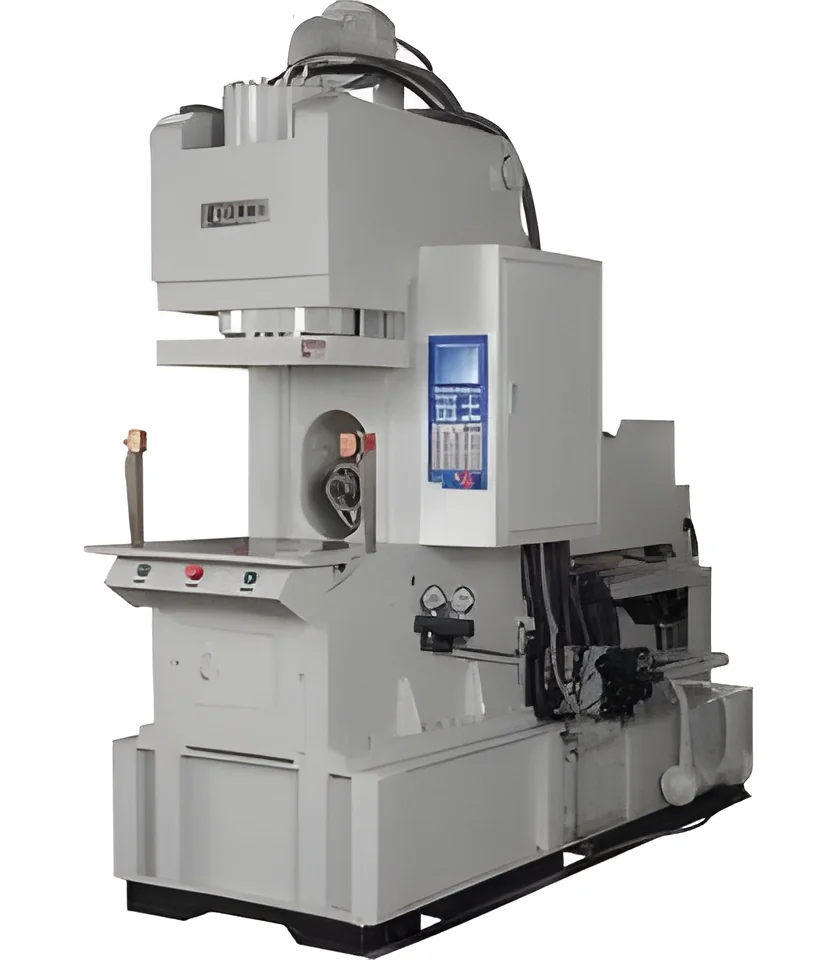
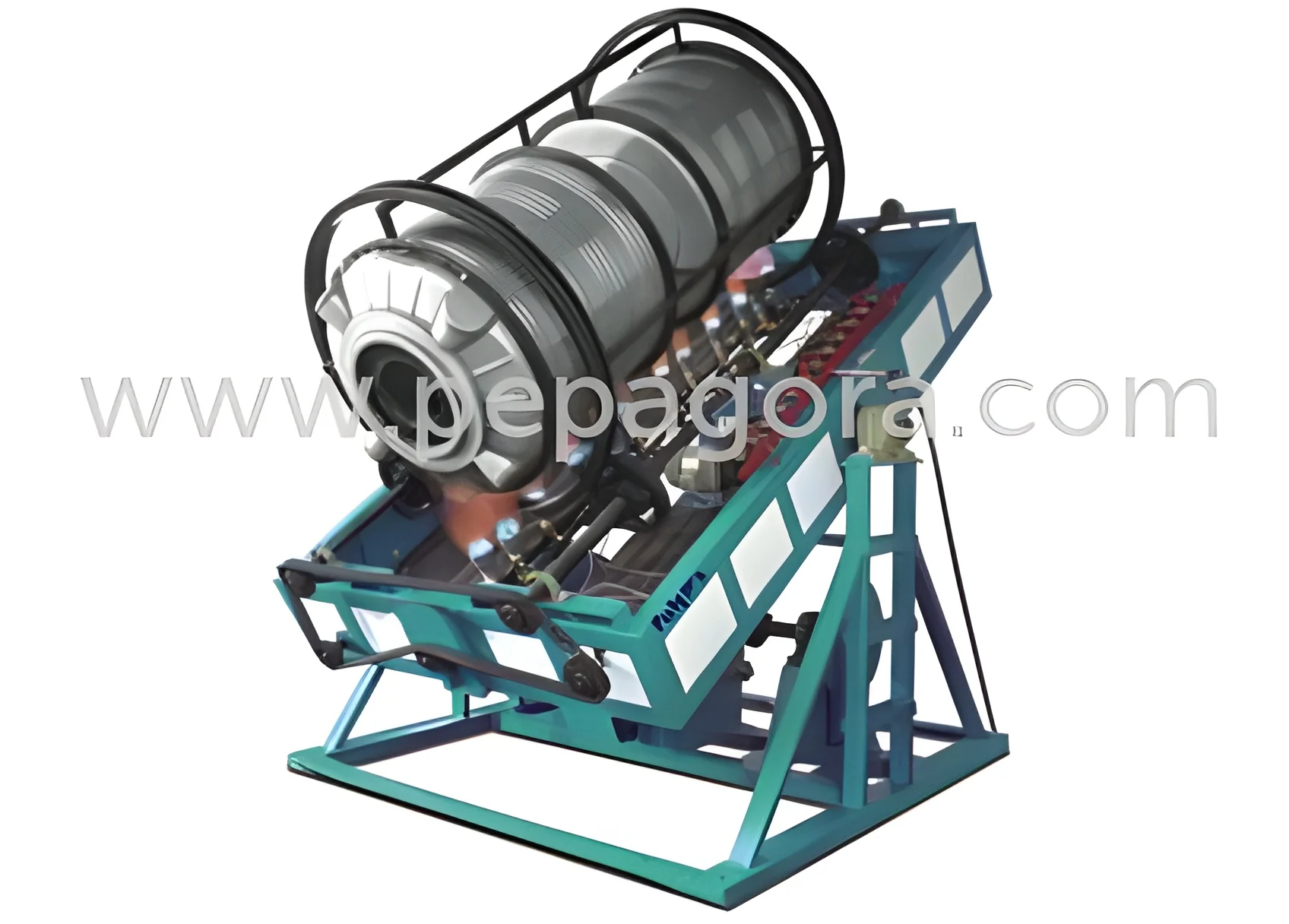
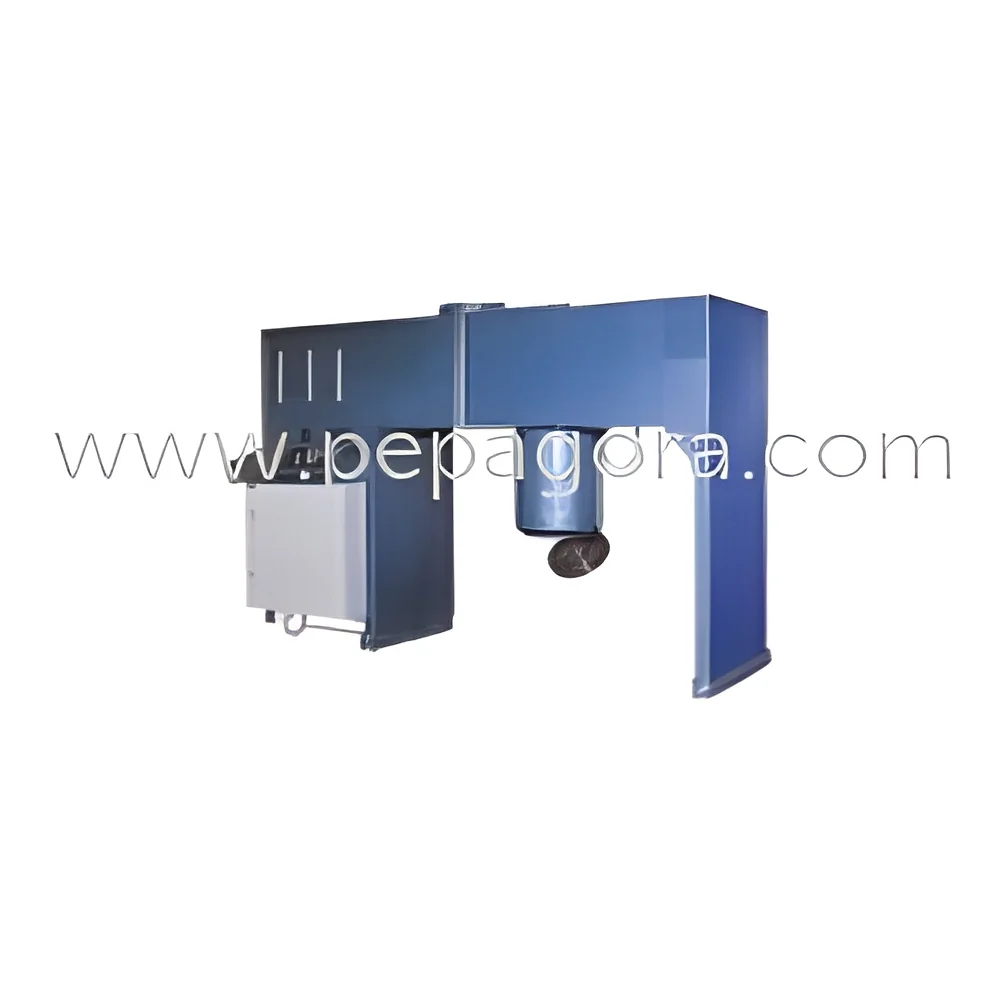
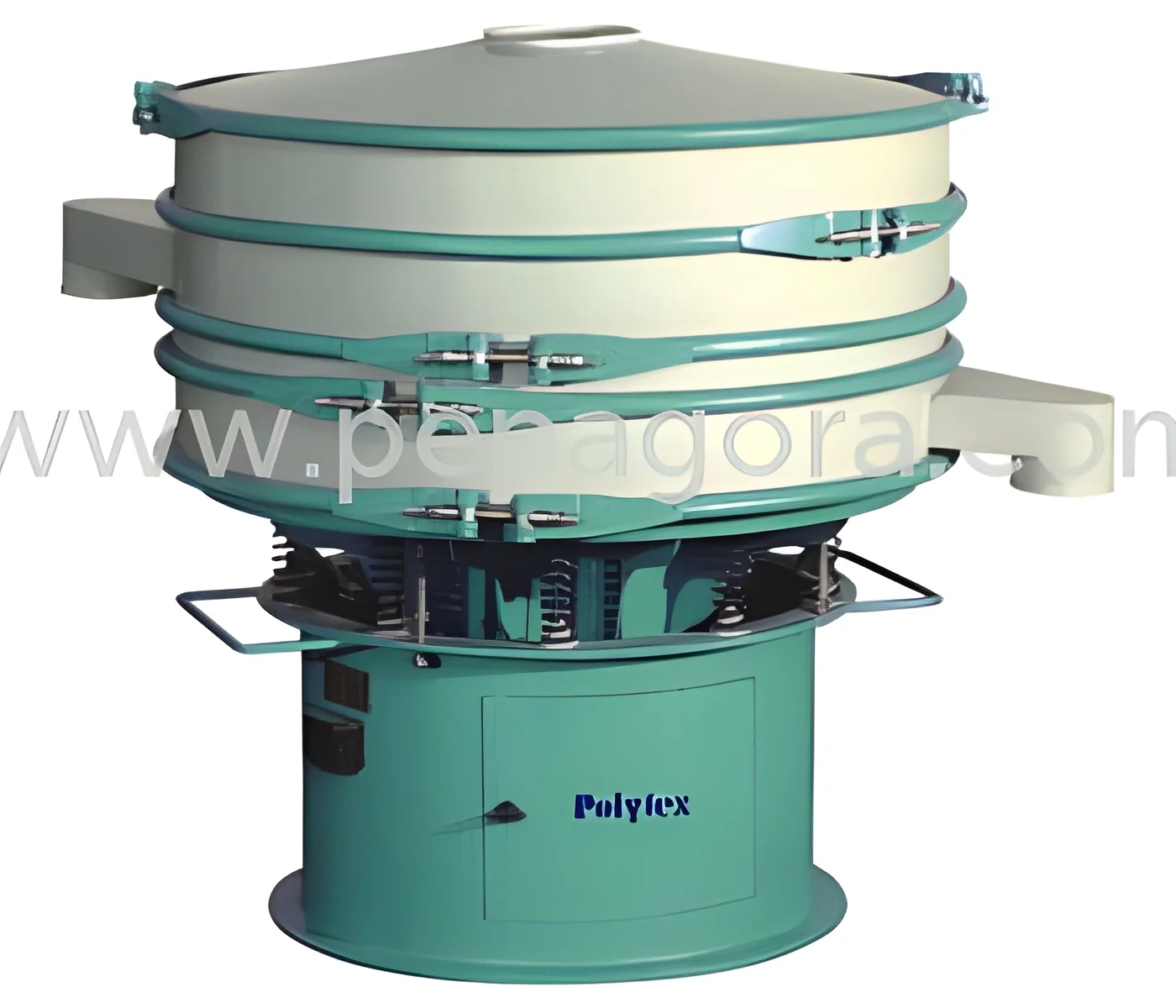
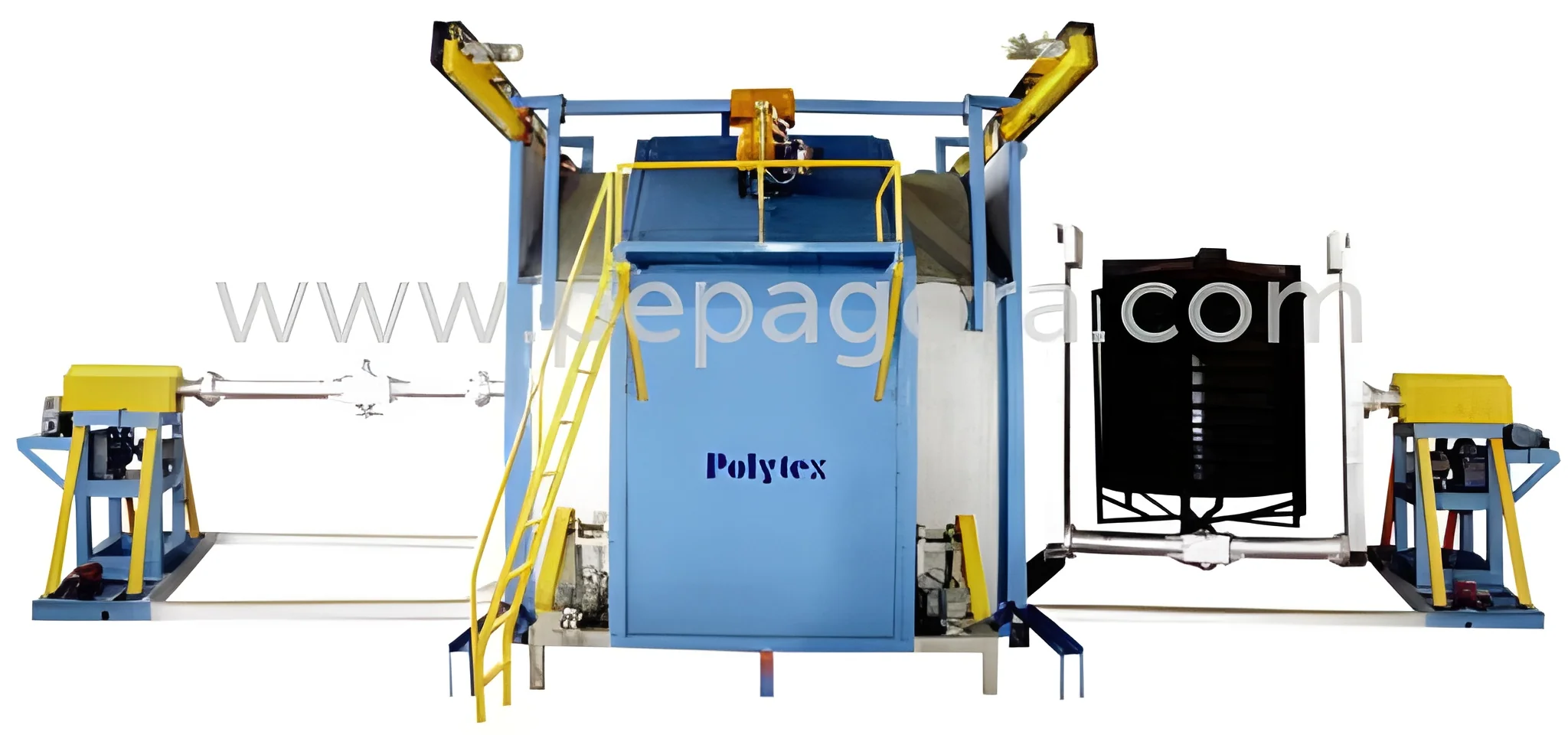
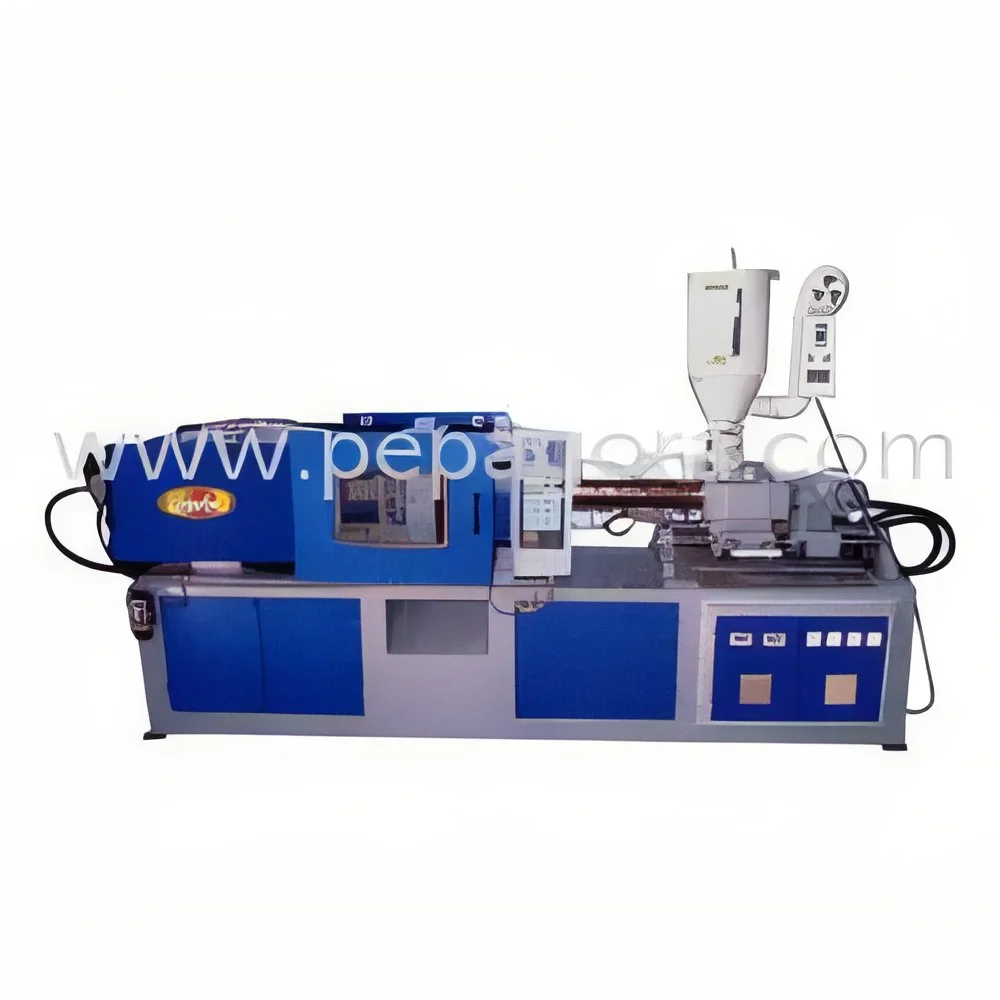
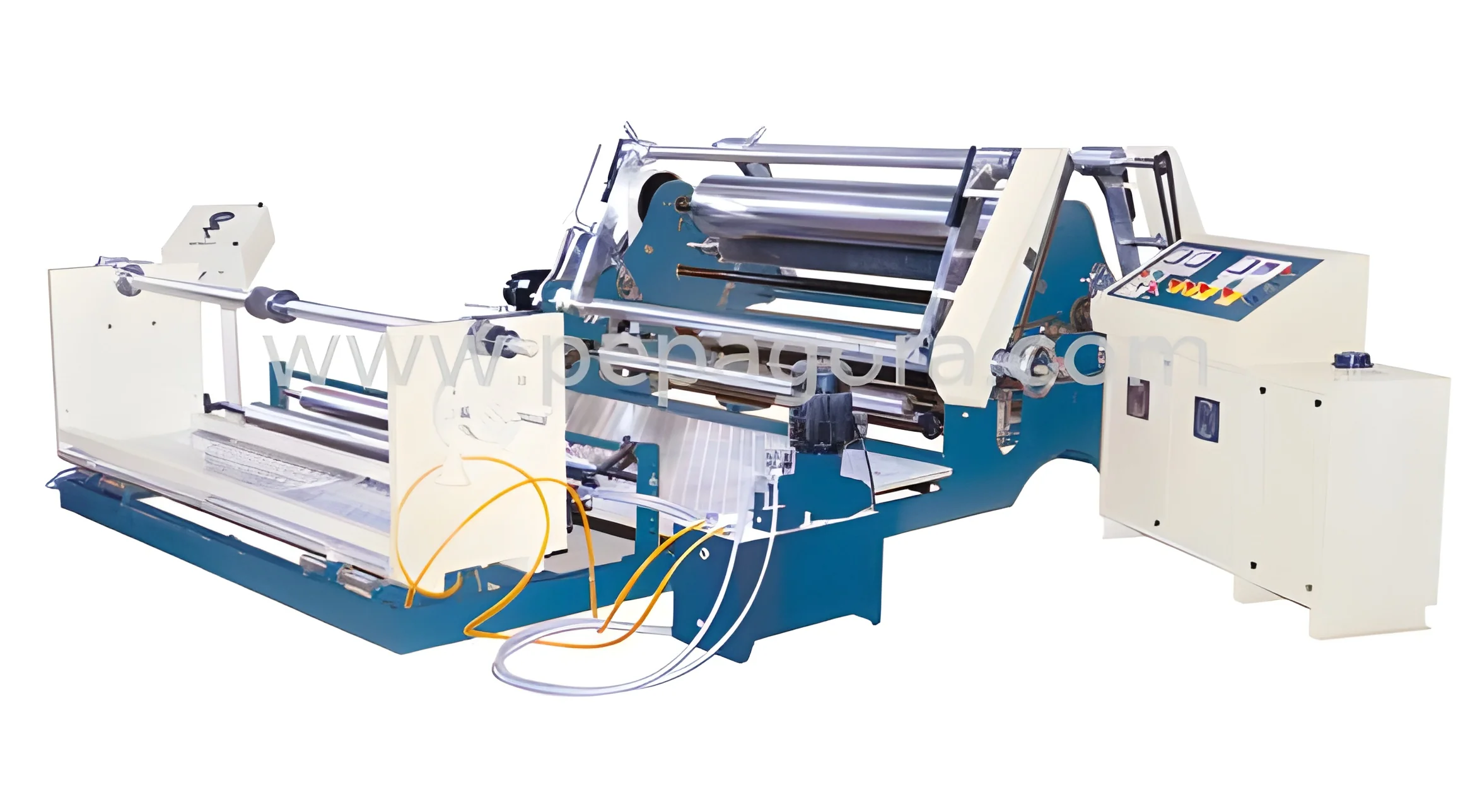
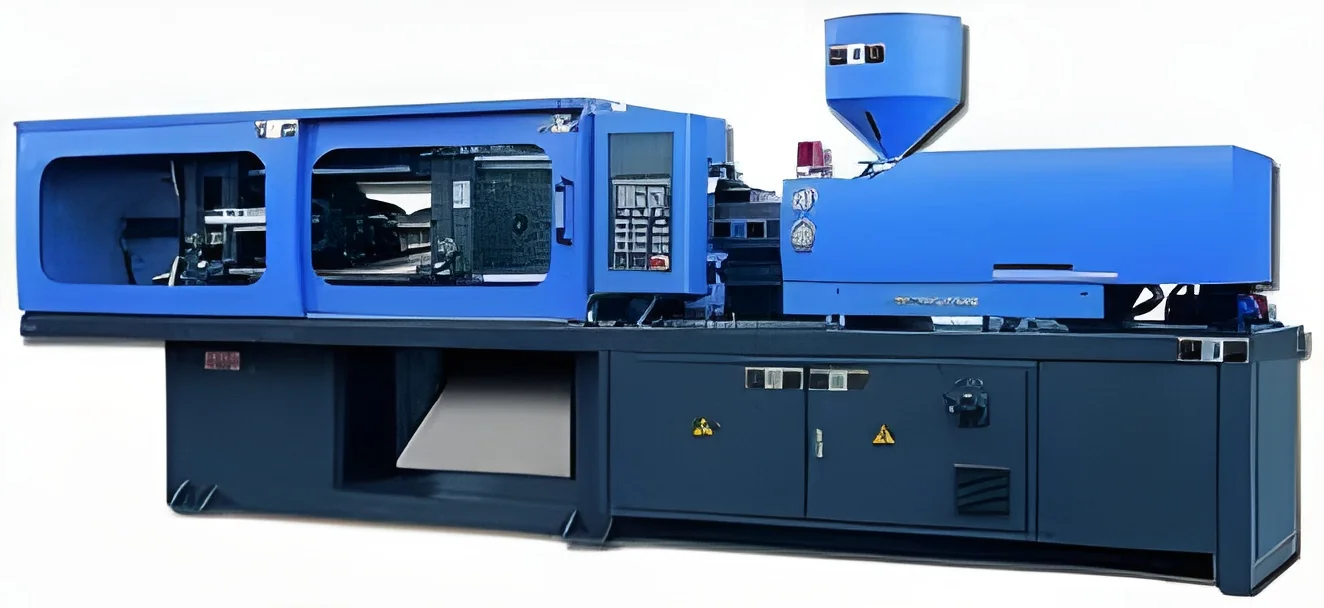
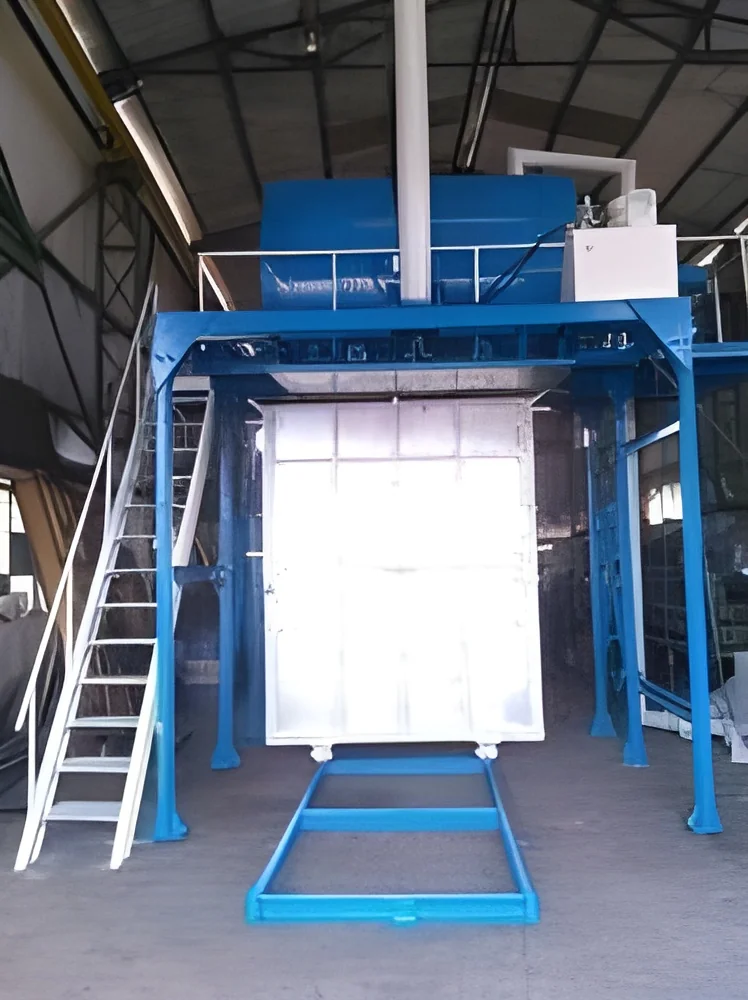
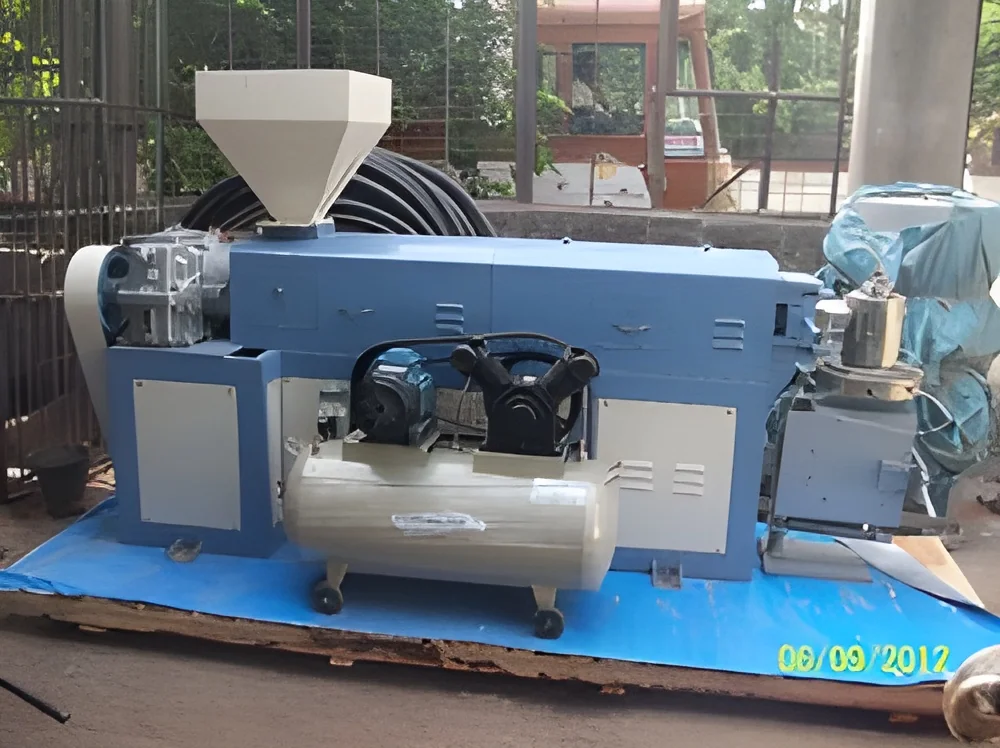
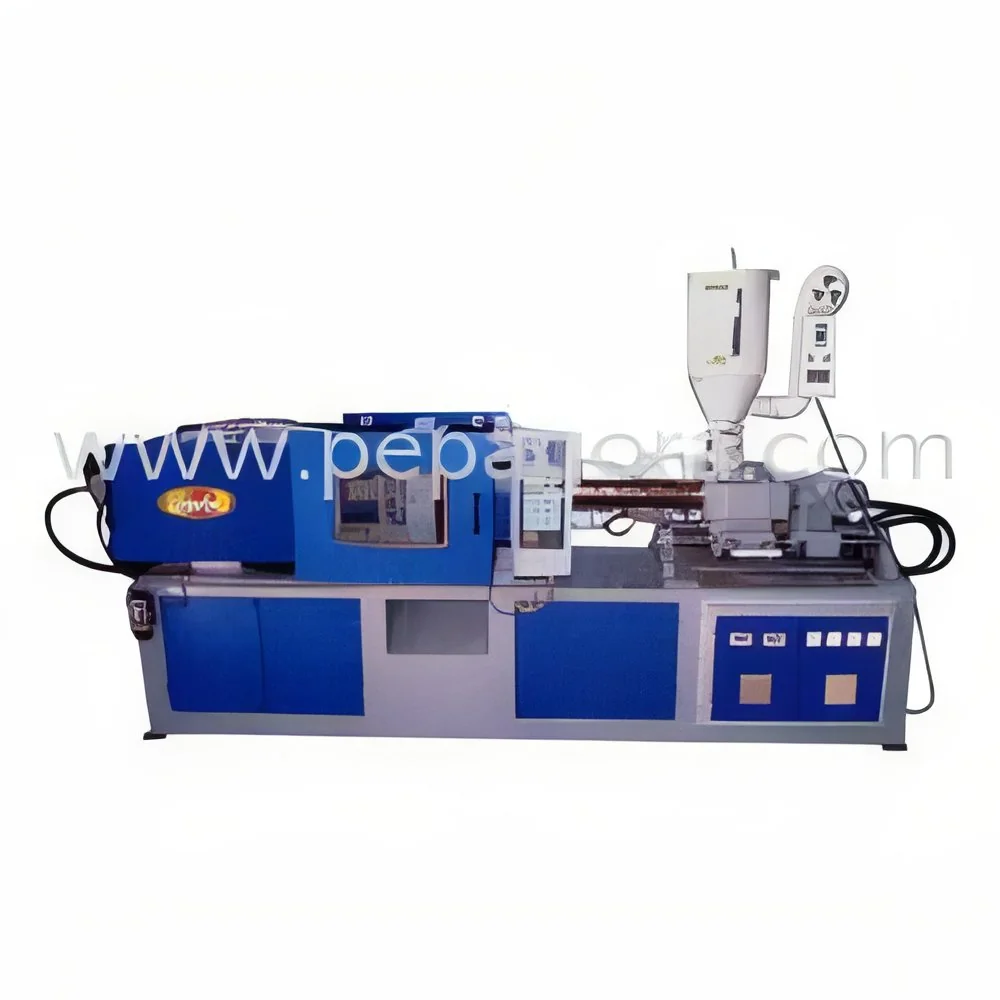
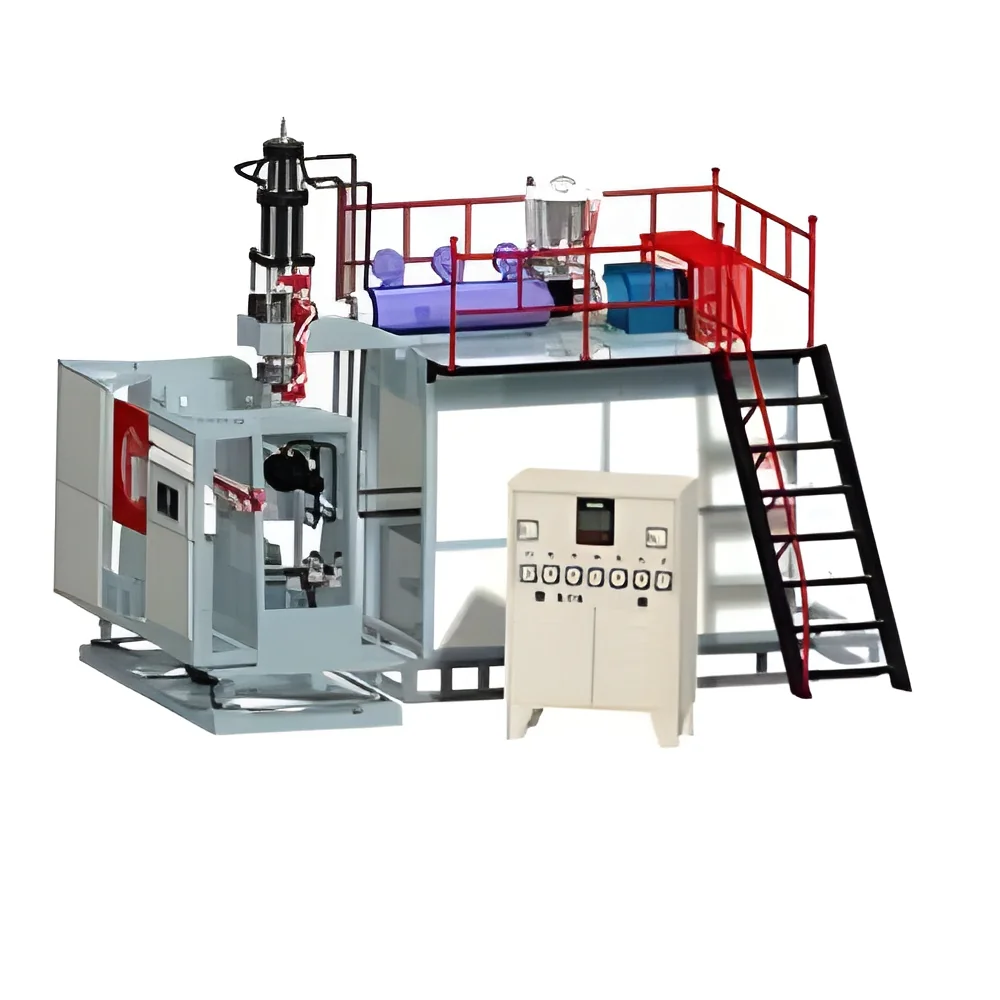
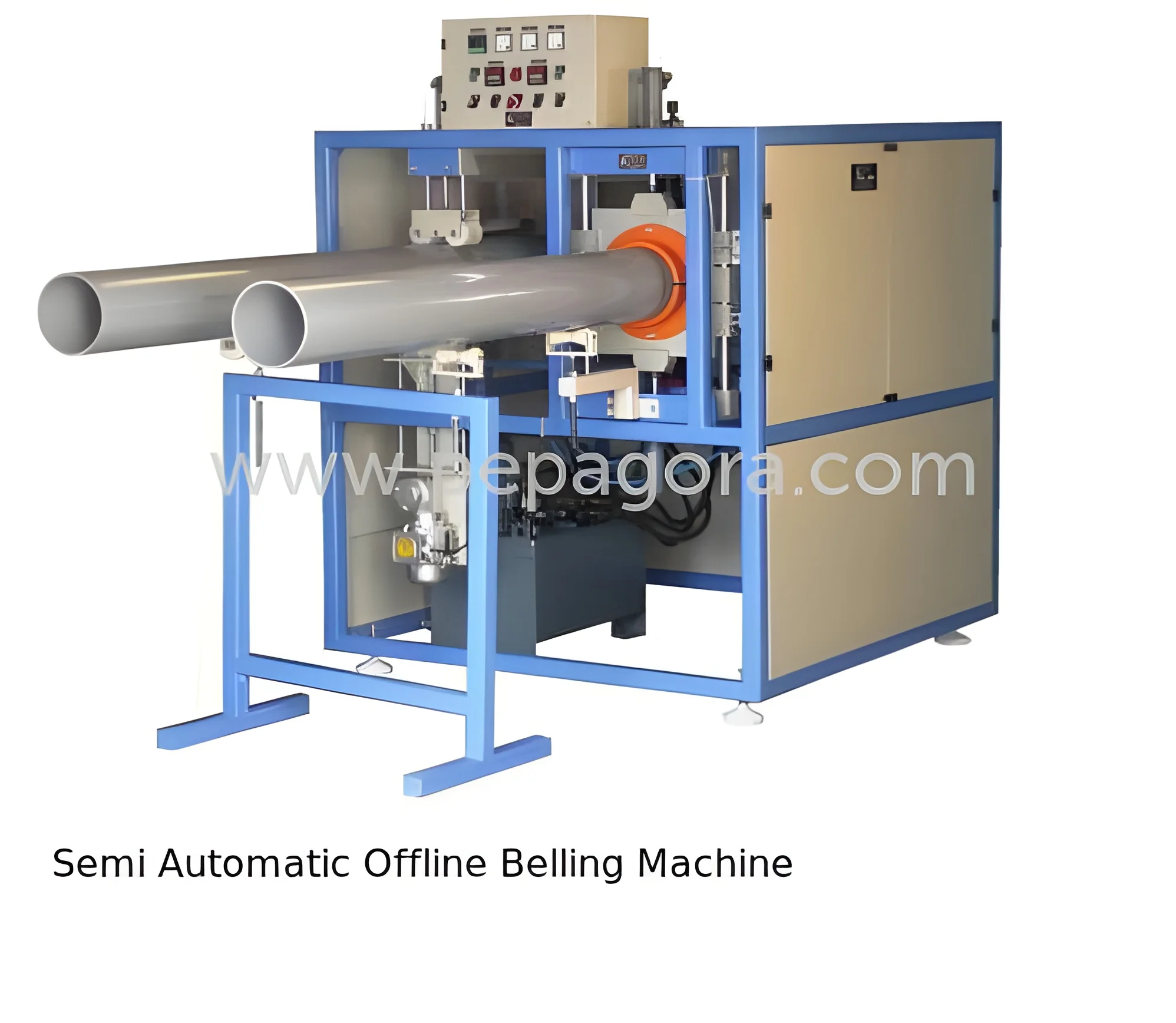
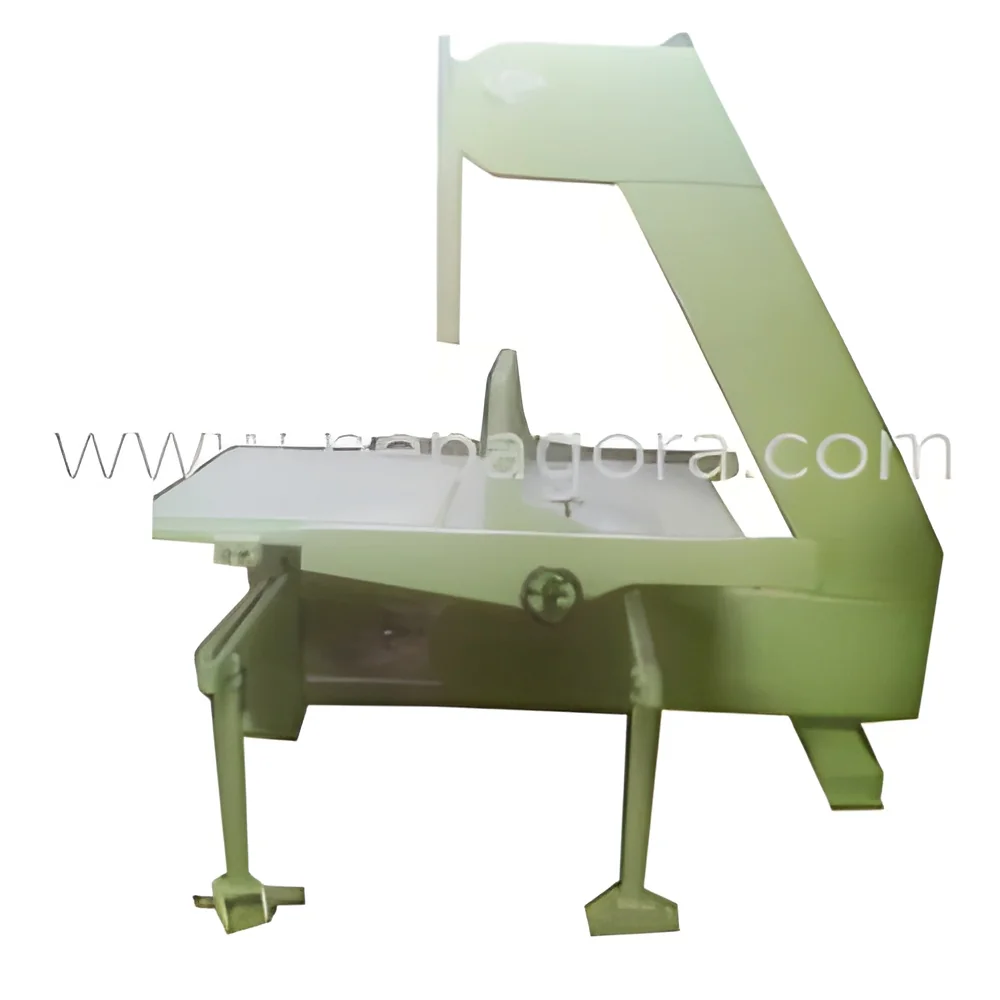
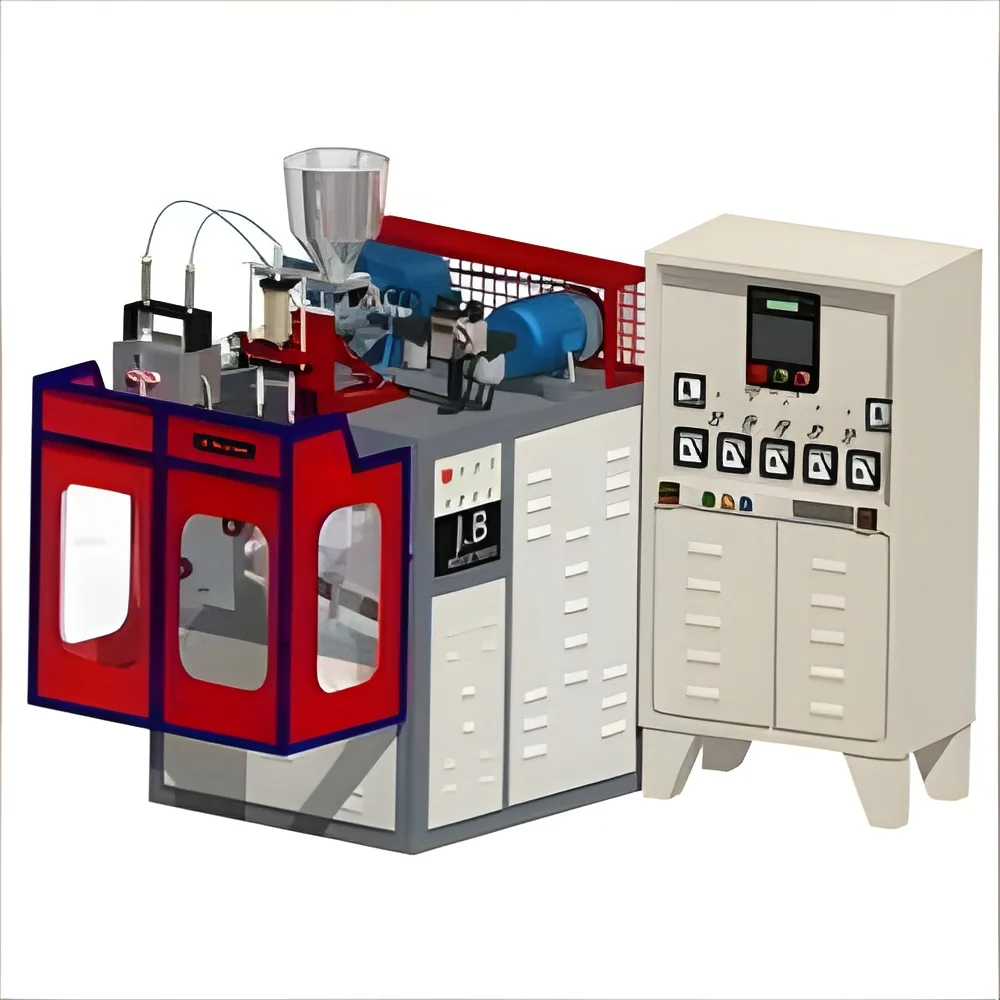
Other Plastic Processing Machinery refers to a range of equipment designed for the manufacturing and processing of plastic materials. This category includes machinery that does not fall under the standard classifications of injection molding, extrusion, or blow molding machines. Instead, it encompasses various specialized machines that perform unique functions in the plastic processing industry. These machines can include devices for cutting, grinding, and recycling plastics, as well as those for surface treatment and finishing processes.
The primary uses of Other Plastic Processing Machinery span multiple applications in the industrial sector. These machines are utilized in the production of plastic components across various industries, including automotive, consumer goods, packaging, and construction. For instance, companies may use these machines to process scrap plastic into reusable material or to enhance the surface quality of plastic products. The relevance of these machines in the industry is underscored by the increasing demand for sustainable plastic processing solutions and the need for high-quality finished products.
Key Features and Specifications
Other Plastic Processing Machinery is designed with various features to meet the diverse needs of plastic processing applications. These machines are built to ensure efficiency, precision, and adaptability in processing different types of plastics. Key specifications are crucial for understanding the capabilities and performance of these machines.
Key specifications include:
1. Processing Capacity
- Refers to the volume of plastic that can be processed within a specific timeframe.
- Ranges may vary depending on machine size and type.
2. Power Consumption
- Indicates the energy efficiency of the machinery.
- Typically measured in kilowatts (kW) with variations based on operational use.
3. Automation Level
- Describes the extent of automated functions within the machinery.
- Options may include manual, semi-automatic, or fully automatic systems.
4. Material Compatibility
- Specifies the types of plastics that can be processed.
- Includes thermoplastics, thermosets, and composites.
5. Dimensions and Weight
- Provides information on the machine's footprint and transportability.
- Important for facility planning and installation.
6. Safety Features
- Outlines built-in safety mechanisms to protect operators.
- May include emergency stop buttons, guarding, and alarms.
7. Maintenance Requirements
- Details the frequency and type of maintenance needed for optimal performance.
- Typically involves routine checks and part replacements.
8. Control Systems
- Describes the technology used for machine operation.
- May include PLC (Programmable Logic Controller) or touchscreen interfaces.
In summary, understanding these specifications helps B2B buyers select the right machinery for their specific needs and ensures compatibility with their production processes.
Common Applications and Use Cases
Other Plastic Processing Machinery is versatile and serves multiple industries effectively. This adaptability makes it an essential component for businesses in various sectors.
1. Automotive: Used for recycling plastic components and manufacturing custom parts, improving sustainability in vehicle production.
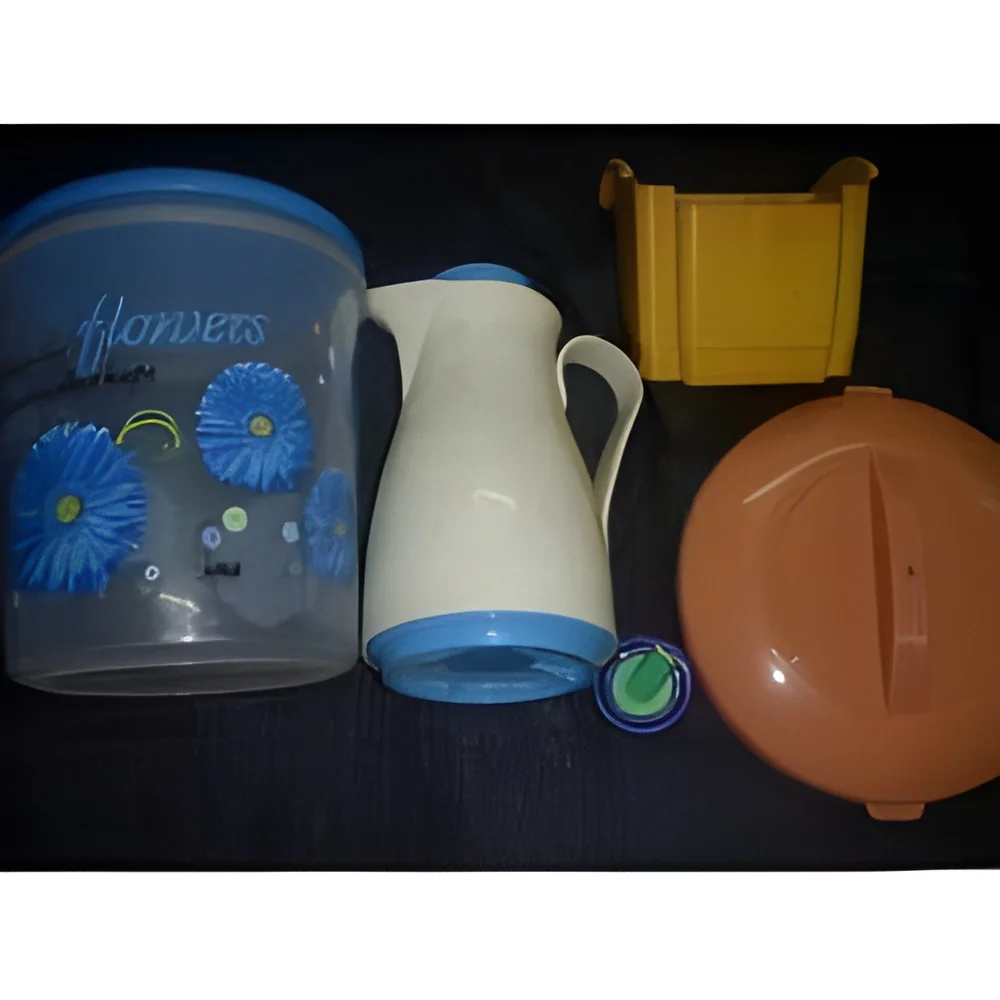
2. Consumer Goods: Employed in the production of plastic containers and packaging, enhancing product quality and durability.
3. Packaging: Utilized for creating innovative packaging solutions that require precise processing and finishing.
4. Construction: Aids in manufacturing plastic components such as pipes and fittings, which are vital for modern building projects.
5. Electronics: Processes plastics for casings and components, ensuring high-quality finishes and protecting sensitive electronics.
6. Medical: Implements precision processing for medical devices and equipment, adhering to strict safety and quality standards.
7. Textile: Used for producing synthetic fibers and textiles, contributing to the fashion and fabric industry.
Product Variants and Subcategories
The landscape of Other Plastic Processing Machinery is diverse, with several variants tailored to specific applications. Each variant has unique features that cater to different processing needs.
Recycling Machines
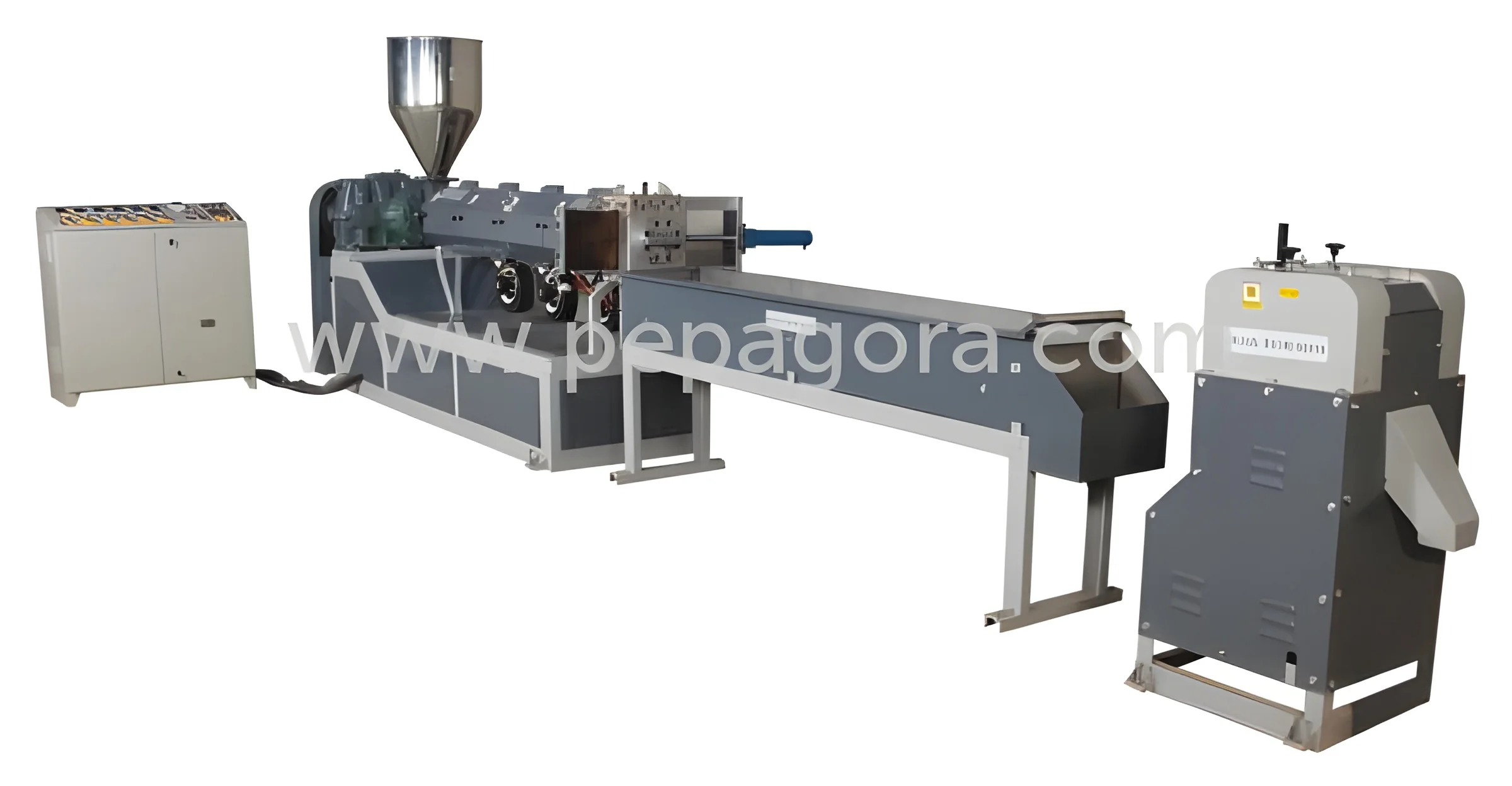
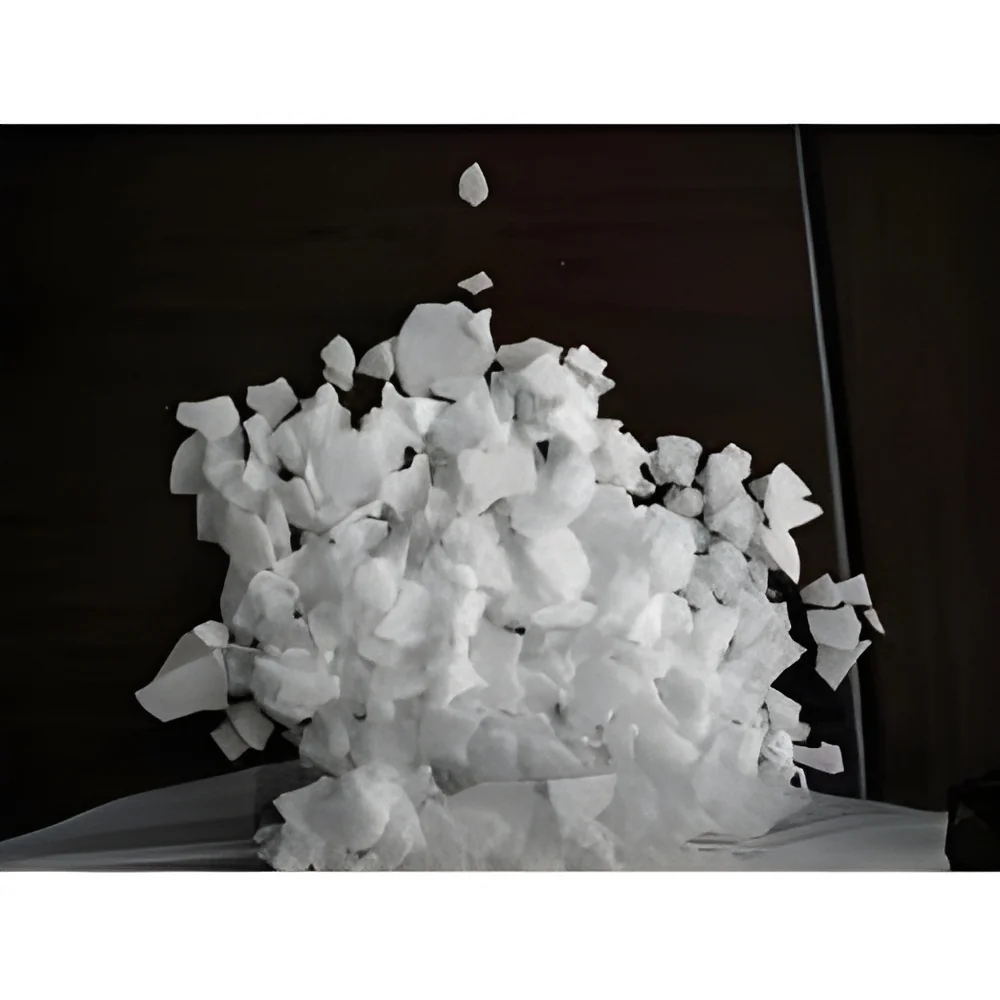
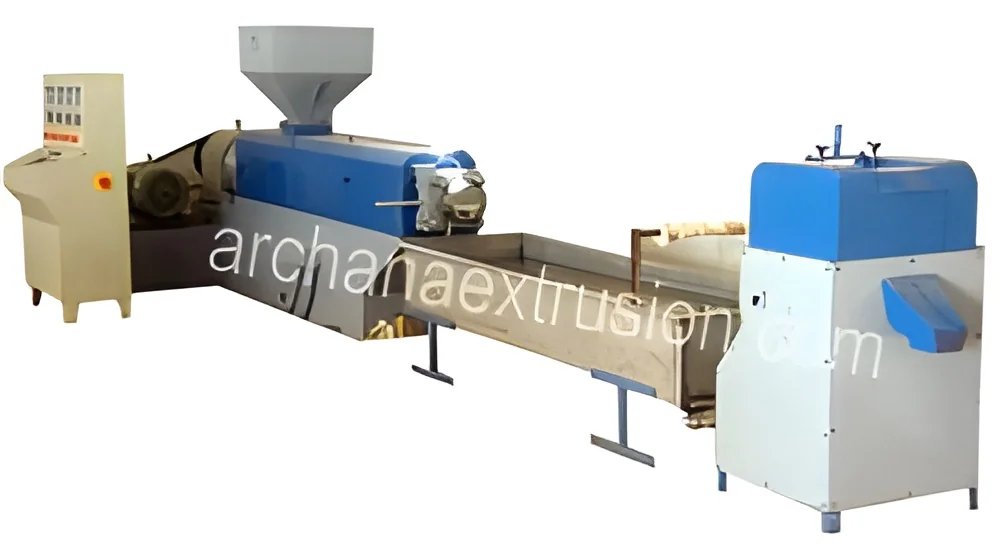
These machines are designed to process post-consumer and industrial plastic waste into reusable materials. They feature shredders, granulators, and extruders to convert waste into pellets suitable for manufacturing new products.
Surface Treatment Machines
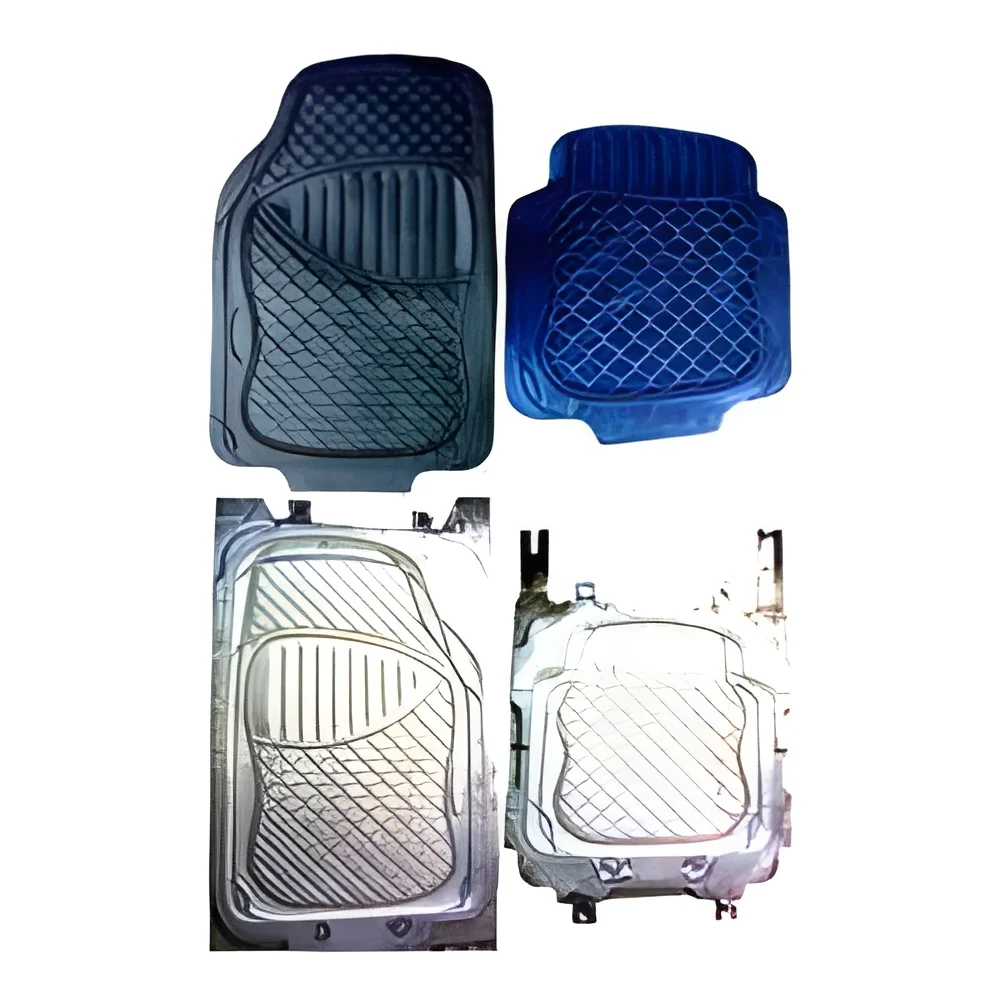
These machines enhance the surface properties of plastic products through methods such as coating, polishing, or texturing. They are essential for achieving desired aesthetics and functionality in finished products.
Finishing Machines
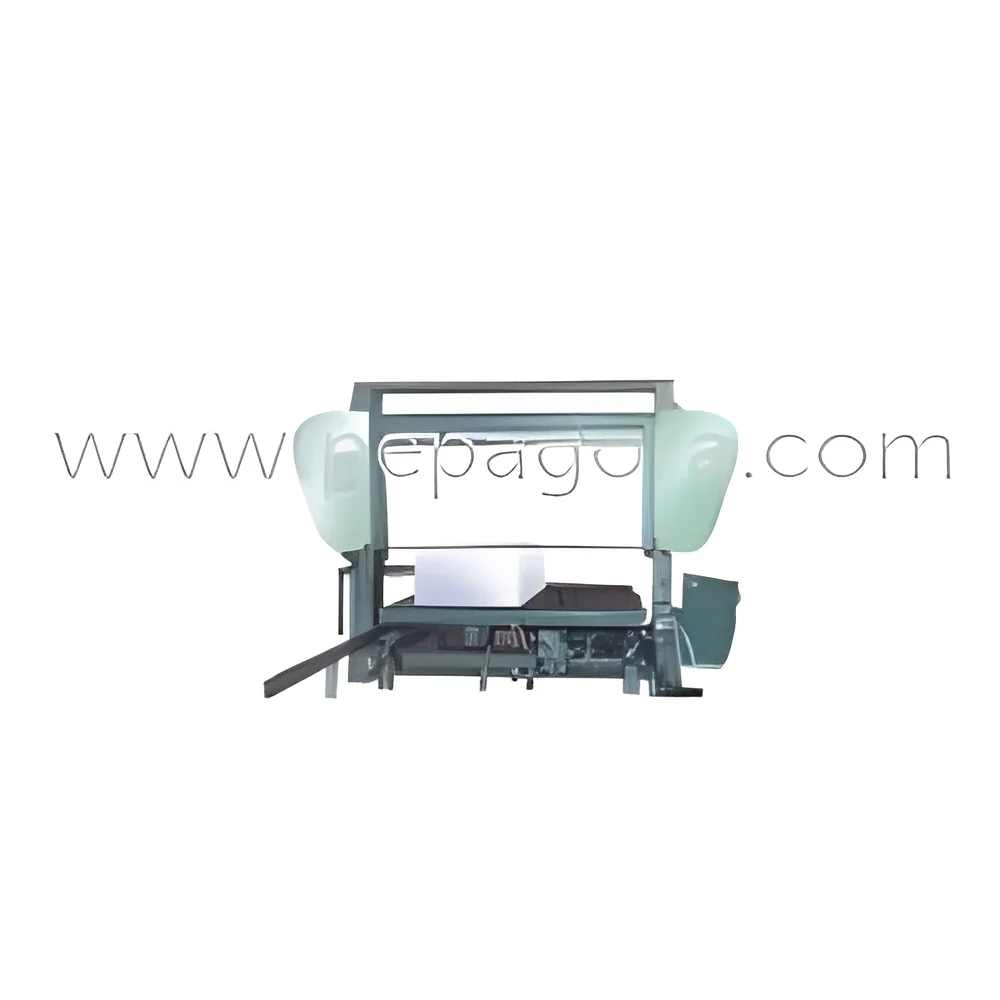
These machines focus on the final touches in plastic production, including trimming, cutting, and assembling. They ensure that products meet quality standards before reaching the market.
Benefits and Advantages
Other Plastic Processing Machinery offers numerous benefits that can enhance production efficiency and product quality in various industries.
Key benefits include:
1. Increased Efficiency: These machines streamline processes, reducing production time and labor costs.
2. Versatility: Capable of processing a wide range of plastic materials, accommodating various business needs.
3. High Precision: Advanced technology ensures accurate processing, resulting in superior product quality.
4. Environmental Sustainability: Many machines are designed to recycle plastic waste, contributing to sustainable manufacturing practices.
5. Customization Options: Manufacturers often provide tailored solutions to meet specific processing requirements.
6. Enhanced Safety: Modern machinery includes safety features that protect operators and ensure compliance with industry regulations.
Buying Guide for B2B Buyers
When sourcing Other Plastic Processing Machinery, it is essential for buyers to consider several critical factors to ensure a successful purchase.
1. Quality Assessment: Evaluate the machinery's build quality, reliability, and performance metrics to ensure it meets industry standards. Look for certifications and user reviews to gauge long-term durability.
2. Supplier Verification: Vet potential suppliers by checking their credentials, previous client feedback, and industry experience. This assessment helps ensure you are working with reputable vendors.
3. Pricing and MOQ: Understand the pricing structure and minimum order quantities (MOQ) required by suppliers. This information is vital for budgeting and planning production needs.
4. Delivery and Lead Times: Clarify the expected delivery timelines and logistics involved. Timely delivery is crucial to avoid production delays.
5. Compliance Requirements: Ensure the machinery meets relevant regulatory standards specific to your industry. This may include safety certifications and environmental regulations.
Compliance and Certifications
Compliance and certification are vital aspects of Other Plastic Processing Machinery. Manufacturers often adhere to stringent quality standards to ensure their products meet industry expectations.
ISO 9001 is a widely recognized standard that emphasizes quality management systems. Adherence to this standard indicates a commitment to consistent quality and customer satisfaction.
The CE marking signifies compliance with European safety and health requirements. Machinery with this certification assures buyers of its reliability and safety for use in various applications.
Testing requirements often include safety assessments and performance evaluations to ensure machinery operates as intended. Buyers should also consider regional compliance, as regulations may vary significantly across different markets.
Why Source Other Plastic Processing Machinery from Pepagora?
Pepagora provides a trusted platform for sourcing Other Plastic Processing Machinery, offering numerous advantages for B2B buyers.
The verified supplier network ensures that buyers connect with reputable manufacturers. Each supplier undergoes a thorough vetting process, giving buyers confidence in their selection.
The streamlined Request for Quotation (RFQ) process simplifies sourcing, allowing buyers to obtain competitive pricing and specifications quickly. This efficiency accelerates decision-making and procurement.
Pepagora also offers trade assurance and support, providing buyers with protection throughout the purchasing process. This feature minimizes risks and enhances buyer confidence.
With a broad regional coverage, including India, the GCC, and Southeast Asia, Pepagora facilitates connections with suppliers across diverse markets, ensuring buyers have access to a wide range of options tailored to their needs.

 IN
IN