
 IN
Impact Testing Equipment
4 products available
What are Impact Testing Equipment?
Impact testing equipment is specialized machinery used to evaluate the toughness and ductility of materials by subjecting them to high-energy impacts. These tests are crucial in determining how materials behave under sudden loads, which can lead to failure in real-world applications. The equipment typically measures the energy absorbed by a material during fracture, providing valuable data for engineers and manufacturers.
These tools are widely used in industries such as aerospace, automotive, and construction, where material integrity is critical. Impact testing helps companies ensure that their products can withstand environmental stresses and operational conditions. By using this equipment, businesses can identify potential weaknesses in materials, allowing for timely modifications before products are brought to market. The demand for reliable impact testing is growing as industries continue to prioritize safety and performance.
Key Features and Specifications
Impact testing equipment is characterized by several key features that enhance its functionality and reliability. Understanding these specifications is essential for businesses looking to invest in this technology.
Key specifications include:
1. Energy Range
- Measures the energy level applied during the impact test.
- Typically ranges from 1 Joule to 300 Joules.
2. Sample Size Capacity
- Indicates the maximum dimensions of samples that can be tested.
- Standard sizes include lengths up to 300 mm and widths up to 200 mm.
3. Temperature Control
- Allows for testing materials in various temperature conditions.
- Capable of operating between -40°C to 100°C.
4. Test Speed
- Defines the speed at which the impact is delivered.
- Common speeds range from 3 m/s to 7 m/s.
5. Data Logging
- Provides the ability to record and analyze test results digitally.
- Supports data export in various formats for further analysis.
6. Compliance Standards
- Meets industry-specific testing standards.
- Often adheres to ASTM, ISO, and other relevant guidelines.
7. User Interface
- Features an intuitive design for easier operation.
- Includes touch screens and programmable settings for various tests.
8. Safety Features
- Designed with protective elements to ensure user safety.
- Includes emergency stop functions and shielding.
In summary, the specifications of impact testing equipment are integral for ensuring accurate and reliable testing of materials. Understanding these features helps businesses choose the right equipment for their needs.
Common Applications and Use Cases
Impact testing equipment serves various industries where material performance is critical.
1. Aerospace: In the aerospace industry, impact testing is used to assess the integrity of components exposed to extreme conditions. It ensures that materials can withstand sudden forces during operations.
2. Automotive: Automotive manufacturers utilize impact testing to evaluate the safety of vehicle parts. This testing helps in designing components that protect passengers during collisions.
3. Construction: In construction, impact testing equipment is essential for verifying the durability of building materials. It ensures that materials can handle heavy loads and resist impact damage.
4. Oil and Gas: The oil and gas sector relies on impact testing to assess the resilience of materials used in pipelines and drilling equipment, which are subjected to harsh environments.
5. Manufacturing: Manufacturers use impact testing to improve product designs by identifying weaknesses in materials early in the production process.
Product Variants and Subcategories
Impact testing equipment comes in various models to cater to different testing needs.
Charpy Impact Tester
This variant is designed specifically for Charpy impact tests, measuring the energy absorbed by a material during fracture. It is widely used in metals and polymers to evaluate their toughness.
Izod Impact Tester
The Izod impact tester is tailored for measuring the impact resistance of materials in a vertical position. It is commonly used in the plastics industry to ensure product durability.
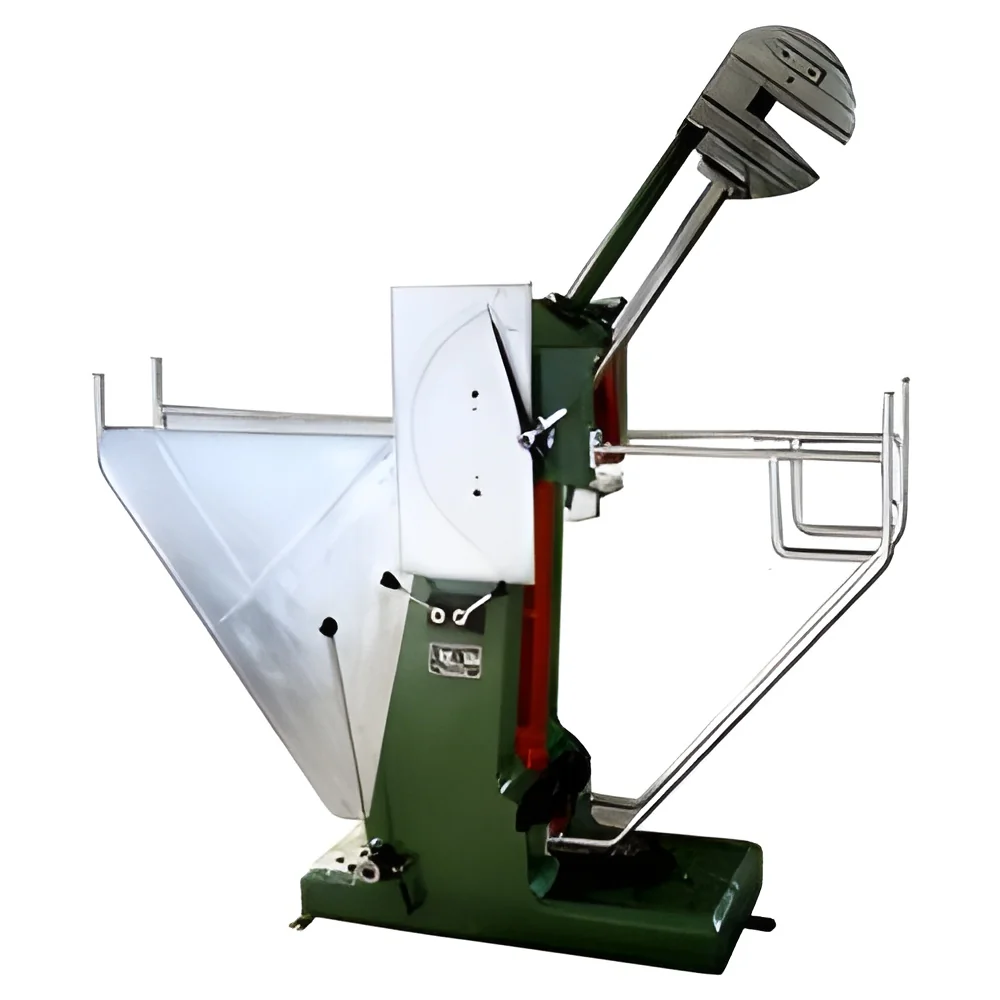
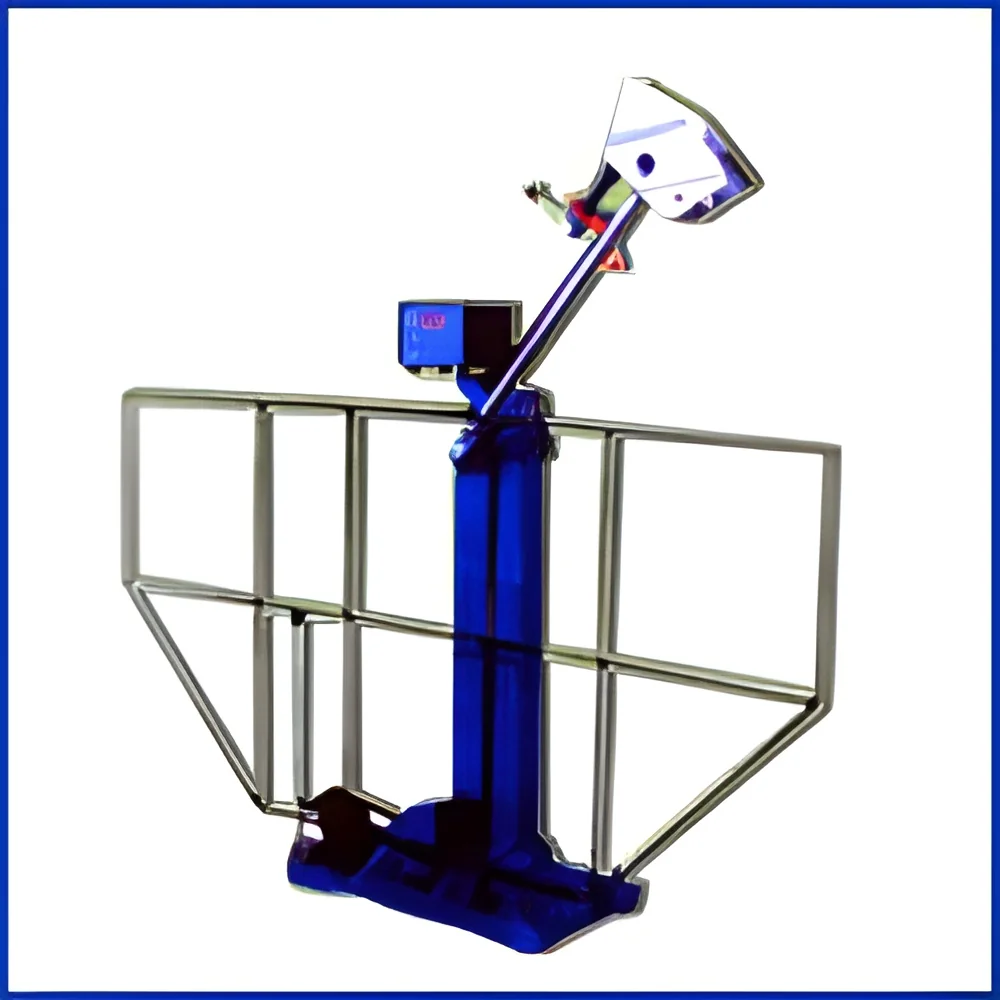
Pendulum Impact Tester
This type uses a pendulum to deliver a controlled impact force. It is versatile and can be used for various materials, including metals and composites.
Universal Impact Tester
A universal impact tester can perform both Charpy and Izod tests, making it suitable for a wider range of applications. It provides flexibility for laboratories requiring multiple testing capabilities.
Benefits and Advantages
Investing in impact testing equipment offers several key benefits for businesses.
1. Quality Assurance: Impact testing helps ensure that materials meet safety and performance standards, reducing the risk of product failure.
2. Enhanced Product Design: By identifying weaknesses in materials, businesses can refine their designs, leading to improved durability and longevity.
3. Compliance with Regulations: Using impact testing equipment ensures adherence to industry standards and regulations, which is crucial for market acceptance.
4. Reduced Liability: Companies that conduct impact testing can reduce their liability by ensuring products are safe for consumers, thus protecting their brand reputation.
5. Increased Customer Confidence: Providing impact test results can enhance customer trust in products, leading to increased sales and loyalty.
6. Streamlined Production: Early identification of material issues can streamline production processes, saving time and costs in the long run.
Buying Guide for B2B Buyers
When sourcing impact testing equipment, several critical factors should be considered to ensure a successful purchase.
1. Quality Assessment: It is essential to evaluate the quality of the equipment by looking for certifications and assessing the reputation of the manufacturer. High-quality equipment will provide more reliable test results.
2. Supplier Verification: Vetting suppliers is crucial to ensure they are reputable and have a track record of delivering reliable products. Look for reviews and testimonials from other businesses.
3. Pricing and MOQ: Understanding the pricing structure and minimum order quantity (MOQ) is important for budgeting. Compare prices across different suppliers to find the best value.
4. Delivery and Lead Times: Consider the logistics involved in obtaining the equipment. Ensure that the supplier can meet your delivery timelines to avoid interruptions in your testing processes.
5. Compliance Requirements: Ensure that the equipment meets all relevant regulatory requirements for your industry. This can include safety standards and operational certifications.
Compliance and Certifications
Impact testing equipment must comply with various quality standards to ensure its reliability and effectiveness.
One important standard is ISO 9001, which focuses on quality management systems. Compliance with this standard ensures that manufacturers maintain consistent quality in their processes and products.
Additionally, industry certifications like CE are vital for demonstrating compliance with European health, safety, and environmental protection standards. This certification is often required for equipment sold in European markets.
Safety and testing requirements are also critical. Equipment must meet regional safety standards to protect users and ensure accurate test results.
In various regions, compliance considerations may differ. It is essential to stay informed about the regulations applicable to the target market to avoid any compliance issues.
Why Source Impact Testing Equipment from Pepagora?
Pepagora provides a trusted platform for sourcing impact testing equipment, offering several key advantages to B2B buyers.
Verified Supplier Network: Pepagora connects buyers with a network of verified suppliers, ensuring that companies can find reliable manufacturers who adhere to quality standards. This verification process helps mitigate risks associated with purchasing.
Streamlined RFQ Process: The request for quotation (RFQ) process on Pepagora is designed to be straightforward and efficient. Buyers can quickly obtain quotes from multiple suppliers, allowing for informed decision-making.
Trade Assurance and Support: Pepagora offers trade assurance, providing buyers with protection throughout the purchasing process. This support builds confidence and ensures that suppliers meet their commitments.
Regional Coverage: Pepagora has a broad geographic reach, covering regions such as India, the Gulf Cooperation Council (GCC), and Southeast Asia. This allows businesses across these areas to access quality impact testing equipment easily.

Frequently Asked Questions
What are Impact Testing Equipment?
Impact Testing Equipment refers to instruments used to measure the resistance of materials to impact forces. These tests are crucial in determining the toughness and ductility of materials, which are essential for ensuring safety and reliability in various applications.
What are the different types of Impact Testing Equipment?
There are several types of Impact Testing Equipment, including Charpy impact testers, Izod impact testers, and drop weight testers. Each type is designed to evaluate different material properties under varying conditions of impact.
How do I choose the right Impact Testing Equipment?
Choosing the right Impact Testing Equipment depends on factors such as the material being tested, the specific properties you wish to measure, and the testing standards applicable to your industry. Consulting with manufacturers and reviewing equipment specifications can help you make an informed decision.
What are the standard specifications for Impact Testing Equipment?
Standard specifications for Impact Testing Equipment typically include parameters such as energy capacity, measurement accuracy, and compliance with testing standards like ASTM or ISO. These specifications ensure that the equipment provides reliable and repeatable results.
What is the price range for Impact Testing Equipment?
The price range for Impact Testing Equipment can vary widely based on the type, manufacturer, and features. Generally, prices can range from a few thousand to several lakhs of Indian Rupees, depending on the complexity and capabilities of the equipment.
What quality standards apply to Impact Testing Equipment?
Impact Testing Equipment must comply with various quality standards, such as ISO 9001 for quality management systems and specific ASTM standards for testing procedures. Adhering to these standards ensures the accuracy and reliability of test results.
Where can I find Impact Testing Equipment suppliers in India?
You can find Impact Testing Equipment suppliers in India through online B2B marketplaces like Pepagora.com, industry trade shows, and manufacturing directories. It's advisable to compare multiple suppliers to find the best options for your needs.
Can Impact Testing Equipment be customized?
Yes, many manufacturers offer customization options for Impact Testing Equipment to meet specific testing requirements or to cater to unique applications. It is best to discuss your needs directly with the supplier to explore available customization options.
What is the typical minimum order quantity for Impact Testing Equipment?
The typical minimum order quantity (MOQ) for Impact Testing Equipment can vary by supplier and the nature of the equipment. Generally, MOQs can range from one unit for standard equipment to larger quantities for custom or specialized equipment.
What is the typical lead time for Impact Testing Equipment?
The typical lead time for Impact Testing Equipment varies depending on the manufacturer, customization requirements, and order volume. Generally, lead times can range from a few weeks to several months, so it's advisable to confirm with the supplier.
Why Businesses Trust Pepagora
Thousands of companies trust Pepagora to source smarter and sell faster
Expand Your Sales Globally

Source Smarter,Grow Faster
