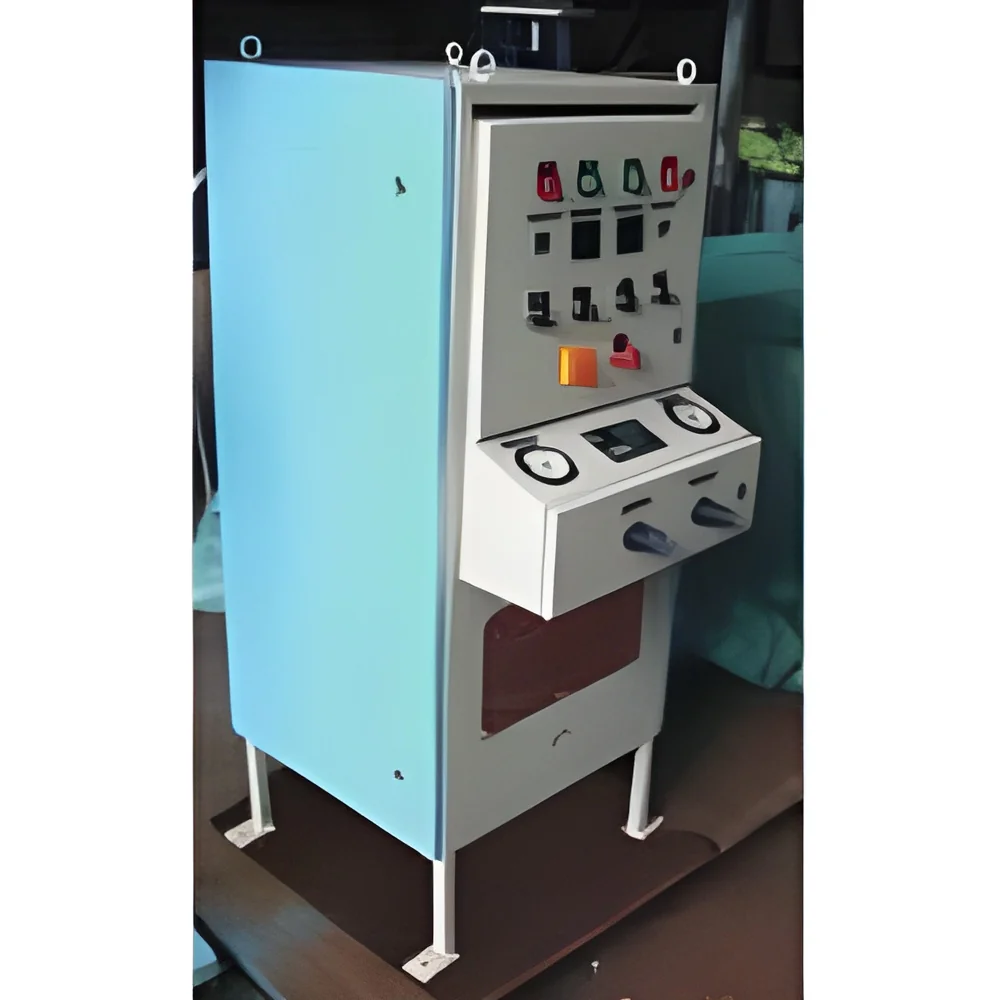
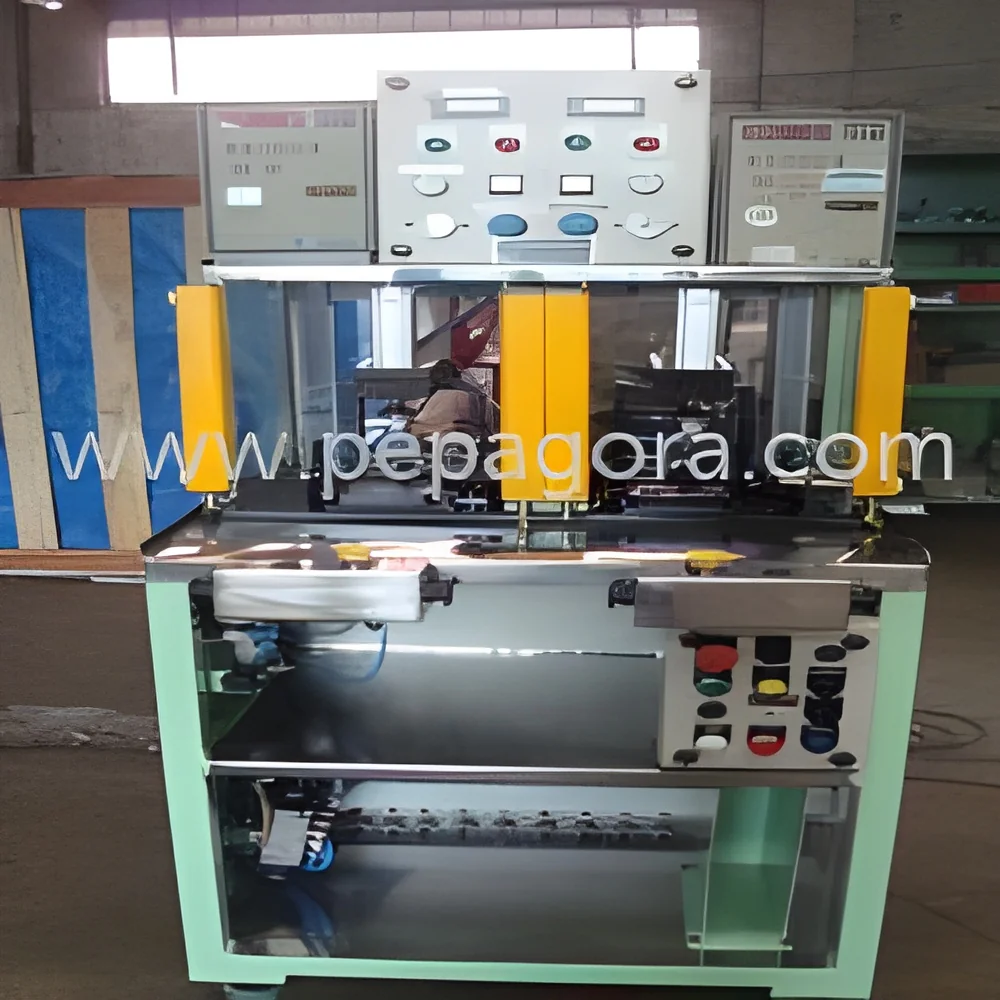
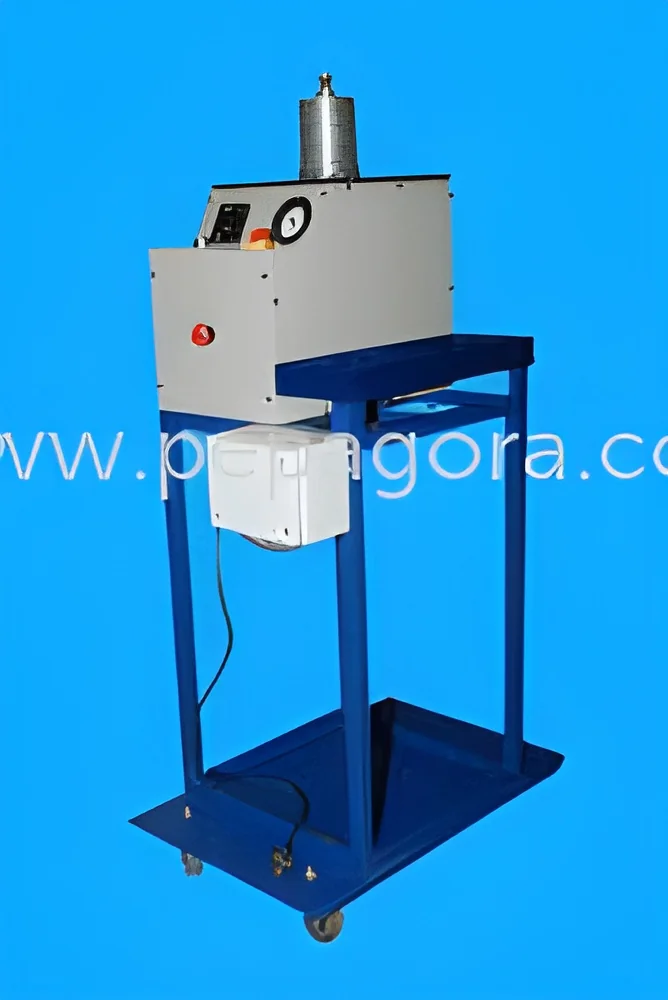
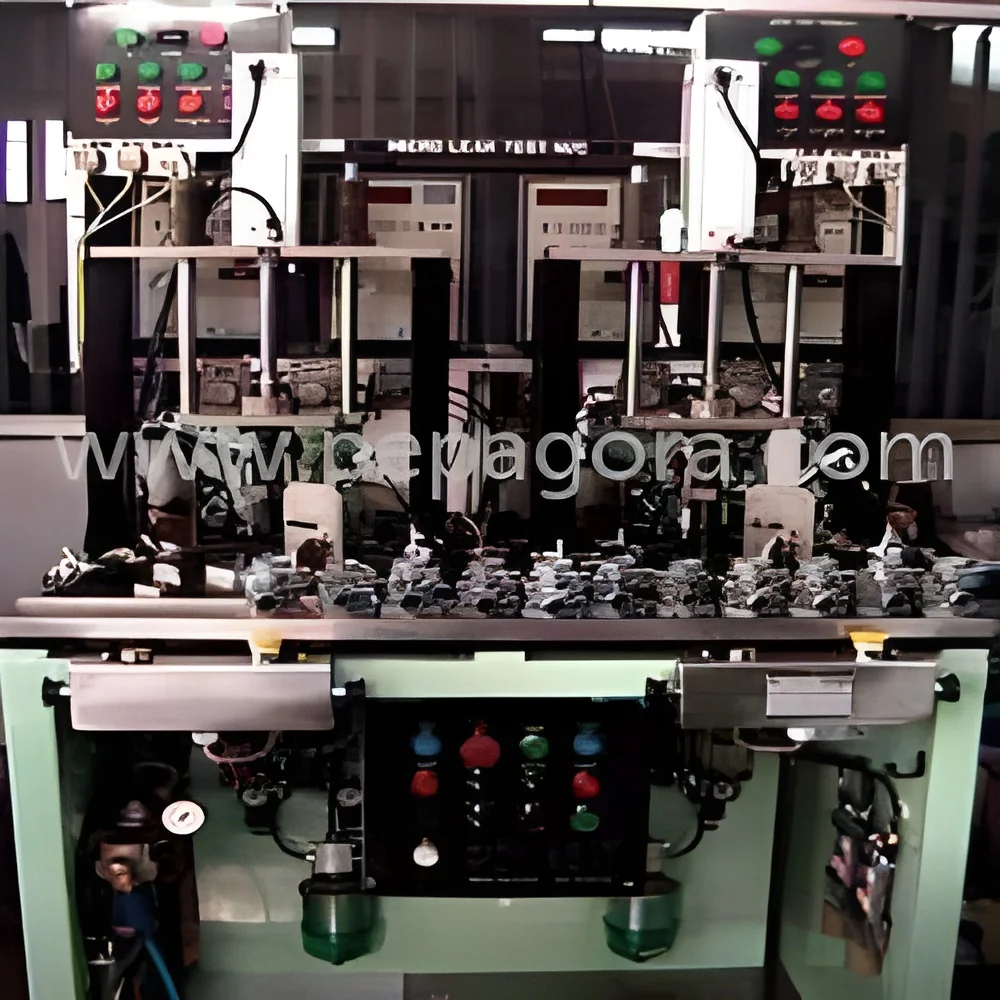
What are Vacuum Leak Testers?
Vacuum leak testers are specialized tools used to detect leaks in various industrial applications. They function by creating a vacuum within a sealed system and monitoring the pressure changes over time. If there is a leak, the pressure will drop, indicating a failure in the integrity of the seal or component being tested. These devices are crucial for ensuring the reliability and performance of many products, especially those that must maintain a vacuum or contain gases and liquids.
The primary uses of vacuum leak testers span a wide range of industries, including automotive, aerospace, electronics, and pharmaceuticals. In automotive manufacturing, for example, they are used to test fuel systems and air conditioning units. In the pharmaceutical industry, these testers ensure that packaging is airtight to protect sensitive drugs. Their ability to detect even the smallest leaks makes them valuable for maintaining product quality and compliance with industry standards.
With the growing emphasis on product integrity and safety, vacuum leak testers are becoming increasingly relevant in today's market. Companies are investing in these tools not only to meet regulatory requirements but also to enhance customer satisfaction by ensuring that their products perform as expected. The demand for reliable testing solutions continues to rise, highlighting the importance of vacuum leak testers in modern manufacturing processes.
Key Features and Specifications
Vacuum leak testers come equipped with several features that enhance their performance and usability. These features are designed to provide accurate leak detection and reliable results across various applications.
Key specifications include:
1. Test Pressure Range
- Typically ranges from 1 mbar to 1000 mbar.
- Enables testing of both high and low vacuum systems.
2. Measurement Accuracy
- Generally offers accuracy levels of ±0.5% to ±1%.
- Ensures precise detection of leaks.
3. Display Type
- Often features digital displays for easy readability.
- Some models include touchscreen interfaces for enhanced control.
4. Pump Type
- Utilizes rotary vane or diaphragm pumps.
- Selection depends on the required vacuum level and application.
5. Leak Rate Measurement
- Capable of measuring leak rates in mbar.l/s or cc/s.
- Helps in quantifying the severity of leaks.
6. Operating Temperature Range
- Typically operates between 0°C to 50°C.
- Allows for usage in various environments.
7. Portability
- Many models are designed to be lightweight and portable.
- Facilitates ease of use in different locations.
8. Power Supply
- Can be battery-operated or come with AC power options.
- Provides flexibility for different operational settings.
In summary, these features and specifications enable vacuum leak testers to meet the diverse needs of various industries, ensuring accurate and efficient leak detection.
Common Applications and Use Cases
Vacuum leak testers find applications across multiple sectors, each benefiting from their ability to ensure product integrity and safety.
1. Automotive Industry: Vacuum leak testers are widely used to test fuel systems, air conditioning components, and vacuum lines in vehicles to prevent failures that could lead to safety hazards or performance issues.
2. Aerospace Industry: These testers are essential for checking fuel tanks, hydraulic systems, and other critical components in aircraft, ensuring that they meet stringent safety regulations.
3. Electronics Manufacturing: Vacuum leak testers help in verifying the integrity of sealed electronic devices and components, such as batteries and circuit boards, protecting them from moisture and contaminants.
4. Pharmaceutical Industry: Used to test packaging integrity for medications and vaccines, vacuum leak testers ensure that products remain uncontaminated and effective throughout their shelf life.
5. Food and Beverage Industry: In this sector, vacuum leak testers are employed to ensure airtight packaging, preserving the quality and freshness of food products.
6. HVAC Systems: These testers help in diagnosing leaks in heating, ventilation, and air conditioning systems, contributing to energy efficiency and system performance.
7. Medical Devices: Vacuum leak testers are critical for ensuring the safety and reliability of medical devices that must maintain sterile environments.
Product Variants and Subcategories
Vacuum leak testers are available in various forms, each tailored to meet specific testing needs. This diversity allows businesses to choose the right type based on their unique requirements.
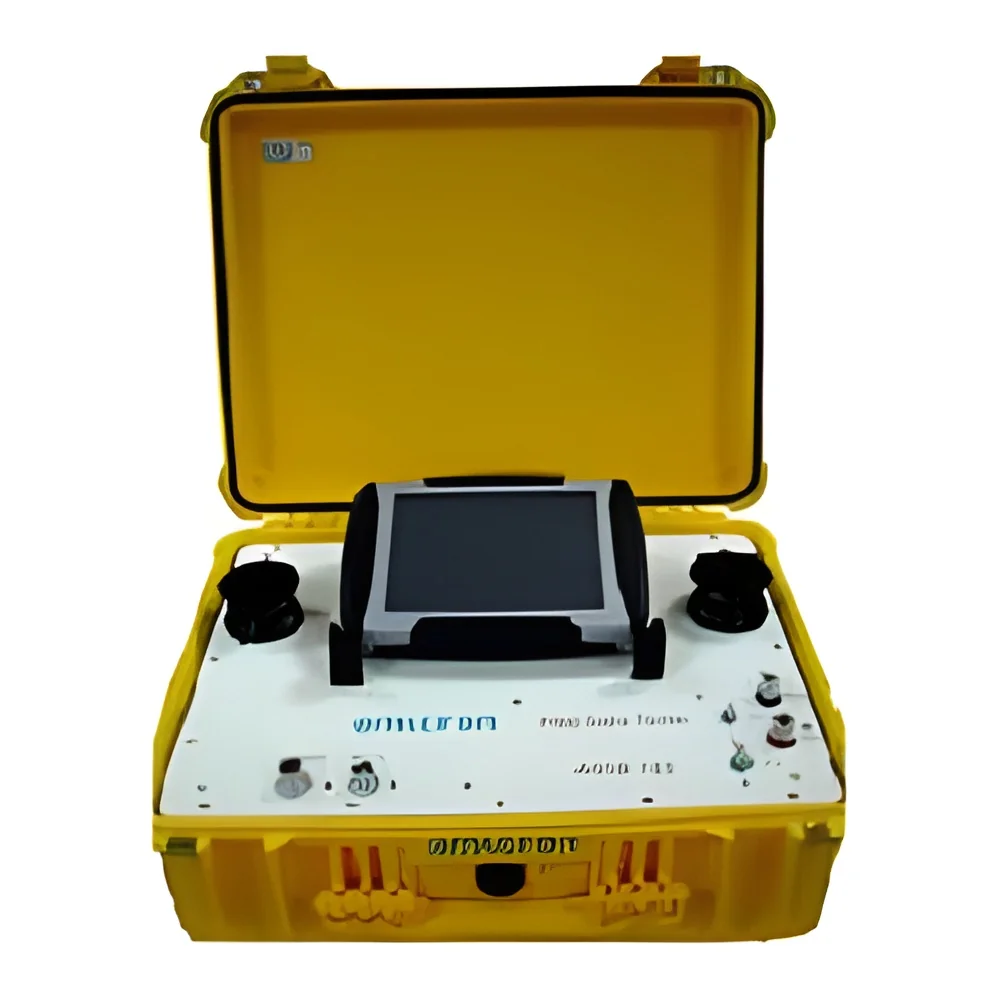
Portable Vacuum Leak Testers: These compact devices are designed for field use, making them easy to transport and operate in different environments. They often feature battery power options and user-friendly interfaces.
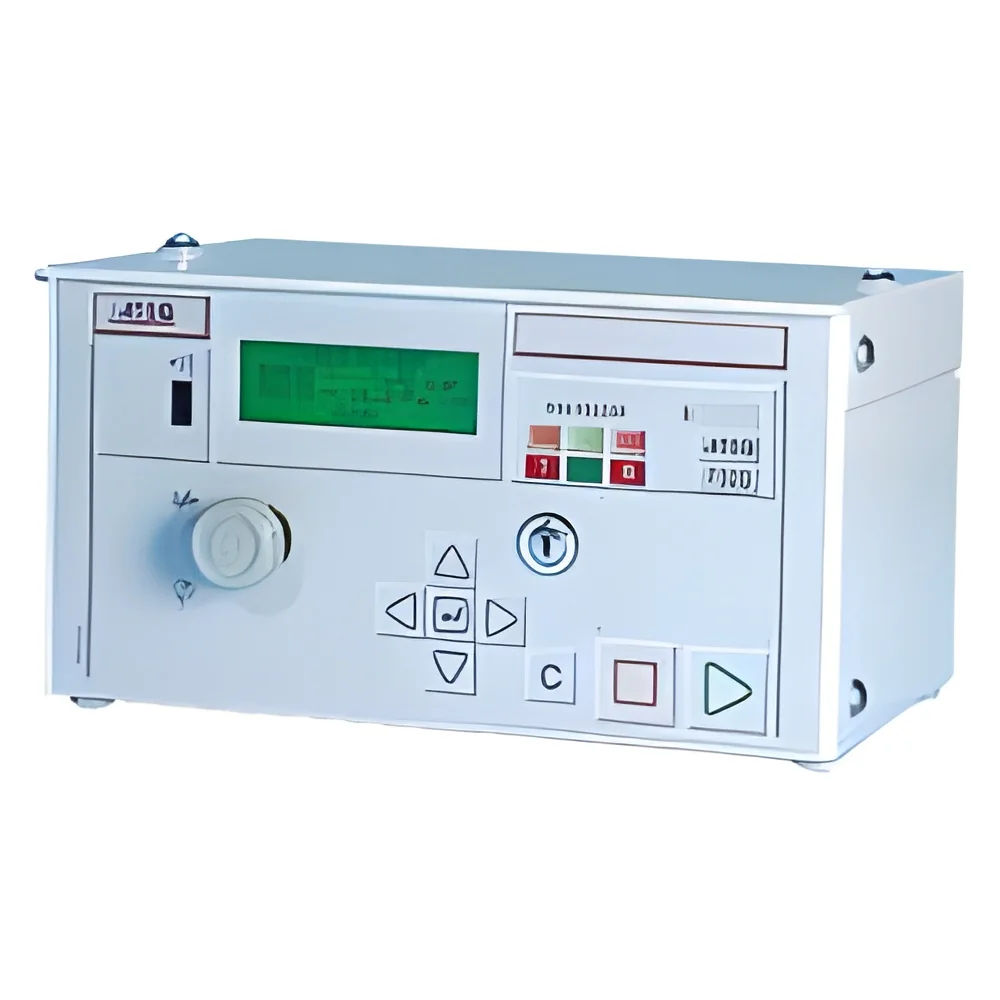
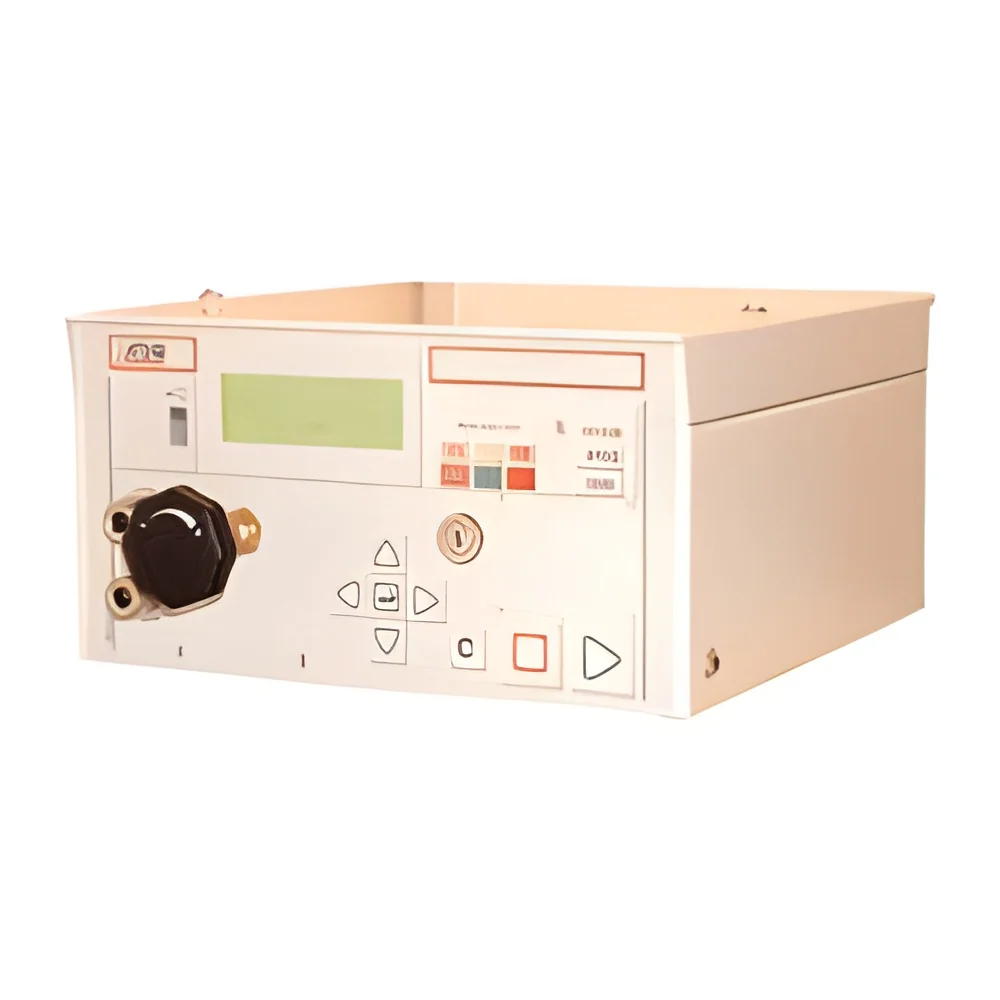
Bench-Top Vacuum Leak Testers: Ideal for laboratory settings, these testers provide high precision and are equipped with advanced monitoring features. They are suitable for extensive testing of multiple components in a controlled environment.
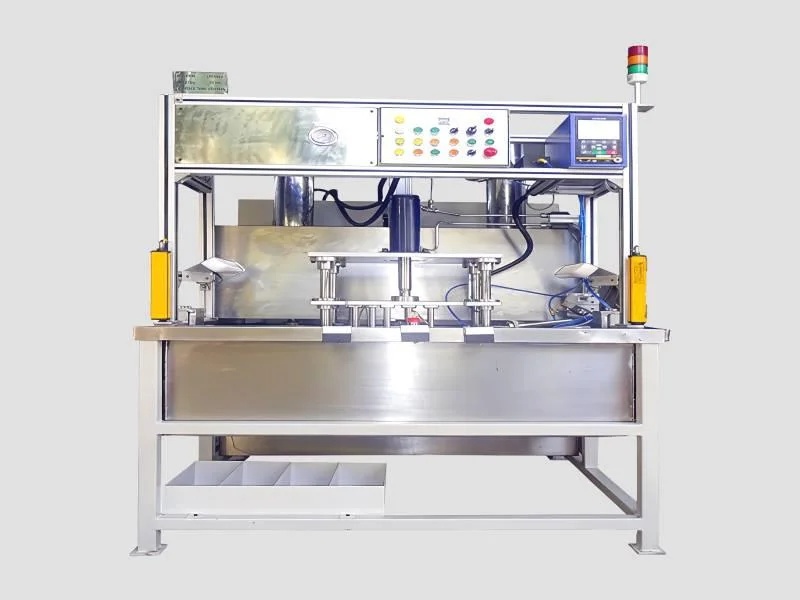
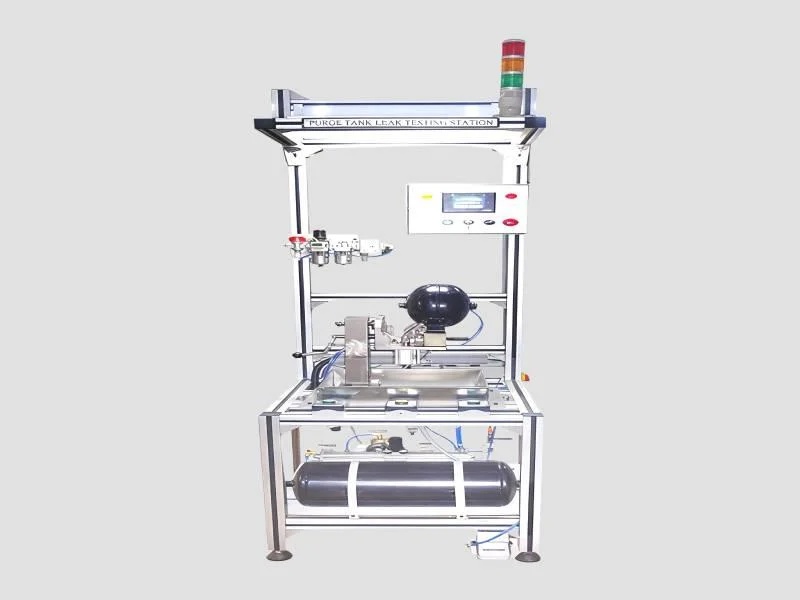
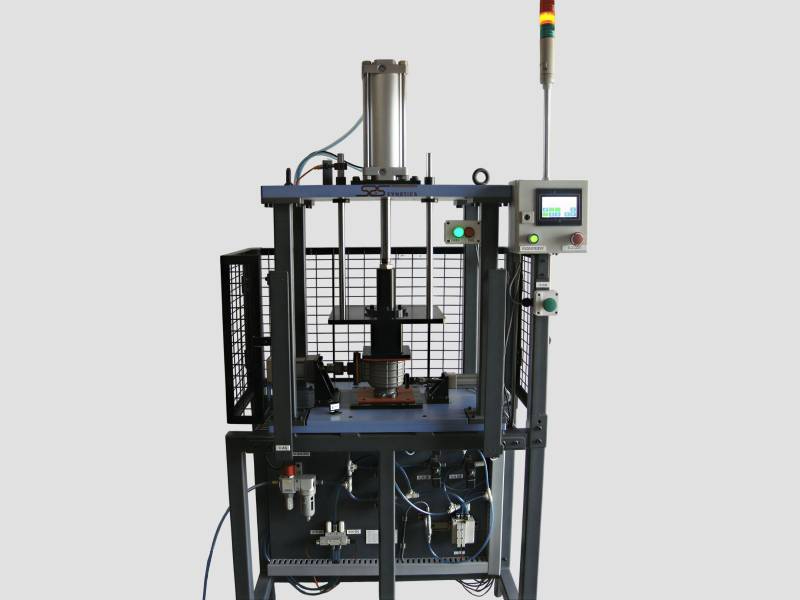
Automated Vacuum Leak Testers: These systems are integrated into production lines, allowing for continuous monitoring and testing without manual intervention. They enhance efficiency and reduce the risk of human error.
Benefits and Advantages
Investing in vacuum leak testers offers numerous benefits for businesses looking to enhance their quality assurance processes.
1. Improved Product Quality: Vacuum leak testers help identify and rectify leaks, ensuring that products meet safety and performance standards.
2. Enhanced Efficiency: By detecting leaks early, companies can reduce waste and minimize rework, leading to increased operational efficiency.
3. Regulatory Compliance: These testers assist businesses in meeting industry regulations, thereby avoiding potential penalties and enhancing their market reputation.
4. Cost Savings: Preventing leaks can lead to significant savings in materials and energy costs, as well as reduced warranty claims and returns.
5. Versatility: Vacuum leak testers can be used across multiple industries and applications, making them a valuable investment for various businesses.
6. Increased Customer Satisfaction: Ensuring product reliability leads to higher customer confidence and satisfaction, positively impacting brand loyalty.
Buying Guide for B2B Buyers
When sourcing vacuum leak testers, it is essential for businesses to consider several key factors to ensure they select the right equipment for their needs.
1. Quality Assessment: Evaluate the quality of the vacuum leak tester by reviewing specifications, customer reviews, and manufacturer reputation. Look for models that meet industry standards for accuracy and durability.
2. Supplier Verification: Vet suppliers carefully to ensure they are reliable and have a track record of delivering quality products. Consider their certification and customer service capabilities.
3. Pricing and MOQ: Understand the pricing structure and minimum order quantities to make informed purchasing decisions. Compare quotes from different suppliers to find the best value.
4. Delivery and Lead Times: Assess the logistics of delivery, including lead times. Timely delivery is crucial for maintaining production schedules and avoiding downtime.
5. Compliance Requirements: Ensure that the vacuum leak testers meet relevant regulatory and compliance standards, including safety certifications and quality assurance levels.
Compliance and Certifications
Vacuum leak testers must adhere to various quality standards and certifications that ensure their reliability and safety in industrial applications.
ISO 9001 is a widely recognized standard that specifies requirements for quality management systems. Compliance with ISO 9001 indicates that the manufacturer follows rigorous quality control processes, ensuring the testers are produced to high standards.
CE certification is another important indicator of quality, particularly in the European market. It signifies that the product meets EU safety, health, and environmental requirements, making it suitable for use in those regions.
In addition to these standards, specific industries may have their own compliance requirements, such as HACCP in the food sector or GDP in pharmaceuticals. Meeting these standards is essential for manufacturers to maintain product integrity and safety.
Regional compliance considerations also play a significant role. Different countries have varying regulations that impact how products are tested and certified. Businesses should be aware of these requirements when sourcing vacuum leak testers for their operations.
Why Source Vacuum Leak Testers from Pepagora?
Pepagora provides a trusted platform for sourcing vacuum leak testers, offering several key advantages for B2B buyers.
Verified Supplier Network: The platform features a network of verified suppliers, ensuring that buyers can source quality products with confidence. Rigorous vetting processes help maintain high standards among suppliers.
Streamlined RFQ Process: Pepagora simplifies the request for quotation process, making it easier for buyers to compare options and receive competitive quotes from multiple suppliers. This efficiency aids in faster decision-making.
Trade Assurance and Support: Buyers can benefit from trade assurance, which provides protection in transactions, ensuring that they receive the products as described. Support services are also available to assist with any inquiries.
Regional Coverage: With a strong presence in markets such as India, the GCC, and Southeast Asia, Pepagora offers comprehensive regional coverage. This geographic reach allows businesses to connect with local suppliers and navigate specific market needs effectively.

 IN
IN