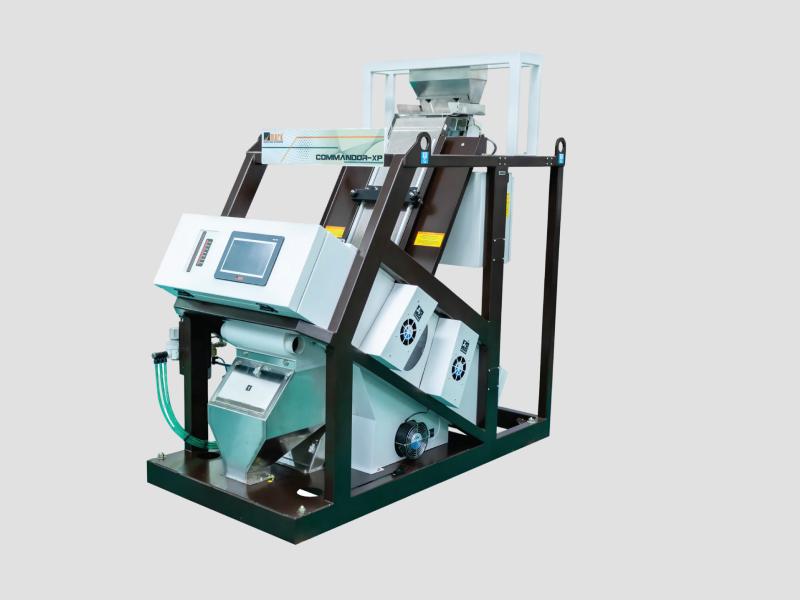
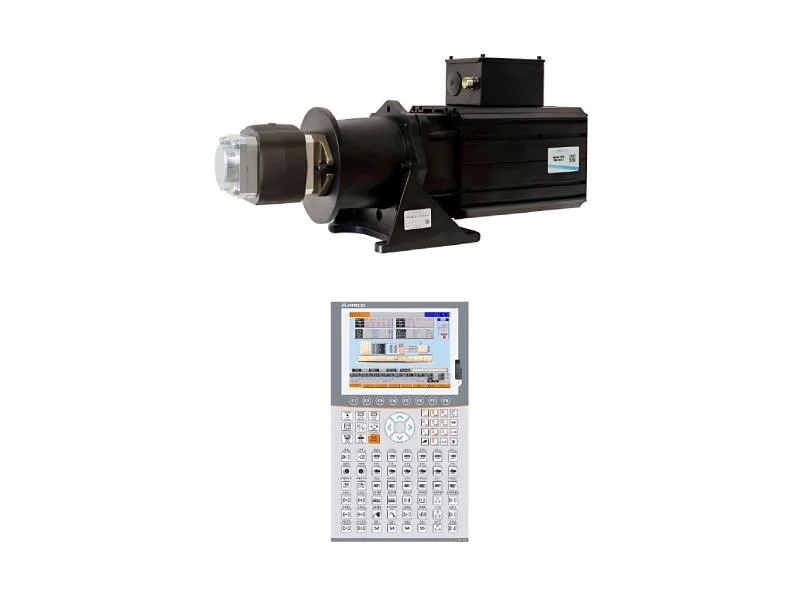
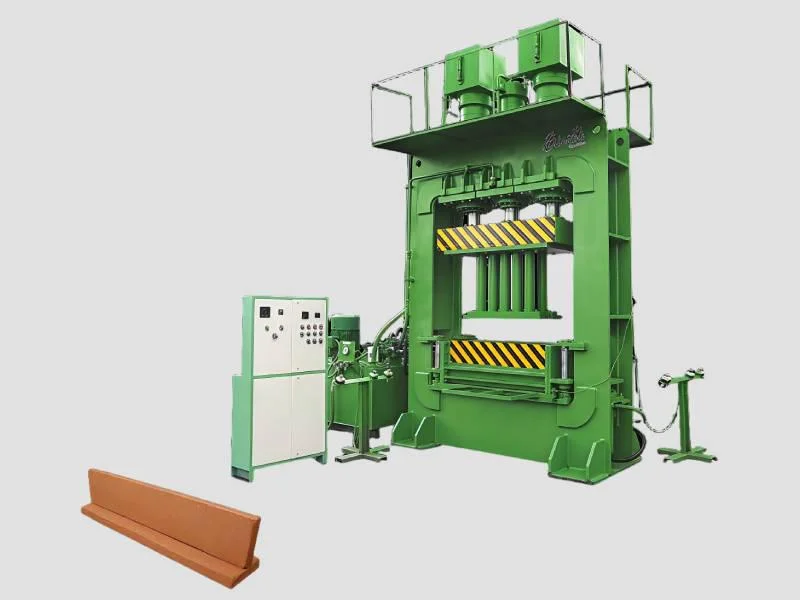
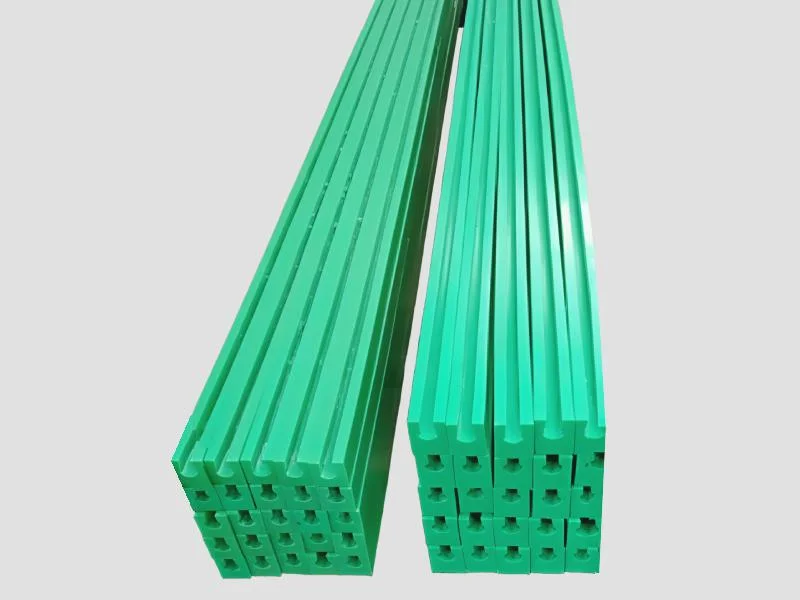
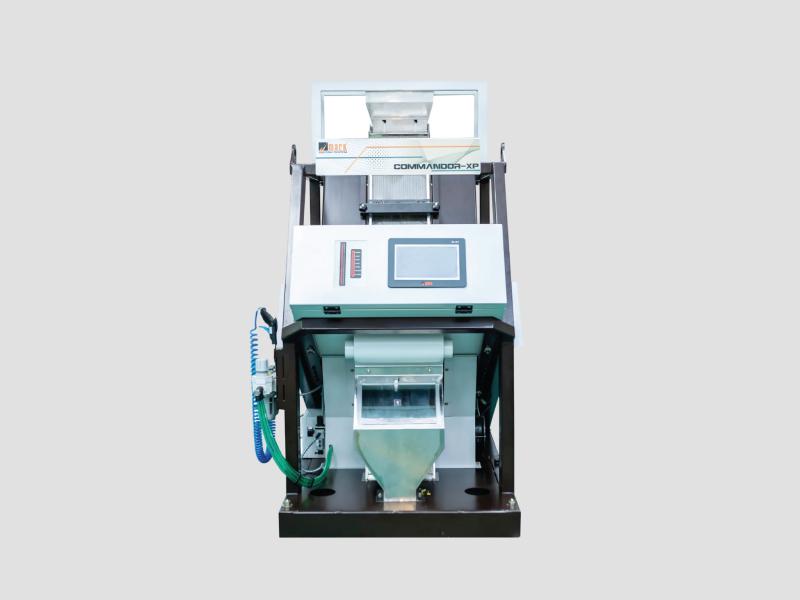
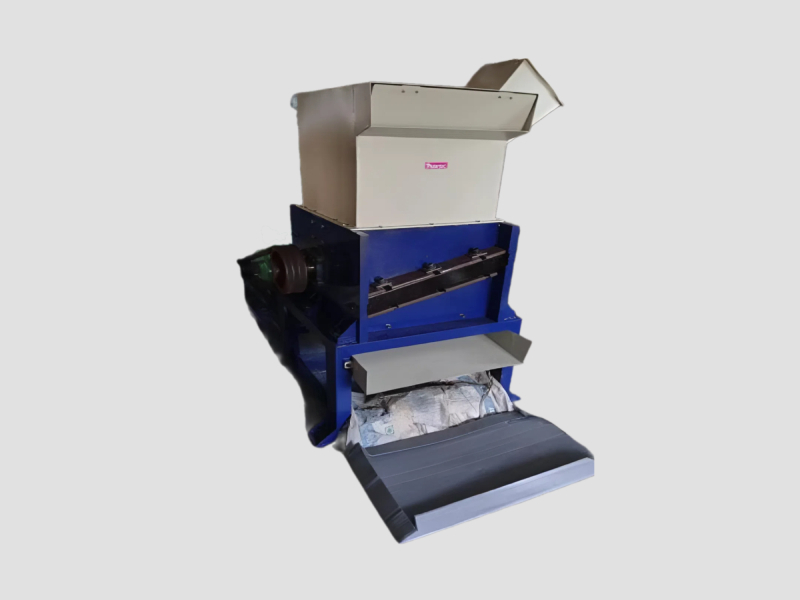
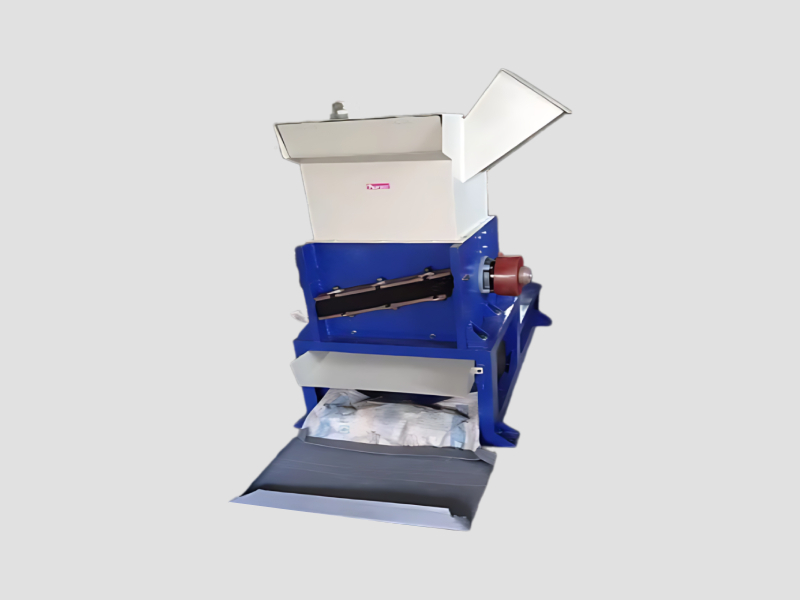
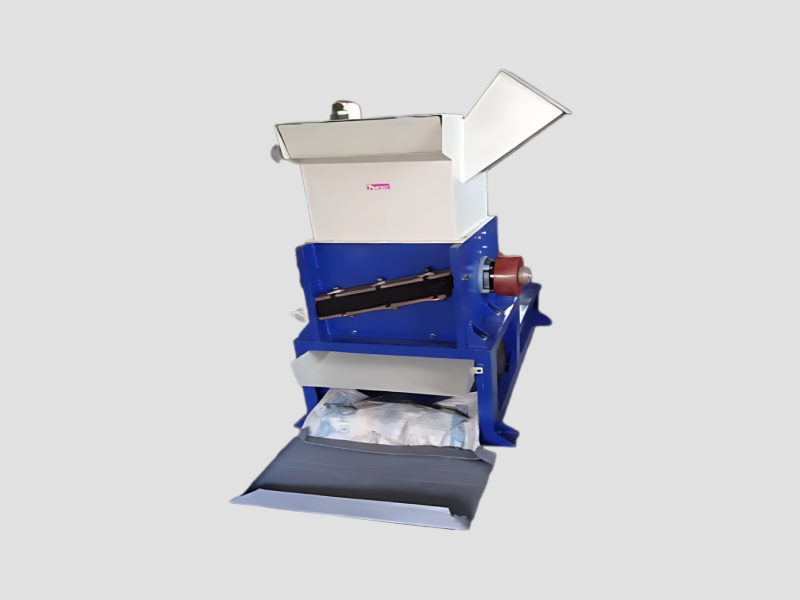
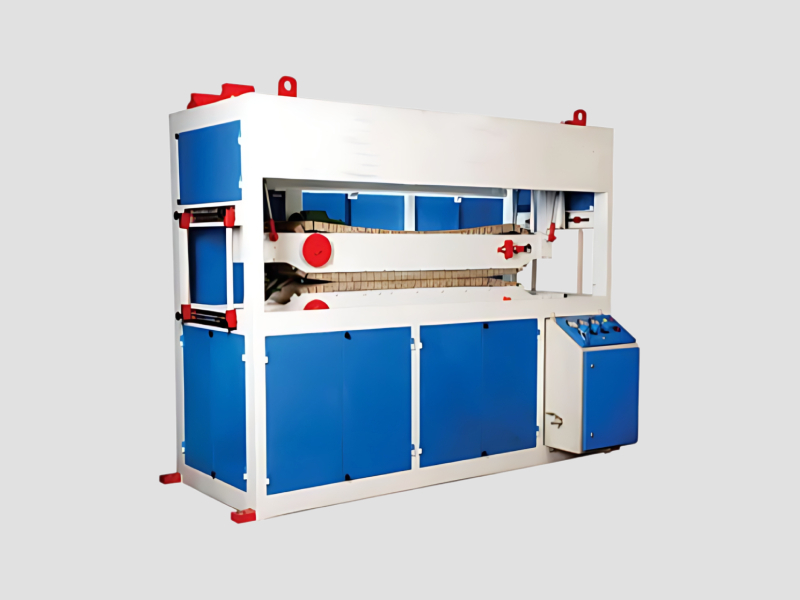
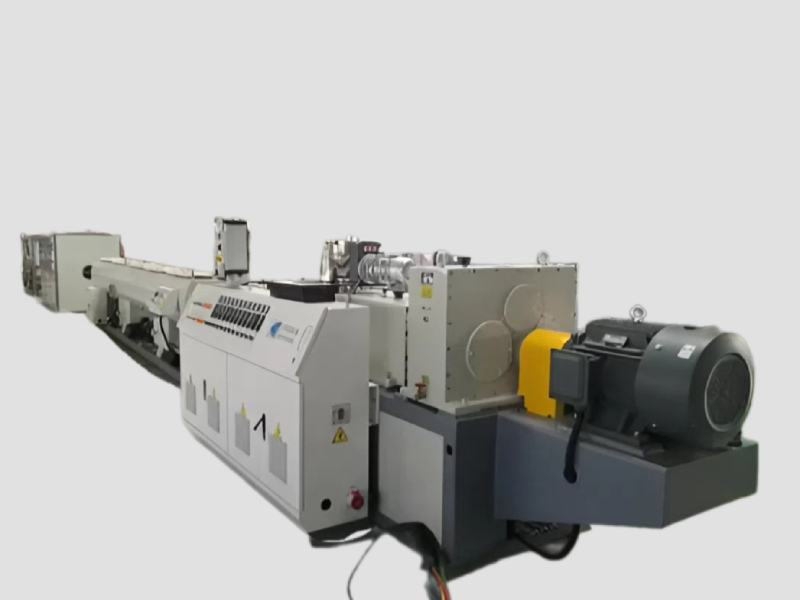
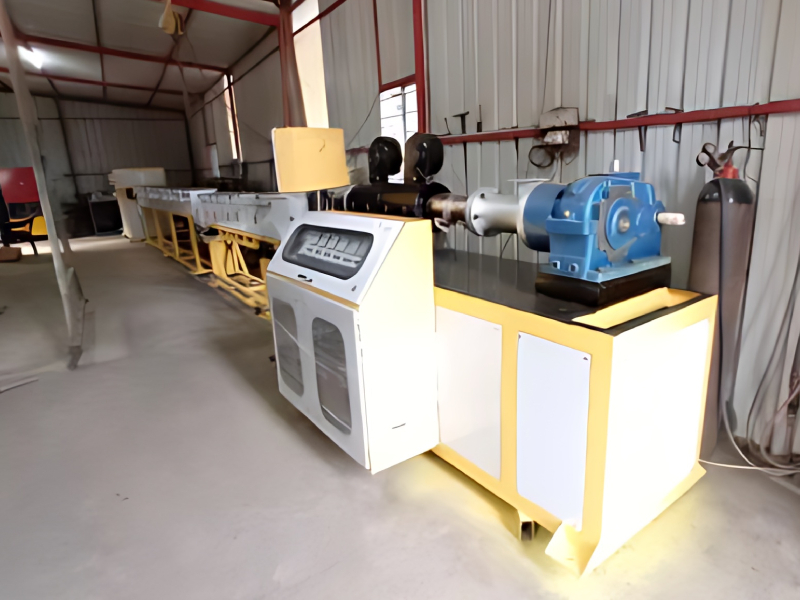
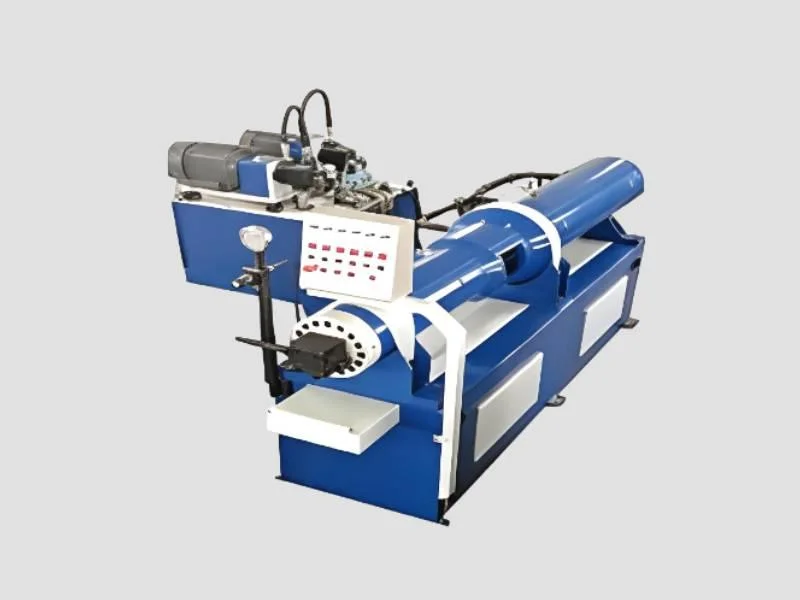
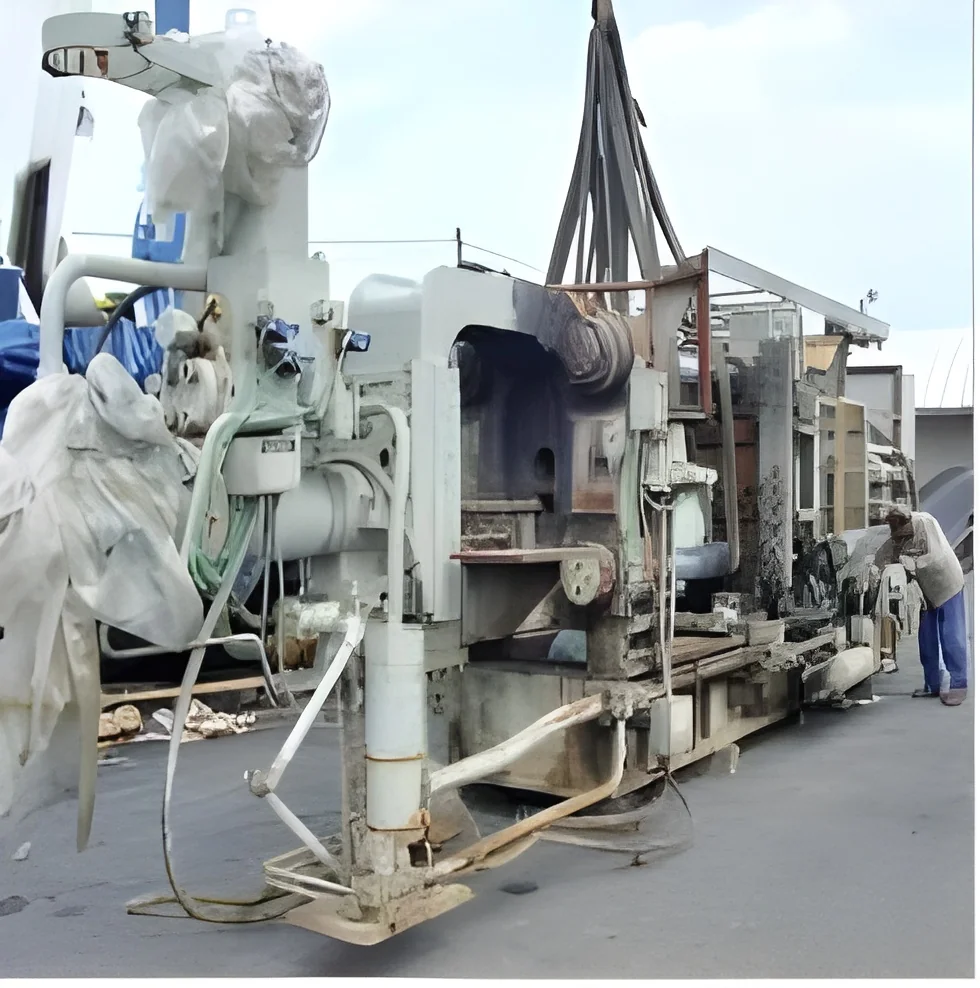
𝗪𝗵𝗮𝘁 𝗮𝗿𝗲 𝗣𝗹𝗮𝘀𝘁𝗶𝗰 𝗣𝗿𝗼𝗰𝗲𝘀𝘀𝗶𝗻𝗴 𝗠𝗮𝗰𝗵𝗶𝗻𝗲𝗿𝘆?
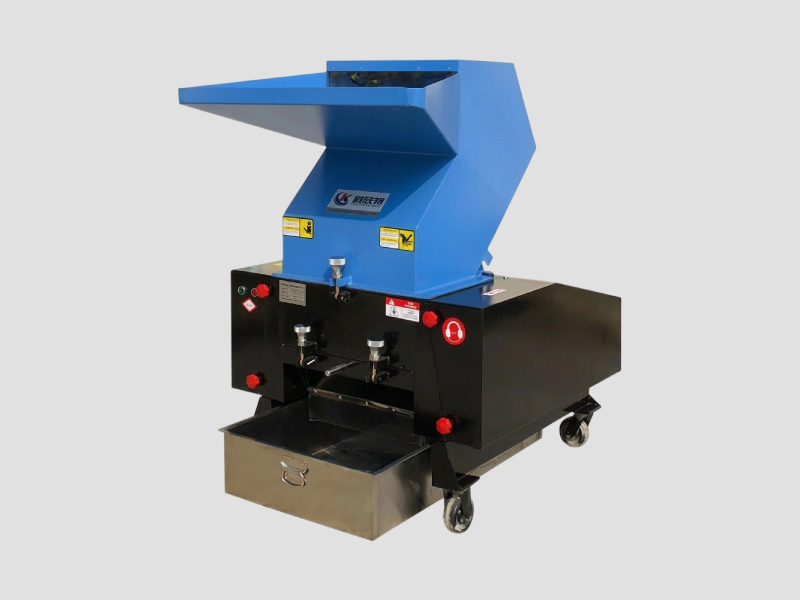
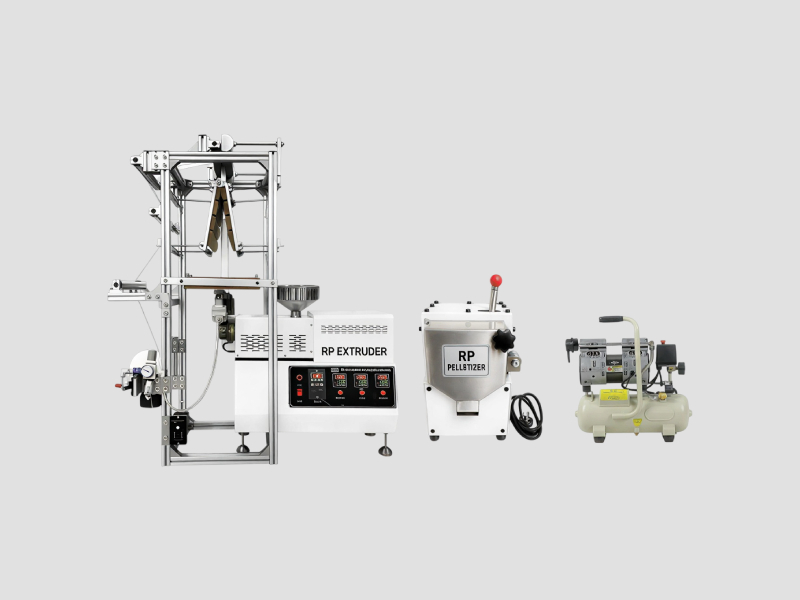
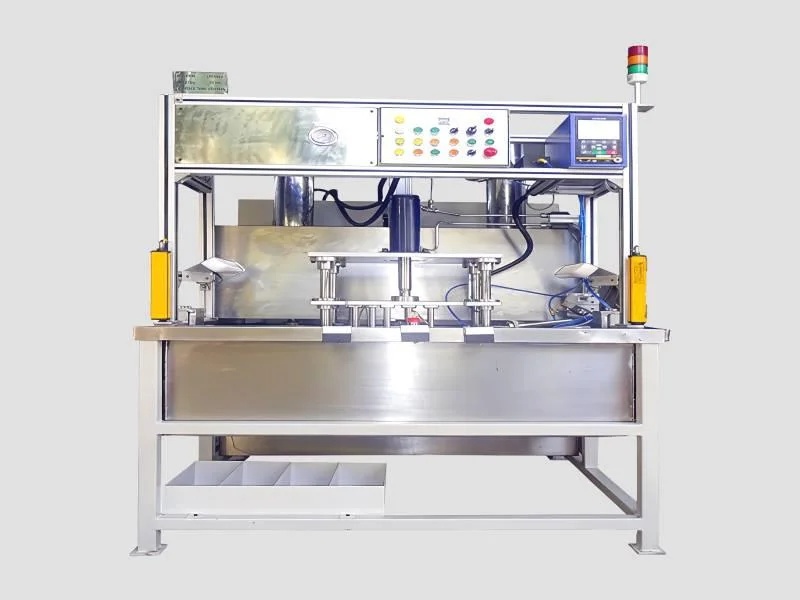
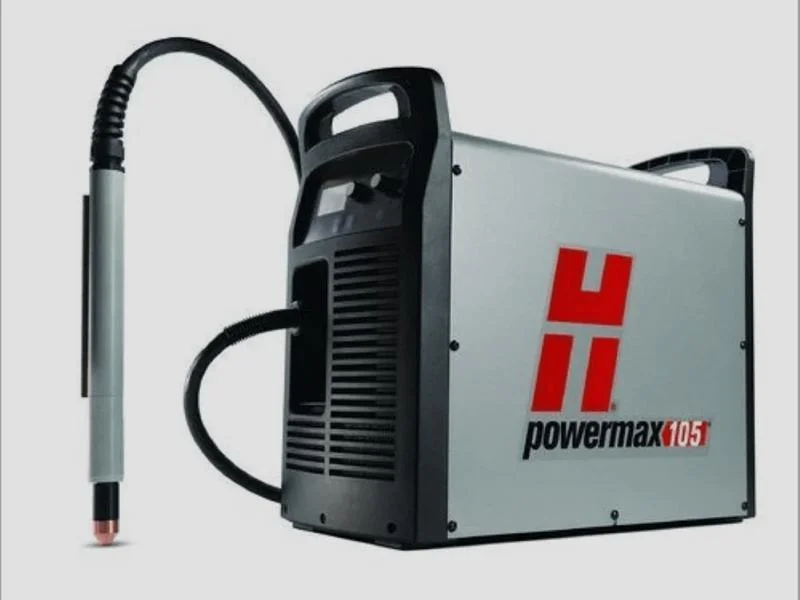
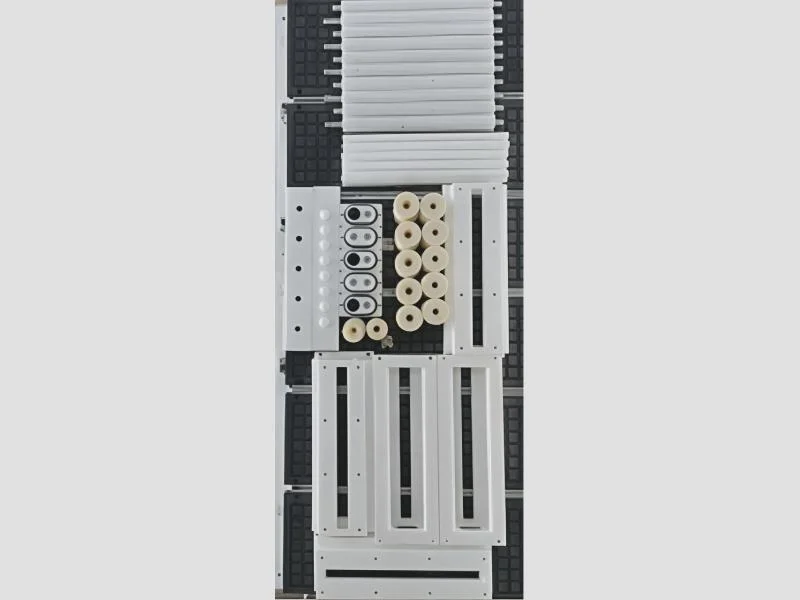
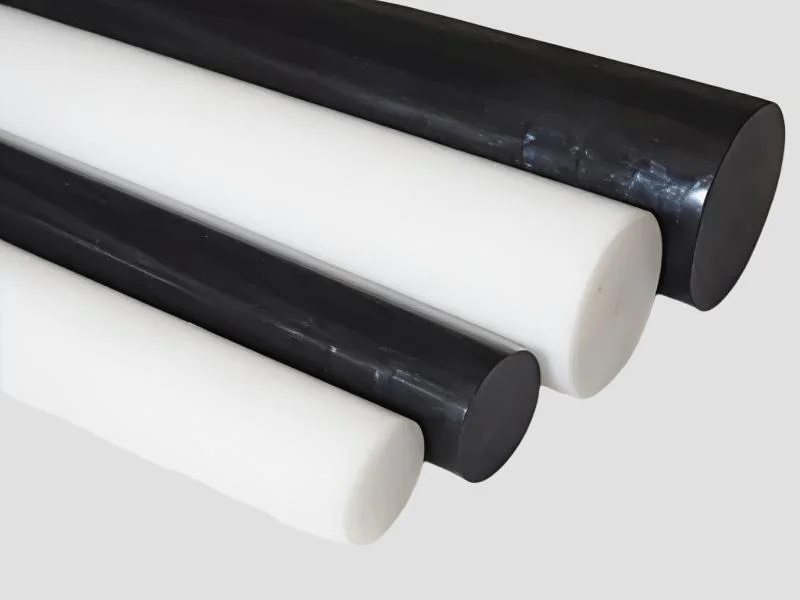
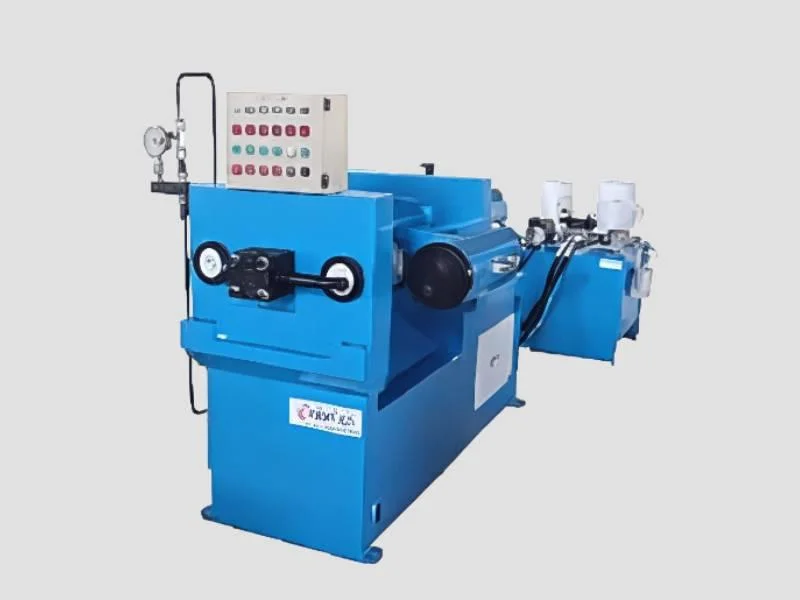
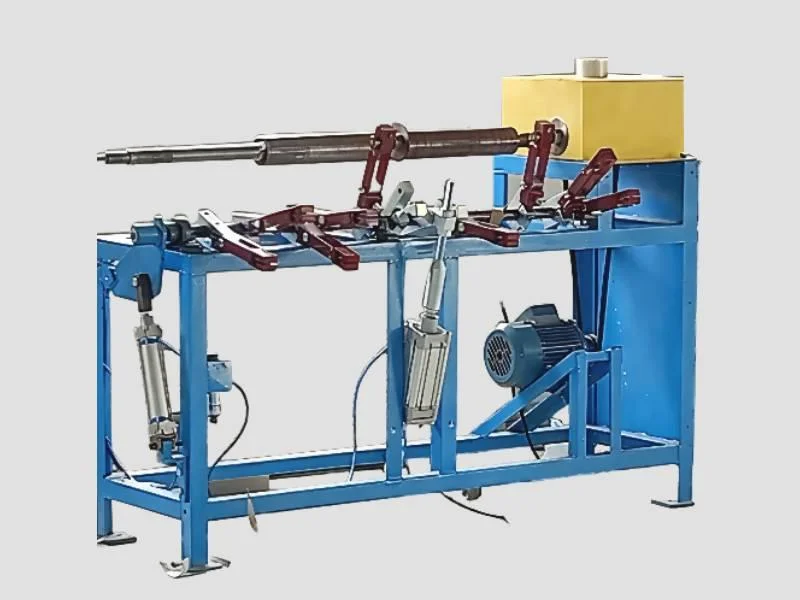
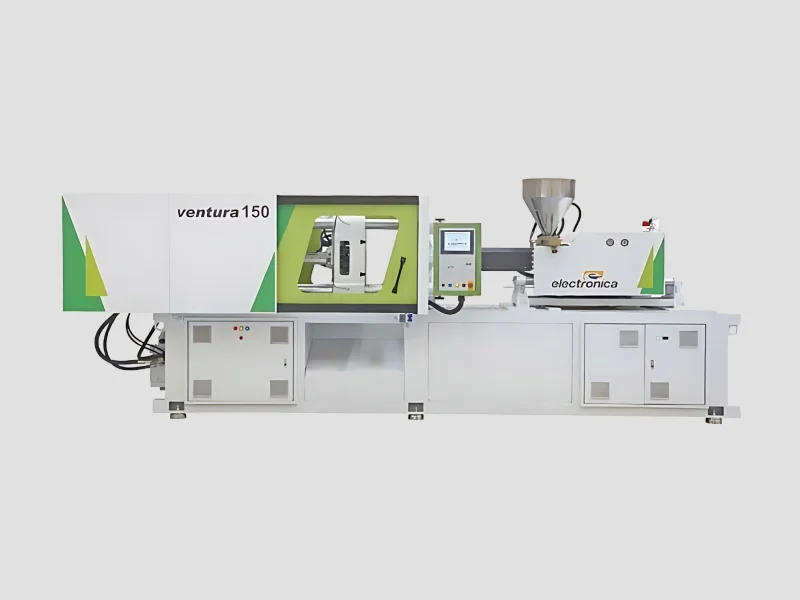
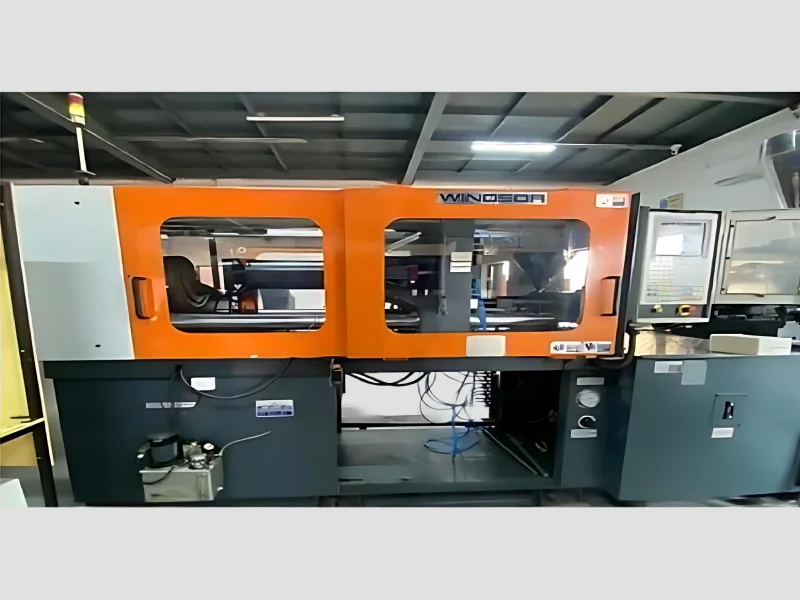
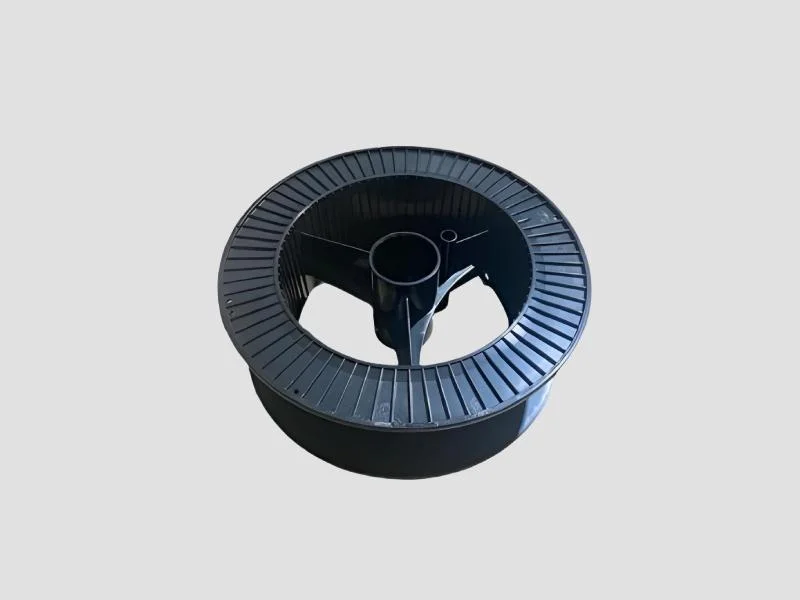
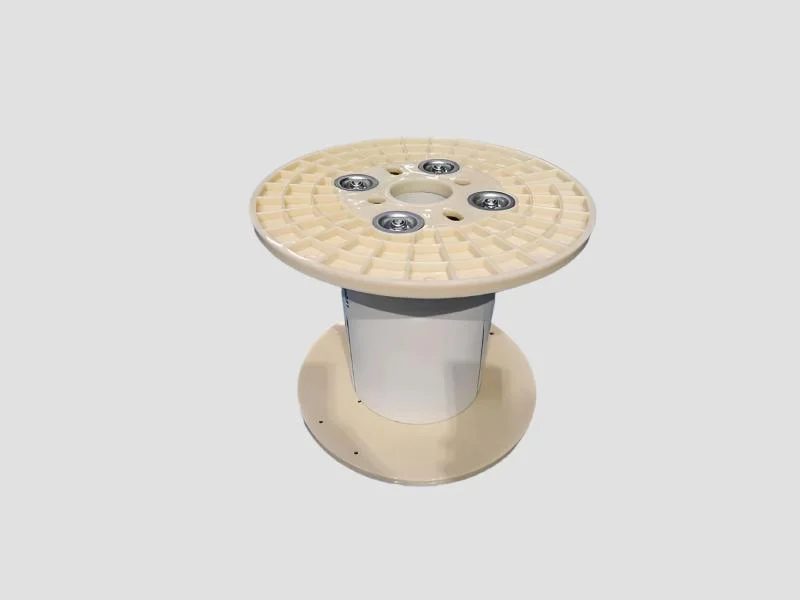
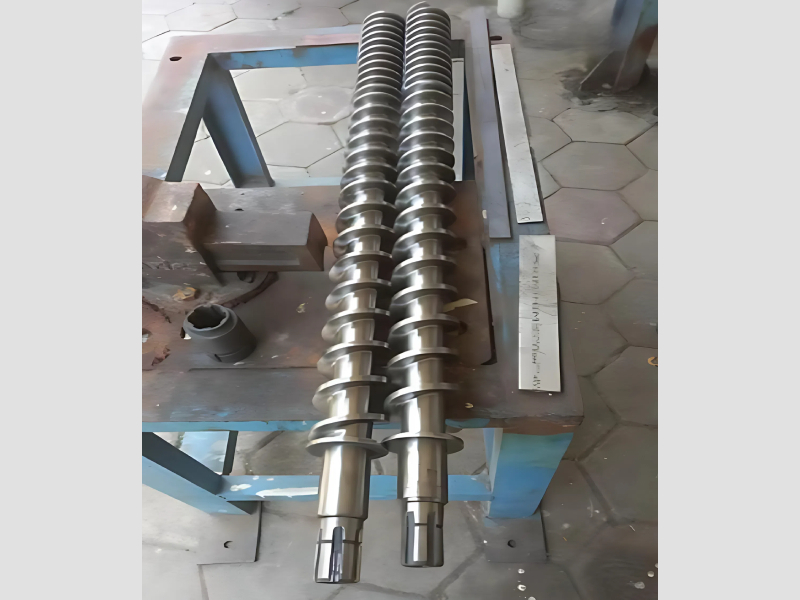
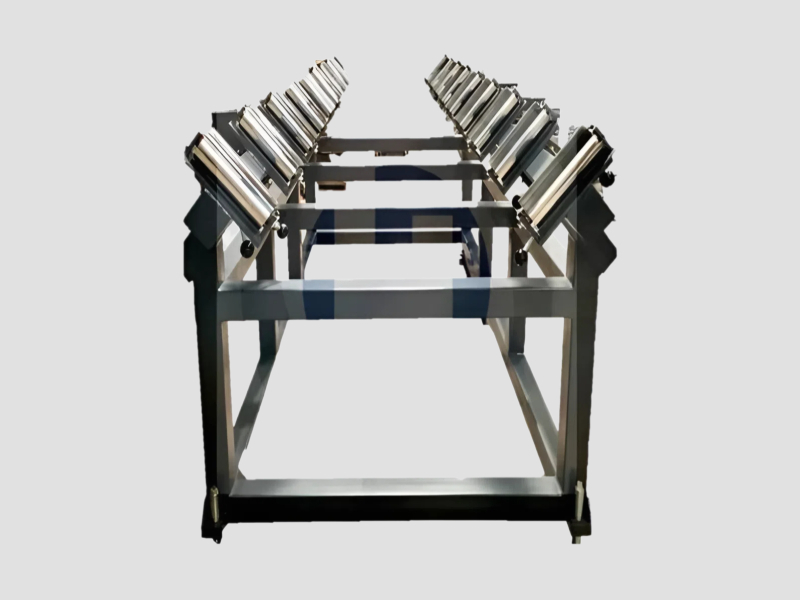
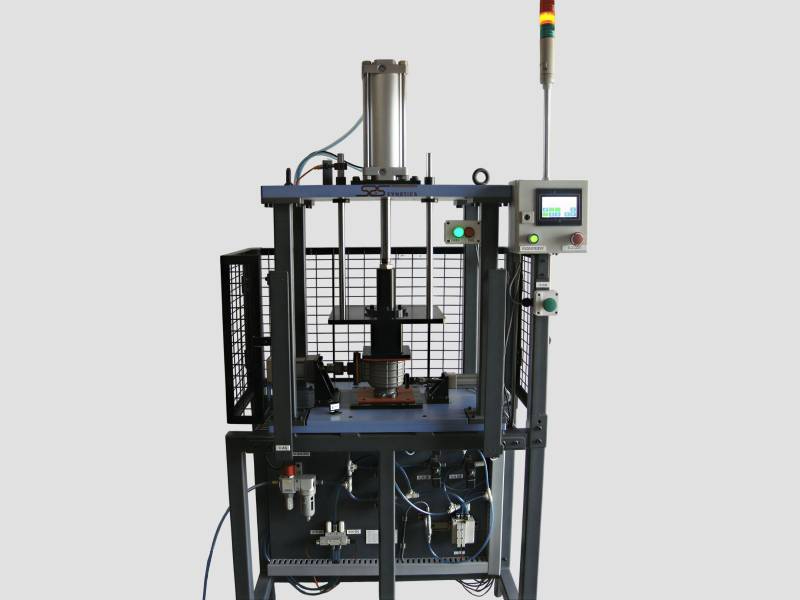
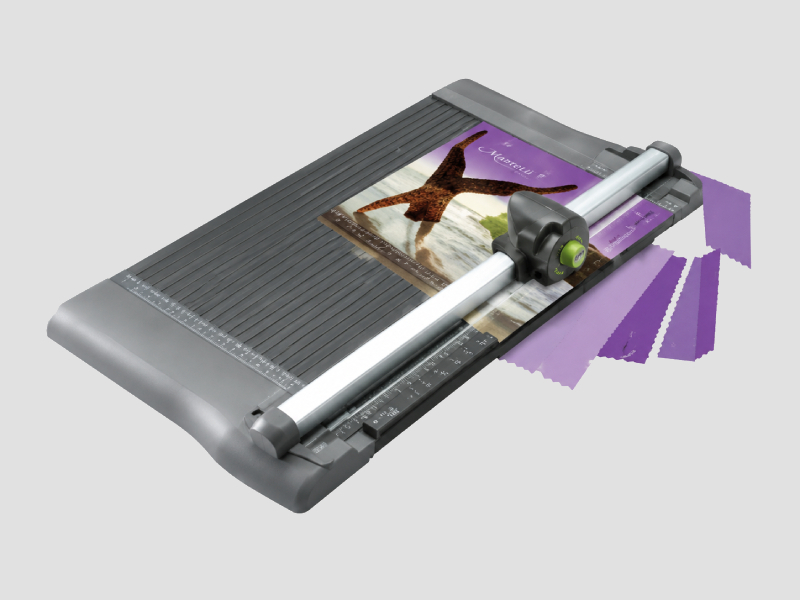
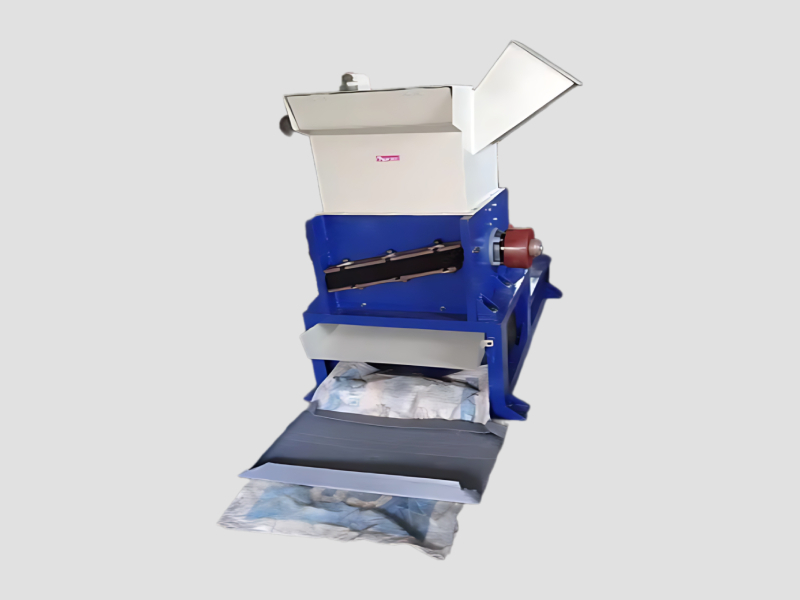
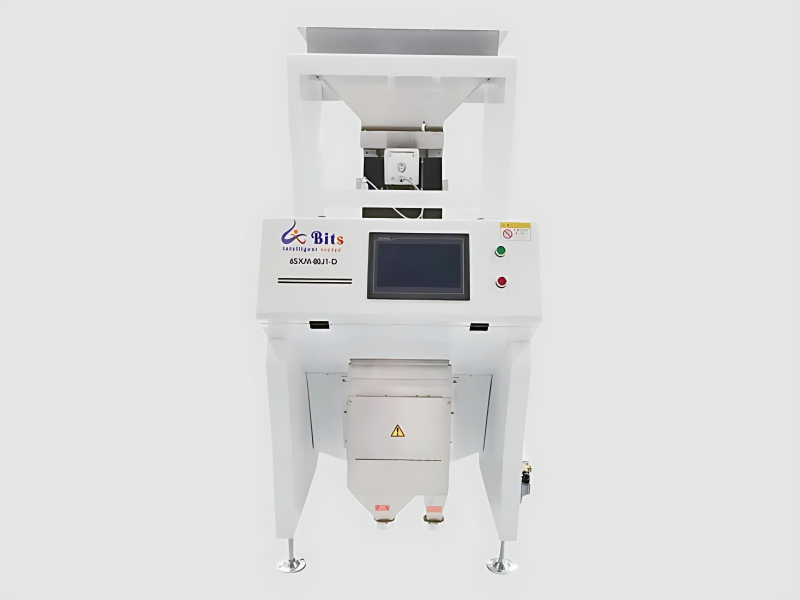
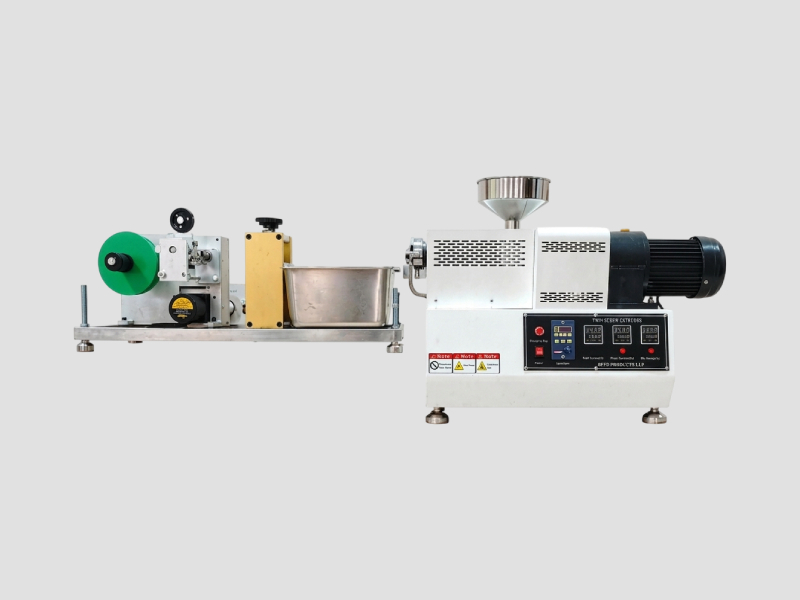
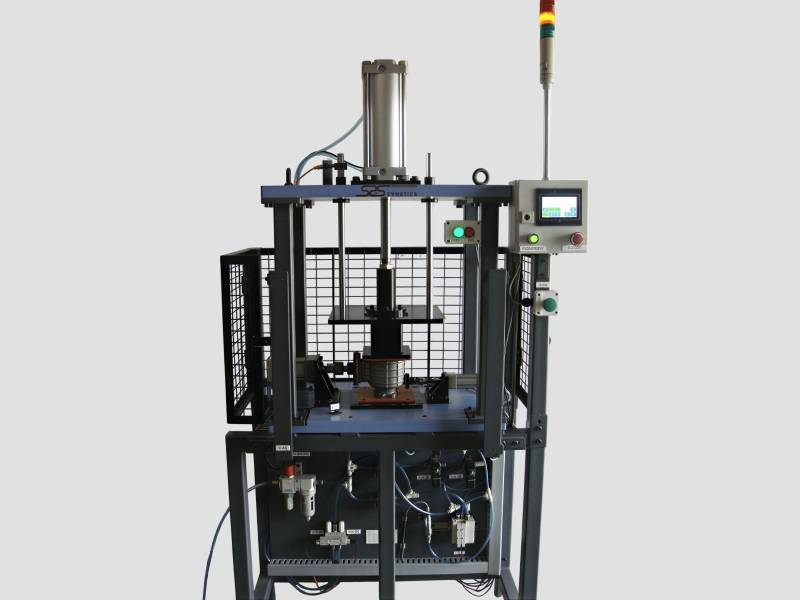
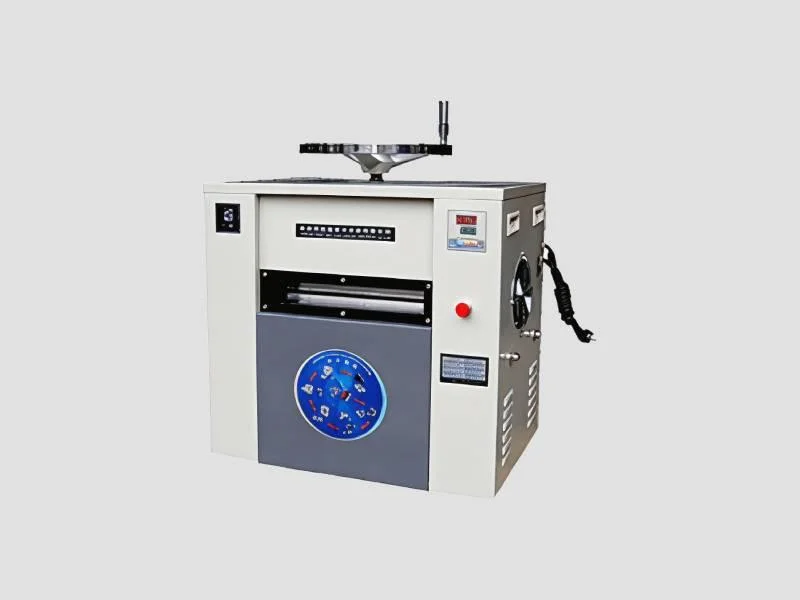
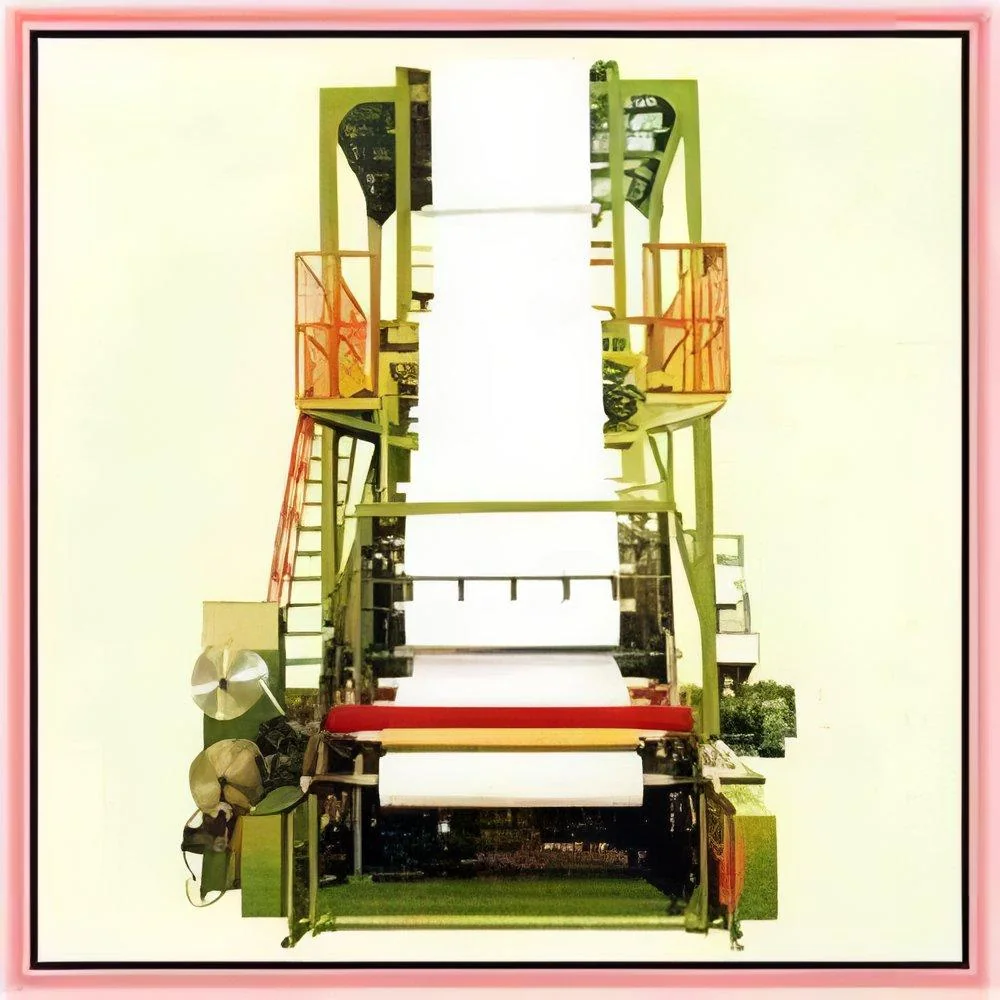
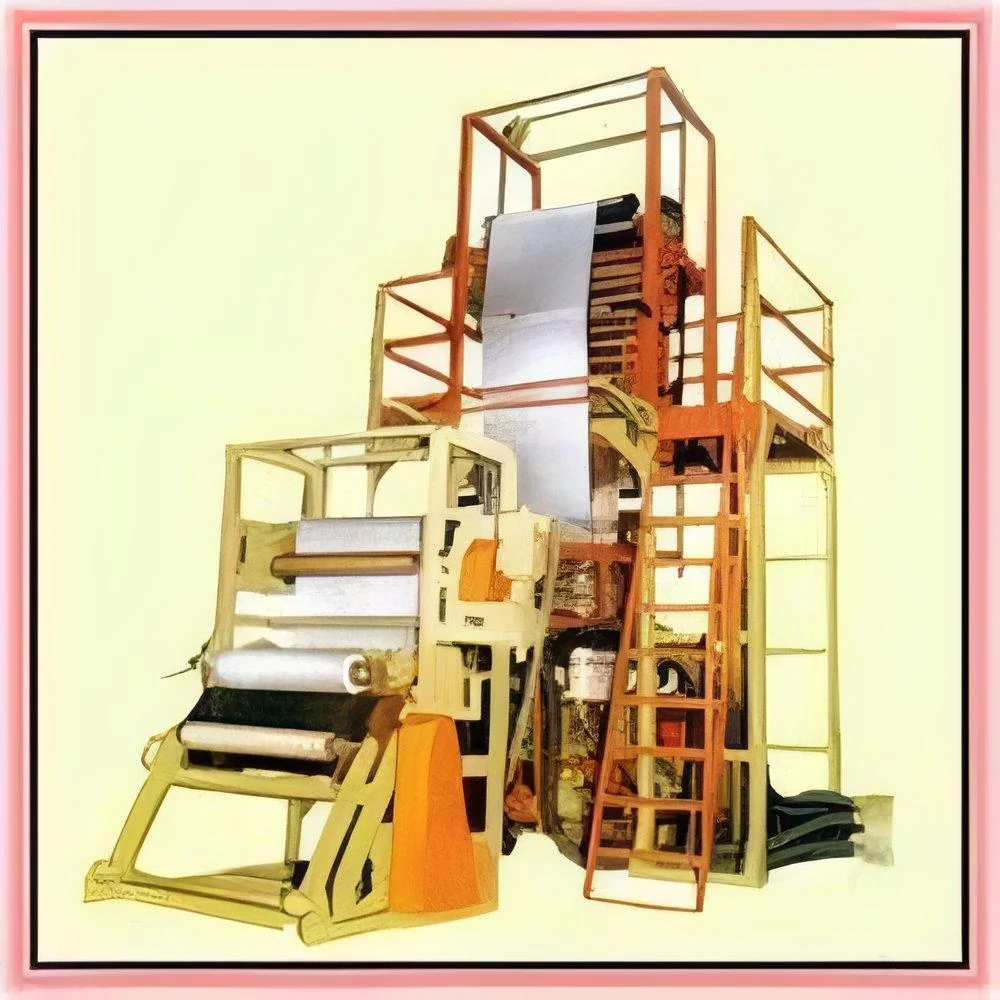
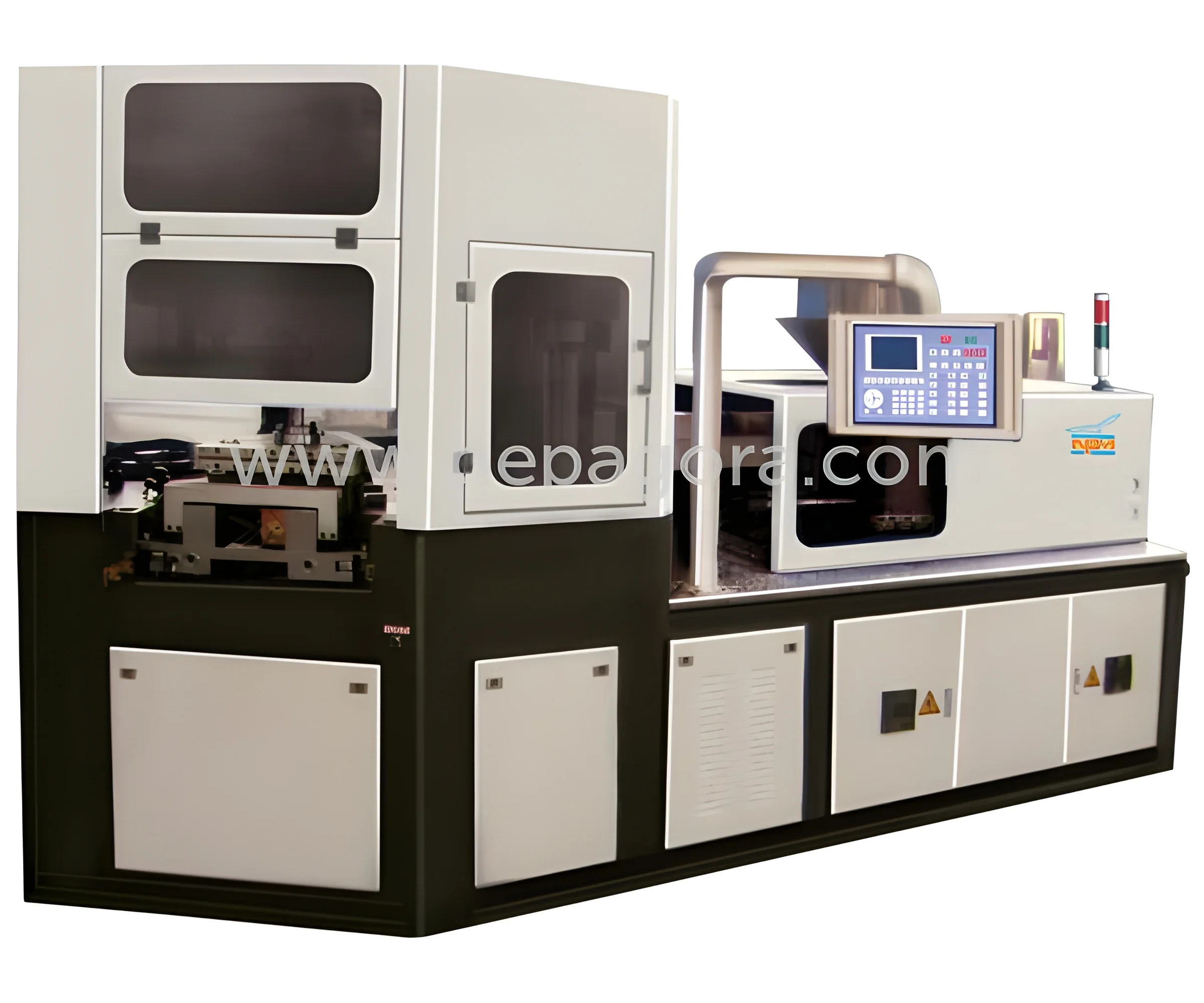
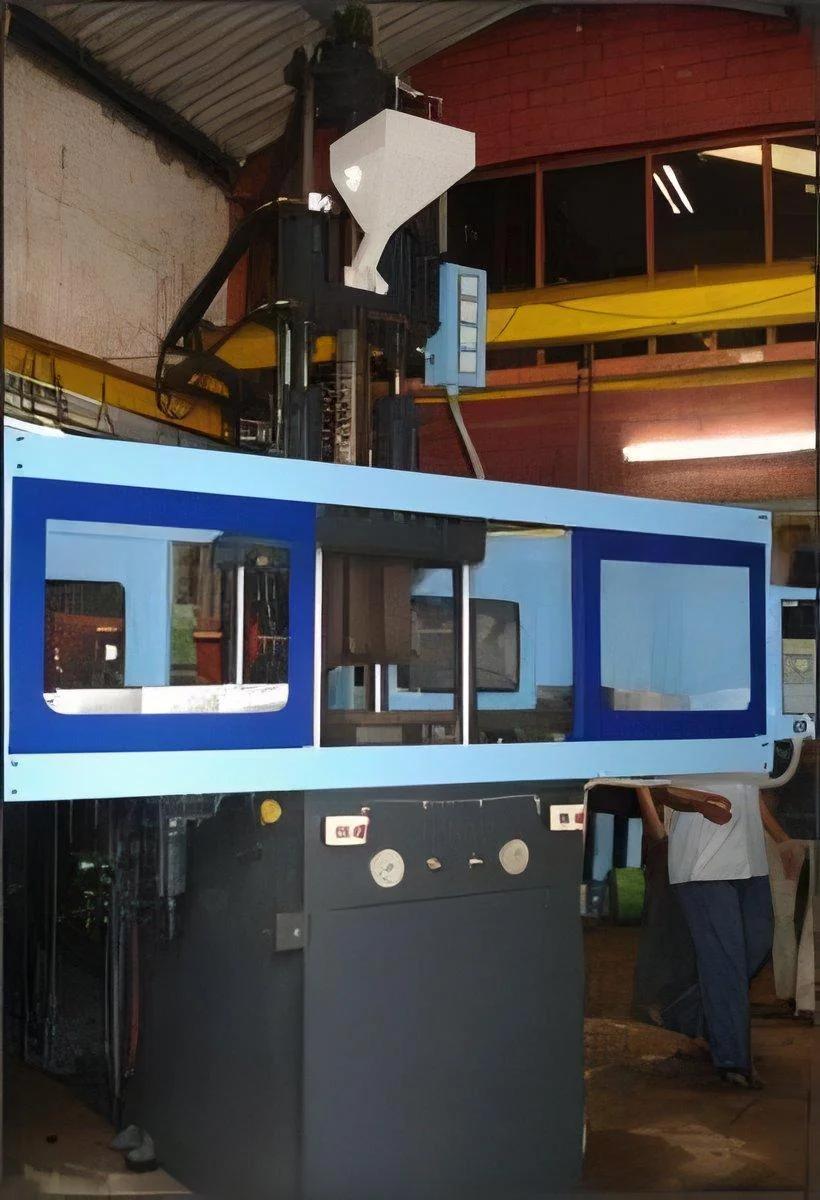
Plastic processing machinery refers to a range of equipment used for the processing and manufacturing of plastic materials. This category includes machines that shape, mold, and fabricate plastic in various forms, such as sheets, films, and molded products. These machines are crucial in transforming raw plastic materials into finished goods that meet specific industry standards.
The primary uses of plastic processing machinery extend across numerous sectors including packaging, automotive, consumer goods, and medical devices. Businesses utilize these machines to create products such as containers, automotive parts, and medical supplies. The efficiency and precision of these machines enable manufacturers to produce high-quality plastic products while optimizing production processes.
In today's competitive market, the relevance of plastic processing machinery is underscored by the increasing demand for plastic products. As industries continue to innovate and expand, the need for advanced machinery that can handle diverse plastic materials and production techniques becomes essential. The market for plastic processing machinery is growing rapidly, driven by technological advancements and an increase in applications across various sectors.
𝗞𝗲𝘆 𝗙𝗲𝗮𝘁𝘂𝗿𝗲𝘀 𝗮𝗻𝗱 𝗦𝗽𝗲𝗰𝗶𝗳𝗶𝗰𝗮𝘁𝗶𝗼𝗻𝘀
Plastic processing machinery is characterized by several key features that enhance its functionality and performance. Understanding these specifications is vital for businesses looking to invest in the right equipment.
Key specifications include:
1. Processing Type
- Injection molding, extrusion, blow molding, and thermoforming are common processing types.
- Each type has specific capabilities suited for different applications.
2. Production Capacity
- Capacity can vary based on machine type and configuration.
- Ranges typically span from small batch production to high-volume output.
3. Power Consumption
- Energy efficiency is crucial for operational cost management.
- Machines may operate on various power sources, including electric and hydraulic.
4. Automation Level
- Machines can be fully automated, semi-automated, or manual.
- Automation increases production efficiency and reduces labor costs.
5. Material Compatibility
- Capable of processing various types of plastics, including thermoplastics and thermosetting plastics.
- Specific machines may be designed for certain materials.
6. Size and Footprint
- The physical dimensions of the machinery affect installation and workspace utilization.
- Smaller machines may be ideal for limited space environments.
7. Control Systems
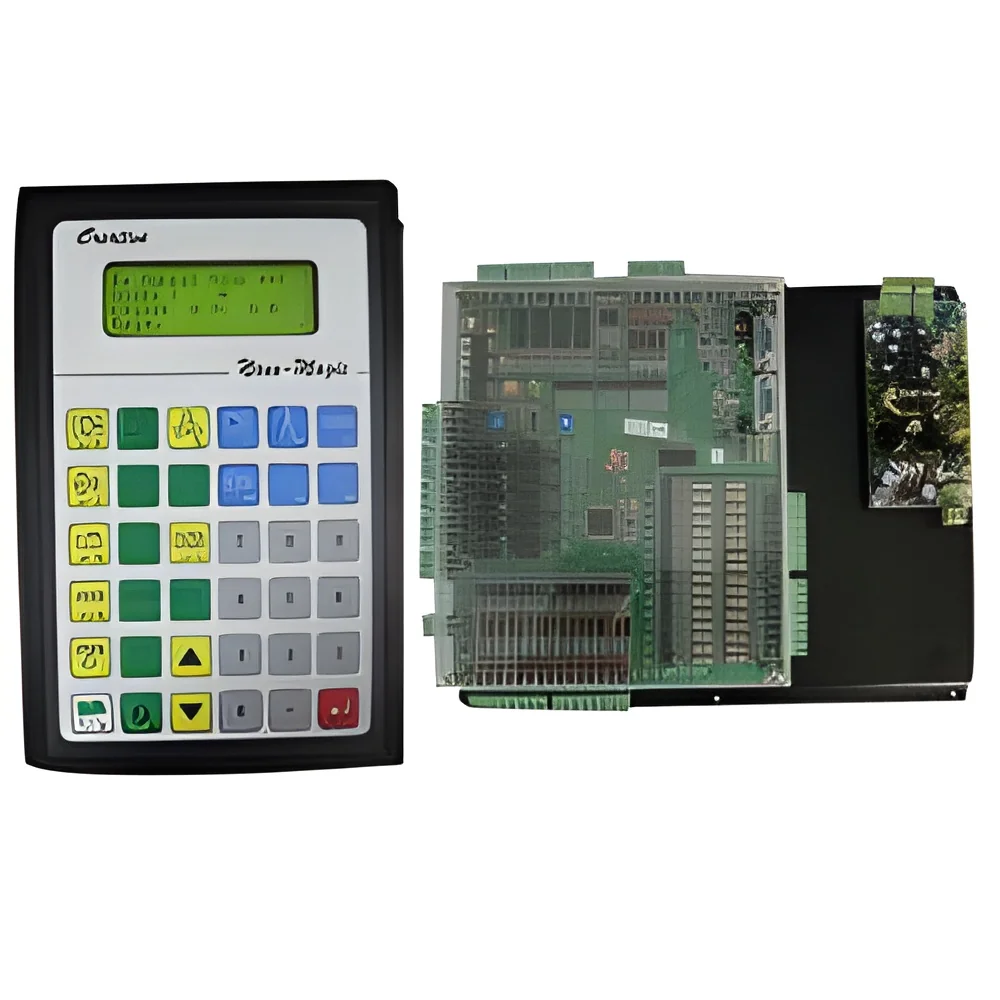
- Advanced control systems enhance precision and monitoring during the production process.
- Options may include PLCs (Programmable Logic Controllers) or touchscreen interfaces.
8. Safety Features
- Safety mechanisms are essential to protect operators and equipment.
- Common features include emergency stop buttons and safety guards.
In summary, selecting the right plastic processing machinery involves understanding these key specifications to ensure optimal performance and compatibility with production needs.
𝗖𝗼𝗺𝗺𝗼𝗻 𝗔𝗽𝗽𝗹𝗶𝗰𝗮𝘁𝗶𝗼𝗻𝘀 𝗮𝗻𝗱 𝗨𝘀𝗲 𝗖𝗮𝘀𝗲𝘀
Plastic processing machinery finds application in a wide range of industries, each with specific needs.
1. Packaging: Machinery is used to create flexible packaging, containers, and protective films for food and consumer products.
2. Automotive: Equipment produces components like dashboards, bumpers, and interior parts, enhancing vehicle design and functionality.
3. Consumer Goods: Machinery is essential in manufacturing household items, toys, and electronics, providing durability and aesthetic appeal.
4. Medical: Specialized machines produce medical devices and supplies, ensuring compliance with strict safety and quality standards.
5. Construction: Equipment is used to create pipes, fittings, and insulation materials, contributing to the efficiency of building projects.
6. Electronics: Processing machinery is vital in producing casings and components for electronic devices, focusing on precision and reliability.
7. Agriculture: Machinery helps create agricultural films, containers, and tools that support farming operations and plant growth.
𝗣𝗿𝗼𝗱𝘂𝗰𝘁 𝗩𝗮𝗿𝗶𝗮𝗻𝘁𝘀 𝗮𝗻𝗱 𝗦𝘂𝗯𝗰𝗮𝘁𝗲𝗴𝗼𝗿𝗶𝗲𝘀
Plastic processing machinery encompasses various product variants, catering to diverse manufacturing needs.
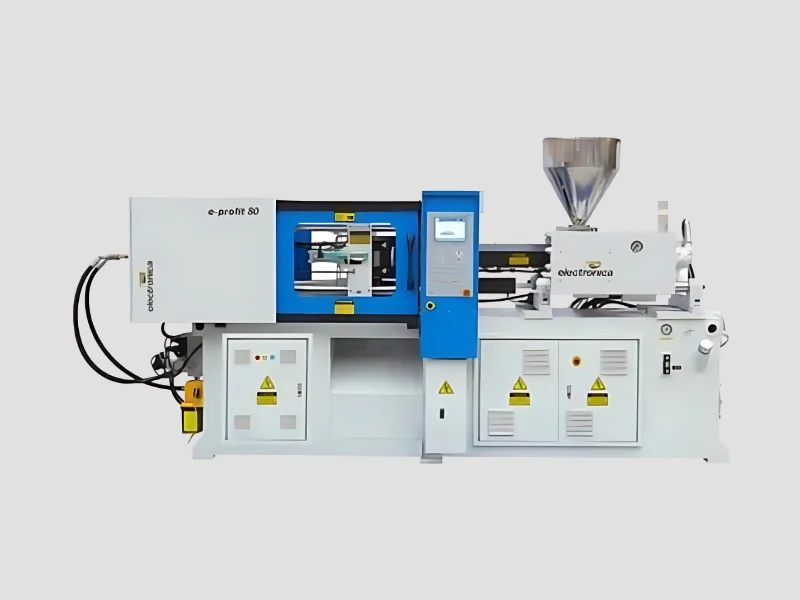
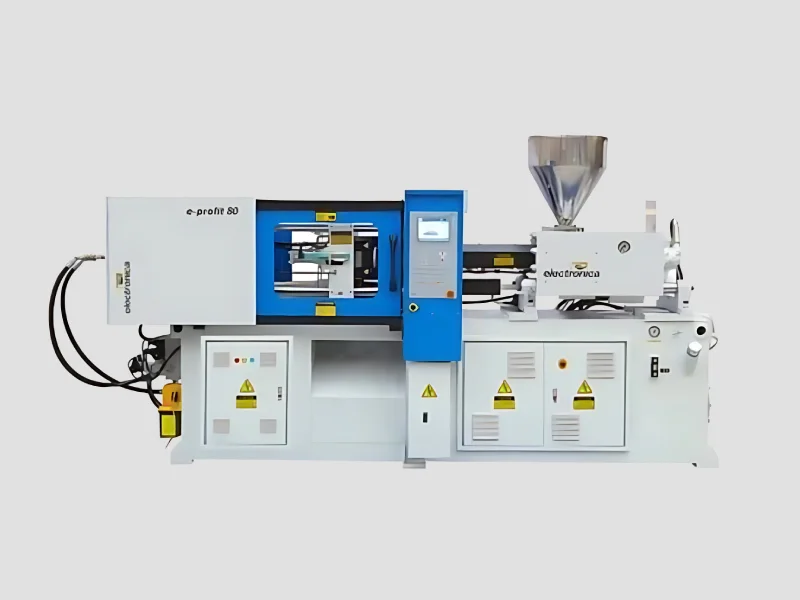
Injection Molding Machines
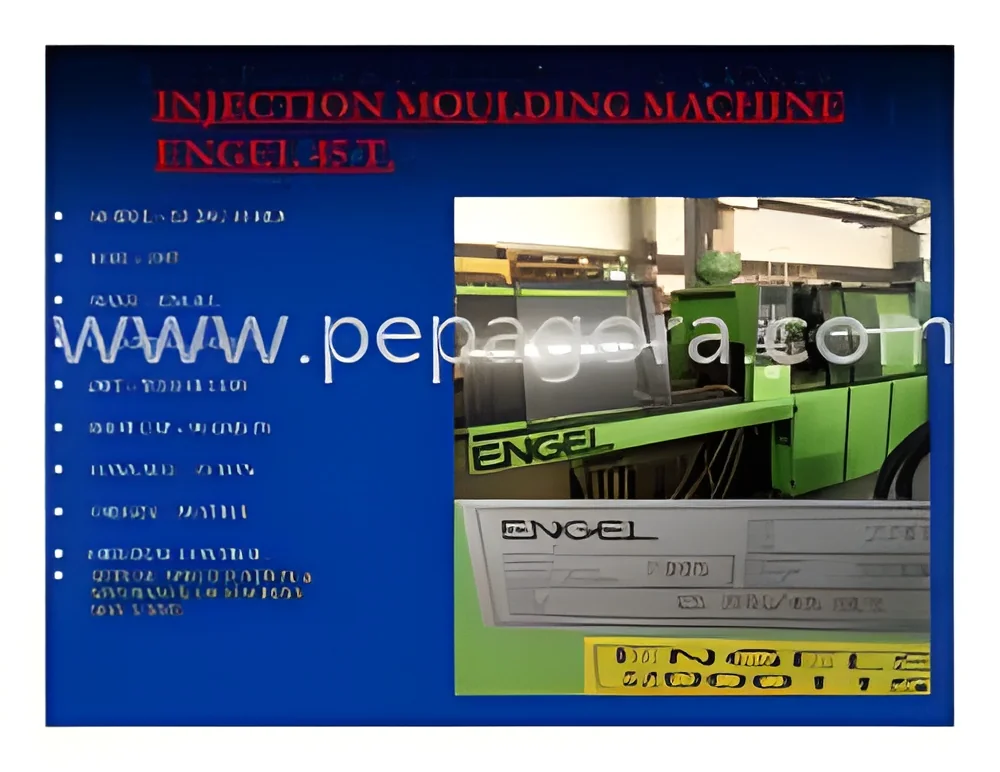
These machines are designed for producing complex shapes through the injection of molten plastic into molds. They offer high precision and are widely used in automotive and consumer goods manufacturing.
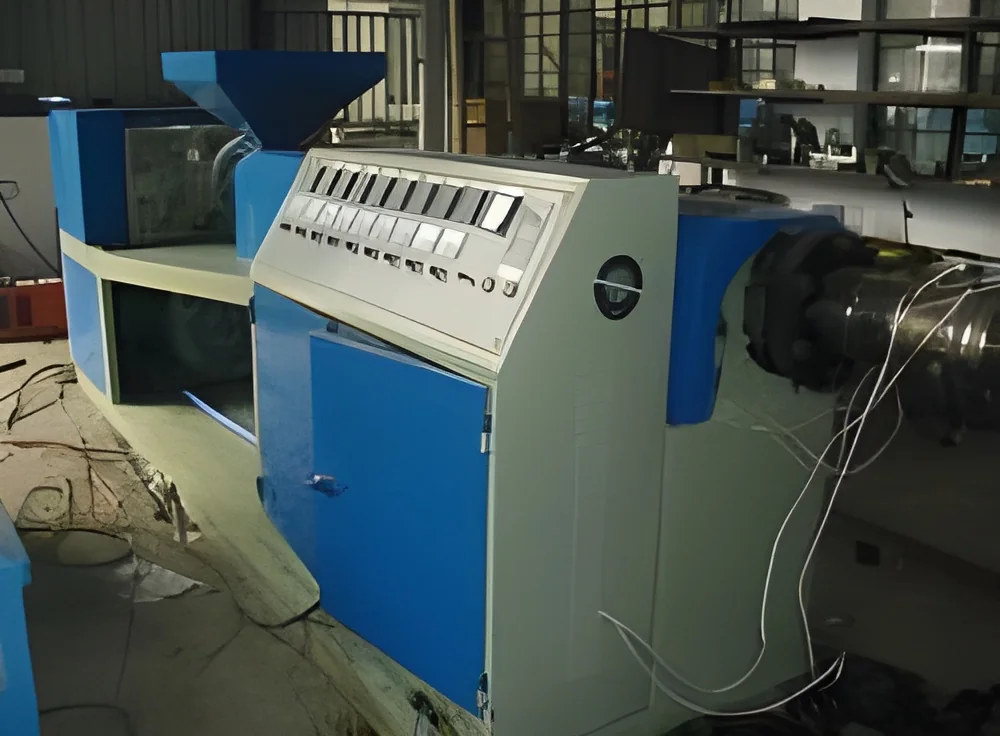
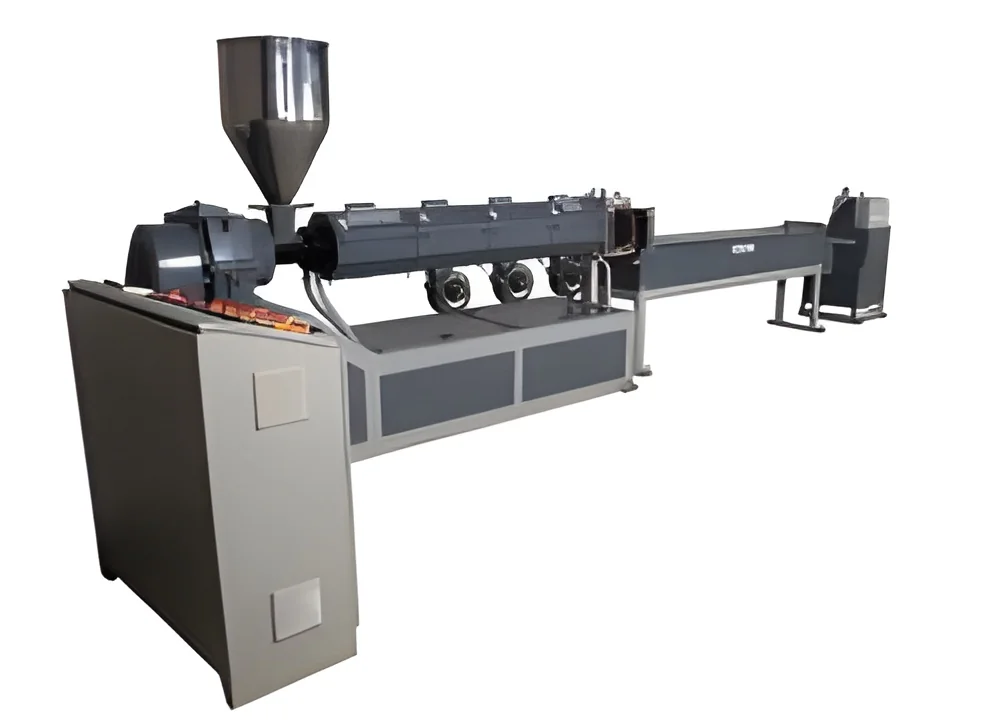
Extrusion Machines
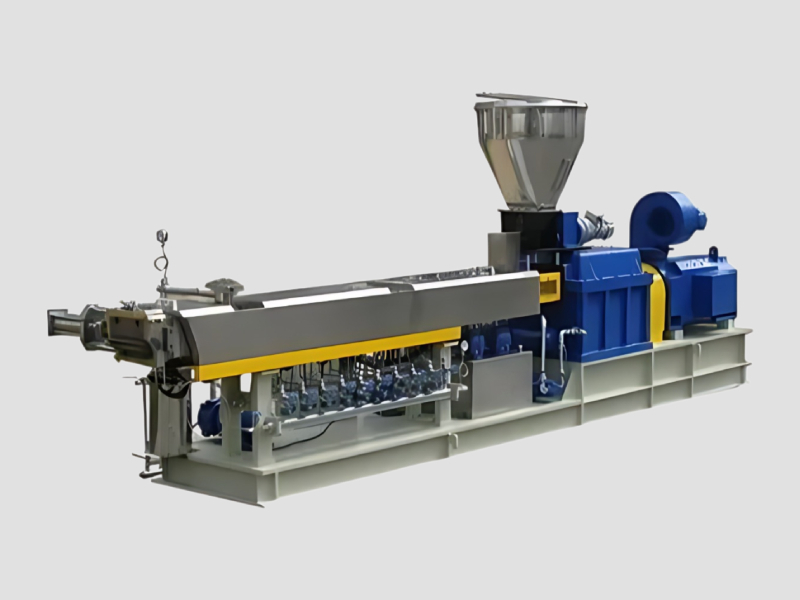
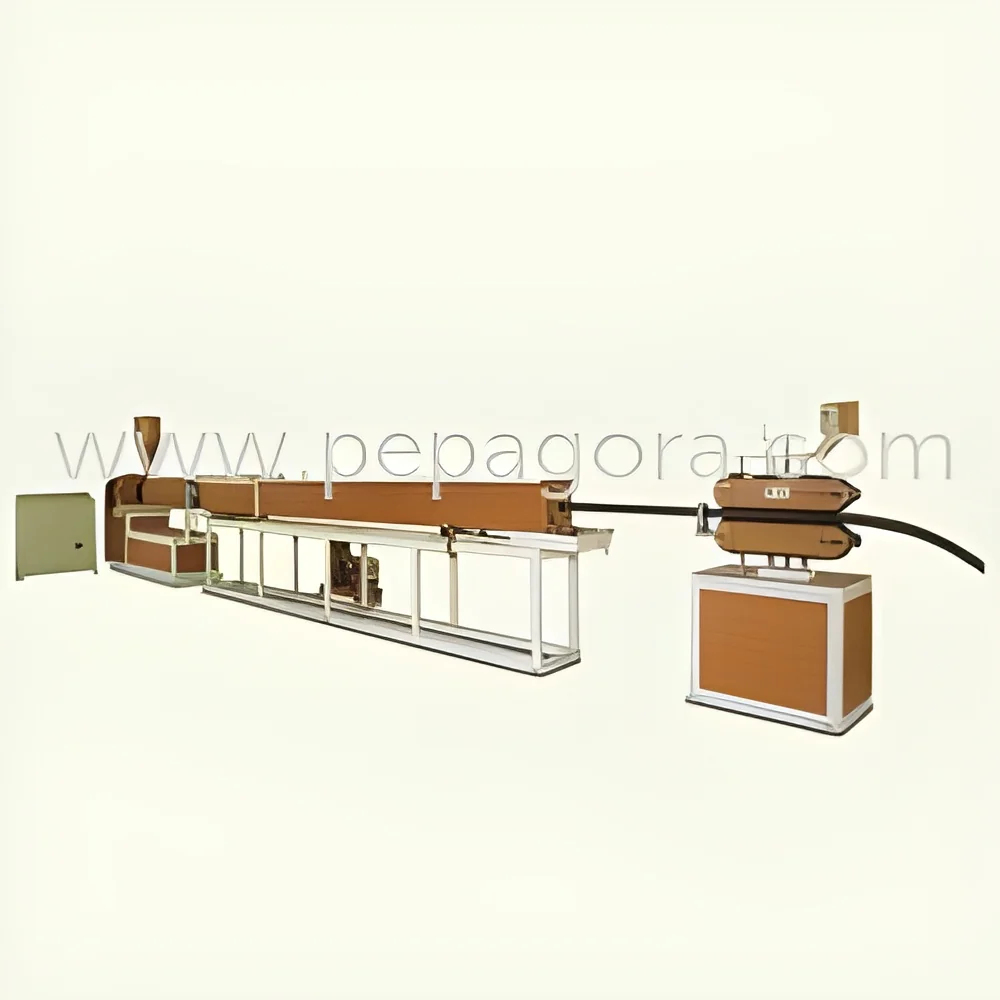
Extrusion machines continuously shape plastic into long profiles such as pipes and sheets. They are highly efficient for mass production and are commonly used in construction and packaging industries.
Blow Molding Machines
Blow molding machines are used to create hollow plastic products, such as bottles and containers, through the inflation of plastic. They are essential in packaging applications.
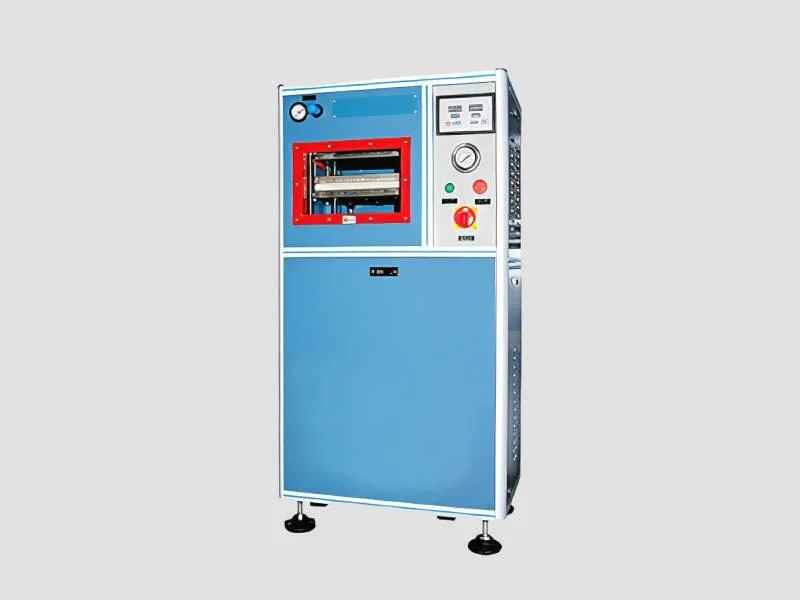
Thermoforming Machines
Thermoforming machinery shapes plastic sheets into specific forms by heating and molding. This variant is popular in food packaging and disposable product manufacturing.
𝗕𝗲𝗻𝗲𝗳𝗶𝘁𝘀 𝗮𝗻𝗱 𝗔𝗱𝘃𝗮𝗻𝘁𝗮𝗴𝗲𝘀
Investing in plastic processing machinery provides numerous benefits for manufacturers.
1. Increased Efficiency: Advanced machinery streamlines production processes, reducing cycle times and improving output.
2. Cost-effectiveness: High-quality machines lead to lower operational costs through energy efficiency and reduced waste.
3. Versatility: These machines can process a variety of plastic materials, accommodating diverse product lines and market demands.
4. Enhanced Quality: Precision engineering ensures consistent product quality, meeting stringent industry standards.
5. Automation Opportunities: Automation features reduce labor requirements and enhance production consistency.
6. Scalability: Manufacturers can scale operations easily by investing in machinery that meets growing production needs.
𝗕𝘂𝘆𝗶𝗻𝗴 𝗚𝘂𝗶𝗱𝗲 𝗳𝗼𝗿 𝗕𝟮𝗕 𝗕𝘂𝘆𝗲𝗿𝘀
When sourcing plastic processing machinery, it is essential to consider several factors to ensure a successful purchase.
1. Quality Assessment: Buyers should evaluate the build quality and performance of the machinery. This includes checking for certifications and user reviews to ensure reliability.
2. Supplier Verification: It is crucial to vet suppliers thoroughly. This includes checking their reputation, experience, and customer feedback to ensure they provide high-quality products.
3. Pricing and MOQ: Understanding the pricing structure and minimum order quantities helps in budgeting and planning. Buyers should compare quotes from different suppliers to find the best deal.
4. Delivery and Lead Times: Consideration of logistics and expected delivery times is vital for production planning. Buyers should confirm lead times before finalizing orders.
5. Compliance Requirements: Ensure that the machinery meets relevant regulatory standards and certifications, such as CE marking, to avoid legal issues and ensure safety.
𝗖𝗼𝗺𝗽𝗹𝗶𝗮𝗻𝗰𝗲 𝗮𝗻𝗱 𝗖𝗲𝗿𝘁𝗶𝗳𝗶𝗰𝗮𝘁𝗶𝗼𝗻𝘀
Plastic processing machinery must adhere to various quality standards and certifications to ensure safety and efficiency.
ISO 9001 is a widely recognized standard that ensures consistent quality management systems. Compliance indicates that a manufacturer has met international quality assurance criteria.
CE certification signifies that the machinery meets European safety and environmental requirements. This certification is crucial for businesses looking to enter European markets.
Safety and testing requirements are critical for plastic processing machines to protect operators and ensure safe operation. Regular testing and maintenance are essential for compliance.
Regionally, compliance considerations may vary. Buyers should be aware of local regulations that apply to plastic processing machinery in their specific markets.
𝗪𝗵𝘆 𝗦𝗼𝘂𝗿𝗰𝗲 𝗣𝗹𝗮𝘀𝘁𝗶𝗰 𝗣𝗿𝗼𝗰𝗲𝘀𝘀𝗶𝗻𝗴 𝗠𝗮𝗰𝗵𝗶𝗻𝗲𝗿𝘆 𝗳𝗿𝗼𝗺 𝗣𝗲𝗽𝗮𝗴𝗼𝗿𝗮?
Pepagora offers a reliable platform for sourcing plastic processing machinery, providing several key advantages for B2B buyers.
Verified Supplier Network: Pepagora connects buyers with a network of trusted suppliers who have been thoroughly vetted for quality and reliability. This ensures peace of mind when making purchasing decisions.
Streamlined RFQ Process: The platform features an efficient Request for Quotation (RFQ) process that simplifies the procurement journey. Buyers can easily compare quotes from multiple suppliers, saving time and resources.
Trade Assurance and Support: Pepagora provides buyer protection through trade assurance policies. This support includes assistance with disputes and ensuring that buyers receive the products as promised.
Regional Coverage: With a strong presence in India, the GCC, and Southeast Asia, Pepagora facilitates access to a diverse range of suppliers and products. This regional coverage ensures that buyers can find suitable machinery tailored to their local market needs.

 IN
IN