What are Plastic Laminating Machinery?
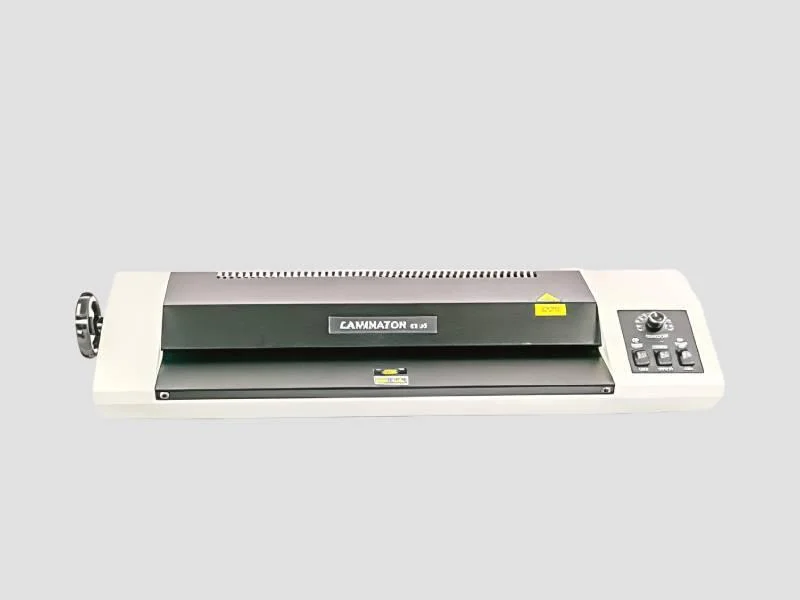
Plastic laminating machinery refers to specialized equipment used to apply a protective layer of plastic film to various substrates, including paper, cardboard, and other materials. This process enhances durability, water resistance, and visual appeal. By encapsulating items in plastic, laminating machinery helps preserve important documents, packaging, and marketing materials from wear and tear.
The primary uses of plastic laminating machinery span across multiple sectors. In the printing and publishing industry, it is used to protect printed materials such as brochures, menus, and business cards. In packaging, it ensures that products remain intact and visually appealing during transport and display. Moreover, educational institutions utilize laminating machinery for protecting learning materials and resources. The relevance of this machinery in various industries underscores its importance in enhancing product longevity and presentation.
As businesses increasingly focus on quality and durability, the market for plastic laminating machinery continues to grow. With advancements in technology, manufacturers are producing more efficient and user-friendly machines. This growth reflects the rising demand for high-quality laminating solutions across sectors, making it essential for businesses to understand the options available to them.
Key Features and Specifications
Plastic laminating machinery comes with various features that enhance its functionality and efficiency. Understanding these specifications is crucial for businesses looking to invest in this equipment.
Key specifications include:
1. Laminating Speed
- This specification refers to the speed at which the machinery can laminate materials.
- Typical ranges are between 5 to 30 meters per minute, depending on the model.
2. Film Thickness Compatibility
- This specification indicates the range of film thickness the machine can handle.
- Common options include films from 1 mil to 10 mil.
3. Heating Mechanism
- Machines may use either thermal or cold laminating methods.
- Thermal laminators generally require heat to activate the adhesive, while cold laminators do not.
4. Size of Laminating Area
- The available size for laminating materials can vary.
- Standard sizes range from A4 to larger formats like A2 or custom dimensions.
5. Control Features
- Many machines come with digital control panels for easy operation.
- Features may include temperature control, speed regulation, and film feed adjustment.
6. Safety Features
- Safety mechanisms can include emergency stop buttons and protective covers.
- Compliance with safety standards is essential for operation.
7. Power Consumption
- Understanding the energy requirements of the machine is vital for operational costs.
- Power ratings typically range from 1 kW to 5 kW.
8. Warranty and Support
- Manufacturers often provide warranties and service options.
- Duration and coverage can vary, typically ranging from one to three years.
In summary, selecting the right plastic laminating machinery involves understanding various specifications that cater to specific business needs. The features and capabilities of each unit can significantly impact productivity and efficiency.
Common Applications and Use Cases
Plastic laminating machinery finds applications across a diverse range of industries.
1. Printing Industry: In this sector, laminating machinery is essential for protecting printed materials such as business cards, brochures, and posters. It enhances the visual appeal and durability of marketing materials.
2. Packaging Industry: Laminating is widely used in the packaging sector to ensure that product labels and boxes are protected from moisture and physical damage. It helps maintain the quality of packaged goods.
3. Educational Sector: Schools and educational institutions use laminating machines to preserve learning materials, posters, and classroom resources. This ensures longevity and usability over time.
4. Hospitality Industry: Menus and promotional materials in restaurants and hotels benefit from lamination, which preserves their condition even with frequent handling.
5. Office Supplies: Laminated documents and identification cards are common in office environments, promoting a professional appearance while protecting important information.
6. Retail: In retail, laminated signage and price tags are more durable and visually appealing, enhancing the customer experience.
7. Art and Craft: Artists and crafters use laminating machinery to protect and display their work, ensuring that the integrity of their creations is maintained.
Product Variants and Subcategories
Plastic laminating machinery comes in various forms to meet different business needs.
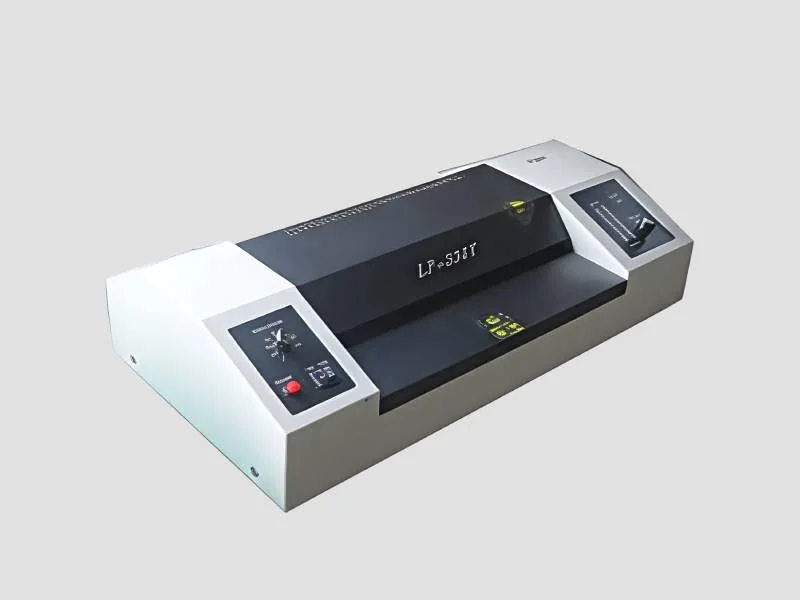
Desktop Laminators: These compact machines are suitable for small-scale operations and are ideal for home offices or small businesses. They are designed for occasional use and can laminate documents up to A4 size.
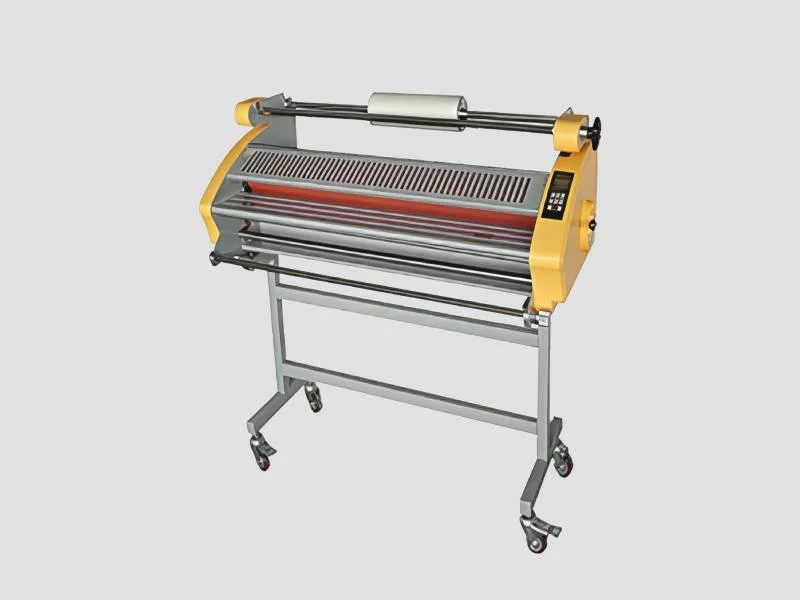
Industrial Laminators: These high-capacity machines are built for heavy-duty operations. They offer fast laminating speeds and can handle larger formats, making them suitable for businesses with high-volume needs.
Cold Laminators: These machines use pressure instead of heat to apply lamination. They are ideal for sensitive materials that cannot withstand high temperatures, such as photographs and certain types of artwork.
Hot Laminators: Designed for use with thermal laminating films, these machines require heat to activate the adhesive. They are commonly used in commercial printing and packaging applications.
Benefits and Advantages
Investing in plastic laminating machinery offers numerous benefits that enhance business operations.
1. Enhanced Durability: Laminated materials are more resistant to wear, tear, and water damage, extending their lifespan significantly.
2. Improved Aesthetics: Lamination adds a professional finish to documents and packaging, making them visually appealing to customers.
3. Cost-Effective: By preserving materials, businesses can reduce replacement costs and extend the life of printed items.
4. Versatility: Laminating machinery can handle a variety of materials and sizes, making it suitable for different applications across industries.
5. Ease of Use: Many modern laminators come with user-friendly controls, allowing operators to achieve consistent results with minimal training.
6. Increased Protection: Laminated items are shielded from dirt, fingerprints, and other contaminants, maintaining their quality over time.
Buying Guide for B2B Buyers
When considering the purchase of plastic laminating machinery, several factors should be taken into account to ensure the best fit for business needs.
1. Quality Assessment: Investigate the quality of the machinery, including materials used and build quality. Request samples of laminated products to evaluate performance.
2. Supplier Verification: Conduct thorough research to verify suppliers. Look for reviews, certifications, and industry reputation to ensure reliability.
3. Pricing and MOQ: Understand the pricing structure and minimum order quantities. Compare quotes from multiple suppliers to find competitive pricing that aligns with your budget.
4. Delivery and Lead Times: Discuss logistics with suppliers to ascertain delivery timelines. Ensure that lead times meet your operational requirements.
5. Compliance Requirements: Check for compliance with industry standards and safety regulations. Understanding local and international compliance is crucial for uninterrupted operations.
Compliance and Certifications
Compliance with industry standards is essential for ensuring the safety and quality of plastic laminating machinery. Many manufacturers adhere to ISO 9001 standards, which promote quality management systems. This certification indicates that the machinery meets international quality assurance criteria.
Additionally, CE certification is often required for machinery sold in the European market. This certification ensures that the equipment adheres to health, safety, and environmental protection standards.
Safety and testing requirements are also critical in the production of laminating machines. Manufacturers must conduct rigorous testing to meet safety regulations, ensuring that machines operate safely in various environments.
Regional compliance considerations may vary, and businesses should familiarize themselves with specific regulations applicable in their markets. Understanding these requirements helps mitigate risks associated with non-compliance.
Why Source Plastic Laminating Machinery from Pepagora?
Pepagora offers a reliable platform for sourcing plastic laminating machinery, providing several advantages to buyers.
Verified Supplier Network: The platform features a network of verified suppliers, ensuring that buyers connect with reputable manufacturers. This network helps mitigate risks and ensures quality assurance.
Streamlined RFQ Process: Pepagora simplifies the request for quotation process, allowing buyers to receive multiple quotes from different suppliers in a single platform. This efficiency helps in making informed purchasing decisions.
Trade Assurance and Support: Buyers benefit from trade assurance, which provides protection throughout the purchasing process. Pepagora offers support in resolving disputes and ensuring satisfaction.
Regional Coverage: With a strong presence in India, the GCC, and Southeast Asia, Pepagora facilitates connections between buyers and suppliers across these regions. This geographic reach enhances access to a wider variety of products and options.
By choosing Pepagora, businesses can confidently source high-quality plastic laminating machinery tailored to their operational needs.

 IN
IN