๐ช๐ต๐ฎ๐ ๐ฎ๐ฟ๐ฒ ๐๐ต๐ถ๐น๐น๐ฒ๐ฟ๐ & ๐ ๐ผ๐น๐ฑ ๐ง๐ฒ๐บ๐ฝ๐ฒ๐ฟ๐ฎ๐๐๐ฟ๐ฒ ๐๐ผ๐ป๐๐ฟ๐ผ๐น๐น๐ฒ๐ฟ๐?
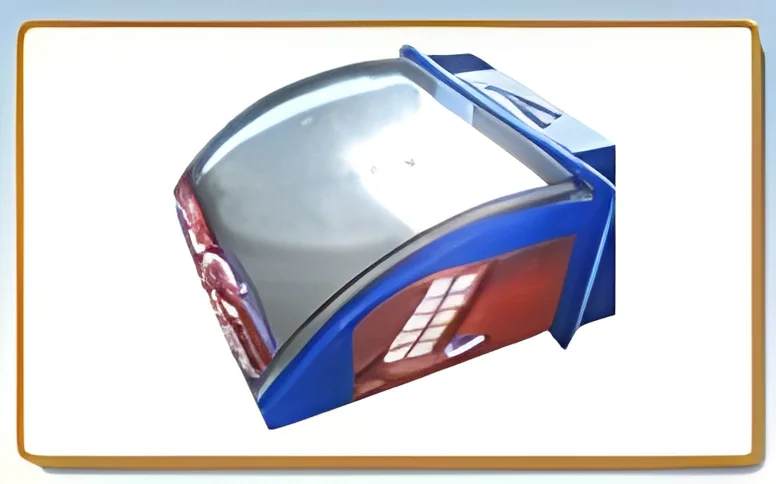
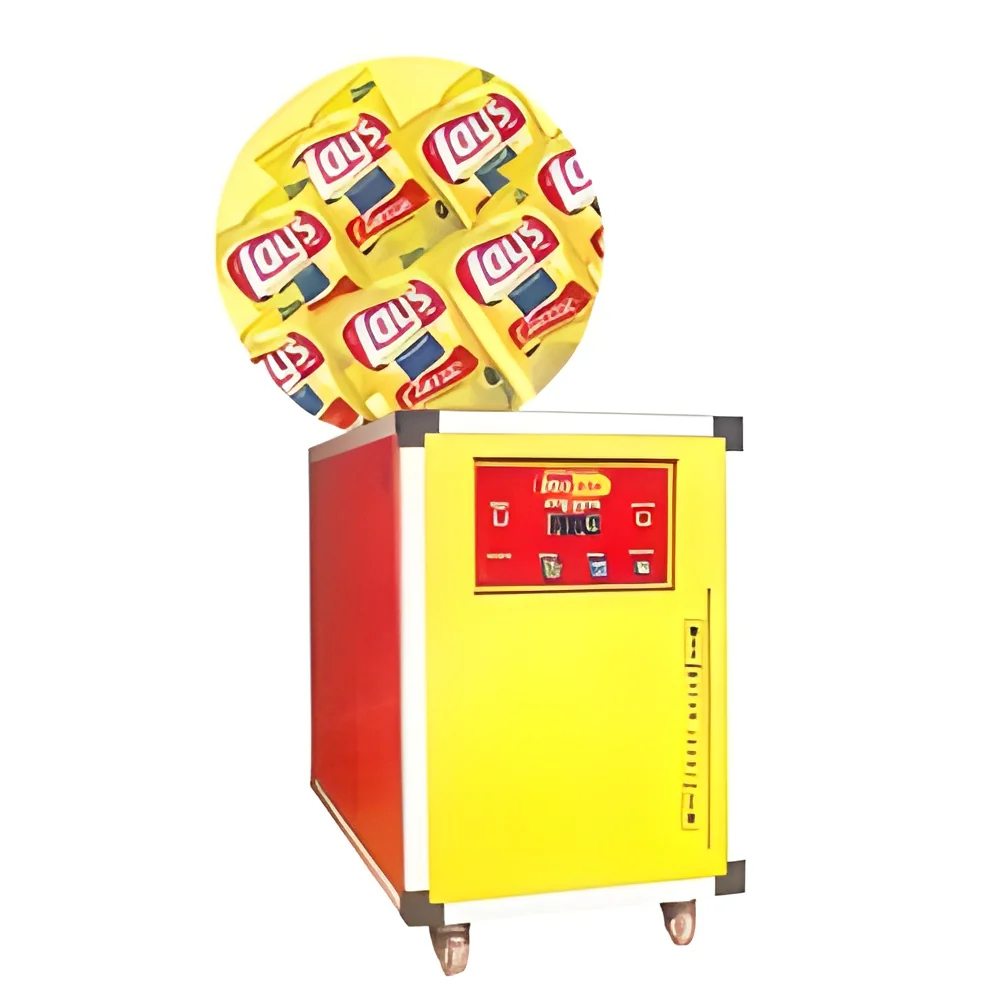
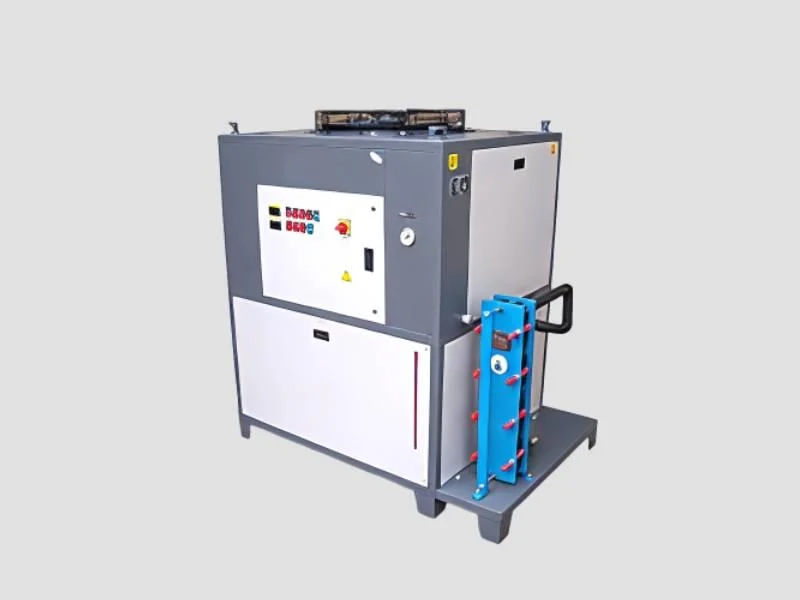
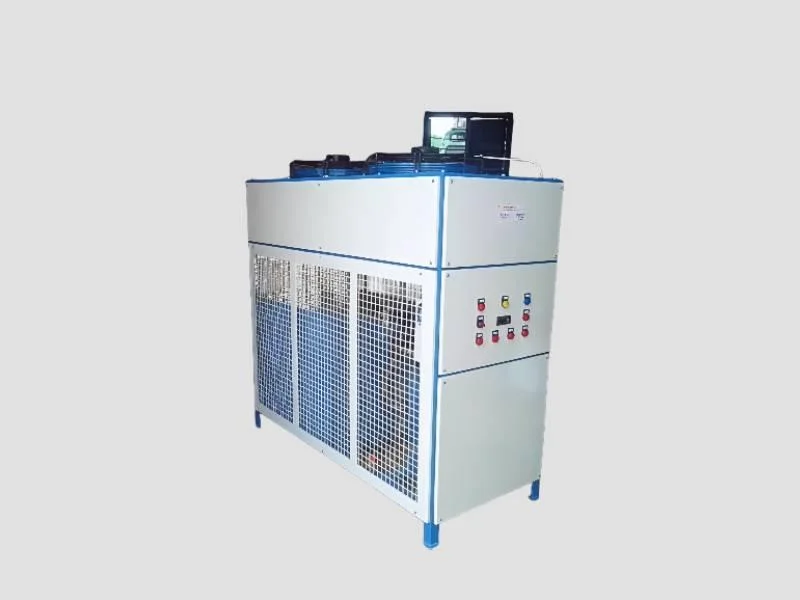
Chillers and mold temperature controllers are essential equipment used in various manufacturing processes. Chillers are designed to remove heat from a fluid via a vapor-compression or absorption refrigeration cycle. Mold temperature controllers, on the other hand, regulate the temperature of molds used in processes such as injection molding and die casting. Together, these systems help maintain optimal temperatures, ensuring high-quality production and efficiency in manufacturing operations.
These products are widely used in industries such as plastics, pharmaceuticals, food processing, and chemical manufacturing. In injection molding, for example, maintaining the correct mold temperature is crucial for achieving the desired product quality and cycle times. Similarly, chillers are essential for cooling processes in various applications. The relevance of chillers and mold temperature controllers is growing, driven by the increasing demand for energy-efficient solutions and the need for precision in industrial processes.
๐๐ฒ๐ ๐๐ฒ๐ฎ๐๐๐ฟ๐ฒ๐ ๐ฎ๐ป๐ฑ ๐ฆ๐ฝ๐ฒ๐ฐ๐ถ๐ณ๐ถ๐ฐ๐ฎ๐๐ถ๐ผ๐ป๐
Chillers and mold temperature controllers come with a variety of features and specifications tailored to meet diverse industrial needs. Understanding these specifications is essential for selecting the right equipment for your operations.
Key specifications include:
1. Cooling Capacity
- Measured in tons or kilowatts, it indicates the amount of heat the chiller can remove from the process fluid.
2. Temperature Control Range
- This range defines the minimum and maximum temperatures that the mold temperature controller can achieve.
3. Energy Efficiency Ratio (EER)
- The ratio of cooling output to energy input, indicating the efficiency of the chiller.
4. Refrigerant Type
- The type of refrigerant used can affect both performance and environmental impact.
5. Control System
- Options may include digital or analog controls, affecting ease of use and precision.
6. Noise Level
- Measured in decibels, this specification is important for applications in noise-sensitive environments.
7. Size and Footprint
- The physical dimensions of the unit, which can affect installation and space requirements.
8. Maintenance Requirements
- The frequency and type of maintenance needed to keep the unit operating efficiently.
In summary, selecting the right chiller or mold temperature controller involves understanding these key features and specifications to ensure optimal performance for specific applications.
๐๐ผ๐บ๐บ๐ผ๐ป ๐๐ฝ๐ฝ๐น๐ถ๐ฐ๐ฎ๐๐ถ๐ผ๐ป๐ ๐ฎ๐ป๐ฑ ๐จ๐๐ฒ ๐๐ฎ๐๐ฒ๐
Chillers and mold temperature controllers find applications across various industries, enhancing efficiency and product quality.
1. Plastics Industry: Chillers are used to cool molds during injection molding processes, ensuring consistent product quality and reducing cycle times.
2. Food Processing: These systems help maintain the required temperatures for food cooling and storage, ensuring safety and quality.
3. Pharmaceutical Manufacturing: Mold temperature controllers are critical for maintaining precise temperatures during drug formulation and packaging.
4. Chemical Processing: Chillers are employed to manage exothermic reactions and maintain safe operating conditions.
5. Metalworking: Temperature controllers are used in die casting to ensure molds remain at optimal temperatures for quality metal components.
6. HVAC Systems: Chillers are integral to commercial and industrial HVAC systems for effective climate control.
7. Printing Industry: Chillers help regulate the temperature of equipment used in the printing process, ensuring quality and consistency.
๐ฃ๐ฟ๐ผ๐ฑ๐๐ฐ๐ ๐ฉ๐ฎ๐ฟ๐ถ๐ฎ๐ป๐๐ ๐ฎ๐ป๐ฑ ๐ฆ๐๐ฏ๐ฐ๐ฎ๐๐ฒ๐ด๐ผ๐ฟ๐ถ๐ฒ๐
Chillers and mold temperature controllers come in various designs and configurations, catering to different industrial needs.
Air-Cooled Chillers: These chillers use air to dissipate heat, making them suitable for applications with limited water supply. They are typically easier to install and require less maintenance compared to water-cooled units.
Water-Cooled Chillers: These units use water to remove heat and are often more efficient in larger installations. They are ideal for applications requiring high cooling capacities.
Portable Mold Temperature Controllers: These compact units are easily transportable and are perfect for small-scale operations or temporary setups.
Centralized Mold Temperature Controllers: Designed for larger operations, these units can service multiple molds simultaneously, enhancing efficiency.
๐๐ฒ๐ป๐ฒ๐ณ๐ถ๐๐ ๐ฎ๐ป๐ฑ ๐๐ฑ๐๐ฎ๐ป๐๐ฎ๐ด๐ฒ๐
Investing in chillers and mold temperature controllers offers significant advantages for industrial operations.
1. Enhanced Product Quality: Consistent temperature control leads to improved product quality and reduces defects.
2. Energy Efficiency: Modern chillers are designed to operate efficiently, reducing energy costs and environmental impact.
3. Increased Production Speed: By maintaining optimal temperatures, these systems help reduce cycle times, enhancing overall productivity.
4. Flexibility: The availability of various models and configurations allows businesses to select units that best fit their specific needs.
5. Reduced Downtime: Effective temperature control minimizes the risk of equipment failures and maintenance issues.
6. Compliance with Standards: Using these systems can help businesses meet industry standards for quality and safety.
๐๐๐๐ถ๐ป๐ด ๐๐๐ถ๐ฑ๐ฒ ๐ณ๐ผ๐ฟ ๐๐ฎ๐ ๐๐๐๐ฒ๐ฟ๐
When sourcing chillers and mold temperature controllers, it is important to consider several factors to ensure you make the right choice.
1. Quality Assessment: Evaluate the quality of the products by checking certifications, such as CE, and obtaining performance data from suppliers.
2. Supplier Verification: Vet suppliers to ensure they have a solid track record and positive customer reviews. This helps minimize risks associated with purchasing.
3. Pricing and MOQ: Understand the pricing structure and minimum order quantities (MOQ) to align with your budget and production needs.
4. Delivery and Lead Times: Consider the logistics of delivery and ensure that lead times meet your production schedules.
5. Compliance Requirements: Be aware of any regulatory standards that apply to your industry and ensure that the equipment meets these requirements.
๐๐ผ๐บ๐ฝ๐น๐ถ๐ฎ๐ป๐ฐ๐ฒ ๐ฎ๐ป๐ฑ ๐๐ฒ๐ฟ๐๐ถ๐ณ๐ถ๐ฐ๐ฎ๐๐ถ๐ผ๐ป๐
Compliance and certifications are critical factors in the selection of chillers and mold temperature controllers.
Relevant quality standards, such as ISO 9001, ensure that manufacturers maintain high levels of quality management. Certifications like CE indicate that products meet European safety and performance standards, giving buyers confidence in their reliability.
Additionally, safety and testing requirements must be adhered to, ensuring that the equipment operates safely within designated parameters. Regional compliance considerations may also vary, so it is essential to understand local regulations and ensure that your equipment meets these requirements.
๐ช๐ต๐ ๐ฆ๐ผ๐๐ฟ๐ฐ๐ฒ ๐๐ต๐ถ๐น๐น๐ฒ๐ฟ๐ & ๐ ๐ผ๐น๐ฑ ๐ง๐ฒ๐บ๐ฝ๐ฒ๐ฟ๐ฎ๐๐๐ฟ๐ฒ ๐๐ผ๐ป๐๐ฟ๐ผ๐น๐น๐ฒ๐ฟ๐ ๐ณ๐ฟ๐ผ๐บ ๐ฃ๐ฒ๐ฝ๐ฎ๐ด๐ผ๐ฟ๐ฎ?
Pepagora offers a trusted platform for sourcing chillers and mold temperature controllers, providing several key advantages to buyers.
Verified Supplier Network: Pepagora's extensive verification process ensures that all suppliers meet rigorous standards. This helps buyers connect with reliable manufacturers and reduces the risks associated with sourcing.
Streamlined RFQ Process: The platform simplifies the request for quotation (RFQ) process, making it easier for buyers to compare options and make informed decisions quickly.
Trade Assurance and Support: Pepagora provides trade assurance, protecting buyers throughout the purchasing process. This includes support in case of disputes or issues with suppliers.
Regional Coverage: With a strong presence in India, the GCC, and Southeast Asia, Pepagora connects buyers with local suppliers, minimizing shipping times and costs while enhancing service and support.