
 IN
Plastic Pelletizing Machines
4 products available
What are Plastic Pelletizing Machines?
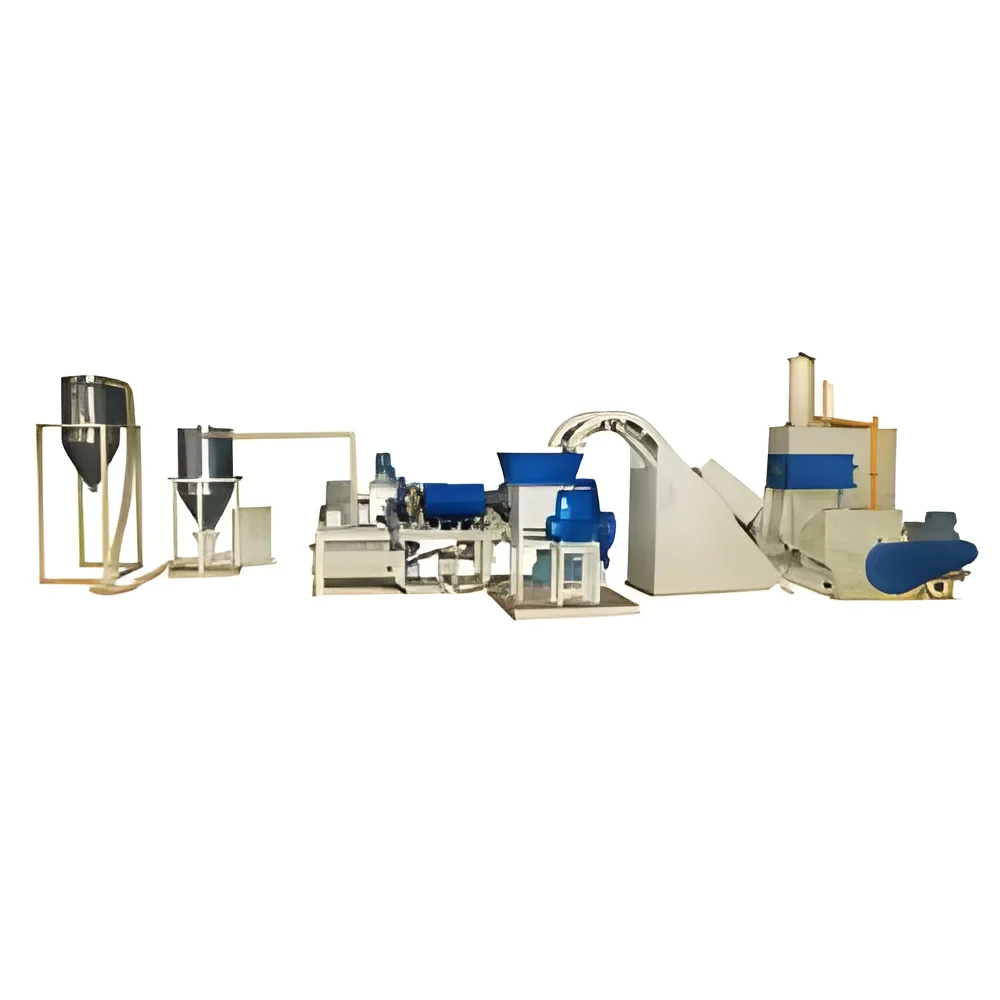
Plastic pelletizing machines are specialized industrial equipment designed to convert plastic waste or raw plastic materials into uniform pellets. These machines operate through a series of processes, including grinding, melting, and molding, to produce pellets that can be used in various manufacturing applications. The end product is critical for companies looking to recycle plastic materials or produce new plastic goods efficiently.
These machines are primarily utilized in industries focused on plastic recycling, manufacturing, and processing. Businesses use pelletized plastic as a raw material to create new products, reducing waste and promoting sustainability. The market for plastic pelletizing machines is growing as companies seek to enhance their production efficiency and reduce environmental impact. With increasing regulations on plastic waste, these machines are becoming essential tools for businesses aiming to comply with sustainability goals while maintaining profitability.
Key Features and Specifications
Plastic pelletizing machines come with several key features aimed at enhancing their performance and efficiency. Understanding these features can help businesses select the right equipment for their needs.
Key specifications include:
1. Extruder Type
- Determines the method of processing the plastic material.
- Common types include single-screw and twin-screw extruders.
2. Output Capacity
- Refers to the amount of pellets produced per hour.
- Capacities typically range from 100 kg/h to over 1000 kg/h.
3. Temperature Control
- Essential for maintaining proper processing conditions.
- Machines may feature adjustable temperature settings for different plastic types.
4. Energy Consumption
- Indicates the efficiency of the machine in terms of power usage.
- Machines can vary in energy needs depending on their design and output.
5. Material Compatibility
- Refers to the types of plastics that can be processed.
- Common materials include PET, HDPE, and PP.
6. Safety Features
- Includes emergency shut-off systems and protective shields.
- Ensures operator safety during the machine's operation.
7. Control System
- Can include manual or automated controls for ease of operation.
- Advanced systems may offer digital monitoring and remote access.
8. Maintenance Requirements
- Indicates how often the machine needs servicing.
- Regular maintenance can significantly enhance the lifespan and efficiency of the equipment.
In summary, understanding the features and specifications of plastic pelletizing machines is crucial for making an informed purchasing decision. Buyers should consider their specific production needs and compatibility with various plastic types.
Common Applications and Use Cases
Plastic pelletizing machines serve a wide range of industries, providing essential processing capabilities.
1. Recycling Industry: These machines are integral to recycling operations where plastic waste is transformed into reusable pellets. This process helps reduce landfill waste and promotes environmental sustainability.
2. Packaging Industry: Companies in the packaging sector use pelletized plastic to manufacture containers, bottles, and other packaging materials. The uniformity of the pellets ensures consistent quality in the final products.
3. Automotive Industry: Plastic components used in vehicles often originate from recycled materials processed by pelletizing machines. This practice contributes to reducing the automotive industry's carbon footprint.
4. Consumer Goods Manufacturing: Many consumer products are made from plastic pellets, including toys, household items, and electronics. Pelletizing machines enable manufacturers to source their materials sustainably.
5. Construction Industry: Pellets made from recycled plastics are increasingly used in construction materials, such as insulation and piping, enhancing both durability and sustainability.
6. Textile Industry: Some textile manufacturers use plastic pellets to produce synthetic fibers, demonstrating the versatility of pelletized materials in various applications.
Product Variants and Subcategories
Plastic pelletizing machines come in various designs and configurations to meet diverse processing needs.
Single-Screw Pelletizing Machine: This variant uses a single screw to melt and extrude plastic materials. It is typically simpler and more cost-effective, making it suitable for smaller production runs.
Twin-Screw Pelletizing Machine: This type features two intermeshing screws that provide better mixing and processing of materials. It is ideal for more complex formulations and higher production capacities.
Batch Pelletizing System: This variant processes materials in batches rather than continuously. It is beneficial for operations that require flexibility in processing different plastic types.
Continuous Pelletizing System: Designed for ongoing operations, this system offers high efficiency and consistent output. It is suited for large-scale production environments.
Benefits and Advantages
Investing in plastic pelletizing machines offers several key benefits for manufacturers.
1. Improved Efficiency: These machines streamline the recycling and production process, allowing for higher output rates and reduced processing times.
2. Cost Savings: By using recycled materials, companies can lower their raw material costs and reduce waste disposal expenses.
3. Enhanced Product Quality: Uniform pellet size and composition lead to improved consistency in the final products, reducing defects and returns.
4. Environmental Sustainability: By recycling plastic waste into usable pellets, businesses contribute to reducing plastic pollution and promoting a circular economy.
5. Versatility: Plastic pelletizing machines can process a variety of plastic types, making them adaptable to different manufacturing needs.
6. Scalability: Many machines can be adjusted for different production volumes, allowing businesses to scale their operations as needed.
Buying Guide for B2B Buyers
When sourcing plastic pelletizing machines, it is essential for buyers to consider several important factors.
1. Quality Assessment: Evaluate the machine's build quality and reliability. Look for brands known for durability and long-term performance.
2. Supplier Verification: Always vet potential suppliers. Check their reputation, customer reviews, and history of successful transactions.
3. Pricing and MOQ: Understand the pricing structure and minimum order quantities. This information is crucial for budgeting and planning.
4. Delivery and Lead Times: Inquire about delivery schedules and lead times. Timely delivery is critical for production planning.
5. Compliance Requirements: Ensure the machinery meets industry standards and regulations. Compliance with safety and quality standards is essential for operational integrity.
Compliance and Certifications
Plastic pelletizing machines must adhere to various quality standards and certifications to ensure safety and performance in industrial applications.
ISO 9001 is a widely recognized standard that focuses on quality management systems. Machines that meet this standard are typically more reliable and efficient.
CE certification indicates that the machines comply with European health, safety, and environmental protection standards. This certification is particularly important for manufacturers exporting to European markets.
Safety and testing requirements are critical to ensuring the machines operate safely and effectively. Regular testing against safety standards helps prevent accidents and equipment failure.
Regional compliance considerations are important as different regions may have specific regulations regarding machinery operation and environmental impact. Understanding these requirements can help businesses avoid legal issues.
Why Source Plastic Pelletizing Machines from Pepagora?
Pepagora stands out as a trusted platform for sourcing plastic pelletizing machines, offering numerous advantages to B2B buyers.
Verified Supplier Network: Pepagora collaborates with a network of verified suppliers, ensuring that buyers can access high-quality machines from reputable manufacturers. This network helps mitigate risks associated with sourcing equipment.
Streamlined RFQ Process: The platform simplifies the request for quotation process, allowing buyers to easily compare options from multiple suppliers. This helps in making informed purchasing decisions.
Trade Assurance and Support: Pepagora provides trade assurance, offering protection for buyers against potential issues in transactions. This support enhances buyer confidence in their purchases.
Regional Coverage: With a strong presence in India, the GCC, and Southeast Asia, Pepagora facilitates access to local suppliers and services. This regional focus helps businesses find solutions that meet their unique operational needs.

Frequently Asked Questions
What are Plastic Pelletizing Machines?
Plastic Pelletizing Machines are industrial machines designed to convert plastic waste or raw plastic materials into pellets. These pellets can be used for various applications, including manufacturing new plastic products, thereby promoting recycling and reducing waste.
What are the different types of Plastic Pelletizing Machines?
There are several types of Plastic Pelletizing Machines, including strand pelletizers, underwater pelletizers, and die-face pelletizers. Each type operates differently and may be suited for specific plastic materials or production processes.
How do I choose the right Plastic Pelletizing Machines?
When selecting Plastic Pelletizing Machines, consider factors such as the type of plastic being processed, production capacity, and specific application requirements. Evaluating the machine's efficiency, maintenance needs, and available features can also help in making an informed decision.
What are the standard specifications for Plastic Pelletizing Machines?
Standard specifications for Plastic Pelletizing Machines typically include production capacity (measured in kg/h), motor power (in kW), and pellet size. Additionally, features such as temperature control, automation level, and energy efficiency are crucial specifications to consider.
What is the price range for Plastic Pelletizing Machines?
The price range for Plastic Pelletizing Machines can vary significantly based on the type, specifications, and manufacturer. Generally, prices may start from a few lakhs to several crores of Indian Rupees, depending on the complexity and features of the machine.
What quality standards apply to Plastic Pelletizing Machines?
Plastic Pelletizing Machines are subject to various quality standards, including ISO certifications and industry-specific guidelines. Manufacturers often adhere to standards that ensure safety, efficiency, and environmental compliance in their machinery.
Where can I find Plastic Pelletizing Machines suppliers in India?
You can find Plastic Pelletizing Machines suppliers in India through B2B marketplaces, industry trade shows, and online directories. Websites like Pepagora.com offer a comprehensive list of reliable suppliers and manufacturers in the plastic machinery sector.
Can Plastic Pelletizing Machines be customized?
Yes, many manufacturers offer customization options for Plastic Pelletizing Machines to meet specific production needs. Customizations may include modifications to size, capacity, and additional features tailored to the client's requirements.
What is the typical minimum order quantity for Plastic Pelletizing Machines?
The typical minimum order quantity (MOQ) for Plastic Pelletizing Machines varies by manufacturer and can range from one unit to multiple units. It's essential to discuss MOQ directly with suppliers to understand their policies.
What is the typical lead time for Plastic Pelletizing Machines?
The typical lead time for Plastic Pelletizing Machines can range from a few weeks to several months, depending on the manufacturer's production schedule and customization requirements. It's advisable to confirm lead times with suppliers during the ordering process.
Why Businesses Trust Pepagora
Thousands of companies trust Pepagora to source smarter and sell faster
Expand Your Sales Globally

Source Smarter,Grow Faster
