What are Blow Molding Machines?
Blow molding machines are specialized equipment used to create hollow plastic parts through a process that involves inflating hot plastic into a mold. This manufacturing technique is highly efficient and allows for the production of complex shapes with smooth surfaces and uniform wall thickness. The process begins with melting plastic resin, which is then formed into a parison or preform that is inflated within a mold cavity to achieve the desired shape.
These machines are primarily used in industries that require packaging solutions, automotive components, and consumer goods. Common applications include the production of bottles, containers, and tanks. Businesses leverage blow molding technology for its ability to produce lightweight yet sturdy products, significantly reducing material waste and production costs. The relevance of blow molding machines in the market has grown as industries continue to seek efficient manufacturing processes that meet the demands for high-volume production and sustainability.
Key Features and Specifications
Blow molding machines come equipped with various features that enhance their performance and efficiency. Understanding the key specifications is crucial for selecting the right machine for specific applications.
Key specifications include:
1. Production Capacity
- Refers to the output rate of the machine, often measured in units per hour.
- Typical ranges can vary from small-scale production (a few hundred units) to large-scale production (thousands of units).
2. Mold Size
- Indicates the dimensions and weight the machine can accommodate.
- Varies based on the specific requirements of the product being manufactured.
3. Machine Type
- Blow molding machines can be categorized into three main types: extrusion, injection, and stretch blow molding.
- Each type serves different production needs and material specifications.
4. Control System
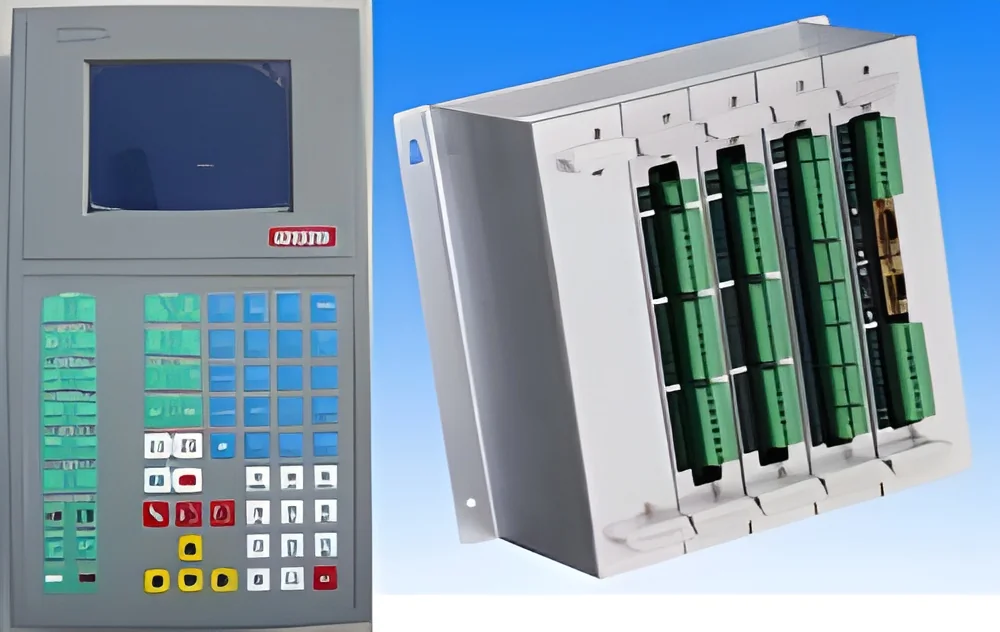
- Advanced machines feature programmable logic controllers (PLCs) for precise operation.
- Enhances monitoring and adjustment capabilities during the production process.
5. Heating System
- Essential for preparing the plastic resin for molding.
- Can include infrared heating or convection heating systems.
6. Cooling System
- Facilitates the rapid cooling of molded products to maintain shape and integrity.
- Often involves water or air cooling mechanisms.
7. Safety Features
- Machines are equipped with safety guards and emergency stop buttons to protect operators.
- Adherence to safety standards is crucial in preventing workplace accidents.
8. Energy Efficiency
- Modern blow molding machines are designed to minimize energy consumption.
- Features may include variable speed drives and optimized heating elements.
In summary, understanding the key features and specifications of blow molding machines is essential for businesses to make informed purchasing decisions that align with their production needs.
Common Applications and Use Cases
Blow molding machines serve various industries, demonstrating their flexibility and versatility in production.
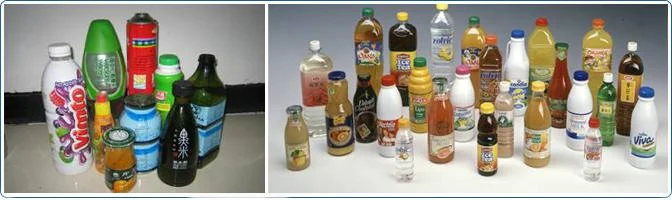
1. Packaging Industry: These machines are widely used to manufacture bottles, jars, and containers for food and beverages, providing lightweight yet durable packaging options.
2. Automotive Industry: Blow molding is employed to create components such as fuel tanks, air ducts, and interior panels, contributing to weight reduction and improved efficiency.
3. Consumer Goods: The manufacturing of household items like toys and storage containers benefits from blow molding technology, enabling cost-effective production of high-quality products.
4. Pharmaceutical Industry: Blow molding machines are utilized to produce containers for medicines, ensuring compliance with safety and quality standards.
5. Industrial Applications: These machines are used to create large containers and tanks for chemicals and other industrial fluids, catering to the needs of various sectors.
6. Agriculture: Blow molded products such as irrigation pipes and storage tanks play a vital role in enhancing agricultural efficiency and sustainability.
7. Electronics: Components like protective casings for electronic devices benefit from precise blow molding techniques, ensuring durability and design flexibility.
Product Variants and Subcategories
Blow molding machines come in various models tailored to meet diverse production requirements.
Extrusion Blow Molding Machines: These machines utilize a continuous extrusion process to produce hollow parts. They are ideal for manufacturing items with uniform wall thickness and are commonly used in packaging applications.
Injection Blow Molding Machines: This variant combines the processes of injection and blow molding, allowing for the creation of precise and intricate shapes. They are often used for smaller containers and high-precision parts in the pharmaceutical and cosmetic industries.
Stretch Blow Molding Machines: These machines stretch the plastic preform before blowing, resulting in stronger and lighter products. They are primarily used for producing PET bottles for beverages.
Benefits and Advantages
Investing in blow molding machines offers a range of benefits for manufacturers.
1. Cost Efficiency: The blow molding process minimizes material waste and reduces production costs, making it a cost-effective choice for high-volume manufacturing.
2. Versatility: These machines can produce a wide variety of shapes and sizes, allowing businesses to meet diverse market demands.
3. Speed of Production: Blow molding machines enable rapid production cycles, increasing throughput and reducing lead times for product delivery.
4. Consistent Quality: The automated nature of blow molding contributes to uniform product quality, ensuring that each item meets specified standards.
5. Lightweight Solutions: Products made through blow molding are often lighter than those produced by other methods, enhancing shipping efficiency and reducing material usage.
6. Sustainability: Many modern blow molding machines are designed with energy efficiency in mind, supporting environmentally friendly manufacturing practices.
Buying Guide for B2B Buyers
When sourcing blow molding machines, it is essential for businesses to consider several critical factors to ensure they make the right choice.
1. Quality Assessment: Evaluate the machine's build quality and reliability. Look for machines that meet industry standards and have a proven track record of performance.
2. Supplier Verification: Conduct thorough research on potential suppliers. Verify their reputation, customer reviews, and experience in the industry to ensure you are partnering with a reliable source.
3. Pricing and MOQ: Understand the pricing structure and minimum order quantities. Compare quotes from multiple suppliers to find the best deal that fits your budget.
4. Delivery and Lead Times: Discuss delivery schedules and lead times with suppliers to ensure timely production and delivery of the machines.
5. Compliance Requirements: Ensure that the machines meet relevant regulatory and safety standards. This includes certifications such as CE that guarantee compliance with industry norms.
Compliance and Certifications
Blow molding machines must adhere to various quality standards and certifications to ensure safety and reliability.
ISO 9001 is a widely recognized quality management standard that indicates a company’s commitment to quality in its manufacturing processes. Compliance with this standard ensures that the machines are produced under stringent quality control measures.
HACCP (Hazard Analysis and Critical Control Points) is essential for food and beverage applications. Machines that comply with HACCP standards are designed to ensure food safety throughout the manufacturing process.
CE certification indicates that the blow molding machines meet European safety and environmental protection requirements. This certification is crucial for machines intended for use within the European market.
In addition, manufacturers must consider safety and testing requirements specific to their region. These may include local compliance regulations that govern the operation and maintenance of blow molding equipment.
Why Source Blow Molding Machines from Pepagora?
Pepagora provides a trusted platform for sourcing blow molding machines, offering several key advantages that enhance the buying experience.
Verified Supplier Network: Pepagora connects buyers with verified suppliers, ensuring that every partner meets stringent quality and reliability standards. This reduces the risk of sourcing from unreliable vendors and promotes a secure purchasing environment.
Streamlined RFQ Process: The quotation system on Pepagora simplifies the procurement process. Buyers can easily request quotes from multiple suppliers, allowing for quick comparisons and informed decision-making.
Trade Assurance and Support: With trade assurance features, Pepagora offers buyer protection that fosters confidence in transactions. The platform provides support throughout the purchasing process, ensuring that buyers receive their orders as expected.
Regional Coverage: Pepagora has a broad geographic reach, covering markets in India, the GCC, and Southeast Asia. This extensive network enables buyers to find local suppliers that meet their specific needs and logistics requirements.
By choosing Pepagora, businesses can streamline their sourcing process for blow molding machines while ensuring quality and reliability.

 IN
IN