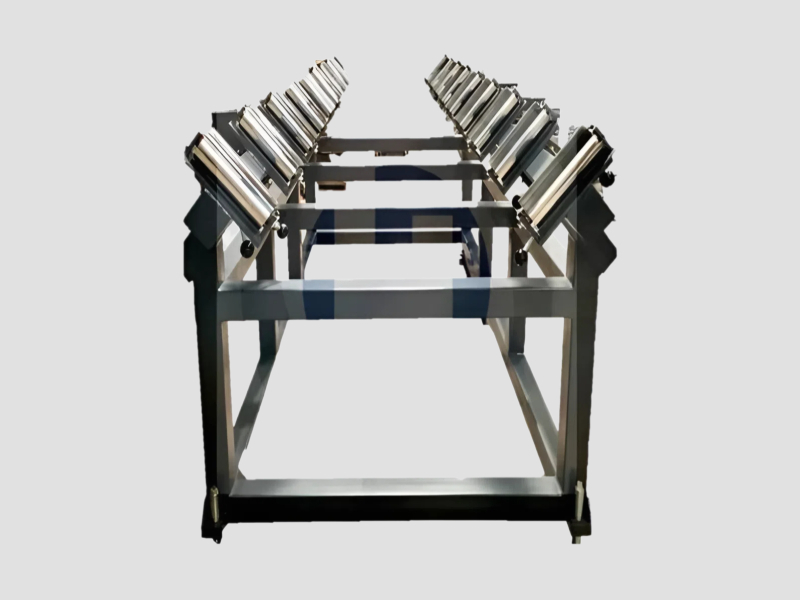
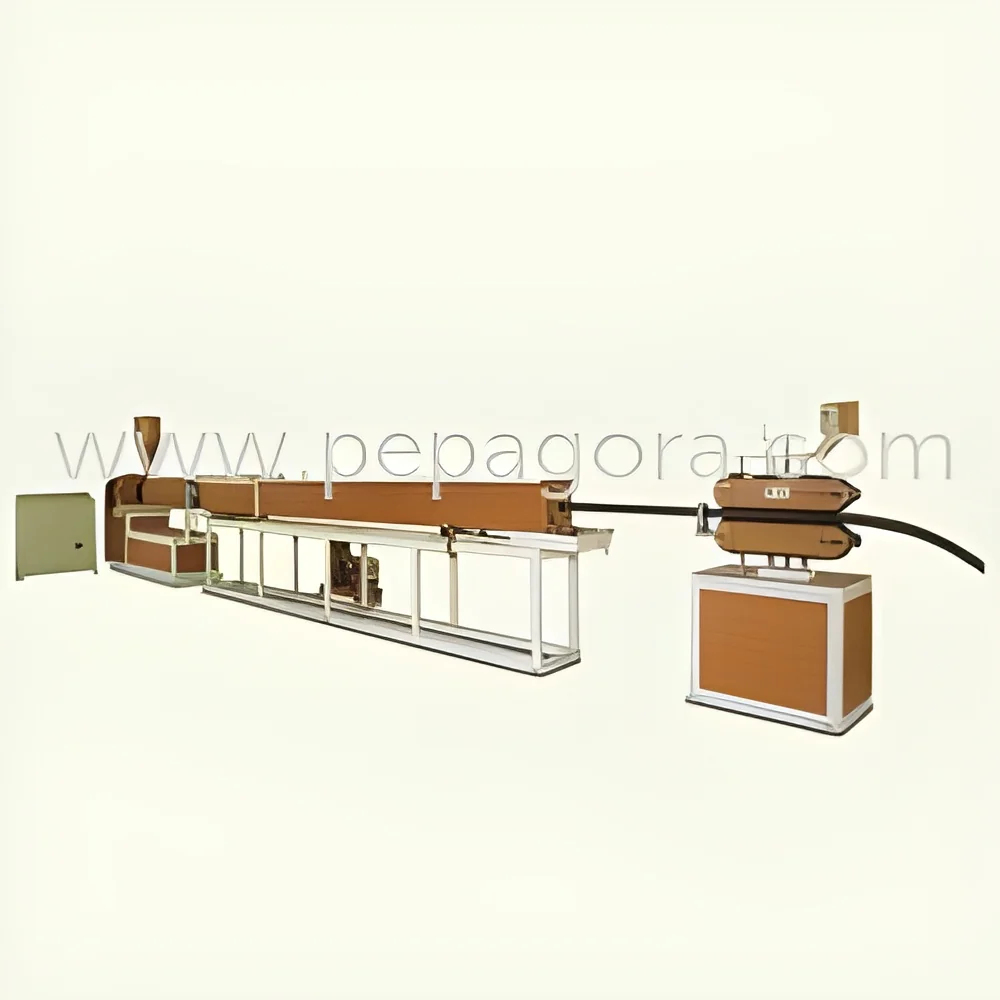
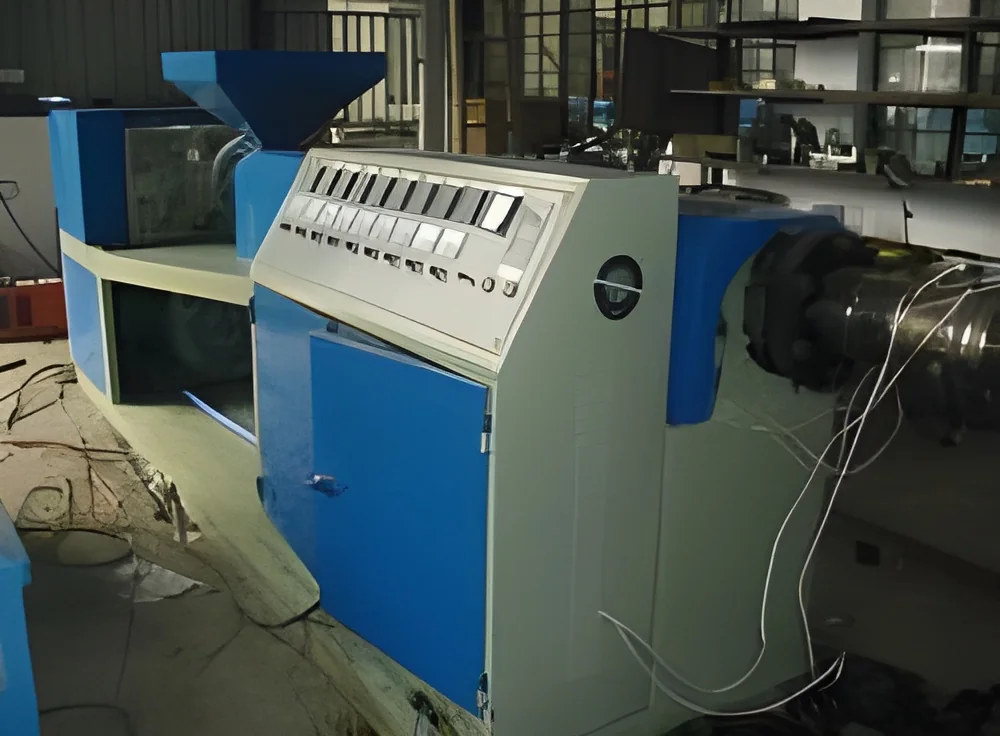
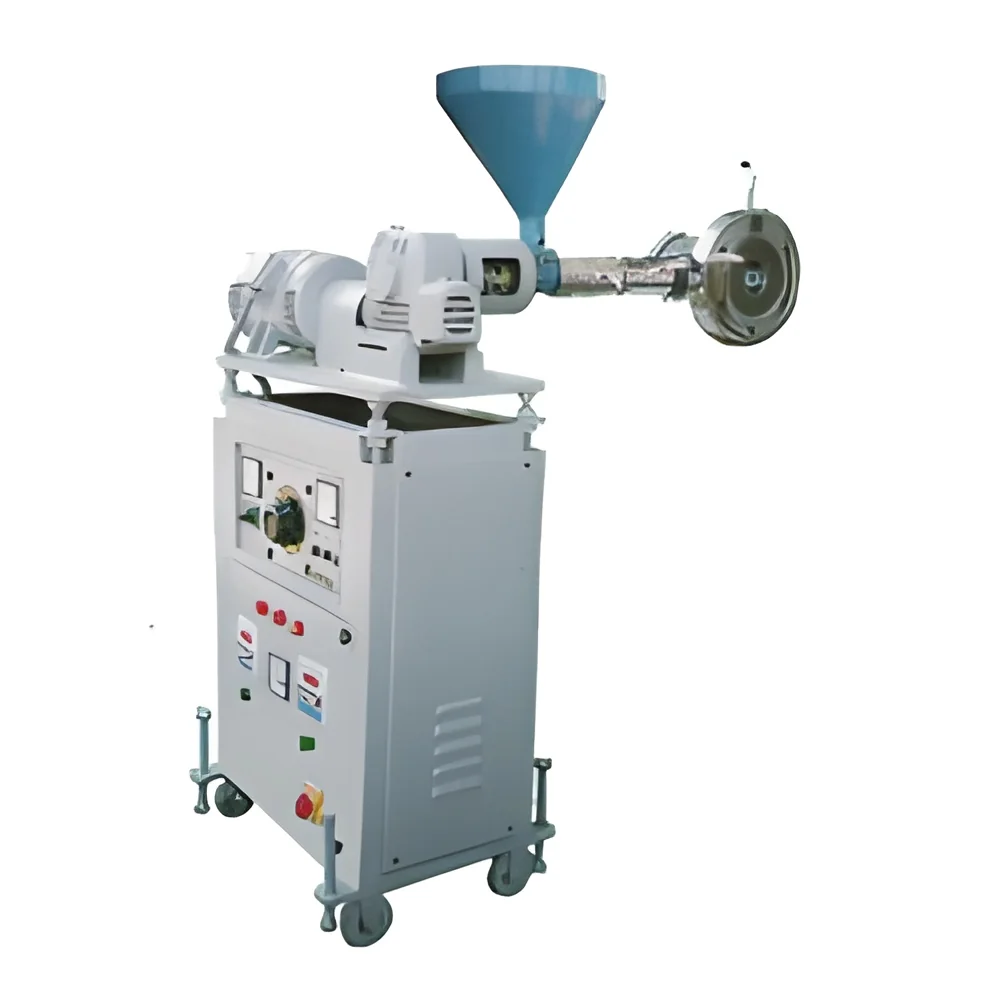
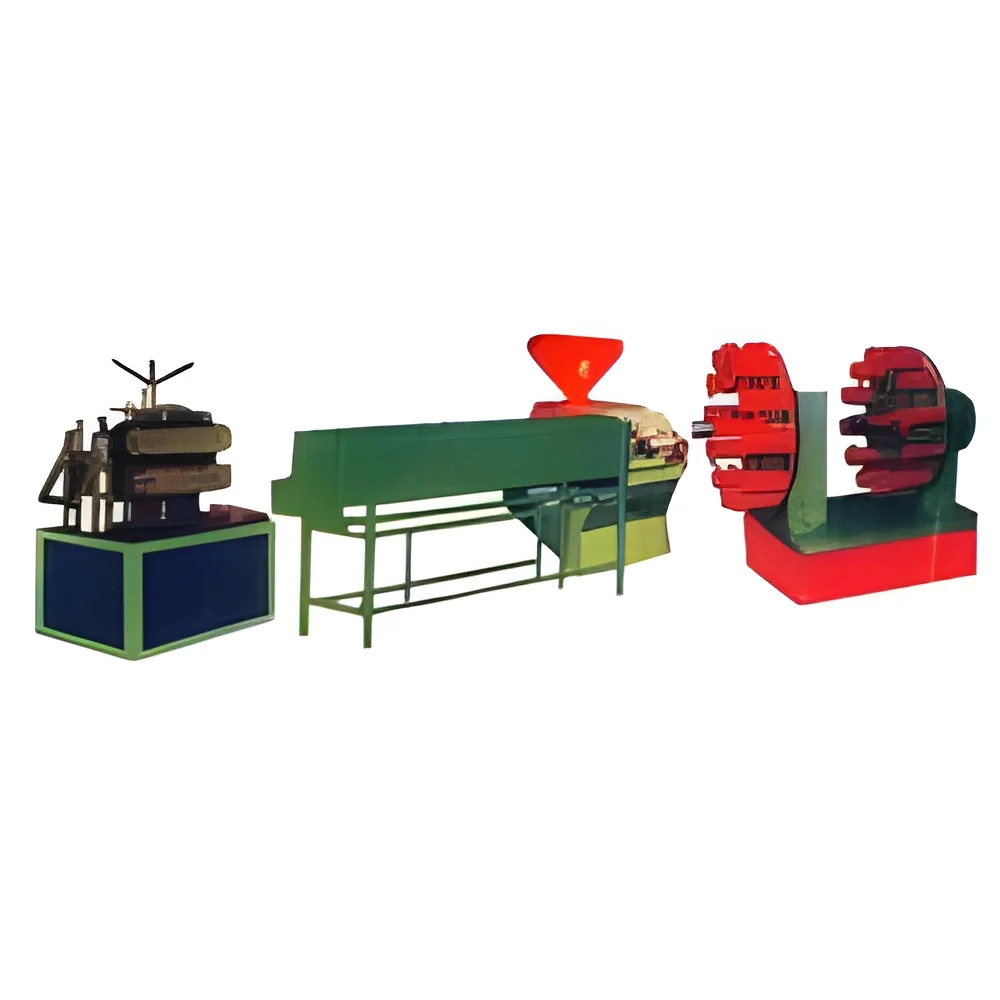
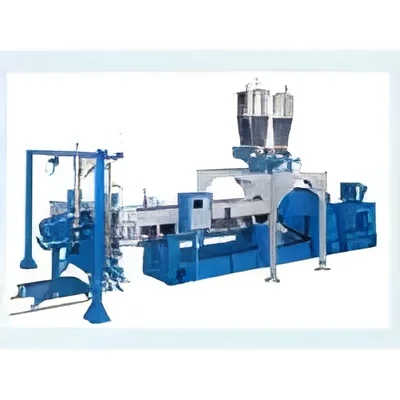
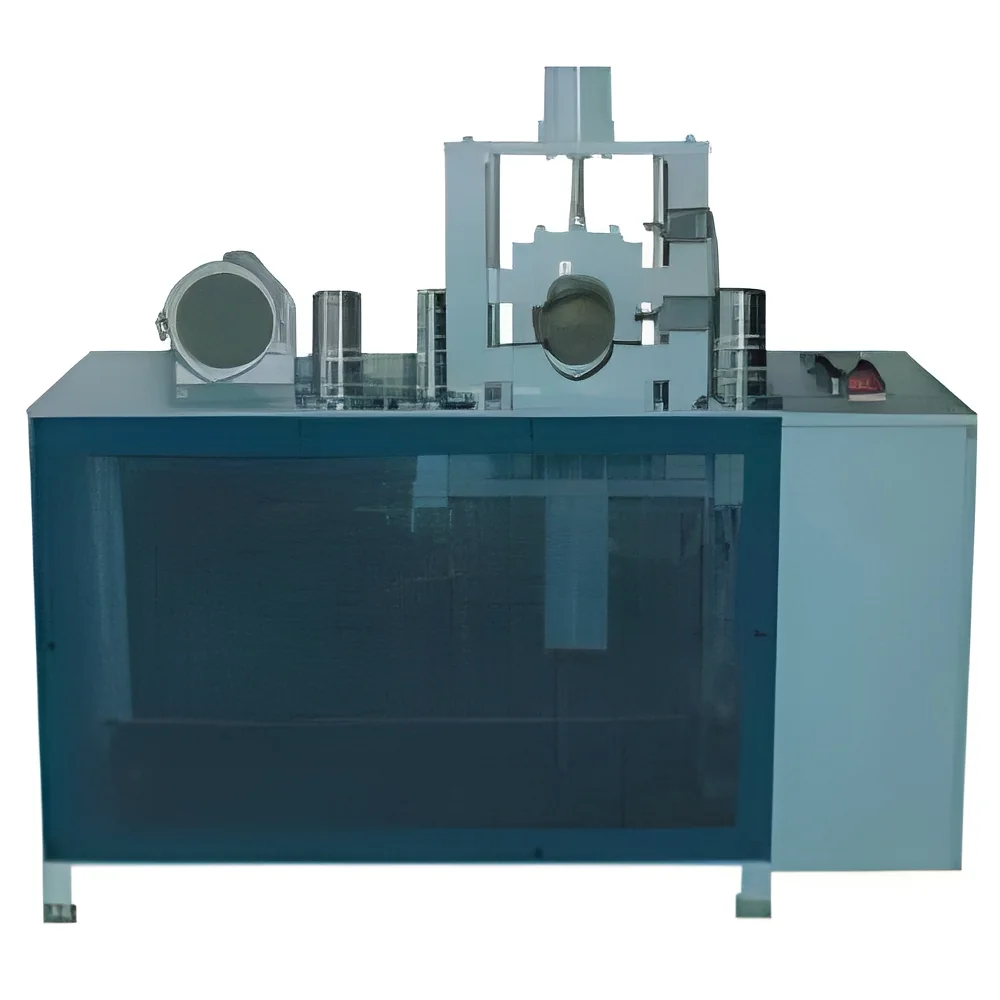
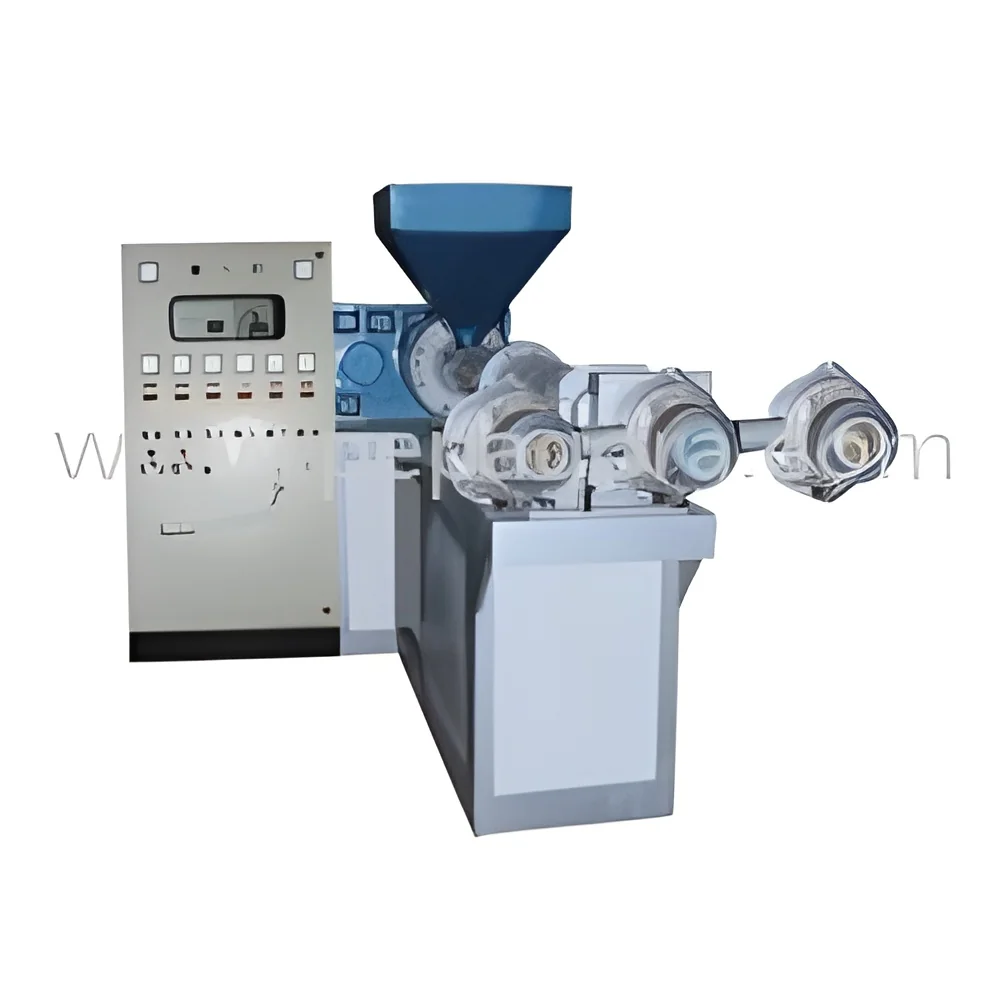
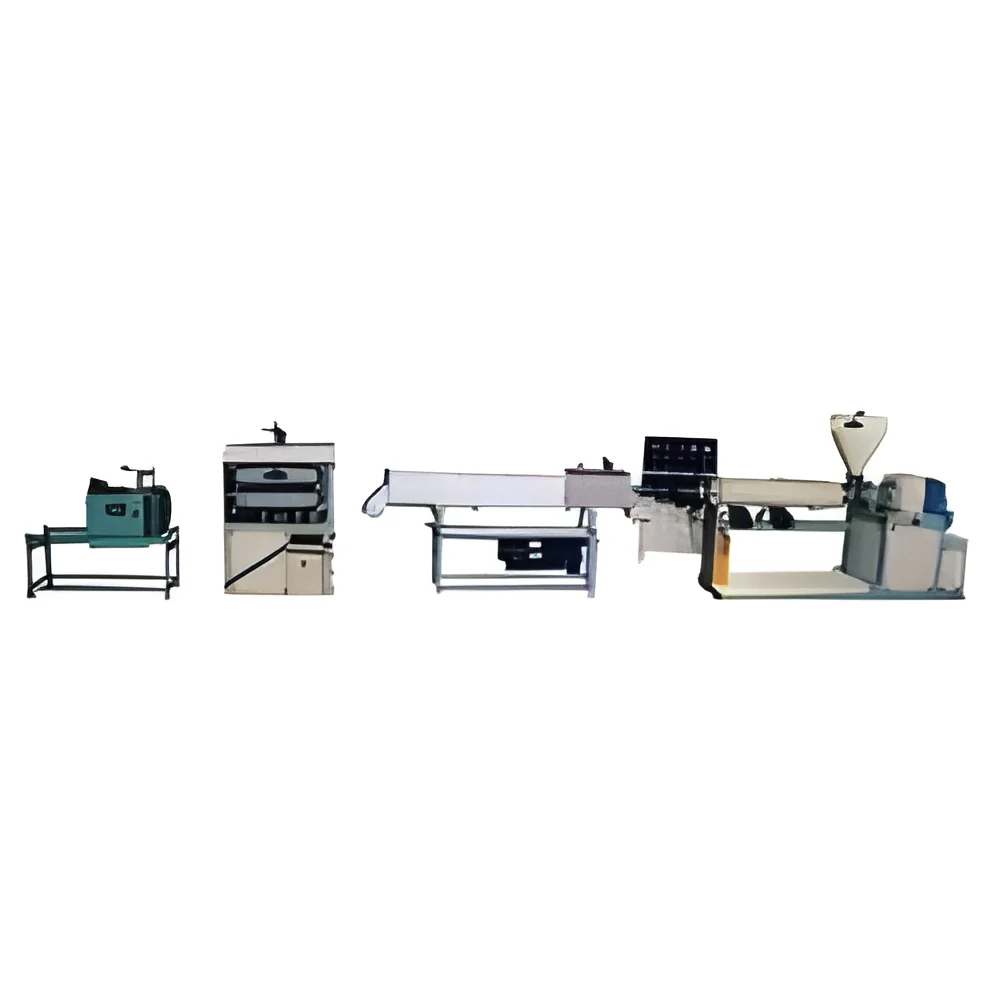
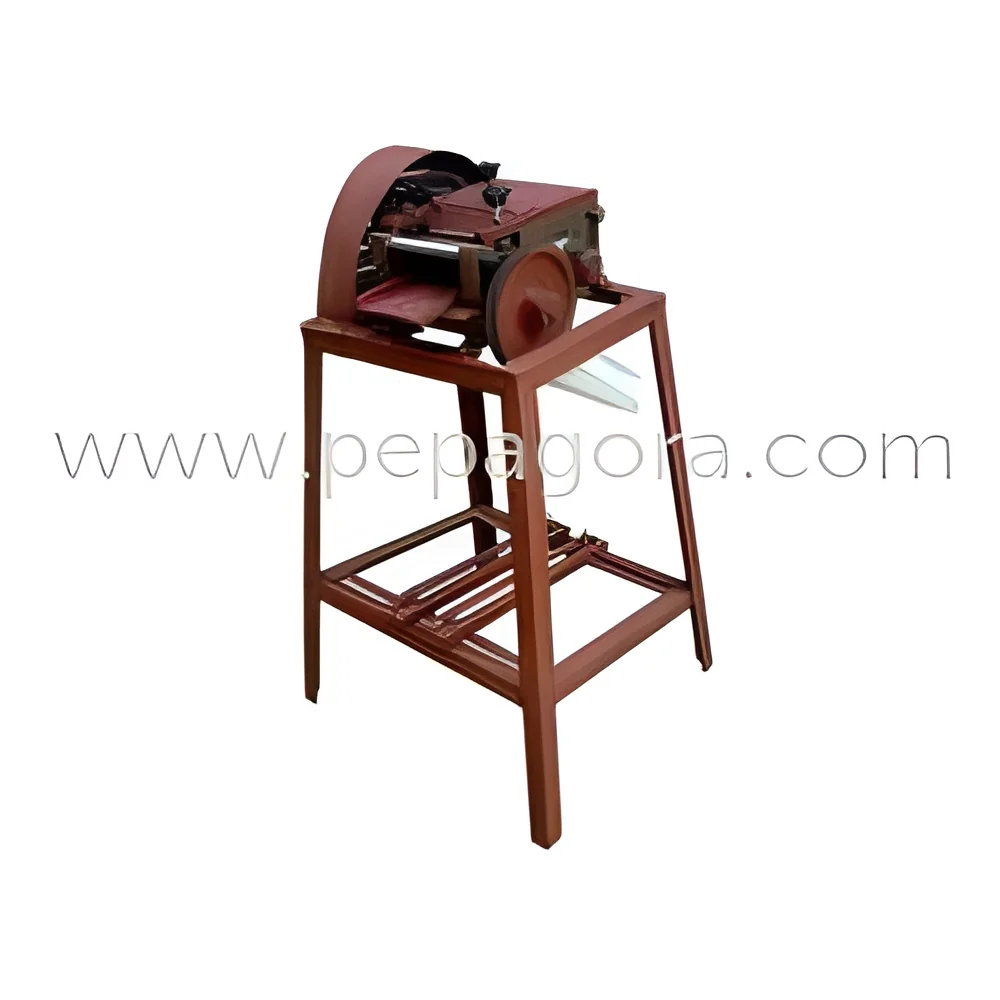
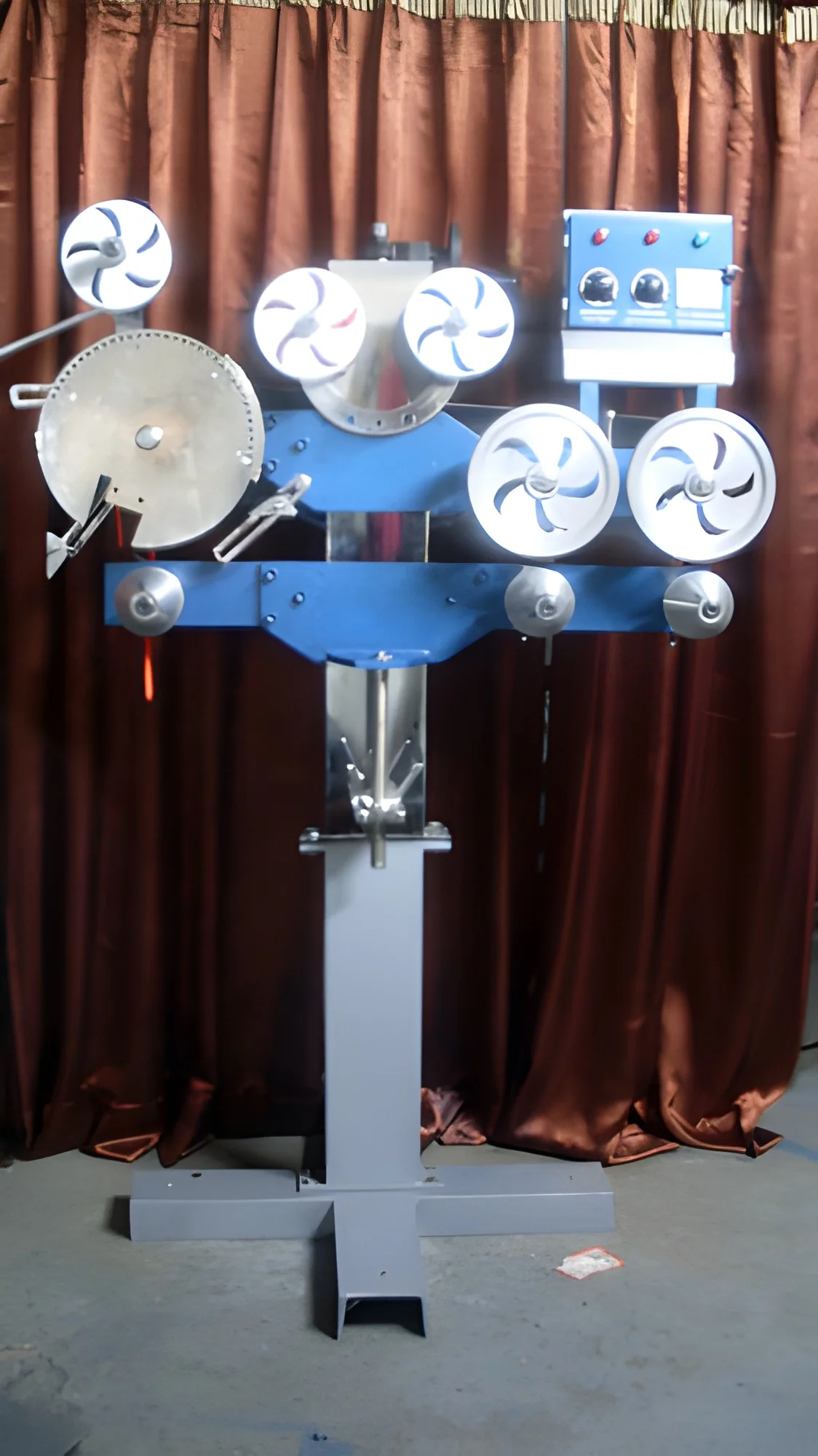
What are HDPE/LDPE Pipe Production Lines?
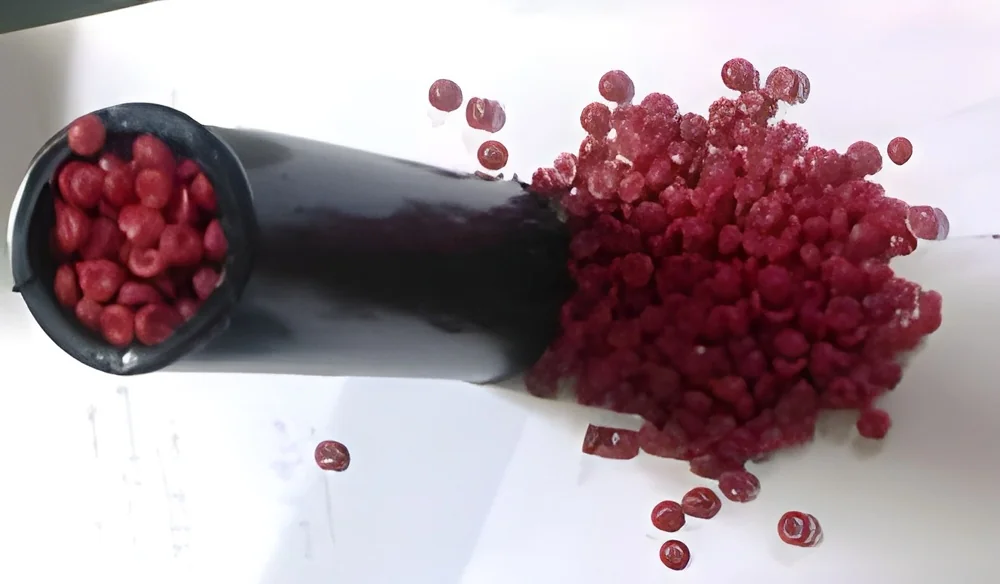
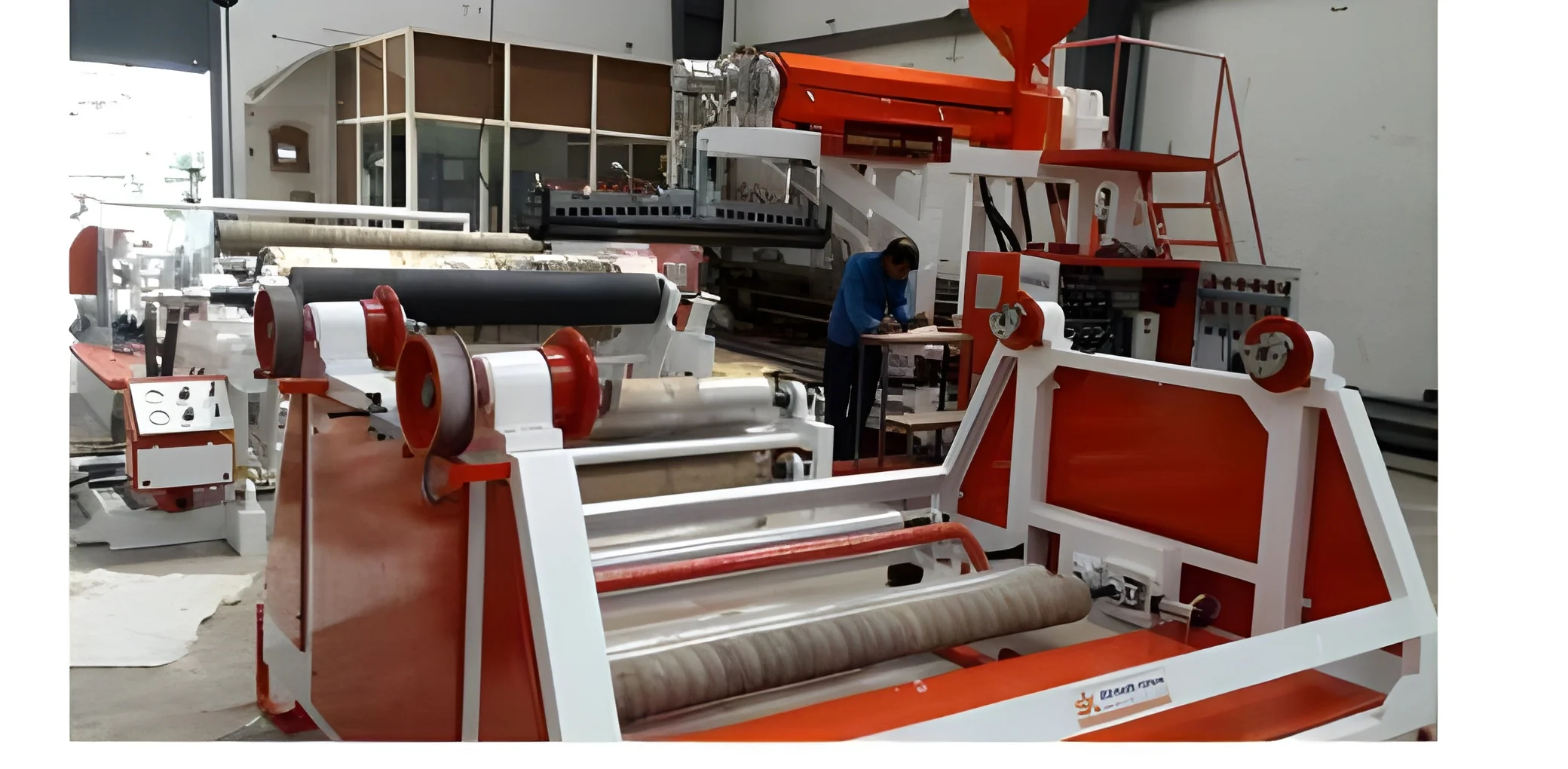
HDPE (High-Density Polyethylene) and LDPE (Low-Density Polyethylene) pipe production lines are specialized manufacturing systems designed to produce pipes made from these two types of polyethylene materials. These production lines employ advanced extrusion technology to melt and shape polyethylene granules into continuous pipes of varying diameters and wall thicknesses. The process typically involves feeding raw material into an extruder, where it is heated and forced through a die to form the desired pipe shape.
These pipes are widely used in various sectors, including agriculture, construction, and water management. They are particularly valued for their durability, corrosion resistance, and flexibility, making them suitable for a range of applications from irrigation systems to gas distribution networks. The increasing demand for efficient piping solutions in urban development and infrastructure projects drives the relevance of HDPE and LDPE pipes in today's market.
As industries continue to evolve and seek sustainable solutions, the market for HDPE/LDPE pipe production lines remains robust. The growth in environmental awareness has led to a surge in the adoption of these materials due to their recyclability and lower carbon footprint compared to traditional piping materials. Thus, investing in HDPE/LDPE pipe production lines not only meets current market needs but also aligns with future sustainability goals.
Key Features and Specifications
HDPE/LDPE pipe production lines come equipped with advanced features that enhance their efficiency and output. These features contribute to the overall performance and reliability of the production process, ensuring that businesses can meet high-quality standards.
Key specifications include:
1. Extruder Type
- Single or twin-screw extruders are commonly used.
- Designed for high throughput and consistent output.
2. Pipe Diameter Range
- Capable of producing pipes from 16 mm to over 1000 mm in diameter.
- Adjustable settings to accommodate various pipe thicknesses.
3. Production Speed
- Typical speeds range from 20 to 100 meters per minute.
- Variable speed settings to optimize production based on requirements.
4. Material Compatibility
- Suitable for both HDPE and LDPE materials.
- Can handle different grades of polyethylene for versatile applications.
5. Cooling System
- Water cooling systems to ensure proper solidification of pipes.
- Enhanced efficiency to reduce production time.
6. Control System
- PLC (Programmable Logic Controller) for automated operations.
- User-friendly interface for monitoring and adjustments.
7. Die Design
- Customized die designs for specific pipe profiles.
- Quick changeover capabilities for different pipe sizes.
8. Power Consumption
- Energy-efficient designs to minimize operational costs.
- Specifications vary based on the size and capacity of the production line.
In summary, these specifications highlight the advanced technology and versatility of HDPE/LDPE pipe production lines, making them an essential investment for businesses in related industries.
Common Applications and Use Cases
HDPE/LDPE pipe production lines serve a broad range of industries, showcasing their versatility and effectiveness.
1. Agriculture: Used for irrigation systems, these pipes facilitate efficient water delivery, promoting sustainable farming practices and crop yield improvement.
2. Construction: Essential for drainage and sewage systems, HDPE pipes offer reliable and long-lasting solutions that withstand harsh environmental conditions.
3. Water Management: These pipes are used in municipal water supply systems, ensuring safe and efficient transportation of potable water.
4. Oil and Gas: HDPE pipes are employed in the transportation of hydrocarbons, providing resistance to corrosion and ensuring safety in critical applications.
5. Telecommunications: Utilized for underground cabling, HDPE conduits protect cables from environmental damage while offering flexibility for installation.
6. Mining: These pipes are used for slurry transport and water management within mining operations, enhancing operational efficiency.
7. Industrial Applications: Employed in various manufacturing processes, HDPE/LDPE pipes are essential for transporting chemicals and other materials safely.
Product Variants and Subcategories
The diversity of HDPE/LDPE pipe production lines allows for tailored solutions to meet specific production needs.
Standard Production Line: This variant is designed for general-purpose pipe manufacturing, suitable for a wide range of applications across various industries. It offers flexibility in pipe sizes and wall thicknesses.
Advanced Production Line: Equipped with enhanced automation and control features, this variant allows for higher outputs and greater precision in production. It is ideal for businesses looking to scale operations efficiently.
Compact Production Line: Designed for smaller facilities or lower production needs, this variant provides the essential features of larger lines in a more compact form. It is perfect for startups or niche markets.
Benefits and Advantages
Investing in HDPE/LDPE pipe production lines offers numerous advantages to businesses looking to enhance their manufacturing capabilities.
Key benefits include:
1. Durability: HDPE and LDPE pipes are known for their high resistance to impact and chemicals, ensuring a long service life.
2. Lightweight: These pipes are significantly lighter than traditional materials, reducing transportation costs and simplifying installation.
3. Flexibility: The material's flexibility allows for easy bending and installation in various environments, making it suitable for complex layouts.
4. Cost-Effective: Lower maintenance and replacement costs contribute to overall savings in operational expenses over time.
5. Environmental Benefits: HDPE and LDPE are recyclable, aligning with sustainable practices and reducing the environmental impact of production.
6. High Flow Capacity: The smooth interior surface of these pipes allows for efficient fluid flow, minimizing pressure loss and enhancing system performance.
Buying Guide for B2B Buyers
When sourcing HDPE/LDPE pipe production lines, it is crucial for businesses to consider several key factors to ensure a wise investment.
1. Quality Assessment: Evaluate the quality of the materials and components used in the production line. Look for specifications that meet industry standards for durability and reliability.
2. Supplier Verification: Conduct thorough checks on potential suppliers to ensure they have a proven track record in delivering high-quality production lines. References and certifications can provide insight into their reliability.
3. Pricing and MOQ: Understand the pricing structure and minimum order quantities (MOQ) for the production lines. Compare multiple suppliers to obtain the best value while ensuring quality.
4. Delivery and Lead Times: Confirm delivery schedules and lead times to align with production plans. Timely delivery is essential for maintaining project timelines.
5. Compliance Requirements: Research relevant compliance and certification requirements for the production lines, ensuring they meet local and international standards.
Compliance and Certifications
HDPE/LDPE pipe production lines must adhere to various quality standards and regulations to ensure safety and reliability in production.
Relevant quality standards include ISO 9001, which outlines the criteria for a quality management system, emphasizing consistent quality in manufacturing processes. Additionally, compliance with HACCP (Hazard Analysis Critical Control Point) ensures that production meets safety requirements, particularly in applications involving food and water.
Industry certifications such as CE mark indicate that the production line meets European safety and environmental standards. This enhances credibility and facilitates access to international markets.
Safety and testing requirements are crucial in verifying the integrity and performance of the pipes produced. Regular inspections and adherence to testing protocols help maintain high-quality outputs.
Regional compliance considerations may vary based on specific local regulations, making it essential for manufacturers to stay informed about applicable laws in their operational regions.
Why Source HDPE/LDPE Pipe Production Lines from Pepagora?
Pepagora provides a trusted platform for sourcing HDPE/LDPE pipe production lines, offering several key advantages to B2B buyers.
Verified Supplier Network: The platform features a network of verified suppliers, ensuring that buyers can access reliable manufacturers with a history of quality production.
Streamlined RFQ Process: Pepagora simplifies the request for quotation (RFQ) process, allowing buyers to easily compare options and make informed decisions based on their specific needs.
Trade Assurance and Support: Buyers receive protection through trade assurance programs, which provide additional support and security in transactions, fostering confidence in sourcing decisions.
Regional Coverage: With a strong presence in India, the GCC, and Southeast Asia, Pepagora enables businesses to connect with local suppliers, ensuring that geographical considerations are met while facilitating efficient sourcing.
By choosing Pepagora, buyers can streamline their sourcing process and secure high-quality HDPE/LDPE pipe production lines tailored to their operational requirements.

 IN
IN